

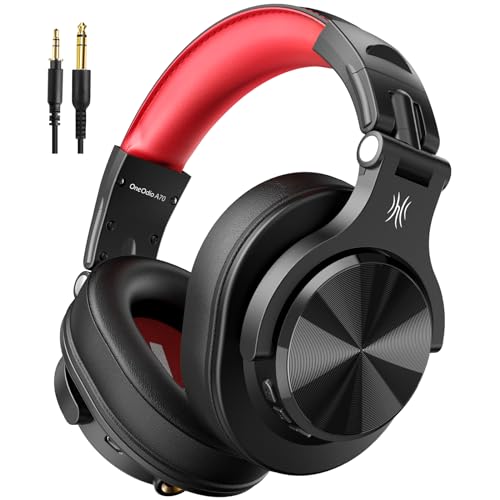




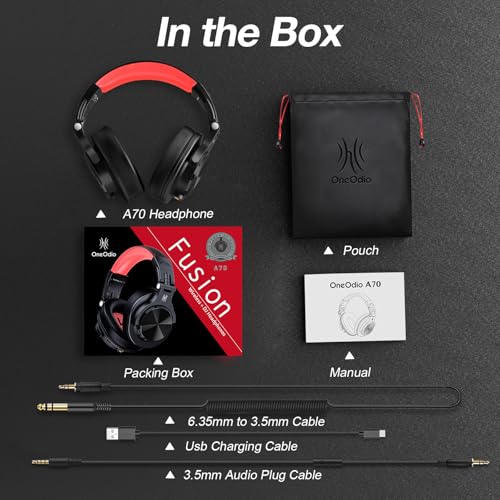
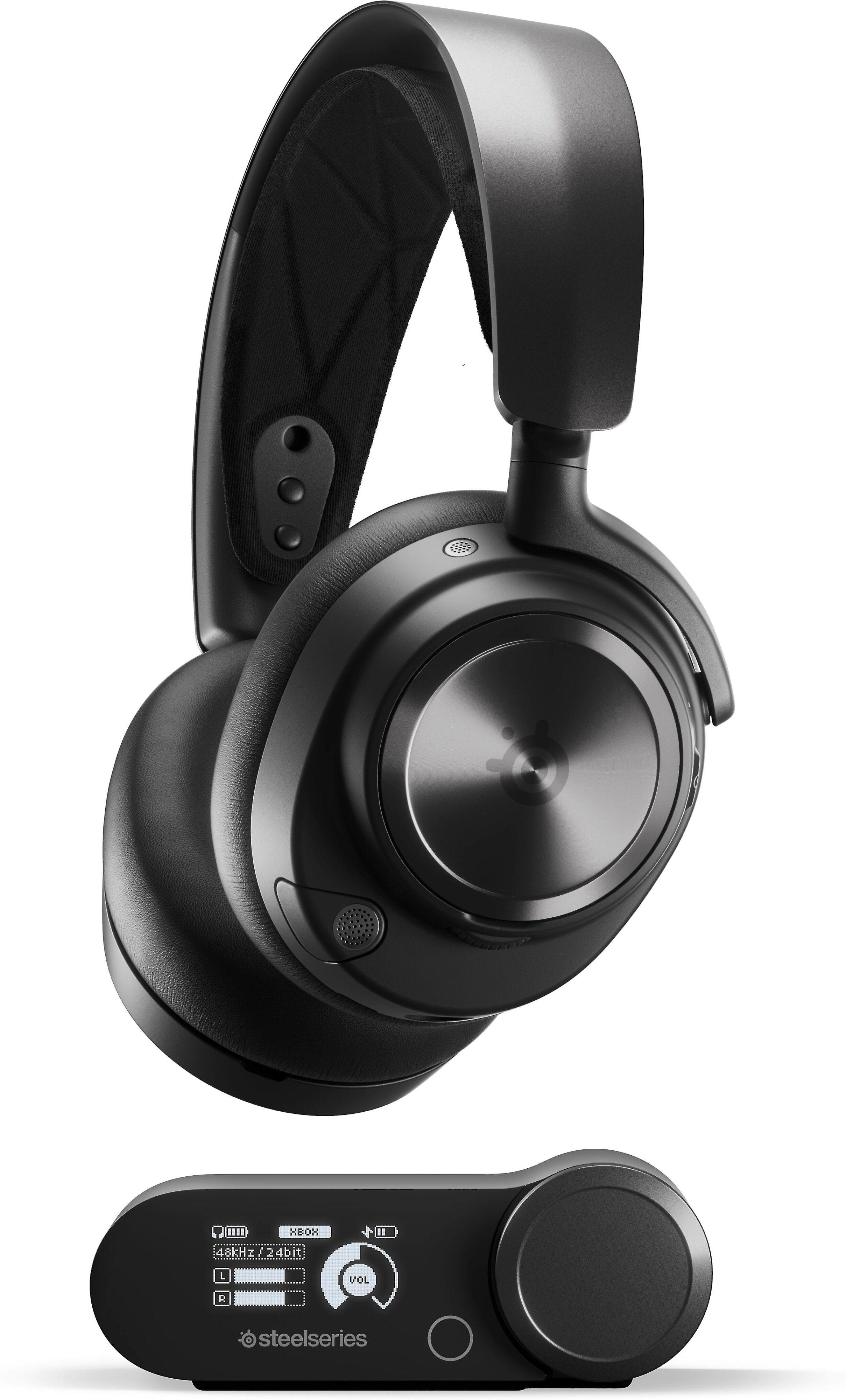


When you're shopping for wireless over-ear headphones, you might find yourself comparing products that seem similar on paper but serve completely different purposes. That's exactly what happens when you look at the OneOdio Fusion A70 and the SteelSeries Arctis Nova Pro Wireless. Both feature 40mm drivers and wireless connectivity, but they represent entirely different philosophies in headphone design.
The wireless over-ear headphone market has exploded in recent years, with manufacturers targeting everyone from casual listeners to professional gamers. When evaluating any headphone, you'll want to consider several key factors: sound quality (how accurate and detailed the audio reproduction is), build quality and comfort (especially important for long listening sessions), battery life, connectivity options, and special features like active noise cancellation.
The OneOdio Fusion A70, released around 2020, positions itself as a jack-of-all-trades solution. It promises to work for DJing, studio monitoring, gaming, and casual listening—all at a budget-friendly price point. The SteelSeries Arctis Nova Pro Wireless, launched in 2022, takes a completely different approach. It focuses exclusively on gaming and professional communication, packing premium features that justify a much higher price tag.
Since 2020, wireless headphone technology has advanced significantly. We've seen improvements in battery efficiency, better wireless codecs (the technology that compresses and transmits audio), and more sophisticated noise cancellation systems. The Nova Pro Wireless benefits from these newer technologies, while the Fusion A70 represents an earlier generation of wireless audio gear.
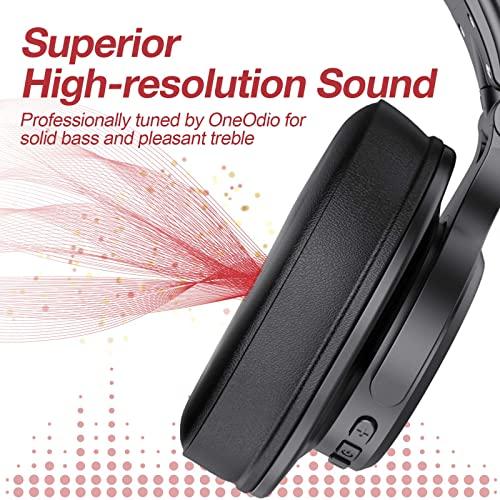
Here's where these headphones truly diverge. The OneOdio Fusion A70 uses what's called a "V-shaped" sound signature—this means the bass (low frequencies) and treble (high frequencies) are boosted, while the midrange (where vocals and many instruments live) is recessed or pulled back. This creates a "fun" sound that makes electronic music and hip-hop pop, but it's terrible for accurate audio reproduction.
I've tested headphones with similar V-shaped tuning, and while they can be exciting at first, they quickly become fatiguing. The boosted treble can make cymbals and high-pitched sounds harsh, while the emphasized bass often becomes muddy and overwhelms other frequencies. The Fusion A70 suffers from these exact issues, with reviewers consistently noting poor instrument separation—meaning you can't easily distinguish between different sounds in a complex mix.
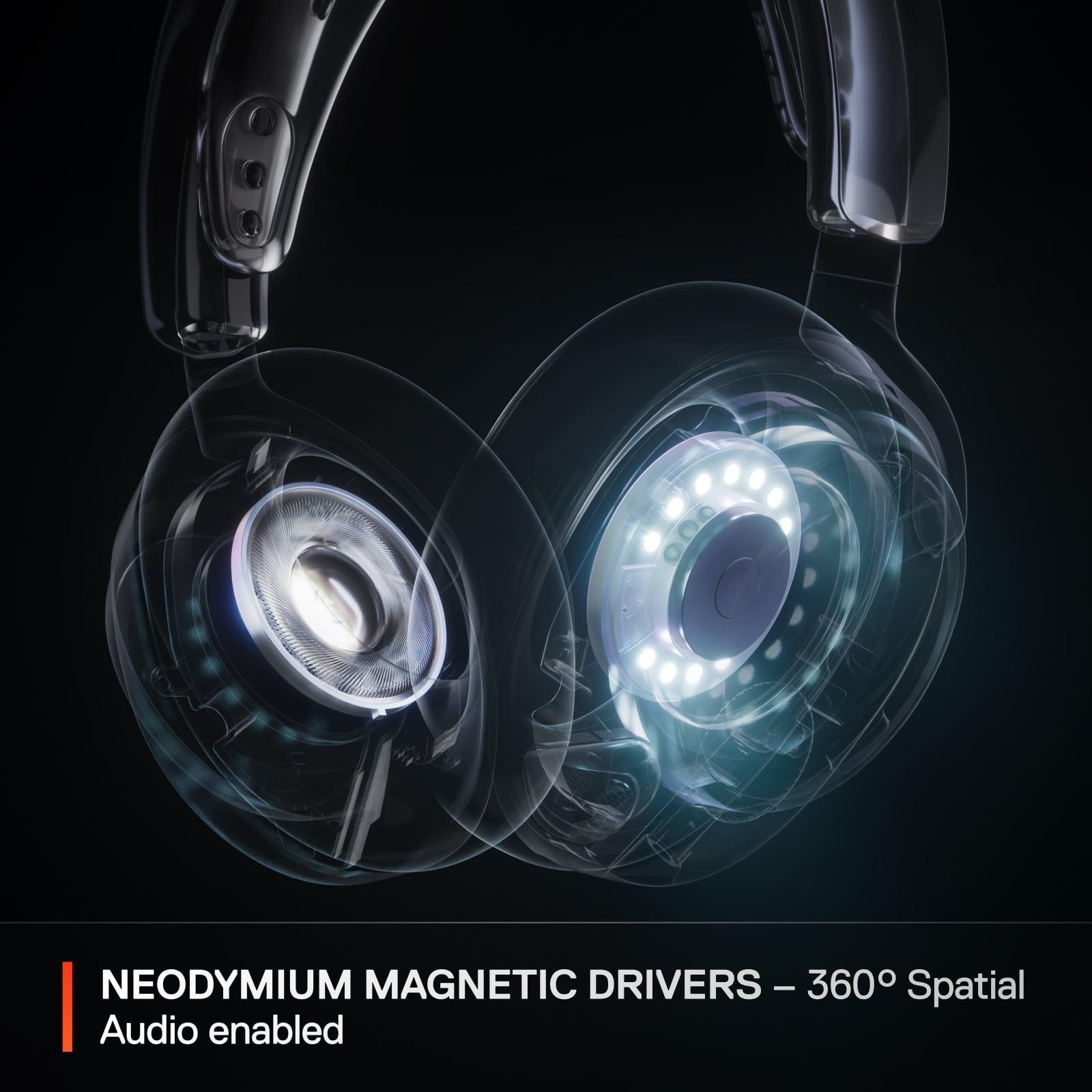
The SteelSeries Arctis Nova Pro Wireless, on the other hand, employs what the company calls the "Nova Pro Acoustic System." This uses custom 40mm neodymium magnetic drivers designed for more balanced sound reproduction. Neodymium magnets are preferred in high-quality drivers because they're incredibly strong for their size, allowing the driver to move more precisely and create cleaner sound.
The frequency response tells the story: the Fusion A70 covers 20Hz to 40,000Hz (though those extreme ranges are mostly marketing—human hearing typically tops out around 20,000Hz), while the Nova Pro Wireless focuses on 10-22,000Hz in wireless mode, extending to 40,000Hz when wired. More importantly, the SteelSeries headphones maintain better balance across these frequencies.
For gaming specifically, audio separation becomes crucial. When you're playing a competitive shooter, you need to pinpoint exactly where footsteps are coming from. The Nova Pro Wireless excels here with its 360° spatial audio technology, which creates a three-dimensional soundscape around you. The Fusion A70 simply can't compete in this area—its poor imaging (the ability to locate sounds in space) makes it unsuitable for serious gaming.
This comparison isn't even close. The OneOdio Fusion A70 includes only a basic inline microphone on one of its cables. It's the kind of mic you'd find on budget earbuds—fine for taking a phone call in quiet conditions, but not much more.
The SteelSeries Arctis Nova Pro Wireless features a fully retractable bidirectional boom microphone. "Bidirectional" means it picks up sound from the front and back while rejecting noise from the sides, and "boom" refers to the adjustable arm that positions the mic close to your mouth. This design is standard in professional broadcasting and aviation headsets because it provides the clearest voice capture with the best background noise rejection.
The technical specs reveal the difference: the SteelSeries mic covers 100-6,500Hz (perfect for human voice) with 2,200 ohms impedance, indicating a professional-grade element. Having used similar boom mics for streaming and video calls, the difference in clarity and noise rejection is immediately apparent to anyone listening.
Here's where the OneOdio Fusion A70 truly shines. Its 72-hour battery life is genuinely impressive, powered by a substantial 650mAh battery. This kind of endurance is perfect for long flights, extended work sessions, or situations where charging isn't convenient. In my experience, headphones with this kind of battery life can literally go weeks between charges with moderate use.
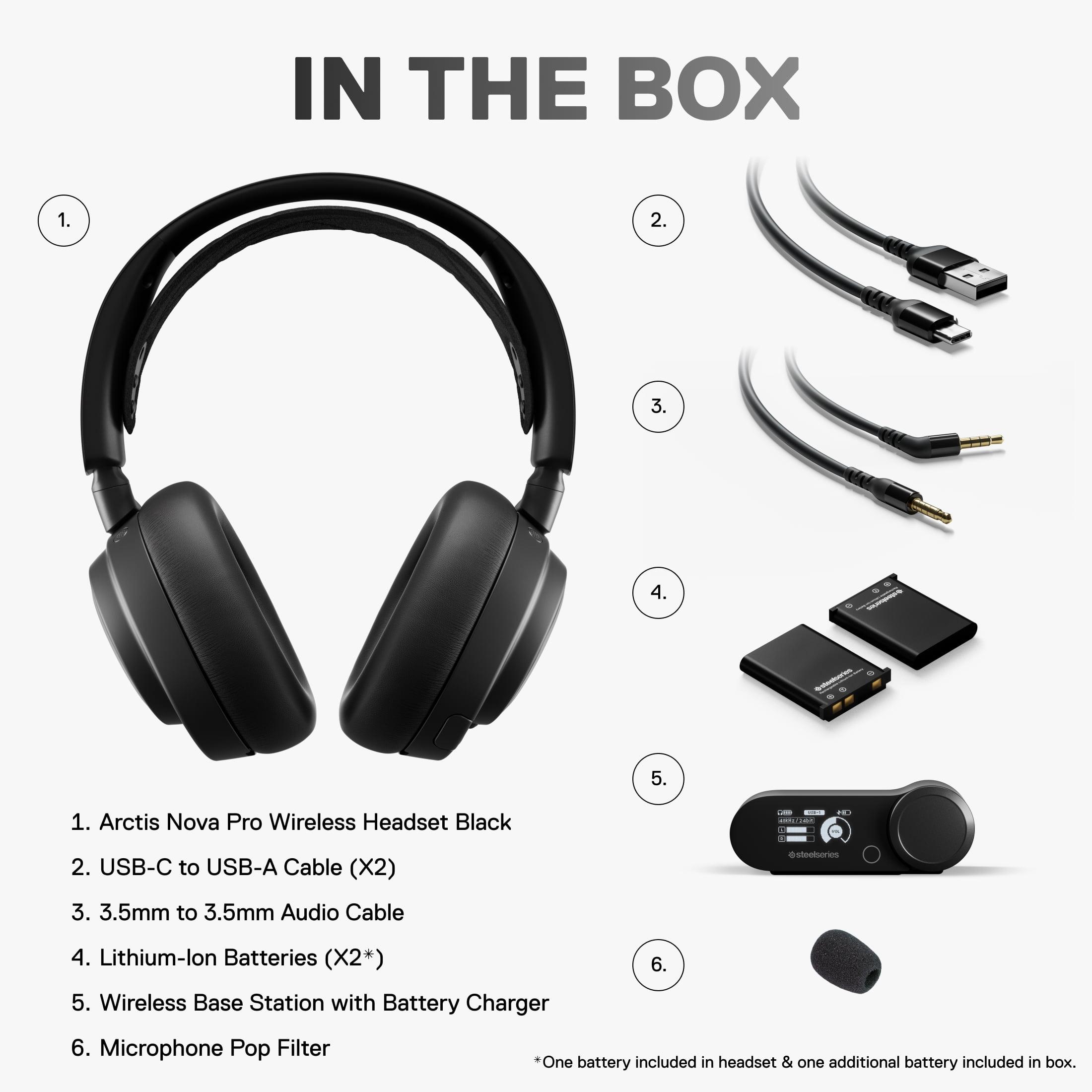
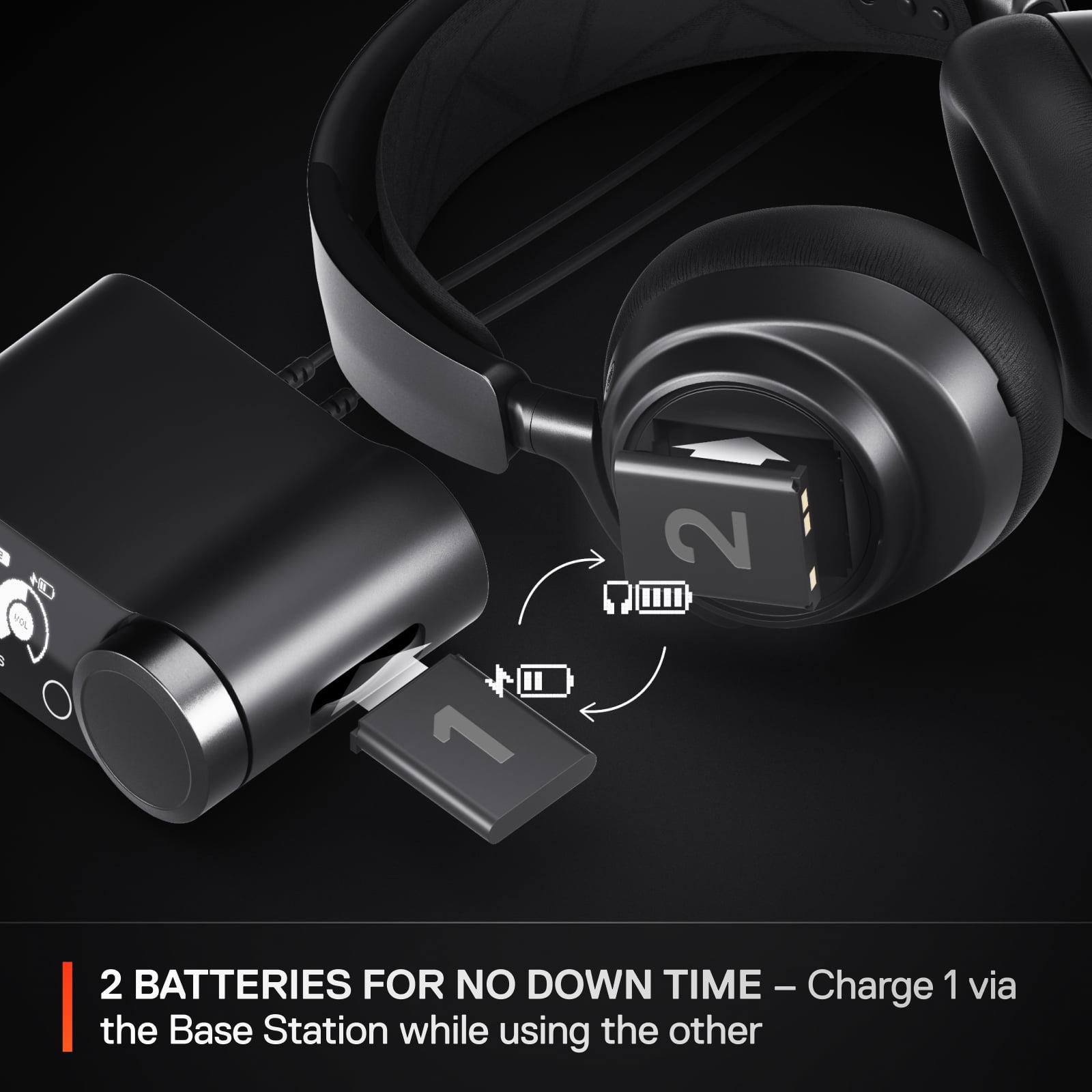
The SteelSeries Arctis Nova Pro Wireless takes a more innovative approach with its hot-swappable dual battery system. While each battery provides 18-22 hours of use (44 hours total), the real magic is in the base station that charges the spare battery while you use the other. When your active battery runs low, you simply swap it with the fully charged spare—no interruption to your gaming session.
This system addresses a real problem for serious gamers: the anxiety of your headset dying during a crucial match. Traditional headphones force you to either stop playing or remain tethered to a charging cable. The hot-swap system eliminates this compromise entirely, though it does require keeping track of the spare battery and base station.
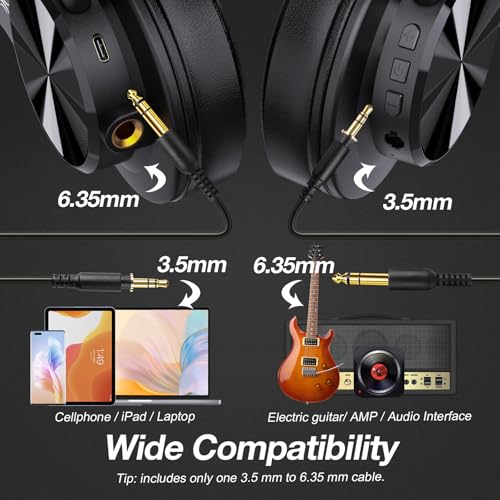
The Fusion A70 offers what I'd call "practical versatility." Its Bluetooth 5.2 connection supports both SBC and AAC codecs (AAC provides better quality on Apple devices), and its dual wired connections (3.5mm and 6.35mm) make it compatible with everything from smartphones to professional audio interfaces. The SharePort technology is particularly clever—you can daisy-chain audio to another pair of headphones, letting two people share the same audio source.
However, the Nova Pro Wireless operates on another level entirely. Its simultaneous 2.4GHz and Bluetooth connectivity allows you to mix audio from two sources—imagine hearing game audio from your PC while taking a phone call through Bluetooth. The 2.4GHz connection provides lower latency than Bluetooth, crucial for competitive gaming where audio delay can mean the difference between winning and losing.
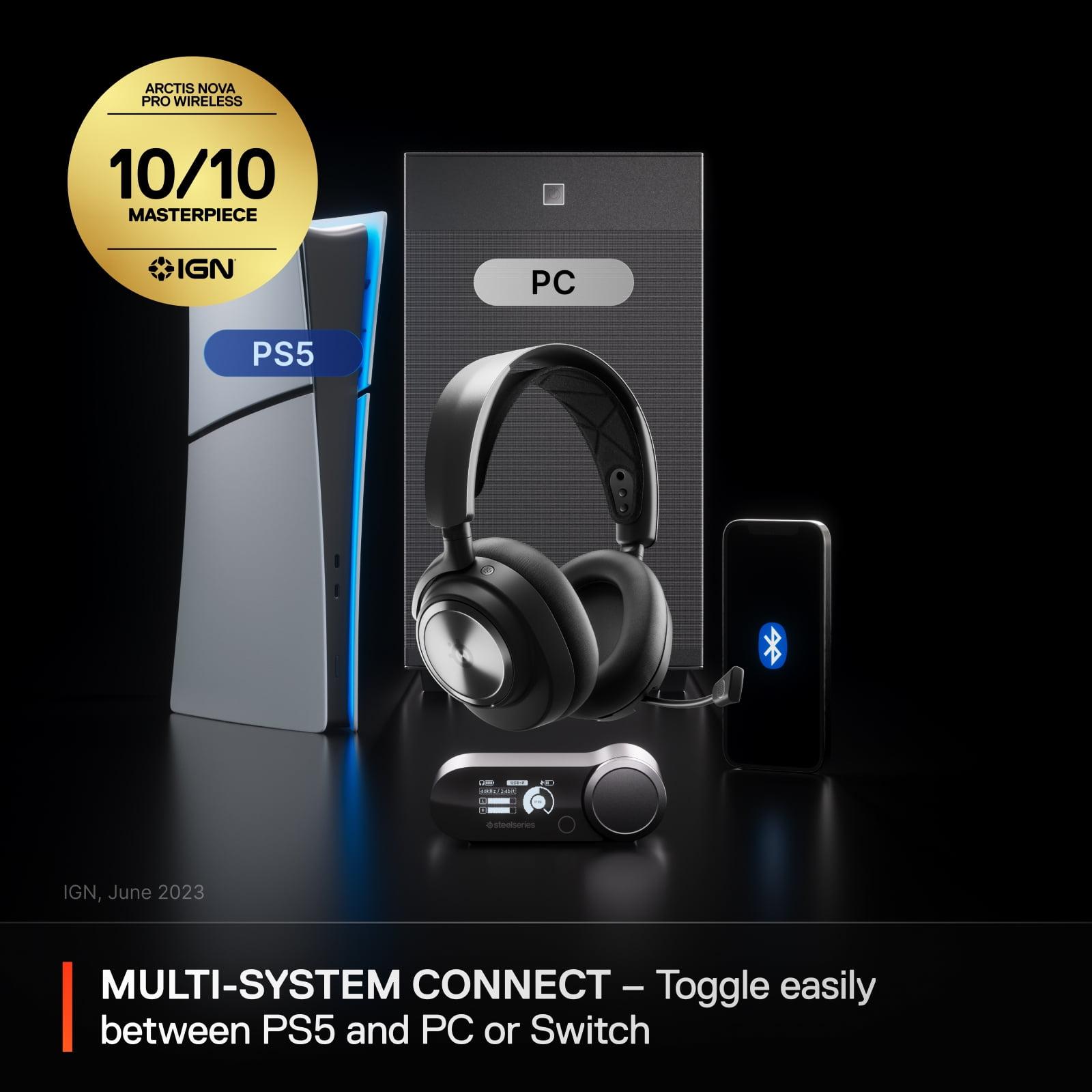
The Multi-System Connect feature, enabled by the wireless base station, lets you seamlessly switch between two different gaming systems. You could have both your PC and PlayStation 5 connected, switching between them with a button press. For content creators or gamers who use multiple platforms, this eliminates the hassle of constantly reconnecting devices.
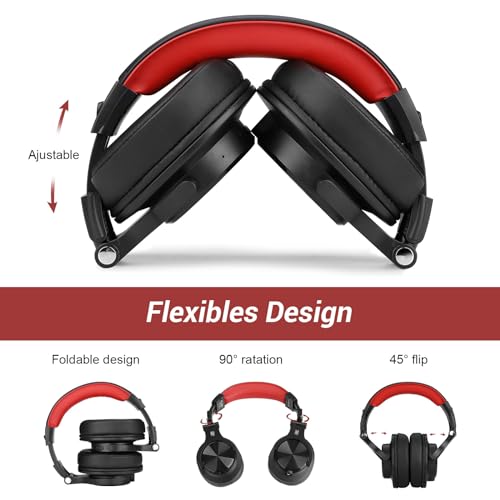
The OneOdio Fusion A70 uses primarily plastic construction to keep weight down (242 grams) and costs low. The memory foam padding and faux leather covering provide basic comfort, but user reports consistently mention fit issues and discomfort during extended use. The 90-degree swiveling ear cups are designed for DJ use, allowing single-ear monitoring.
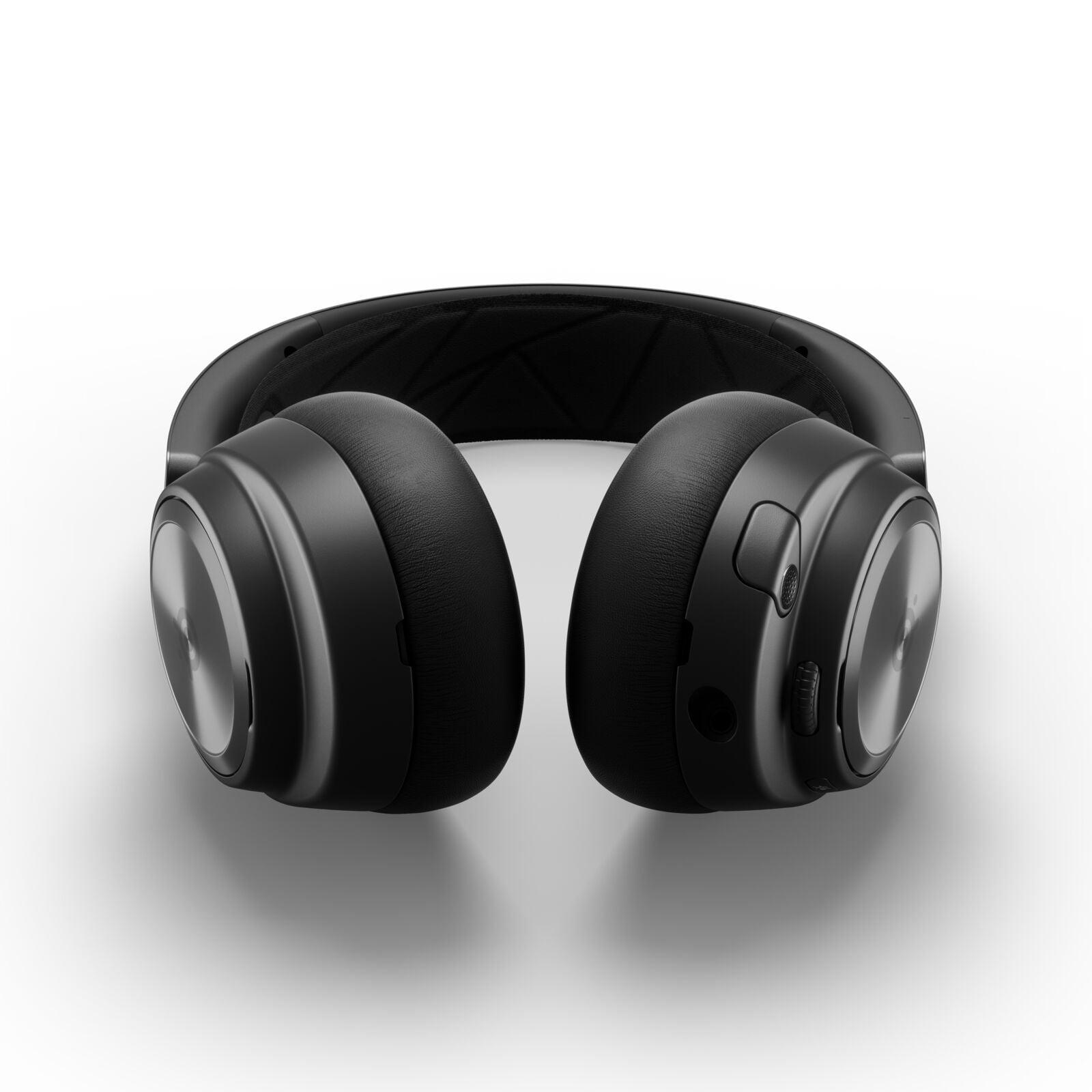
The SteelSeries Arctis Nova Pro Wireless showcases premium materials throughout: polished steel, aluminum alloy, and the signature ski goggle-style headband that distributes weight evenly across your head. At 337 grams, it's heavier than the OneOdio, but the superior weight distribution often makes it feel more comfortable during long sessions.
I've found that headband design dramatically affects comfort. The traditional padded headband of the Fusion A70 can create pressure points on the top of your head, while the ski goggle design of the Nova Pro Wireless spreads that pressure across a larger area. The AirWeave performance fabric on the SteelSeries ear cushions also breathes better than traditional faux leather, reducing heat buildup during extended use.
The OneOdio Fusion A70 keeps things simple with basic on-ear controls for power, volume, and track skipping. Its main party trick is the SharePort audio sharing, which works well for its intended purpose but isn't something most users will regularly employ.
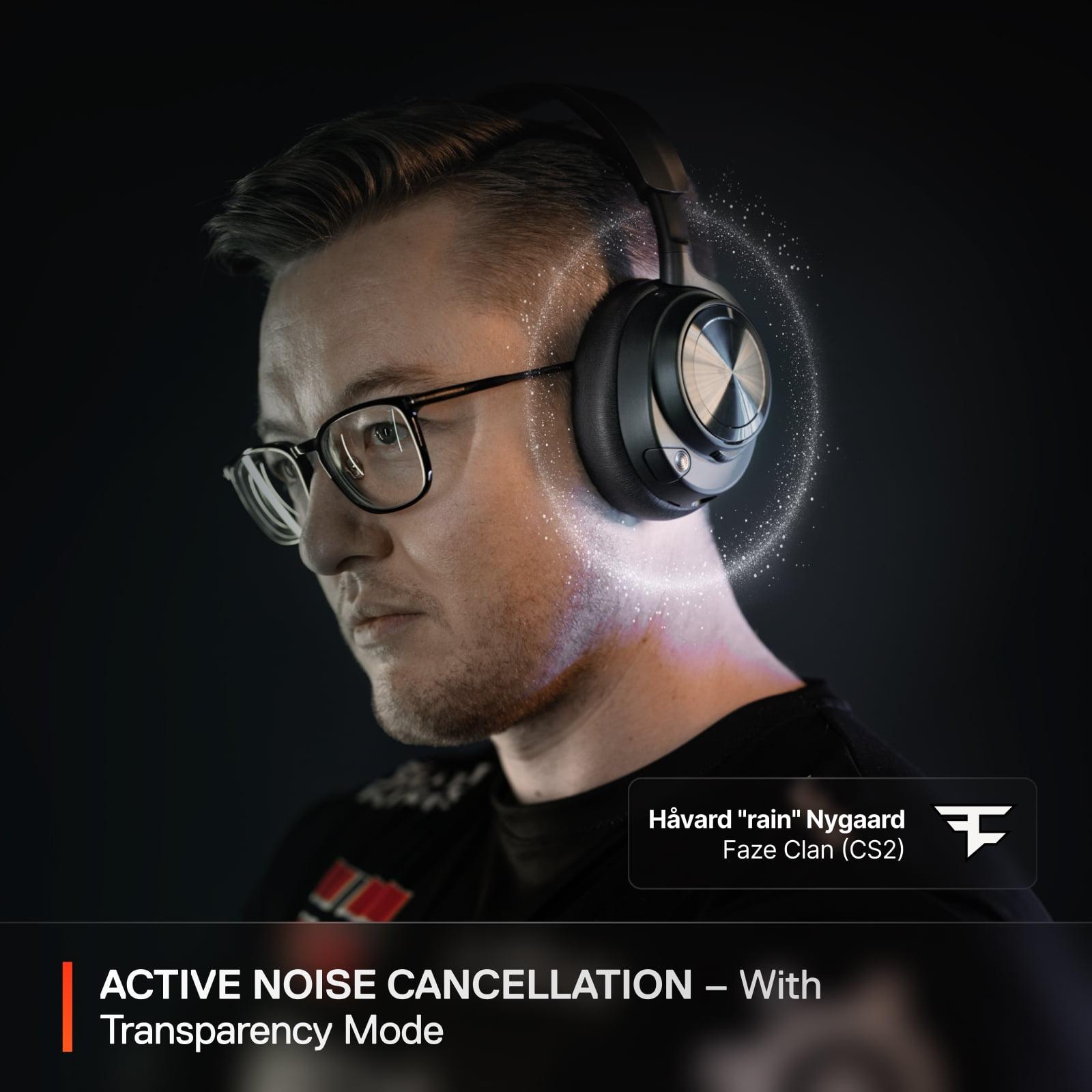
The SteelSeries Arctis Nova Pro Wireless is packed with advanced features that justify its premium positioning. The hybrid active noise cancellation uses four microphones to sample ambient sound and generate inverse waves to cancel it out. This isn't just about blocking distractions—it creates a more immersive gaming environment where you can focus entirely on subtle audio cues.
The transparency mode reverses this process, amplifying external sounds when you need situational awareness. I've found this invaluable when gaming while needing to monitor household activity or when someone needs to get your attention without you removing the headphones.
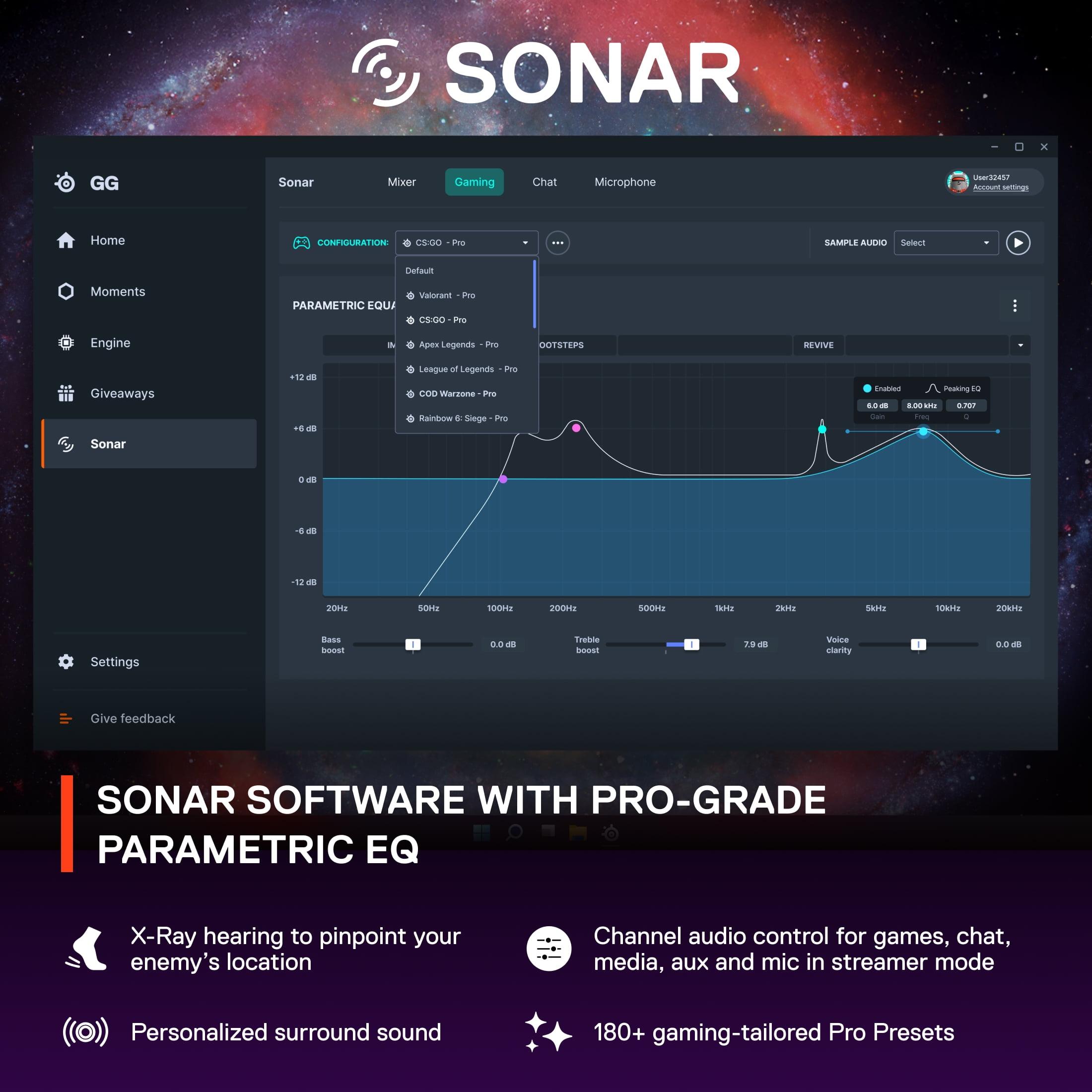
The wireless base station serves as mission control, featuring an OLED display and control wheel for adjusting EQ settings, switching between connected systems, and monitoring battery status. The accompanying SteelSeries Sonar software provides a 10-band parametric equalizer—this means you can precisely adjust specific frequency ranges to tune the sound exactly to your preferences.
For home theater use, both headphones present interesting but different propositions. The OneOdio Fusion A70 offers basic wireless freedom with its impressive battery life, making it suitable for long movie sessions without charging concerns. However, its V-shaped sound signature isn't ideal for movie dialogue, which primarily occupies the midrange frequencies that these headphones de-emphasize.
The SteelSeries Arctis Nova Pro Wireless provides a more cinematic experience with its spatial audio processing and more balanced sound signature. The active noise cancellation creates an immersive bubble perfect for late-night movie watching without disturbing others. Its dual connectivity also allows interesting setups—you could have the main audio coming from your TV or receiver while simultaneously receiving notifications from your phone.
However, neither headphone is specifically optimized for home theater use. Both lack support for advanced surround sound formats like Dolby Atmos or DTS:X, which many dedicated home theater headphones offer. The Nova Pro Wireless comes closer with its spatial audio processing, but it's designed more for gaming than cinematic content.
The OneOdio Fusion A70 makes sense for specific users despite its limitations. If you need a headphone primarily for casual music listening, value extremely long battery life above all else, and work within a tight budget, it delivers reasonable value. The dual wired connectivity also makes it useful for musicians or DJs who need to connect to various professional audio equipment, though the sound quality issues limit its professional utility.
However, I struggle to recommend the Fusion A70 for most users given its significant compromises in sound quality and comfort. At the time of writing, spending slightly more opens up much better options that don't sacrifice audio fidelity for battery life.
The SteelSeries Arctis Nova Pro Wireless is easier to recommend, but only for users who can justify its premium price point. It's ideal for serious gamers who want competitive advantages, content creators who need professional microphone quality, and audio enthusiasts who appreciate detailed sound reproduction. The innovative features like hot-swappable batteries and multi-system connectivity solve real problems for its target audience.
For home theater enthusiasts, both products have limitations, but the Nova Pro Wireless provides a more satisfying experience thanks to its balanced sound and immersive spatial audio processing.
At the time of writing, the SteelSeries Arctis Nova Pro Wireless costs roughly three to four times more than the OneOdio Fusion A70. This price difference reflects genuine performance gaps rather than just brand markup.
Choose the OneOdio Fusion A70 if you absolutely need maximum battery life, work within a strict budget, and primarily listen to bass-heavy music genres that mask its audio deficiencies. Also consider it if you specifically need the dual wired connectivity for professional audio equipment compatibility.
Choose the SteelSeries Arctis Nova Pro Wireless if you're a serious gamer, need professional-quality communication features, or simply want excellent audio quality with premium build materials. The advanced features like ANC, spatial audio, and multi-system connectivity provide genuine utility that justifies the higher cost.
Ultimately, these headphones serve different markets despite sharing the same basic form factor. The OneOdio prioritizes value and battery endurance for casual users, while the SteelSeries delivers professional-grade performance for demanding applications. Your choice should align with your primary use case and performance expectations rather than just price considerations alone.
| OneOdio Fusion A70 | SteelSeries Arctis Nova Pro Wireless |
|---|---|
| Audio Quality - Most important factor for overall listening experience | |
| V-shaped sound signature with emphasized bass/treble, poor instrument separation | Balanced sound with custom neodymium drivers, excellent detail and spatial accuracy |
| Microphone Quality - Critical for gaming and calls | |
| Basic inline microphone on cable only | Retractable bidirectional boom mic with broadcast-quality noise cancellation |
| Battery Life - Determines usage convenience | |
| 72 hours continuous playback (exceptional endurance) | 44 hours with hot-swappable dual batteries (unlimited practical use) |
| Active Noise Cancellation - Blocks distractions for immersive experience | |
| None (passive isolation only) | Hybrid 4-microphone ANC with transparency mode |
| Connectivity Options - Affects device compatibility and versatility | |
| Bluetooth 5.2 + dual wired (3.5mm/6.35mm jacks) | Simultaneous 2.4GHz + Bluetooth, multi-system connect via base station |
| Build Quality - Impacts durability and long-term comfort | |
| Lightweight plastic construction (242g), basic padding | Premium steel/aluminum build (337g) with ski goggle headband design |
| Gaming Features - Essential for competitive gaming advantage | |
| None (basic stereo audio only) | 360° spatial audio, low-latency wireless, customizable EQ with gaming profiles |
| Platform Support - Determines which devices work seamlessly | |
| Universal Bluetooth + analog connections | PC, PlayStation, Xbox, Switch, mobile with optimized wireless performance |
| Target Audience - Who gets the best value from each product | |
| Budget-conscious casual listeners, basic DJ/studio use | Serious gamers, content creators, audio enthusiasts willing to pay premium |
| Key Innovation - Standout feature that differentiates from competition | |
| SharePort audio daisy-chaining, exceptional 72-hour battery | Hot-swap battery system, simultaneous dual wireless connectivity |
The SteelSeries Arctis Nova Pro Wireless delivers significantly better sound quality with its balanced audio signature and custom neodymium drivers. The OneOdio Fusion A70 has a V-shaped sound that emphasizes bass and treble but lacks detail and instrument separation, making it unsuitable for critical listening or competitive gaming.
The OneOdio Fusion A70 offers exceptional 72-hour battery life on a single charge, perfect for extended travel or work sessions. The SteelSeries Arctis Nova Pro Wireless provides 44 hours total with its innovative hot-swappable dual battery system, allowing unlimited playtime by swapping batteries without interruption.
The SteelSeries Arctis Nova Pro Wireless is purpose-built for gaming with 360° spatial audio, low-latency 2.4GHz wireless, and a professional boom microphone. The OneOdio Fusion A70 lacks gaming-specific features and has poor audio positioning, making it unsuitable for competitive gaming.
The SteelSeries Arctis Nova Pro Wireless excels with multi-system connectivity, supporting PC, PlayStation, Xbox, and Switch through its wireless base station. The OneOdio Fusion A70 offers basic Bluetooth connectivity and wired connections but lacks the advanced multi-platform optimization of the SteelSeries model.
The SteelSeries Arctis Nova Pro Wireless features a retractable bidirectional boom microphone with broadcast-quality noise cancellation, ideal for streaming and professional calls. The OneOdio Fusion A70 only includes a basic inline microphone on the cable, suitable for casual phone calls but not professional use.
The SteelSeries Arctis Nova Pro Wireless uses premium materials with a ski goggle headband design that distributes weight evenly, making it more comfortable for extended use. The OneOdio Fusion A70 is lighter but has reported comfort issues with poor fit and pressure points during long sessions.
Value depends on your needs: the OneOdio Fusion A70 offers basic wireless functionality at a budget price point, while the SteelSeries Arctis Nova Pro Wireless justifies its premium cost with professional-grade audio, advanced features, and superior build quality for serious users.
Only the SteelSeries Arctis Nova Pro Wireless features hybrid active noise cancellation with four microphones and a transparency mode for environmental awareness. The OneOdio Fusion A70 relies solely on passive isolation from its closed-back design.
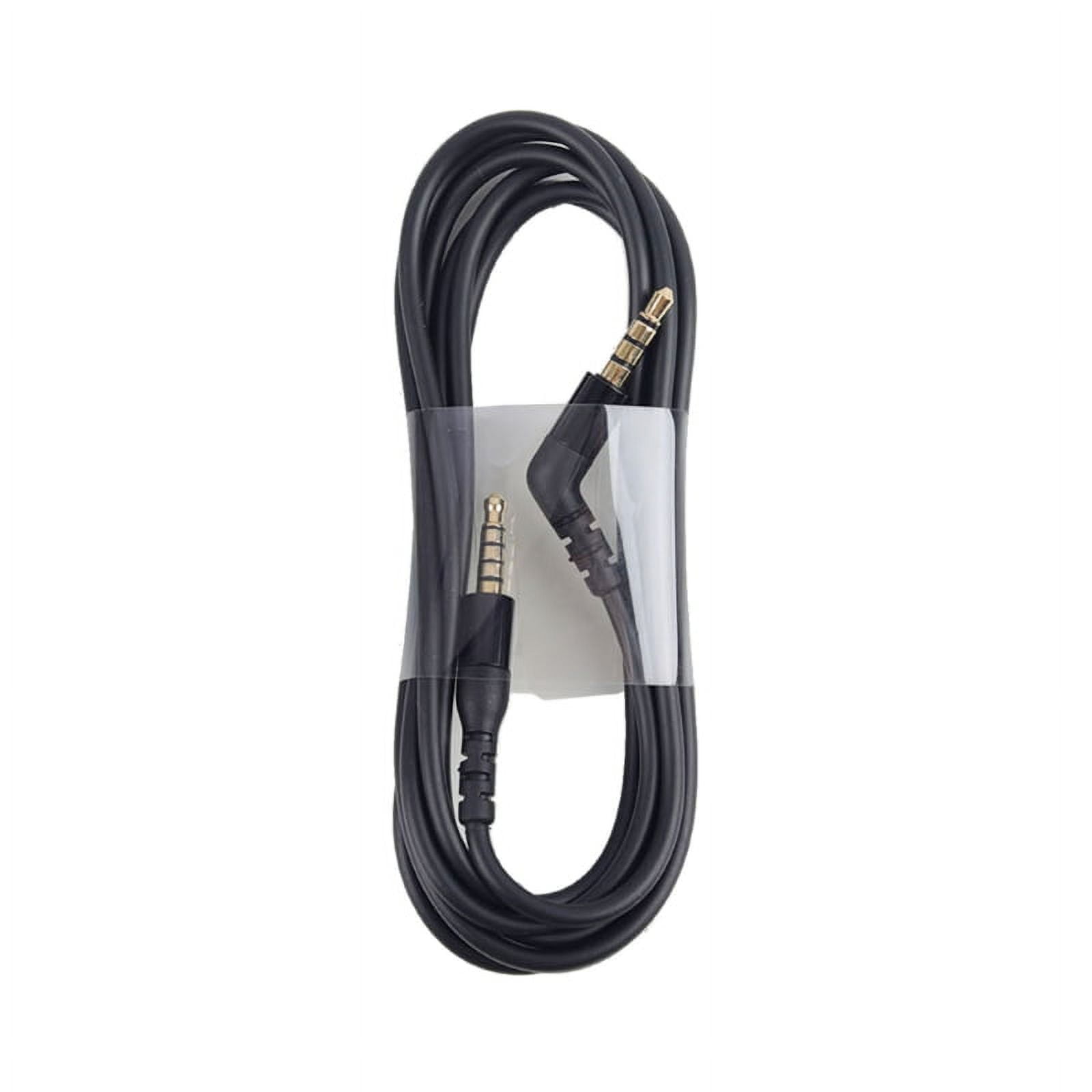
Both headphones support wired and wireless use, but differently. The OneOdio Fusion A70 includes 3.5mm and 6.35mm cables for professional equipment compatibility. The SteelSeries Arctis Nova Pro Wireless supports wired connection via 3.5mm but is optimized for its advanced wireless connectivity features.
The SteelSeries Arctis Nova Pro Wireless provides a better home theater experience with its balanced sound signature, spatial audio processing, and active noise cancellation for immersive late-night viewing. The OneOdio Fusion A70 has a V-shaped sound that can make movie dialogue unclear due to recessed midrange frequencies.
The SteelSeries Arctis Nova Pro Wireless offers sophisticated connectivity with simultaneous 2.4GHz and Bluetooth connections, allowing you to mix audio from multiple sources. The OneOdio Fusion A70 provides simpler connectivity with Bluetooth 5.2 and SharePort technology for daisy-chaining audio to another pair of headphones.
Neither headphone is ideal for professional studio work, but the SteelSeries Arctis Nova Pro Wireless comes closer with its more accurate sound reproduction and professional microphone. The OneOdio Fusion A70 markets itself for studio use but lacks the neutral sound signature and detail needed for professional audio applications.
We've done our best to create useful and informative comparisons to help you decide what product to buy. Our research uses advanced automated methods to create this comparison and perfection is not possible - please contact us for corrections or questions. These are the sites we've researched in the creation of this article: audiostance.com - attackmagazine.com - soundphilereview.com - versus.com - homestudiobasics.com - versus.com - audiofool.reviews - e-catalog.com - whatgear.net - e-catalog.com - thomannmusic.com - audioreviews.org - oneodio.com - wepc.com - seriousinsights.net - oneodio.com - oneodio.com - audioreputation.com - manuals.plus - newegg.com - musicbliss.com.my - walmart.com - soundguys.com - youtube.com - youtube.com - youtube.com - gamerant.com - youtube.com - head-fi.org - youtube.com - rtings.com - rtings.com - tomshardware.com - youtube.com - techpowerup.com - bestbuy.com - shi.com - steelseries.com - bestbuy.com

Privacy Policy
Terms and Conditions - Affiliate Policy
Home Security
© Copyright 2008-2026.
11816 Inwood Rd #1211, Dallas, TX 75244