




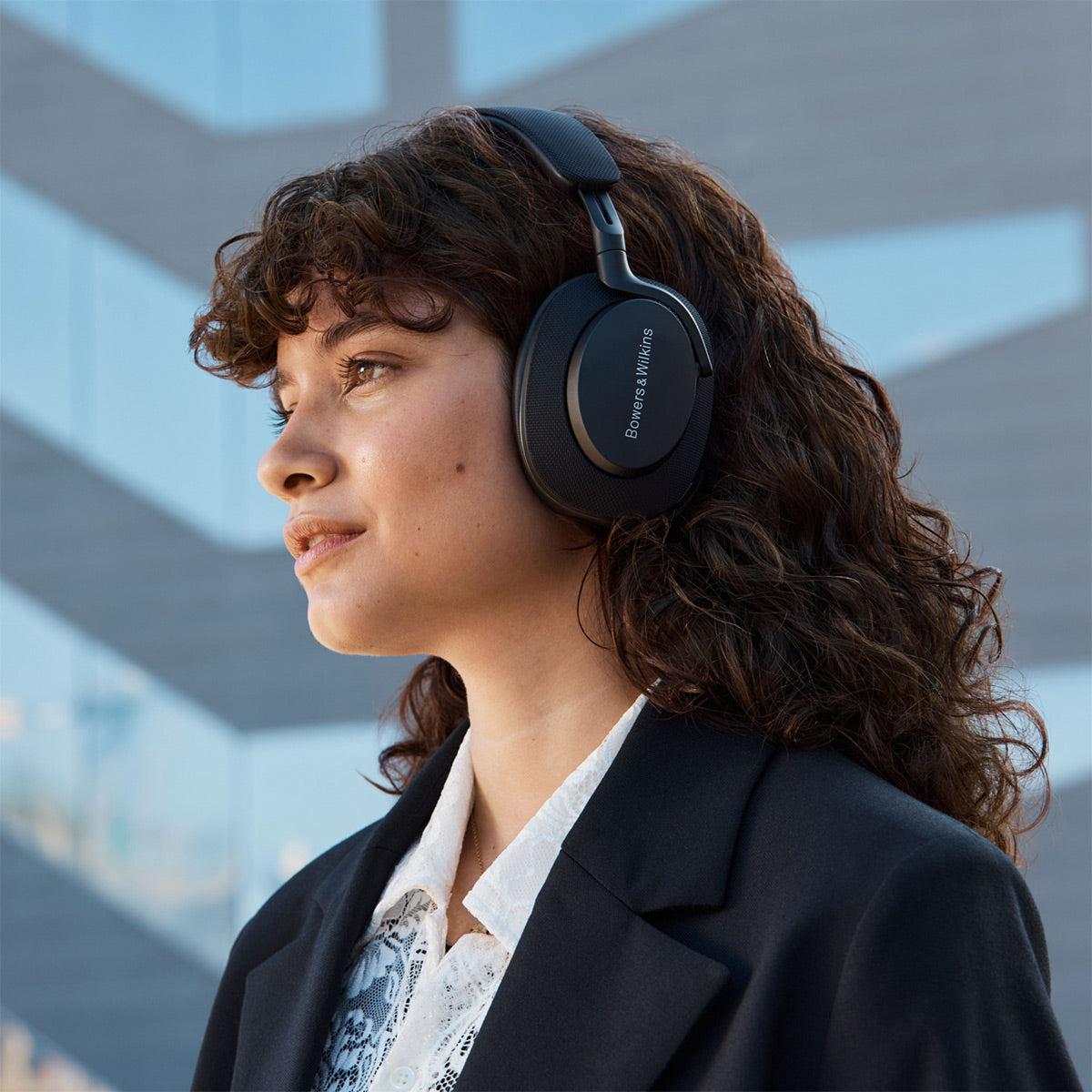
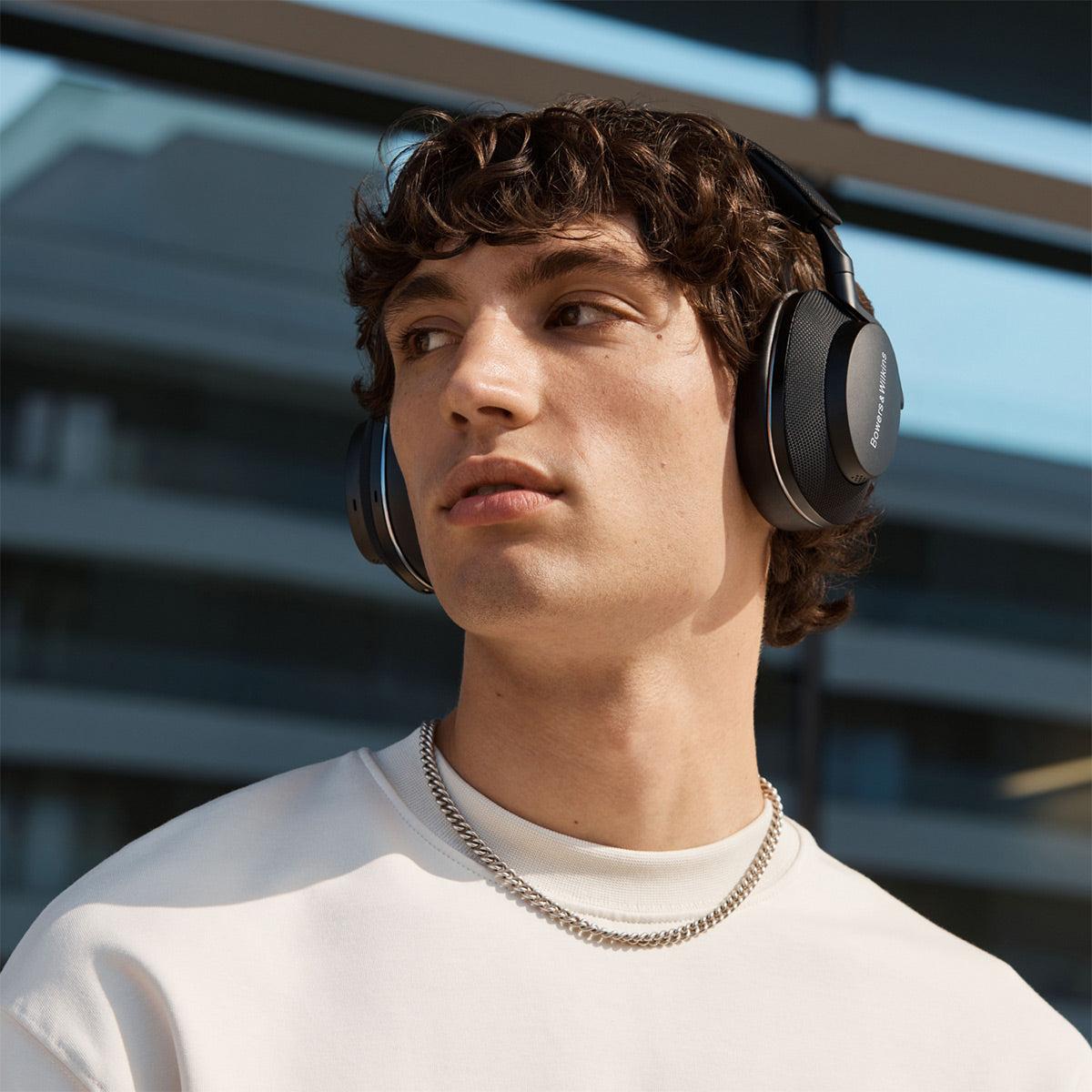
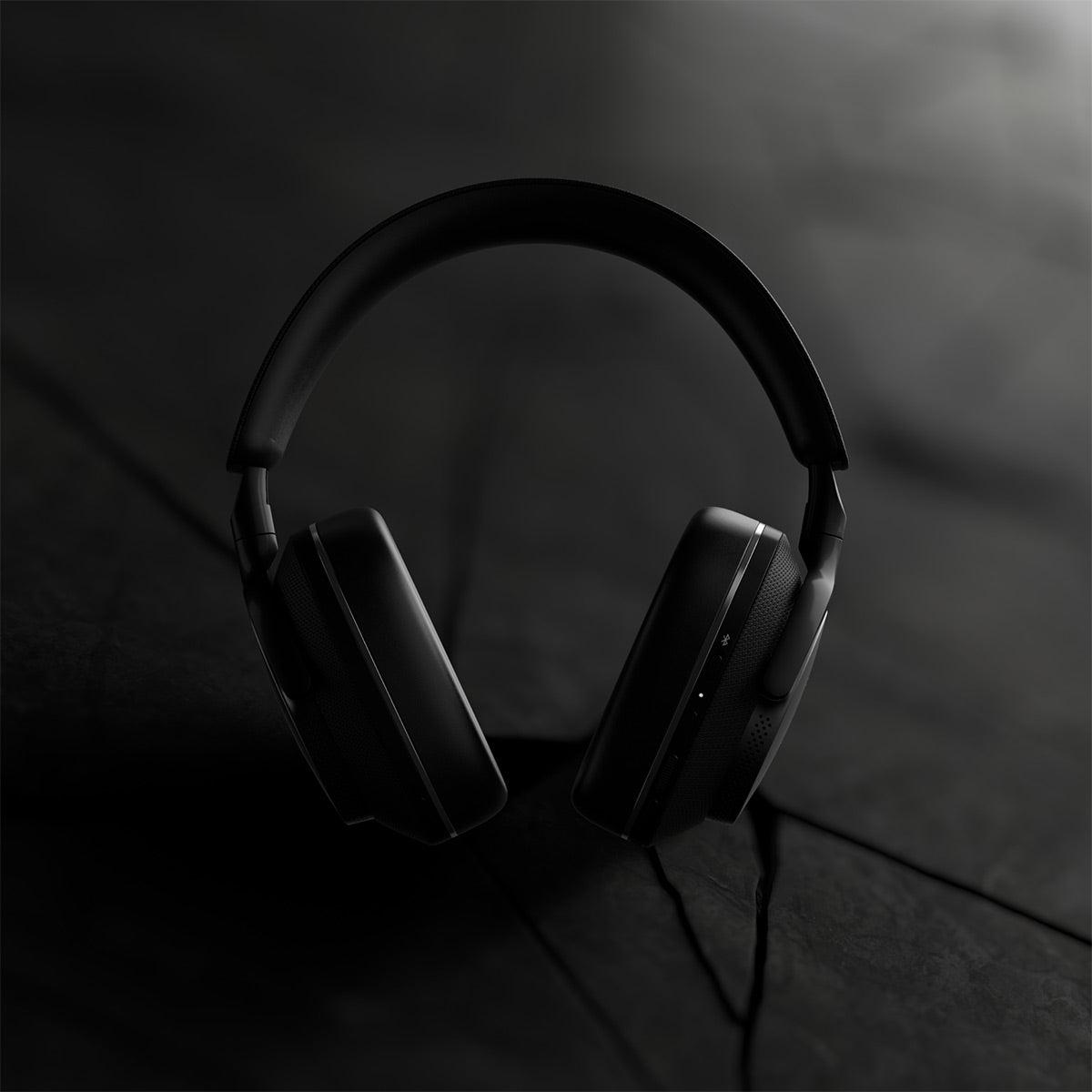
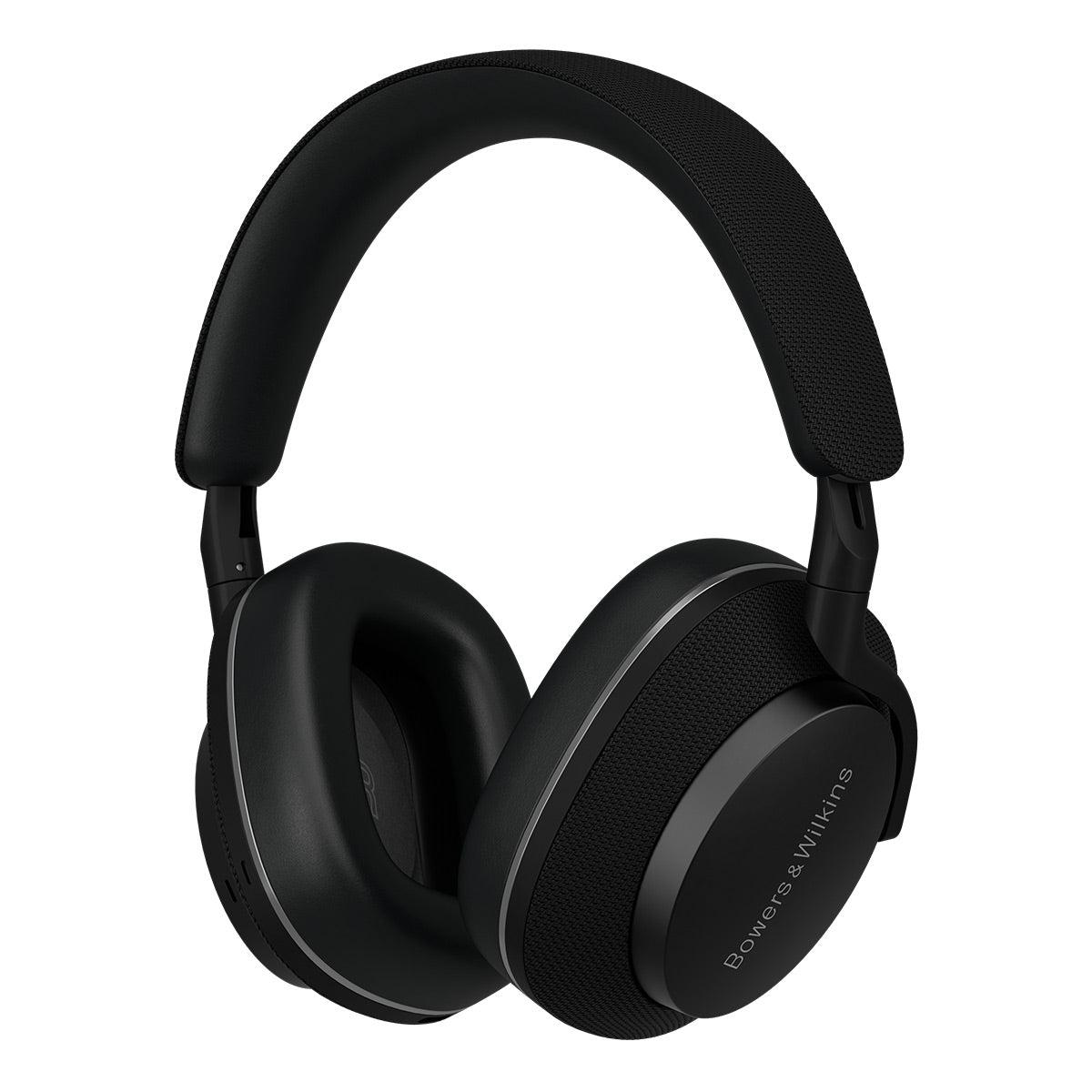
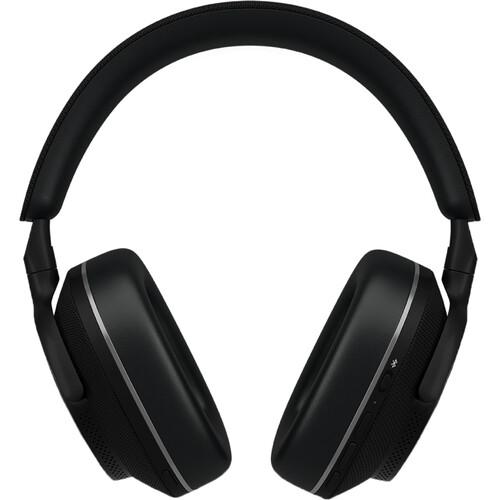
When shopping for over-ear wireless headphones, you'll quickly discover that the market splits into two distinct worlds: budget-friendly options that maximize features per dollar, and premium models that prioritize audio excellence above all else. The OneOdio Fusion A70 and Bowers & Wilkins Px7 S2e perfectly represent these opposing philosophies, and understanding their differences will help you make the right choice for your needs and wallet.
Before diving into these specific models, let's establish what makes over-ear headphones tick. Unlike in-ear or on-ear designs, over-ear headphones completely surround your ears with cushioned cups. This design naturally provides better bass response (since there's more air space to move around), improved comfort for long sessions, and better passive noise isolation.
The key factors that separate good headphones from great ones include sound quality (how accurately they reproduce music), comfort during extended use, battery life for wireless models, build quality, and special features like active noise cancellation (ANC). ANC uses microphones to detect outside noise and creates opposite sound waves to cancel it out—think of it as acoustic armor for your ears.
When I evaluate headphones, I focus heavily on what audiophiles call "soundstage"—how wide and spacious the music feels—and "imaging," which is how well you can pinpoint where different instruments are positioned. These characteristics often separate budget options from premium ones more than flashy features do.
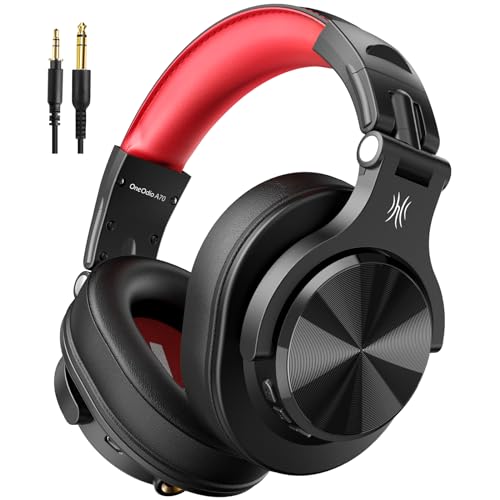
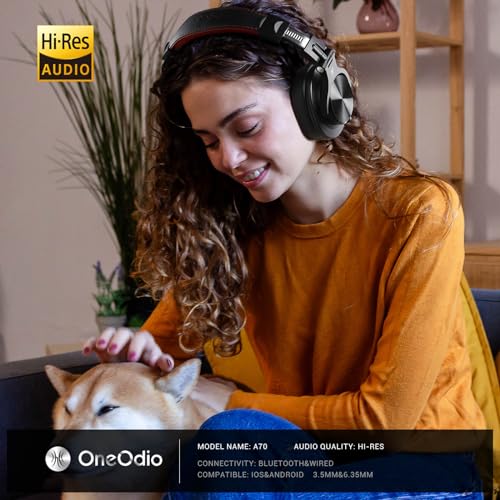
The OneOdio Fusion A70 represents the modern budget headphone approach: pack in as many features as possible while keeping costs low. Released around 2020-2021, it arrived during the pandemic when people needed versatile, long-lasting headphones for work-from-home setups and extended entertainment sessions.
In contrast, the Bowers & Wilkins Px7 S2e launched in 2023 as an evolution of B&W's premium wireless lineup. This timing is significant because it incorporates several years of wireless audio improvements, including better Bluetooth codecs and more sophisticated digital signal processing (DSP). DSP is essentially a computer chip that fine-tunes the audio signal before it reaches your ears, allowing for more precise sound control than analog circuits alone.
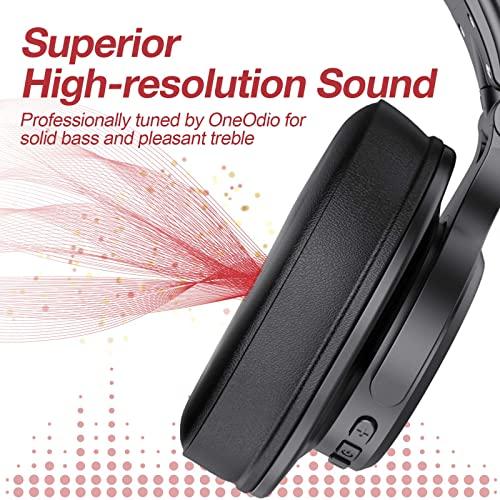
The OneOdio Fusion A70 follows what audio engineers call a "V-shaped" sound signature. Picture an audio equalizer where the bass and treble sliders are cranked up while the midrange sits lower—that's the V-shape. This tuning makes music sound exciting and energetic, with thumping bass lines and crisp cymbals that grab your attention immediately.
This approach works brilliantly for certain music styles. Electronic dance music, hip-hop, and modern pop all benefit from that extra bass punch and sparkly highs. The A70 makes these genres feel alive and engaging, which explains why many users describe them as "fun" headphones.
However, this tuning philosophy comes with trade-offs. The recessed midrange means vocals and instruments like guitars and pianos can sound distant or hollow. The boosted bass, while impressive, can sometimes blur into the lower midrange frequencies, making complex musical passages sound muddy rather than clear. From my experience testing budget headphones, this is an extremely common compromise—manufacturers boost the frequencies that immediately impress listeners during a quick store demo.
The Px7 S2e takes a fundamentally different approach. Bowers & Wilkins built their reputation creating speakers for recording studios, where accuracy matters more than immediate excitement. Their headphones carry this DNA forward.
The Px7 S2e uses custom-designed 40mm bio-cellulose drivers—think of these as the tiny speakers inside each earcup. Bio-cellulose is a special material that's both lightweight and rigid, allowing it to move quickly for crisp highs while remaining stable for clean bass. Most importantly, these drivers work with a 24-bit DSP system that draws from technology developed for B&W's flagship models.
This combination creates what I'd call a "mature" sound signature. Bass is present and impactful but never overwhelming. Midrange frequencies—where most vocals and instruments live—remain clear and natural. The treble provides detail without becoming harsh or fatiguing during long listening sessions.
The difference becomes obvious when listening to complex music like orchestral pieces or jazz recordings. The Px7 S2e lets you hear each instrument clearly, positioned in its own space within the mix. The A70, while enjoyable, tends to blend everything together into a more homogeneous sound wall.
For home theater use, these differences become even more pronounced. The OneOdio A70 will make action movies feel explosive with its boosted bass and treble, but dialogue might sound recessed or unclear—a significant problem for following complex plots or understanding accented speech.
The Px7 S2e excels in home theater applications because its balanced signature preserves the dynamic range that movie soundtracks depend on. Quiet dialogue remains intelligible, while action sequences still deliver impact without overwhelming the mix. The wider soundstage also helps with the spatial audio effects that many streaming services now offer.
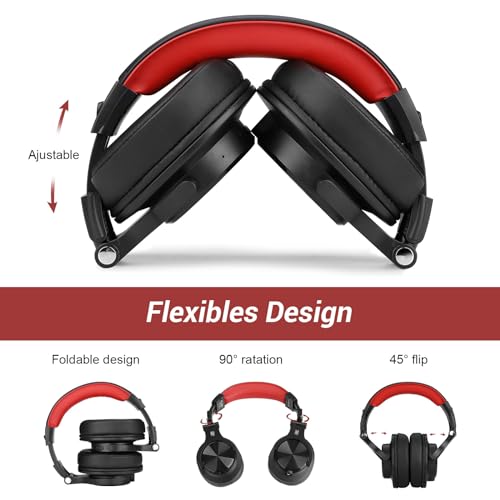
At 242 grams, the OneOdio A70 feels refreshingly light when you first put them on. The plastic construction keeps weight down, and the foldable design makes them genuinely portable—a feature missing from many competitors.
However, extended use reveals some compromises. The ear pads, while adequately thick, use artificial leather that doesn't breathe well during long sessions. More significantly, the headband padding creates pressure points for some users after about an hour of wear. This isn't uncommon in budget headphones, where manufacturers must balance comfort features against cost constraints.
The build quality feels solid enough for daily use, though the all-plastic construction lacks the premium feel that some users prefer. The joints and hinges seem robust, and the detachable cable system (a genuinely useful feature) should help extend the headphones' lifespan.
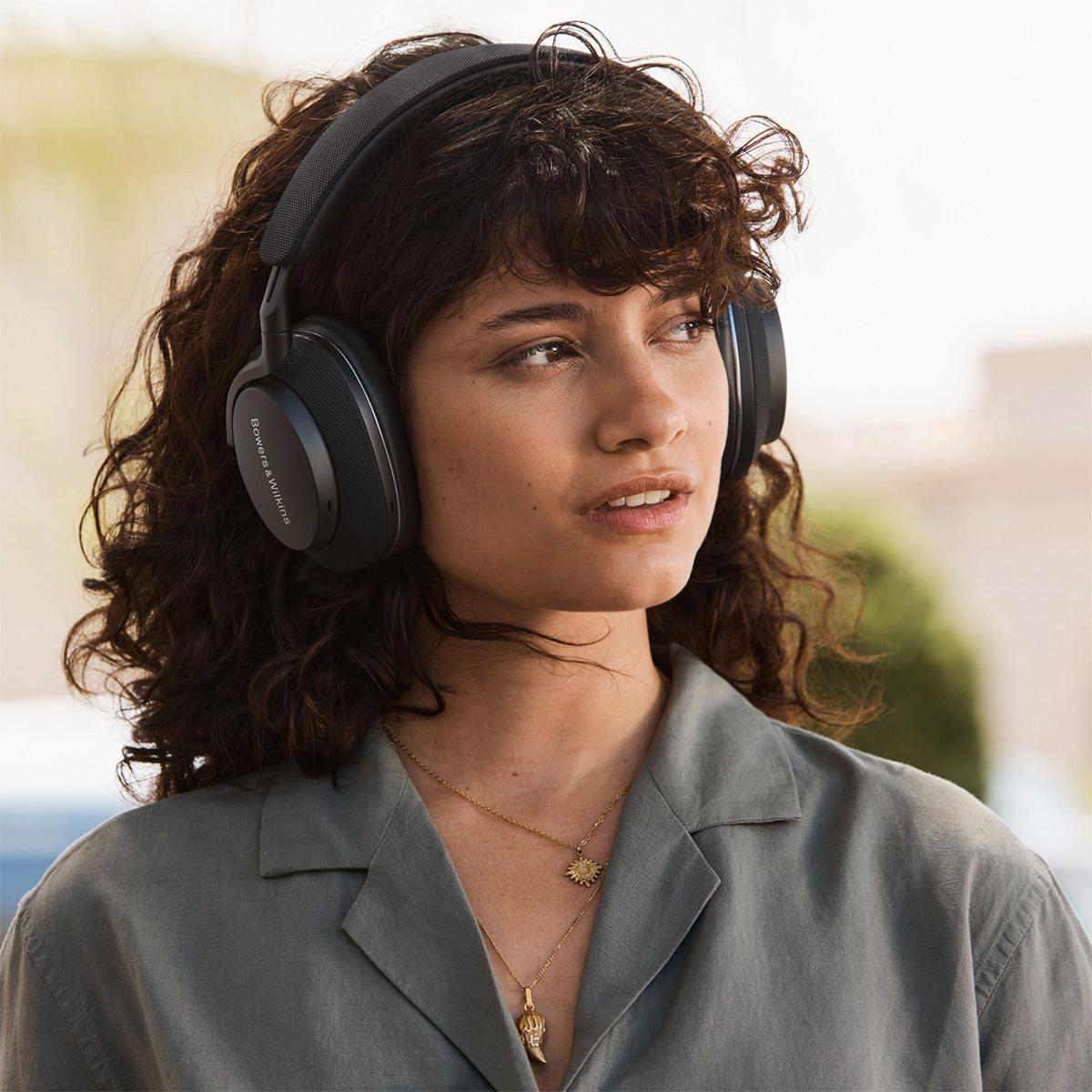
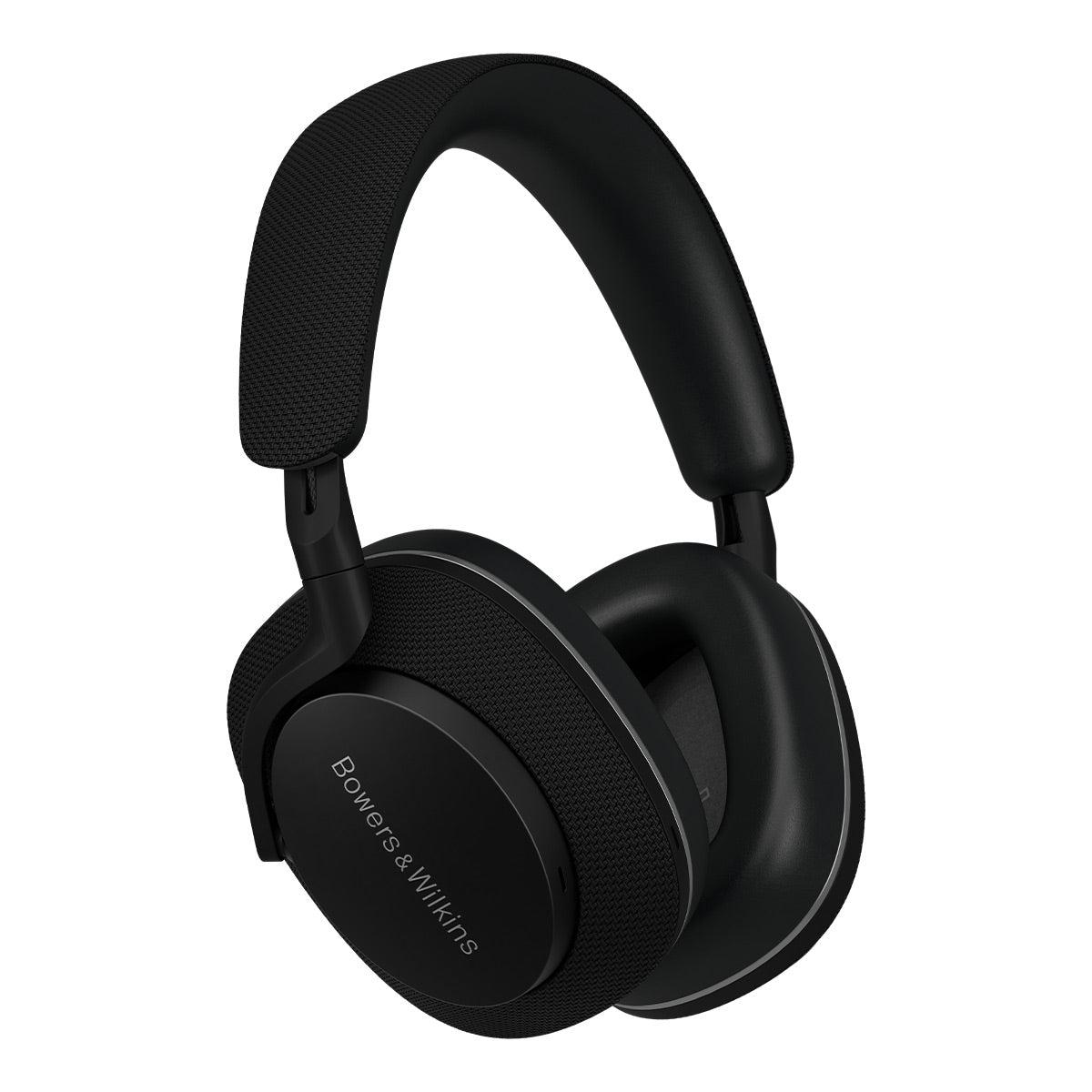
The Bowers & Wilkins Px7 S2e weighs 307 grams—about 65 grams heavier than the A70—but distributes that weight more effectively. The memory foam ear pads conform to your head shape, creating an even pressure distribution that many users find more comfortable during multi-hour sessions.
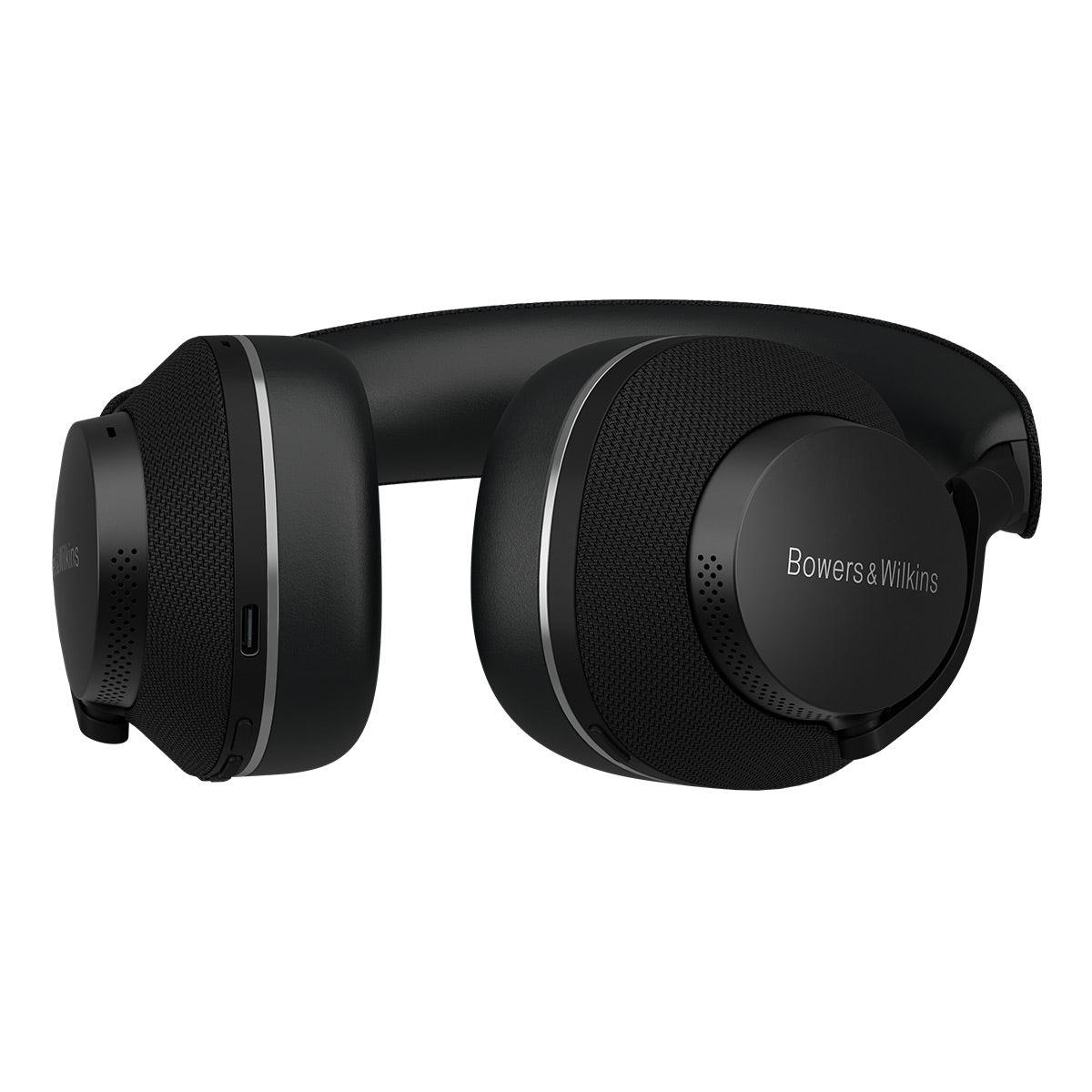
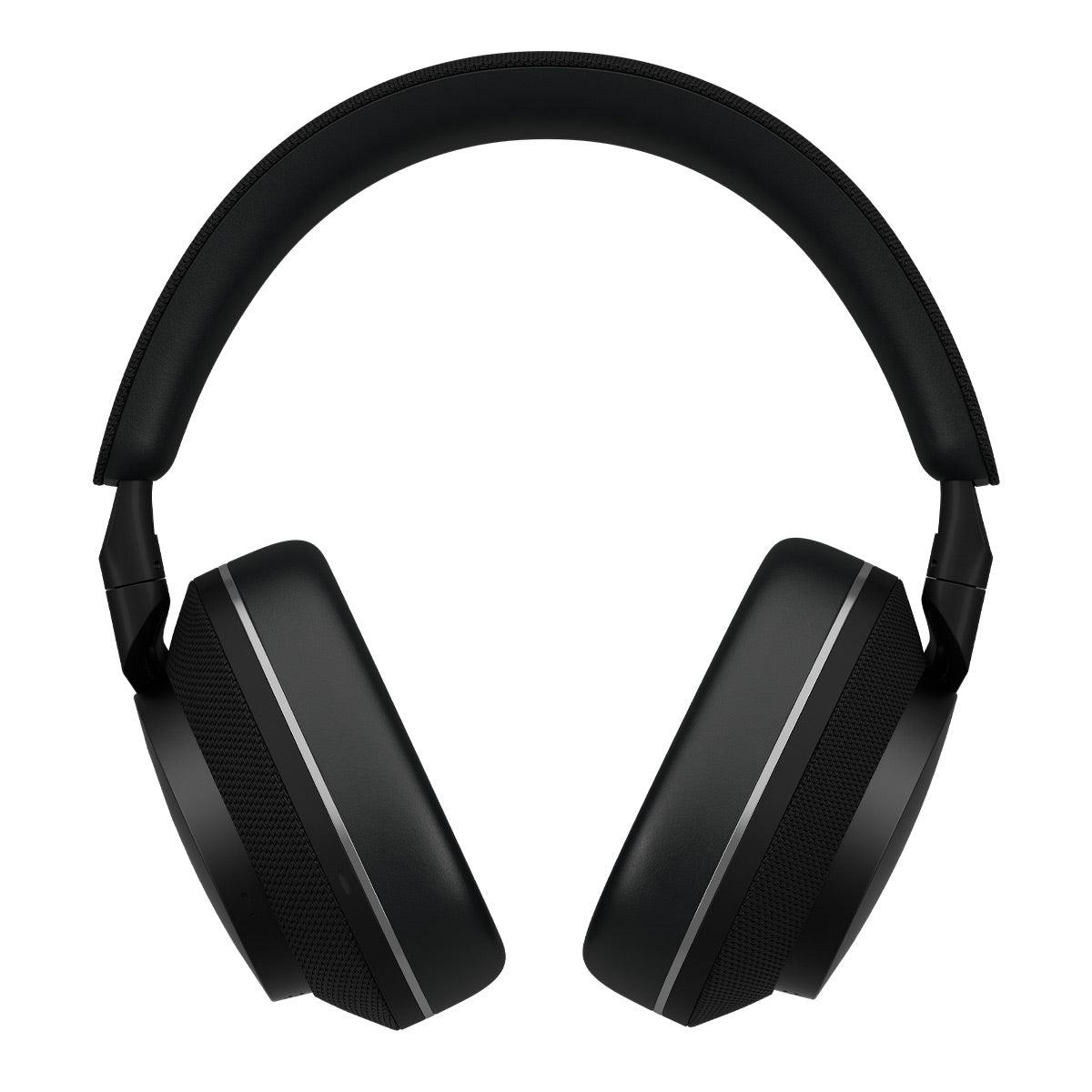
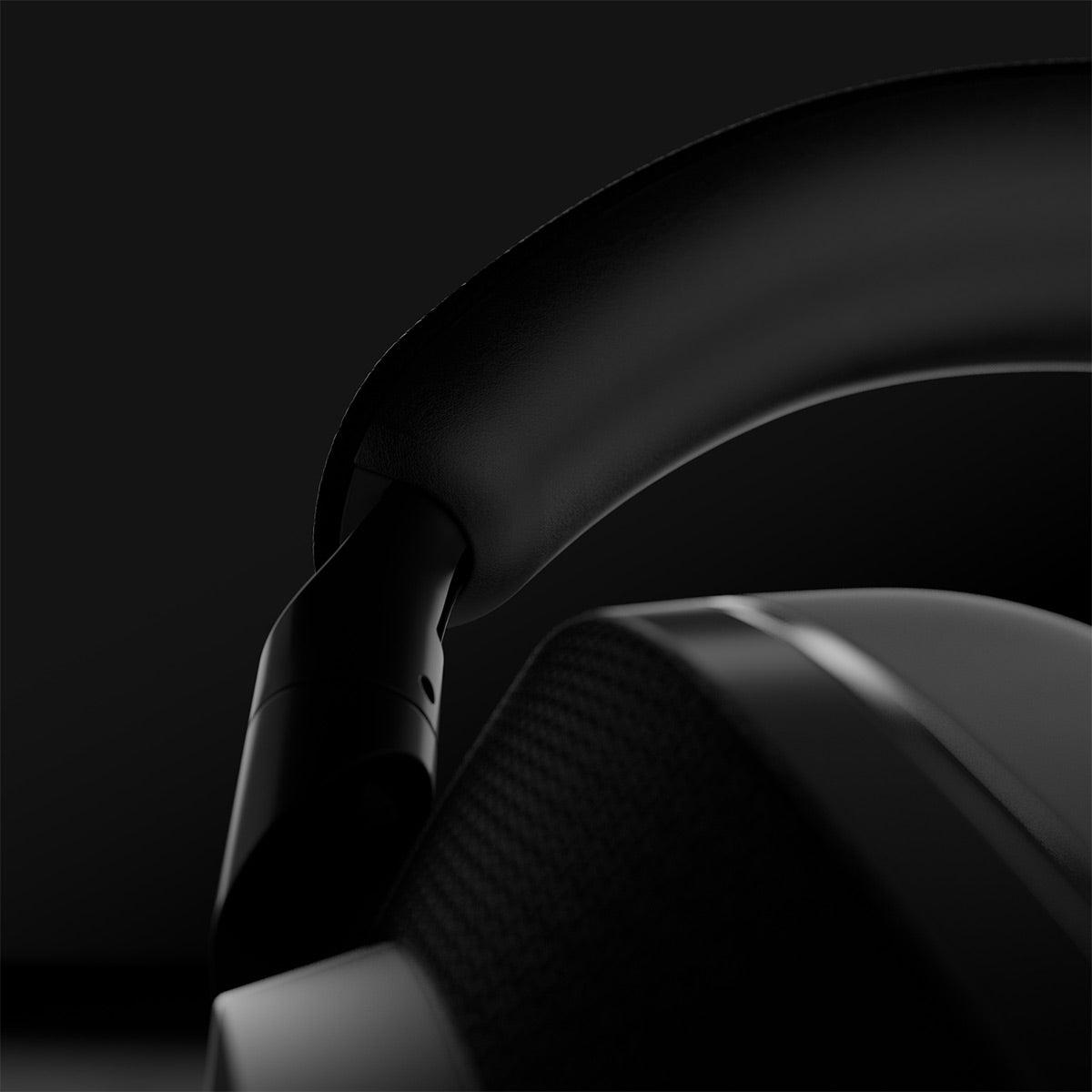
The materials tell the story of different priorities. Where the A70 uses practical plastics, the Px7 S2e combines metal structural elements with premium fabrics and genuine leather-like finishes. This isn't just about aesthetics—these materials age better and feel more substantial during daily handling.
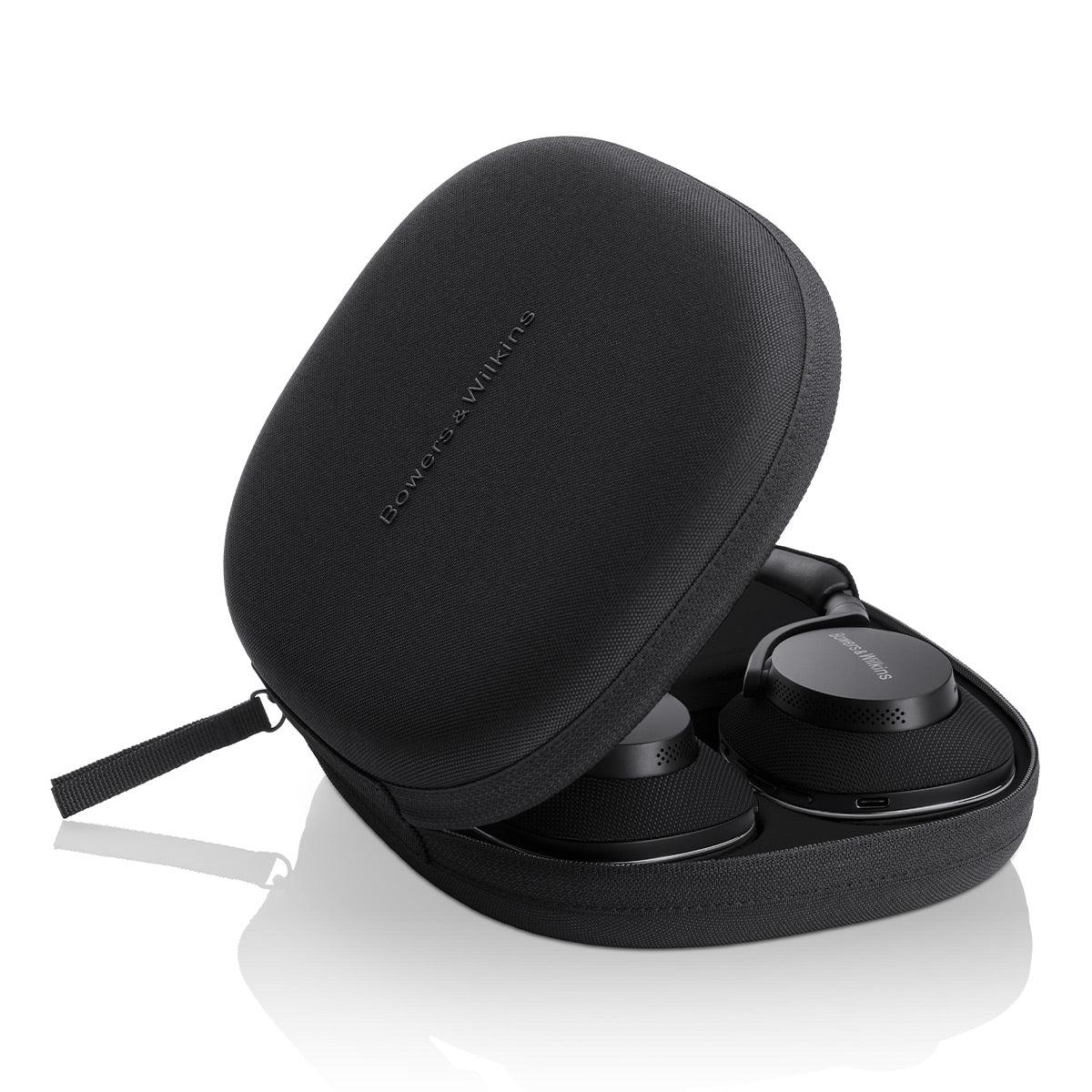
One limitation worth noting: the Px7 S2e doesn't fold for storage. This design choice prioritizes structural integrity and driver positioning over portability, reflecting B&W's assumption that these headphones will primarily live in home or office environments.
The OneOdio Fusion A70 achieves something remarkable for its price range: up to 72 hours of battery life on a single charge. This isn't marketing hyperbole—real-world testing consistently shows 50-70 hours depending on volume levels and usage patterns.
This exceptional endurance comes from efficient power management and a large 650mAh battery. For comparison, many smartphones contain batteries around 3000-4000mAh, so fitting 650mAh into headphones represents a significant commitment to longevity.
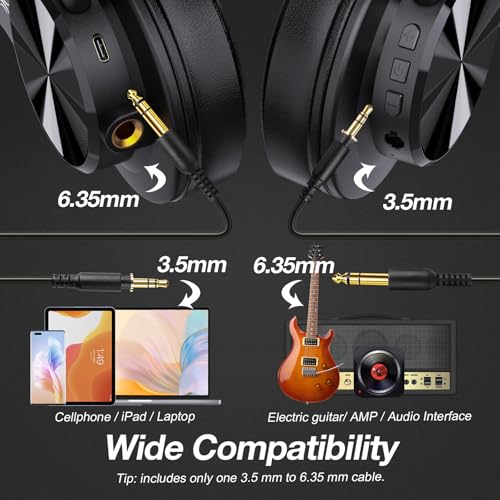
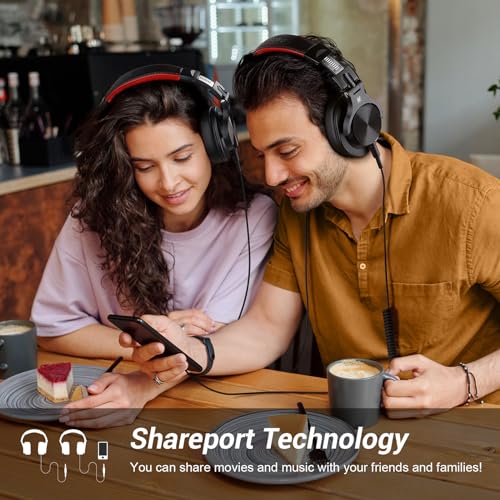
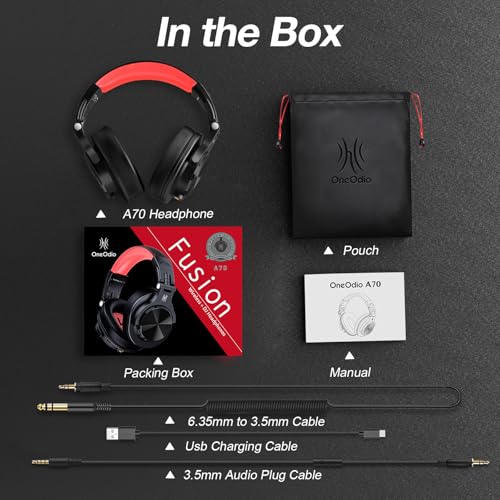
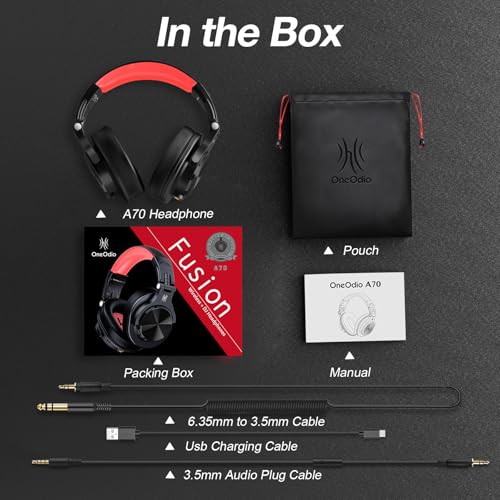
The A70 also offers something increasingly rare: comprehensive wired connectivity. It includes both 3.5mm and 6.35mm (quarter-inch) cables, making it compatible with everything from smartphones to professional DJ mixers. The "SharePort" feature even lets you daisy-chain a second pair of headphones—perfect for sharing music or collaborative listening.
Bluetooth performance uses version 5.2 with standard SBC and AAC codecs. These provide reliable connectivity but don't support the high-resolution wireless audio that audiophiles prefer.
The Bowers & Wilkins Px7 S2e offers 30 hours of battery life with ANC enabled—respectable but not exceptional by current standards. However, the quick-charge feature provides 7 hours of playback from just 15 minutes of charging, which proves more practically useful than raw endurance for many users.
Where the Px7 S2e excels is codec support. Beyond basic SBC and AAC, it supports aptX Adaptive—a sophisticated protocol that dynamically adjusts between high-quality audio and low-latency performance depending on your content. Watching videos? The system prioritizes synchronization. Listening to high-resolution music? It maximizes audio quality.
The multipoint Bluetooth connectivity lets you connect to two devices simultaneously—perhaps your laptop for work calls and your phone for music. This seamless switching between devices reflects the premium user experience that justifies higher prices.
The OneOdio A70 relies entirely on passive noise isolation—the physical barrier created by the ear cups pressing against your head. This provides moderate noise reduction suitable for most environments but can't compete with dedicated ANC systems.
The Bowers & Wilkins Px7 S2e implements hybrid ANC using six microphones. Four handle noise cancellation duties while two focus on call quality. This system effectively reduces constant background noise like air conditioning, traffic, or airplane engines.
However, at the time of writing, the Px7 S2e doesn't match the ANC performance of category leaders like the Sony WH-1000XM5 or Bose QuietComfort Ultra. It provides good noise reduction without the slight audio quality compromises that sometimes accompany more aggressive ANC implementations.
For home theater use, ANC becomes less critical since you control your environment. But for commuting, travel, or noisy offices, this feature alone might justify the price difference for some users.
The OneOdio Fusion A70 focuses on practical versatility rather than high-tech features. The dual-jack system genuinely useful for musicians, DJs, or anyone who regularly connects to different types of audio equipment. The SharePort technology, while not revolutionary, solves real problems for teachers, trainers, or anyone who needs to share audio with others.
The exceptional battery life means these headphones can handle week-long business trips or extended study sessions without requiring charging infrastructure. This reliability factor shouldn't be underestimated—there's real value in headphones that simply work when you need them.
The Px7 S2e integrates with the Bowers & Wilkins Music app, providing direct streaming from services like Qobuz and Tidal alongside customizable EQ settings. The wear-detection sensor automatically pauses playback when you remove the headphones—a small convenience that improves the daily user experience.
The build-in voice assistant support and superior call quality (thanks to dedicated telephony microphones) make these headphones more suitable for professional environments where clear communication matters.
At the time of writing, the OneOdio Fusion A70 typically costs less than $100, while the Bowers & Wilkins Px7 S2e ranges from $200-400 depending on sales and availability. This 3-4x price difference represents fundamentally different value propositions.
The A70 maximizes features and functionality per dollar spent. You get wireless connectivity, exceptional battery life, professional cable options, and decent sound quality at a price point that doesn't require major budget considerations for most consumers.
The Px7 S2e prioritizes audio quality and premium experience above all else. Every aspect—from driver design to materials selection—focuses on delivering the best possible sound reproduction within its price category. The additional cost buys refinement rather than raw feature count.
Choose the OneOdio Fusion A70 if you need headphones that simply work reliably across many situations without breaking the budget. These excel for students, casual listeners, beginning DJs, or anyone who prioritizes battery life and versatility over absolute audio quality. They're also ideal if you frequently switch between wired and wireless use or need that exceptional battery endurance for travel or extended work sessions.
The Bowers & Wilkins Px7 S2e makes sense when audio quality justifies the premium price. These headphones reward listeners who appreciate nuanced sound reproduction, own high-quality audio sources, and plan to use them regularly for critical listening. They're particularly suitable for home theater applications, professional environments, or situations where build quality and brand prestige matter.
From my experience, the choice often comes down to how you plan to use them daily. If headphones are primarily a utility—for podcast listening, video calls, or background music—the A70 provides excellent value. If they're your primary gateway to musical enjoyment and you have the budget for premium audio equipment, the Px7 S2e delivers the quality that justifies its higher price.
Both headphones succeed at their intended missions. The key is understanding which mission aligns with your needs, preferences, and budget reality.
| OneOdio Fusion A70 | Bowers & Wilkins Px7 S2e |
|---|---|
| Sound Signature - Determines which music genres sound best | |
| V-shaped with boosted bass/treble (fun for EDM, hip-hop) | Balanced with natural mids (accurate for all genres) |
| Driver Technology - Core component affecting audio quality | |
| 40mm dynamic drivers with standard tuning | 40mm bio-cellulose drivers with 24-bit DSP processing |
| Active Noise Cancellation - Essential for travel and noisy environments | |
| None (passive isolation only) | Hybrid ANC with 6 microphones (good but not class-leading) |
| Battery Life - Critical for wireless convenience | |
| Up to 72 hours (exceptional endurance) | 30 hours with quick charge (15 min = 7 hours) |
| Bluetooth Codecs - Affects wireless audio quality | |
| SBC, AAC (standard quality) | SBC, AAC, aptX Adaptive, aptX HD (high-resolution capable) |
| Weight & Comfort - Important for extended listening sessions | |
| 242g, plastic build (lightweight but pressure points after 1+ hours) | 307g, premium materials with memory foam (heavier but better long-term comfort) |
| Connectivity Options - Determines device compatibility | |
| Bluetooth 5.2 + dual wired (3.5mm & 6.35mm jacks) | Bluetooth 5.2 multipoint + USB-C audio |
| Build Quality - Affects durability and premium feel | |
| All-plastic construction, foldable design | Premium materials with metal details, non-foldable |
| Special Features - Unique capabilities that add value | |
| SharePort music sharing, DJ-friendly dual jacks | Wear detection, app integration, voice assistant support |
| Target User - Who gets the most value from each | |
| Budget-conscious listeners, DJs, students, long-battery needs | Audiophiles, professionals, home theater enthusiasts |
| Sound Quality Rating - Professional reviewer consensus | |
| Good for price but colored/fun sound unsuitable for critical listening | Excellent detail and accuracy, sets benchmark in price class |
| Value Proposition - What you're paying for | |
| Maximum features and battery life per dollar | Premium audio quality and luxury experience |
The Bowers & Wilkins Px7 S2e delivers significantly better sound quality with its balanced, natural sound signature and custom bio-cellulose drivers with 24-bit DSP processing. The OneOdio Fusion A70 has a fun, bass-heavy V-shaped sound that's exciting for EDM and hip-hop but lacks the detail and accuracy needed for critical listening across all music genres.
The OneOdio Fusion A70 offers exceptional battery life with up to 72 hours of playback, making it ideal for long trips and extended use. The Bowers & Wilkins Px7 S2e provides 30 hours of battery life with quick charging that gives 7 hours from just 15 minutes of charging, which is more practical for daily use despite the shorter total runtime.
Only the Bowers & Wilkins Px7 S2e features active noise cancellation with a hybrid system using 6 microphones for effective noise reduction. The OneOdio Fusion A70 relies solely on passive noise isolation through its closed-back design, which provides moderate noise blocking but can't match dedicated ANC performance.
The Bowers & Wilkins Px7 S2e offers superior long-term comfort despite being heavier (307g vs 242g) thanks to its premium memory foam ear pads and better weight distribution. The OneOdio Fusion A70 is lighter but can cause pressure points and fatigue after about an hour of continuous wear.
The Bowers & Wilkins Px7 S2e excels for home theater use with its balanced sound signature that keeps dialogue clear while maintaining impactful action sequences. The OneOdio Fusion A70 can make movies sound exciting with boosted bass and treble, but dialogue may sound recessed or unclear, which can be problematic for following complex plots.
The OneOdio Fusion A70 typically costs under $100 and maximizes features per dollar with exceptional battery life and versatile connectivity. The Bowers & Wilkins Px7 S2e ranges from $200-400 and focuses on premium audio quality and build materials, representing a 3-4x price difference that reflects fundamentally different value propositions.
The Bowers & Wilkins Px7 S2e provides superior call quality with dedicated telephony microphones and advanced noise cancellation that keeps your voice clear even in noisy environments. The OneOdio Fusion A70 has basic microphone functionality that works adequately for casual calls but isn't optimized for professional communication needs.
Both headphones support wired connections, but the OneOdio Fusion A70 offers more versatility with both 3.5mm and 6.35mm (quarter-inch) jacks, making it compatible with DJ equipment and professional audio gear. The Bowers & Wilkins Px7 S2e uses USB-C for wired audio and charging, which is more modern but less universally compatible.
The OneOdio Fusion A70 wins for portability with its lightweight, foldable design and included carry pouch, plus the exceptional 72-hour battery life means less frequent charging during travel. The Bowers & Wilkins Px7 S2e doesn't fold and is heavier, making it less convenient for travel despite its premium build quality.
The Bowers & Wilkins Px7 S2e supports advanced codecs including aptX Adaptive and aptX HD for high-resolution wireless audio, plus multipoint connectivity for seamless device switching. The OneOdio Fusion A70 uses standard SBC and AAC codecs, which provide reliable connectivity but don't support the highest quality wireless audio transmission.
The OneOdio Fusion A70 is specifically designed for DJ use with its dual-jack system (3.5mm and 6.35mm), swiveling ear cups, and SharePort technology for music sharing. The Bowers & Wilkins Px7 S2e offers superior audio accuracy but lacks the specialized connectivity and features that DJs need for professional mixing and monitoring work.
Choose the OneOdio Fusion A70 if you're budget-conscious, need exceptional battery life, want DJ-friendly features, or prioritize versatility over absolute sound quality. Pick the Bowers & Wilkins Px7 S2e if you're an audiophile who values premium sound quality, build materials, and advanced features like active noise cancellation for a superior listening experience.
We've done our best to create useful and informative comparisons to help you decide what product to buy. Our research uses advanced automated methods to create this comparison and perfection is not possible - please contact us for corrections or questions. These are the sites we've researched in the creation of this article: audiostance.com - attackmagazine.com - soundphilereview.com - versus.com - homestudiobasics.com - versus.com - audiofool.reviews - e-catalog.com - whatgear.net - e-catalog.com - thomannmusic.com - audioreviews.org - oneodio.com - wepc.com - seriousinsights.net - oneodio.com - oneodio.com - audioreputation.com - manuals.plus - newegg.com - musicbliss.com.my - walmart.com - recordingnow.com - whathifi.com - bowerswilkins.com - avnation.tv - tomsguide.com - rtings.com - audiograde.uk - youtube.com - soundguys.com - majorhifi.com - telquestintl.com - costco.com - bhphotovideo.com - headphones.com - bowerswilkins.com - thesourceav.com - sweetwater.com - telquestintl.com - sg.tcacoustic.asia - headphonecheck.com - bestbuy.com - img.computerunivers.net - audioadvisor.com

Privacy Policy
Terms and Conditions - Affiliate Policy
Home Security
© Copyright 2008-2026.
11816 Inwood Rd #1211, Dallas, TX 75244