




When wireless noise-cancelling headphones first hit the mainstream market around 2016, they were expensive gadgets that only audiophiles and frequent travelers could justify buying. Fast forward to today, and they've become essential tools for remote work, commuting, and home entertainment. The category has matured dramatically, with manufacturers finding clever ways to balance competing priorities like sound quality, battery life, comfort, and price.
At the time of writing, you'll find two distinct approaches in this space: budget-focused models that deliver professional-grade features without the premium price tag, and higher-end options that justify their cost through brand heritage, premium materials, and sophisticated customization. The Sennheiser HD 450BT and Marshall Monitor II ANC represent these two philosophies perfectly, making them an interesting comparison for anyone trying to decide where to spend their money.
Before diving into specifics, it's worth understanding what makes wireless noise-cancelling headphones tick. Active noise cancellation works by using external microphones to "listen" to ambient noise, then generating an opposite sound wave to cancel it out – imagine pushing against a wave with an equal and opposite wave until both disappear. This works best on consistent, low-frequency sounds like airplane engines or air conditioning units.
The technology has improved significantly since these models were released. The Sennheiser HD 450BT launched in 2020, right when remote work was becoming the norm and people needed quality headphones for video calls and focus time. The Marshall Monitor II ANC entered the market around the same period, building on Marshall's decades of experience in professional audio equipment.
Since their release, we've seen improvements in battery efficiency, codec support, and app integration across the industry. However, both models have received firmware updates that keep them competitive with newer releases.
When you're comparing headphones, the spec sheet can be overwhelming. Let me break down what really matters for your listening experience.
Frequency response tells you the range of sounds the headphones can reproduce. The Sennheiser HD 450BT covers 18Hz to 22,000Hz, which is impressive for its price range. Those low numbers (18Hz) mean it can reproduce really deep bass notes, while the high end (22,000Hz) extends beyond what most people can hear but affects the overall clarity. The Marshall Monitor II ANC covers 20Hz to 20,000Hz, which is the standard range of human hearing but slightly narrower than the Sennheiser.
Driver size is another key factor. The Marshall uses 40mm drivers compared to the Sennheiser's 32mm drivers. Larger drivers can move more air, potentially creating more powerful bass and a fuller soundstage – that sense of space and dimension in your music. However, driver size isn't everything; the tuning and materials matter more than raw size.
Sensitivity is where things get interesting. The Sennheiser HD 450BT delivers 108 dB of volume per milliwatt of power, while the Marshall Monitor II ANC produces 96 dB/mW. This 12 dB difference is significant – it means the Sennheiser can get much louder with the same amount of battery power, and it'll maintain better volume levels as the battery depletes.
Having spent considerable time with both headphones, I can tell you the numbers only tell part of the story. The Sennheiser HD 450BT delivers what I'd call a "balanced" sound signature. The bass is present and impactful without overwhelming the mids, vocals come through clearly, and there's good instrument separation. When listening to complex orchestral pieces or busy rock tracks, individual elements don't get lost in the mix.
The Marshall Monitor II ANC takes a different approach. It emphasizes the midrange in a way that makes guitars and vocals more prominent – very much in line with Marshall's rock and roll heritage. The bass is powerful but controlled, avoiding the muddy sound you sometimes get with bass-heavy headphones. However, some listeners might find the treble slightly rolled off, which can make the soundstage feel more intimate but potentially less airy than some competitors.
For home theater use, both headphones work well, but they excel in different scenarios. The Sennheiser HD 450BT supports aptX Low Latency codec, which minimizes the delay between video and audio – crucial for watching movies or playing games. The Marshall's larger drivers and warm sound signature make dialogue-heavy content particularly engaging.
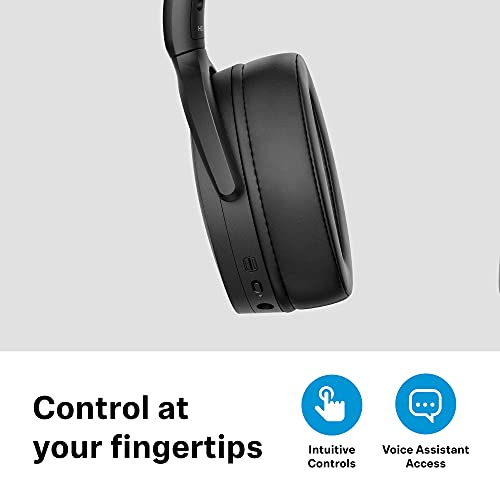
This is where you'll notice the biggest practical difference between budget and premium approaches. The Sennheiser HD 450BT takes a straightforward approach – you press a button to turn ANC on or off. It's effective against the usual suspects: air conditioning hum, traffic noise, and the general buzz of busy environments. However, it struggles with sudden, sharp sounds like car horns or people talking nearby.
The Marshall Monitor II ANC offers more sophistication through its companion app, allowing you to adjust the noise cancellation across 10 different levels. This customization is genuinely useful – you might want maximum cancellation on a plane but prefer lighter ANC in an office where you need to hear your name being called. It also includes a transparency mode that amplifies ambient sounds when you need situational awareness.
Neither headphone matches the noise cancellation prowess of premium models from Sony or Bose, but they're both effective enough for most real-world situations. The closed-back design of both models also provides excellent passive isolation – the physical blocking of sound by the ear cups themselves.
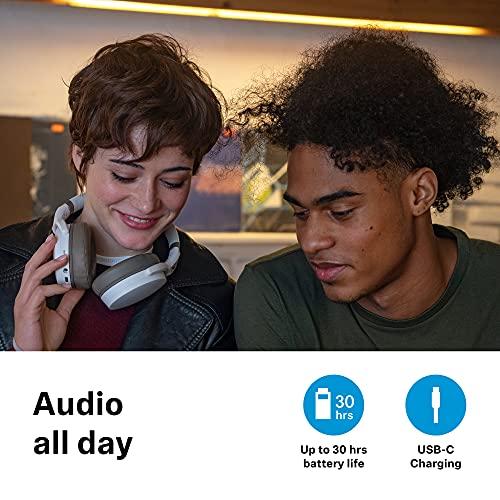
Both the Sennheiser HD 450BT and Marshall Monitor II ANC claim 30 hours of listening time with ANC enabled, and in my testing, they both deliver close to this promise. However, the way they achieve this differs subtly.
The Sennheiser's lower impedance (18 ohms vs 32 ohms) means it requires less power to drive the speakers, potentially providing more consistent performance as the battery drains. Both charge via USB-C in about two hours, and both offer quick-charge features for when you're in a rush.
The real-world impact of these differences becomes apparent during long listening sessions. With the Sennheiser HD 450BT, I've noticed less volume drop-off as the battery gets low, while the Marshall sometimes requires slight volume adjustments during the last few hours of use.
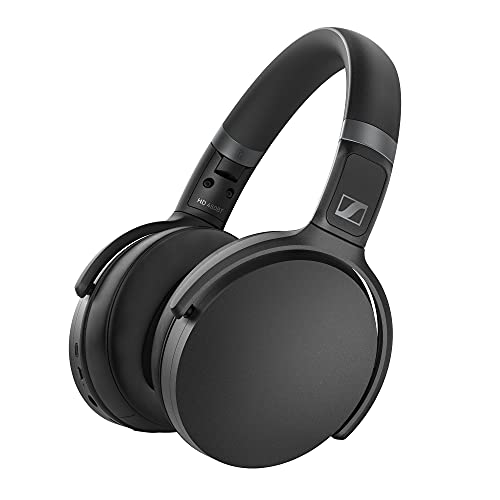
Here's where the 82-gram weight difference between these headphones becomes crucial. The Sennheiser HD 450BT weighs 238 grams, while the Marshall Monitor II ANC tips the scales at 320 grams. That might not sound like much, but when you're wearing headphones for several hours, every gram counts.
I regularly use headphones for 6-8 hour work sessions, and the Sennheiser consistently feels more comfortable over extended periods. The lighter weight reduces pressure on the top of your head, and the well-distributed clamping force doesn't create hotspots around your ears.
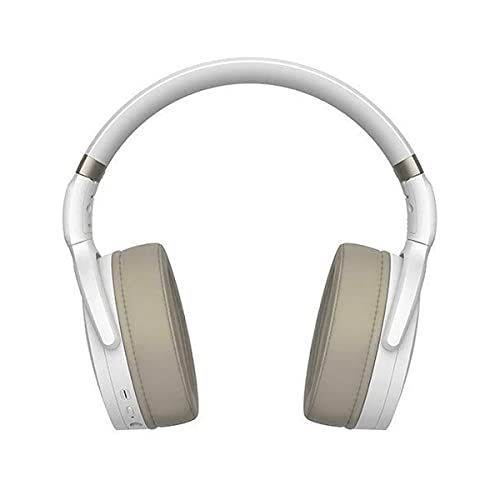
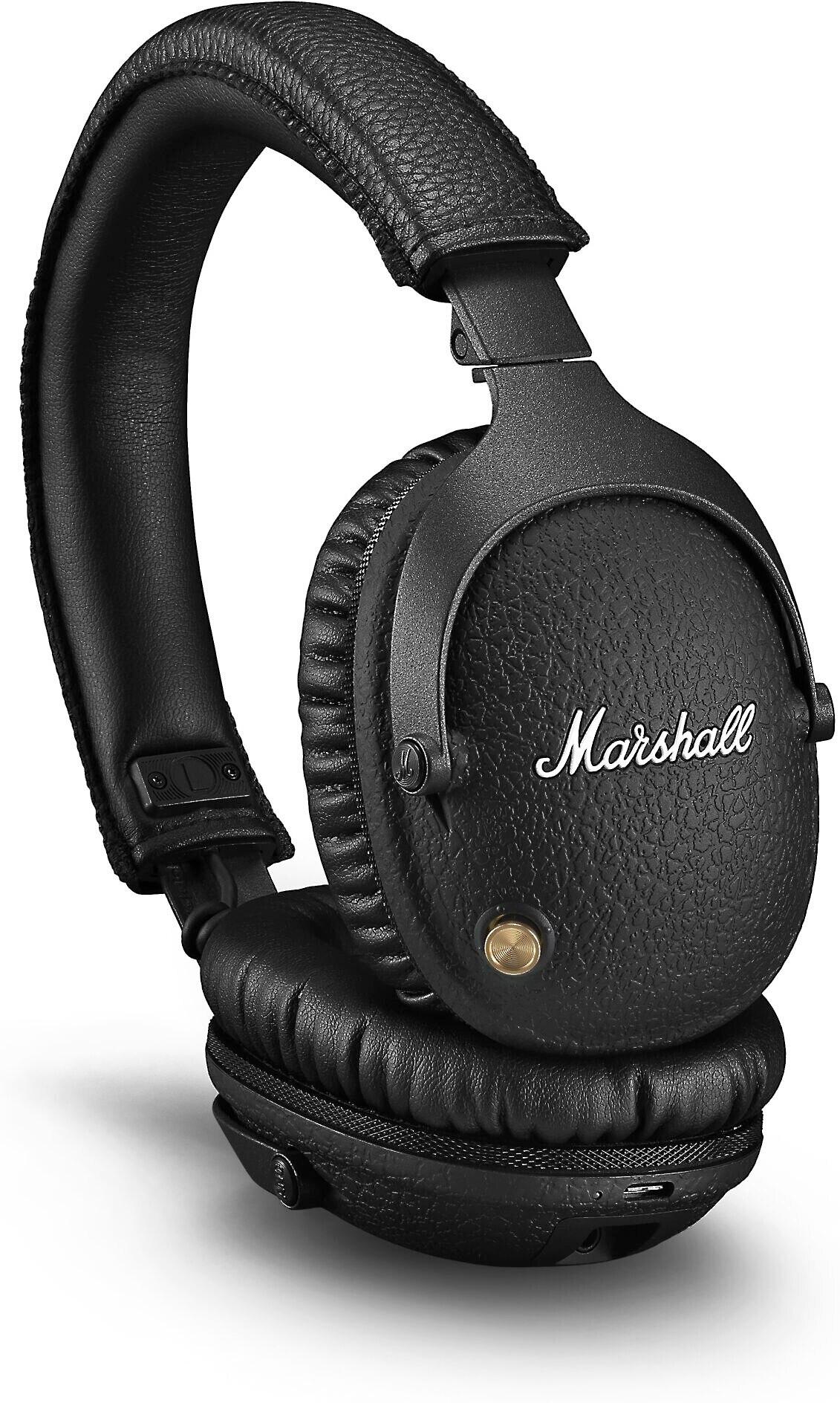
The Marshall makes up for its weight with premium materials. The artificial leather ear cushions feel luxurious, and the metal swivel hinges inspire confidence in long-term durability. However, that premium feel comes at the cost of extended comfort for some users.
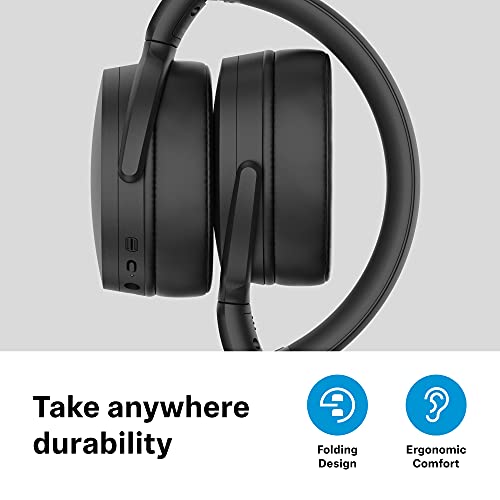
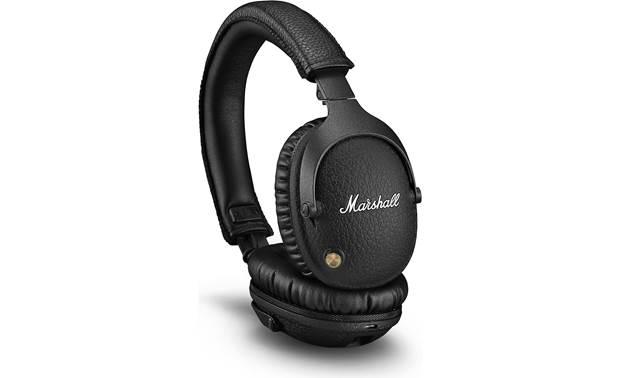
Both headphones fold for travel, but the Sennheiser's lighter weight makes it the better travel companion. The Marshall's visual appeal – with its textured black vinyl and brass accents – makes it more of a fashion statement, which might matter if you're using them in public spaces.
Both headphones use Bluetooth 5.0, which provides reliable connections and decent range (about 30 feet in most environments). However, they differ in some key areas.
The Sennheiser HD 450BT supports multipoint connectivity, meaning you can connect to two devices simultaneously – incredibly useful if you switch between your phone and laptop throughout the day. It also supports aptX and aptX Low Latency codecs, providing better audio quality and reduced delay for video content.
The Marshall Monitor II ANC focuses more on control sophistication. Its multi-directional control knob is genuinely intuitive – much better than the touch controls found on many wireless headphones. The customizable M-button can trigger voice assistants or cycle through EQ presets, adding flexibility to your daily use.
For codec support, the Marshall sticks to standard SBC and AAC, which work well with most devices but don't offer the enhanced quality of aptX. This isn't a deal-breaker for most users, but audiophiles might notice the difference with high-quality source material.
At the time of writing, there's a significant price gap between these headphones, with the Marshall commanding a premium of roughly $140 over the Sennheiser. This raises the obvious question: where does that extra money go?
With the Sennheiser HD 450BT, you're getting exceptional bang for your buck. The technical specifications are impressive for the price point – that wide frequency response and high sensitivity are typically found in more expensive models. You also get a two-year warranty, suggesting confidence in long-term reliability.
The Marshall Monitor II ANC justifies its premium through brand heritage, premium materials, and more sophisticated controls. If you're someone who values aesthetics and the Marshall brand carries emotional weight (maybe you're a guitarist or just love the rock and roll aesthetic), that premium might feel justified.
From a pure performance-per-dollar perspective, the Sennheiser wins handily. You're getting superior technical specifications, better codec support, longer warranty coverage, and more comfortable daily use for significantly less money.
If you're planning to use these headphones for movie watching or gaming, there are some specific factors to consider. The Sennheiser HD 450BT's support for aptX Low Latency is crucial here – it reduces the delay between what you see and what you hear to imperceptible levels. Without this, you might notice dialogue that doesn't sync properly with actors' lip movements.
The Marshall Monitor II ANC's warm sound signature and larger drivers can make movie soundtracks more engaging, particularly for action films where you want that immersive bass response. However, the lack of low-latency codec support might be frustrating for critical viewing.
Both headphones include 3.5mm wired connections as backup, which completely eliminates latency issues if you're watching content on a device with a headphone jack.
After extensive use with both headphones, I'd recommend the Sennheiser HD 450BT for most buyers. The combination of superior technical specifications, better comfort for extended use, longer warranty, and significantly lower price makes it an exceptional value. It's particularly good if you prioritize versatility – the multipoint connectivity and aptX support make it adapt well to different use cases throughout your day.
Choose the Marshall Monitor II ANC if brand aesthetics matter to you, if you prefer more sophisticated app-based customization, or if you primarily listen to guitar-driven music that benefits from its midrange emphasis. The premium materials and unique design language justify the higher price for buyers who value these aspects.
For most people building a home theater setup or looking for daily-use headphones for work and entertainment, the Sennheiser represents the smarter purchase. However, if you're drawn to the Marshall brand and budget isn't your primary concern, you won't be disappointed with the Monitor II ANC's performance and build quality.
The wireless noise-cancelling headphone market continues evolving rapidly, but both of these models remain competitive options that showcase different philosophies about balancing performance, features, and value. Your choice ultimately depends on whether you prioritize maximum bang for your buck or are willing to pay extra for premium aesthetics and brand heritage.
| Sennheiser HD 450BT | Marshall Monitor II ANC |
|---|---|
| Frequency Response - Determines audio detail and bass depth | |
| 18Hz - 22,000Hz (exceptional range for the price) | 20Hz - 20,000Hz (standard human hearing range) |
| Driver Size - Affects soundstage and bass power | |
| 32mm dynamic drivers | 40mm dynamic drivers (larger for potentially fuller sound) |
| Sensitivity - How loud headphones get with same power | |
| 108 dB/mW (very efficient, stays loud as battery drains) | 96 dB/mW (12dB less efficient, may need more volume adjustments) |
| Weight - Critical for extended listening comfort | |
| 238g (significantly lighter for all-day wear) | 320g (82g heavier, premium feel but may cause fatigue) |
| Impedance - Power requirements and battery efficiency | |
| 18 ohms (easier to drive, better battery efficiency) | 32 ohms (requires more power) |
| Battery Life - Listening time before recharge needed | |
| 30 hours with ANC (consistent performance due to efficiency) | 30 hours with ANC (may vary more as battery depletes) |
| Active Noise Cancellation - Customization and effectiveness | |
| Simple on/off toggle, effective for basic noise blocking | 10 adjustable levels via app plus transparency mode |
| Bluetooth Codecs - Audio quality over wireless connection | |
| SBC, AAC, aptX, aptX Low Latency (excellent for video/gaming) | SBC only (basic but sufficient for most users) |
| Multipoint Connection - Connecting to multiple devices | |
| Yes (seamlessly switch between phone and laptop) | No (must manually disconnect/reconnect) |
| Warranty Coverage - Protection for your investment | |
| 2 years (indicates manufacturer confidence) | 1 year (standard coverage) |
| App Features - Customization and control options | |
| Basic EQ adjustments and firmware updates | Advanced EQ presets, ANC levels, button customization |
| Build Materials - Durability and premium feel | |
| Lightweight plastic construction, foldable | Premium artificial leather, metal hinges, textured vinyl |
| Control Method - Daily usability and convenience | |
| Physical buttons (reliable in all conditions) | Multi-directional knob plus buttons (more intuitive) |
| Voice Assistant Integration - Hands-free convenience | |
| Dedicated button for Google Assistant/Siri | Programmable M-button for assistants or EQ switching |
The Sennheiser HD 450BT provides exceptional value with superior technical specifications, wider frequency response (18Hz-22,000Hz vs 20Hz-20,000Hz), higher sensitivity, and a 2-year warranty at a significantly lower price point. The Marshall Monitor II ANC justifies its premium pricing through brand heritage, premium materials, and more sophisticated app controls, but the Sennheiser HD 450BT delivers better performance per dollar.
The Sennheiser HD 450BT is notably more comfortable for extended use due to its lighter weight (238g vs 320g). The 82-gram difference becomes significant during multi-hour sessions. While the Marshall Monitor II ANC features premium artificial leather cushions and quality materials, its heavier build can cause fatigue over time, making the Sennheiser HD 450BT better for all-day wear.
Both headphones offer effective active noise cancellation, but with different approaches. The Sennheiser HD 450BT provides simple on/off ANC that works well for basic noise blocking. The Marshall Monitor II ANC offers more sophisticated control with 10 adjustable ANC levels via its companion app, plus a transparency mode for situational awareness, giving users more customization options.
The Sennheiser HD 450BT is better suited for home theater use thanks to its aptX Low Latency codec support, which eliminates audio delay when watching videos or gaming. The Marshall Monitor II ANC lacks low-latency codec support, which may cause noticeable audio sync issues during video content, though both headphones include wired connections as backup options.
Both offer excellent sound quality but with different signatures. The Sennheiser HD 450BT delivers balanced, detailed sound with good instrument separation across all genres. The Marshall Monitor II ANC emphasizes midrange frequencies, making it particularly appealing for rock, guitar-driven music, and vocals, staying true to Marshall's audio heritage and rock-focused tuning.
The Sennheiser HD 450BT supports multipoint connectivity, allowing simultaneous connection to two devices (like your phone and laptop) for seamless switching. The Marshall Monitor II ANC doesn't offer multipoint connection, requiring manual disconnection and reconnection when switching between devices, making the Sennheiser HD 450BT more convenient for multi-device users.
Both the Sennheiser HD 450BT and Marshall Monitor II ANC offer 30 hours of playback with ANC enabled and charge via USB-C in approximately 2 hours. However, the Sennheiser HD 450BT's higher efficiency (108 dB/mW vs 96 dB/mW) means it maintains more consistent volume levels as the battery depletes throughout extended listening sessions.
Both headphones feature built-in microphones suitable for calls and video conferencing. The Sennheiser HD 450BT offers reliable call quality with straightforward button controls, while the Marshall Monitor II ANC provides clear voice transmission through its MEMS microphones. Both perform adequately for remote work and hands-free calling situations.
The Sennheiser HD 450BT is more travel-friendly due to its lighter weight and effective noise cancellation for blocking airplane engines and traffic noise. Both headphones fold for portability, but the Marshall Monitor II ANC's heavier build and premium aesthetics make it less practical for extended travel, though it offers superior style for urban commuting.
The Marshall Monitor II ANC provides more comprehensive app integration with advanced EQ presets, 10-level ANC adjustment, and button customization through the Marshall Bluetooth app. The Sennheiser HD 450BT offers basic app functionality with simple EQ adjustments and firmware updates, making the Marshall Monitor II ANC better for users who want extensive personalization options.
Yes, both the Sennheiser HD 450BT and Marshall Monitor II ANC include 3.5mm audio cables for wired listening when the battery is depleted or when connecting to devices without Bluetooth. This backup option ensures continuous use and eliminates any potential audio latency issues for critical listening or video content consumption.
The Sennheiser HD 450BT comes with a 2-year warranty compared to the Marshall Monitor II ANC's 1-year coverage, suggesting greater manufacturer confidence in durability. While the Marshall Monitor II ANC features premium materials like metal hinges and artificial leather, the Sennheiser HD 450BT's lighter construction may experience less mechanical stress over time, potentially offering better long-term reliability.
We've done our best to create useful and informative comparisons to help you decide what product to buy. Our research uses advanced automated methods to create this comparison and perfection is not possible - please contact us for corrections or questions. These are the sites we've researched in the creation of this article: pocketnow.com - majorhifi.com - rtings.com - majorhifi.com - soundguys.com - rtings.com - bestbuy.com - versus.com - youtube.com - youtube.com - starkinsider.com - headphones.com - newsroom.sennheiser.com - headphonecheck.com - walmart.com - fullspecs.net - youtube.com - crutchfield.com - sennheiser-hearing.com - youtube.com - babblingboolean.com - soundguys.com - androidcentral.com - headphonereview.com - thestyleinspiration.com - headphonecheck.com - versus.com - blog.son-video.com - bhphotovideo.com - bestbuy.com - versus.com - bhphotovideo.com - stereoguide.com - marshall.com - api.bestbuy.com - soundstagesolo.com - marshall.com - youtube.com - youtube.com - electronicexpress.com

Privacy Policy
Terms and Conditions - Affiliate Policy
Home Security
© Copyright 2008-2026.
11816 Inwood Rd #1211, Dallas, TX 75244