

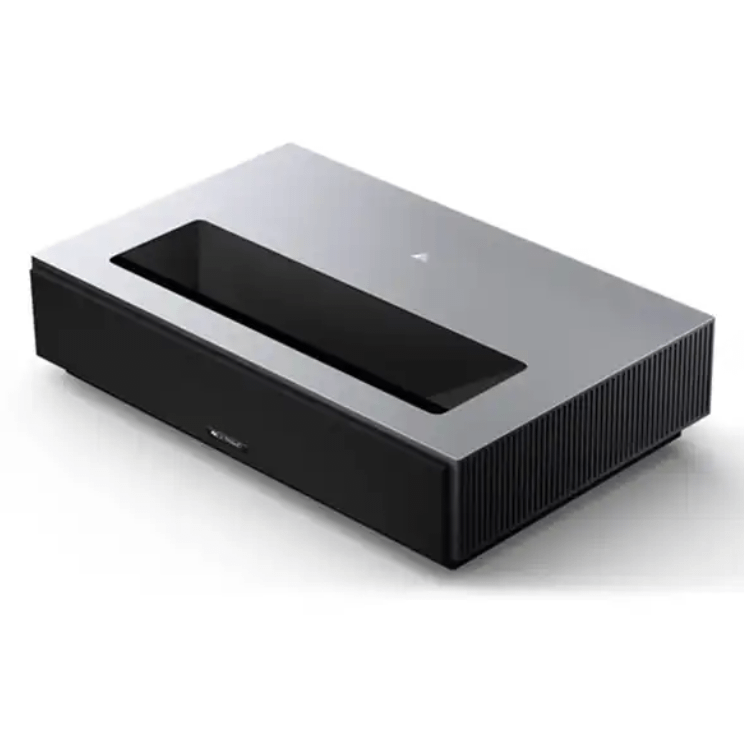
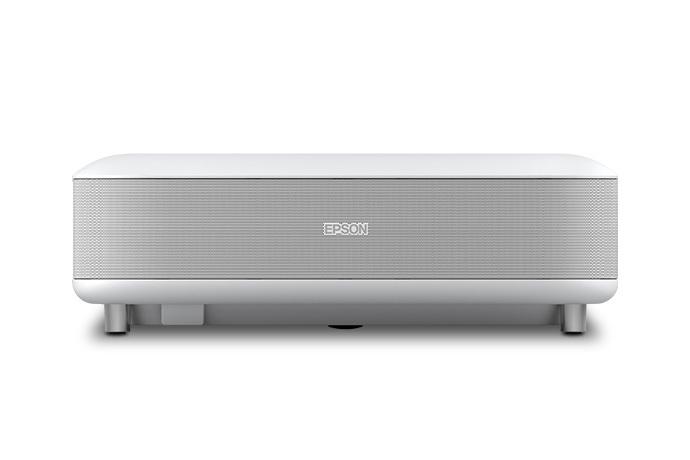
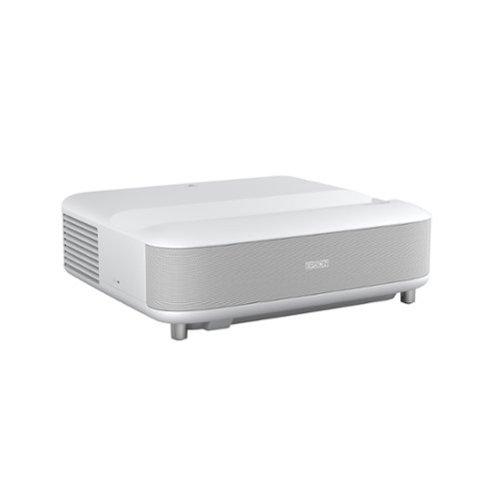


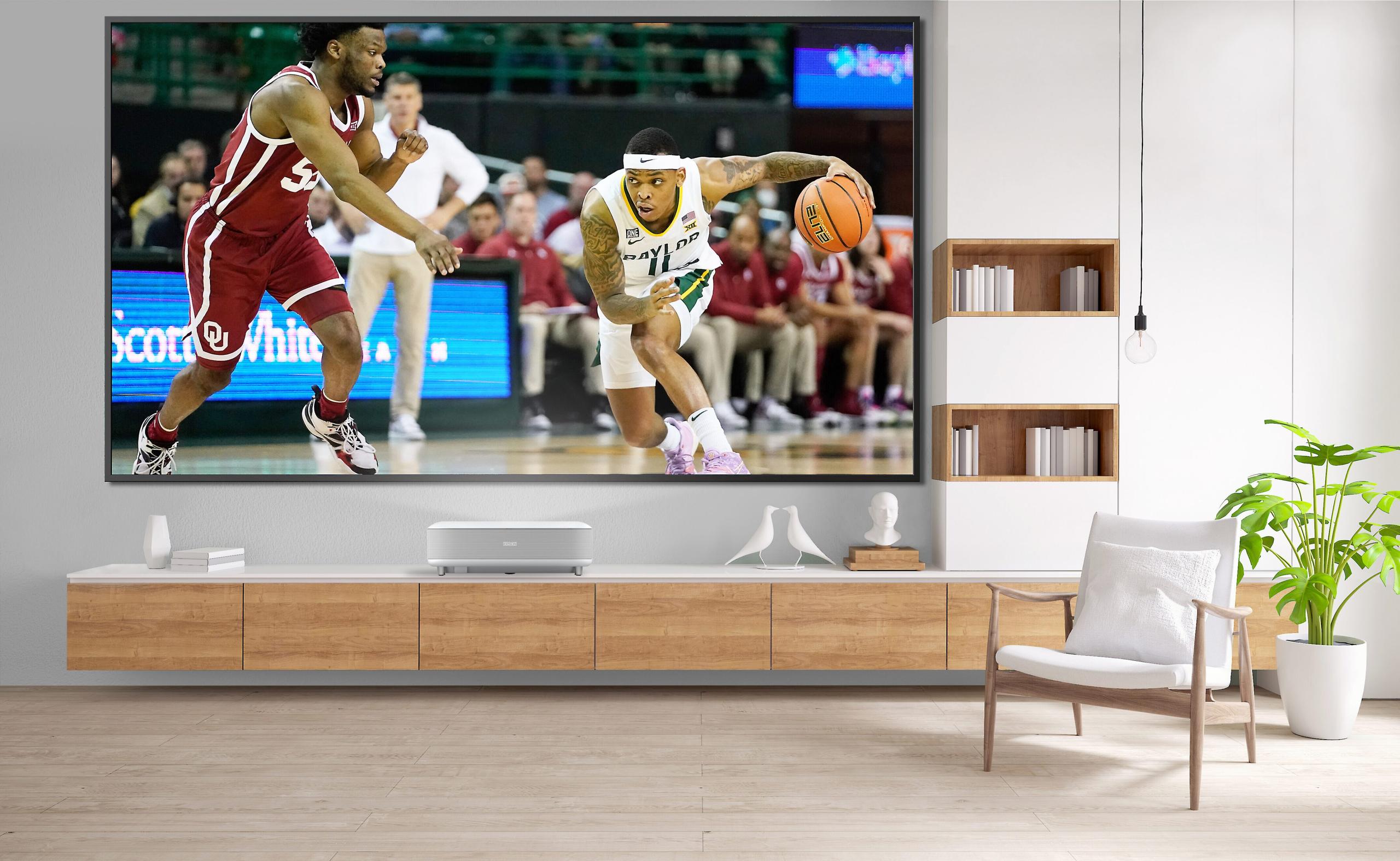
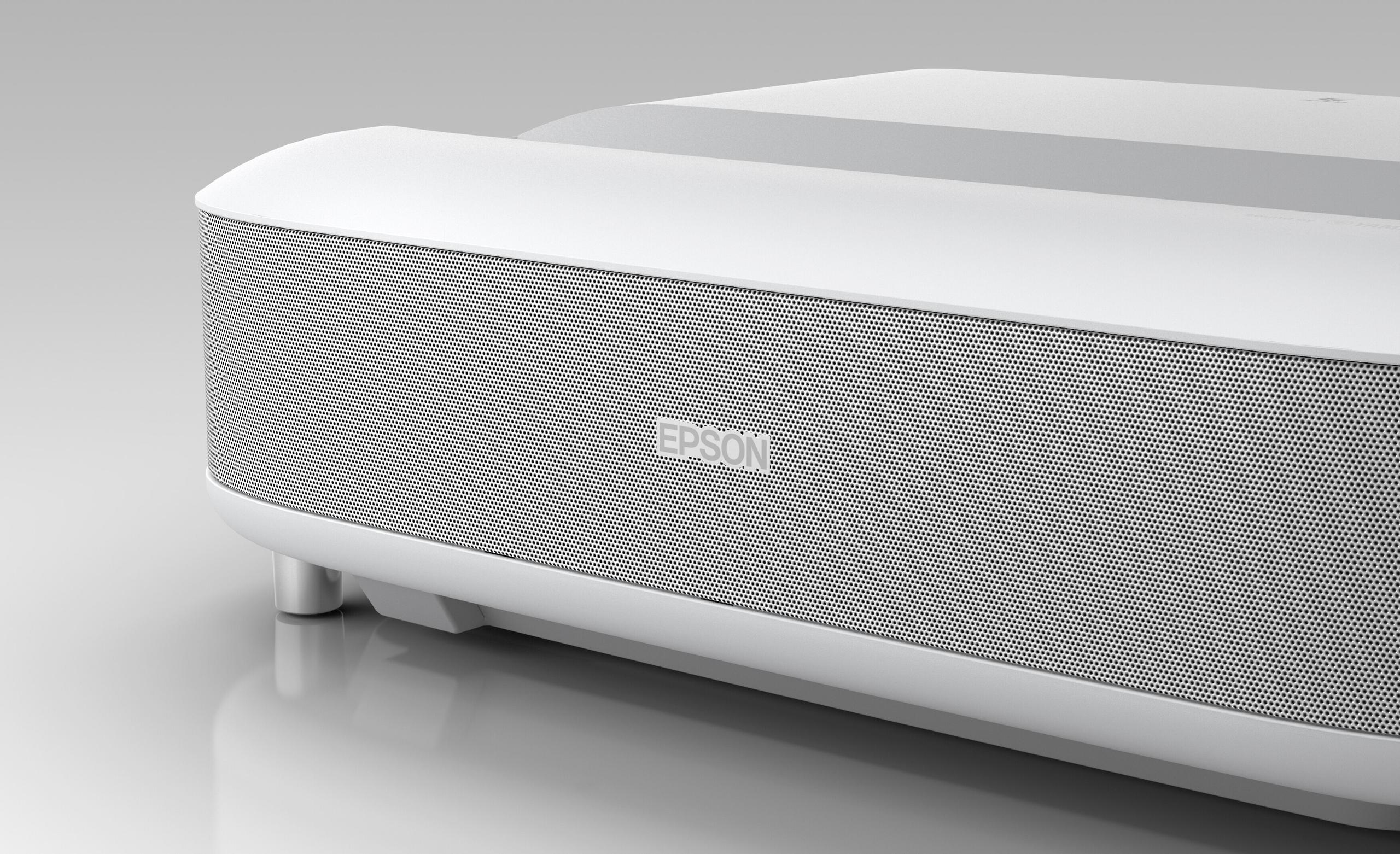
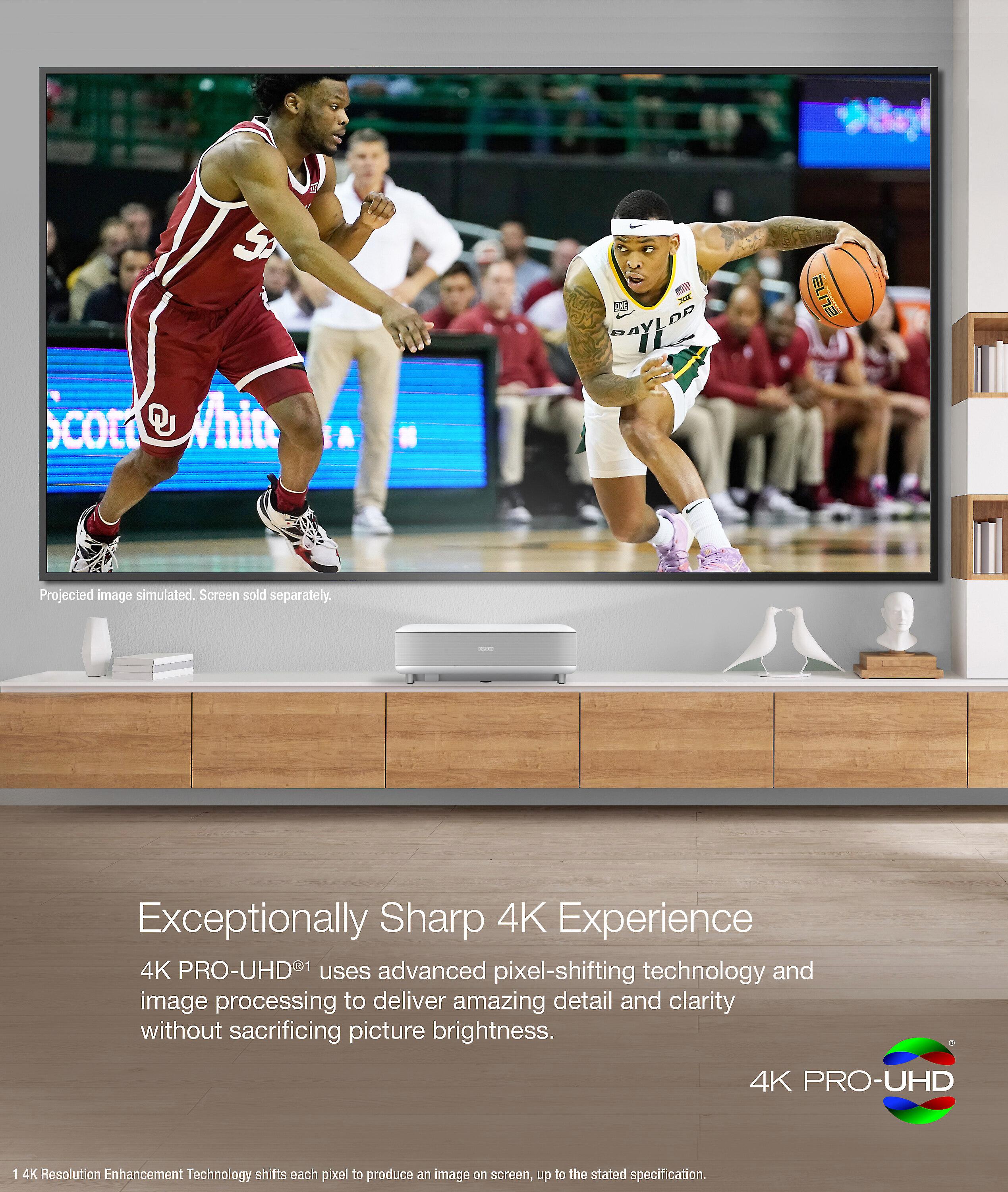
The home theater landscape has dramatically shifted as Ultra Short Throw projectors have become increasingly sophisticated. These technological marvels can sit just inches from your wall while projecting massive, high-quality images - a feat that seemed impossible just a few years ago.
Today we're comparing two leading options: the Formovie 4K Max ($3,699) and the Epson EpiqVision Ultra LS650 ($2,799), both representing the latest in UST technology.
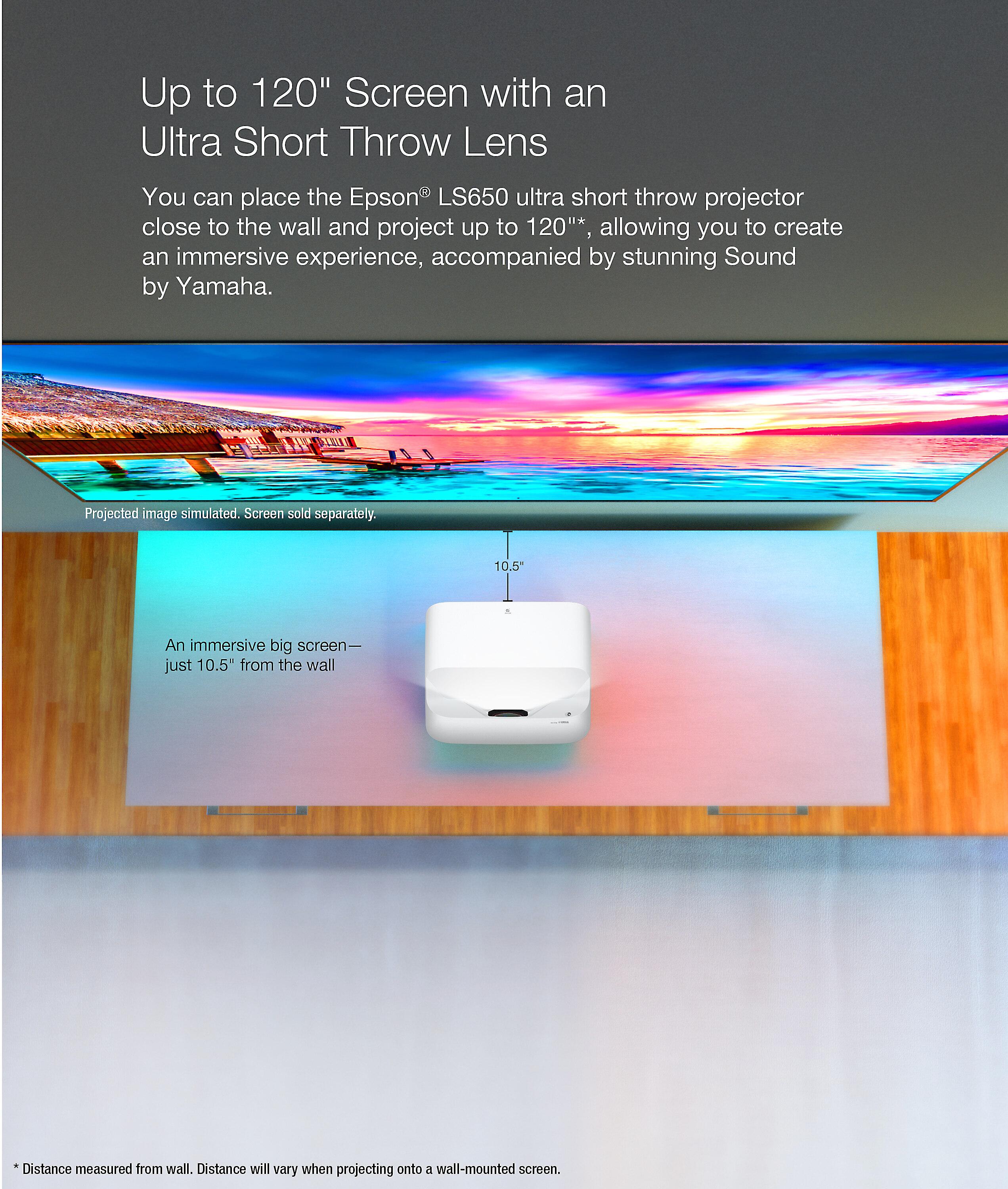
Before diving deep, let's understand what makes these projectors special. UST projectors use advanced lens systems and image processing to project large images from very close distances. Think of it like having a TV-sized device that can create a theater-sized picture while sitting in your media cabinet.
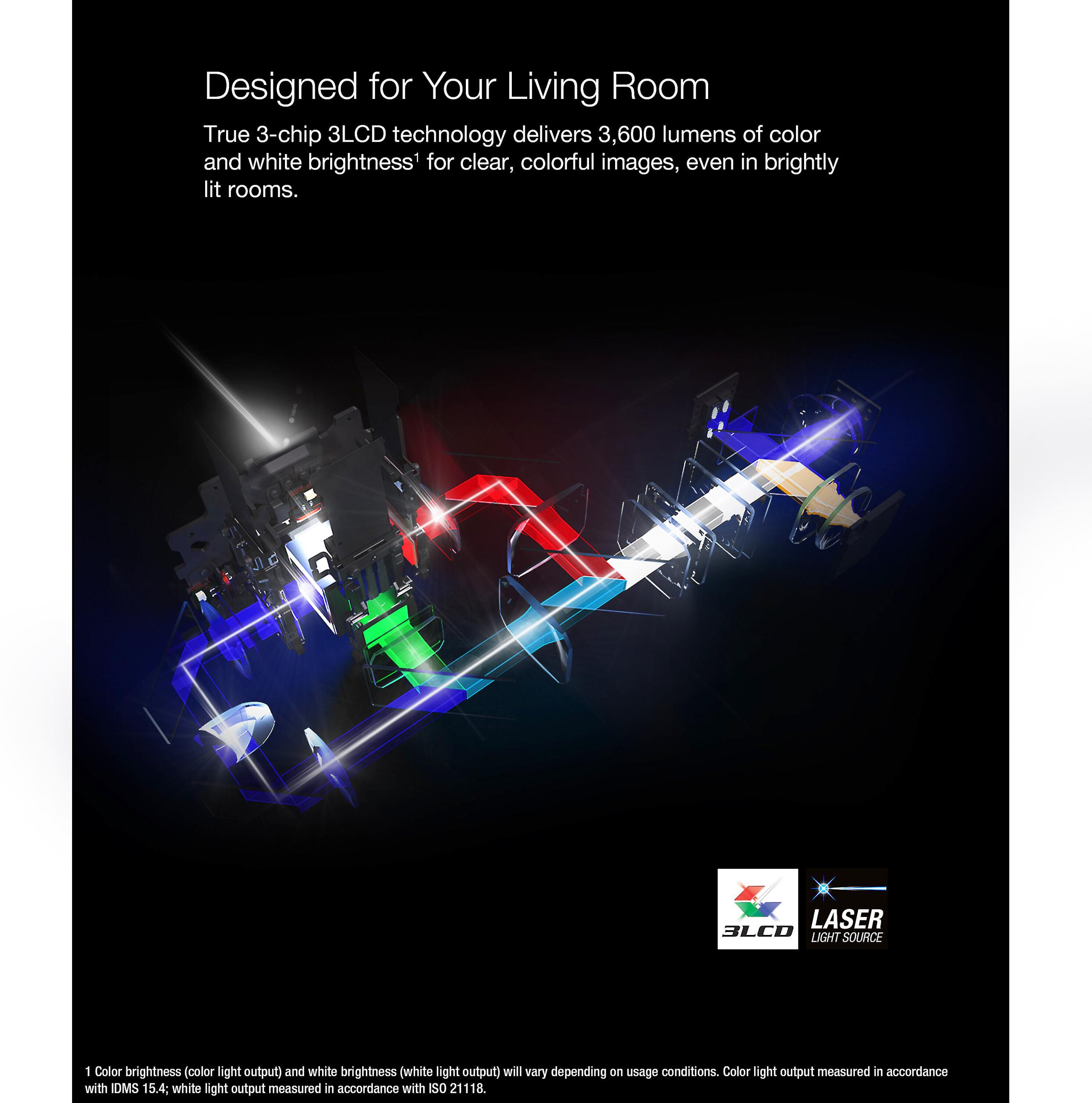
The Formovie 4K Max uses DLP (Digital Light Processing) technology with an ALPD 3.0 laser light source, while the Epson LS650 employs 3LCD technology. This fundamental difference affects everything from color reproduction to contrast and motion handling.
DLP technology, used in the Formovie, works by reflecting light off millions of tiny mirrors. This typically results in excellent contrast and sharp images but can sometimes produce a "rainbow effect" where some viewers see momentary color artifacts. 3LCD, Epson's approach, uses three separate LCD panels for red, green, and blue, eliminating the rainbow effect and often producing more accurate colors out of the box.
The Formovie's 4,500 ANSI lumens significantly outshines the Epson's 3,600 lumens. In practical terms, this means the Formovie maintains better image quality in bright rooms and can drive larger screens effectively. I've found that this difference is particularly noticeable when watching HDR content during daytime viewing.
Both projectors offer impressive picture quality, but in different ways:
The Formovie incorporates ALLM (Auto Low Latency Mode) and MEMC (Motion Estimation/Motion Compensation), making it more suitable for gaming. The Epson, while capable, doesn't specifically cater to gamers with these features.
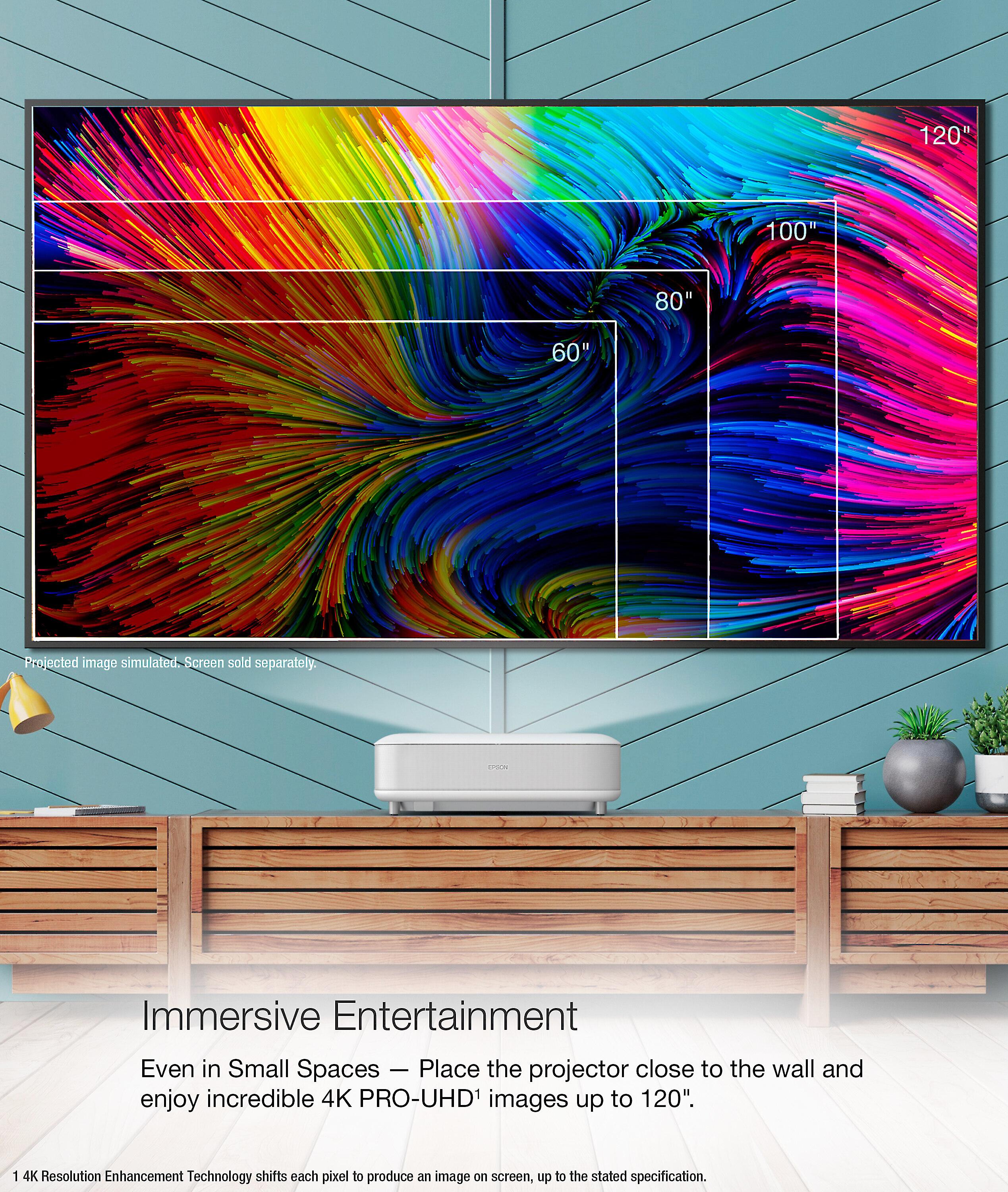
The Formovie 4K Max offers exceptional flexibility with its 200-inch maximum screen size and 0.25:1 throw ratio. The Epson's 120-inch maximum is still impressive but more limited. In real-world use, most users will likely settle in the 100-120 inch range, where both projectors perform admirably.
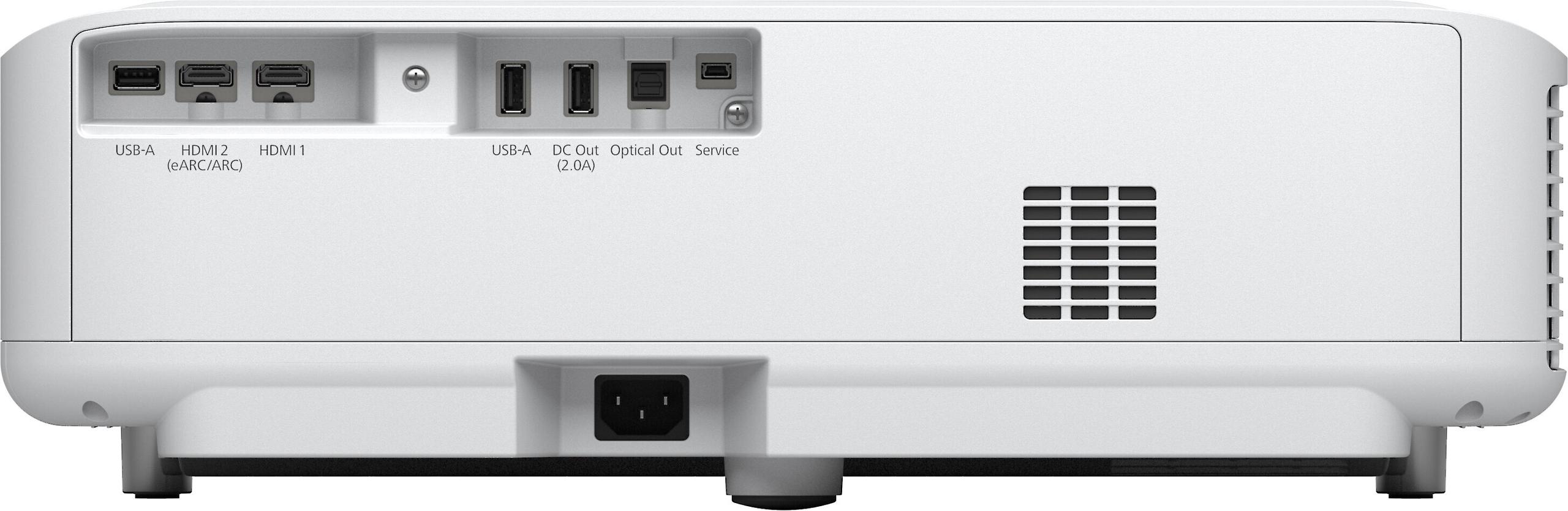
The Epson's built-in Android TV provides a more complete out-of-box experience. The Formovie's FengOS is more limited, likely requiring an external streaming device for most users. Both offer adequate HDMI ports and wireless connectivity, though the Epson's Android TV integration makes it more user-friendly for casual viewers.
While external speakers or a soundbar are recommended for the best experience, the built-in audio systems differ significantly:
At $2,799, the Epson LS650 represents better value for many users, especially those prioritizing ease of use and built-in features. The Formovie's $3,699 price tag delivers superior brightness and larger screen capabilities, justifying the premium for certain users.
Since their releases (Formovie in early 2024, Epson in late 2023), both have received firmware updates improving their performance. The Formovie's newer release date brings some advantages in terms of HDR processing and gaming features.
Both projectors represent excellent choices in the UST category, with the Formovie 4K Max offering superior performance at a premium and the Epson LS650 delivering excellent value. Your specific viewing environment, budget, and priorities should guide your choice between these impressive options.
Remember that room setup, screen quality, and ambient light control will significantly impact your experience with either projector. Consider these factors alongside the projectors' specifications when making your decision.
| Formovie 4K Max | Epson EpiqVision Ultra LS650 |
|---|---|
| Price - Initial Investment | |
| $3,699 | $2,799 |
| Brightness - Critical for ambient light performance | |
| 4,500 ANSI lumens (excellent for bright rooms) | 3,600 lumens (good for moderate lighting) |
| Projection Technology - Impacts image quality and viewing experience | |
| DLP with ALPD 3.0 (better contrast, possible rainbow effect) | 3LCD (no rainbow effect, better color accuracy) |
| Maximum Screen Size - Determines viewing flexibility | |
| Up to 200 inches | Up to 120 inches |
| Throw Ratio - Affects placement distance | |
| 0.25:1 (slightly closer to wall) | 0.27:1 (requires marginally more distance) |
| Smart Features - Built-in streaming capability | |
| Limited FengOS (external device recommended) | Full Android TV (comprehensive streaming) |
| Audio System - Built-in sound quality | |
| Dual speakers + tweeter (basic) | Yamaha 2.1 system (superior) |
| Gaming Features - Important for gaming performance | |
| ALLM and MEMC supported (better for gaming) | Basic support (higher input lag) |
| HDR Support - Impacts movie viewing quality | |
| HDR10+ (excellent HDR performance) | HDR10, HLG (good HDR support) |
| Operating System - Ease of use | |
| FengOS (limited app support) | Android TV 11 (extensive app support) |
| Contrast Ratio - Important for dark scene detail | |
| 3,000:1 | 2,500,000:1 dynamic |
| Lamp Life - Long-term maintenance | |
| 20,000 hours | 20,000 hours |
The Formovie 4K Max performs better in bright rooms with its 4,500 ANSI lumens compared to the Epson LS650's 3,600 lumens. This makes the Formovie a better choice for rooms with ambient light or daytime viewing.
The Epson EpiqVision Ultra LS650 is more affordable at $2,799, while the Formovie 4K Max costs $3,699.
The Formovie 4K Max can project up to 200 inches, while the Epson LS650 maxes out at 120 inches.
The Formovie 4K Max is better for gaming with its ALLM and MEMC features, offering lower input lag compared to the Epson LS650.
The Epson LS650 has full Android TV integration for comprehensive streaming. The Formovie 4K Max has limited FengOS and typically requires an external streaming device.
The Epson LS650 features a superior Yamaha 2.1 sound system, while the Formovie 4K Max has a more basic dual speaker setup.
Both projectors can be placed very close to the wall, with the Formovie 4K Max having a slightly better 0.25:1 throw ratio compared to the Epson LS650's 0.27:1.
Both the Formovie 4K Max and Epson LS650 have similar 20,000-hour laser light source lifespans.
The Epson LS650 typically offers better out-of-box color accuracy with its 3LCD technology, while the Formovie 4K Max requires more calibration.
Both projectors work best with ALR (Ambient Light Rejecting) screens, but the Formovie 4K Max benefits more from one due to its higher brightness.
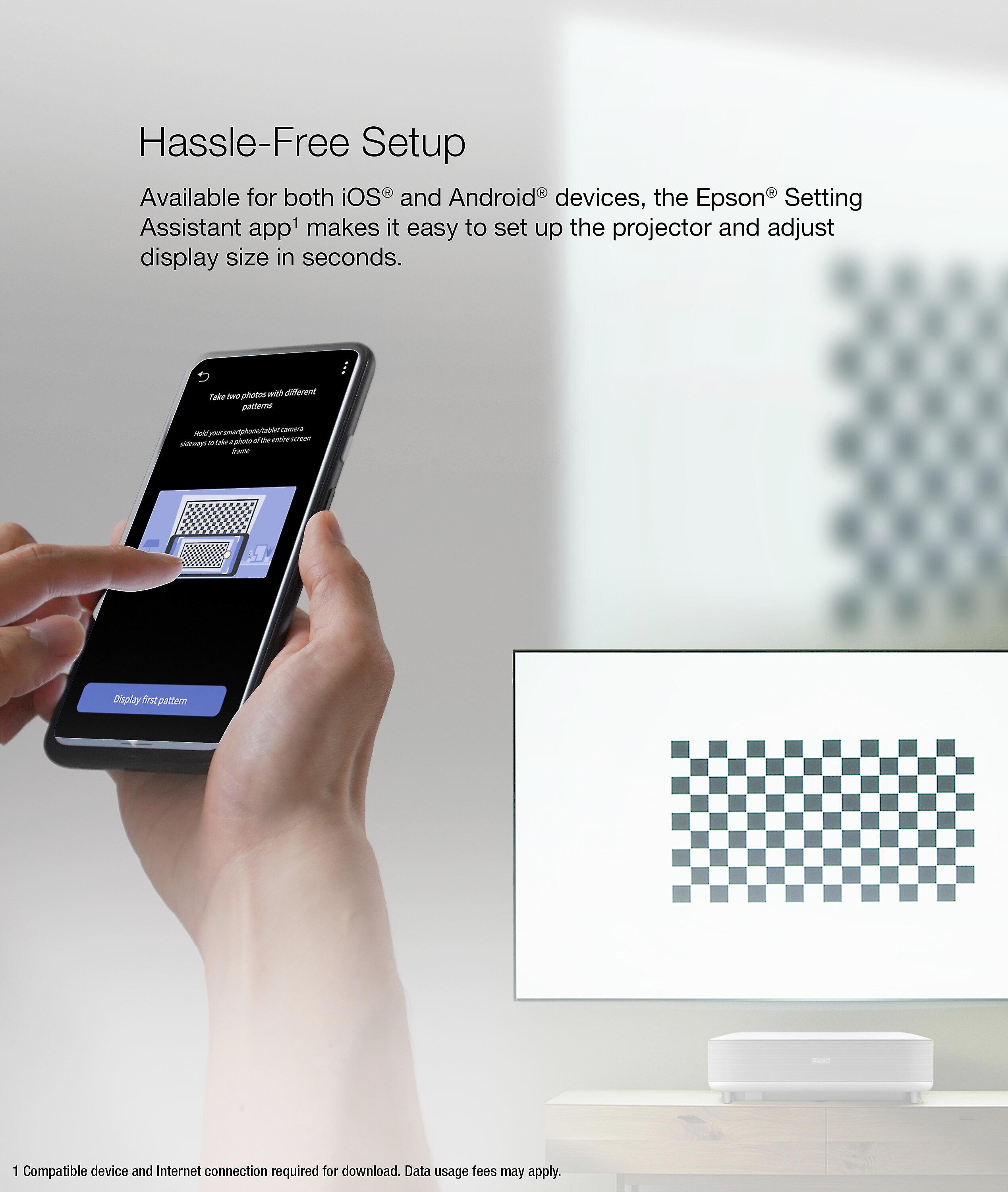
The Epson LS650 is generally easier to set up with its Android TV interface and straightforward alignment system, compared to the Formovie 4K Max's more complex setup.
Both projectors excel at movie watching, but the Formovie 4K Max has an edge in HDR content and contrast, while the Epson LS650 offers more natural colors.
We've done our best to create useful and informative comparisons to help you decide what product to buy. Our research uses advanced automated methods to create this comparison and perfection is not possible - please contact us for corrections or questions. These are the sites we've researched in the creation of this article: rtings.com - eu.formovie.com - notebookcheck.net - formovie.com - techradar.com - projectorcentral.com - projectorscreen.com - projectorcentral.com - projectorreviews.com - projectorcentral.com - formovie.com - techradar.com - youtube.com - projectorscreen.com - news.epson.com - projectorcentral.com - projectorreviews.com - avsforum.com - projectorcentral.com - news.epson.com - audiogeneral.com

Privacy Policy
Terms and Conditions - Affiliate Policy
Home Security
© Copyright 2008-2026.
11816 Inwood Rd #1211, Dallas, TX 75244