

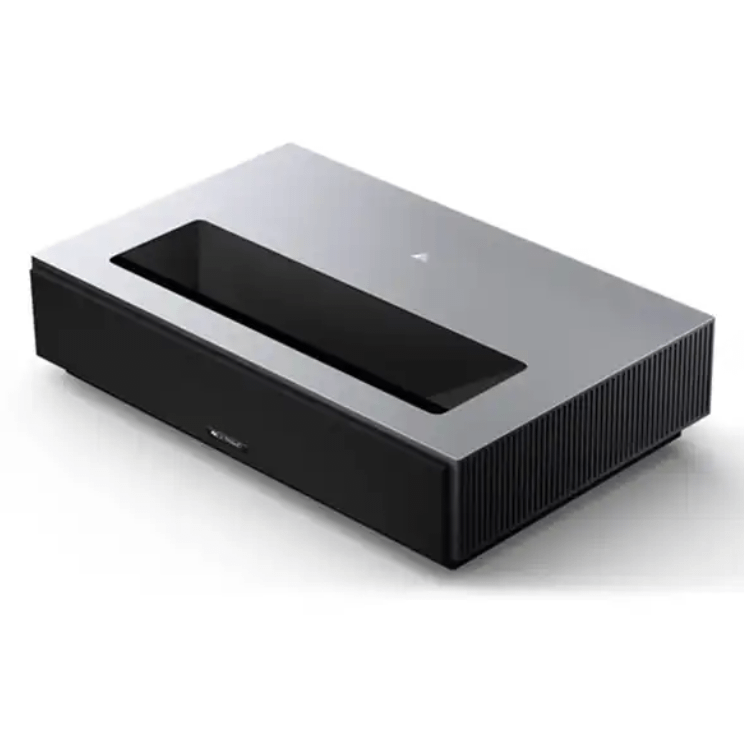
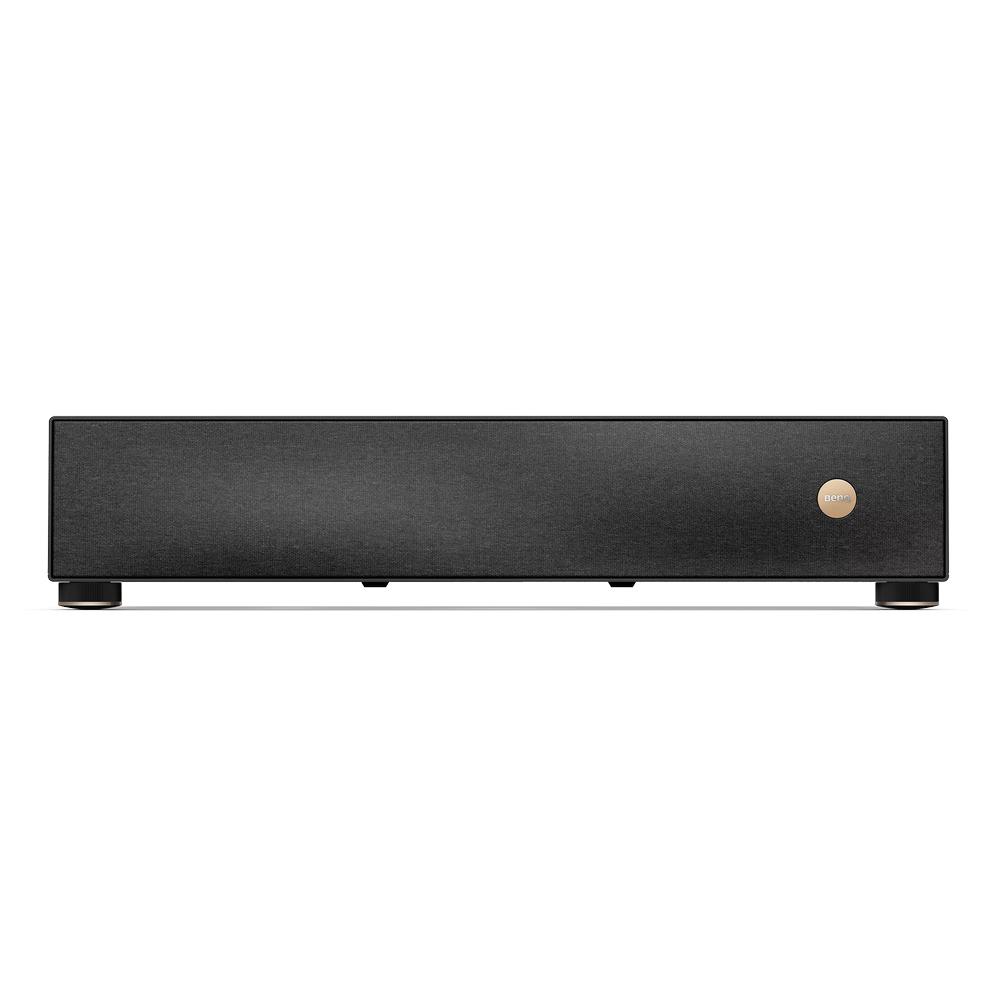
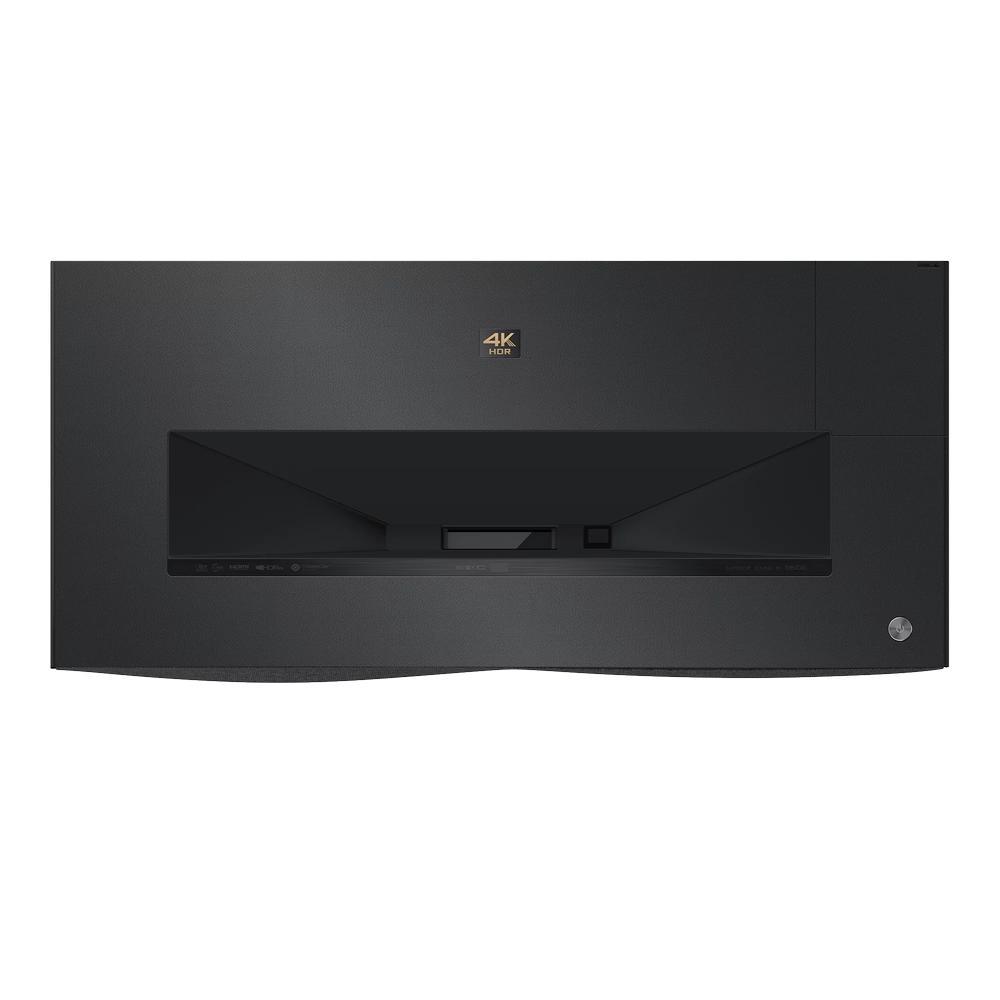
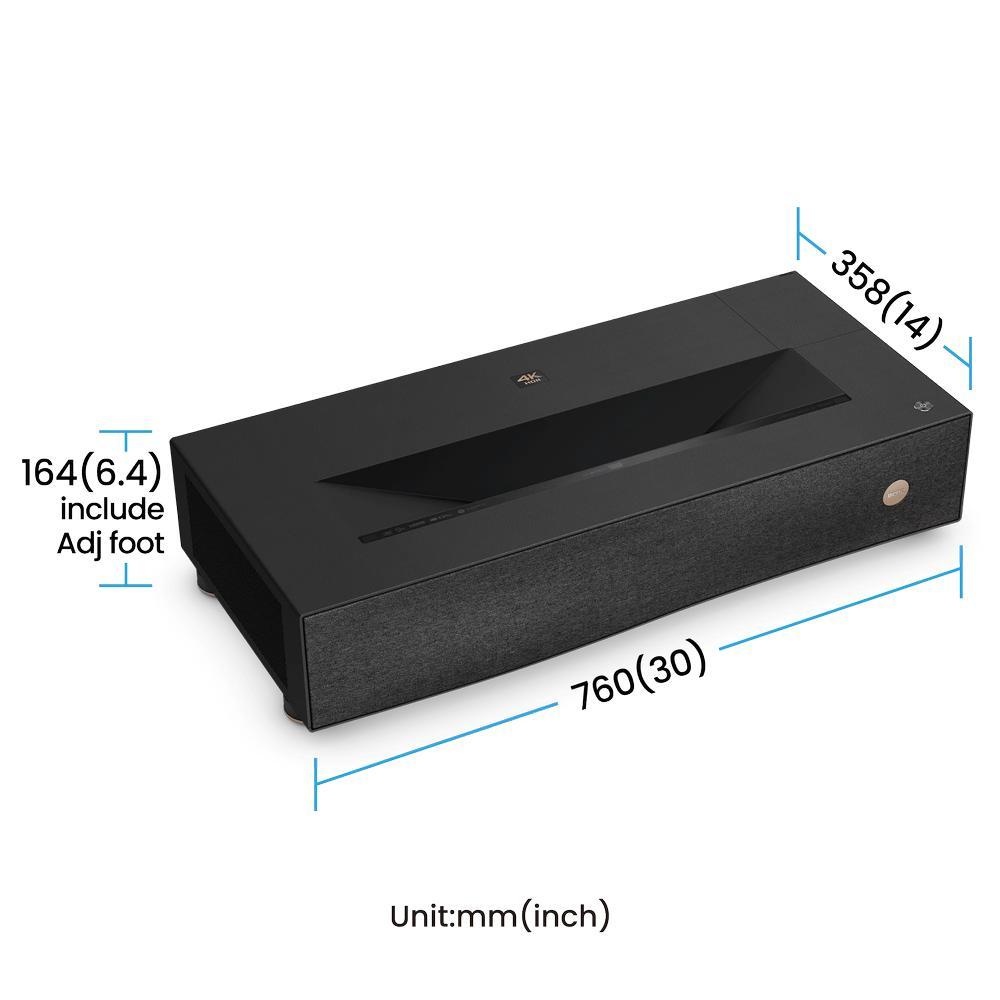
The world of home theater has evolved dramatically, and Ultra Short Throw (UST) projectors represent one of the most exciting developments. Today, we're comparing two standout options: the Formovie 4K Max ($3,699) and the BenQ V5010i ($2,999), both released in early 2024. These projectors offer cinema-like experiences without traditional ceiling mounting, sitting just inches from your wall.
Ultra Short Throw technology has revolutionized home theater by eliminating the need for long projection distances. Instead of mounting a projector 10-15 feet away from your screen, these units sit mere inches from the wall, typically on a media console. This advancement solves many traditional projector challenges, like people walking through the beam or complex ceiling installations.
The Formovie 4K Max stands out with its impressive 4,500 ANSI lumens - a measurement of actual light output that's more reliable than marketing "LED lumens." This brightness level means you can watch during the day or with ambient light, though you'll still want to control direct sunlight. It's a significant advantage over many competitors.
The BenQ V5010i offers 2,500 ANSI lumens, which is still respectable but better suited for controlled lighting environments. In practical terms, this means:
The BenQ employs a sophisticated RGB triple laser system, achieving 98% of the DCI-P3 color space (the standard for digital cinema). This means incredibly accurate and vibrant colors, especially noticeable in nature documentaries or movies with rich cinematography.
The Formovie uses a single laser with a color wheel system, covering about 80-85% of NTSC color space. While still good, it can't match the BenQ's color accuracy. In real-world viewing:
Contrast ratio determines how well a projector can show bright and dark content simultaneously. The BenQ's 3,000,000:1 dynamic contrast ratio (achieved through laser dimming) produces deeper blacks and better shadow detail than the Formovie's 3,300:1 native contrast.
For movie enthusiasts, this means:
Modern gaming demands low input lag (the delay between pressing a button and seeing the action on screen) and support for advanced features. Here's how they compare:
The BenQ V5010i offers:
The Formovie 4K Max provides:
Both projectors feature automatic keystone correction (which adjusts the image shape when the projector isn't perfectly aligned) and powered focus. The BenQ adds Auto Screen Fit, which automatically sizes the image to your screen - a helpful feature for initial setup.
Screen considerations:
Built-in audio has become increasingly important for UST projectors, as many users want an all-in-one solution:
BenQ V5010i:
Formovie 4K Max:
Both projectors use laser light sources rated for approximately 20,000 hours, meaning they should last 10+ years with normal use. The price difference ($700) is significant but should be considered alongside your specific needs:
Consider your primary use case:
Choose the Formovie 4K Max if:
Choose the BenQ V5010i if:
Both projectors represent the current state of UST technology, with each excelling in different areas. The Formovie's brightness advantage makes it more versatile for mixed-use spaces, while the BenQ's superior color accuracy and gaming performance make it ideal for dedicated home theaters.
For most users, room environment should be the primary deciding factor, followed by intended use case and budget. Remember that either projector will deliver an impressive big-screen experience that transforms any space into a home theater.
| Formovie 4K Max | BenQ V5010i |
|---|---|
| MSRP - Base Investment | |
| $3,699 | $2,999 |
| Brightness - Critical for ambient light handling | |
| 4,500 ANSI lumens (excellent for bright rooms) | 2,500 ANSI lumens (best in controlled lighting) |
| Color Technology - Impacts picture quality and accuracy | |
| Single laser with color wheel, 80-85% NTSC | RGB triple laser, 98% DCI-P3, 95% BT.2020 |
| Contrast Ratio - Affects black levels and image depth | |
| 3,300:1 native contrast | 3,000,000:1 dynamic contrast |
| Gaming Performance - Important for responsive gameplay | |
| Basic HDMI 2.0, higher input lag | 17.9ms input lag, ALLM support |
| Maximum Screen Size - Affects room placement options | |
| Up to 200 inches | Up to 150 inches |
| Audio System - Built-in sound capabilities | |
| Basic dual speakers with tweeter | 40W system (2x 5W tweeters + 2x 15W woofers) |
| HDR Support - Enhances dynamic range | |
| HDR10, HLG | HDR10, HDR10+, HLG |
| Light Source Lifespan - Long-term durability | |
| 20,000 hours | 20,000 hours |
| Throw Ratio - Distance needed from wall | |
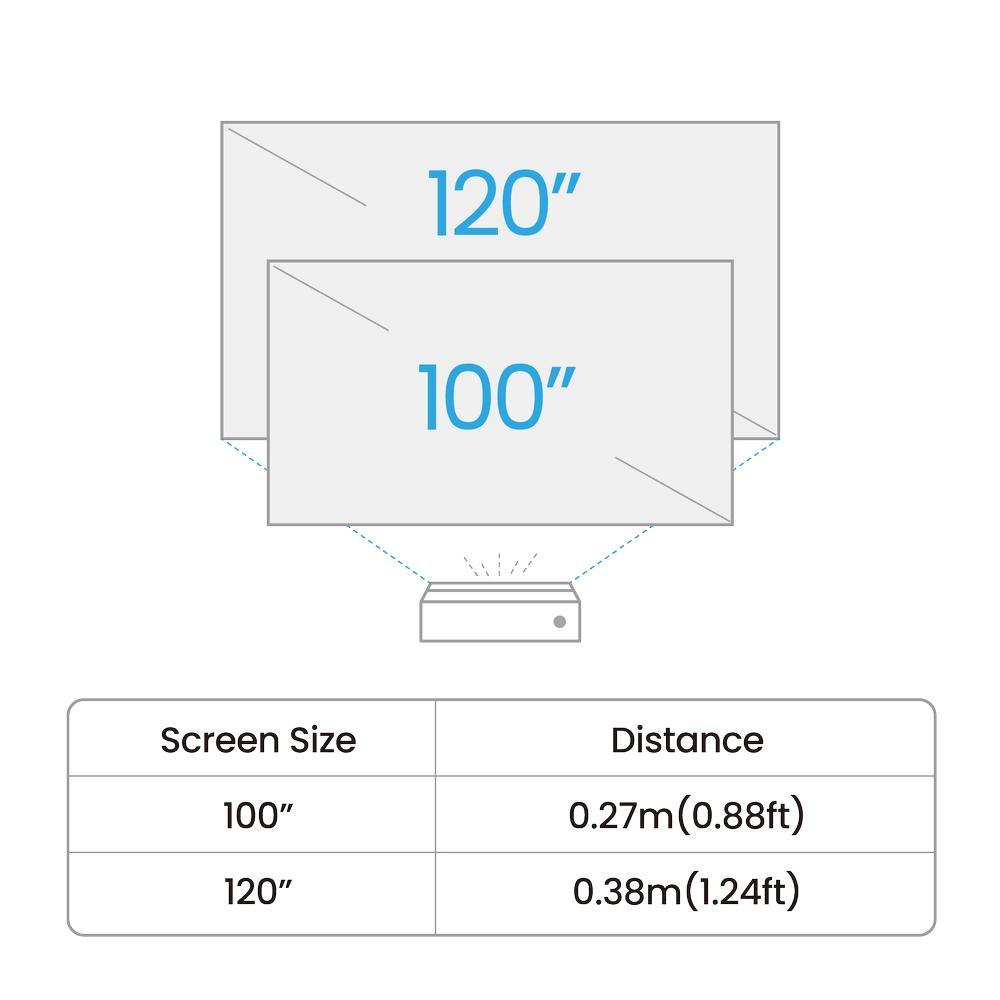
| 0.25:1 | 0.25:1 |
| Smart Features - Built-in streaming capabilities | |
| Android TV 11.0 | Smart TV platform with Google Assistant |
| Installation Features - Ease of setup | |
| 8-point keystone, powered focus | Auto Screen Fit, 8-point keystone, powered focus |
| Connectivity - Input options | |
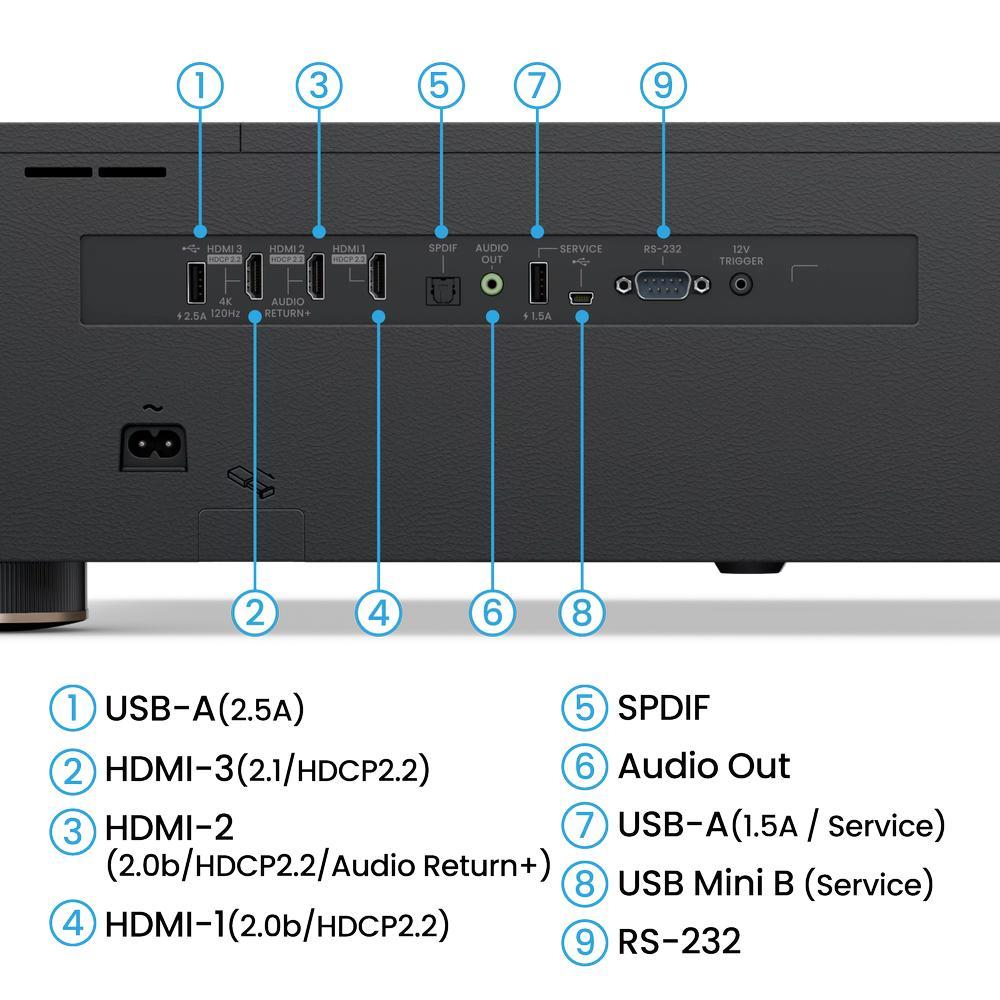
| 3x HDMI 2.0, USB, Ethernet | 3x HDMI 2.0b, USB, Ethernet, eARC |
The Formovie 4K Max is significantly brighter at 4,500 ANSI lumens compared to the BenQ V5010i at 2,500 ANSI lumens. This makes the Formovie better suited for rooms with ambient light.
The BenQ V5010i has superior color accuracy with its RGB triple laser system, covering 98% of DCI-P3 color space. The Formovie 4K Max uses a single laser with color wheel, offering good but less accurate color reproduction.
The BenQ V5010i is better for gaming with its 17.9ms input lag and ALLM support. The Formovie 4K Max has basic gaming capabilities but higher input lag.
The Formovie 4K Max costs $3,699, while the BenQ V5010i is priced at $2,999, making it $700 less expensive.
The BenQ V5010i features a superior 40W audio system with dedicated tweeters and woofers, while the Formovie 4K Max has a more basic dual speaker setup.
The Formovie 4K Max can project up to 200 inches, while the BenQ V5010i maxes out at 150 inches.
Yes, both the Formovie 4K Max and BenQ V5010i support true 4K resolution (3840x2160).
The BenQ V5010i offers better movie-watching experience with superior contrast and color accuracy, but the Formovie 4K Max performs better in rooms with ambient light.
Both the Formovie 4K Max and BenQ V5010i have 20,000-hour laser light sources, equivalent to about 10+ years of normal use.
The Formovie 4K Max is better for bright rooms with its 4,500 ANSI lumens, compared to the BenQ V5010i at 2,500 ANSI lumens.
Both projectors work best with ALR (Ambient Light Rejecting) screens, but they can project onto regular white screens or walls with reduced performance.
The BenQ V5010i has a slight advantage with its Auto Screen Fit feature, though both projectors offer powered focus and keystone correction. The Formovie 4K Max setup process is still straightforward.
We've done our best to create useful and informative comparisons to help you decide what product to buy. Our research uses advanced automated methods to create this comparison and perfection is not possible - please contact us for corrections or questions. These are the sites we've researched in the creation of this article: rtings.com - eu.formovie.com - notebookcheck.net - formovie.com - techradar.com - projectorcentral.com - projectorscreen.com - projectorcentral.com - projectorreviews.com - projectorcentral.com - formovie.com - projectorscreenstore.com - projectorreviews.com - thesmarthomehookup.com - lbtechreviews.com - youtube.com - benq.com - projectorscreen.com - projectorcentral.com - visunext.co.uk - fonearena.com - projektoren-datenbank.com - benq.com

Privacy Policy
Terms and Conditions - Affiliate Policy
Home Security
© Copyright 2008-2026.
11816 Inwood Rd #1211, Dallas, TX 75244