

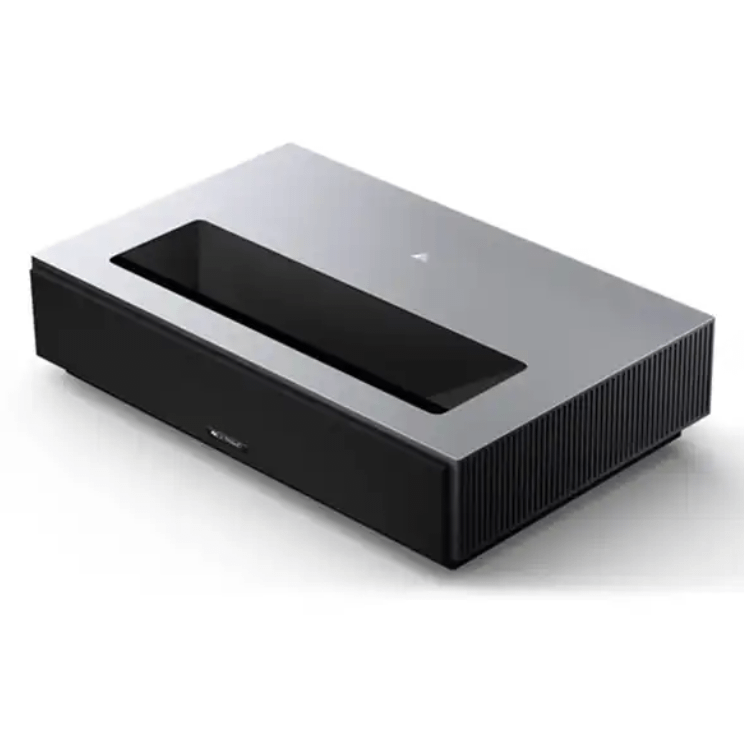
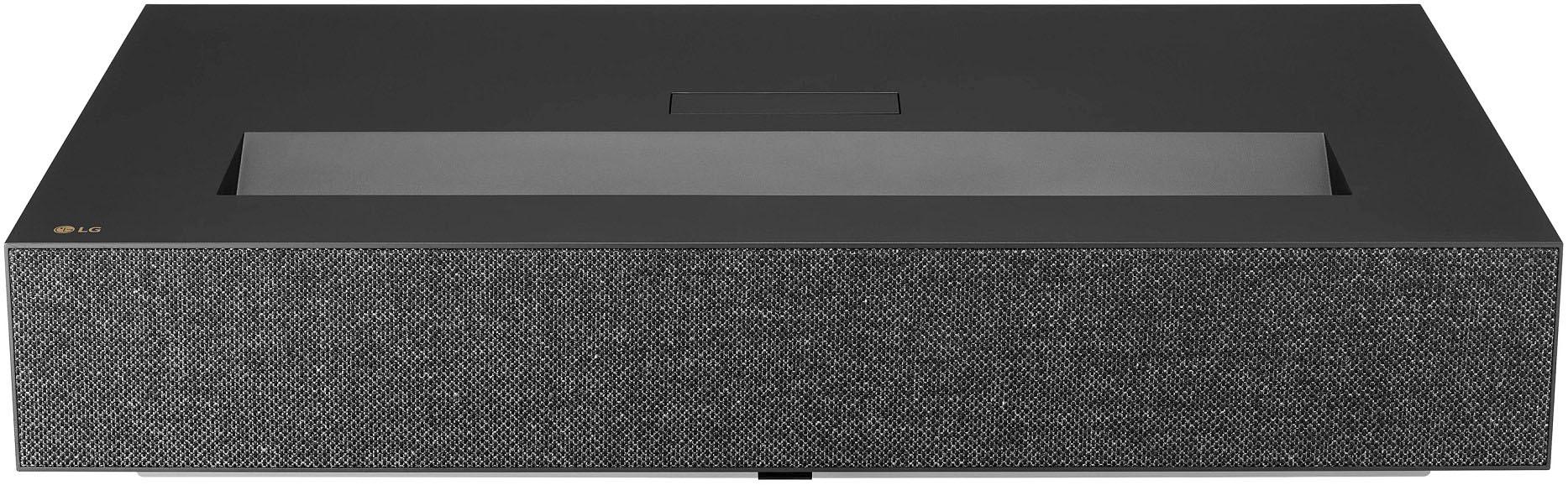
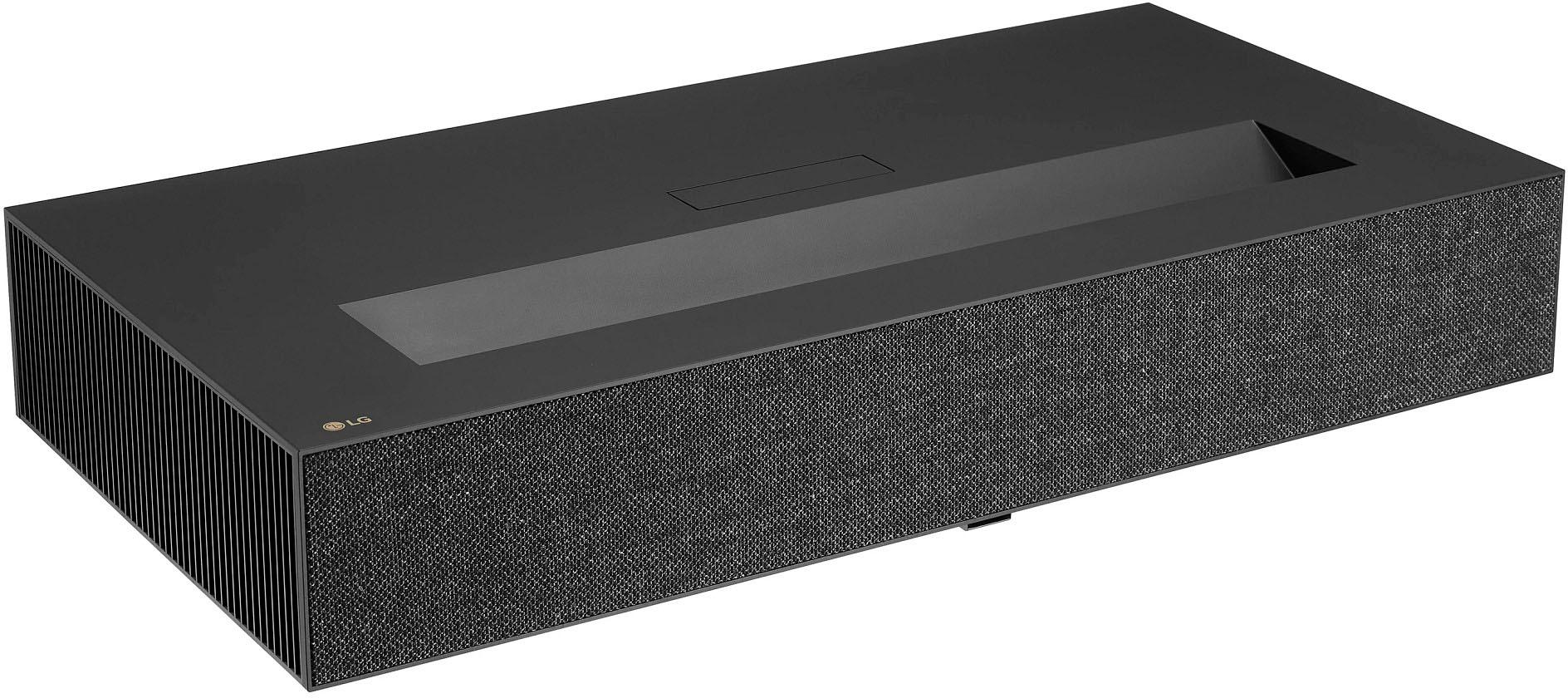
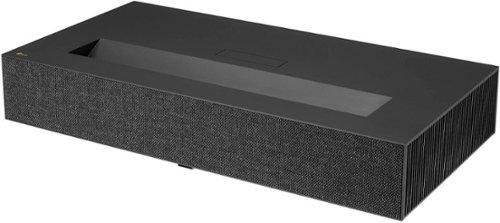
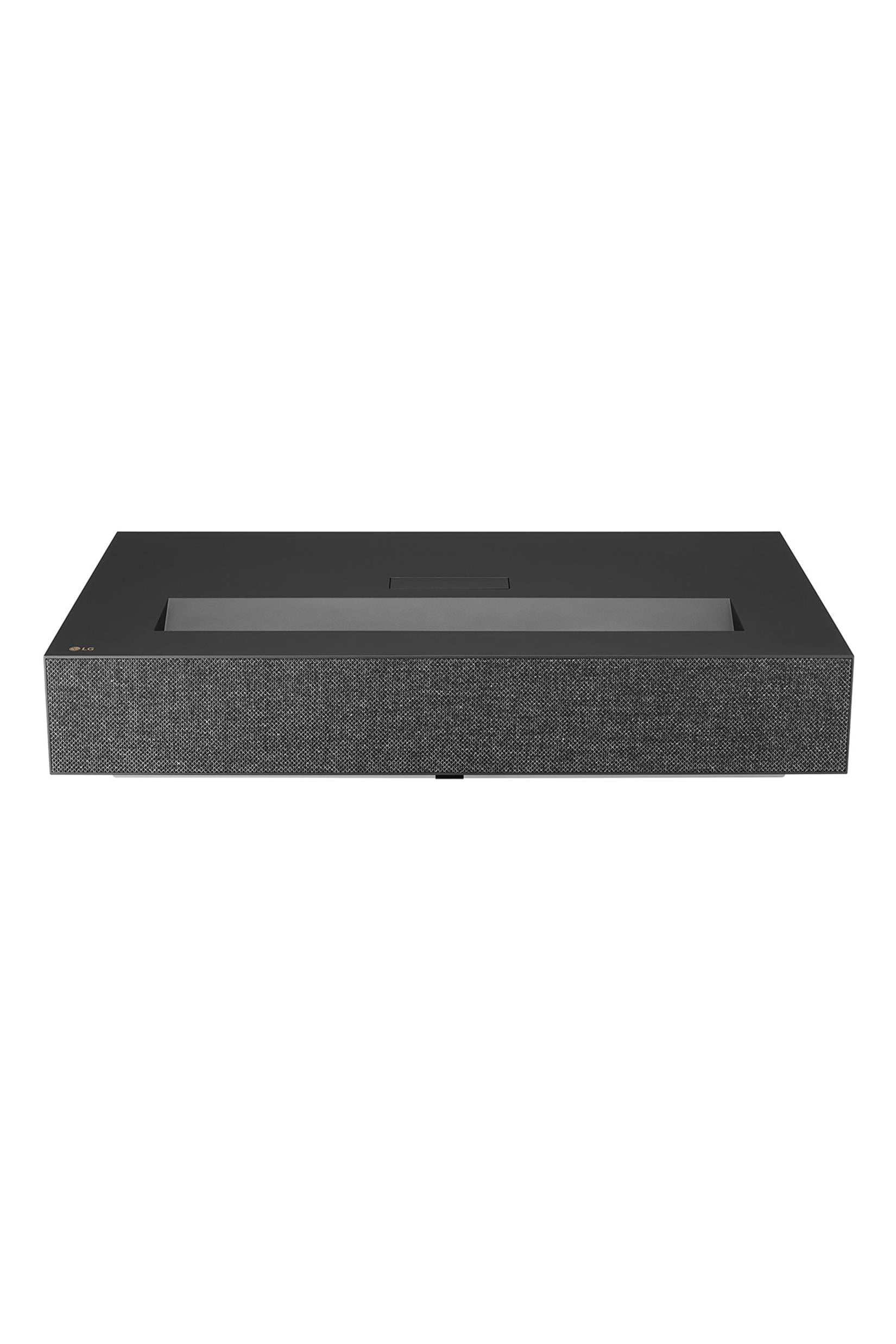
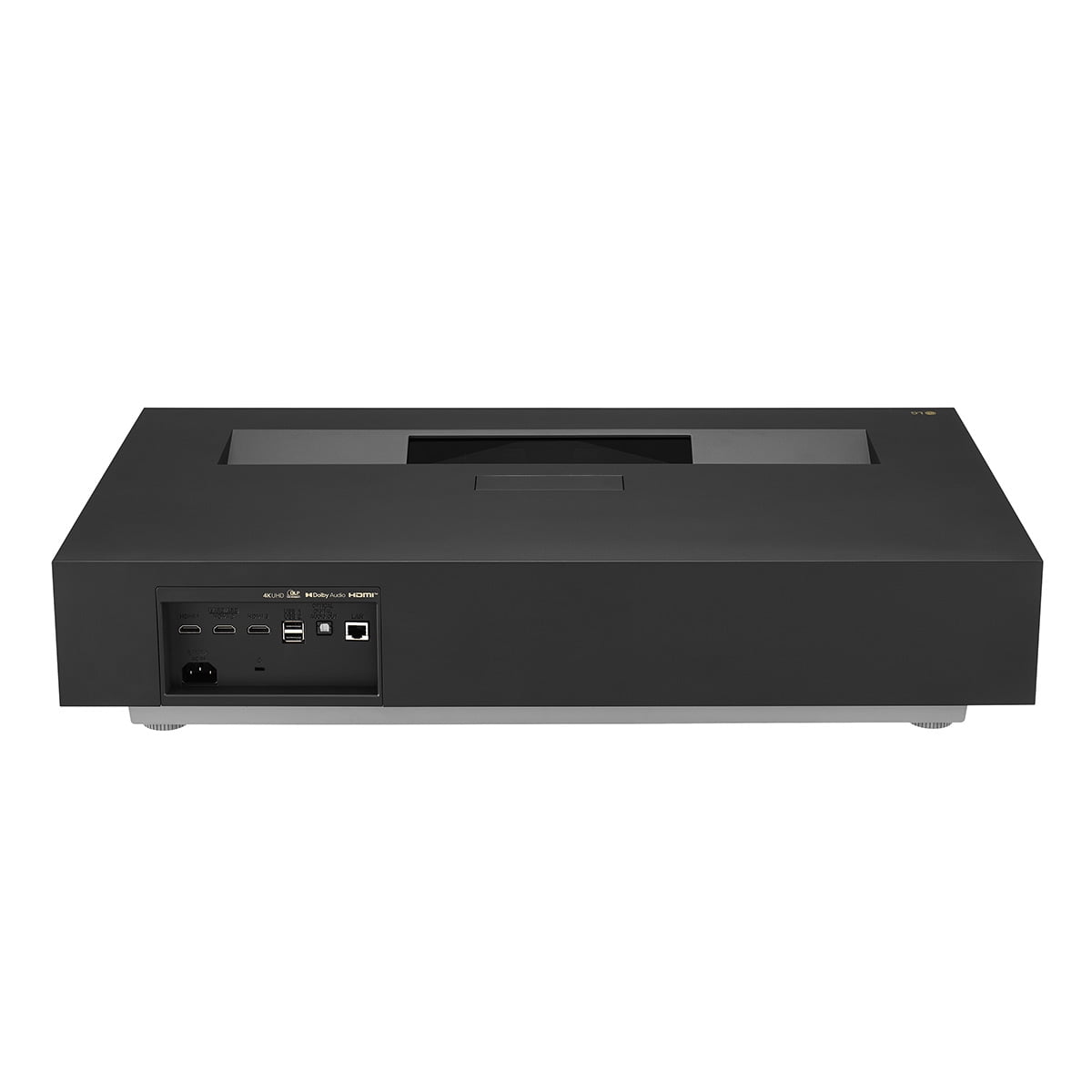
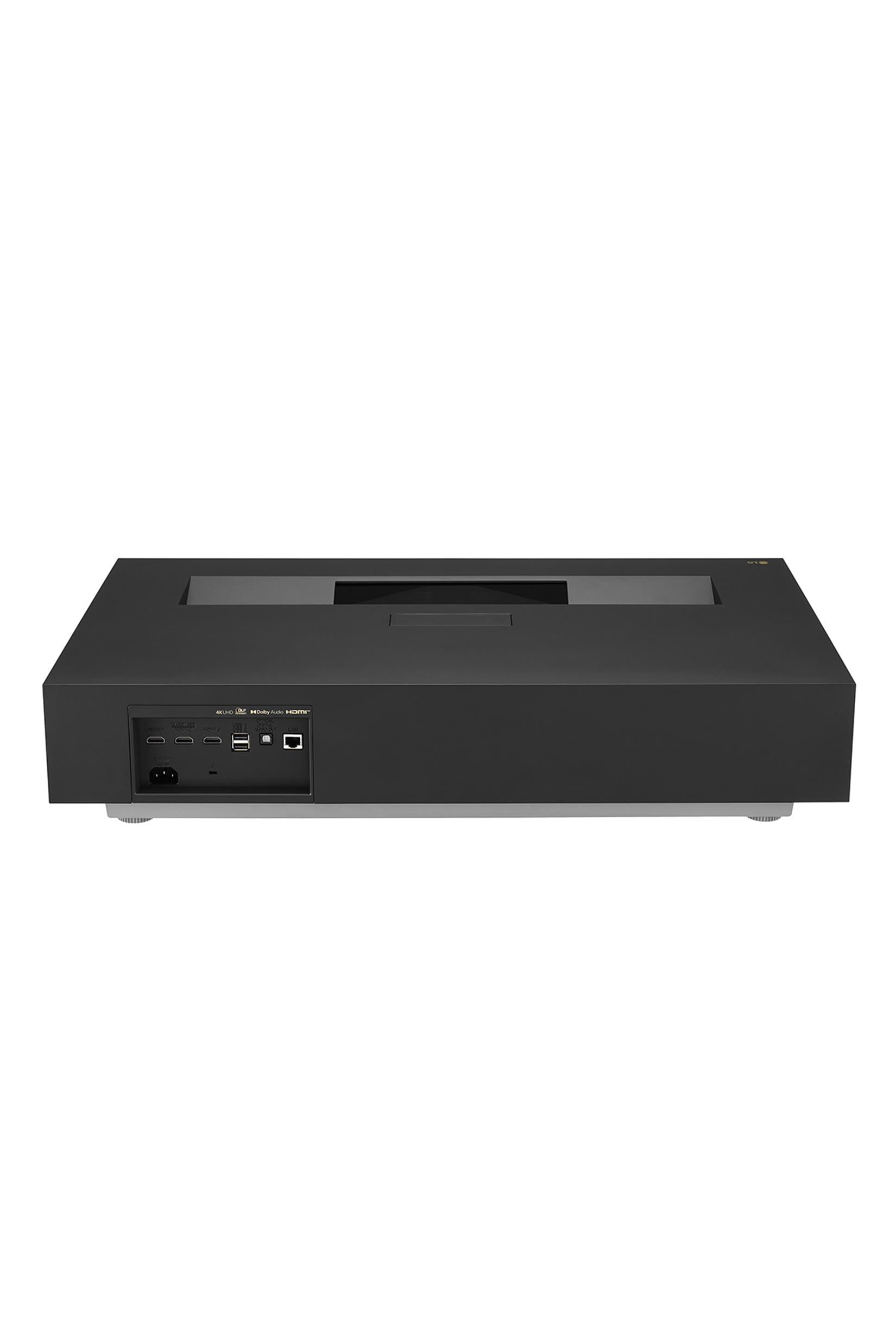
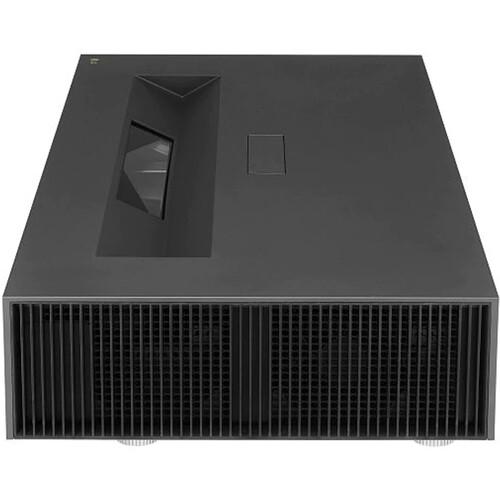
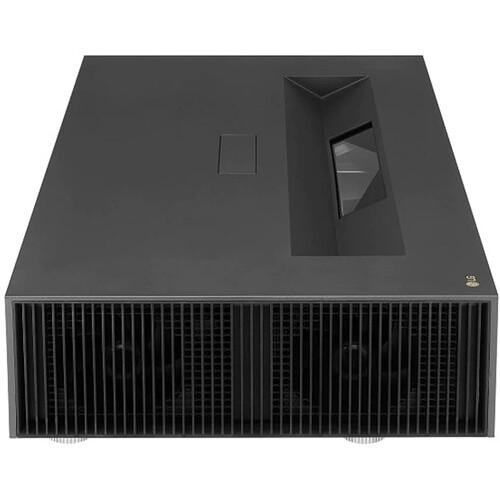
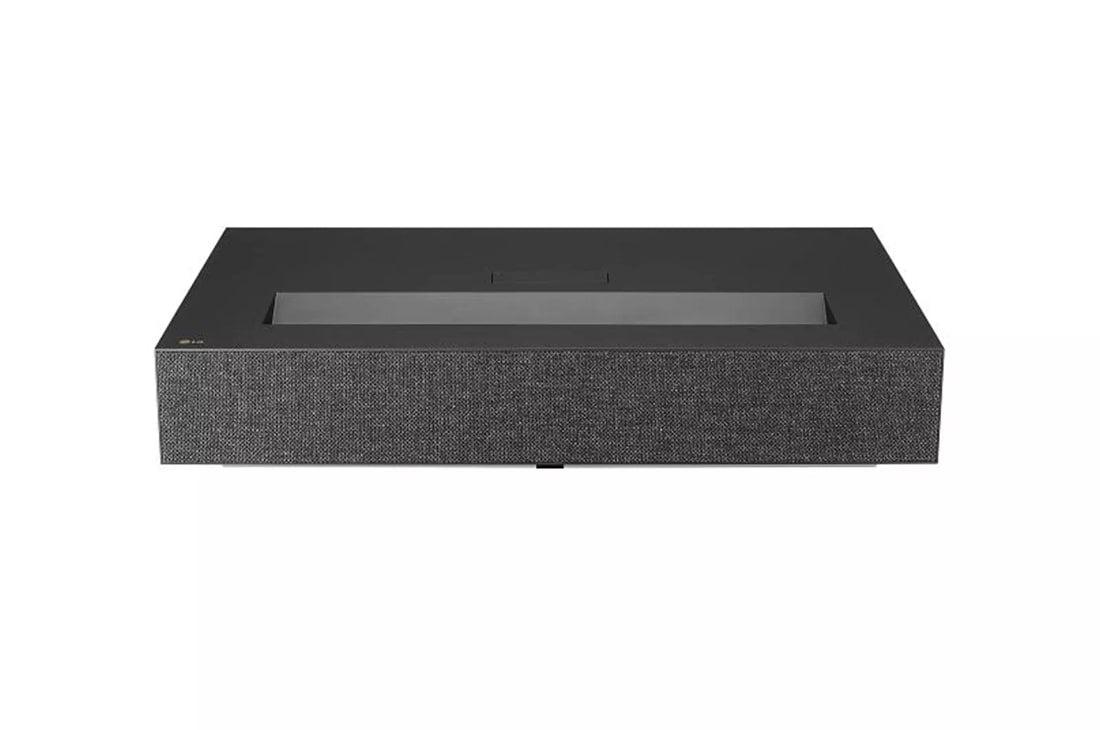
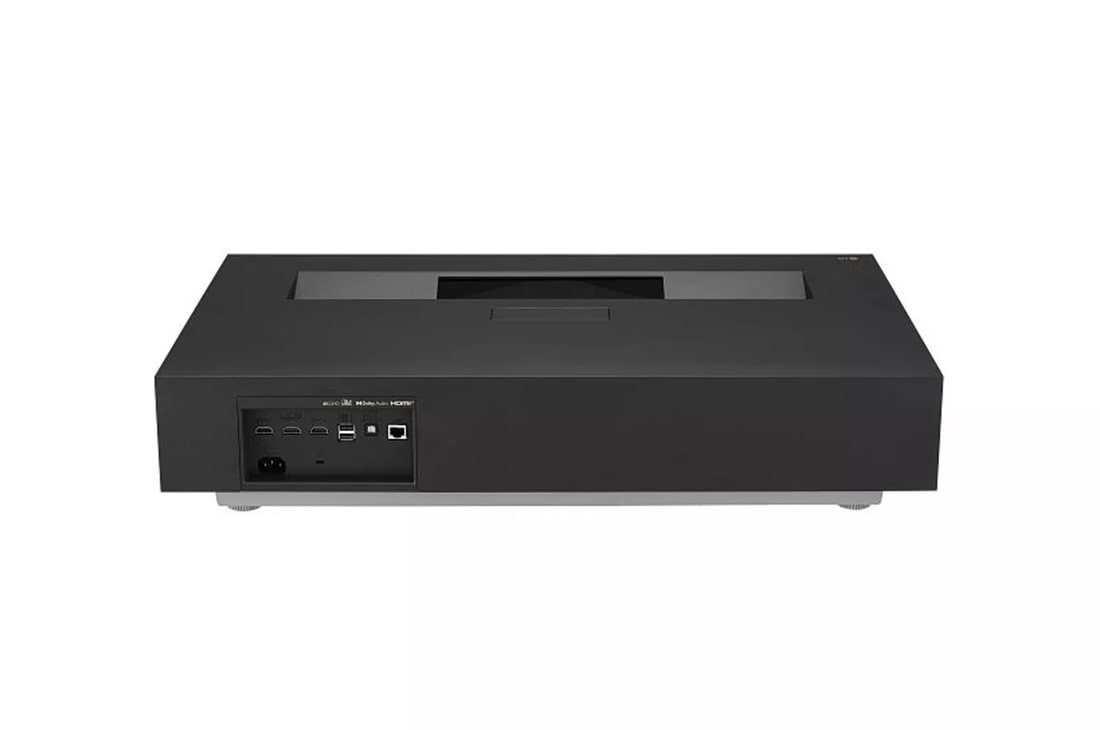
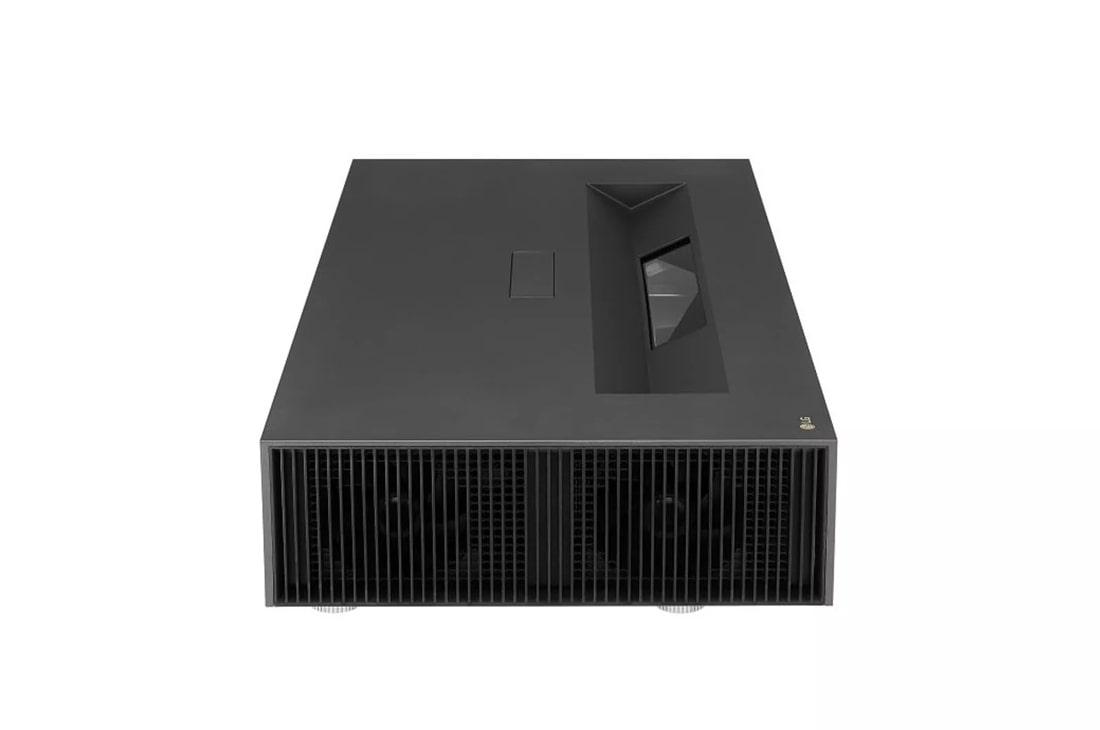
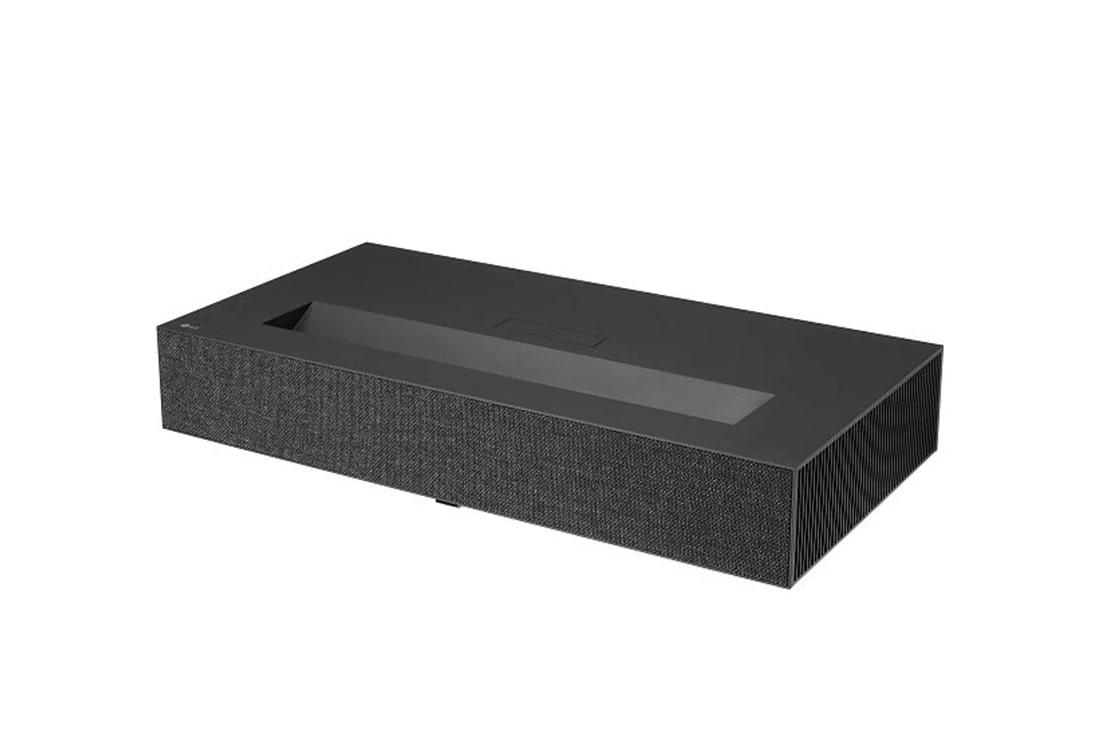
When it comes to creating a theater-like experience at home, Ultra Short Throw (UST) projectors have revolutionized what's possible. Today, we're comparing two leading options: the Formovie 4K Max ($3,699) and the LG CineBeam HU915QB ($2,739). Both represent the cutting edge of home theater technology, but they take different approaches to delivering that big-screen experience.
Unlike traditional projectors that need to sit far from the screen, UST projectors sit just inches from your wall. This breakthrough technology uses sophisticated optics to create large images from very close distances, eliminating the need for ceiling mounts or long room setups.
The technology has matured significantly since 2020, with major improvements in brightness, color accuracy, and smart features. Both projectors we're examining today represent the current state of the art, though they were released at different times - the LG HU915QB in mid-2022 and the Formovie 4K Max in early 2024.
The Formovie 4K Max delivers an impressive 4,500 ANSI lumens, while the LG HU915QB provides 3,000 ANSI lumens. This difference is significant - ANSI lumens are a standardized measurement of light output, and more lumens mean better visibility in bright rooms.
In practical terms, the Formovie's extra brightness makes it more versatile. You can watch during the day without completely darkening your room, and bright scenes maintain their impact even with some ambient light. The LG still performs well, but it's better suited to controlled lighting conditions.
Here's where things get interesting. The LG boasts a 2,000,000:1 dynamic contrast ratio compared to the Formovie's 3,000:1 native contrast. However, these numbers need context. Dynamic contrast refers to the difference between the brightest and darkest scenes the projector can produce over time, while native contrast measures this difference within the same scene.
In real-world viewing, the LG's superior dynamic contrast makes it particularly good for movies with dark scenes, producing deeper blacks and more shadow detail. The Formovie compensates somewhat with its higher brightness, which helps maintain contrast in brighter rooms.
Both projectors handle color differently. The LG uses a triple laser system (separate red, blue, and green lasers) to achieve 100% of the DCI-P3 color space - the standard used in digital cinema. The Formovie uses ALPD 3.0 technology with a single laser source to cover 100% of the Rec.709 space, which is the standard for HD content.
For most viewers, both will provide vivid, satisfying colors. However, the LG's wider color gamut gives it an edge when watching the latest 4K HDR content, particularly with movies and high-end streaming shows.
The LG's 0.19:1 throw ratio means it can create a 100-inch image from just 9.8 inches from the wall. The Formovie's 0.25:1 ratio requires slightly more distance - about 13 inches for the same size image. This difference might seem small, but it can matter in tight spaces or when trying to place the projector on existing furniture.
One of the Formovie's standout features is its ability to project images up to 200 inches diagonally, compared to the LG's 120-inch maximum. While few rooms can accommodate such large screens, this flexibility could be valuable for commercial applications or very large home theaters.
Both projectors offer modern smart features, but their approaches differ. The Formovie runs Android TV with built-in streaming apps (though Netflix requires a workaround). The LG uses their proprietary webOS platform, which is generally more polished but might offer fewer app options.
Both support HDR content, with the LG offering dynamic tone mapping for better HDR performance. They also include gaming modes, though neither quite matches the low input lag of dedicated gaming displays.
At current prices, the LG HU915QB at $2,739 represents excellent value, especially given its triple laser system and superior color performance. The newer Formovie 4K Max at $3,699 justifies its higher price with class-leading brightness and larger screen capabilities.
Consider that laser projectors typically last 20,000+ hours before significant brightness decay. Both manufacturers have good track records for support, though LG's larger service network might provide more peace of mind.
Choose the Formovie 4K Max if:
Choose the LG HU915QB if:
The UST projector market continues to evolve rapidly. The Formovie 4K Max represents the newest generation with its emphasis on brightness and screen size, while the LG HU915QB showcases what's possible with mature color technology and precision engineering.
For most users, either projector will provide an impressive home theater experience. The choice ultimately comes down to your specific room conditions, desired screen size, and whether you prioritize brightness or color accuracy. Both represent significant improvements over previous generations and show just how far UST technology has come.
| Formovie 4K Max ($3,699) | LG CineBeam HU915QB ($2,739) |
|---|---|
| Brightness - Critical for room versatility and daytime viewing | |
| 4,500 ANSI lumens (excellent for bright rooms) | 3,000 ANSI lumens (best in controlled lighting) |
| Contrast Ratio - Determines black levels and image depth | |
| 3,000:1 native (good for mixed content) | 2,000,000:1 dynamic (superior for movies) |
| Color Coverage - Affects vibrancy and accuracy | |
| 100% Rec.709 (standard range) | 100% DCI-P3 (wider, cinema-grade range) |
| Throw Ratio - Determines installation distance | |
| 0.25:1 (13" for 100" screen) | 0.19:1 (9.8" for 100" screen) |
| Maximum Screen Size - Impacts viewing flexibility | |
| Up to 200 inches (more versatile) | Up to 120 inches (typical home theater) |
| Light Source - Affects longevity and color stability | |
| Single laser with ALPD 3.0 | Triple laser (RGB) with phosphor |
| Smart Platform - Determines content access | |
| Android TV (more apps, needs workaround for Netflix) | WebOS (polished but fewer apps) |
| Audio System - Built-in sound quality | |
| 40W total (2x20W speakers) | 40W total (2.2 channel system) |
| HDR Support - Enhanced contrast for compatible content | |
| HDR10+, HLG | HDR10, HLG, Dynamic Tone Mapping |
| Gaming Features - Important for console gaming | |
| ALLM, MEMC (good for casual gaming) | Basic game mode (higher input lag) |
| Release Date - Indicates technology generation | |
| Early 2024 (newest features) | Mid-2022 (mature platform) |
The Formovie 4K Max ($3,699) is significantly brighter at 4,500 ANSI lumens compared to the LG HU915QB ($2,739) at 3,000 ANSI lumens. This makes the Formovie better for rooms with ambient light.
The LG HU915QB performs better in dark rooms due to its superior 2,000,000:1 dynamic contrast ratio and wider color gamut, making it ideal for dedicated home theaters.
The Formovie 4K Max can project up to 200 inches, while the LG HU915QB maxes out at 120 inches. This makes the Formovie more versatile for larger spaces.
The LG HU915QB requires less space with its 0.19:1 throw ratio versus the Formovie's 0.25:1 ratio. For a 100-inch screen, the LG needs about 9.8 inches while the Formovie needs 13 inches.
The Formovie 4K Max runs Android TV with more apps available, while the LG HU915QB uses WebOS which is more polished but has fewer apps. Neither has native Netflix support.
At current prices, the LG HU915QB offers better value at $2,739 with its triple laser system, while the Formovie 4K Max at $3,699 justifies its higher price with superior brightness and larger screen size.
Both support gaming, but the Formovie 4K Max has better gaming features with ALLM and MEMC for smoother motion. Neither matches traditional gaming displays for input lag.
Both projectors feature 40W audio systems, but the LG HU915QB has a more sophisticated 2.2 channel setup compared to the Formovie's basic stereo speakers.
Yes, both support HDR, but the LG offers more advanced Dynamic Tone Mapping, while the Formovie supports HDR10+ for potentially better HDR performance with compatible content.
The Formovie 4K Max was released in early 2024, while the LG HU915QB was released in mid-2022. The Formovie benefits from newer technology.
The Formovie 4K Max is significantly better for bright rooms due to its 4,500 ANSI lumens brightness, making it more versatile for daytime viewing.
Both projectors work best with ALR (Ambient Light Rejecting) screens designed for UST projectors, though the Formovie 4K Max is more forgiving with standard screens due to its higher brightness than the LG HU915QB.
We've done our best to create useful and informative comparisons to help you decide what product to buy. Our research uses advanced automated methods to create this comparison and perfection is not possible - please contact us for corrections or questions. These are the sites we've researched in the creation of this article: rtings.com - eu.formovie.com - notebookcheck.net - formovie.com - techradar.com - projectorcentral.com - projectorscreen.com - projectorcentral.com - projectorreviews.com - projectorcentral.com - formovie.com - projectorreviews.com - bestbuy.com - techradar.com - hometheaterforum.com - projectorcentral.com - projectorcentral.com - vividstorm.eu - lg.com - billsmith.com - queencityonline.com - projectorscreen.com

Privacy Policy
Terms and Conditions - Affiliate Policy
Home Security
© Copyright 2008-2026.
11816 Inwood Rd #1211, Dallas, TX 75244