

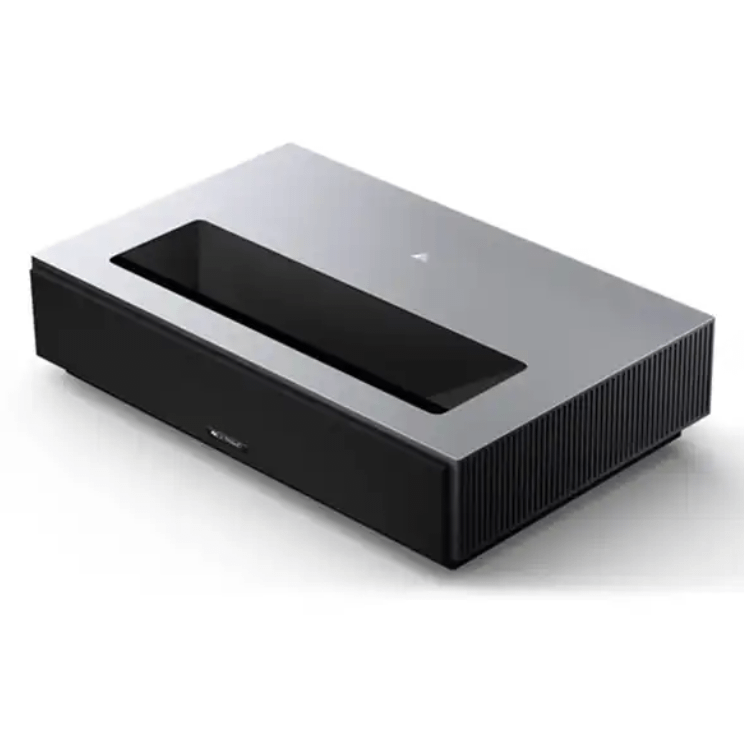
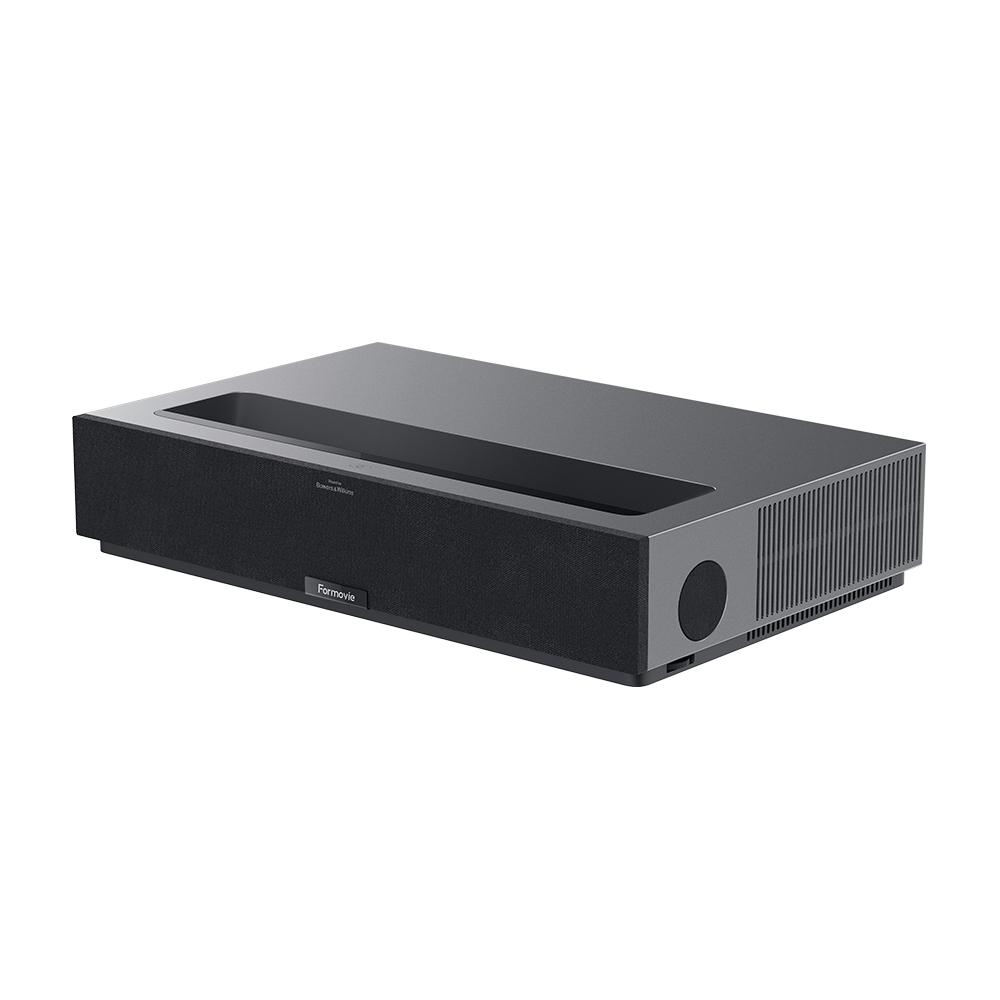
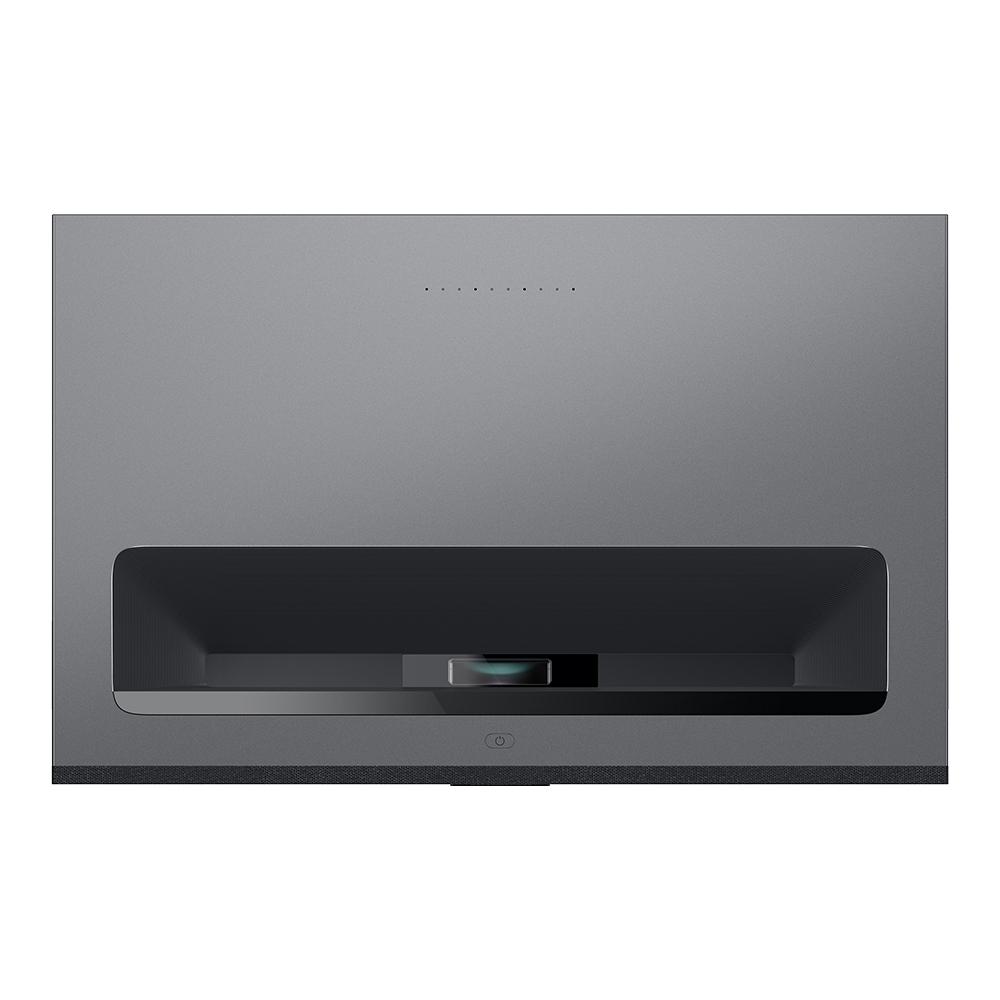
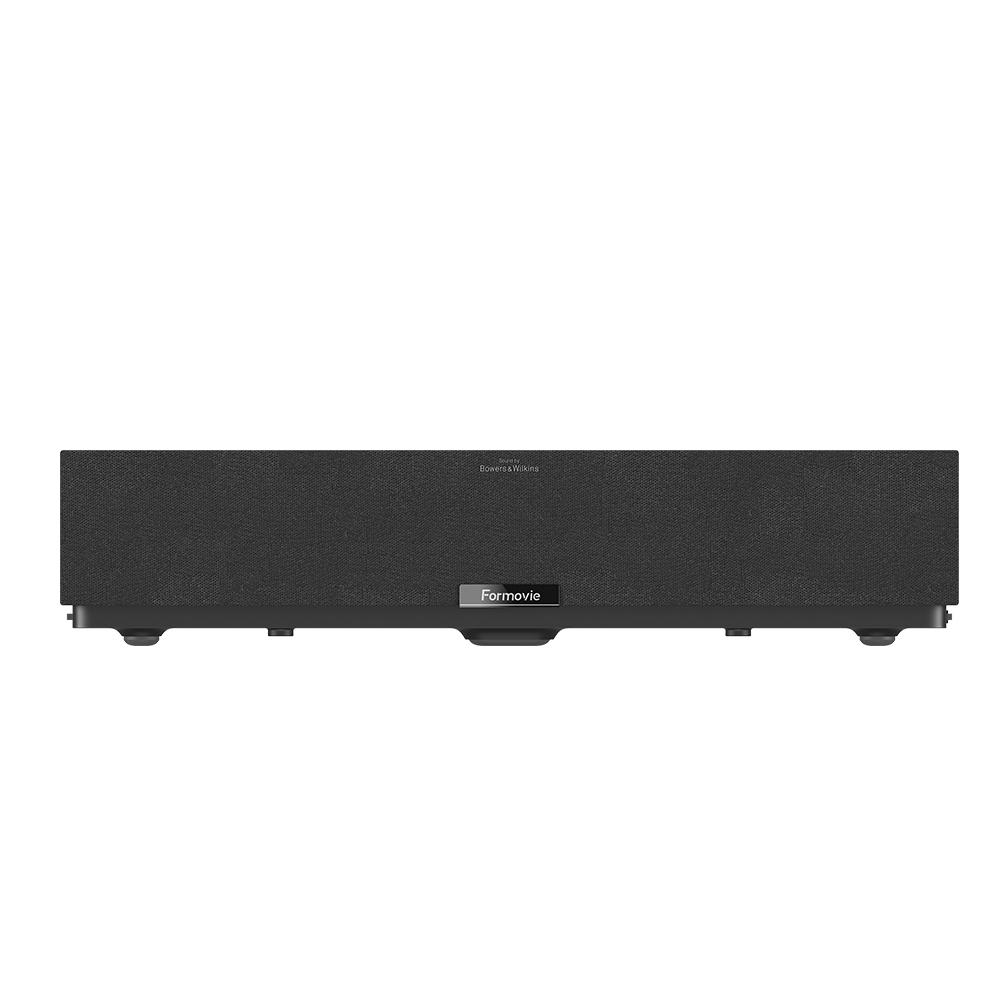
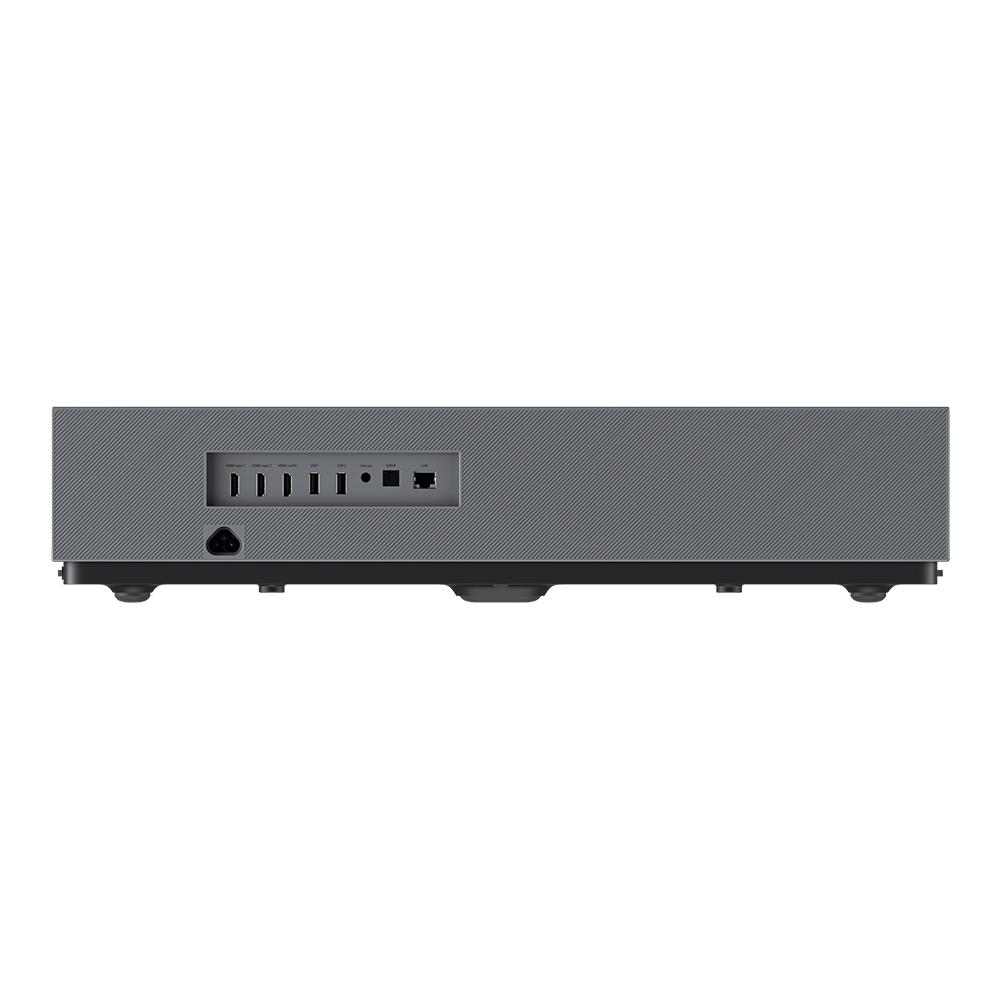
When it comes to creating a truly immersive home theater experience, Formovie's Theater and the newer 4K Max ultra short throw projectors represent some of the most compelling options available today. Both deliver massive screen sizes from just inches away from your wall, but they take distinctly different approaches to achieving home theater excellence. Let's dive into what makes each unique and who they're best suited for.
Before we compare these specific models, it's worth understanding what makes UST projectors special. Unlike traditional projectors that need to sit far from the screen, UST projectors use advanced optics to create large images from just inches away. This solves the age-old problem of people walking through the projector beam and makes installation much more practical in typical homes.
The Formovie Theater was released in late 2022 and quickly became known for its excellent picture quality and value proposition. It introduced triple laser technology at a more accessible price point than competitors, while including premium features like Dolby Vision support and Bowers & Wilkins audio.
The 4K Max, announced for Spring 2024 release, takes a different approach. Instead of using triple laser technology, it opts for a single laser system with significantly higher brightness - targeting different use cases and environments.
The Theater's triple laser system provides incredibly accurate colors, covering 107% of the Rec.2020 color space (which is the standard used for 4K content). This means it can display more colors more accurately than most TVs or projectors. The 4K Max, while still capable, covers a smaller color range with its single laser system.
Here's where things get interesting. The 4K Max boasts 4,500 ANSI lumens - that's almost 2.5 times brighter than the Theater's 1,800 ISO lumens. In practical terms, this means the 4K Max can maintain vivid images even with significant ambient light, while the Theater performs best in controlled lighting conditions.
Both projectors offer similar contrast ratios (around 3,000:1), but the Theater's superior color processing and Dolby Vision support give it an edge in HDR content. You'll notice this most in dark scenes where subtle shadow details become more visible.
The Theater comes with Android TV 11.0 built-in, providing access to thousands of apps and streaming services. It's a polished, user-friendly experience that works well for most people. The 4K Max uses Formovie's own FengOS, which has more limited app support and might require an external streaming device for many users.
One of the Theater's standout features is its Bowers & Wilkins sound system with Dolby Atmos support. It's genuinely impressive for built-in audio, often eliminating the need for an external soundbar in smaller rooms. The 4K Max's basic dual speaker setup is functional but won't match the Theater's audio quality.
Both projectors support Auto Low Latency Mode (ALLM) and can handle 4K gaming at 60Hz. Input lag is similar between the two, making either suitable for casual gaming. However, neither will satisfy competitive gamers who need 120Hz+ refresh rates.
The 4K Max can project larger images (up to 200 inches versus the Theater's 150-inch maximum), but both require careful placement. The ultra short throw ratio means small adjustments in projector position can significantly affect image alignment.
This is perhaps the biggest factor in choosing between these projectors:
The Theater at $2,699 (often available for $2,399) represents excellent value given its feature set and performance. The 4K Max at $3,699 is a significant premium, justified mainly by its brightness advantage.
Consider these key factors when choosing:
Since the Theater's release, Formovie has focused on software updates and reliability improvements. The 4K Max represents a different engineering approach rather than a direct successor, prioritizing brightness over color accuracy.
For most home theater enthusiasts, the Formovie Theater remains the better choice. Its combination of superior color accuracy, better built-in audio, and more complete feature set at a lower price point is compelling. However, the 4K Max fills an important niche for those needing maximum brightness in challenging lighting conditions.
The decision ultimately comes down to your specific needs and environment. Either way, both projectors represent impressive achievements in home theater technology, offering picture sizes and quality that were unthinkable at these price points just a few years ago.
| Formovie 4K Max Ultra Short Throw Laser Projector | Formovie Theater Ultra Short Throw Triple Laser Projector |
|---|---|
| Price - Base MSRP | |
| $3,699 | $2,699 (often $2,399 on sale) |
| Brightness - Critical for ambient light performance | |
| 4,500 ANSI lumens (excellent for bright rooms) | 1,800 ISO lumens (best for controlled lighting) |
| Light Source - Impacts color accuracy and longevity | |
| Single laser ALPD 3.0 with color wheel | Triple laser ALPD 4.0 RGB+ system (superior color accuracy) |
| Color Gamut - Determines color range and accuracy | |
| 100% Rec.709 (good but limited) | 107% Rec.2020 (exceptional color range) |
| Maximum Screen Size - Affects installation flexibility | |
| Up to 200 inches | Up to 150 inches |
| Smart Platform - Important for streaming convenience | |
| FengOS (limited app support) | Android TV 11.0 (full app ecosystem) |
| Audio System - Impacts need for external speakers | |
| Basic dual 20W speakers | Premium 30W Bowers & Wilkins with Dolby Atmos |
| HDR Support - Affects contrast and color depth | |
| HDR10, HDR10+ | Dolby Vision, HDR10, HDR10+ (better HDR processing) |
| Gaming Features - Important for gamers | |
| ALLM, 4K/60Hz support | ALLM, MEMC, 4K/60Hz support |
| Throw Ratio - Determines placement distance | |
| 0.25:1 | 0.23:1 (slightly closer placement possible) |
| Operating System - Affects usability | |
| Basic FengOS interface (may need external streamer) | Full Android TV 11.0 with Chromecast |
| Contrast Ratio - Important for black levels | |
| 3,300:1 | 3,000:1 |
| Release Date - Indicates technology generation | |
| Spring 2024 | Late 2022 |
The Formovie 4K Max is significantly better for bright rooms with its 4,500 ANSI lumens compared to the Theater's 1,800 lumens. If you have large windows or bright ambient lighting, the 4K Max is the clear choice.
The Formovie Theater has superior picture quality with its triple laser system and 107% Rec.2020 color coverage, compared to the 4K Max's single laser system. In controlled lighting, the Theater produces more accurate colors and better HDR performance.
The Formovie Theater costs $2,699 (often on sale for $2,399), while the 4K Max is priced at $3,699. The Theater offers better value unless you specifically need the extra brightness.
Both projectors support 4K/60Hz gaming and ALLM (Auto Low Latency Mode). The Theater adds MEMC motion handling, but both have similar input lag and are suitable for casual gaming.
Both projectors work best with ALR (Ambient Light Rejecting) screens designed for UST projectors, but they can project onto any white surface. The 4K Max is more forgiving with basic screens due to its higher brightness.
We've done our best to create useful and informative comparisons to help you decide what product to buy. Our research uses advanced automated methods to create this comparison and perfection is not possible - please contact us for corrections or questions. These are the sites we've researched in the creation of this article: rtings.com - eu.formovie.com - notebookcheck.net - formovie.com - techradar.com - projectorcentral.com - projectorscreen.com - projectorcentral.com - projectorreviews.com - projectorcentral.com - formovie.com - projectorcentral.com - projectorreviews.com - projectorscreen.com - nothingprojector.com - formovie.com

Privacy Policy
Terms and Conditions - Affiliate Policy
Home Security
© Copyright 2008-2026.
11816 Inwood Rd #1211, Dallas, TX 75244