

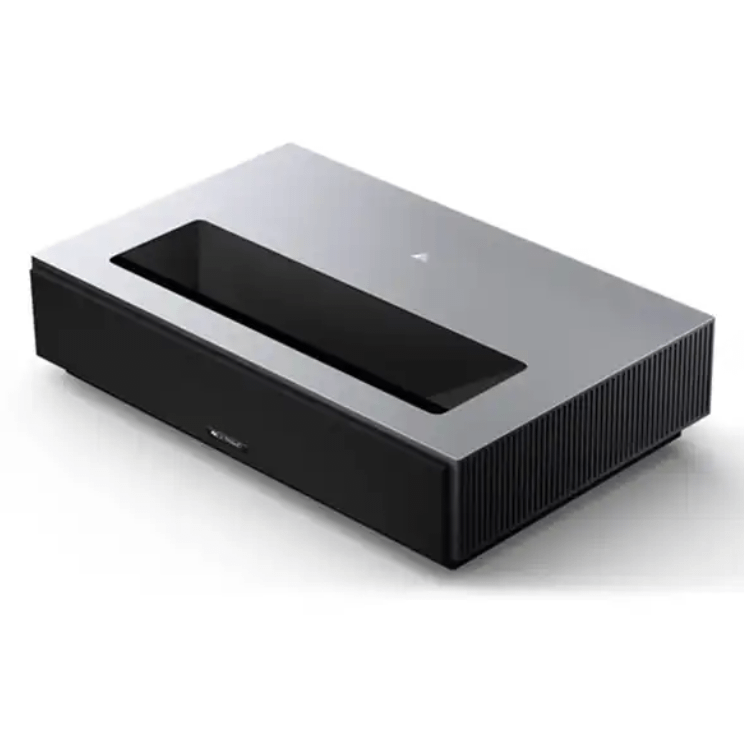
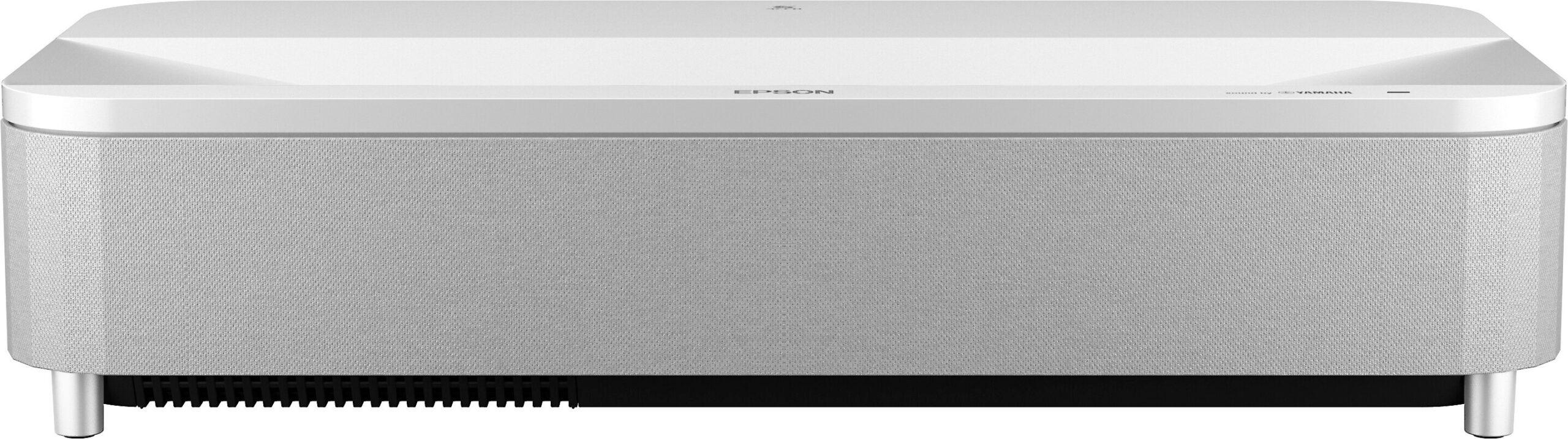
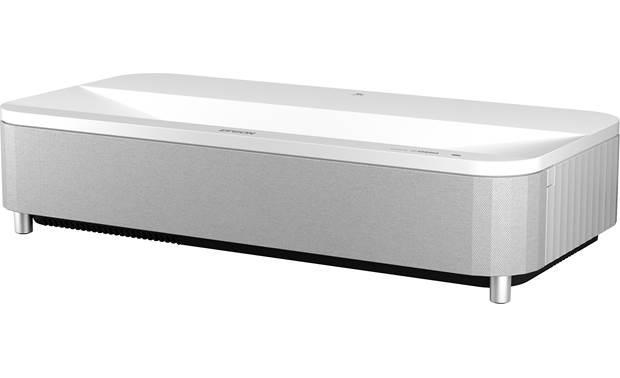

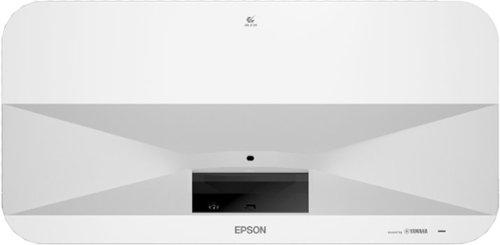
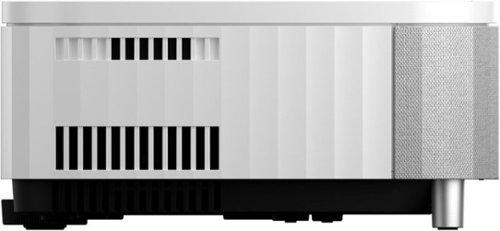
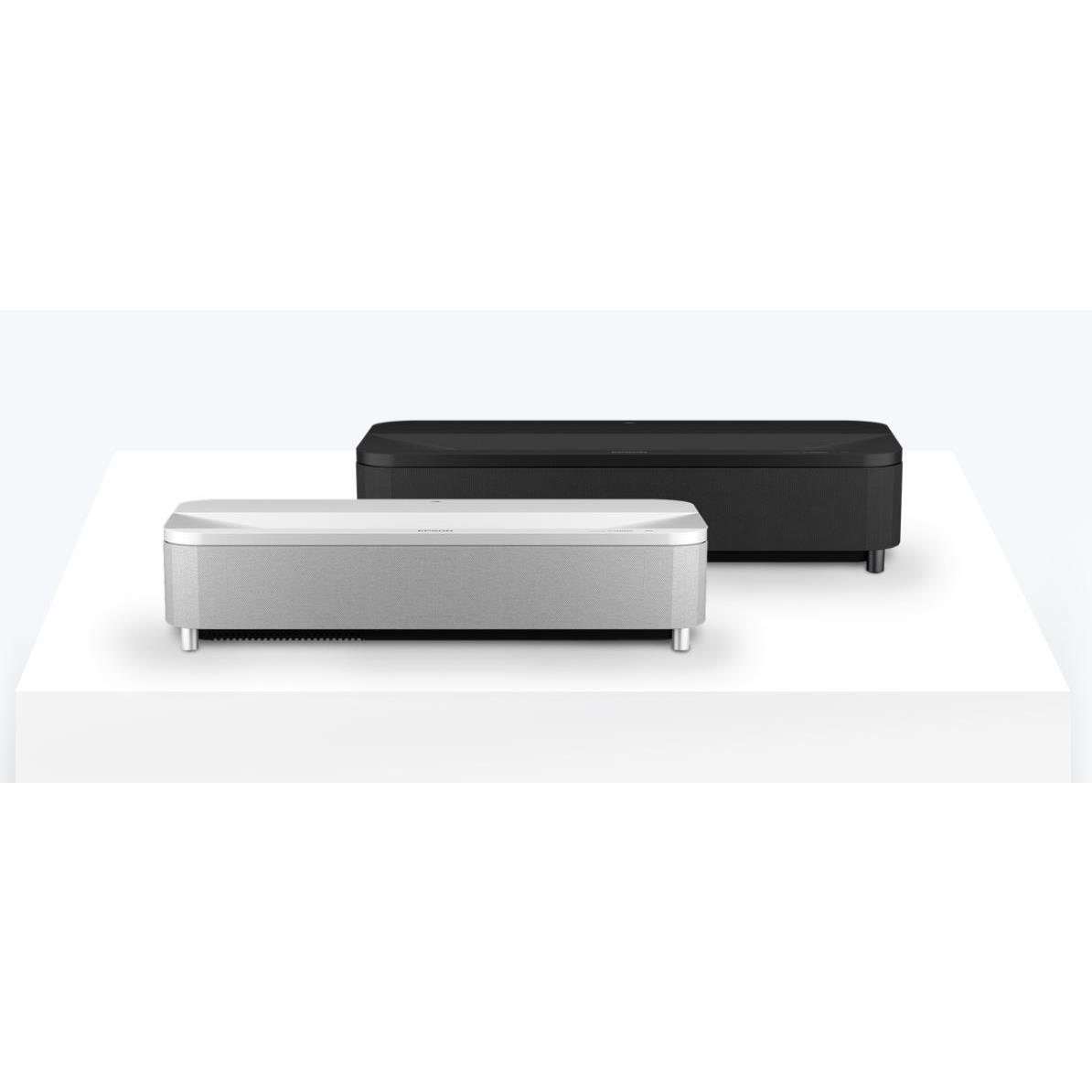
When it comes to creating a theater-like experience at home, Ultra Short Throw (UST) projectors have revolutionized what's possible. Today, we're comparing two leading models: the Formovie 4K Max ($3,699) and the Epson LS800 ($2,973), both of which represent the cutting edge of home projection technology.
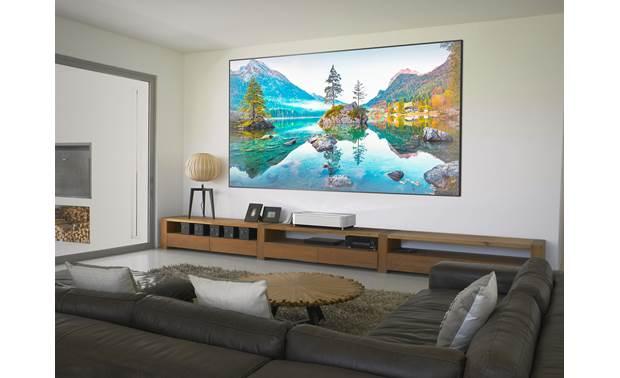
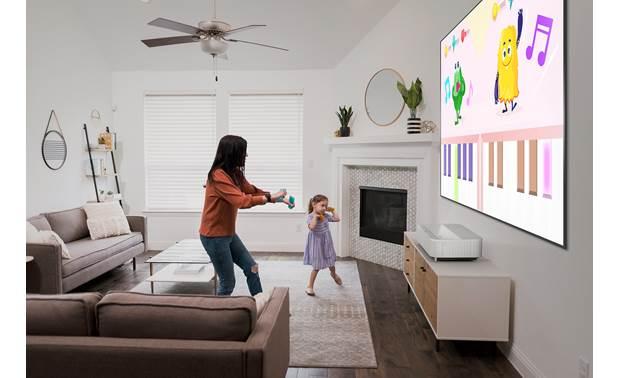
Unlike traditional projectors that need significant distance to create large images, UST projectors sit just inches from your wall. They use sophisticated optics to project upward at an extreme angle, creating massive screens from very close distances. This technology has made home theaters possible in spaces where traditional projectors wouldn't work.
The Epson LS800 was released in late 2022 and quickly became a benchmark for UST performance. The newer Formovie 4K Max, announced for Spring 2024, builds upon previous models with enhanced brightness and larger screen capabilities. Both represent different approaches to achieving premium home theater experiences.
The Formovie 4K Max leads with 4,500 ANSI lumens compared to the Epson's 4,000 lumens. While this difference might seem small, it's noticeable when dealing with ambient light. The Formovie's extra brightness helps maintain vibrant images even with some room lighting, though both perform best in controlled lighting conditions.
Here's where things get interesting. Epson's 3LCD technology uses three separate LCD panels (red, green, blue) to create images, eliminating the "rainbow effect" that some viewers notice with DLP projectors. The Formovie uses DLP with ALPD 3.0 technology, which can provide sharper images but may exhibit this effect for sensitive viewers.
The Epson typically produces more natural colors out of the box, while the Formovie offers higher contrast and deeper blacks. For movie enthusiasts, the Formovie's contrast advantage might be more important than the Epson's more accurate colors, which can be calibrated anyway.
This is where the Epson LS800 really shines. Its 16.7ms input lag is excellent for a projector, making it viable for competitive gaming. The dedicated gaming port supporting 1080p at 120Hz is a significant advantage for gamers who prioritize smooth motion over maximum resolution.
The Formovie 4K Max, while excellent for movies, lacks these gaming-specific optimizations. If gaming is a priority, the Epson is the clear choice.
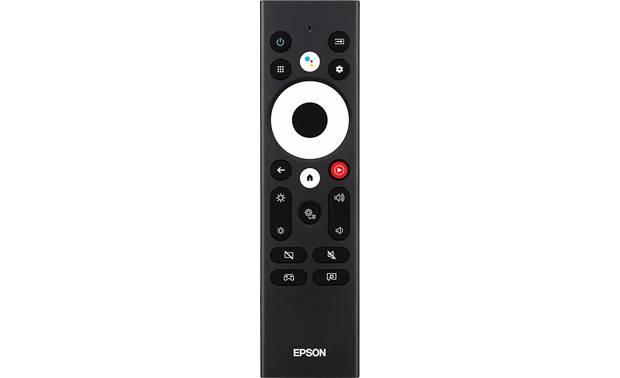
The Epson comes with full Android TV 11 integration, providing access to thousands of apps and streaming services. The Formovie uses FengOS, which has limited app support, though it comes with an external Amazon FireTV stick in the US market.
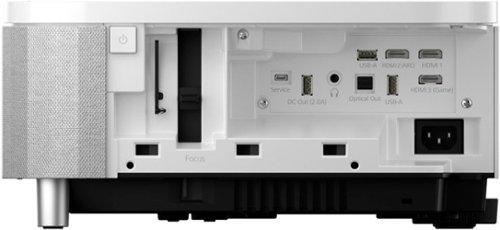
Both projectors offer multiple HDMI ports, but the Epson's gaming-optimized port gives it an edge for versatility. Both support eARC for advanced audio setups, essential for home theater applications.
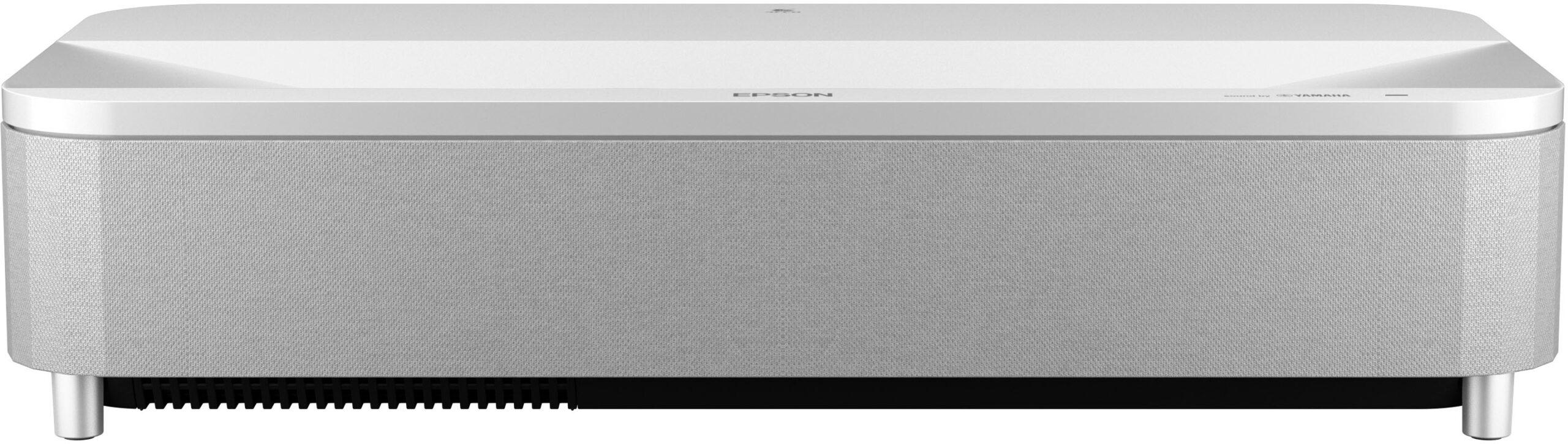
The Epson's Yamaha-designed 2.1 system with dedicated subwoofer provides surprisingly good sound for a projector. The Formovie's dual speaker setup is competent but less impressive. However, for a proper home theater setup, you'll likely want external speakers or a soundbar with either projector.
In a dedicated home theater room, the Formovie 4K Max has some compelling advantages:
For living room use or spaces with ambient light:
The Epson's shorter throw ratio (0.17:1 vs 0.25:1) means it can sit closer to the wall for the same size image. This could be crucial in tight spaces. Both projectors offer good keystone correction and alignment tools, though the Epson's setup app is particularly user-friendly.
At $2,973, the Epson LS800 offers exceptional value, especially considering its gaming capabilities and audio quality. The Formovie 4K Max at $3,699 justifies its higher price through superior brightness and larger screen capability, but the price difference is significant.
The Formovie's higher brightness and larger screen size capability provide some future-proofing, while the Epson's gaming features and Android TV support ensure long-term usability. Both use laser light sources rated for 20,000+ hours, essentially eliminating bulb replacement concerns.
Consider these key factors when choosing:
The Epson LS800 represents the better value for most users, offering excellent performance across all use cases. Its gaming capabilities and user-friendly features make it a versatile choice that's easy to live with.
The Formovie 4K Max is the choice for home theater enthusiasts who want the absolute best image quality and largest possible screen size. Its premium price is justified by its superior brightness and contrast, particularly in dedicated theater rooms.
Both projectors represent excellent choices in the UST category, with the final decision largely depending on your specific needs and budget. Either way, you'll end up with a capable home theater projector that can transform your viewing experience.
| Formovie 4K Max UST | Epson LS800 |
|---|---|
| Price - Total Investment Required | |
| $3,699 | $2,973 |
| Brightness - Critical for ambient light performance | |
| 4,500 ANSI lumens (superior bright room performance) | 4,000 lumens (excellent bright room capability) |
| Projection Technology - Impacts color accuracy and image characteristics | |
| DLP with ALPD 3.0 (sharper image, possible rainbow effect) | 3LCD (more natural colors, no rainbow effect) |
| Maximum Screen Size - Determines viewing flexibility | |
| Up to 200 inches (class-leading) | Up to 150 inches (standard for category) |
| Gaming Performance - Critical for interactive content | |
| No specified input lag, basic gaming support | 16.7ms input lag, 120Hz at 1080p, dedicated gaming port |
| Smart Platform - Affects content access and usability | |
| FengOS with external FireTV stick (limited native apps) | Android TV 11 built-in (comprehensive app support) |
| Audio System - Important for standalone use | |
| Basic dual speakers | 2.1 Yamaha system with subwoofer (20W total) |
| Throw Ratio - Impacts installation flexibility | |
| 0.25:1 (requires more distance from wall) | 0.17:1 (can sit closer to wall) |
| HDR Support - Affects color range and contrast | |
| HDR10+, Dolby Vision, HLG | HDR10, HLG |
| Laser Life - Long-term reliability | |
| 25,000 hours | 20,000 hours |
| Color Coverage - Picture quality impact | |
| 107% Rec.2020 (superior color range) | 100% Rec.709 (standard color range) |
| Contrast Ratio - Affects image depth | |
| 3,000:1 native | 2,500,000:1 dynamic |
| Weight - Installation consideration | |
| 21.6 lbs | 27.6 lbs |
The Epson LS800 is significantly better for gaming with its 16.7ms input lag and 120Hz support at 1080p. The Formovie 4K Max lacks gaming-specific features and has unspecified input lag.
The Formovie 4K Max offers 4,500 ANSI lumens compared to the Epson LS800's 4,000 lumens. While both are bright enough for most rooms, the Formovie has a slight advantage in very bright environments.
The Epson LS800 at $2,973 offers better value with its gaming features and built-in Android TV. The Formovie 4K Max at $3,699 costs more but provides higher brightness and larger screen size.
Yes, both projectors handle ambient light well. The Formovie 4K Max has a slight advantage with 4,500 lumens, while the Epson LS800 performs admirably with 4,000 lumens.
The Epson LS800 has superior smart features with built-in Android TV 11. The Formovie 4K Max uses FengOS with more limited app support, though it includes an external FireTV stick in the US.
The Epson LS800 features superior audio with its 2.1 Yamaha speaker system and subwoofer. The Formovie 4K Max has basic dual speakers that are less impressive.
The Formovie 4K Max can project up to 200 inches, while the Epson LS800 maxes out at 150 inches. This makes the Formovie better for very large viewing spaces.
The Epson LS800 is easier to set up with its shorter throw ratio and user-friendly setup app. The Formovie 4K Max requires slightly more space from the wall.
Both projectors work best with ALR (Ambient Light Rejecting) screens, but the Formovie 4K Max and Epson LS800 can project onto regular white screens in controlled lighting conditions.
The Epson LS800 typically produces more natural colors out of the box with its 3LCD technology. The Formovie 4K Max offers higher contrast but may need calibration for best color accuracy.
The Formovie 4K Max laser is rated for 25,000 hours, while the Epson LS800 offers 20,000 hours. Both provide many years of normal use without replacement.
No, neither the Formovie 4K Max nor the Epson LS800 are designed for ceiling mounting. They are ultra-short throw projectors meant to sit on a cabinet close to the wall.
We've done our best to create useful and informative comparisons to help you decide what product to buy. Our research uses advanced automated methods to create this comparison and perfection is not possible - please contact us for corrections or questions. These are the sites we've researched in the creation of this article: rtings.com - eu.formovie.com - notebookcheck.net - formovie.com - techradar.com - projectorcentral.com - projectorscreen.com - projectorcentral.com - projectorreviews.com - projectorcentral.com - formovie.com - techradar.com - danamic.org - projectorscreen.com - projectorcentral.com - epson.com - dreamediaav.com - dell.com - rtings.com - avsforum.com - audiogeneral.com - news.epson.com - projectorcentral.com

Privacy Policy
Terms and Conditions - Affiliate Policy
Home Security
© Copyright 2008-2026.
11816 Inwood Rd #1211, Dallas, TX 75244