

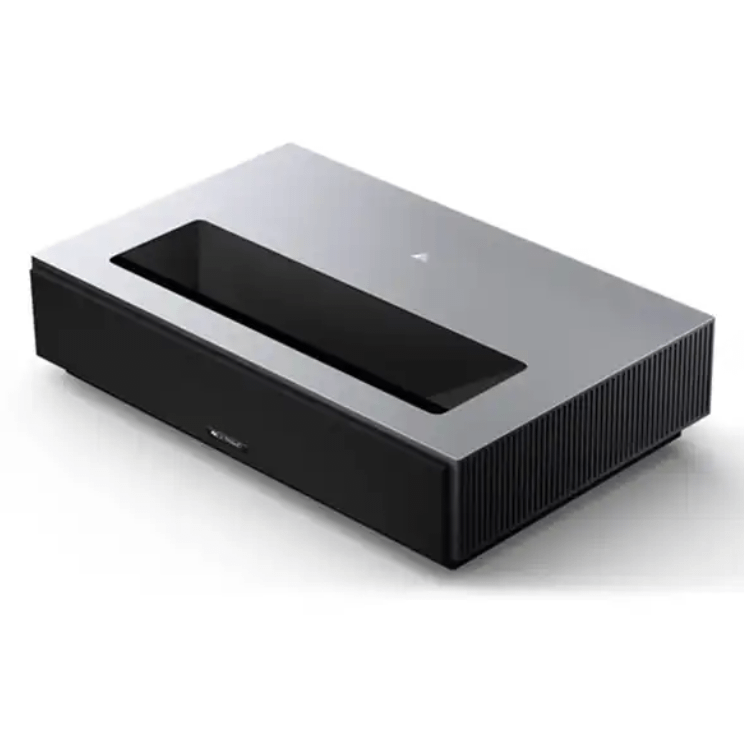
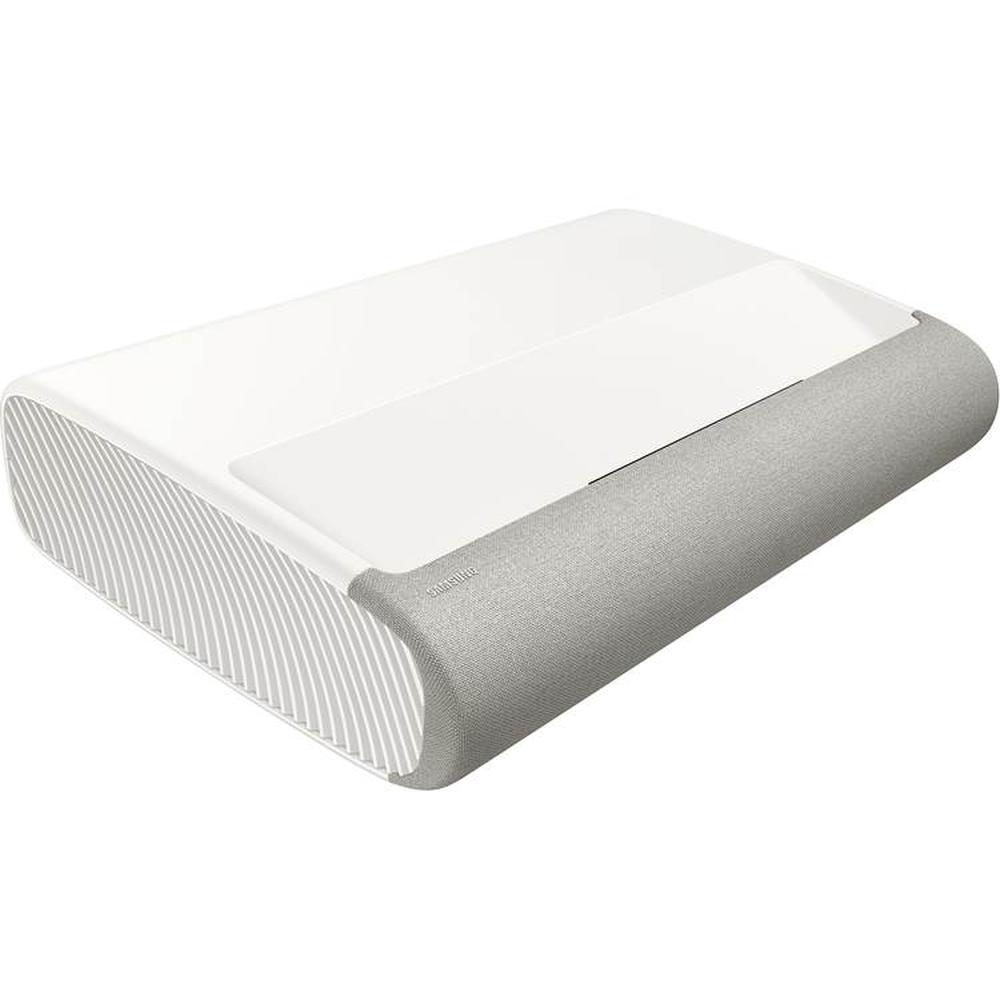
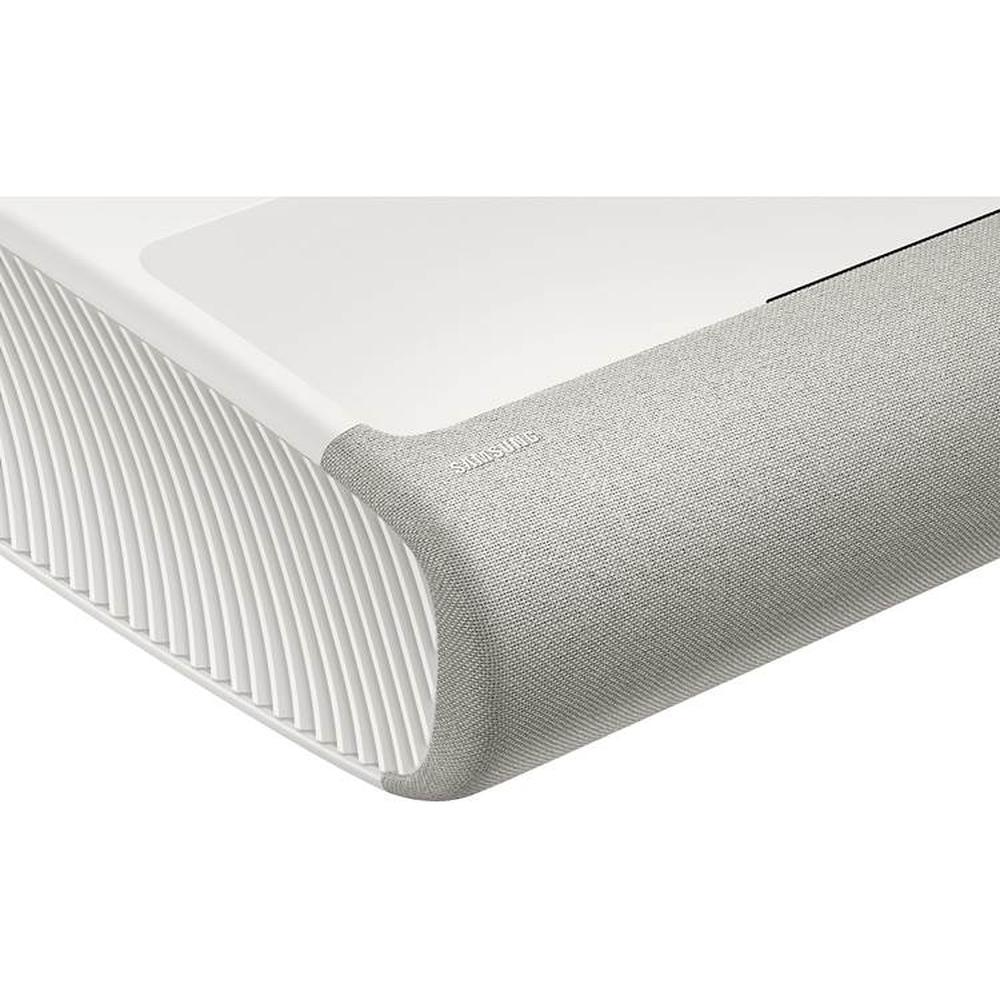
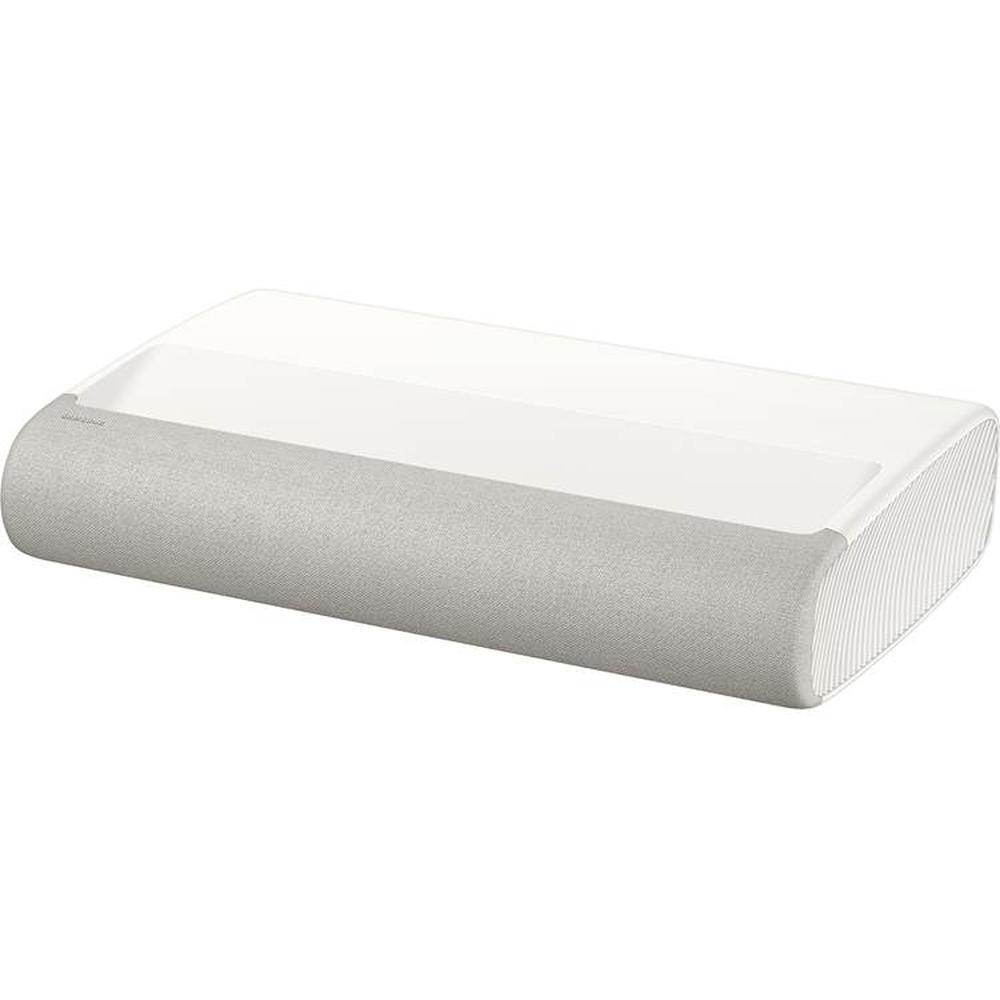
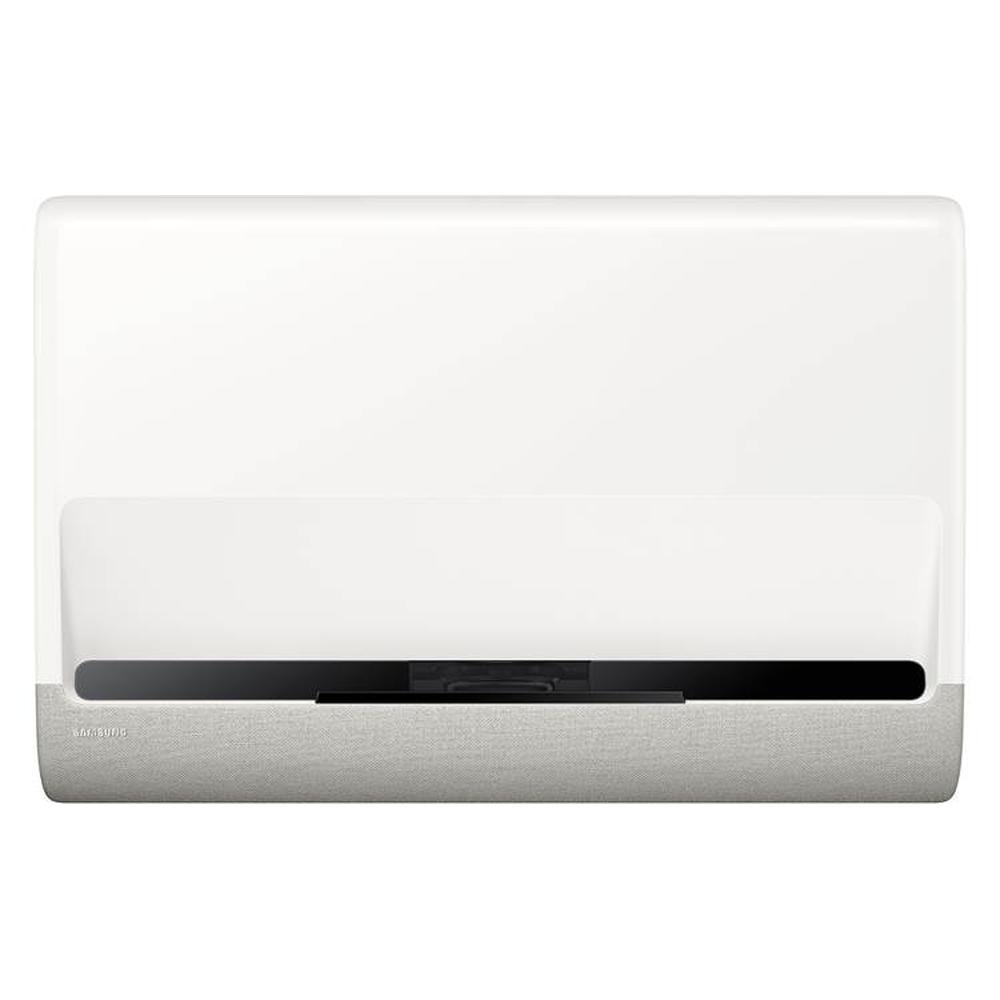
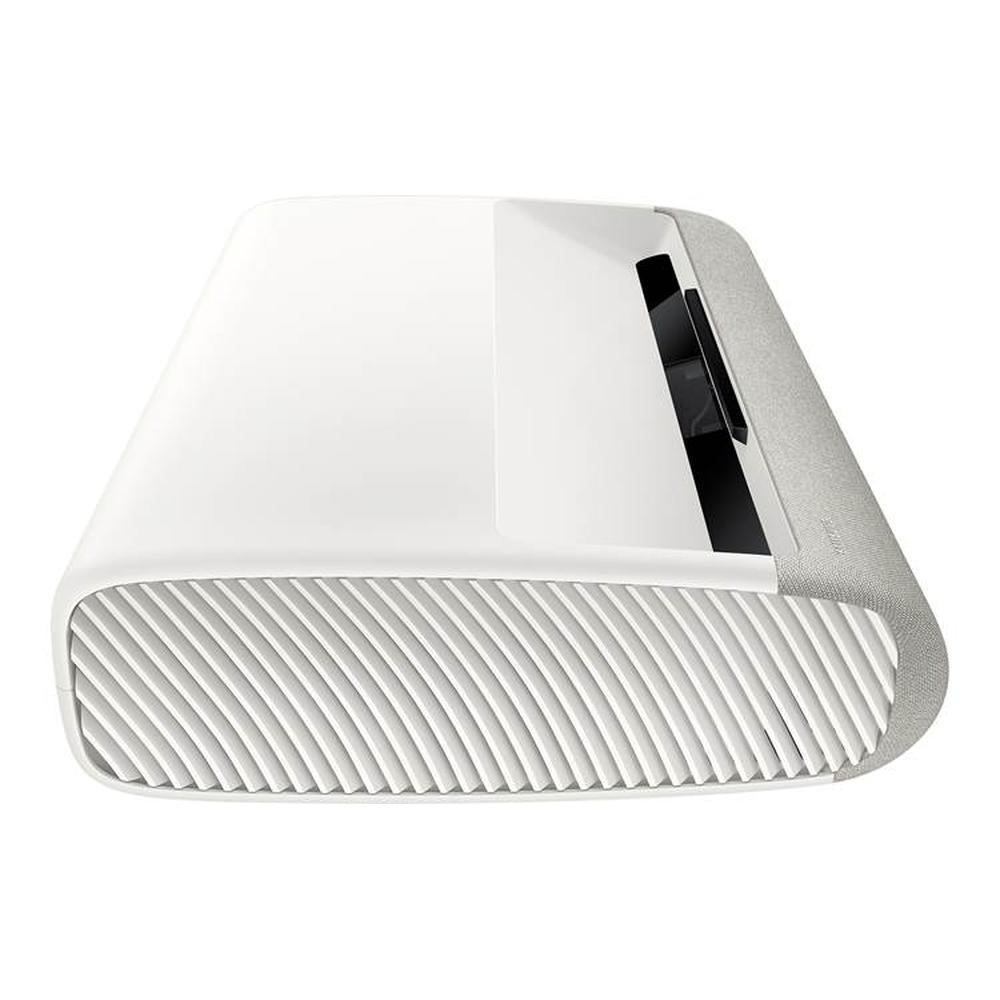
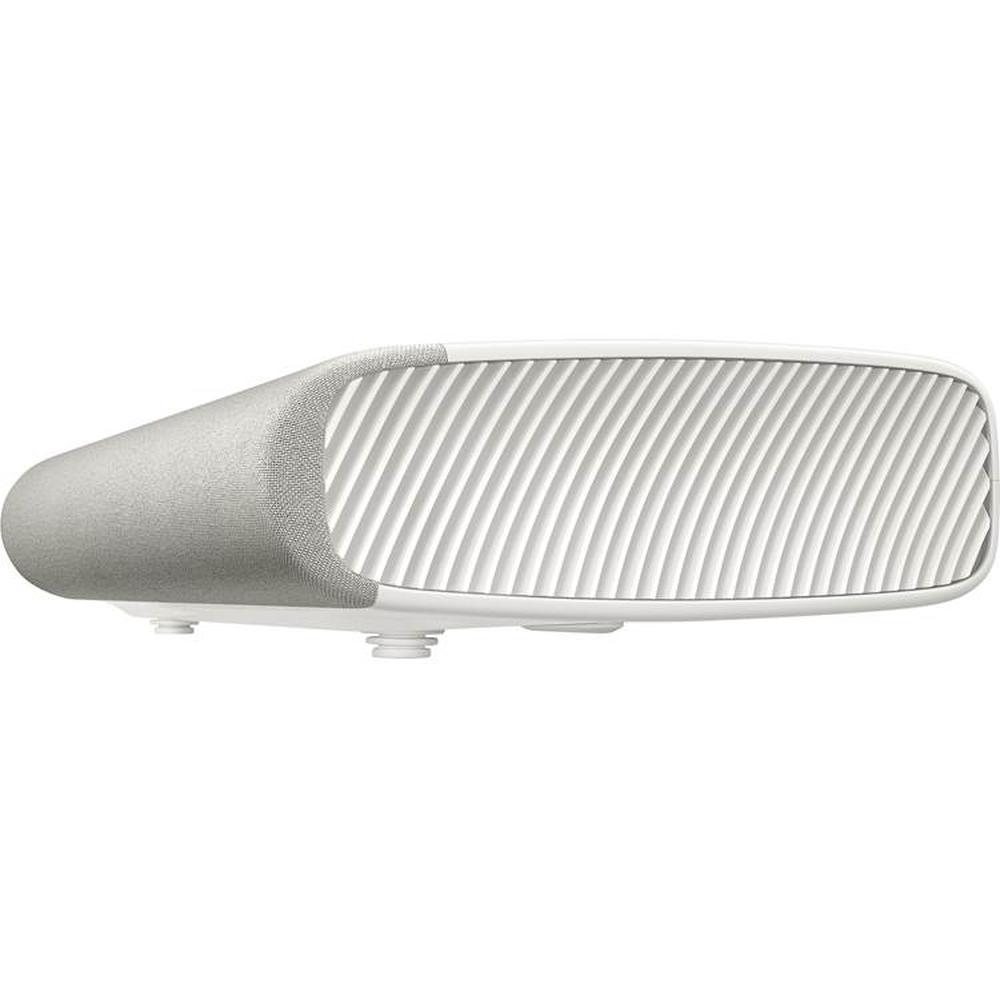
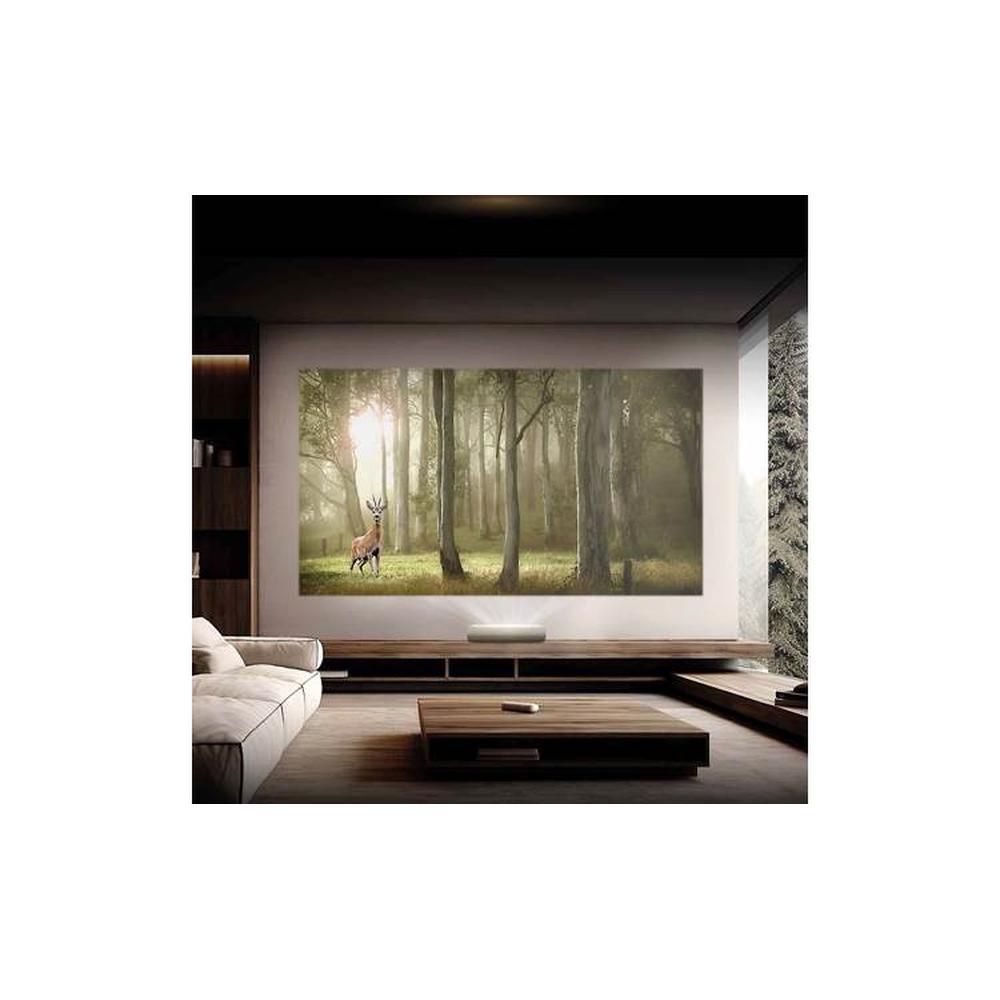
Ultra short throw (UST) projectors represent an exciting way to get a massive TV-like experience without dedicating your room to a traditional long-throw projector setup. Today we're comparing two leading options: the new Formovie 4K Max at $3,699 and the Samsung Premiere 9 priced at $5,999.
Before diving into the specifics, let's understand what makes UST projectors special. Unlike traditional projectors that need to sit far from the screen, UST projectors can create huge images from just inches away. They use sophisticated optics to "throw" the image upward at an extreme angle, making them perfect for placing in a TV console while projecting onto the wall above.
The technology has come a long way in recent years. Early UST projectors struggled with brightness and color accuracy, but modern laser-based systems have largely solved these issues. Both of our contenders use advanced laser light sources that should last 20,000+ hours - essentially the lifetime of the projector.
The Samsung Premiere 9 launched in late 2023, bringing triple laser technology to a more accessible price point than previous generations. The Formovie 4K Max is brand new for 2024, showcasing how quickly the technology is advancing with its impressive 4,500 ANSI lumens brightness.
This is perhaps the most striking difference between these projectors. The Formovie's 4,500 ANSI lumens significantly outshines the Samsung's 3,450 ISO lumens (roughly 3,200 ANSI lumens). What does this mean in practice? The Formovie will maintain a more vibrant image in rooms with windows or bright lighting. If you're planning to use the projector during the day or in a living room rather than a dedicated theater, this extra brightness makes a real difference.
While the Formovie wins on raw brightness, Samsung's triple laser system provides some significant advantages. Instead of using a single laser with a color wheel (like the Formovie), the Samsung uses separate red, green, and blue lasers. This approach typically delivers superior color accuracy and a wider color gamut.
The Samsung covers over 100% of the BT.2020 color space - the gold standard for HDR content. The Formovie manages 100% of the more limited Rec.709 space. For movie enthusiasts, this means the Samsung can display more subtle color variations and generally provides a more cinema-like experience.
Both projectors support HDR10+, but the Samsung adds regular HDR10 and HLG support. Combined with its superior color gamut, the Samsung generally handles HDR content better. However, the Formovie's higher brightness means it might actually perform better with HDR in brighter rooms, as it can better maintain the contrast needed for HDR to work effectively.
The Formovie offers remarkable flexibility, supporting screens from 80 to 200 inches. The Samsung is more limited, optimized for 100-130 inch sizes. This difference matters - if you're planning a truly massive setup or need to fit a smaller space, the Formovie provides more options.
Both projectors need careful placement to avoid geometric distortion. They include digital keystone correction to help, but for best results, you'll want to position them precisely. The Formovie's 8-point keystone correction offers more adjustment flexibility than Samsung's basic 4-point system.
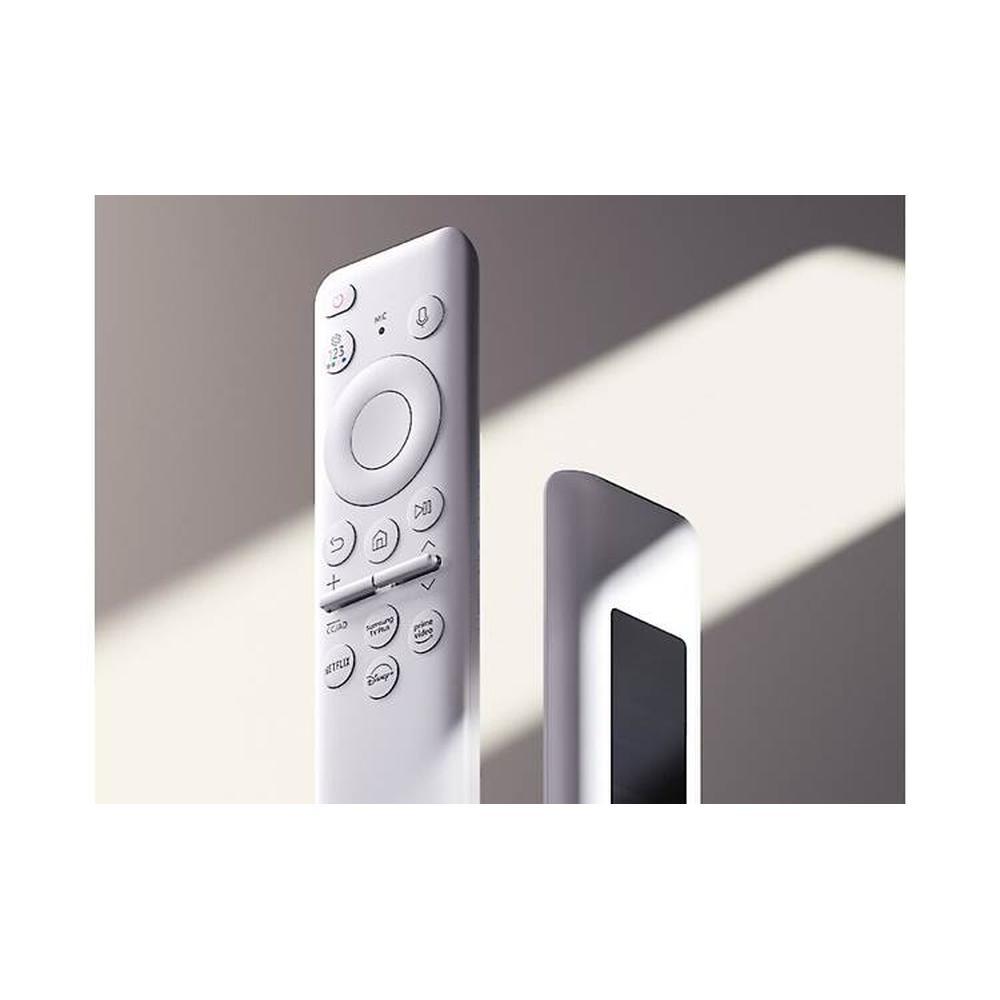
Samsung's Tizen OS is a clear winner here, offering a full smart TV experience similar to their premium televisions. The Gaming Hub provides access to cloud gaming services, and the interface is polished and responsive. The Formovie's FengOS is more basic, though you can always add an external streaming device.
For gamers, the Samsung offers lower input lag (around 43ms) and better processing for gaming content. Both support Auto Low Latency Mode (ALLM), but the Samsung's more sophisticated processing and Gaming Hub make it the better choice for serious gamers.
The Samsung includes a surprisingly capable 40W 2.2.2 channel Dolby Atmos system. While not replacing a dedicated home theater setup, it's noticeably better than the Formovie's basic stereo speakers. For casual viewing, the Samsung might let you skip a separate soundbar.
At $2,300 less, the Formovie 4K Max represents excellent value if your primary concerns are brightness and screen size flexibility. However, the Samsung Premiere 9 justifies its premium with better color accuracy, superior smart features, and better gaming support.
Consider these key factors:
The Formovie makes the most sense for bright rooms, price-conscious buyers, and those needing installation flexibility. The Samsung justifies its premium for dedicated home theater spaces, gaming enthusiasts, and those wanting the best possible image quality in controlled lighting.
Remember, both represent significant improvements over previous UST generations. Your choice ultimately depends on balancing your specific needs against your budget.
| Formovie 4K Max | Samsung Premiere 9 |
|---|---|
| Price - Significant cost difference impacts value proposition | |
| $3,699 | $5,999 |
| Brightness - Critical for ambient light performance | |
| 4,500 ANSI lumens (excellent for bright rooms) | 3,450 ISO lumens (better for controlled lighting) |
| Laser Technology - Impacts color accuracy and longevity | |
| Single laser with color wheel (standard performance) | Triple RGB laser (superior color accuracy) |
| Screen Size Range - Determines installation flexibility | |
| 80" to 200" (more flexible) | 100" to 130" (more limited) |
| Color Gamut - Affects HDR and overall vibrancy | |
| 100% Rec.709 (good for SDR content) | 106% BT.2020 (excellent for HDR) |
| HDR Support - Important for streaming and UHD content | |
| HDR10+ only | HDR10, HDR10+, HLG (more comprehensive) |
| Smart Platform - Affects streaming and gaming capability | |
| Basic FengOS (limited apps) | Full Tizen OS with Gaming Hub (extensive features) |
| Audio System - Built-in sound quality | |
| Basic 40W stereo speakers | 40W 2.2.2 channel Dolby Atmos (superior) |
| Gaming Features - Important for console gamers | |
| Basic ALLM/MEMC at 60Hz | Gaming Hub, lower input lag, better processing |
| Throw Ratio - Determines placement distance | |
| 0.25:1 (standard UST) | 0.189:1 (slightly shorter throw) |
| Contrast Ratio - Affects image depth and black levels | |
| 3,000:1 (standard) | 2,000,000:1 dynamic (superior) |
| Operating System - Smart TV functionality | |
| Limited FengOS (may need external device) | Full Tizen smart TV experience |
The Formovie 4K Max is significantly better for bright rooms with its 4,500 ANSI lumens compared to the Samsung Premiere 9's 3,450 ISO lumens. This makes the Formovie a better choice for rooms with windows or ambient lighting.
The Formovie 4K Max costs $3,699 while the Samsung Premiere 9 is priced at $5,999, representing a $2,300 difference. The price gap is significant and should be weighed against the feature differences.
The Samsung Premiere 9 has superior color accuracy thanks to its triple laser system, compared to the Formovie 4K Max's single laser with color wheel. The Samsung covers a wider color gamut and produces more accurate colors overall.
The Samsung Premiere 9 is better for gaming with its dedicated Gaming Hub, lower input lag, and better processing. While the Formovie 4K Max supports basic gaming features, it's not as optimized for gaming performance.
The Formovie 4K Max supports a wider range of screen sizes from 80" to 200", while the Samsung Premiere 9 is limited to 100" to 130". This makes the Formovie more flexible for different room sizes.
No, but each has different requirements. The Formovie 4K Max works better in varied lighting conditions, while the Samsung Premiere 9 performs best in controlled lighting for optimal image quality.
The Samsung Premiere 9 has superior smart features with its full Tizen OS platform, while the Formovie 4K Max has a more basic smart system that might require an external streaming device.
For dedicated movie watching in controlled lighting, the Samsung Premiere 9 has an advantage with better contrast and color accuracy. However, the Formovie 4K Max might perform better for daytime movie viewing due to higher brightness.
The Samsung Premiere 9 features a superior 40W 2.2.2 channel Dolby Atmos system, while the Formovie 4K Max has basic stereo speakers. The Samsung provides a better standalone audio experience.
Both support HDR, but the Samsung Premiere 9 offers more comprehensive HDR support including HDR10, HDR10+, and HLG, while the Formovie 4K Max supports HDR10+ only.
Both projectors require careful placement, but the Formovie 4K Max offers more flexible 8-point keystone correction compared to the Samsung Premiere 9's 4-point system, potentially making initial setup easier.
The value depends on your needs. The Samsung Premiere 9 justifies its higher price with better color accuracy, smart features, and gaming support. However, the Formovie 4K Max offers excellent value if brightness and screen size flexibility are your primary concerns.
We've done our best to create useful and informative comparisons to help you decide what product to buy. Our research uses advanced automated methods to create this comparison and perfection is not possible - please contact us for corrections or questions. These are the sites we've researched in the creation of this article: rtings.com - eu.formovie.com - notebookcheck.net - formovie.com - techradar.com - projectorcentral.com - projectorscreen.com - projectorcentral.com - projectorreviews.com - projectorcentral.com - formovie.com - avsforum.com - valueelectronics.com - youtube.com - techradar.com - youtube.com - news.samsung.com - samsung.com - soundandvision.com - samsung.com - sound-advice.online - trustedreviews.com

Privacy Policy
Terms and Conditions - Affiliate Policy
Home Security
© Copyright 2008-2026.
11816 Inwood Rd #1211, Dallas, TX 75244