

Ultra short throw projectors have completely changed the home theater game. Instead of mounting a projector on your ceiling or placing it across the room, these clever devices sit just inches from your wall and create massive 100-150 inch images that rival dedicated movie theaters. It's genuinely impressive technology that solves the biggest problem most people face with traditional projectors: space.
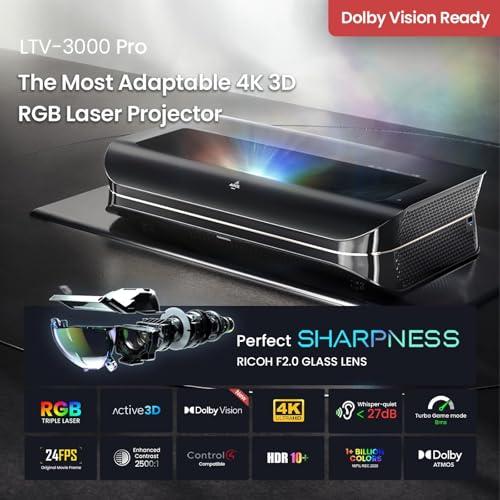
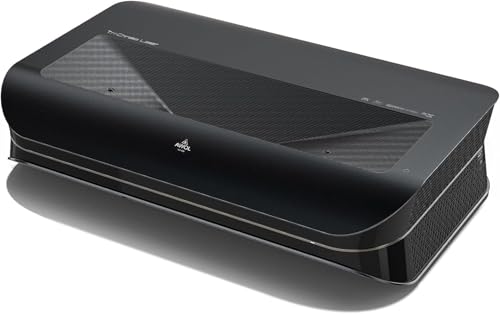
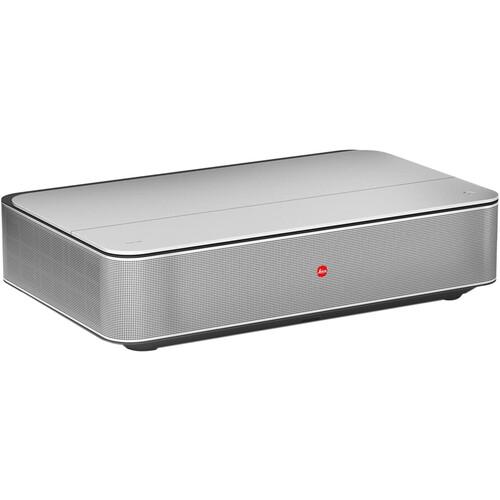
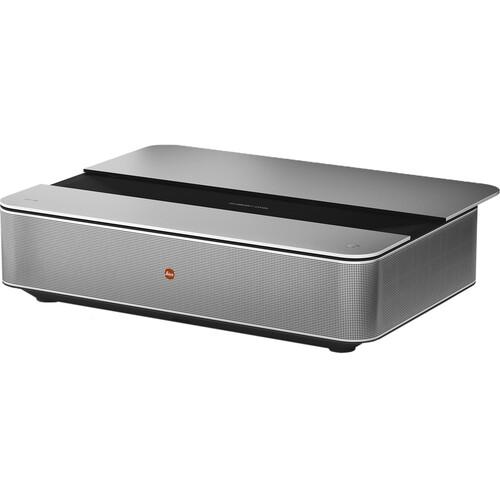
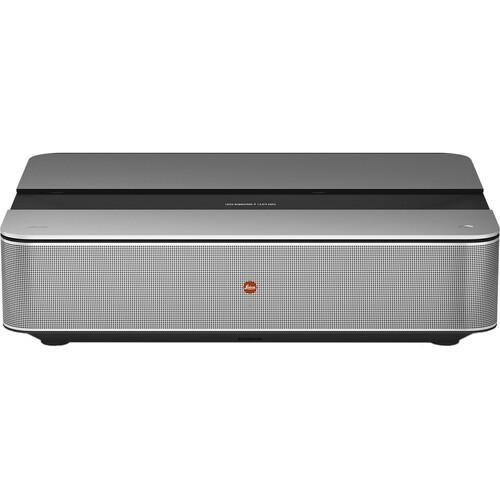
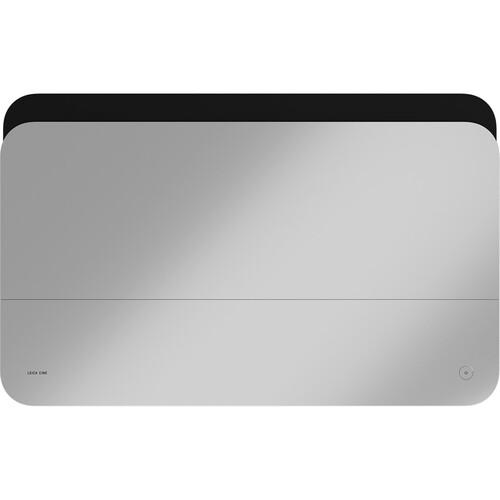
But not all ultra short throw projectors are created equal. At the time of writing, we're looking at two fascinating options that represent very different approaches to premium home entertainment. The AWOL Vision LTV-3000 Pro, released in 2023, focuses on delivering flagship performance at accessible pricing with gaming optimization. The Leica Cine 1, Leica's first foray into home projection launched in 2024, brings luxury optical engineering to the living room at a significant premium.
Understanding which projector makes sense for your situation requires diving into the technical details that actually matter for daily use. Let's break down what separates these two approaches and help you decide which philosophy aligns with your needs and budget.
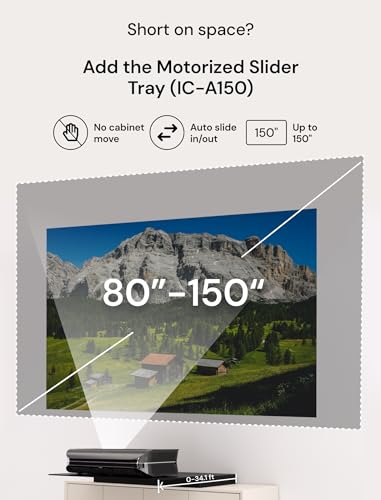
Before we compare specific models, it's worth understanding what makes these projectors special. Traditional projectors use simple lens systems that require substantial throw distances—typically 8-12 feet for a 100-inch image. Ultra short throw projectors use complex mirror systems and specialized optics to "fold" the light path, allowing them to project massive images from just 6-12 inches away from the screen.
This technological leap solves several practical problems. You don't need ceiling mounts, there's no shadow casting when people walk by, and you can place the projector on a TV stand or media console. The trade-off is increased complexity and cost—the optical engineering required for UST projection is significantly more challenging than traditional throw projectors.
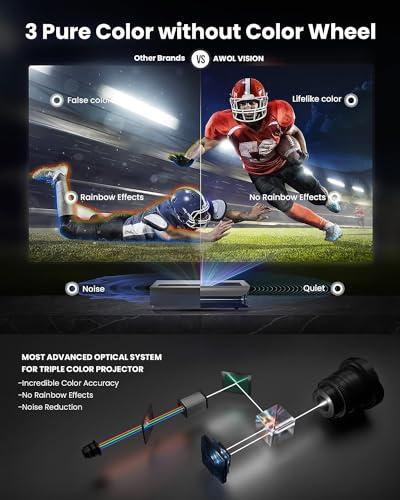
Both the AWOL Vision LTV-3000 Pro and Leica Cine 1 use RGB triple laser technology instead of traditional lamp-based systems. This means they generate light using three separate laser modules for red, green, and blue colors, eliminating the color wheel that many projectors use. The result is better color accuracy, longer lifespan (typically 25,000+ hours), and more consistent brightness over time.
Brightness is probably the most critical specification for any projector, but it's especially important for ultra short throw models since they're typically used in living rooms rather than dedicated dark theaters. Here's where these two projectors take notably different approaches.
The Leica Cine 1 delivers 3,000 ANSI lumens, which represents genuine high-end brightness for this category. ANSI lumens is the most reliable brightness measurement since it takes readings from multiple points across the projected image and averages them. This higher brightness means the Leica can maintain image quality even with some ambient light—think family movie nights with some lamps on or afternoon viewing with curtains partially drawn.
The AWOL Vision LTV-3000 Pro outputs 2,000 ISO lumens (3,000 peak lumens), which is still respectable for the category but noticeably dimmer in direct comparison. ISO lumens is similar to ANSI but uses a slightly different measurement standard. The practical impact is that the AWOL performs best in controlled lighting environments, though it's still usable with moderate ambient light, especially when paired with an ambient light rejecting (ALR) screen.
Based on our research into user experiences, the brightness difference becomes most apparent during daytime viewing or in rooms with significant windows. The Leica maintains better contrast and color saturation under these conditions, while the AWOL Vision may appear somewhat washed out without proper light control.
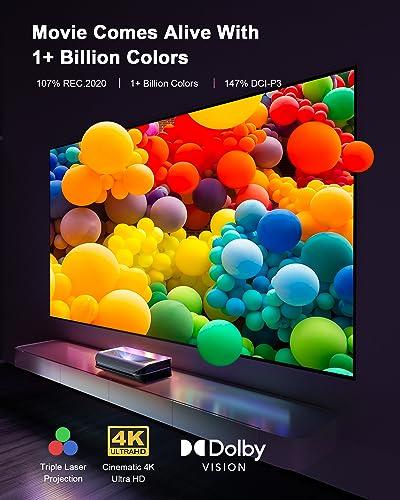
Both projectors cover over 100% of the BT.2020 color space, which is the current standard for 4K HDR content. This wide color gamut capability means they can display the full range of colors that modern movies and games are designed to show. However, they achieve this performance through different approaches.
The Leica Cine 1 leverages a premium Summicron lens with four aspherical elements—the same optical technology Leica uses in their legendary cameras and cinema lenses. This results in exceptional edge-to-edge sharpness and minimal chromatic aberration (color fringing around high-contrast edges). User reviews consistently praise the Leica's image uniformity, meaning the corners of large images remain as sharp and color-accurate as the center.
The AWOL Vision LTV-3000 Pro uses high-quality optics as well, but focuses more on adaptive image processing. Its Enhanced Adaptive Black Level technology dynamically adjusts contrast based on scene content, which can create deeper blacks and better shadow detail in dark movie scenes. The native contrast ratio of 2,500:1 is higher than the Leica's 1,000:1 native ratio, though the Leica claims much higher dynamic contrast through processing.
From our analysis of expert reviews, both projectors deliver excellent color accuracy, but with different strengths. The Leica excels in technical precision and uniformity, while the AWOL provides more dynamic contrast and punch in controlled lighting.
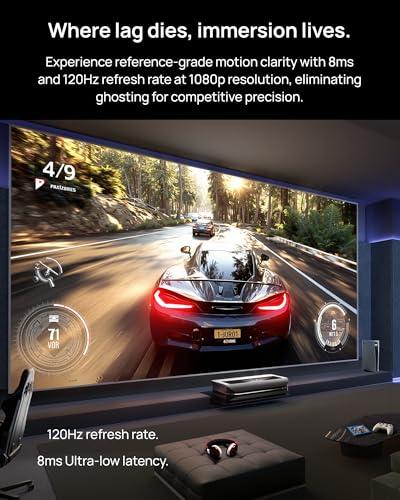
If gaming matters to you, this comparison becomes straightforward. The AWOL Vision LTV-3000 Pro was clearly designed with gamers in mind, featuring input lag of just 15ms at 4K/60Hz and an impressive 8ms at 1080p/120Hz. Input lag is the delay between when you press a controller button and see the result on screen—lower numbers mean more responsive gameplay.
These numbers are exceptional for any projector, let alone an ultra short throw model. For context, many TVs have 20-30ms of input lag, and most projectors are significantly worse. The AWOL also includes dedicated Game Mode settings and MEMC (Motion Estimation, Motion Compensation) processing that smooths fast motion without adding latency.
The Leica Cine 1, in contrast, isn't optimized for gaming. While it can certainly play games, it lacks the low-latency processing that makes competitive gaming enjoyable. This isn't necessarily a flaw—it reflects Leica's focus on cinema-quality image reproduction rather than gaming performance.
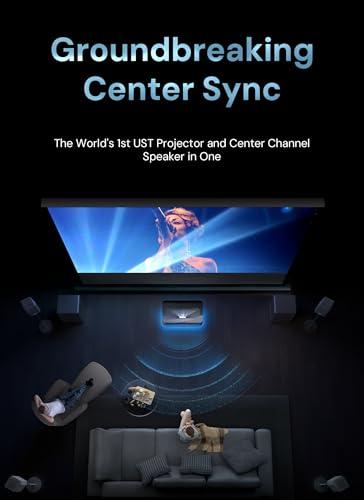
Both projectors include built-in speaker systems with Dolby Atmos processing, but they're designed for different use cases. The AWOL Vision features a 36W stereo system that's adequate for casual viewing but will likely leave serious home theater enthusiasts wanting external speakers or a soundbar.
The Leica Cine 1 includes a more sophisticated speaker configuration designed to better fill larger rooms. However, at these price points, most users end up connecting external audio systems anyway, so the built-in speakers are more about convenience than primary audio delivery.
Modern projectors need to handle streaming services, gaming consoles, and various input sources seamlessly. Both models support this, but with different approaches.
The AWOL Vision LTV-3000 Pro runs Android 9.0 and includes a Fire TV Stick 4K Max in the box. This dual-system approach means you get reliable streaming access through the Fire TV interface while maintaining the projector's native features through Android. It's slightly clunky having two operating systems, but it works well in practice and ensures you won't lose streaming access if one platform becomes outdated.
The Leica Cine 1 uses Google TV, which is currently more polished and user-friendly than the AWOL's Android 9.0 base. The interface is more intuitive, and content discovery across different streaming services works better. However, streaming platform support can become outdated over time, so the AWOL's Fire TV approach might age better.
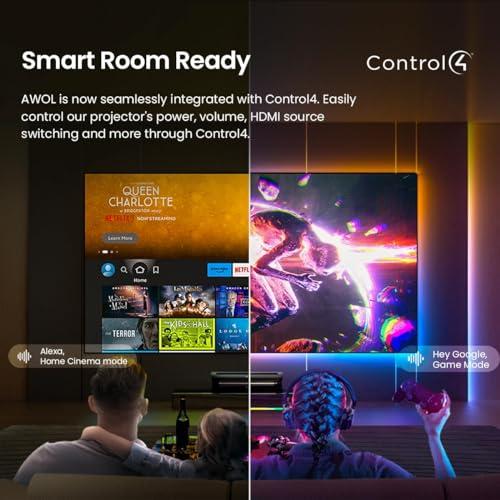
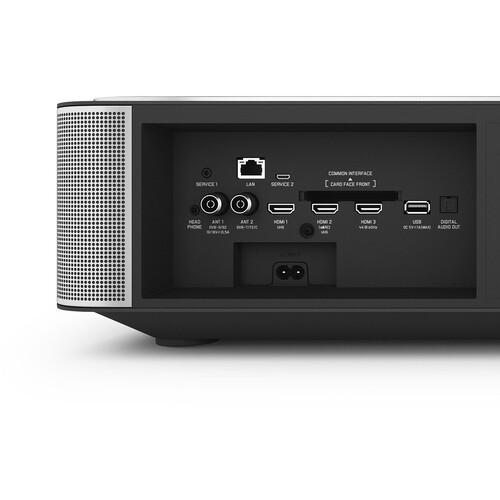
Both projectors support HDMI 2.1 with eARC (enhanced Audio Return Channel), which allows them to pass advanced audio formats back to soundbars or receivers. They also include multiple HDMI ports, USB connections, and network connectivity options.
At the time of writing, these projectors occupy very different market positions. The AWOL Vision LTV-3000 Pro represents exceptional value in the premium UST category, delivering roughly 85-90% of flagship performance at a fraction of luxury pricing. For most enthusiasts, it hits the sweet spot of features, performance, and price.
The Leica Cine 1 commands a significant premium that reflects luxury engineering, premium materials, and the Leica brand heritage. Whether this premium is justified depends entirely on your priorities and budget. The performance improvements are real—better brightness, superior lens quality, more refined build quality—but the cost differential is substantial.
From a practical standpoint, the money saved with the AWOL could fund a high-quality ALR screen and premium audio system, potentially delivering better overall theater experience than the Leica alone. However, if you value having the absolute best optical performance and luxury craftsmanship, the Leica's premium may be worthwhile.
Both projectors work well in dedicated home theater environments, but they excel in different scenarios. The AWOL Vision is ideal for multi-purpose rooms where gaming and movie watching both matter. Its lower input lag makes it suitable for family game nights, while its strong movie performance handles serious film viewing.
The Leica Cine 1 is better suited for dedicated cinema rooms or spaces where ambient light control is challenging. Its higher brightness makes it more forgiving of suboptimal lighting conditions, and its premium lens ensures consistent performance even at maximum screen sizes.
For screen pairing, both projectors benefit from ALR screens, which reject ambient light while preserving projected light. The AWOL's lower brightness makes ALR screens almost essential for daytime viewing, while the Leica can work well with standard projection screens in controlled environments.
Since their respective releases in 2023 and 2024, both projectors represent current-generation RGB laser technology. The laser light sources should maintain consistent performance for 25,000+ hours—roughly 10-15 years of typical use. This longevity is a key advantage over lamp-based projectors that require expensive replacements every 2-4 years.
The 4K DLP chips in both projectors use pixel-shifting technology to achieve 4K resolution from lower-resolution DMD (Digital Micromirror Device) chips. This is standard for the category and delivers genuinely sharp 4K images, though it's technically different from native 4K panels found in some high-end projectors.
Choose the AWOL Vision LTV-3000 Pro if you want flagship UST performance without luxury pricing, gaming capability matters, you have good light control in your viewing space, or you prefer investing savings in complementary equipment like premium screens and audio systems.
Choose the Leica Cine 1 if you prioritize absolute image quality and premium construction, have challenging ambient light conditions requiring maximum brightness, gaming isn't a consideration, or budget constraints aren't a primary factor in your home theater investment.
For most buyers, the AWOL Vision represents the better choice. It delivers the core UST projector benefits—massive images, space efficiency, excellent color accuracy—while adding gaming versatility that the Leica can't match. The performance difference, while real, is smaller than the price differential suggests.
However, if you're building an no-compromise home theater and value the absolute best optical performance, the Leica Cine 1 justifies its premium through superior brightness, lens quality, and build materials. It's genuinely excellent technology, just at a price point that makes it suitable for enthusiasts with generous budgets.
Either way, you're getting access to impressive technology that brings cinema-quality experiences to your living room without the space requirements of traditional projection systems. The ultra short throw category has matured significantly in recent years, and both of these projectors demonstrate just how good modern laser projection can be.
| AWOL Vision LTV-3000 Pro | Leica Cine 1 |
|---|---|
| Brightness - Critical for ambient light performance and daytime viewing | |
| 2,000 ISO lumens (requires good light control) | 3,000 ANSI lumens (handles ambient light better) |
| Gaming Input Lag - Essential for responsive console and PC gaming | |
| 15ms at 4K/60Hz, 8ms at 1080p/120Hz (excellent) | Not optimized for gaming (standard lag) |
| Light Source Technology - Affects color accuracy and maintenance | |
| RGB Triple Laser, 25,000 hour lifespan | RGB Triple Laser, 25,000+ hour lifespan |
| Image Size Range - Determines screen flexibility | |
| 80" to 150" diagonal | Up to 120" diagonal (some sources say 150") |
| Contrast Ratio - Important for dark scene detail and image depth | |
| 2,500:1 native (better blacks in dark rooms) | 1,000:1 native, 2,000,000:1 dynamic |
| Lens Quality - Affects edge sharpness and color fringing | |
| High-quality optics with adaptive processing | Premium Summicron lens with 4 aspherical elements |
| Smart Platform - Determines streaming app access and updates | |
| Android 9.0 + Fire TV Stick 4K Max included | Google TV (more current interface) |
| Audio System - Built-in sound quality | |
| 36W stereo with Dolby Atmos support | Premium speaker configuration with Dolby Atmos |
| Weight and Build - Affects installation and premium feel | |
| 21 lbs (easier installation) | 33.3 lbs (premium construction) |
| HDR Support - Essential for modern 4K content | |
| Dolby Vision, HDR10+, HDR10, HLG | Dolby Vision, HDR10+, HDR10, HLG |
| Value Proposition - Performance per dollar | |
| Exceptional value with gaming optimization | Premium optics and build at luxury pricing |
| Target User - Who should choose this projector | |
| Gamers and value-focused enthusiasts | Luxury buyers prioritizing absolute image quality |
The primary difference is brightness and target market. The Leica Cine 1 delivers 3,000 ANSI lumens for better ambient light performance, while the AWOL Vision LTV-3000 Pro offers 2,000 ISO lumens but excels in gaming with 15ms input lag. The Leica targets luxury buyers, while the AWOL focuses on value and versatility.
The AWOL Vision LTV-3000 Pro is significantly better for gaming with just 15ms input lag at 4K/60Hz and 8ms at 1080p/120Hz. It includes dedicated Game Mode optimization. The Leica Cine 1 is not optimized for gaming and has standard input lag that makes competitive gaming less responsive.
The Leica Cine 1 handles bright rooms better with its 3,000 ANSI lumens brightness. The AWOL Vision LTV-3000 Pro requires more controlled lighting but can work in moderately lit rooms, especially with an ambient light rejecting screen.
The AWOL Vision LTV-3000 Pro offers exceptional value, delivering about 85-90% of premium performance at a much lower price point. The money saved could fund a high-quality screen and audio system, potentially creating a better overall home theater experience.
Both projectors cover over 100% of the BT.2020 color space using RGB triple laser technology. The Leica Cine 1 has superior lens quality with reduced color fringing, while the AWOL Vision LTV-3000 Pro offers better native contrast (2,500:1 vs 1,000:1) for deeper blacks.
The AWOL Vision LTV-3000 Pro runs Android 9.0 and includes a Fire TV Stick 4K Max for streaming. The Leica Cine 1 uses Google TV with a more polished interface. Both support major streaming services and HDMI 2.1 with eARC.
Both the AWOL Vision LTV-3000 Pro and Leica Cine 1 use RGB triple laser technology rated for 25,000+ hours of use. This equals roughly 10-15 years of typical viewing, eliminating the need for expensive lamp replacements.
For dedicated home theaters with controlled lighting, the AWOL Vision LTV-3000 Pro excels with better contrast and gaming capability. For multi-purpose rooms or spaces with ambient light, the Leica Cine 1 performs better due to higher brightness.
The AWOL Vision LTV-3000 Pro can project 80" to 150" diagonal images, while the Leica Cine 1 handles up to 120" (some sources indicate 150"). Both use ultra-short throw optics requiring just inches of distance from the wall.
The AWOL Vision LTV-3000 Pro includes 36W stereo speakers with Dolby Atmos support, suitable for casual viewing. The Leica Cine 1 features a more sophisticated speaker configuration. Both benefit from external audio systems for serious home theater use.
The Leica Cine 1 is better for daytime viewing due to its higher 3,000 ANSI lumens brightness. The AWOL Vision LTV-3000 Pro can handle daytime viewing with proper light control and an ambient light rejecting screen, but performs best in darker environments.
Choose the AWOL Vision LTV-3000 Pro if you want excellent value, gaming capability, and have good light control. Choose the Leica Cine 1 if you prioritize maximum brightness, premium build quality, and have challenging ambient light conditions or an unlimited budget.
We've done our best to create useful and informative comparisons to help you decide what product to buy. Our research uses advanced automated methods to create this comparison and perfection is not possible - please contact us for corrections or questions. These are the sites we've researched in the creation of this article: bestbuy.com - projectorcentral.com - rtings.com - techaeris.com - hometechnologyreview.com - awolvision.de - androidcentral.com - awolvision.com - projectorreviews.com - dreamediaav.com - bestbuy.com - youtube.com - youtube.com - awolvisionpro.com - awolvision.com - awolvision.com - projectorcentral.com - projectorreviews.com - leicacamerausa.com - projectorreviews.com - whathifi.com - leicacamerausa.com - bhphotovideo.com - projectorcentral.com - projectorscreen.com - crutchfield.com - leicarumors.com - projectorscreen.com

Privacy Policy
Terms and Conditions - Affiliate Policy
Home Security
© Copyright 2008-2026.
11816 Inwood Rd #1211, Dallas, TX 75244