

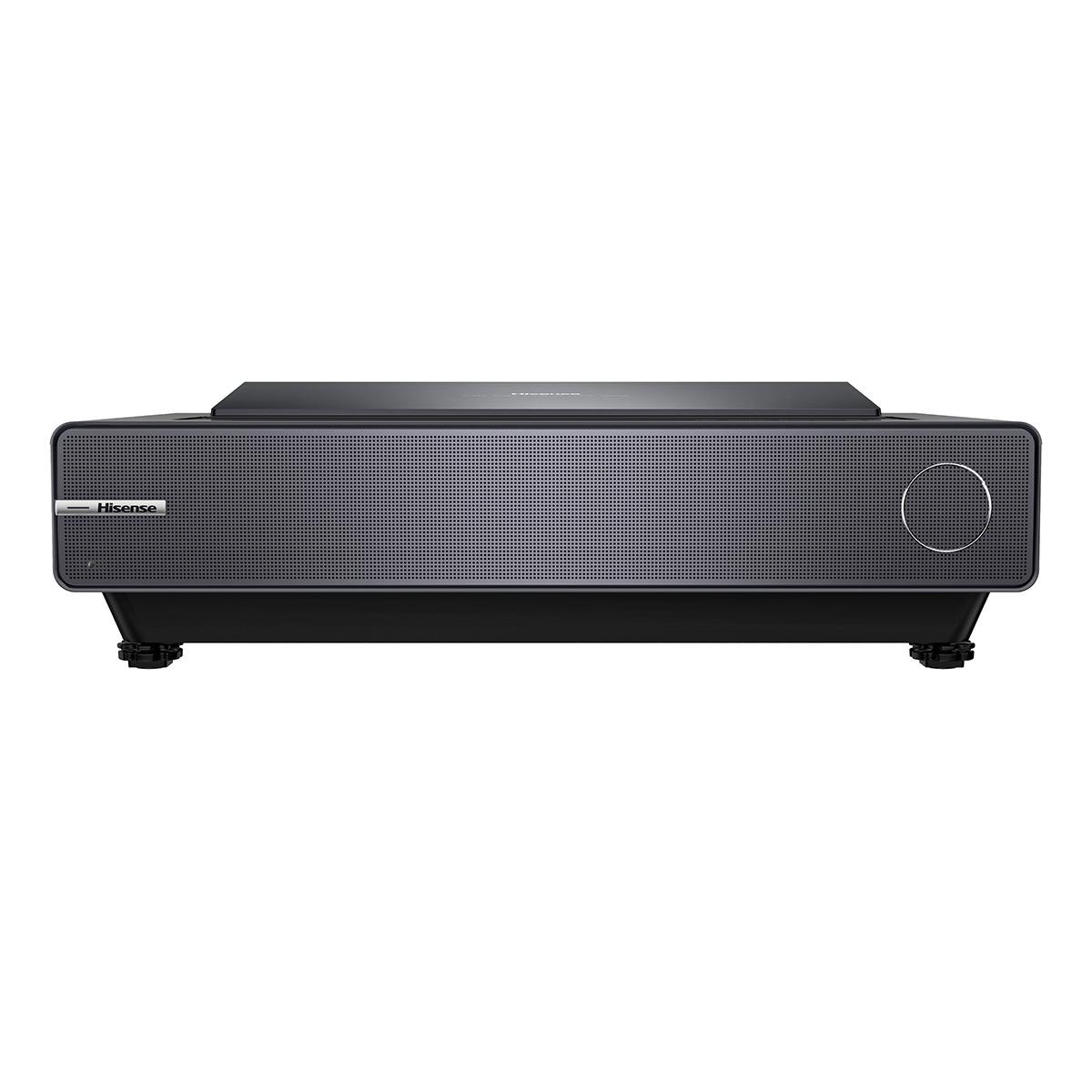
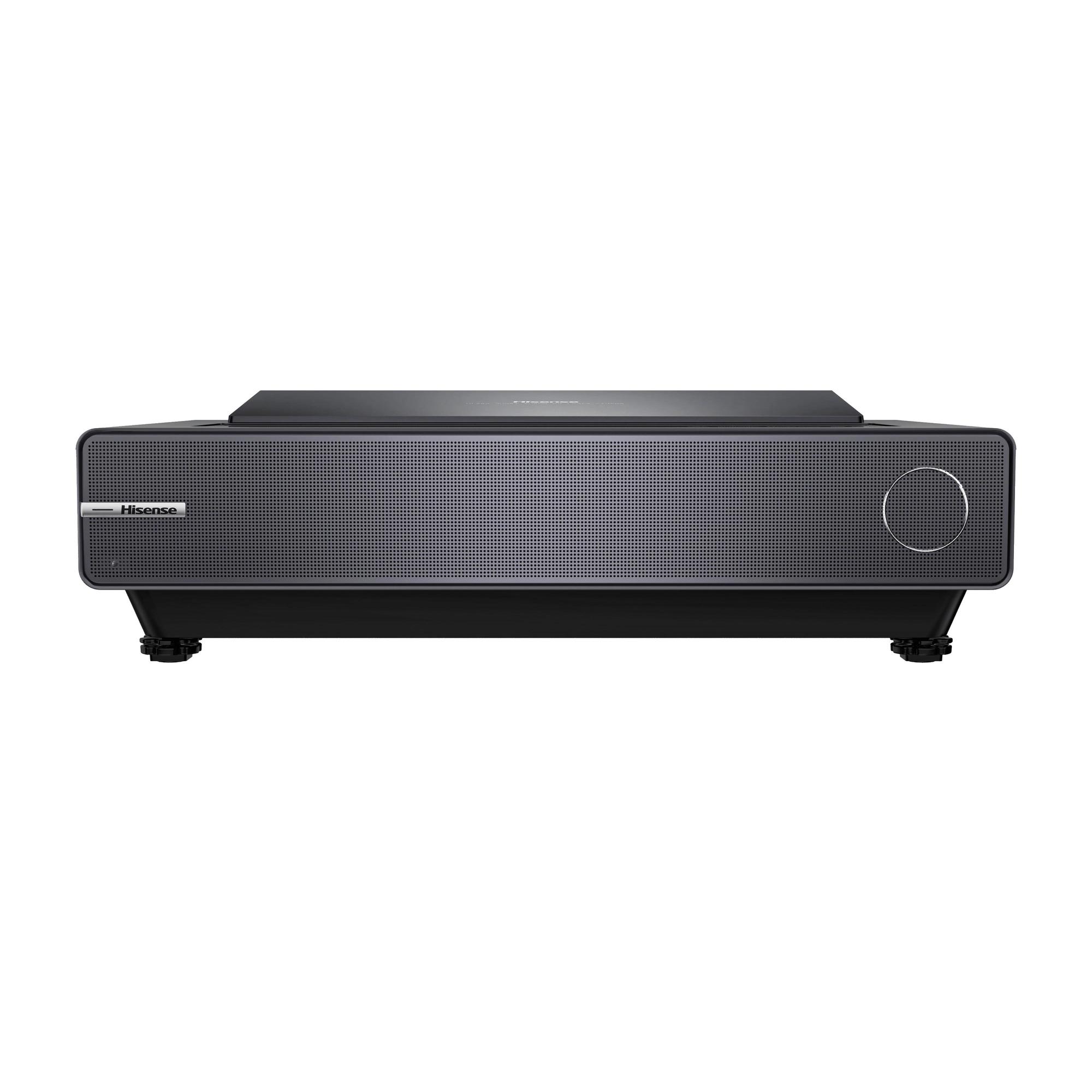
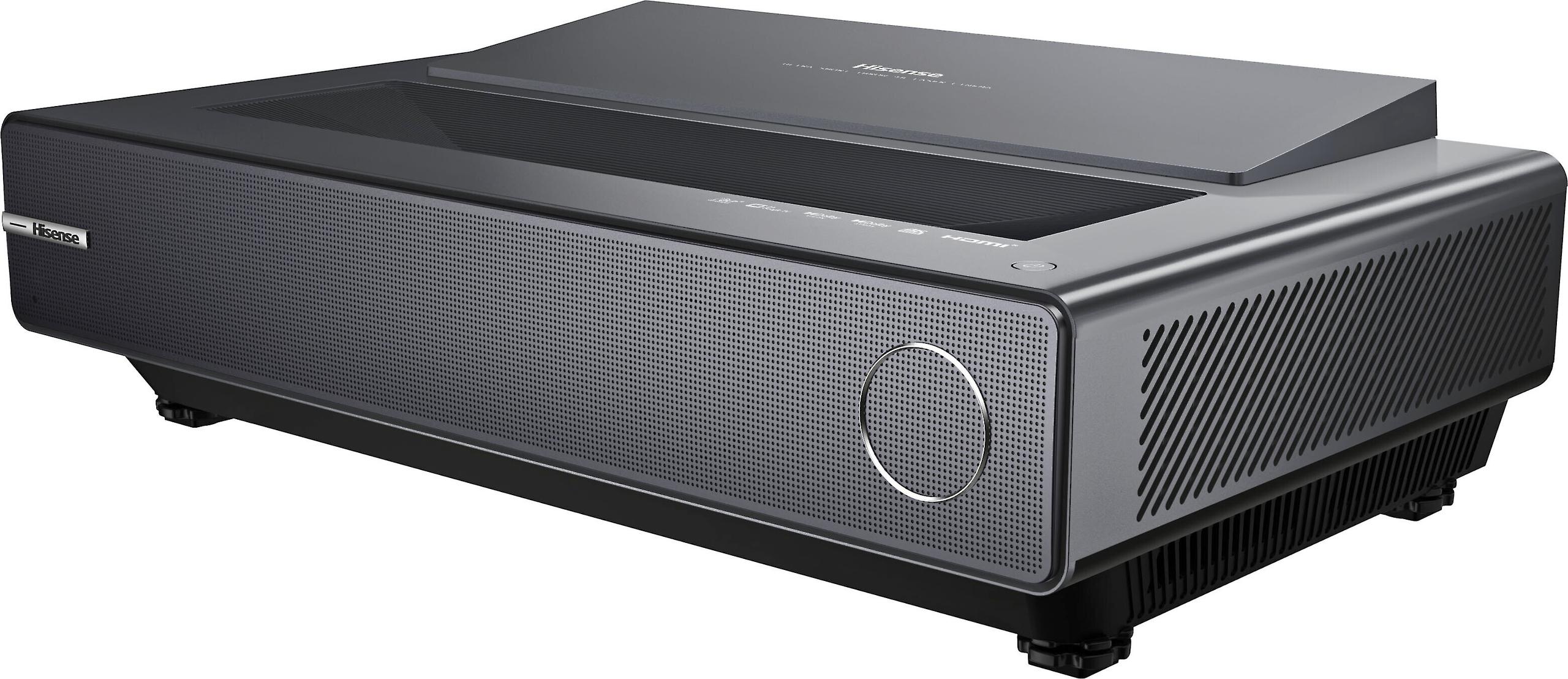
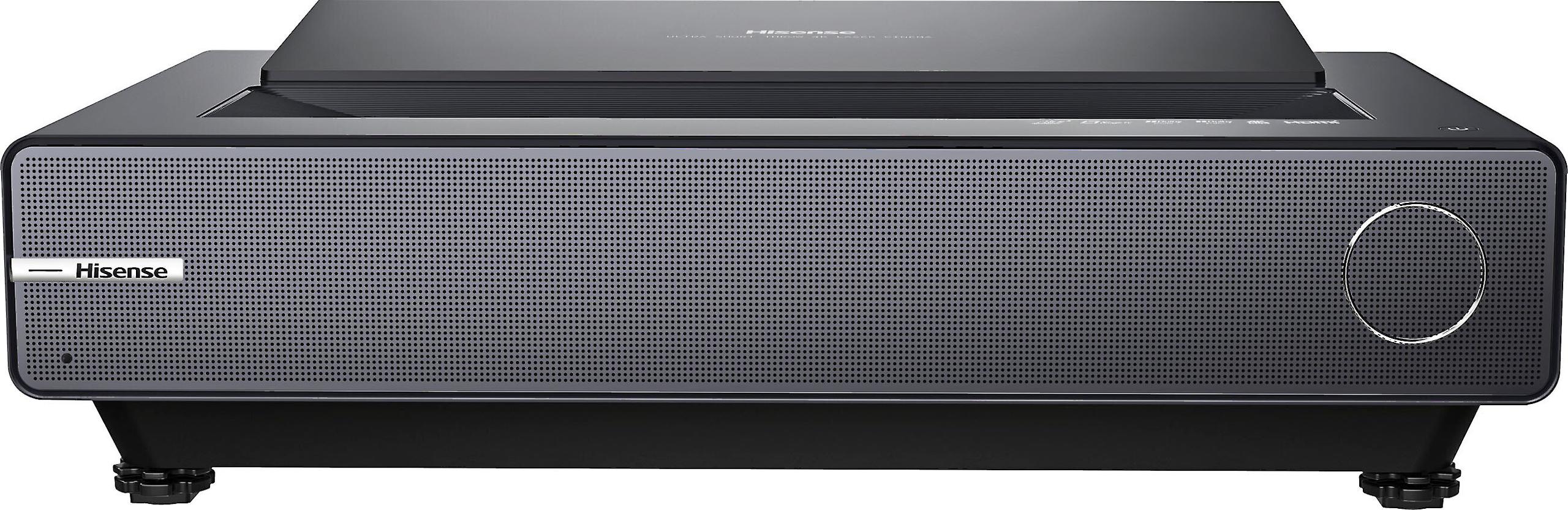
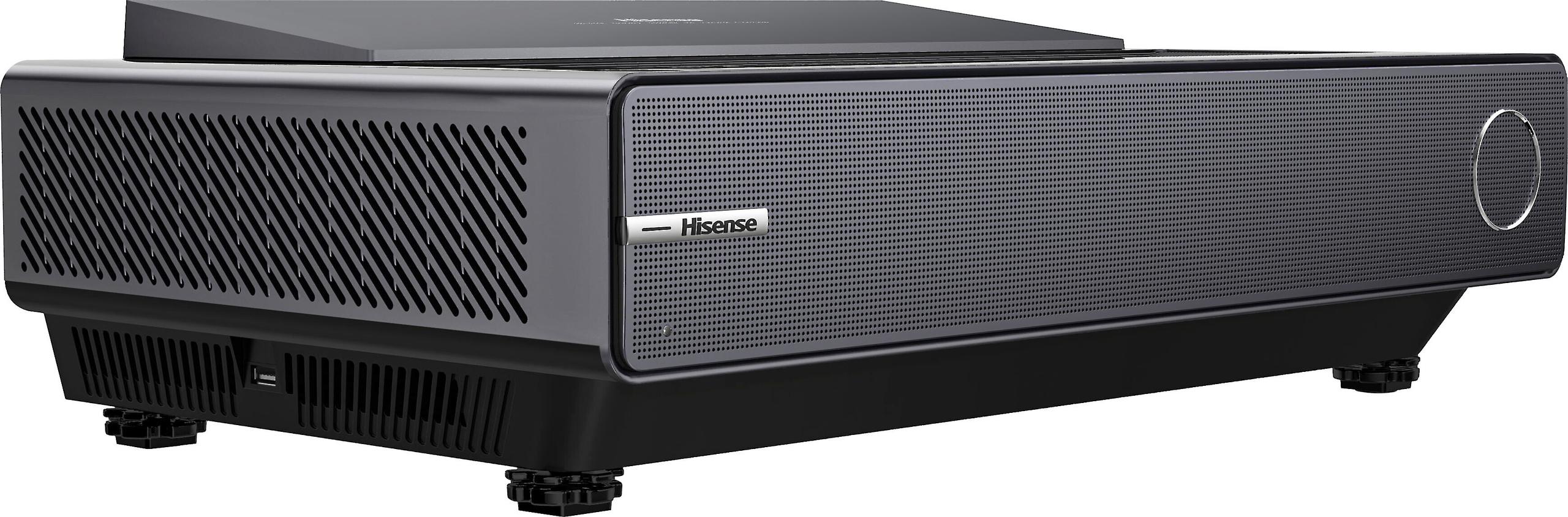
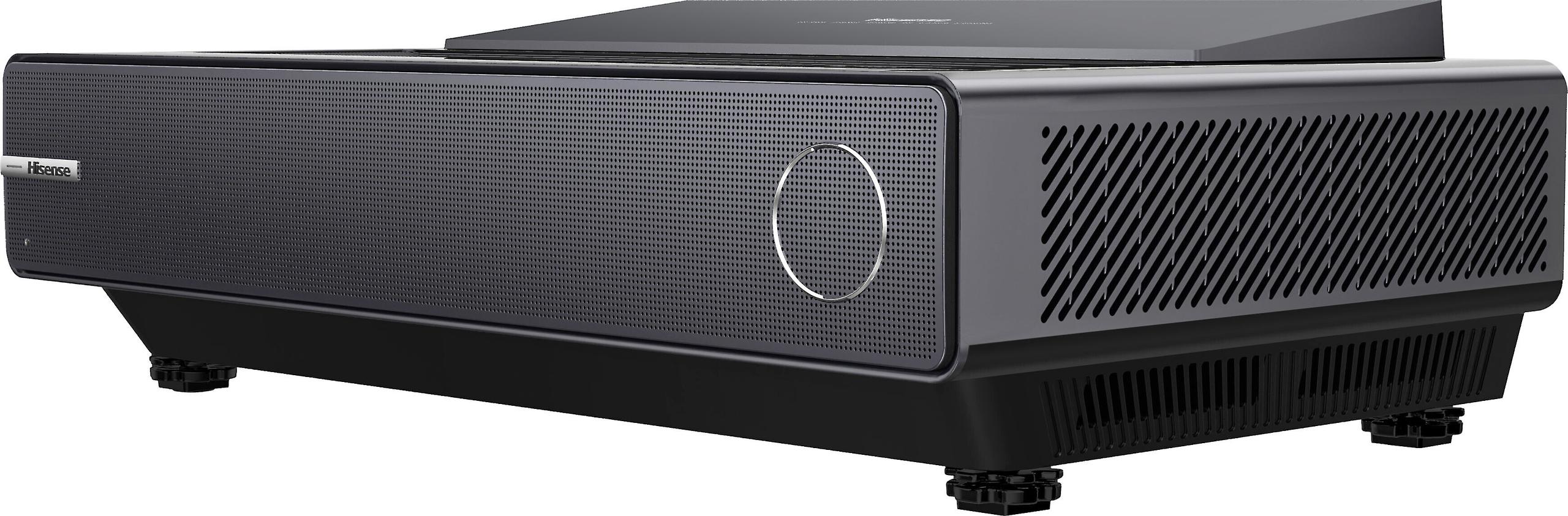
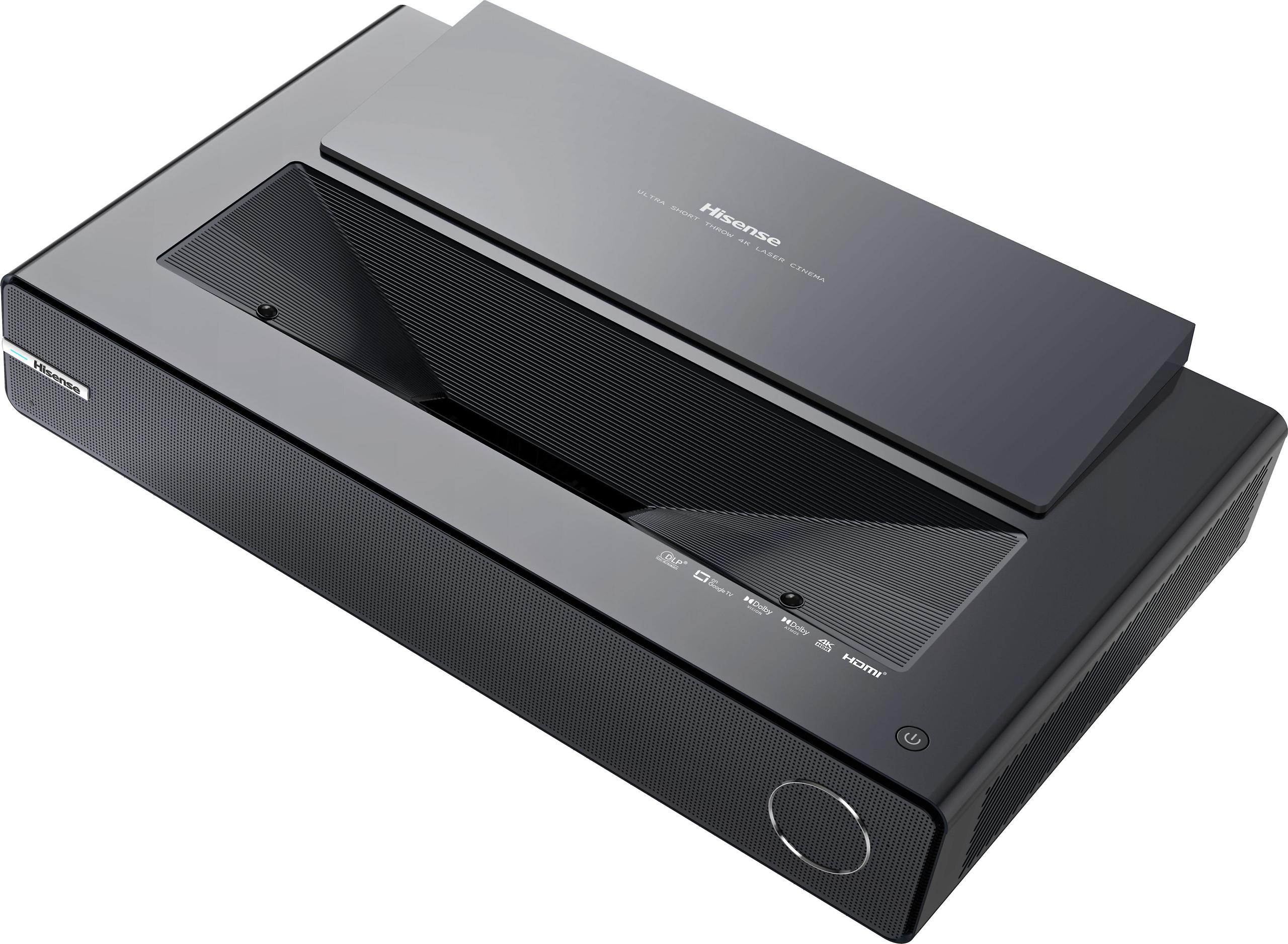
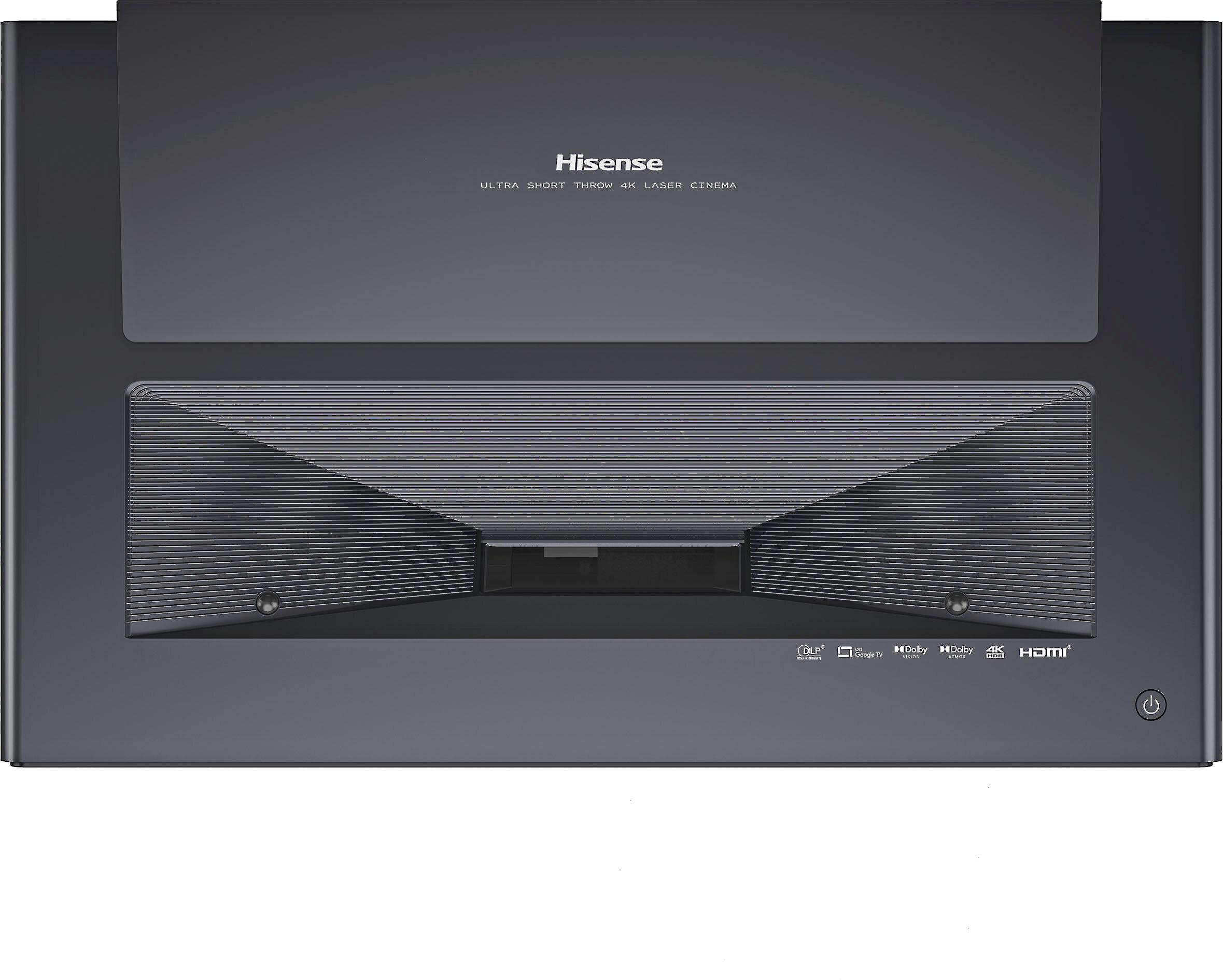

If you've been dreaming of a massive 100+ inch screen in your living room without the hassle of mounting a traditional projector on the ceiling, ultra short throw (UST) laser projectors might be exactly what you need. These innovative devices sit just inches from your wall—like a soundbar under your TV—yet create cinema-sized images that would make your local movie theater jealous.
Today we're comparing two standout models in this exciting category: the AWOL Vision LTV-3000 Pro and the Hisense PX2-PRO. Both launched in the premium price segment (around $3,000 at the time of writing), but they take notably different approaches to achieving that massive screen experience.
Before diving into the specifics, let's clarify what makes these projectors special. Traditional projectors need to be mounted far from the screen—often 8-12 feet away for a 100-inch image. UST projectors flip this concept entirely, using specialized ultra-wide-angle lenses and advanced optics to create the same massive image from just 6-8 inches away from your wall.
This positioning eliminates the biggest headaches of projector ownership: no ceiling mounting, no shadows when you walk in front, and no long cable runs. You simply place the unit on a TV stand or media console, and you're ready for movie night. The trade-off is complexity—these projectors require precise engineering to maintain image quality across such extreme angles, which is why they command premium pricing.
The key performance factors that separate good UST projectors from great ones include brightness (measured in lumens), color accuracy and coverage, input lag for gaming, smart platform integration, and audio quality. Since you can't easily adjust the distance like traditional projectors, these factors become even more critical for long-term satisfaction.
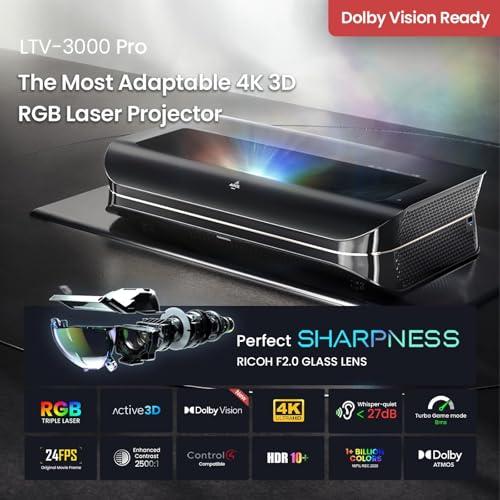
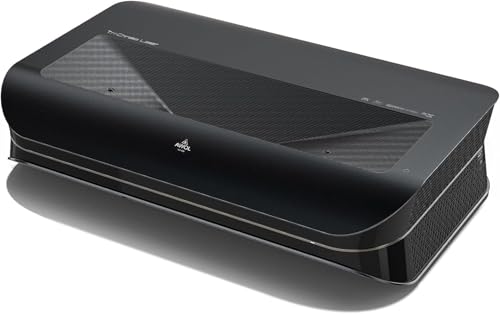
The AWOL Vision LTV-3000 Pro arrived in 2023 as a gaming-focused powerhouse, positioning itself as the choice for enthusiasts who refuse to compromise on performance. AWOL Vision, while newer to the projector market, made their mark by targeting specific performance metrics that matter most to demanding users—particularly ultra-low input lag and maximum screen size capability.
The Hisense PX2-PRO launched in 2022 from a more established TV manufacturer, focusing on mainstream appeal with higher brightness and seamless smart TV integration. Hisense leveraged their experience in the TV market to create what feels more like a "smart TV experience" in projector form, complete with Google TV and all the streaming apps you'd expect.
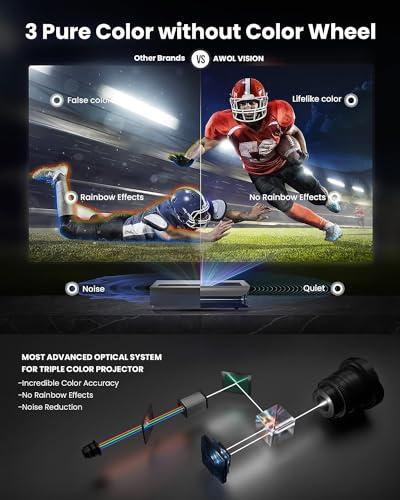
Both models represent the current generation of RGB laser technology—a significant advancement over older single-laser systems that used color wheels. This tri-color laser approach produces more accurate colors, eliminates the "rainbow effect" some people see with color wheels, and provides longer lifespan with more consistent performance over time.
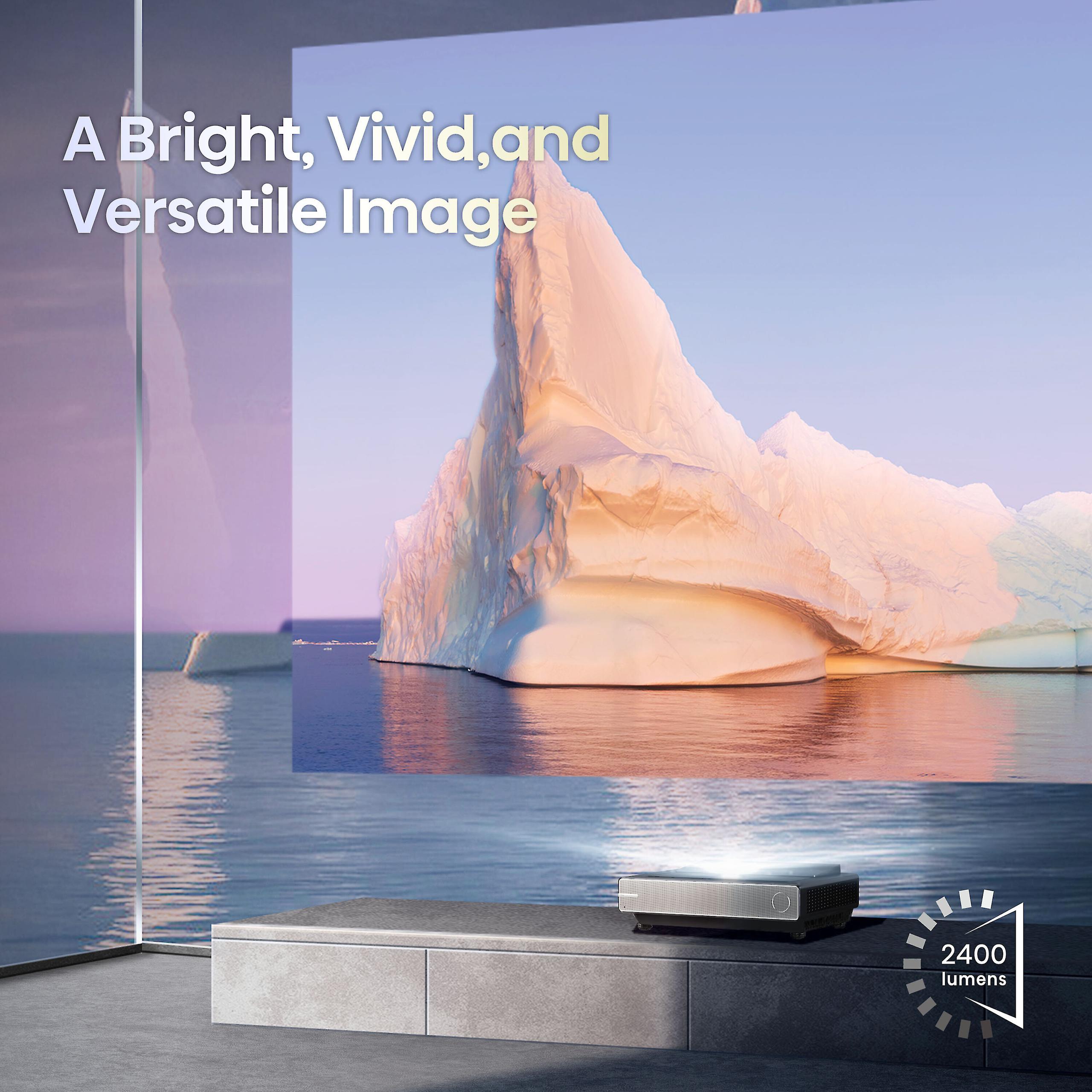
Brightness might be the most crucial specification for any projector, but it's especially important for UST models since you can't easily move them closer to boost image intensity. Here's where the Hisense PX2-PRO takes a clear lead with 2,400 ANSI lumens compared to the AWOL Vision LTV-3000 Pro's 2,000 ISO lumens.
Those numbers might seem close, but in practice, that extra 400 lumens makes a substantial difference in ambient light performance. The Hisense can handle moderate room lighting—think curtains open during an overcast day—without the image looking washed out. The AWOL performs better in controlled lighting but struggles more when competing with bright room conditions.
Both projectors benefit tremendously from ambient light rejecting (ALR) screens, which are specially designed to reflect projected light toward viewers while absorbing overhead room lighting. With an ALR screen, either projector becomes significantly more versatile for daytime viewing. However, even with these screens, the Hisense's brightness advantage remains apparent.
From our research into user experiences, the brightness difference becomes most noticeable during sports viewing or bright movie scenes. The Hisense PX2-PRO maintains better contrast and color saturation when room conditions aren't ideal, making it more forgiving for families who don't want to create a dedicated home theater environment.
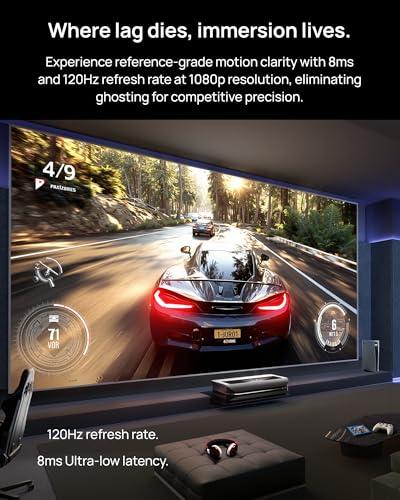
If gaming is important to you, the AWOL Vision LTV-3000 Pro dominates this comparison in spectacular fashion. With input lag measured at just 8 milliseconds at 1080p/120Hz and 15 milliseconds at 4K/60Hz, it rivals dedicated gaming monitors. Input lag measures the delay between when your controller sends a signal and when you see the action on screen—and for competitive gaming, every millisecond counts.
The Hisense PX2-PRO measures 30-35 milliseconds of input lag, which is acceptable for casual gaming but problematic for anything requiring quick reflexes. Fighting games, first-person shooters, and racing games all suffer noticeably with this level of delay. For reference, most gamers consider anything above 20ms to be sluggish for competitive play.
Beyond raw input lag numbers, the AWOL projector includes gaming-specific features like motion estimation and motion compensation (MEMC) processing, which smooths out fast-moving scenes, and dedicated gaming picture modes that prioritize response time over image processing. These features demonstrate AWOL's focus on the gaming market—something you don't typically see prioritized in projector design.
The gaming performance difference is so significant that it essentially defines the target audience for each projector. If gaming is a primary use case, the AWOL Vision LTV-3000 Pro justifies its existence. If gaming is secondary to movies and streaming, the Hisense PX2-PRO offers better overall value.
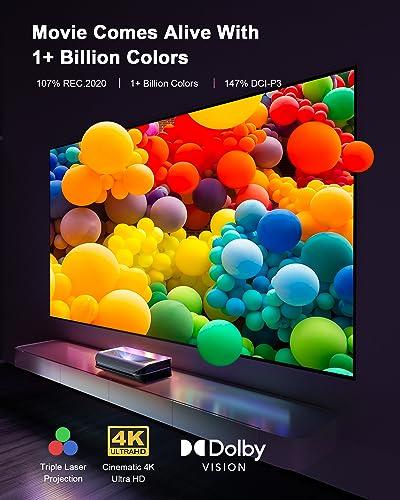
Both projectors use RGB laser technology, which produces color by combining red, green, and blue laser light sources. This approach covers a wider color gamut than traditional lamp-based projectors, reaching 107% of the BT.2020 color space standard—essentially meaning they can reproduce more colors than standard HD displays.
However, the implementation differs significantly between models. The Hisense PX2-PRO delivers better out-of-the-box color accuracy, meaning colors look natural and properly saturated without professional calibration. The AWOL Vision LTV-3000 Pro, paradoxically, has the potential for more accurate colors but requires professional calibration to achieve them.
This calibration challenge with the AWOL projector isn't trivial. Based on expert reviews, achieving proper color accuracy often requires multiple factory resets during the calibration process, and the procedure is complex enough that most users will want to hire a professional calibrator. This adds $300-500 to the total ownership cost but results in exceptional color accuracy for serious home theater enthusiasts.
The Hisense model takes a more practical approach, delivering color performance that looks impressive immediately after setup. While it might not achieve the absolute peak accuracy of a professionally calibrated AWOL unit, it provides consistently good colors that satisfy most viewers without additional investment.
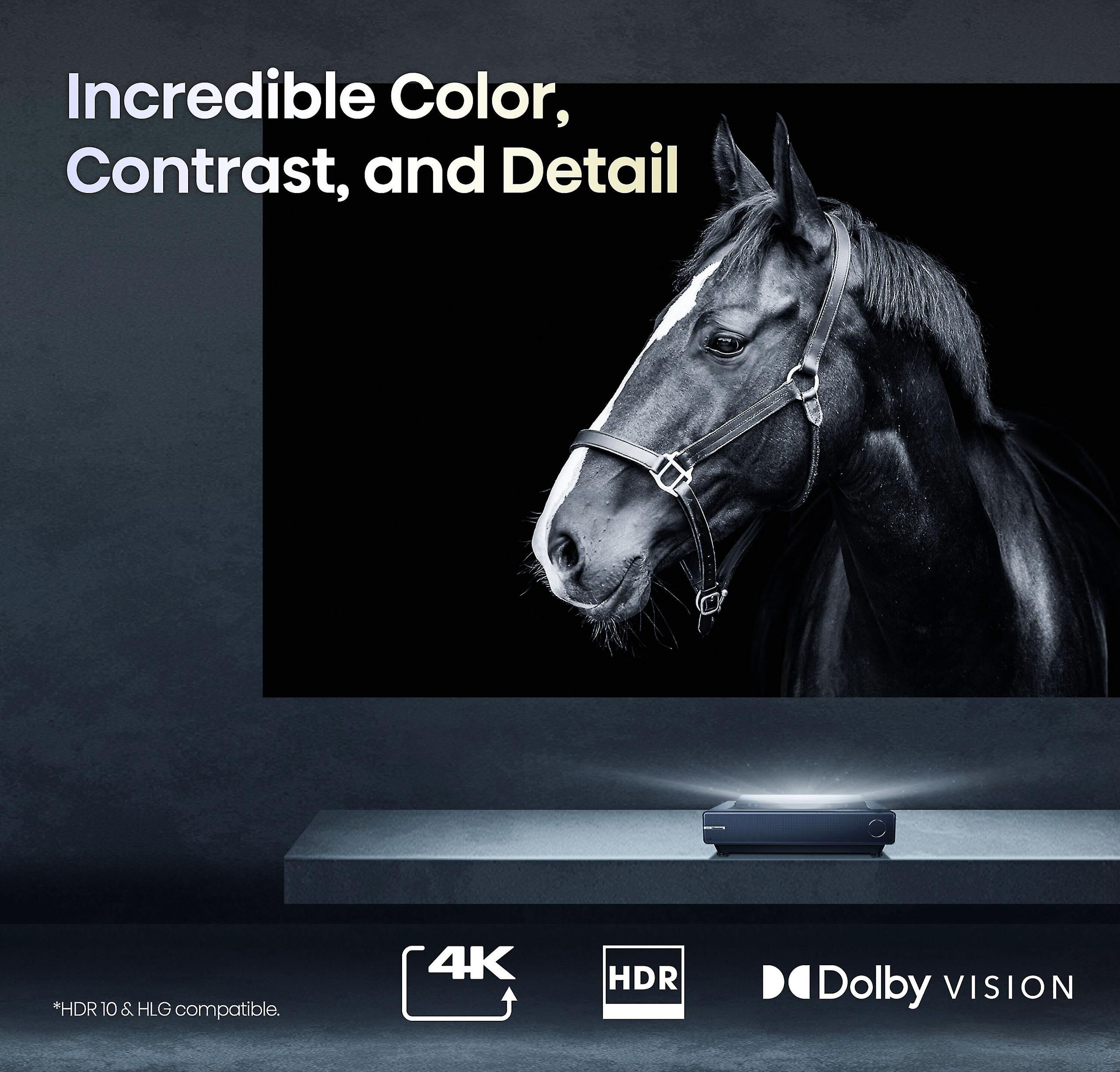
For HDR content, both projectors support Dolby Vision and HDR10, but the AWOL Vision LTV-3000 Pro adds HDR10+ support. In practice, this broader HDR support matters less than proper brightness and color calibration for HDR effectiveness.
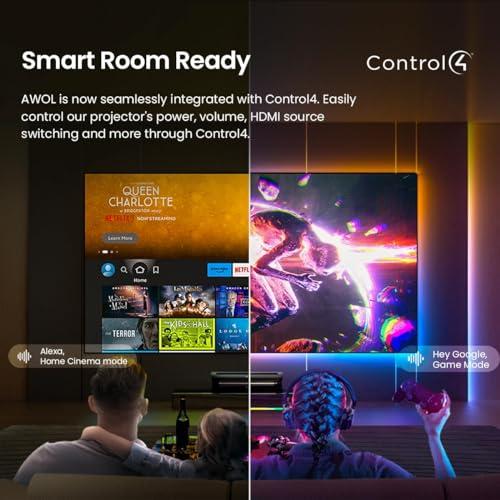
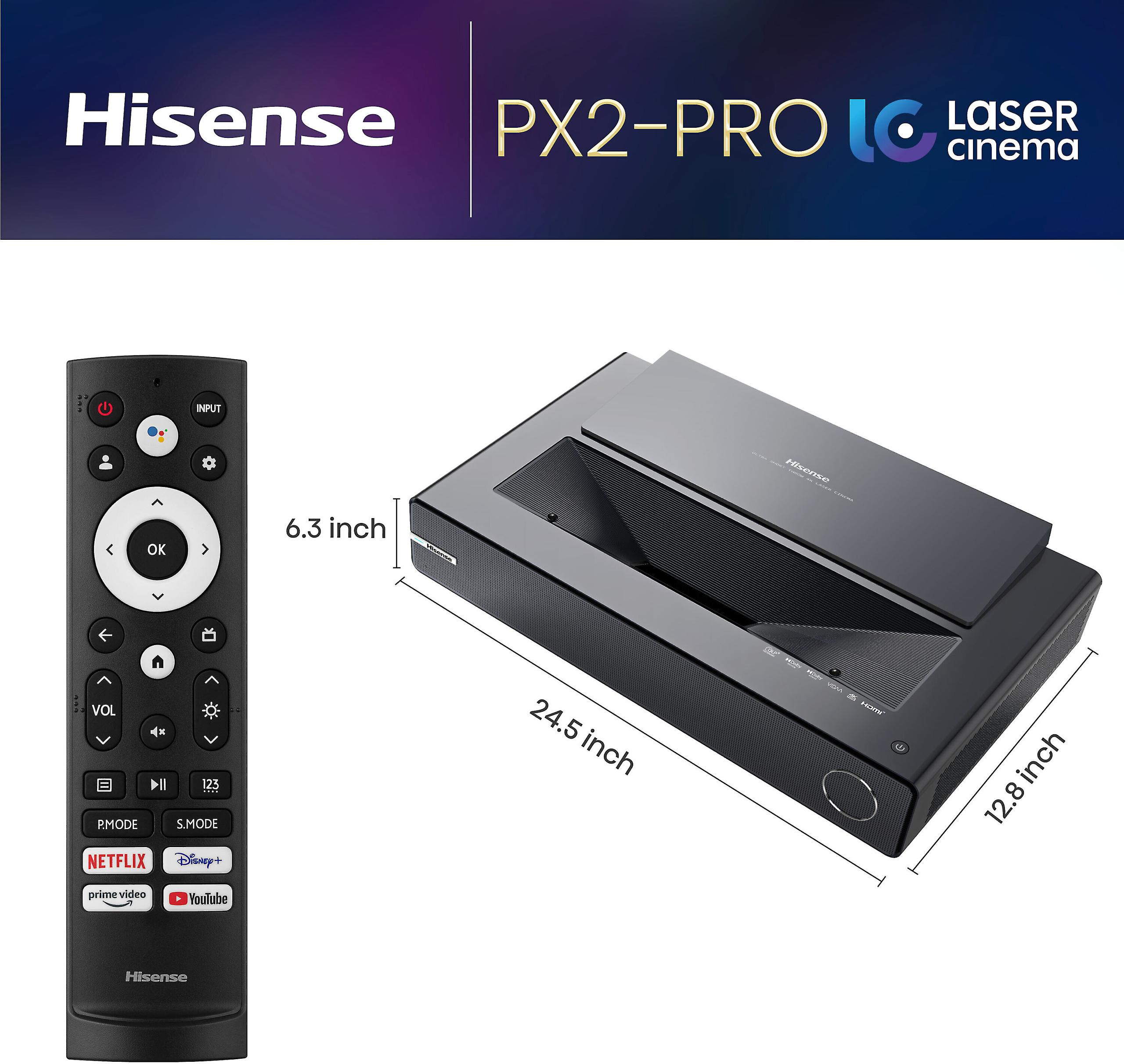
Modern projectors need to handle streaming just like smart TVs, and this is where the approaches diverge dramatically. The Hisense PX2-PRO includes native Google TV—the same platform found on premium smart TVs. This means seamless access to Netflix, Disney+, Amazon Prime Video, and hundreds of other apps, all with Google Assistant voice control and personalized recommendations.
The AWOL Vision LTV-3000 Pro takes a more complex approach, running Android TV 9.0 as the base system while including a Fire TV Stick 4K Max for streaming. This creates two separate interfaces—you'll navigate the projector's settings through one system and streaming content through another. While this adds complexity, it also provides flexibility since you can swap the streaming stick for any platform you prefer.
From a practical standpoint, the Hisense approach feels more polished and integrated. You get the full smart TV experience with automatic updates, seamless app switching, and unified search across all content sources. The AWOL's dual-system approach works well but requires more technical understanding and patience with occasional interface switching.
The Google TV platform on the Hisense model also provides better long-term support prospects, as Google continues developing the platform across multiple device categories. The Android TV 9.0 base on the AWOL projector is older and may not receive updates as consistently.
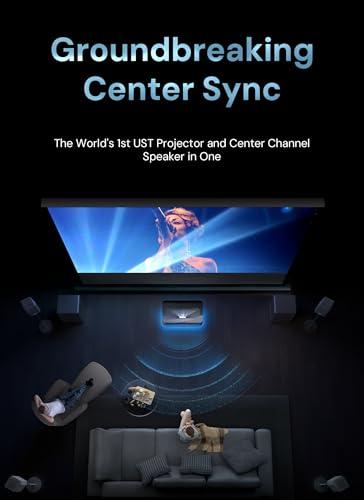
Both projectors include substantial audio systems that eliminate the immediate need for external speakers—a significant advantage over traditional projectors that often have inadequate built-in sound. The AWOL Vision LTV-3000 Pro edges ahead with 36 watts of stereo power compared to the Hisense PX2-PRO's 30 watts, and this difference is audible in practice.
The AWOL's audio system provides fuller bass response and more dynamic range, making it suitable for action movies and gaming without additional speakers. Both units support Dolby Atmos processing, which creates a sense of height and spatial audio even from stereo speakers, but the AWOL's extra power makes this effect more convincing.
However, both projectors will eventually benefit from dedicated audio systems in serious home theater setups. The built-in speakers serve as excellent placeholders while you design your room's acoustics, but external speakers or a soundbar will always provide superior performance for critical listening.
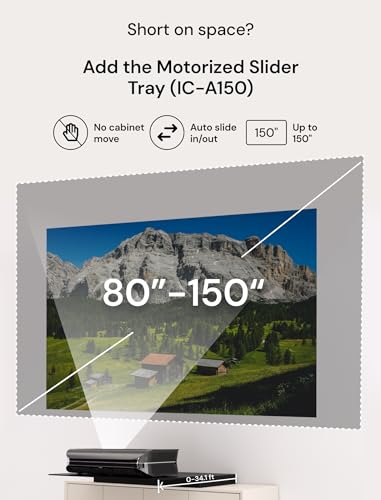
The AWOL Vision LTV-3000 Pro supports screen sizes from 80 to 150 inches, while the Hisense PX2-PRO maxes out at 130 inches. This 20-inch difference might seem minor, but it represents a substantial increase in screen area—roughly 33% more viewing space at maximum sizes.
Both projectors use similar throw ratios (the relationship between distance from screen and image size), positioning about 6-8 inches from the wall for a 100-inch image. The AWOL's larger screen capability provides more flexibility for users with bigger rooms or those who simply want the most immersive experience possible.
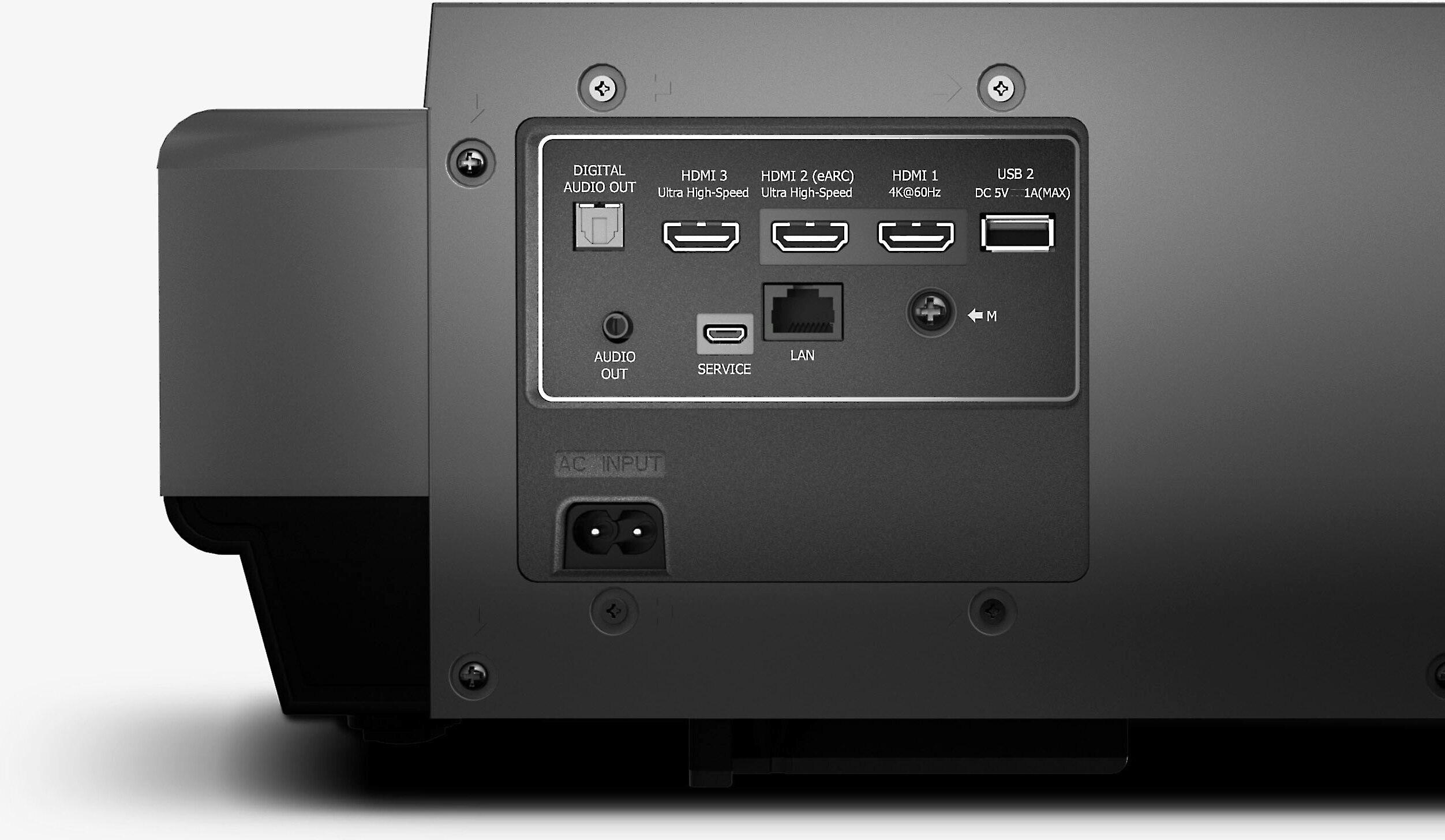
Installation ease is comparable between both models, with electric focus adjustment and keystone correction helping achieve proper image geometry. Both include safety features like proximity sensors that dim the laser output when objects get too close—important for households with children or pets.
At the time of writing, both projectors commanded similar pricing in the premium UST segment, making the decision more about feature priorities than budget constraints. The laser light sources in both units are rated for 25,000+ hours of use, which translates to over 10 years of typical viewing without brightness degradation—a significant advantage over traditional lamp-based projectors that require expensive bulb replacements every 2-3 years.
The Hisense PX2-PRO offers better immediate value for most users, delivering 80% of premium performance with superior out-of-box experience and no additional calibration costs. The integrated smart platform and higher brightness make it more versatile for different viewing conditions and family usage patterns.
The AWOL Vision LTV-3000 Pro represents a more specialized tool that excels in specific scenarios. Its gaming performance is unmatched in the UST category, and with professional calibration, it can achieve reference-quality color accuracy. However, realizing this potential requires additional investment and technical knowledge.
Choose the AWOL Vision LTV-3000 Pro if gaming performance is non-negotiable, if you want the largest possible screen size (up to 150 inches), or if you're building a dedicated home theater where professional calibration makes sense. This projector rewards enthusiasts who prioritize peak performance over convenience.
Select the Hisense PX2-PRO for mainstream home theater use where brightness, smart features, and out-of-box performance matter most. It's the better choice for families who want excellent picture quality without complexity, and for rooms with ambient light challenges.
Both projectors represent significant steps forward from earlier UST technology, offering the massive screen experience that makes traditional TVs feel inadequate. The decision ultimately comes down to whether you prioritize specialized performance (AWOL) or well-rounded versatility (Hisense). Either choice will transform your viewing experience—the question is which approach better matches your priorities and room setup.
The UST projector category continues evolving rapidly, with both manufacturers likely to introduce updated models incorporating lessons learned from these current generations. However, both the AWOL Vision LTV-3000 Pro and Hisense PX2-PRO represent mature, refined products that should provide years of excellent performance regardless of which direction the market moves next.
| AWOL Vision LTV-3000 Pro | Hisense PX2-PRO |
|---|---|
| Brightness - Critical for daytime viewing and ambient light performance | |
| 2,000 ISO lumens (requires controlled lighting for best results) | 2,400 ANSI lumens (handles moderate ambient light better) |
| Gaming Input Lag - Essential for responsive gaming experience | |
| 8ms at 1080p/120Hz, 15ms at 4K/60Hz (excellent for competitive gaming) | 30-35ms (acceptable for casual gaming only) |
| Maximum Screen Size - Determines viewing flexibility | |
| 80-150 inches (larger screens for more immersive experience) | Up to 130 inches (adequate for most home theaters) |
| Smart Platform - Affects daily streaming experience | |
| Android TV 9.0 + Fire TV Stick 4K Max included (dual interface complexity) | Native Google TV (seamless, integrated experience) |
| Audio System - Built-in sound quality | |
| 36W stereo speakers with Dolby Atmos (more powerful sound) | 30W speakers with Dolby Atmos (adequate for most users) |
| Color Accuracy - Picture quality out-of-box | |
| Poor initial accuracy, requires professional calibration ($300-500 additional cost) | Good out-of-box accuracy, minimal calibration needed |
| HDR Support - Enhanced contrast and color range | |
| HDR10, HDR10+, Dolby Vision (comprehensive format support) | HDR10, Dolby Vision (no HDR10+ support) |
| Release Date - Technology generation and future support | |
| 2023 (newer technology, recent market entry) | 2022 (established product with proven reliability) |
| Target User - Best suited for | |
| Gaming enthusiasts and home theater purists willing to invest in calibration | Mainstream users prioritizing convenience and bright room performance |
| Laser Lifespan - Long-term maintenance costs | |
| 25,000+ hours RGB laser (no maintenance for 10+ years) | 25,000 hours RGB laser (no maintenance for 10+ years) |
The AWOL Vision LTV-3000 Pro is significantly better for gaming with just 8ms input lag at 1080p/120Hz and 15ms at 4K/60Hz. The Hisense PX2-PRO has 30-35ms input lag, which is only suitable for casual gaming. If you play competitive games or fast-paced titles, the AWOL Vision projector is the clear choice.
The Hisense PX2-PRO produces 2,400 ANSI lumens compared to the AWOL Vision LTV-3000 Pro's 2,000 ISO lumens. This 400-lumen difference makes the Hisense model better for rooms with ambient light and daytime viewing, while the AWOL performs best in controlled lighting conditions.
The Hisense PX2-PRO has superior smart features with native Google TV, providing seamless streaming app integration and Google Assistant voice control. The AWOL Vision LTV-3000 Pro uses Android TV 9.0 plus an included Fire TV Stick, creating a more complex dual-interface experience but offering more platform flexibility.
The AWOL Vision LTV-3000 Pro can project images from 80 to 150 inches, while the Hisense PX2-PRO maxes out at 130 inches. The AWOL projector offers more flexibility for users wanting the largest possible home theater experience.
For most home theater setups, the Hisense PX2-PRO is better due to its higher brightness, better out-of-box color accuracy, and integrated streaming platform. However, the AWOL Vision LTV-3000 Pro can achieve superior color accuracy with professional calibration, making it ideal for dedicated home theater enthusiasts.
The Hisense PX2-PRO delivers good color accuracy out-of-box with minimal calibration needed. The AWOL Vision LTV-3000 Pro requires professional calibration to achieve optimal color performance, which adds $300-500 to the total cost but results in reference-quality accuracy.
The AWOL Vision LTV-3000 Pro has more powerful 36W stereo speakers compared to the Hisense PX2-PRO's 30W system. Both support Dolby Atmos, but the AWOL model provides fuller bass response and more dynamic sound for home theater use.
Both the AWOL Vision LTV-3000 Pro and Hisense PX2-PRO are ultra short throw projectors that sit just 6-8 inches from the wall to create a 100-inch image. This placement eliminates shadows and ceiling mounting requirements common with traditional projectors.
The Hisense PX2-PRO offers better overall value for mainstream users, providing higher brightness, integrated smart features, and good out-of-box performance without additional calibration costs. The AWOL Vision LTV-3000 Pro offers specialized value for gaming enthusiasts and home theater purists.
The AWOL Vision LTV-3000 Pro supports HDR10, HDR10+, and Dolby Vision for comprehensive HDR compatibility. The Hisense PX2-PRO supports HDR10 and Dolby Vision but lacks HDR10+ support. Both provide excellent HDR performance for enhanced contrast and color range.
Both the AWOL Vision LTV-3000 Pro and Hisense PX2-PRO use RGB laser technology rated for 25,000+ hours of use. This translates to over 10 years of typical viewing without brightness degradation or expensive bulb replacements required by traditional projectors.
Choose the Hisense PX2-PRO if you want higher brightness for ambient light, integrated smart features, and hassle-free setup. Select the AWOL Vision LTV-3000 Pro if gaming performance is crucial, you want the largest possible screen size up to 150 inches, or you're building a dedicated home theater with professional calibration.
We've done our best to create useful and informative comparisons to help you decide what product to buy. Our research uses advanced automated methods to create this comparison and perfection is not possible - please contact us for corrections or questions. These are the sites we've researched in the creation of this article: bestbuy.com - projectorcentral.com - rtings.com - techaeris.com - hometechnologyreview.com - awolvision.de - androidcentral.com - awolvision.com - projectorreviews.com - dreamediaav.com - bestbuy.com - youtube.com - youtube.com - awolvisionpro.com - awolvision.com - awolvision.com - bestbuy.com - walmart.com - hisense-usa.com - techradar.com - youtube.com - shop.hisense-usa.com - shop.hisense-usa.com - electronicexpress.com - projectorreviews.com - projectorscreenstore.com - crutchfield.com - walmart.com - avsforum.com

Privacy Policy
Terms and Conditions - Affiliate Policy
Home Security
© Copyright 2008-2026.
11816 Inwood Rd #1211, Dallas, TX 75244