

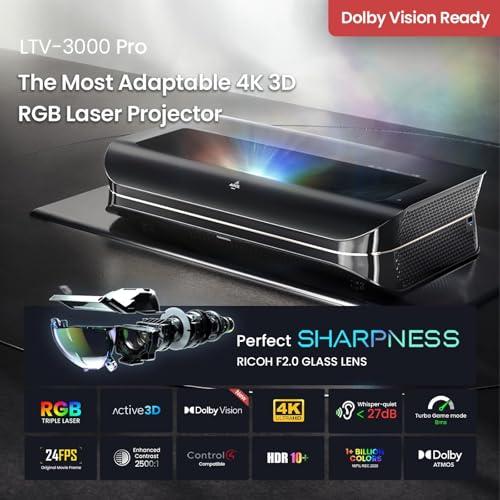
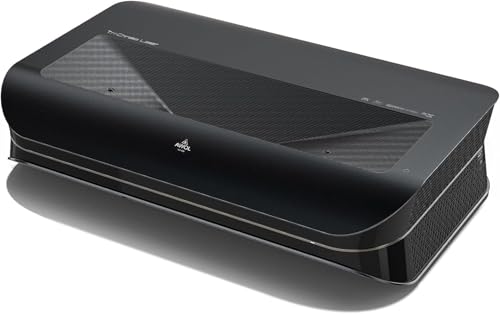
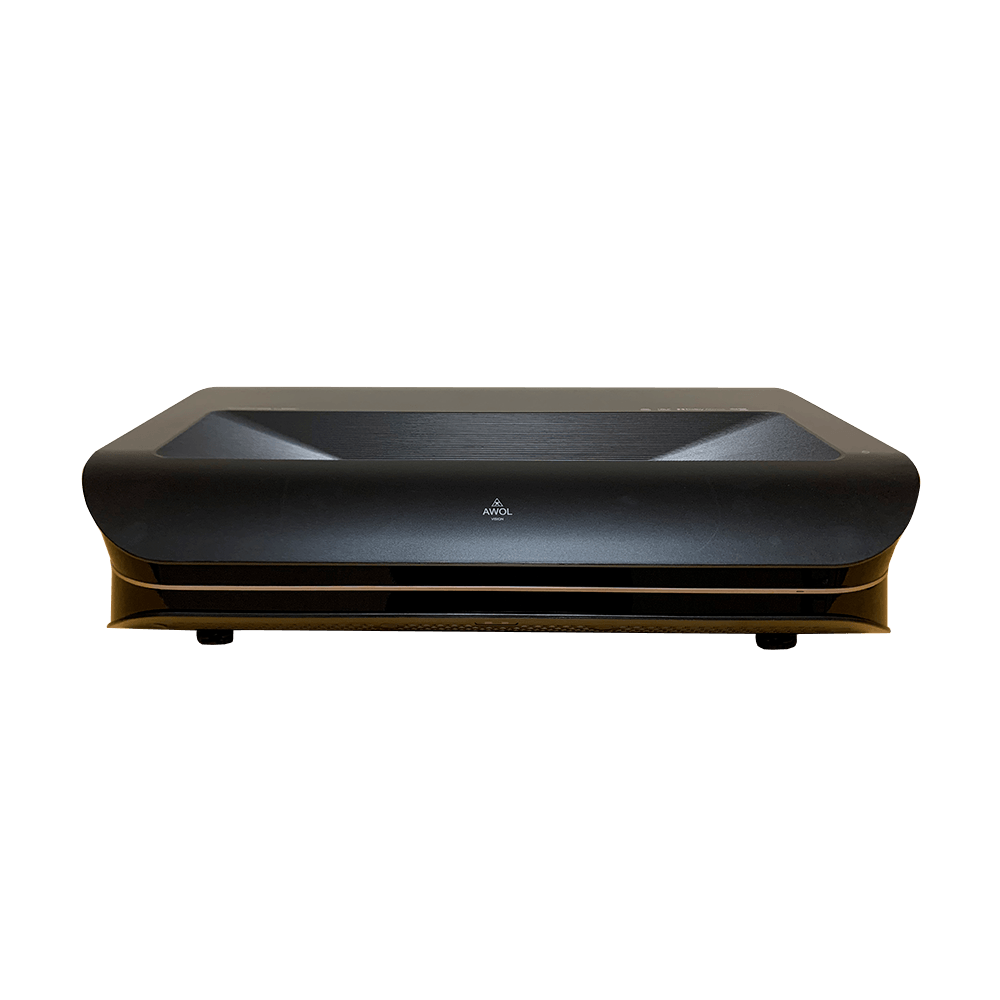
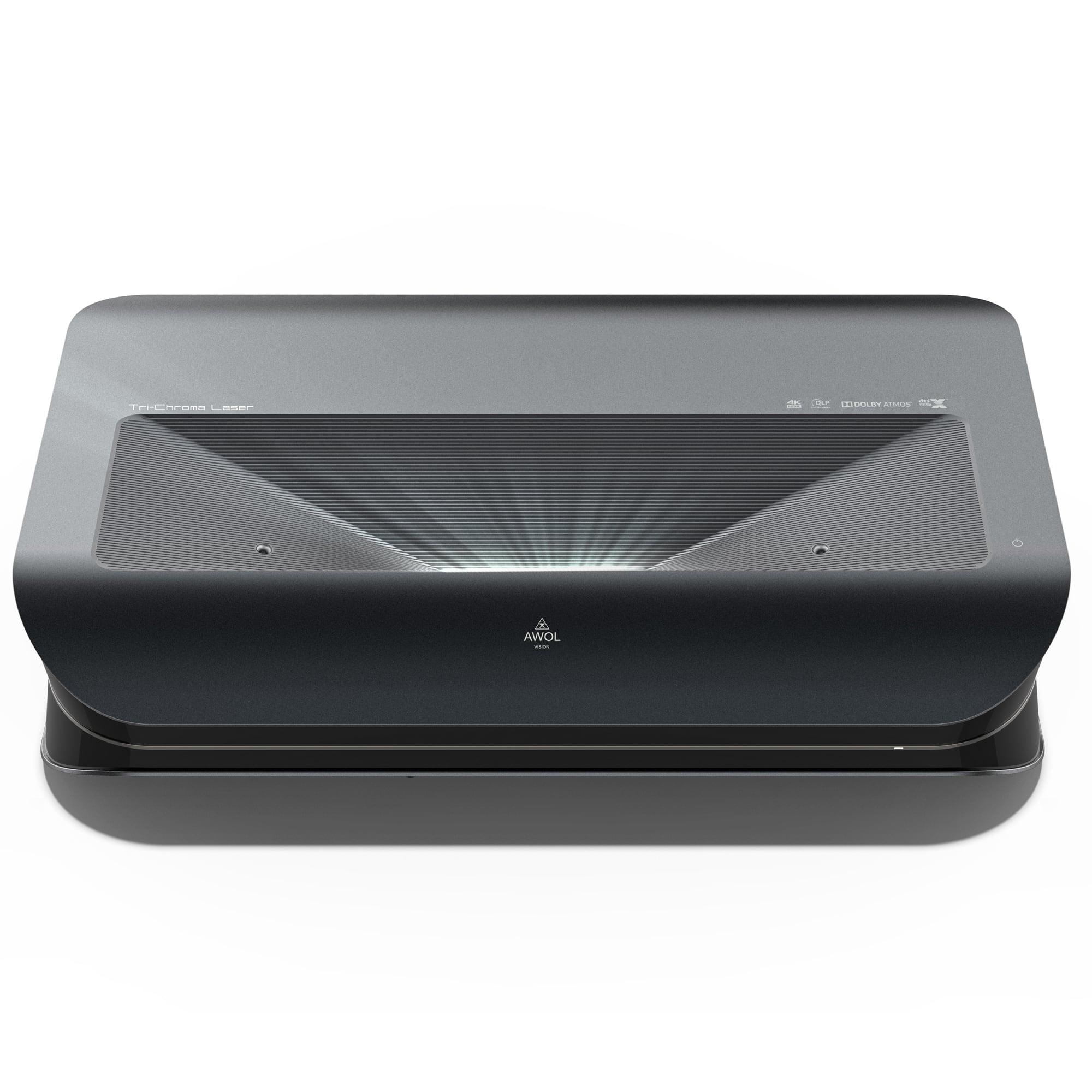
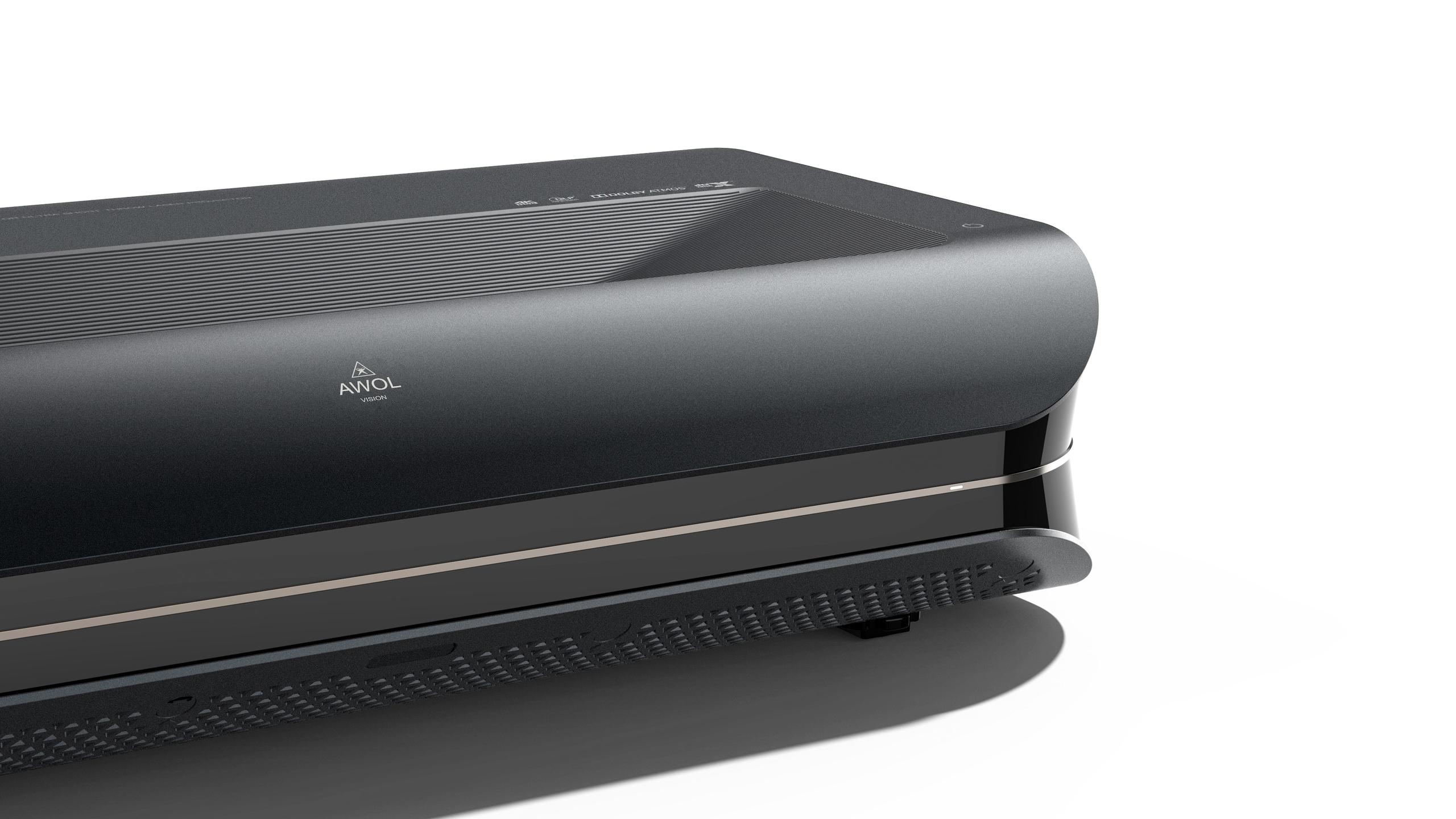
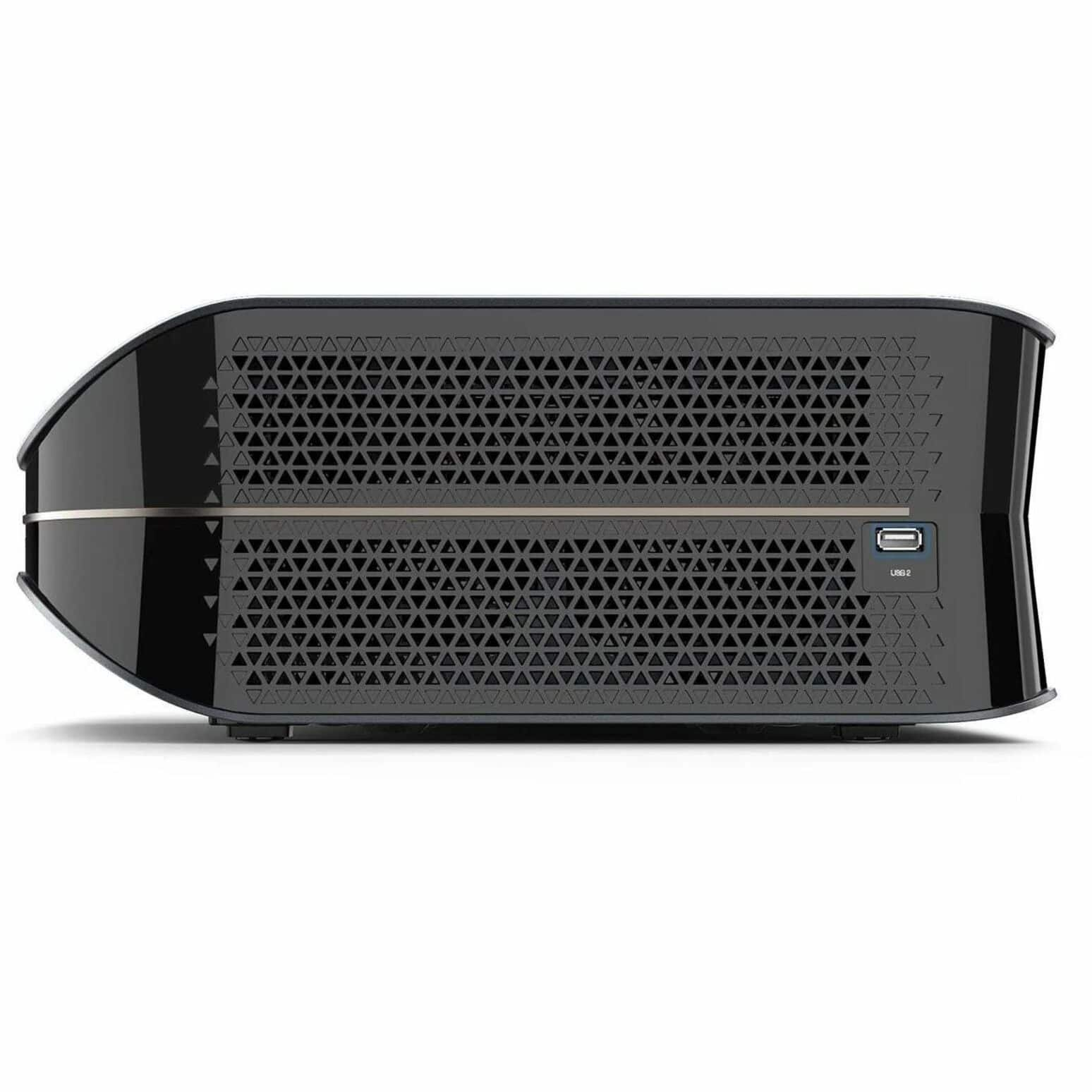
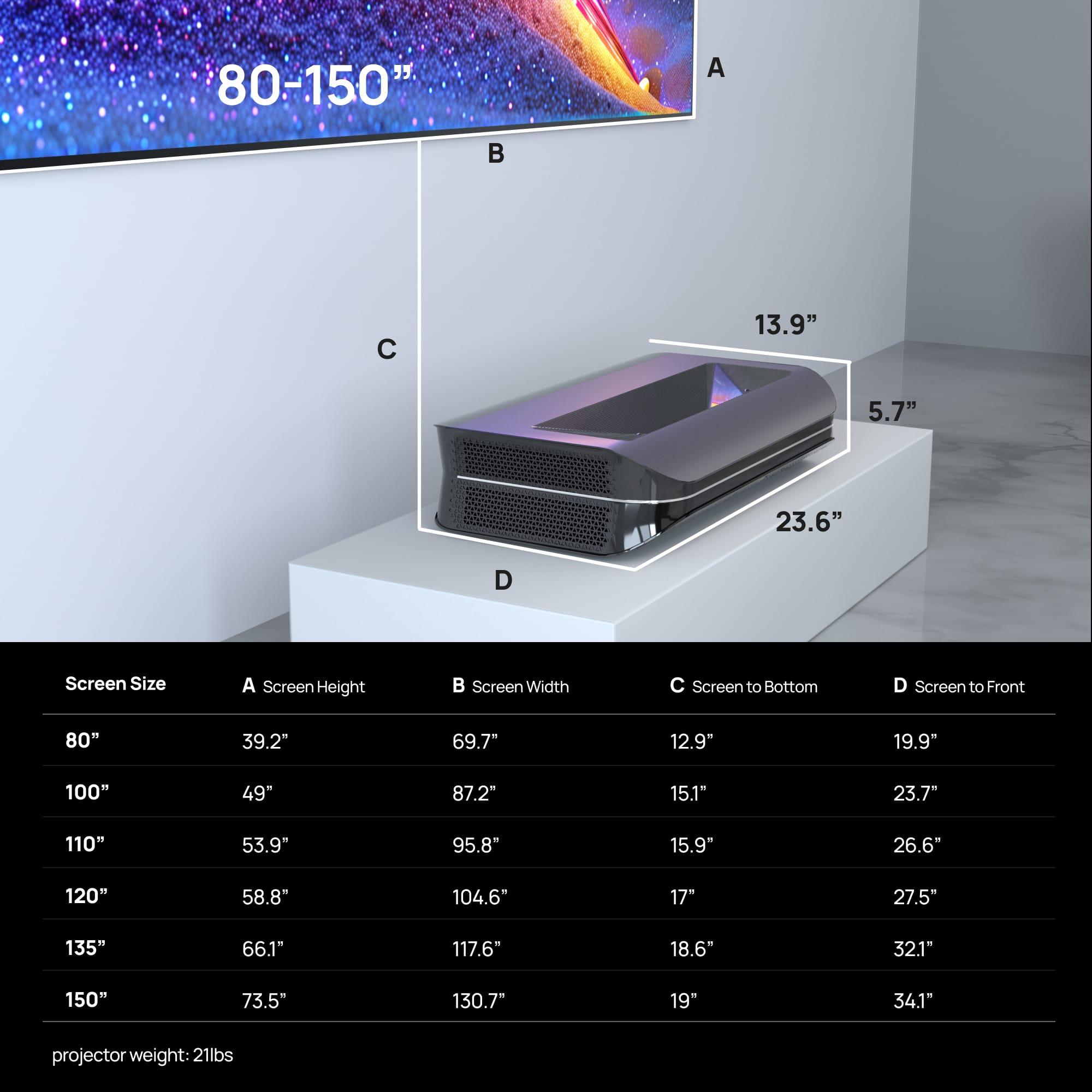
Ultra short throw projectors have revolutionized home entertainment, and AWOL Vision's flagship models—the LTV-3000 Pro and LTV-3500 Pro—represent the cutting edge of this technology. If you're considering making the jump from a traditional TV to a massive projected image, these two projectors demand serious attention. But with a significant price gap between them, choosing the right one requires understanding what you're actually getting for your money.
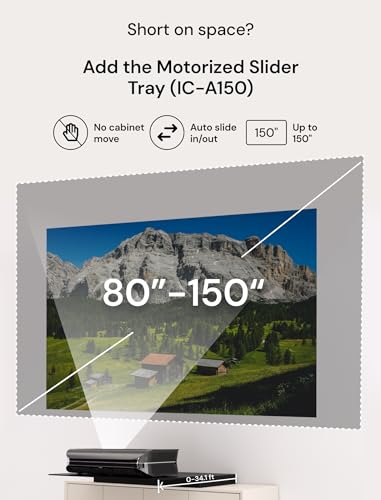
Before diving into the specifics, let's talk about what makes ultra short throw (UST) projectors special. Traditional projectors need to be mounted on your ceiling or placed far behind your seating area. UST projectors flip this concept entirely—they sit just inches from your wall or screen, yet still create enormous 80 to 150-inch images. Think of it like having a massive TV that disappears when not in use.
The magic happens through specialized optics that bend and focus light at extreme angles. This design eliminates the shadow problems you'd get walking in front of a regular projector, and it means you can place furniture anywhere in your room without worrying about blocking the picture. For anyone who's ever dealt with the hassle of ceiling-mounting a traditional projector, UST technology feels like science fiction.
The key considerations when shopping for a UST projector center around brightness (how well it performs in lit rooms), image quality, and whether it can compete with the convenience of a premium TV. These aren't dark-room-only devices like traditional home theater projectors—they're designed to work in your living room with the lights on.
Both the LTV-3000 Pro and LTV-3500 Pro emerged in 2023 as AWOL Vision's response to growing demand for premium UST projectors. The LTV-3000 Pro launched first, positioning itself as a high-performance option that wouldn't break the bank. The LTV-3500 Pro followed as the company's flagship, designed for users who wanted absolutely no compromises.
Since their release, the projector market has continued evolving rapidly, with manufacturers pushing brightness levels ever higher and refining laser technology. However, both AWOL models have held their ground remarkably well, particularly because they use true RGB laser technology—a feature that remains relatively rare even today.
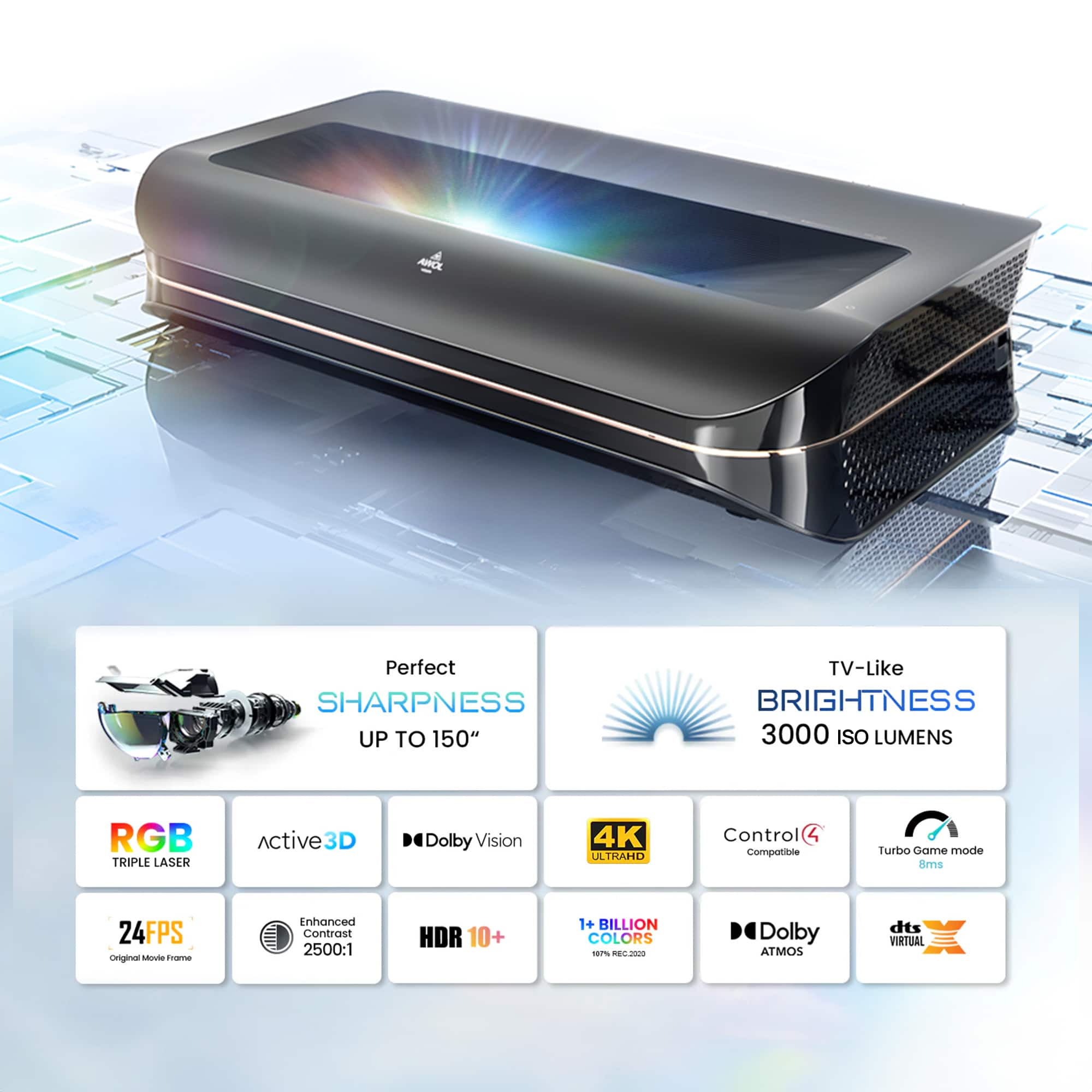
Here's where things get interesting. The LTV-3000 Pro puts out 2,400 ANSI lumens, while the LTV-3500 Pro cranks that up to 3,300 ANSI lumens. ANSI lumens, by the way, represent standardized brightness measurements that account for real-world variations across the screen—it's a more honest spec than the "peak lumens" numbers you'll sometimes see marketed.
That 900-lumen difference might not sound dramatic, but it translates to about 37% more brightness. In practical terms, this is the difference between a projector that works well in moderately lit rooms versus one that can hold its own against afternoon sunlight streaming through your windows.
During our research into user experiences, the consensus becomes clear: the LTV-3000 Pro handles typical living room lighting admirably, but start adding table lamps or dealing with bright overhead lighting, and you'll notice the image beginning to wash out. The LTV-3500 Pro, on the other hand, maintains punch and color saturation even in challenging lighting conditions.
For home theater use specifically, this brightness difference becomes less critical if you can control your room's lighting. In a dedicated media room with blackout curtains, both projectors deliver stunning results. But if your "home theater" is really your family room where kids do homework and you watch Netflix with table lamps on, that extra brightness from the LTV-3500 Pro becomes invaluable.
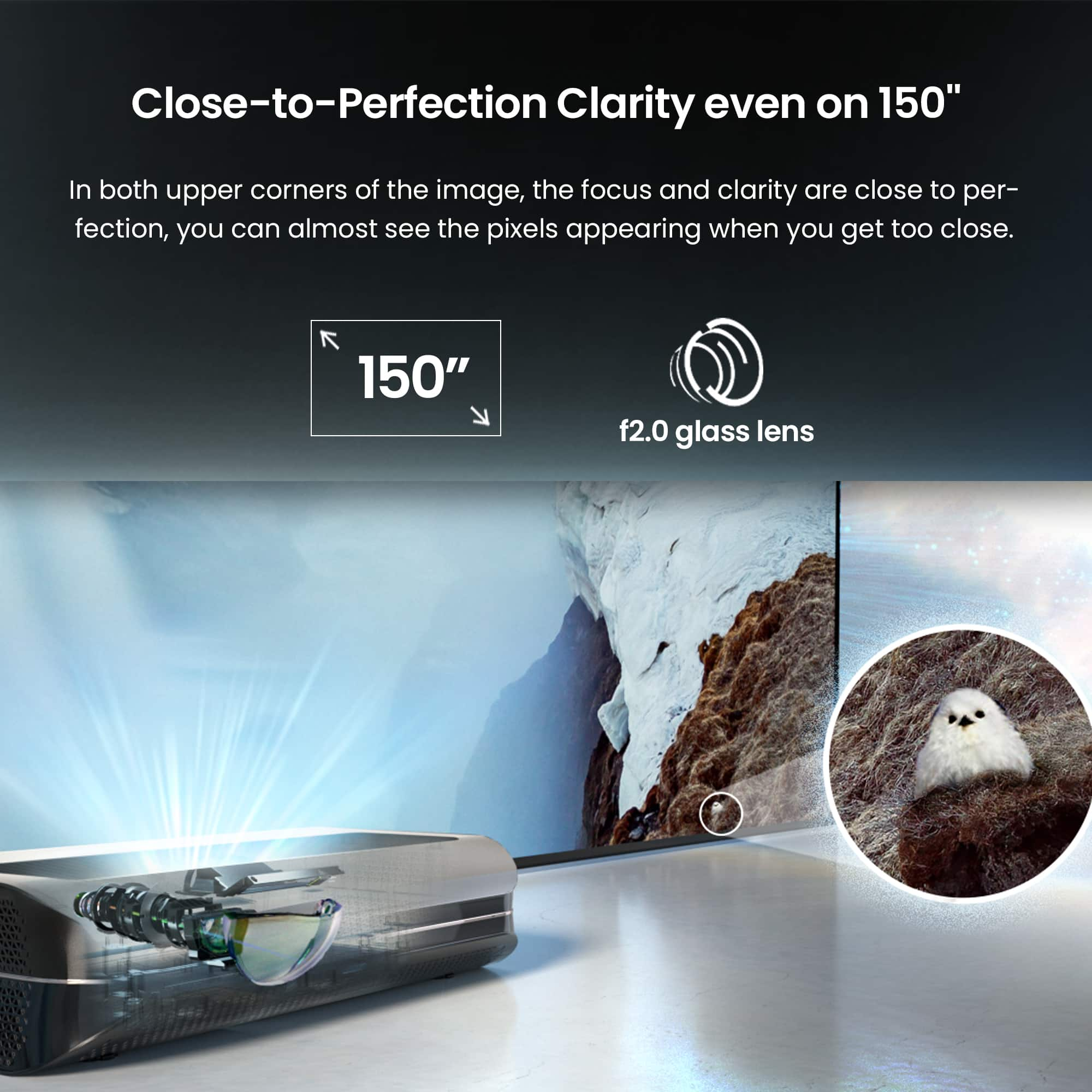
Both projectors can create images from 80 to 150 inches, but the brightness difference significantly impacts which screen sizes work best. With the LTV-3000 Pro, you'll get optimal results in the 80 to 120-inch range under typical room lighting. Push beyond that, and the image starts looking dimmer simply because the same amount of light is spread over a larger area.
The LTV-3500 Pro maintains image quality even at maximum screen sizes. If you're dreaming of a true cinema-sized 150-inch display, the extra brightness isn't just nice to have—it's essential for maintaining the wow factor that drew you to projection in the first place.
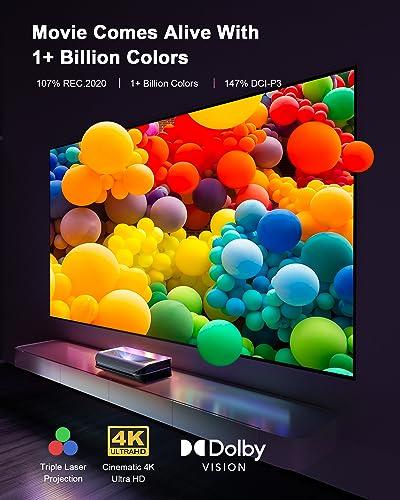
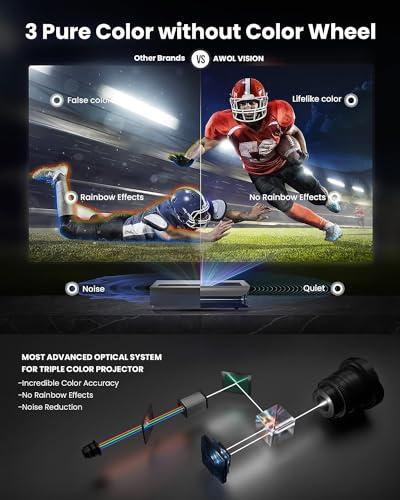
Both projectors share the same fundamental display technology, and it's worth understanding because it's genuinely impressive. They use what's called RGB laser technology, where red, green, and blue lasers combine to create the image. This differs from cheaper projectors that use a single blue laser with a color wheel or phosphor coating to create other colors.
The advantage of true RGB lasers is remarkable color accuracy and consistency. These projectors can reproduce 107% of the BT.2020 color space—that's tech speak for "they can show more colors than almost any other display technology." In practical terms, this means reds look genuinely red, not orange-ish, and greens appear vibrant without looking artificial.
The laser light source also lasts approximately 25,000 hours, which translates to about 15 years of normal use. Compare that to traditional projector lamps that might last 3,000 hours and cost several hundred dollars to replace, and the long-term value proposition becomes obvious.
Both models support comprehensive HDR (High Dynamic Range) formats, including the premium Dolby Vision standard. HDR content has become increasingly important as streaming services and 4K Blu-rays use it to deliver more realistic contrast and colors.
Here's where the LTV-3500 Pro pulls ahead significantly. Its Enhanced Adaptive Black Level technology actively adjusts brightness in different parts of the image, creating deeper blacks while maintaining bright highlights. This isn't just a marketing bullet point—it's a noticeable improvement in image depth and realism, especially with HDR content.
The effect is most apparent in scenes with mixed lighting, like a character standing in a doorway with bright outdoor light behind them. The LTV-3000 Pro handles these scenes well, but the LTV-3500 Pro delivers that extra contrast punch that makes images feel more three-dimensional.
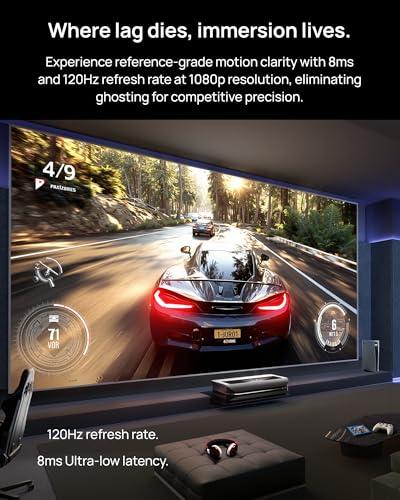
Both projectors offer identical gaming performance, and it's better than you might expect. At 4K resolution, they deliver 15ms of input lag—fast enough for casual gaming and competitive enough for most console players. Switch to 1080p gaming mode, and input lag drops to just 8ms while supporting 120Hz refresh rates.
For context, many TVs deliver similar or worse performance, so neither projector will hold back your gaming experience. The massive screen size actually enhances gaming immersion significantly, particularly for racing games, flight simulators, or anything where peripheral vision matters.
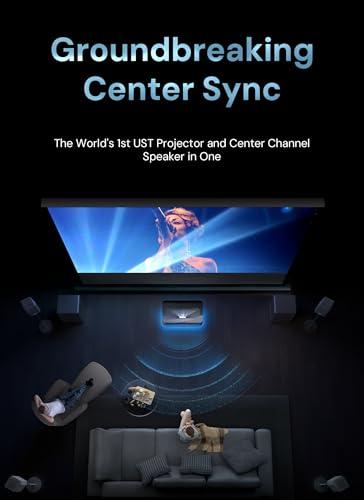
Both models include identical 36-watt stereo systems with Dolby Atmos support. In our evaluation of user feedback, the built-in audio receives generally positive reviews for casual viewing. The sound is clear and reasonably dynamic, though it lacks the deep bass response you'd get from a dedicated sound system.
For serious home theater applications, you'll likely want external speakers regardless of which projector you choose. However, the built-in audio means you can enjoy great picture quality immediately without additional equipment purchases—a significant convenience factor.
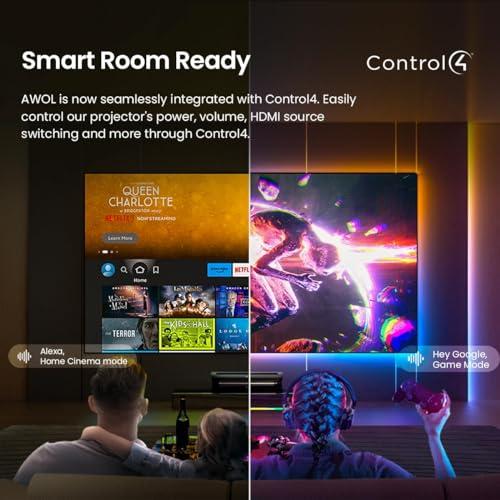
Both projectors run Android 9.0 and include an Amazon Fire TV Stick 4K Max for streaming access. This dual-interface approach works well in practice, though it means navigating between the projector's settings menu and the Fire TV interface for different functions.
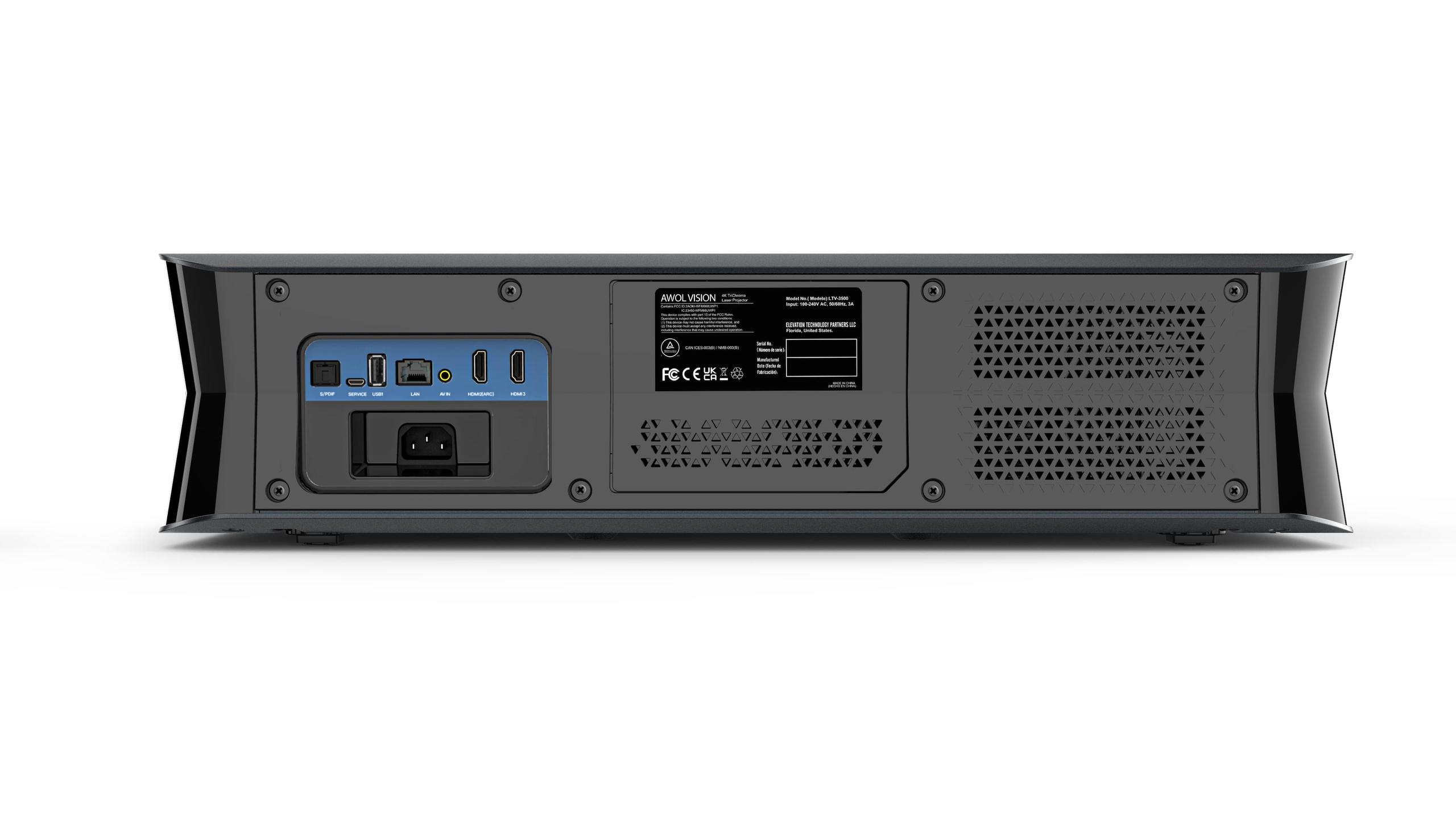
The LTV-3500 Pro adds professional integration features through PJLink IP Control Protocol, making it compatible with sophisticated smart home systems like Control4 and Crestron. Unless you're planning a custom installation with professional programming, these features won't matter to most users.
Both projectors require precise placement due to their fixed focal length and lack of lens shift. You can't simply move them left or right to adjust the image position—they need to be centered and at the correct distance for your desired screen size. Both offer 8-point keystone correction to fine-tune the image geometry, but it's always better to get the physical placement right first.
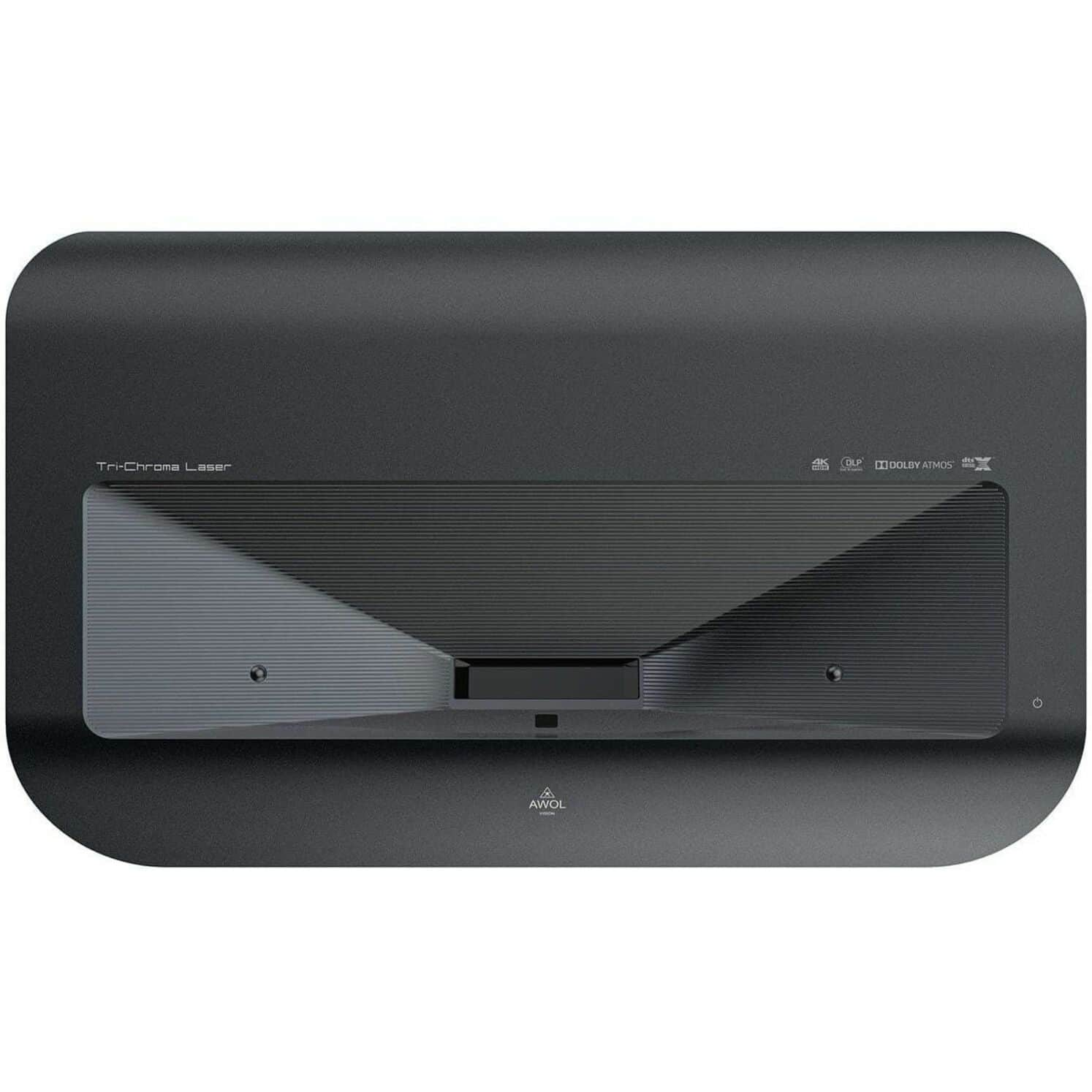
The good news is that once positioned correctly, these projectors practically disappear into your room. Their low-profile designs blend into entertainment centers, and the ultra-short throw design means no ceiling mounts or cable runs across your room.
At the time of writing, the LTV-3000 Pro represents compelling value for most users. You're getting about 80% of the LTV-3500 Pro's performance for roughly 55% of the price. That's hard math to ignore, especially considering both projectors share the same core image quality and features.
However, the LTV-3500 Pro actually delivers better value when measured purely by brightness per dollar. The performance gap becomes more meaningful as you push toward larger screen sizes or deal with challenging room lighting.
For dedicated home theater use where you can control lighting, both projectors excel. The shared RGB laser technology, comprehensive HDR support, and 4K resolution deliver genuinely cinematic results. The LTV-3000 Pro works beautifully in this scenario, making the LTV-3500 Pro's extra brightness less critical.
However, if your "home theater" doubles as a family room or great room, the LTV-3500 Pro's additional brightness and enhanced contrast become significant advantages. Modern families rarely watch content in completely dark rooms, and the ability to maintain image quality with ambient lighting is invaluable.
The LTV-3000 Pro makes sense for buyers who want premium UST projection without maximum cost. If you can exercise reasonable lighting control and plan to stay within 120-inch screen sizes, it delivers exceptional results. This projector works particularly well for users upgrading from traditional TVs who want to experience large-screen projection without the full financial commitment.
The LTV-3500 Pro targets enthusiasts who want the absolute best performance available. If your room has challenging lighting, you're planning maximum screen sizes, or you simply want the highest-performing UST projector you can buy, the price premium becomes justified. This model also makes sense for custom installations where professional integration matters.
Both projectors represent excellent choices in the premium UST category, but they serve different needs. The LTV-3000 Pro offers remarkable performance and features at a more accessible price point, while the LTV-3500 Pro delivers uncompromising performance for demanding applications.
The decision ultimately comes down to your room's lighting conditions, intended screen size, and budget priorities. For most users, the LTV-3000 Pro provides enough brightness and features to deliver a transformative viewing experience. However, if you're dealing with bright rooms or want maximum screen sizes, the LTV-3500 Pro's additional performance becomes worth the investment.
Consider your specific situation carefully—both projectors can create an incredible home theater experience, but choosing the right one ensures you'll be completely satisfied with your investment for years to come.
| AWOL Vision LTV-3000 Pro | AWOL Vision LTV-3500 Pro |
|---|---|
| Brightness - The most critical difference affecting daytime viewing and screen size flexibility | |
| 2,400 ANSI lumens (3,000 peak) - Great for controlled lighting | 3,300 ANSI lumens (3,500 peak) - Excellent for bright rooms |
| Resolution & Display Technology - Both deliver identical 4K image quality | |
| 4K UHD via 0.47" DLP chip with pixel-shifting | 4K UHD via 0.47" DLP chip with pixel-shifting |
| Laser Technology - Premium RGB laser system eliminates color wheels | |
| Triple RGB laser, 107% BT.2020 color coverage | Triple RGB laser, 107% BT.2020 color coverage |
| Contrast Enhancement - Significantly impacts HDR and dark scene performance | |
| 2,500:1 native contrast only | 2,500:1 native + Enhanced Adaptive Black Level technology |
| HDR Support - Both support premium Dolby Vision format rarely found in UST projectors | |
| Dolby Vision, HDR10+, HDR10, HLG | Dolby Vision, HDR10+, HDR10, HLG |
| Gaming Performance - Identical low-latency gaming capabilities | |
| 15ms (4K), 8ms (1080p/120Hz) | 15ms (4K), 8ms (1080p/120Hz) |
| Audio System - Same high-quality built-in speakers | |
| 36W stereo with Dolby Atmos | 36W stereo with Dolby Atmos |
| Professional Integration - Only matters for custom installations | |
| Basic smart home compatibility | PJLink IP control for Control4/Crestron systems |
| Laser Lifespan - Both offer maintenance-free operation | |
| 25,000 hours (15+ years typical use) | 25,000 hours (15+ years typical use) |
| Screen Size Range - LTV-3500 Pro maintains quality at larger sizes | |
| 80-120" optimal, up to 150" possible | 80-150" with consistent brightness |
| Physical Design - Nearly identical compact form factor | |
| 21 lbs, matte black finish | 23.8 lbs, same dimensions |
| Best For - Choose based on your room and usage priorities | |
| Controlled lighting, moderate screen sizes, value-focused | Bright rooms, maximum screen sizes, no-compromise performance |
The primary difference is brightness output. The AWOL Vision LTV-3000 Pro delivers 2,400 ANSI lumens while the AWOL Vision LTV-3500 Pro produces 3,300 ANSI lumens—a 37% increase. The LTV-3500 Pro also includes Enhanced Adaptive Black Level technology for better contrast, while both models share identical 4K resolution, RGB laser technology, and core features.
The AWOL Vision LTV-3500 Pro is significantly better for bright rooms due to its higher 3,300 ANSI lumen output. It maintains color saturation and image quality even with overhead lighting and natural light from windows. The LTV-3000 Pro works well in moderately lit rooms but may appear washed out in very bright environments.
Yes, both the AWOL Vision LTV-3000 Pro and LTV-3500 Pro deliver 4K UHD resolution using 0.47" DLP chips with pixel-shifting technology. Both also support comprehensive HDR formats including Dolby Vision, HDR10+, HDR10, and HLG—making them among the few ultra short throw projectors with Dolby Vision support.
The AWOL Vision LTV-3000 Pro typically offers better value for most buyers, delivering about 80% of the performance for significantly less cost. However, the LTV-3500 Pro provides better value per lumen of brightness and is worth the premium if you need maximum brightness for challenging lighting conditions or large screen sizes.
Both the AWOL Vision LTV-3000 Pro and LTV-3500 Pro offer identical gaming performance with 15ms input lag at 4K/60Hz and just 8ms at 1080p/120Hz in gaming mode. This makes both excellent for console gaming, with the massive screen size providing an immersive gaming experience that rivals dedicated gaming monitors.
Both projectors can create images from 80 to 150 inches diagonal. However, the AWOL Vision LTV-3000 Pro performs optimally at 80-120 inches under typical lighting, while the brighter LTV-3500 Pro maintains excellent image quality even at the maximum 150-inch size with consistent brightness across the entire screen.
Both the AWOL Vision LTV-3000 Pro and LTV-3500 Pro feature identical 36W stereo systems with Dolby Atmos support that work well for casual viewing. The built-in audio is clear and reasonably dynamic, though serious home theater enthusiasts will likely prefer external speakers or a soundbar for deeper bass and more immersive surround sound.
Image quality is very similar between both models since they use identical RGB laser technology and 4K resolution. The AWOL Vision LTV-3500 Pro has a slight edge due to its Enhanced Adaptive Black Level feature, which provides better contrast and deeper blacks, especially noticeable in HDR content and dark scenes.
Both the AWOL Vision LTV-3000 Pro and LTV-3500 Pro use the same 0.25:1 throw ratio, meaning they sit just inches from your wall or screen. For a 100-inch image, the projector needs to be positioned approximately 8-9 inches from the screen surface, making them ideal for small rooms where traditional projectors won't fit.
For a dedicated dark home theater room with controlled lighting, both projectors perform excellently. The AWOL Vision LTV-3000 Pro offers outstanding value in this scenario since the brightness advantage of the LTV-3500 Pro becomes less critical. However, the LTV-3500 Pro provides slightly better contrast and future-proofs against potential room changes.
While both the AWOL Vision LTV-3000 Pro and LTV-3500 Pro can project on white walls, they perform significantly better with dedicated ultra short throw screens. Ambient Light Rejecting (ALR) screens are particularly beneficial, especially for the LTV-3000 Pro in rooms with ambient light, as they help maintain contrast and color saturation.
Both the AWOL Vision LTV-3000 Pro and LTV-3500 Pro use RGB laser light sources rated for 25,000 hours of operation. This translates to approximately 15+ years of typical home use (4-5 hours daily), with no bulb replacements needed. The laser technology also provides consistent brightness and color accuracy throughout its lifespan, unlike traditional lamp-based projectors that dim over time.
We've done our best to create useful and informative comparisons to help you decide what product to buy. Our research uses advanced automated methods to create this comparison and perfection is not possible - please contact us for corrections or questions. These are the sites we've researched in the creation of this article: bestbuy.com - projectorcentral.com - rtings.com - techaeris.com - hometechnologyreview.com - awolvision.de - androidcentral.com - awolvision.com - projectorreviews.com - dreamediaav.com - bestbuy.com - youtube.com - youtube.com - awolvisionpro.com - awolvision.com - awolvision.com - projectorjunkies.com - digitaltrends.com - youtube.com - avsforum.com - dreamediaav.com - awolvision.de - projectorreviews.com - bhphotovideo.com - youtube.com - projectorjunkies.com

Privacy Policy
Terms and Conditions - Affiliate Policy
Home Security
© Copyright 2008-2026.
11816 Inwood Rd #1211, Dallas, TX 75244