

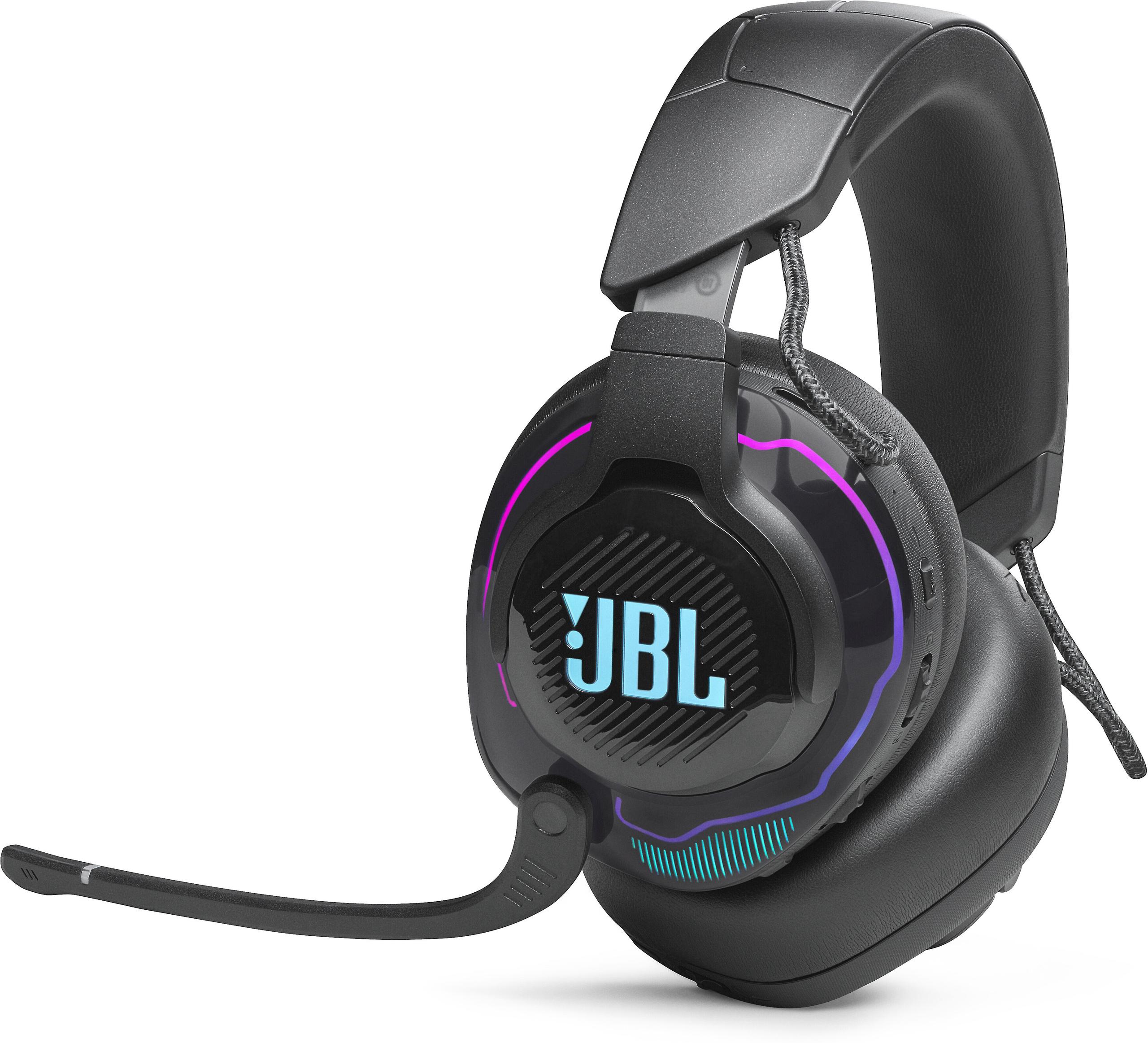
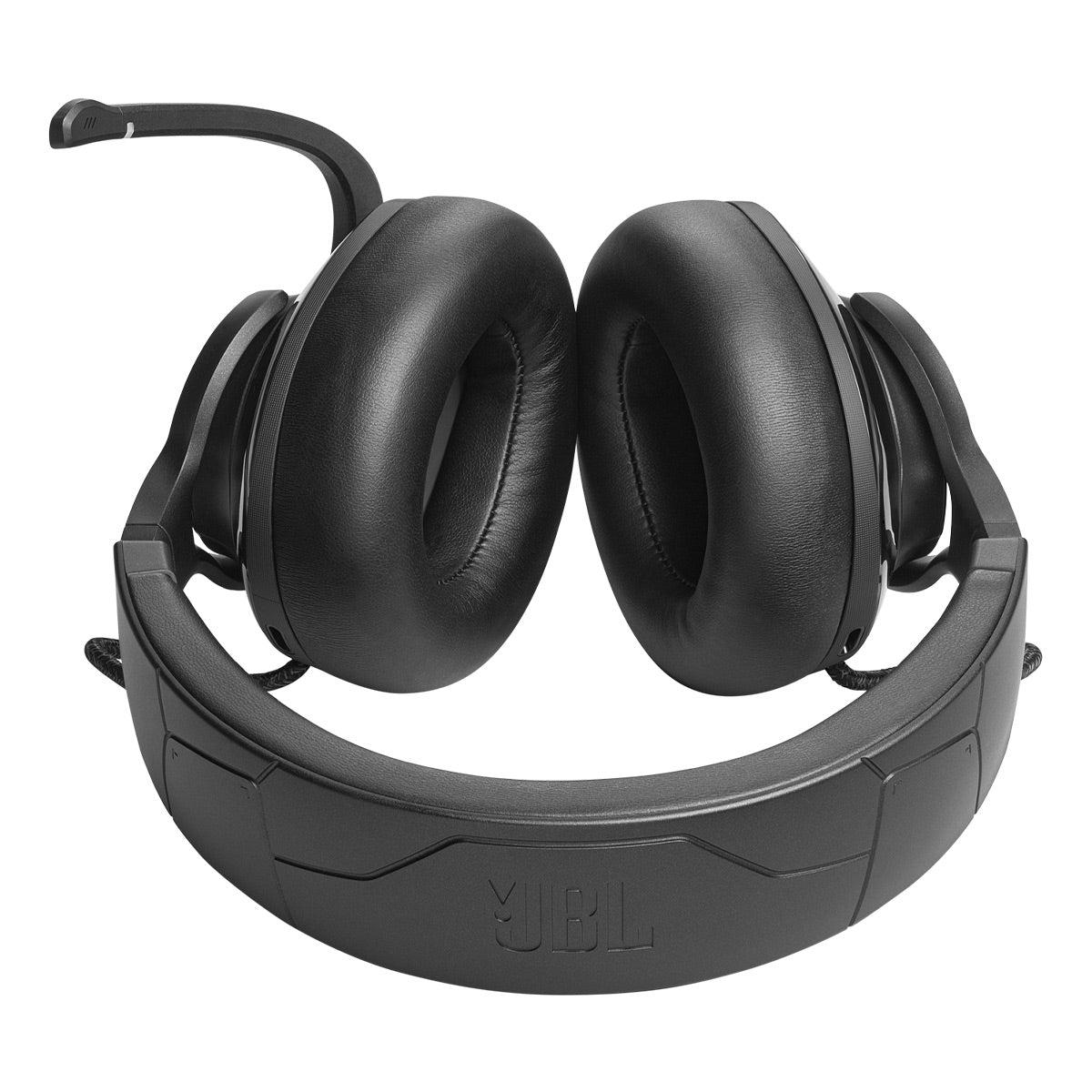
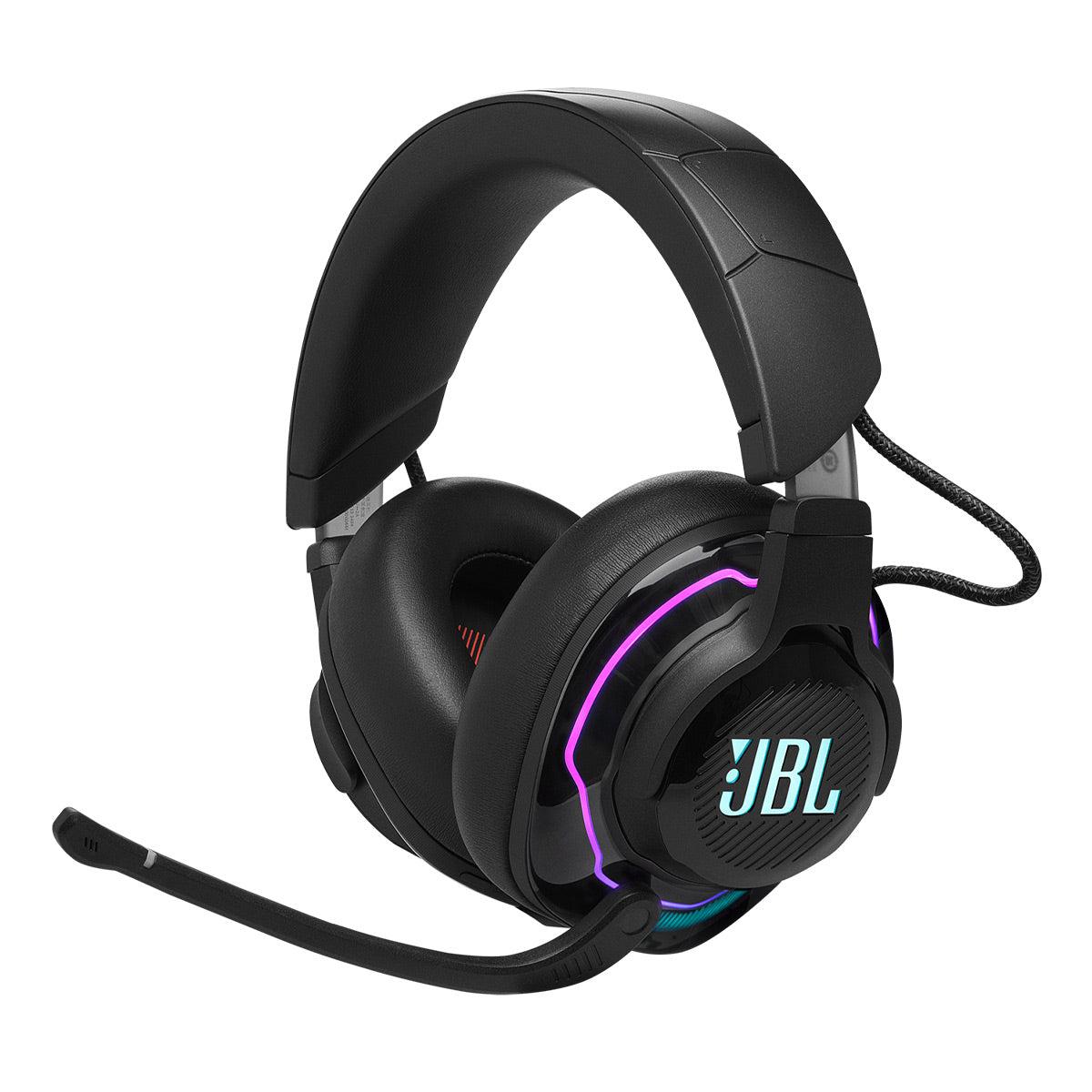
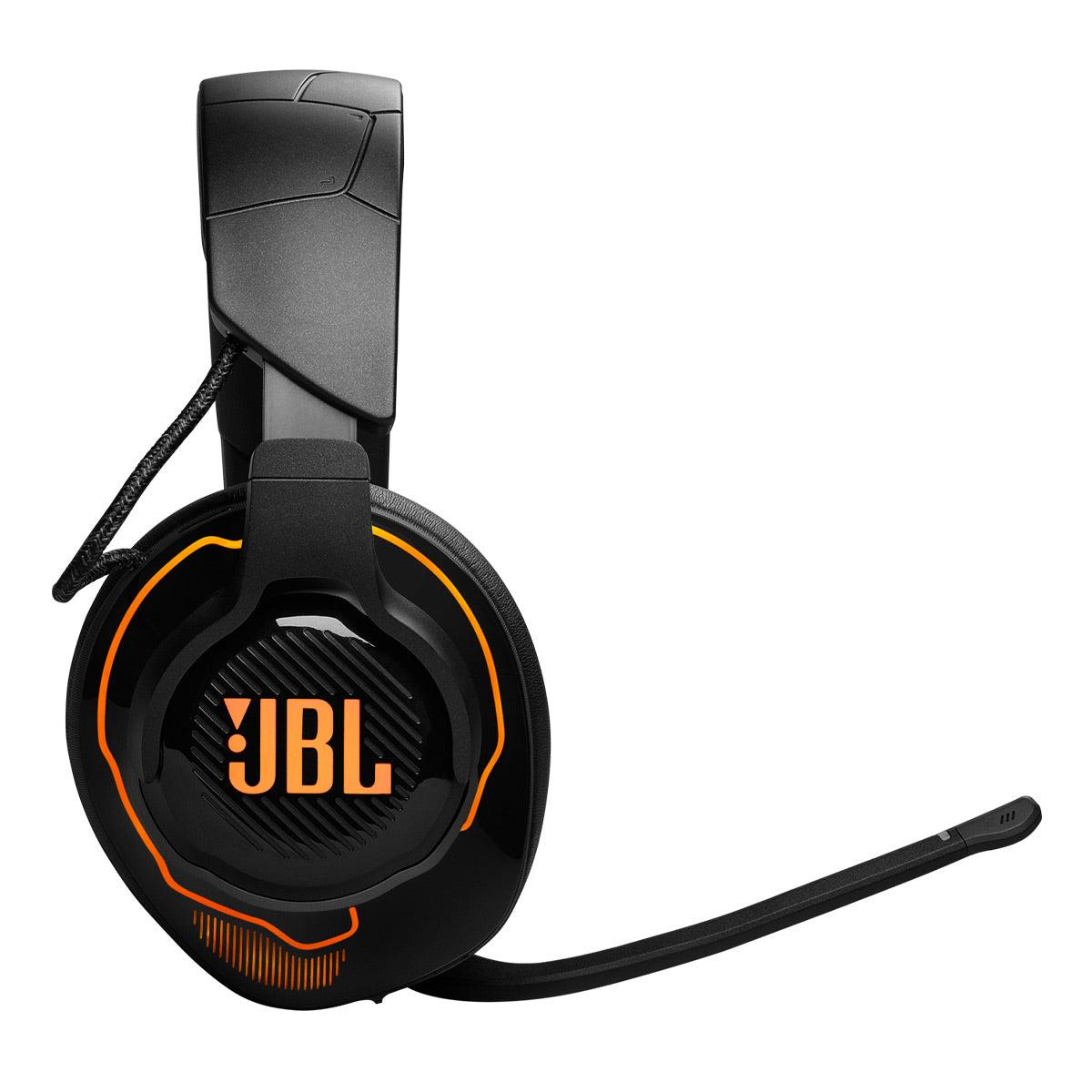
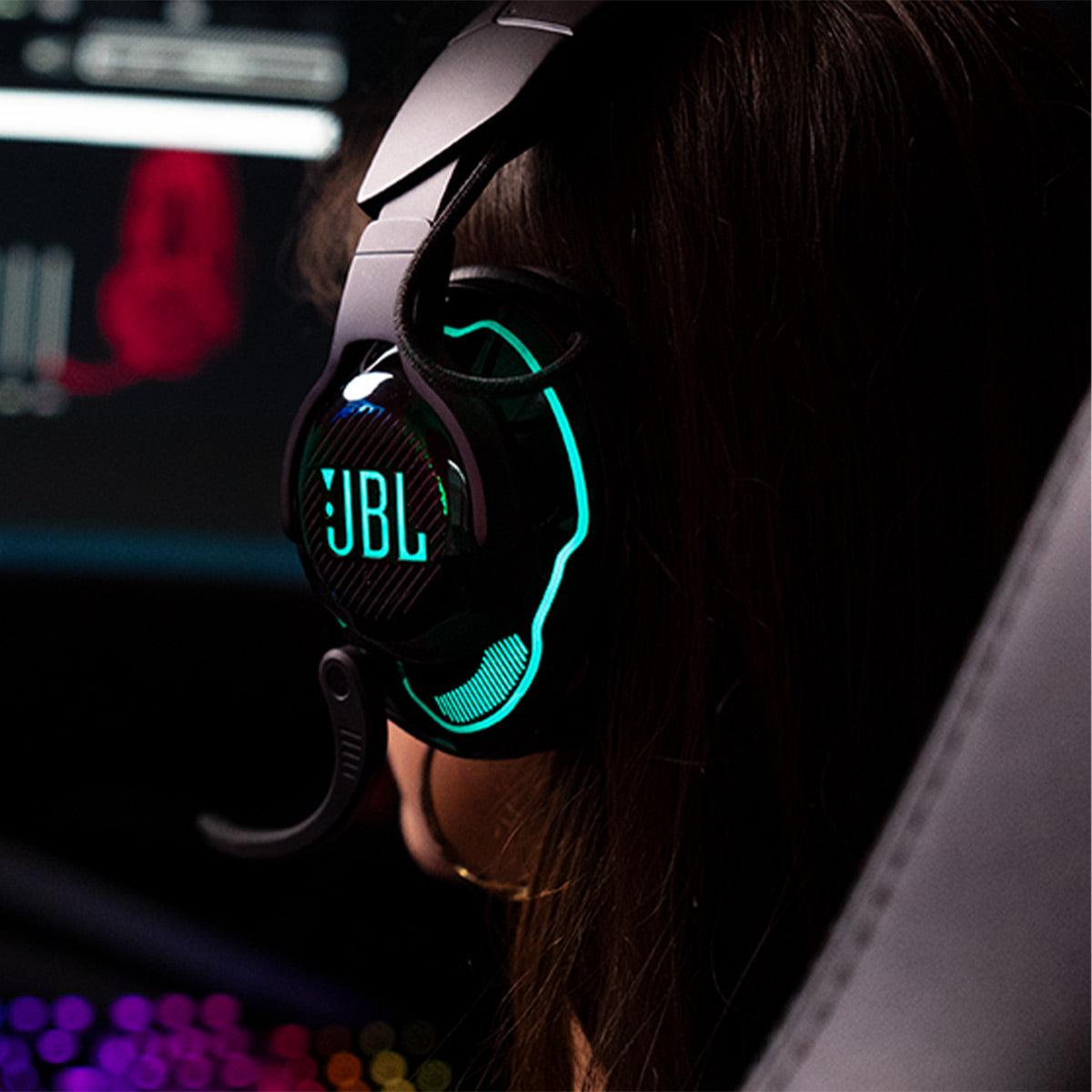
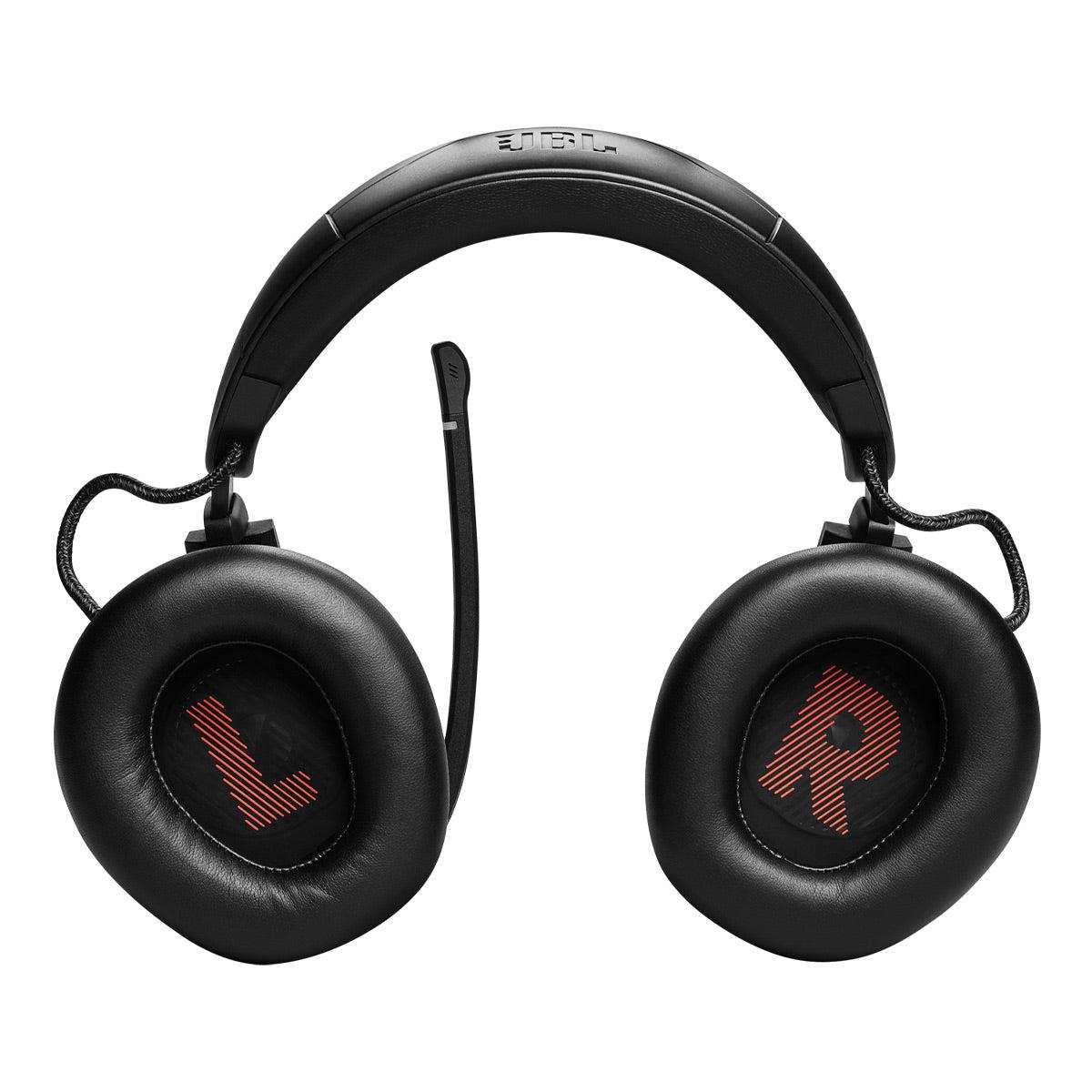

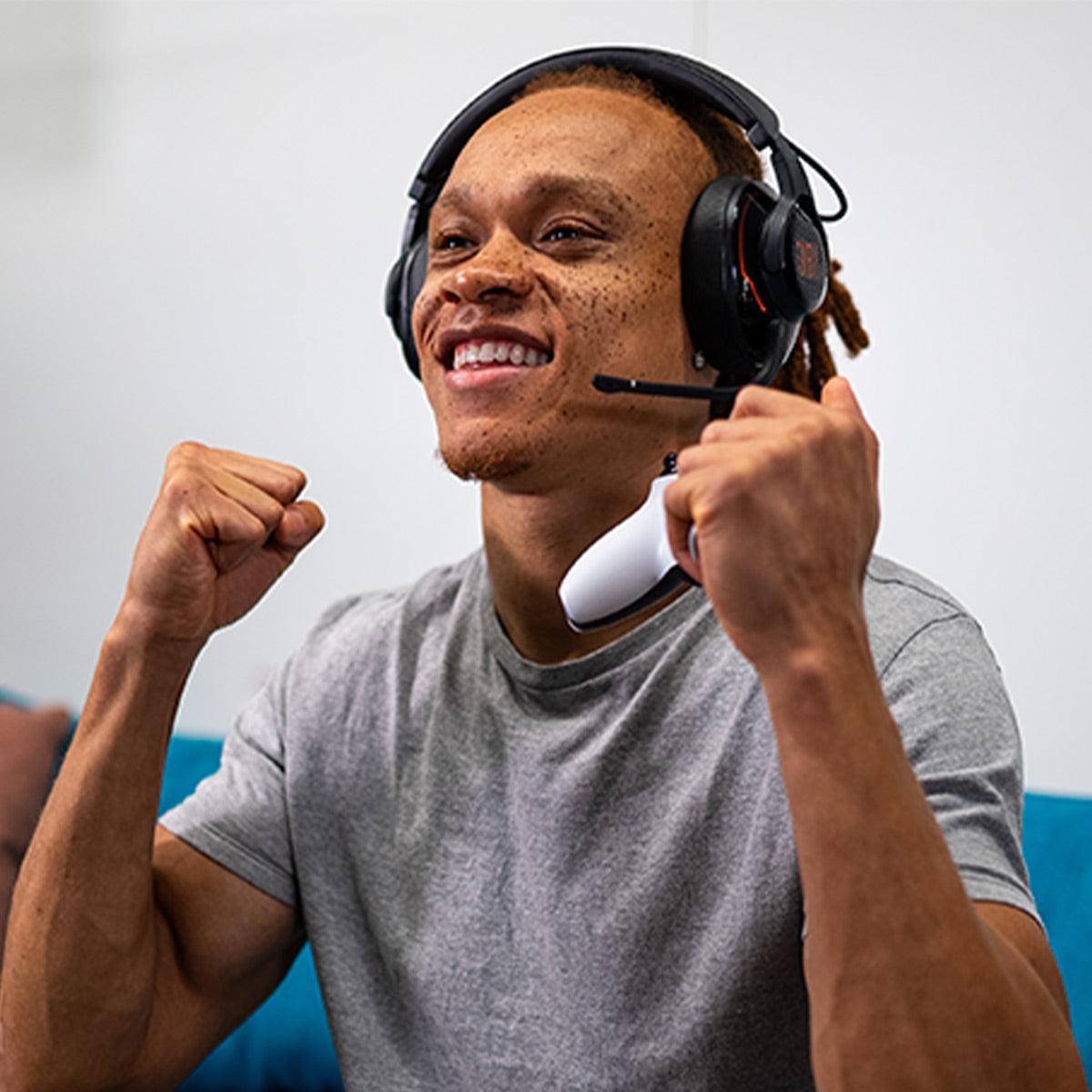
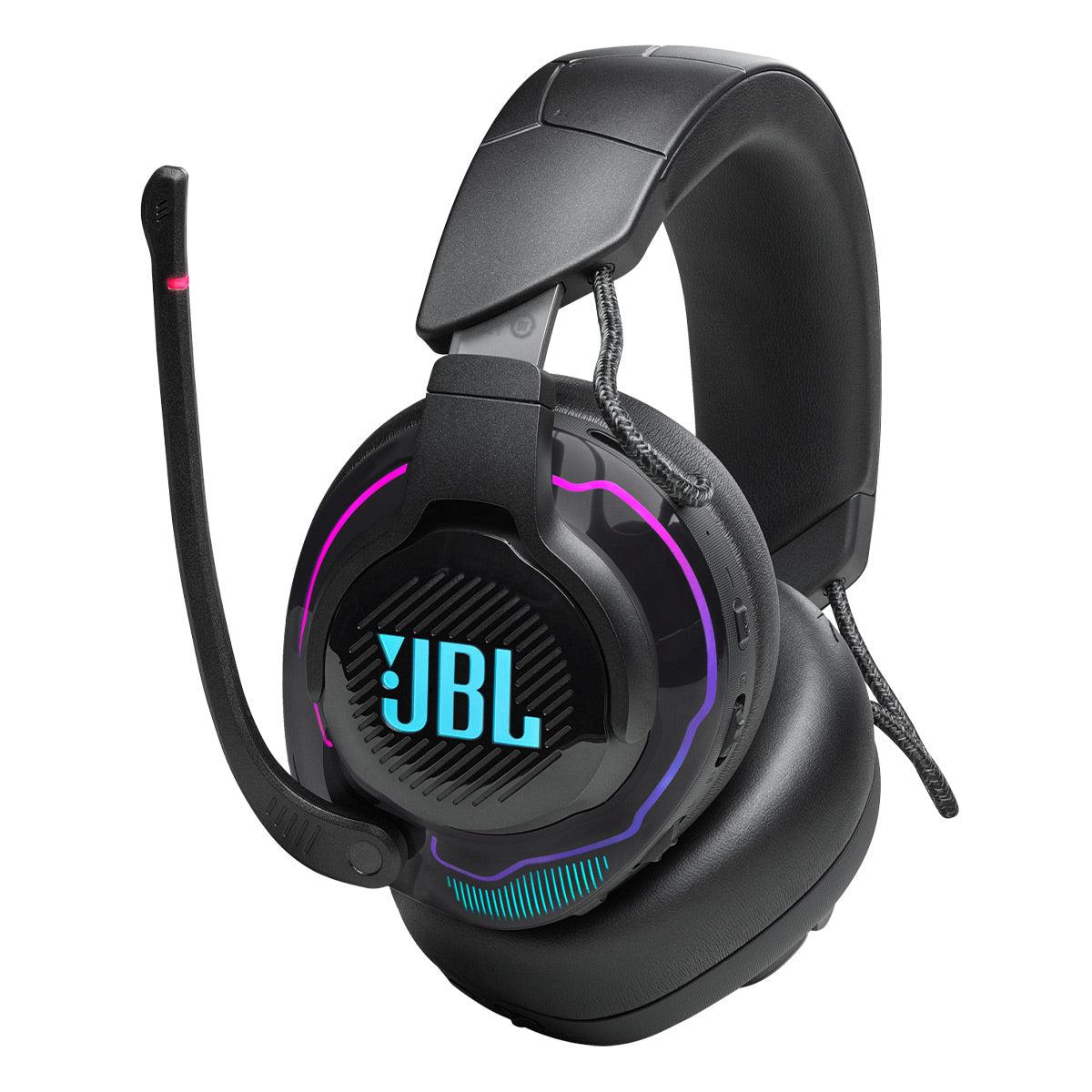
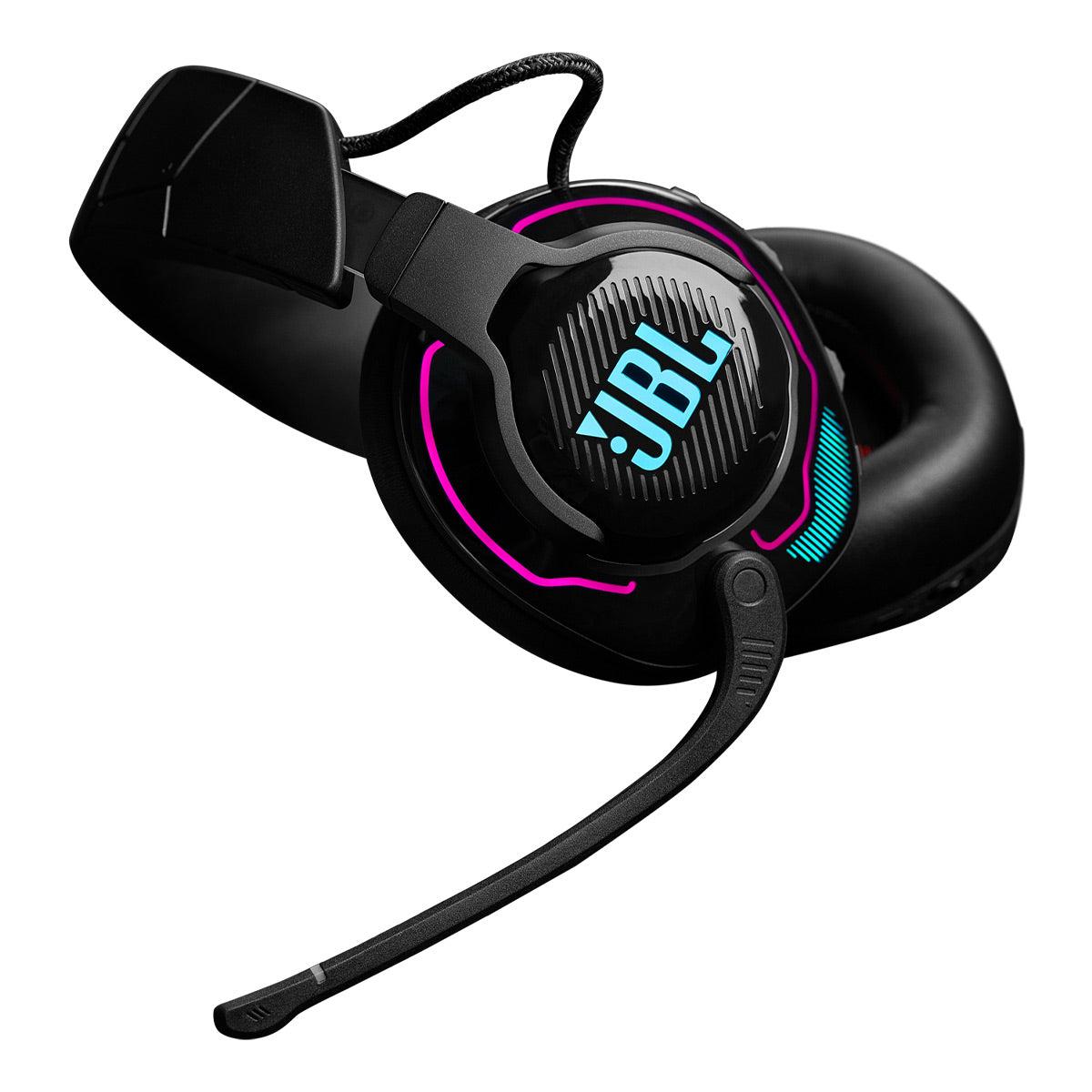
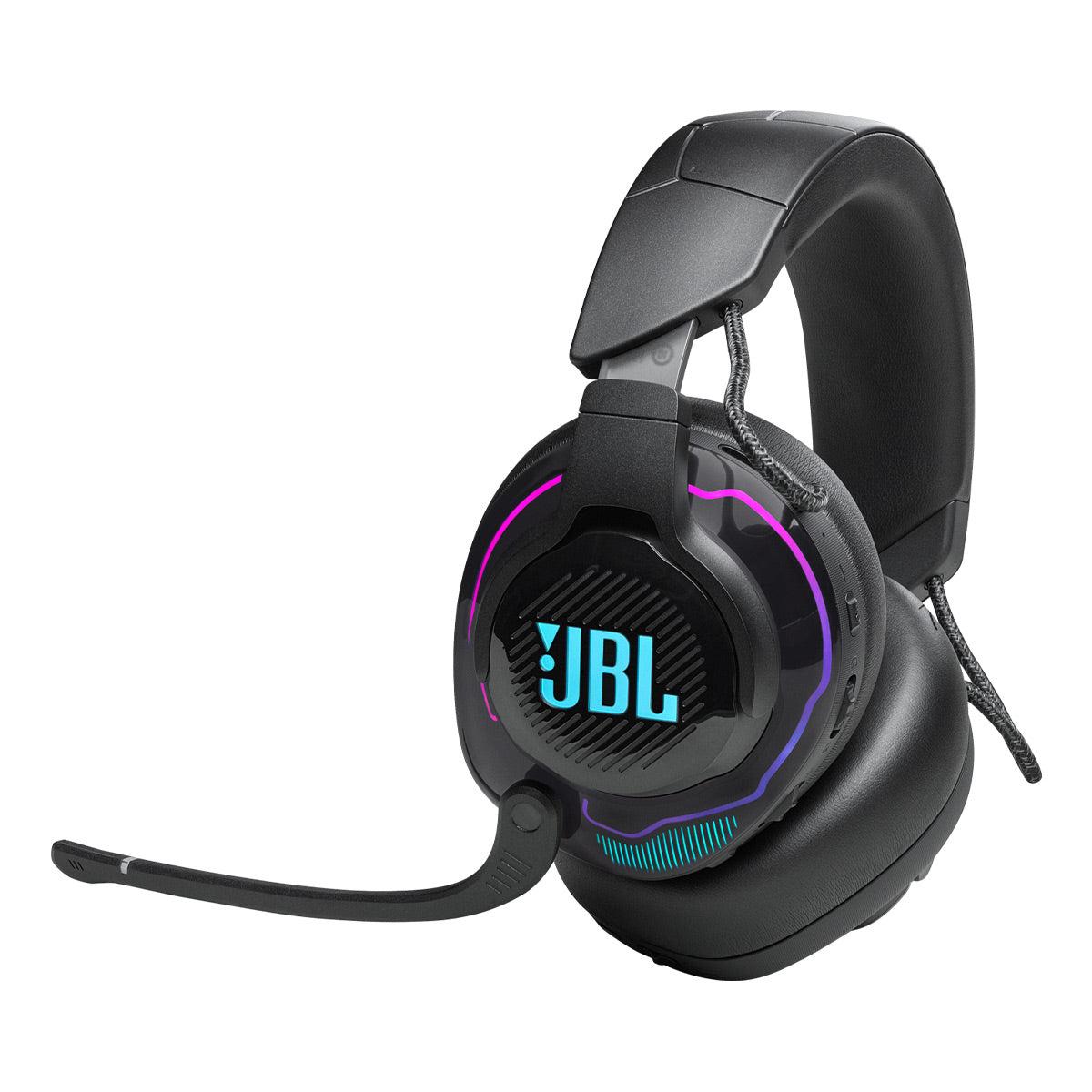
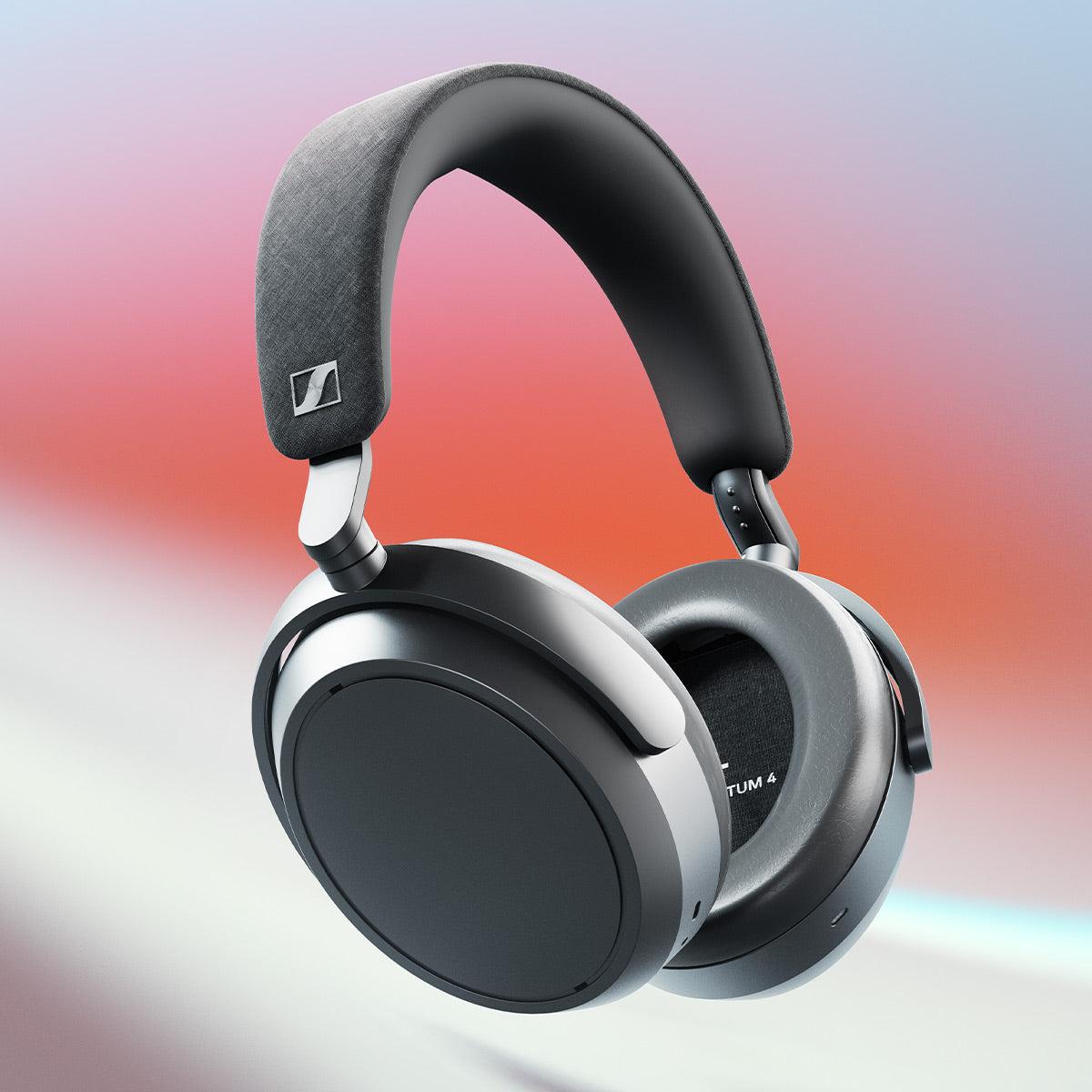
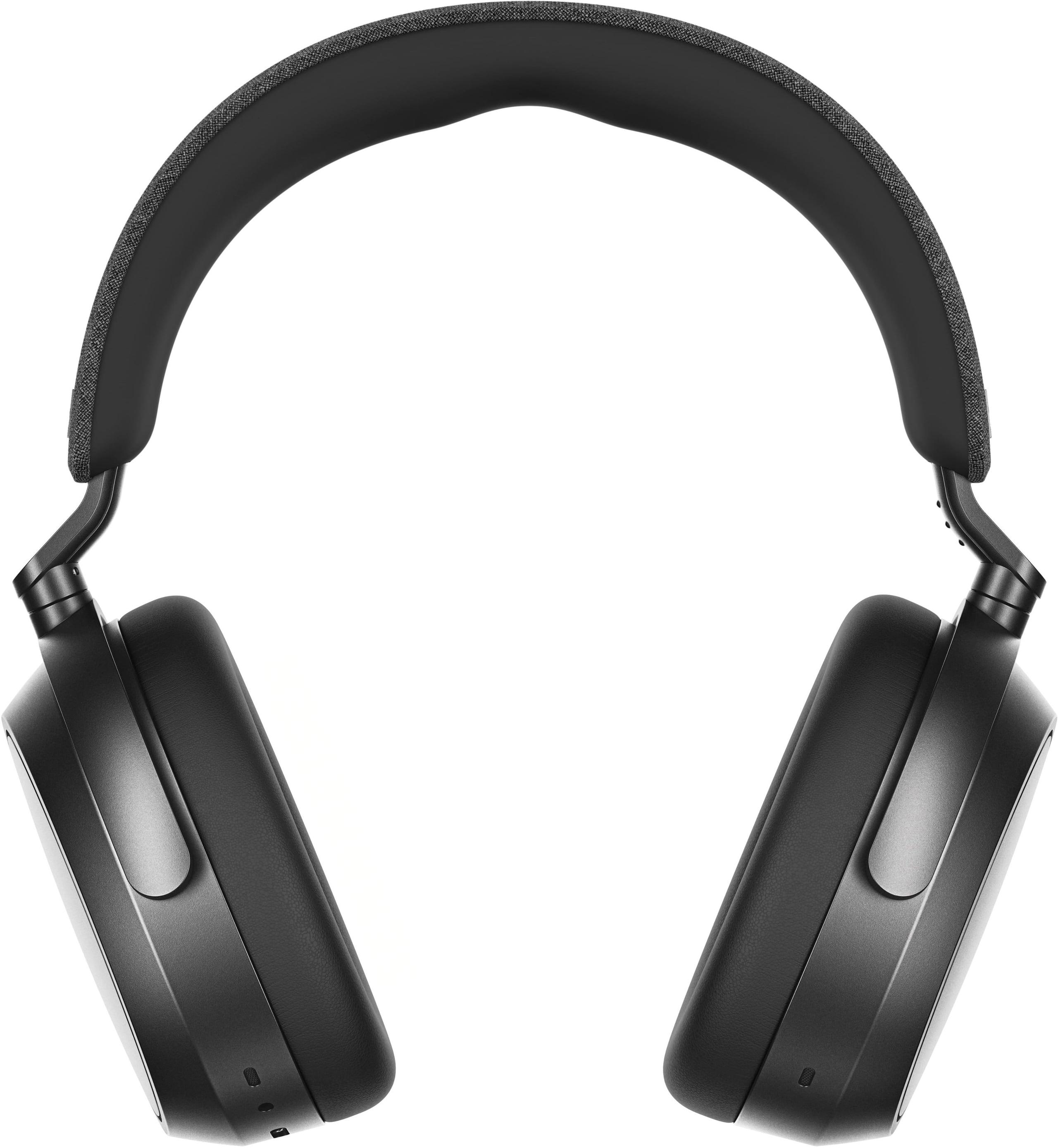
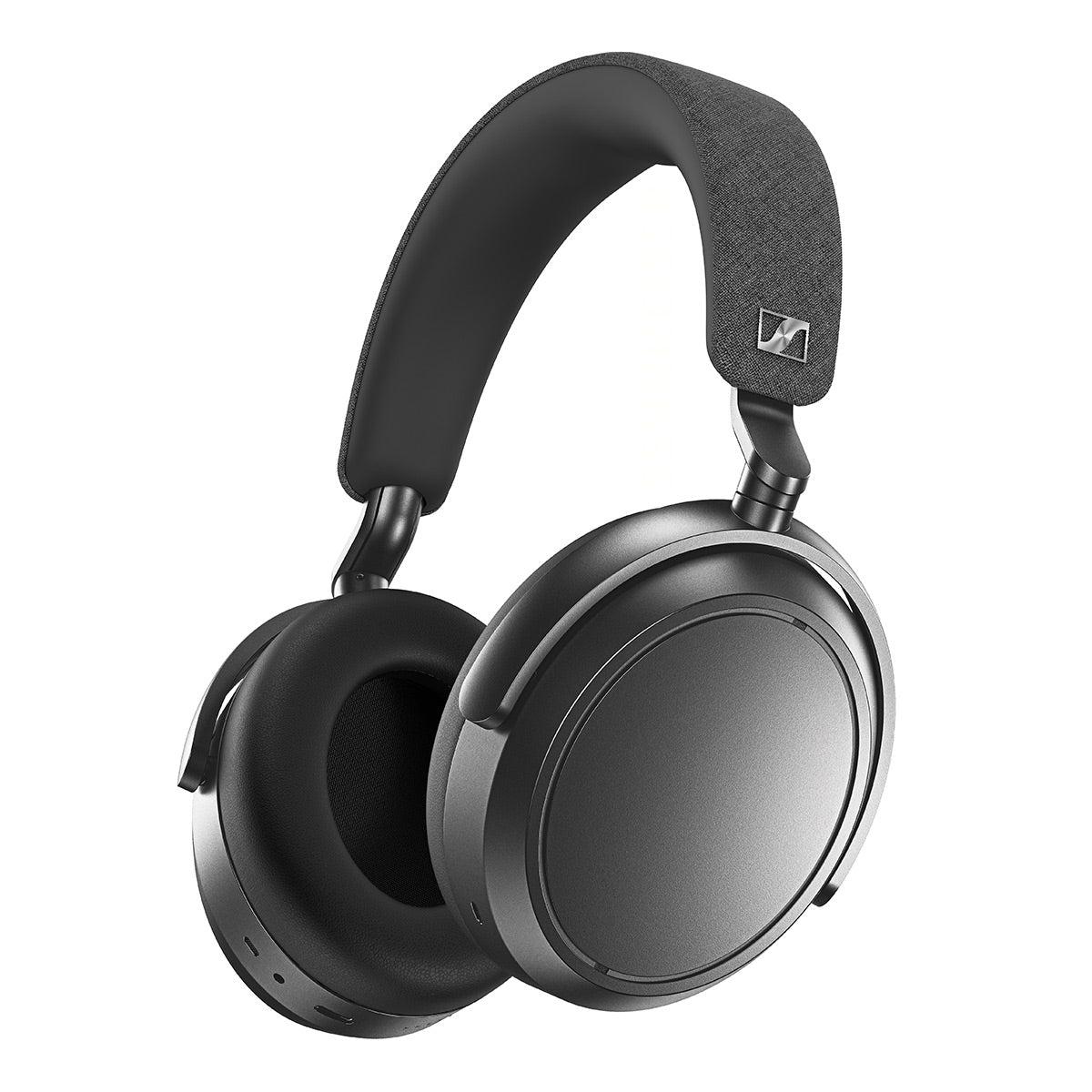
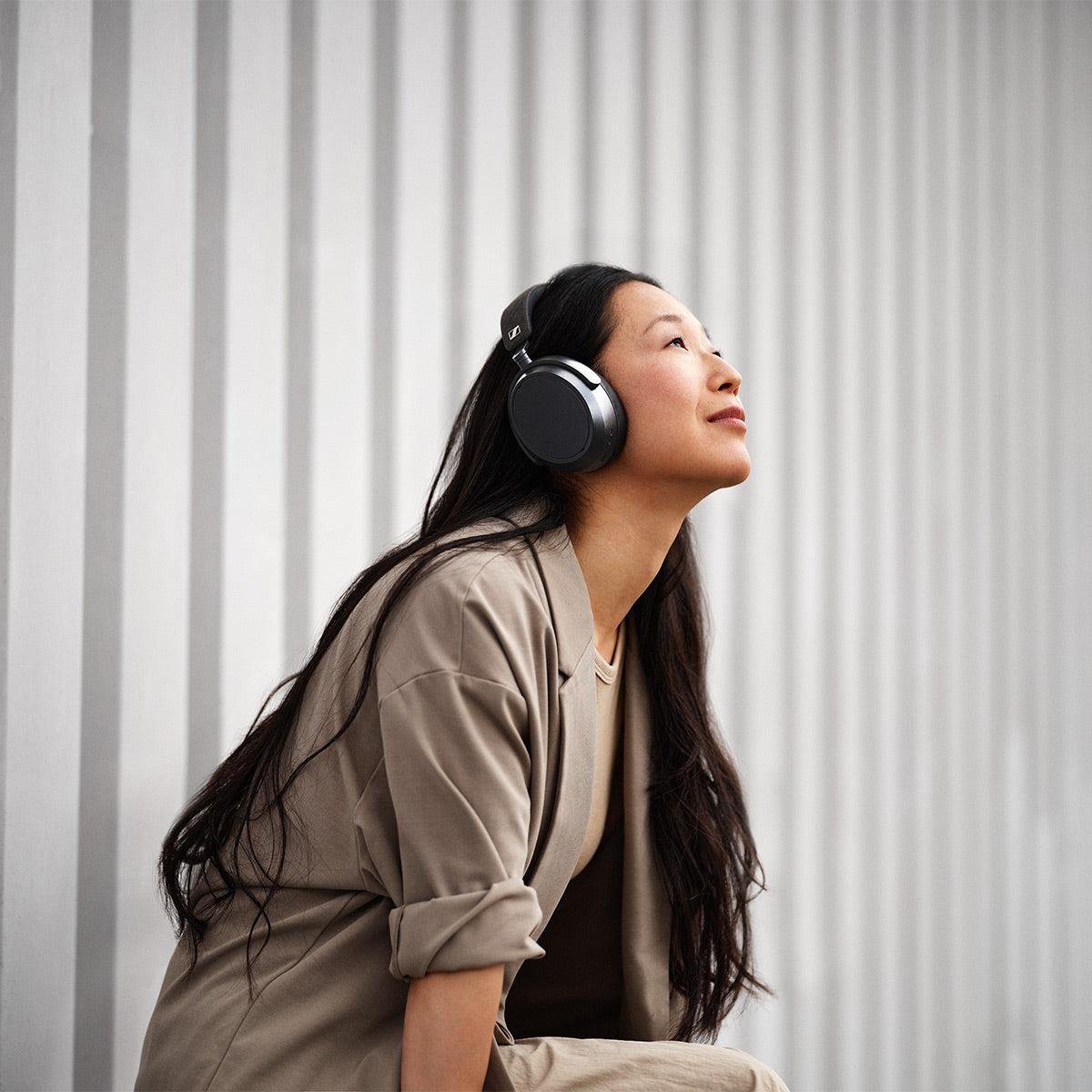
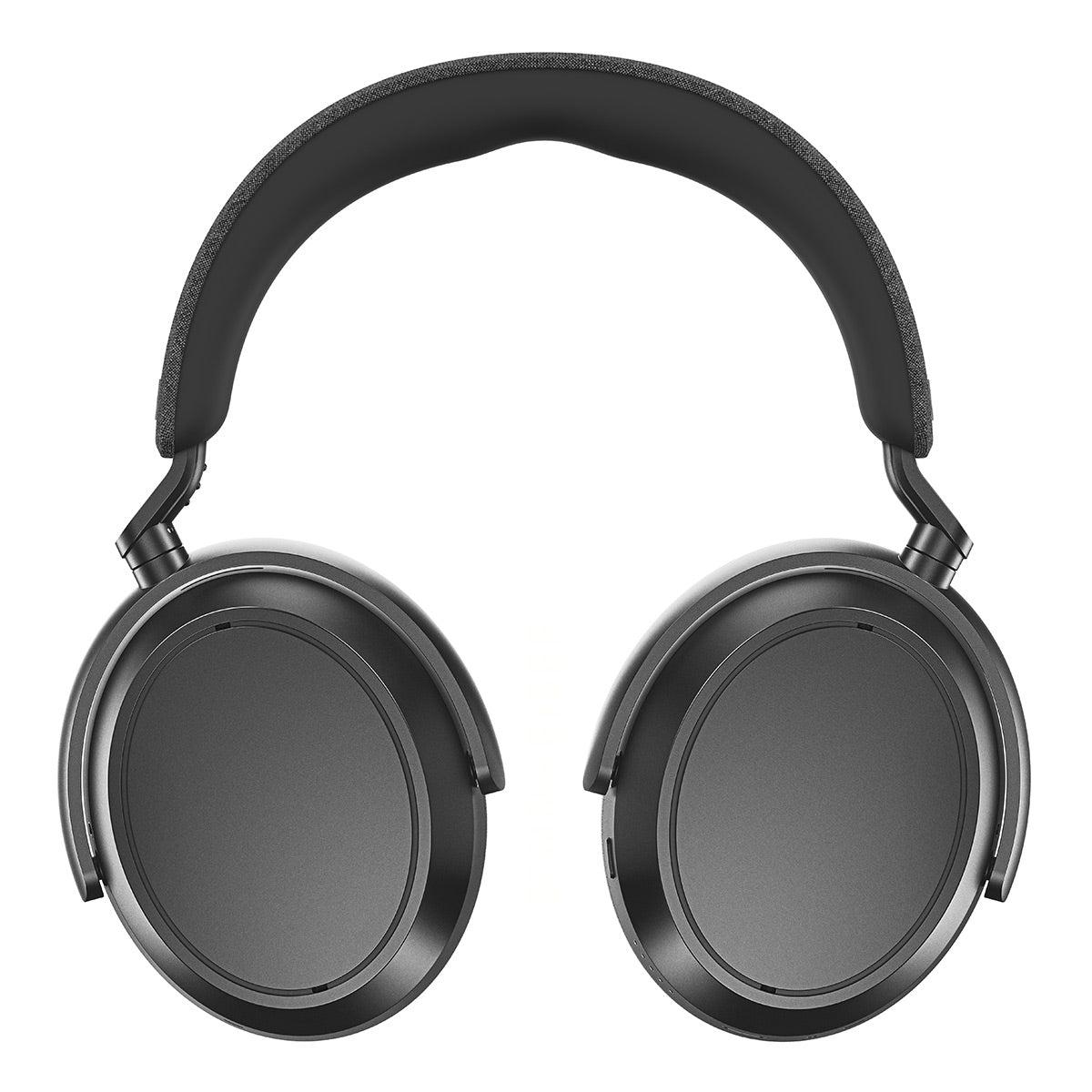


When you walk into any electronics store or browse online for headphones, you'll quickly realize there's a massive difference between products designed for gaming and those built for music. Today, we're diving deep into two excellent but fundamentally different approaches: the JBL Quantum 910 Wireless Gaming Headset and the Sennheiser Momentum 4 Wireless Headphones.
This isn't just about comparing specs on paper – it's about understanding which philosophy fits your life better. The JBL Quantum 910 represents the cutting-edge of gaming audio technology, while the Sennheiser Momentum 4 embodies decades of German audio engineering focused on music reproduction. At the time of writing, there's roughly a $45 price difference favoring the Sennheiser, but the real question isn't which costs more – it's which delivers better value for your specific needs.
The fundamental split between these products goes beyond just "gaming" versus "music." The JBL Quantum 910 takes a systems approach to audio, treating your headphones as part of a larger gaming ecosystem. Released in 2022, it incorporates head-tracking sensors, dual wireless connections, and specialized audio processing that can simultaneously handle game audio and chat communications. This represents the evolution of gaming headsets from simple stereo headphones with microphones to sophisticated spatial audio computers.
The Sennheiser Momentum 4, also released in 2022, follows a more traditional audiophile path but with modern conveniences. Sennheiser's approach focuses on reproducing audio exactly as the artist intended, then giving you tools to personalize that sound. Where the JBL creates an artificial but advantageous soundscape for gaming, the Sennheiser aims for natural, accurate reproduction that works beautifully with any audio content.
This philosophical difference affects everything from the weight distribution (the JBL is nearly 130 grams heavier at 420g) to the battery optimization (the Sennheiser achieves an industry-leading 60+ hour battery life by focusing on efficiency rather than features like RGB lighting).
The JBL Quantum 910 employs what JBL calls QuantumSPHERE 360™ technology, which uses head-tracking sensors to create a fixed audio environment around you. Think of it like this: in a traditional headphone, if you turn your head right, the entire soundscape turns with you. With the JBL's system, if footsteps are coming from your left in a game, they stay to your left even when you physically turn your head. This creates an almost supernatural sense of spatial awareness that can provide a genuine competitive advantage in games like Counter-Strike or Call of Duty.
This head-tracking technology was practically science fiction just a few years ago, but the JBL makes it accessible to mainstream gamers. The system requires calibration using an included microphone that measures your specific ear shape and listening position, creating a personalized audio profile. When it works correctly, the effect is genuinely impressive – you can pinpoint enemy locations with an accuracy that feels almost like cheating.
However, this gaming optimization comes with trade-offs for music listening. The JBL's frequency response is tuned to emphasize certain ranges that help with gaming – boosting upper midrange frequencies where footsteps and voice communications live, while enhancing bass frequencies for explosive effects. This creates what audiophiles call a "V-shaped" sound signature that can make music sound artificially exciting but less natural.
The Sennheiser Momentum 4 takes the opposite approach. Its 42mm dynamic drivers are tuned for what Sennheiser calls their "Signature Sound" – a more balanced frequency response that doesn't artificially boost any particular range. This means jazz recordings sound smooth and natural, rock music has proper guitar texture, and electronic music maintains proper bass control without overwhelming the mids.
Our research into expert reviews consistently shows the Sennheiser outperforming the JBL for pure music reproduction. The difference becomes especially apparent during longer listening sessions, where the gaming headset's more aggressive tuning can become fatiguing, while the Sennheiser remains comfortable to listen to for hours.
Both headphones support high-quality wireless codecs, but they prioritize different aspects. The JBL Quantum 910 focuses on low-latency connections through its dedicated 2.4GHz wireless system, which bypasses Bluetooth entirely for gaming. This eliminates the slight delay (typically 40-150 milliseconds) that standard Bluetooth introduces – crucial for competitive gaming where audio/visual synchronization affects performance.
The Sennheiser Momentum 4 supports aptX Adaptive, which dynamically adjusts the audio stream based on your listening environment and available bandwidth. This means better quality when you're stationary with a strong connection, and automatic optimization when you're moving around or in areas with interference. For music listening, this adaptive approach typically delivers better sound quality than the JBL's gaming-optimized connection.
Impedance ratings tell an important story here. The Sennheiser operates at 470 ohms when active (using its internal amplification) but drops to 60 ohms in passive mode. This means it can deliver high-quality sound even when the battery dies – something the JBL cannot do effectively with its 32-ohm passive impedance that's designed assuming active electronics.
The microphone situation perfectly illustrates these products' different priorities. The JBL Quantum 910 features a traditional flip-to-mute boom microphone that extends from the left earcup. This design might look outdated, but it's functionally superior for gaming communication. The boom positions the microphone consistently near your mouth, and unidirectional pickup patterns mean it captures your voice while rejecting background noise like keyboard clicks or game audio bleeding from the headphones.
More importantly, the JBL includes hardware-level game/chat mixing. This means you can adjust the balance between game audio and voice communications using physical controls, without affecting either audio source's quality. For streamers or serious competitive players, this feature alone can justify the headset's higher price point.
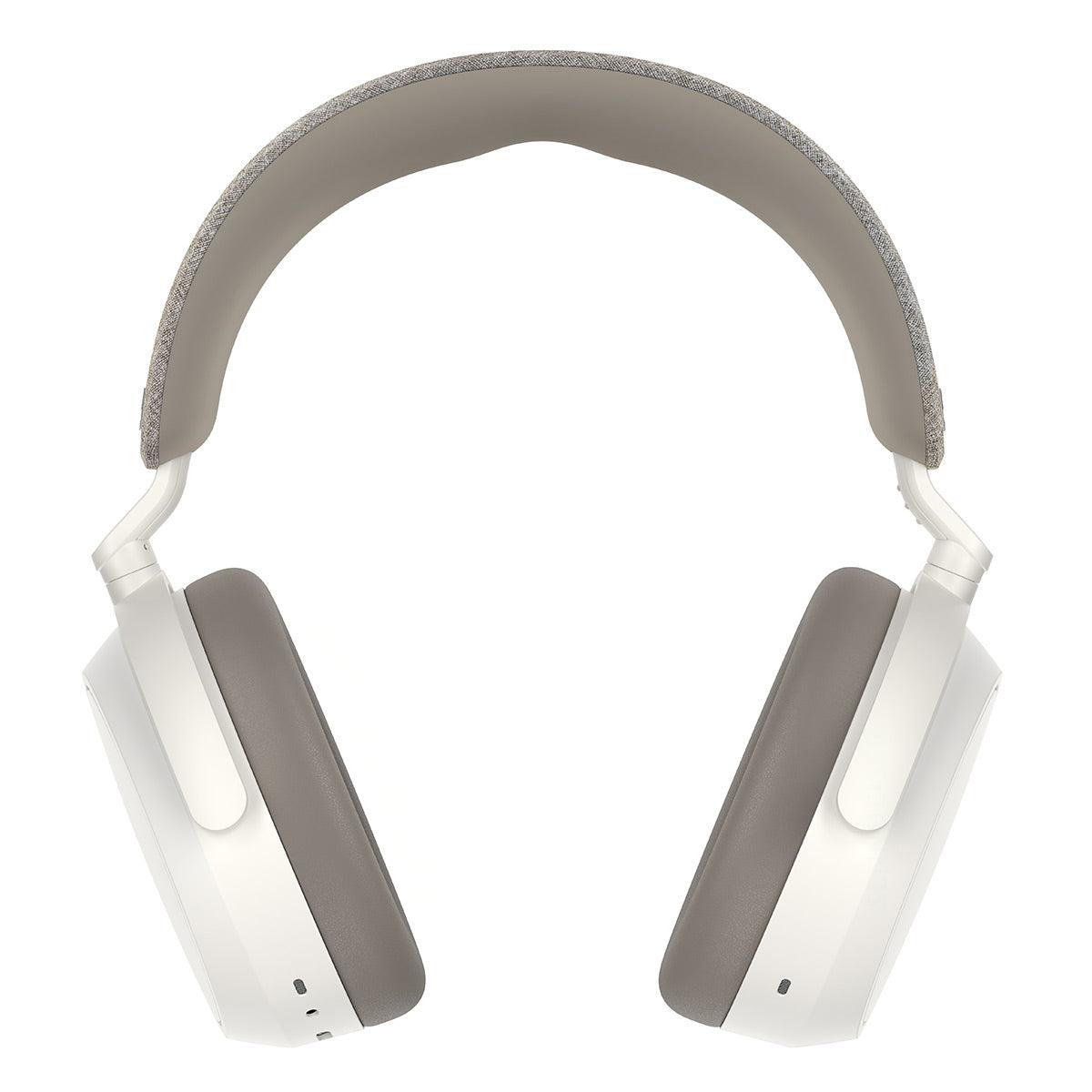
The Sennheiser Momentum 4 uses four digital beamforming microphones built into the earcups. These are invisible when wearing the headphones, making them much more suitable for public use, but the trade-off is communication quality. While adequate for phone calls and voice assistant commands, they don't match the boom microphone's clarity or noise rejection. The beamforming technology helps, but physics still favors having the microphone closer to your mouth.
For home theater use, this distinction becomes crucial. If you're watching movies late at night and need to take calls, the Sennheiser's discrete design works perfectly. But if you're gaming online with friends and communication quality matters, the JBL's boom microphone delivers noticeably better results.
The battery life difference between these headphones is substantial enough to affect daily use patterns. The Sennheiser Momentum 4 achieves up to 60 hours of continuous playback – nearly double what most premium headphones deliver. This isn't just marketing numbers; it represents a fundamental design choice prioritizing efficiency over flashy features.
Sennheiser achieves this through several optimizations: more efficient drivers that require less power, smarter power management that aggressively manages features like ANC when not needed, and the absence of power-hungry features like RGB lighting. The result is a headphone that many users charge weekly rather than daily.
The JBL Quantum 910 delivers a more modest but still respectable 39-47 hours, depending on which features you're using. RGB lighting, dual wireless connections, and the head-tracking sensors all consume additional power. But for gaming, the JBL includes play-and-charge capability, meaning you can continue gaming while plugged in – something many wireless headphones don't support properly due to charging interference.
Fast charging capabilities favor the Sennheiser, which delivers 4 hours of playback from a 5-minute charge. This makes it practically impossible to be caught with dead headphones if you develop good charging habits.
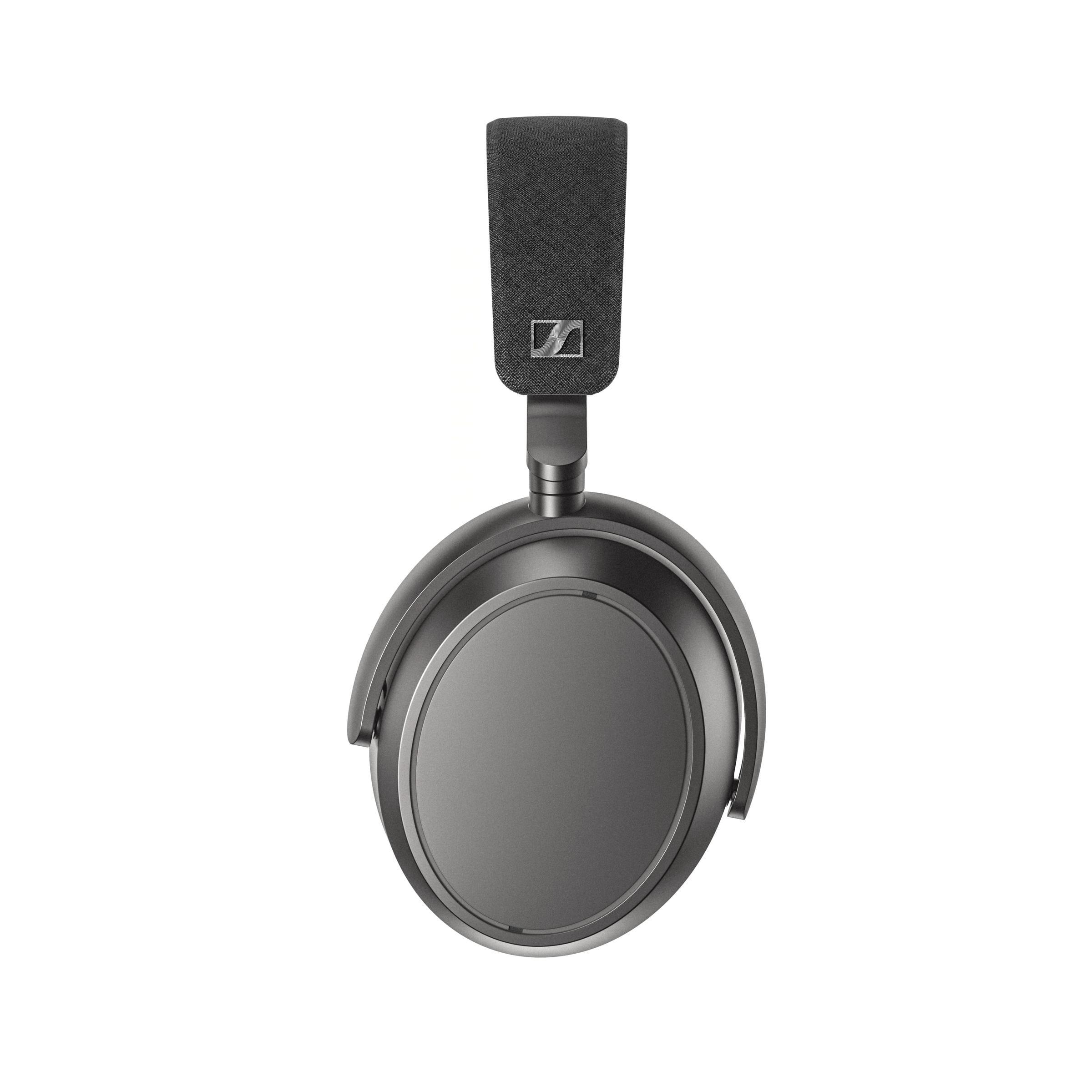
The 130-gram weight difference becomes significant during extended use. The Sennheiser Momentum 4 at 293 grams feels substantial but not heavy, while the JBL Quantum 910 at 420 grams requires more robust head and neck support. This isn't necessarily negative – the extra weight in the JBL comes from additional features like larger drivers, more sophisticated electronics, and the RGB lighting system.
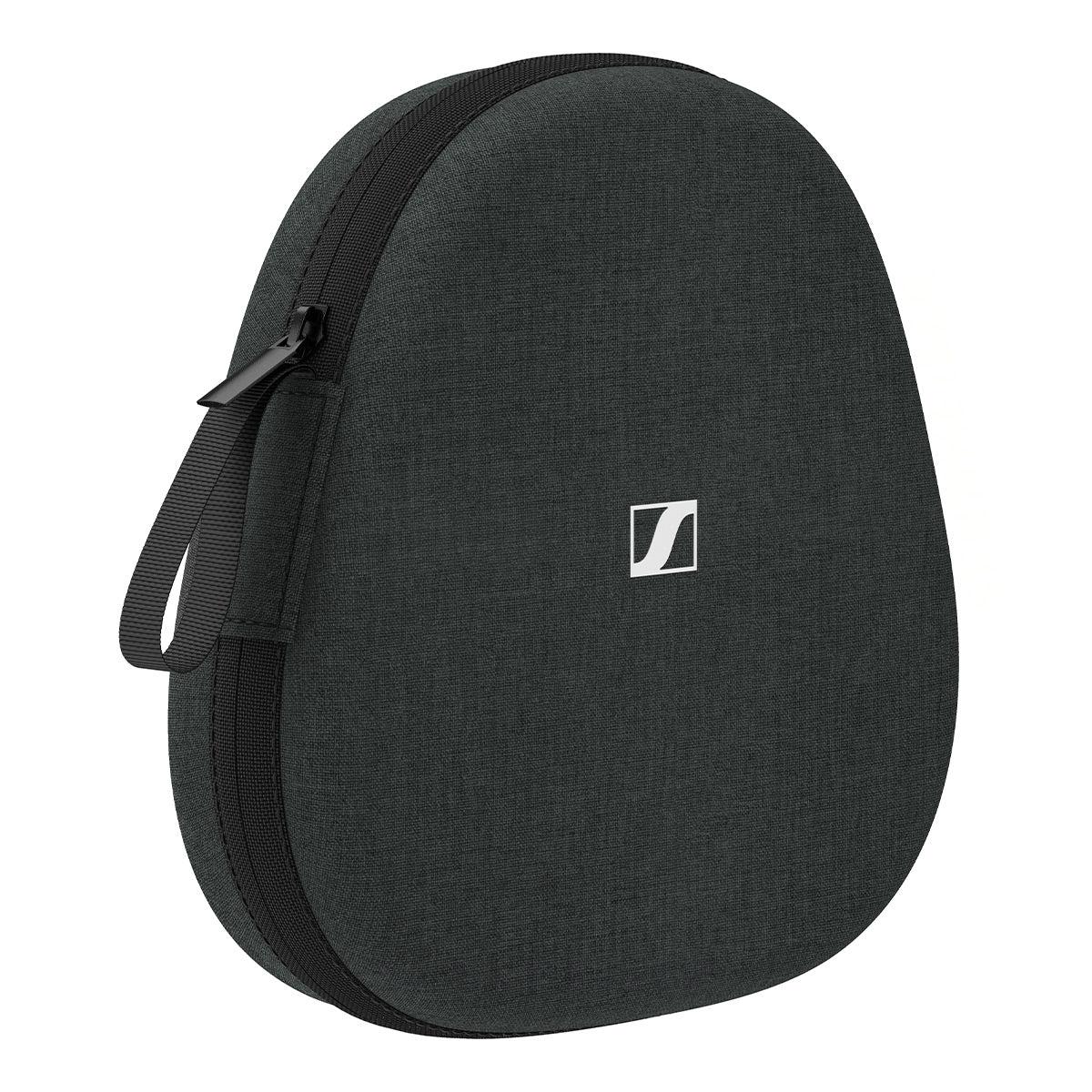
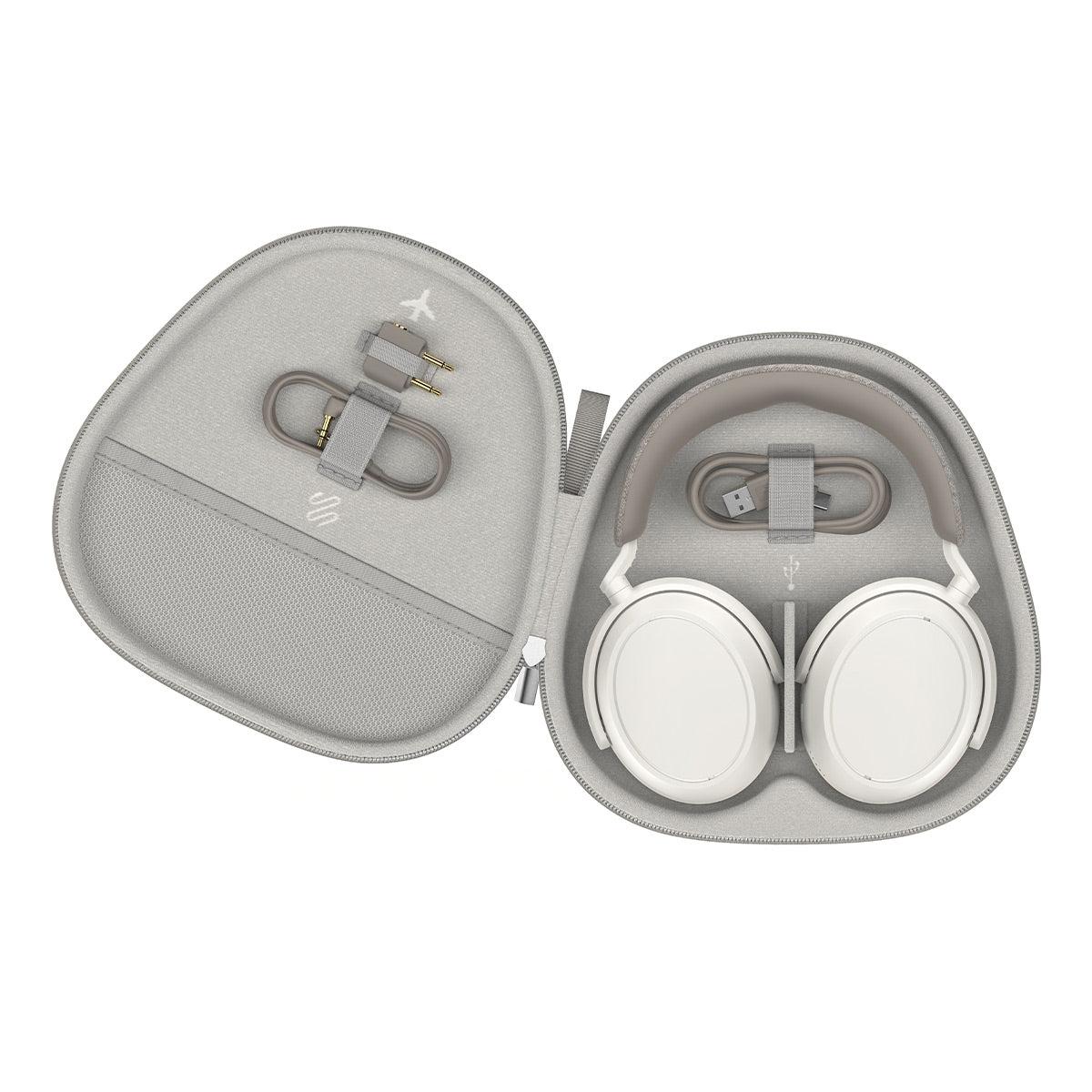
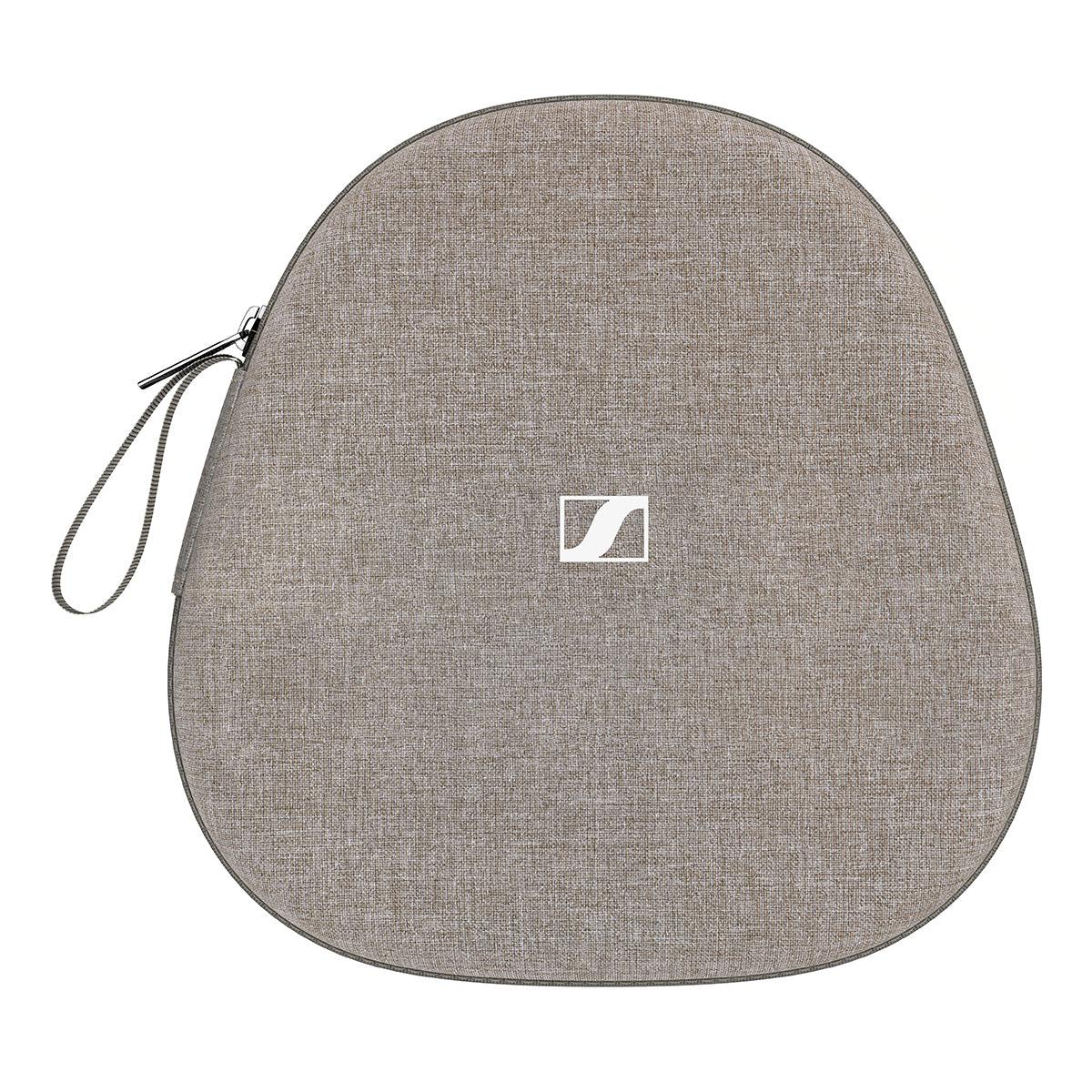
Both headphones use memory foam padding, but they're optimized for different use cases. The Sennheiser features a fold-flat design that collapses for travel, with padding optimized for varying head shapes and extended wear during commutes or flights. The included hard case is genuinely protective and sized for airline carry-on requirements.
The JBL Quantum 910 assumes you'll primarily use it at a gaming station. The padding is thicker and more gaming-focused, designed to stay comfortable during intense gaming sessions where you might not move much for hours. The RGB lighting integration means the headband and earcups have additional structural elements that prevent the fold-flat design possible with the Sennheiser.
For home theater use, comfort becomes paramount since you might wear headphones for entire movies or TV series. Here, the Sennheiser's lighter weight and superior padding materials give it a clear advantage for longer viewing sessions.
Both headphones feature active noise cancellation (ANC), but they're tuned for different environments. ANC works by using external microphones to detect ambient noise, then generating opposite sound waves to cancel it out. The effectiveness depends heavily on the type of noise and the tuning philosophy.
The JBL Quantum 910's ANC is optimized for gaming environments – primarily constant noise like air conditioning, computer fans, or household appliances. It's designed to maintain the spatial audio cues that gamers need while eliminating distracting background noise. This means it might not be as effective against variable sounds like conversations or traffic noise.
The Sennheiser Momentum 4's ANC uses adaptive algorithms that continuously adjust based on your environment. For travel, commuting, or general use, this approach typically delivers better results. The adaptive system recognizes different noise patterns – airplane engines, train rumble, office chatter – and optimizes the cancellation accordingly.
In our evaluation of user reviews, the Sennheiser consistently receives higher ratings for ANC effectiveness in real-world scenarios, while the JBL gets praise for maintaining gaming audio quality while ANC is active.
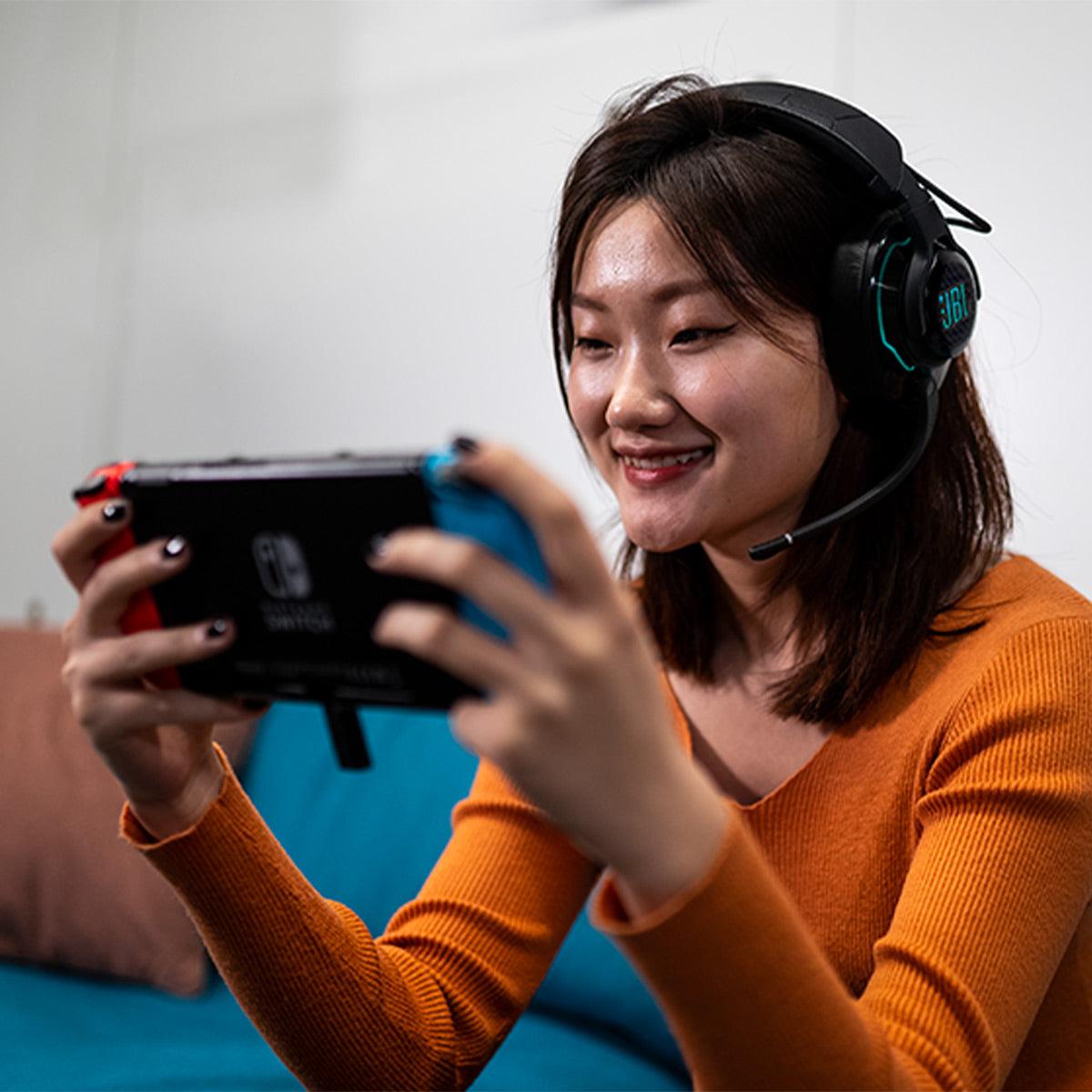
The JBL Quantum 910 employs a sophisticated dual-wireless system that can simultaneously maintain both Bluetooth and 2.4GHz connections. This means you can game with low-latency audio while receiving phone calls or Discord messages through Bluetooth. The 2.4GHz connection uses a USB dongle and works with PC, PlayStation, and Nintendo Switch, while a separate Xbox-optimized version handles Microsoft's proprietary wireless protocols.
This multi-platform approach addresses a real problem for modern gamers who might switch between console gaming, PC gaming, and mobile gaming throughout the day. The JBL handles these transitions seamlessly without requiring reconnection or audio quality compromises.
The Sennheiser Momentum 4 takes a more traditional but arguably more elegant approach. It focuses on delivering the highest possible audio quality through whatever connection you choose – high-quality Bluetooth codecs for wireless use, or USB-C digital audio for wired connections that bypass digital-to-analog conversion entirely.
For home theater applications, both approaches have merits. The JBL's dual wireless capability means you can watch movies while staying connected to your phone for calls. The Sennheiser's superior codec support means better audio quality for streaming services and local media files.
At the time of writing, the price difference between these headphones is meaningful but not decisive. The Sennheiser Momentum 4 typically costs about $45 less than the JBL Quantum 910, but both fall into the premium headphone category where features and build quality matter more than pure price competition.
The JBL justifies its higher price through specialized gaming features that have genuine utility for their target audience. Head-tracking spatial audio, professional-grade microphone systems, and multi-platform gaming compatibility are features you simply cannot find at lower price points. For serious gamers, streamers, or esports enthusiasts, these features provide tangible benefits that affect performance and enjoyment.
The Sennheiser offers exceptional value by delivering audiophile-grade sound quality and premium build materials at a price point typically associated with more basic headphones. The 60+ hour battery life alone saves the daily charging routine that plagues most wireless headphones, and the sound quality competes with products costing significantly more.
Both headphones should remain relevant for many years. The JBL benefits from software updates through the QuantumENGINE application, which has historically added new features and improved existing ones. The Sennheiser relies more on hardware quality and timeless design principles that don't require frequent updates.
Choose the JBL Quantum 910 Wireless Gaming Headset if gaming represents your primary audio use case. If you spend more than 15-20 hours weekly gaming, participate in competitive online games, stream content, or frequently communicate with teammates, the specialized features justify the investment. The head-tracking spatial audio alone can provide competitive advantages that affect your gaming performance and enjoyment.
The JBL also makes sense if you frequently switch between gaming platforms or need professional-quality microphone capabilities. Content creators, streamers, and serious multiplayer gamers will appreciate the hardware-level audio mixing and superior communication features.
Choose the Sennheiser Momentum 4 Wireless Headphones for virtually every other use case. If music listening, movie watching, commuting, or general media consumption represents your primary need, the Sennheiser delivers superior value, comfort, and audio quality. The exceptional battery life and lighter weight make it more practical for daily use, while the sound quality satisfies even demanding listeners.
For home theater applications, the Sennheiser edges out the JBL due to its more natural sound signature, superior comfort for long viewing sessions, and discrete design that works well in family environments.
The decision ultimately comes down to specialization versus versatility. The JBL Quantum 910 excels at gaming but makes compromises elsewhere, while the Sennheiser Momentum 4 delivers excellent all-around performance that works well for gaming but truly shines everywhere else. For most people, the Sennheiser's broader competence and lower price make it the smarter choice – but dedicated gamers will find genuine value in the JBL's specialized capabilities.
| JBL Quantum 910 Wireless Gaming Headset | Sennheiser Momentum 4 Wireless Headphones |
|---|---|
| Weight - Critical for extended comfort during long sessions | |
| 420g (gaming station focused, less portable) | 293g (travel-friendly, all-day comfort) |
| Battery Life - Determines how often you need to charge | |
| 39-47 hours (excellent for gaming) | 60+ hours (industry-leading, charge weekly not daily) |
| Primary Audio Tuning - Affects sound quality for different content | |
| Gaming-optimized V-shape (competitive advantage, less natural music) | Audiophile balanced (natural music reproduction, good for everything) |
| Microphone Type - Essential for gaming communication quality | |
| Boom microphone with flip-to-mute (professional gaming/streaming quality) | 4-microphone beamforming array (discrete, adequate for calls) |
| Spatial Audio Technology - Game-changing for competitive gaming | |
| QuantumSPHERE 360° with head-tracking (pinpoint enemy locations) | Standard stereo with excellent soundstage (great for music immersion) |
| Connectivity Options - Determines device compatibility and audio quality | |
| Dual wireless: 2.4GHz + Bluetooth + wired (gaming-focused, multi-platform) | Bluetooth 5.2 with premium codecs + USB-C + wired (universal compatibility) |
| Active Noise Cancellation - Blocks distracting background noise | |
| Gaming-tuned ANC (maintains spatial cues) | Adaptive ANC (better for travel and general use) |
| Design Philosophy - Affects where and how you'll use them | |
| Gaming station setup with RGB lighting | Portable fold-flat design with premium materials |
| Game/Chat Audio Control - Critical for online gaming | |
| Hardware dial for independent game/chat mixing | Software-based audio controls only |
| Frequency Response Range - Affects audio detail and clarity | |
| 20Hz-40kHz wired (extended range for gaming detail) | 6Hz-22kHz (optimized for human hearing, efficient) |
| Best Use Cases - Who should choose which product | |
| Serious gamers, streamers, multi-platform users | Music lovers, commuters, general users seeking premium audio |
The JBL Quantum 910 Wireless Gaming Headset is specifically designed for gaming and offers significant advantages including head-tracking spatial audio, a professional boom microphone, and dual wireless connectivity for multi-platform gaming. The Sennheiser Momentum 4 Wireless Headphones can handle gaming but lacks specialized gaming features like spatial audio and has only basic microphone capabilities. For serious gaming, the JBL Quantum 910 is the clear winner.
The Sennheiser Momentum 4 Wireless Headphones delivers superior music quality with audiophile-tuned drivers and balanced sound reproduction. The JBL Quantum 910 Wireless Gaming Headset uses gaming-optimized tuning that emphasizes certain frequencies for competitive advantage but can make music sound less natural. For music listening, the Sennheiser Momentum 4 is significantly better.
The Sennheiser Momentum 4 Wireless Headphones offers industry-leading battery life of up to 60+ hours, while the JBL Quantum 910 Wireless Gaming Headset provides 39-47 hours depending on features used. Both offer excellent battery performance, but the Sennheiser Momentum 4 lasts significantly longer and requires less frequent charging.
The Sennheiser Momentum 4 Wireless Headphones is more comfortable for extended use due to its lighter weight (293g vs 420g) and travel-optimized padding. The JBL Quantum 910 Wireless Gaming Headset is heavier but designed for gaming station use with thick padding. For all-day wear and travel, the Sennheiser Momentum 4 offers superior comfort.
Yes, both the JBL Quantum 910 Wireless Gaming Headset and Sennheiser Momentum 4 Wireless Headphones feature active noise cancellation. However, they're tuned differently - the JBL Quantum 910 optimizes ANC for gaming environments while maintaining spatial audio cues, while the Sennheiser Momentum 4 uses adaptive ANC that's more effective for travel and general use.
The JBL Quantum 910 Wireless Gaming Headset has superior microphone quality with its dedicated boom microphone, flip-to-mute functionality, and noise suppression designed for gaming communication. The Sennheiser Momentum 4 Wireless Headphones uses a discrete 4-microphone array that's adequate for calls but doesn't match the JBL Quantum 910's professional-grade communication capabilities.
The Sennheiser Momentum 4 Wireless Headphones is better for home theater use due to its natural sound reproduction, lighter weight for long viewing sessions, and discrete design. While the JBL Quantum 910 Wireless Gaming Headset can handle movies, its gaming-tuned audio signature is less ideal for cinematic content. For home theater, choose the Sennheiser Momentum 4.
Both headphones offer broad compatibility, but they serve different purposes. The JBL Quantum 910 Wireless Gaming Headset excels at multi-platform gaming with dedicated support for PC, PlayStation, Nintendo Switch, and mobile devices. The Sennheiser Momentum 4 Wireless Headphones works universally with any Bluetooth device and offers premium codec support for high-quality music streaming from phones, tablets, and computers.
Yes, both the JBL Quantum 910 Wireless Gaming Headset and Sennheiser Momentum 4 Wireless Headphones support play-and-charge functionality. However, with the Sennheiser Momentum 4's exceptional 60+ hour battery life, you'll rarely need this feature compared to the JBL Quantum 910 which may require more frequent charging with heavy gaming use.
The Sennheiser Momentum 4 Wireless Headphones typically offers better overall value with superior audio quality, longer battery life, and lighter weight at a lower price point. The JBL Quantum 910 Wireless Gaming Headset justifies its higher cost only for dedicated gamers who will utilize its specialized gaming features like spatial audio and professional microphone capabilities.
The Sennheiser Momentum 4 Wireless Headphones features a fold-flat design with an included hard carrying case, making it excellent for travel. The JBL Quantum 910 Wireless Gaming Headset does not fold due to its gaming-focused design with RGB lighting and robust construction, making it less portable and more suited for stationary use.
For general everyday use, the Sennheiser Momentum 4 Wireless Headphones is the better choice due to its superior music quality, exceptional battery life, lighter weight, and more discrete design suitable for public use. Choose the JBL Quantum 910 Wireless Gaming Headset only if gaming represents your primary use case and you need its specialized gaming features.
We've done our best to create useful and informative comparisons to help you decide what product to buy. Our research uses advanced automated methods to create this comparison and perfection is not possible - please contact us for corrections or questions. These are the sites we've researched in the creation of this article: techradar.com - stereoguide.com - ausdroid.net - majorhifi.com - ign.com - youtube.com - soundguys.com - versus.com - impulsegamer.com - versus.com - jbl.com - jbl.com.tw - crutchfield.com - th.jbl.com - harmanaudio.com - jbl.com - jbl.com - youtube.com - bestbuy.com - harmanaudio.com - jbl.com - th.jbl.com - bhphotovideo.com - recordingnow.com - recordingnow.com - soundguys.com - tomsguide.com - headphones.com - thegreatestsong.com - forum.headphones.com - loudnwireless.com - bloomaudio.com - loudnwireless.com - sennheiser-hearing.com - bhphotovideo.com - audio46.com - techpowerup.com - moon-audio.com - bloomaudio.com - pianoclack.com - gsmarena.com - rtings.com

Privacy Policy
Terms and Conditions - Affiliate Policy
Home Security
© Copyright 2008-2026.
11816 Inwood Rd #1211, Dallas, TX 75244