



Choosing between gaming-focused headphones and audiophile models represents one of the most interesting decisions in personal audio today. The JBL Quantum 810 wireless gaming headset and Sennheiser Momentum 4 wireless headphones perfectly illustrate this divide, offering two completely different philosophies about what makes great headphones.
At the time of writing, these products sit in similar price ranges but target vastly different users. The JBL Quantum 810 costs significantly less while packing gaming-specific features, while the Sennheiser Momentum 4 commands a premium for superior overall audio quality and versatility. Understanding which approach suits your needs requires diving deep into what makes each unique.
The headphone world has split into increasingly specialized segments, and these two products represent distinct evolutionary paths. Gaming headsets have developed sophisticated spatial audio processing, dedicated microphone systems, and gaming-optimized noise cancellation. Meanwhile, audiophile headphones focus on accurate sound reproduction, premium materials, and features that enhance music listening across all genres.
This specialization matters because each approach involves trade-offs. Gaming headsets like the JBL Quantum 810 prioritize features like directional audio cues that help you hear enemy footsteps behind you, while audiophile headphones like the Sennheiser Momentum 4 focus on reproducing the subtle details in a violin's timbre or the spatial positioning within a concert hall.
The key considerations when choosing between these approaches include your primary use case, how much you value portability, whether you need professional-quality voice communication, and how important music reproduction quality is to your daily listening experience.
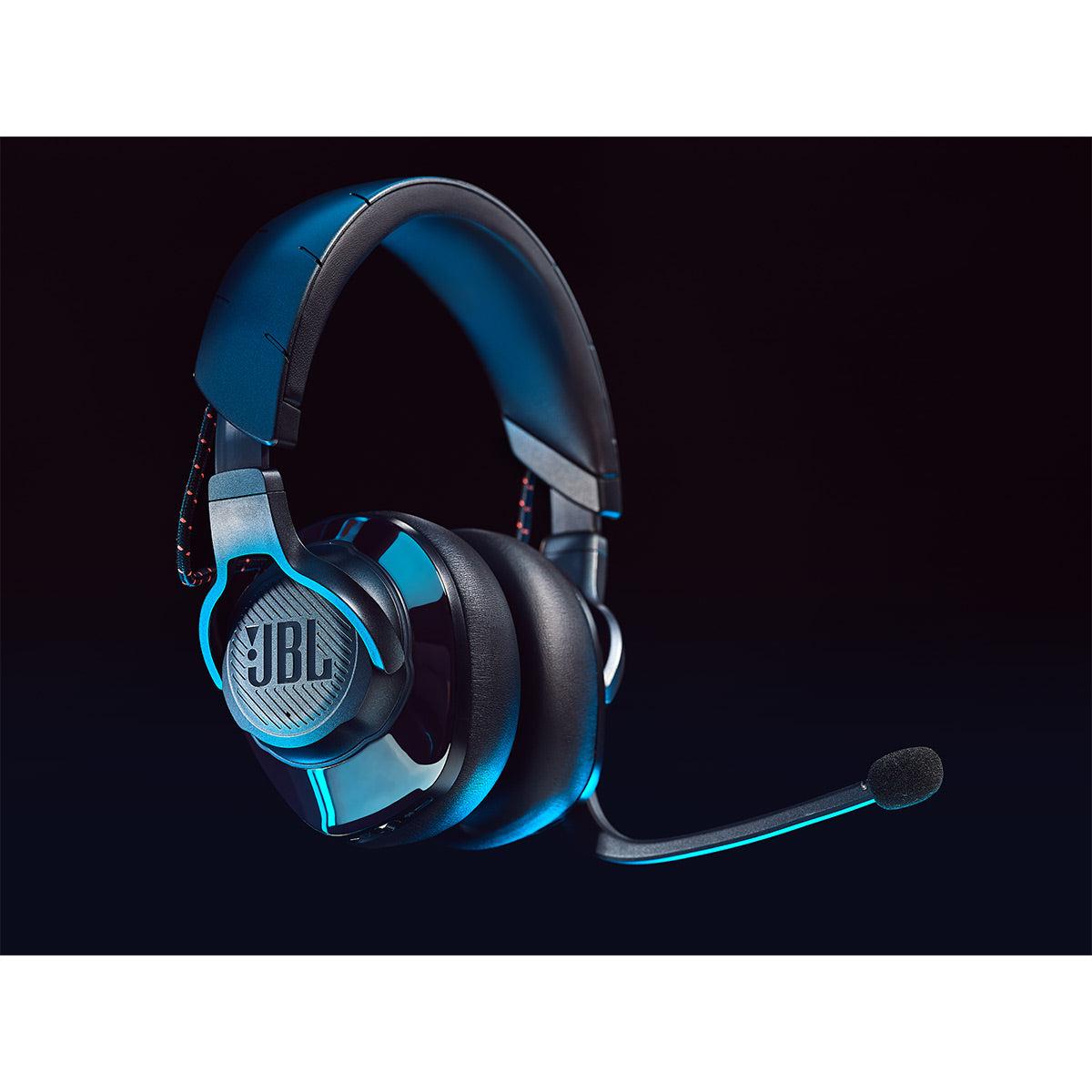
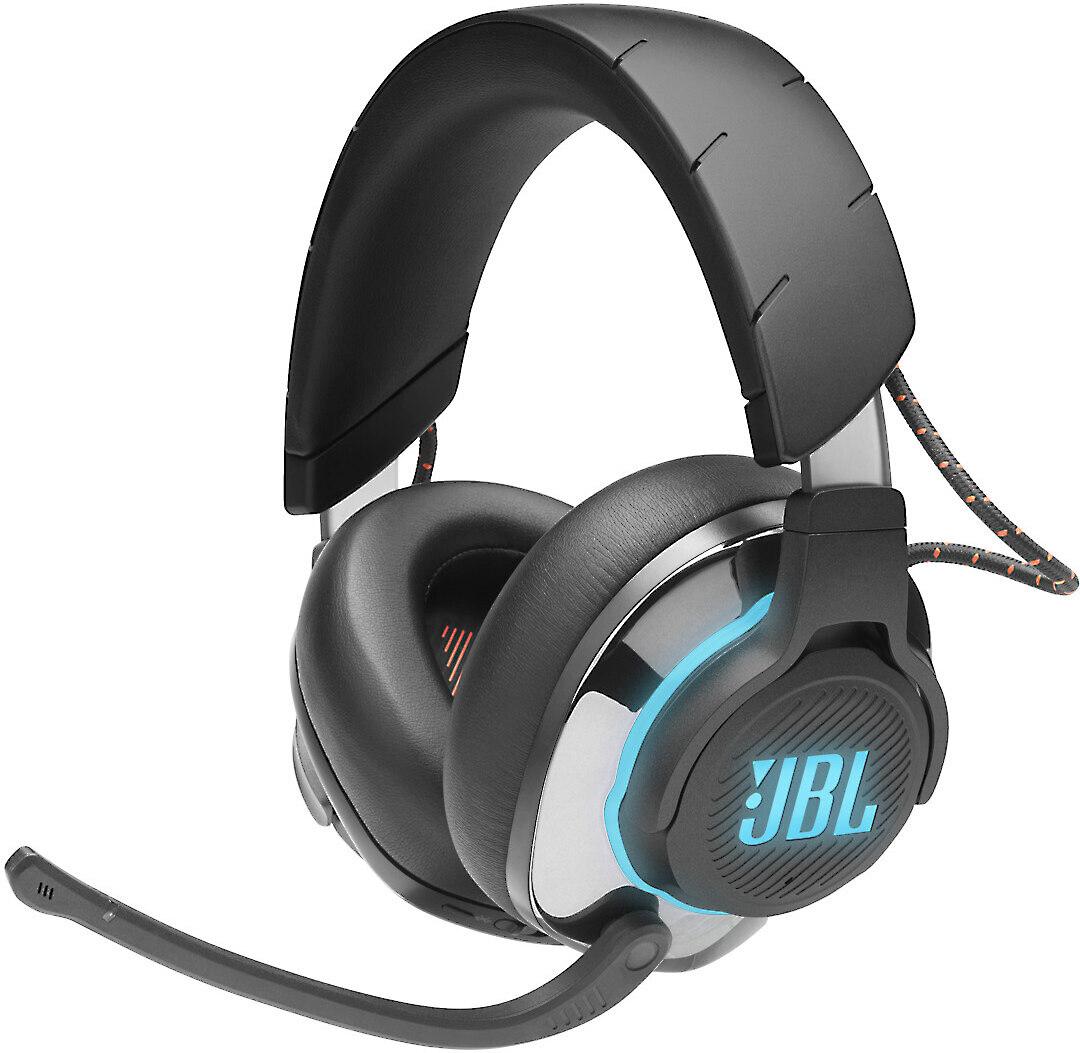
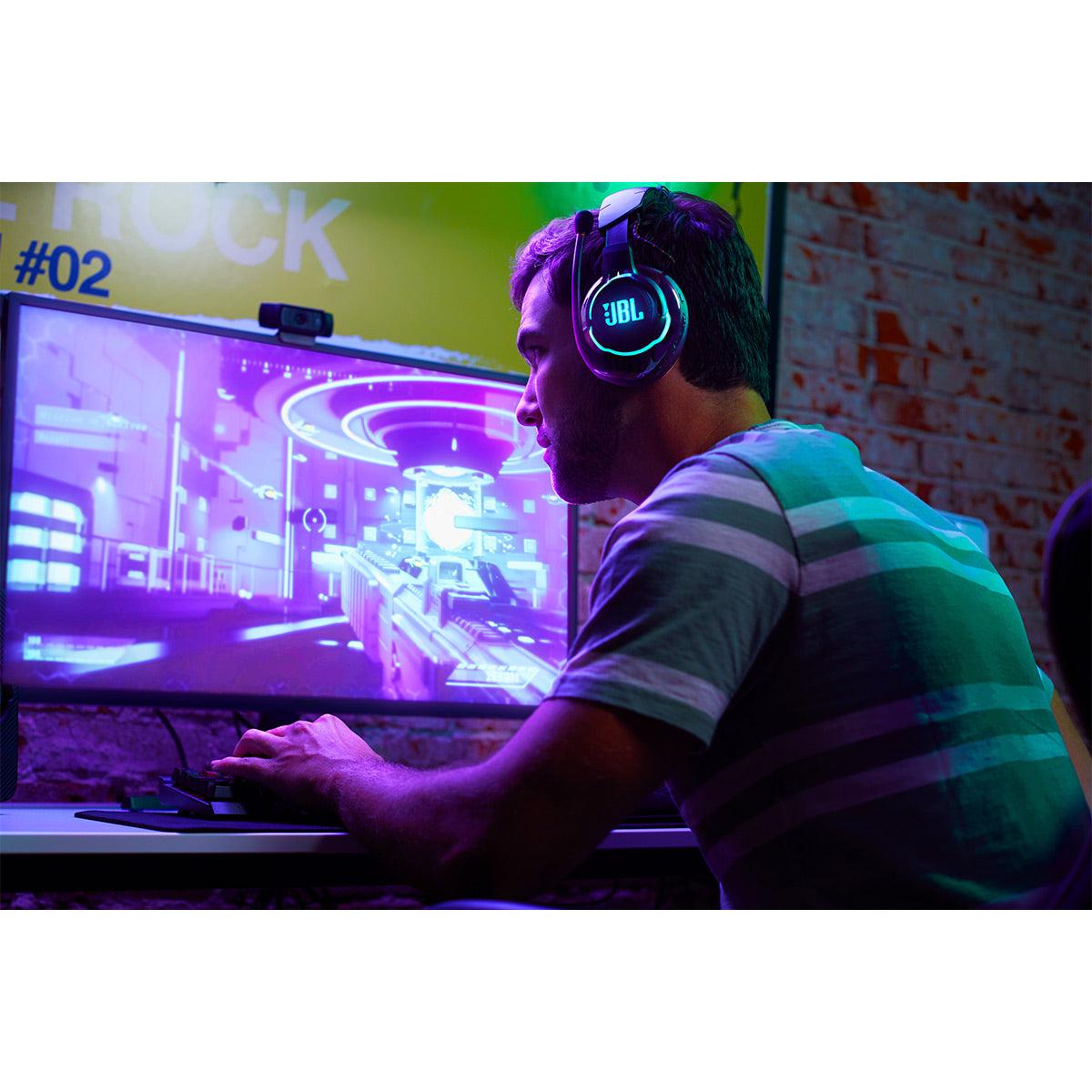
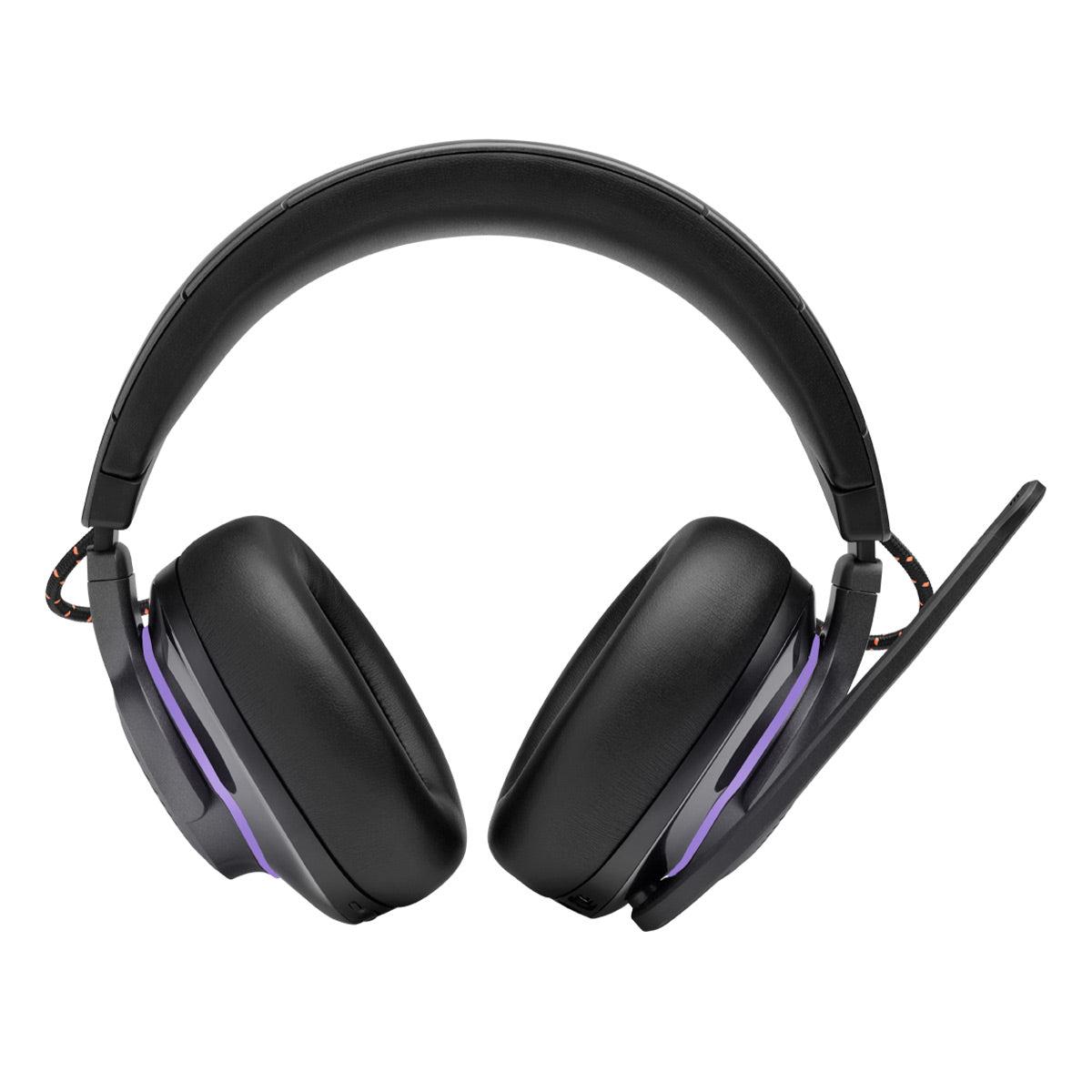
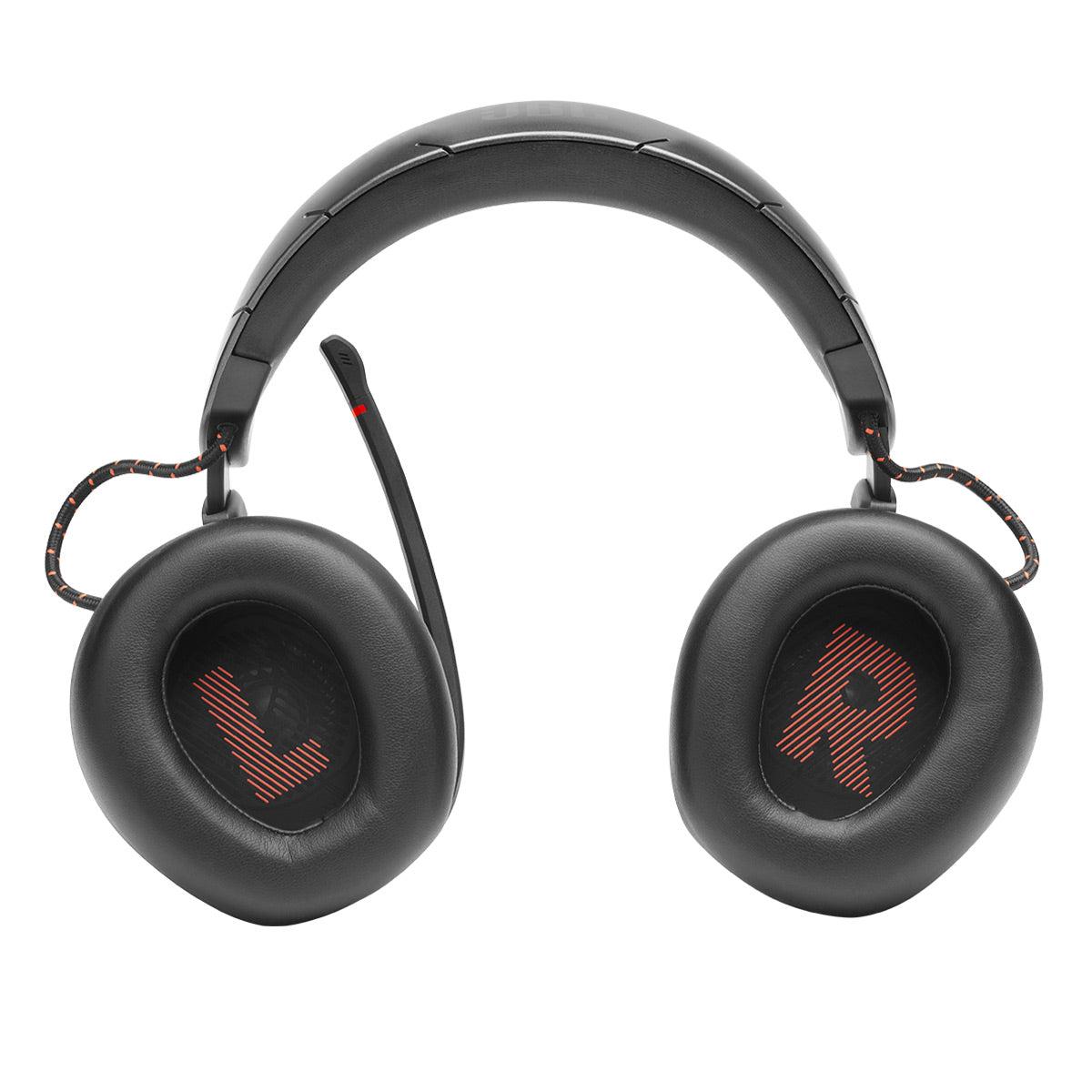
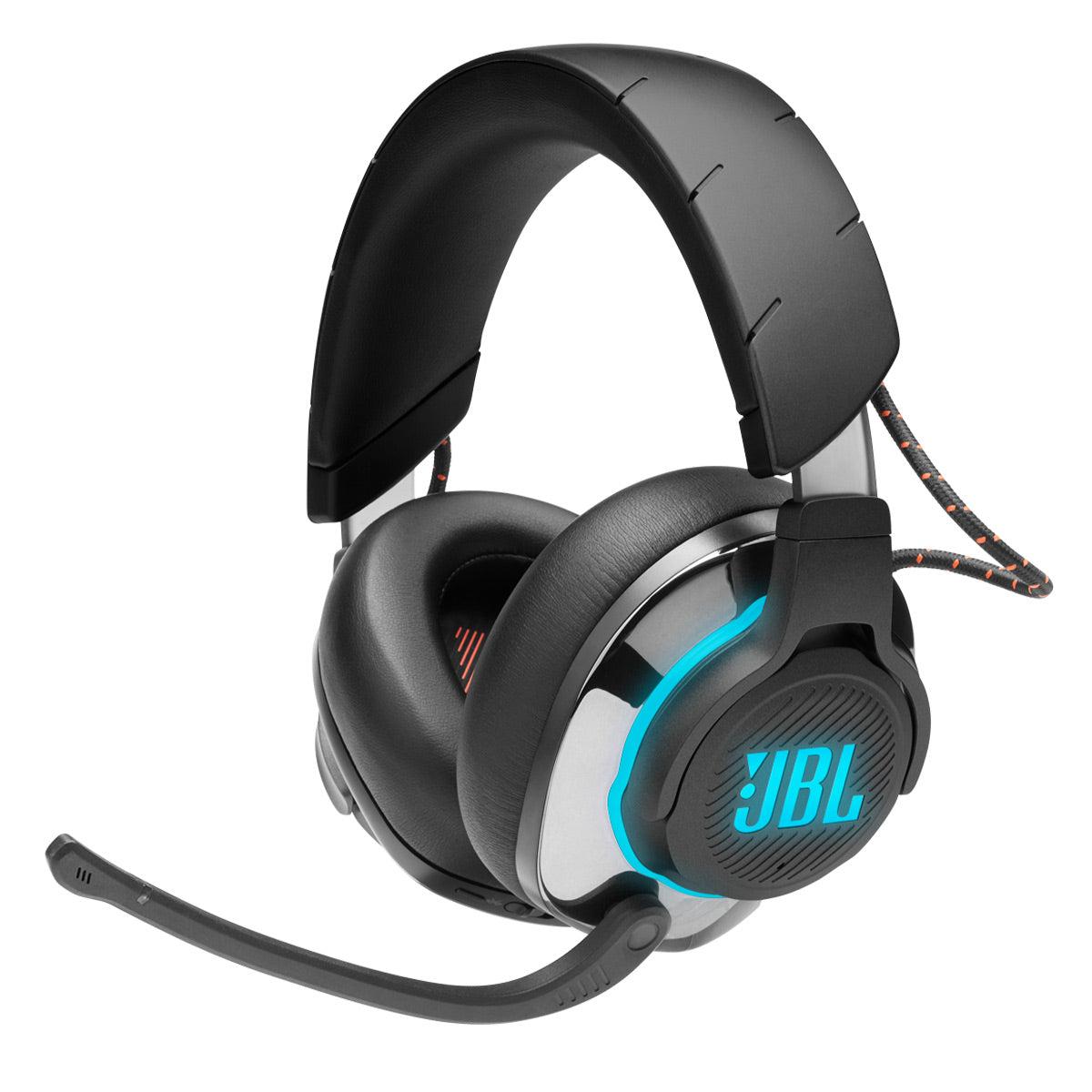
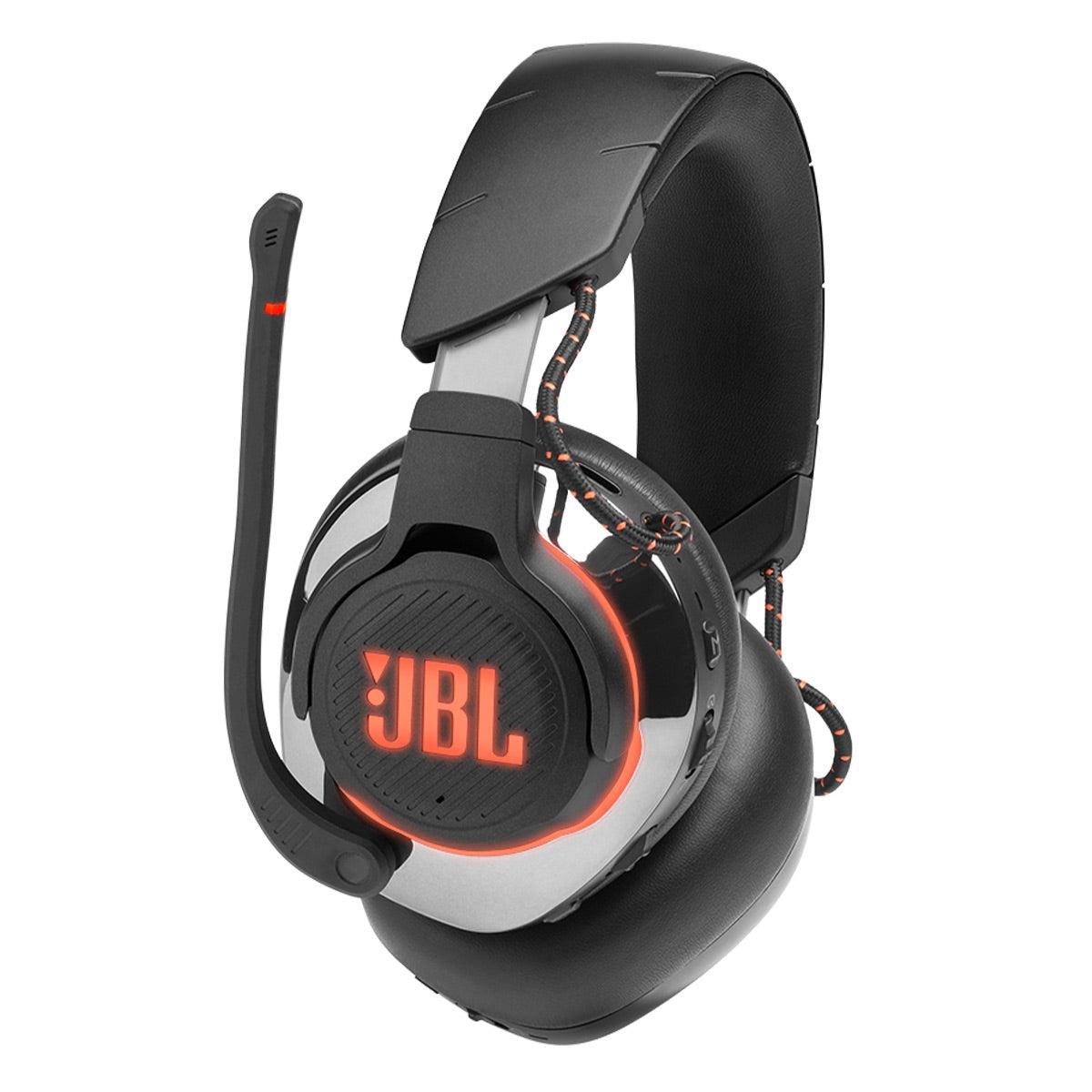
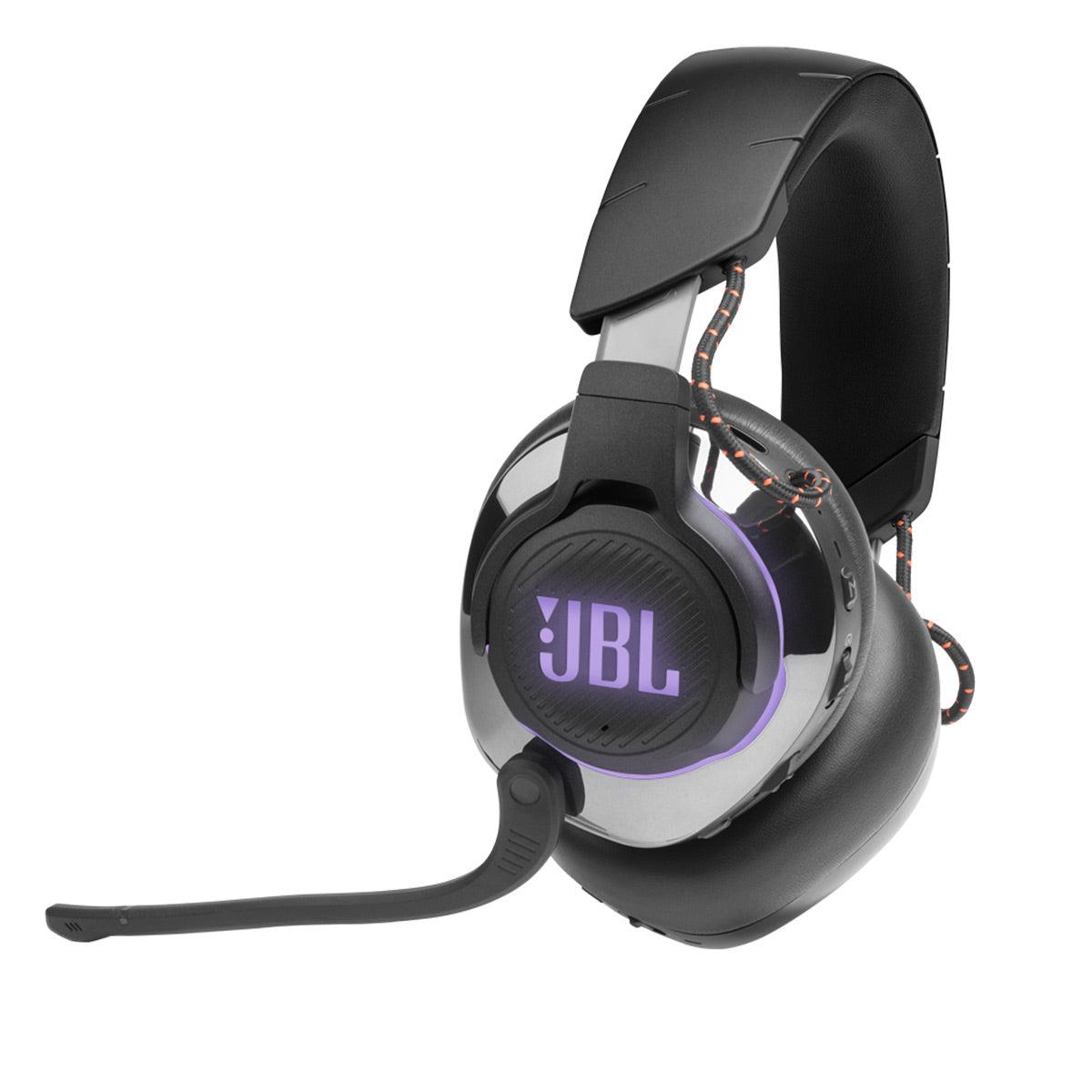
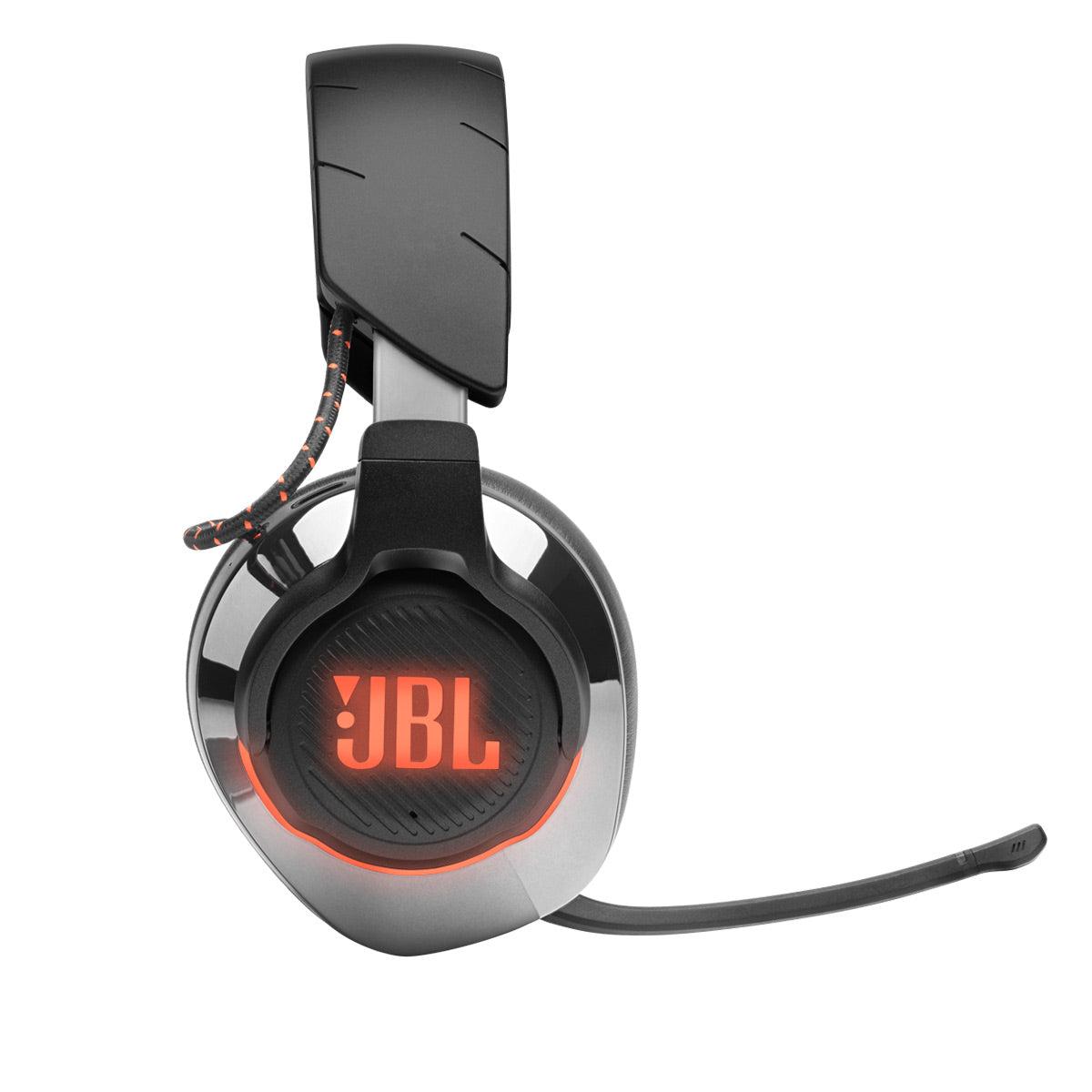
The JBL Quantum 810, released in 2022, represents JBL's serious push into competitive gaming audio. At 410 grams, it's built like a piece of gaming equipment—substantial, feature-rich, and designed for extended gaming sessions at a desk setup. The non-foldable design reflects its intended use as a dedicated gaming station component rather than something you'd throw in a backpack.
The standout design element is the directional boom microphone, which uses beamforming technology (multiple microphones working together to focus on your voice while reducing background noise). This isn't just a cosmetic choice—boom microphones consistently outperform built-in alternatives for voice clarity because they position the microphone closer to your mouth and away from speaker drivers that could cause feedback.
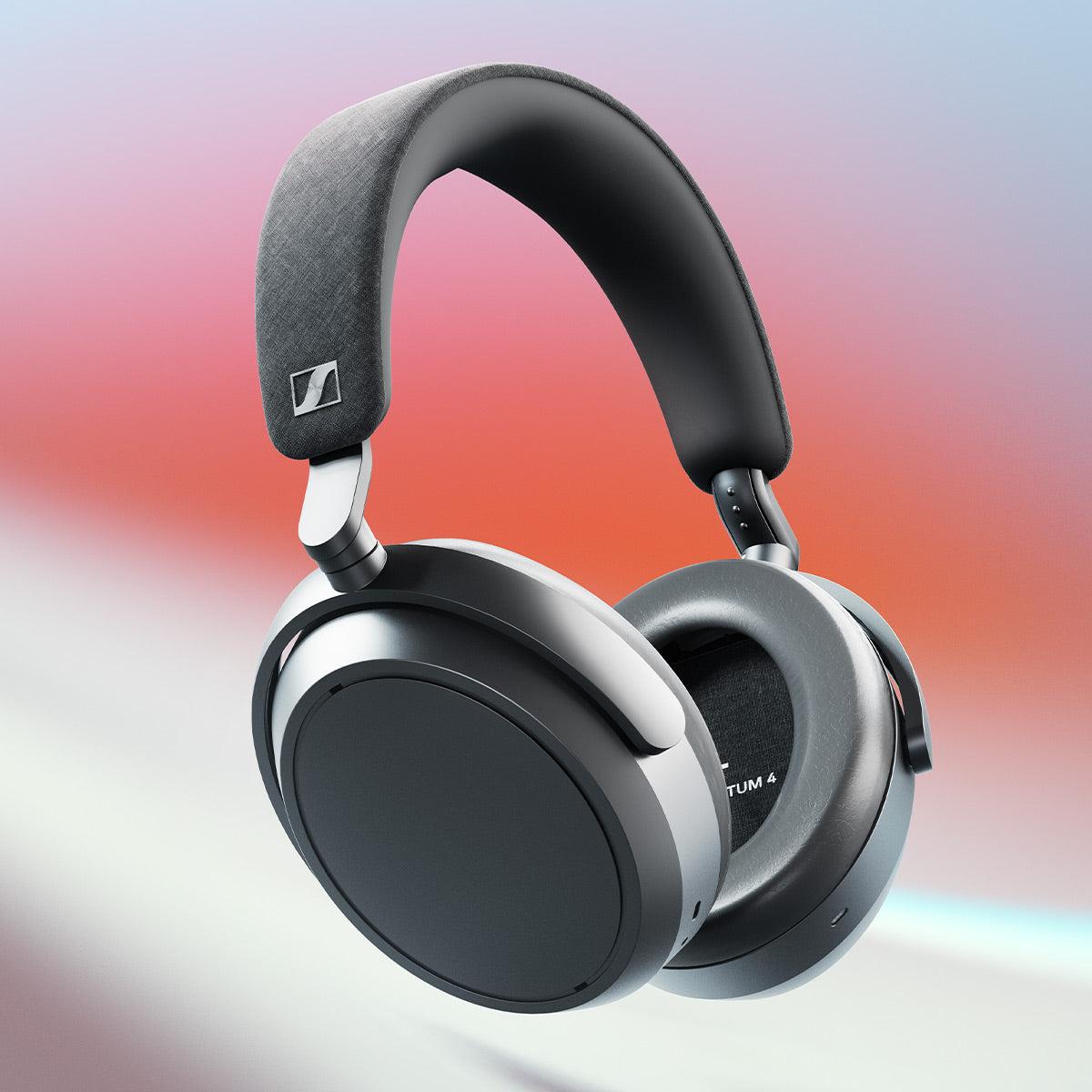
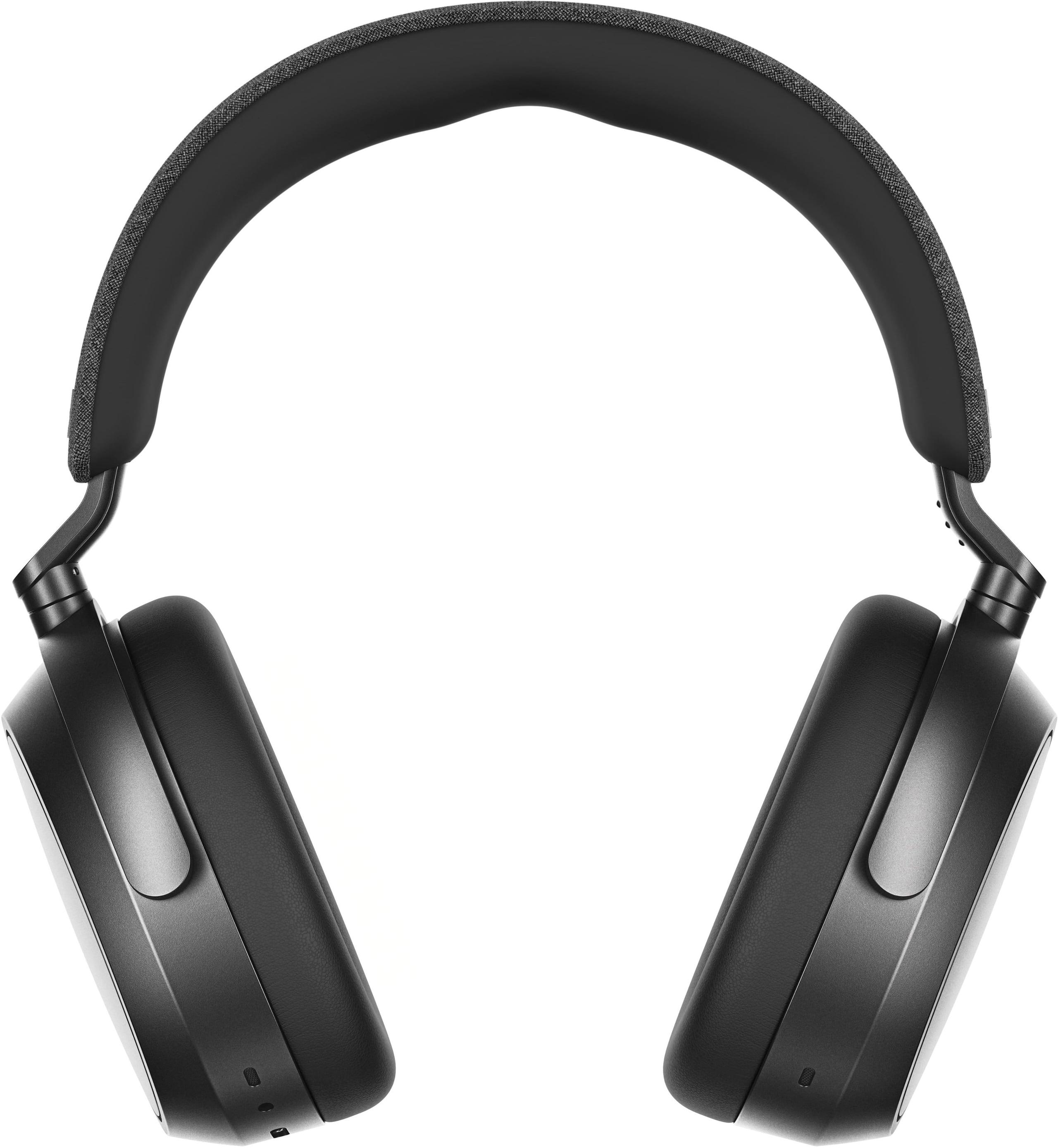
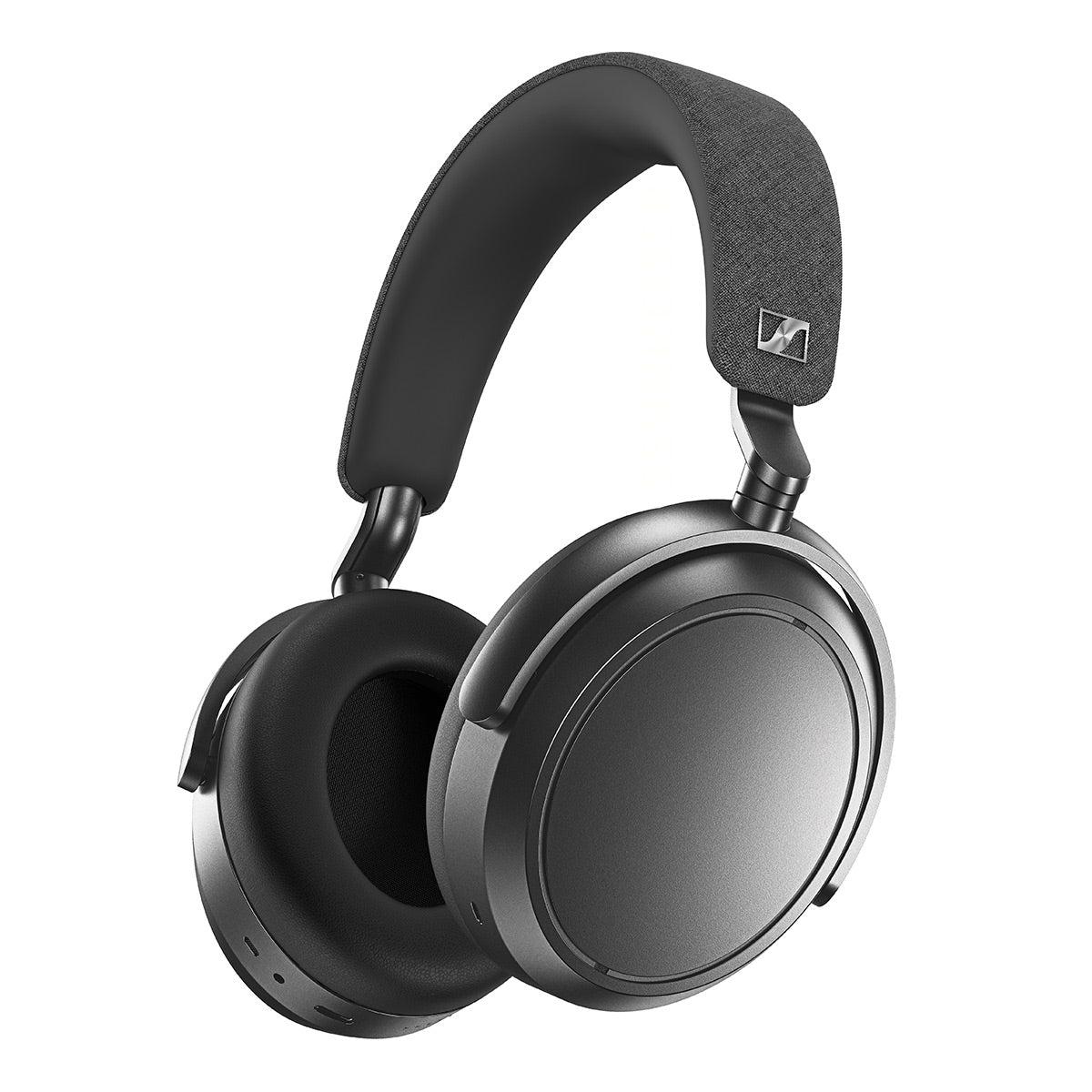
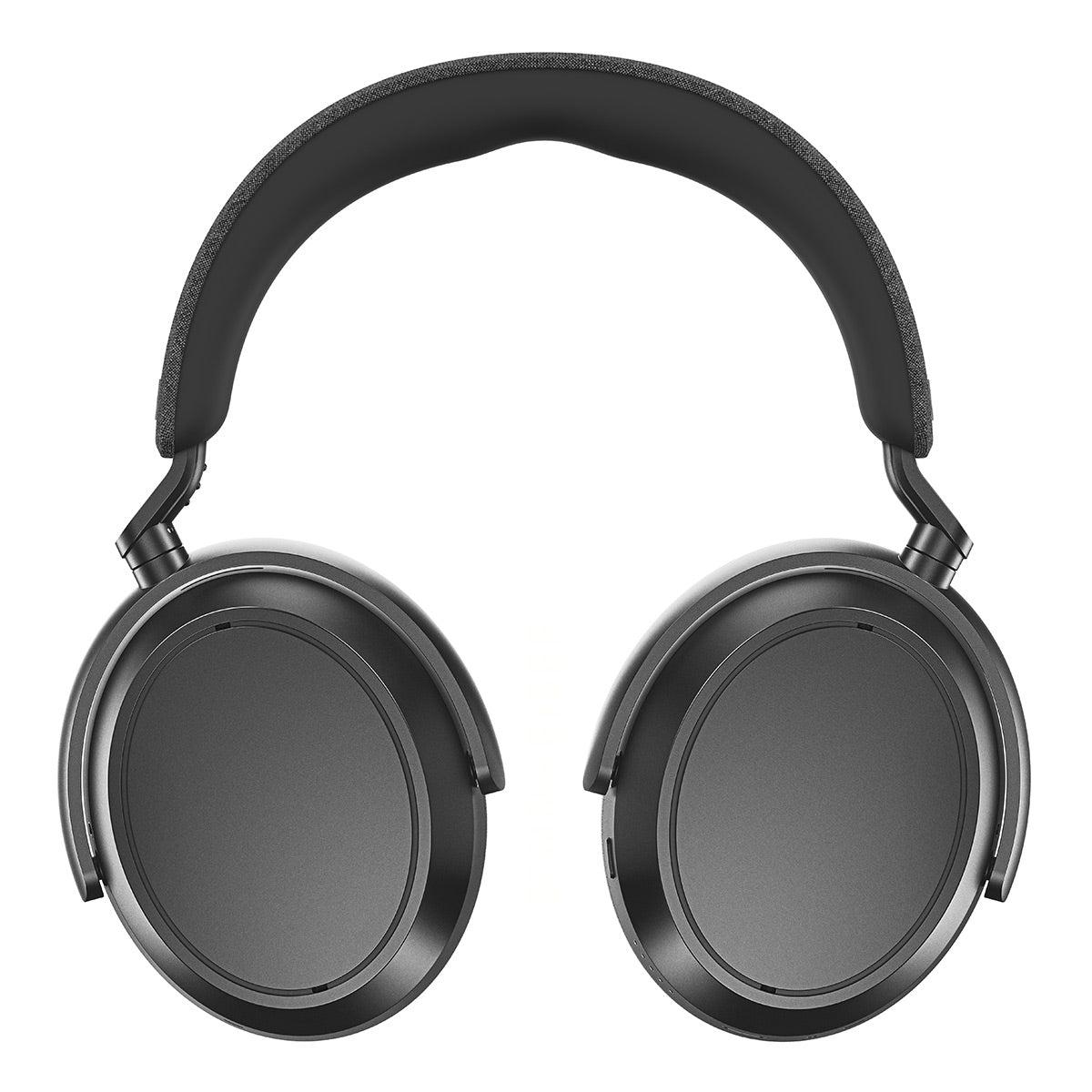
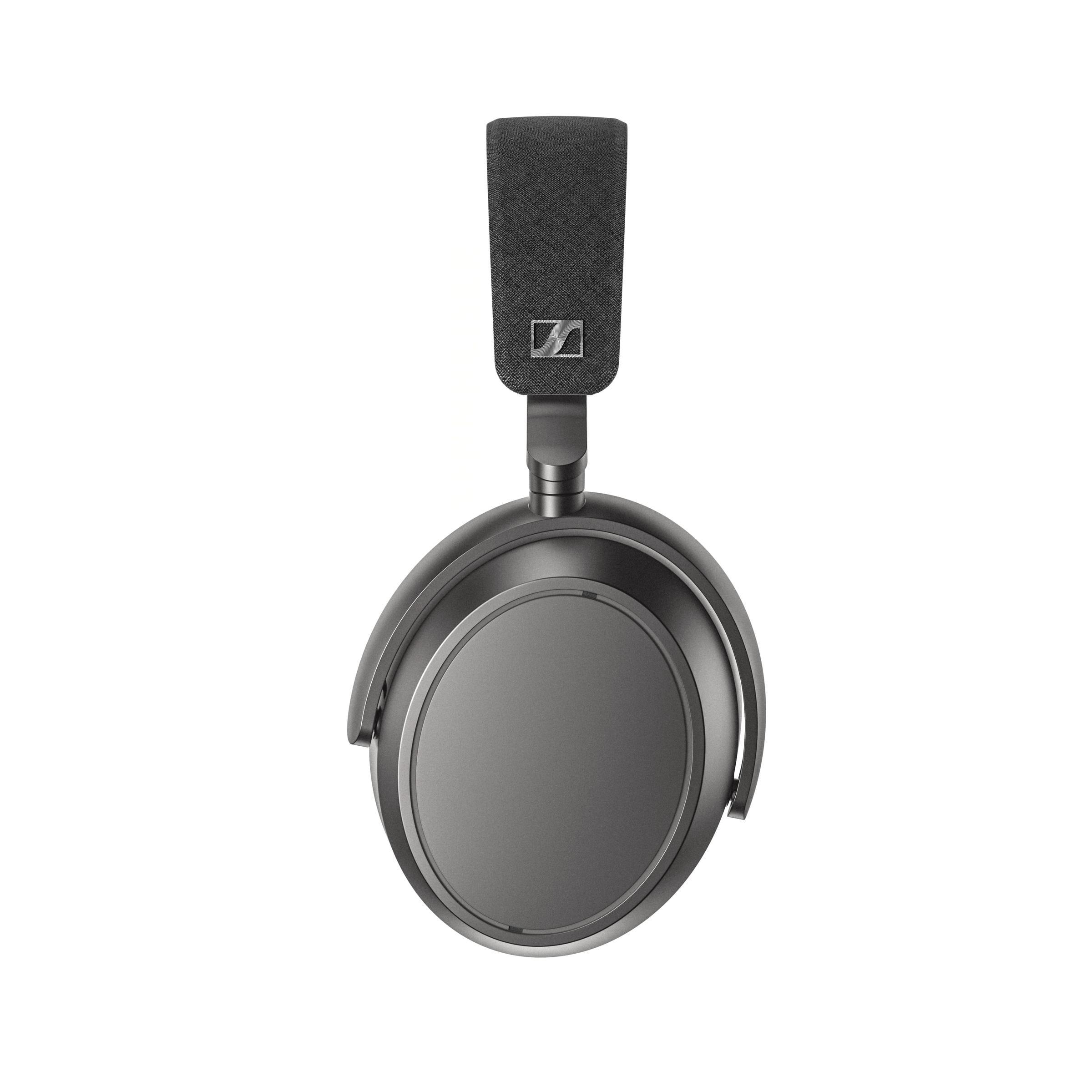
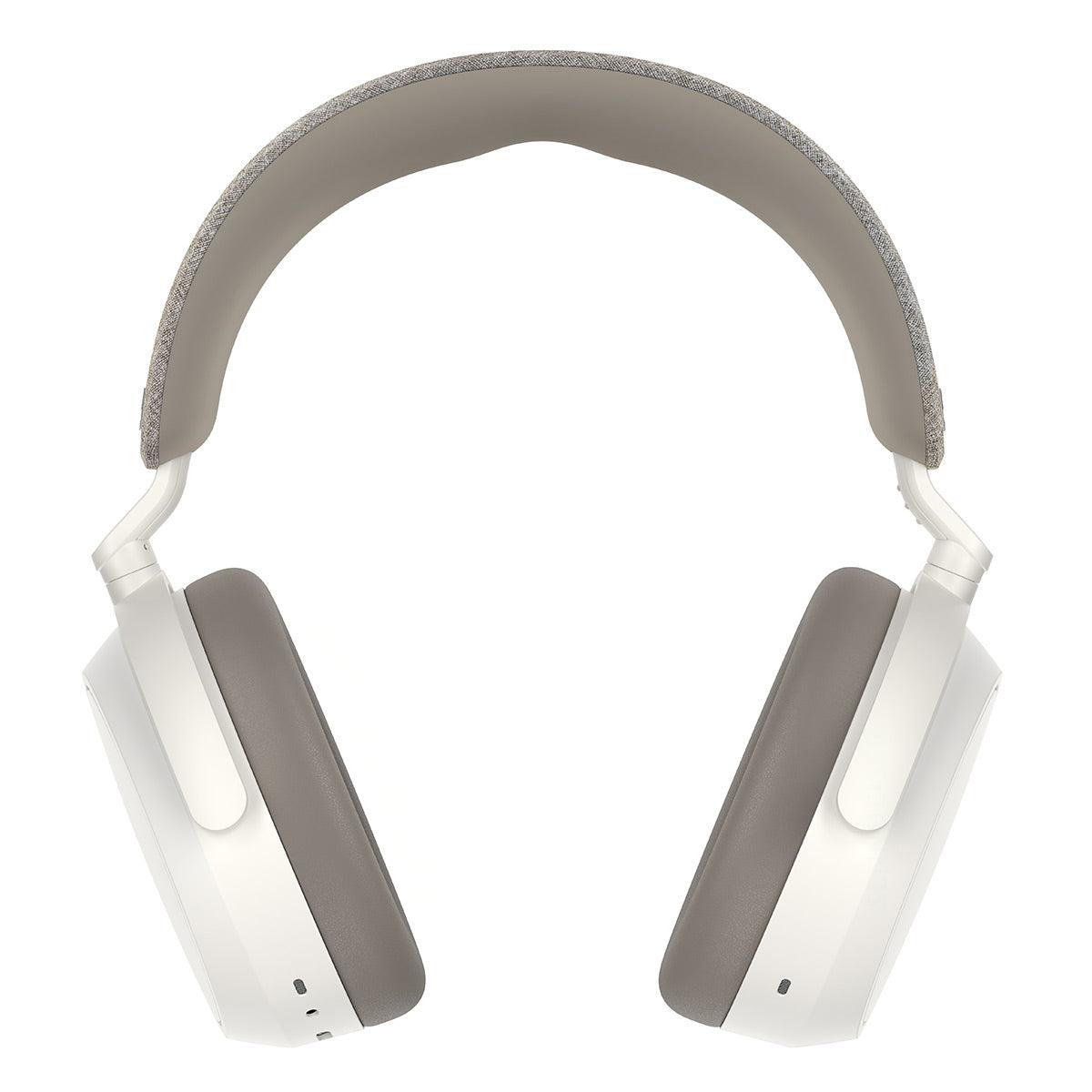
In contrast, the Sennheiser Momentum 4, also from 2022, weighs just 293 grams and folds completely flat. This represents a significant redesign from earlier Momentum models, trading the series' distinctive retro aesthetic for improved portability and longer battery life. The premium fabric details and streamlined design signal its positioning as lifestyle audio equipment that happens to sound exceptional.
The weight difference alone tells the story—the Sennheiser Momentum 4 prioritizes comfort for all-day wear across various activities, while the JBL Quantum 810 focuses on feature density for gaming performance.
Audio quality represents the most fundamental difference between these products, and understanding their approaches requires examining both the technical specifications and real-world performance characteristics.
The JBL Quantum 810 uses 50mm dynamic drivers—larger than most headphones in this category. Driver size isn't everything, but larger drivers typically move more air and can produce more impactful bass response. More importantly, JBL has tuned these drivers specifically for gaming audio. This means emphasizing frequency ranges where important gaming audio cues occur, such as footsteps, weapon reloads, and directional sound effects.
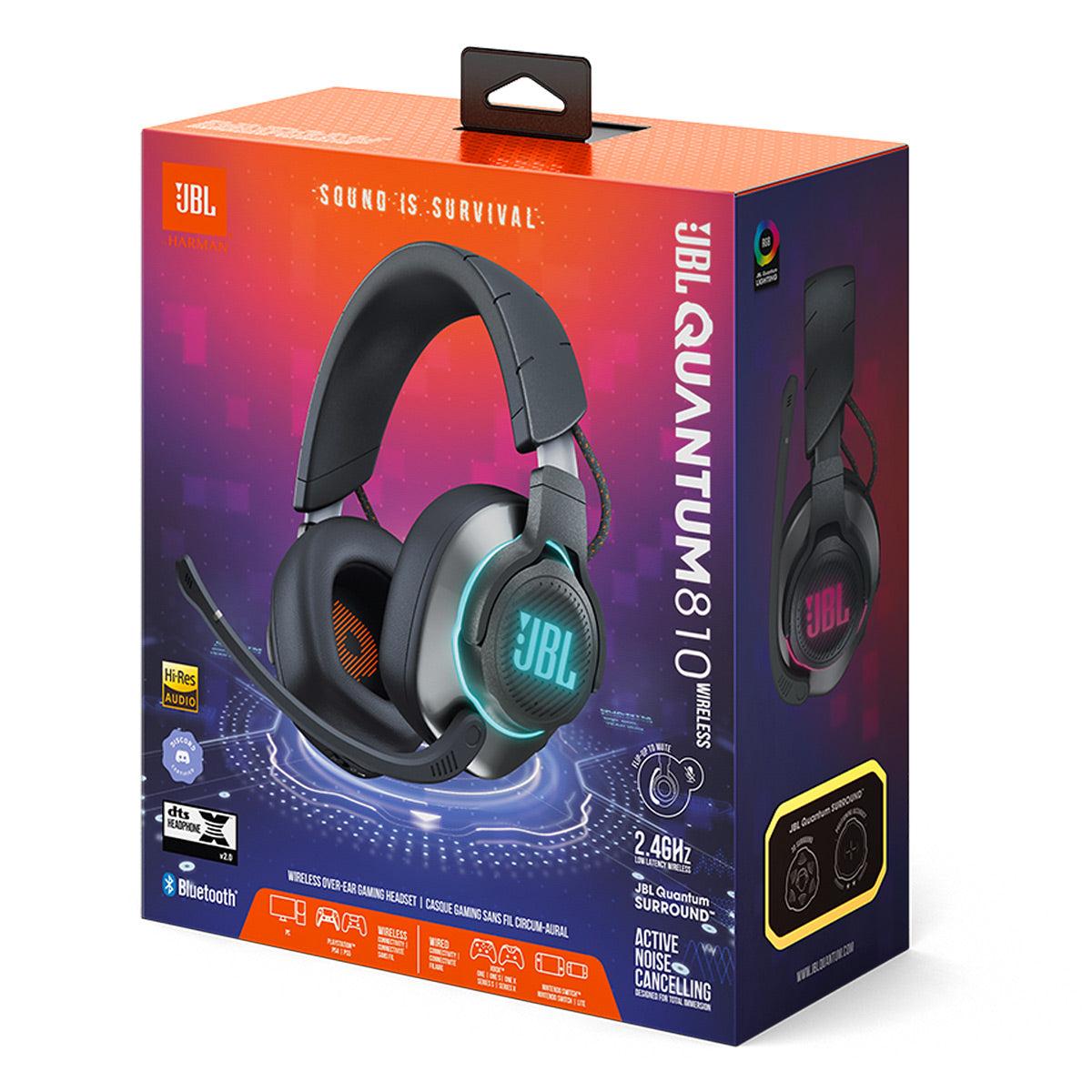
The gaming-specific audio processing is where the JBL Quantum 810 really differentiates itself. DTS Headphone:X v2.0 is a surround sound virtualization technology that takes multi-channel game audio and processes it to create the illusion of speakers positioned around your head. This spatial processing helps competitive gamers pinpoint the direction and distance of in-game sounds with remarkable precision.
JBL's QuantumSURROUND adds another layer of spatial audio processing specifically designed for gaming scenarios. Think of it as an audio enhancement that makes distant sounds more audible while maintaining the directional information you need for competitive advantage. The combination creates an almost unfair advantage in games where audio positioning matters.
The Sennheiser Momentum 4 takes the opposite approach with its 42mm drivers. Despite being smaller, these drivers are engineered for accuracy across the entire frequency spectrum. Sennheiser's driver technology focuses on minimizing distortion and maximizing detail retrieval—qualities that matter more for music reproduction than gaming-specific spatial tricks.
What makes the Sennheiser Momentum 4 special is its frequency response range of 6 Hz to 22 kHz, which extends well beyond human hearing in both directions. This extended range isn't about hearing sounds outside human capability—it's about reducing distortion within the audible range. When drivers can reproduce frequencies beyond what you hear, they typically perform better within the frequencies you actually perceive.
The Hi-Res Audio certification on the Sennheiser Momentum 4 indicates it can reproduce audio files with higher bit rates and sample rates than standard CD quality. This matters if you stream high-quality music services or have a collection of lossless audio files, though the difference is subtle with most content.
Based on extensive user feedback and professional reviews, the Sennheiser Momentum 4 delivers superior performance for music listening, with exceptional detail retrieval and natural tonal balance. Users consistently report being able to identify specific instrument positions within orchestral recordings and distinguish subtle differences between similar instruments.
The JBL Quantum 810 excels in its intended gaming environment, where its spatial audio processing and gaming-tuned frequency response provide clear competitive advantages. However, for music listening, many users find the gaming-optimized tuning less natural than traditional audiophile tunings.
Both headphones include active noise cancellation (ANC), but their implementations reflect their different priorities. ANC works by using external microphones to detect ambient noise, then generating inverse sound waves to cancel out unwanted sounds. The effectiveness depends on both the hardware implementation and the software algorithms.
The JBL Quantum 810 implements gaming-optimized ANC, which sounds like marketing speak but represents a genuine technical consideration. Gaming ANC needs to reduce distracting ambient noise while preserving important audio cues within games. This means being less aggressive about canceling certain frequency ranges where game audio typically occurs.
The TalkThru feature on the JBL Quantum 810 demonstrates this philosophy—it allows environmental sounds to pass through when needed, which is crucial for gaming scenarios where you might need to hear someone calling your name or respond to real-world situations quickly.
The Sennheiser Momentum 4 uses Adaptive Hybrid ANC, which represents more sophisticated noise cancellation technology. The "adaptive" element means the system continuously adjusts its cancellation profile based on your environment, providing optimal noise reduction across different scenarios like airplane cabins, busy streets, or quiet offices.
User reports consistently indicate that the Sennheiser Momentum 4 provides superior noise cancellation overall, though neither headphone reaches the class-leading levels of specialized ANC models like Sony's WH-1000XM series. The Sennheiser Momentum 4's Transparency Mode allows controlled ambient sound through for situational awareness, similar to the JBL's TalkThru but with more granular control.
For gaming environments, the JBL Quantum 810's gaming-optimized ANC actually provides better performance because it doesn't interfere with game audio cues. For travel, commuting, or general noise reduction, the Sennheiser Momentum 4 offers superior isolation from unwanted sounds.
Battery performance represents one of the most significant practical differences between these headphones. The JBL Quantum 810 delivers up to 43 hours of playback with RGB lighting disabled, which is impressive for a gaming headset with this feature set. The 3.5-hour charging time is reasonable, and the play-and-charge capability means you never have to interrupt gaming sessions for power.
The Sennheiser Momentum 4 offers up to 60 hours of playback—a genuinely exceptional performance that rivals the longest-lasting headphones available at any price point. The 2-hour charging time is faster than the JBL, and the quick-charge feature providing 4 hours of playback from a 5-minute charge makes these headphones practically immune to battery anxiety.
This battery life difference matters more than the numbers suggest. The Sennheiser Momentum 4's extended battery life makes them genuinely suitable for extended travel, week-long trips, or users who simply don't want to think about charging frequently. The JBL Quantum 810's battery life is excellent for gaming scenarios but requires more frequent attention for users who wear headphones throughout their daily activities.
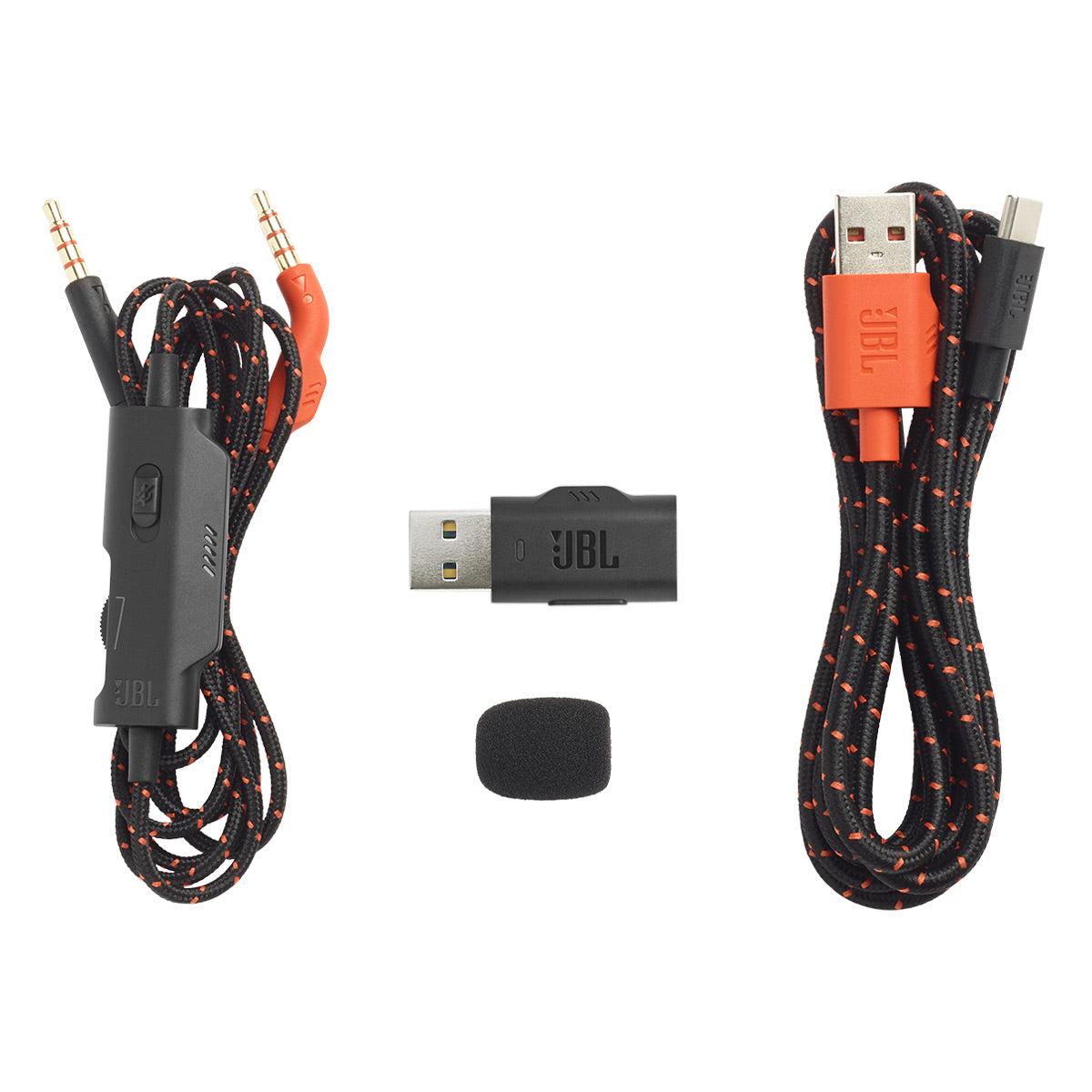
Both headphones use USB-C charging, which is convenient for users with modern devices. The Sennheiser Momentum 4 adds USB-C digital audio capability, allowing it to function as a USB DAC (digital-to-analog converter) when connected to compatible devices. This feature can improve audio quality when connected to computers or other devices with digital audio output.
Wireless performance and codec support reveal another area where these headphones target different users. Both use Bluetooth 5.2, which provides stable connections and improved battery efficiency compared to older Bluetooth versions, but their codec support differs significantly.
The JBL Quantum 810 offers dual wireless connectivity through both 2.4GHz RF (via USB dongle) and Bluetooth 5.2. The 2.4GHz RF connection provides lower latency than Bluetooth, which matters for competitive gaming where even small audio delays can affect performance. This dual approach allows simultaneous connection to a gaming PC via RF and a mobile device via Bluetooth—useful for taking calls or listening to music while gaming.
However, the JBL Quantum 810 provides limited codec support compared to audiophile-focused alternatives. Gaming headsets typically prioritize low latency over audio quality, so they often skip advanced audio codecs that might introduce processing delays.
The Sennheiser Momentum 4 supports comprehensive codec options including SBC (the basic Bluetooth codec), AAC (preferred by Apple devices), aptX (higher quality than SBC), and aptX Adaptive (which dynamically adjusts quality based on connection stability). This codec variety ensures optimal audio quality regardless of your source device.
The multipoint Bluetooth capability on the Sennheiser Momentum 4 allows connection to two devices simultaneously, switching automatically between them as needed. This feature excels for users who need to seamlessly transition between work calls, music streaming, and other activities throughout their day.
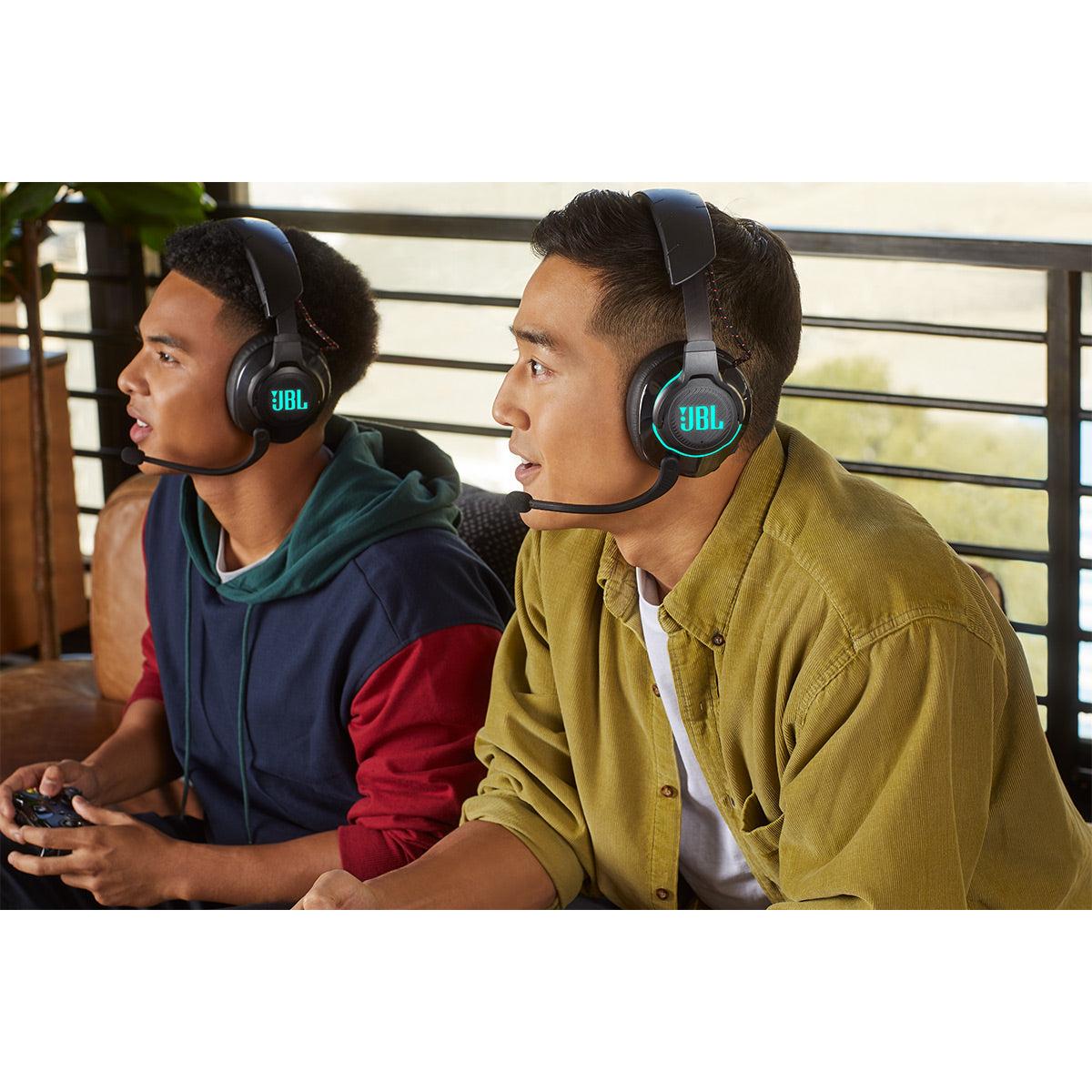
Gaming performance represents the JBL Quantum 810's primary strength and where its specialized design pays dividends. The QuantumENGINE software (PC only) provides extensive customization options including EQ profiles optimized for specific game genres, RGB lighting control, and microphone settings adjustment.
The Discord certification on the JBL Quantum 810 isn't just marketing—it indicates the headset has been tested and optimized for Discord's voice communication platform, ensuring reliable performance for team gaming scenarios. The game/chat balance dial allows real-time adjustment of voice chat volume relative to game audio without accessing software menus.
The boom microphone design provides consistently superior voice quality compared to built-in alternatives. Professional streamers and competitive gamers almost universally prefer boom microphones because they offer better background noise rejection and clearer voice pickup. The flip-to-mute feature provides instant muting capability that's both intuitive and reliable.
While the Sennheiser Momentum 4 can certainly handle gaming audio, it lacks gaming-specific optimizations. Its superior overall audio quality does benefit gaming experiences, particularly for single-player games with rich soundtracks or atmospheric audio design. However, competitive gamers will miss the spatial audio processing and communication features that make dedicated gaming headsets valuable.
For home theater gaming, both headphones offer distinct advantages. The JBL Quantum 810 excels with action games and competitive multiplayer titles where its spatial audio processing enhances immersion and competitive performance. The Sennheiser Momentum 4 provides superior performance for story-driven games with complex soundtracks, offering detail and dynamics that enhance the cinematic experience.
Extended comfort becomes crucial for headphones in both categories, though the wearing scenarios differ significantly. The JBL Quantum 810 uses memory foam ear cushions with leather wrapping, designed for long gaming sessions where users remain relatively stationary. The 410-gram weight is well-distributed, and the clamping force is calibrated for gaming scenarios where head movement is minimal.
The Sennheiser Momentum 4 prioritizes comfort across diverse activities with its lighter 293-gram design and premium materials. The padded headband distributes weight effectively, and the deep cushioned earpads accommodate extended wear during travel or daily activities. The fold-flat design isn't just about portability—it also indicates robust hinge construction that maintains comfort over time.
Build quality represents a philosophical difference. The JBL Quantum 810 uses materials and construction methods appropriate for gaming equipment—durable enough for daily gaming use but not necessarily premium feeling. The RGB lighting adds visual appeal but also represents additional complexity that could affect long-term reliability.
The Sennheiser Momentum 4 employs premium materials throughout, with fabric details and construction quality that reflects its positioning as lifestyle audio equipment. The 2-year warranty (compared to the JBL's 1-year coverage) suggests manufacturer confidence in long-term durability.
Assessing value requires understanding what each product delivers for its price point. At the time of writing, the JBL Quantum 810 costs significantly less while providing extensive gaming-specific features. For users who primarily game and value specialized gaming audio features, this represents exceptional value.
The Sennheiser Momentum 4 costs more but delivers superior overall audio quality, longer battery life, premium build quality, and greater versatility. For users who need headphones for diverse activities including music listening, travel, and general daily use, the premium often proves worthwhile.
The value calculation changes based on usage patterns. Heavy gamers who spend most of their headphone time in competitive gaming scenarios will find the JBL Quantum 810's specialized features worth far more than the price difference. Users who listen to music regularly, travel frequently, or use headphones throughout their daily activities will likely find the Sennheiser Momentum 4's superior overall performance justifies its higher cost.
The decision between the JBL Quantum 810 and Sennheiser Momentum 4 ultimately depends on honest assessment of your primary use cases and priorities.
Choose the JBL Quantum 810 if you spend the majority of your headphone time gaming, particularly competitive gaming where spatial audio and communication quality provide tangible advantages. The specialized gaming features, boom microphone, and gaming-optimized audio processing offer genuine benefits that general-purpose headphones can't match. The lower price makes it especially attractive for dedicated gaming setups.
Choose the Sennheiser Momentum 4 if you need headphones for diverse activities including music listening, travel, work calls, and casual gaming. The superior audio quality, exceptional battery life, premium build quality, and comprehensive codec support provide better overall value for users who don't prioritize gaming-specific features above all else.
For home theater use, the Sennheiser Momentum 4 generally provides a more satisfying experience with movies and TV shows due to its superior overall audio quality and dynamic range. However, the JBL Quantum 810 excels with gaming content and action movies where its spatial audio processing enhances immersion.
The price difference, while significant, represents excellent value either way. The JBL Quantum 810 offers more gaming-focused features per dollar than virtually any competitor, while the Sennheiser Momentum 4 provides audio quality that rivals much more expensive audiophile headphones.
Consider your usage patterns honestly: if gaming represents more than 70% of your headphone time, the specialized features of the JBL Quantum 810 will provide better practical value. If you use headphones throughout your day for various activities, the versatility and superior overall performance of the Sennheiser Momentum 4 justifies its premium pricing.
Both represent excellent choices within their respective categories, and either will provide years of satisfying audio performance when matched to appropriate use cases and user priorities.
| JBL Quantum 810 Wireless Gaming Headset | Sennheiser Momentum 4 Wireless Headphones |
|---|---|
| Driver Size - Larger drivers typically produce more impactful bass and louder volume | |
| 50mm dynamic drivers | 42mm dynamic drivers |
| Frequency Response - Wider range captures more audio detail, especially for music | |
| 20 Hz – 40 kHz (passive mode) | 6 Hz – 22 kHz (Hi-Res Audio certified) |
| Weight - Lighter headphones are more comfortable for extended wear and portability | |
| 418g (gaming-focused build) | 293g (travel-optimized design) |
| Battery Life - Longer life means less charging interruptions | |
| Up to 43 hours (RGB off) | Up to 60 hours (industry-leading performance) |
| Charging Time - Faster charging reduces downtime | |
| 3.5 hours full charge | 2 hours full charge, 5-min quick charge = 4 hours |
| Microphone Type - Boom mics provide clearer voice pickup for gaming and calls | |
| Detachable boom microphone with flip-to-mute | Built-in 4-microphone beamforming array |
| Noise Cancellation - Better ANC improves focus and audio clarity | |
| Gaming-optimized ANC with TalkThru | Adaptive Hybrid ANC with Transparency Mode |
| Wireless Connectivity - Multiple options provide better device compatibility | |
| 2.4GHz RF + Bluetooth 5.2 (dual wireless) | Bluetooth 5.2 with multipoint pairing |
| Audio Codecs - Higher quality codecs improve wireless sound quality | |
| Limited codec support (gaming-focused) | SBC, AAC, aptX, aptX Adaptive (comprehensive) |
| Gaming Features - Specialized features enhance competitive gaming performance | |
| DTS Headphone:X 2.0, QuantumSURROUND, Discord certification, RGB lighting | None (general-purpose design) |
| Portability - Foldable design and included case improve travel convenience | |
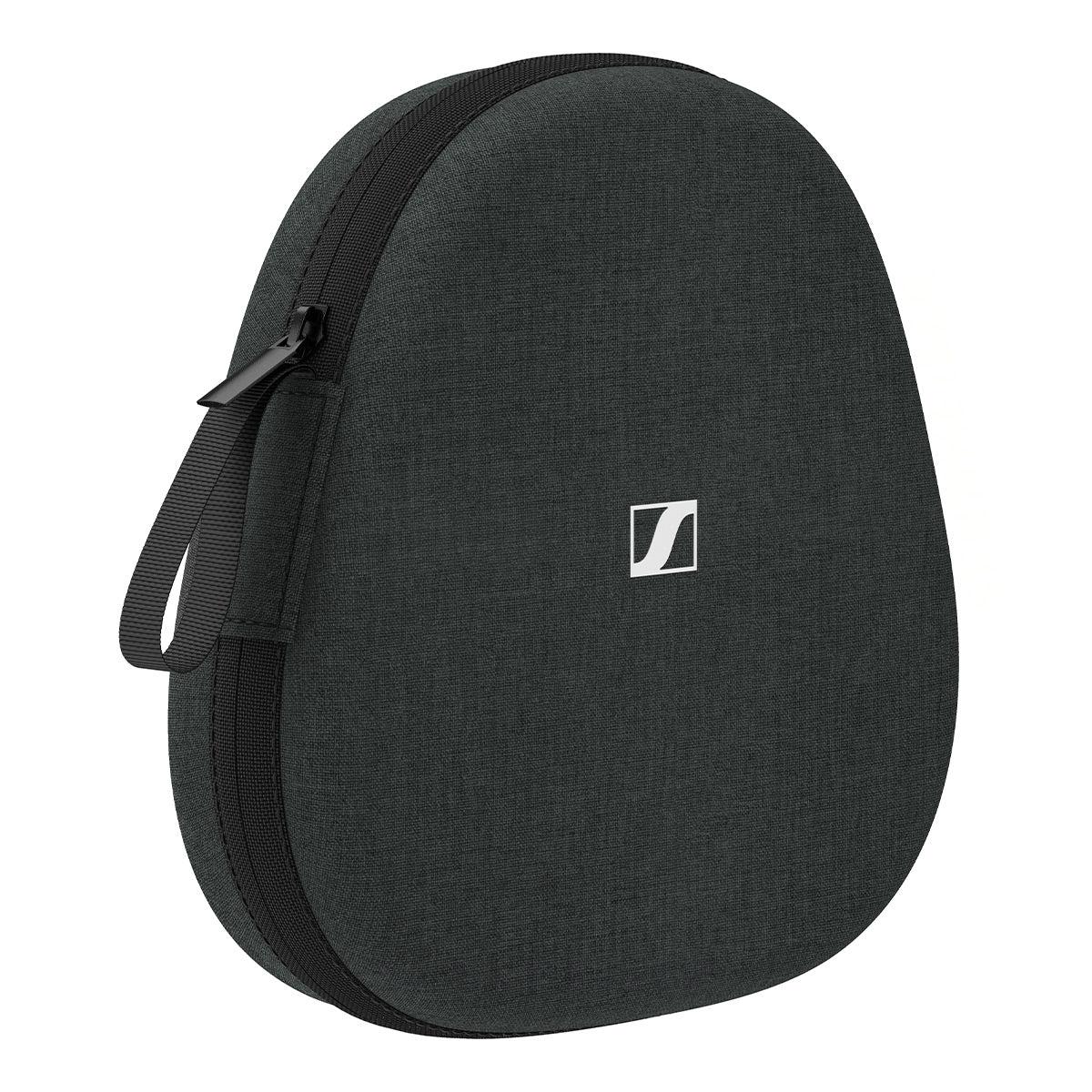
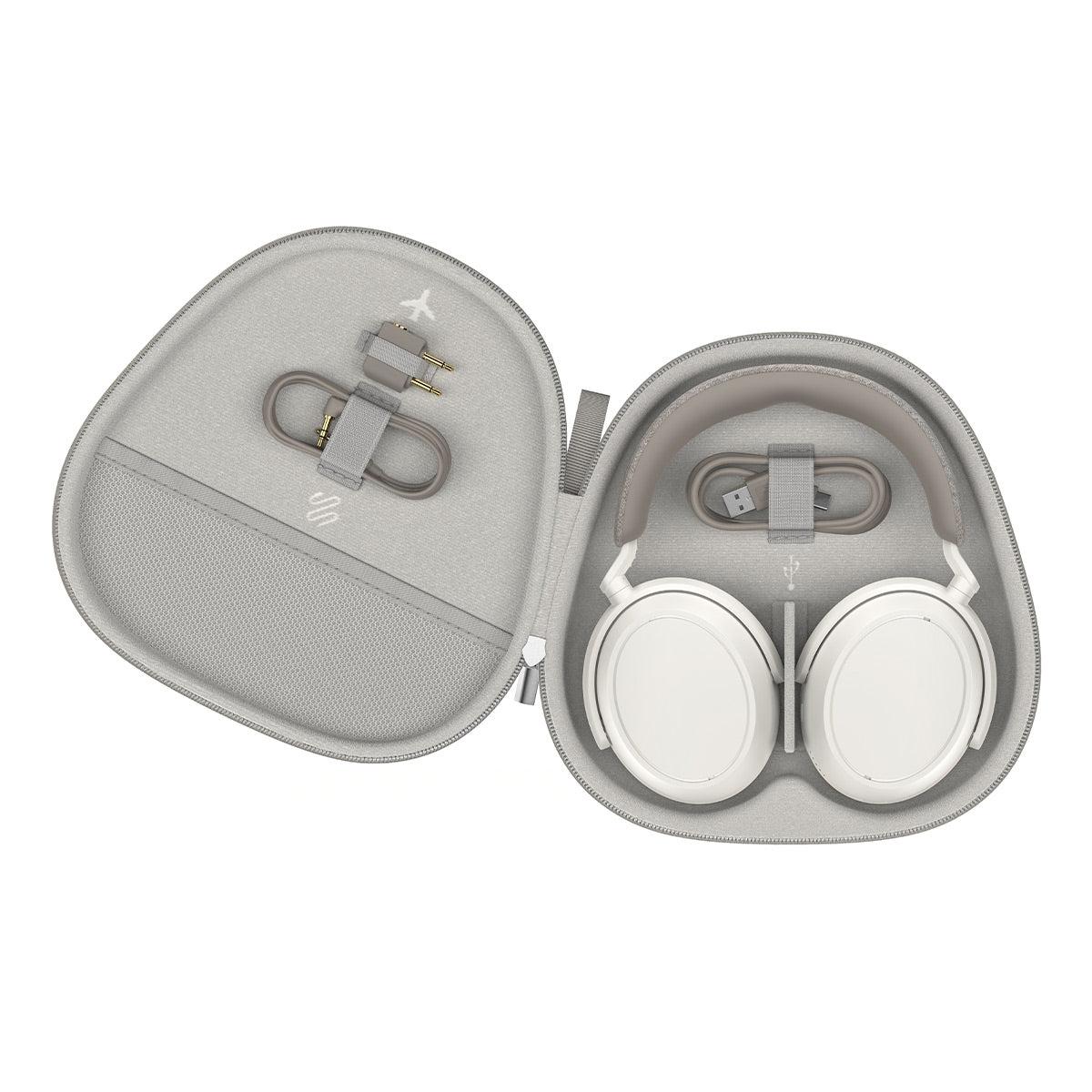
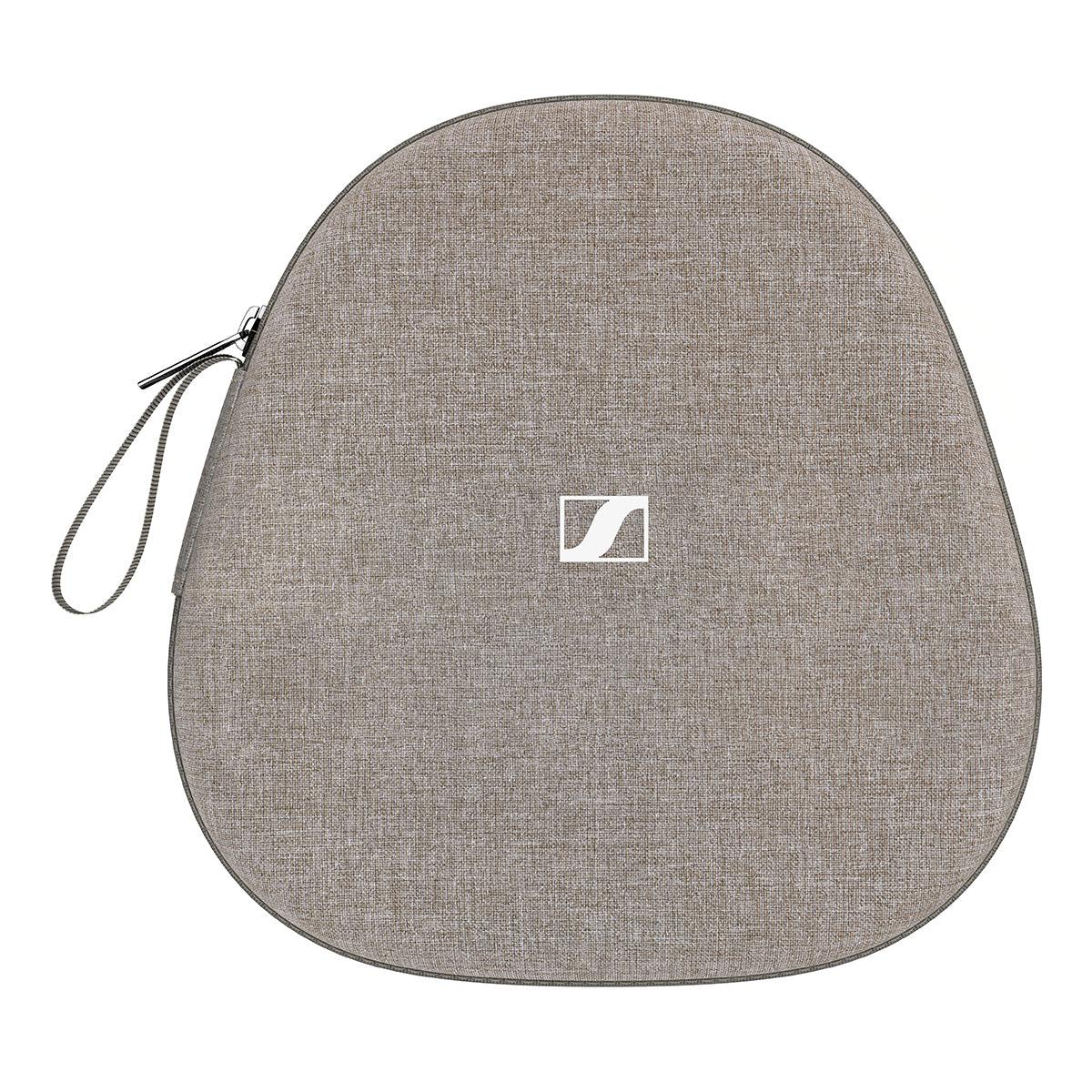
| Non-foldable, no carry case | Fold-flat design with hard carrying case |
| Platform Compatibility - Broader support means more versatile usage | |
| PC (full features), PlayStation, Xbox, Nintendo Switch | Universal compatibility across all devices |
| Hi-Res Audio Certification - Ensures capability for high-quality music files | |
| Not certified | Hi-Res Audio certified |
| Warranty Coverage - Longer warranty indicates manufacturer confidence | |
| 1 year standard warranty | 2 years manufacturer warranty |
The JBL Quantum 810 is specifically designed for gaming with features like DTS Headphone:X 2.0 surround sound, gaming-optimized active noise cancellation, and a dedicated boom microphone. It includes Discord certification and game/chat audio balance controls. The Sennheiser Momentum 4 can handle gaming but lacks specialized gaming features, making the JBL Quantum 810 the clear winner for dedicated gamers.
The Sennheiser Momentum 4 delivers superior music quality with Hi-Res Audio certification, wider codec support (aptX, aptX Adaptive), and audiophile-tuned drivers optimized for natural sound reproduction. While the JBL Quantum 810 has larger 50mm drivers, its gaming-focused tuning makes the Sennheiser Momentum 4 better for music enthusiasts.
The Sennheiser Momentum 4 offers exceptional 60-hour battery life, significantly outperforming the JBL Quantum 810's 43 hours. The Sennheiser Momentum 4 also charges faster (2 hours vs 3.5 hours) and includes quick-charge capability providing 4 hours of playback from just 5 minutes of charging.
The Sennheiser Momentum 4 is more comfortable for extended wear, weighing only 293g compared to the JBL Quantum 810's 418g. The Sennheiser Momentum 4 features premium materials and a design optimized for all-day comfort, while the JBL Quantum 810 is built for gaming sessions but may cause fatigue during very long use.
Both handle calls well, but differently. The JBL Quantum 810 features a professional boom microphone with superior voice pickup and noise cancellation, making it excellent for gaming communication and streaming. The Sennheiser Momentum 4 uses a four-microphone beamforming array that's very good for business calls but not quite as specialized as the JBL Quantum 810's boom mic.
The Sennheiser Momentum 4 is far superior for travel with its fold-flat design, included hard carrying case, and lighter weight. The 60-hour battery life also makes it ideal for long trips. The JBL Quantum 810 doesn't fold and lacks a carrying case, making it better suited for stationary gaming setups rather than portable use.
Both offer active noise cancellation, but with different approaches. The Sennheiser Momentum 4 provides superior overall noise cancellation with Adaptive Hybrid ANC technology that adjusts to your environment. The JBL Quantum 810 uses gaming-optimized ANC that reduces ambient noise while preserving important game audio cues, making it more specialized but less effective for general noise reduction.
Value depends on your primary use case. The JBL Quantum 810 offers exceptional value for gamers with specialized features, boom microphone, and gaming audio processing. The Sennheiser Momentum 4 provides better overall value for general users who want superior music quality, longer battery life, and premium build quality across diverse activities.
Both work well for movies but excel in different areas. The Sennheiser Momentum 4 delivers superior performance for films with complex soundtracks due to its detailed audio reproduction and natural sound signature. The JBL Quantum 810 excels with action movies and gaming content where its spatial audio processing enhances immersion and directional effects.
The JBL Quantum 810 offers dual wireless connectivity (2.4GHz RF and Bluetooth) optimized for gaming platforms, with full features available on PC. The Sennheiser Momentum 4 provides broader compatibility with comprehensive codec support (aptX, aptX Adaptive) and multipoint Bluetooth pairing, making it more versatile across different devices and platforms.
The Sennheiser Momentum 4 features premium materials, superior construction quality, and a 2-year warranty indicating manufacturer confidence in durability. The JBL Quantum 810 is well-built for gaming use with durable materials, but includes additional complexity like RGB lighting and comes with a shorter 1-year warranty.
If gaming represents more than 70% of your headphone time, choose the JBL Quantum 810 for its specialized features and gaming advantages. If you use headphones for diverse activities including music, travel, work calls, and casual gaming, the Sennheiser Momentum 4 provides better overall versatility and performance across all use cases.
We've done our best to create useful and informative comparisons to help you decide what product to buy. Our research uses advanced automated methods to create this comparison and perfection is not possible - please contact us for corrections or questions. These are the sites we've researched in the creation of this article: techradar.com - youtube.com - gamingtrend.com - gamingaustralia.com.au - youtube.com - jbl.com - jbl.com - youtube.com - harmanaudio.com - versus.com - microcenter.com - crutchfield.com - jbl.com - mm.jbl.com - cdwg.com - jbl.com - en.jblthailand.com - nfm.com - jblonlinestore.com - scribd.com - harmanaudio.com - samsung.com - recordingnow.com - recordingnow.com - soundguys.com - tomsguide.com - headphones.com - thegreatestsong.com - forum.headphones.com - loudnwireless.com - bloomaudio.com - loudnwireless.com - sennheiser-hearing.com - bhphotovideo.com - audio46.com - techpowerup.com - moon-audio.com - bloomaudio.com - pianoclack.com - gsmarena.com - rtings.com

Privacy Policy
Terms and Conditions - Affiliate Policy
Home Security
© Copyright 2008-2026.
11816 Inwood Rd #1211, Dallas, TX 75244