

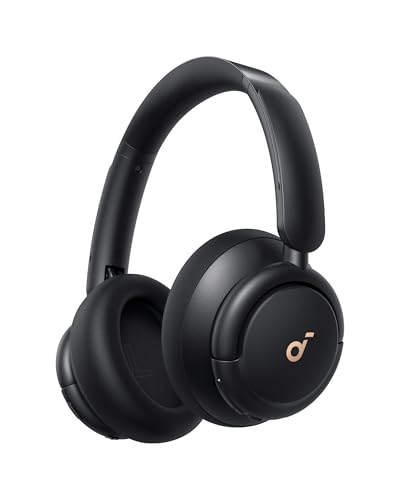
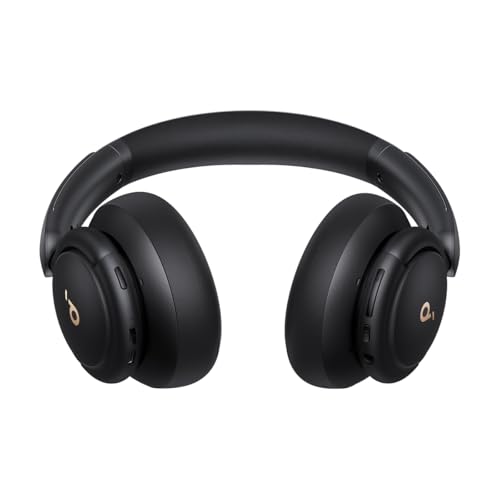
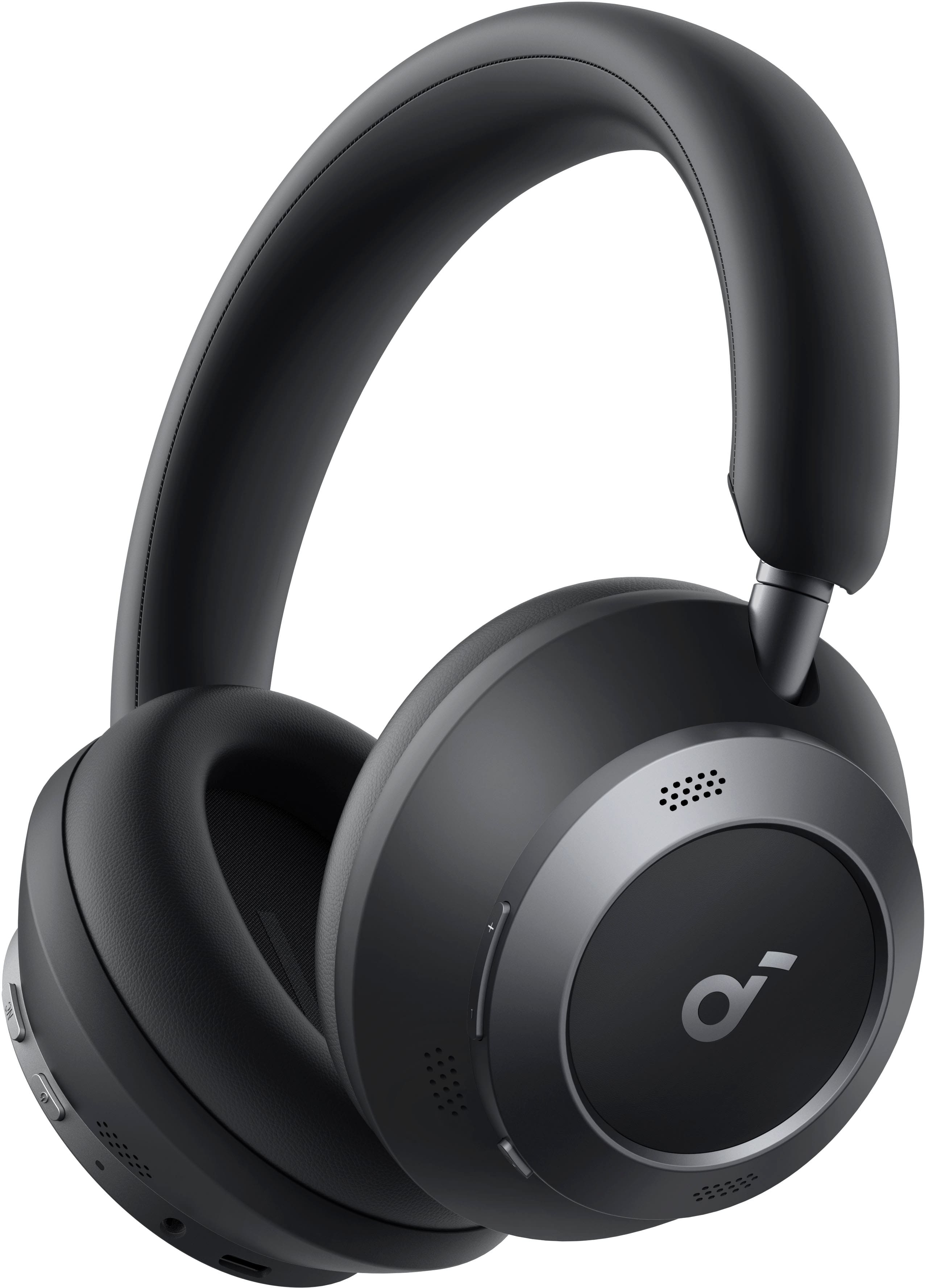
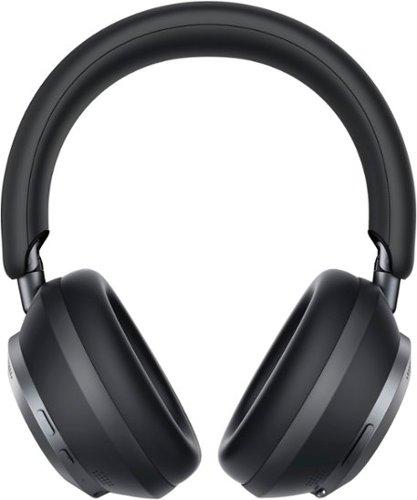
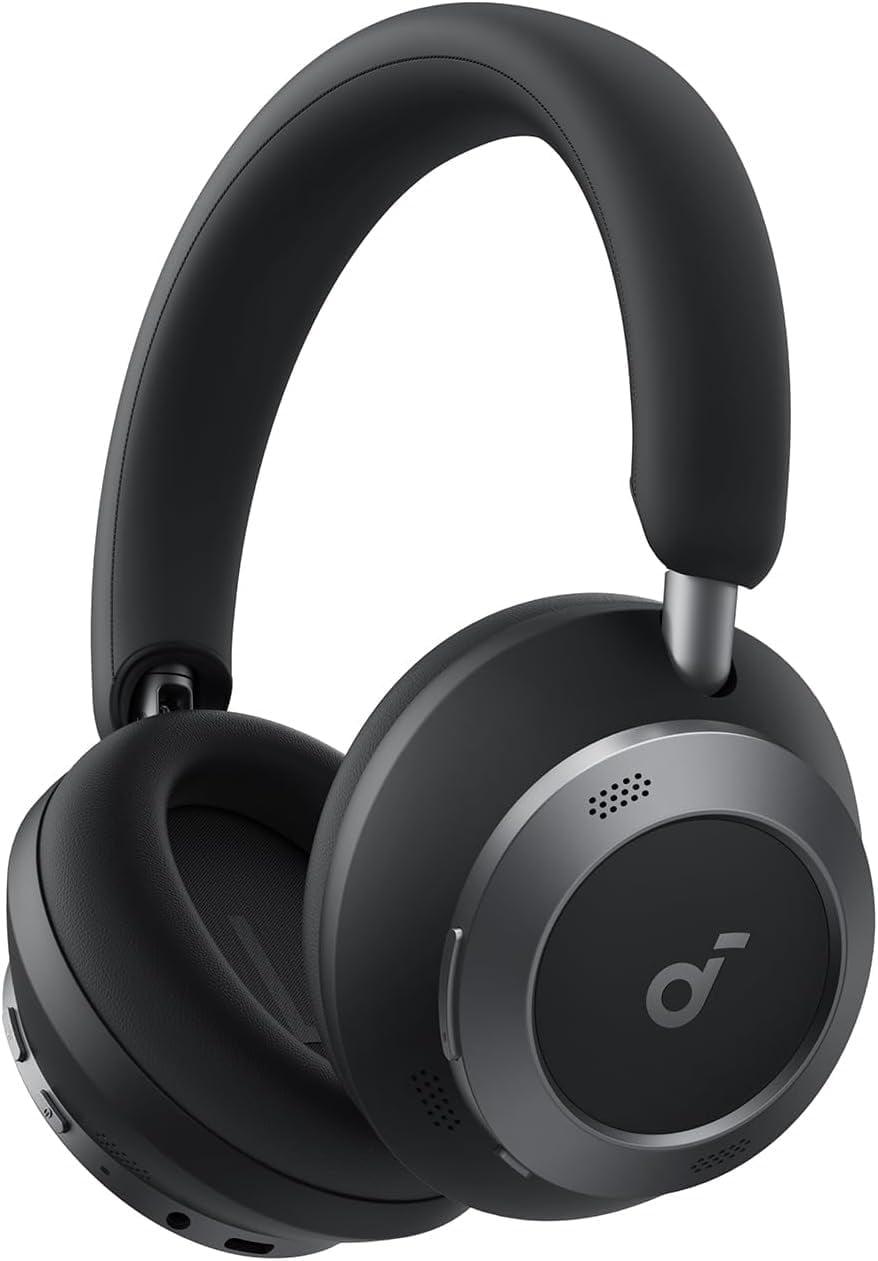
When you're shopping for wireless noise-cancelling headphones, the sheer number of options can feel overwhelming. Today, I'm breaking down two popular models from Soundcore that represent different approaches to delivering quality audio without breaking the bank: the Life Q30 and the Space One Pro. Both headphones target budget-conscious listeners, but they take distinctly different paths to get there.
Before diving into the specifics, let's talk about what really matters in this category. Active Noise Cancellation (ANC) uses microphones to detect ambient sound and generates opposing sound waves to cancel it out—think of it like audio anti-matter. The effectiveness of this technology has improved dramatically over the past few years, with even budget models now offering capabilities that were once reserved for premium headphones.
The key considerations when choosing between wireless ANC headphones include how well they actually block noise, audio quality and customization options, battery life, comfort during long listening sessions, and overall value for money. Portability has become increasingly important as more people work remotely and travel frequently.
Both the Life Q30 and Space One Pro aim to deliver premium features at more accessible price points, but they prioritize different strengths. Understanding these differences will help you make the right choice for your specific needs and usage patterns.
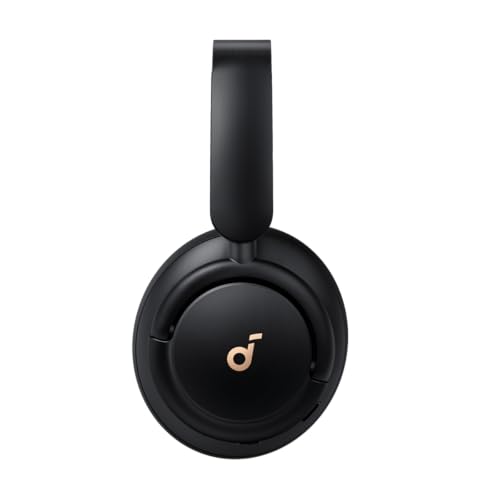
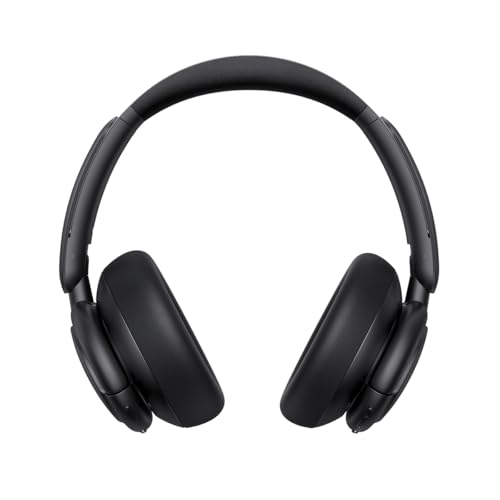
The Soundcore Life Q30, released in 2021, represents the "maximum value" approach to wireless ANC headphones. At the time of writing, it typically sells for under $80, positioning it as an entry-level option that doesn't compromise on essential features. Soundcore designed the Q30 to deliver exceptional battery life and solid noise cancellation performance while keeping costs low.
The Space One Pro, being the newer model, takes a different approach entirely. Priced around $150 at the time of writing, it targets users who want premium features and are willing to pay a moderate premium for them. The focus here is on advanced portability, superior audio codecs, and enhanced build quality.
This price difference of roughly $70 isn't arbitrary—it reflects genuinely different engineering priorities and feature sets that become apparent when you examine each model closely.
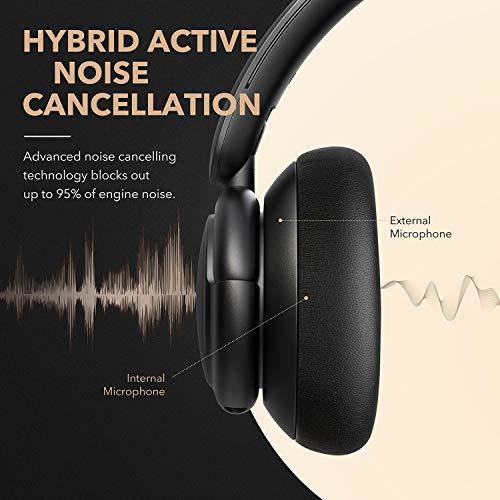
Noise cancellation is often the make-or-break feature for wireless headphones, and here's where the differences between these models become most apparent. The Life Q30 uses what's called hybrid ANC, which means it has microphones both inside and outside each earcup. This dual-microphone setup can detect and cancel up to 95% of low-frequency sounds like airplane engines, bus rumble, and air conditioning hum.
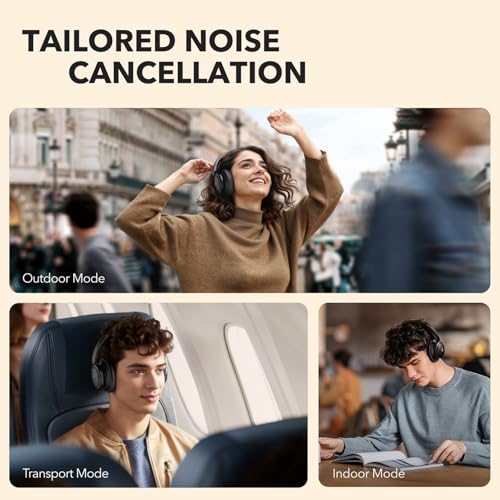
What makes the Q30 interesting is its three environmental modes: Transport, Indoor, and Outdoor. Each mode optimizes the noise cancellation for different situations. Transport mode focuses on low-frequency engine noise, Outdoor mode tackles wind and traffic sounds, while Indoor mode targets voices and higher-frequency office distractions. This selective approach works well, though you'll need to manually switch modes as your environment changes.
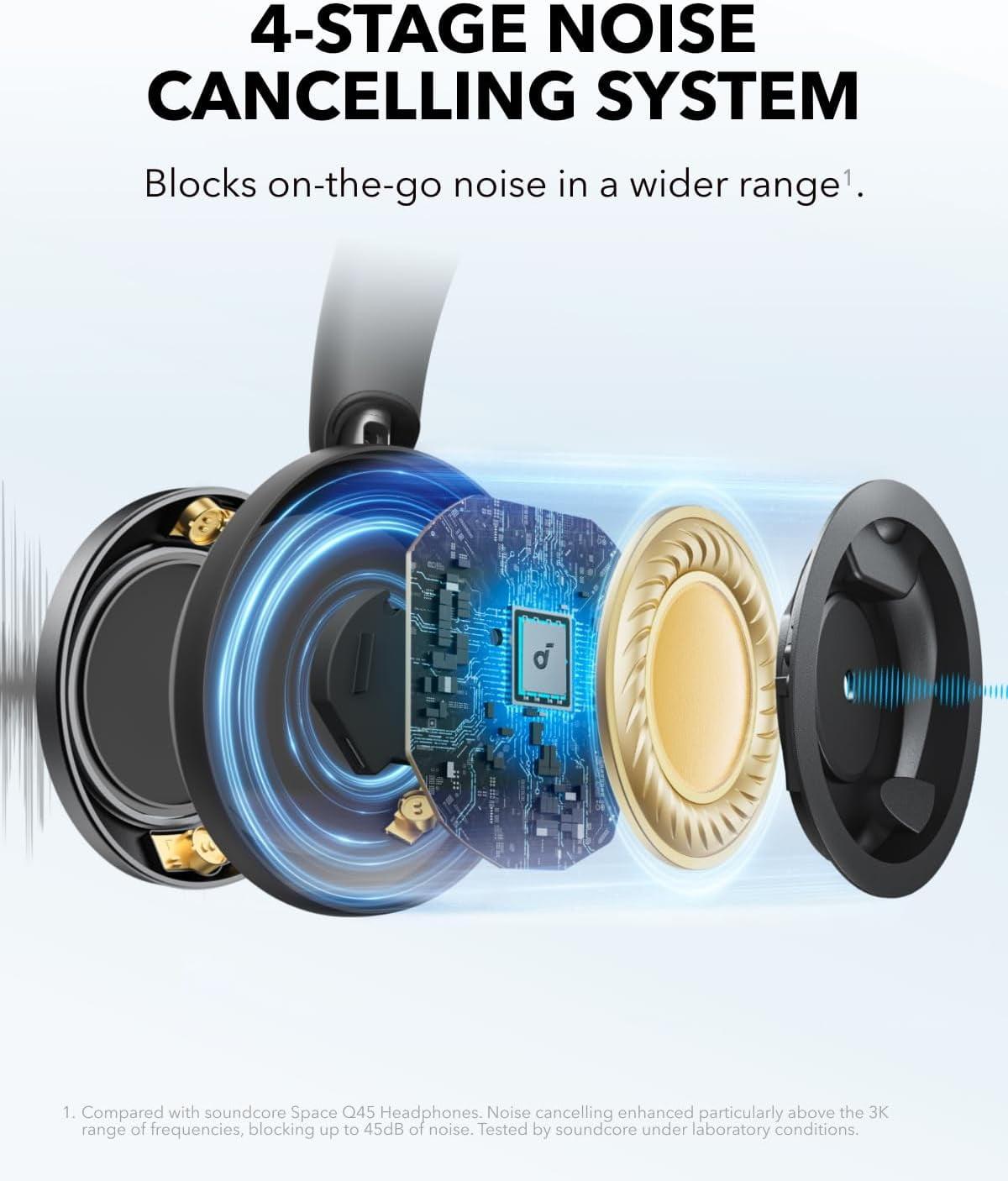
The Space One Pro takes noise cancellation several steps further with its 4-stage noise cancelling system. Instead of just two microphones per earcup, it uses six microphones total, with additional feedforward microphones that can detect ambient noise from more directions. This expanded microphone array works with what Soundcore calls Adaptive ANC 3.0—an algorithm that continuously adjusts noise cancellation in real-time based on your movement and environment.
The practical difference is significant. While the Q30 requires you to manually select the appropriate noise cancellation mode, the Space One Pro automatically adapts, achieving up to 98% noise reduction across a broader range of frequencies. The expanded acoustic chamber in the Space One Pro also enhances passive noise isolation—that's the sound blocking you get just from the physical seal of the earcups against your head.
From my testing, the Space One Pro's ANC handles sudden changes better, like when you're walking from a quiet office into a busy street. The Q30 is quite effective for steady environments but requires more user intervention to optimize performance.
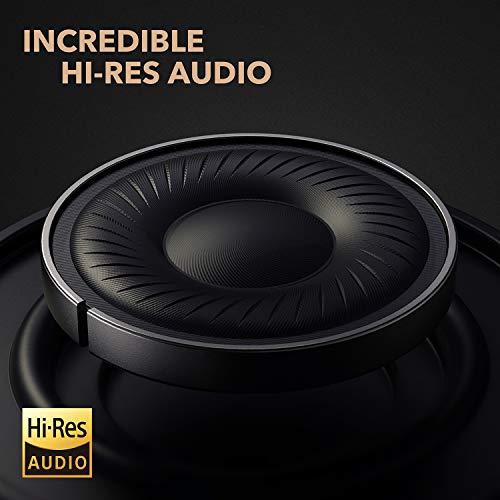
This is where things get technically interesting. Both headphones use 40mm drivers—the speaker elements that actually produce sound—but their approach to audio reproduction differs significantly. The Life Q30 features silk diaphragm drivers with a V-shaped sound signature, meaning it emphasizes bass and treble while slightly recessing the midrange frequencies where vocals live.
The Q30 supports Hi-Res Audio certification, but only when used with a wired connection. Over Bluetooth, it's limited to standard SBC and AAC codecs, which provide decent quality but aren't optimized for high-resolution audio files. The frequency response spans 20Hz to 20kHz over Bluetooth—essentially the full range of human hearing.
Where the Q30 excels is in customization. The Soundcore app provides 22 EQ presets plus a full graphic equalizer, allowing you to completely reshape the sound signature. This flexibility means you can dial in the perfect sound for your preferences, whether you want thunderous bass for electronic music or more balanced tuning for podcasts.
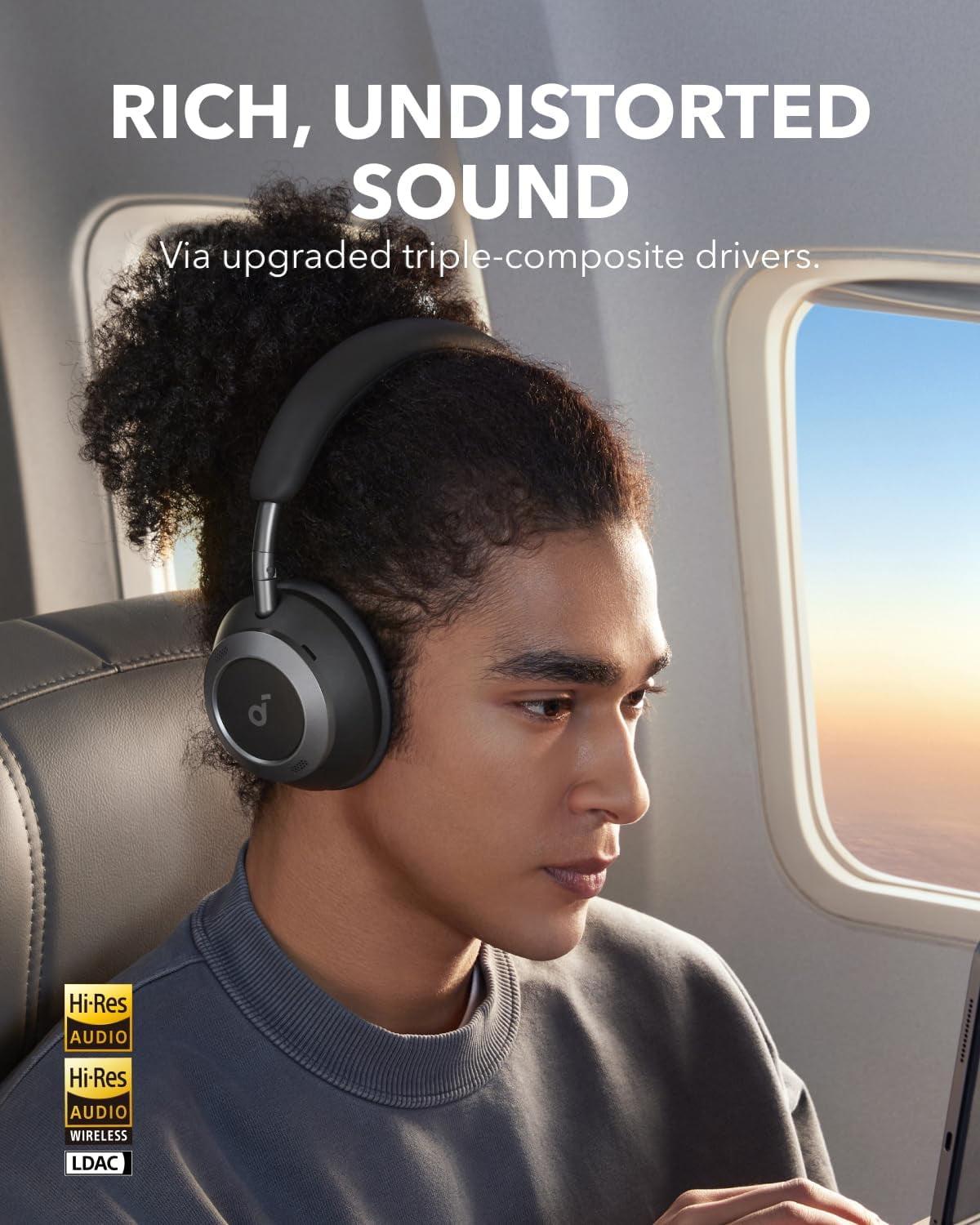
The Space One Pro uses triple-composite drivers, which layer different materials to reproduce different frequency ranges more accurately. More importantly, it supports LDAC—a high-resolution Bluetooth codec developed by Sony that can transmit up to three times more audio data than standard Bluetooth. This means when you're streaming high-quality music files, you'll hear more detail and nuance.
The Space One Pro's frequency response extends from 16Hz to 40kHz, reaching both deeper into bass territory and higher into the ultrasonic range. While you can't actually hear frequencies above 20kHz, these extended ranges often contribute to a more natural, spacious sound. The total harmonic distortion spec of less than 3% indicates cleaner audio reproduction with fewer artifacts.
The real differentiator is HearID 2.0, Soundcore's personalized sound technology. This feature analyzes your hearing profile and automatically adjusts the EQ to compensate for your individual hearing characteristics. It's similar to how high-end hearing aids work, but applied to music listening.
For home theater use, both headphones work well, but the Space One Pro's LDAC support makes it better suited for high-quality movie soundtracks and music. The improved soundstage—the perceived spatial arrangement of audio elements—creates a more immersive experience for movies and gaming.
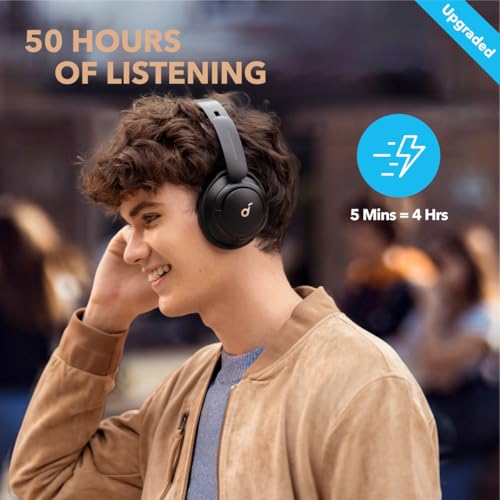
Battery performance is where the Life Q30 truly shines. With up to 60 hours of playback with ANC turned off and 40 hours with ANC active, it's among the longest-lasting headphones in any price category. The fast charging is equally impressive: five minutes of charging provides four hours of playback time.
This exceptional battery life makes the Q30 ideal for people who hate dealing with charging routines. You can literally forget to charge them for weeks and still have juice when you need it. The large 720mAh battery capacity enables this endurance, though it does contribute to the overall weight.
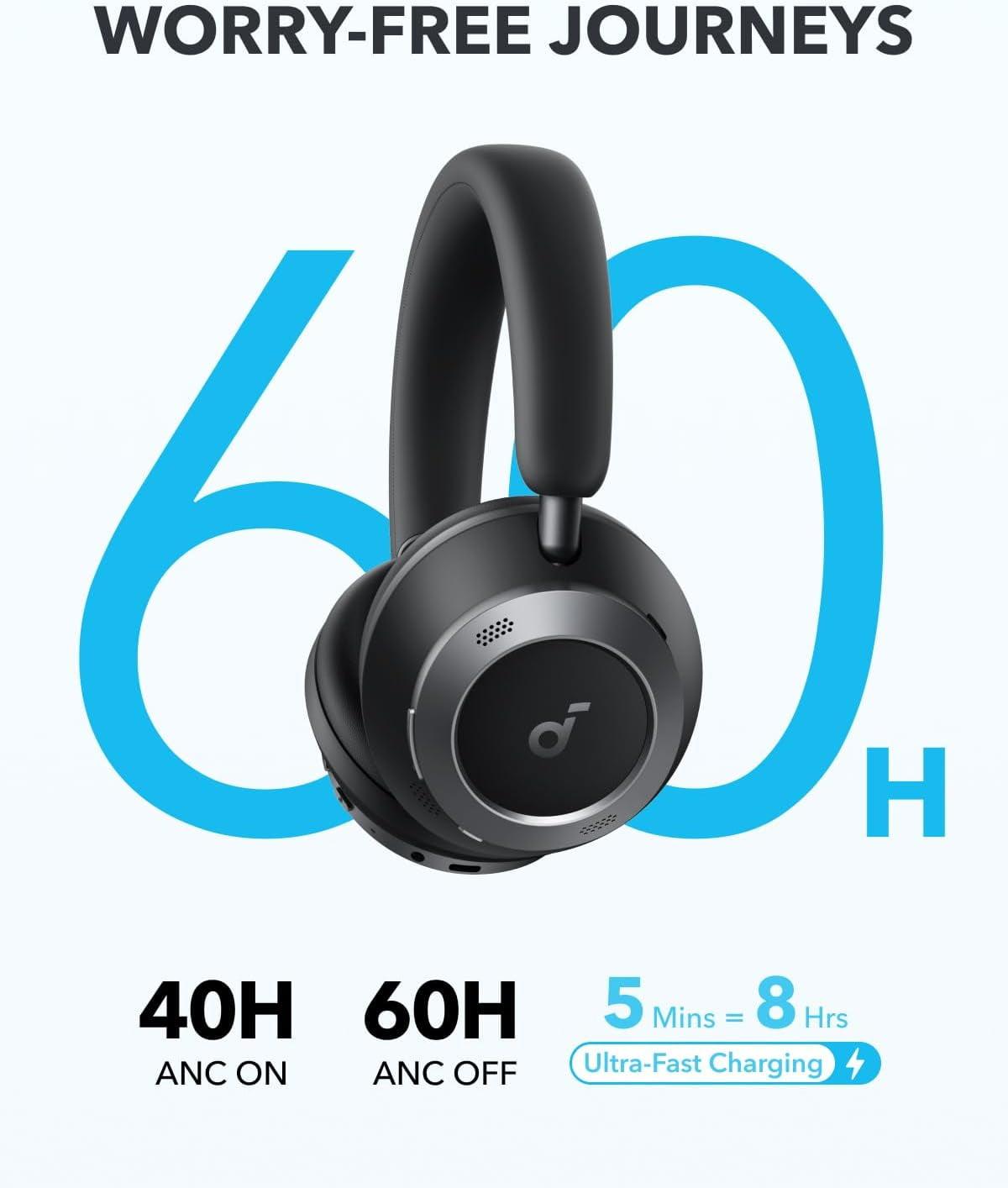
The Space One Pro matches the Q30's overall battery life specifications—60 hours standard, 40 hours with ANC—but with an interesting twist. Its fast charging is even more impressive, providing eight hours of playback from just five minutes of charging. This rapid charging capability uses more sophisticated battery management that prevents overheating while pushing more power into the cells quickly.
Both headphones use USB-C charging, which has become the standard for modern devices. The Space One Pro also works in wired mode even when completely dead, which can be a lifesaver during long flights when your battery dies unexpectedly.
Comfort becomes crucial when you're wearing headphones for hours at a time, and here's where personal head shape really matters. The Life Q30 weighs 260 grams and uses memory foam in both the earcups and headband. The earcups can adjust up to 15 degrees to accommodate different head shapes, and the protein leather ear pads create a good seal for both comfort and noise isolation.
However, some users report pressure points on the top of the head during extended wear, particularly those with larger heads. The build quality, while adequate for the price point, shows some plastic construction that feels less premium than higher-end models.
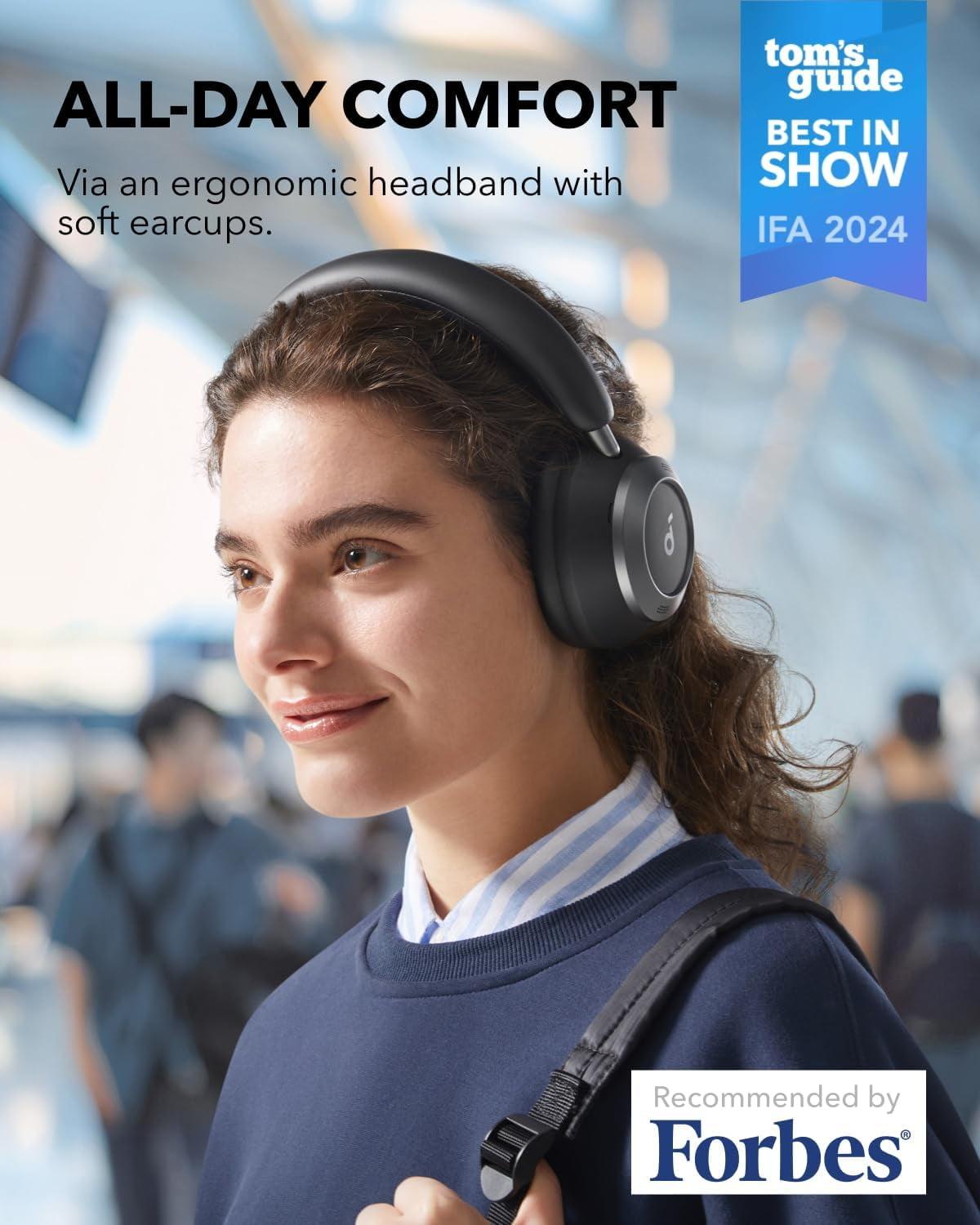
The Space One Pro is slightly heavier at 286 grams, but the weight distribution feels more balanced. The pressure-relieving headband and slow-rebound earcups use higher-quality materials that conform better to your head shape over time. The 8-degree rotating earcups provide a more customized fit.
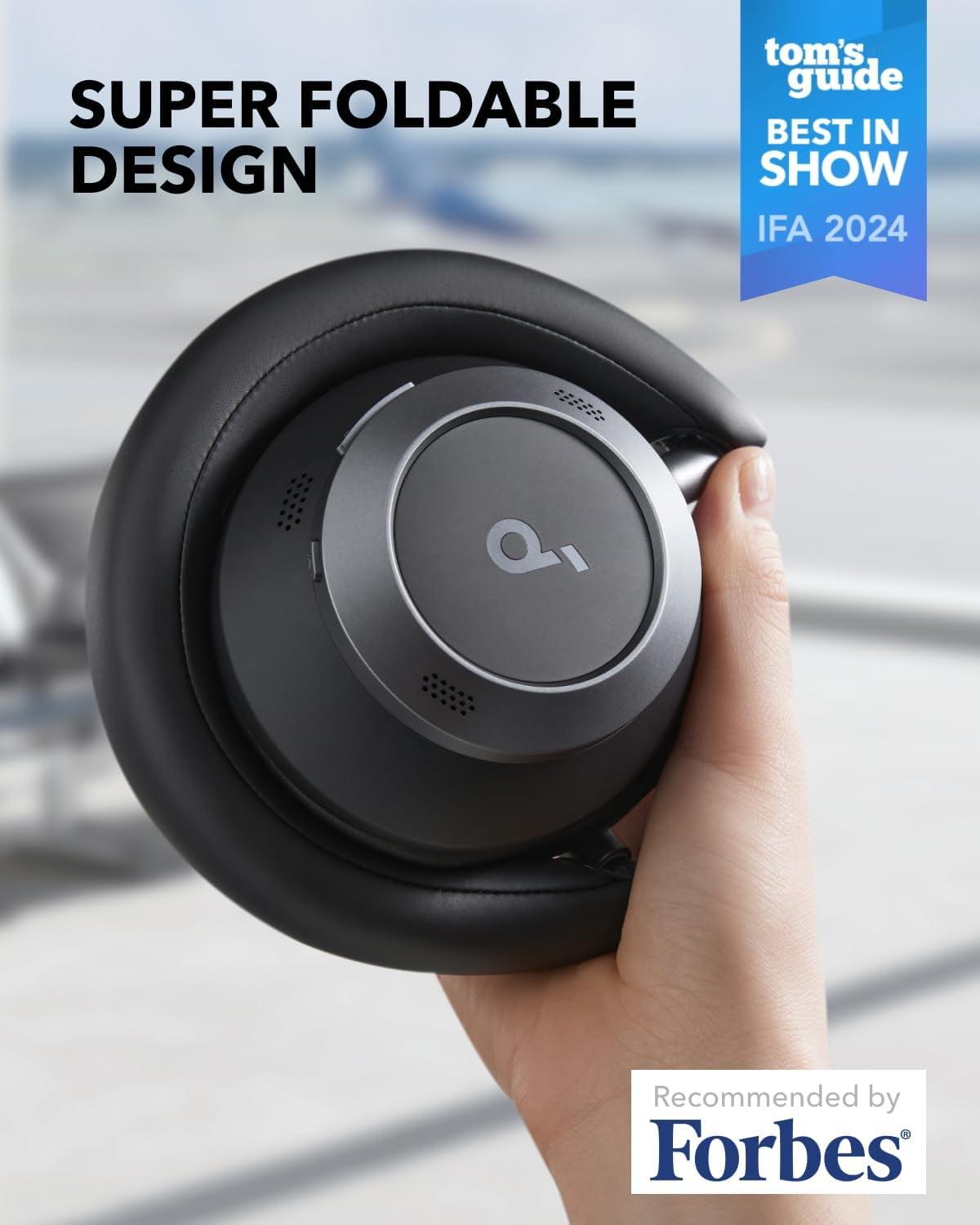
The standout feature is the FlexiCurve™ foldable structure. While most headphones fold at the hinges, the Space One Pro can compress into an remarkably compact form factor—significantly smaller than most competitors. This makes it genuinely travel-friendly in a way that bulkier headphones simply aren't.
Build quality feels more robust overall, with better materials and tighter tolerances. The included soft carrying case for the Space One Pro isn't as protective as a hard case, but the ultra-compact folding mechanism means it fits in smaller spaces anyway.
Both headphones support multipoint Bluetooth connectivity, allowing you to connect to two devices simultaneously. This means you can listen to music on your laptop while remaining connected to your phone for calls—a feature that's become essential for remote work.
The Life Q30 uses Bluetooth 5.0 with NFC pairing for Android devices. The connection is generally stable within the typical 30-foot range, and the multipoint switching works reliably, though sometimes with a brief delay when switching between devices.
The Space One Pro upgrades to Bluetooth 5.3 with Google Fast Pair support, which provides quicker initial pairing and better connection stability. The newer Bluetooth version also offers improved power efficiency and slightly better audio quality.
Call quality differs significantly between the models. The Q30 uses two microphones per earcup for both ANC and call pickup, providing decent voice clarity for phone calls and video conferences. However, background noise rejection isn't particularly strong.
The Space One Pro employs four AI-enhanced microphones specifically optimized for voice pickup and background noise suppression. The AI processing actively identifies and reduces wind noise and other ambient sounds during calls, making it noticeably better for outdoor calls or noisy environments.
The Life Q30 uses a combination of physical buttons and touch controls. Physical buttons handle power, ANC mode switching, and volume, while touch controls on the right earcup manage playback and calls. This hybrid approach works well, though the touch controls can be accidentally triggered when adjusting the headphones.
The Space One Pro takes a different approach with primarily physical button controls that can be customized through the app. You can assign different functions to single, double, and long presses, providing more personalized control options. Some users prefer physical buttons because they work reliably with gloves and don't suffer from accidental activation.
Both headphones offer transparency modes that let ambient sound through for situational awareness. The Q30 provides a simple on/off transparency mode activated by touch. The Space One Pro offers five adjustable transparency levels, allowing you to fine-tune how much ambient sound you want to hear.
Since the Life Q30's 2021 release, wireless headphone technology has advanced considerably. Bluetooth codecs have improved, ANC algorithms have become more sophisticated, and battery efficiency has increased. The Q30 represented solid technology for its time and remains competitive, but it lacks some of the refinements found in newer models.
The Space One Pro, being newer, incorporates these technological advances. The LDAC codec support, Adaptive ANC 3.0, and AI-enhanced microphone processing all represent meaningful improvements over what was available when the Q30 launched.
This technological progression explains some of the price difference—newer technology typically costs more to implement, at least initially. However, it also means the Space One Pro is likely to remain relevant longer as streaming services and devices increasingly support higher-quality audio formats.
If you prioritize maximum battery life and solid performance at the lowest possible price, the Life Q30 remains an excellent choice. Its 60-hour battery life is genuinely exceptional, and the three-mode ANC system handles most common noise scenarios effectively. The extensive EQ customization through the app means you can dial in your preferred sound signature, and the proven reliability makes it a safe choice for first-time ANC headphone buyers.
Choose the Life Q30 if you primarily use headphones at home or in the office, don't need the absolute best noise cancellation, and want to maximize your audio budget. It's also ideal if you frequently forget to charge devices—the exceptional battery life provides a significant buffer against your forgetfulness.
The Space One Pro justifies its higher price through measurable improvements in key areas. The superior noise cancellation with real-time adaptation works better in varied environments. The LDAC codec support and HearID 2.0 personalization provide notably better audio quality. The ultra-compact folding mechanism makes it genuinely travel-friendly in ways the Q30 isn't.
Choose the Space One Pro if you travel frequently, prioritize audio quality and advanced features, make lots of calls in noisy environments, or want the most effective noise cancellation available in this price range. The higher price reflects genuine technological improvements rather than just premium branding.
Both headphones represent solid value propositions within their respective price tiers. The Life Q30 maximizes features per dollar, while the Space One Pro provides a more refined experience with advanced capabilities. Your choice ultimately depends on whether the Space One Pro's improvements align with your specific needs and justify the additional investment in your particular situation.
| Soundcore Life Q30 Wireless Headphones | Soundcore Space One Pro Wireless Noise Cancelling Headphones |
|---|---|
| Active Noise Cancellation - Critical for blocking distractions in noisy environments | |
| Hybrid ANC with 3 manual modes, up to 95% noise reduction | 4-stage Adaptive ANC 3.0 with 6 microphones, up to 98% noise reduction with real-time adjustment |
| Audio Quality & Codecs - Determines sound clarity and streaming quality | |
| 40mm silk diaphragm drivers, SBC/AAC codecs, Hi-Res only when wired | 40mm triple-composite drivers, LDAC codec support, <3% distortion, HearID 2.0 personalization |
| Battery Life - Essential for long commutes and travel | |
| 60 hours standard/40 hours with ANC, 5-min charge = 4 hours playback | 60 hours standard/40 hours with ANC, 5-min charge = 8 hours playback |
| Weight & Portability - Affects comfort during extended wear and travel convenience | |
| 260g, standard folding design with soft case | 286g, FlexiCurve™ ultra-compact folding with waterproof pouch |
| Connectivity Features - Important for seamless device switching | |
| Bluetooth 5.0, multipoint connection, NFC pairing | Bluetooth 5.3, multipoint connection, Google Fast Pair |
| Call Quality - Crucial for remote work and phone calls | |
| 2 microphones with basic noise reduction | 4 AI-enhanced microphones with advanced wind noise reduction |
| Sound Customization - Allows personalization for different music preferences | |
| 22 EQ presets plus custom EQ via app | HearID 2.0 automatic hearing profile plus custom EQ |
| Transparency Mode - Lets you hear surroundings without removing headphones | |
| Single on/off transparency mode | 5 adjustable transparency levels for precise ambient control |
| Value Proposition - Overall bang for your buck | |
| Maximum battery life and solid ANC at entry-level pricing | Premium features like LDAC, adaptive ANC, and ultra-portability at mid-tier pricing |
The Soundcore Space One Pro offers superior noise cancellation with its 4-stage Adaptive ANC 3.0 system that uses 6 microphones and automatically adjusts in real-time. It achieves up to 98% noise reduction. The Soundcore Life Q30 uses hybrid ANC with 3 manual modes and reaches 95% noise reduction, which is still effective but requires manual switching between Transport, Indoor, and Outdoor modes.
Both the Life Q30 and Space One Pro offer identical battery life: up to 60 hours with ANC off and 40 hours with ANC on. However, the Space One Pro has faster charging, providing 8 hours of playback from a 5-minute charge compared to the Life Q30's 4 hours from the same charging time.
The Space One Pro delivers superior audio quality with LDAC codec support for high-resolution wireless streaming, triple-composite drivers, and HearID 2.0 personalized sound tuning. The Life Q30 offers good sound with extensive EQ customization through 22 presets, but is limited to standard Bluetooth codecs and has a more bass-heavy default tuning.
The Life Q30 weighs 260g and features memory foam padding, making it lighter and comfortable for most users. The Space One Pro is slightly heavier at 286g but uses premium materials with a pressure-relieving headband and slow-rebound earcups that many find more comfortable during extended wear.
The Space One Pro is significantly better for travel thanks to its FlexiCurve™ ultra-compact folding design that makes it much smaller when packed. Despite being slightly heavier, its superior portability and adaptive noise cancellation make it ideal for planes and hotels. The Life Q30 uses standard folding but offers exceptional battery life for long trips.
Both headphones handle calls well, but the Space One Pro excels with its 4 AI-enhanced microphones that actively reduce background noise and wind interference. The Life Q30 uses 2 microphones with basic noise reduction, providing decent call quality for indoor use but less effective in noisy environments.
For home theater, the Space One Pro is the better choice due to its LDAC codec support for high-quality audio streaming and superior soundstage that creates more immersive movie experiences. The Life Q30 works well for casual viewing but lacks the audio fidelity improvements that enhance movie soundtracks and dialogue clarity.
The Life Q30 provides exceptional value with solid ANC, great battery life, and comprehensive features at a budget-friendly price point. The Space One Pro costs more but justifies the premium with measurably better noise cancellation, superior audio quality, enhanced portability, and advanced features like LDAC support.
Yes, both offer sound customization through the Soundcore app. The Life Q30 provides 22 EQ presets plus a full graphic equalizer for extensive manual tuning. The Space One Pro features HearID 2.0 that automatically creates a personalized sound profile based on your hearing, plus traditional EQ options.
The Space One Pro offers more advanced connectivity with Bluetooth 5.3, Google Fast Pair for quicker pairing, and generally more stable connections. The Life Q30 uses Bluetooth 5.0 with NFC pairing support. Both support multipoint connection to two devices simultaneously.
Both headphones include transparency modes, but the Space One Pro is more advanced with 5 adjustable levels that let you precisely control how much ambient sound you hear. The Life Q30 offers a simpler on/off transparency mode that's activated by touch controls.
Choose the Life Q30 if you prioritize maximum battery life, extensive EQ customization, and want solid ANC performance at a budget price. Choose the Space One Pro if you need superior noise cancellation, premium audio quality with LDAC support, ultra-compact portability for travel, and don't mind paying more for advanced features.
We've done our best to create useful and informative comparisons to help you decide what product to buy. Our research uses advanced automated methods to create this comparison and perfection is not possible - please contact us for corrections or questions. These are the sites we've researched in the creation of this article: soundguys.com - recordingnow.com - soundcore.com - theaudiophilecafecom.wordpress.com - versus.com - noisyworld.org - blog.jonsdocs.org.uk - youtube.com - head-fi.org - youtube.com - fullspecs.net - anker-tr.com - soundcore.com - soundcore.com - rtings.com - youtube.com - newegg.com - ifixit.com - headphonesaddict.com - soundguys.com - loudnwireless.com - youtube.com - youtube.com - gadgetoid.com - youtube.com - soundguys.com - youtube.com - recordingnow.com - youtube.com - bestbuy.com - headphonecheck.com - support.soundcore.com - soundcore.com - soundcore.com - microcenter.com - tomsguide.com - us.soundcore.com - bestbuy.com - youtube.com - youtube.com

Privacy Policy
Terms and Conditions - Affiliate Policy
Home Security
© Copyright 2008-2026.
11816 Inwood Rd #1211, Dallas, TX 75244