

When shopping for a portable speaker that can really fill a room, you'll quickly discover there are two very different philosophies at work. Some speakers are built for musicians, presenters, and performers who need to plug in microphones and instruments. Others focus purely on wireless music playback with extended battery life for all-day parties. The JBL EON ONE Compact and Sony SRS-XV900 represent these two approaches perfectly—and understanding the difference will save you from buying the wrong tool for your needs.
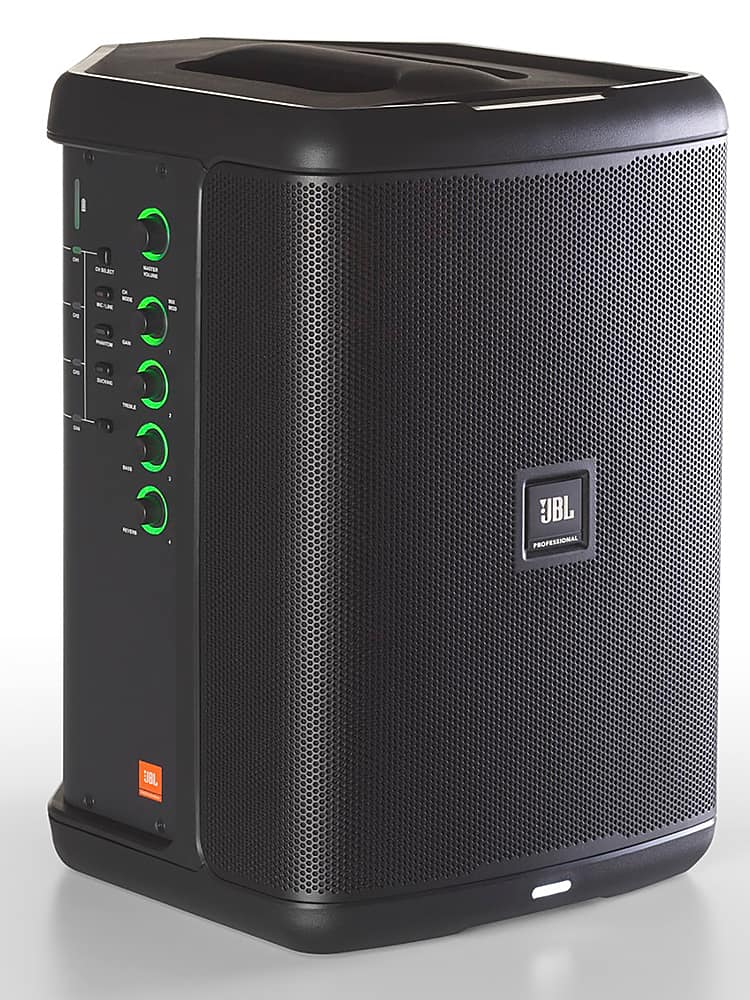
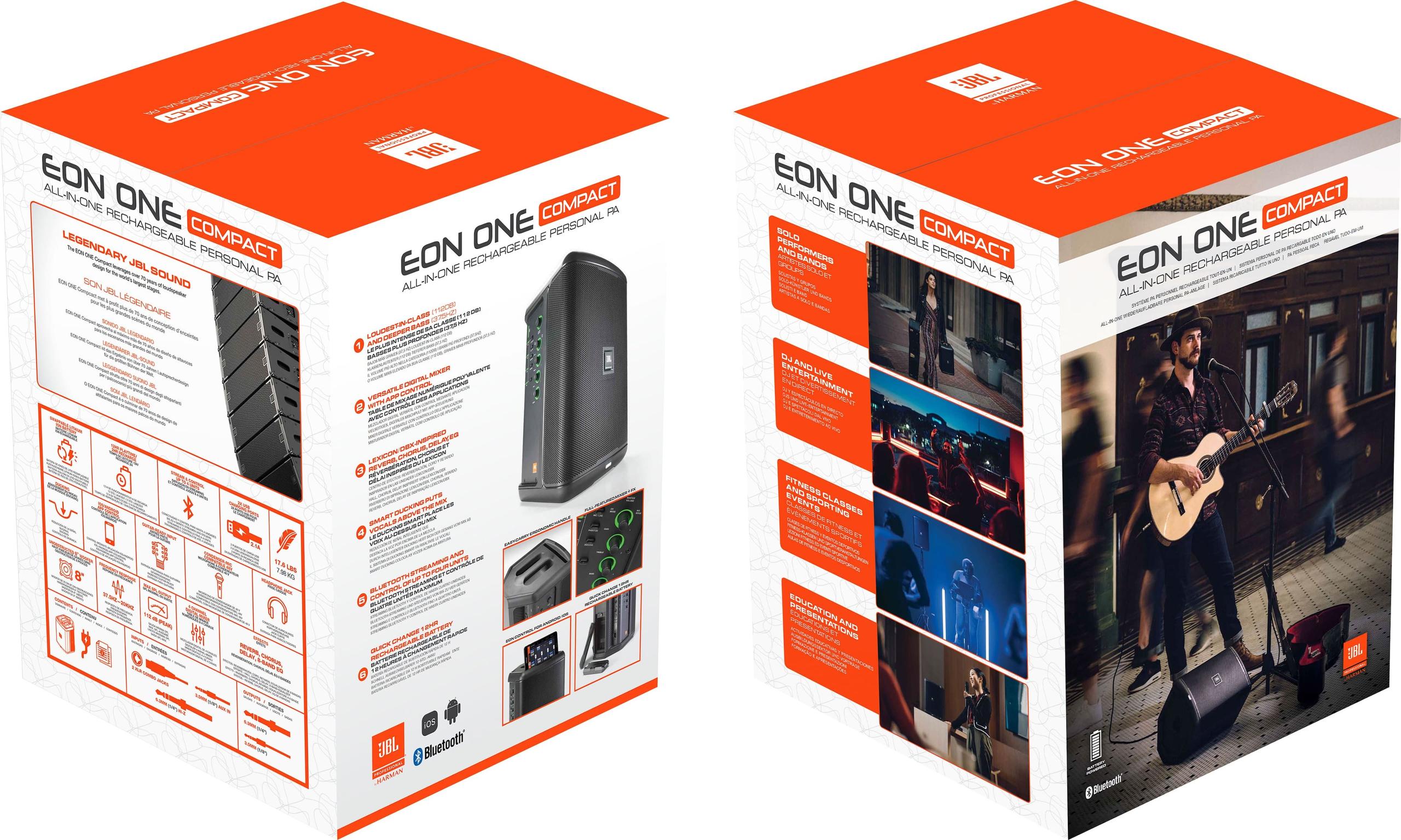
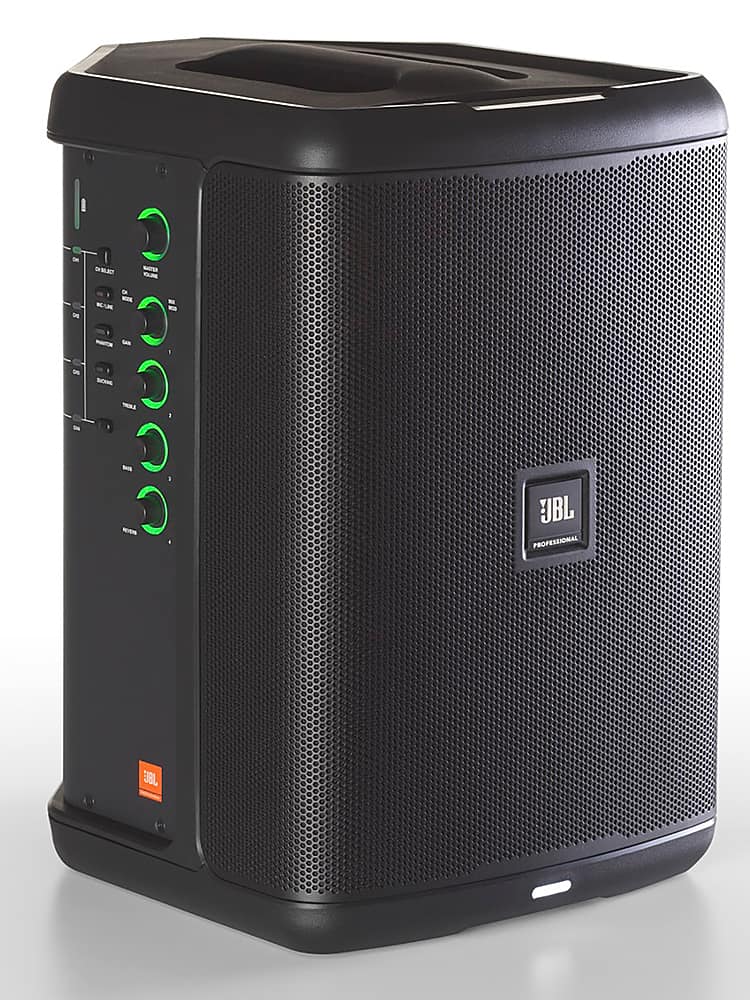
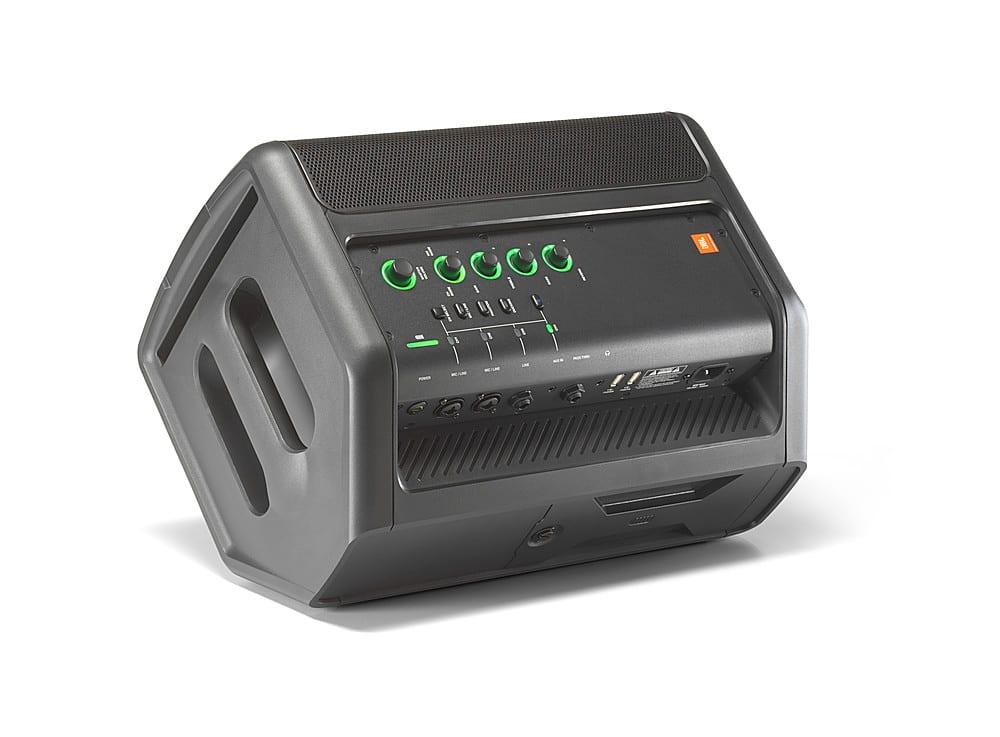
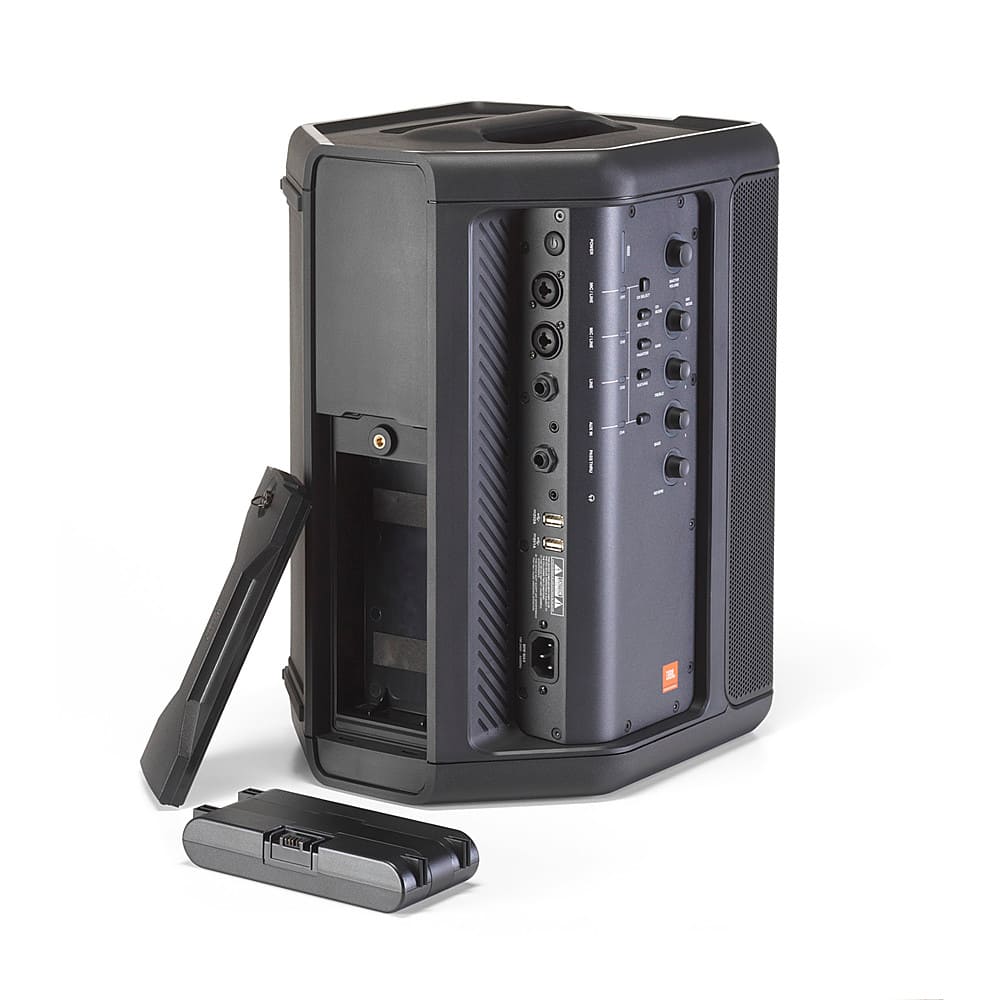
Before diving into specifics, it's worth understanding what sets these categories apart. A PA system (Public Address system) is designed to amplify live sound sources like microphones and instruments. Think of it as a portable version of what you'd find at a concert venue or conference room. The JBL EON ONE Compact, released in 2020, packs a full mixing console (the control panel that balances different audio sources) into a surprisingly compact package.
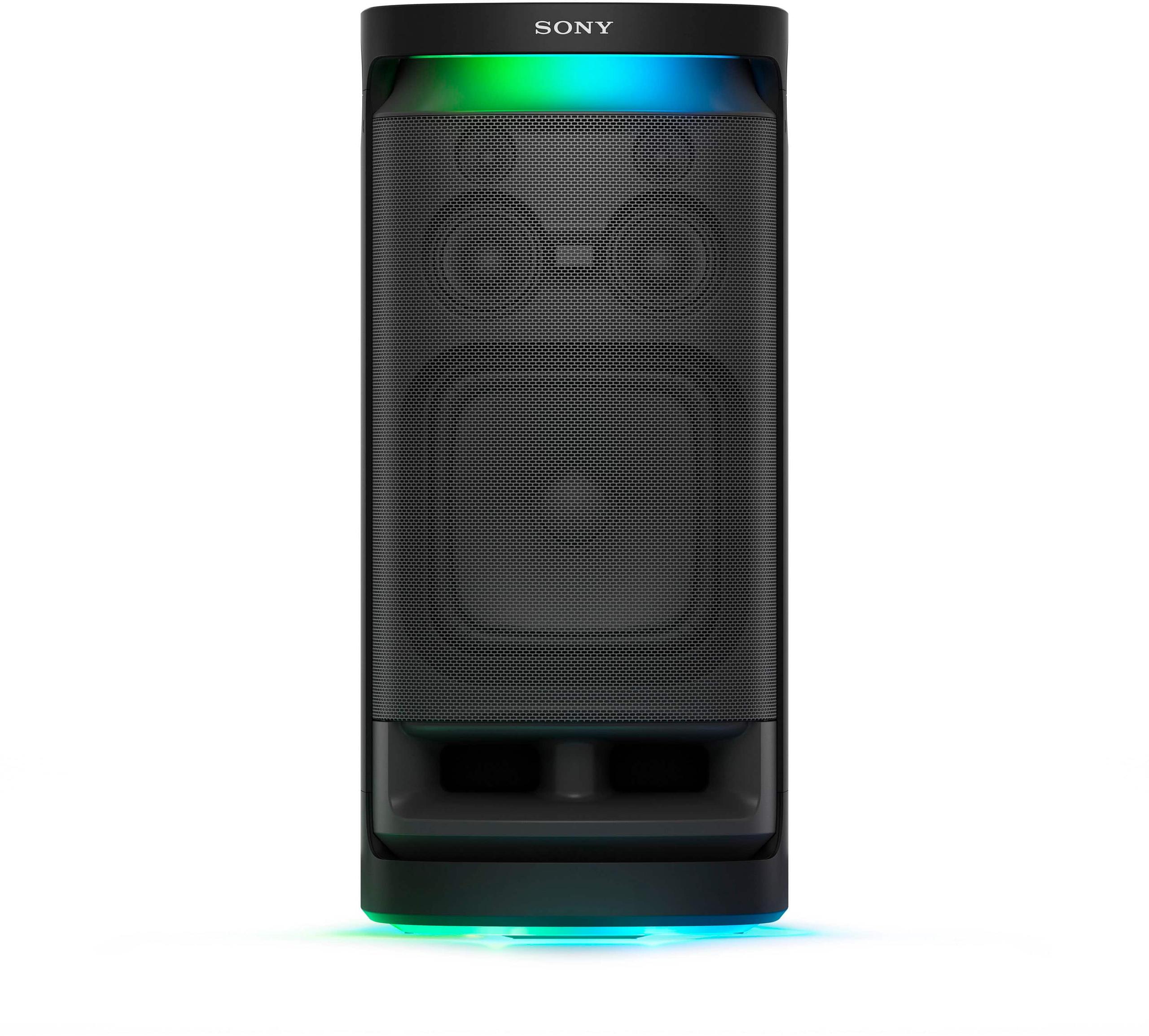
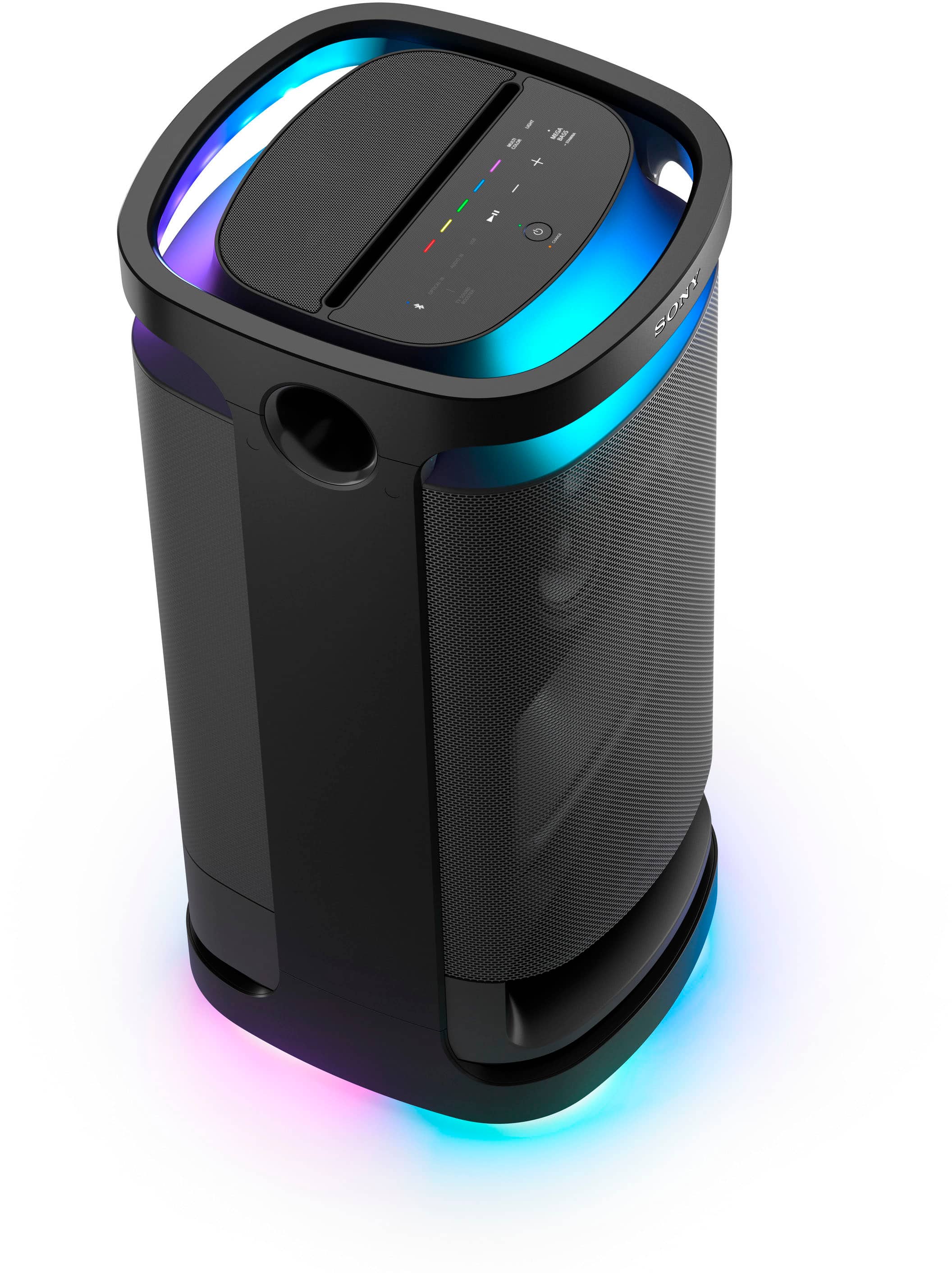
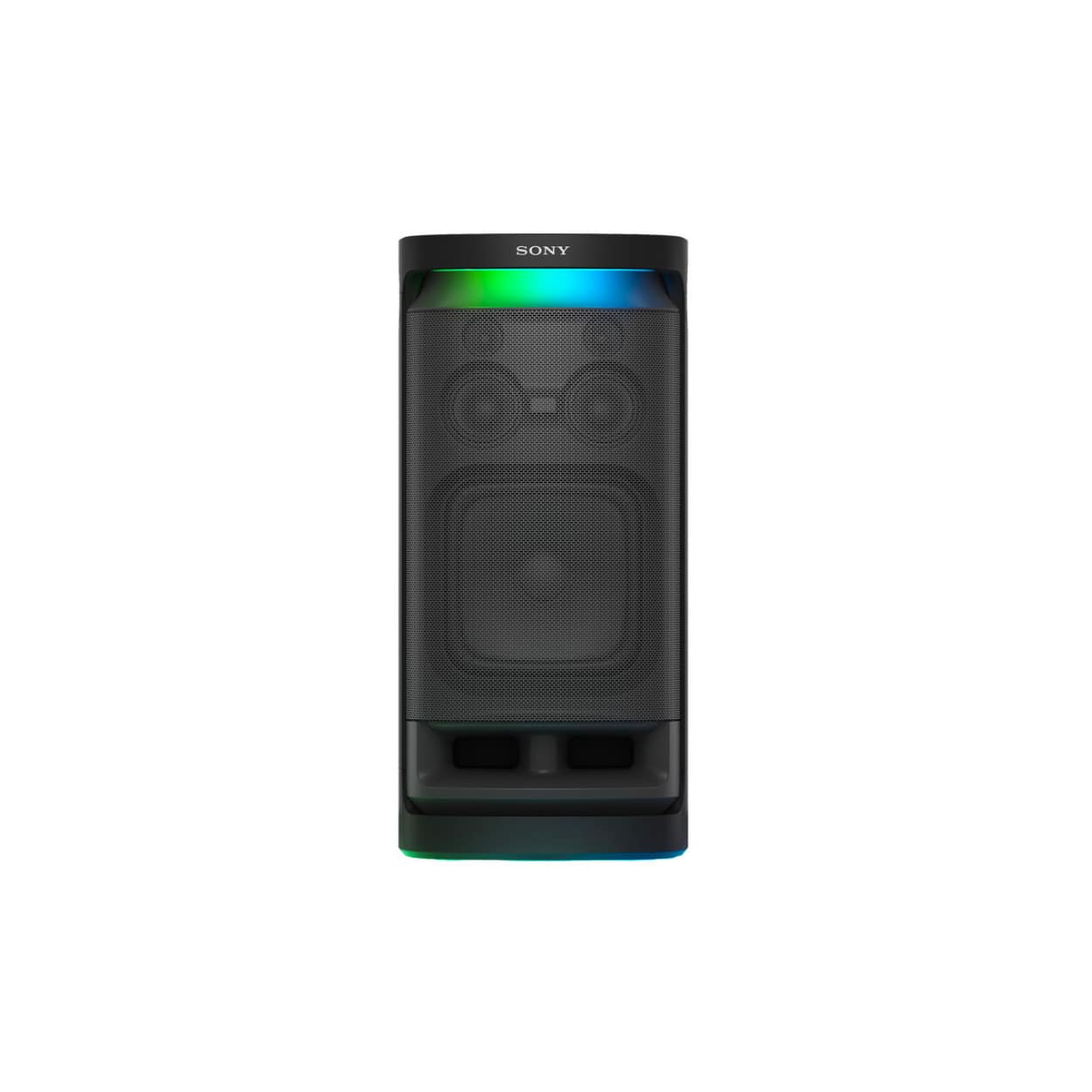
Party speakers, on the other hand, prioritize wireless music playback and features that enhance the social experience. The Sony SRS-XV900, also from around 2020, focuses on delivering powerful sound from your phone or streaming device, with bonus features like party lighting and karaoke functions.
The key insight here is that these aren't just different sizes of the same thing—they're solving different problems entirely.
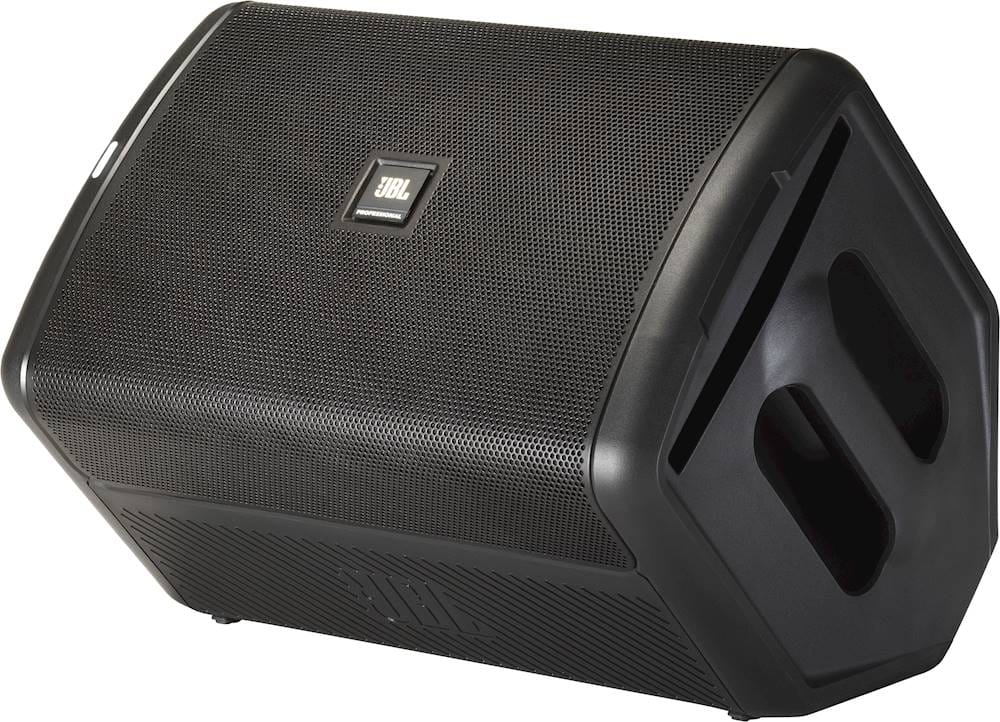
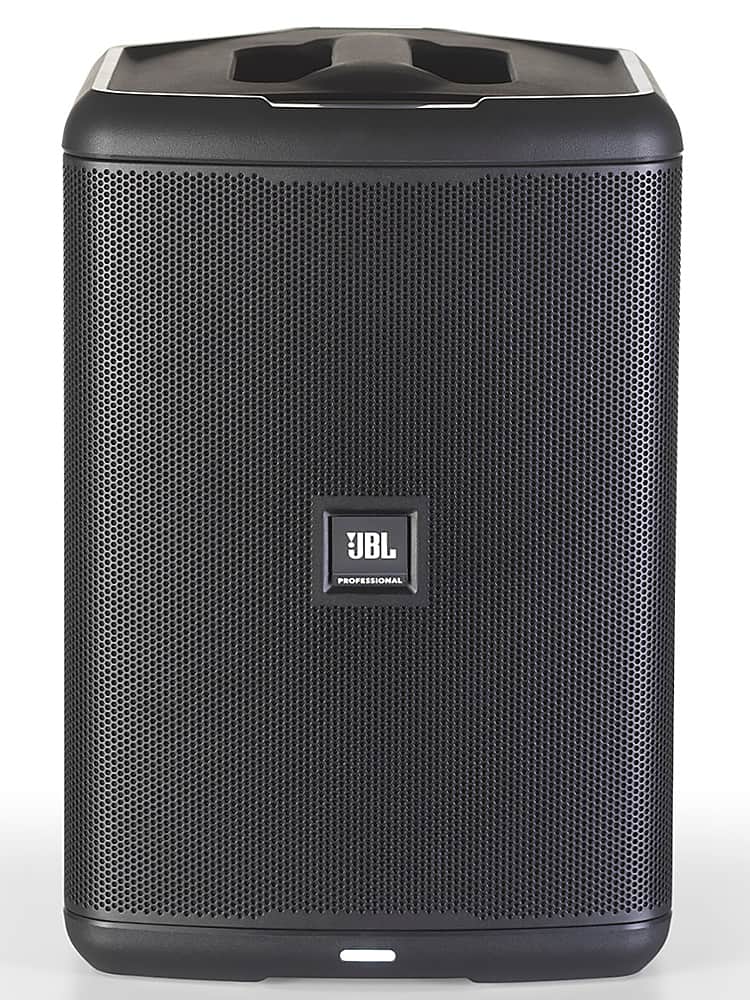
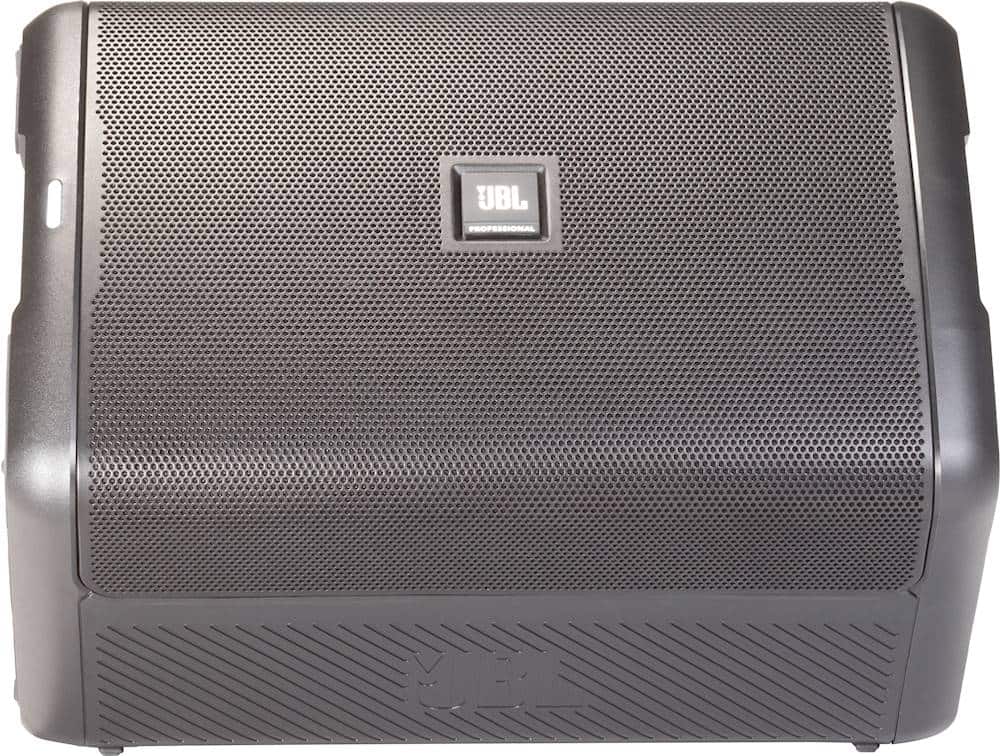
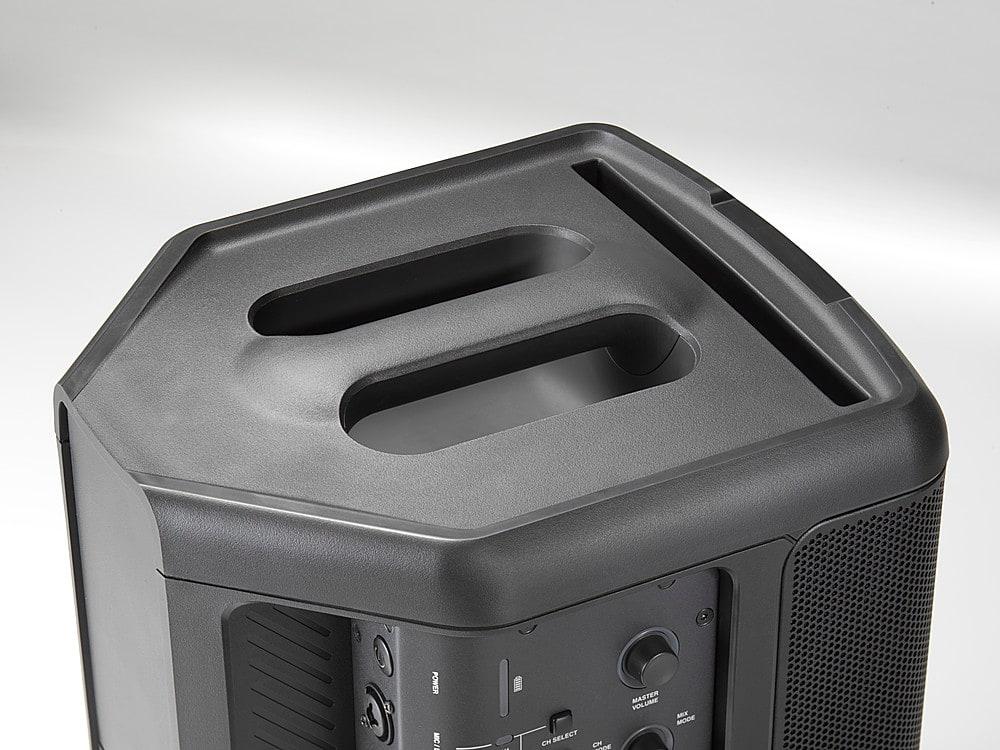
The size difference between these speakers tells the whole story at first glance. The JBL EON ONE Compact weighs just 17.6 pounds and measures about 16 inches tall—roughly the size of a large briefcase. You can genuinely carry it with one hand using its integrated handle, making it perfect for musicians who need to haul gear between gigs or presenters moving between meeting rooms.
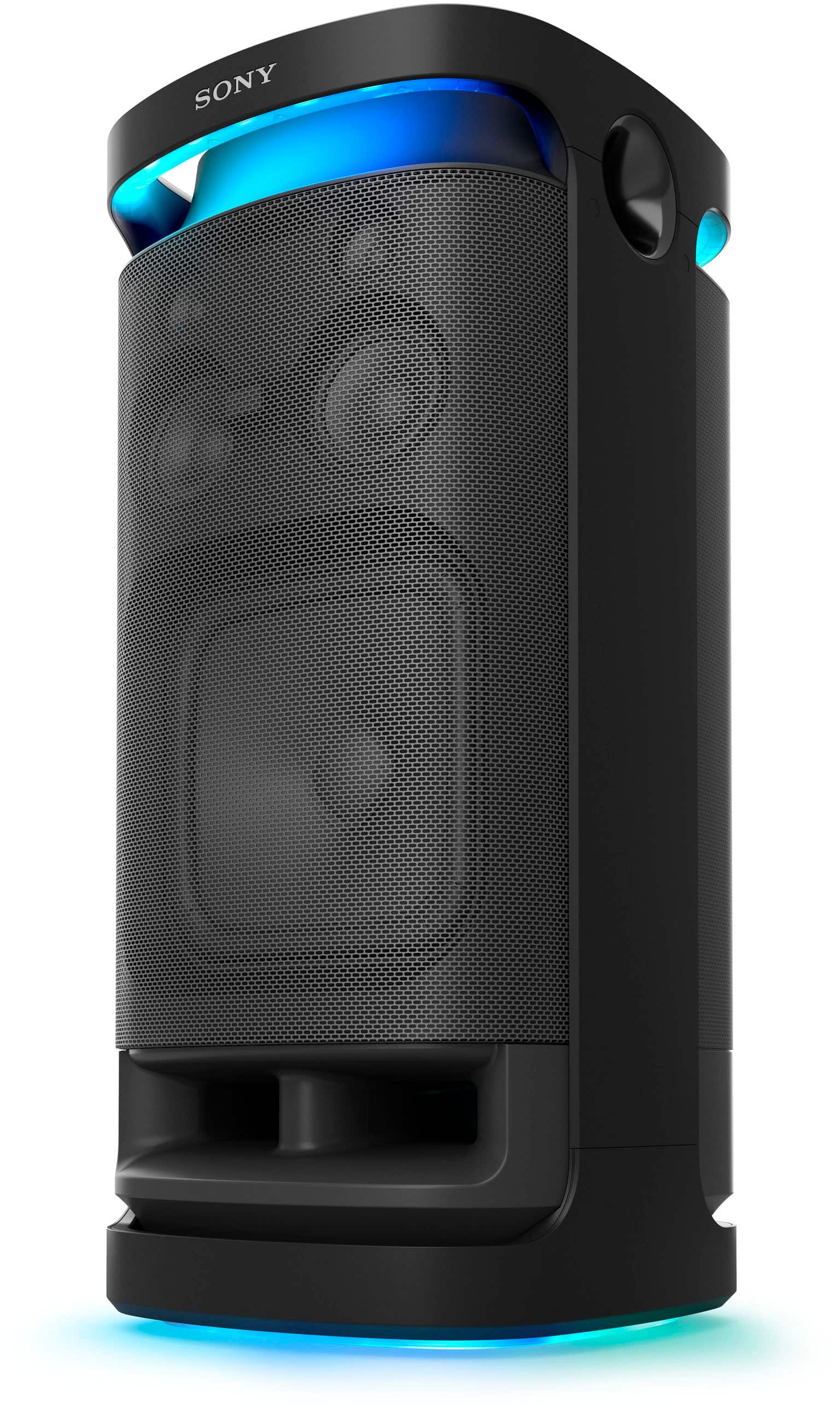
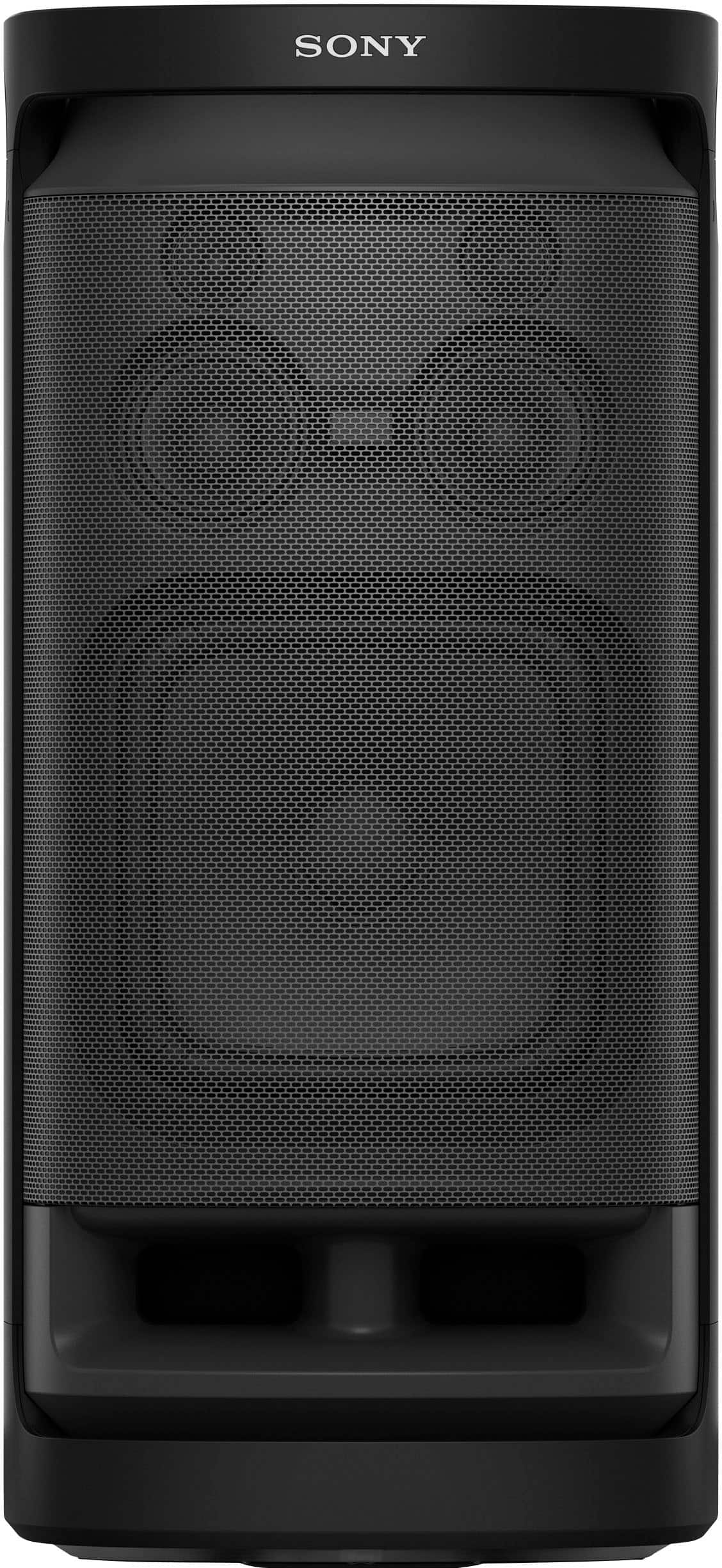
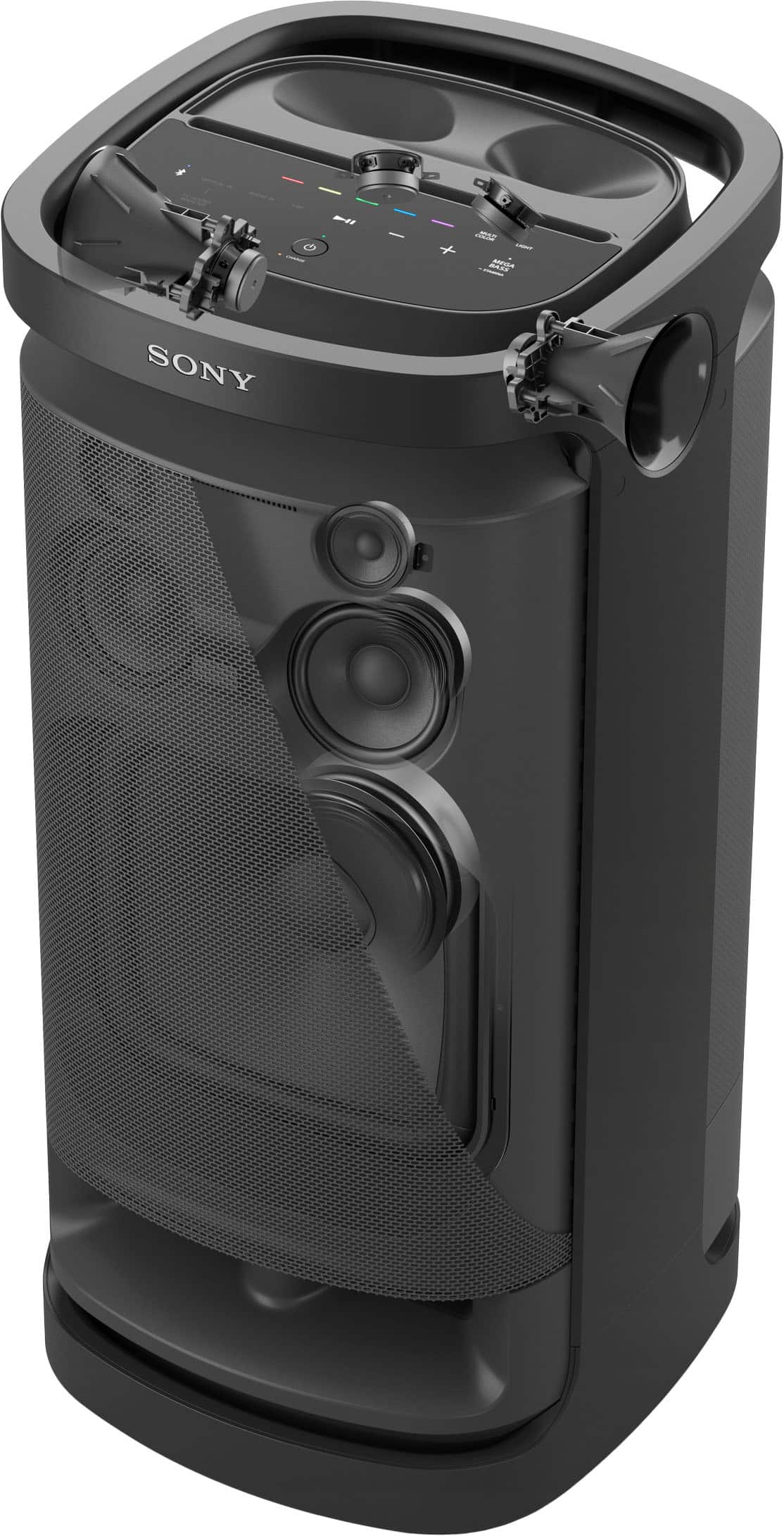
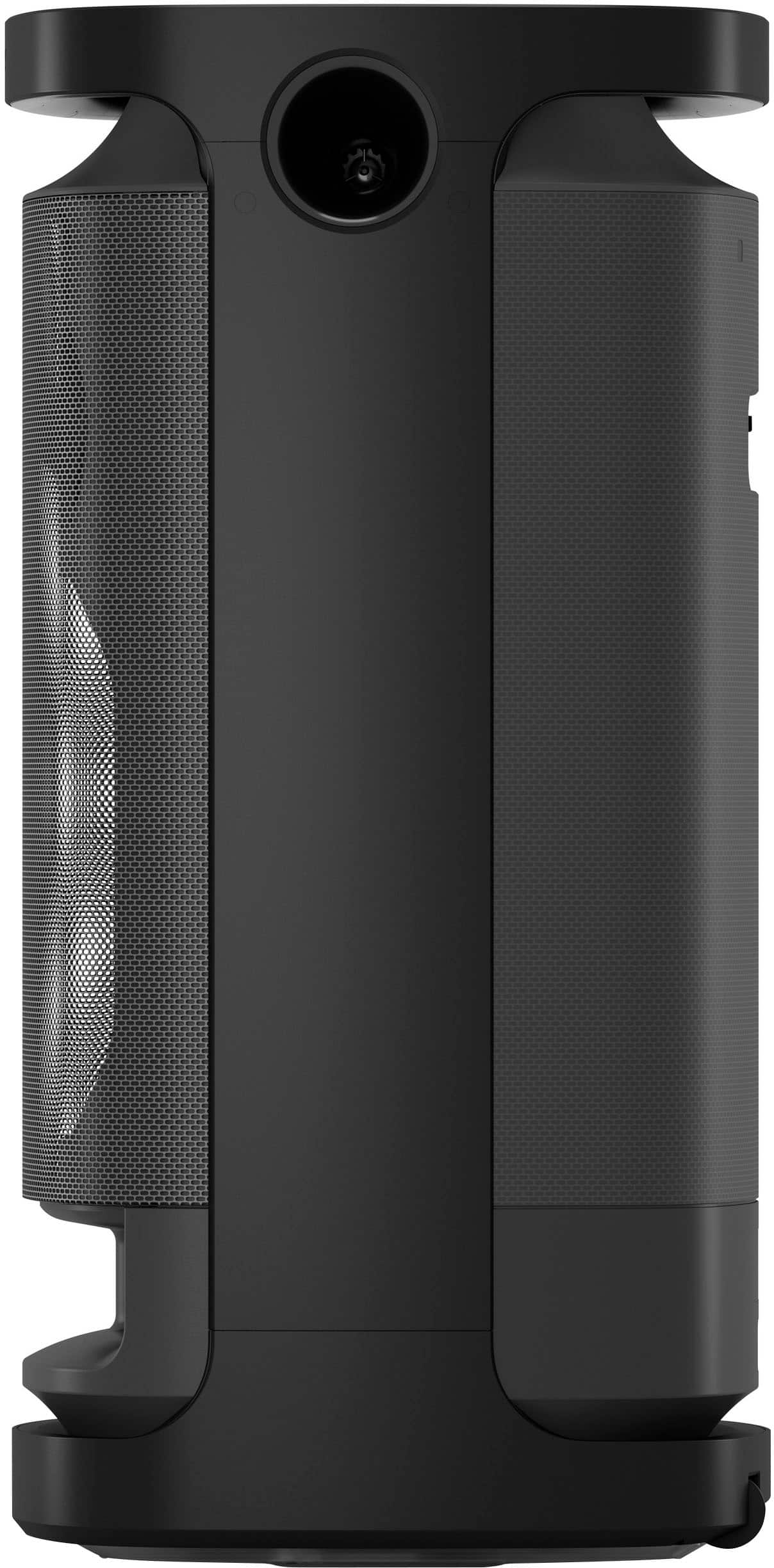
The Sony SRS-XV900, by contrast, weighs nearly 59 pounds and stands almost three feet tall. Sony knows this isn't something you'll casually toss in your car, so they built in sturdy wheels and multiple handles. It's designed more like rolling luggage—manageable for one person but definitely meant for semi-permanent setups rather than quick transport.
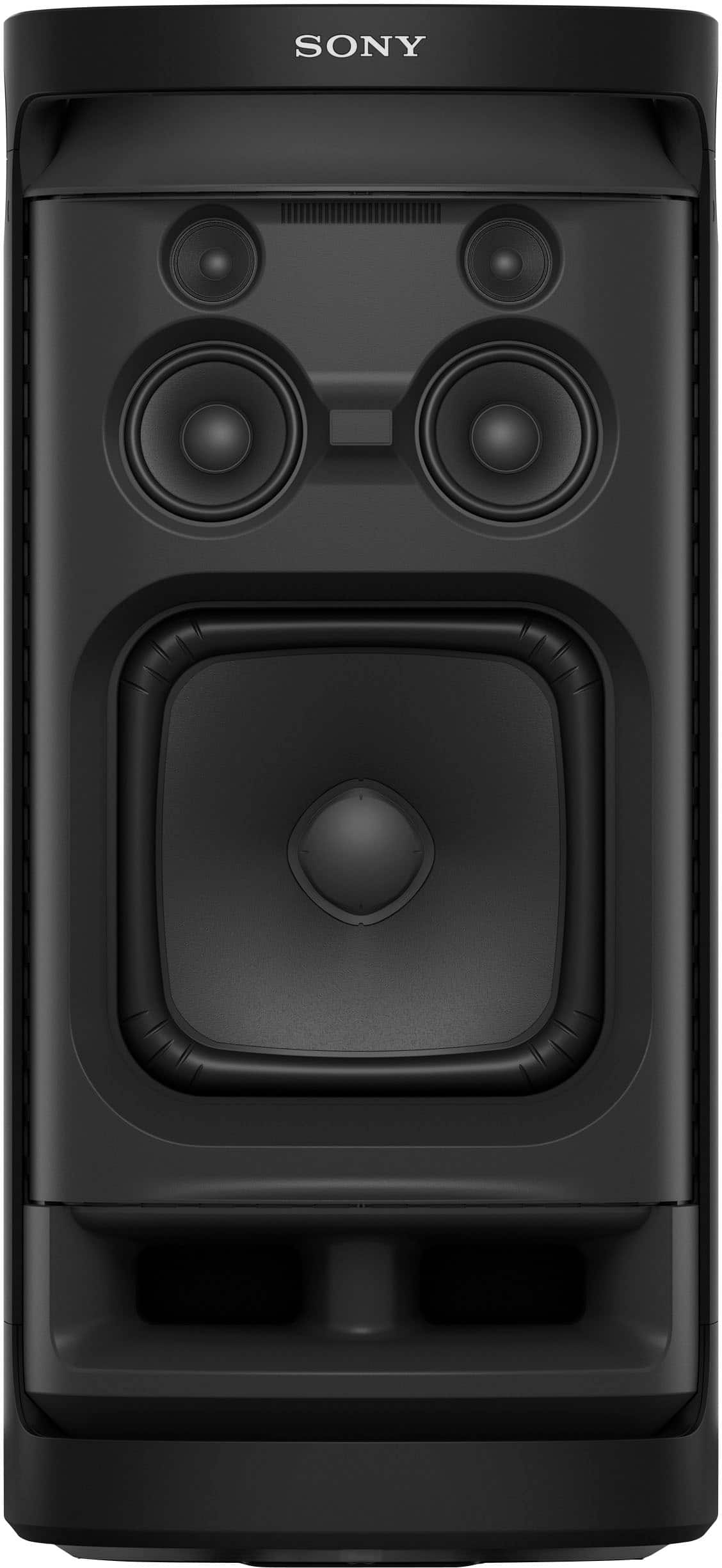
This size difference isn't arbitrary. The JBL prioritizes true portability because professional users often need to set up and tear down quickly. The Sony uses its larger cabinet to house a massive 12.6-inch woofer (the large driver that produces bass) and achieve the kind of extended battery life that keeps parties going all day.
Based on our research into user experiences, the portability factor often becomes the deciding factor for people who initially think they want the bigger speaker but realize they'll rarely want to move it.
Raw power numbers can be misleading, but they tell part of the story. The JBL EON ONE Compact produces 150 watts of peak power and can hit 112 decibels (dB)—loud enough to clearly hear across a room of 100-200 people without distortion. For context, normal conversation happens around 60 dB, while 110 dB is roughly equivalent to a rock concert.
The Sony SRS-XV900 consumes about 100 watts from the wall but doesn't specify peak output power. However, its larger drivers and cabinet suggest it can move more air, which translates to deeper bass and potentially louder overall volume in larger spaces.
Here's where things get interesting technically. Both speakers cover the full range of human hearing (20 Hz to 20,000 Hz), but they emphasize different parts of that spectrum. The Sony extends down to 20 Hz, meaning it can reproduce the deepest bass notes that you feel more than hear—the kind that makes your chest vibrate during action movies or electronic music.
The JBL starts its bass response at 37.5 Hz, which is still impressively low but focuses more on the mid-bass range where most music lives. This difference reflects their design priorities: the Sony wants to create that party atmosphere with thumping bass, while the JBL prioritizes clarity across the frequency range for speech and live instruments.
User reviews consistently highlight that these speakers sound quite different despite both being high-quality. The JBL EON ONE Compact delivers what audio professionals call a "flat" response—it reproduces music and speech accurately without adding coloration. This makes vocals crystal clear and ensures instruments sound natural, which is crucial for live performances.
The Sony SRS-XV900 takes a more consumer-friendly approach, emphasizing bass and adding subtle enhancements that make recorded music sound exciting and punchy. Its six tweeters (small drivers for high frequencies) spread around the cabinet create 360-degree sound, meaning people can enjoy full-range audio from any position around the speaker.
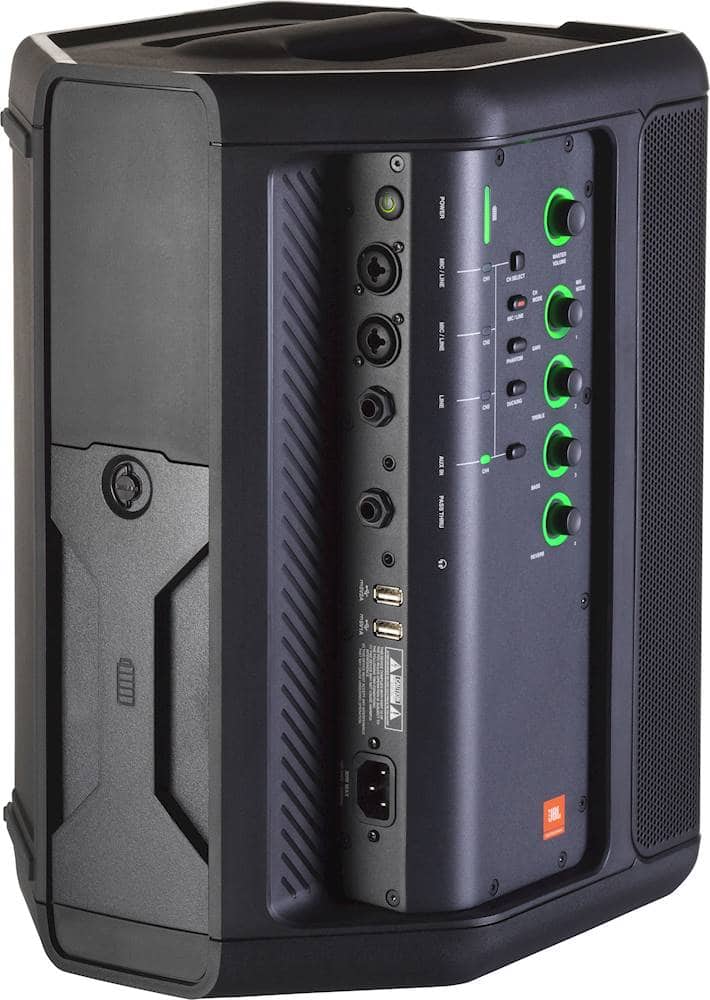
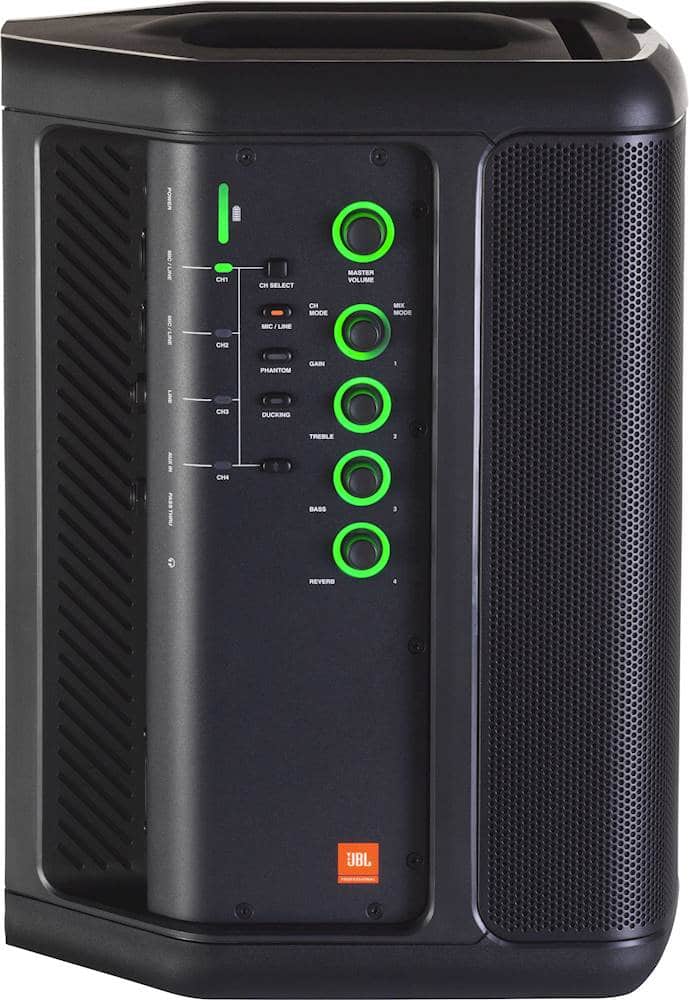
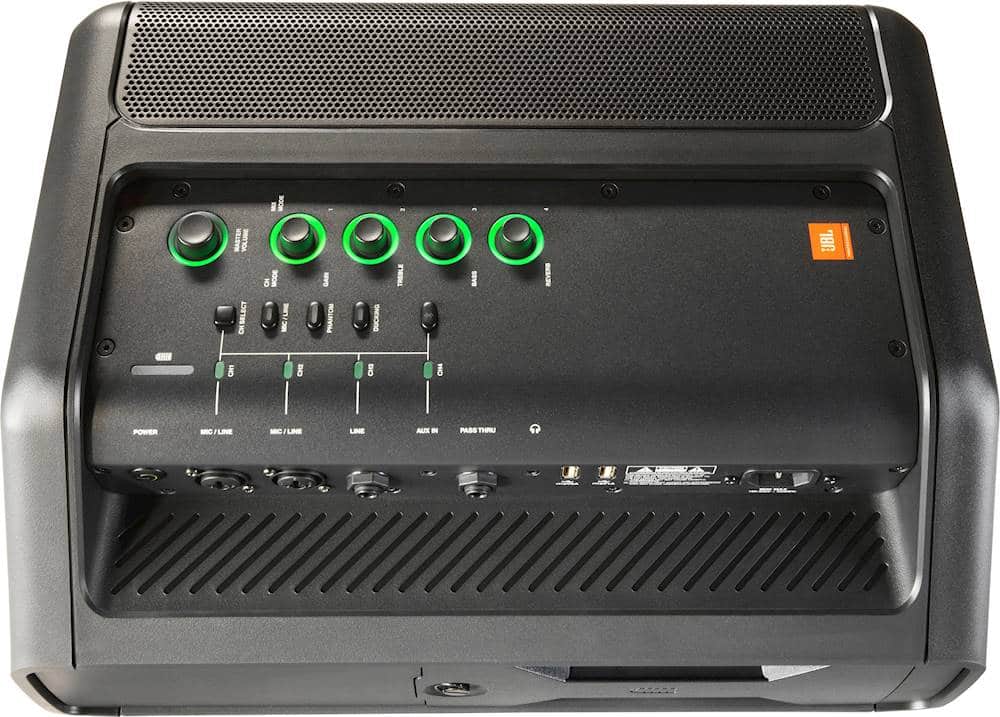
This is where the fundamental differences become most apparent. The JBL EON ONE Compact is essentially a complete recording studio mixer shrunk down into portable form. It offers four separate input channels: two XLR/TRS combo jacks (professional microphone connections), one dedicated guitar input, and an auxiliary input for phones or music players.
The phantom power feature on channel 1 deserves explanation—this sends 48 volts through the microphone cable to power condenser microphones, the sensitive type used by singers and for recording. Most portable speakers can't do this, forcing users to buy battery-powered mics or external equipment.
Built-in effects processing adds another professional dimension. The JBL includes Lexicon reverb (echo that makes vocals sound like they're in a larger space), delay (repeated echoes), and chorus (a shimmering effect that makes instruments sound fuller). These aren't toy effects—they're the same algorithms found in professional recording equipment.
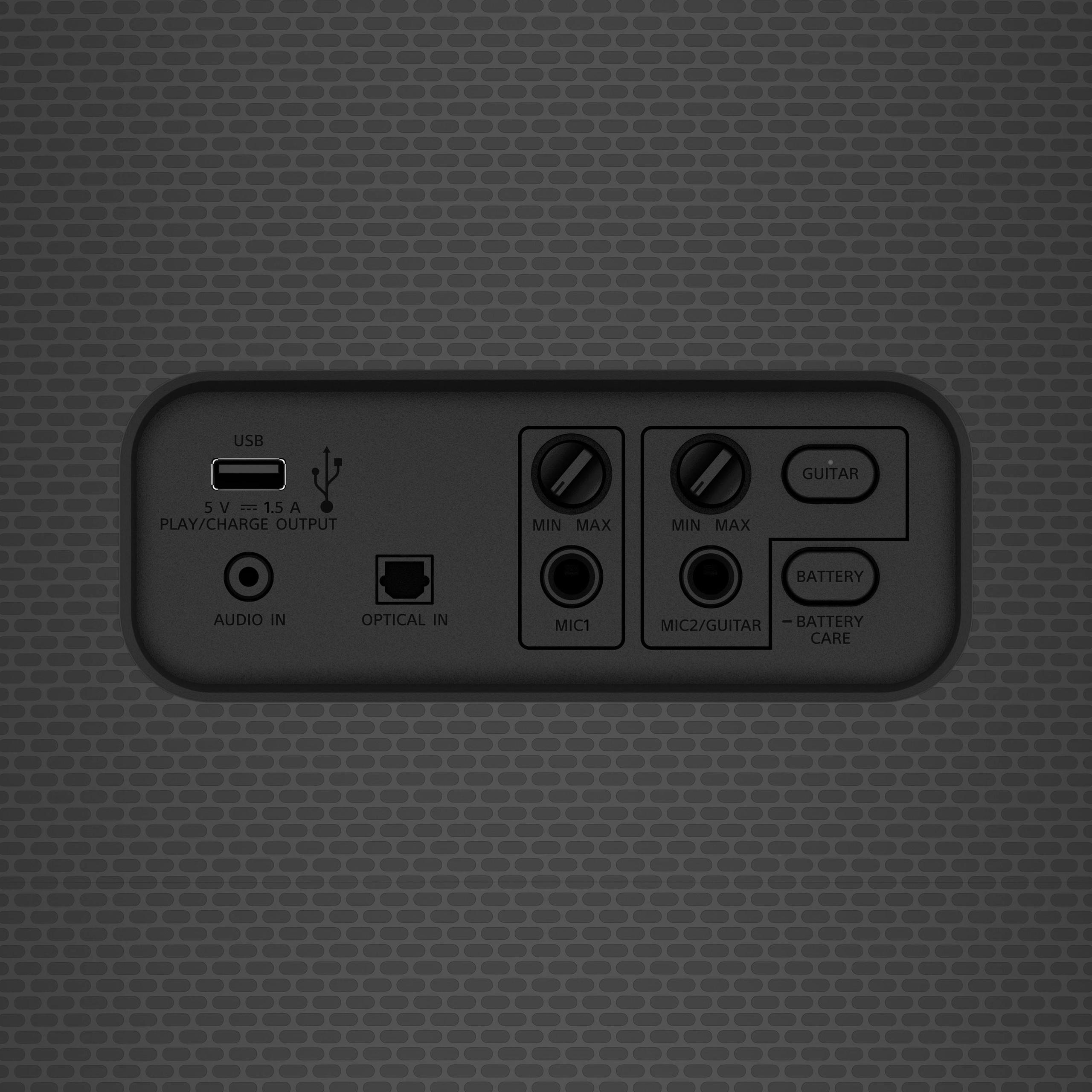
The Sony SRS-XV900 approaches connectivity from a consumer angle. Its Bluetooth 5.2 connection supports LDAC, Sony's high-quality wireless codec that transmits three times more data than standard Bluetooth. This means less compression and better sound quality when streaming from compatible phones.
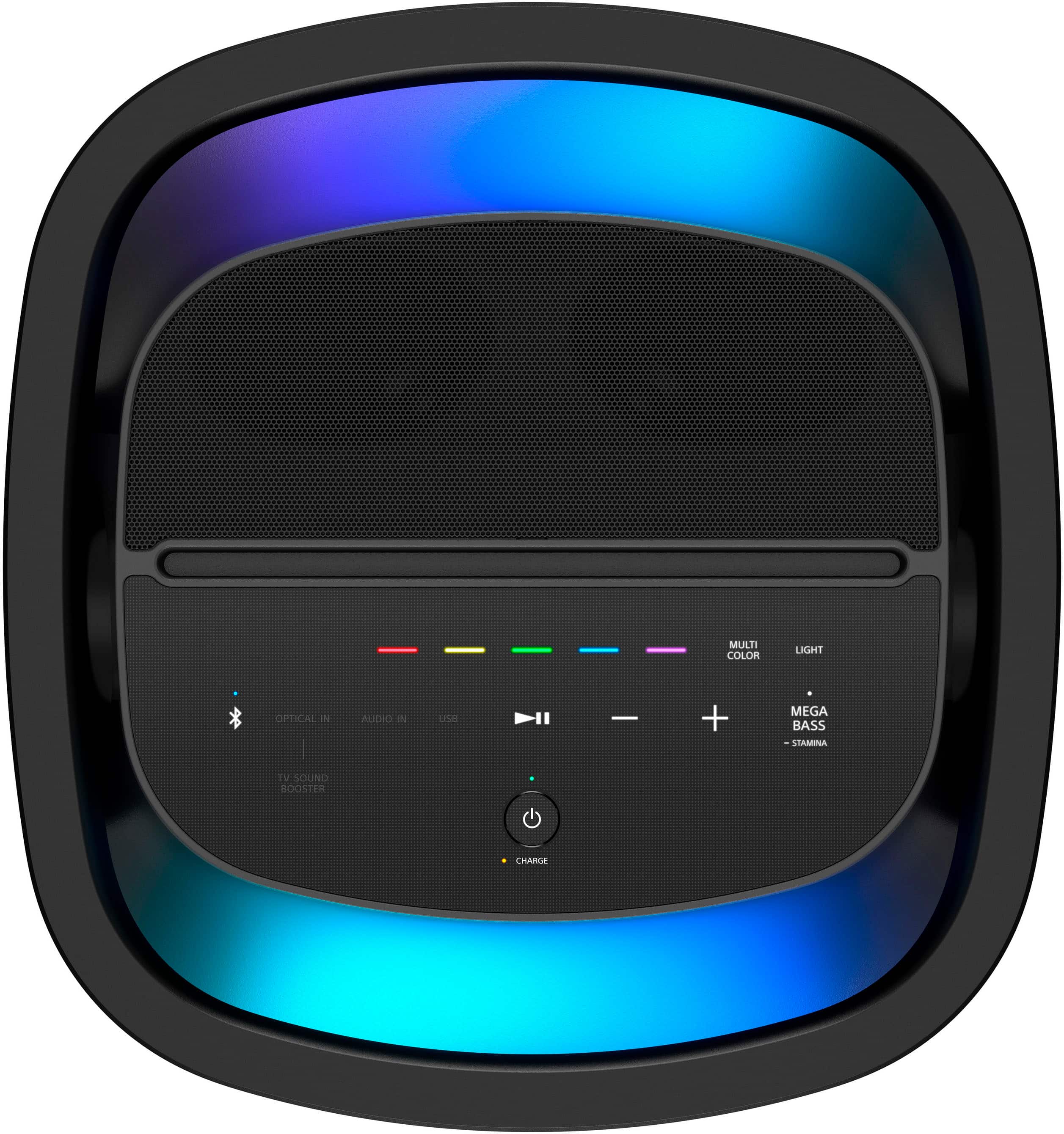
For home theater use, the Sony includes an optical digital input, allowing direct connection to TVs for enhanced dialogue and movie soundtrack playback. The TV Sound Booster mode specifically optimizes the speaker's response for dialogue clarity—something the JBL doesn't offer.
Battery performance reveals another fundamental difference in design philosophy. The Sony SRS-XV900 delivers up to 25 hours of playback—genuinely all-day performance that can handle wedding receptions, outdoor festivals, or weekend camping trips without requiring a power outlet.
The JBL EON ONE Compact provides 12 hours of battery life, which might seem inferior until you consider its unique advantage: the battery is completely removable without tools. Professional users can carry spare batteries and swap them in seconds, effectively providing unlimited runtime. This feature is rare in portable speakers and reflects the professional market's need for reliability.
Charging times favor different use patterns too. The Sony takes about 3 hours to fully charge but offers quick-charge capability—10 minutes plugged in provides 3 hours of playback. The JBL charges faster at 2.5 hours but lacks quick-charge features.
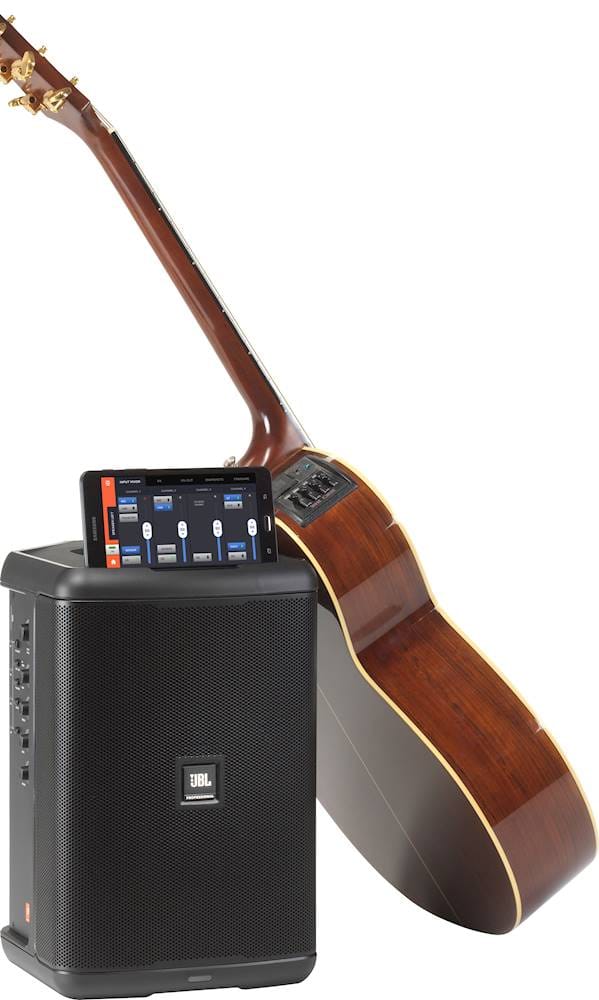
The JBL EON ONE Compact shines with its professional control capabilities through the JBL Compact Connect app. This isn't just a volume control—it's a complete mixing console on your phone. You can adjust individual channel levels, apply EQ (equalization, which boosts or cuts specific frequency ranges), add effects, and even control multiple speakers simultaneously.
The ducking feature demonstrates professional thinking: when it detects speech on a microphone channel, it automatically lowers background music volume, ensuring announcements cut through clearly. This is invaluable for wedding DJs, corporate presenters, or any situation mixing live speech with recorded music.
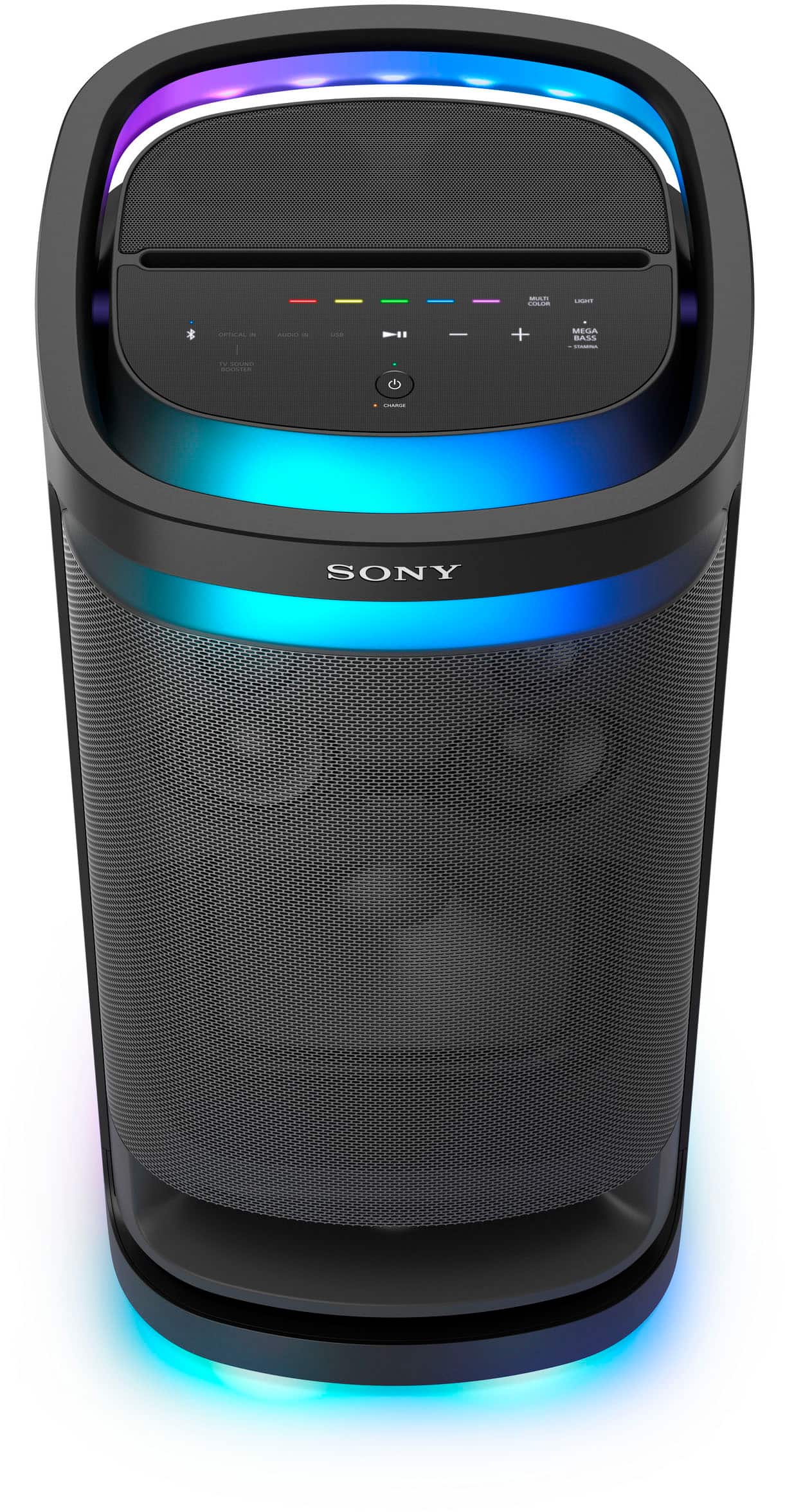
The Sony SRS-XV900 focuses on party enhancement through its Music Center and Fiestable apps. Party lighting effects sync with music, creating visual atmosphere through LED rings. Karaoke features include vocal effects, echo control, and even scoring systems. The Party Connect feature can link up to 100 compatible Sony speakers for massive multi-room setups.
The Sony SRS-XV900 excels here with its optical input and TV Sound Booster mode. User reviews consistently praise its ability to enhance movie dialogue and provide room-filling sound without the complexity of a full surround system. Its deeper bass extension makes action sequences more impactful, while the omnidirectional design ensures consistent sound throughout the room.
The JBL EON ONE Compact can connect to TVs via auxiliary input but lacks the specialized processing that optimizes dialogue clarity. However, its professional-grade sound reproduction might appeal to critical listeners who prefer accurate rather than enhanced audio.
For musicians and performers, the JBL offers capabilities that the Sony simply can't match. The ability to plug in two microphones simultaneously, add professional effects, and control everything remotely makes it a complete performance solution. User reviews from acoustic performers consistently highlight how the system's clarity and feedback resistance allow them to perform in challenging acoustic environments.
The Sony can accept a basic microphone input, but without phantom power or professional mixing capabilities, it's limited to karaoke-style use rather than serious performance applications.
The Sony SRS-XV900 dominates this category through sheer endurance and party-focused features. Its 25-hour battery life means it can genuinely handle all-day events, while party lighting and 360-degree sound create atmosphere that the more business-focused JBL can't match.
However, the JBL shouldn't be dismissed for social use. Its superior portability means it's more likely to actually make it to parties, and its music ducking feature is perfect for events where someone needs to make occasional announcements.
At the time of writing, these speakers occupy different price tiers, with the Sony SRS-XV900 commanding a premium of roughly $200-300 over the JBL EON ONE Compact. This price difference reflects their target markets and feature sets.
The JBL represents exceptional value for anyone needing professional PA capabilities. Traditional professional setups requiring separate mixers, speakers, and wireless systems typically cost $1,500-3,000. Getting professional-grade features in a $600-800 package represents significant value for working musicians, presenters, and small venue operators.
The Sony justifies its premium pricing through extended battery life, premium audio quality, and consumer convenience features. For users who primarily stream music wirelessly and value all-day battery performance, the extra cost delivers tangible benefits.
Both speakers arrived in 2020, representing mature implementations of their respective technologies. The JBL benefits from decades of professional audio experience, incorporating proven mixing algorithms and professional connection standards that haven't needed significant updates.
The Sony showcases more recent consumer audio innovations, particularly in wireless streaming quality and battery management. Sony's LDAC codec, developed in-house, provides better wireless audio quality than standard Bluetooth implementations found in many competitors.
Since their release, both companies have introduced newer models, but these original designs remain current and competitive. The fundamental design decisions—professional versatility versus consumer convenience—continue to differentiate their markets effectively.
Choose the JBL EON ONE Compact if you need professional capabilities in a truly portable package. It's ideal for musicians playing acoustic gigs, presenters who travel between venues, educators conducting outdoor classes, or anyone who needs to mix live microphones with recorded music. The swappable battery system and professional-grade audio quality make it reliable enough for paid work.
The Sony SRS-XV900 better serves users prioritizing maximum battery life and party features over professional inputs. It excels for home entertainment, including TV sound enhancement, extended outdoor gatherings, and social events where wireless music playback and visual effects matter more than microphone capabilities.
Consider your primary use case honestly. If you've never needed to plug in a microphone and primarily stream music from your phone, the Sony's extended battery life and enhanced bass response will serve you better. If you perform music, give presentations, or need professional mixing capabilities, the JBL's versatility and portability make it indispensable despite shorter battery life.
Both speakers represent well-executed versions of their respective philosophies. The key is matching the tool to the job—and understanding that despite both being "portable speakers," they're really solving quite different problems for different types of users.
| JBL EON ONE Compact | Sony SRS-XV900 |
|---|---|
| Weight & Portability - Critical for frequent transport | |
| 17.6 lbs, truly handheld with carry handle | 58.6 lbs with wheels, requires rolling |
| Battery Life - Determines event duration without power | |
| 12 hours (swappable battery system) | 25 hours (non-removable but exceptional endurance) |
| Professional Audio Inputs - Essential for live performance | |
| 4-channel mixer, XLR/TRS, phantom power, guitar input | Basic mic input only, no phantom power or mixing |
| Maximum Volume Output - Room filling capability | |
| 112 dB SPL, suitable for 100-200 people | Unspecified but larger drivers suggest higher output |
| Bass Extension - Depth of low-frequency reproduction | |
| 37.5 Hz (focused mid-bass, clear vocals) | 20 Hz (deep chest-thumping bass for parties) |
| Wireless Audio Quality - Streaming sound fidelity | |
| Standard Bluetooth with basic codecs | Bluetooth 5.2 with LDAC high-quality codec |
| Built-in Effects - Professional sound enhancement | |
| Lexicon reverb, delay, chorus, ducking | Party lighting, karaoke features, TV sound modes |
| App Control Features - Remote management capability | |
| JBL Compact Connect: Full mixer control, EQ, multi-unit linking | Sony Music Center: Party features, lighting control, speaker pairing |
| Home Theater Integration - TV and movie enhancement | |
| 3.5mm aux input only | Optical digital input with TV Sound Booster mode |
| Charging Speed - Downtime between uses | |
| 2.5 hours full charge | 3 hours full charge, 10-minute quick charge for 3 hours play |
| Warranty Coverage - Long-term reliability protection | |
| 7 years (3 years on battery) | Standard consumer warranty |
The Sony SRS-XV900 is significantly better for home theater applications. It features an optical digital input that connects directly to your TV, along with a dedicated TV Sound Booster mode that optimizes dialogue clarity and movie soundtracks. The JBL EON ONE Compact only offers a basic auxiliary input and is designed primarily for live performance rather than home entertainment.
The JBL EON ONE Compact is a professional PA system with a built-in 4-channel mixer, microphone inputs, and live performance features. The Sony SRS-XV900 is a consumer party speaker focused on wireless music streaming, extended battery life, and entertainment features like party lighting and karaoke functions.
The Sony SRS-XV900 offers superior battery life with up to 25 hours of playback compared to the JBL EON ONE Compact's 12 hours. However, the JBL has a unique advantage with its tool-free swappable battery system, allowing unlimited runtime with spare batteries.
Only the JBL EON ONE Compact offers full microphone support with two XLR/TRS inputs and phantom power for condenser microphones. The Sony SRS-XV900 has a basic microphone input suitable only for karaoke-style use without professional mixing capabilities.
The JBL EON ONE Compact is far more portable at just 17.6 pounds with a carry handle, making it easy to transport by hand. The Sony SRS-XV900 weighs 58.6 pounds and requires wheels for mobility, making it better suited for semi-permanent setups.
Both offer excellent sound quality but with different approaches. The Sony SRS-XV900 provides deeper bass extension (20 Hz) and 360-degree sound dispersion, making it ideal for party music. The JBL EON ONE Compact offers more balanced, professional-grade sound reproduction that's better for live performances and vocal clarity.
The Sony SRS-XV900 connects to TVs via optical digital input and includes TV-specific sound enhancement modes. The JBL EON ONE Compact can only connect to TVs through a basic auxiliary cable without specialized TV audio processing.
The JBL EON ONE Compact is specifically designed for live performances with professional mixing capabilities, multiple input types, built-in effects, and the ability to handle both microphones and instruments simultaneously. The Sony SRS-XV900 lacks these professional features and is not suitable for serious live performance use.
Yes, both support Bluetooth connectivity, but the Sony SRS-XV900 offers superior wireless audio quality with Bluetooth 5.2 and Sony's LDAC codec for high-resolution streaming. The JBL EON ONE Compact provides standard Bluetooth connectivity along with professional wired inputs.
For casual parties focused on music playback, the Sony SRS-XV900 excels with its 25-hour battery life, party lighting effects, and powerful bass. For events requiring announcements or live music, the JBL EON ONE Compact is superior due to its professional mixing and microphone capabilities.
Both speakers offer smartphone app control but for different purposes. The JBL EON ONE Compact uses the JBL Compact Connect app for professional mixer control, EQ adjustment, and effects. The Sony SRS-XV900 uses Sony's Music Center app for party features, lighting control, and karaoke functions.
The JBL EON ONE Compact typically costs less and provides exceptional value for users needing professional PA capabilities that would normally require separate equipment. The Sony SRS-XV900 commands a premium but justifies it with extended battery life, premium build quality, and comprehensive consumer entertainment features. Your choice depends on whether you need professional audio tools or consumer convenience features.
We've done our best to create useful and informative comparisons to help you decide what product to buy. Our research uses advanced automated methods to create this comparison and perfection is not possible - please contact us for corrections or questions. These are the sites we've researched in the creation of this article: bestbuy.com - crutchfield.com - noisegate.com.au - zzounds.com - jblpro.com - youtube.com - soundonsound.com - jblpro.com - youtube.com - youtube.com - jbl.com - samash.com - sweetwater.com - avnow.com - soundonsound.com - youtube.com - kh.jbl.com - talkbass.com - techradar.com - proav.com - gearspace.com - jazzguitar.be - sweetwater.com - youtube.com - crutchfield.com - forums.musicplayer.com - adn.harmanpro.com - device.report - bgs.cc - youtube.com - bestbuy.com - youtube.com - crutchfield.com - versus.com - youtube.com - versus.com - youtube.com - comparisontabl.es - tech.hindustantimes.com - youtube.com - electronics.sony.com - youtube.com - crutchfield.com - centresdirect.co.uk - sony-asia.com - nikktech.com - sony.com - youtube.com - reliancedigital.in - sonyworld.ae - sony.com - shopjetson.com - bestbuy.com - versus.com

Privacy Policy
Terms and Conditions - Affiliate Policy
Home Security
© Copyright 2008-2026.
11816 Inwood Rd #1211, Dallas, TX 75244