

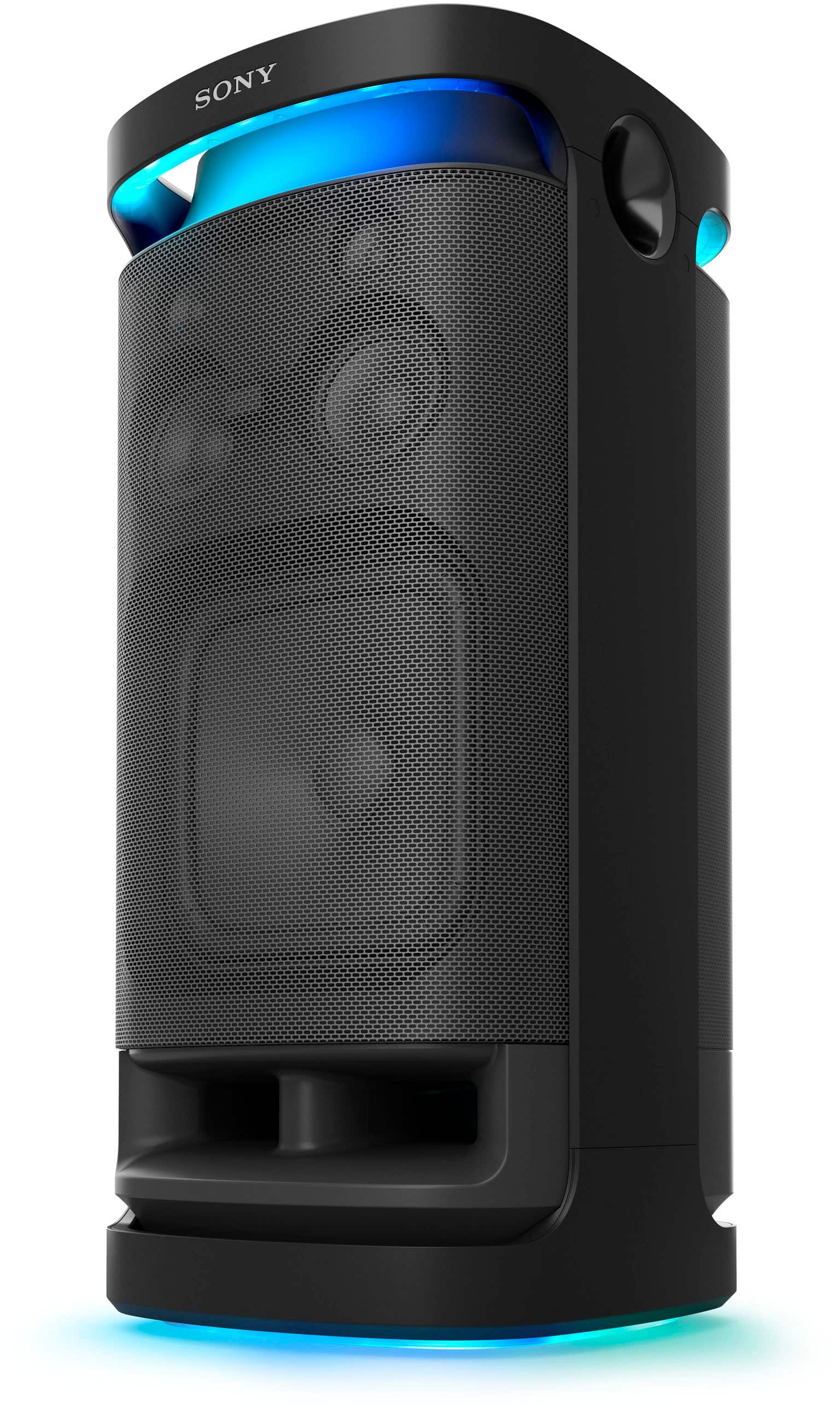
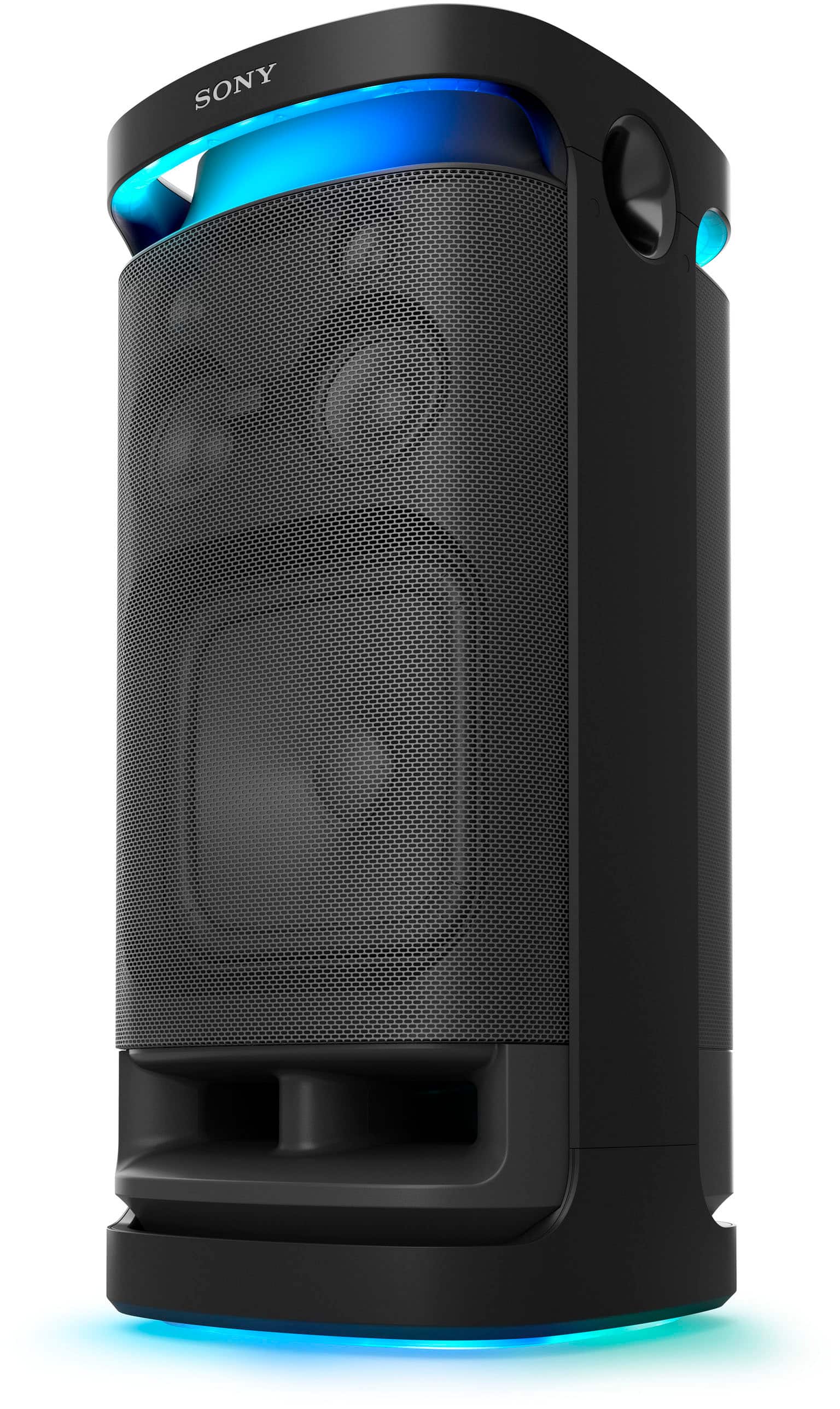
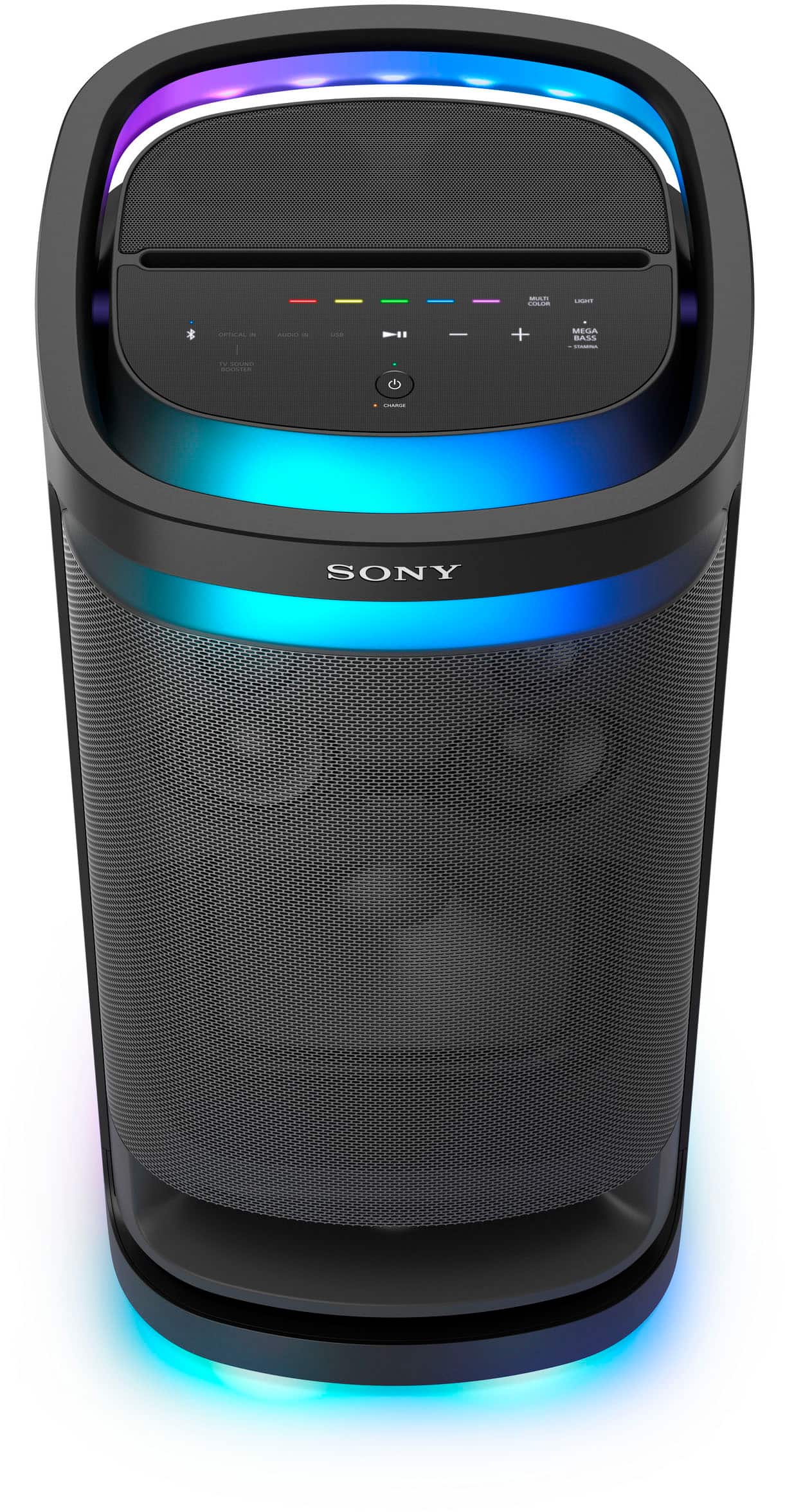
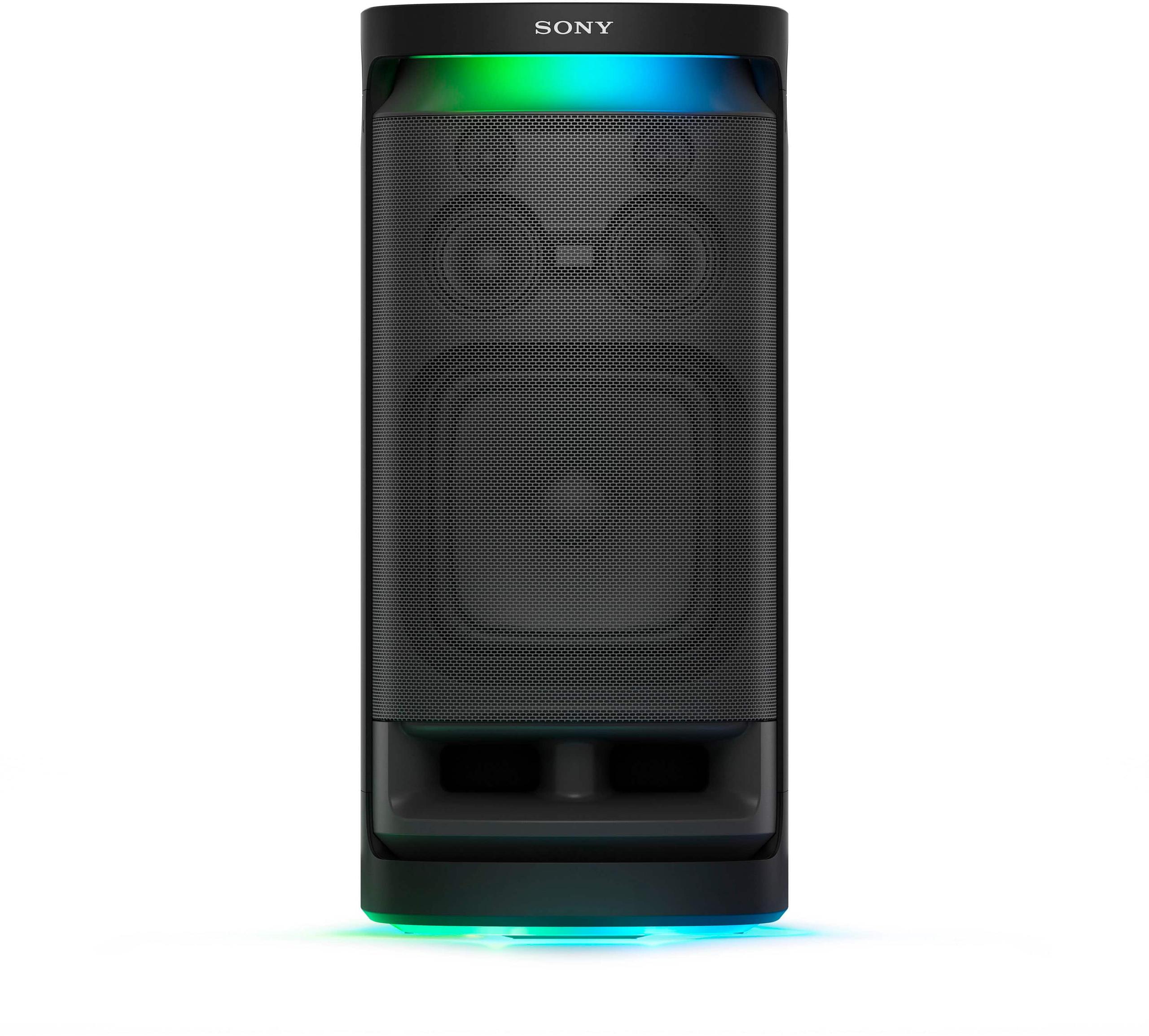
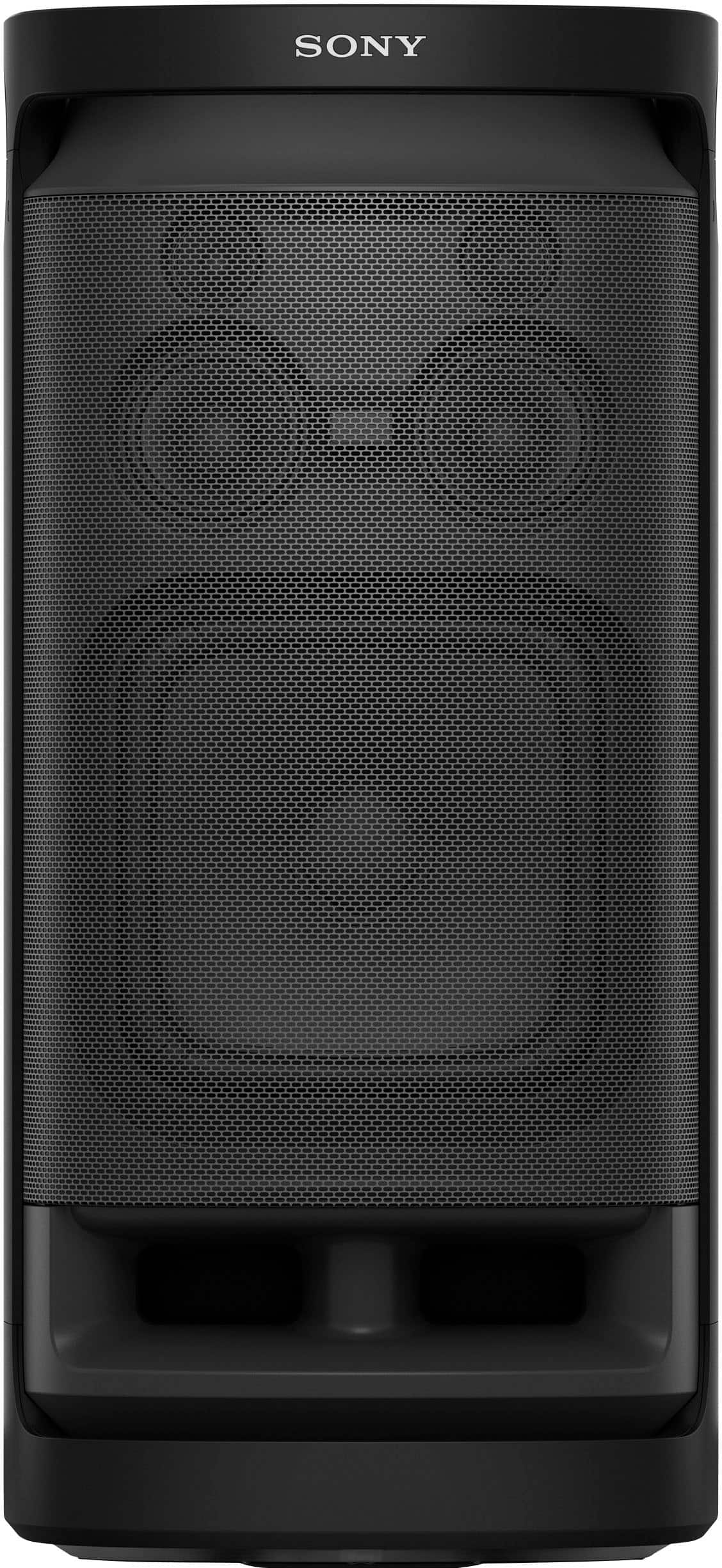
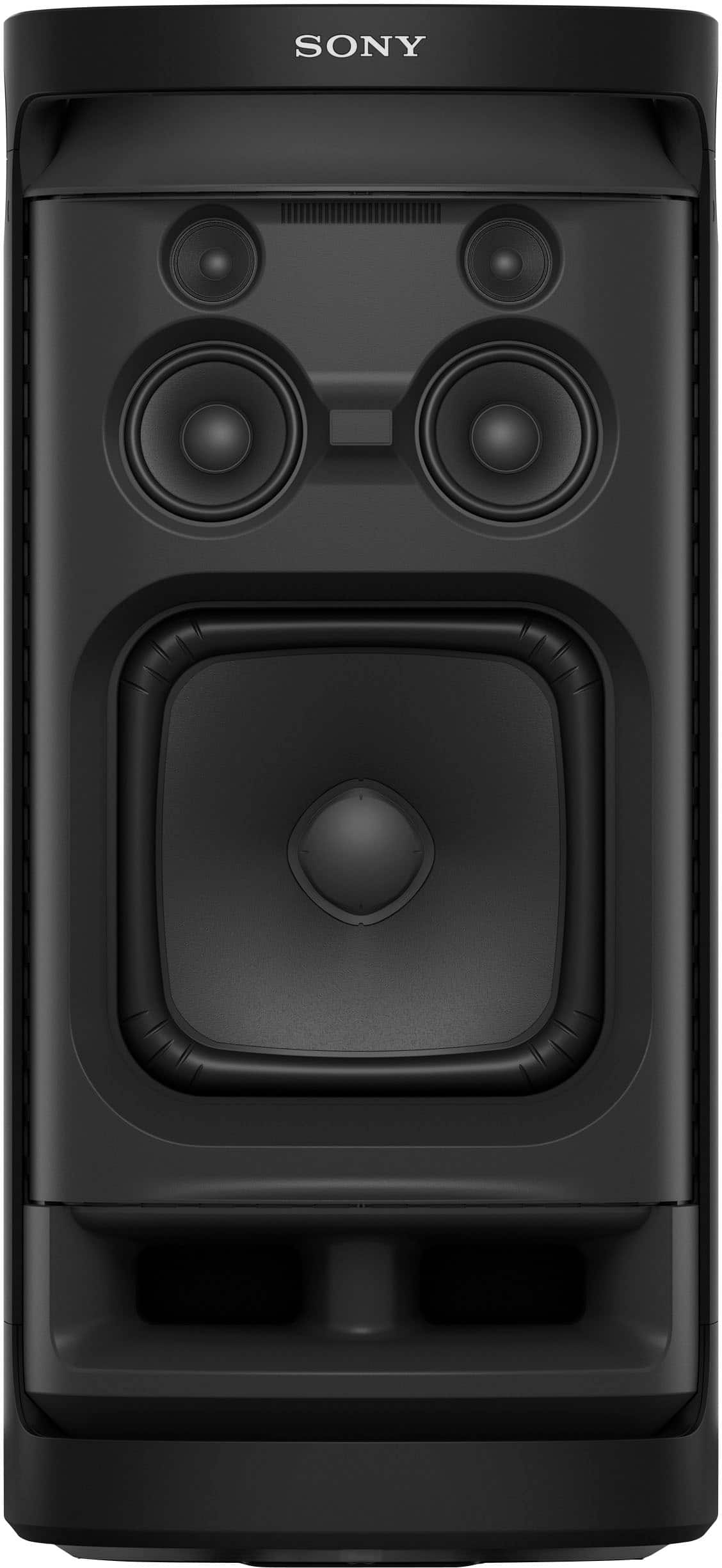
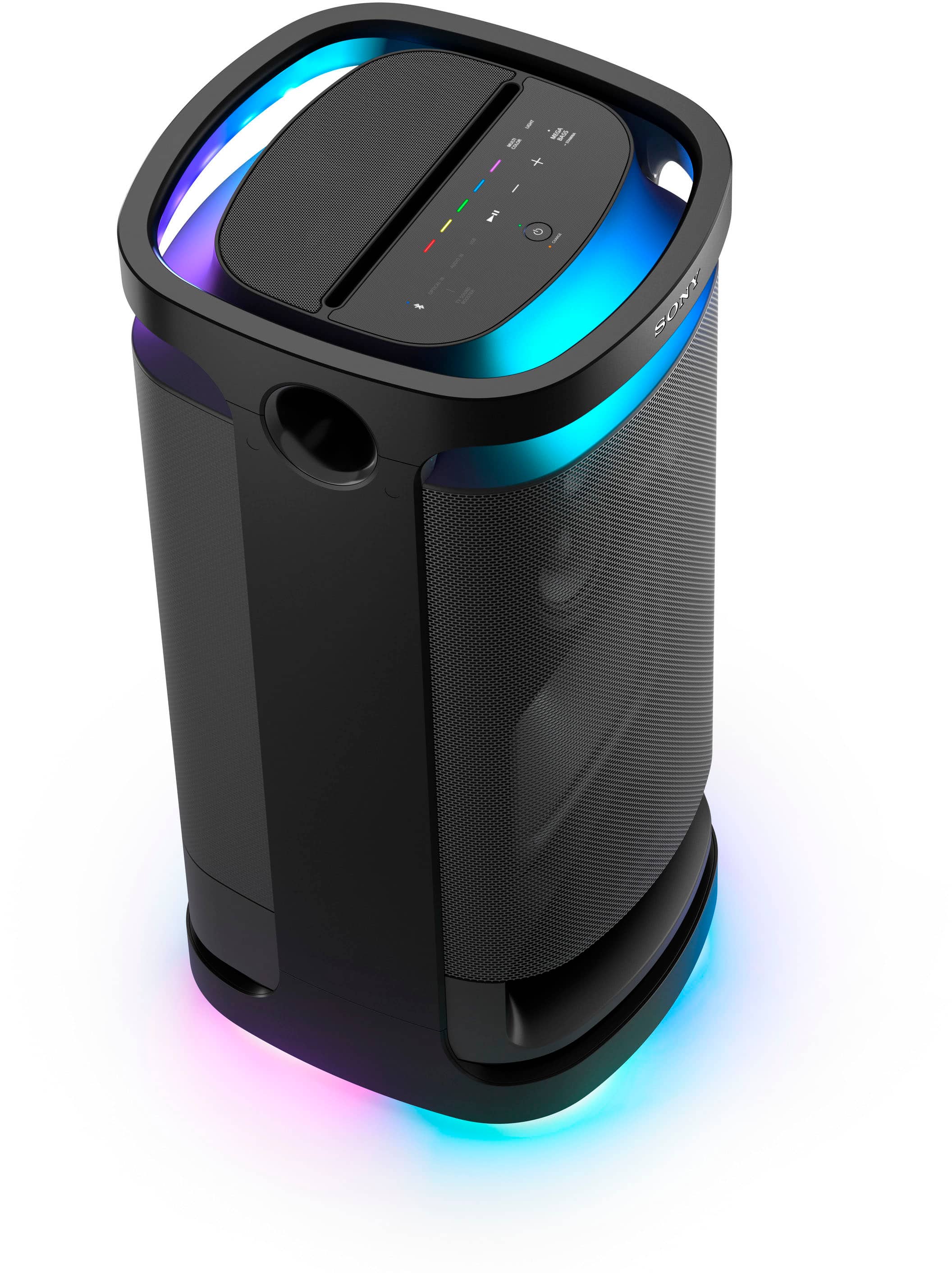
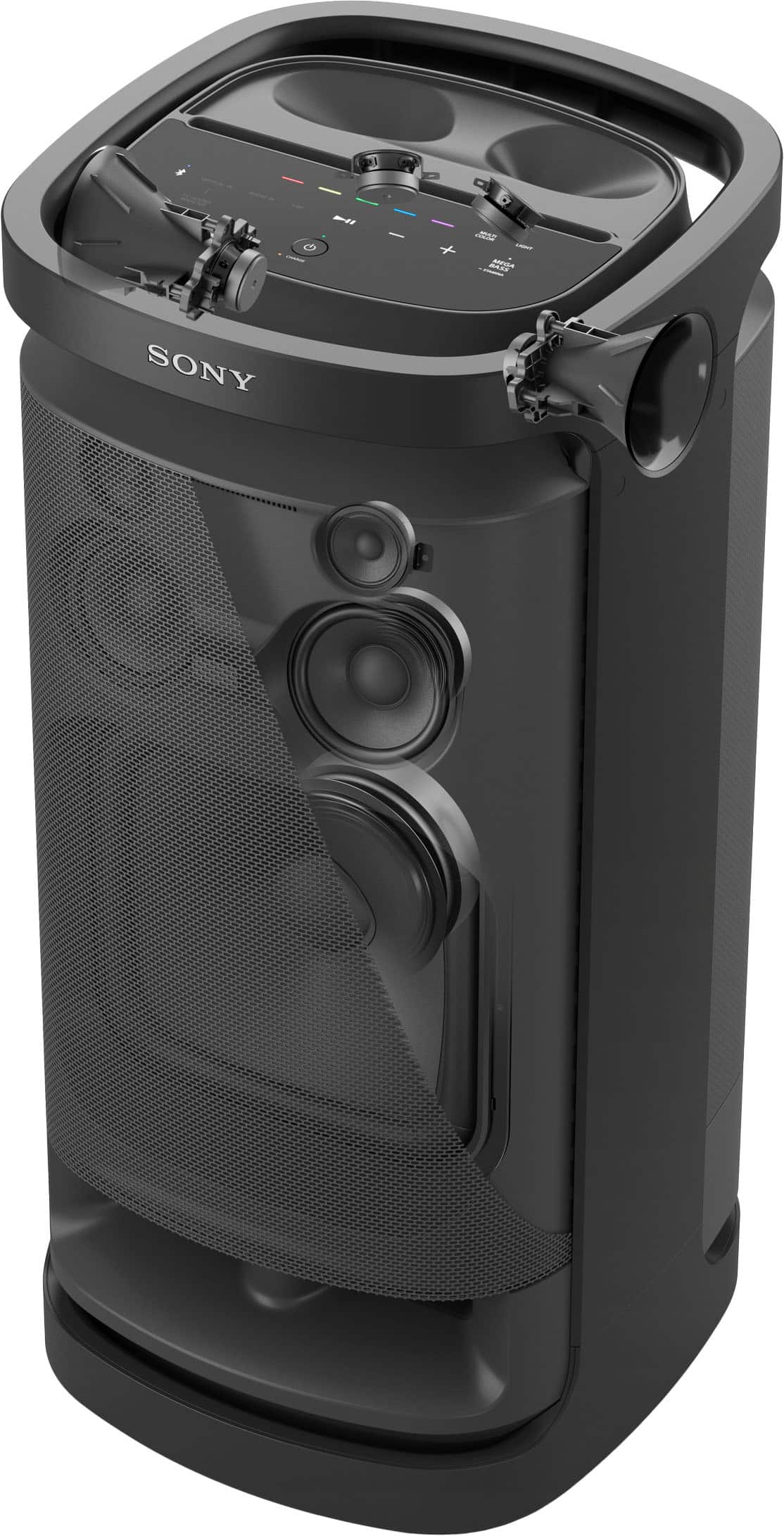
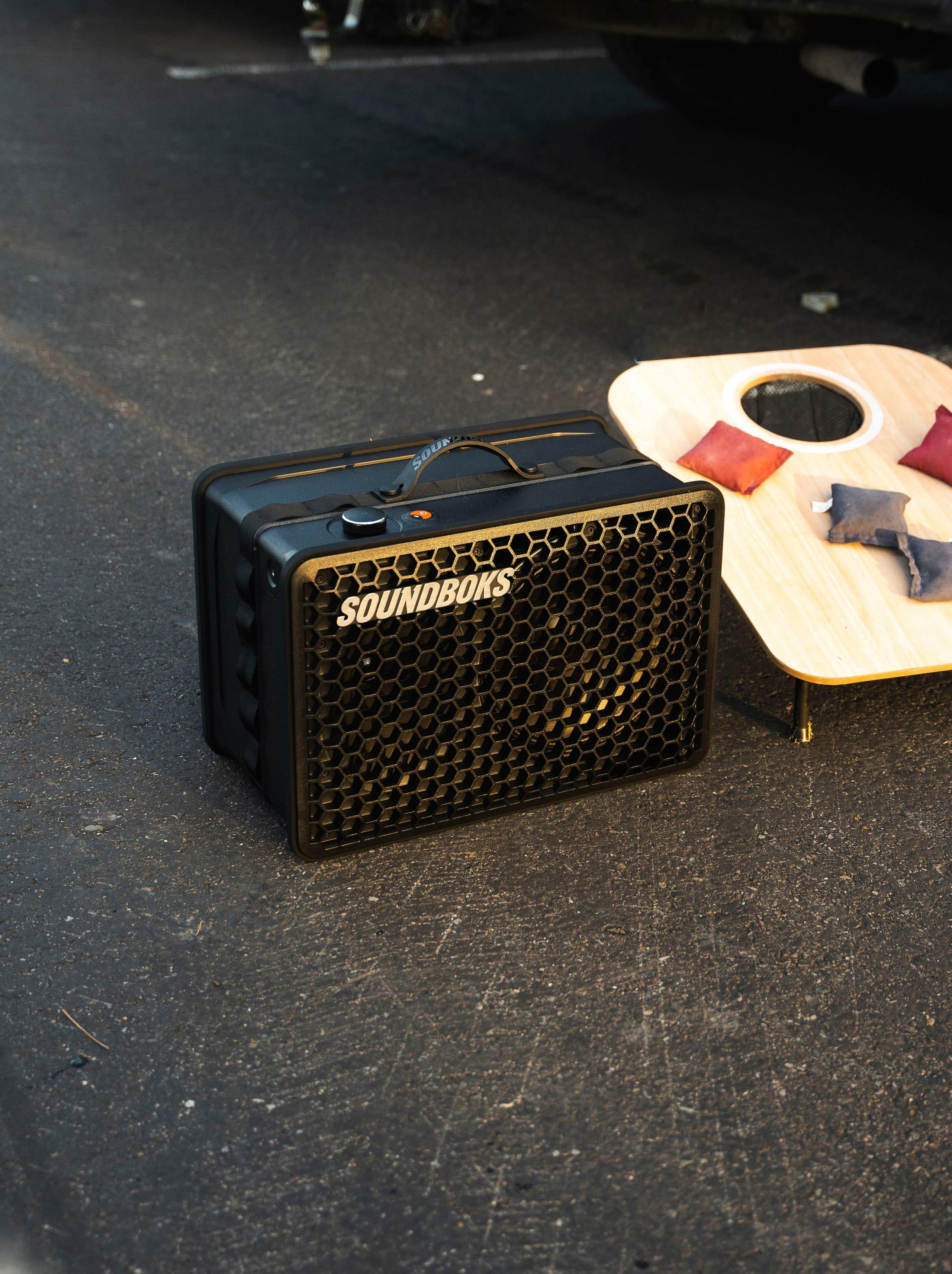
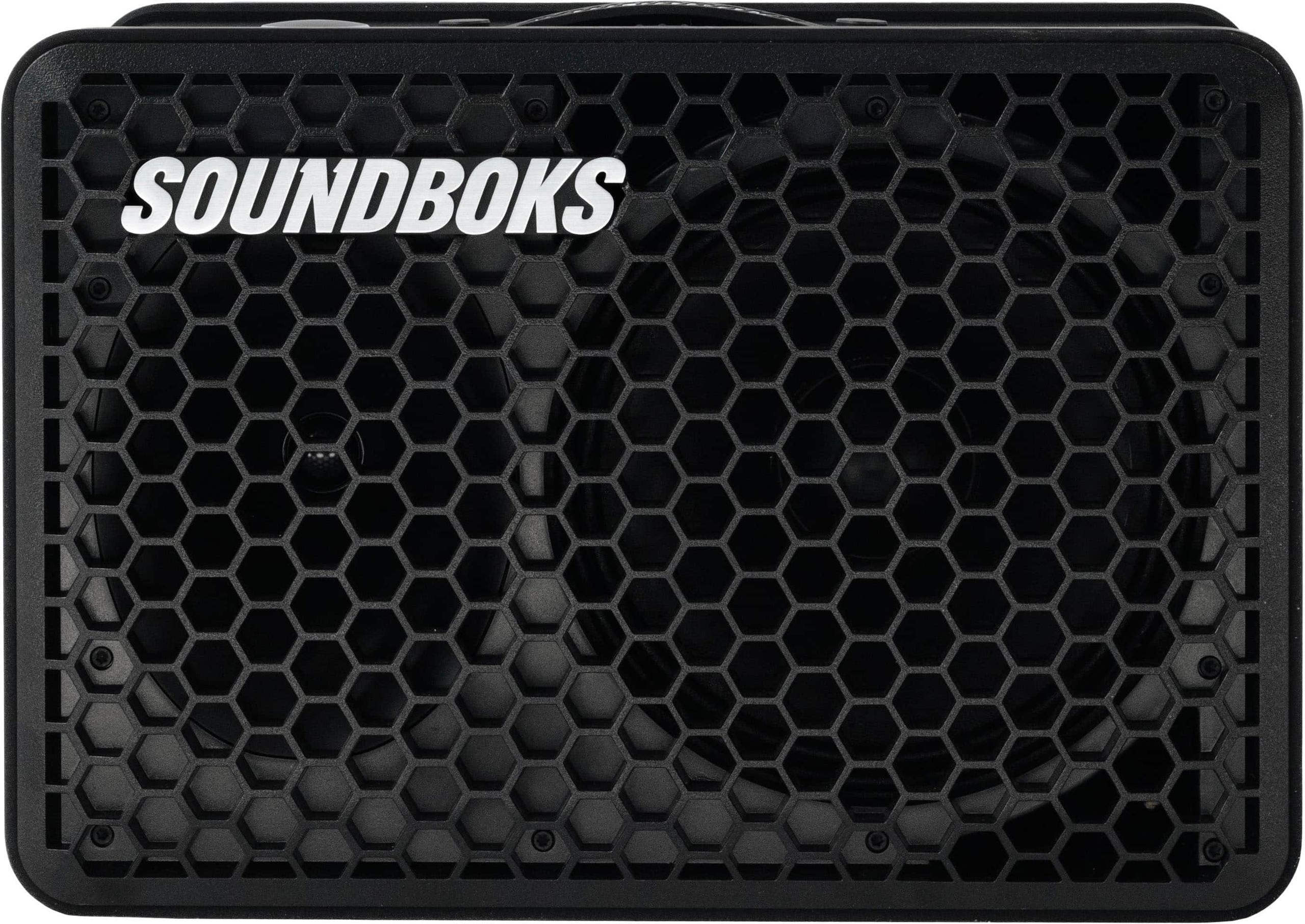
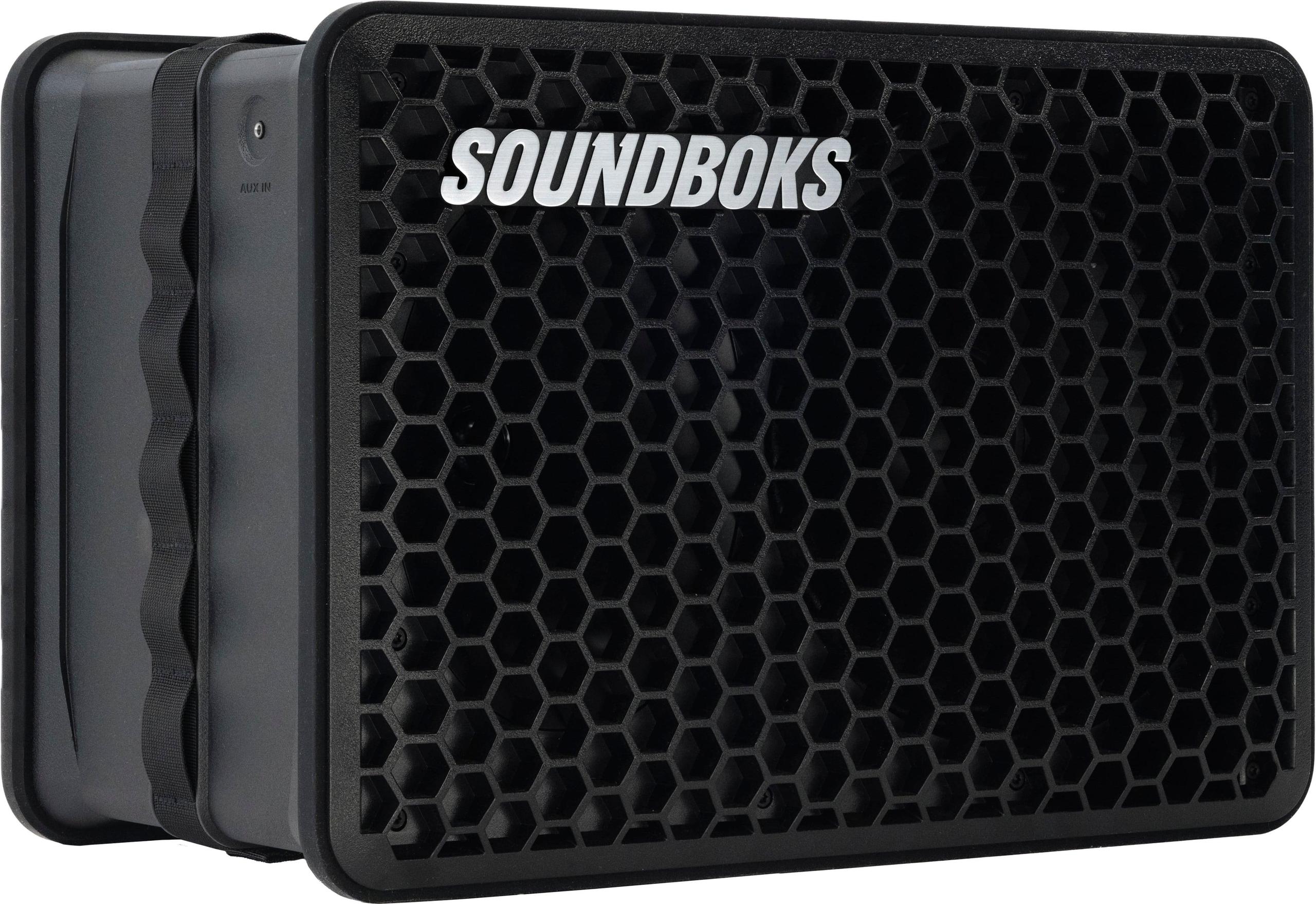
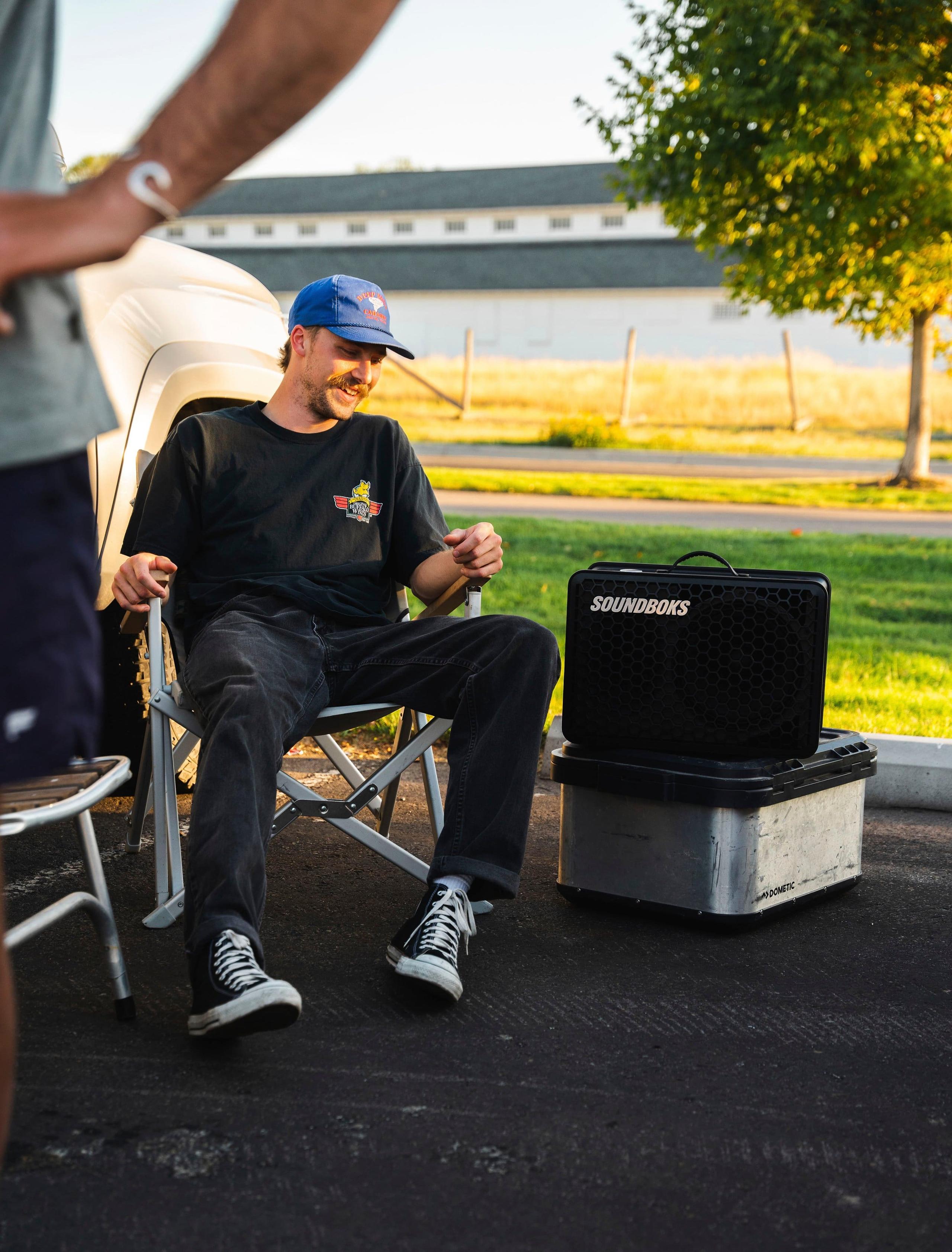
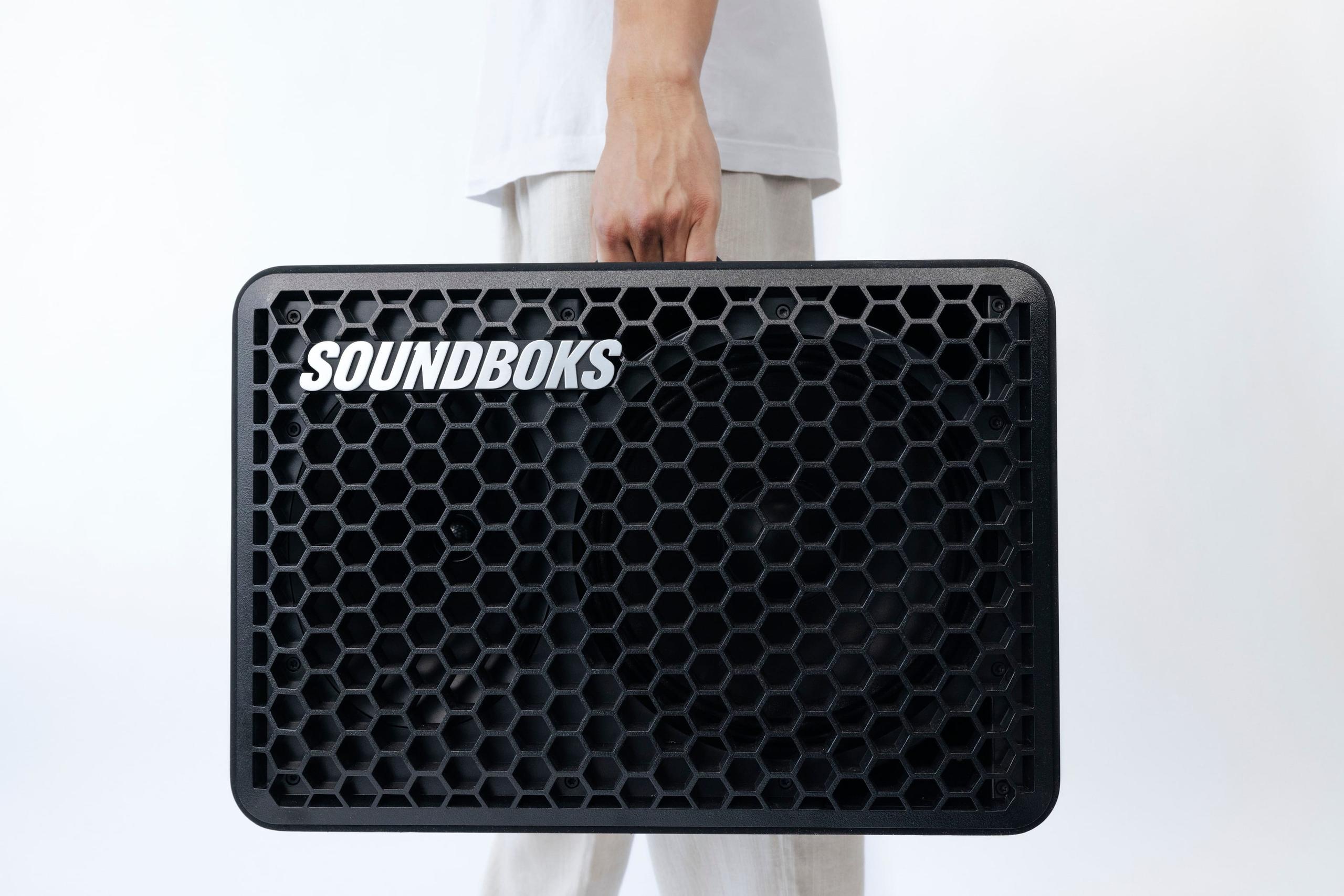


When you're planning the ultimate party or outdoor gathering, the right speaker can make or break the entire experience. Large portable Bluetooth speakers have evolved dramatically over the past few years, transforming from basic boom boxes into sophisticated audio powerhouses that rival professional PA systems. Today, we're diving deep into two standout options that represent very different philosophies in portable audio: the Sony SRS-XV900 and the Soundboks Go.
Both speakers landed on the market in recent years—the Sony in 2022 and the Soundboks Go around the same time—representing the latest thinking in portable audio technology. Since then, we've seen incremental improvements in Bluetooth technology and battery efficiency, but these models remain at the cutting edge of what's possible in battery-powered speakers.
Before we dig into the specifics, it's worth understanding what sets these speakers apart from your typical portable Bluetooth speaker. We're talking about devices that bridge the gap between something you'd take to the beach and equipment you'd rent for a wedding. These speakers need to deliver room-filling (or field-filling) sound while remaining portable enough to actually move around.
The key considerations in this category go far beyond just "does it sound good?" You're looking at maximum volume output (measured in decibels or dB), battery life that can handle all-day events, build quality that won't fail when you need it most, and increasingly, smart features that enhance the party experience. Weather resistance has become crucial too, since these speakers often end up poolside or on camping trips where a sudden downpour shouldn't spell disaster.
Let's start with the most obvious question: which one gets louder? This is where things get interesting, and the answer reveals fundamental differences in design philosophy.
The Soundboks Go absolutely dominates in raw output, delivering 121 dB of maximum sound pressure level. To put that in perspective, that's approaching the volume of a chainsaw or rock concert. This extreme output comes from 144 watts of RMS (Root Mean Square) power—a more honest measurement than the "peak" watts many companies advertise. RMS tells you the continuous power the speaker can actually deliver, not just brief bursts.
The Sony SRS-XV900, meanwhile, takes a more nuanced approach. While Sony doesn't publish a maximum SPL rating, the speaker consumes 100 watts from the wall outlet, suggesting significant power reserves. More importantly, multiple professional reviews consistently describe the Sony as "extremely loud" and capable of causing noise complaints in apartment buildings. The difference is that Sony engineers focused on making that volume sound good rather than just hitting peak numbers.
Based on extensive research into user experiences and professional reviews, the volume difference in real-world use is less dramatic than the specifications suggest. The Soundboks can definitely get louder, but the Sony reaches party-appropriate volume levels with better sound quality at those levels.
Here's where the Sony SRS-XV900 starts to pull away. Frequency response tells you which parts of the audio spectrum a speaker can reproduce, and Sony's 20 Hz to 20,000 Hz range is genuinely impressive for a portable speaker. That 20 Hz low-end capability means you're getting true sub-bass—the kind that you feel in your chest during hip-hop tracks or electronic music.
The Soundboks Go covers 40 Hz to 20 kHz, which is still excellent but misses that bottom octave of bass frequencies. In practical terms, this means the Sony will deliver more of those room-shaking bass drops that make dance music so compelling.
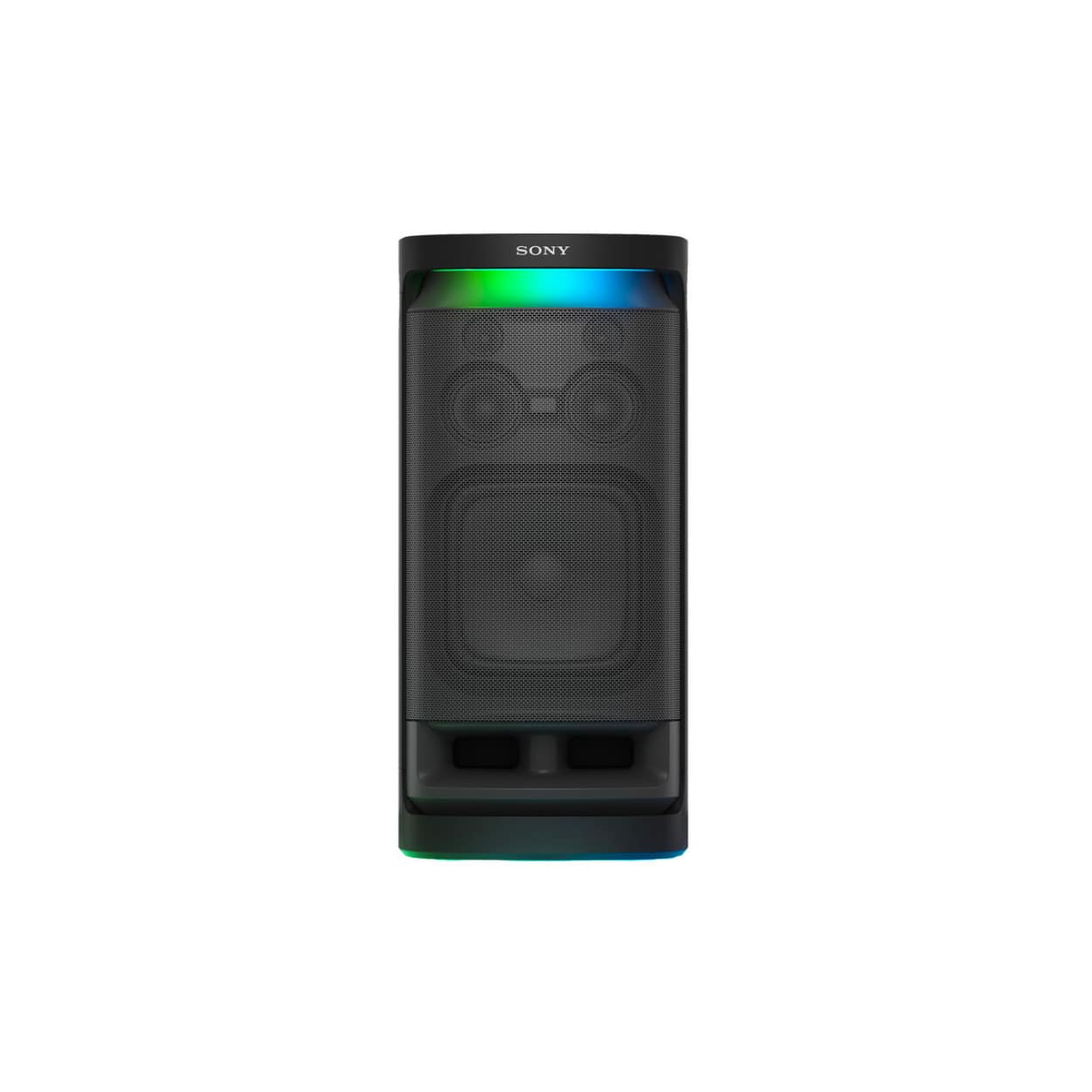
But frequency response numbers only tell part of the story. The Sony employs what they call an X-Balanced woofer design—essentially a rectangular speaker cone instead of the traditional circular design. This allows for more surface area in the same space, which translates to better bass response with less distortion. It's paired with a sophisticated 4-way speaker system that includes six tweeters (the small drivers that handle high frequencies) positioned around the speaker for true 360-degree sound coverage.
The Soundboks Go uses a more traditional 2-way design with a 10-inch woofer and a 1-inch silk dome tweeter. This simpler approach can actually be an advantage for consistency and reliability, but it means the sound is more directional and lacks the sophisticated spatial characteristics of the Sony system.
Professional reviews reveal a clear personality difference between these speakers. The Sony SRS-XV900 aims for what audiophiles call a "balanced" sound signature. This means vocals remain clear and detailed, bass is powerful but controlled, and high frequencies sparkle without becoming harsh. The omnidirectional design means the sound quality remains consistent whether you're standing in front of, beside, or behind the speaker.
The Soundboks Go, according to multiple professional reviews, delivers what's known as a "V-shaped" sound signature. This means enhanced bass and treble with somewhat recessed midrange frequencies. This tuning choice makes sense for party environments where you want bass that cuts through crowd noise and highs that maintain clarity at extreme volumes. However, it can make vocals sound distant and may become fatiguing during longer listening sessions.
Battery performance in this category isn't just about how long the music plays—it's about reliability when you're nowhere near an outlet and the party depends on your speaker choice.
The Sony SRS-XV900 promises up to 25 hours of playback from its built-in lithium-ion battery. In real-world testing by users and reviewers, this proves remarkably accurate at moderate volume levels, though playing at maximum volume will drain the battery considerably faster. The charging time of about 3 hours is reasonable given the capacity.
The Soundboks Go takes a completely different approach with its swappable battery system. At moderate volumes, you'll get around 40 hours of playback, but crank it to maximum and you're looking at about 10 hours. The game-changer here is that you can swap in a fresh battery in seconds, enabling literally unlimited runtime if you plan ahead. This flexibility makes the Soundboks particularly appealing for professional DJs or event organizers who can't afford to have the music stop.
Both speakers can charge your phone or other devices via USB ports, essentially functioning as power banks. This feature has become increasingly important as these speakers often accompany camping trips or beach days where access to charging is limited.
This is where the philosophical differences between these speakers become most apparent.
The Soundboks Go was designed from the ground up for abuse. It carries an IP65 rating, which means it's completely dustproof and can handle water jets from any direction without damage. The cabinet combines ABS plastic with polycarbonate reinforcement, and the entire unit is wrapped in silicone rubber bumpers. The result is a speaker that feels more like military equipment than consumer electronics.
At 20.3 pounds, the Soundboks achieves genuine portability while maintaining rugged construction. The handle is robust and comfortable, and optional carry straps make it practical for hiking or other outdoor adventures where you're carrying gear significant distances.
The Sony SRS-XV900, unfortunately, represents a significant compromise in outdoor durability. Despite weighing nearly 59 pounds and clearly being designed for outdoor parties, Sony chose not to include any weather resistance rating. This means poolside parties are risky, and you'll need to scramble for cover if rain threatens.
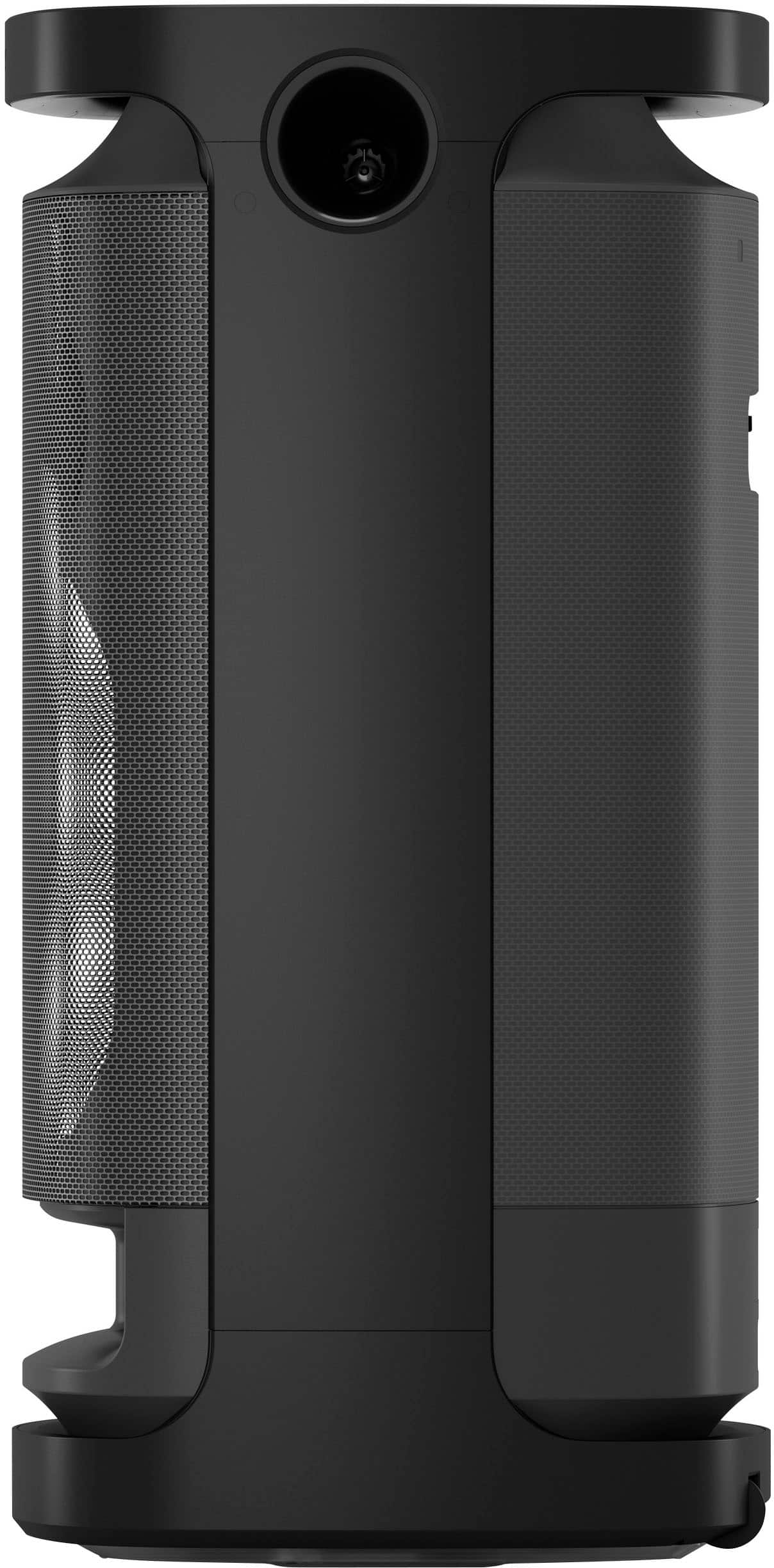
However, the Sony does include practical transportation features like built-in wheels and handles, which help manage the substantial weight. The build quality feels premium and substantial, but it's clearly designed for covered outdoor areas or indoor use rather than true outdoor adventures.
Modern party speakers need to be more than just Bluetooth audio receivers, and both speakers offer different approaches to connectivity and smart features.
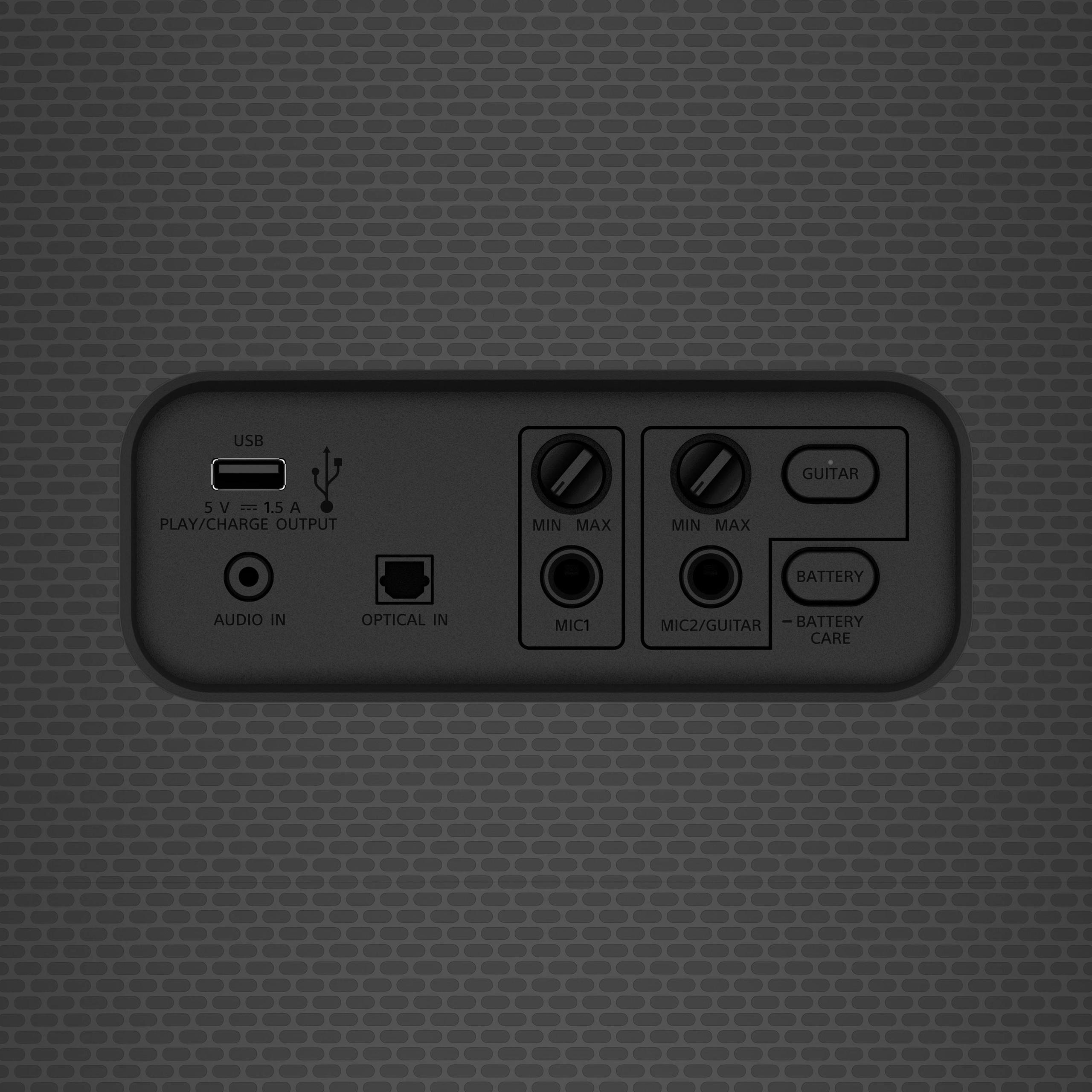
The Sony SRS-XV900 treats connectivity as a core feature, offering an impressive array of inputs. Beyond standard Bluetooth 5.2 with support for high-quality codecs like LDAC (which transmits three times more audio data than standard Bluetooth), you get optical digital input for connecting to TVs, microphone and guitar inputs for karaoke, USB port for direct music playback, and traditional 3.5mm auxiliary input.
The LDAC codec support deserves special mention—this Sony-developed technology allows for near-CD-quality wireless audio transmission when paired with compatible source devices. It's a significant step up from standard Bluetooth audio quality.
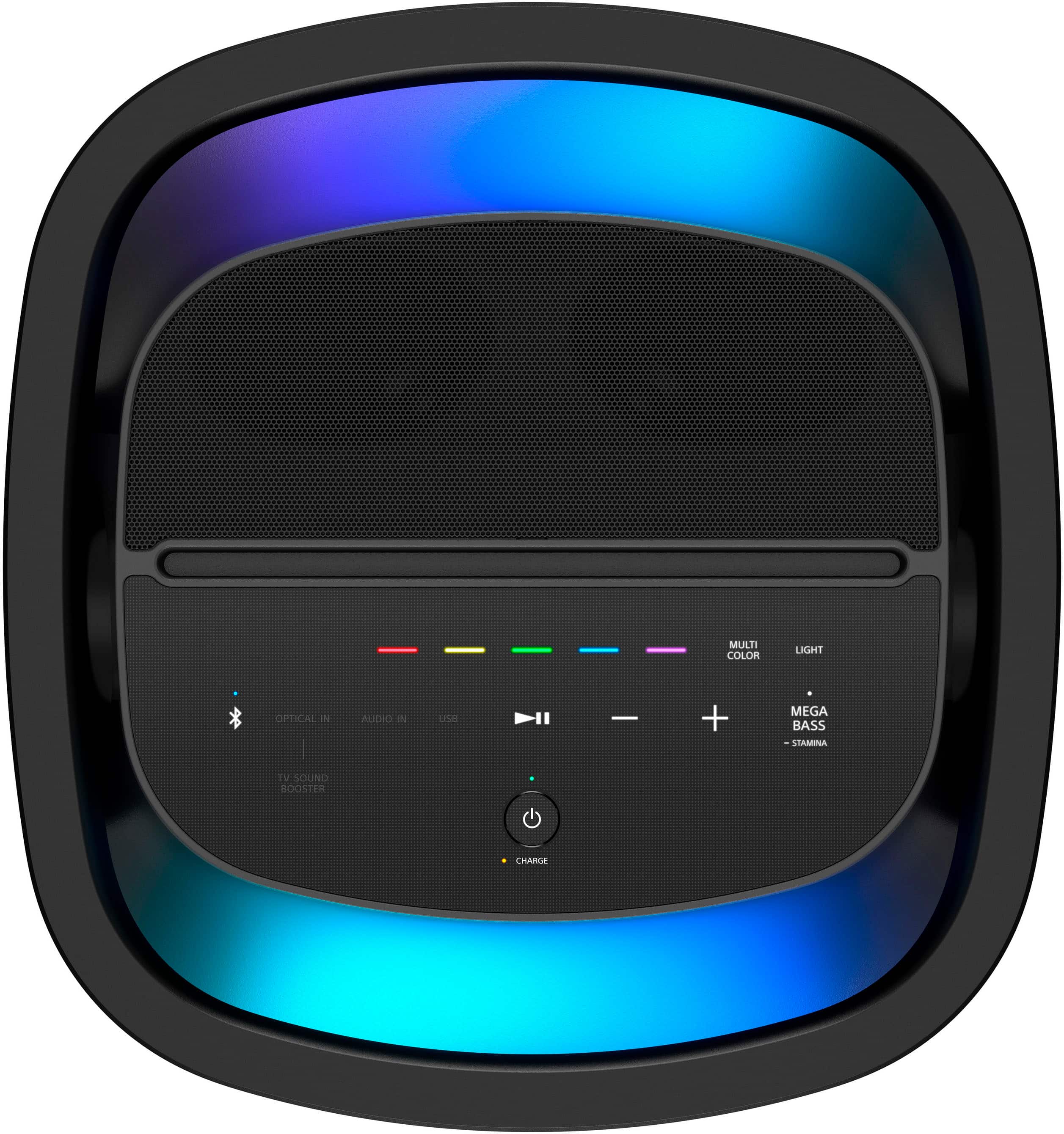
Sony's app integration goes deep, offering lighting control, custom EQ settings, and the ability to connect up to 100 compatible Sony speakers for massive sound installations. The Party Connect feature using this many speakers is admittedly a niche use case, but the stereo pairing capability is genuinely useful for creating a proper left-right soundstage.
The Soundboks Go takes a more focused approach to connectivity. Bluetooth 5.0 provides reliable wireless connection, and the 3.5mm auxiliary input ensures compatibility with any audio source. The standout feature is SKAA technology, which enables ultra-low-latency wireless connection between multiple Soundboks speakers.
SKAA (Skaa Audio) technology is particularly valuable for live performance scenarios where audio delay between speakers would create echo effects. While you can only connect up to 5 Soundboks units (compared to Sony's 100), the professional-grade synchronization makes this limitation less important for serious applications.
At the time of writing, both speakers command premium pricing in the $800-900 range, placing them firmly in the high-end portable speaker category. Understanding what drives this pricing helps clarify which represents better value for different users.
The Sony SRS-XV900 justifies its premium pricing through sophisticated engineering and comprehensive features. You're paying for the complex omnidirectional speaker array, advanced signal processing, extensive connectivity options, and smart features like TV sound enhancement. It's essentially a complete entertainment system that happens to be portable.
The Soundboks Go represents a different value equation. The premium pricing reflects extreme build quality, professional-grade audio components, and unique features like the swappable battery system. You're paying for reliability and performance in demanding conditions where cheaper speakers would fail.
For home theater enhancement, the Sony offers compelling advantages. The optical input allows direct connection to TVs for enhanced dialogue clarity and more impactful sound effects. The omnidirectional design works well in living rooms where listeners might be positioned around the speaker, and the sophisticated drivers deliver the detail needed for movie soundtracks.
The Sony SRS-XV900 incorporates several proprietary technologies that distinguish it from competitors. The X-Balanced woofer technology uses a unique rectangular diaphragm shape that maximizes surface area within the available space. This isn't just marketing—the rectangular design allows for approximately 20% more surface area than a circular woofer of equivalent size, translating directly to better bass response and lower distortion.
Sony's omnidirectional design places two 50mm tweeters on the front, four 40mm tweeters distributed around the sides and rear, plus two midrange drivers. This creates what acoustic engineers call a "point source" design at the listening position—sound appears to come from the speaker location rather than specific drivers, creating more natural imaging.
The Soundboks Go employs different but equally sophisticated technology. The Class D amplification with Merus Audio Eximo switching technology achieves extremely high efficiency, crucial for battery-powered applications. This amplifier design can convert over 90% of input power into audio output, compared to 70-80% efficiency from conventional designs.
The horn-loaded tweeter design in the Soundboks increases efficiency and provides better pattern control than conventional dome tweeters. Horn loading essentially acts as an acoustic amplifier, allowing the small tweeter to fill larger spaces more effectively.
Both speakers represent 2022-era technology, arriving at a time when Bluetooth 5.0+ had matured and battery technology had reached new efficiency levels. Since their release, we've seen incremental improvements in wireless codecs and modest advances in amplifier efficiency, but the fundamental technologies in both speakers remain current.
The timing of their release is significant because it coincided with post-pandemic demand for outdoor entertainment solutions. Both companies clearly designed these speakers for socially-distanced outdoor gatherings and home entertainment upgrades, which explains the focus on maximum volume and battery life.
Based on extensive research into professional reviews and user experiences, clear usage patterns emerge for each speaker.
Choose the Sony SRS-XV900 if sound quality is your primary concern. Its sophisticated driver array and signal processing deliver audio that approaches high-end home stereo systems. The omnidirectional design works beautifully for backyard parties where guests move around, and the extensive connectivity makes it genuinely useful as a home theater enhancement when not partying.
The comprehensive feature set—lighting effects, karaoke capabilities, TV sound boosting—makes the Sony ideal for users who want one device that handles multiple entertainment scenarios. If you primarily use your speaker in covered outdoor areas or indoors, the lack of weather resistance becomes less concerning.
Choose the Soundboks Go if maximum volume and ruggedness are non-negotiable. Its extreme output capability and bulletproof construction make it the clear choice for beach parties, camping trips, or any scenario where the speaker might face harsh conditions. The swappable battery system is invaluable for professional users or extended events where charging isn't possible.
The Soundboks particularly appeals to users who prioritize worry-free operation over nuanced sound quality. If you need a speaker that can sit by the pool all summer, survive being knocked over by enthusiastic party guests, or provide soundtrack for a week-long camping trip, the ruggedness and reliability justify the premium pricing.
These speakers represent fundamentally different approaches to portable audio excellence. The Sony SRS-XV900 prioritizes sound quality and versatility, delivering audiophile-level performance with comprehensive smart features. The Soundboks Go focuses on maximum output and professional-grade reliability, accepting some sound quality compromises for unmatched durability and volume capability.
Neither choice is wrong—they're optimized for different priorities and usage scenarios. The Sony excels as a sophisticated entertainment system that happens to be portable, while the Soundboks dominates as a portable speaker that happens to deliver professional-grade performance. Understanding which philosophy matches your needs will lead you to the right choice for your specific situation and budget.
| Sony SRS-XV900 | Soundboks Go |
|---|---|
| Maximum Volume - Critical for outdoor parties and large spaces | |
| Very loud (100W consumption, no SPL rating published) | 121 dB maximum SPL (extremely loud, among highest in category) |
| Sound Quality - Most important for music enjoyment and versatility | |
| Superior: 4-way system with omnidirectional design, balanced sound | Good: V-shaped signature optimized for parties, directional sound |
| Frequency Response - Determines bass depth and overall audio range | |
| 20 Hz - 20 kHz (exceptional bass extension) | 40 Hz - 20 kHz (misses lowest bass octave) |
| Battery Life - Essential for all-day events | |
| Up to 25 hours continuous playback | Up to 40 hours moderate / 10 hours max volume |
| Battery System - Affects long-term usability and event flexibility | |
| Built-in rechargeable (3-hour charge time) | Swappable battery system (unlimited runtime with spares) |
| Weight & Portability - Impacts ease of transport | |
| 58.6 lbs with wheels and handles (semi-portable) | 20.3 lbs with handle and strap options (truly portable) |
| Weather Resistance - Critical for outdoor and poolside use | |
| None (indoor/covered outdoor only) | IP65 rated (dustproof and water resistant) |
| Connectivity Options - Affects versatility and use cases | |
| Extensive: Bluetooth 5.2/LDAC, optical, USB, mic/guitar inputs | Essential: Bluetooth 5.0, 3.5mm aux input |
| Multi-Speaker Capability - Important for large events | |
| Party Connect: up to 100 Sony speakers | TeamUP: up to 5 Soundboks speakers with low latency |
| Smart Features - Adds entertainment value beyond basic audio | |
| Comprehensive: lighting effects, karaoke, TV sound boost, apps | Basic: app-controlled EQ and speaker pairing |
| Build Quality Focus - Different durability philosophies | |
| Premium materials, sophisticated but delicate | Military-grade ruggedness with rubber bumpers |
The Soundboks Go gets significantly louder with a maximum output of 121 dB, making it one of the loudest portable speakers available. The Sony SRS-XV900 doesn't publish SPL ratings but delivers very high volume with better sound quality at those levels. For maximum volume output, the Soundboks Go wins.
The Sony SRS-XV900 offers superior sound quality with its 4-way omnidirectional speaker system, balanced frequency response, and exceptional bass extension down to 20 Hz. The Soundboks Go has a more party-focused V-shaped sound signature that emphasizes bass and treble. For critical music listening, the Sony is the clear winner.
Only the Soundboks Go can handle wet conditions with its IP65 water-resistant rating. The Sony SRS-XV900 has no weather protection and should only be used indoors or in covered outdoor areas. For poolside parties or camping trips, the Soundboks Go is the safer choice.
The Soundboks Go offers up to 40 hours at moderate volume, while the Sony SRS-XV900 provides up to 25 hours. However, the Soundboks has a unique advantage with its swappable battery system, allowing unlimited runtime with spare batteries. The Sony has a fixed internal battery.
The Soundboks Go is much more portable at 20.3 pounds with a comfortable handle and optional carry straps. The Sony SRS-XV900 weighs 58.6 pounds but includes built-in wheels and handles for easier movement. For true portability, the Soundboks wins; for occasional moving, the Sony is manageable.
The Sony SRS-XV900 excels for TV use with its optical digital input and dedicated TV Sound Booster mode, making it ideal for home theater enhancement. The Soundboks Go only connects via Bluetooth or 3.5mm aux, limiting TV compatibility. For home theater use, choose the Sony.
The Sony SRS-XV900 provides extensive connectivity including Bluetooth 5.2 with LDAC, optical input, USB playback, and microphone/guitar inputs for karaoke. The Soundboks Go focuses on essential connections with Bluetooth 5.0 and 3.5mm aux input. The Sony is far more versatile for different use cases.
Both speakers support multi-speaker setups but differently. The Sony SRS-XV900 can connect up to 100 compatible Sony speakers via Party Connect. The Soundboks Go links up to 5 speakers using SKAA technology with ultra-low latency. The Sony scales larger, but the Soundboks offers better synchronization.
The Sony SRS-XV900 is purpose-built for parties with dedicated microphone inputs, lighting effects, karaoke features, and comprehensive app control. The Soundboks Go lacks microphone inputs and party features but delivers extreme volume. For full party features, choose the Sony; for maximum volume, pick the Soundboks.
Both speakers command premium pricing but offer different value propositions. The Sony SRS-XV900 delivers sophisticated audio engineering, extensive features, and versatility justifying its cost. The Soundboks Go provides extreme durability, maximum volume, and unique battery flexibility. Value depends on your priorities: features versus ruggedness.
The Soundboks Go is built like military equipment with IP65 weather resistance, reinforced construction, and rubber bumpers for extreme durability. The Sony SRS-XV900 has premium build quality but lacks weather protection and requires more careful handling. For harsh conditions, the Soundboks is significantly more durable.
Choose the Sony SRS-XV900 if you prioritize sound quality, want extensive connectivity options, need TV enhancement features, or plan to use it primarily indoors/covered areas. Pick the Soundboks Go if you need maximum volume, require weather resistance, want true portability, or need a speaker that can handle abuse. Consider your primary use case when deciding between these excellent options.
We've done our best to create useful and informative comparisons to help you decide what product to buy. Our research uses advanced automated methods to create this comparison and perfection is not possible - please contact us for corrections or questions. These are the sites we've researched in the creation of this article: bestbuy.com - youtube.com - crutchfield.com - versus.com - youtube.com - versus.com - youtube.com - comparisontabl.es - tech.hindustantimes.com - youtube.com - electronics.sony.com - youtube.com - crutchfield.com - centresdirect.co.uk - sony-asia.com - nikktech.com - sony.com - youtube.com - reliancedigital.in - sonyworld.ae - sony.com - shopjetson.com - bestbuy.com - versus.com - bestbuy.com - beachaudio.com - youtube.com - crutchfield.com - digitaldjtips.com - comparisontabl.es - eftm.com - sweetwater.com - bestbuy.com - compsource.com - sweetwater.com - store.djtechtools.com - youtube.com - scheels.com - soundboks.com - connection.com - scheels.com - skaastore.com - thomannmusic.com - soundboks.eu - gearjunkie.com

Privacy Policy
Terms and Conditions - Affiliate Policy
Home Security
© Copyright 2008-2026.
11816 Inwood Rd #1211, Dallas, TX 75244