

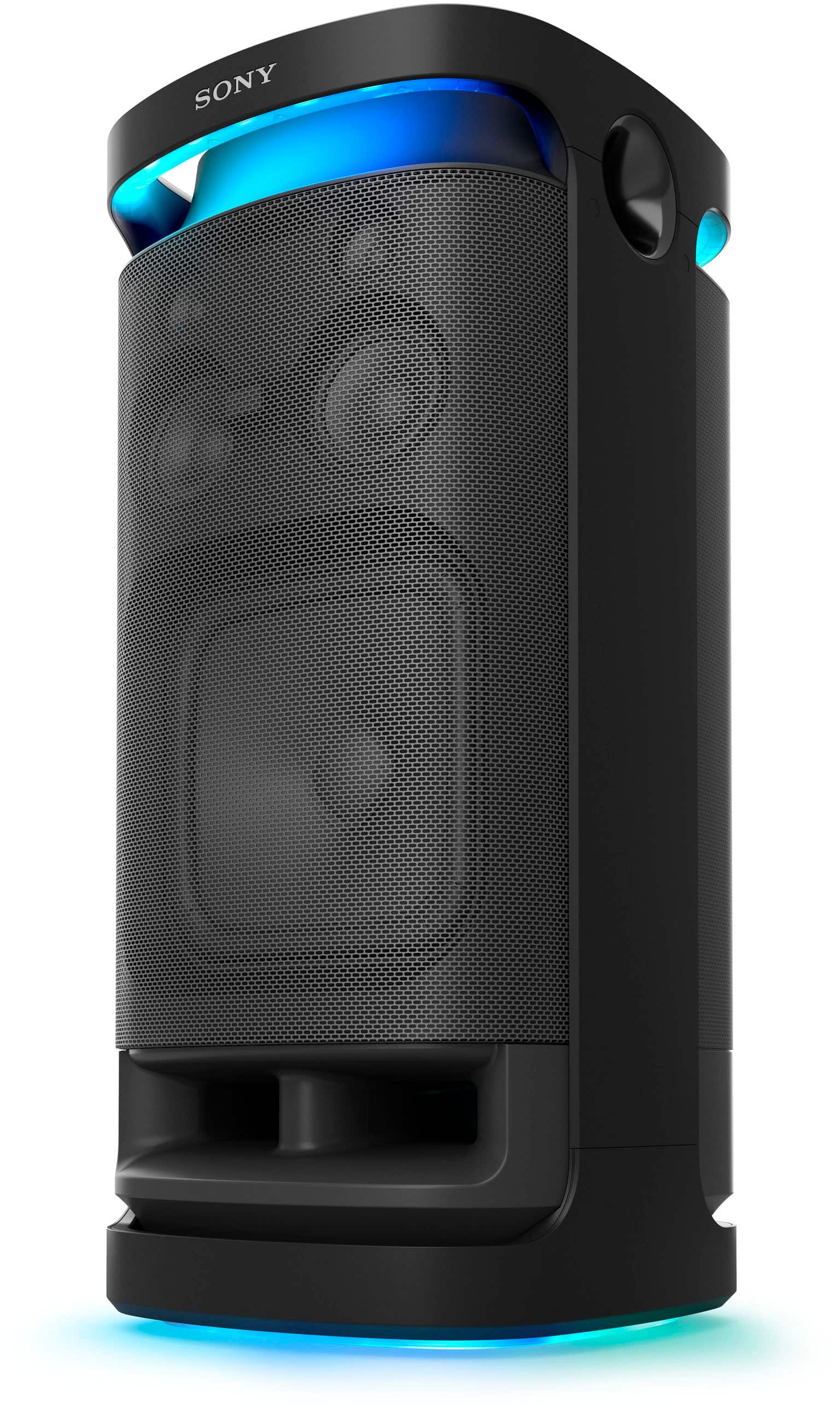
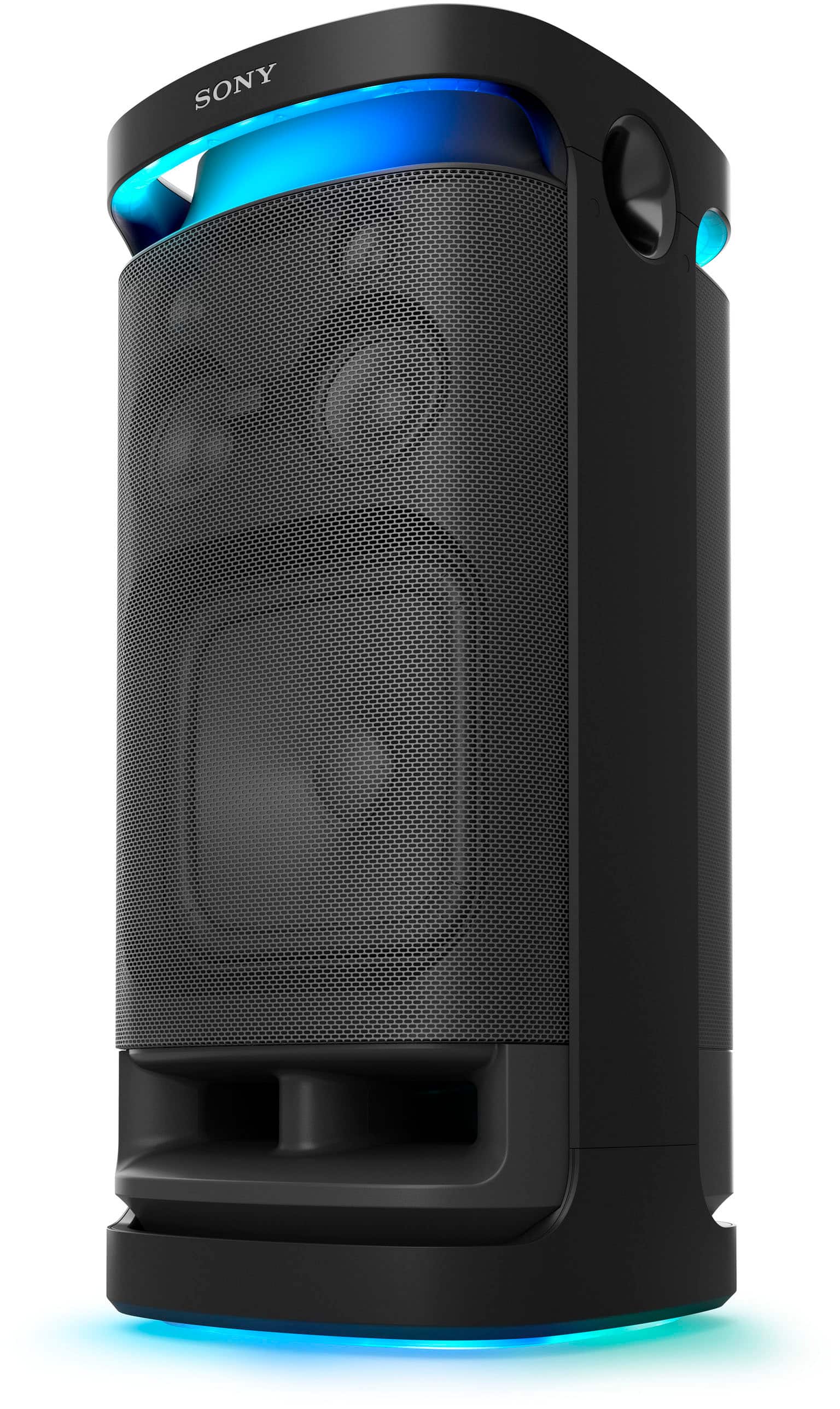
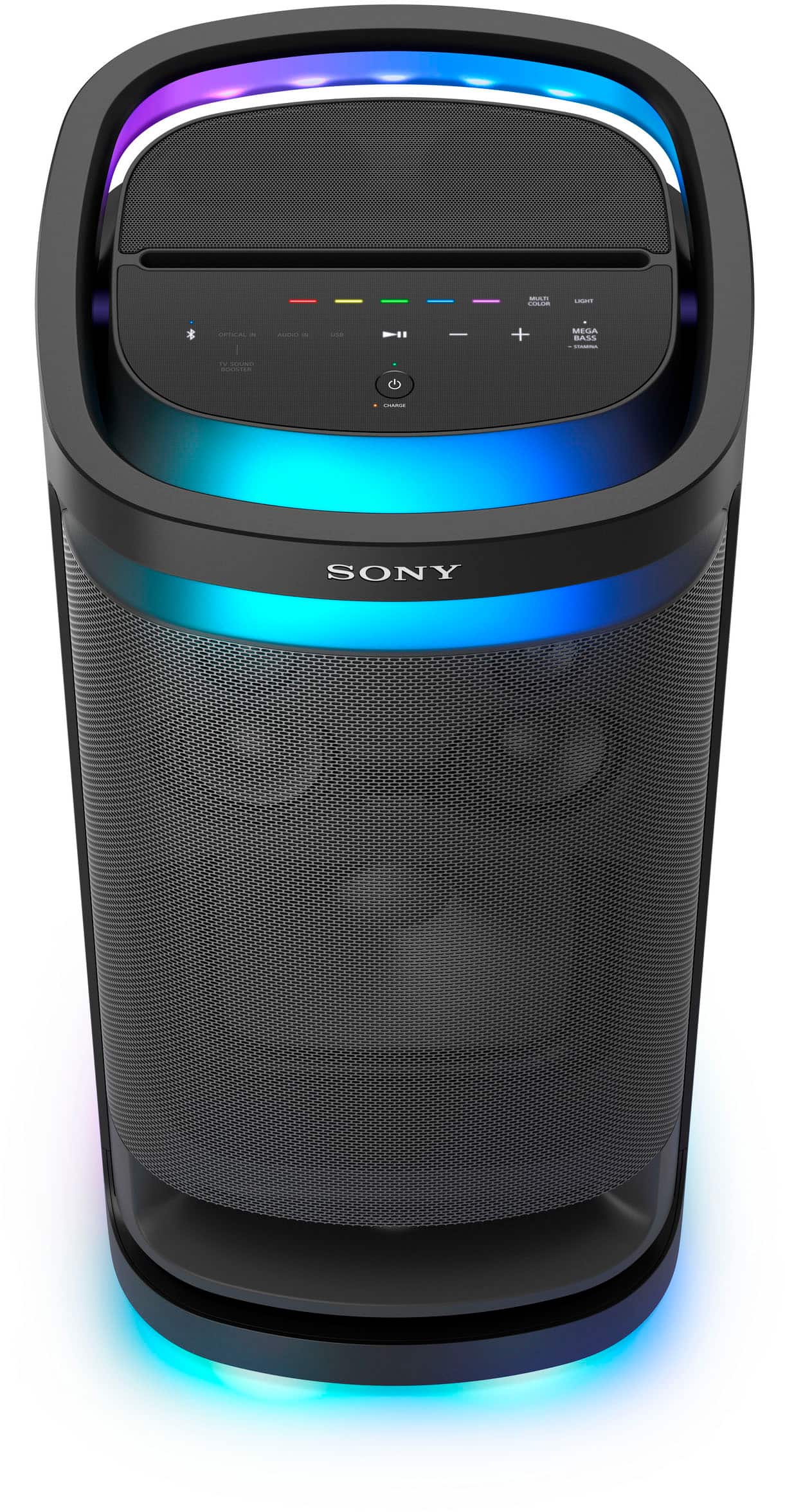
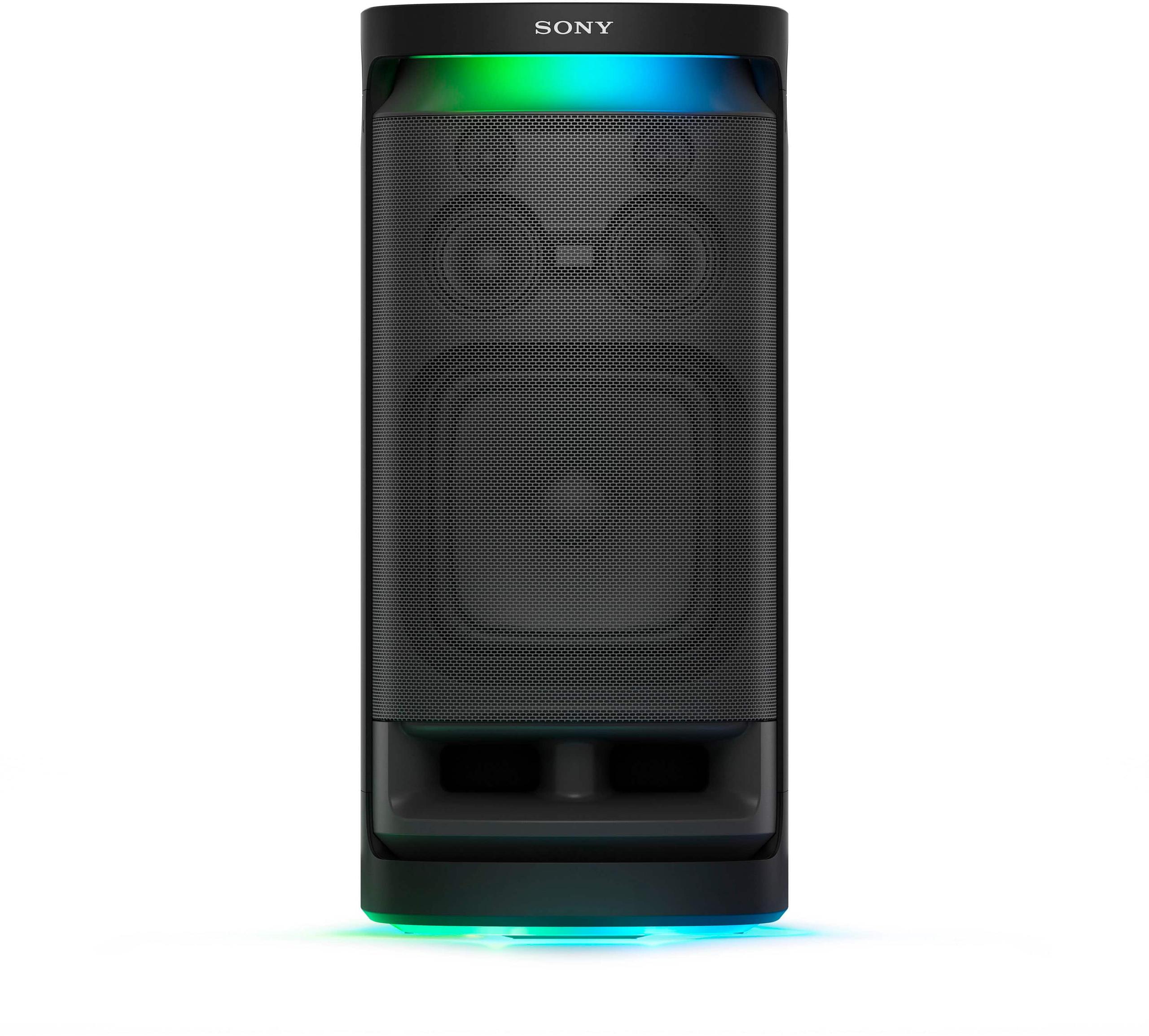
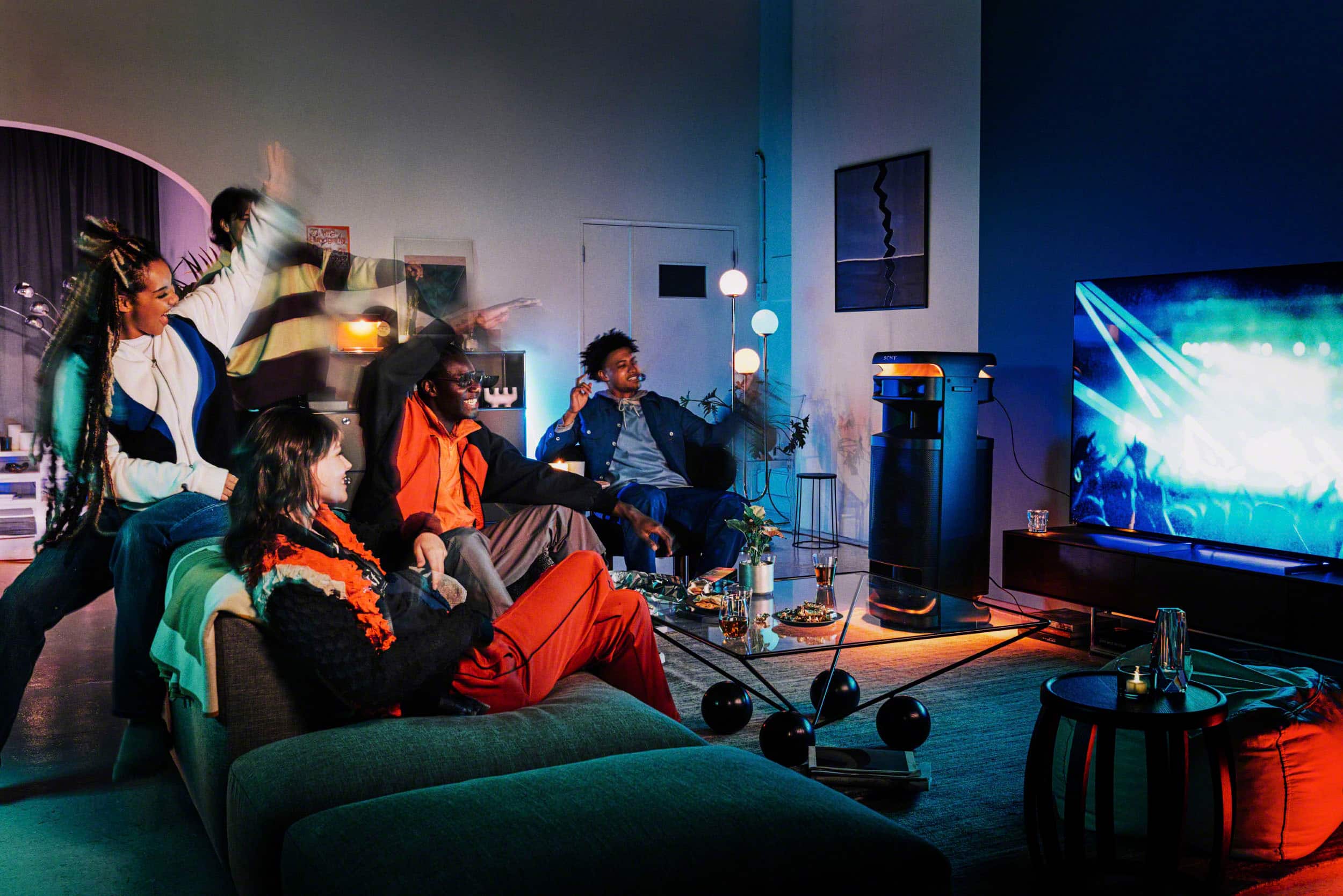
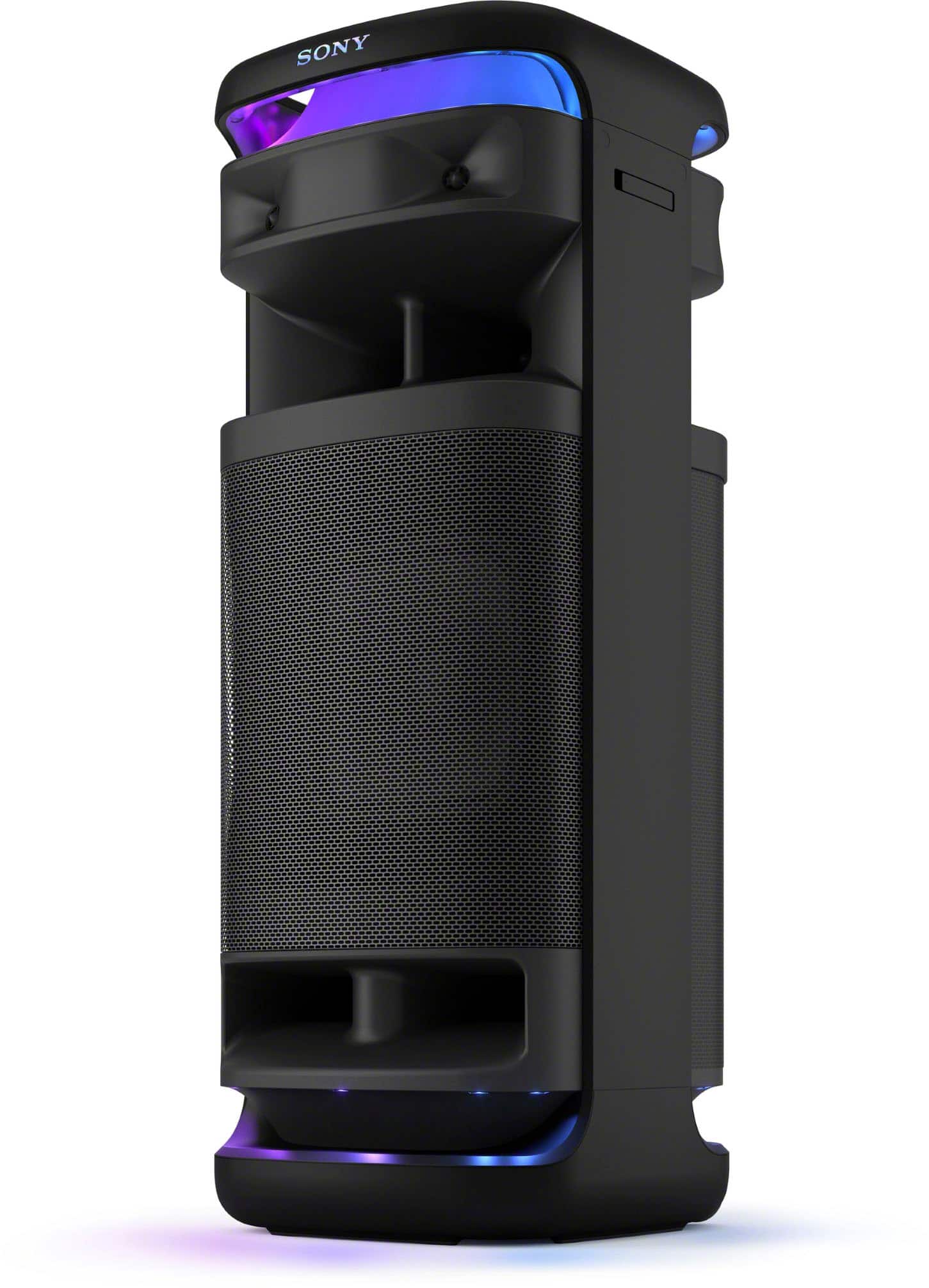
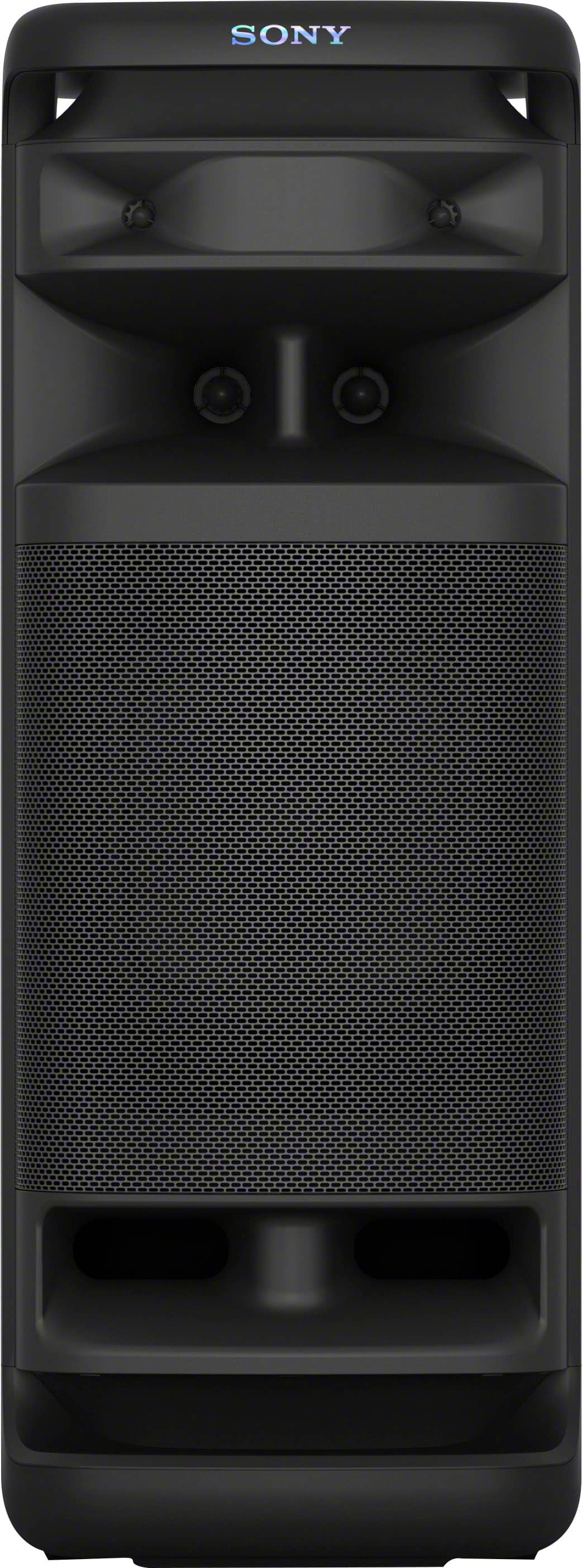
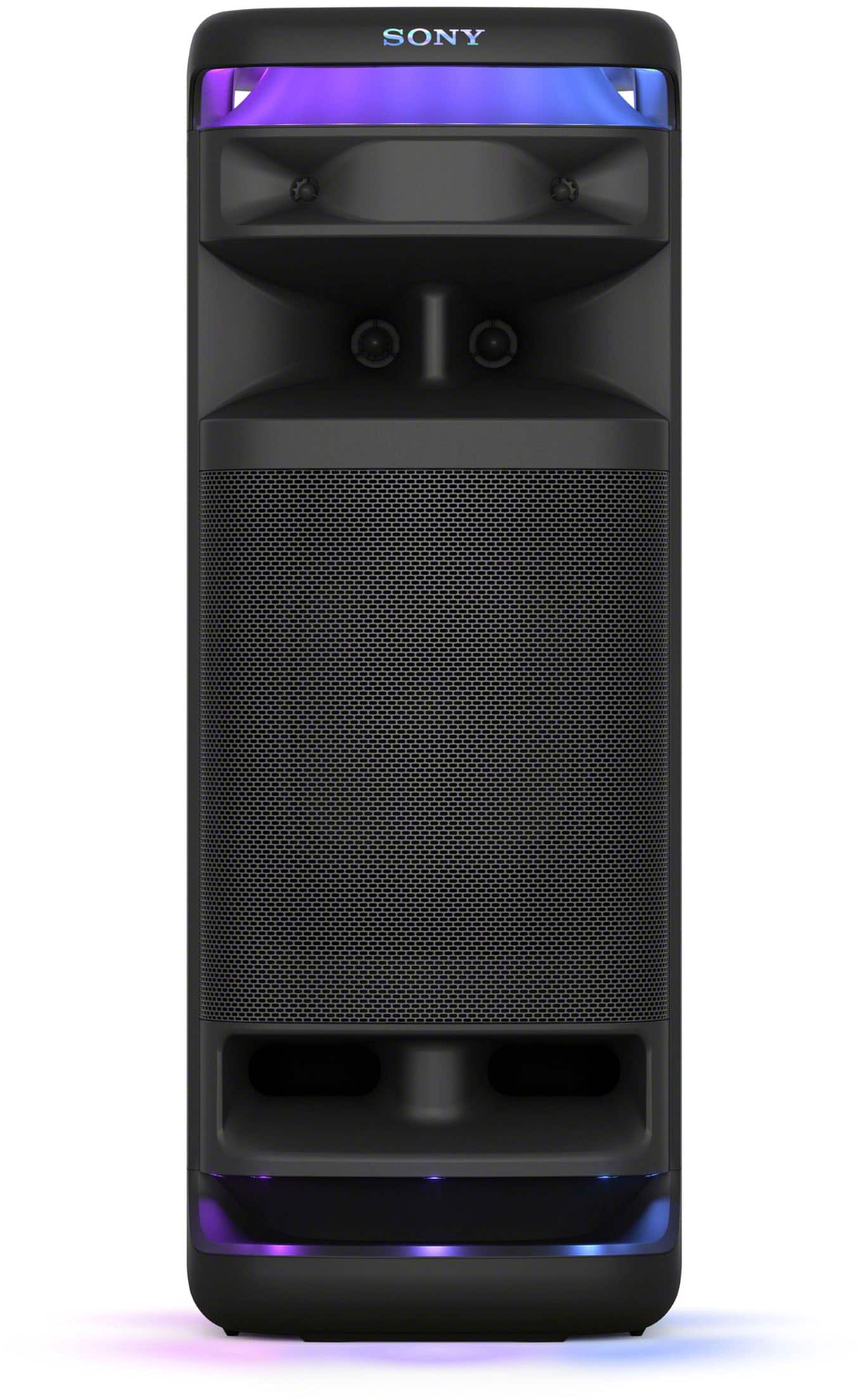
If you're in the market for a serious party speaker that can shake the walls and get everyone moving, Sony's got two compelling options that take very different approaches to the same goal. The Sony SRS-XV900, released in 2022, and the newer Sony ULT Tower 10 from 2024 both promise to transform your space into an entertainment hub, but they accomplish this in distinctly different ways.
The fundamental question isn't just which one sounds better—it's which approach better fits your lifestyle. Do you want a speaker that can follow you anywhere, powering beach parties and backyard barbecues without hunting for an outlet? Or are you looking for a home entertainment powerhouse that prioritizes maximum performance over portability?
Before diving into the specifics, let's talk about what separates party speakers from regular Bluetooth speakers. These aren't just bigger versions of portable speakers—they're engineered for fundamentally different purposes. Party speakers prioritize three key elements: maximum volume output without distortion, powerful bass response that you feel in your chest, and entertainment features that enhance social gatherings.
The most critical performance metric is SPL (Sound Pressure Level), measured in decibels (dB). Every 3 dB increase represents a doubling of acoustic power, and every 10 dB increase sounds roughly twice as loud to human ears. For reference, normal conversation happens around 60 dB, while a rock concert hits about 115 dB. Quality party speakers should reach at least 100 dB without significant distortion.
Bass performance matters just as much as overall volume. Deep bass frequencies (below 60 Hz) create the physical sensation that makes music feel immersive and exciting. The best party speakers can reproduce frequencies down to 20-30 Hz, which covers the lowest notes in most music and creates that chest-thumping effect that defines great party sound.
The Sony SRS-XV900 and ULT Tower 10 represent opposite ends of the portability spectrum, each making specific sacrifices to optimize for their intended use case.
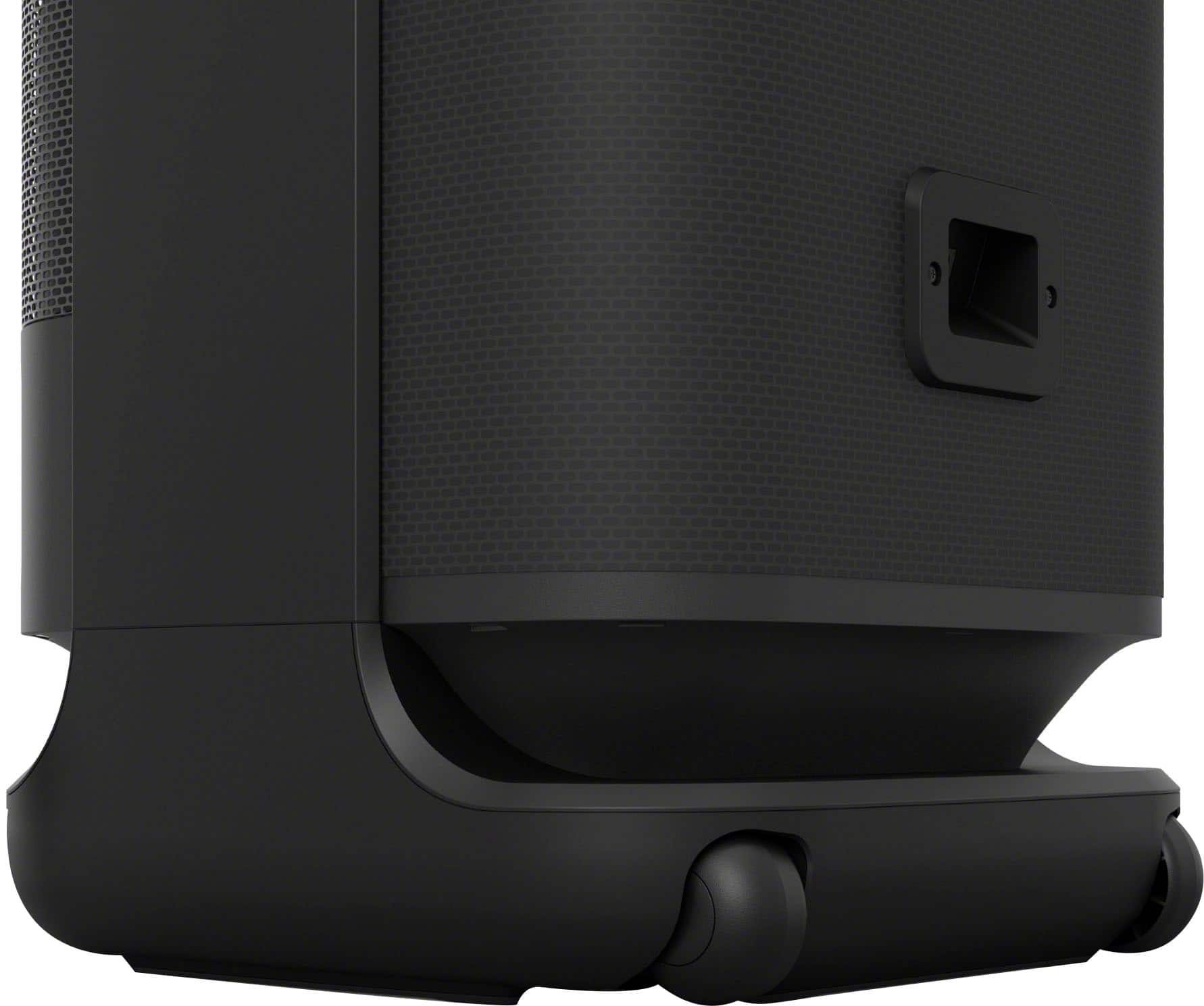
The XV900 weighs about 59 pounds and includes a substantial built-in battery that delivers an impressive 25 hours of continuous playback. This battery represents a significant portion of the speaker's weight and internal volume—space that could otherwise house additional drivers or amplification. However, this trade-off enables true wireless operation, meaning you can set up anywhere without worrying about power outlets.
In contrast, the ULT Tower 10 weighs about 64 pounds and requires AC power at all times. By eliminating the battery, Sony could dedicate more internal space to larger amplifiers and optimize the driver configuration purely for maximum output. This design philosophy results in measurably superior performance but limits you to locations with reliable power access.
From a practical standpoint, the 25-hour battery life of the XV900 is genuinely impressive. Based on user reports, this translates to multiple full parties before needing a recharge, and the speaker maintains consistent performance throughout the battery's discharge cycle. The charging time of about 3 hours is reasonable, meaning you can top up between events without major inconvenience.
The performance difference between these speakers is more significant than their similar sizes might suggest. Independent measurements show the ULT Tower 10 reaching 114.3 dBa compared to the XV900's 107.3 dBa—a 7 dB difference that represents roughly twice the perceived loudness.
This isn't just a numbers game. In real-world use, the ULT Tower 10 can fill much larger spaces and compete with more ambient noise. If you're hosting outdoor parties where sound needs to travel far, or indoor gatherings in large, open spaces, this extra headroom becomes genuinely valuable.
The bass performance gap is even more pronounced. The ULT Tower 10 measures 110.6 dB in bass output versus the XV900's 94 dB—a substantial 16.6 dB difference. This translates to bass that's not just louder but more impactful and room-filling. Users consistently describe the ULT Tower 10's bass as "house-shaking" and capable of creating physical sensations you feel throughout your body.
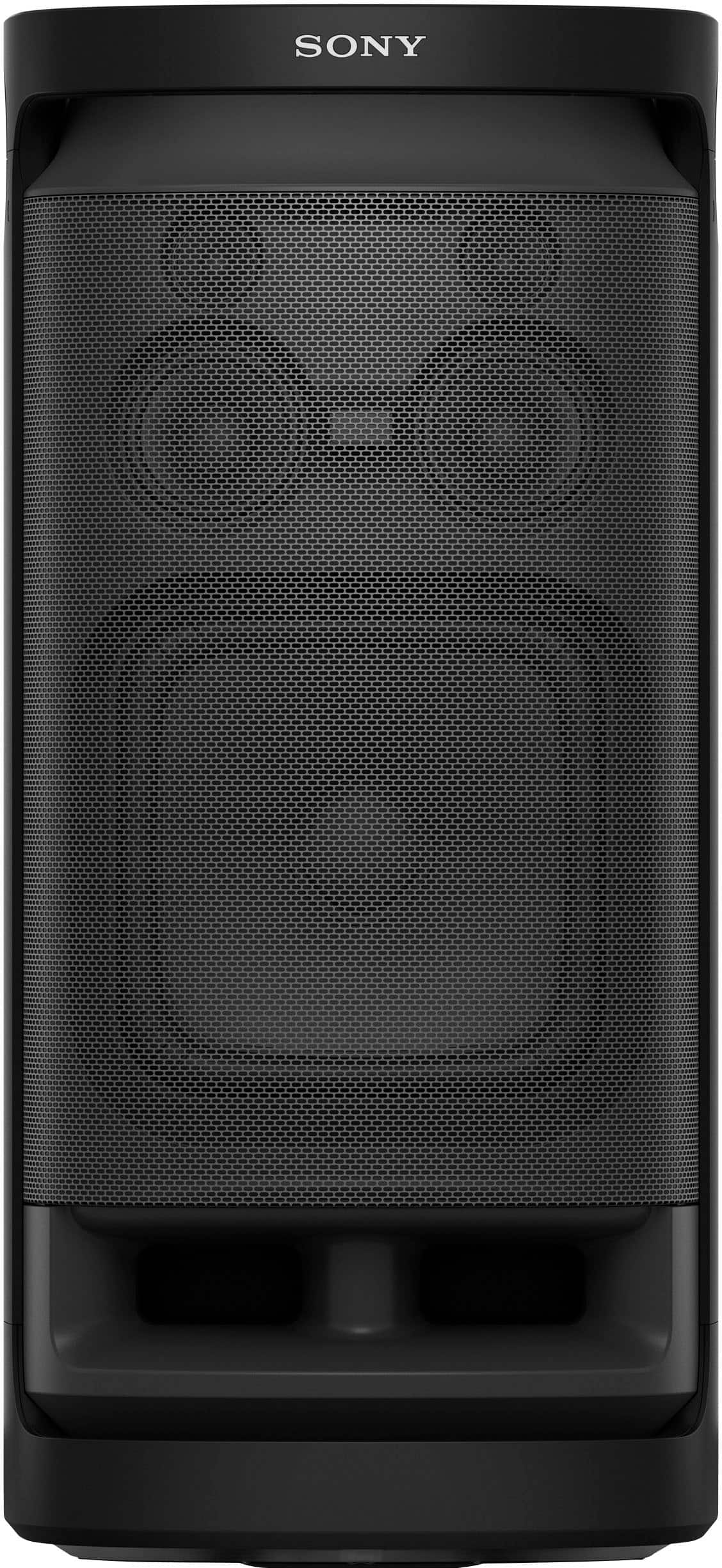
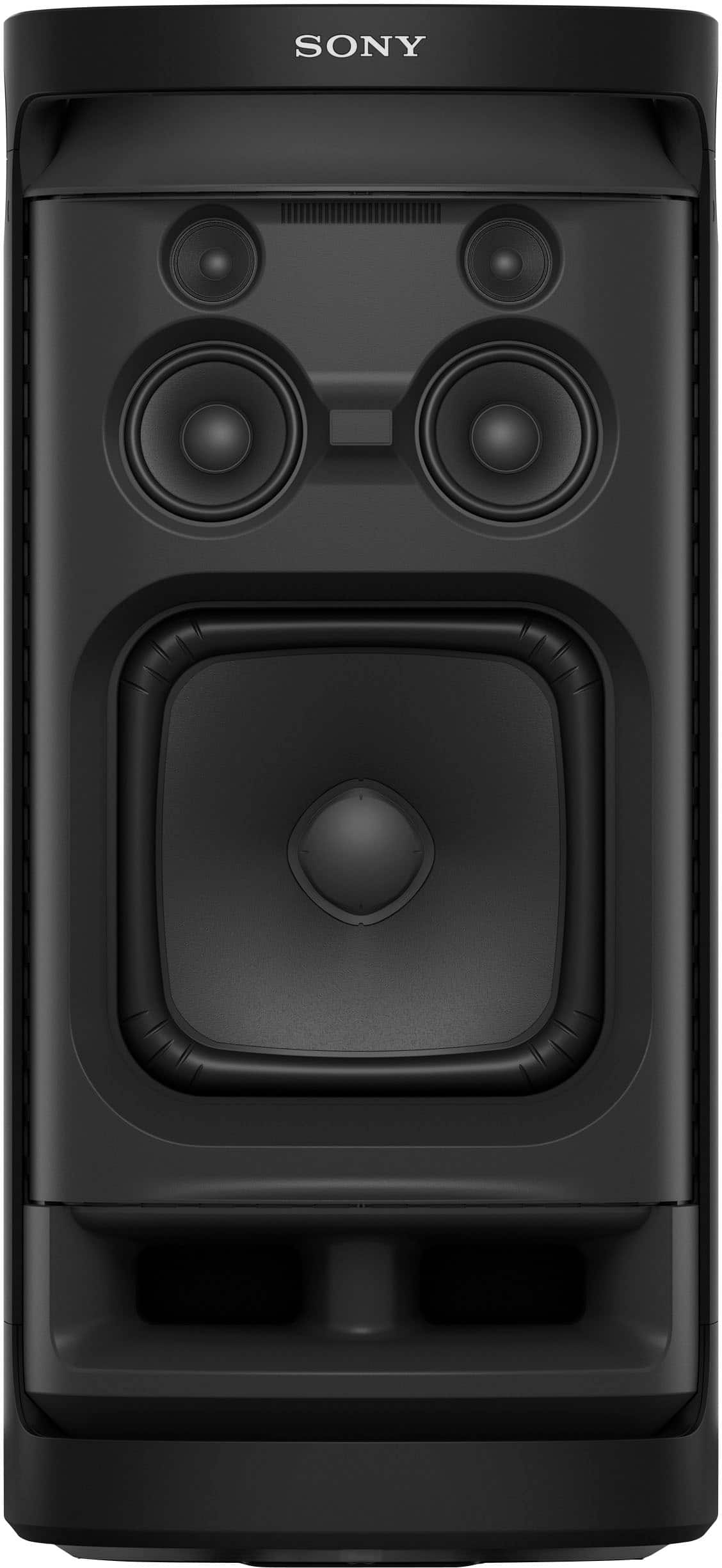
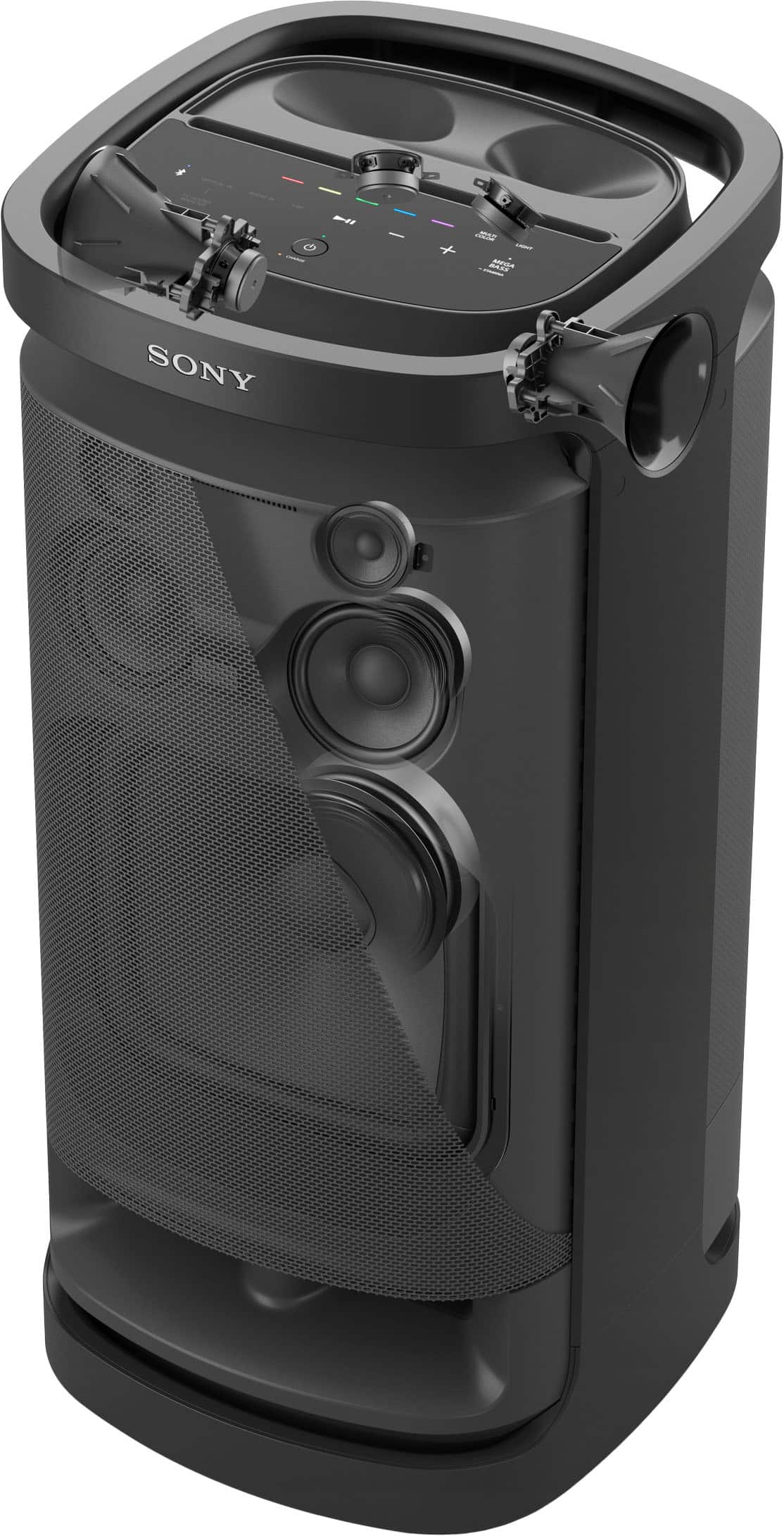
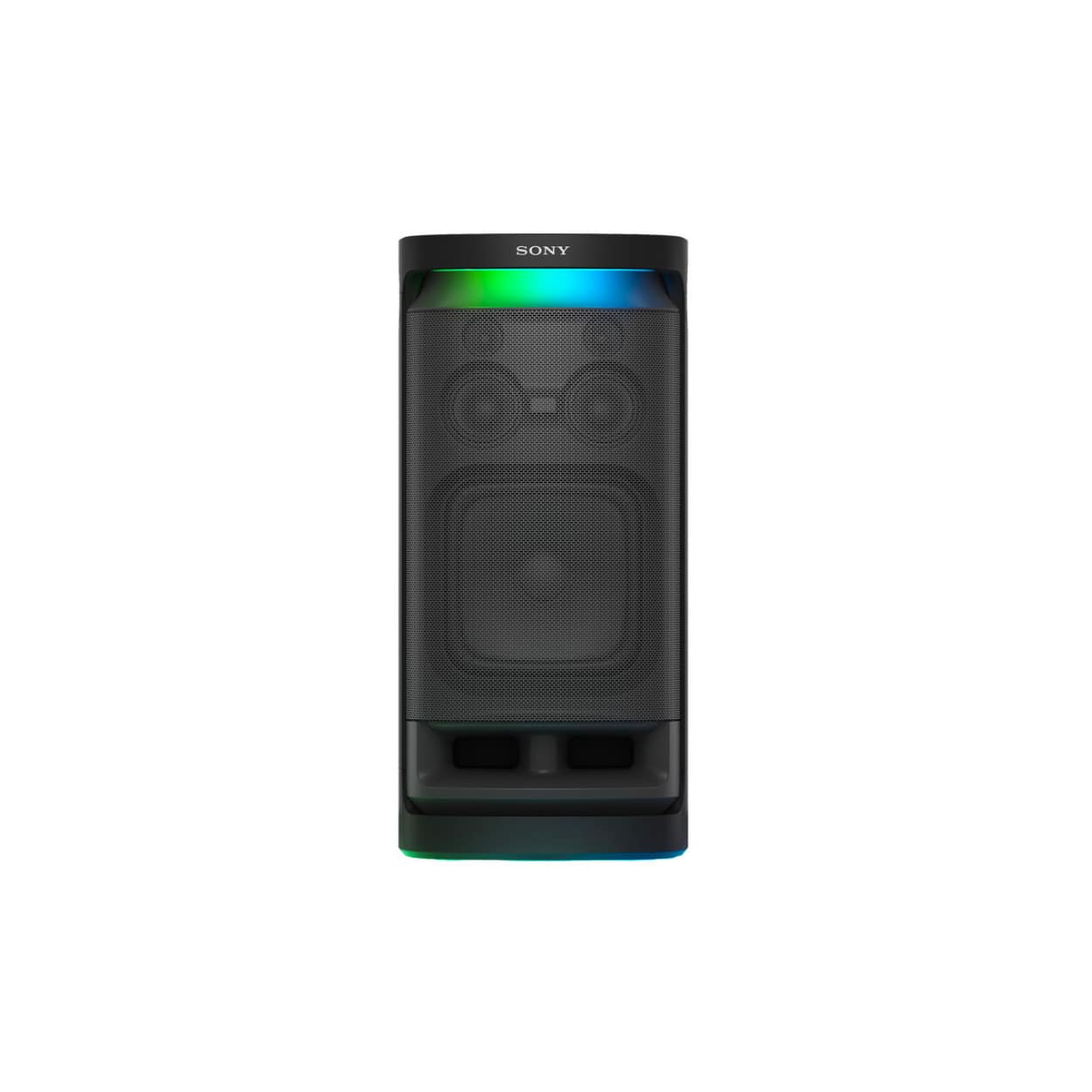
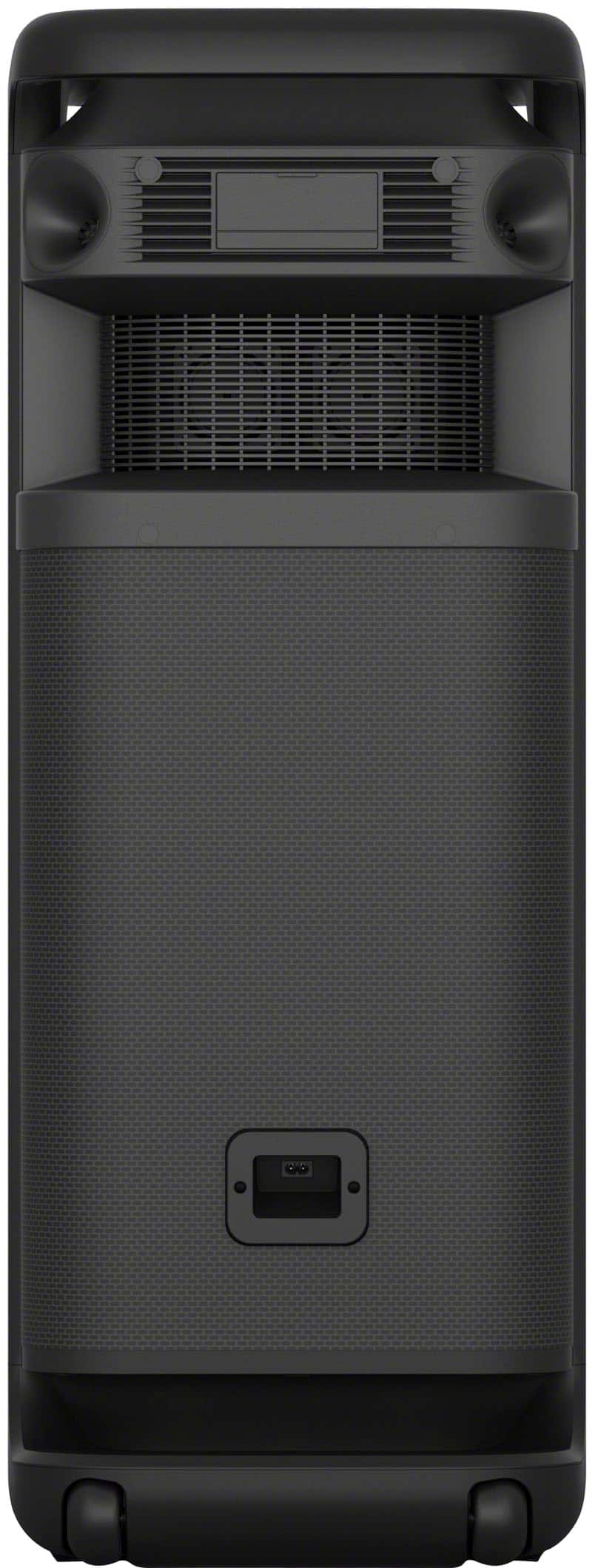
The technical differences explain these performance gaps. The XV900 uses a 2.0 stereo configuration with one large X-Balanced woofer, two midrange drivers, and six strategically placed tweeters. This setup prioritizes balanced sound reproduction and creates a wider stereo image when positioned properly.
The ULT Tower 10 employs a 1.0 mono configuration optimized for maximum impact. While it has the same size X-Balanced woofer, the overall driver arrangement focuses on omnidirectional sound dispersion rather than stereo imaging. The result is more uniform sound throughout a room, even if you're not positioned directly in front of the speaker.
The X-Balanced woofer technology deserves special mention. Unlike traditional round woofers, Sony's rectangular design increases the effective driver area while reducing air resistance. This translates to deeper bass with less distortion, especially at high volumes. Both speakers use this technology, but the ULT Tower 10's implementation benefits from improved amplifier design and processing.
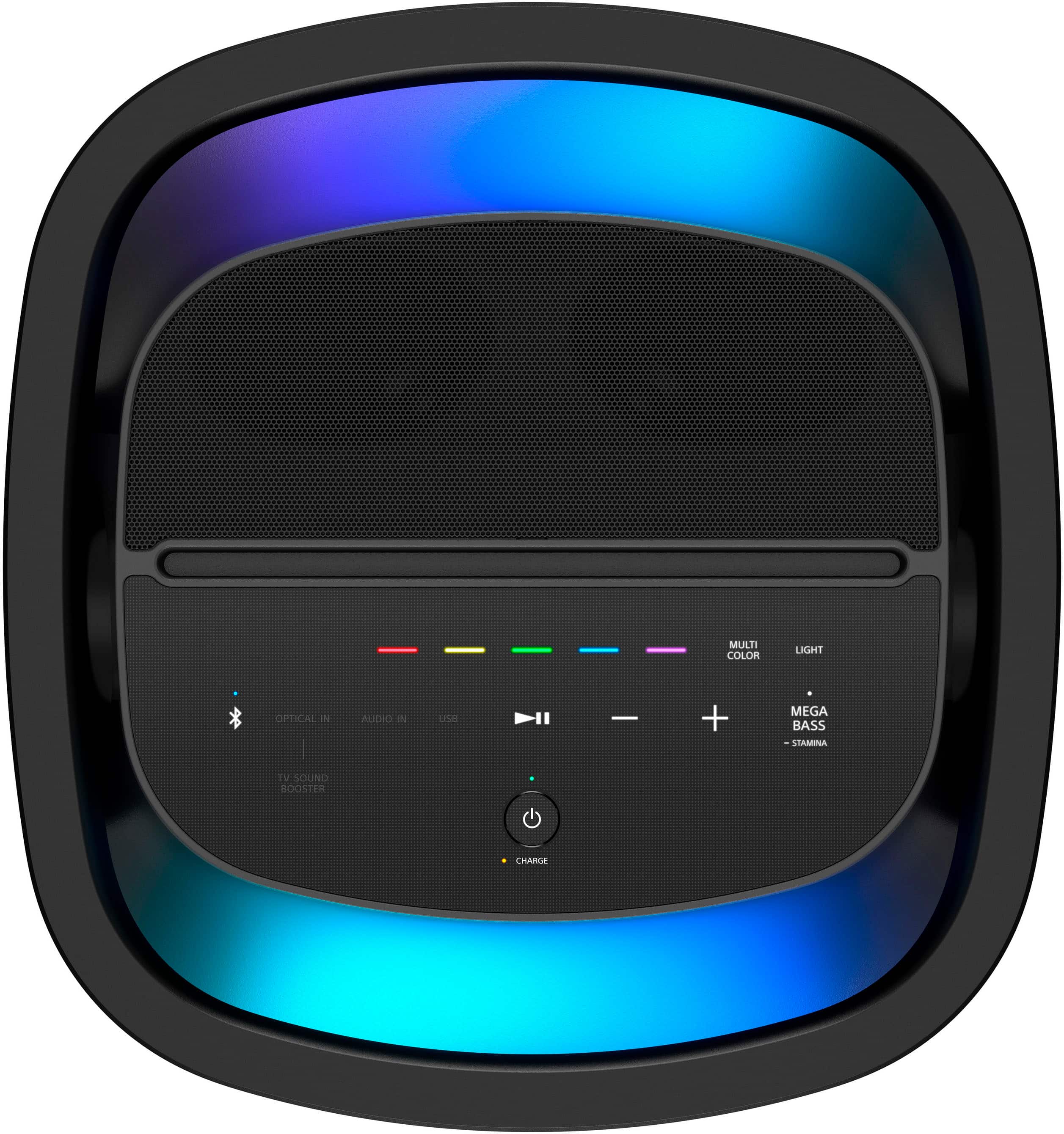
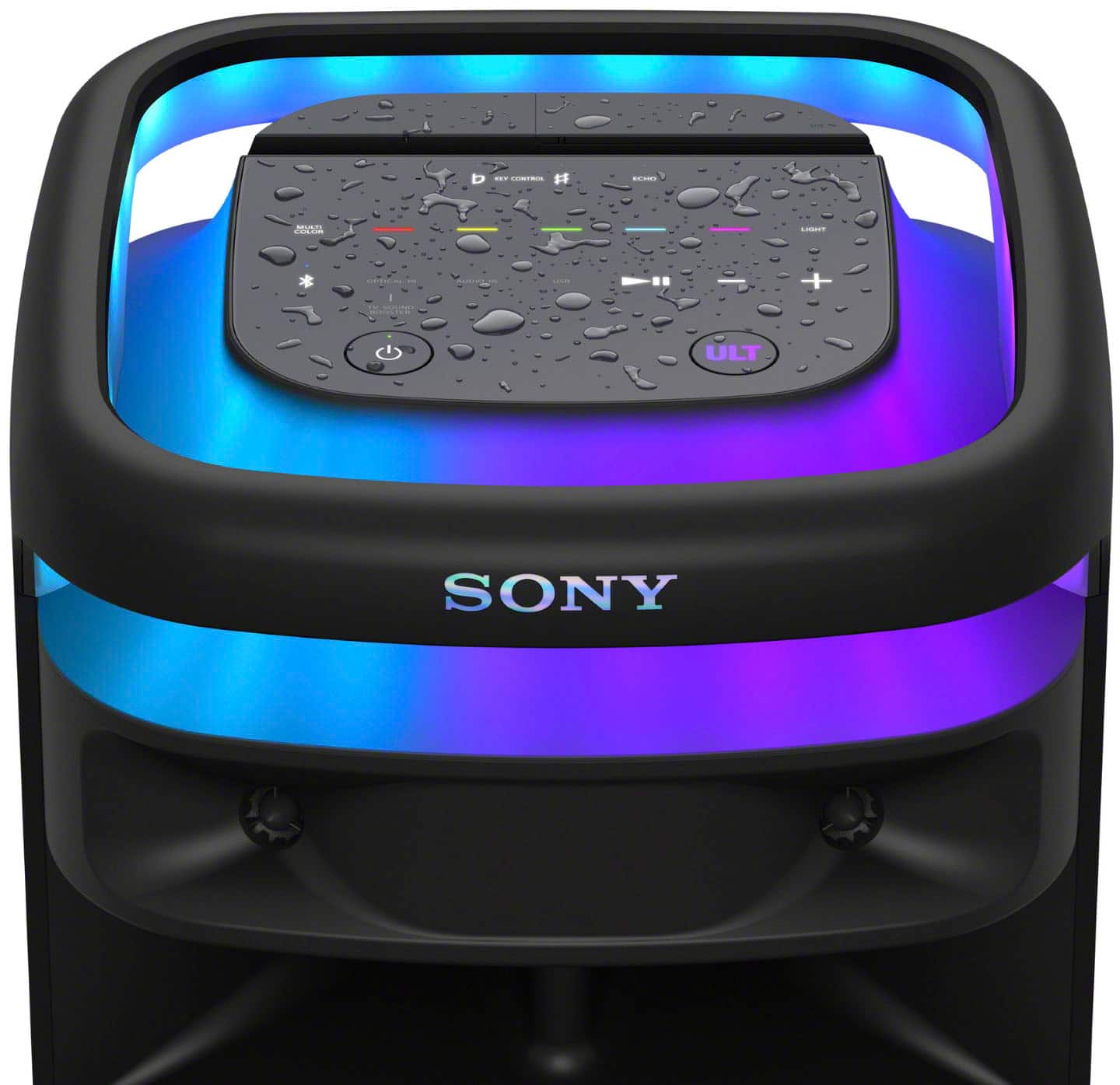
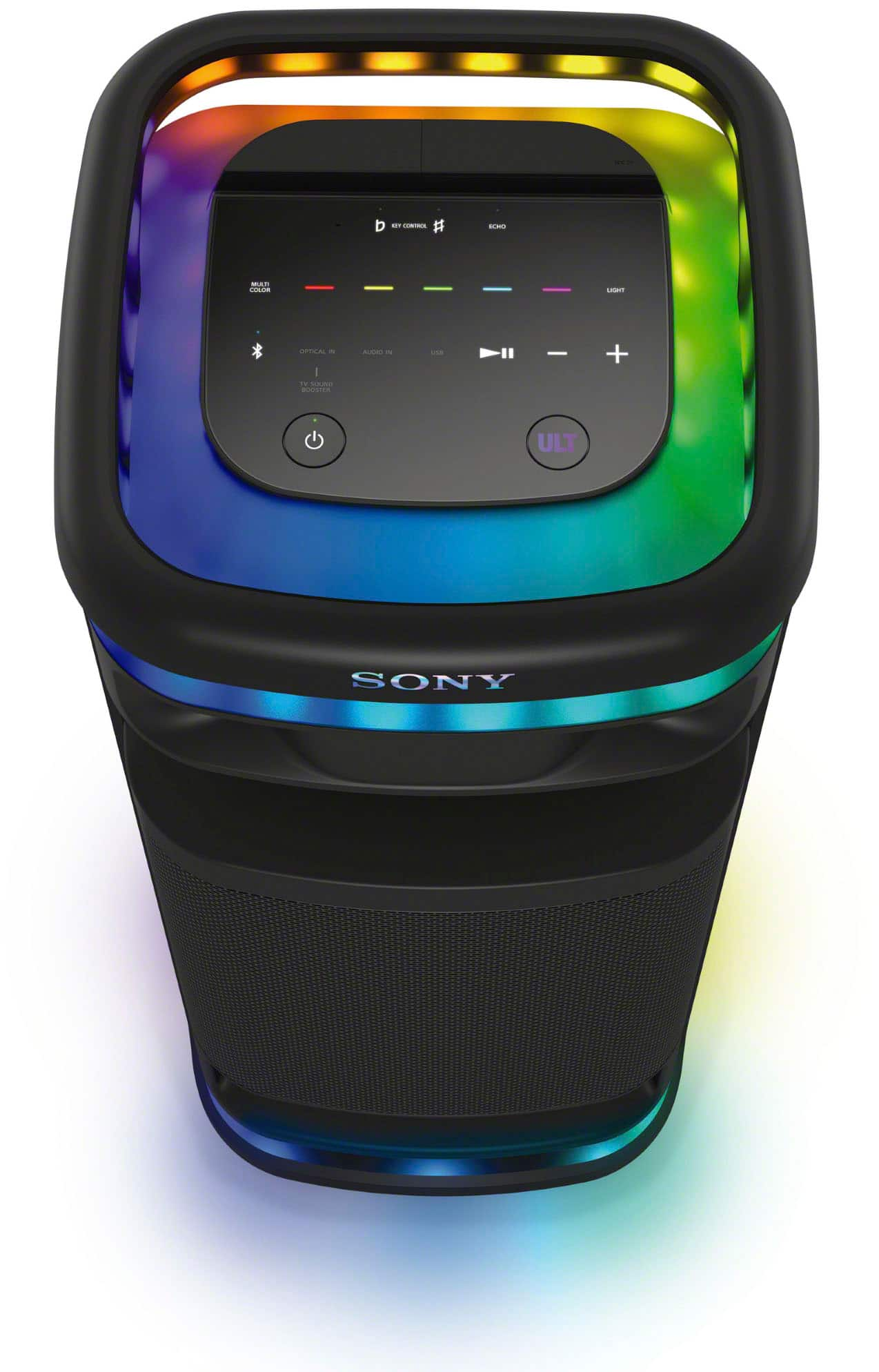
The ULT Tower 10 introduces Sony's ULT (Ultimate Low-frequency Technology), which offers two distinct bass enhancement modes beyond the standard setting. ULT 1 emphasizes the deepest frequencies for hip-hop, electronic music, and movie sound effects. ULT 2 boosts punchy upper bass that makes rock, pop, and dance music more energetic without overwhelming vocals.
This flexibility matters more than you might expect. Different music genres benefit from different bass approaches, and having instant access to these modes via a physical button means you can optimize sound for your content without diving into app menus. The XV900 offers a single "Mega Bass" mode that's effective but less nuanced.
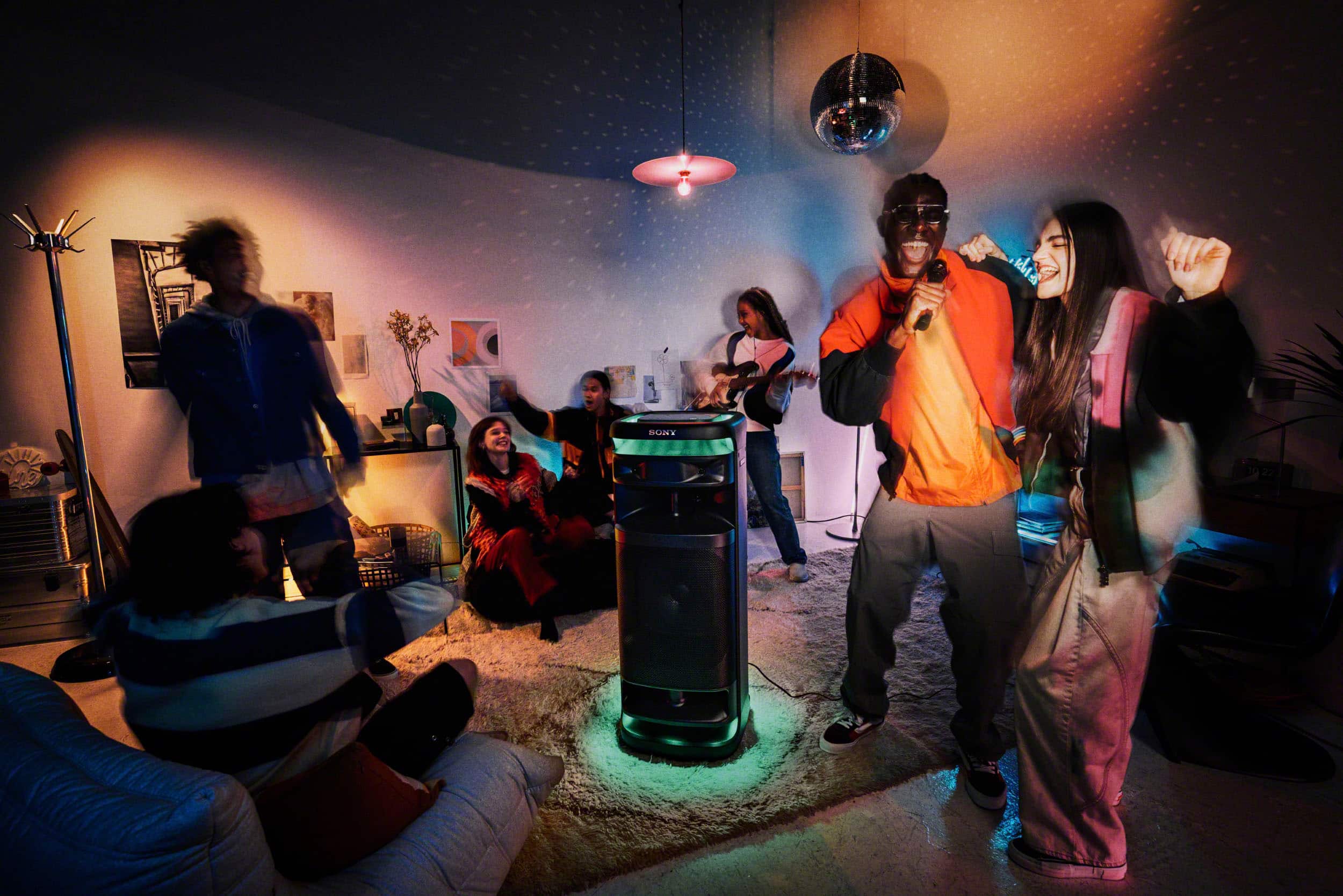
Both speakers excel at entertainment features, but they emphasize different aspects. The ULT Tower 10 includes a high-quality wireless microphone that connects via Bluetooth, eliminating the need for separate karaoke equipment. The mic quality surprises many users—it's not a cheap throwaway but a properly engineered dynamic microphone with good frequency response and feedback rejection.
The karaoke functionality extends beyond just having a mic input. Both speakers offer echo control, key adjustment, and voice effects through their companion apps. The ULT Tower 10 adds physical mic holders and dedicated controls, creating a more integrated karaoke experience.
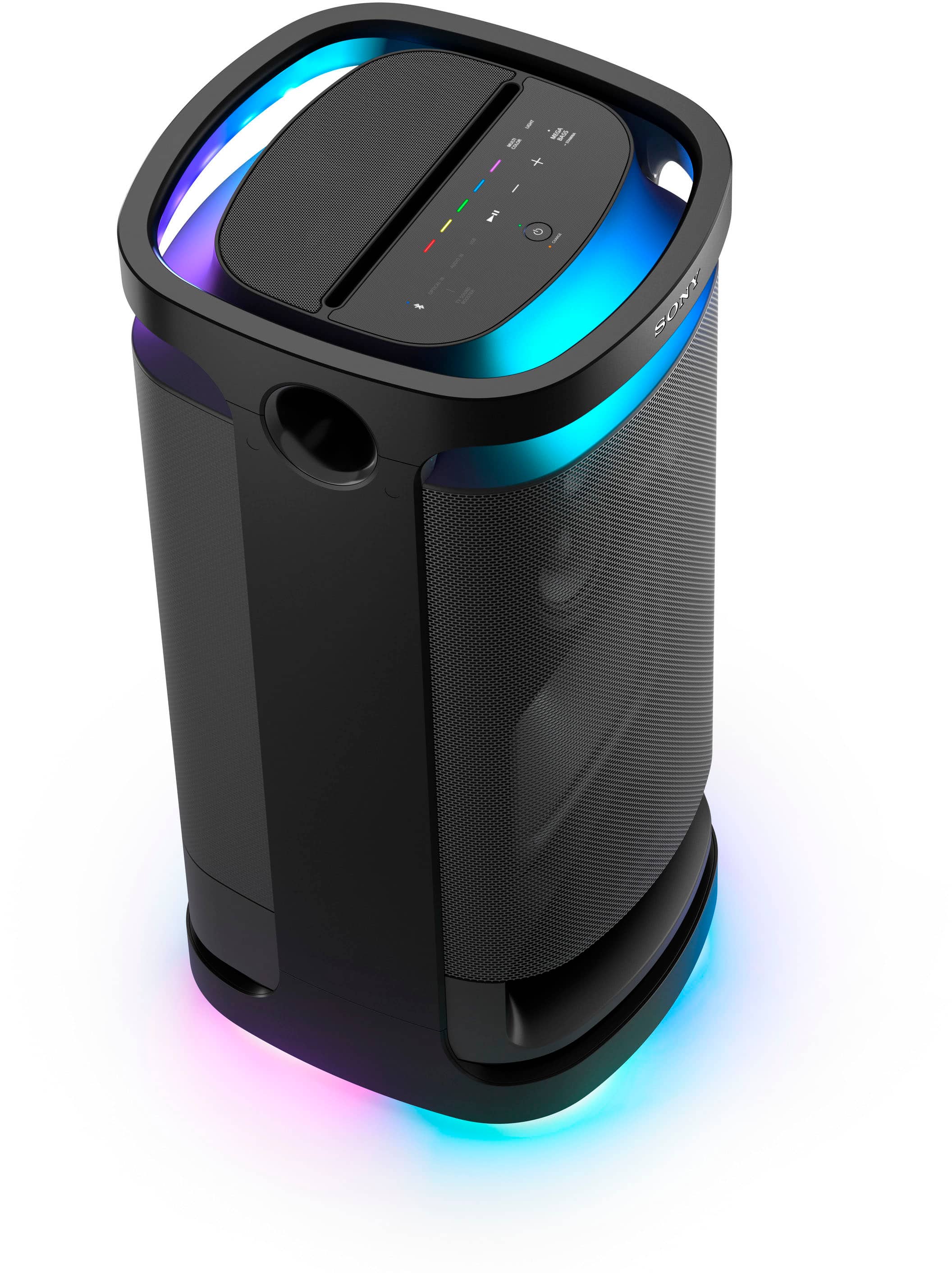
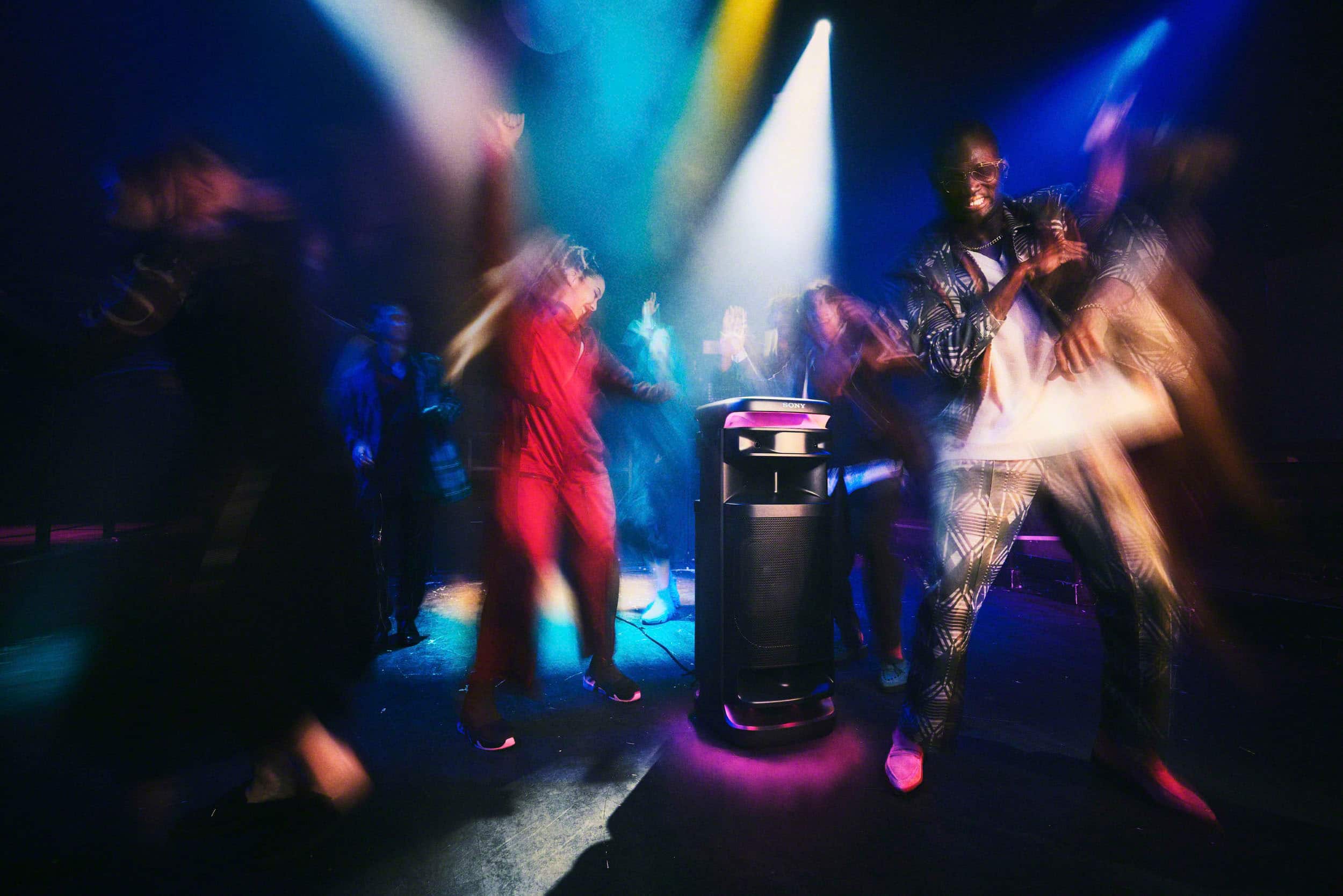
Lighting effects differentiate the speakers' personalities. The XV900 offers ambient lighting that enhances the party atmosphere without being overwhelming. The ULT Tower 10 features brighter, more dynamic lighting that some users find spectacular and others consider too intense for certain environments. The good news is both systems are highly customizable through their respective apps.
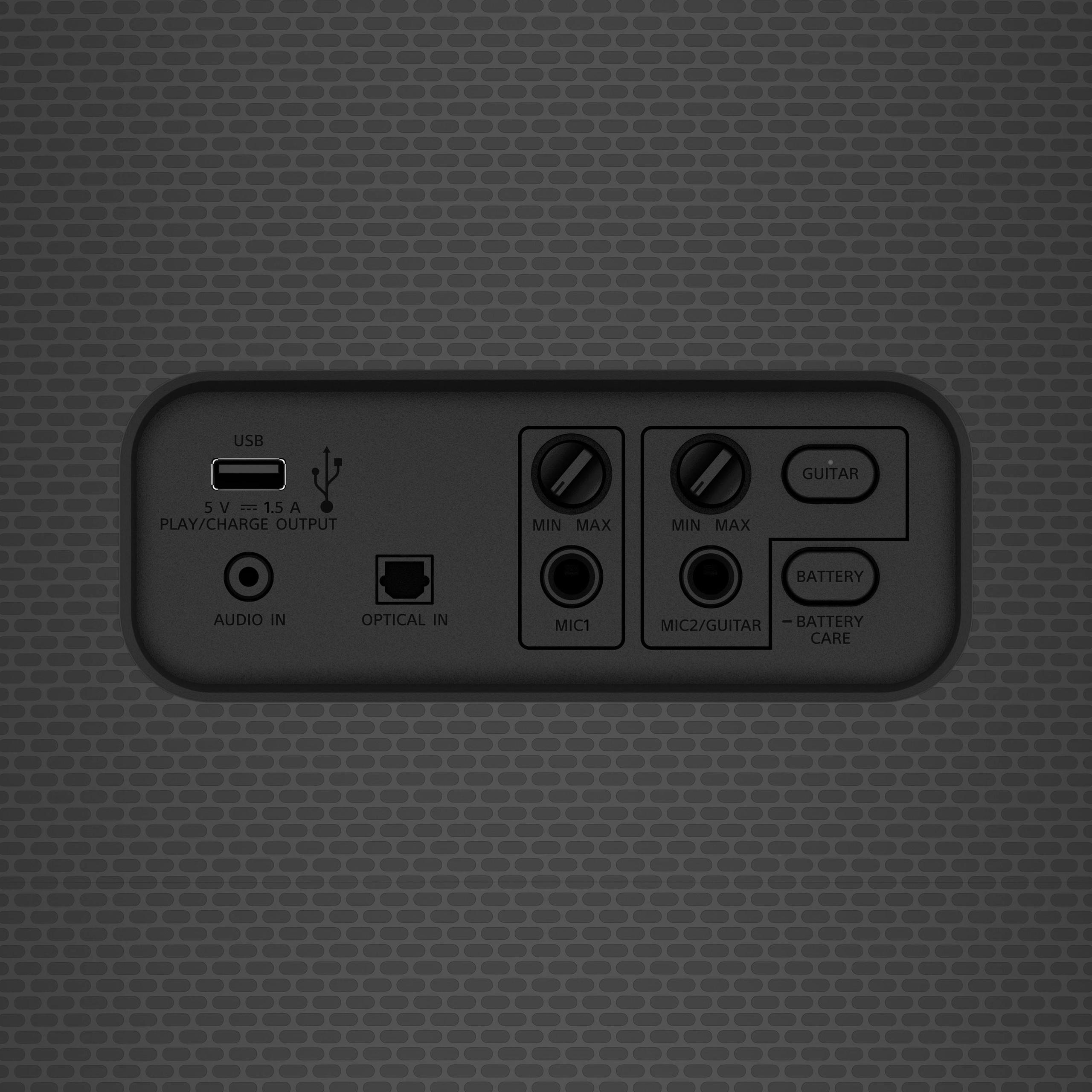
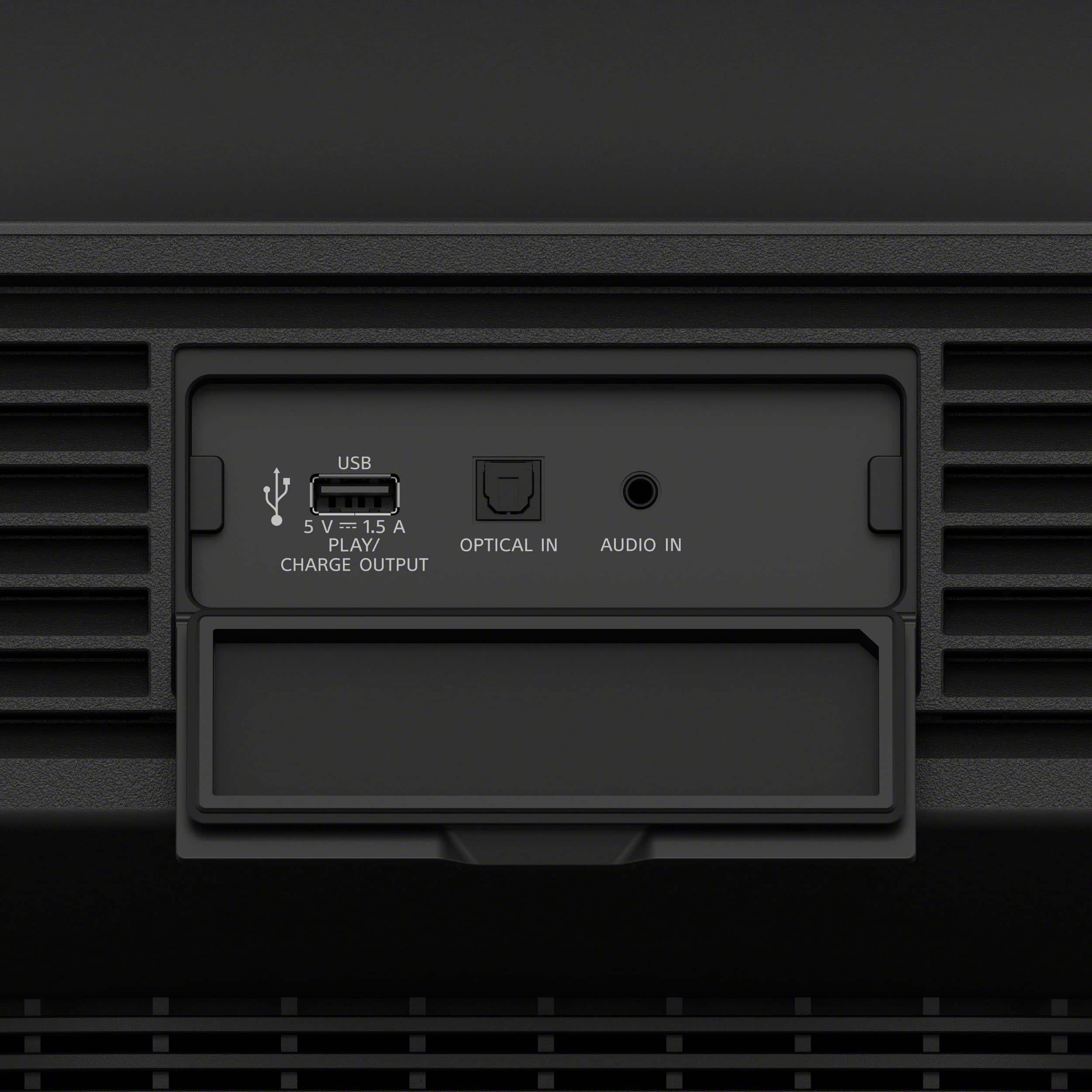
Both speakers offer comprehensive connectivity that goes well beyond basic Bluetooth. The inclusion of optical digital inputs makes them excellent TV sound enhancement systems—something increasingly important as more people seek to improve their home theater audio without investing in full surround sound systems.
The optical connection bypasses the compression and potential lag of Bluetooth, delivering clean digital audio from your TV. Both speakers include a TV Sound Booster mode that optimizes the sound signature for dialogue clarity and movie sound effects. For apartment dwellers or anyone who wants better TV audio without disturbing neighbors, these speakers can provide substantial improvement over TV built-in speakers while maintaining reasonable volume levels.
USB inputs support direct music playback from thumb drives, which remains surprisingly useful for parties where you want to avoid Bluetooth connectivity issues or battery drain on your phone. Both speakers also function as power banks, letting you charge devices through their USB ports.
The Party Connect feature allows linking up to 100 compatible Sony speakers, though in practice, most users will connect 2-4 units for larger events. This functionality works reliably and includes synchronized lighting effects across connected speakers.
Sony's Music Center app provides comprehensive control over both speakers, but the experience feels more refined with the newer ULT Tower 10. The app offers 7-band EQ adjustment, lighting control, Party Connect management, and stereo pairing options.
The Fiestable app adds DJ-style effects and interactive features that can enhance parties but may feel gimmicky depending on your crowd. The motion control features let you trigger sound effects by moving your phone, while voice control adds real-time audio effects to microphone input.
Sound Field Optimization on the ULT Tower 10 deserves special mention. This feature uses built-in microphones to analyze room acoustics and automatically adjust the speaker's output for optimal performance. While it's not as sophisticated as room correction systems in high-end audio equipment, it does provide noticeable improvement in challenging acoustic environments.
For home theater use, both speakers offer significant advantages over typical soundbars in their price ranges. The optical input ensures clean digital audio transmission, while the substantial drivers provide much more dynamic range and bass extension than soundbar alternatives.
The ULT Tower 10 edges ahead for dedicated home theater use due to its AC power operation—no concerns about battery management—and its superior low-frequency performance. Movie soundtracks benefit enormously from deep, impactful bass, especially for action films and modern blockbusters that rely heavily on low-frequency effects.
However, the mono configuration of the ULT Tower 10 means it won't provide stereo separation. For critical movie watching where dialogue placement and spatial effects matter, you'd want to pair two units in stereo mode, which significantly increases the investment.
The XV900's stereo configuration provides better spatial audio from a single unit, making it more suitable for users who want improved TV audio without the complexity or expense of multiple speakers.
The decision ultimately comes down to your primary use case and priorities. The ULT Tower 10 makes sense if you want maximum performance and plan to use the speaker primarily in locations with reliable power access. At the time of writing, it commands a premium of roughly $100-200 over the XV900, but that premium delivers measurable performance improvements and includes the wireless microphone.
For home entertainment enthusiasts who want a speaker that can handle both TV duties and party hosting, the ULT Tower 10 represents the better long-term investment. The superior bass performance, included microphone, and latest technology justify the higher price for users who prioritize maximum performance.
The XV900 remains the smart choice for users who need genuine portability or prefer a more balanced sound signature. The 25-hour battery life isn't just a convenience—it enables use cases that the ULT Tower 10 simply cannot address. Beach parties, camping trips, outdoor events without power access, and regular transport between locations all favor the XV900.
For apartment dwellers or users in noise-sensitive environments, the XV900's more balanced sound profile might actually be preferable. While the ULT Tower 10 can certainly play at moderate volumes, its bass capability might prove overwhelming in smaller spaces or when neighbors are a concern.
The two-year gap between these speakers' releases showcases meaningful technological advancement. The ULT Tower 10 benefits from improved amplifier efficiency, refined driver implementation, and enhanced app integration. Sony clearly learned from user feedback on the XV900 and addressed several areas for improvement.
The ULT bass technology represents the most significant advancement, providing more sophisticated bass management than the simpler approach in the XV900. The inclusion of Sound Field Optimization also demonstrates Sony's commitment to making these speakers work well in real-world environments rather than just laboratory conditions.
After extensive research into user experiences and expert evaluations, the choice breaks down along clear lines. Choose the ULT Tower 10 if maximum performance, home theater integration, and karaoke features align with your priorities, and you're comfortable with AC power requirements. The performance improvements are genuine and substantial, particularly for bass-heavy music and large gatherings.
Choose the XV900 if portability matters, you prefer balanced sound, or you're working with a tighter budget. The battery life alone provides value that's difficult to quantify, and the sound quality remains excellent even if it doesn't match the raw power of its newer sibling.
Both speakers represent solid investments in their respective categories. The ULT Tower 10 pushes the boundaries of what's possible in a party speaker, while the XV900 offers the best combination of performance and portability in Sony's lineup. Your choice should align with how and where you plan to use the speaker most often—because both will deliver the party-shaking performance that Sony's reputation promises.
| Sony SRS-XV900 | Sony ULT Tower 10 |
|---|---|
| Maximum Volume Output - Critical for large spaces and outdoor use | |
| 107.3 dBa measured (loud enough for most parties) | 114.3 dBa measured (roughly twice as loud, fills larger spaces) |
| Bass Performance - Determines impact and room-filling presence | |
| 94 dB bass output with single Mega Bass mode | 110.6 dB bass output with dual ULT modes (16.6 dB more powerful) |
| Power Source - Affects where and how you can use the speaker | |
| 25-hour rechargeable battery (true portability anywhere) | AC power only (maximum performance but location-limited) |
| Weight and Portability - Important for transport between locations | |
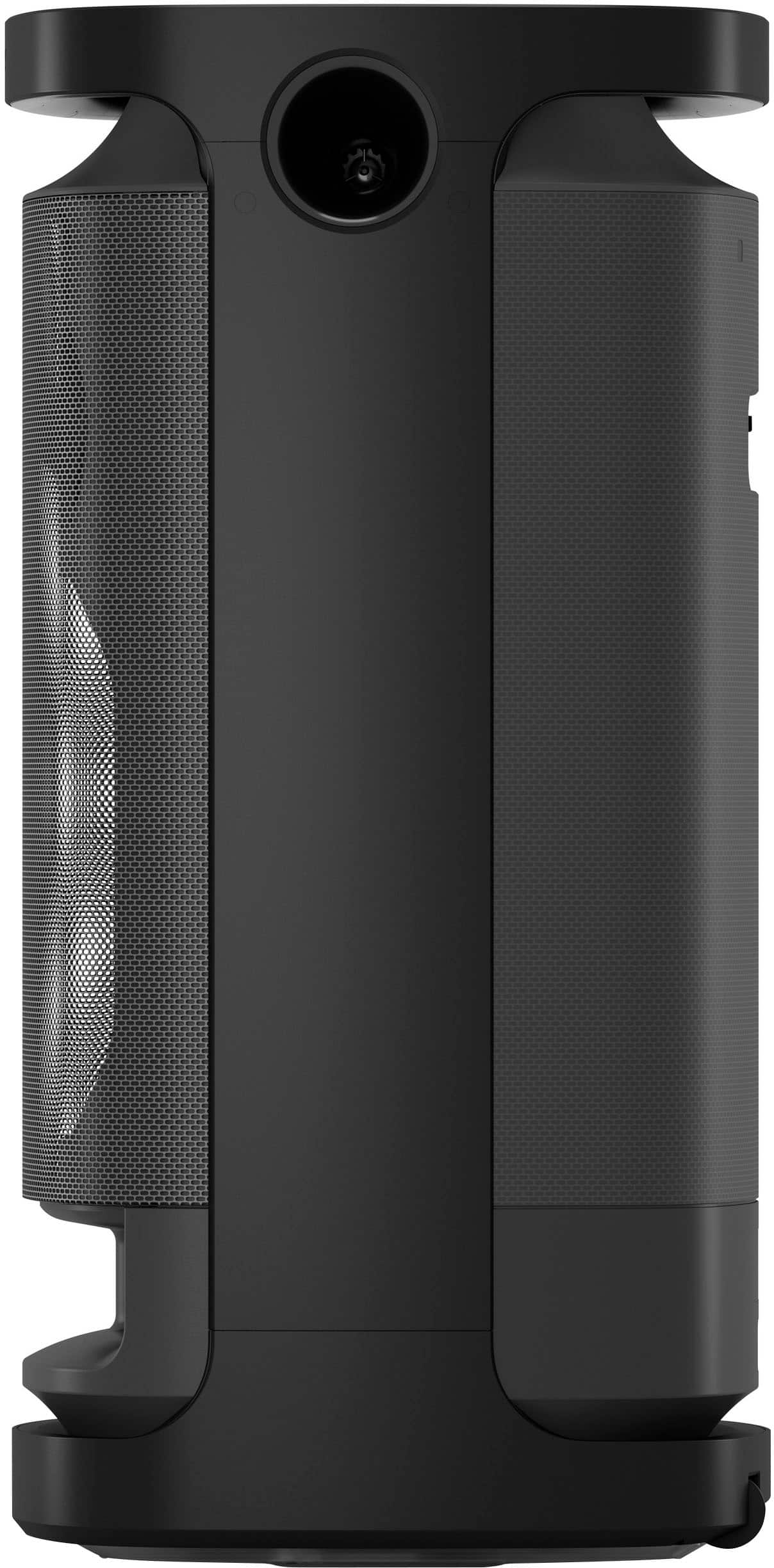
| 58.6 lbs with built-in wheels and handles | 63.9 lbs with wheels and handles (5+ lbs heavier) |
| Release Year and Technology - Indicates feature advancement | |
| 2022 model with proven reliability | 2024 model with latest Sony innovations |
| Audio Configuration - Affects sound distribution and stereo imaging | |
| 2.0 stereo with 6 tweeters (wider soundstage) | 1.0 mono with 4 tweeters (360° omnidirectional focus) |
| Included Accessories - Adds immediate value and functionality | |
| Optical cable and AC cord only | Wireless microphone, optical cable, AC cord (significant karaoke value) |
| Frequency Response - Determines audio range and clarity | |
| 20 Hz - 20 kHz (excellent low-end extension) | 20 Hz - 20 kHz (same range but more powerful drivers) |
| Driver Configuration - Core components that produce the sound | |
| 320mm X-Balanced woofer + 2×120mm midrange + 6 tweeters | 320mm X-Balanced woofer + 2×80mm midrange + 4 tweeters |
| Bass Enhancement Technology - Customization options for different music | |
| Single Mega Bass button for enhanced low-end | Dual ULT modes (ULT1 for deep bass, ULT2 for punchy bass) |
| Connectivity Options - Determines versatility with different devices | |
| Bluetooth 5.2, optical, USB, 3.5mm, mic/guitar input | Bluetooth 5.2, optical, USB, 3.5mm, combo mic/guitar input |
| Lighting System - Entertainment value and party atmosphere | |
| 360° LED rings with ambient party lighting | Brighter 360° LEDs with more dynamic effects |
| App Control Features - Advanced customization and party functions | |
| Sony Music Center + Fiestable apps (7-band EQ) | Sony Music Center + Fiestable apps (7-band EQ + Sound Field Optimization) |
| Karaoke Functionality - Ready-to-use entertainment features | |
| Mic input with basic controls (microphone not included) | Complete karaoke system with wireless mic and dedicated controls |
| TV Integration - Home theater enhancement capabilities | |
| TV Sound Booster mode via optical connection | TV Sound Booster mode with superior bass for movie effects |
The Sony ULT Tower 10 is significantly louder, measuring 114.3 dBa compared to the Sony SRS-XV900's 107.3 dBa. This 7-decibel difference means the ULT Tower 10 sounds roughly twice as loud and can fill much larger spaces without distortion.
Yes, the Sony SRS-XV900 has a built-in rechargeable battery that provides up to 25 hours of continuous playback. In contrast, the Sony ULT Tower 10 requires AC power at all times and has no battery option, limiting it to locations with electrical outlets.
The Sony ULT Tower 10 delivers substantially more powerful bass, measuring 110.6 dB compared to the SRS-XV900's 94 dB output. The ULT Tower 10 also features dual ULT bass modes for different music styles, while the XV900 has a single Mega Bass setting.
Both speakers work excellently for TV audio enhancement through their optical digital inputs. The Sony ULT Tower 10 provides superior performance for home theater use due to its more powerful bass output for movie effects, while the SRS-XV900 offers good TV sound improvement with the added flexibility of battery operation.
The Sony ULT Tower 10 includes a wireless Bluetooth microphone for karaoke, along with dedicated mic holders and controls. The Sony SRS-XV900 has microphone inputs but doesn't include an actual microphone, requiring a separate purchase for karaoke functionality.
The Sony SRS-XV900 is truly portable thanks to its 25-hour battery and 58.6-pound weight with wheels and handles. The Sony ULT Tower 10 is heavier at 63.9 pounds and requires constant AC power, making it more suitable for stationary use despite having transport wheels.
Both the Sony SRS-XV900 and Sony ULT Tower 10 support Sony's Party Connect feature, allowing you to wirelessly link up to 100 compatible speakers for synchronized audio and lighting effects. You can also pair two identical units for stereo sound.
The Sony SRS-XV900 is better for outdoor parties because its 25-hour battery eliminates the need for power outlets. While the Sony ULT Tower 10 is louder and more powerful, it requires AC power, limiting outdoor use to locations with electrical access.
Both speakers feature 360-degree LED lighting systems that sync with your music. The Sony ULT Tower 10 has brighter, more dynamic lighting effects, while the SRS-XV900 offers more subtle ambient lighting. Both can be customized through Sony's mobile apps.
The Sony SRS-XV900 typically costs less and includes the valuable 25-hour battery for true portability. The Sony ULT Tower 10 costs more but includes a wireless microphone and delivers significantly more power and bass performance, making it better value for stationary high-performance use.
Both the Sony SRS-XV900 and Sony ULT Tower 10 connect via Bluetooth 5.2 to stream from any device running Spotify, Apple Music, YouTube Music, or other streaming services. They also support high-quality LDAC codec for improved wireless audio quality from compatible Android devices.
Choose the Sony ULT Tower 10 if you want maximum performance for home entertainment, TV sound enhancement, and don't need battery operation. Select the Sony SRS-XV900 if you want flexibility to move the speaker around your home or take it outdoors, and you're satisfied with slightly less powerful (but still impressive) sound output.
We've done our best to create useful and informative comparisons to help you decide what product to buy. Our research uses advanced automated methods to create this comparison and perfection is not possible - please contact us for corrections or questions. These are the sites we've researched in the creation of this article: bestbuy.com - youtube.com - crutchfield.com - versus.com - youtube.com - versus.com - youtube.com - comparisontabl.es - tech.hindustantimes.com - youtube.com - electronics.sony.com - youtube.com - crutchfield.com - centresdirect.co.uk - sony-asia.com - nikktech.com - sony.com - youtube.com - reliancedigital.in - sonyworld.ae - sony.com - shopjetson.com - bestbuy.com - versus.com - stereoguide.com - crutchfield.com - youtube.com - electronics.sony.com - youtube.com - helpguide.sony.net - bestbuy.com - sony.com - us.community.sony.com - youtube.com - sony.com - nfm.com - sony.com - videoandaudiocenter.com - youtube.com

Privacy Policy
Terms and Conditions - Affiliate Policy
Home Security
© Copyright 2008-2026.
11816 Inwood Rd #1211, Dallas, TX 75244