

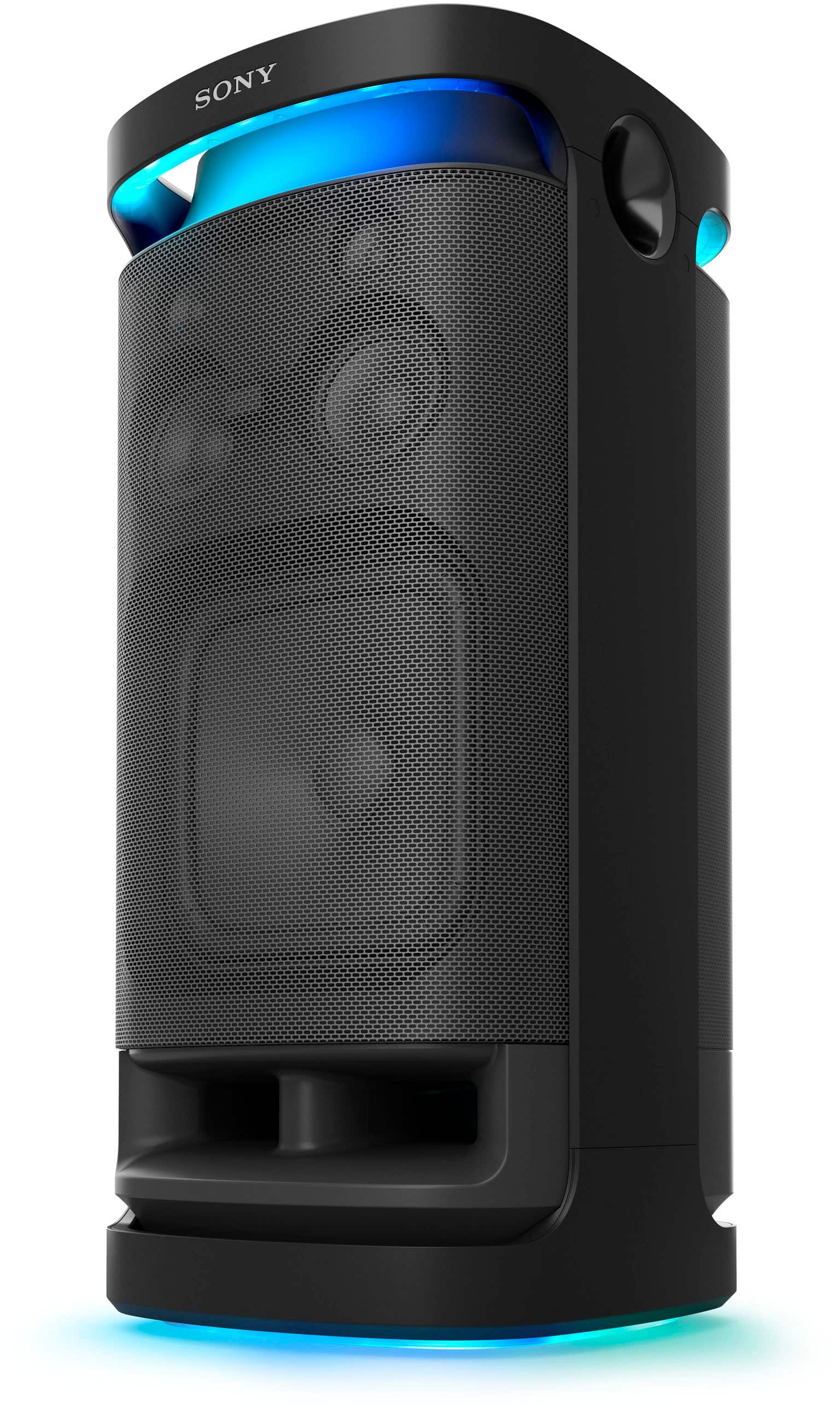
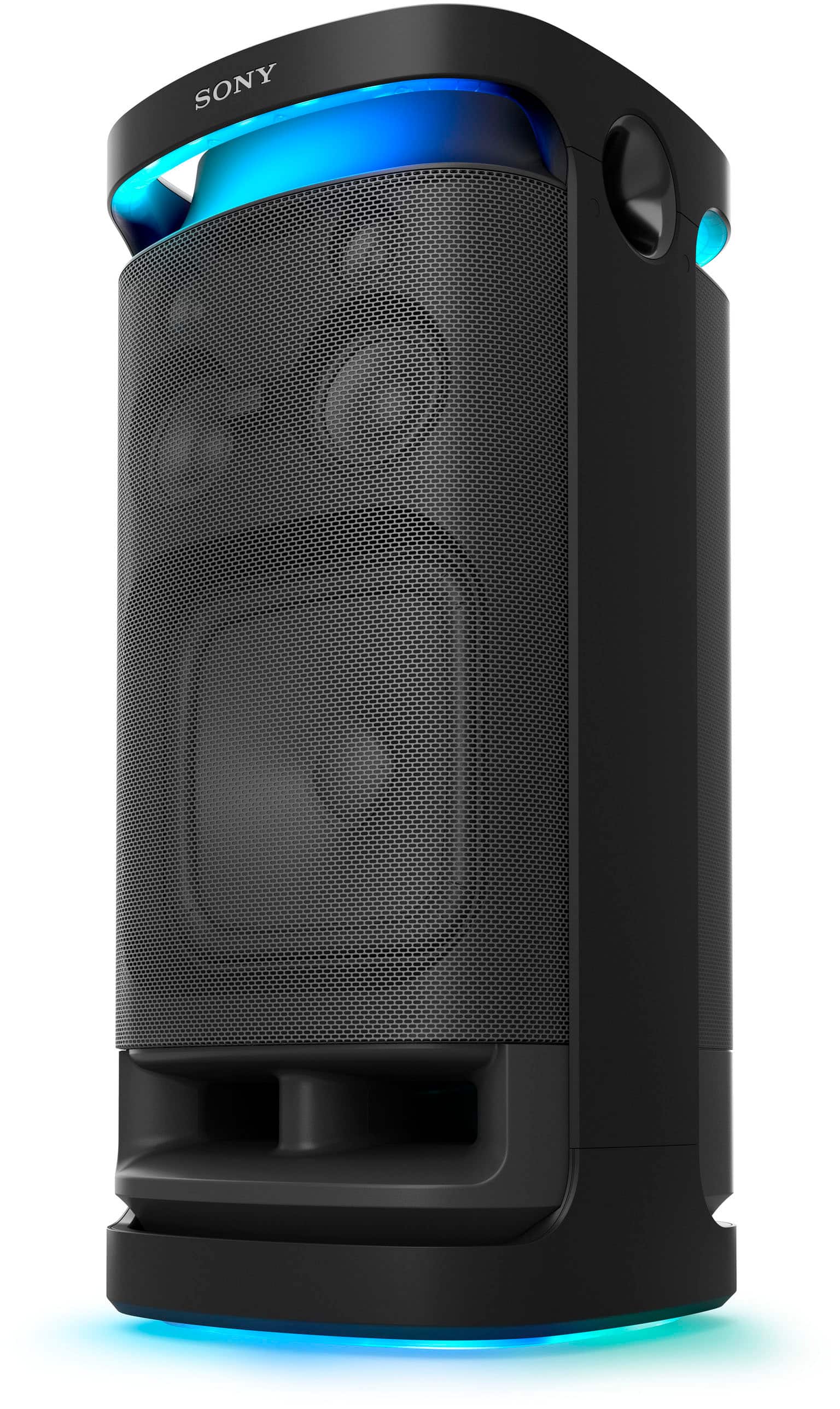
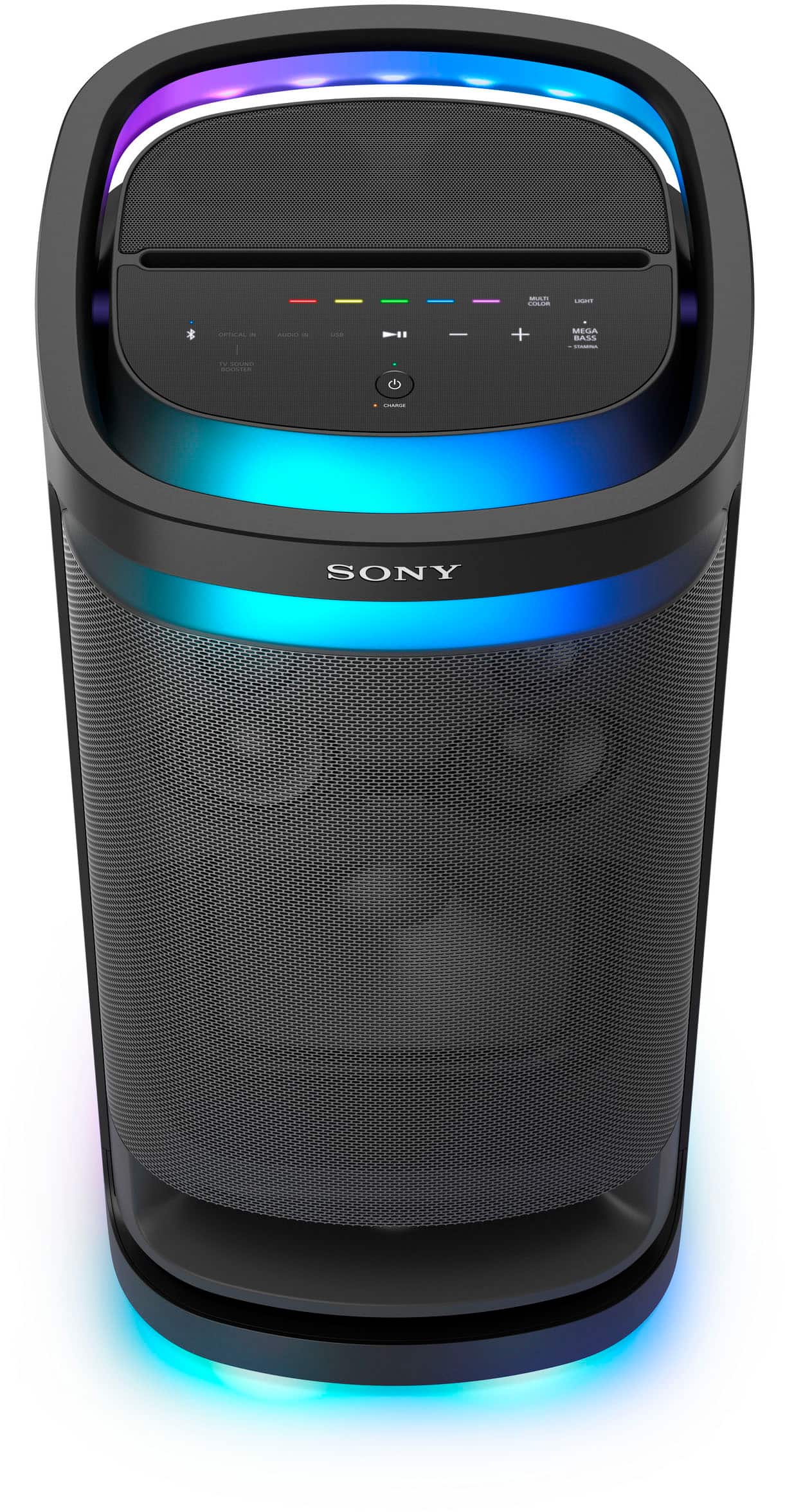
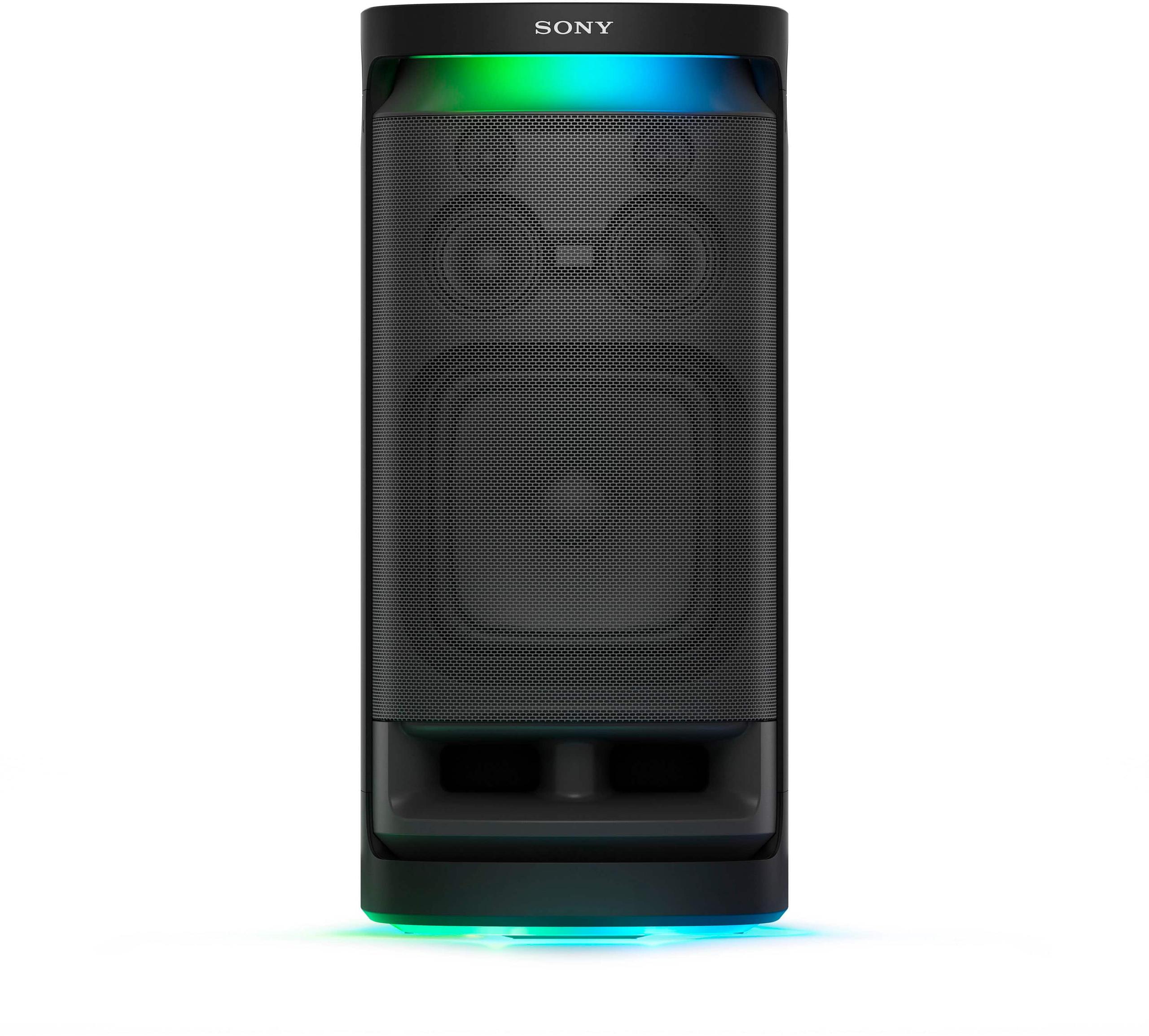
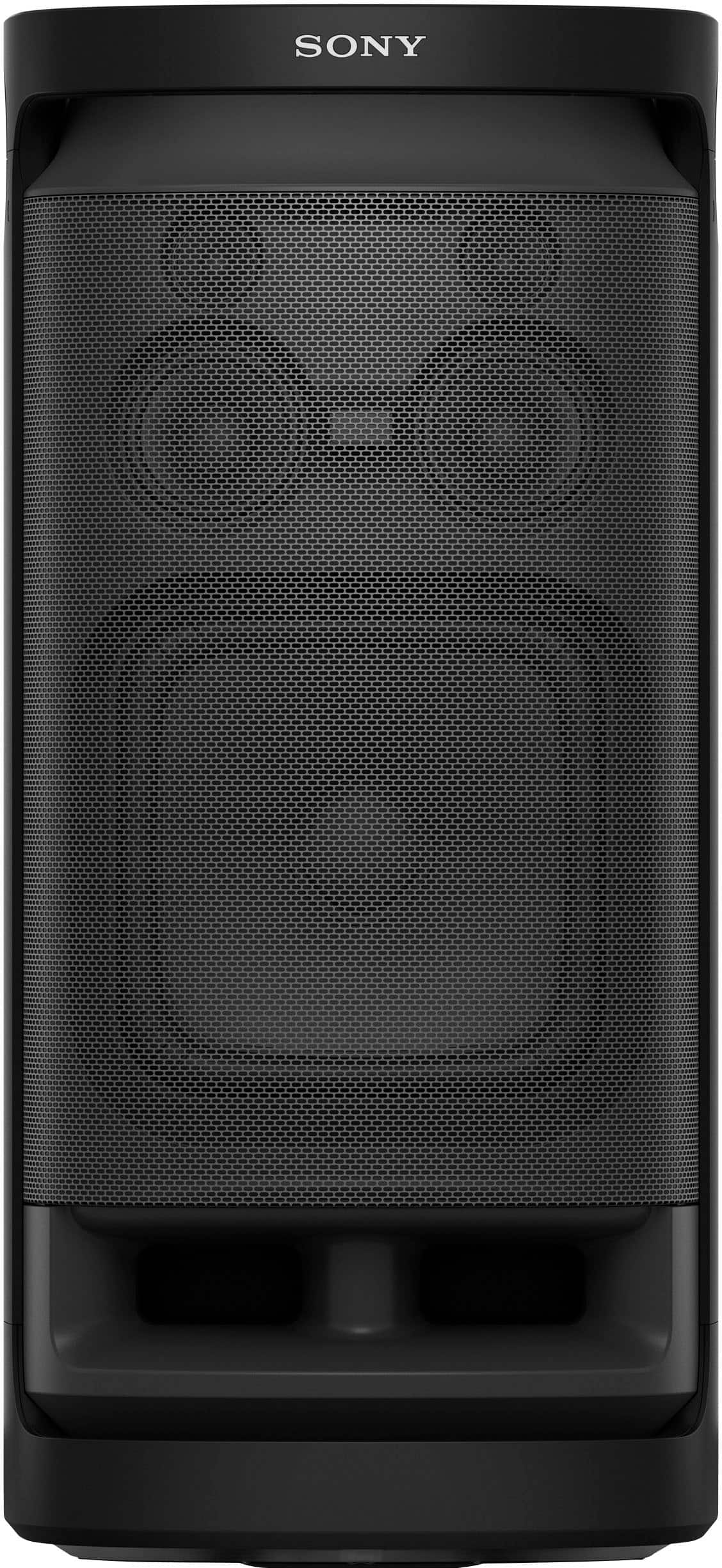
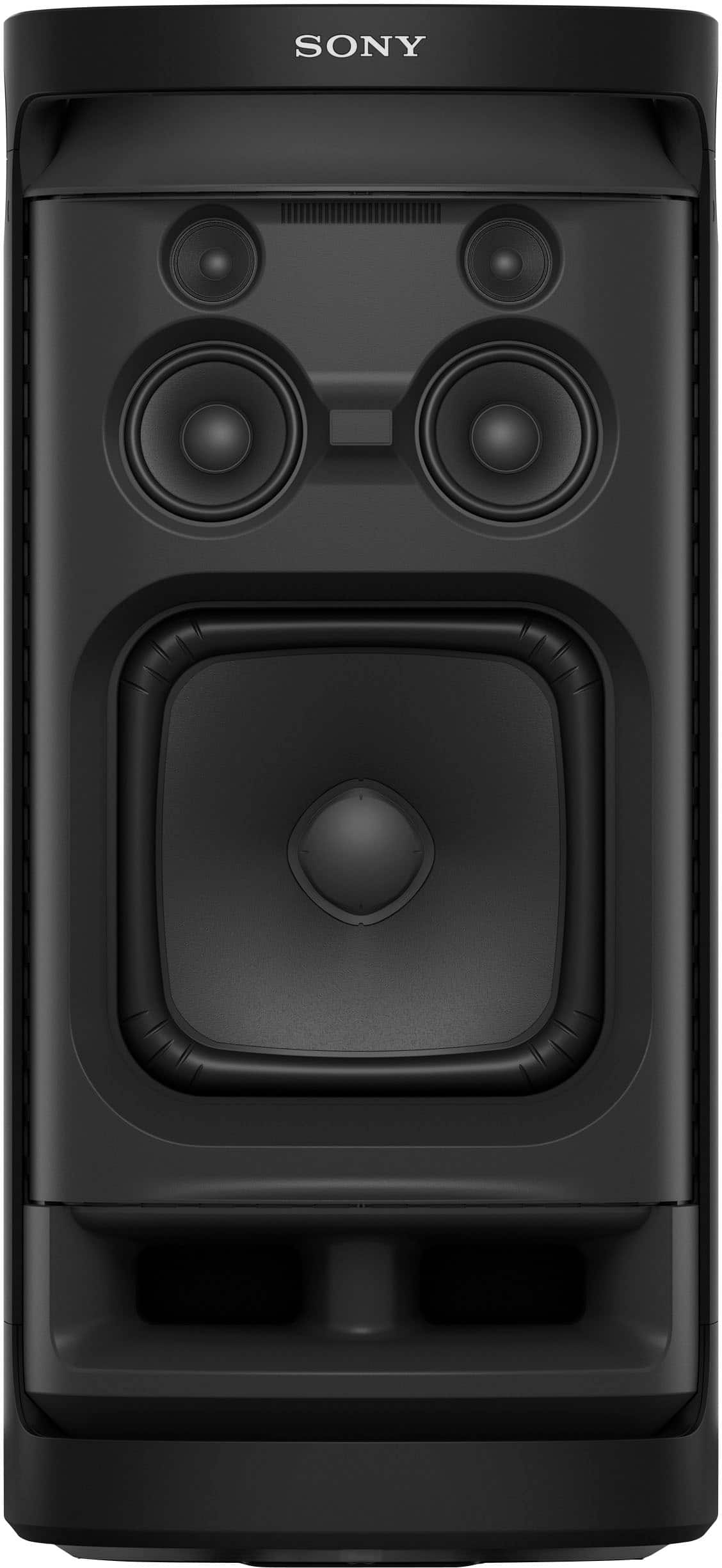
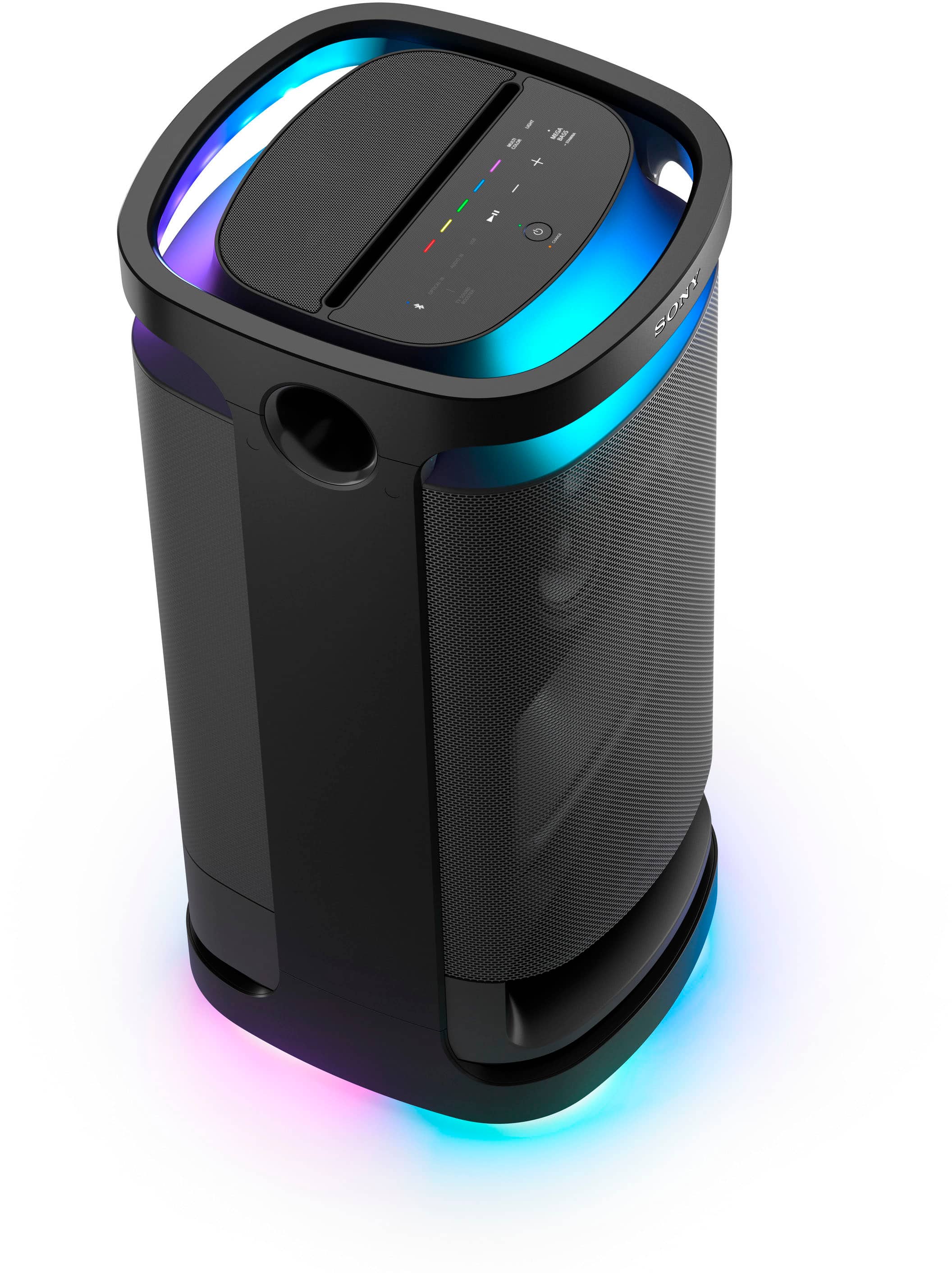
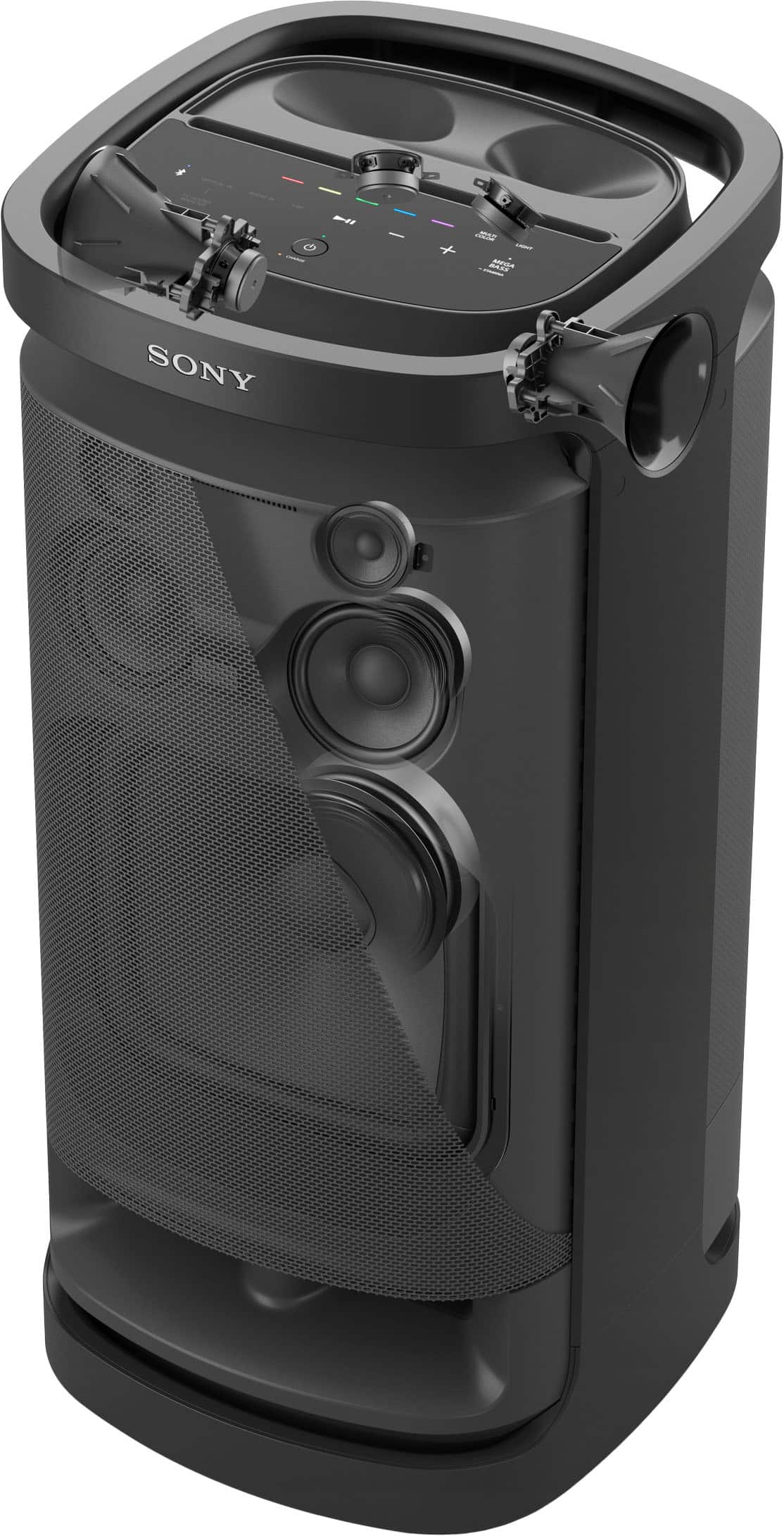
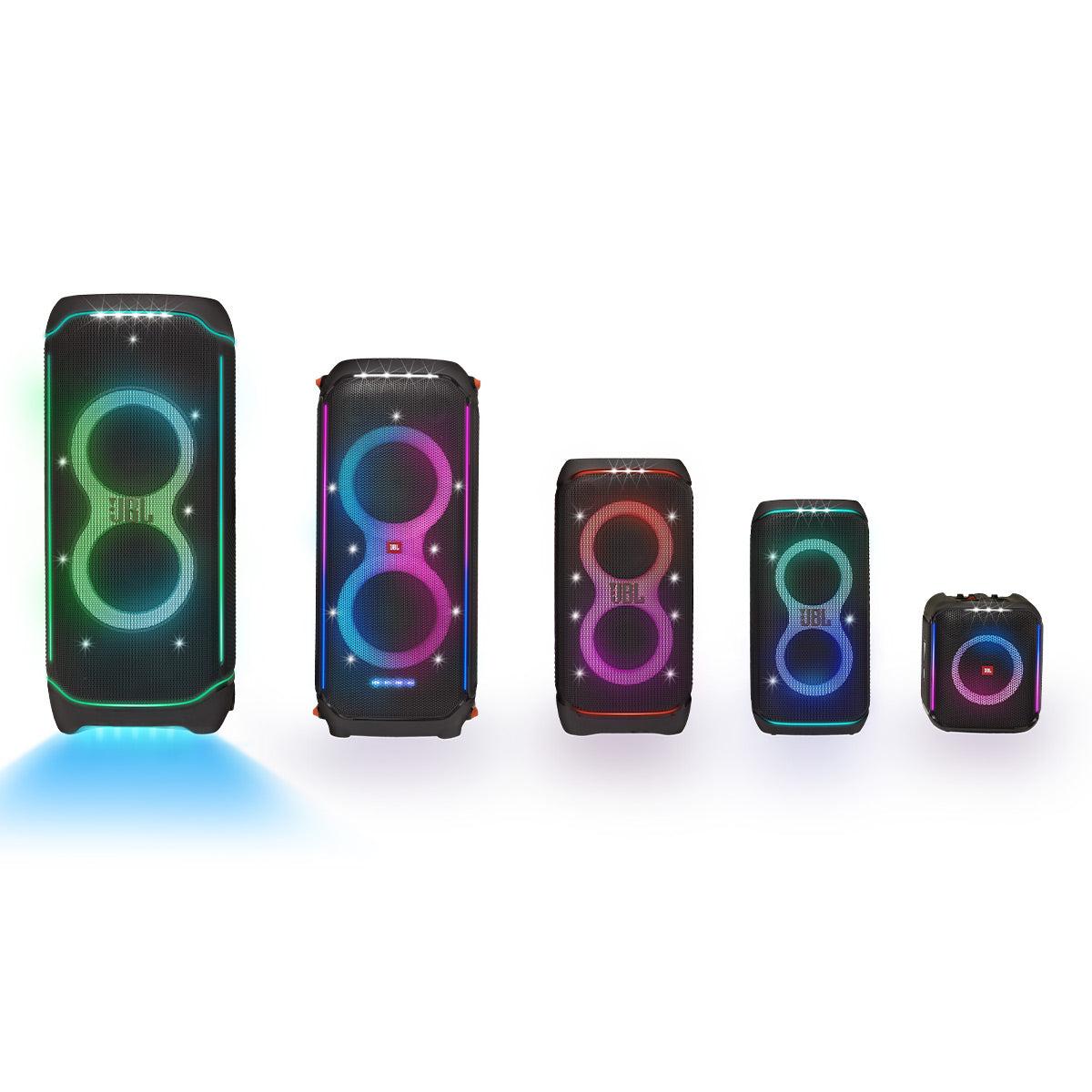
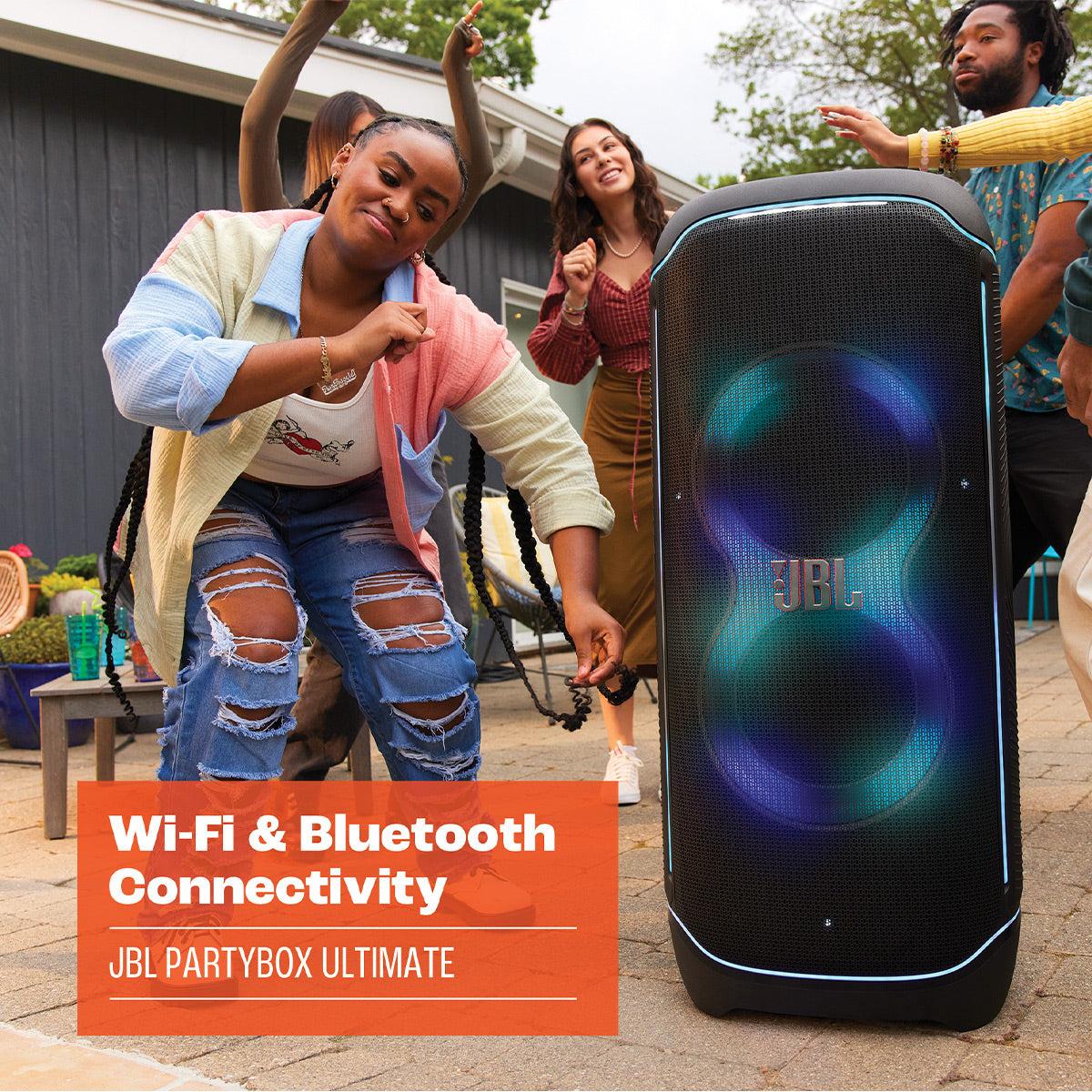
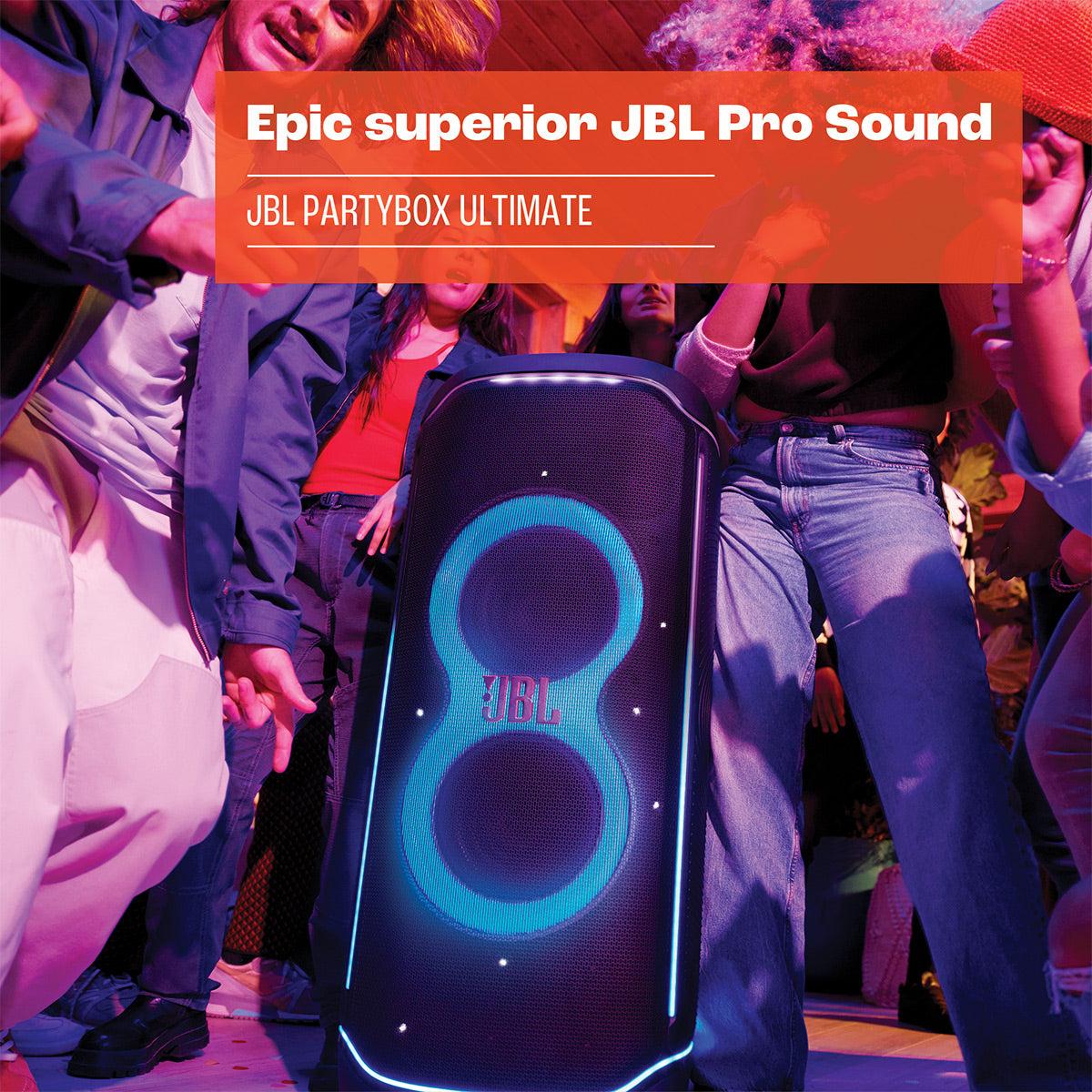
If you've been shopping for a party speaker that can truly fill a space and create an unforgettable atmosphere, you've probably encountered two heavy hitters: the Sony SRS-XV900 and the JBL PartyBox Ultimate. These aren't your typical Bluetooth speakers—they're massive, powerful audio systems designed to compete with professional DJ equipment while remaining accessible to home users.
At the time of writing, these speakers sit in different price ranges, with the Sony positioned as the more affordable option despite its premium features, while the JBL commands a higher price for its raw power capabilities. But price alone doesn't tell the whole story when you're choosing between fundamentally different approaches to party audio.
Large party speakers represent a unique category that bridges the gap between portable Bluetooth speakers and professional PA systems. Unlike smaller speakers that prioritize convenience, these units focus on filling massive spaces with rich, detailed sound while adding visual entertainment through synchronized lighting effects.
The key factors that matter most in this category are raw power output (measured in watts), frequency response (how low the bass goes and how high the treble extends), battery life for portable use, build quality for durability, and connectivity options for different audio sources. These speakers also incorporate advanced digital signal processing—essentially computer chips that optimize sound quality in real-time—to ensure they perform well whether you place them in a small room or a large outdoor space.
What makes this comparison particularly interesting is that the Sony SRS-XV900 and JBL PartyBox Ultimate represent two completely different philosophies for achieving great party audio, despite being released just one year apart (2022 and 2023, respectively).
The most fundamental distinction between these speakers isn't about sound quality or features—it's about how they approach power, both electrical and acoustic.
The Sony SRS-XV900 includes a built-in rechargeable battery that provides up to 25 hours of continuous playback. This isn't just impressive on paper; it's genuinely revolutionary for a speaker of this size and power. Most large speakers require constant connection to wall power, limiting where you can use them. Sony achieved this breakthrough by using advanced lithium-ion battery technology and efficient digital amplifiers that waste less energy as heat.
The JBL PartyBox Ultimate, on the other hand, requires constant AC power connection. This design choice allowed JBL to focus entirely on maximizing acoustic power without worrying about battery constraints. The result is 1,100 watts RMS (Root Mean Square—the consistent power output, not peak power) of audio output, which is genuinely professional-grade.
This fundamental difference shapes everything else about these speakers. The Sony weighs 58.6 pounds and includes wheels and handles for transport, while the JBL weighs 87.1 pounds—nearly 50% heavier—because it doesn't need to optimize for battery efficiency.
When it comes to sheer volume, the JBL PartyBox Ultimate dominates. In real-world measurements, it reaches 109-110 decibels at maximum volume, compared to the Sony's 102-103 decibels. While that might seem like a small difference, decibels work on a logarithmic scale—every 3 dB increase represents roughly double the perceived volume. The JBL is genuinely, noticeably louder.
To put this in perspective, 110 decibels is approaching the volume of a rock concert or chainsaw. The JBL can literally fill spaces the size of two basketball courts with powerful sound, making it suitable for very large outdoor events or warehouse parties. The Sony, while still impressively loud, is better suited for large backyard gatherings or indoor spaces up to gymnasium size.
However, volume isn't everything. The Sony SRS-XV900 offers superior frequency response, extending down to 20 Hz compared to the JBL's 30 Hz. Frequency response refers to the range of sounds a speaker can reproduce, measured in Hertz (Hz). Human hearing typically ranges from 20 Hz to 20 kHz, so the Sony can reproduce those deep, rumbling bass frequencies that you feel as much as hear.
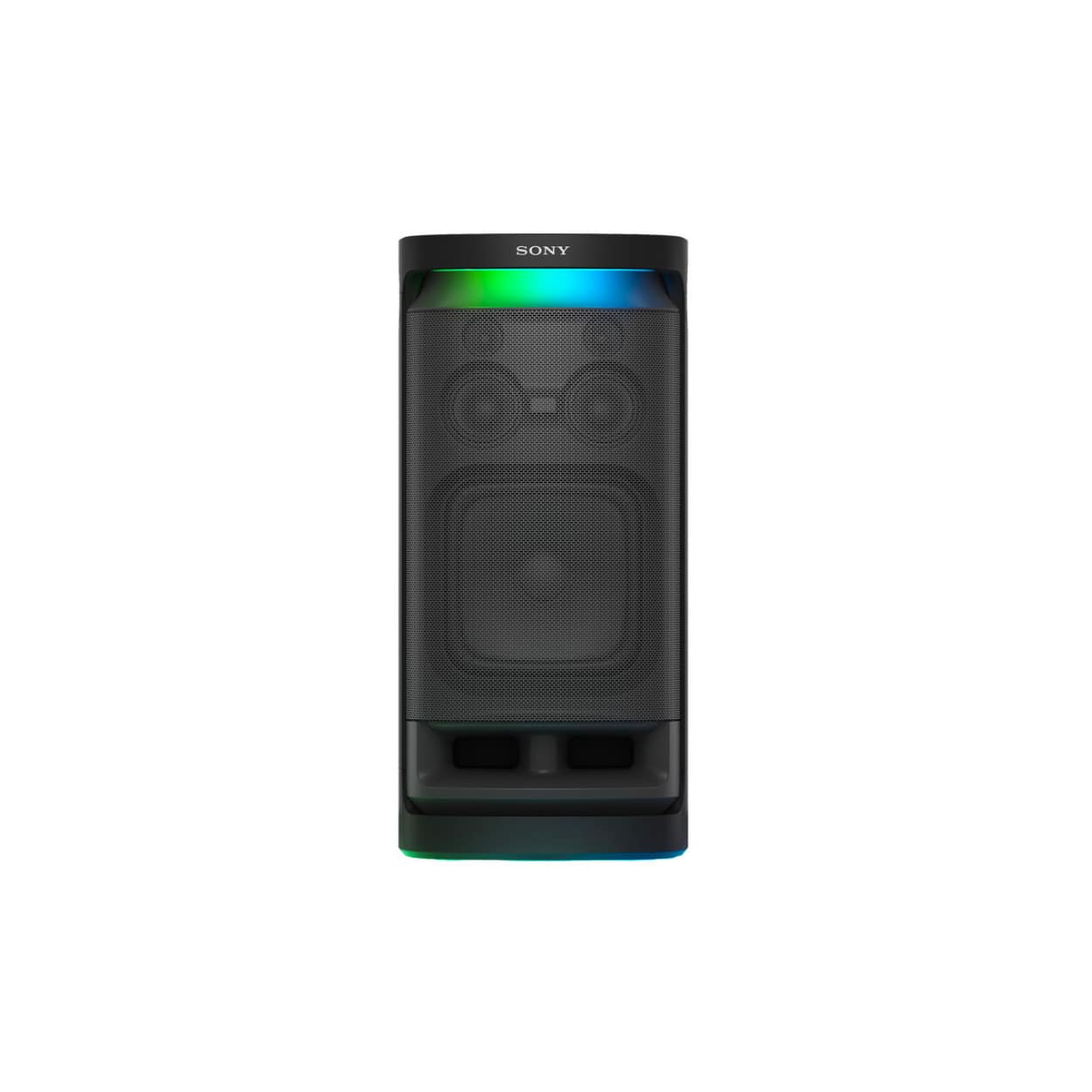
The Sony uses a unique configuration with six tweeters (small drivers that handle high frequencies) positioned around the speaker for omnidirectional sound—meaning it projects audio in all directions rather than just forward. This creates a more immersive listening experience where people standing behind or beside the speaker still hear full, detailed sound.
The JBL focuses its driver configuration differently, using dual 9-inch woofers (large drivers dedicated to bass) to create what reviewers consistently describe as more physically impactful bass. While it might not extend as low in frequency as the Sony, the bass it produces has more "punch" and physical presence that you can feel in your chest.
Both speakers include advanced digital signal processing, but they apply it differently. The Sony features room self-tuning technology that uses built-in microphones to analyze the acoustic environment and automatically adjust the sound profile. If you place it in a small, reflective room, it will reduce bass to prevent muddiness. In a large outdoor space, it will boost certain frequencies to maintain clarity.
The Sony also includes Sony's Clear Audio+ processing, which enhances detail and clarity across all frequencies, and DSEE (Digital Sound Enhancement Engine), which upscales compressed audio files to improve sound quality from sources like Bluetooth streaming.
The JBL PartyBox Ultimate includes similar self-tuning capabilities but adds Dolby Atmos virtualization over Wi-Fi connections. Dolby Atmos creates a three-dimensional soundstage that makes audio seem to come from all around you, including above. However, this feature only works when streaming over Wi-Fi, not through Bluetooth connections.
The Sony SRS-XV900's 25-hour battery life represents a genuine breakthrough in large speaker design. Previous speakers in this category typically offered 8-12 hours at best, and most required constant power connections. Sony achieved this through several innovations: more efficient Class-D digital amplifiers that waste less energy as heat, advanced lithium-ion battery chemistry, and intelligent power management that adjusts performance based on volume levels.
The practical implications are enormous. You can use the Sony for all-day outdoor events, beach parties, camping trips, tailgating, or any situation where power access is limited or unavailable. The fast charging capability—10 minutes of charging provides 3 hours of playback—means brief stops can extend your event significantly.
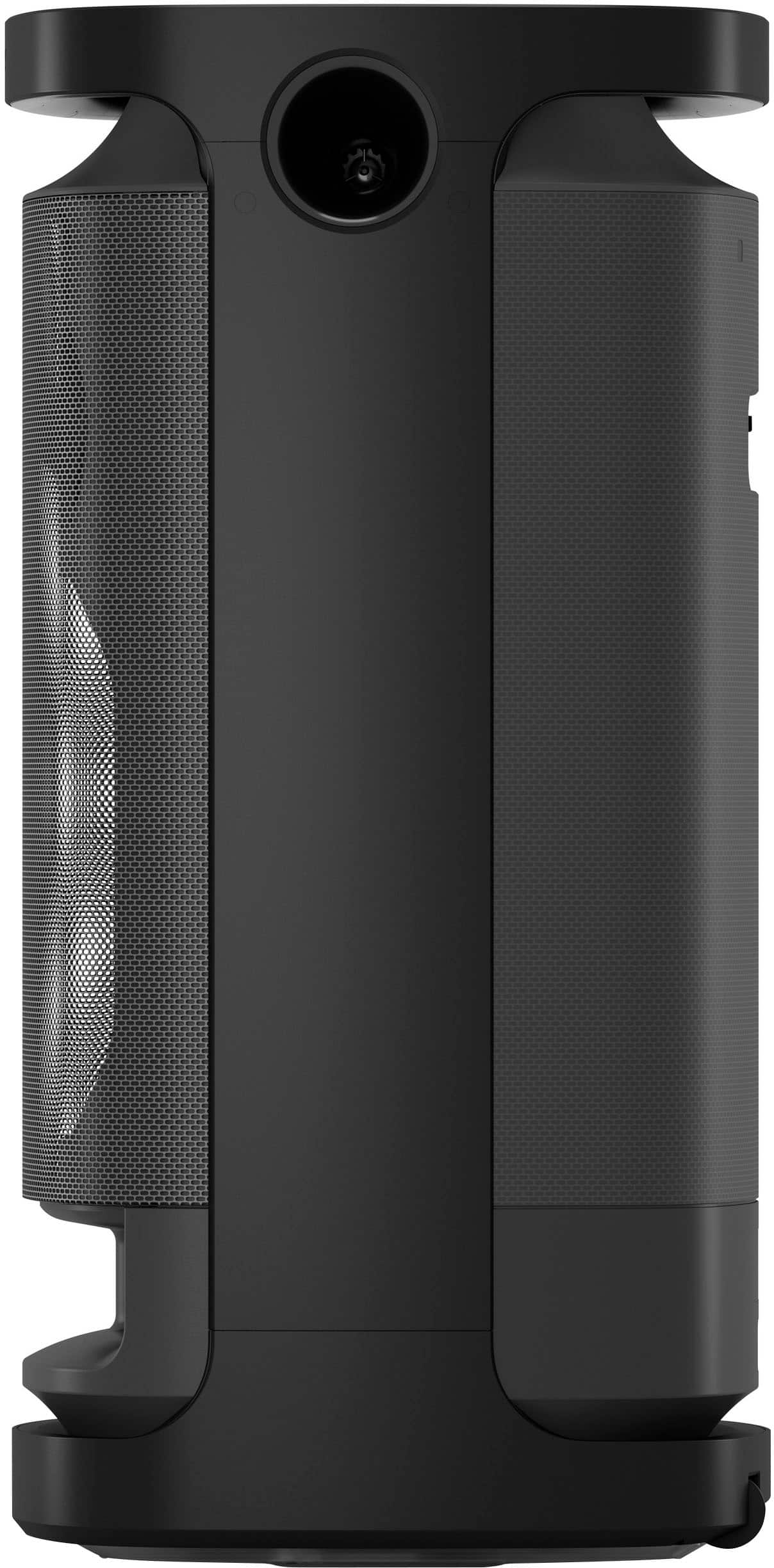
Despite being a large speaker, the Sony includes well-designed wheels and handles that make transport manageable for one person. The wheels are positioned to distribute weight effectively, though some users note they could be more robust for frequent transport over rough surfaces.
The JBL PartyBox Ultimate also includes heavy-duty wheels and handles, but its 87-pound weight makes it genuinely challenging for single-person transport. It's designed more for semi-permanent installation or events where multiple people can handle setup. However, JBL's wheel design is generally praised as more durable for frequent movement.
Both speakers support modern Bluetooth standards, but with different focuses. The Sony uses Bluetooth 5.2 with support for LDAC, Sony's high-quality audio codec that transmits three times more data than standard Bluetooth. This means better sound quality when streaming from compatible devices like Android phones or Sony audio players.
The JBL includes Bluetooth 5.3—the newest standard at the time of writing—plus comprehensive Wi-Fi 6 support. Wi-Fi connectivity enables several advantages: it doesn't disconnect when your phone rings, supports higher audio quality than Bluetooth, and enables features like Dolby Atmos that require more data bandwidth than Bluetooth can provide.
Both speakers support connecting multiple units together, but through different systems. The Sony uses Party Connect, which can link up to 100 compatible Sony speakers for synchronized playback. However, this system creates mono audio across all speakers rather than true stereo separation.
The JBL supports True Wireless Stereo (TWS) pairing with another identical unit, creating genuine left and right stereo channels. It also includes a 3.5mm audio output for daisy-chaining additional speakers using cables—a feature the Sony lacks.
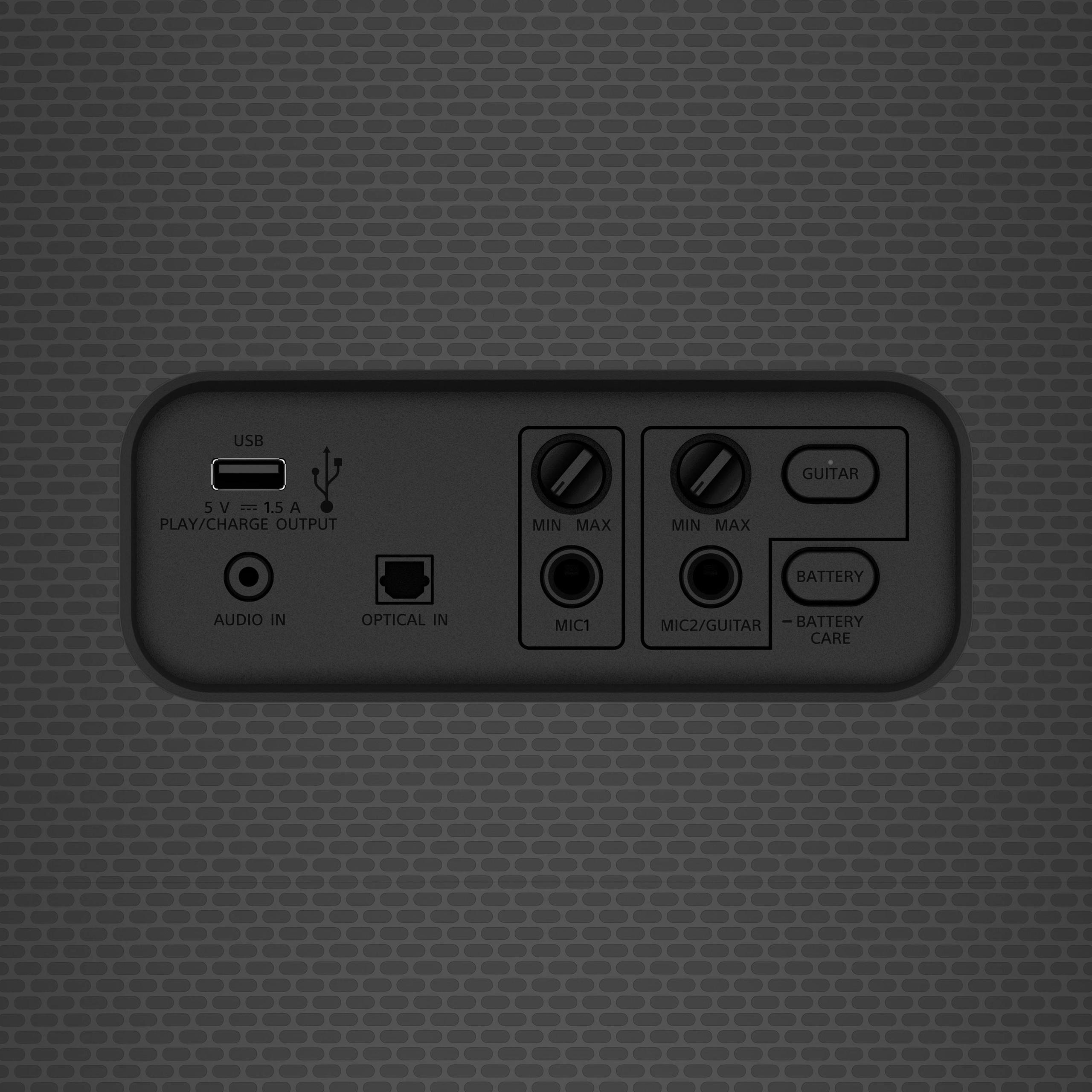
Here's where the Sony SRS-XV900 offers a unique advantage: it includes an optical digital audio input, allowing direct connection to televisions and other digital audio sources. This effectively turns the speaker into a powerful soundbar and subwoofer combination. The TV Sound Booster mode optimizes the audio specifically for movie and TV content, emphasizing dialogue clarity while maintaining powerful bass for action scenes.
The JBL lacks optical input, limiting its TV integration to Bluetooth or auxiliary connections, which may introduce audio delay that causes lip-sync issues with video content.
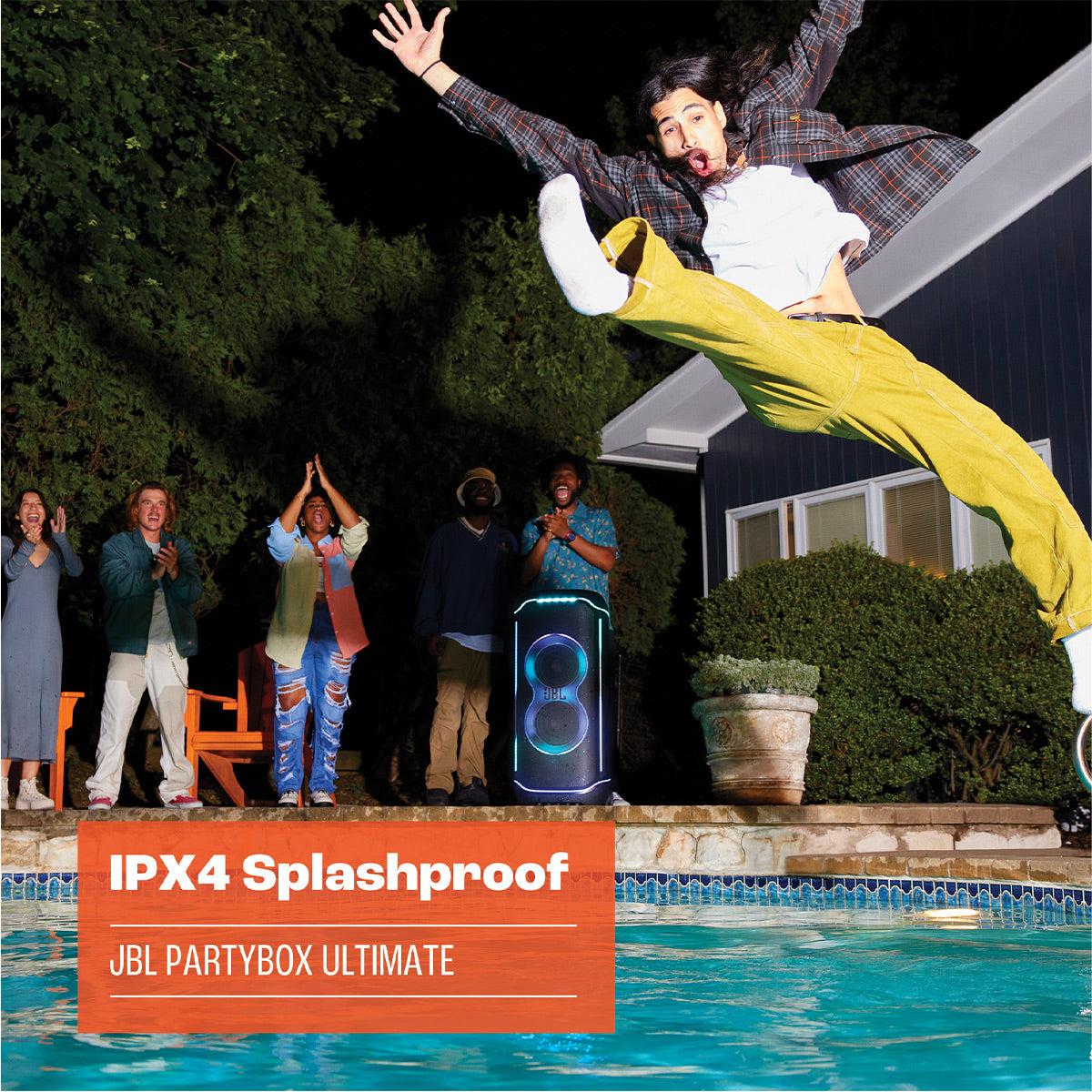
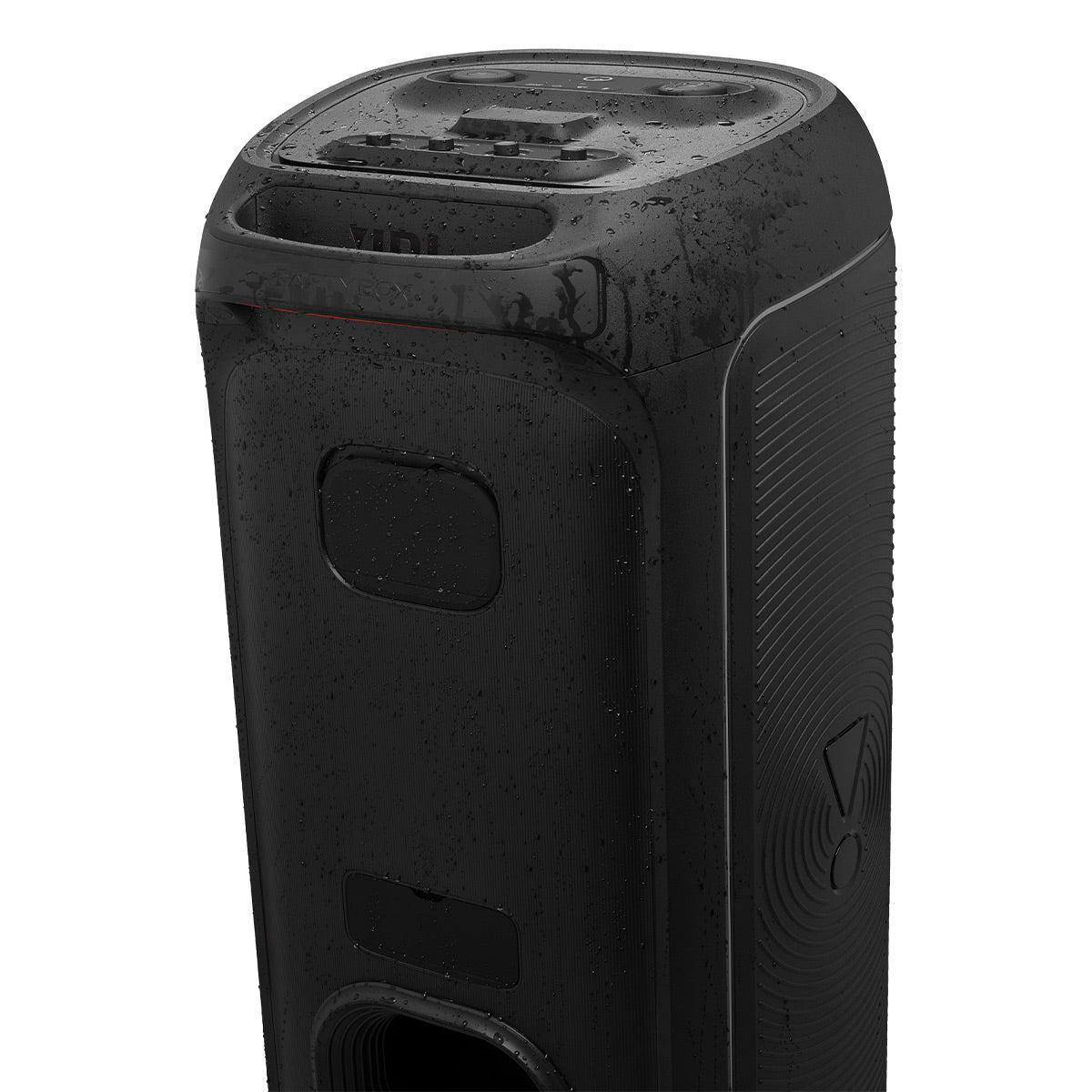
The JBL PartyBox Ultimate includes an IPX4 splash-proof rating, meaning it can handle light rain, splashes from pool parties, or spilled drinks without damage. This makes it more suitable for outdoor events where weather might be a concern.
The Sony SRS-XV900 lacks any official water resistance rating, limiting its use to covered outdoor areas or indoor spaces. This is a significant consideration if you frequently host poolside parties or outdoor events where weather protection isn't guaranteed.
Both speakers include comprehensive lighting systems designed to create party atmospheres, but with different approaches.
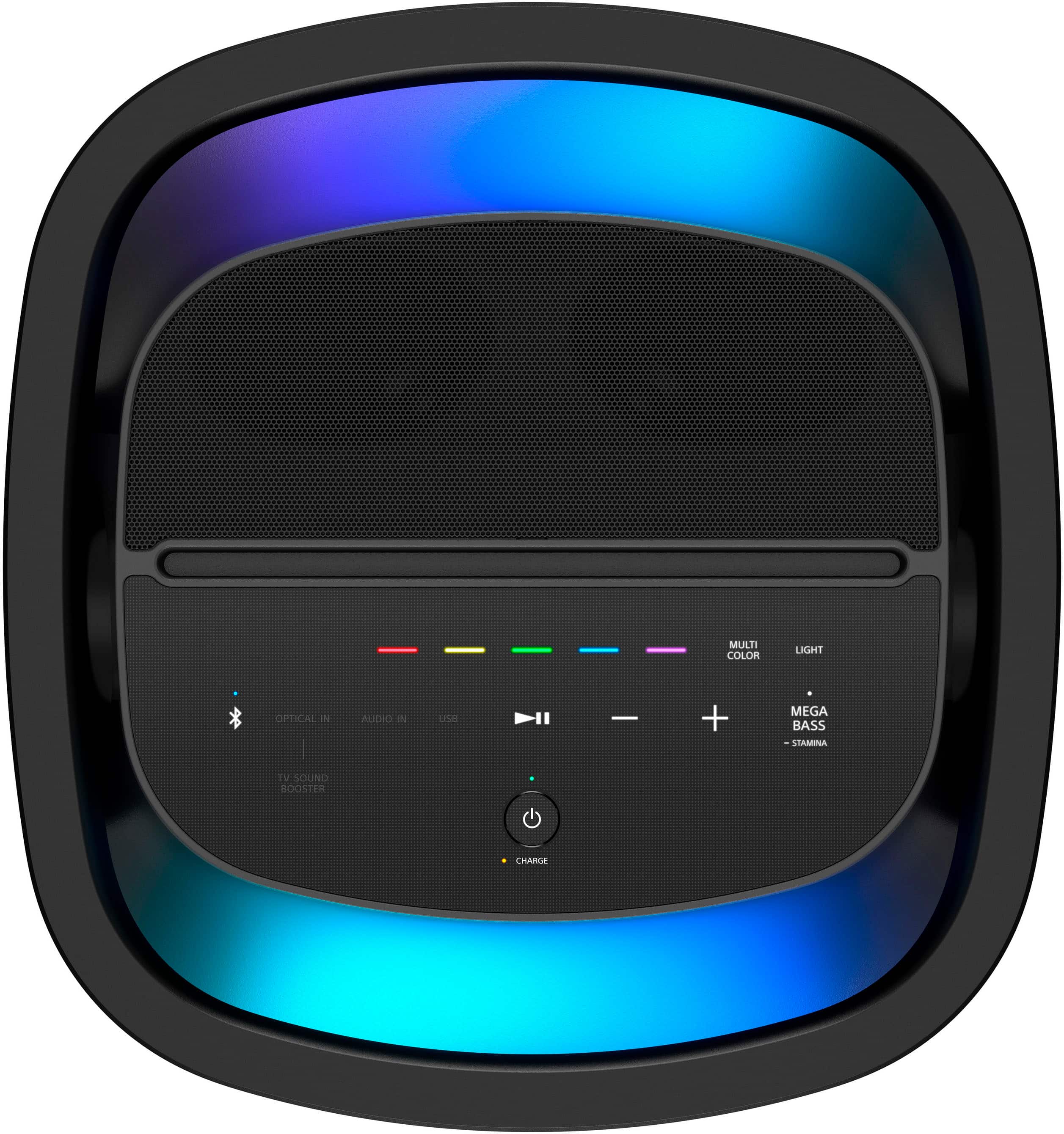
The Sony features dual LED rings at the top and bottom of the speaker, plus floor lighting effects that pulse and change color in sync with the music. The lighting system is elegant and refined, focusing on ambient enhancement rather than overwhelming visual effects.
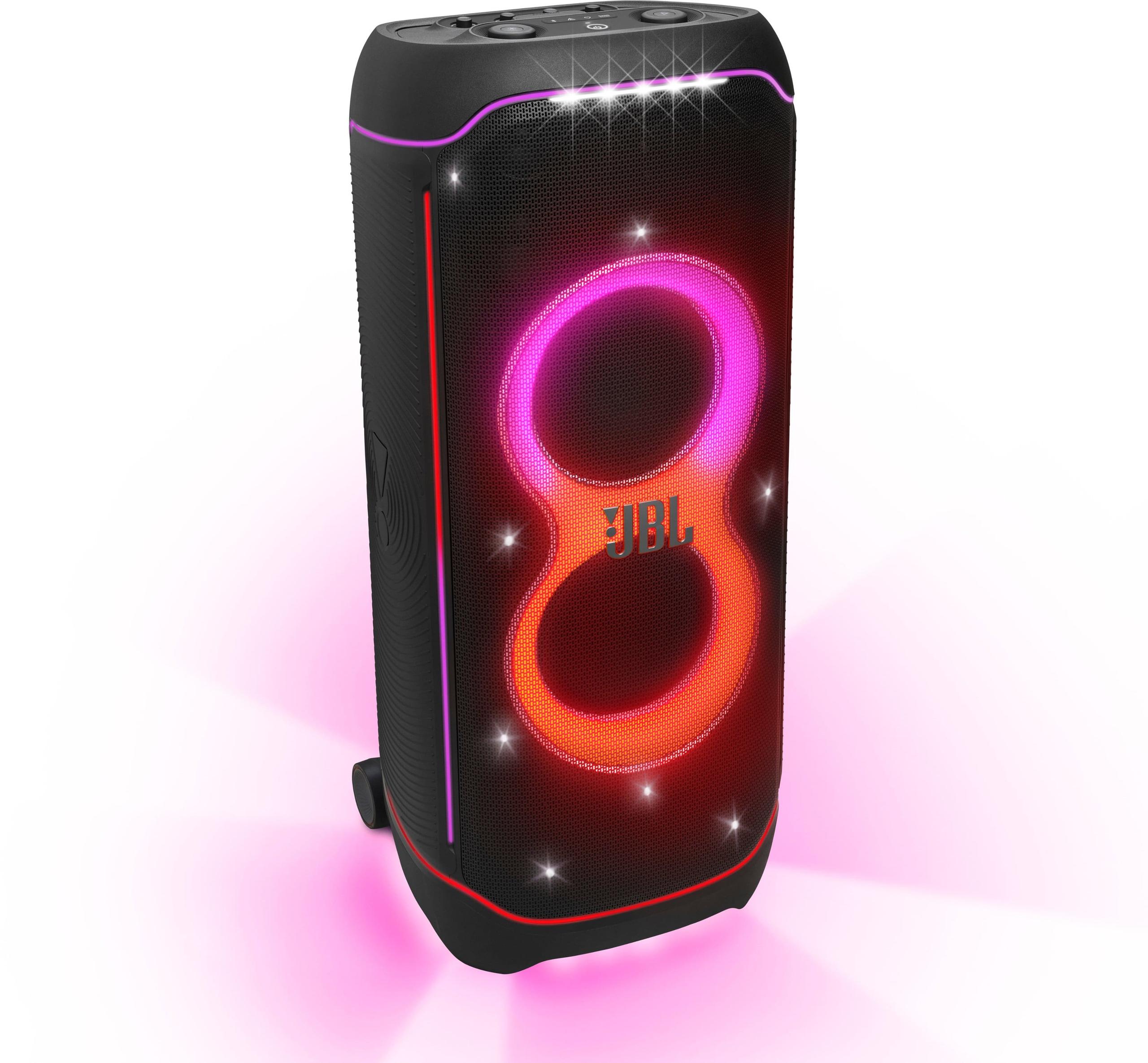
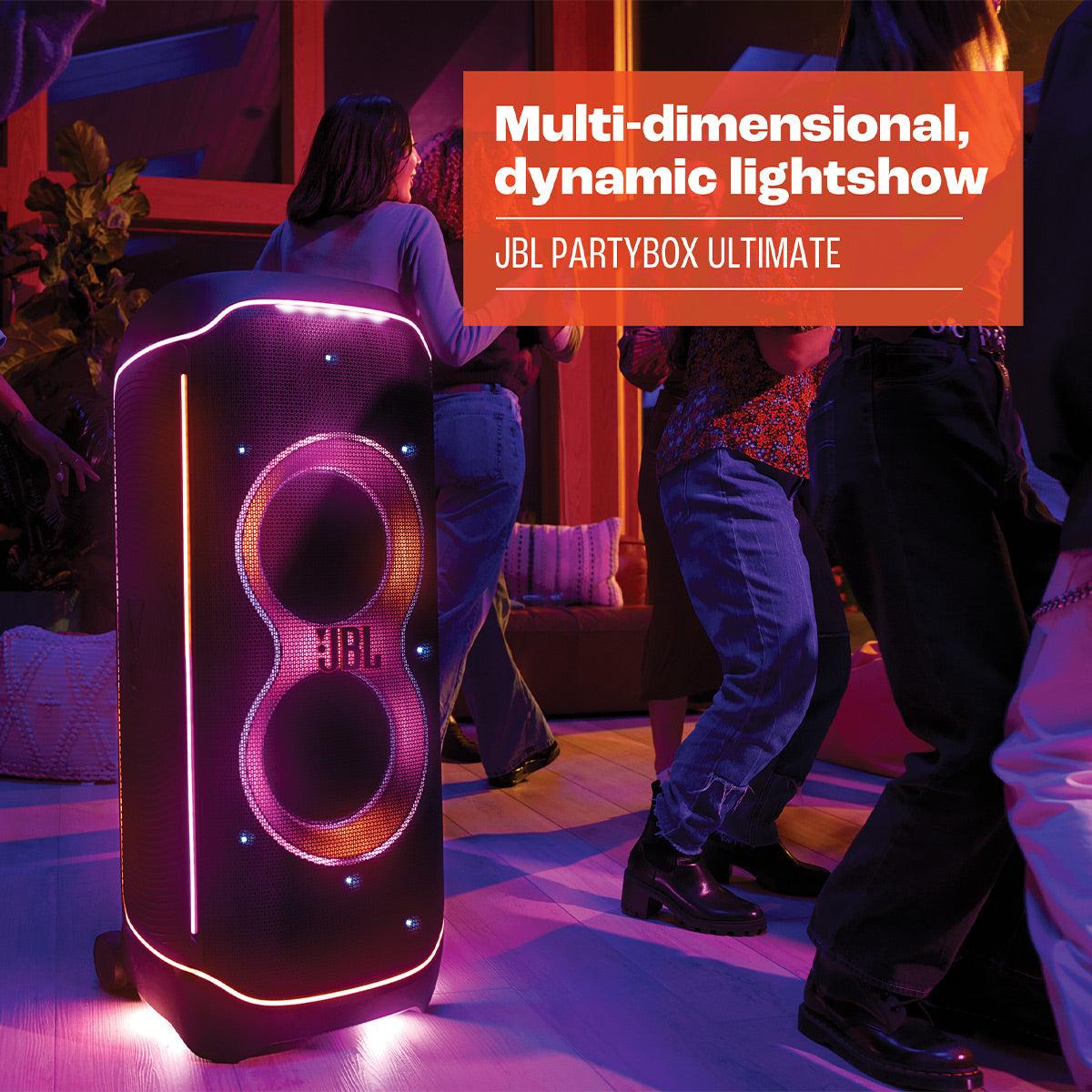
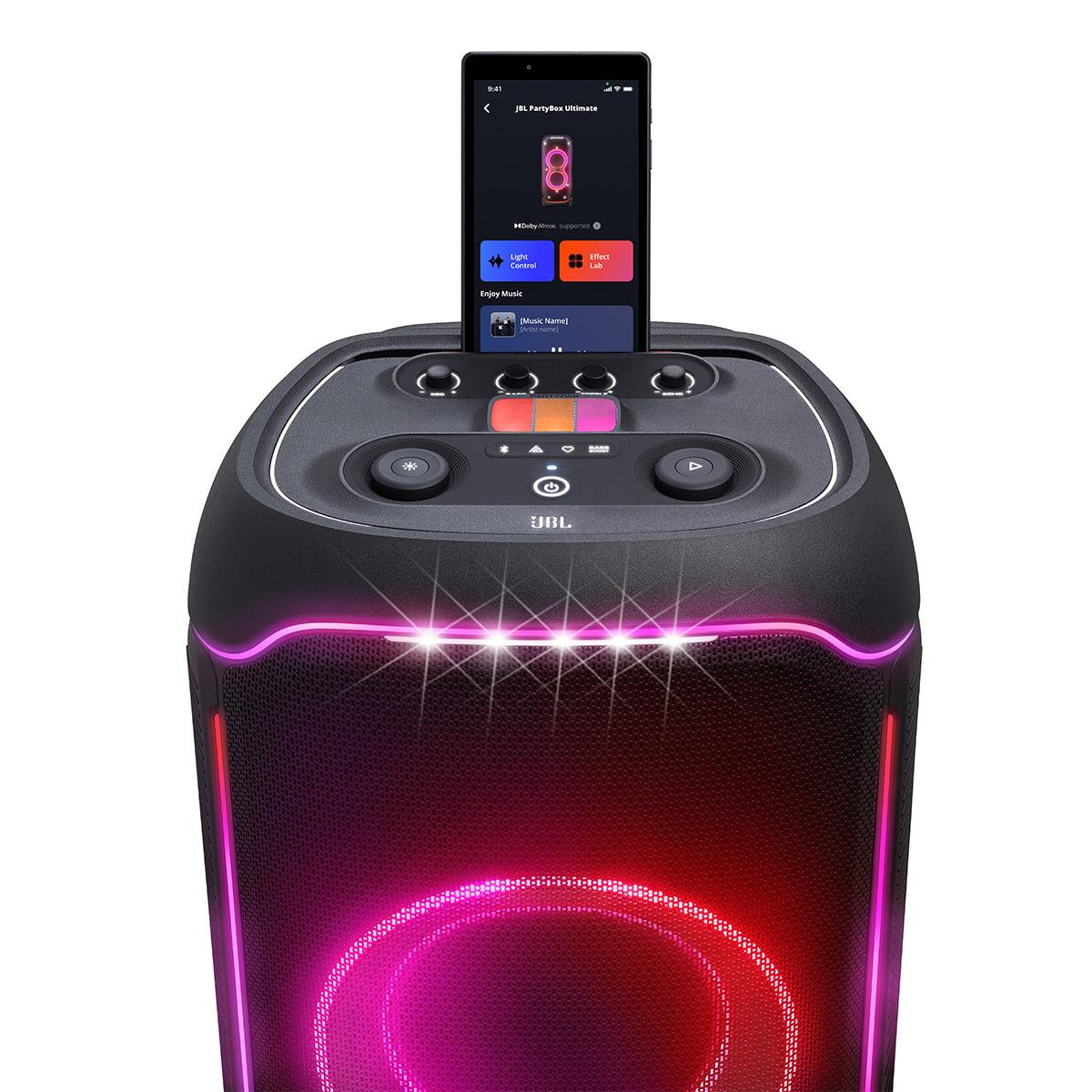
The JBL takes a more comprehensive approach with what it calls a "multi-dimensional lightshow." This includes multiple LED rings, light strips, 22 white strobe LEDs, starry night effects, light trails, and ground projection. Reviews consistently describe the JBL's lighting as more extensive and visually impressive, with "lights everywhere" creating a more dramatic party atmosphere.
Both systems can be customized through smartphone apps, but the JBL's system offers more granular control over individual lighting elements.
Based on extensive research into user reviews and expert evaluations, several patterns emerge in how these speakers perform in actual use.
The Sony SRS-XV900 consistently receives praise for sound quality that remains clear and detailed even at high volume levels. Users frequently mention the balanced frequency response—powerful bass that doesn't overwhelm the midrange and treble frequencies where vocals and instruments live. The omnidirectional tweeter arrangement means people can move around the speaker and still experience full sound quality, rather than having to stay in front of it.
The JBL PartyBox Ultimate generates consistent feedback about its bass impact being particularly impressive—described as "violent" and physically felt rather than just heard. However, some users note that while the bass is more impactful, the overall frequency balance favors low-end response over midrange clarity.
For connectivity, the Sony's Bluetooth range typically extends 30-40 yards in real-world testing, with stable connections and quick pairing. The JBL's Wi-Fi capabilities provide more reliable connections for high-quality audio streaming, but some users report initial setup challenges with network configuration.
At the time of writing, these speakers sit in different price categories, with the Sony positioned as a premium option with excellent value, while the JBL represents a higher investment for maximum performance.
The Sony's value proposition centers on its versatility—you're paying for advanced battery technology, balanced sound quality, TV integration capabilities, and true portability. When compared to professional PA systems with similar capabilities, the Sony offers remarkable value by eliminating the need for separate amplifiers, mixers, and power distribution.
The JBL's value proposition focuses on raw performance—you're paying for professional-grade volume output, comprehensive lighting systems, and advanced connectivity options. Its power output genuinely competes with DJ equipment costing significantly more, making it attractive for users who prioritize maximum impact over portability.
You need genuine portability for outdoor events, mobile DJ work, or situations where power access is limited or unavailable. The 25-hour battery life makes it ideal for all-day events, camping trips, beach parties, or tailgating where traditional speakers simply won't work.
You want to integrate the speaker with your home theater system using the optical input for TV sound enhancement. This functionality is unique in the category and effectively gives you a high-end soundbar and subwoofer system in one unit.
You prefer balanced, high-quality audio over maximum volume. If you prioritize sound clarity, detailed midrange for vocals, and controlled bass response, the Sony's more balanced frequency response will be more satisfying for regular listening.
You need to transport the speaker frequently. The 30-pound weight difference and more manageable size make the Sony significantly easier for single-person setup and breakdown.
You regularly host events in very large spaces—gymnasiums, warehouses, large outdoor areas with power access—where maximum volume is essential. The JBL's superior power output is the only way to adequately fill such spaces.
You prioritize bass impact and physical presence in your music. If you love feeling the bass as much as hearing it, particularly for electronic music, hip-hop, or other bass-heavy genres, the JBL's dual 9-inch woofers provide unmatched impact.
You have reliable power access for all your events and don't need battery operation. If you're setting up in venues, homes, or outdoor areas with power infrastructure, the lack of battery isn't a limitation.
You want the most comprehensive visual entertainment system. The JBL's extensive lighting capabilities create a more dramatic party atmosphere with more control over individual effects.
You need weather resistance for poolside or outdoor events where splashes or light rain might occur. The IPX4 rating provides peace of mind that the Sony lacks.
These speakers represent two excellent but fundamentally different approaches to party audio. The Sony SRS-XV900 is the choice for users who value versatility, portability, and balanced performance. Its revolutionary battery life and TV integration capabilities make it suitable for a wider range of use cases, from intimate home theater sessions to large outdoor events.
The JBL PartyBox Ultimate is the choice for users who prioritize maximum impact and have reliable power access. Its superior volume output, bass impact, and comprehensive lighting system make it ideal for fixed installations or events where creating maximum audio and visual impact is the primary goal.
Neither speaker is definitively "better"—they're optimized for different priorities and use cases. Your choice should depend on whether you value the flexibility and convenience of the Sony or the raw power and impact of the JBL. Both will deliver impressive party experiences; the question is which type of party you're planning to throw.
| Sony SRS-XV900 | JBL PartyBox Ultimate |
|---|---|
| Power Output - Determines maximum volume and room-filling capability | |
| Not specified (estimated 400-500W based on performance) | 1,100W RMS (professional-grade power) |
| Maximum Volume - Critical for large spaces and outdoor events | |
| 102-103 dB (suitable for large backyards and medium venues) | 109-110 dB (can fill gymnasium-sized spaces) |
| Battery Life - Essential for portable events without power access | |
| 25 hours continuous playback with fast charging | No battery - requires constant AC power connection |
| Weight - Affects true portability despite having wheels | |
| 58.6 lbs (manageable for single-person transport) | 87.1 lbs (nearly 50% heavier, challenging solo setup) |
| Frequency Response - Lower numbers mean deeper bass you can feel | |
| 20 Hz - 20 kHz (extends 10Hz lower for deeper bass) | 30 Hz - 20 kHz (still excellent but less deep bass extension) |
| Speaker Configuration - Affects sound distribution and stereo imaging | |
| 6 tweeters for 360° sound + 1 large woofer (true stereo capable) | Dual 9" woofers for maximum bass impact (mono system) |
| Weather Resistance - Important for poolside and outdoor events | |
| No official IP rating (indoor/covered outdoor use only) | IPX4 splash-proof (handles spills and light rain) |
| Connectivity Options - Determines audio source flexibility | |
| Bluetooth 5.2, LDAC, optical input for TV connection | Bluetooth 5.3, Wi-Fi 6, AirPlay 2, Chromecast, no optical |
| TV Integration - Useful for home theater enhancement | |
| Optical input with TV Sound Booster mode | No direct TV connection (Bluetooth only with potential delay) |
| Lighting System - Creates party atmosphere and visual entertainment | |
| Dual LED rings with ambient floor lighting (elegant approach) | Multi-dimensional system with strobes, trails, ground projection |
| Multi-Speaker Connectivity - For scaling up to larger events | |
| Party Connect up to 100 speakers (mono sync only) | True Wireless Stereo pairing + daisy chain output |
| Special Features - Unique capabilities that set each apart | |
| Room self-tuning, powerbank function, karaoke support | JBL PartyPad DJ controls, Dolby Atmos over Wi-Fi |
The Sony SRS-XV900 is significantly better for outdoor parties due to its 25-hour battery life, allowing you to host events anywhere without needing power outlets. While the JBL PartyBox Ultimate produces louder sound, it requires constant AC power connection, severely limiting outdoor venue options unless electrical outlets are available.
The core difference is power source: the Sony SRS-XV900 runs on an internal battery for up to 25 hours, making it truly portable, while the JBL PartyBox Ultimate requires constant wall power but delivers significantly more volume (1,100W RMS vs estimated 400-500W for Sony).
The JBL PartyBox Ultimate gets substantially louder, reaching 109-110 dB compared to the Sony SRS-XV900's 102-103 dB. This difference means the JBL can fill gymnasium-sized spaces while the Sony is better suited for large backyards and medium-sized venues.
The Sony SRS-XV900 connects directly to TVs via optical input and includes a dedicated TV Sound Booster mode, making it excellent for home theater use. The JBL PartyBox Ultimate can only connect to TVs via Bluetooth, which may cause audio delay and lip-sync issues with video content.
The Sony SRS-XV900 is much easier to transport at 58.6 pounds with wheels and handles, compared to the JBL PartyBox Ultimate's 87.1 pounds. The nearly 30-pound difference makes the Sony manageable for single-person setup while the JBL typically requires multiple people.
Only the JBL PartyBox Ultimate offers weather protection with its IPX4 splash-proof rating, handling spills and light rain. The Sony SRS-XV900 has no water resistance rating and should only be used indoors or under covered outdoor areas.
This depends on preference: the JBL PartyBox Ultimate delivers more impactful, physically felt bass with its dual 9-inch woofers, while the Sony SRS-XV900 extends deeper in frequency (20 Hz vs 30 Hz) for more detailed low-end reproduction. The JBL emphasizes bass impact, the Sony emphasizes bass accuracy.
Both support multi-speaker setups but differently. The Sony SRS-XV900 uses Party Connect to link up to 100 speakers for mono playback, while the JBL PartyBox Ultimate offers True Wireless Stereo pairing for genuine left/right stereo with two units, plus daisy-chain output for additional speakers.
The Sony SRS-XV900 generally provides more balanced, detailed sound with its 6-tweeter omnidirectional array and advanced processing like Clear Audio+ and DSEE. The JBL PartyBox Ultimate focuses on maximum impact and volume, with stronger bass presence but potentially less midrange clarity.
Only the Sony SRS-XV900 has a battery - it takes approximately 3 hours for a full charge, with fast charging providing 3 hours of playback from just 10 minutes of charging. The JBL PartyBox Ultimate has no battery and must remain plugged into wall power at all times.
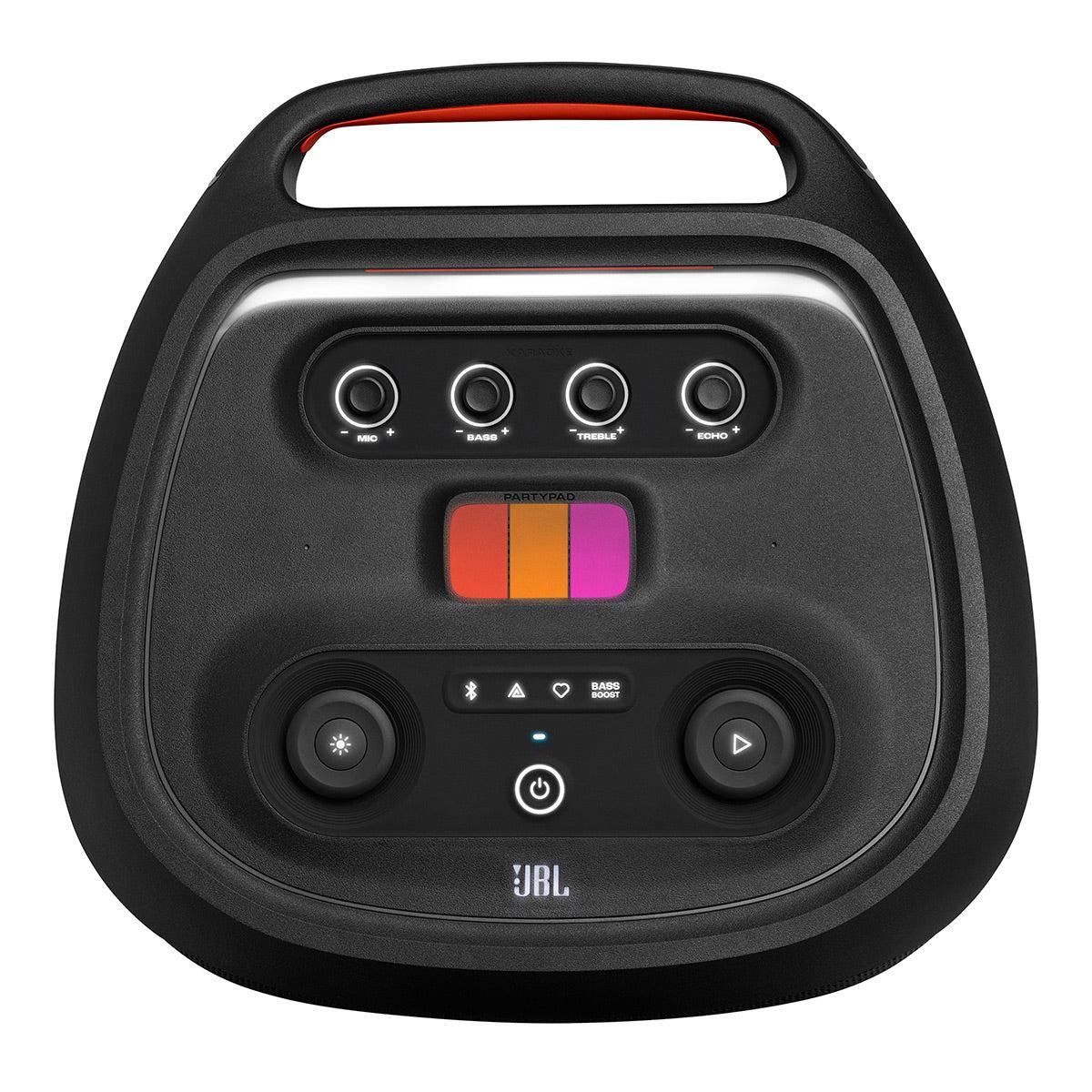
Both the Sony SRS-XV900 and JBL PartyBox Ultimate support karaoke with microphone inputs, but the JBL offers more advanced features like the PartyPad DJ controls for real-time sound effects. However, the Sony's balanced sound profile may provide clearer vocal reproduction for singing.
Value depends on your needs: the Sony SRS-XV900 offers exceptional value for portable use with its revolutionary battery life and TV integration features. The JBL PartyBox Ultimate provides better value for maximum power and impact if you have reliable AC power access and need to fill very large spaces.
We've done our best to create useful and informative comparisons to help you decide what product to buy. Our research uses advanced automated methods to create this comparison and perfection is not possible - please contact us for corrections or questions. These are the sites we've researched in the creation of this article: bestbuy.com - youtube.com - crutchfield.com - versus.com - youtube.com - versus.com - youtube.com - comparisontabl.es - tech.hindustantimes.com - youtube.com - electronics.sony.com - youtube.com - crutchfield.com - centresdirect.co.uk - sony-asia.com - nikktech.com - sony.com - youtube.com - reliancedigital.in - sonyworld.ae - sony.com - shopjetson.com - bestbuy.com - versus.com - audioadvice.com - youtube.com - crutchfield.com - youtube.com - youtube.com - youtube.com - versus.com - youtube.com - rtings.com - youtube.com - youtube.com - jbl.com - pcx.com.ph - global.jbl.com - gzhls.at - electronicexpress.com - harmanaudio.in - jbl.com - dell.com - robot-advance.com - device.report - ro.harmanaudio.com

Privacy Policy
Terms and Conditions - Affiliate Policy
Home Security
© Copyright 2008-2026.
11816 Inwood Rd #1211, Dallas, TX 75244