

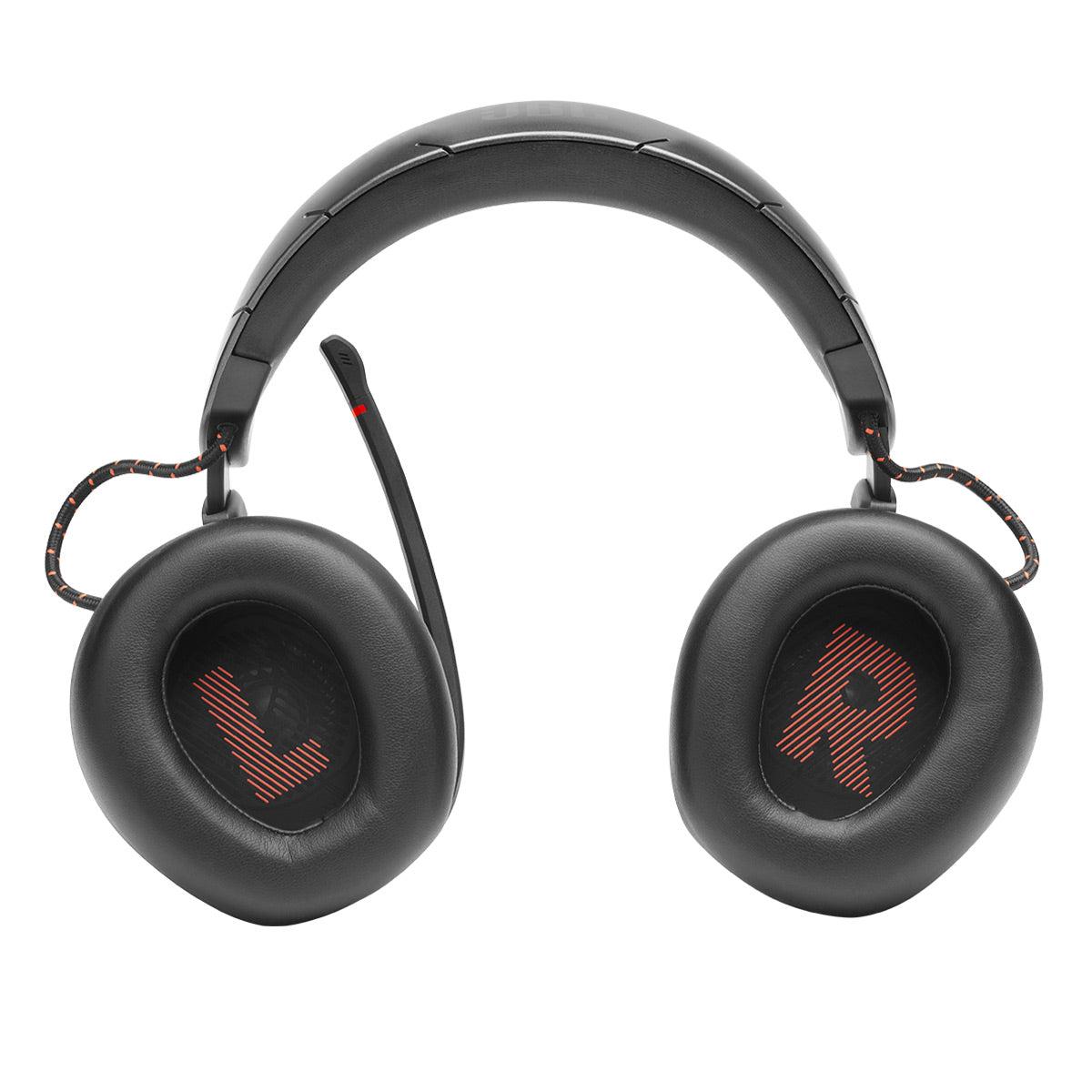
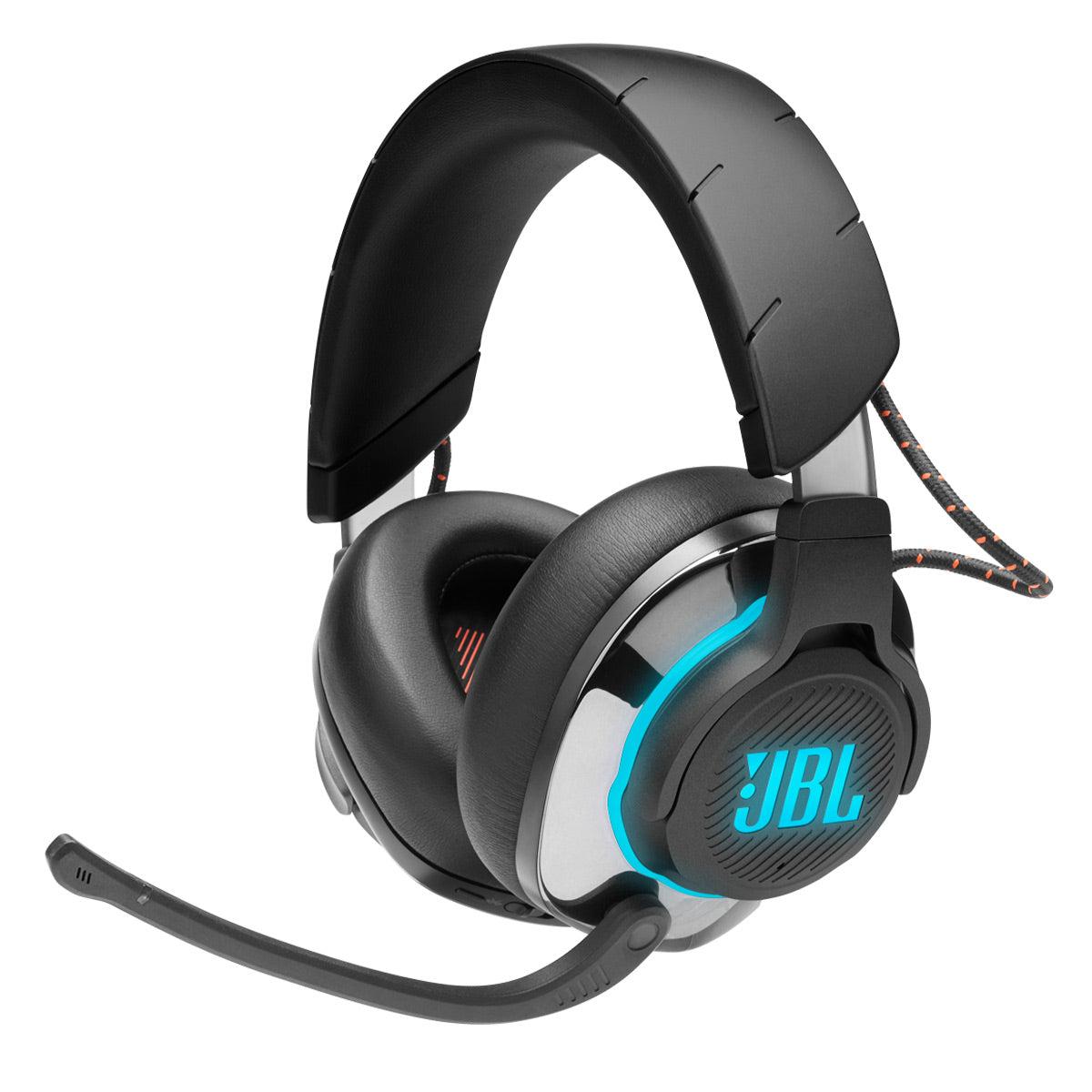
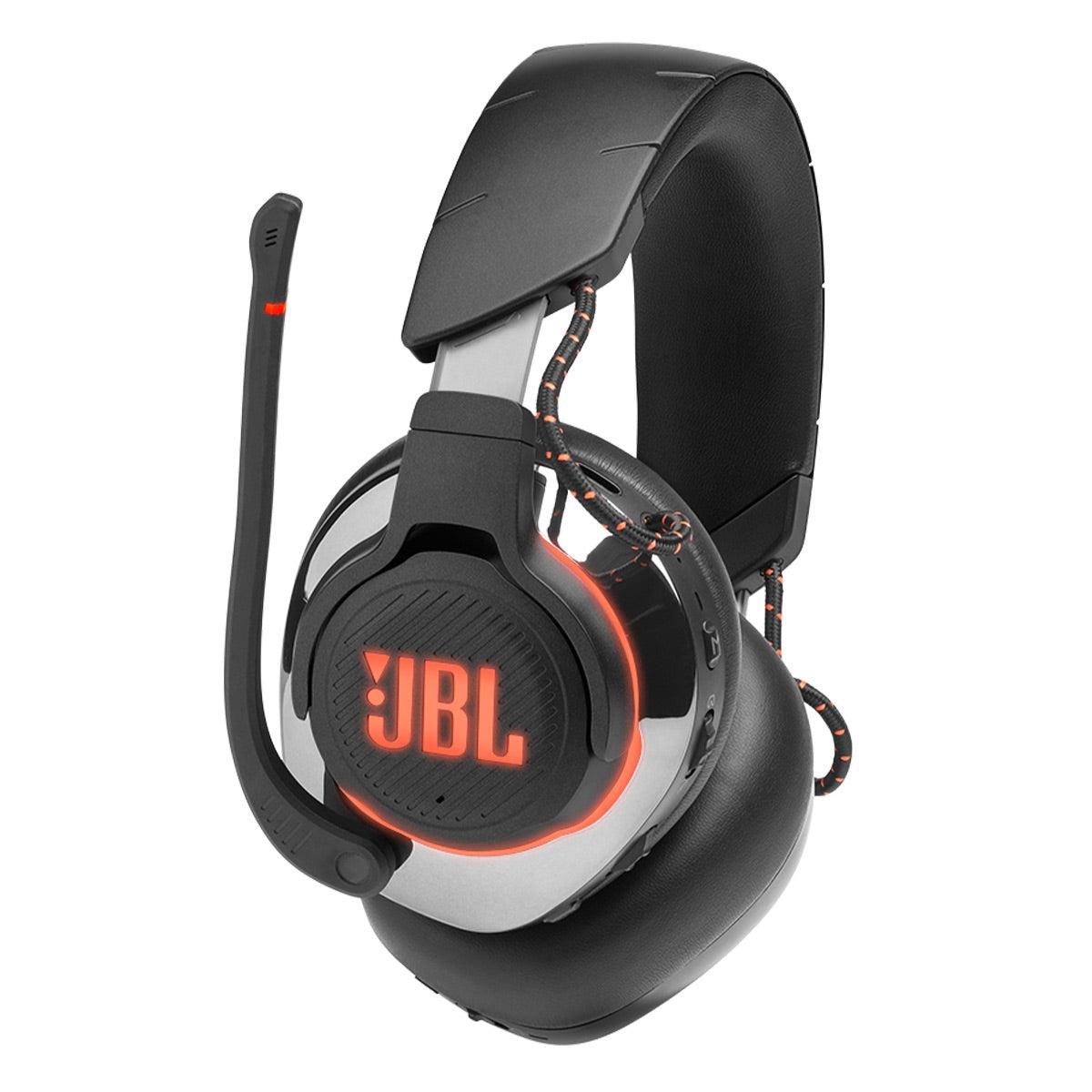
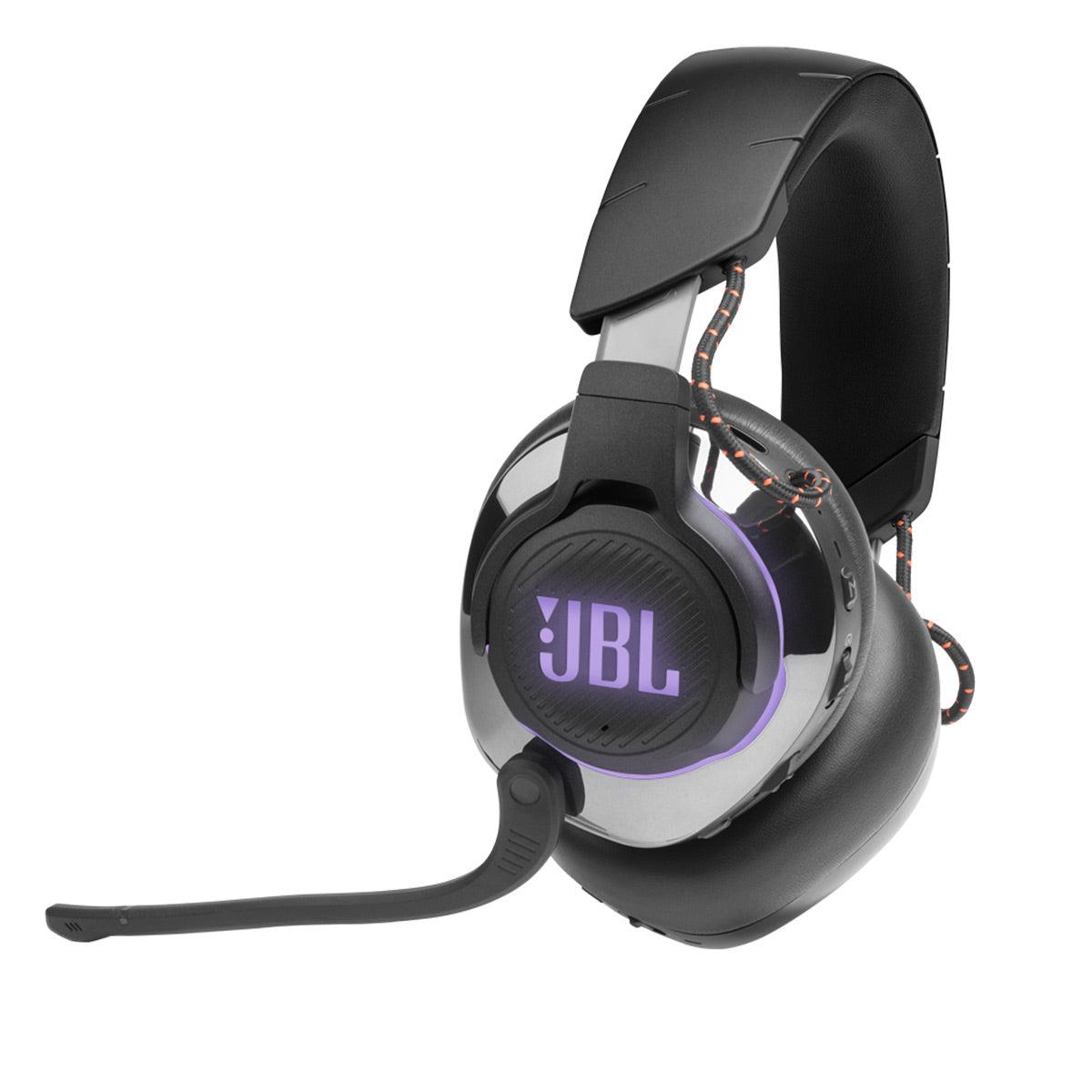
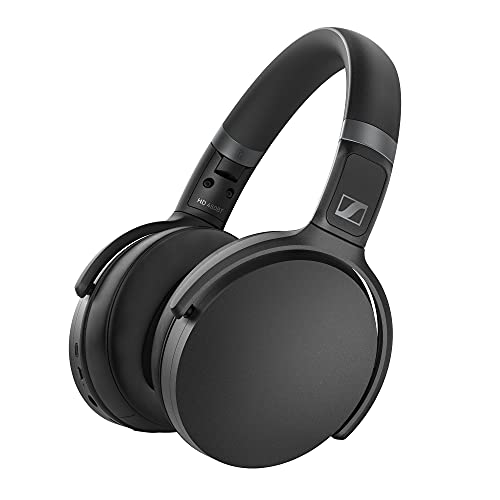


When shopping for wireless headphones in 2024, you'll quickly discover that not all wireless headphones are created equal. The JBL Quantum 810 gaming headset and Sennheiser HD 450BT represent two completely different philosophies in wireless audio design. One is laser-focused on delivering the ultimate gaming experience, while the other aims to be your versatile daily driver for everything from commuting to video calls.
Both headphones feature active noise cancellation (ANC) – a technology that uses external microphones to detect ambient noise and generates opposing sound waves to cancel it out – but that's where many similarities end. Understanding these differences is crucial because choosing the wrong type could leave you frustrated with features you don't need or missing capabilities that would significantly enhance your experience.
The wireless headphone market has evolved dramatically since these models launched. The JBL Quantum 810 arrived in 2022 as part of JBL's push into premium gaming audio, while the Sennheiser HD 450BT debuted in 2020, representing Sennheiser's effort to bring quality audio to budget-conscious consumers. Since their respective launches, we've seen improvements in battery technology, codec support (the compression methods that determine audio quality over Bluetooth), and noise cancellation algorithms across the industry.
What matters most when choosing between these categories? First, consider your primary use case. Gaming headsets prioritize low latency (minimal audio delay), spatial awareness for competitive gaming, and clear microphone quality for team communication. General-purpose headphones focus on balanced sound reproduction, portability, and versatility across different audio sources like music, podcasts, and phone calls.
The technical specifications reveal fundamental differences in approach. Battery life, driver size (the speakers inside the headphones), connectivity options, and software customization all vary significantly between gaming-focused and general-use designs. Understanding these differences will help you avoid the common mistake of buying gaming headphones for music listening or general headphones for serious gaming.
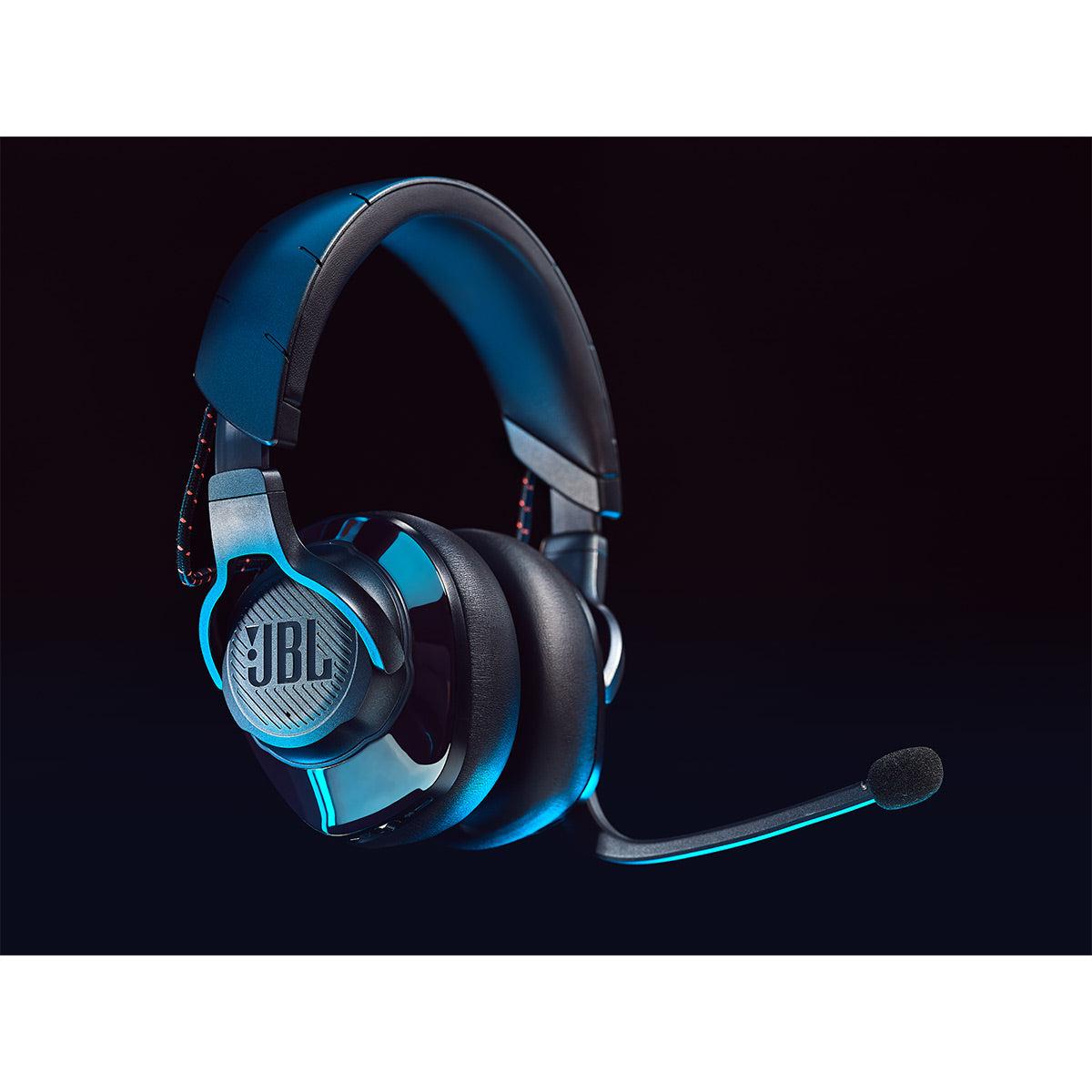
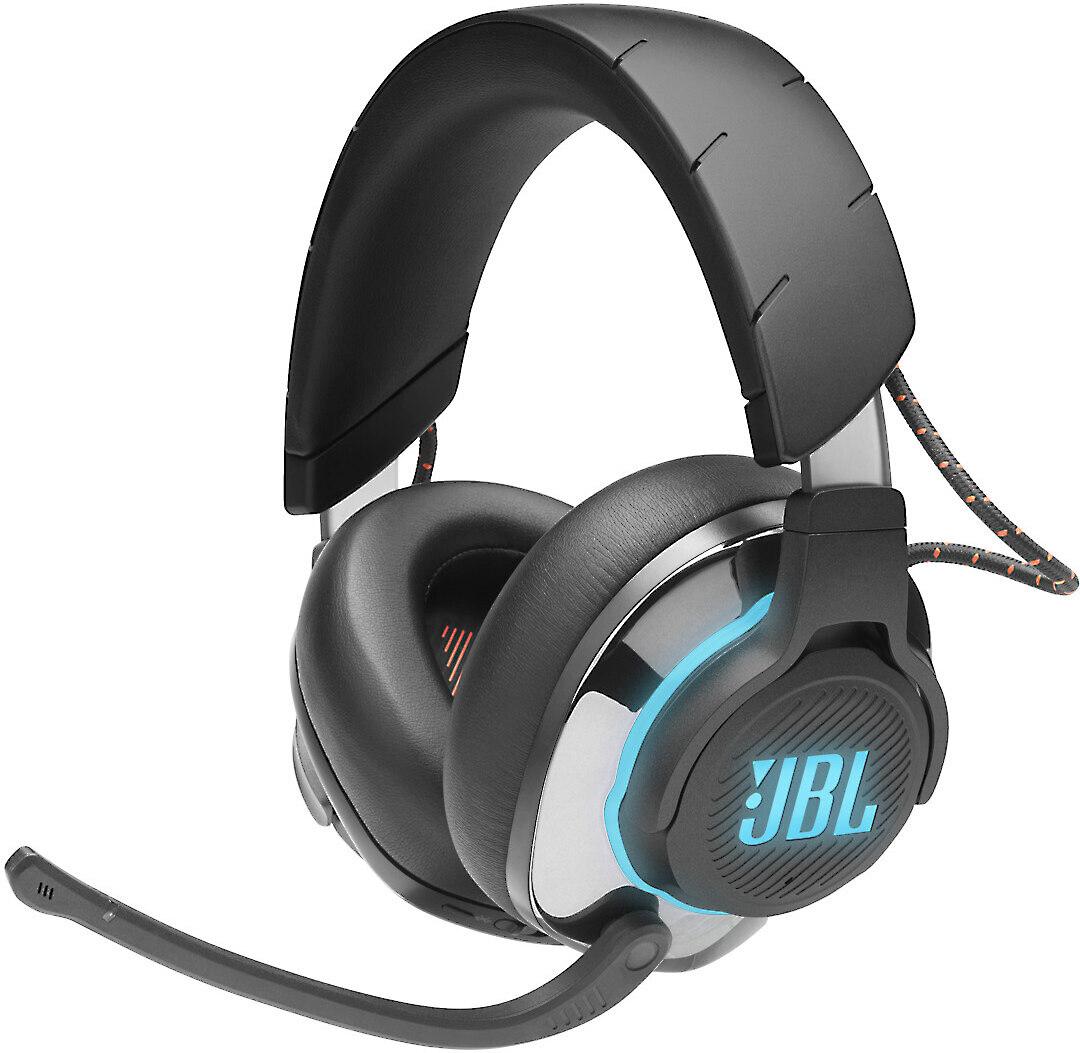
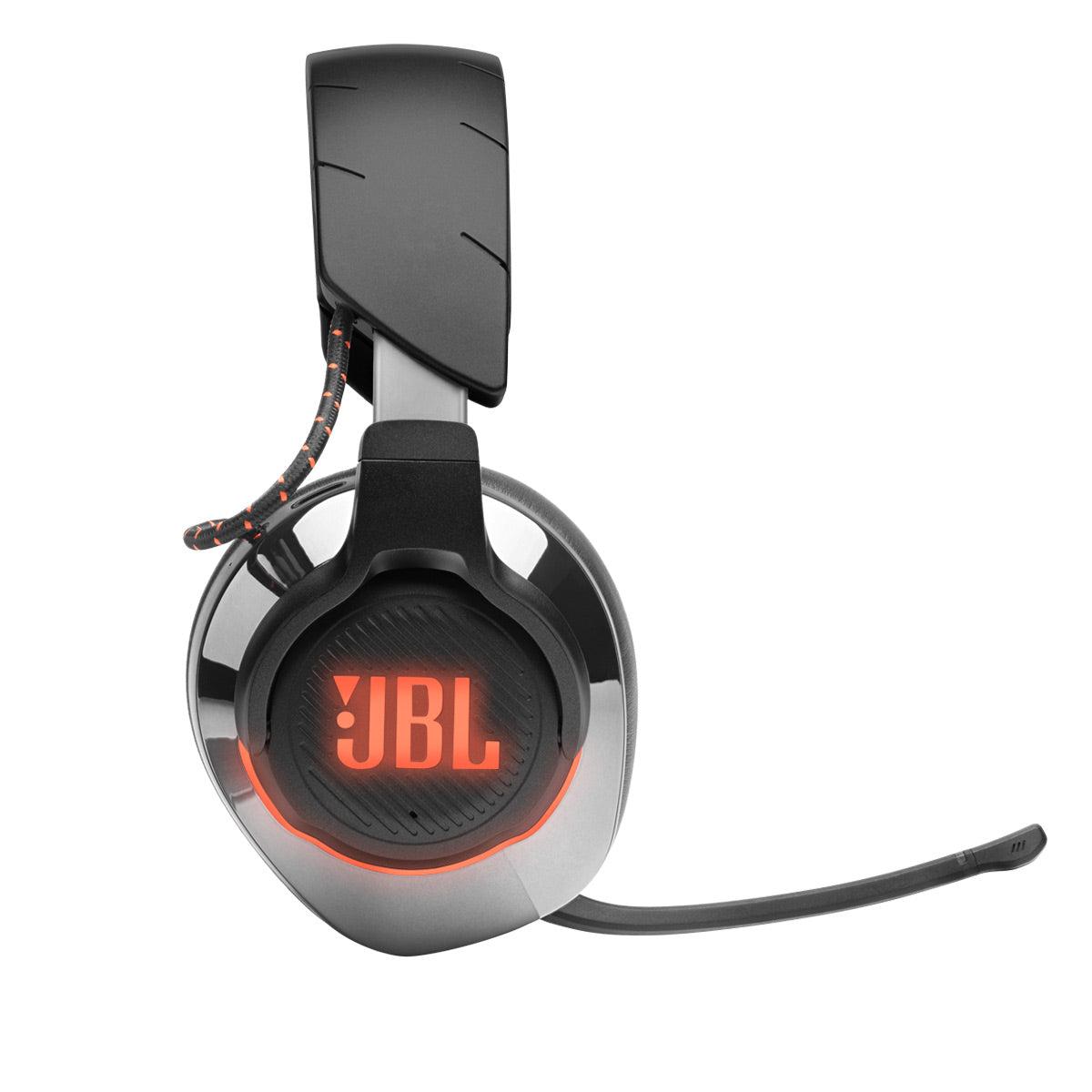
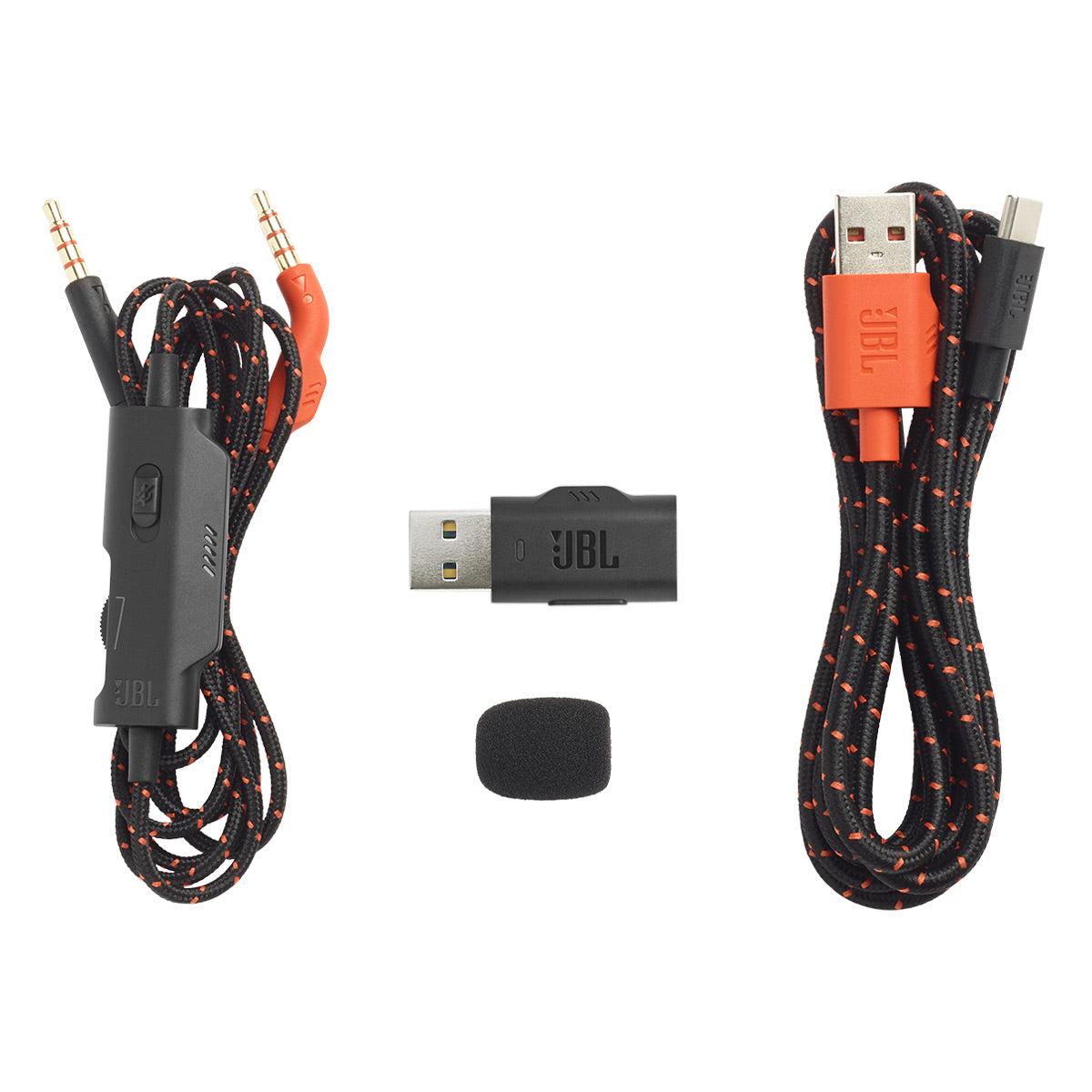
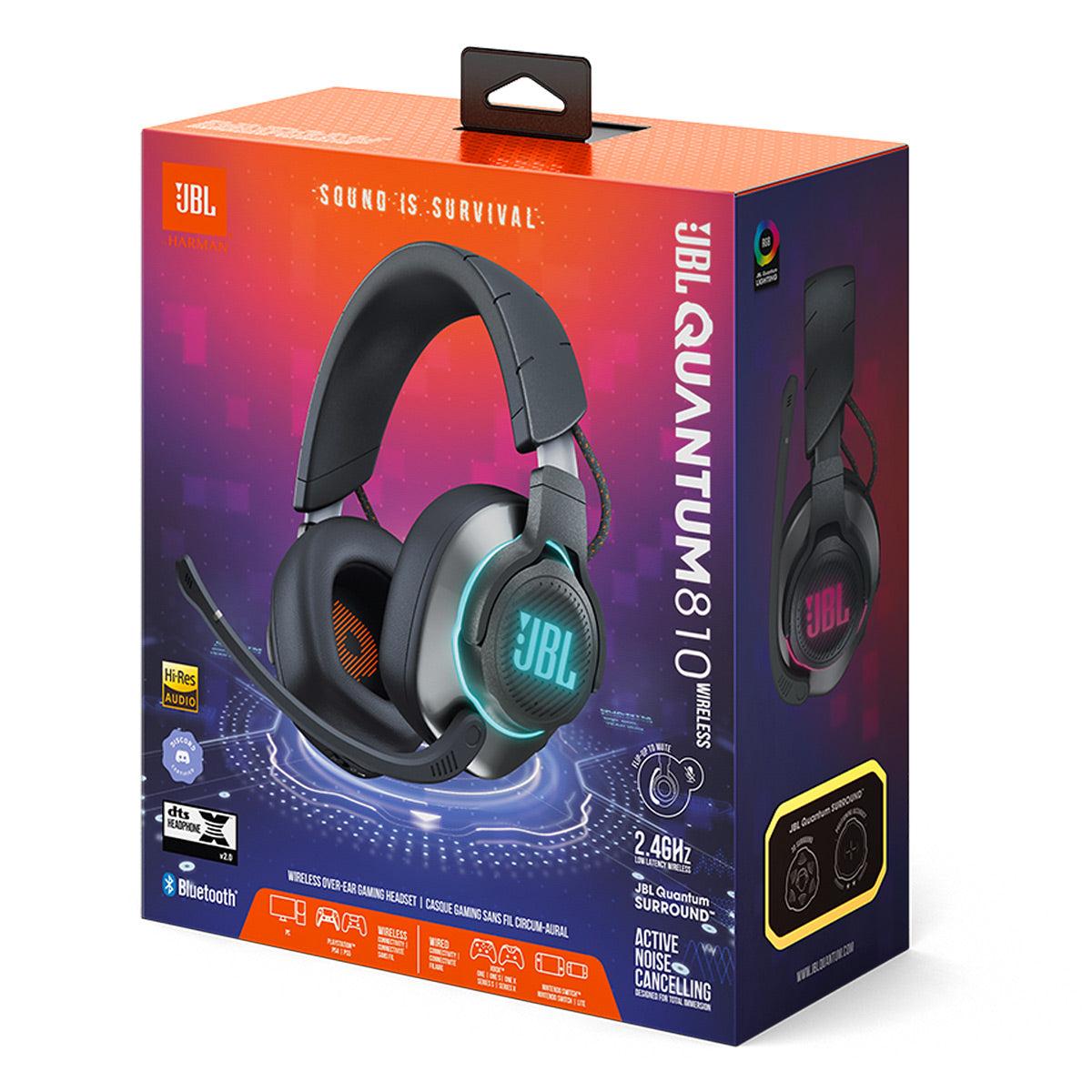
The JBL Quantum 810 embodies the "gaming-first" philosophy with its 50mm Hi-Res certified drivers and dual wireless connectivity. This dual approach includes both 2.4GHz RF wireless (via USB dongle) for ultra-low latency gaming and Bluetooth 5.2 for mobile device connectivity. The 2.4GHz connection is crucial for competitive gaming because it virtually eliminates audio lag, ensuring that gunshots, footsteps, and voice commands reach your ears without delay that could cost you a match.
The gaming focus becomes even more apparent in the JBL Quantum 810's spatial audio implementation. JBL QuantumSURROUND technology and DTS Headphone:X v2.0 create a three-dimensional soundstage that helps gamers pinpoint enemy locations based on audio cues. This isn't just marketing fluff – proper spatial audio can genuinely improve gaming performance by providing directional information that your eyes might miss.
In contrast, the Sennheiser HD 450BT takes a balanced approach designed for versatility. Its Bluetooth 5.0 connection supports multiple high-quality codecs including aptX and aptX Low Latency. These codecs compress audio data more efficiently than standard Bluetooth, resulting in better sound quality for music and reduced latency for video streaming. The HD 450BT can't match the gaming-specific features of the Quantum 810, but it excels at being a jack-of-all-trades.
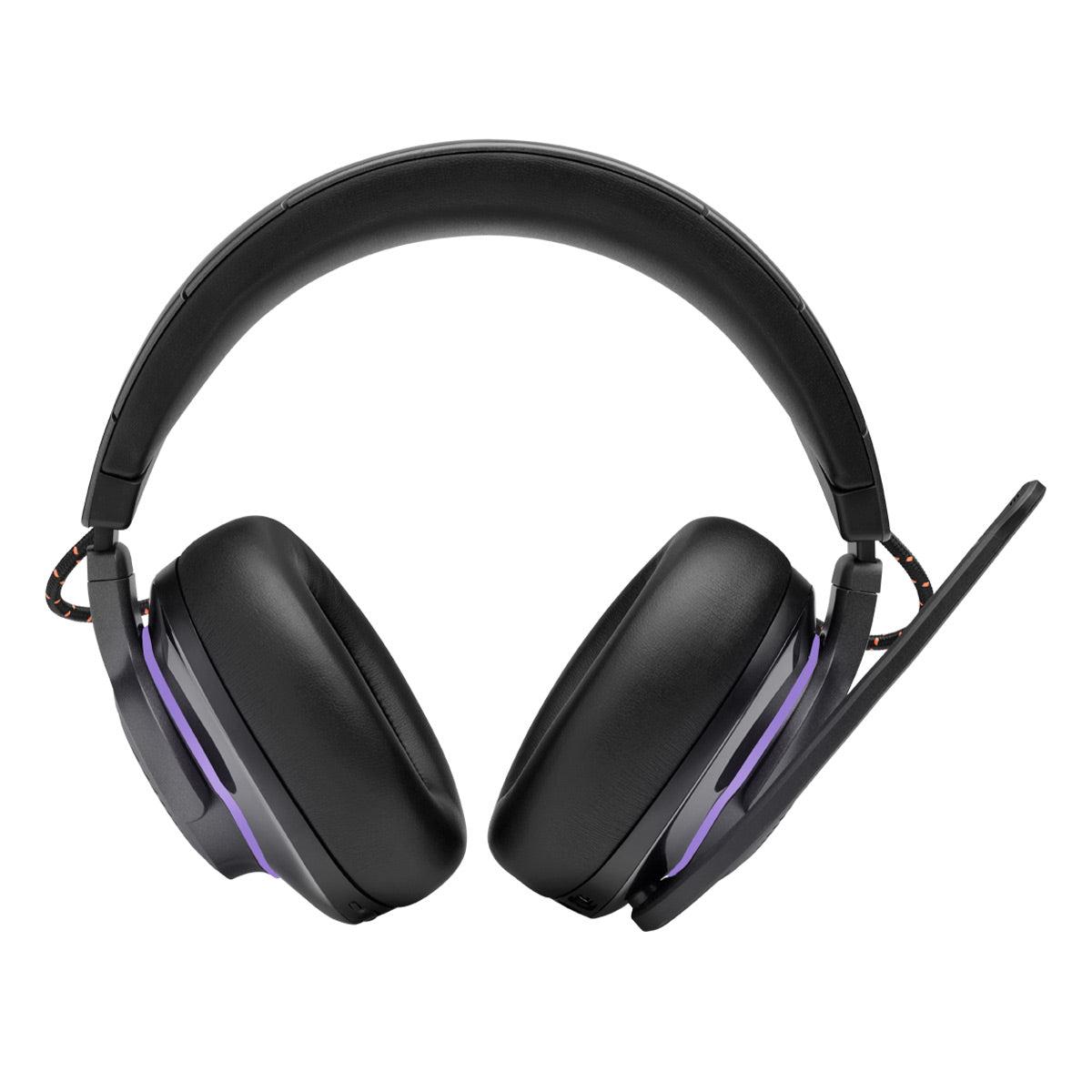
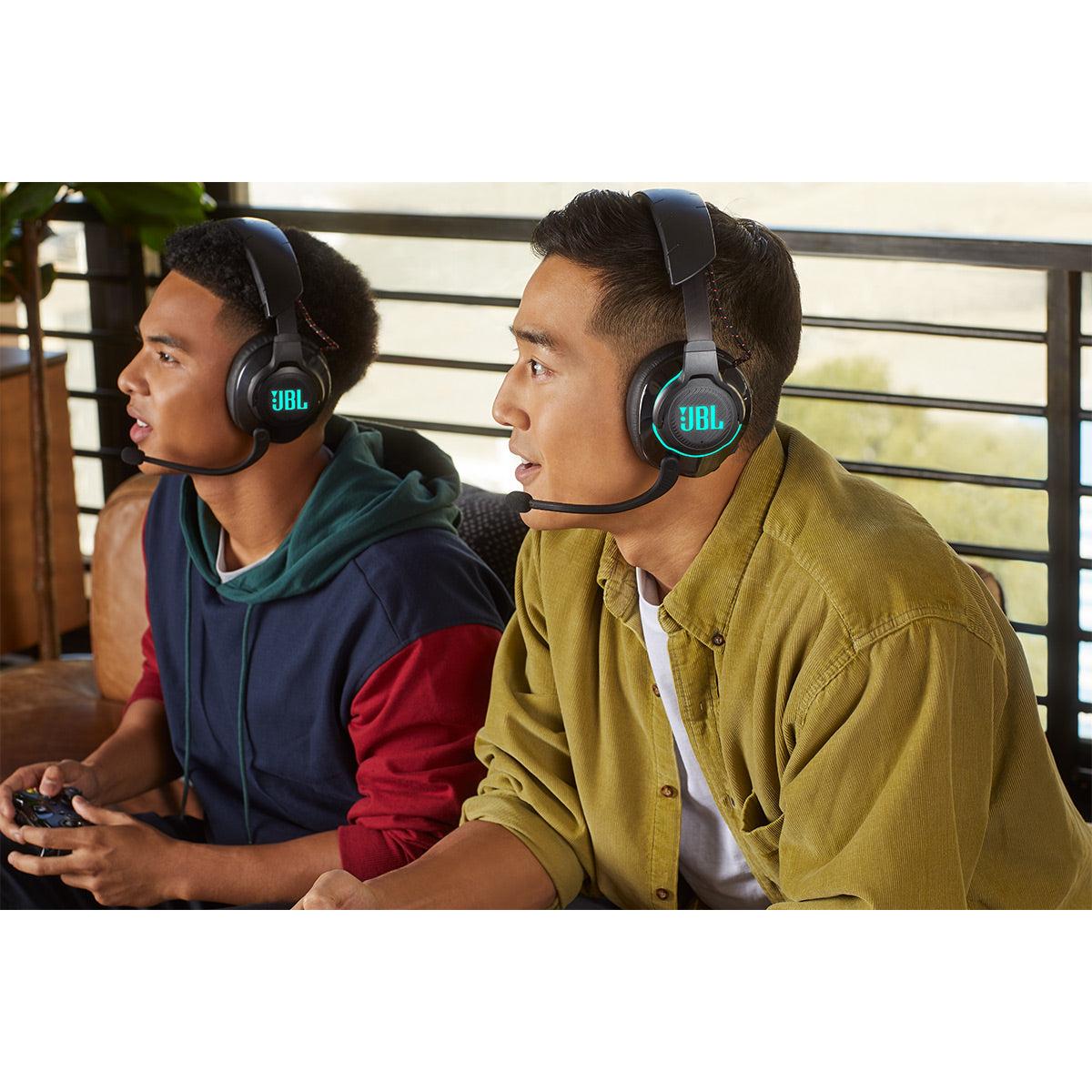
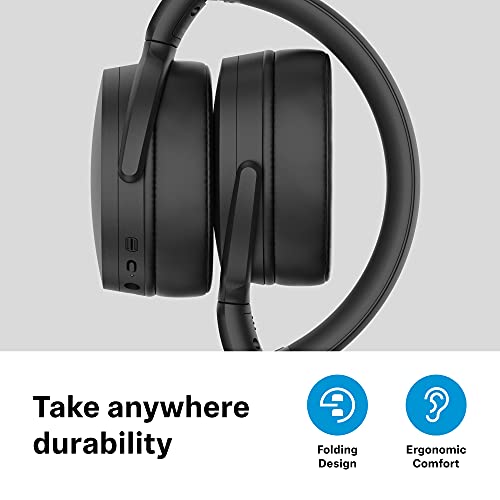
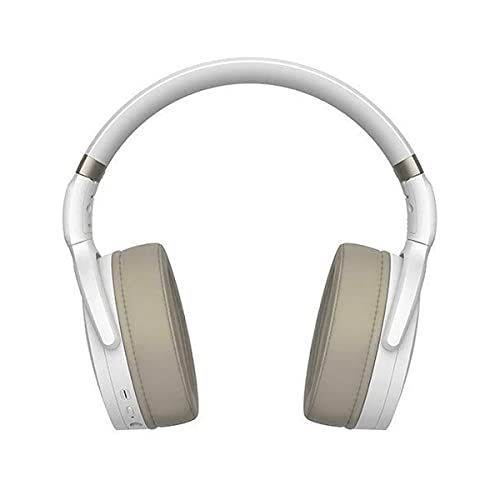
The physical design differences are immediately apparent. The Quantum 810 weighs 418 grams with a substantial, non-foldable design optimized for desk gaming sessions. Its memory foam ear cushions are wrapped in leather for extended comfort, though some users report they can feel warm during long sessions. The HD 450BT weighs just 238 grams with a foldable design that fits easily in a travel bag, making it ideal for commuters and frequent travelers.
Audio performance represents the most significant difference between these approaches. The JBL Quantum 810 uses 50mm dynamic drivers with an extended frequency response reaching 40kHz in passive mode. This wide frequency response helps capture subtle audio details in games, from the rustle of leaves indicating enemy movement to the distinct sound signatures of different weapons.
The gaming-optimized sound signature emphasizes bass frequencies to make explosions and environmental effects more impactful, while maintaining clarity in the midrange where voice communication occurs. This tuning works exceptionally well for gaming but can make music sound somewhat colored or artificial compared to headphones designed specifically for music reproduction.
Our research into user experiences and professional reviews consistently shows that the Quantum 810 excels at creating an immersive gaming environment. The directional audio cues are remarkably precise, allowing players to distinguish between sounds coming from different elevations and distances. This spatial accuracy translates into tangible competitive advantages in first-person shooters and battle royale games.
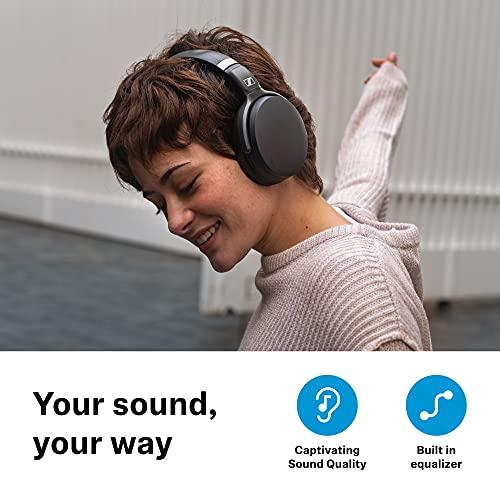
The Sennheiser HD 450BT takes a more neutral approach with its balanced sound signature characteristic of Sennheiser's audio philosophy. While it lacks the extended frequency response of the Quantum 810, its 18Hz-22kHz range covers all audible frequencies for most listeners. The sound is smooth and detailed with good instrument separation, making it excellent for music across various genres.
Reviews consistently praise the HD 450BT for its musicality. Folk and indie music particularly benefit from the clear separation between vocals and instruments, while electronic and hip-hop tracks showcase controlled bass that hits well without overwhelming other frequencies. The treble can be slightly boosted through the Smart Control app, though the customization options are more limited than what gaming headphones typically offer.
Connectivity represents perhaps the most crucial difference between these products. The JBL Quantum 810's dual wireless approach provides unmatched flexibility for gamers. The 2.4GHz RF connection offers latency so low it's essentially imperceptible, while Bluetooth 5.2 allows simultaneous connection to a mobile device for Discord chat or music streaming between games.
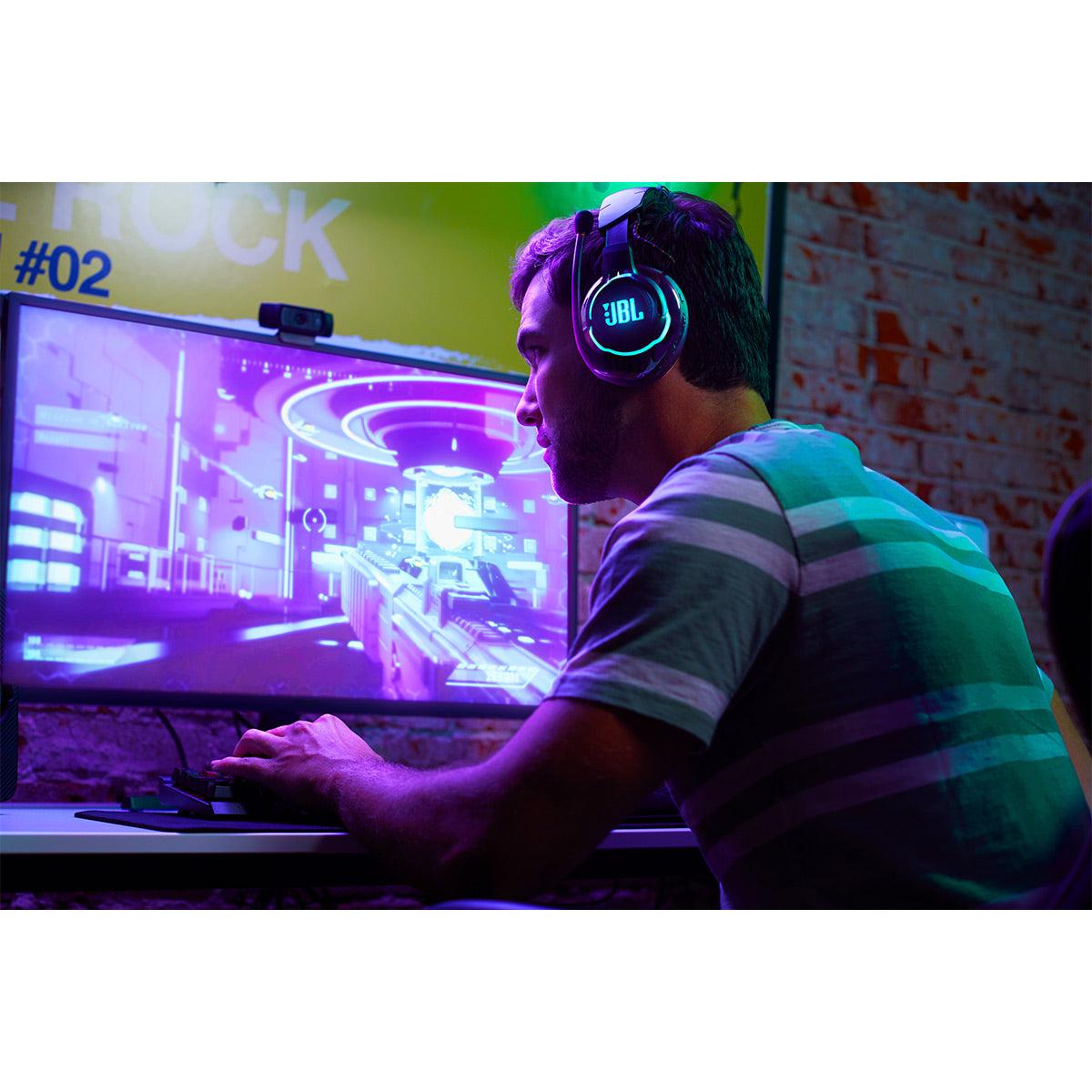
This dual connectivity shines in real-world gaming scenarios. You can maintain your primary gaming audio through the RF connection while keeping your phone connected via Bluetooth for notifications or chat apps. The headset can even blend both audio sources, allowing you to take calls without interrupting your gaming session.
Platform compatibility heavily favors the Quantum 810 for gaming use. While it works across PC, PlayStation, Xbox, Nintendo Switch, and mobile devices, the full feature set including QuantumSURROUND and software customization is only available on PC through the QuantumENGINE software. Console users get excellent wireless audio but miss some advanced features.
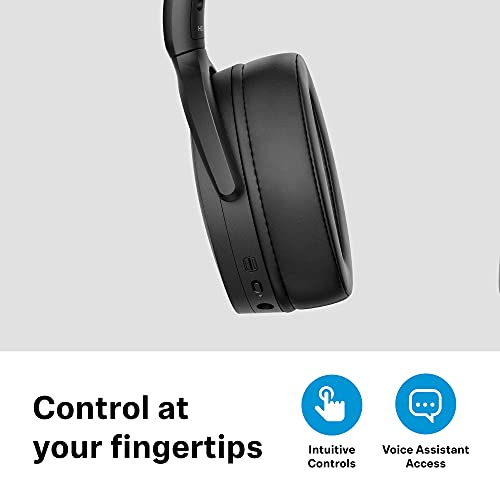
The Sennheiser HD 450BT focuses on universal Bluetooth compatibility with support for multiple high-quality codecs. The aptX and aptX Low Latency support means better audio quality when streaming from compatible devices, and the multipoint connection allows pairing with two devices simultaneously. This works well for switching between a laptop for work calls and a phone for music during breaks.
However, the HD 450BT lacks the ultra-low latency RF connection that serious gamers require. While aptX Low Latency helps reduce Bluetooth delay, it still can't match the near-instantaneous response of a dedicated 2.4GHz gaming connection. This makes the HD 450BT unsuitable for competitive gaming where every millisecond matters.
Battery performance showcases another area where the JBL Quantum 810 demonstrates its premium positioning. The 43-hour battery life with ANC enabled sets an industry benchmark that few competitors can match. This exceptional longevity comes from a large 1300mAh lithium-ion battery, though the RGB lighting features can significantly reduce runtime when enabled.
The ability to play while charging means the Quantum 810 never needs to interrupt your gaming sessions. The 3.5-hour charging time via USB-C is reasonable considering the large battery capacity. For serious gamers who might spend entire weekends immersed in new releases, this battery performance eliminates a major concern.
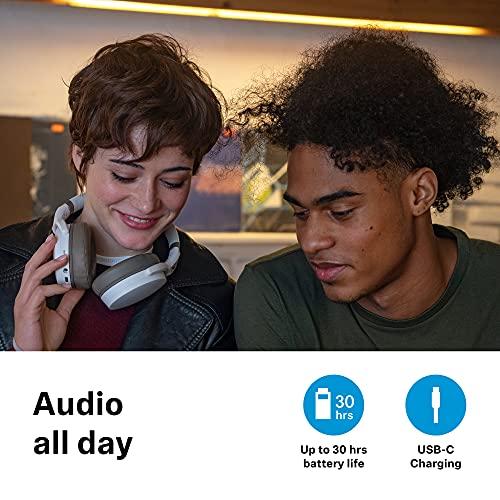
The Sennheiser HD 450BT offers a respectable 30 hours with ANC enabled from its smaller 600mAh battery. The 2-hour charging time is notably faster, making it more convenient for daily use patterns where you might forget to charge overnight. For most users juggling work, commuting, and entertainment, 30 hours provides several days of typical use.
These battery differences reflect the products' intended use patterns. Gaming sessions often run for many consecutive hours, making the Quantum 810's marathon endurance valuable. Daily music listening and commuting rarely require more than a few hours at a time, making the HD 450BT's faster charging and lighter battery more practical for mobile use.
Both headphones feature active noise cancellation, but their implementations target different environments and use cases. The JBL Quantum 810's ANC is specifically tuned for gaming environments, focusing on reducing household noises like air conditioning, traffic outside, or family conversations that might distract from gaming audio cues.
Importantly, the gaming-optimized ANC preserves crucial game audio frequencies while suppressing irrelevant ambient noise. This selective approach means you'll still hear important directional audio cues while environmental distractions fade into the background. The TalkThru feature allows environmental sounds to pass through when needed, useful for staying aware of household activities during gaming sessions.
The Sennheiser HD 450BT's ANC takes a more traditional approach optimized for commuting and general use. It effectively reduces low-frequency rumbles from vehicles, air conditioning systems, and background chatter in cafes or offices. While not class-leading compared to premium noise-cancelling headphones, it performs admirably for its price point and significantly enhances the listening experience in noisy environments.
Reviews consistently note that neither headphone offers the most advanced ANC available, but both provide meaningful noise reduction for their intended use cases. The Quantum 810 excels at maintaining gaming audio clarity while reducing distractions, while the HD 450BT creates a quieter environment for music and calls without the premium price of flagship noise-cancelling models.
Microphone performance represents one of the starkest differences between these products. The JBL Quantum 810 features a professional-grade unidirectional voice-focus boom microphone with Discord certification and echo-cancelling technology. This isn't just marketing – Discord certification requires meeting specific standards for clarity, noise rejection, and reliability during voice communications.
The boom microphone design allows precise positioning near your mouth for optimal pickup while the flip-to-mute functionality provides instant privacy control. Reviews consistently praise the broadcast-quality voice transmission, making the Quantum 810 suitable not just for gaming communication but also for content creation and streaming.
The directional pickup pattern effectively isolates your voice from background noise, while the echo-cancelling technology prevents audio feedback that can disrupt team communications. For serious gamers who rely on clear team coordination, this microphone quality can genuinely impact performance and team dynamics.
The Sennheiser HD 450BT includes dual MEMS microphones with beamforming technology for basic call functionality. While adequate for phone calls and video conferencing, it's clearly designed as a secondary feature rather than a primary selling point. The built-in microphones work well for voice assistant integration and casual conversations but lack the clarity and noise rejection needed for extended gaming sessions.
Users report that the HD 450BT's microphones handle office calls and casual video chats perfectly well, but they're not suitable for streaming, content creation, or competitive gaming where communication quality directly impacts performance. This limitation doesn't matter for the target audience but makes the HD 450BT unsuitable for serious gaming use.
For home theater use, both headphones offer interesting but different advantages. The JBL Quantum 810's low-latency RF connection makes it excellent for wireless TV watching without the lip-sync issues that plague most Bluetooth headphones. The spatial audio processing can enhance movie soundtracks, creating a more immersive experience for action films and games.
However, the gaming-tuned sound signature might not be ideal for all movie content. The emphasized bass and spatial processing that works well for games could make dialogue sound unnatural or overly processed in films. The large size and non-foldable design also make it less convenient for casual TV watching.
The Sennheiser HD 450BT offers a more natural presentation for movie content with its balanced sound signature. The lighter weight makes it more comfortable for extended movie sessions, though the Bluetooth connection introduces some latency that could cause lip-sync issues depending on your TV's capabilities. The folding design makes storage convenient when not in use.
For dedicated home theater use, neither represents the optimal choice, but both can serve adequately depending on your priorities. The Quantum 810 works better for gaming and action content where low latency matters most, while the HD 450BT suits general movie watching where natural sound reproduction is preferred.
The decision between these headphones ultimately comes down to understanding your primary use case and budget priorities. At the time of writing, the JBL Quantum 810 commands a premium price that reflects its specialized gaming features and exceptional battery life. The Sennheiser HD 450BT offers remarkable value in the budget-friendly segment, delivering features typically found in more expensive general-purpose headphones.
Choose the JBL Quantum 810 if gaming represents your primary headphone use. The specialized features, professional microphone, and ultra-low latency connectivity provide tangible advantages that justify the higher price for serious gamers. The exceptional 43-hour battery life and dual connectivity options make it an excellent choice for content creators and streamers as well.
The Quantum 810 also makes sense if you want the longest possible battery life regardless of use case, or if you frequently switch between gaming and mobile devices throughout the day. However, be prepared for the larger size and higher price that come with these premium features.
Choose the Sennheiser HD 450BT if versatility and value matter more than gaming-specific features. The balanced sound signature works well across music genres, the lightweight design suits daily commuting, and the budget-friendly price makes quality wireless audio accessible without significant investment.
The HD 450BT excels for remote work scenarios where you need decent call quality, effective noise cancellation, and all-day comfort without breaking the budget. The foldable design and lighter weight also make it the clear choice for travelers and commuters.
Both headphones represent well-executed examples of their respective categories. The JBL Quantum 810 delivers on its promise of premium gaming audio with professional features, while the Sennheiser HD 450BT provides excellent value for general-purpose wireless listening. Your choice should align with how you actually plan to use the headphones, because buying the wrong type – regardless of quality – will leave you with expensive disappointment rather than audio satisfaction.
| JBL Quantum 810 Wireless Gaming Headset | Sennheiser HD 450BT Wireless Noise Cancelling Headphones |
|---|---|
| Primary Use Case - Determines which features you'll actually use | |
| Gaming-focused with professional streaming capabilities | General consumer use for music, calls, and commuting |
| Driver Size - Larger drivers typically provide better bass and detail | |
| 50mm Hi-Res certified dynamic drivers | Standard dynamic drivers (size not specified) |
| Frequency Response - Wider range captures more audio detail | |
| 20Hz-40kHz (passive mode) for extended detail | 18Hz-22kHz covering all audible frequencies |
| Wireless Connectivity - Gaming vs music streaming optimization | |
| Dual: 2.4GHz RF (ultra-low latency) + Bluetooth 5.2 | Bluetooth 5.0 with aptX/aptX Low Latency codecs |
| Battery Life - More hours mean fewer charging interruptions | |
| Up to 43 hours (industry-leading for gaming headsets) | 30 hours (excellent for daily use) |
| Weight - Affects comfort during extended use | |
| 418g (heavier but stable for desk gaming) | 238g (significantly lighter for portability) |
| Microphone Quality - Critical for gaming communication and calls | |
| Professional boom mic with Discord certification | Basic built-in mics adequate for calls only |
| Active Noise Cancellation - Different optimization approaches | |
| Gaming-tuned ANC preserves directional audio cues | Traditional ANC optimized for commuting and general use |
| Design Portability - Impact on storage and travel | |
| Non-foldable, desktop gaming focused | Foldable design ideal for travel and storage |
| Software Customization - Determines how much you can personalize sound | |
| Full QuantumENGINE suite with EQ, RGB, surround sound | Limited Smart Control app with basic EQ options |
| Spatial Audio Features - Enhances gaming immersion and competitive edge | |
| JBL QuantumSURROUND and DTS Headphone:X v2.0 | None (standard stereo audio) |
| Multi-device Connection - Convenience for switching between devices | |
| Simultaneous 2.4GHz + Bluetooth (can blend audio sources) | Bluetooth multipoint for two devices |
| Charging Speed - How quickly you get back to full battery | |
| 3.5 hours via USB-C (reasonable for large battery) | 2 hours via USB-C (faster for daily top-ups) |
| Sound Signature - Impacts music and gaming experience differently | |
| Bass-forward gaming optimization with spatial processing | Balanced Sennheiser signature ideal for music |
| Voice Assistant Support - Hands-free convenience | |
| Limited support | Dedicated button for Siri and Google Assistant |
| Price Positioning - Value proposition at time of writing | |
| Premium gaming segment with specialized features | Budget-friendly mainstream with solid feature set |
The JBL Quantum 810 is significantly better for gaming. It features ultra-low latency 2.4GHz wireless connectivity, JBL QuantumSURROUND spatial audio, and a professional Discord-certified boom microphone. The Sennheiser HD 450BT only offers standard Bluetooth connectivity which introduces audio delay, making it unsuitable for competitive gaming where timing matters.
The main difference is their intended purpose. The JBL Quantum 810 is a gaming-focused headset with specialized features like dual wireless connectivity, spatial audio processing, and a professional microphone. The Sennheiser HD 450BT is designed for general consumer use with balanced audio for music, lightweight portability, and basic call functionality.
The JBL Quantum 810 offers superior battery life with up to 43 hours of use with ANC enabled, compared to the Sennheiser HD 450BT's 30 hours. However, the Sennheiser charges faster at 2 hours versus 3.5 hours for the JBL, making it more convenient for daily use patterns.
While the JBL Quantum 810 can play music, it's optimized for gaming with a bass-forward sound signature and spatial processing that may make music sound artificial. The Sennheiser HD 450BT offers a more balanced, natural sound signature that's better suited for music across all genres.
Both offer good comfort but for different use cases. The JBL Quantum 810 features premium memory foam ear cushions designed for long gaming sessions but weighs 418g. The Sennheiser HD 450BT is significantly lighter at 238g and more comfortable for extended daily wear and commuting.
Yes, both the JBL Quantum 810 and Sennheiser HD 450BT feature active noise cancellation, but with different optimizations. The JBL's ANC is tuned for gaming environments to reduce household distractions while preserving directional audio cues. The Sennheiser's ANC is optimized for general use like commuting and office environments.
The Sennheiser HD 450BT is better for regular phone calls and video meetings due to its lightweight design and adequate built-in microphones with voice assistant support. The JBL Quantum 810 has a superior professional-grade boom microphone but is designed primarily for gaming communication rather than casual calls.
Both support multi-device connectivity but differently. The JBL Quantum 810 can simultaneously connect via 2.4GHz wireless and Bluetooth, allowing you to blend audio from gaming and mobile sources. The Sennheiser HD 450BT offers Bluetooth multipoint for connecting to two devices with easy switching between them.
The Sennheiser HD 450BT is much more travel-friendly with its foldable design, lighter weight (238g vs 418g), and compact form factor. The JBL Quantum 810 doesn't fold and is designed primarily for desktop gaming rather than portability.
The JBL Quantum 810 justifies its premium price for serious gamers who need ultra-low latency wireless, professional microphone quality, and specialized gaming features like spatial audio. For general users who primarily listen to music, make calls, and want good value, the Sennheiser HD 450BT offers better cost-effectiveness.
For movies, the Sennheiser HD 450BT provides more natural sound reproduction ideal for dialogue and general content, though Bluetooth may introduce slight audio delay. The JBL Quantum 810 offers zero-latency RF wireless connection perfect for TV watching, but its gaming-tuned sound signature may make some movie content sound overly processed.
The JBL Quantum 810 offers extensive customization through QuantumENGINE software including full EQ control, surround sound settings, and RGB lighting (PC only). The Sennheiser HD 450BT provides basic customization through the Smart Control app with limited EQ options, mainly treble boost adjustments.
We've done our best to create useful and informative comparisons to help you decide what product to buy. Our research uses advanced automated methods to create this comparison and perfection is not possible - please contact us for corrections or questions. These are the sites we've researched in the creation of this article: techradar.com - youtube.com - gamingtrend.com - gamingaustralia.com.au - youtube.com - jbl.com - jbl.com - youtube.com - harmanaudio.com - versus.com - microcenter.com - crutchfield.com - jbl.com - mm.jbl.com - cdwg.com - jbl.com - en.jblthailand.com - nfm.com - jblonlinestore.com - scribd.com - harmanaudio.com - samsung.com - pocketnow.com - majorhifi.com - rtings.com - majorhifi.com - soundguys.com - rtings.com - bestbuy.com - versus.com - youtube.com - youtube.com - starkinsider.com - headphones.com - newsroom.sennheiser.com - headphonecheck.com - walmart.com - fullspecs.net - youtube.com - crutchfield.com - sennheiser-hearing.com - youtube.com - babblingboolean.com

Privacy Policy
Terms and Conditions - Affiliate Policy
Home Security
© Copyright 2008-2026.
11816 Inwood Rd #1211, Dallas, TX 75244