

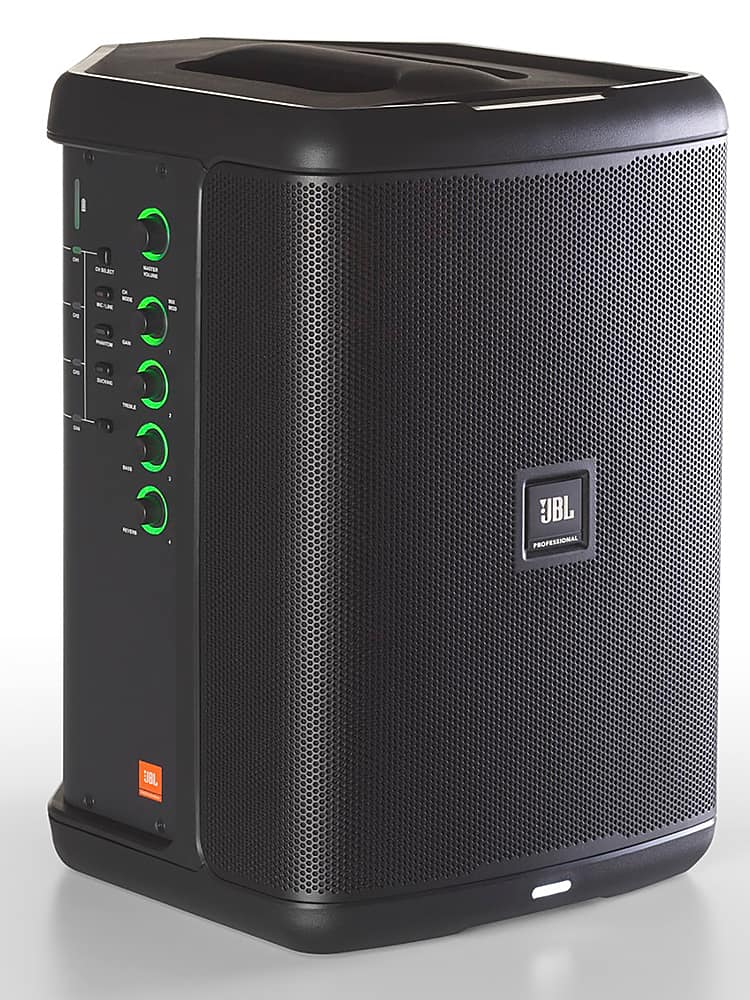
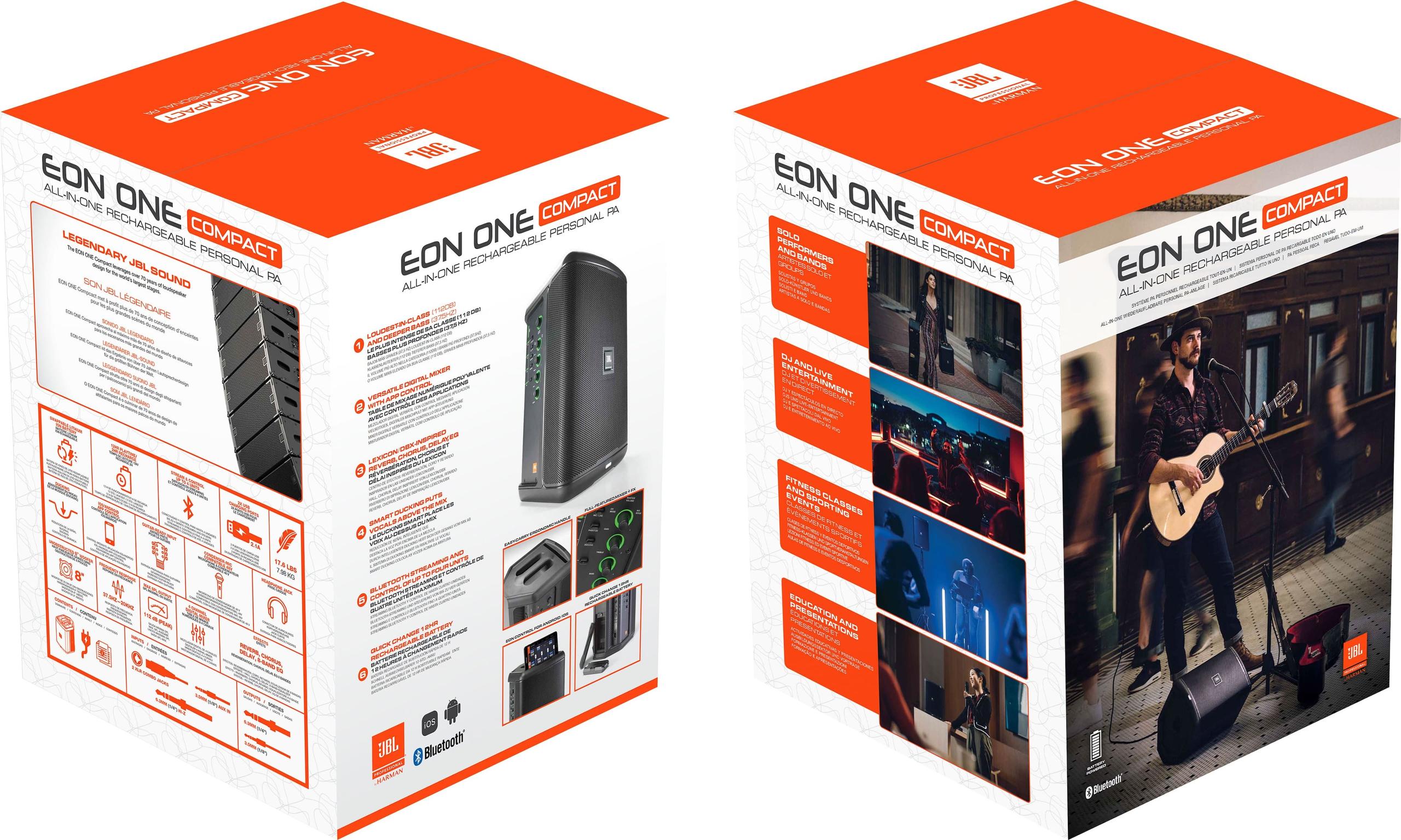
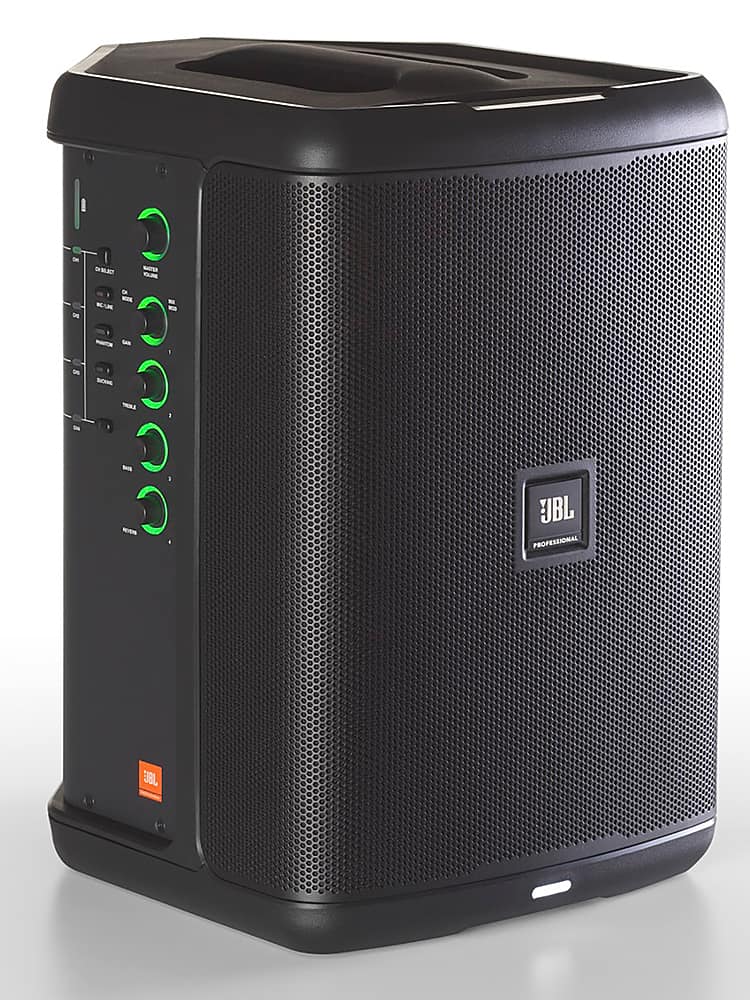
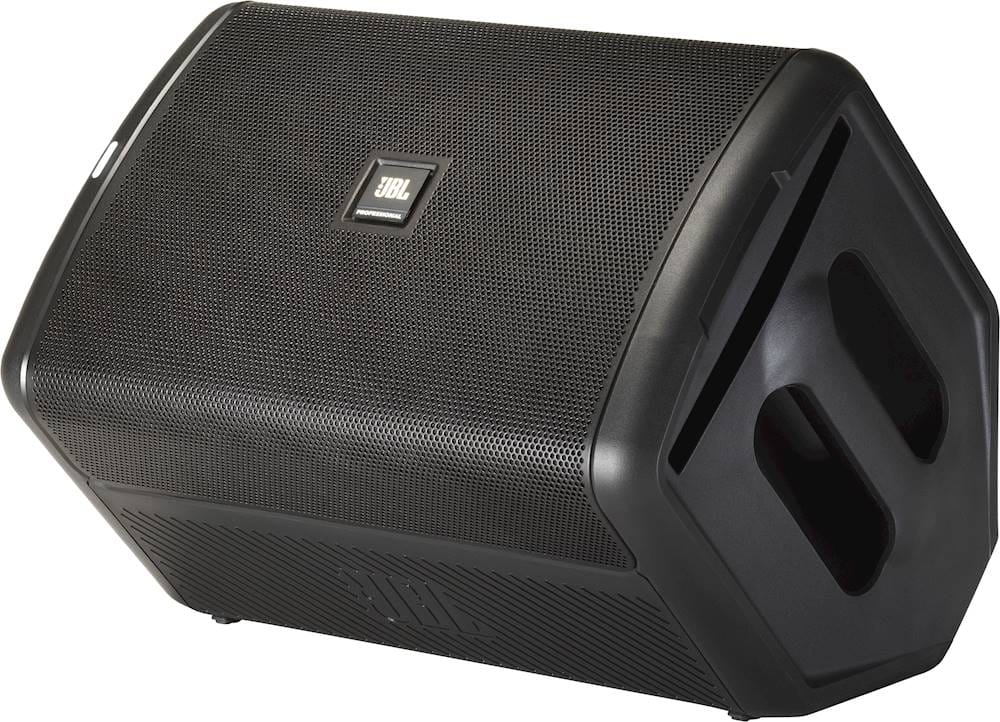
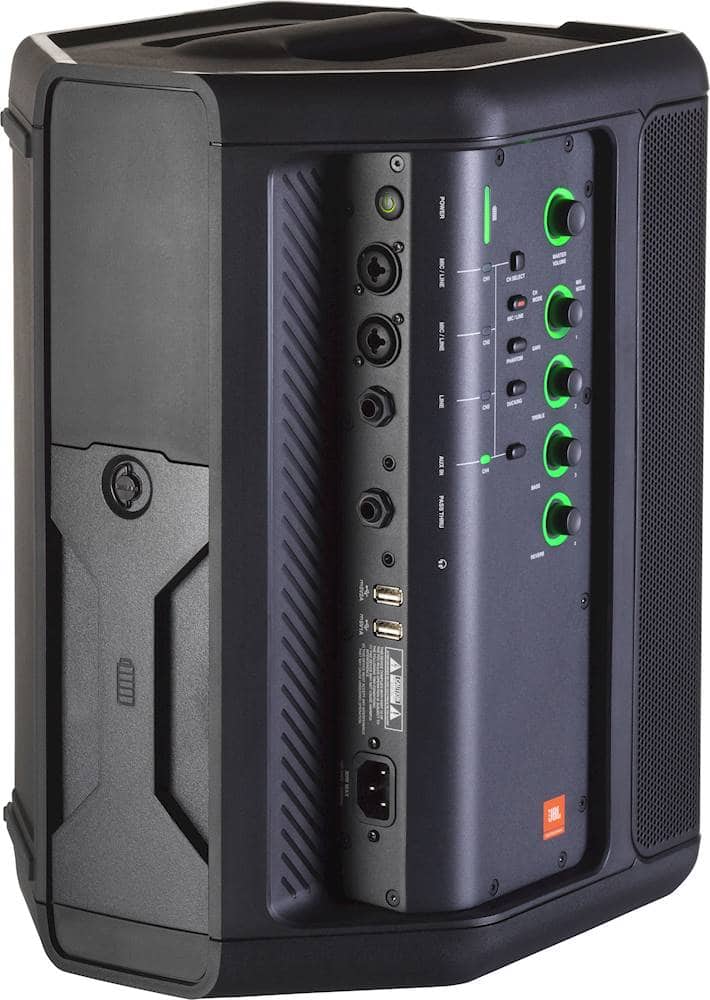
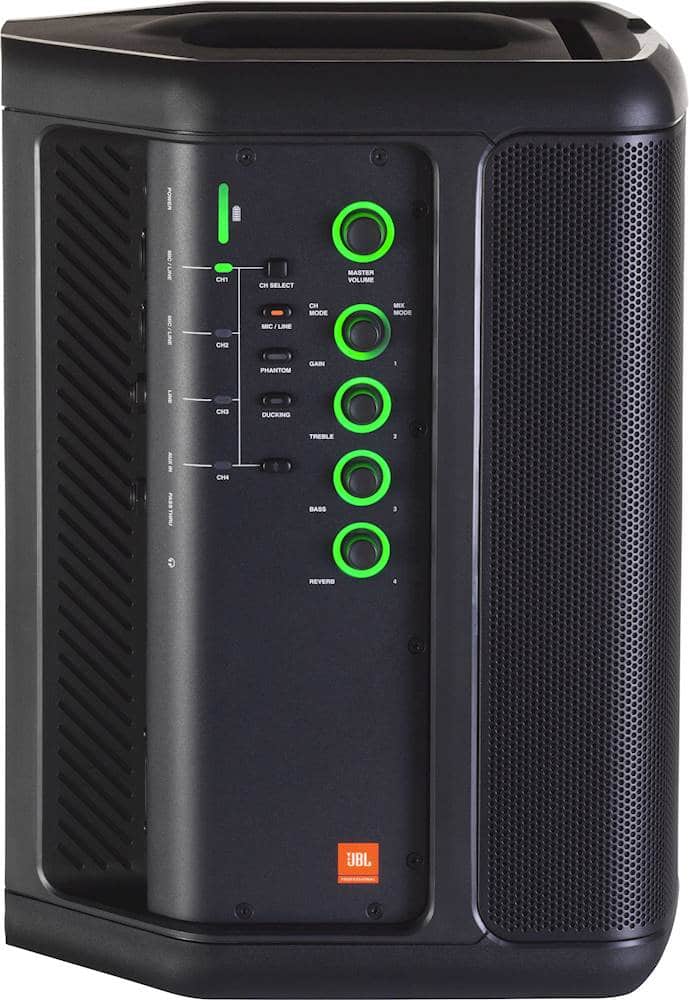
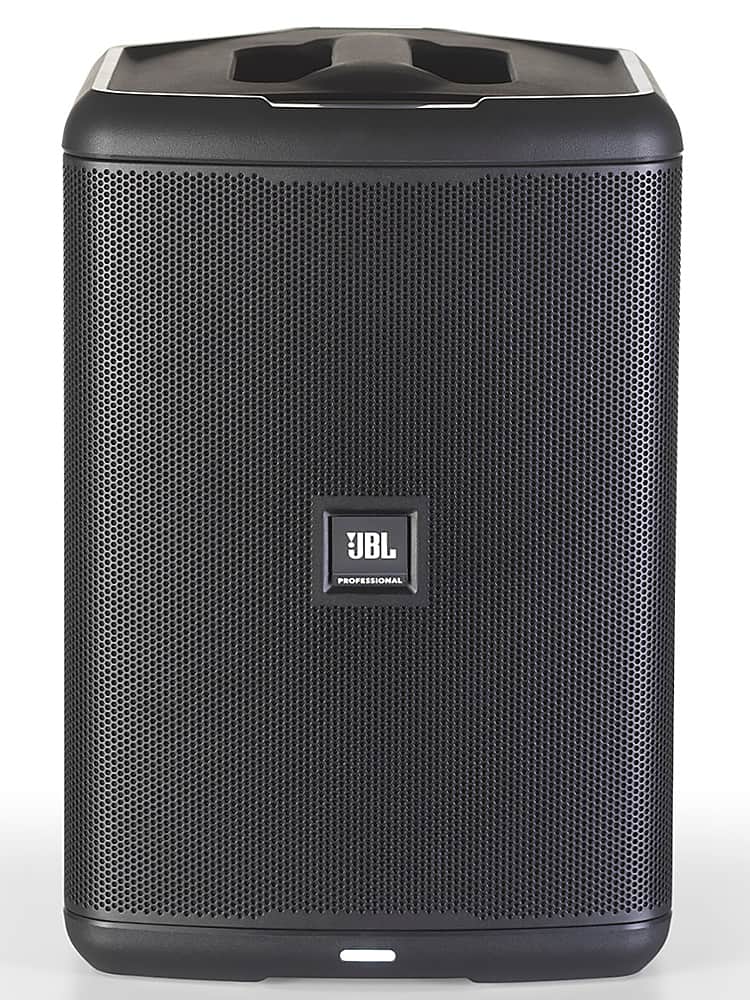
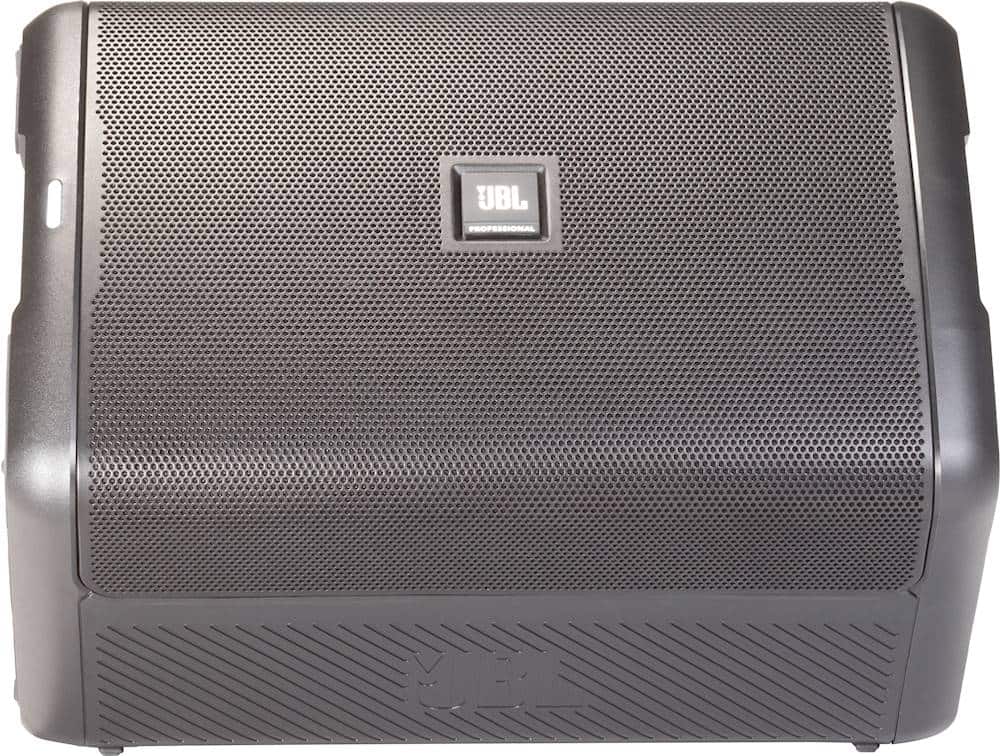
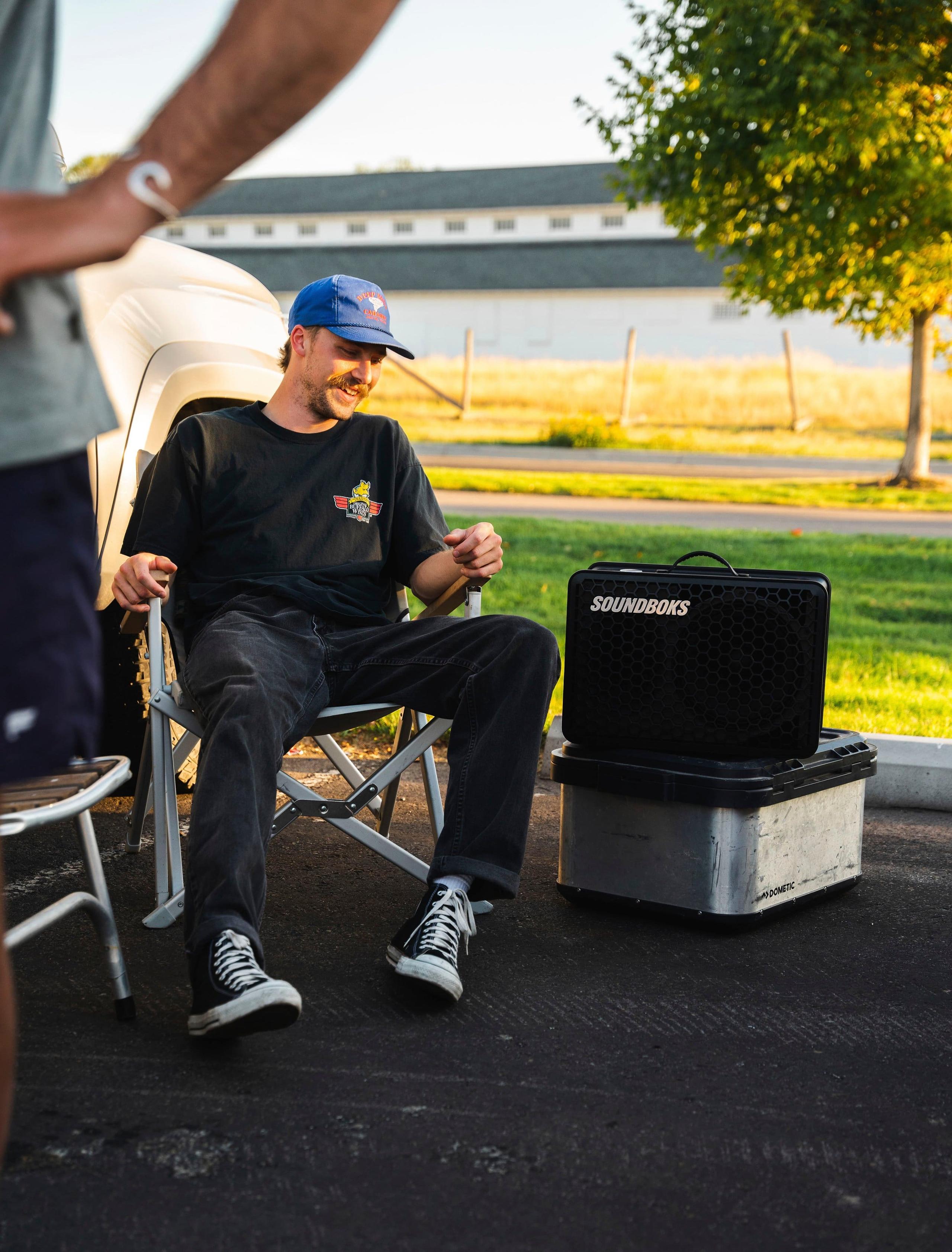
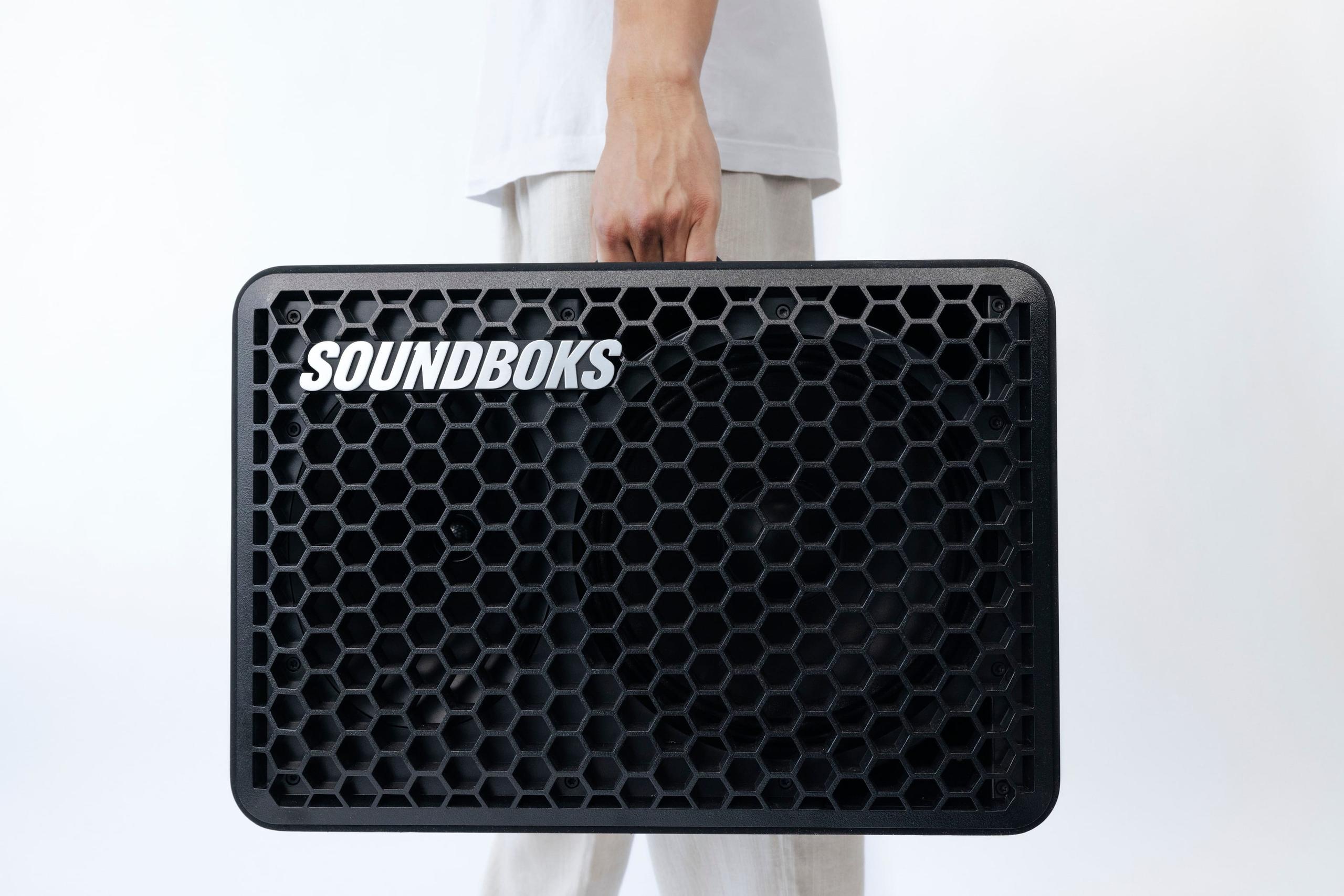


When you're shopping for a portable, battery-powered speaker, you'll quickly discover that not all loud speakers are created equal. The JBL EON ONE Compact and Soundboks Go represent two fundamentally different philosophies in portable audio, each excelling in their intended domain while overlapping just enough to create confusion for buyers.
Released in 2020, the JBL EON ONE Compact emerged as JBL's answer to the growing demand for all-in-one portable PA systems that could handle both professional and casual use. The Soundboks Go, launched in 2022, represents the Danish company's push into a more portable form factor while maintaining their signature party-focused sound philosophy. Both have benefited from firmware updates and app improvements since launch, making them more capable today than at release.
These speakers occupy different corners of the portable audio world, though they share some common ground. The JBL EON ONE Compact is fundamentally a portable PA (public address) system designed for live sound applications—think coffee shop performances, small presentations, or mobile DJ setups. The Soundboks Go is a high-output Bluetooth speaker engineered for parties and outdoor gatherings where wireless convenience and maximum volume take priority.
The key distinction lies in their input capabilities and sound tuning. A PA system needs to handle microphones, instruments, and various audio sources while maintaining clear, balanced sound that works for both speech and music. A party speaker focuses on wireless music streaming with sound tuning that prioritizes energy and excitement over clinical accuracy.
This difference shapes everything from their physical design to their app features, making your intended use case the most important factor in choosing between them.
Both speakers get impressively loud, but they achieve it differently. The Soundboks Go reaches 121 dB maximum SPL (sound pressure level)—that's roughly equivalent to a chainsaw or rock concert, and significantly louder than the JBL's 112 dB rating. However, maximum SPL doesn't tell the complete story.
The JBL EON ONE Compact uses its 120 watts more efficiently across its frequency range, with 100 watts dedicated to the 8-inch woofer and 20 watts powering the 1-inch tweeter. This creates what audio engineers call a more "honest" sound—what you hear is closer to what was originally recorded. The Soundboks Go pumps out 144 watts RMS through its 10-inch woofer and 1-inch tweeter, but it's tuned for impact rather than accuracy.
In practical terms, the Soundboks will sound louder and more dramatic at the same volume setting, while the JBL provides cleaner sound that won't fatigue your ears during long listening sessions.
The most significant difference lies in how these speakers handle different frequencies. The JBL EON ONE Compact extends down to 37.5 Hz—surprisingly deep for its size—and maintains relatively flat response across the frequency spectrum. This means bass, midrange, and treble are all present in roughly equal proportion, making it excellent for acoustic music, vocals, and spoken word content.
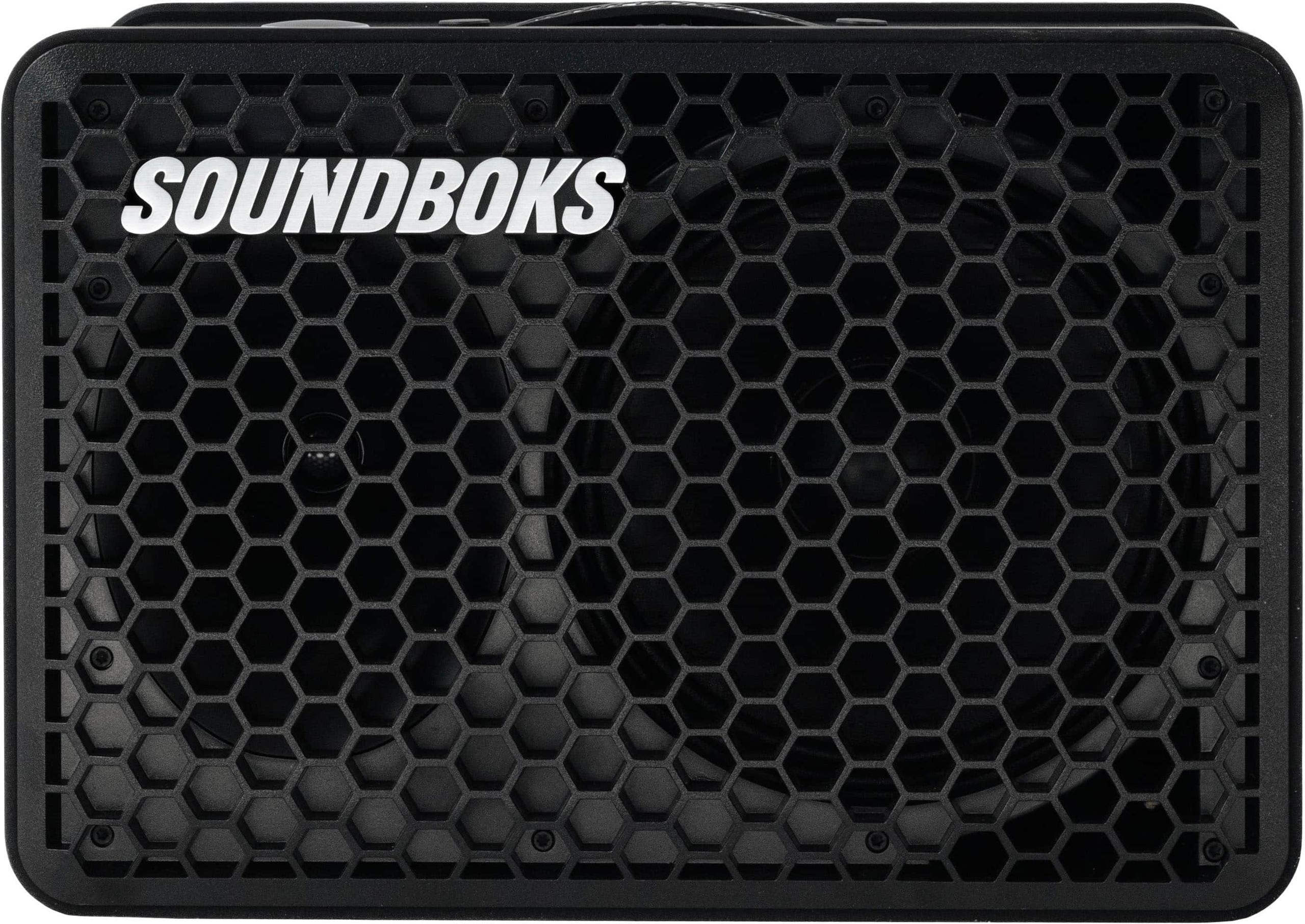
The Soundboks Go employs what's called a "V-shaped" frequency response, boosting both bass and treble while reducing midrange presence. Starting at 40 Hz, it delivers punchy, exciting bass that energizes dance music and hip-hop, but this tuning can make vocals sound less natural and detailed.
For home theater use, the JBL would be the better choice for movie dialogue and varied content, while the Soundboks might appeal to those who want explosive action sequences and music-heavy content to really pop.
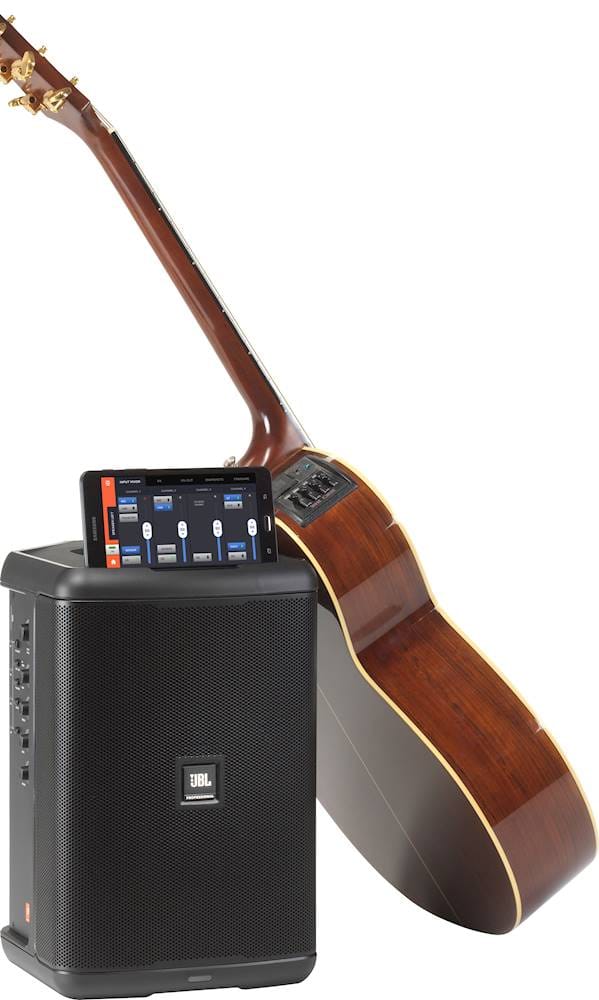
The JBL EON ONE Compact includes an 8-band parametric EQ accessible through its app, giving you precise control over specific frequency ranges. You can boost vocals around 3-5 kHz for clarity, tame harsh frequencies, or adjust bass response to match your room. The speaker also includes professional-grade DSP (digital signal processing) with Lexicon reverb, dbx EQ algorithms, and other effects borrowed from high-end mixing consoles.
The Soundboks Go takes a simpler approach with preset sound profiles (Indoor, Power, Bass Boost) and basic custom EQ through its app. While less granular than the JBL's system, these presets are well-tuned for their intended use cases and easier for most people to navigate.
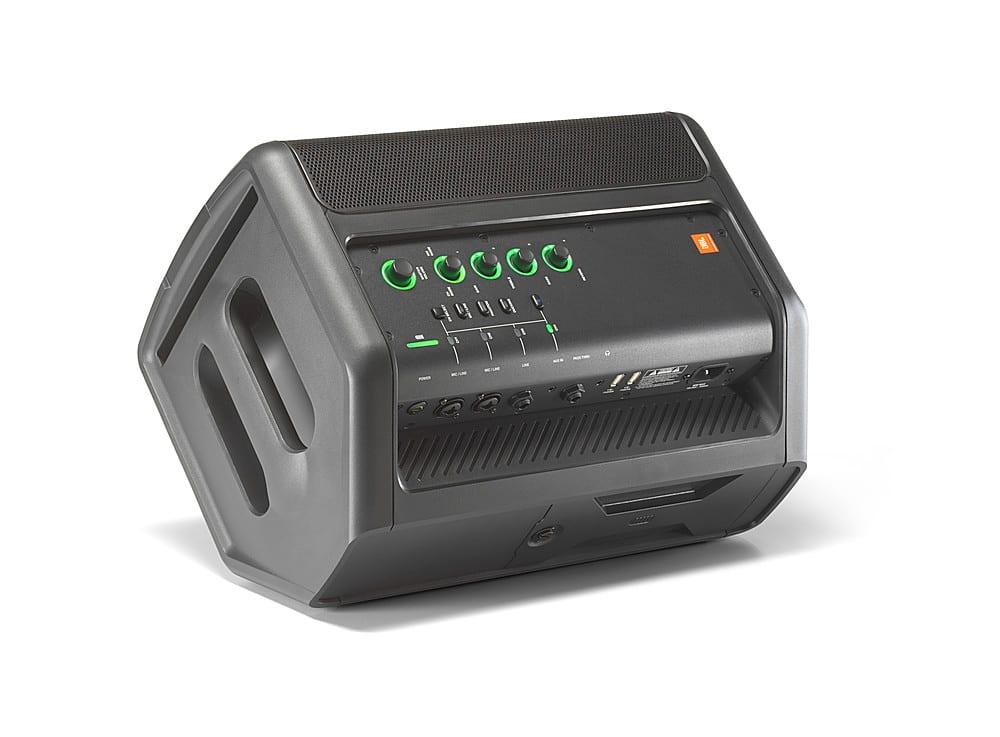
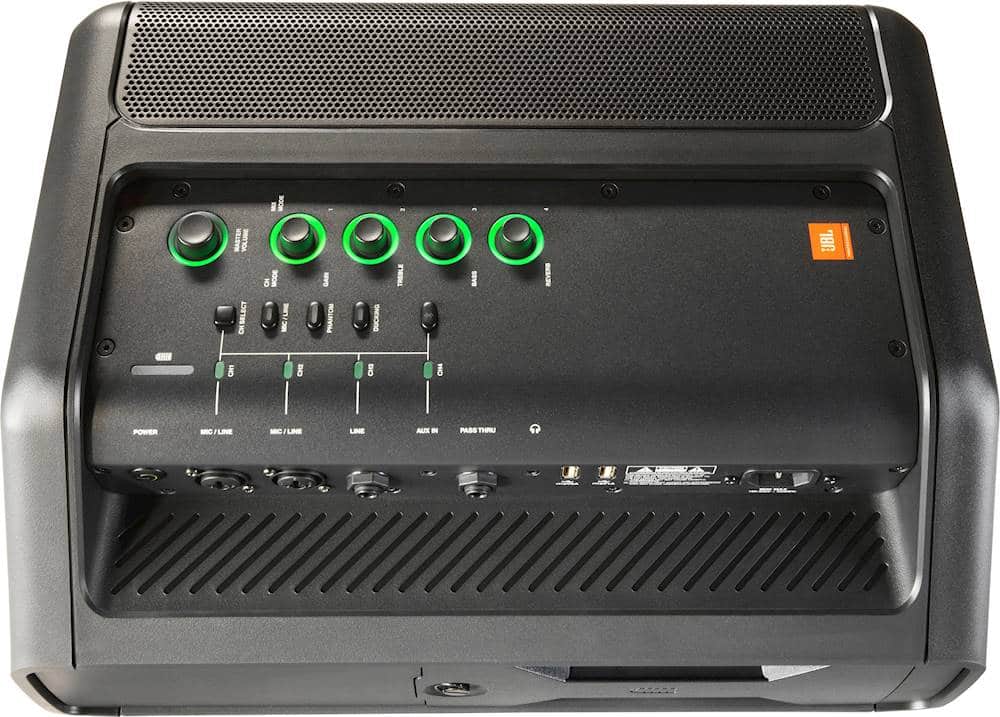
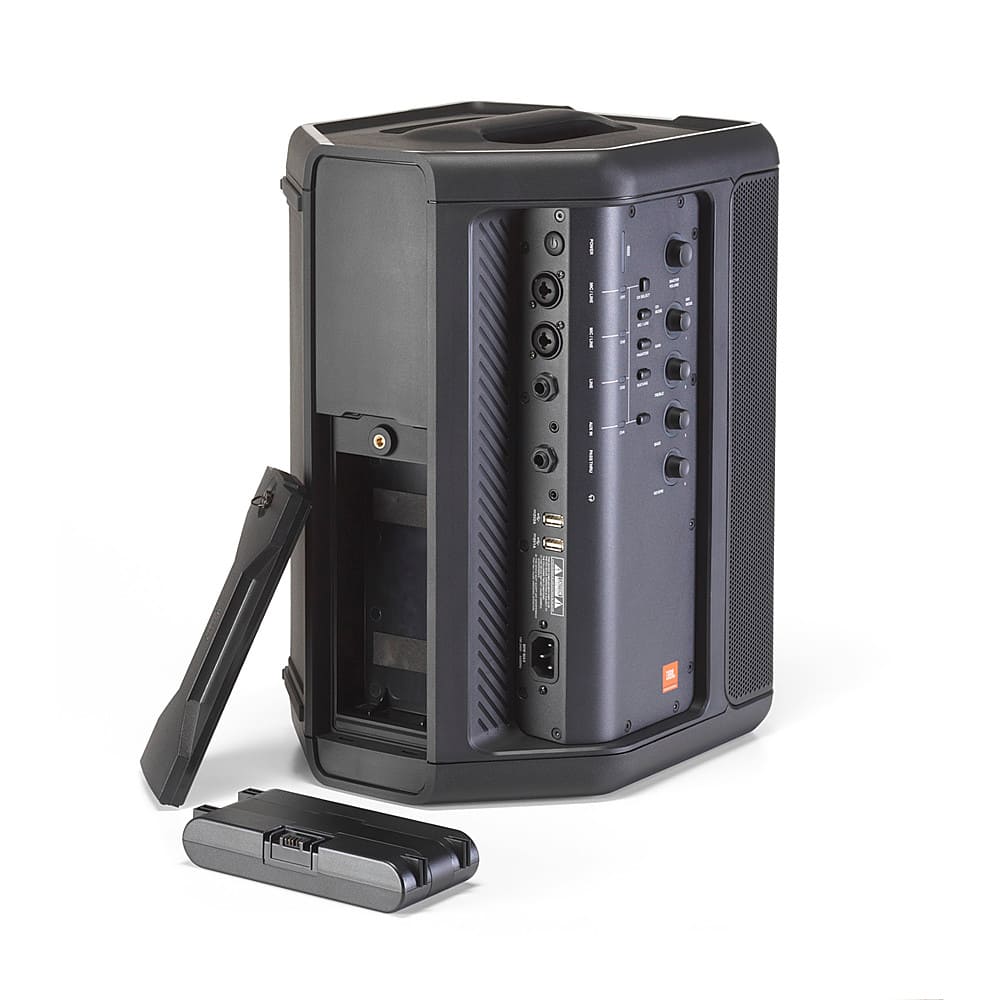
Here's where the philosophical differences become most apparent. The JBL EON ONE Compact includes a full 4-channel digital mixer with professional inputs: two XLR/TRS combo jacks (with phantom power on channel 1 for condenser microphones), a Hi-Z instrument input for guitars and keyboards, and a 3.5mm auxiliary input. This means you can simultaneously connect a microphone, guitar, keyboard, and phone—perfect for singer-songwriters or small band performances.
The mixer includes features you'd find on professional audio equipment, like the "ducking" function that automatically lowers background music when speech is detected on the microphone inputs. For presenters, this means your audience will always hear you clearly over background music without manual adjustment.
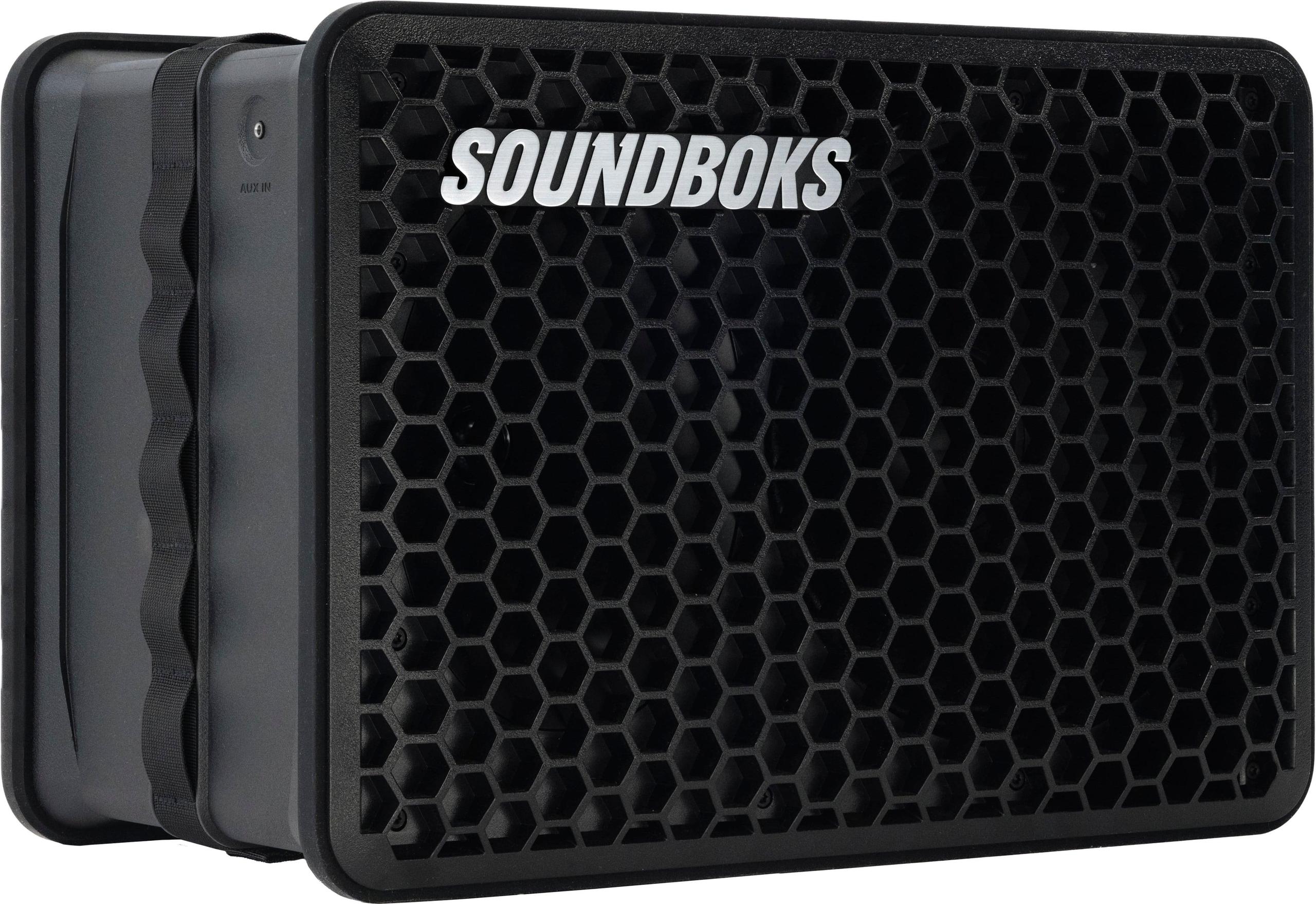
The Soundboks Go keeps things simple with Bluetooth 5.0 as the primary connection method and a single 3.5mm auxiliary input. There are no microphone inputs or professional audio connections—this is purely designed for streaming music from your devices.
Both speakers can connect to additional units, but they use different technologies. The JBL supports standard Bluetooth stereo pairing with a second unit and can integrate into larger JBL Pro Connect systems for venue-scale applications.
The Soundboks Go uses SKAA wireless technology, which offers ultra-low latency (minimal delay) and can network up to five speakers simultaneously. This TeamUP feature is particularly useful for large outdoor parties where you need sound coverage across a wide area. The low latency means audio from different speakers stays perfectly synchronized, avoiding the echo effect you might experience with some Bluetooth systems.
Battery performance reveals another fundamental difference in design priorities. The Soundboks Go absolutely dominates here, delivering up to 40 hours of playback at moderate volumes. Even at maximum volume, it provides 10 hours of continuous use—enough for most day-long events.
The JBL EON ONE Compact offers 12 hours at moderate volume or about 6 hours at higher volumes. While this might seem disappointing compared to the Soundboks, it's actually excellent for a speaker with active mixing capabilities and professional-grade amplification.
Both speakers feature swappable batteries—you can remove them without tools and swap in a charged spare for extended use. The batteries themselves can charge while the speakers are in use, and both include USB outputs for charging your devices (the Soundboks offers 10W USB-C, while the JBL provides two USB 3.0 ports with different amperage ratings).
The charging times are competitive: 2 hours for the Soundboks and 2.5 hours for the JBL. However, the Soundboks battery (99.84 Wh) is significantly larger than what you'll find in most portable speakers, explaining both its extended runtime and slightly longer charge time.
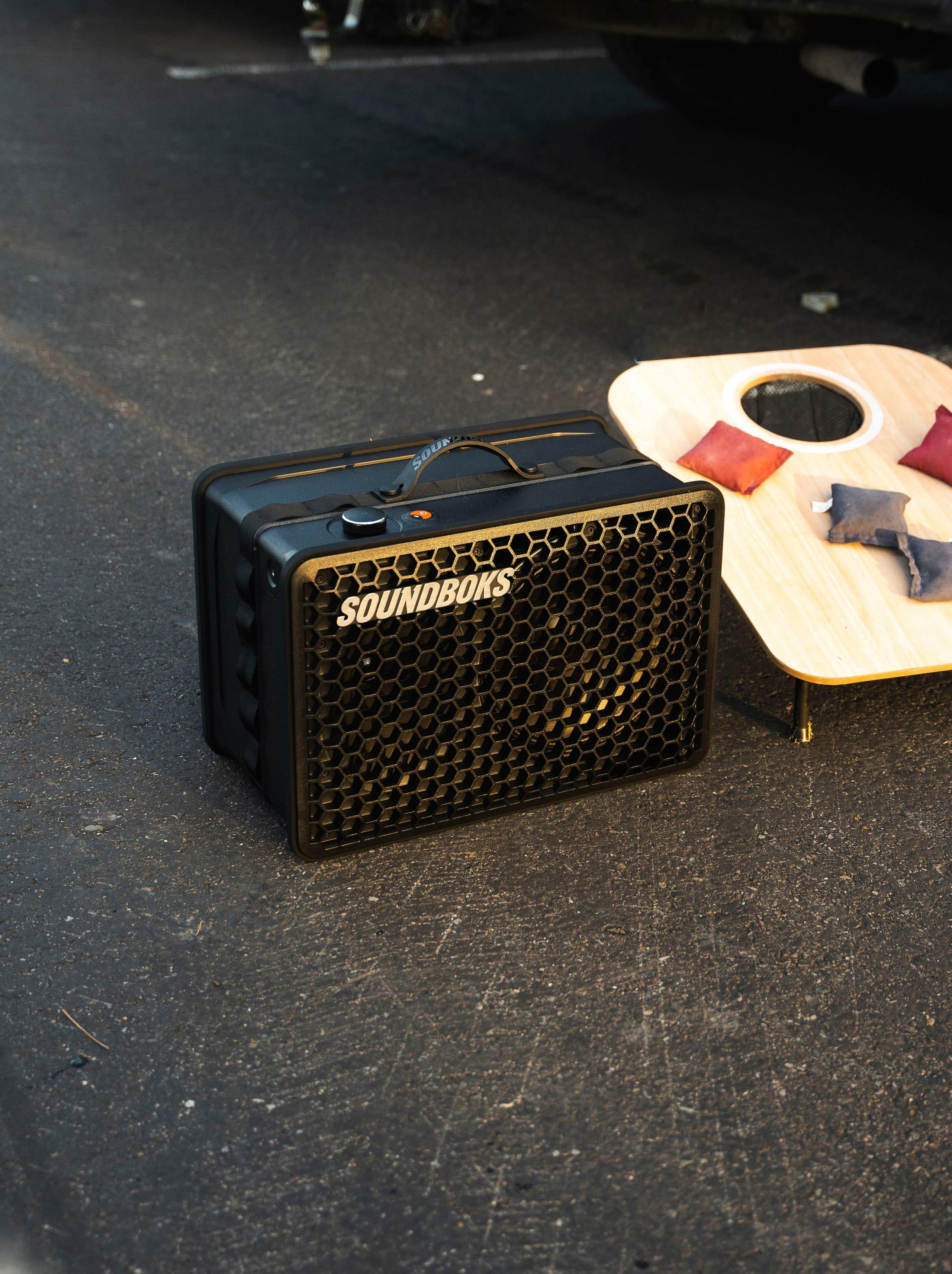
Construction quality differs significantly between these speakers, reflecting their intended environments. The Soundboks Go is built like outdoor equipment, with an IP65 rating that makes it dustproof and resistant to water splashes. Its reinforced ABS and polycarbonate cabinet includes silicone rubber bumpers designed to absorb impacts, and it can operate in temperatures from -15°C to +55°C.
The JBL EON ONE Compact uses a polypropylene enclosure that's durable but not specifically weatherproofed. It's designed for indoor venues, covered outdoor spaces, and professional environments where it won't face harsh weather conditions.
For pool parties, beach trips, or camping adventures, the Soundboks is the clear choice. For coffee shops, small venues, or home use, the JBL's construction is perfectly adequate and keeps costs down.
At the time of writing, these speakers sit in similar price ranges, though the Soundboks Go typically commands a slight premium. The pricing reflects their different value propositions: the JBL offers professional capabilities that would typically require purchasing separate speakers and mixers, while the Soundboks provides exceptional battery life and rugged construction.
The JBL EON ONE Compact includes a remarkable 7-year warranty (3 years on the battery), demonstrating JBL's confidence in the product's longevity. The Soundboks Go offers a 2-year warranty, extendable to 3 years with registration—more typical for consumer electronics.
From a features-per-dollar perspective, the JBL provides incredible value for anyone needing professional audio capabilities. You'd spend significantly more to achieve similar functionality with separate components. The Soundboks justifies its pricing with superior battery life and outdoor durability that you won't find in most competitors.
The JBL EON ONE Compact incorporates several professional audio technologies that trickle down from much more expensive systems. Its Class D amplification with dbx processing and Lexicon effects gives you studio-quality sound shaping in a portable package. The ducking feature alone saves countless hours of manual mixing for presenters and mobile entertainers.
The Soundboks Go features Merus Audio eximo amp switching technology, which improves efficiency and reduces heat generation—crucial for maintaining performance during long outdoor events. Its SKAA wireless networking is more sophisticated than standard Bluetooth, offering the kind of multi-room audio capabilities usually reserved for expensive home audio systems.
While neither speaker is designed specifically for home theater, they can serve this role with different strengths. The JBL EON ONE Compact would excel for movie nights, providing clear dialogue reproduction and balanced sound across different content types. Its EQ capabilities let you fine-tune the sound for your room acoustics.
The Soundboks Go would deliver more excitement for action movies and music-heavy content, but dialogue might not sound as natural due to its V-shaped frequency response. However, its massive battery life makes it perfect for outdoor movie screenings where AC power isn't available.
The decision ultimately comes down to your primary use case and priorities.
Choose the JBL EON ONE Compact if you need professional audio capabilities, plan to use microphones or instruments, want the most balanced sound quality, or need a speaker that can grow with a expanding setup. It's perfect for musicians, presenters, mobile entertainers, small venue owners, and anyone who values audio versatility over maximum volume.
Choose the Soundboks Go if you prioritize maximum volume and bass impact, need exceptional battery life for all-day events, require rugged outdoor durability, or want the simplicity of wireless-first operation. It's ideal for party hosts, outdoor enthusiasts, fitness instructors, and anyone who needs a speaker that can handle harsh environments while delivering room-shaking sound.
Both speakers excel in their intended roles, and neither is a compromise product. The JBL is a professional tool that happens to be great for casual listening, while the Soundboks is a purpose-built party machine with impressive technical capabilities. Understanding which category matches your needs will lead you to the right choice—and likely years of satisfaction with whichever speaker you select.
| JBL EON ONE Compact | Soundboks Go |
|---|---|
| Maximum Volume - How loud each speaker can get | |
| 112 dB SPL (loud enough for small venues and outdoor gatherings) | 121 dB SPL (significantly louder, rivals small PA systems) |
| Sound Character - The fundamental listening experience | |
| Balanced, neutral sound ideal for vocals and mixed content | Bass-heavy V-shaped sound optimized for party music |
| Battery Life - Runtime between charges | |
| 12 hours moderate / 6 hours high volume | 40 hours moderate / 10 hours high volume |
| Professional Audio Inputs - Connecting mics and instruments | |
| 4-channel mixer: 2×XLR/TRS combo, Hi-Z instrument, aux input | Bluetooth primary, single 3.5mm aux input only |
| Phantom Power - Essential for condenser microphones | |
| Yes, 48V on Channel 1 for professional mics | No microphone support |
| Weather Resistance - Outdoor durability | |
| Indoor/covered outdoor use, no weatherproof rating | IP65 rated: dustproof and splash-resistant |
| Multi-Speaker Connectivity - Linking multiple units | |
| Bluetooth stereo pairing (2 units max) | TeamUP wireless networking (up to 5 units) |
| Built-in Effects - Sound enhancement capabilities | |
| Professional Lexicon reverb, chorus, delay, ducking | Basic app-based EQ presets |
| EQ Control - Sound customization options | |
| 8-band parametric EQ with precise frequency control | App-based custom EQ with preset sound profiles |
| Weight - Portability consideration | |
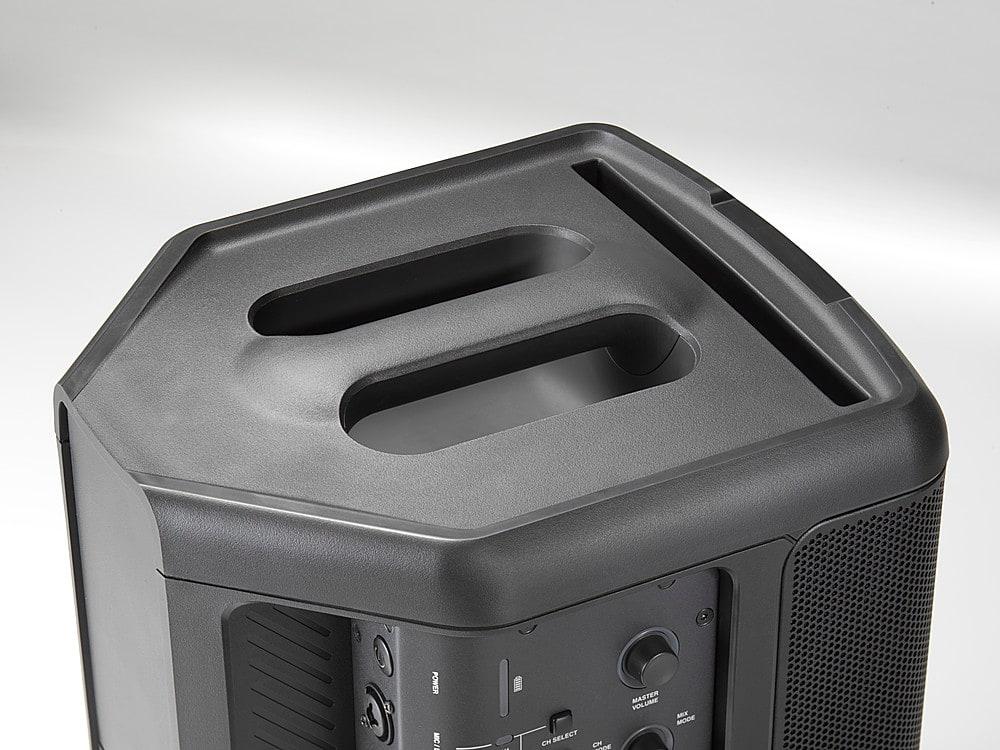
| 17.6 lbs (8 kg) with integrated handle | 20.3 lbs (9.2 kg) with handle and strap options |
| Frequency Response - Bass extension and overall range | |
| 37.5 Hz - 20 kHz (deeper bass than most competitors) | 40 Hz - 20 kHz (punchy bass, less extension) |
| Warranty Coverage - Long-term protection | |
| 7 years speaker / 3 years battery (industry-leading) | 2-3 years with registration (standard coverage) |
| Primary Use Case - What each excels at | |
| Live performances, presentations, mixed professional use | Wireless parties, outdoor events, maximum volume needs |
The Soundboks Go is significantly louder at 121 dB maximum SPL compared to the JBL EON ONE Compact's 112 dB rating. This 9 dB difference means the Soundboks Go sounds roughly twice as loud to human ears, making it better for large outdoor parties and events where maximum volume is essential.
Only the JBL EON ONE Compact supports microphones with its professional XLR/TRS inputs and 48V phantom power for condenser mics. The Soundboks Go has no microphone inputs and is designed purely for wireless music streaming via Bluetooth and auxiliary connections.
The Soundboks Go dominates battery performance with up to 40 hours at moderate volume compared to the JBL EON ONE Compact's 12 hours. Even at maximum volume, the Soundboks Go provides 10 hours versus 6 hours for the JBL EON ONE Compact.
The Soundboks Go is specifically designed for outdoor use with IP65 weather resistance, making it dustproof and splash-resistant. The JBL EON ONE Compact lacks weatherproofing and is better suited for indoor venues or covered outdoor areas.
This depends on your preferences. The JBL EON ONE Compact offers more balanced, neutral sound that's accurate across all music genres. The Soundboks Go provides bass-heavy, exciting sound that's optimized for party music and electronic genres but may sound less natural for acoustic music.
Both support multi-speaker setups but differently. The JBL EON ONE Compact can pair with one other unit for stereo sound via Bluetooth. The Soundboks Go uses TeamUP wireless technology to connect up to 5 speakers simultaneously with ultra-low latency for large event coverage.
The JBL EON ONE Compact is designed for live performances with its 4-channel mixer, professional audio inputs, phantom power for mics, and built-in effects like reverb and delay. The Soundboks Go lacks these professional features and is primarily a Bluetooth music speaker.
The JBL EON ONE Compact would be better for home theater with its balanced sound reproduction, clear dialogue, and 8-band EQ for room tuning. The Soundboks Go might appeal for action movies due to its powerful bass but could make dialogue less clear.
The JBL EON ONE Compact provides extensive customization with 8-band parametric EQ, professional effects, and detailed app controls for precise sound shaping. The Soundboks Go offers simpler preset-based EQ profiles that are easier to use but less comprehensive.
Yes, both are portable but serve different mobility needs. The JBL EON ONE Compact weighs 17.6 lbs and is designed for professional transport between venues. The Soundboks Go weighs 20.3 lbs but includes rugged construction and longer battery life for extended outdoor adventures.
The JBL EON ONE Compact offers exceptional value for users needing professional PA capabilities, as it combines speaker and mixer functions that would cost significantly more separately. The Soundboks Go justifies its price with superior battery life, weather resistance, and maximum volume output for party applications.
The core difference is purpose: the JBL EON ONE Compact is a professional portable PA system designed for live sound with microphone inputs and mixing capabilities, while the Soundboks Go is a high-output Bluetooth party speaker optimized for wireless music streaming and outdoor durability.
We've done our best to create useful and informative comparisons to help you decide what product to buy. Our research uses advanced automated methods to create this comparison and perfection is not possible - please contact us for corrections or questions. These are the sites we've researched in the creation of this article: bestbuy.com - crutchfield.com - noisegate.com.au - zzounds.com - jblpro.com - youtube.com - soundonsound.com - jblpro.com - youtube.com - youtube.com - jbl.com - samash.com - sweetwater.com - avnow.com - soundonsound.com - youtube.com - kh.jbl.com - talkbass.com - techradar.com - proav.com - gearspace.com - jazzguitar.be - sweetwater.com - youtube.com - crutchfield.com - forums.musicplayer.com - adn.harmanpro.com - device.report - bgs.cc - youtube.com - bestbuy.com - beachaudio.com - youtube.com - crutchfield.com - digitaldjtips.com - comparisontabl.es - eftm.com - sweetwater.com - bestbuy.com - compsource.com - sweetwater.com - store.djtechtools.com - youtube.com - scheels.com - soundboks.com - connection.com - scheels.com - skaastore.com - thomannmusic.com - soundboks.eu - gearjunkie.com

Privacy Policy
Terms and Conditions - Affiliate Policy
Home Security
© Copyright 2008-2026.
11816 Inwood Rd #1211, Dallas, TX 75244