

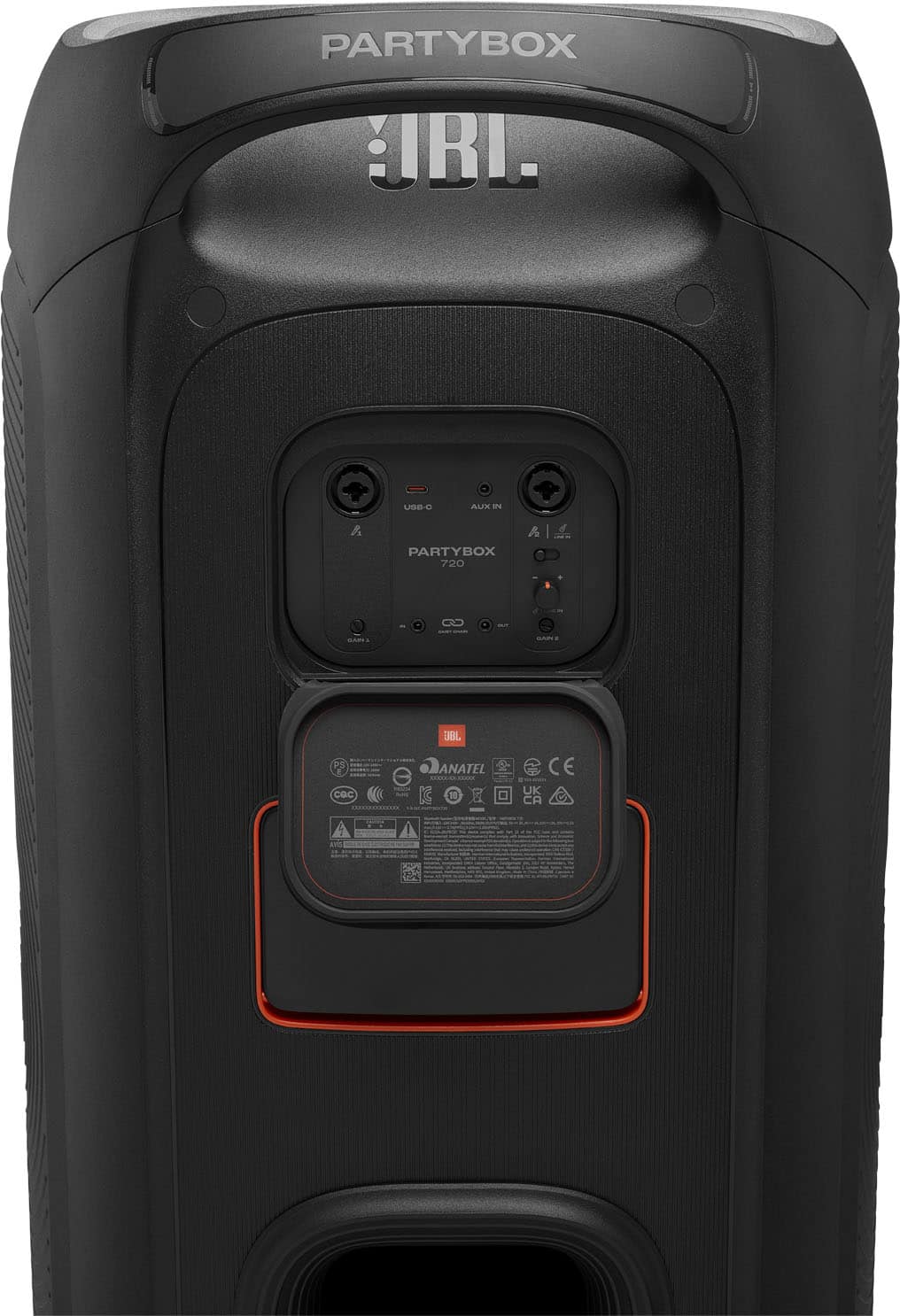
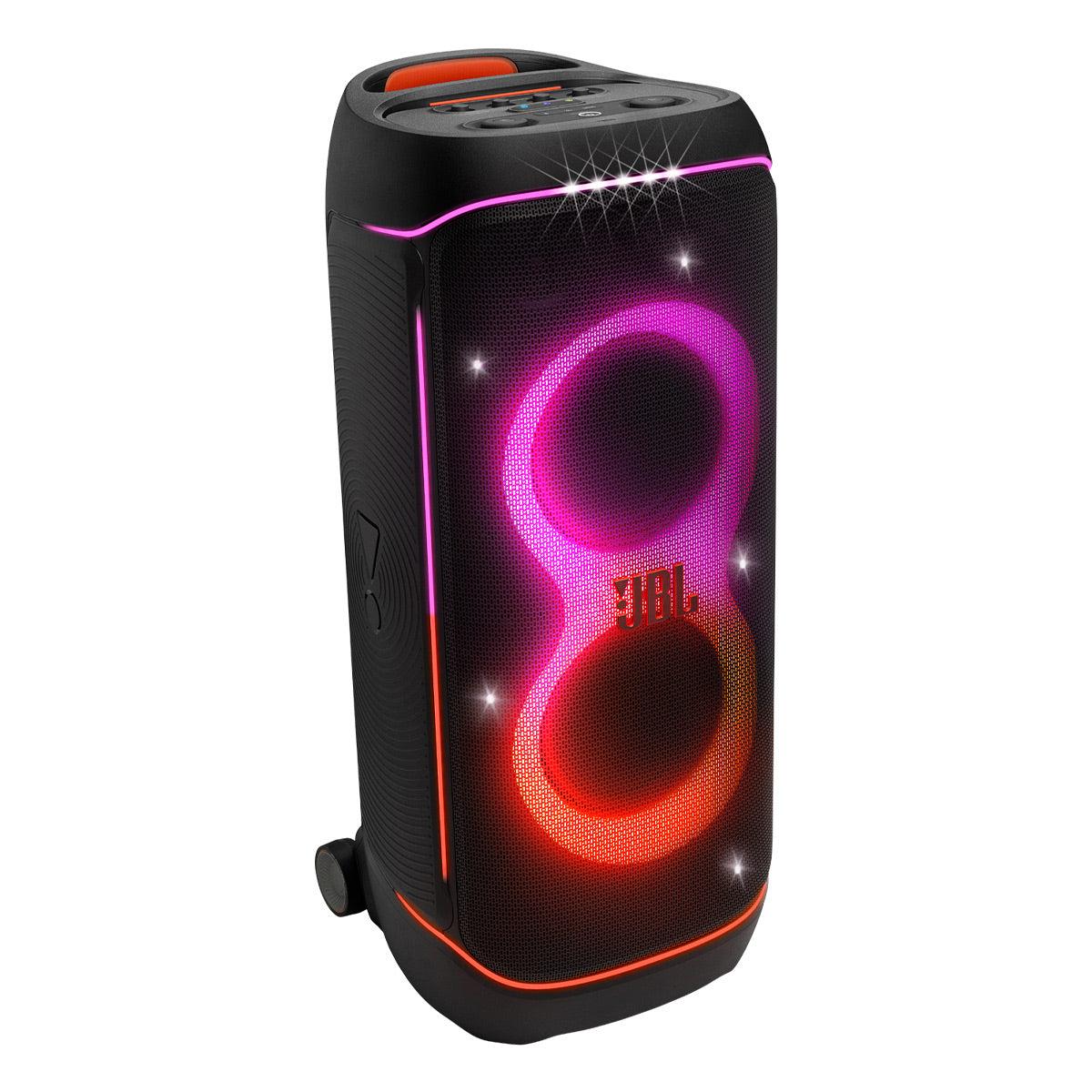
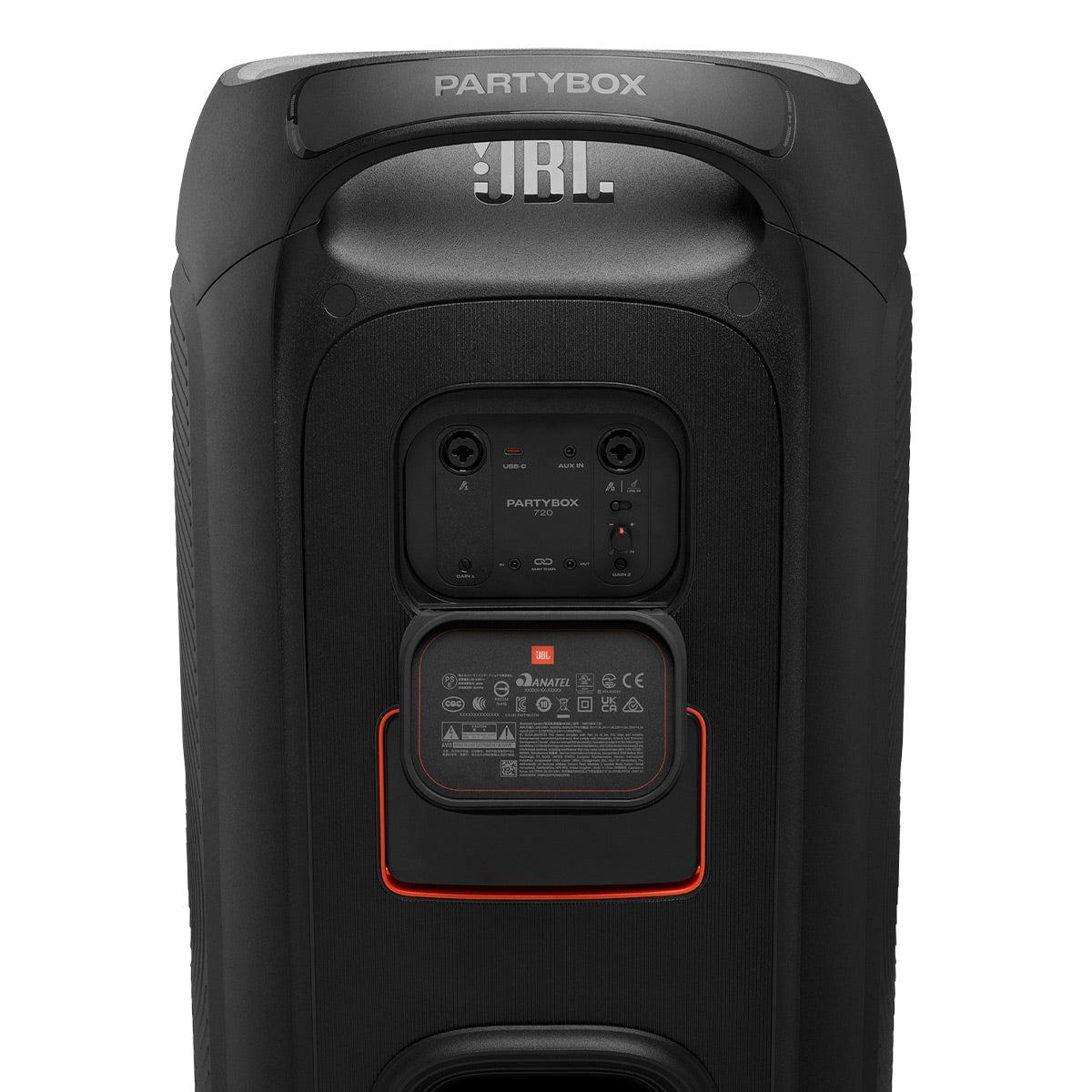
When you're shopping for a premium portable Bluetooth speaker that can actually fill a large space with sound, you're entering the territory of what we call "high-output portable speakers." These aren't your typical desk speakers—they're designed to compete with small PA systems while still running on batteries. At the time of writing, both the Soundboks Go and JBL PartyBox 720 sit at nearly identical price points around $800, making this comparison particularly relevant for anyone deciding between genuine portability and maximum power.
The high-output portable speaker category emerged as people wanted something between compact Bluetooth speakers and full concert equipment. These speakers need to accomplish several challenging goals simultaneously: produce enough volume to fill large outdoor spaces, run for hours on battery power, survive rough handling, and somehow remain portable enough that you don't need a truck to move them.
The key considerations that separate good speakers from great ones in this category include maximum volume output (measured in decibels or watts), battery life, actual portability (weight and transport design), sound quality across different music types, and durability for outdoor use. What makes this comparison interesting is that the Soundboks Go and JBL PartyBox 720 take completely different approaches to solving these challenges.
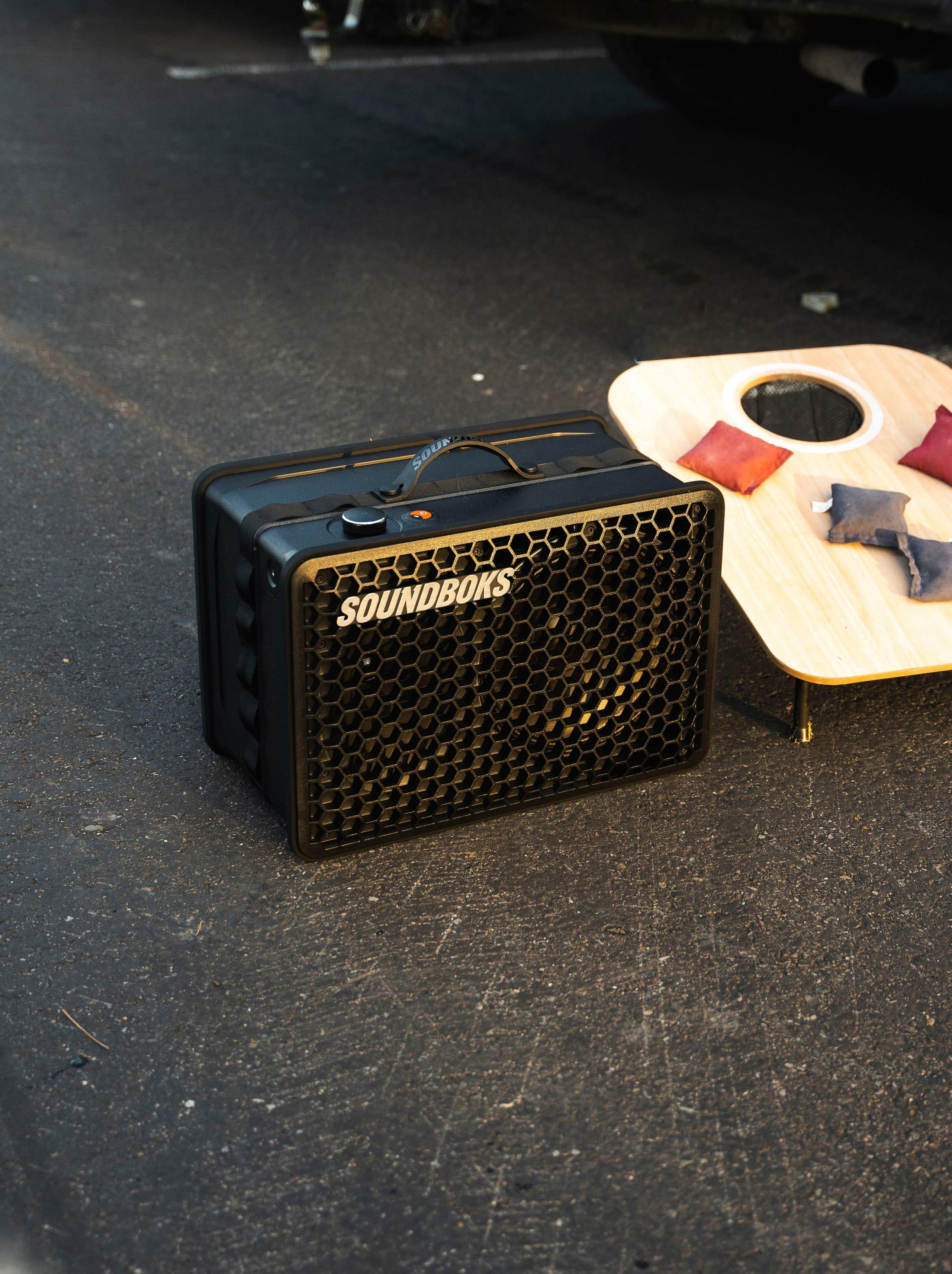
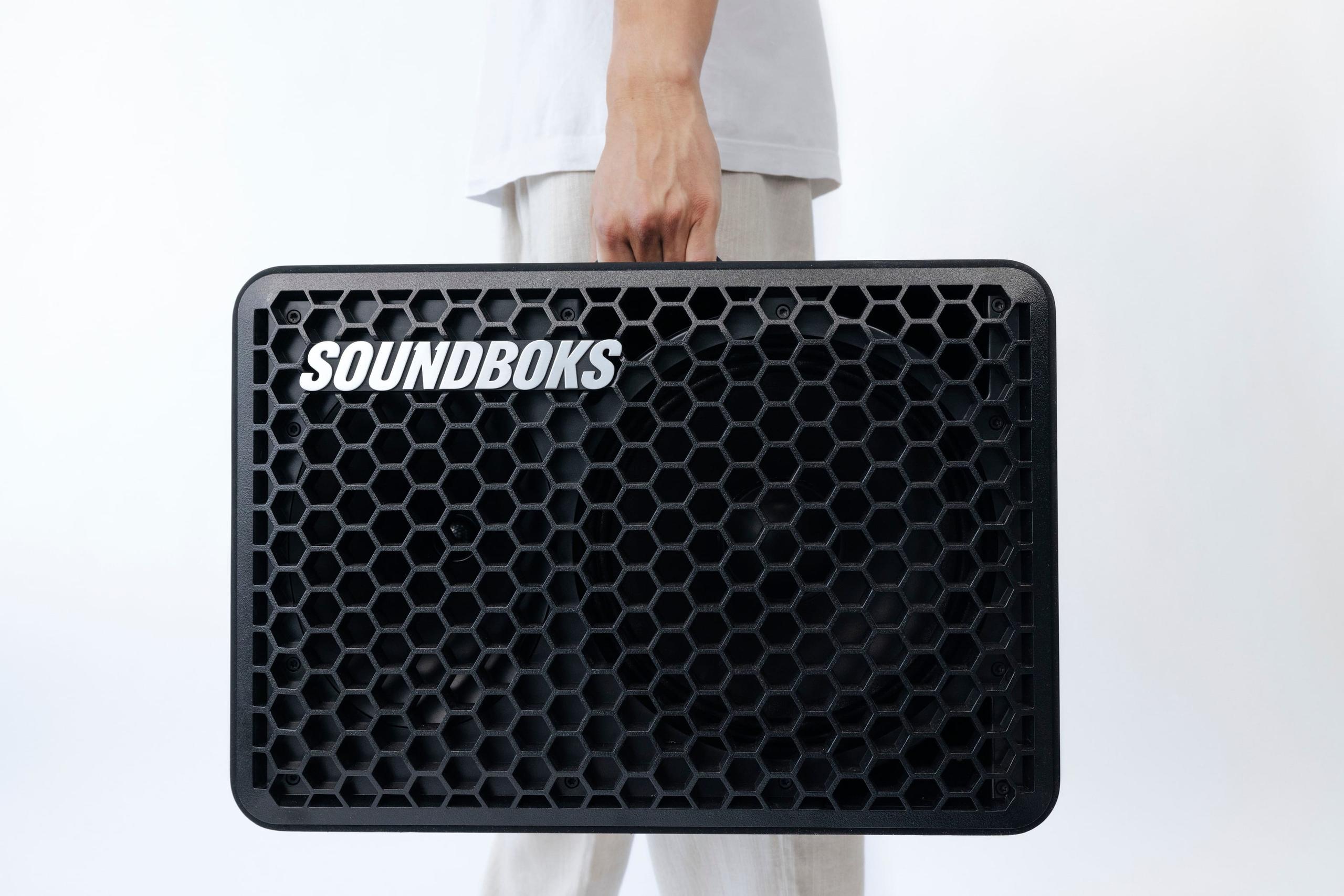
The Soundboks Go, released in 2022, represents what happens when you prioritize genuine portability and battery efficiency above everything else. Soundboks, a Danish company, built their reputation on creating speakers that sound great but can actually be carried by one person to remote locations where there's no electrical outlet for days.
The JBL PartyBox 720, launched in 2025, takes the opposite approach. JBL said "let's make this thing as powerful as possible while technically still being portable." The result is a speaker that produces nearly six times more power than the Soundboks but weighs more than three times as much.
Understanding this fundamental difference helps explain every other design choice these companies made.
Here's where the JBL PartyBox 720 absolutely dominates. It produces 800 watts RMS (RMS stands for "Root Mean Square," which is basically the sustained power output rather than peak power). Compare that to the Soundboks Go's 144 watts RMS, and you're looking at 5.5 times more power.
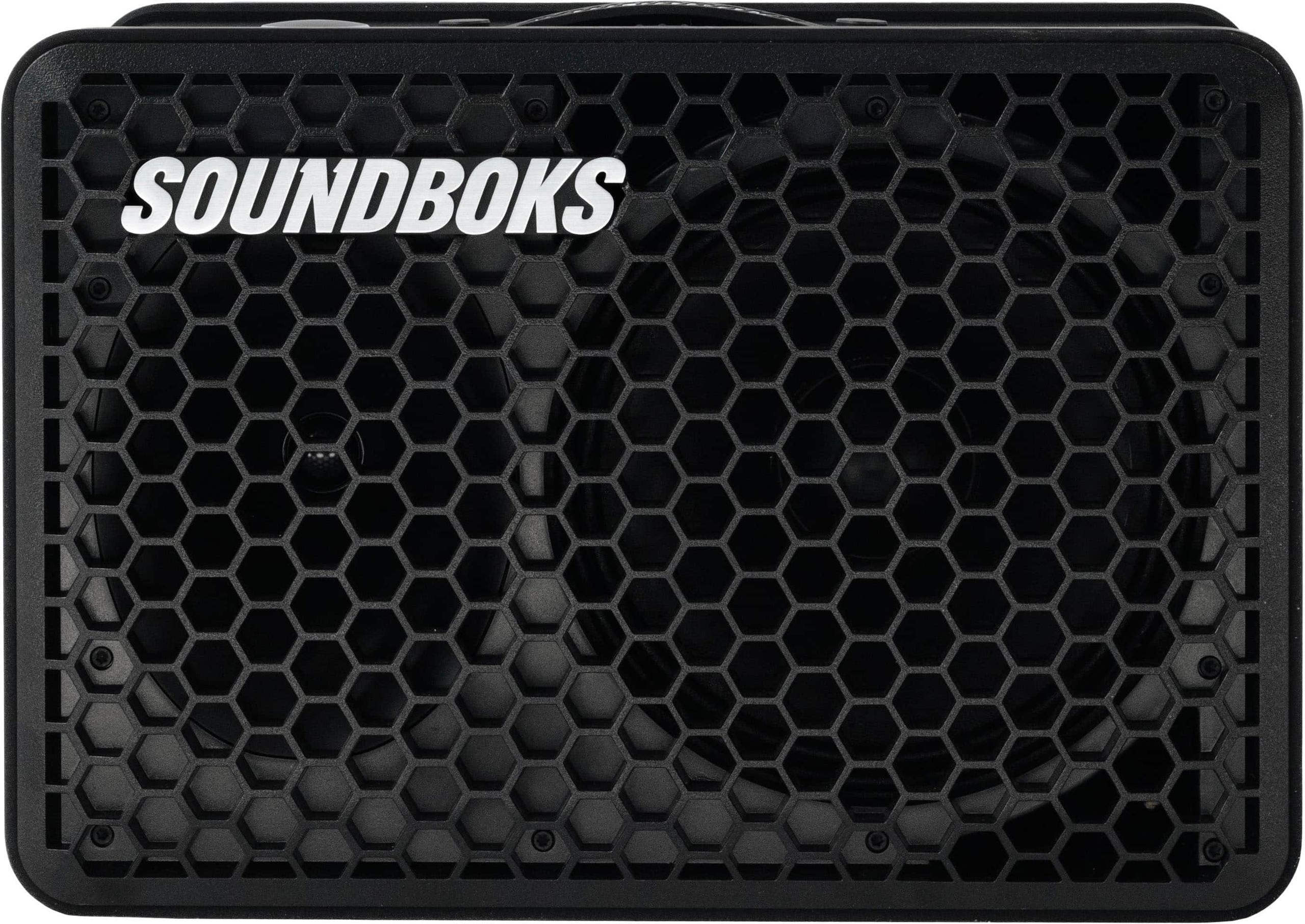
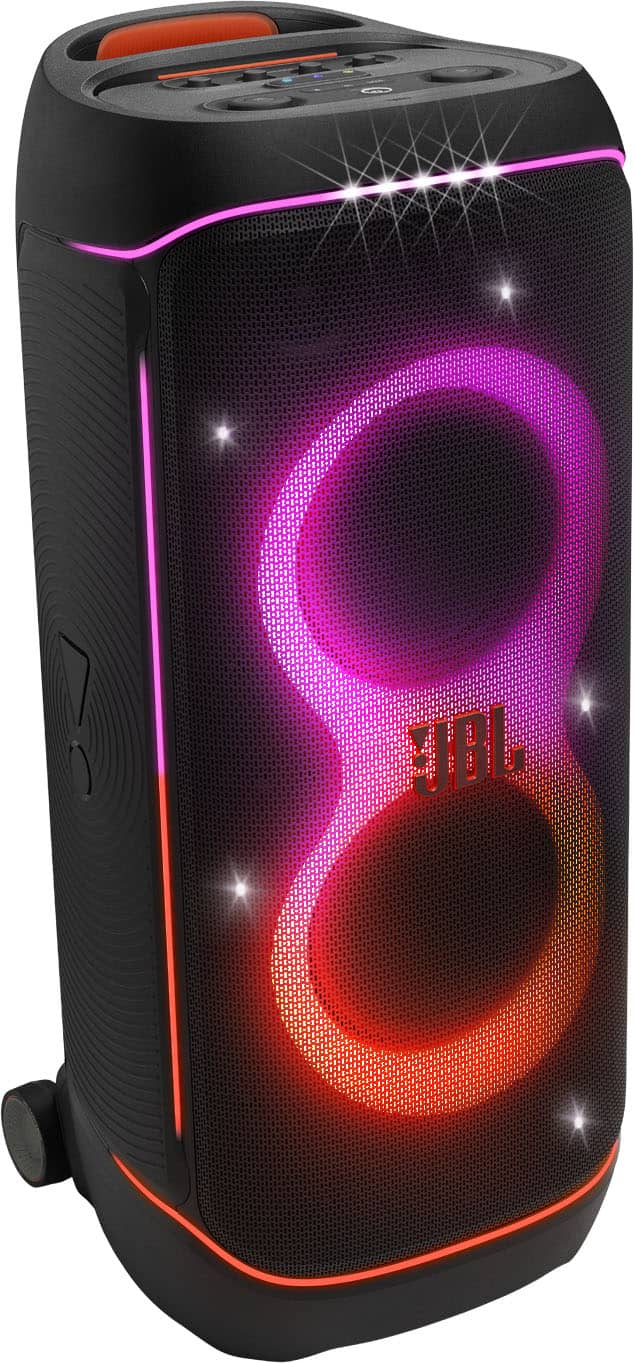
But what does this mean in real-world terms? The JBL can fill spaces the size of a basketball court with sound that you'll feel in your chest. It's the difference between hosting a backyard party and hosting a neighborhood block party. The dual 9-inch woofers (the large speakers that produce bass) and dual 1.25-inch tweeters (smaller speakers for high frequencies) work together to move a lot more air than the Soundboks's single 10-inch woofer and 1-inch tweeter setup.
However, the Soundboks Go still reaches 121 dB maximum volume, which is genuinely loud—loud enough for most outdoor gatherings of 50-200 people. The difference is in how cleanly it produces that volume. The Soundboks uses what's called Class-D amplification with Merus Audio eximo technology, which is incredibly efficient and produces less distortion at high volumes.
This is where personal preference and intended use become crucial. The JBL PartyBox 720 is tuned for what audio engineers call a "party sound signature." This means boosted bass frequencies and enhanced highs, creating a V-shaped frequency response that makes dance music, hip-hop, and EDM sound incredibly energetic and engaging. When you're hosting a pool party and want music that gets people moving, this tuning works perfectly.
The Soundboks Go, on the other hand, aims for a more balanced frequency response across its 40Hz to 20kHz range. This means it reproduces music more accurately to how it was recorded, making it better for jazz, classical, rock, or any situation where you want to hear music as the artist intended. It's the difference between a speaker that makes everything sound exciting and one that makes everything sound correct.
Both speakers include companion apps that let you adjust the sound with graphic equalizers (sliders that let you boost or cut different frequency ranges), but the starting point matters significantly.
This might be the most important difference between these speakers, and it's where the Soundboks Go shows why it exists. With 40 hours of battery life at moderate volume and 10 hours even at maximum volume, it can handle multi-day camping trips or all-weekend festivals without needing a charge.
The secret is the swappable battery system. The Soundboks includes a removable 99.84 watt-hour lithium iron phosphate battery (that's the safer, longer-lasting type of lithium battery). When it dies, you can pop in a fresh battery and keep going indefinitely. For anyone who's ever had their speaker die right when the party was getting good, this is a game-changer.
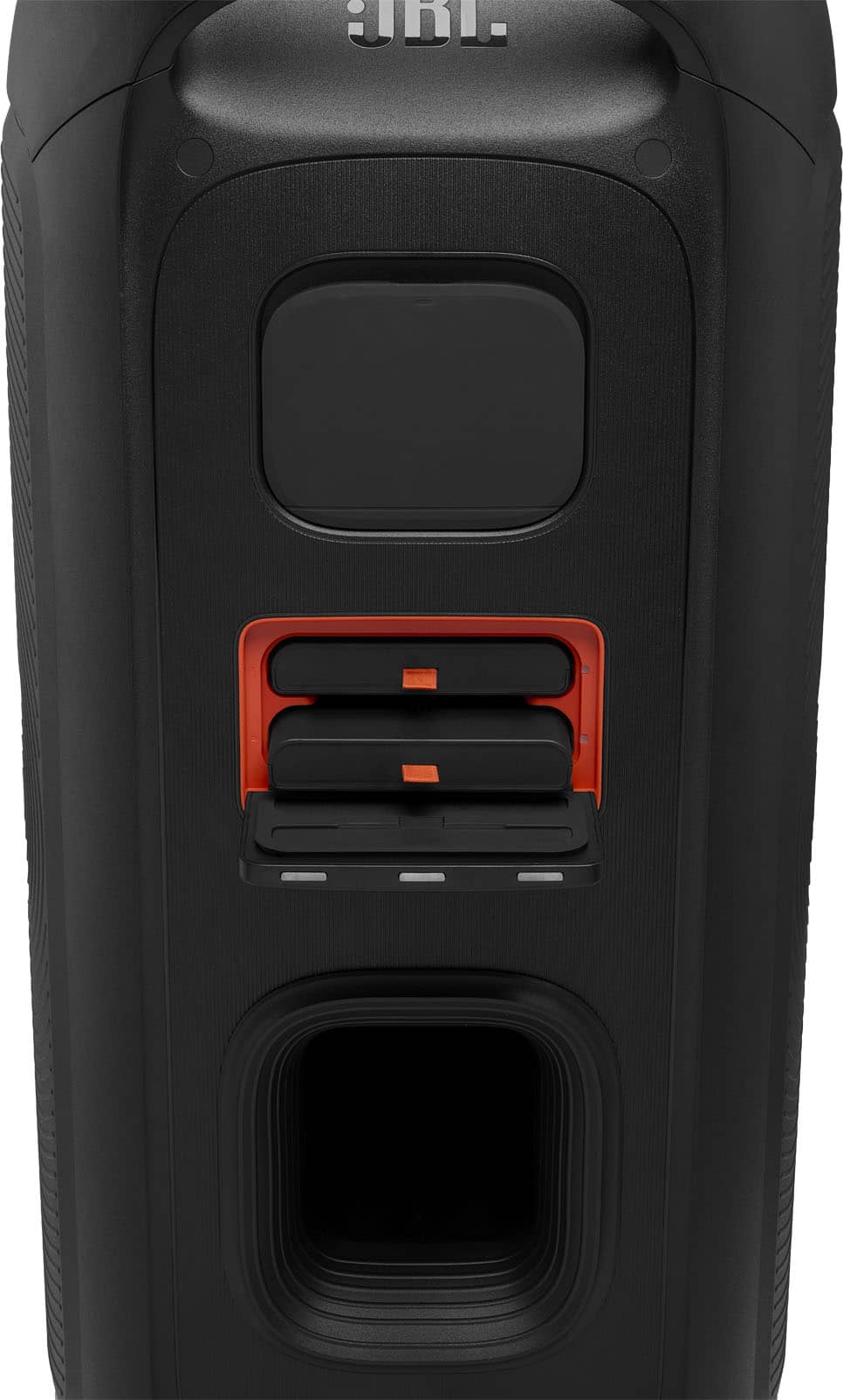
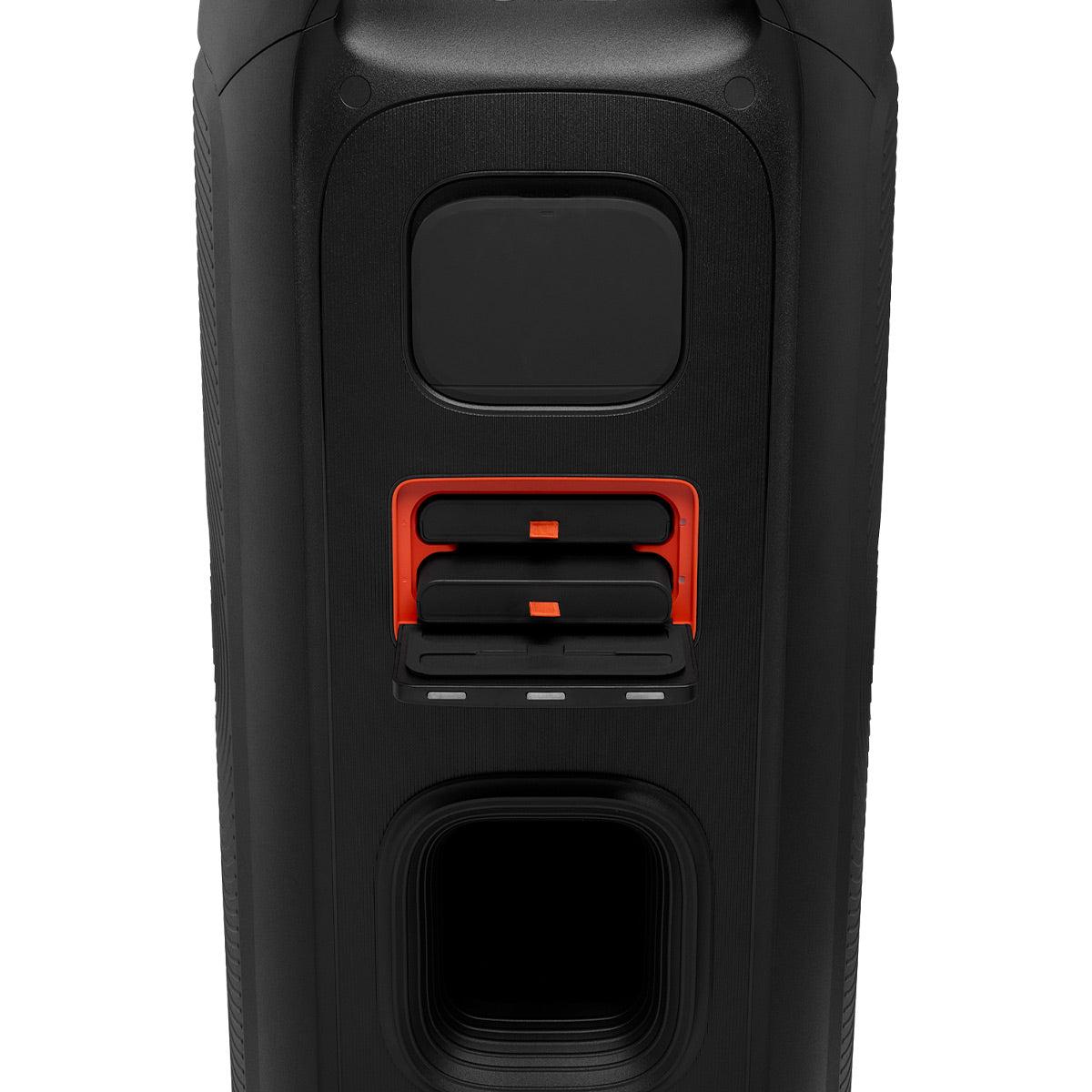
The JBL PartyBox 720 includes two removable batteries totaling 198.04 watt-hours, giving it 15 hours of typical use. While that's less than the Soundboks at moderate volumes, JBL includes both batteries in the box, and they've added a clever fast-charging feature where 10 minutes of charging gives you two extra hours of playtime. This makes it more practical for events where you have access to power outlets between sets.
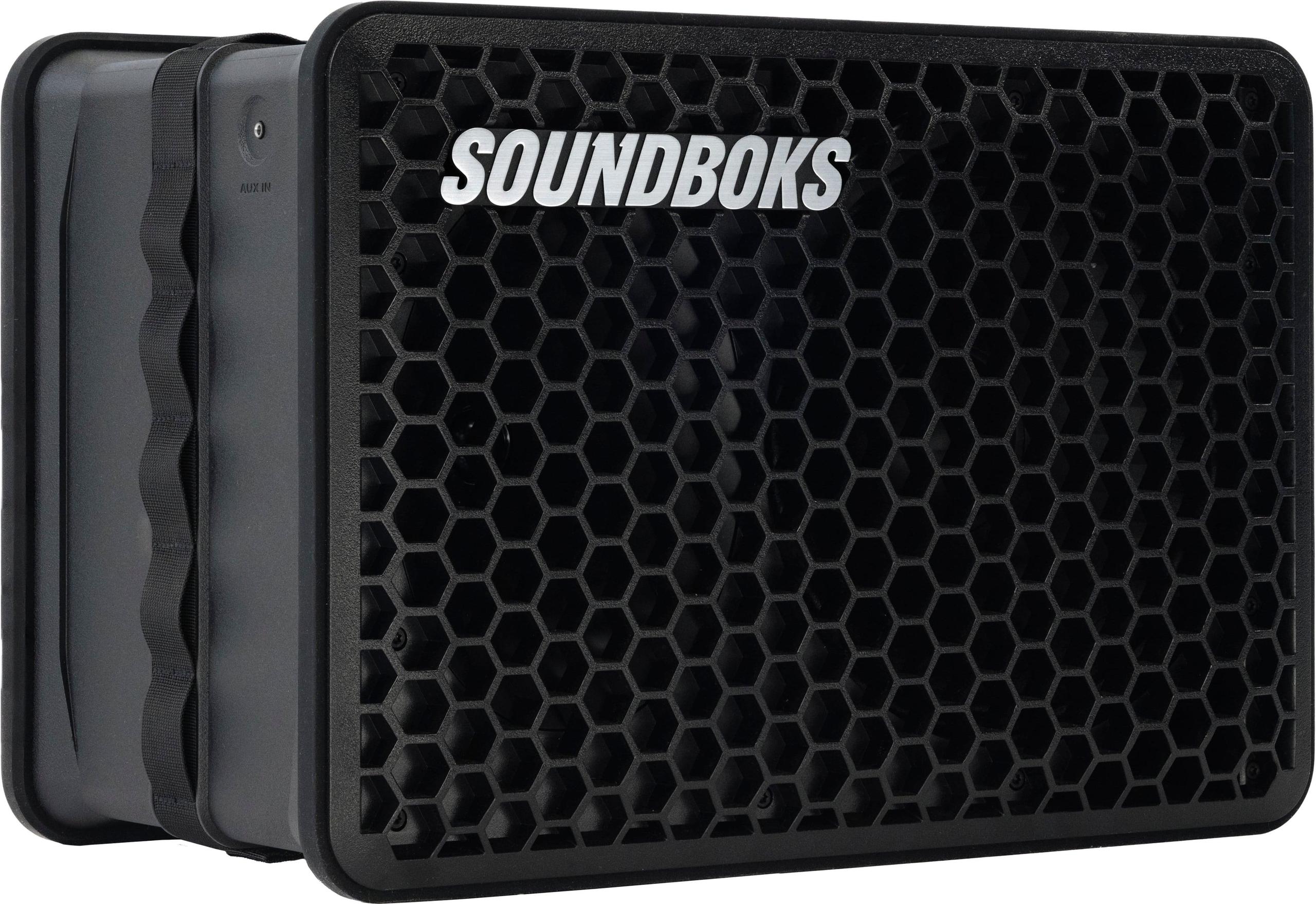
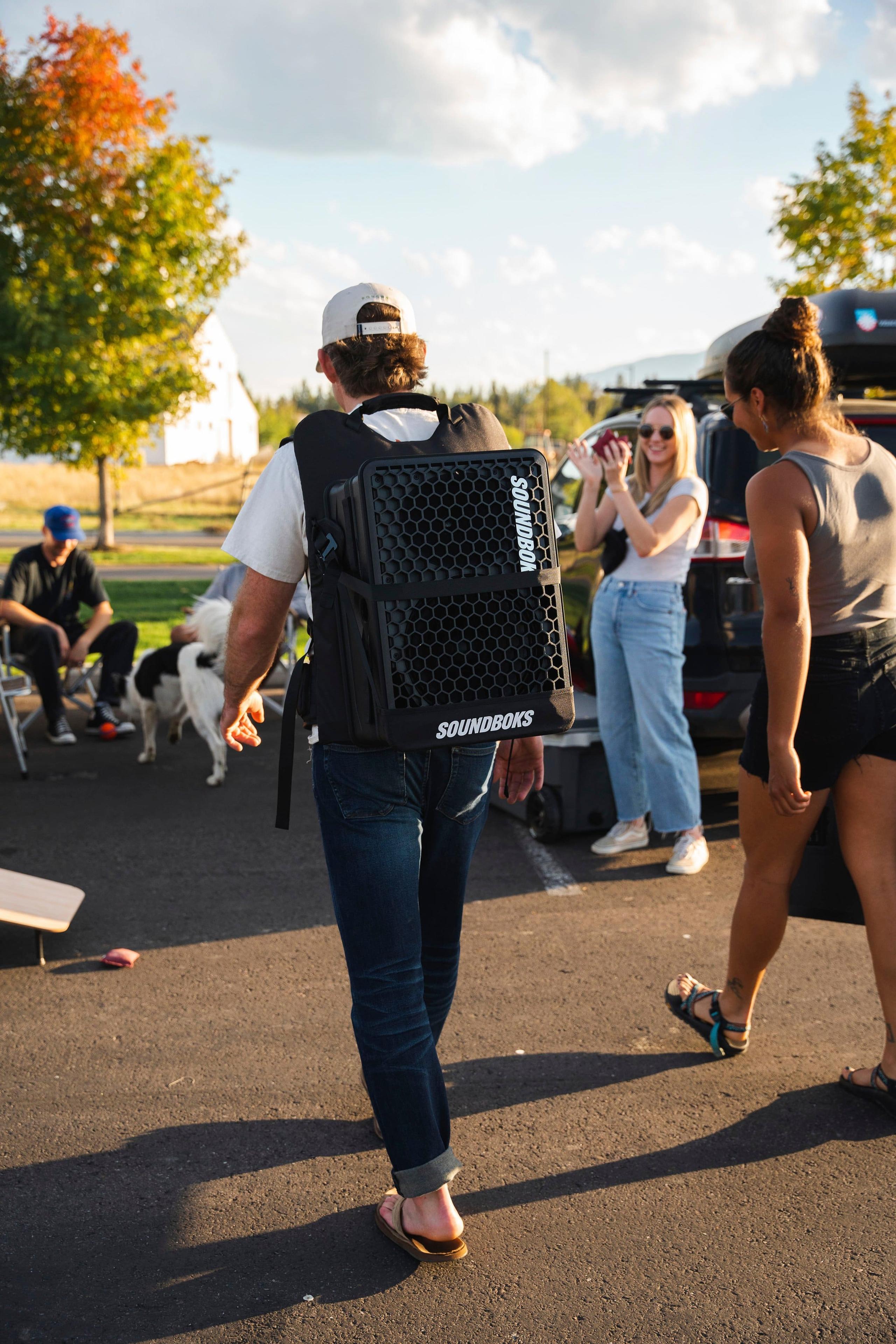
Here's where the fundamental design philosophy really shows. The Soundboks Go at 20 pounds with a comfortable integrated handle is genuinely portable. You can grab it, walk to a different location, and set it up single-handedly. At 18 × 12 × 10 inches, it fits in most car trunks alongside other gear.
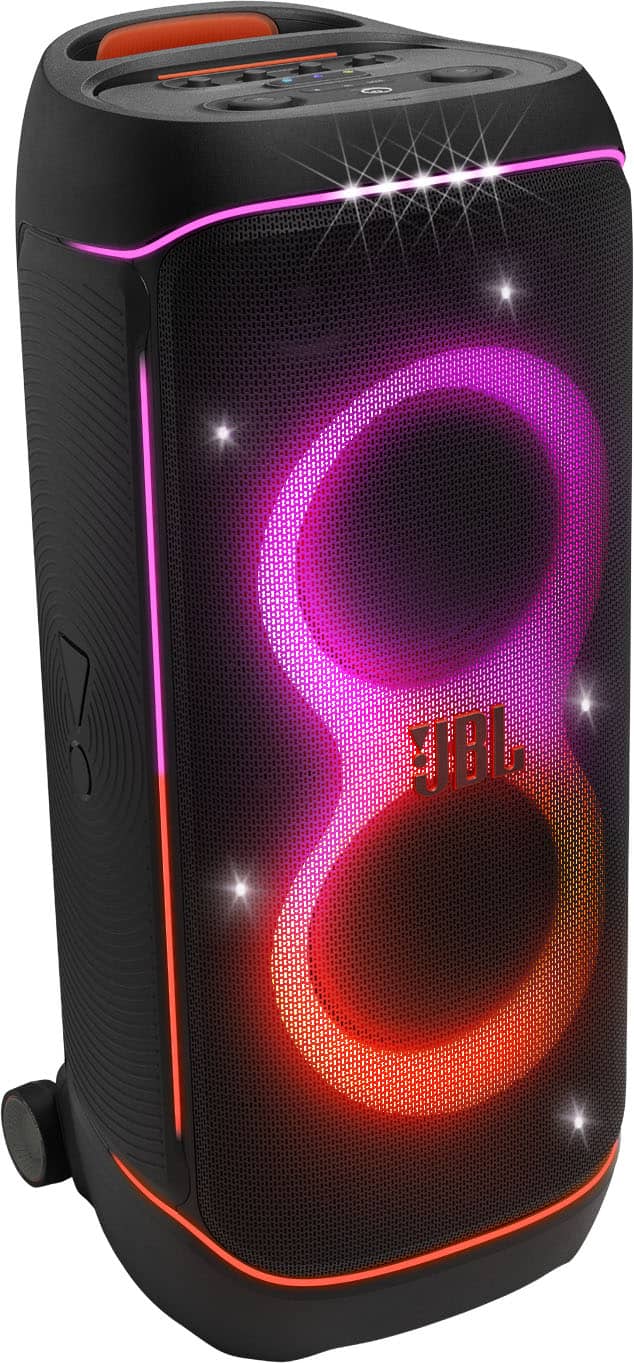
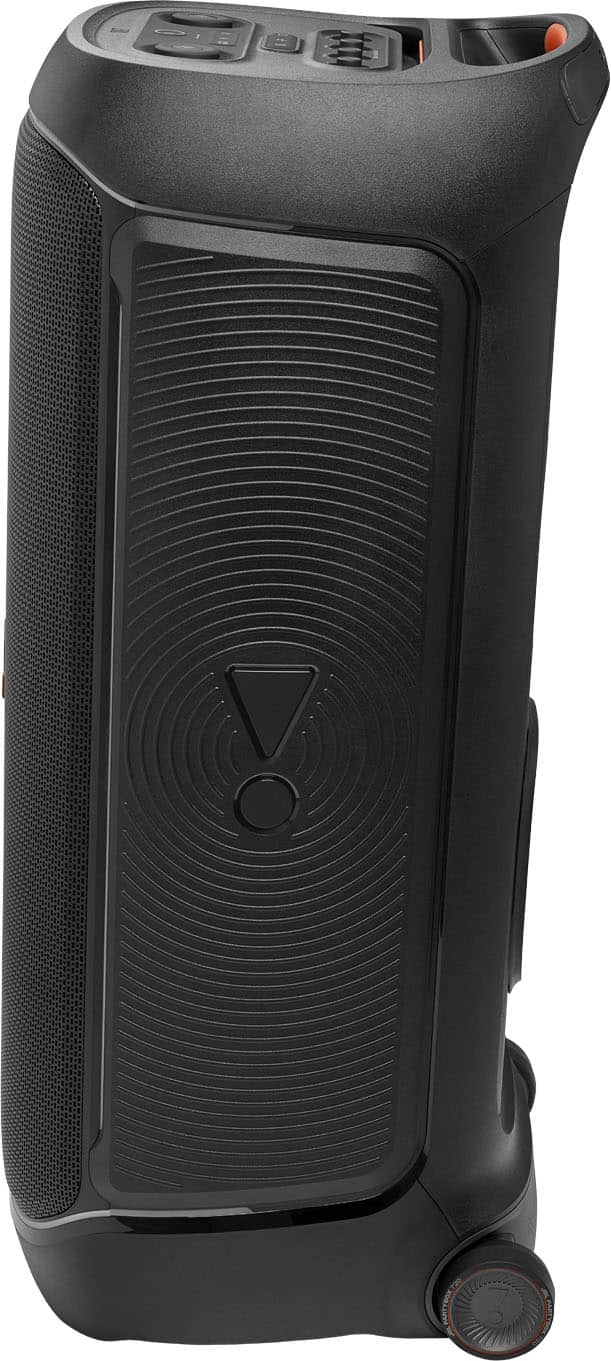
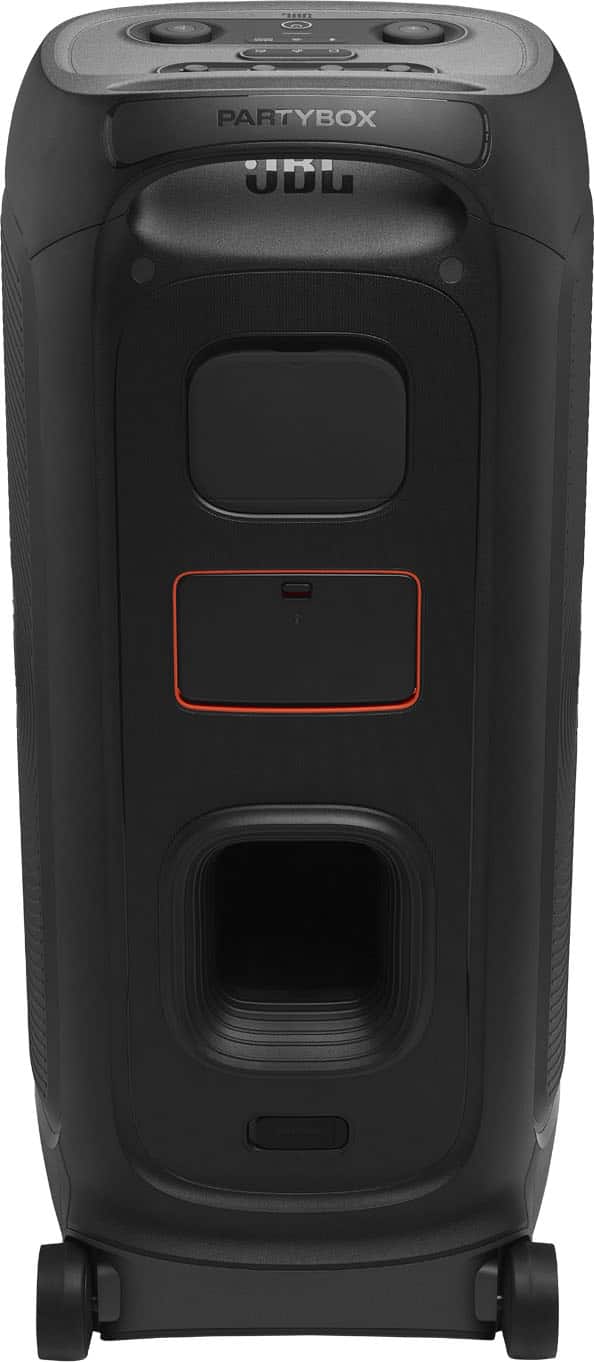
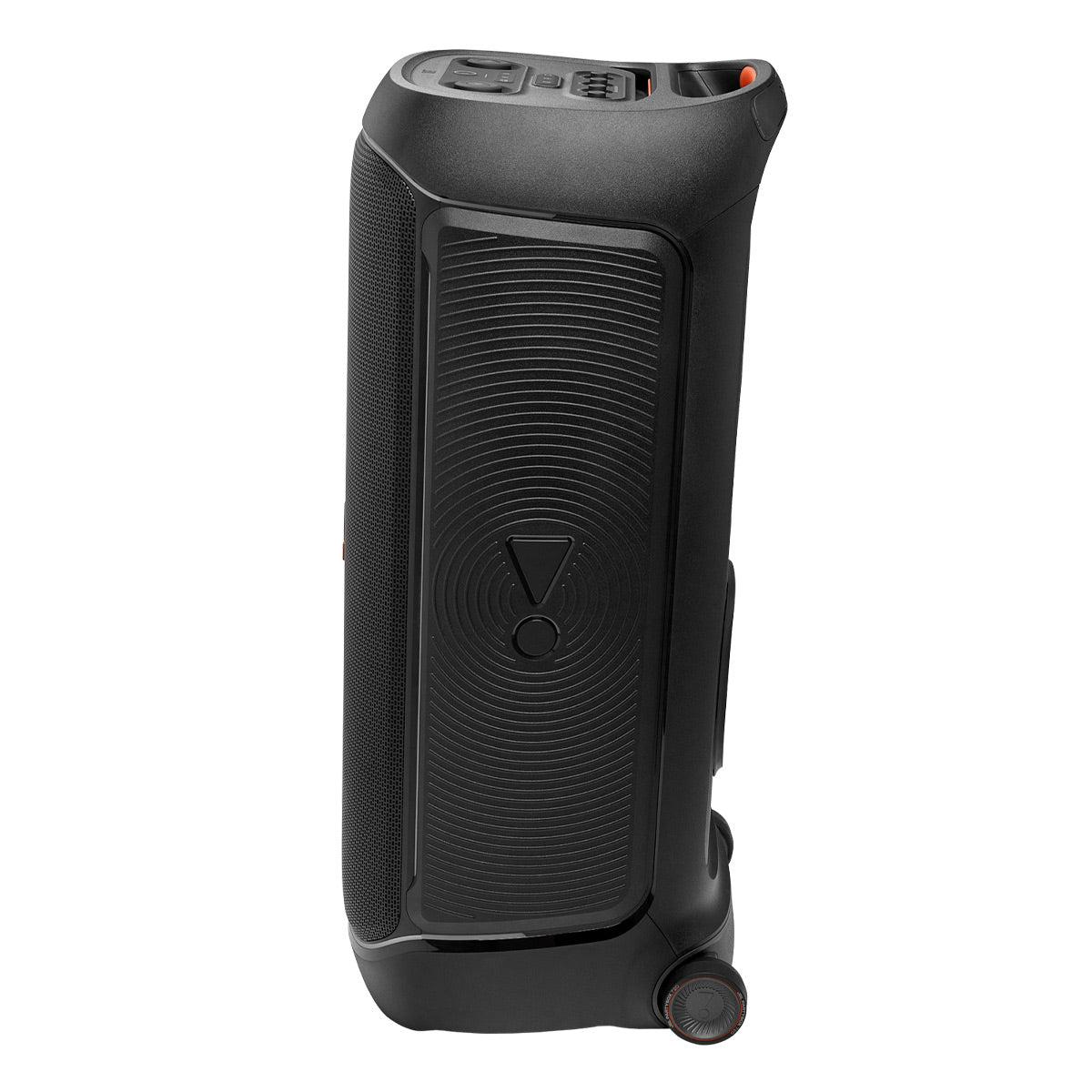
The JBL PartyBox 720 at 68.3 pounds and nearly three feet tall is technically portable thanks to its built-in wheels, but it's more like rolling luggage than something you'd casually move around. Once you set it up for an event, it's probably staying there. The wheels help during initial setup, but this isn't a speaker you'll reposition throughout the evening.
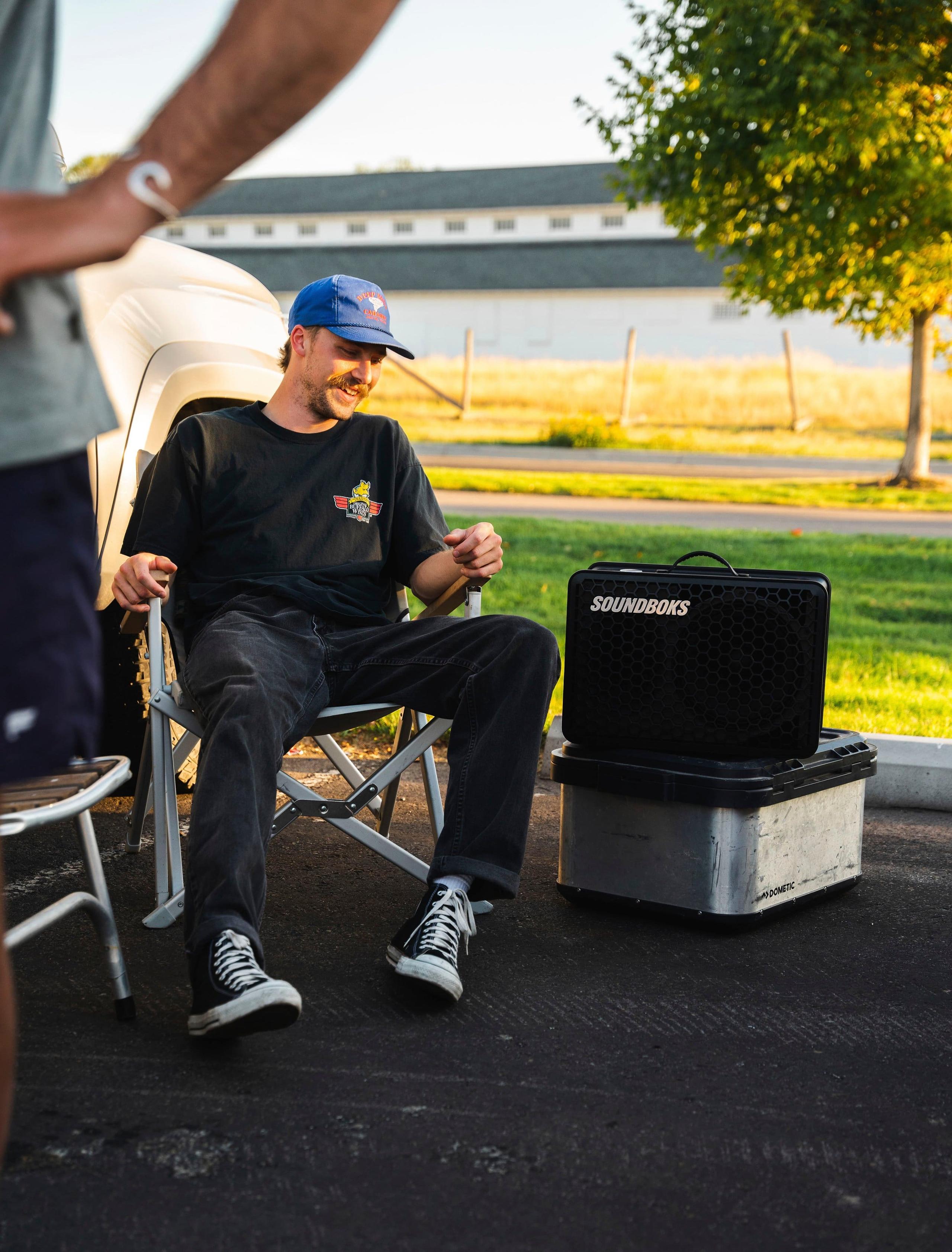
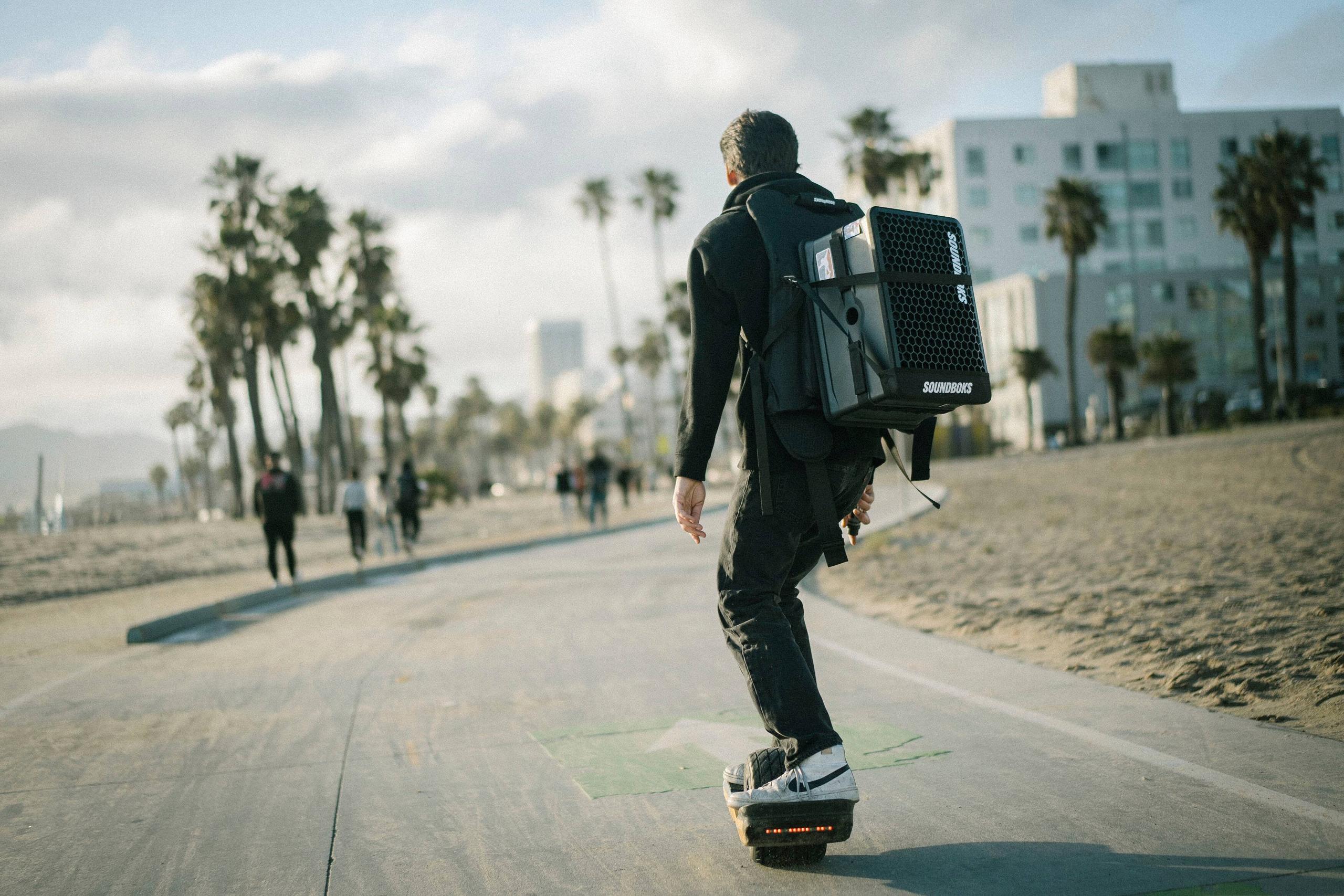
This difference affects how you use each speaker. The Soundboks works for beach trips, camping, rooftop parties, or any situation where you might need to move locations. The JBL works better for backyard parties, poolside events, or anywhere you can establish a "base camp" for your audio setup.
Both speakers are built for outdoor use, but with different levels of protection. The Soundboks Go carries an IP65 rating, which means it's completely dustproof and can handle water jets from any direction. The reinforced ABS and polycarbonate construction with silicone bumpers means it can survive being dropped or knocked over without damage.
The JBL PartyBox 720 has an IPX4 rating, which provides splash resistance but isn't as comprehensive as the Soundboks. It can handle poolside splashing or light rain, but you wouldn't want to leave it out in a downpour.
This is where the JBL PartyBox 720 really differentiates itself. The integrated LED light show isn't just decoration—it's synchronized to your music with multiple modes like "Rhythm," "Pulse," and "Party." These lights span the entire front panel and create a 360-degree visual experience that transforms any gathering into more of an event.
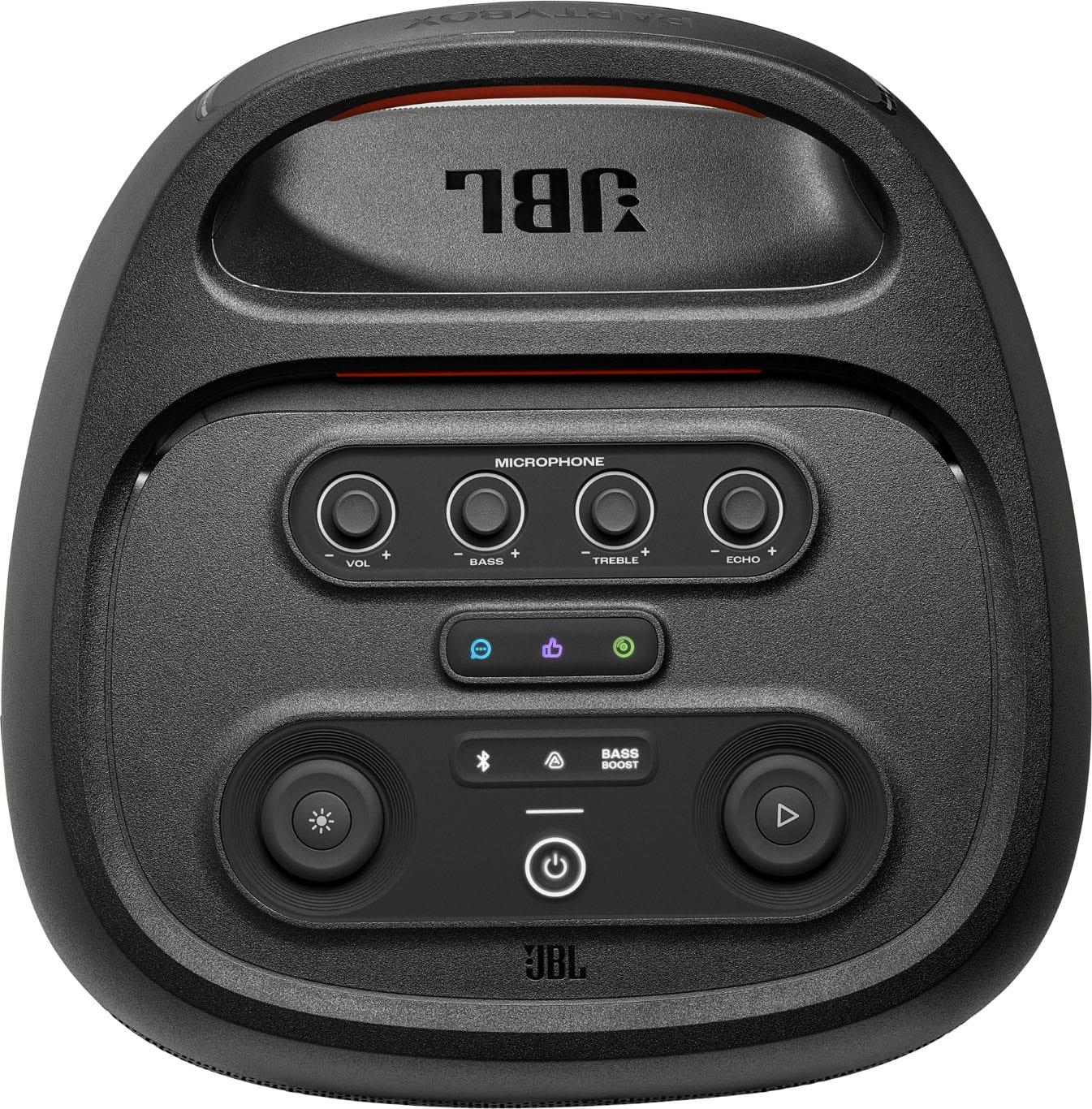
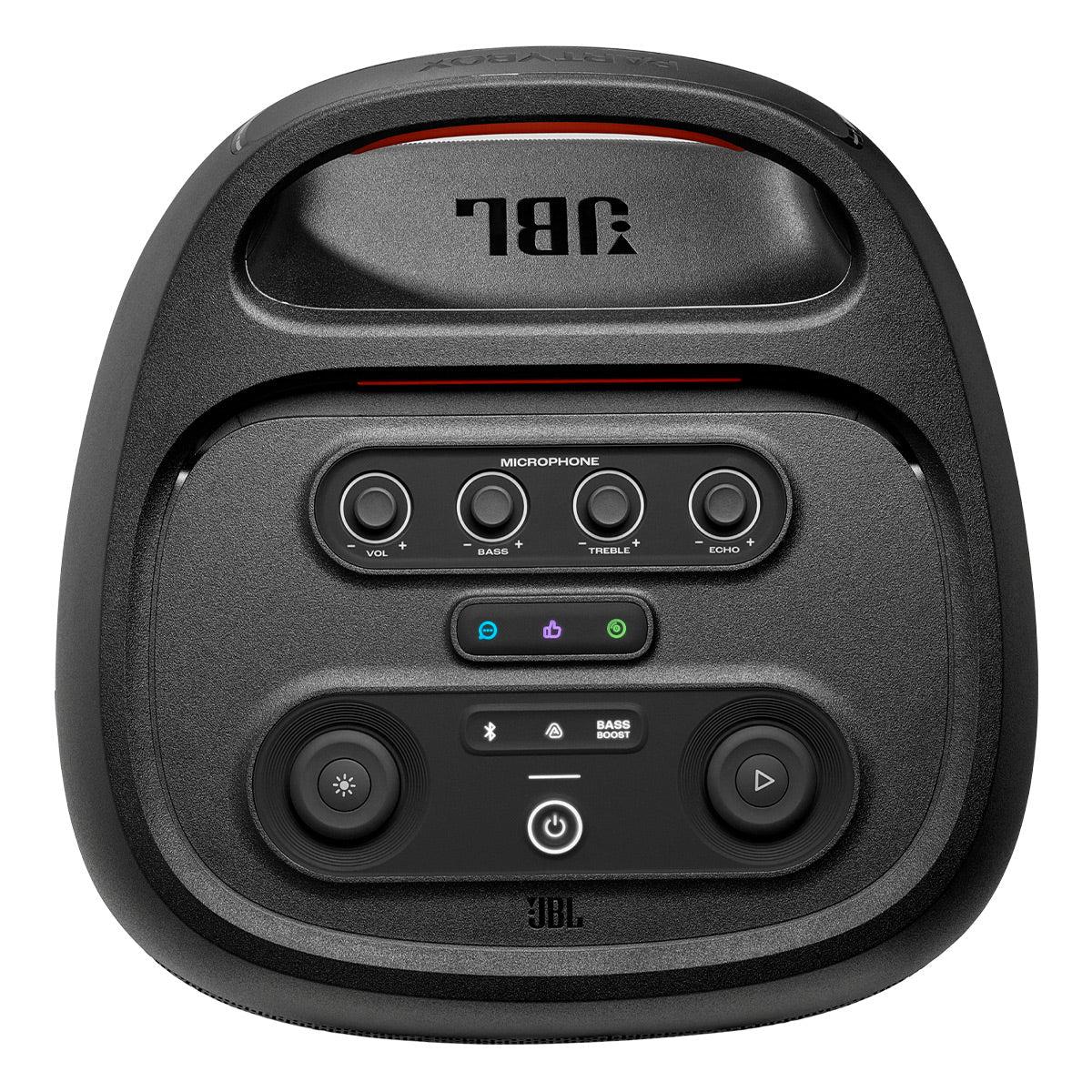
The built-in karaoke functionality goes beyond just plugging in a microphone. The JBL includes dedicated microphone processing with echo and reverb effects, separate volume controls, and the ability to mix your voice with the background music properly. If you've ever tried karaoke with a regular speaker, you know how much better this integrated approach works.
The Soundboks Go takes a more utilitarian approach. It has professional-grade XLR combo inputs (the same connections used in recording studios and live venues) that work better for DJ equipment or live instruments, but it doesn't include any visual entertainment features.
Both speakers support linking multiple units together, but they use different technologies. The Soundboks Go uses SKAA wireless technology through their TeamUP feature, which can connect up to five compatible Soundboks speakers with ultra-low latency. This makes it excellent for DJ use where timing between speakers matters.
The JBL PartyBox 720 uses newer Bluetooth 5.4 with Auracast technology, which allows stereo pairing of two units and can potentially connect to multiple receivers simultaneously. The newer Bluetooth version also provides better range and connection stability.
At similar price points (around $800 at the time of writing), these speakers offer completely different value propositions. The Soundboks Go gives you exceptional battery efficiency, professional audio quality, genuine portability, and superior weather protection. You're paying for engineering that maximizes performance per watt and creates a speaker that works in situations where others can't.
The JBL PartyBox 720 gives you 5.5 times more power output, integrated entertainment features, dual included batteries, and maximum impact for stationary events. You're paying for raw performance and a complete entertainment system rather than just a speaker.
Neither speaker is specifically designed for home theater use, but they can work in large rooms where traditional speakers might not provide enough volume. The Soundboks Go's balanced sound signature makes it more suitable for movie dialogue and varied audio content, while the JBL PartyBox 720's bass-heavy tuning might overwhelm dialogue but could be exciting for action movies.
For dedicated home theater use, both speakers' mono configuration (single-channel audio) limits their effectiveness compared to proper stereo or surround sound systems. However, you could pair two units to create stereo separation.
Choose the Soundboks Go if you value mobility above maximum volume. It's perfect for people who take their speaker to different locations regularly—camping trips, beach outings, rooftop parties, or any situation where you need professional-quality sound but can't guarantee access to power outlets. It's also better for situations where you need clean, accurate audio reproduction for diverse music genres or professional applications.
Choose the JBL PartyBox 720 if you host large gatherings in relatively fixed locations and want maximum impact. It's ideal for backyard parties, poolside events, or anywhere you need to fill a large space with sound and create a party atmosphere. The integrated lighting and karaoke features make it a complete entertainment solution rather than just a speaker.
Since the Soundboks Go launched in 2022, we've seen improvements in battery technology and amplifier efficiency that have allowed other manufacturers to close the gap on battery life. However, the swappable battery system remains unique in this category.
The JBL PartyBox 720, being a 2025 release, benefits from newer Bluetooth 5.4 technology and more advanced LED systems. The fast-charging capability reflects improvements in battery management systems that have become more common across consumer electronics.
After evaluating expert reviews and user feedback, the choice comes down to how you actually plan to use your speaker. The Soundboks Go excels as a true portable performer that prioritizes going anywhere and playing all day. The JBL PartyBox 720 dominates when you need maximum volume and entertainment features for larger, more stationary events.
Both speakers justify their premium pricing in different ways, but neither is the right choice for someone who primarily listens to music at home at moderate volumes. These are specialized tools for specific situations, and choosing the right one depends on honestly assessing whether you value mobility and battery life or maximum power and entertainment features.
For most people who want something they can actually carry to different locations while still getting impressive volume and sound quality, the Soundboks Go represents a better balance of compromises. But if you're planning to host large outdoor events where maximum impact matters more than portability, the JBL PartyBox 720 delivers an experience that smaller speakers simply can't match.
| Soundboks Go | JBL PartyBox 720 |
|---|---|
| Power Output - Determines maximum volume and ability to fill large spaces | |
| 144W RMS (sufficient for medium gatherings) | 800W RMS (fills basketball court-sized venues) |
| Weight & Portability - Critical for transport and setup flexibility | |
| 20 lbs with handle (true single-person portability) | 68.3 lbs with wheels (semi-portable, requires assistance) |
| Battery Life - Key for extended events without power access | |
| 40 hours mid-volume, 10 hours max volume | 15 hours typical use with dual batteries |
| Battery System - Affects operational flexibility and event duration | |
| Single swappable 99.84Wh battery (unlimited runtime with spares) | Dual included 99.02Wh batteries (198.04Wh total capacity) |
| Weather Resistance - Important for outdoor reliability | |
| IP65 (dustproof + water jet resistant) | IPX4 (splash resistant only) |
| Maximum Volume - Affects crowd size and venue coverage | |
| 121 dB (clean reproduction at all levels) | Significantly higher with party-optimized bass response |
| Audio Configuration - Impacts sound quality and frequency response | |
| 1× 10" woofer + 1× 1" tweeter (balanced sound) | 2× 9" woofers + 2× 1.25" tweeters (bass-forward party tuning) |
| Entertainment Features - Added value beyond basic audio | |
| Professional XLR inputs only | Integrated LED light show + karaoke with voice processing |
| Bluetooth Version - Affects connection quality and range | |
| 5.0 with SKAA TeamUP linking (up to 5 speakers) | 5.4 with Auracast stereo pairing technology |
| Charging Speed - Important for quick turnarounds between events | |
| 2 hours full charge | 3 hours full charge (10 minutes = 2 extra hours) |
| Dimensions - Affects transport and storage requirements | |
| 18" × 12" × 10" (fits in most vehicles) | 37.1" × 16.38" × 16" (requires dedicated transport planning) |
| Multi-Speaker Connectivity - Enables larger sound systems | |
| TeamUP SKAA technology (ultra-low latency, professional-grade) | Auracast wireless linking (consumer-focused stereo pairing) |
| Sound Signature - Affects music genre suitability and listening experience | |
| Balanced/neutral (accurate reproduction for all genres) | Bass-heavy party tuning (optimized for dance music and high energy) |
| Professional Inputs - Important for DJ and live music use | |
| 2× XLR/TRS combo inputs (studio-grade connections) | 1× TRS mic + 1× TRS guitar/line (consumer-focused) |
| Power Bank Function - Adds utility for device charging | |
| 10W USB-C output | 30W USB-C output (faster device charging) |
The JBL PartyBox 720 is significantly louder, producing 800W RMS compared to the Soundboks Go's 144W RMS. The JBL can fill basketball court-sized venues while the Soundboks works best for medium outdoor gatherings of 50-200 people.
The Soundboks Go has much better battery life with 40 hours at mid-volume and 10 hours at maximum volume. The JBL PartyBox 720 provides 15 hours of typical use. The Soundboks also features swappable batteries for unlimited runtime.
The Soundboks Go weighs 20 pounds and can be carried by one person, while the JBL PartyBox 720 weighs 68.3 pounds and requires wheels for transport. This makes the Soundboks truly portable versus the JBL being semi-portable.
For small to medium outdoor parties, the Soundboks Go offers better portability and weather resistance (IP65 rating). For large outdoor events requiring maximum volume, the JBL PartyBox 720 provides more power and integrated LED light shows for party atmosphere.
Only the JBL PartyBox 720 has built-in karaoke functionality with microphone processing, echo, and reverb effects. The Soundboks Go has professional XLR inputs but lacks dedicated karaoke features.
The Soundboks Go offers more balanced, accurate sound reproduction suitable for all music genres. The JBL PartyBox 720 uses bass-heavy party tuning that's optimized for dance music and high-energy events but may not suit all musical styles.
Yes, both support multi-speaker setups. The Soundboks Go uses TeamUP technology to connect up to 5 speakers with ultra-low latency. The JBL PartyBox 720 uses Auracast technology for wireless stereo pairing of two units.
The Soundboks Go is more durable with IP65 rating (dustproof and water jet resistant) and reinforced construction. The JBL PartyBox 720 has IPX4 rating (splash resistant) which is adequate but not as comprehensive for harsh conditions.
The Soundboks Go takes 2 hours for a full charge, while the JBL PartyBox 720 takes 3 hours. However, the JBL offers fast charging where 10 minutes provides 2 additional hours of playtime.
Both offer different value propositions at similar price points. The Soundboks Go provides better value for portability, battery life, and audio accuracy. The JBL PartyBox 720 offers better value for maximum power output and entertainment features like lights and karaoke.
Neither speaker is specifically designed for home theater, but both can work in large rooms. The Soundboks Go is better suited for movie dialogue due to its balanced sound, while the JBL PartyBox 720 might overwhelm dialogue but could be exciting for action movies.
The Soundboks Go is ideal for camping and beach trips due to its lightweight design, 40-hour battery life, swappable batteries, and superior IP65 weather protection. The JBL PartyBox 720 is too heavy and less weather-resistant for these activities.
We've done our best to create useful and informative comparisons to help you decide what product to buy. Our research uses advanced automated methods to create this comparison and perfection is not possible - please contact us for corrections or questions. These are the sites we've researched in the creation of this article: bestbuy.com - beachaudio.com - youtube.com - crutchfield.com - digitaldjtips.com - comparisontabl.es - eftm.com - sweetwater.com - bestbuy.com - compsource.com - sweetwater.com - store.djtechtools.com - youtube.com - scheels.com - soundboks.com - connection.com - scheels.com - skaastore.com - thomannmusic.com - soundboks.eu - gearjunkie.com - stereoindex.com - youtube.com - youtube.com - youtube.com - youtube.com - comparisontabl.es - jbl.com - youtube.com - youtube.com - youtube.com - bestbuy.com - versus.com - youtube.com - youtube.com - versus.com - youtube.com - jbl.com - news.jbl.com - engadget.com - news.harman.com - youtube.com - creativeaudio.net - jbl.com - skybygramophone.com - crutchfield.com - manuals.plus - youtube.com

Privacy Policy
Terms and Conditions - Affiliate Policy
Home Security
© Copyright 2008-2026.
11816 Inwood Rd #1211, Dallas, TX 75244