

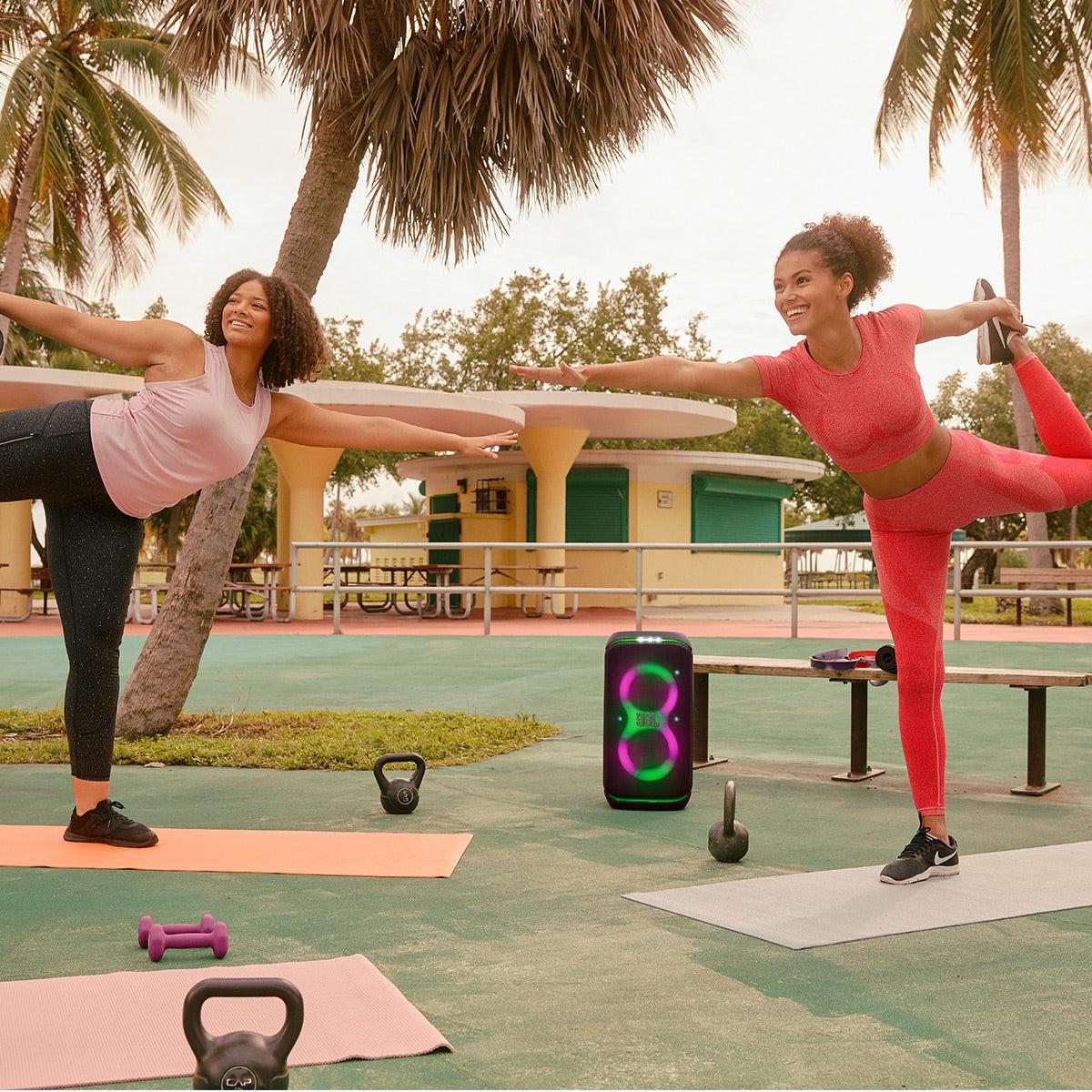
If you've ever tried to host an outdoor party with a regular Bluetooth speaker, you know the struggle. Your music gets swallowed up by wind, conversation, and the general chaos of people having fun. That's where portable party speakers come in – they're the heavy hitters designed to fill large spaces with sound while still being transportable enough to haul to your next event.
Today we're diving deep into two very different approaches to the party speaker game: the Soundboks Go and the JBL PartyBox Club 120. These speakers couldn't be more different in their philosophy, despite serving the same basic need. One prioritizes raw power and endurance above all else, while the other takes a more balanced approach with entertainment features that'll make your gathering feel like a proper celebration.
Before we get into the nitty-gritty comparison, let's talk about what separates party speakers from your average Bluetooth speaker. These aren't designed for quiet background music or critical listening in your living room. Instead, they're built to project sound across large distances, survive outdoor conditions, and keep the energy high for hours on end.
The key considerations that matter most are maximum volume output (measured in decibels or dB), battery endurance, build quality, and how well they handle being moved around constantly. Unlike home audio systems that can rely on wall power, these speakers need to pack everything into a portable package – which means compromises and trade-offs at every turn.
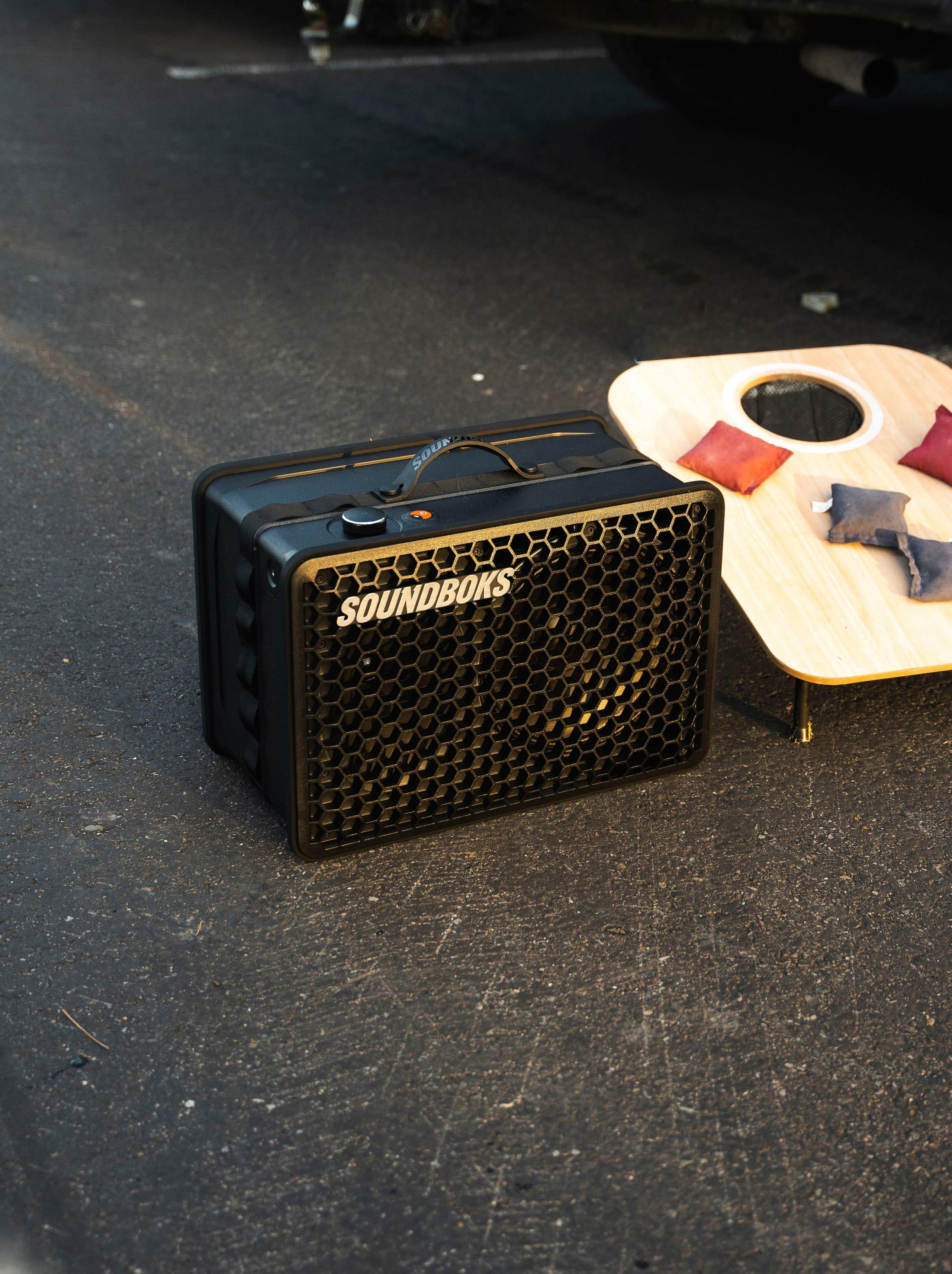
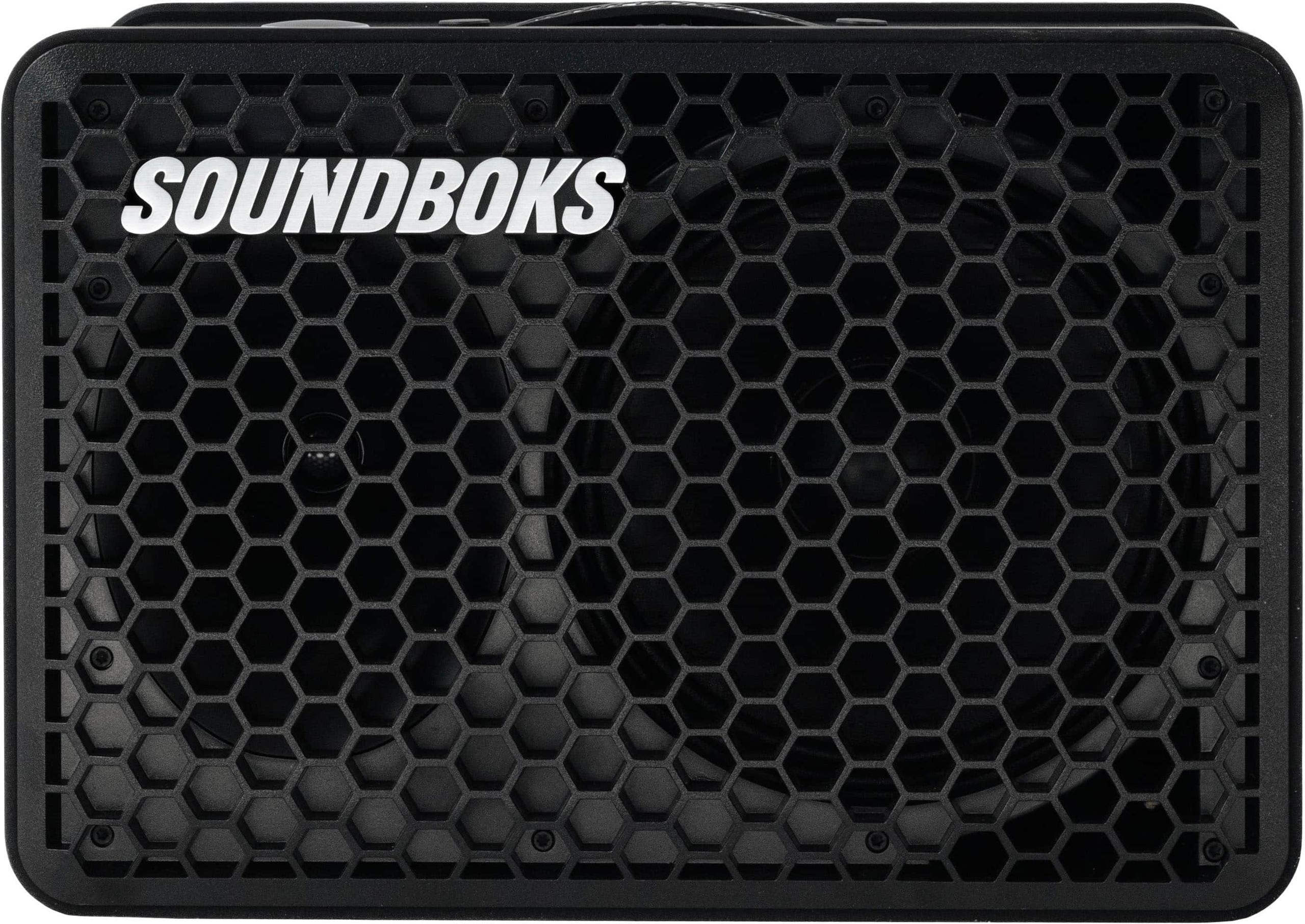
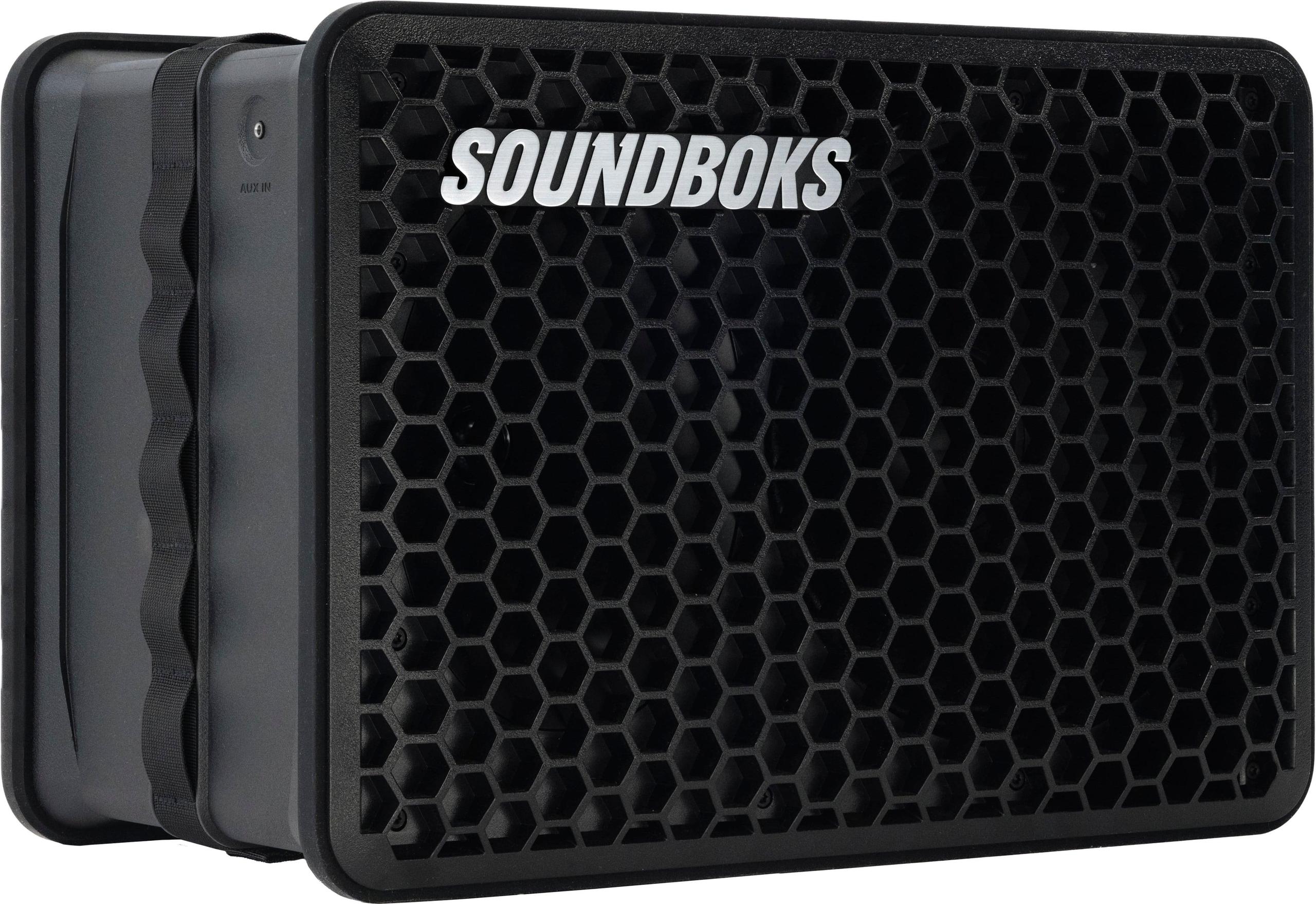
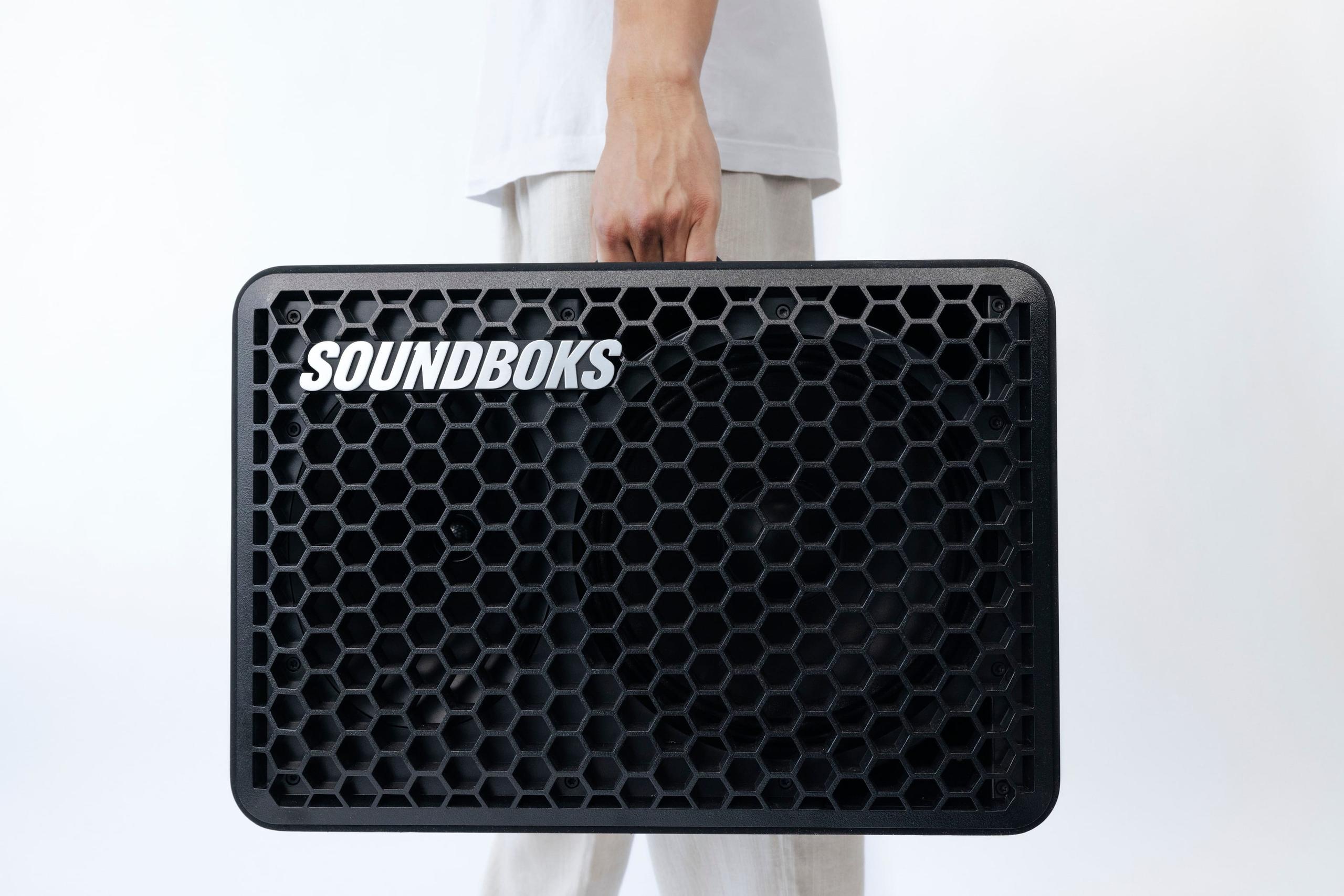
The Soundboks Go, released in 2022, represents the "maximum power" philosophy. At first glance, it looks like it could survive a zombie apocalypse with its reinforced plastic body and rubber bumpers. This Danish company has built their reputation on making speakers that can get absurdly loud while lasting for days on a single charge.
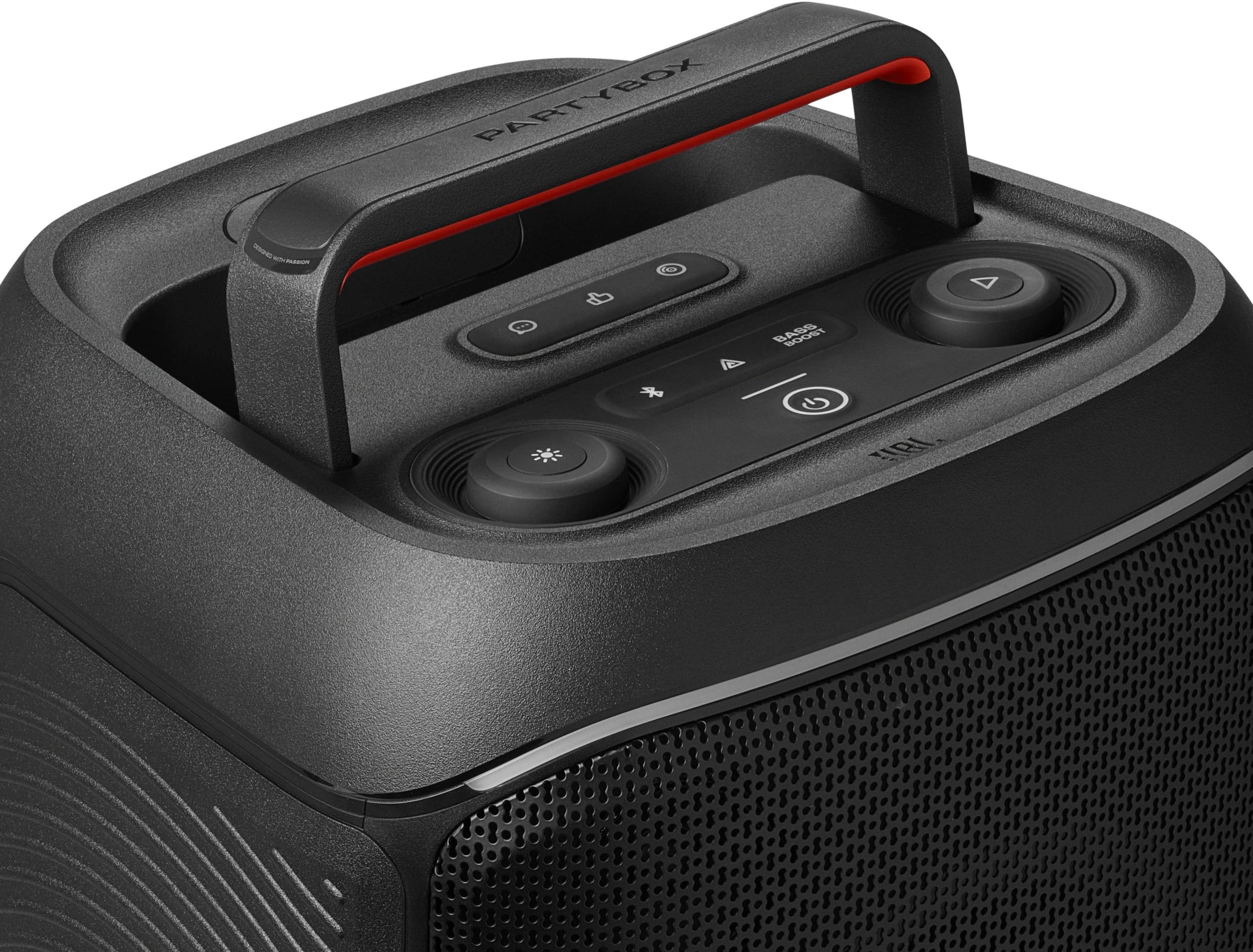
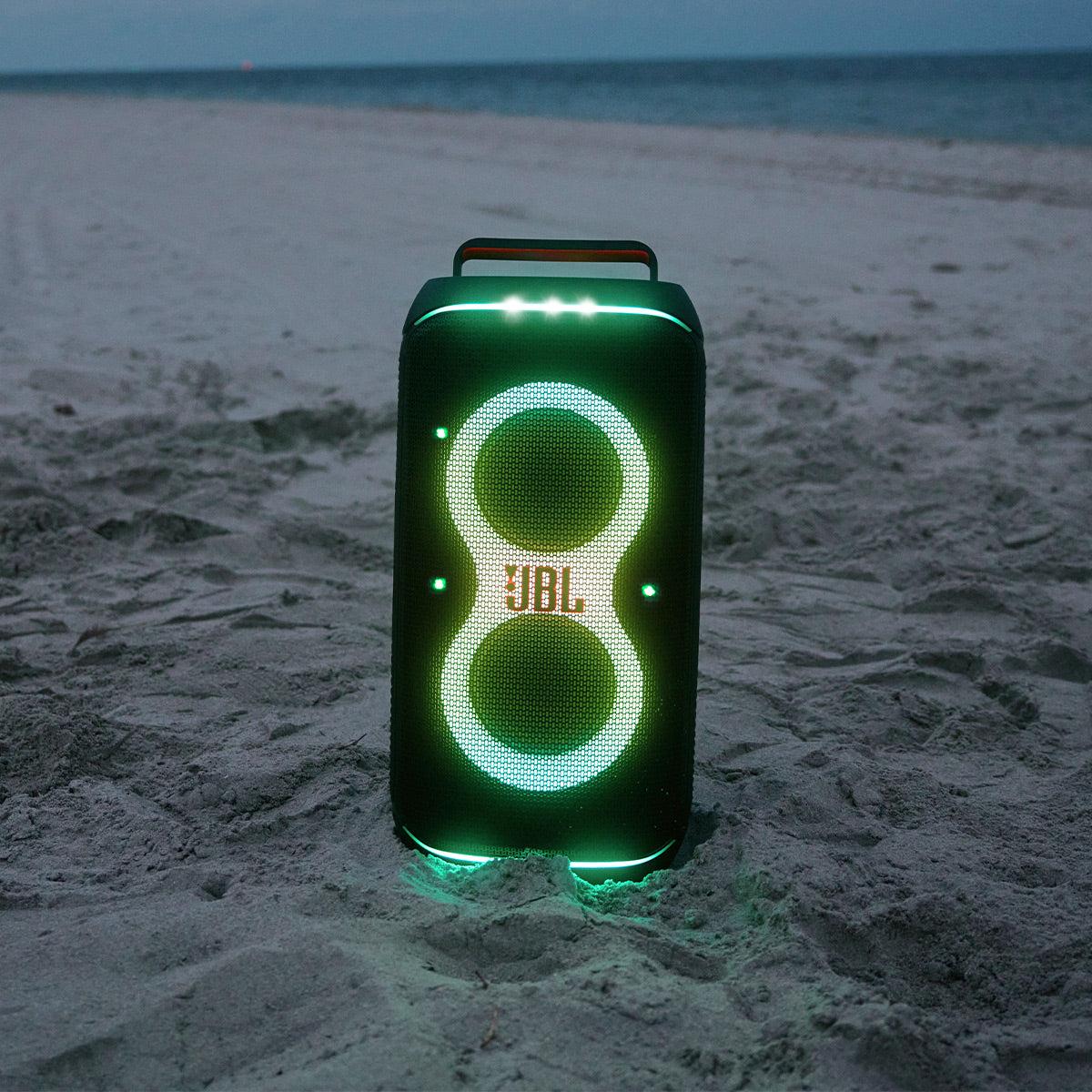
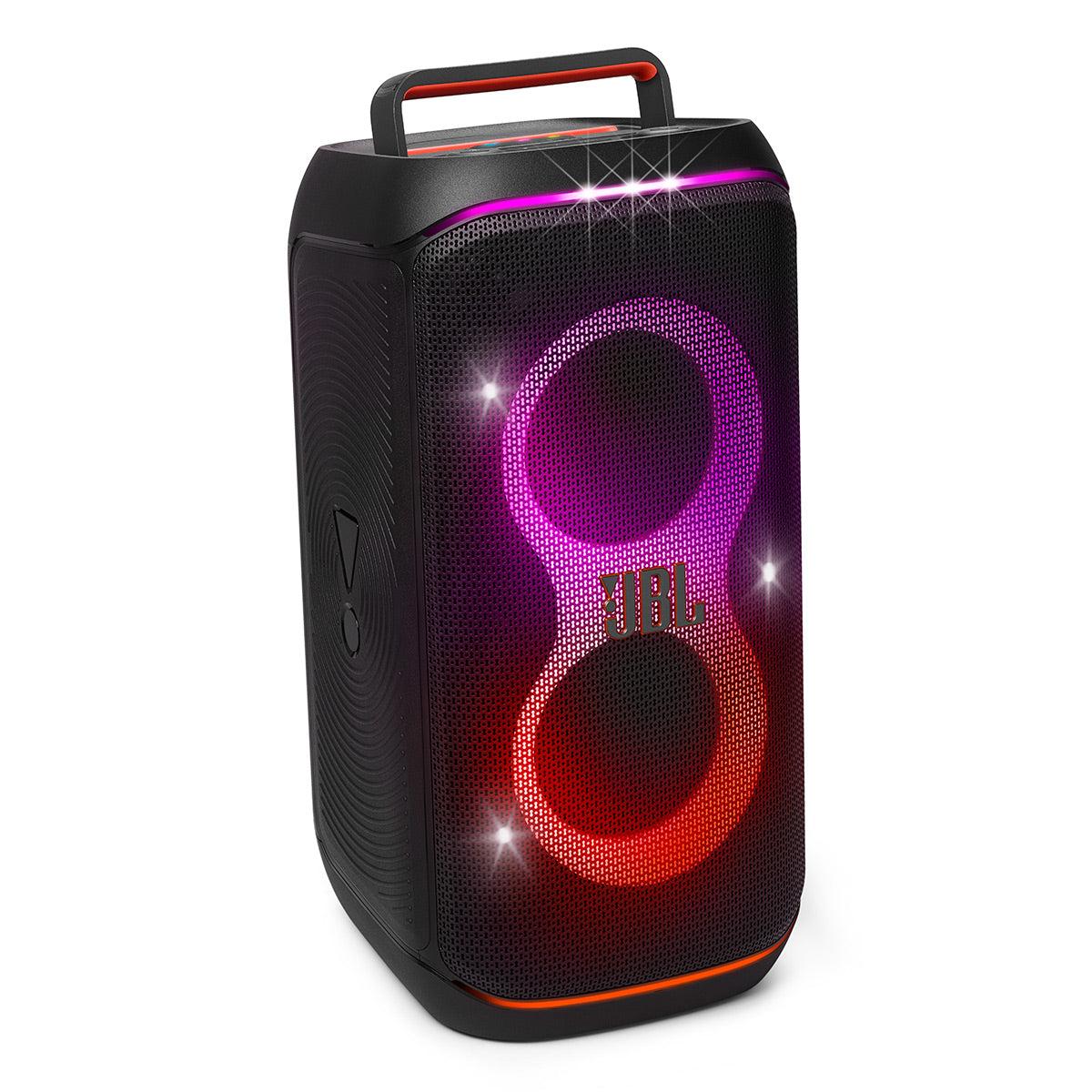
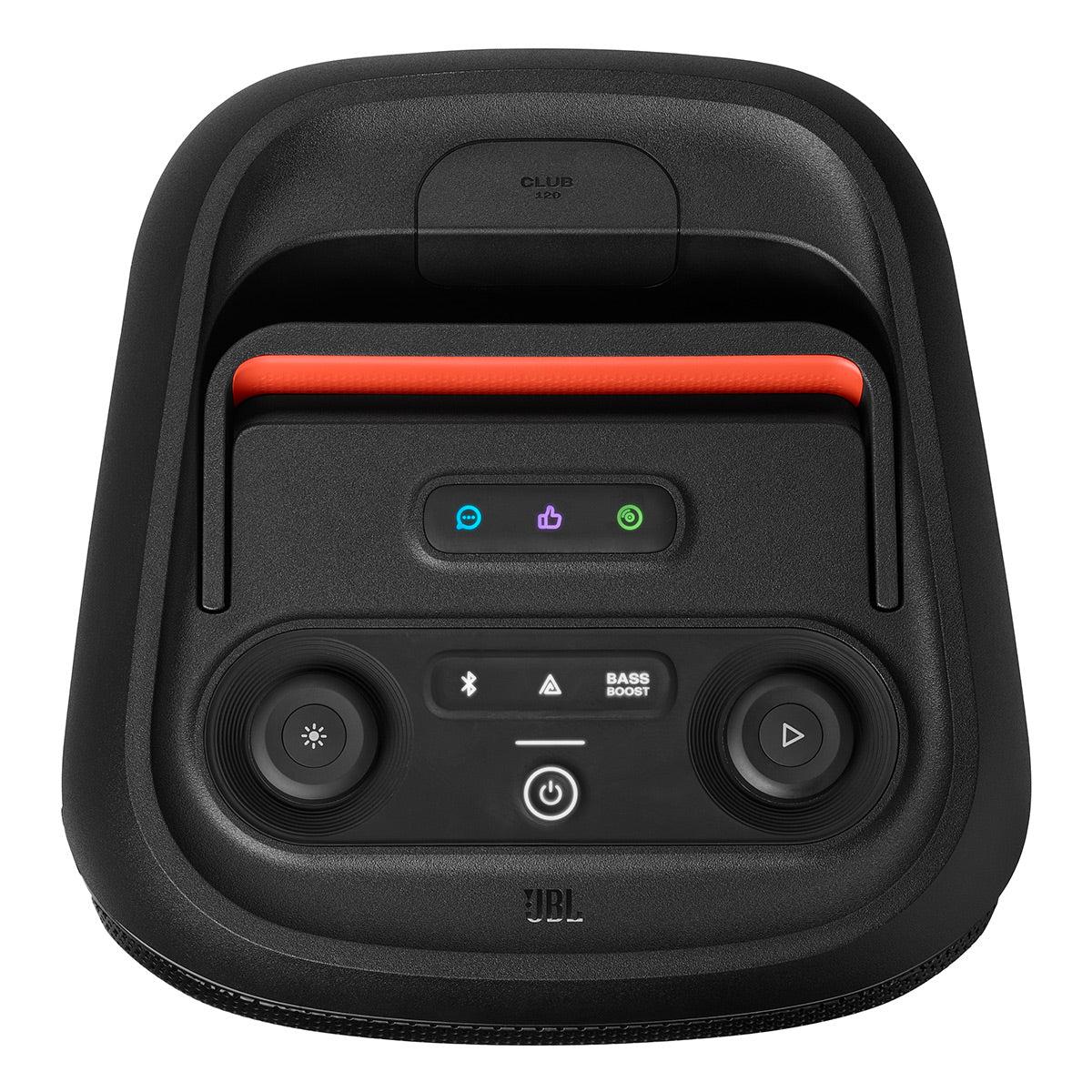
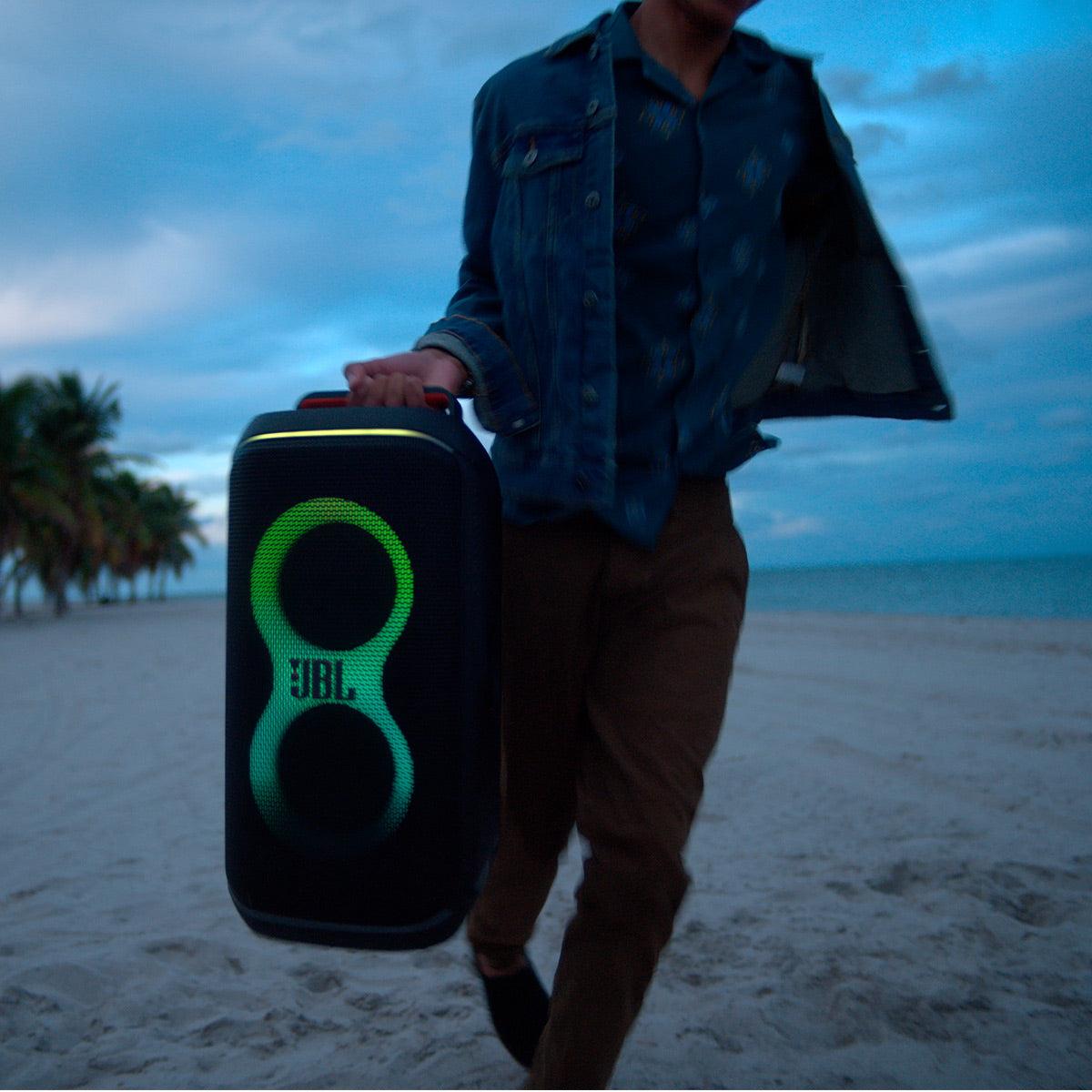
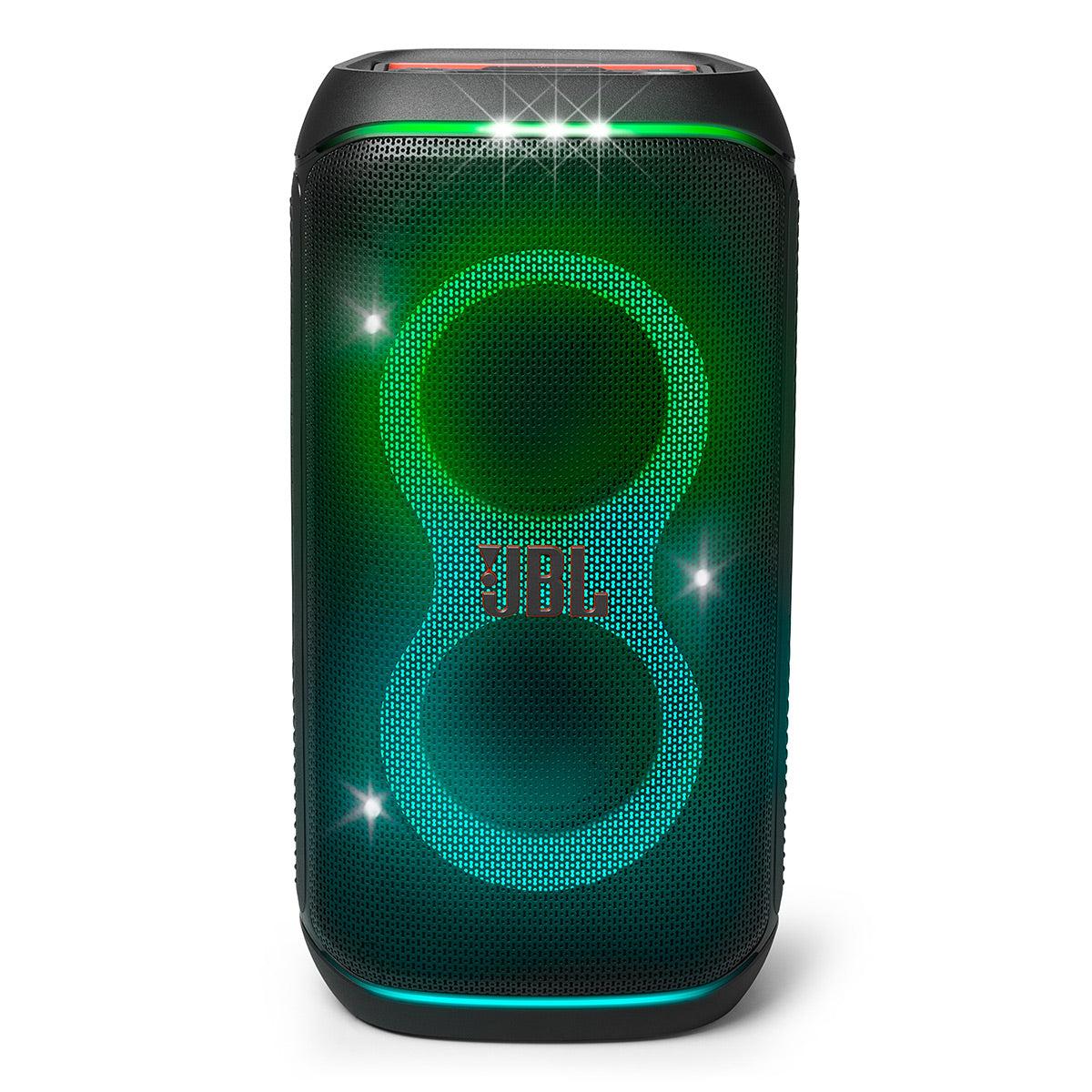
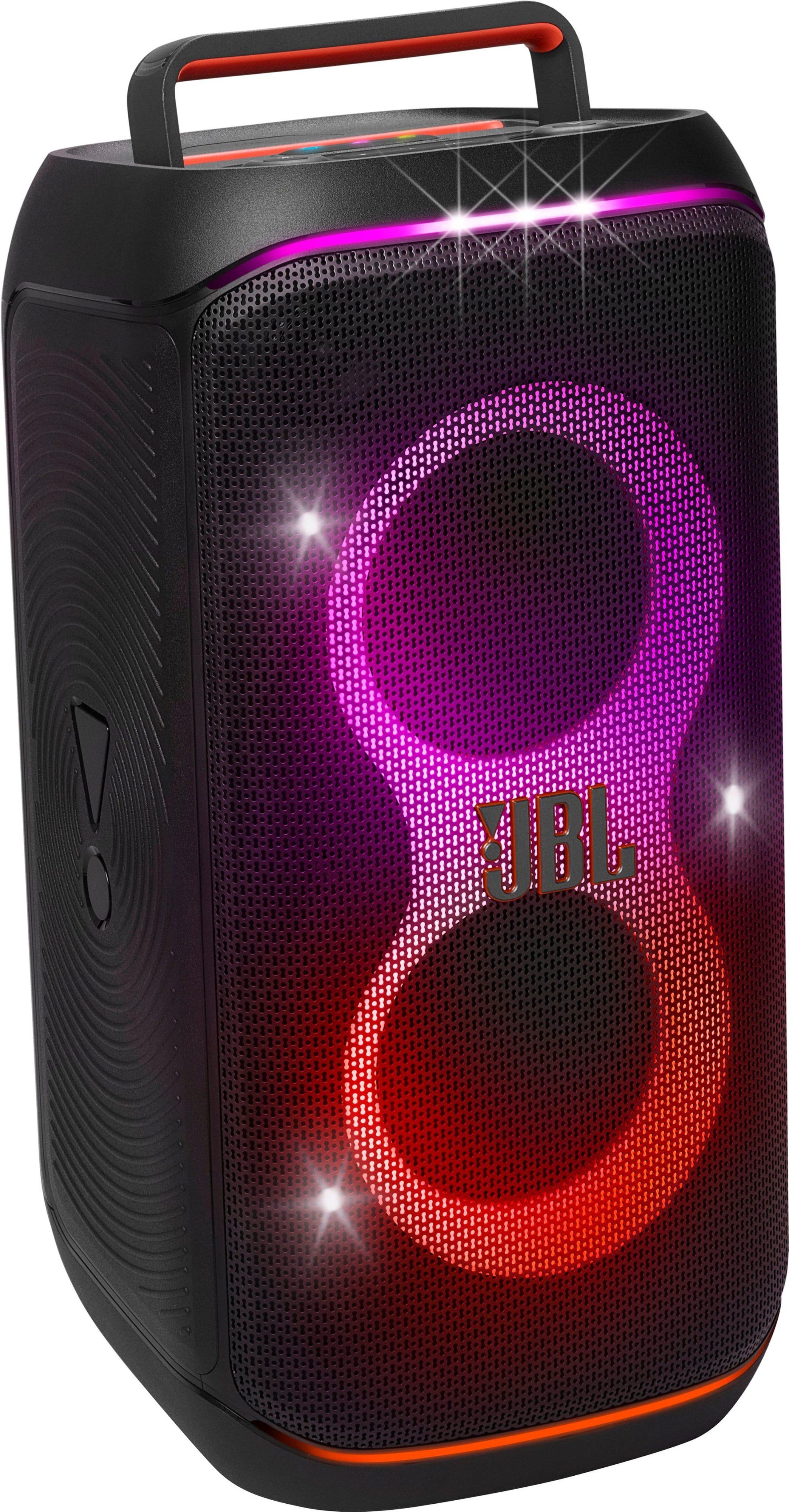
The JBL PartyBox Club 120, launched in 2024, takes a different approach entirely. JBL packed this speaker with features that transform it into a complete party entertainment system – think built-in light shows, microphone inputs for karaoke, and guitar connections for live performances. It's not just about volume; it's about creating an experience.
At the time of writing, the Soundboks Go commands about double the price of the JBL PartyBox Club 120, which immediately raises the question: what exactly are you getting for that premium?
When it comes to maximum volume, the Soundboks Go doesn't mess around. It can hit 121 decibels (dB), which is genuinely ear-splitting territory – we're talking about sound levels comparable to a rock concert or chainsaw. To put that in perspective, every 10 dB increase represents roughly double the perceived loudness, so the difference between 110 dB and 120 dB is massive.
The JBL PartyBox Club 120 doesn't publish its maximum dB rating, but based on our research of user experiences and expert reviews, it reaches impressive volumes that satisfy most party scenarios without quite matching the Soundboks' raw power. What's interesting is how these speakers achieve their volume differently.
The Soundboks Go uses a single large 10-inch woofer (the driver that handles bass and midrange frequencies) paired with a 1-inch tweeter (for high frequencies like cymbals and vocals). This setup, combined with 144 watts RMS (root mean square – a measure of continuous power output), creates focused, punchy sound that can cut through outdoor noise effectively.
Meanwhile, the JBL PartyBox Club 120 employs dual 5.25-inch woofers and dual 2.25-inch tweeters powered by 160 watts total. This multi-driver approach spreads the workload across more speakers, which can result in cleaner sound at high volumes and better frequency distribution throughout the room.
The real-world difference? The Soundboks Go will definitely get louder and project further outdoors, making it the clear winner for large outdoor gatherings or when you need to compete with ambient noise. However, the JBL's approach often sounds more balanced and less strained when pushed hard, thanks to its AI Sound Boost technology that uses real-time analysis to prevent distortion.
Here's where these speakers really show their different personalities. The Soundboks Go is unabashedly bass-heavy, with a sound signature that emphasizes low-end thump over midrange clarity. This makes it phenomenal for electronic music, hip-hop, and other genres where you want to feel the music in your chest. However, this bass emphasis comes at the cost of vocal clarity and instrument separation – the midrange frequencies where most vocals and lead instruments live get somewhat pushed back in the mix.
The JBL PartyBox Club 120 takes a more balanced approach with what audio engineers call a "V-shaped" sound signature – boosted bass and treble with present but not overemphasized midrange. This creates a sound that's still exciting and party-friendly but doesn't sacrifice vocal intelligibility or overall musical balance. Whether you're playing pop, rock, jazz, or electronic music, the JBL maintains better clarity across different genres.
Both speakers offer app-based EQ (equalizer) control, letting you adjust frequency response to taste. The Soundboks provides preset sound profiles including "Bass+," "Power," and "Indoor" modes, while the JBL offers a 5-band graphic equalizer for more precise tuning.
One significant difference is that the Soundboks Go is a mono speaker, meaning it combines left and right audio channels into a single output. The JBL PartyBox Club 120 maintains true stereo separation, creating a wider soundstage and better spatial imaging – you can actually hear instruments positioned across the stereo field rather than everything coming from a single point.
This is where the Soundboks Go absolutely dominates. Its 40-hour battery life at moderate volume levels is simply remarkable in this category. Even at maximum volume, it'll run for 10 hours straight – enough for any single event. This exceptional endurance comes from efficient Class D amplification (a power-saving amplifier design) and a substantial 99.84-watt-hour lithium iron phosphate battery.
More importantly, the Soundboks features a swappable battery system. You can purchase additional batteries and hot-swap them to achieve virtually unlimited runtime. This feature alone justifies the speaker for professional event organizers or anyone hosting multi-day festivals.
The JBL PartyBox Club 120 offers a more typical 12-hour battery life, which covers most single-day events but requires planning around recharge cycles for longer gatherings. While it includes fast charging (10 minutes for 80 minutes of playback), the battery isn't user-replaceable, meaning you're stuck waiting for a recharge when it dies.
Both speakers can function as power banks to charge your phone or other devices, though the Soundboks offers this feature even while playing music, while the JBL requires the speaker to be turned off.
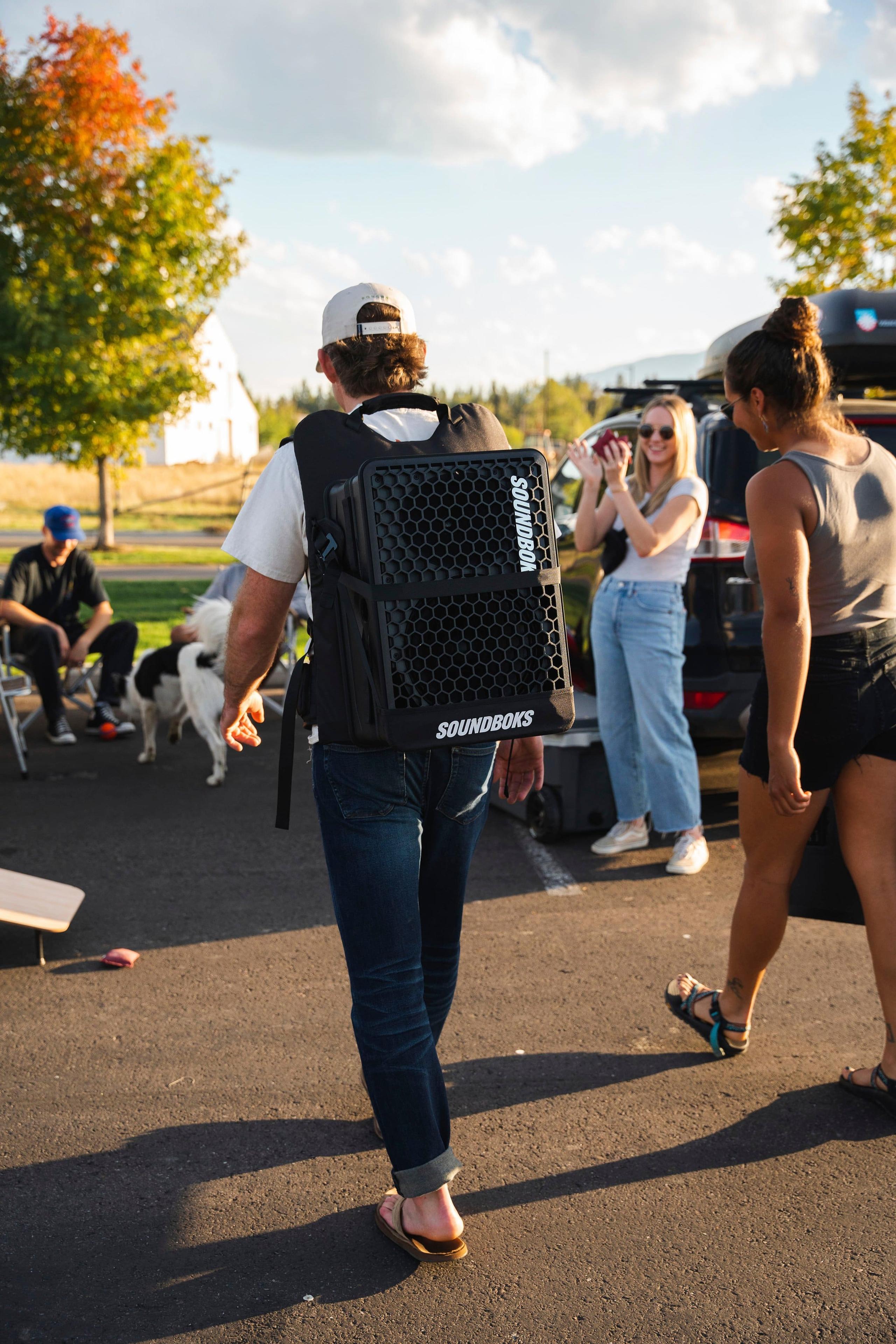
The Soundboks Go is built like a piece of military equipment. Its IP65 rating means the electronics are completely dustproof and can handle direct water jets from any direction – not quite submersible, but close. The reinforced ABS plastic body with polycarbonate reinforcement and full silicone rubber bumpers can handle serious abuse. I've seen these speakers survive drops from tailgates and keep playing without missing a beat.
The JBL PartyBox Club 120 offers IPX4 protection, which means it can handle splashes and rain but isn't designed for direct hosing or submersion. The build quality is solid for normal party use, but it's clearly not engineered for the extreme conditions that the Soundboks can handle.
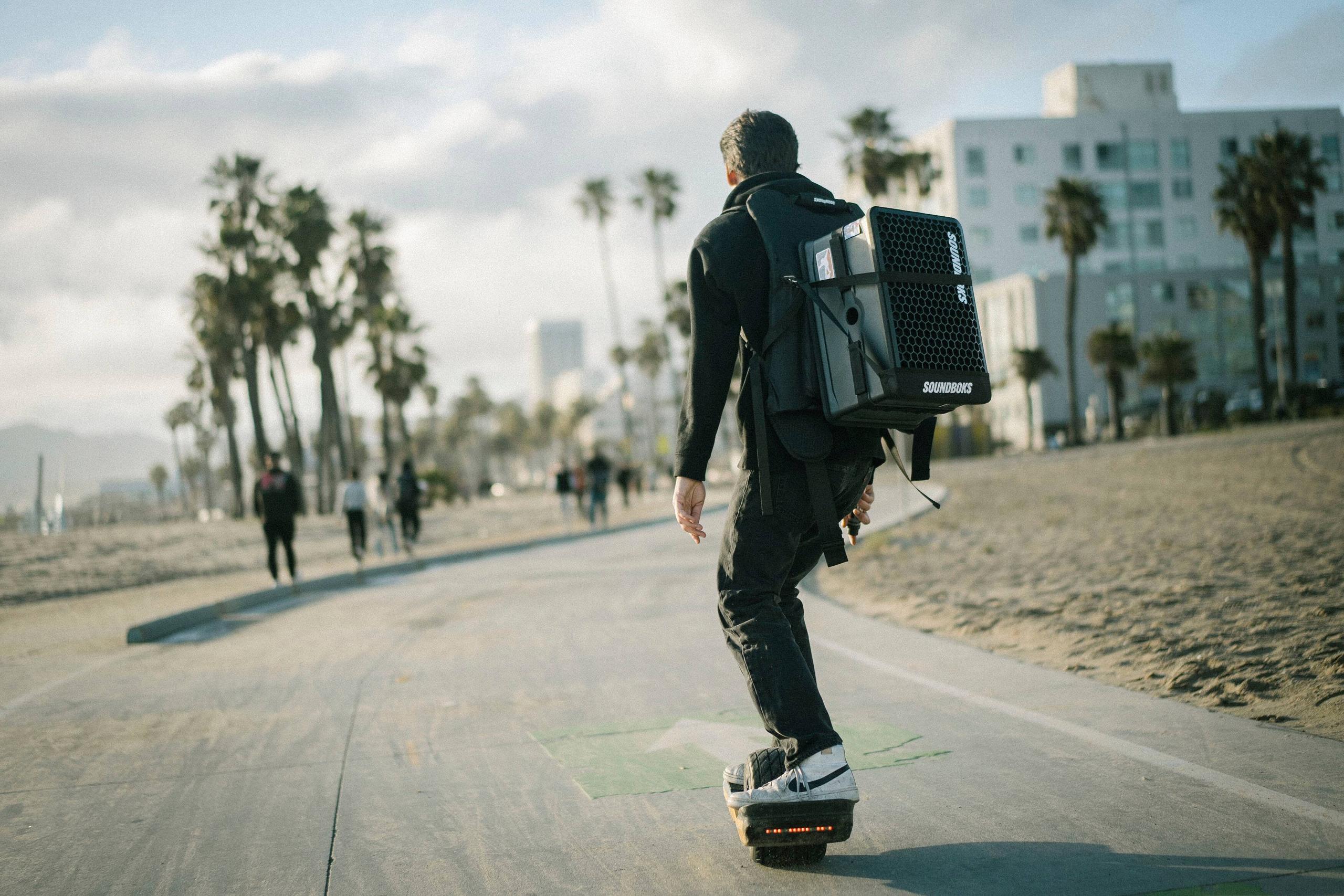
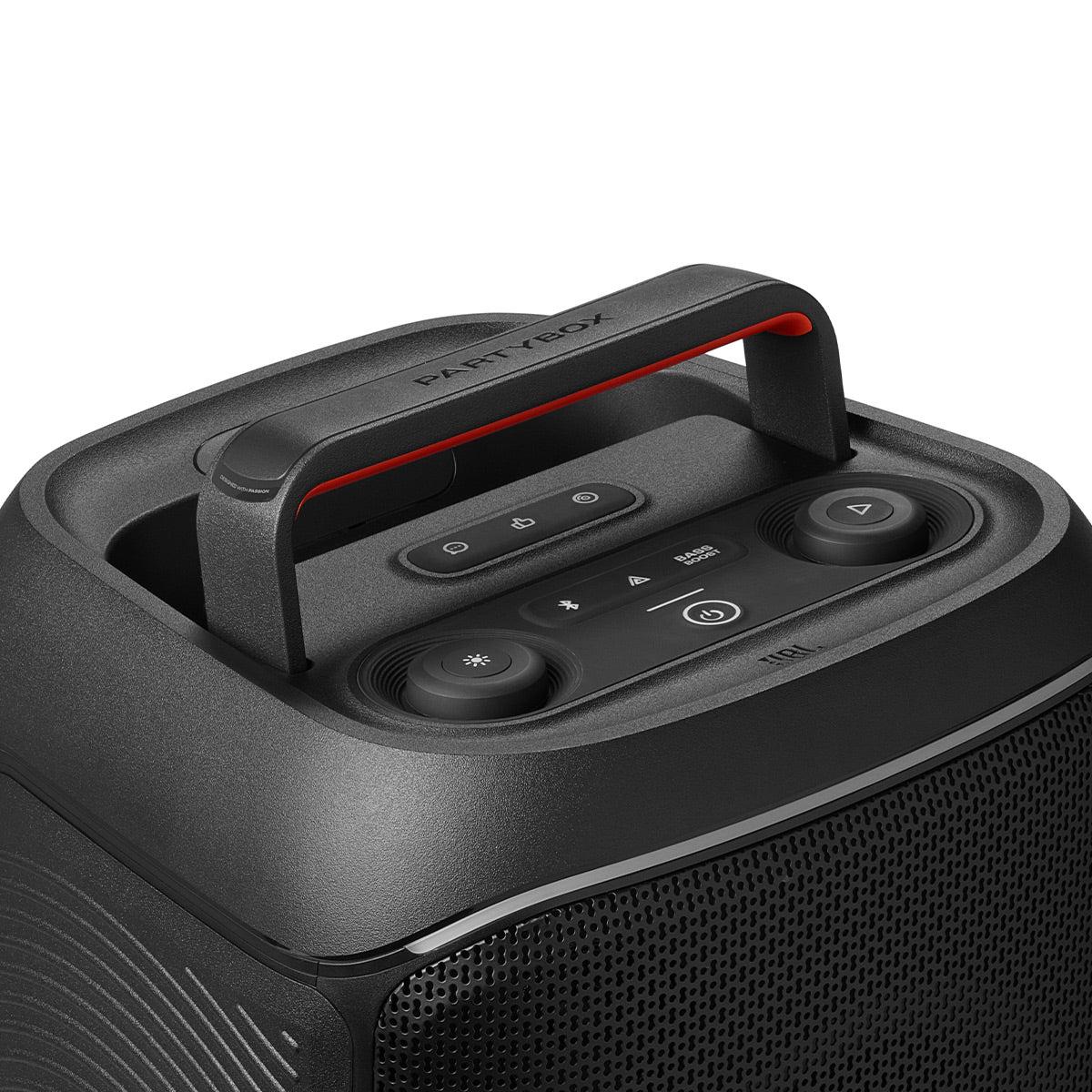
Interestingly, despite its more rugged construction, the Soundboks Go weighs less at about 20 pounds compared to the JBL's 24 pounds. However, the JBL includes a foldable handle that makes carrying more comfortable for shorter distances.
This is where the philosophical differences between these speakers become crystal clear. The Soundboks Go is purposefully minimalist – it does audio extremely well and doesn't complicate things with extra features. You get Bluetooth connectivity, a 3.5mm aux input, and the ability to link up to five units together using their proprietary TeamUP technology for massive sound systems.
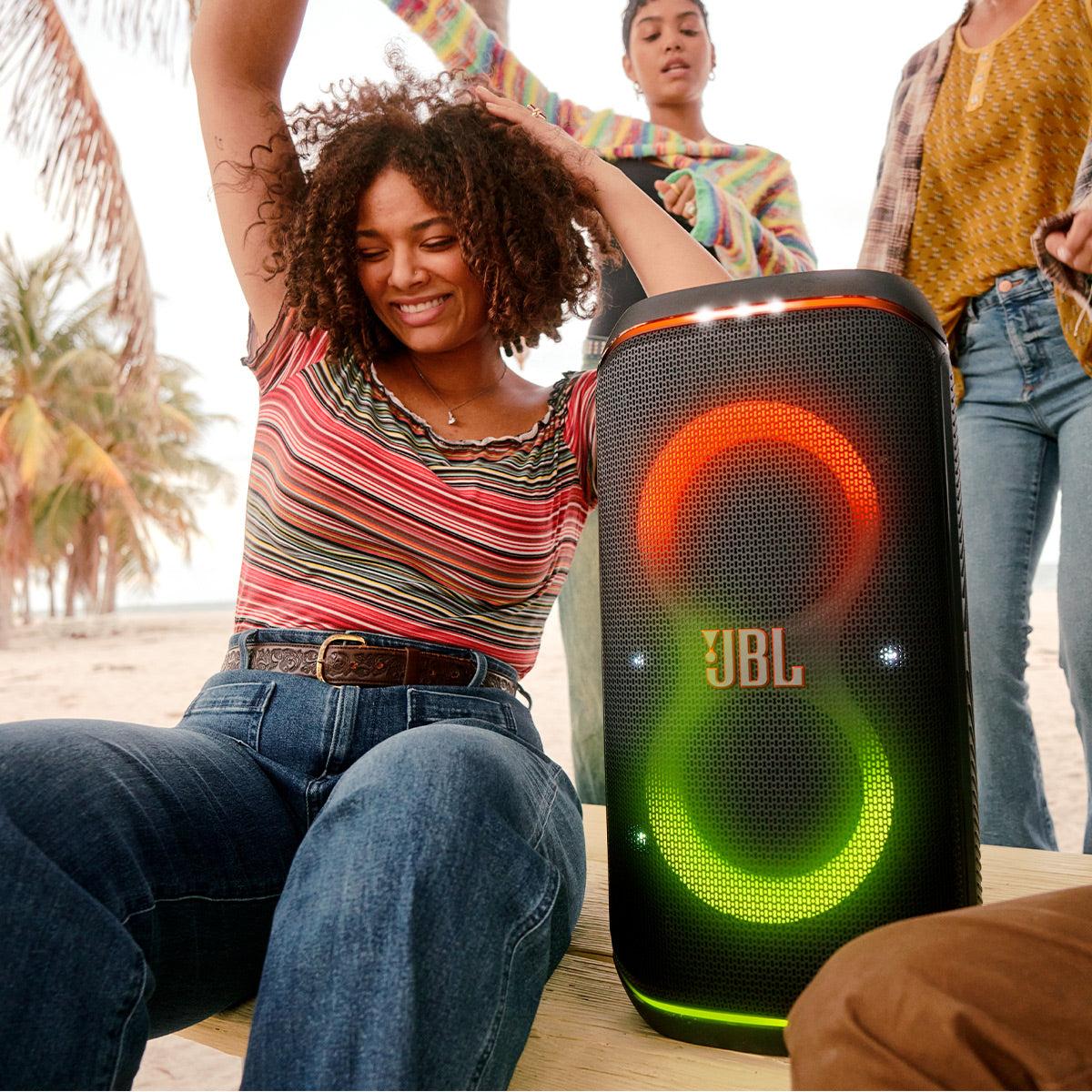
The JBL PartyBox Club 120 is the complete opposite – it's packed with features that transform it into a party entertainment center. The built-in LED light show syncs to your music with customizable patterns, colors, and effects controllable through the JBL app. For anyone who's experienced a proper party with synchronized lights, this feature alone can elevate the entire atmosphere.
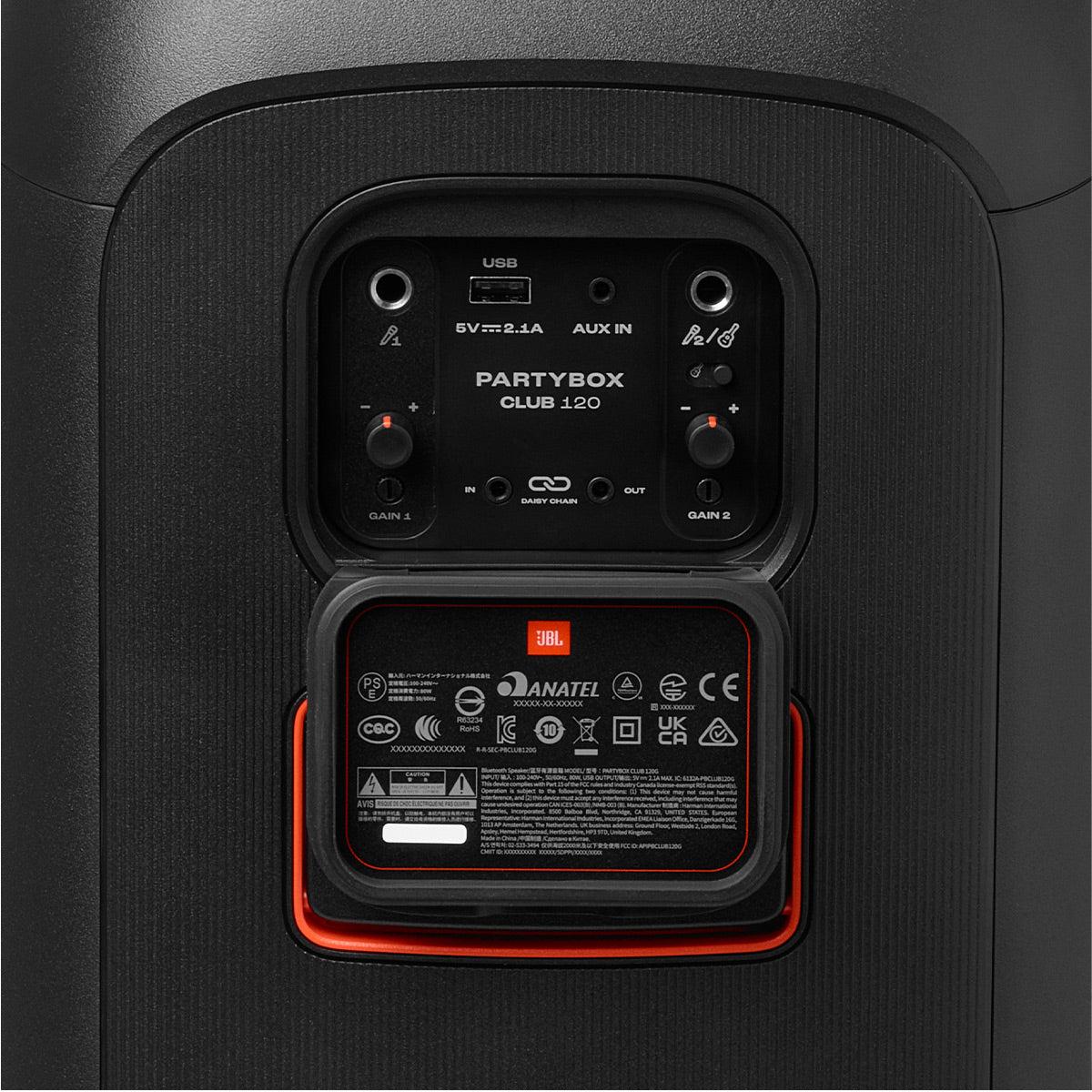
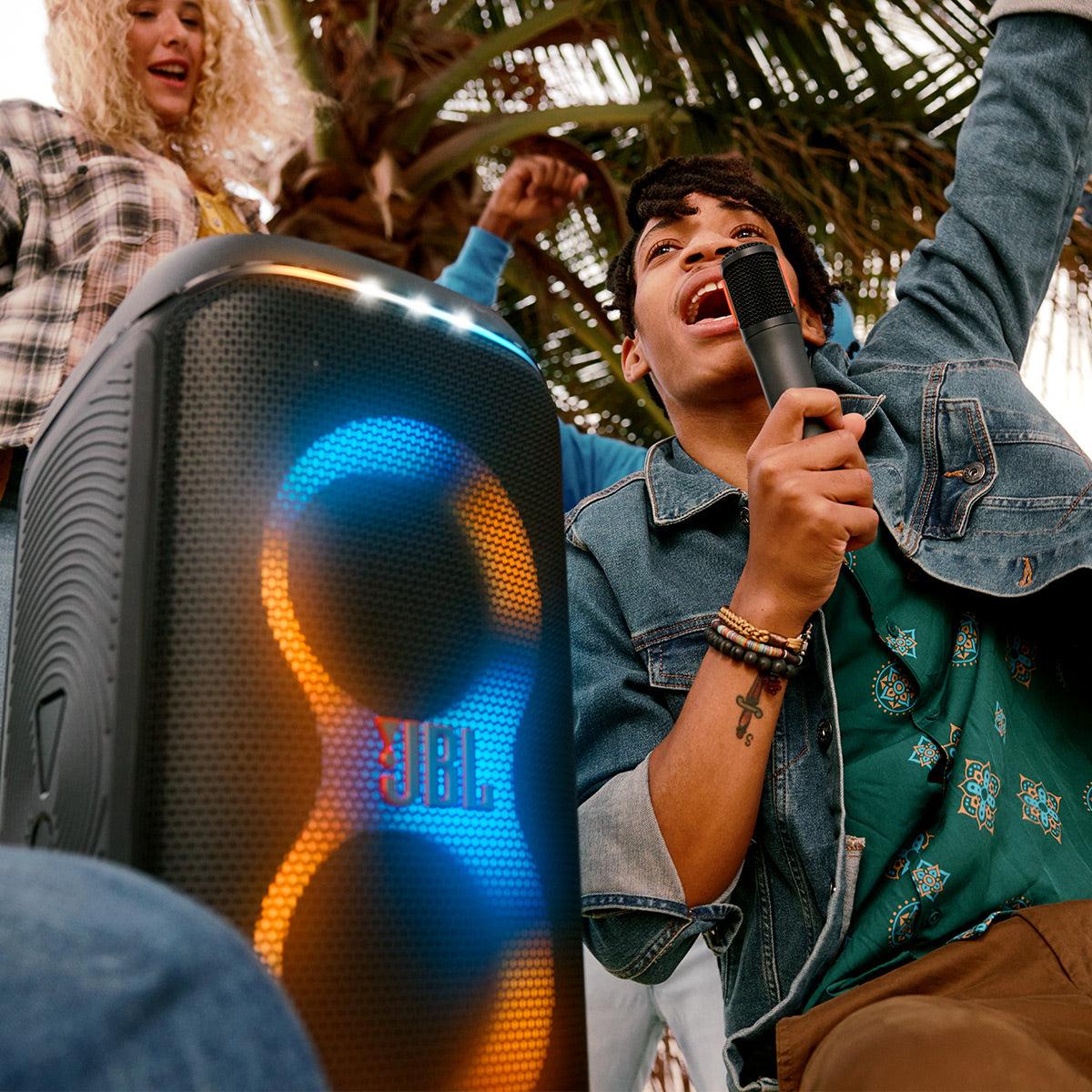
More practically, the JBL includes dual microphone inputs with individual volume controls, making it perfect for karaoke, speeches, or MC duties. The guitar inputs mean musicians can plug directly into the speaker for impromptu performances without needing separate amplification. These inputs use standard 6.35mm (quarter-inch) jacks that work with professional microphones and instruments.
The JBL also supports USB playback from thumb drives, accepting multiple audio formats including high-quality FLAC files. Its Bluetooth 5.4 connectivity is newer than the Soundboks' 5.0, offering better range and the ability to connect two devices simultaneously for seamless DJ handoffs.
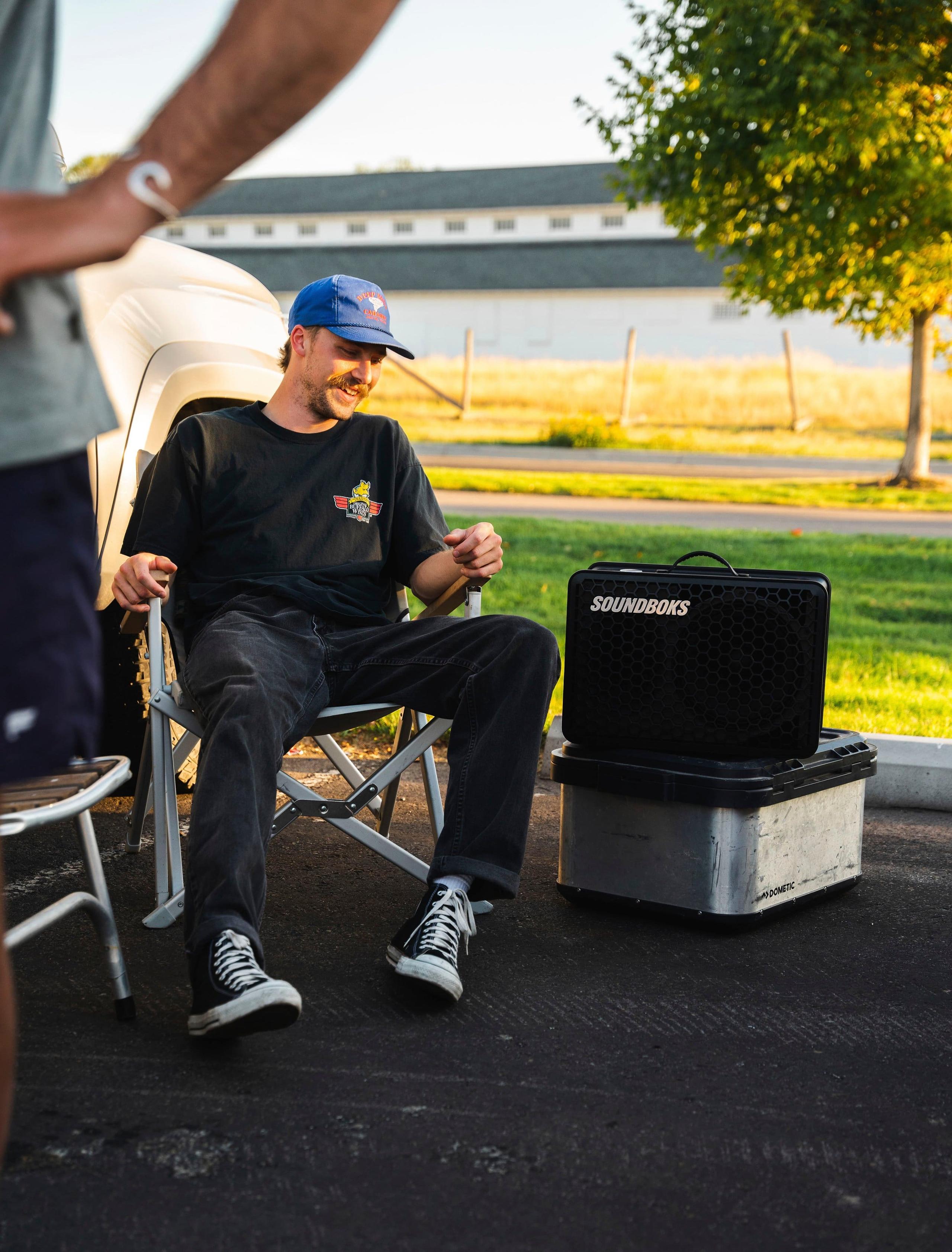
After researching extensive user feedback and expert opinions, clear usage patterns emerge for each speaker. The Soundboks Go excels in scenarios where maximum volume and extended runtime are non-negotiable. Think camping trips where you'll be away from power for days, large outdoor gatherings where you need to fill significant space, or any situation where durability is paramount.
Professional event organizers consistently praise the Soundboks for its reliability and the peace of mind that comes with 40-hour battery life. The swappable battery system means never having to cut an event short due to power constraints.
The JBL PartyBox Club 120 shines in more interactive scenarios. Home party hosts love the karaoke functionality and light show integration. Musicians appreciate being able to plug in directly without additional equipment. The balanced sound quality makes it suitable for more diverse musical content, from dinner party jazz to dance floor bangers.
Neither speaker is primarily designed for home theater use, but the JBL PartyBox Club 120 edges out the Soundboks Go for occasional movie watching. Its stereo output and more balanced frequency response provide better dialogue clarity and spatial audio effects. However, both speakers may exhibit audio lag (latency) when connected via Bluetooth, which can cause sync issues between audio and video – particularly noticeable with Android devices.
For serious home theater use, you'd want a dedicated soundbar or speaker system rather than either of these party-focused options.
Since the Soundboks Go's 2022 release, the portable speaker market has seen improvements in efficiency, connectivity, and digital signal processing. The JBL PartyBox Club 120, being newer (2024), benefits from these advances with its Bluetooth 5.4 implementation, AI-powered sound optimization, and more sophisticated app integration.
However, the Soundboks includes some forward-thinking features like its swappable battery system and extremely robust construction that suggest longer usable life. The company has also continued updating the speaker's firmware, adding features and improvements over time.
At the time of writing, the JBL PartyBox Club 120 represents exceptional value, offering roughly 80% of the audio performance with significantly more features at about half the cost. For most users hosting typical parties, backyard gatherings, or casual outdoor events, the JBL provides everything needed and more.
The Soundboks Go justifies its premium pricing only when its specific advantages – maximum volume, extreme durability, and exceptional battery life – are genuinely required. If you're a professional who needs bulletproof reliability, or you regularly host events where maximum volume is essential, the extra cost makes sense.
Choose the Soundboks Go if you need a speaker that can handle multiple days of continuous use, extreme weather conditions, or situations where maximum volume is non-negotiable. It's the clear winner for serious outdoor enthusiasts, event professionals, and anyone who prioritizes pure audio power over additional features.
Choose the JBL PartyBox Club 120 if you want a complete party entertainment system that balances good sound quality with interactive features like karaoke, light shows, and live performance capabilities. It's the smarter choice for home users, occasional party hosts, and anyone who values versatility over specialization.
The decision ultimately comes down to whether you need a specialized tool for specific demanding scenarios, or a versatile entertainment system that excels across multiple use cases. Both speakers succeed brilliantly at their intended purposes – they just have very different ideas about what a party speaker should be.
| Soundboks Go | JBL PartyBox Club 120 |
|---|---|
| Maximum Volume - Critical for outdoor events and large spaces | |
| 121 dB SPL (extremely loud, can fill large outdoor venues) | Not specified but noticeably quieter (sufficient for most parties) |
| Battery Life - Determines event duration without recharging | |
| 40 hours moderate / 10 hours max volume (exceptional endurance) | 12 hours maximum (requires planning around recharge cycles) |
| Battery System - Affects flexibility for extended events | |
| Swappable battery (purchase spares for unlimited runtime) | Fixed internal battery (no swapping capability) |
| Power Output - Indicates amplifier strength and driver capability | |
| 144W RMS Class D with Merus Audio technology | 160W total with AI Sound Boost processing |
| Driver Configuration - Affects sound quality and frequency response | |
| 1x 10" woofer + 1x 1" tweeter (mono, bass-heavy) | 2x 5.25" woofers + 2x 2.25" tweeters (stereo, balanced) |
| Weather Resistance - Important for outdoor reliability | |
| IP65 rated (dustproof and water jet resistant) | IPX4 rated (splash resistant only) |
| Weight - Affects portability for transport | |
| 20.3 lbs (lighter despite rugged construction) | 24.4 lbs (heavier but includes foldable handle) |
| Sound Signature - Determines musical suitability | |
| Heavy bass emphasis, recessed mids (best for electronic/dance) | Balanced V-shape across frequencies (versatile for all genres) |
| Live Performance Features - Essential for karaoke and musicians | |
| None (audio playback only) | Dual mic + guitar inputs with independent volume controls |
| Entertainment Features - Adds party atmosphere | |
| None (minimalist audio focus) | Customizable RGB lightshow with beat sync + DJ effects |
| Connectivity Options - Affects source flexibility | |
| Bluetooth 5.0 + 3.5mm AUX + TeamUP linking | Bluetooth 5.4 + AUX + USB playback + Auracast pairing |
| Audio Channels - Impacts soundstage width | |
| Mono output (combines stereo to single channel) | True stereo output (maintains left/right separation) |
| Charging Requirements - Affects total cost of ownership | |
| 65W USB-C charger required (sold separately) | AC power cord included in box |
| Multi-Speaker Capability - For scaling up sound systems | |
| TeamUP technology (up to 5 Soundboks units) | Auracast + stereo pairing (JBL compatible units) |
| Build Philosophy - Reflects intended use case | |
| Maximum durability and power (professional/extreme use) | Balanced features and entertainment (home/casual use) |
The Soundboks Go is significantly louder, reaching 121 dB maximum volume compared to the JBL PartyBox Club 120's unspecified but notably lower output. If you need maximum volume for large outdoor events or to cut through ambient noise, the Soundboks Go is the clear winner. However, the JBL PartyBox Club 120 still gets plenty loud for most home parties and backyard gatherings.
The Soundboks Go dominates in battery life with up to 40 hours at moderate volume and 10 hours at maximum volume. The JBL PartyBox Club 120 offers 12 hours maximum playback. Additionally, the Soundboks Go features a swappable battery system, allowing you to purchase spare batteries for unlimited runtime, while the JBL has a fixed internal battery.
Only the JBL PartyBox Club 120 supports karaoke with dual microphone inputs and individual volume controls. It also includes vocal processing features through the app. The Soundboks Go has no microphone inputs, making it unsuitable for karaoke or live vocal performances without additional equipment.
The JBL PartyBox Club 120 offers more balanced sound quality across different music genres with clear vocals and good instrument separation. The Soundboks Go has a heavily bass-focused sound signature that excels with electronic and hip-hop music but may sound muddy with vocals or acoustic music. The JBL also provides true stereo output versus the Soundboks Go's mono configuration.
The Soundboks Go is more weather-resistant with an IP65 rating, meaning it's dustproof and can handle direct water jets. The JBL PartyBox Club 120 has an IPX4 rating, which only protects against splashes and light rain. For harsh outdoor conditions, the Soundboks Go is the better choice.
The JBL PartyBox Club 120 offers exceptional value, providing comprehensive party features, balanced sound quality, and good volume at a significantly lower price point. The Soundboks Go costs roughly double but only justifies the premium if you specifically need maximum volume, extreme durability, or extended battery life for professional use.
The JBL PartyBox Club 120 includes dual guitar/instrument inputs with individual volume and gain controls, making it perfect for musicians. The Soundboks Go has no instrument inputs, so you'd need additional equipment to connect a guitar. For live performances, the JBL is the obvious choice.
Only the JBL PartyBox Club 120 features a built-in customizable RGB lightshow that syncs to your music, with various effects like starry lights, light trails, and strobes controllable via the app. The Soundboks Go focuses purely on audio performance with no visual effects.
Despite being more rugged, the Soundboks Go is actually lighter at 20.3 pounds versus the JBL PartyBox Club 120's 24.4 pounds. However, the JBL includes a foldable ergonomic handle for easier carrying. Both are substantial speakers that require two hands to transport comfortably.
Neither speaker is designed for home theater use, but the JBL PartyBox Club 120 is better suited due to its stereo output, balanced sound signature, and better dialogue clarity. Both may have Bluetooth latency issues that cause audio-video sync problems when watching movies. A dedicated soundbar would be better for serious home theater applications.
The Soundboks Go uses TeamUP technology to wirelessly link up to 5 units together. The JBL PartyBox Club 120 supports Auracast multi-speaker connections and True Wireless Stereo pairing with another identical unit. Both systems allow you to scale up your sound system, but the Soundboks supports more units in a single network.
For maximum outdoor performance, the Soundboks Go excels with superior volume output, weather resistance, and exceptional battery life. However, the JBL PartyBox Club 120 provides better overall entertainment value with its lightshow, karaoke capabilities, and more balanced sound. Choose the Soundboks for extreme outdoor conditions or the JBL for typical backyard gatherings where features matter as much as volume.
We've done our best to create useful and informative comparisons to help you decide what product to buy. Our research uses advanced automated methods to create this comparison and perfection is not possible - please contact us for corrections or questions. These are the sites we've researched in the creation of this article: bestbuy.com - beachaudio.com - youtube.com - crutchfield.com - digitaldjtips.com - comparisontabl.es - eftm.com - sweetwater.com - bestbuy.com - compsource.com - sweetwater.com - store.djtechtools.com - youtube.com - scheels.com - soundboks.com - connection.com - scheels.com - skaastore.com - thomannmusic.com - soundboks.eu - gearjunkie.com - stereoguide.com - armorsound.com - rtings.com - rtings.com - bestbuy.com - youtube.com - soundguys.com - youtube.com - lbtechreviews.com - youtube.com - youtube.com - versus.com - jbl.com - rtings.com - versus.com - ro.harmanaudio.com - dell.com - jbl.com - jbl.com - projectorscreenstore.com

Privacy Policy
Terms and Conditions - Affiliate Policy
Home Security
© Copyright 2008-2026.
11816 Inwood Rd #1211, Dallas, TX 75244