

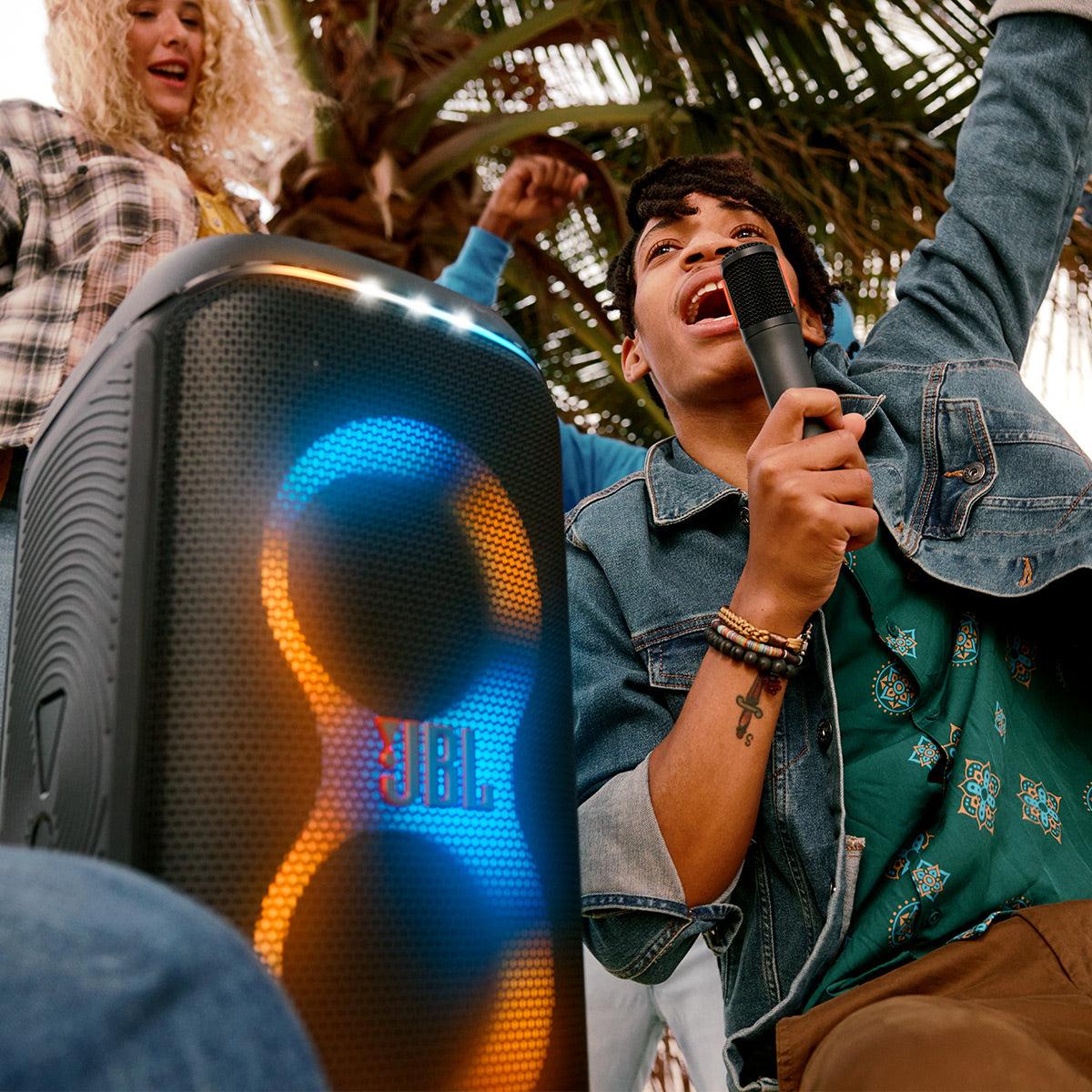
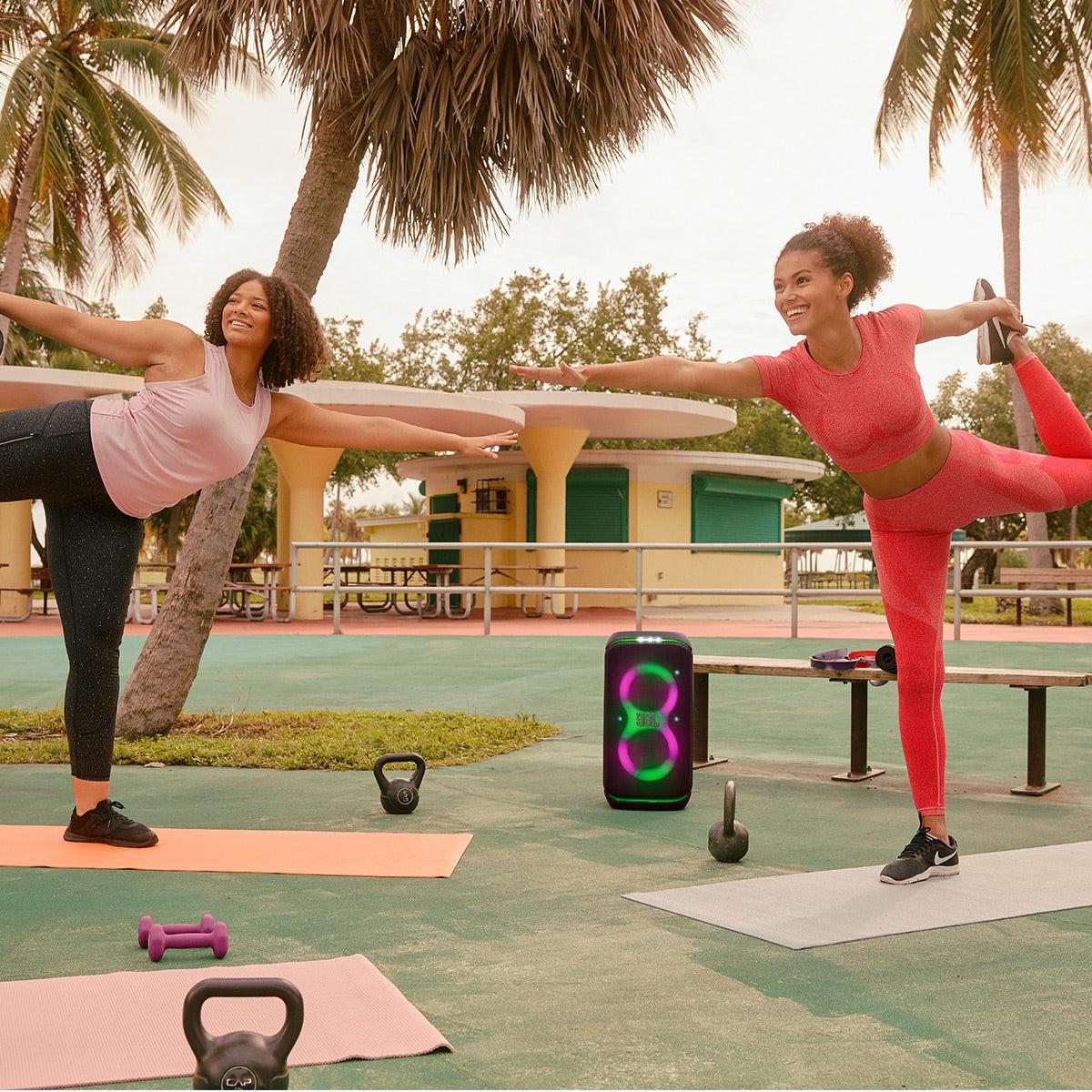

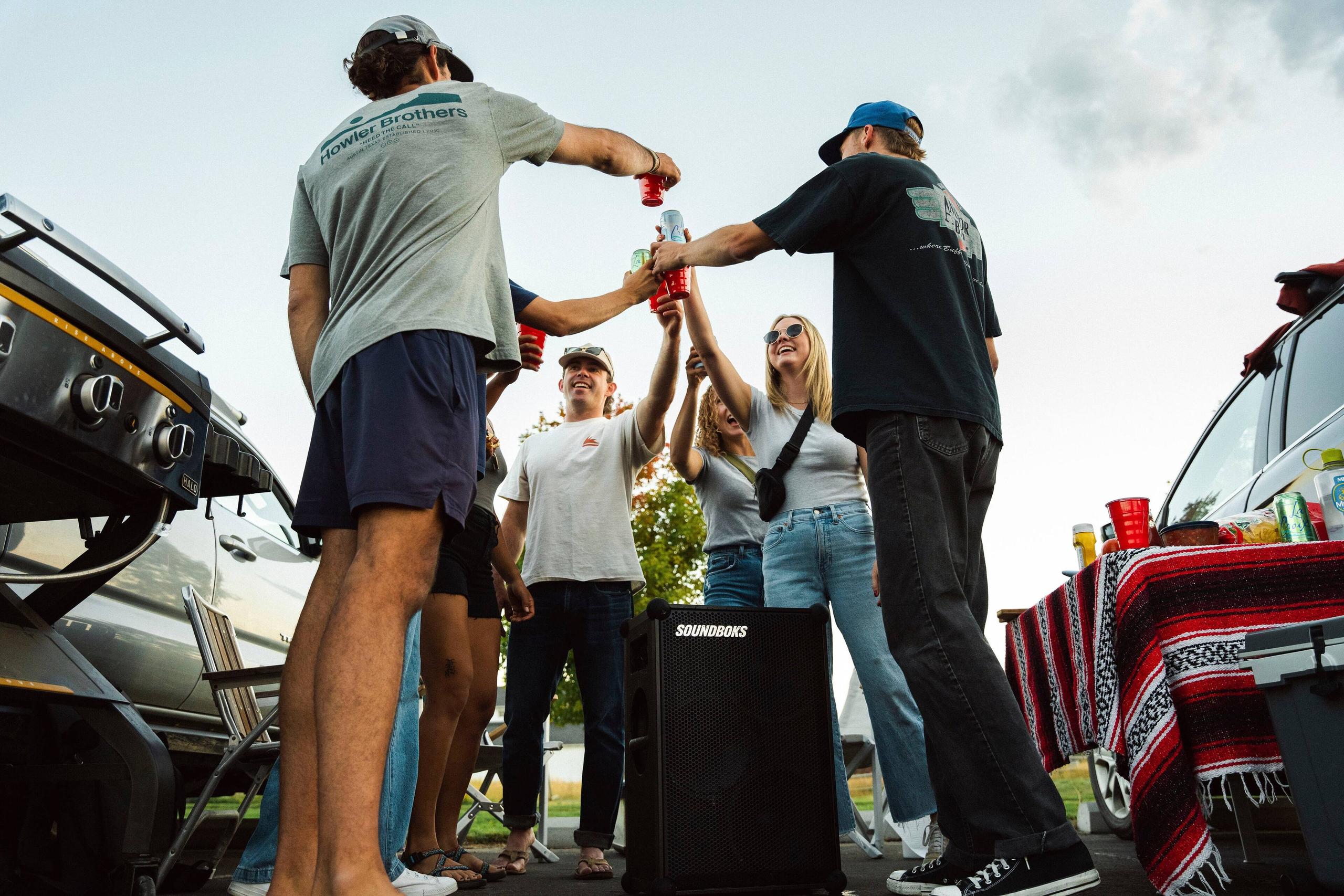
When you're looking for a speaker that can truly fill a space with sound—whether that's your backyard, a beach party, or even a large living room—you're entering the world of portable party speakers. These aren't your typical Bluetooth speakers that sit on a desk. We're talking about speakers designed to pump out serious volume while running on battery power, built to handle the chaos of real-world entertainment.
After diving deep into expert reviews and user feedback from across the audio community, two speakers consistently rise to the top of conversations: the JBL PartyBox Club 120 and the SOUNDBOKS 4. While both excel at getting loud and staying portable, they take remarkably different approaches to achieving those goals.
Before we compare these two speakers directly, it's worth understanding what separates a true party speaker from everything else in your audio arsenal. The core challenge is physics: getting big sound from something you can actually move around. Traditional home speakers achieve great sound by being large and heavy, with dedicated subwoofers handling the low frequencies (bass sounds below about 100 Hz) that make music feel powerful and immersive.
Party speakers have to compress all of that capability into a single unit that you can reasonably transport. This means they need powerful amplifiers (the electronic components that boost audio signals to drive the speaker cones), efficient drivers (the actual speaker cones that move air to create sound), and sophisticated digital signal processing (DSP)—basically computer algorithms that optimize the audio signal before it reaches your ears.
The most important performance characteristics to evaluate are maximum volume output (measured in decibels or dB), battery life under real-world conditions, frequency response (how well the speaker reproduces different pitches), and build quality for long-term reliability. A speaker might claim impressive specs on paper, but how it performs when you're actually using it outdoors, at high volumes, with different types of music, tells the real story.
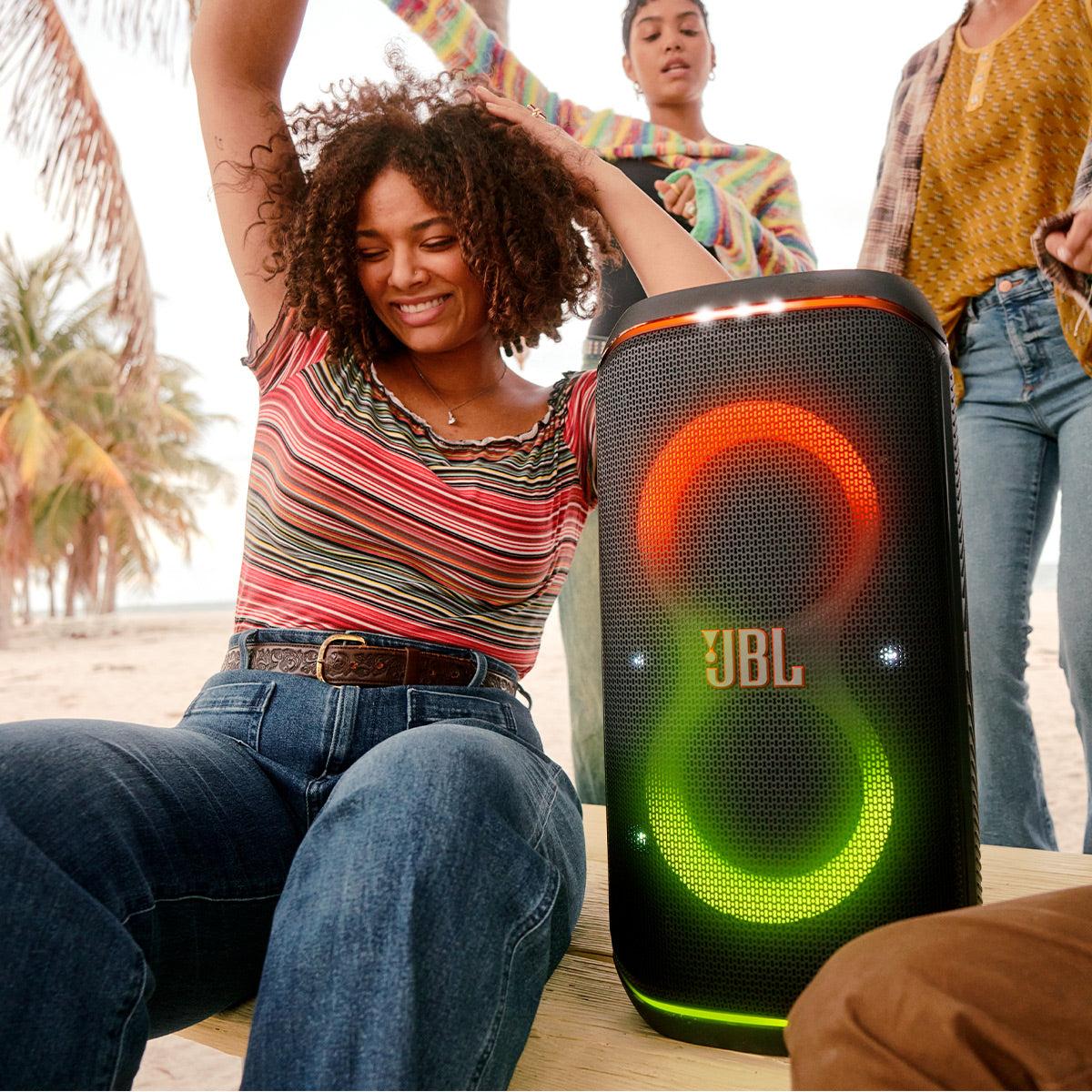
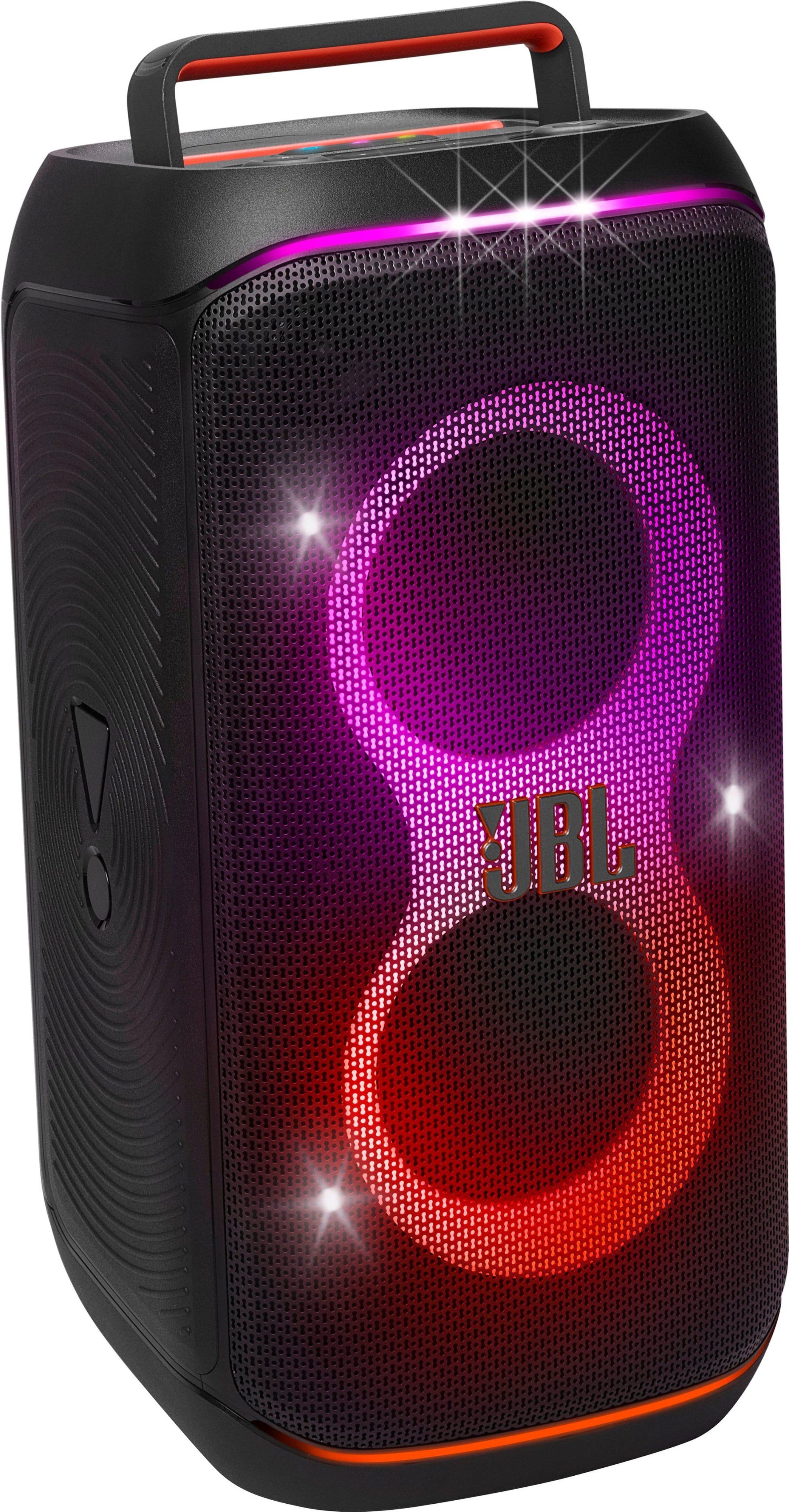
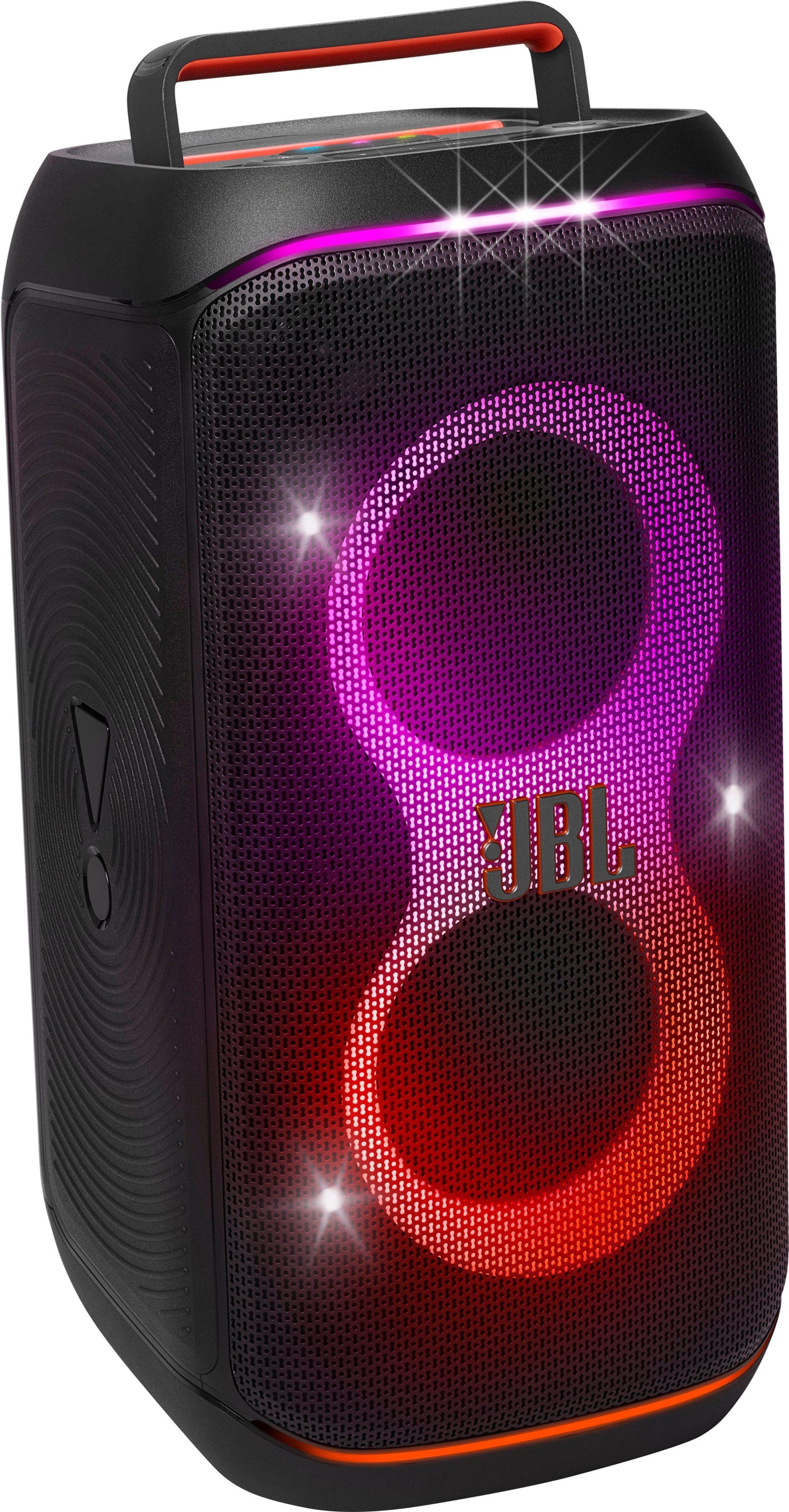
Released in 2024, the JBL PartyBox Club 120 represents JBL's latest thinking on what a modern party speaker should be. At roughly half the price of premium competitors (at the time of writing), it's positioned as an accessible entry point into serious portable audio without sacrificing the features that make parties memorable.
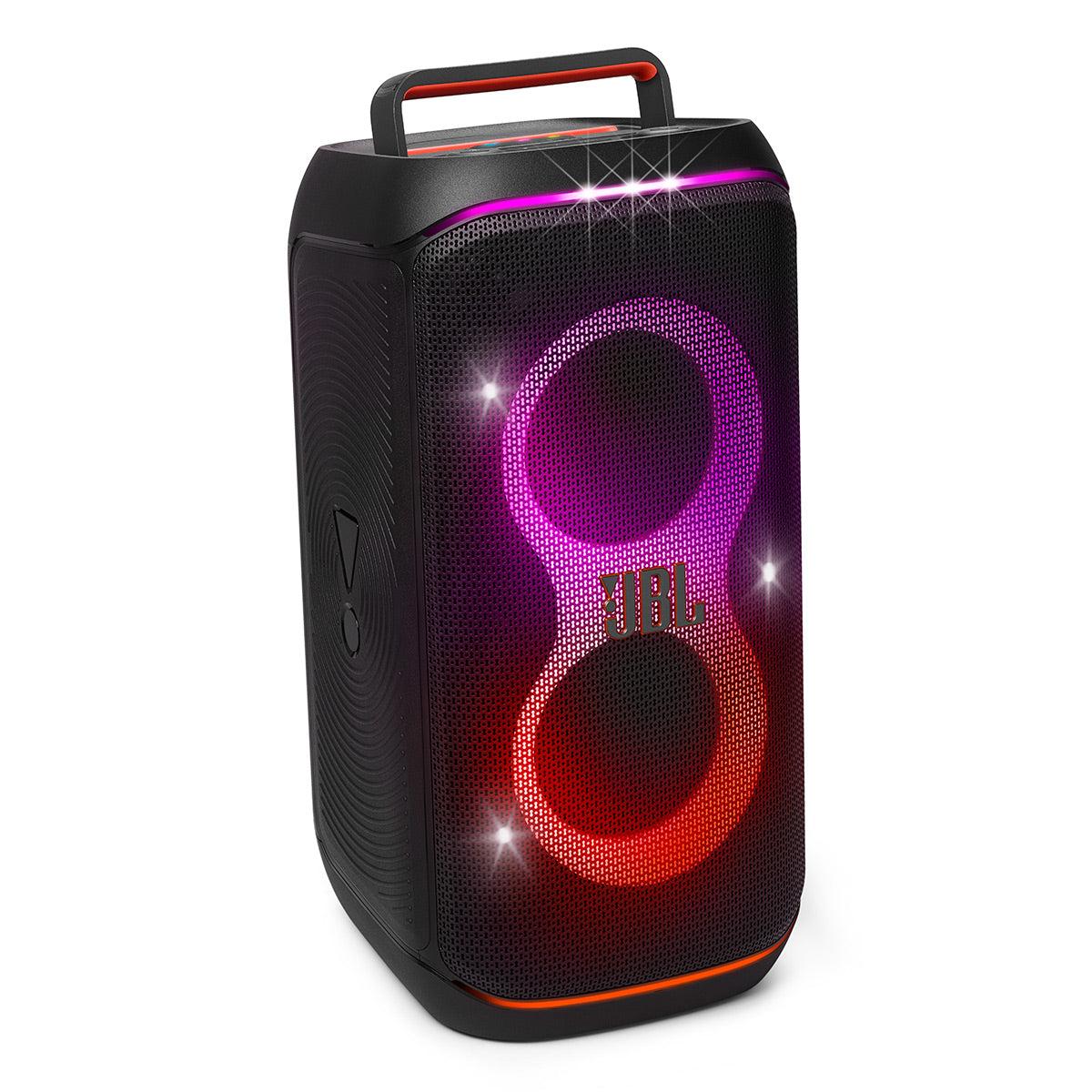
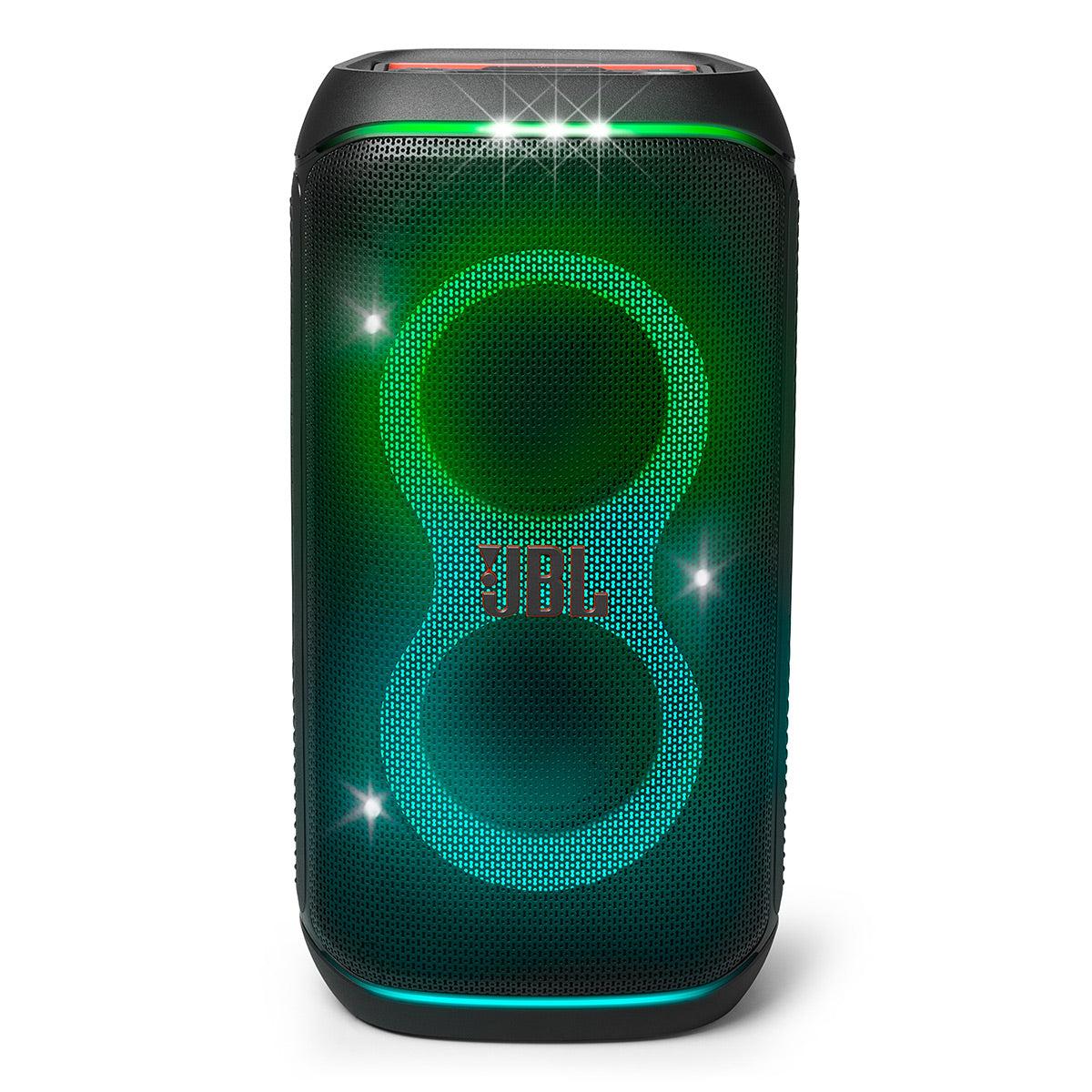
The most striking thing about the PartyBox Club 120 is how it balances sound quality with entertainment features. Many party speakers prioritize pure volume over audio fidelity, but JBL's approach with their Pro Sound technology delivers something more nuanced. The speaker uses a two-way driver system—two 5.25-inch woofers handle bass and midrange frequencies, while two 2.25-inch tweeters manage the higher frequencies that make vocals and cymbals sound crisp and clear.
What sets this apart from cheaper alternatives is JBL's AI Sound Boost feature. This isn't marketing fluff—it's real-time signal analysis that predicts how the speaker drivers will behave under different conditions and adjusts the audio signal accordingly. In practical terms, this means the speaker can push harder without the distortion that typically happens when you crank up cheaper speakers. You hear this difference most clearly with bass-heavy music; where other speakers start to sound muddy or strained, the PartyBox Club 120 maintains clarity even at party volumes.
The 160W RMS (Root Mean Square—a measure of continuous power output) might seem modest compared to some competitors, but JBL's efficient design means this translates to surprisingly powerful sound. Based on our research into user experiences, the speaker easily fills medium to large outdoor spaces and can energize a typical backyard gathering or poolside party without strain.
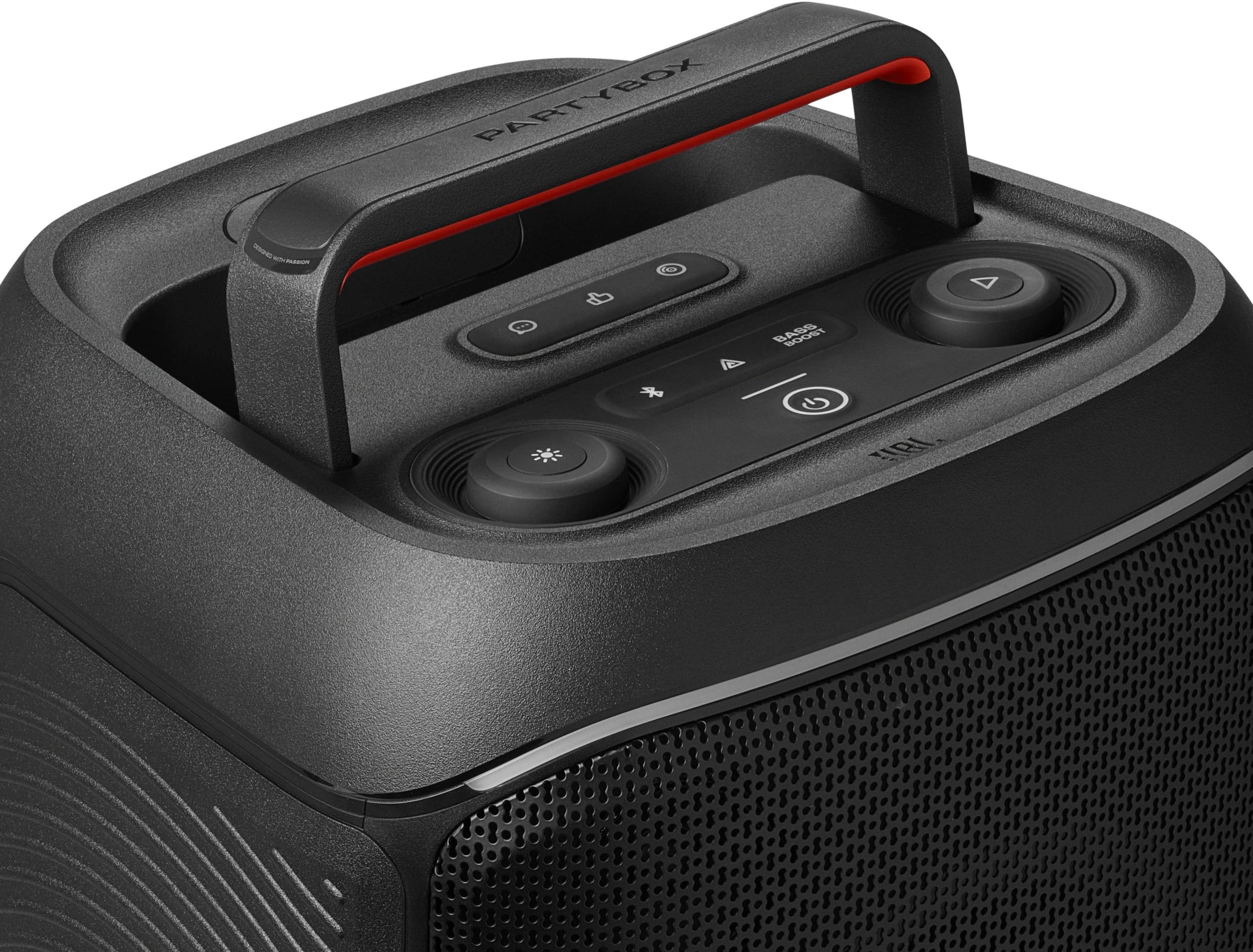
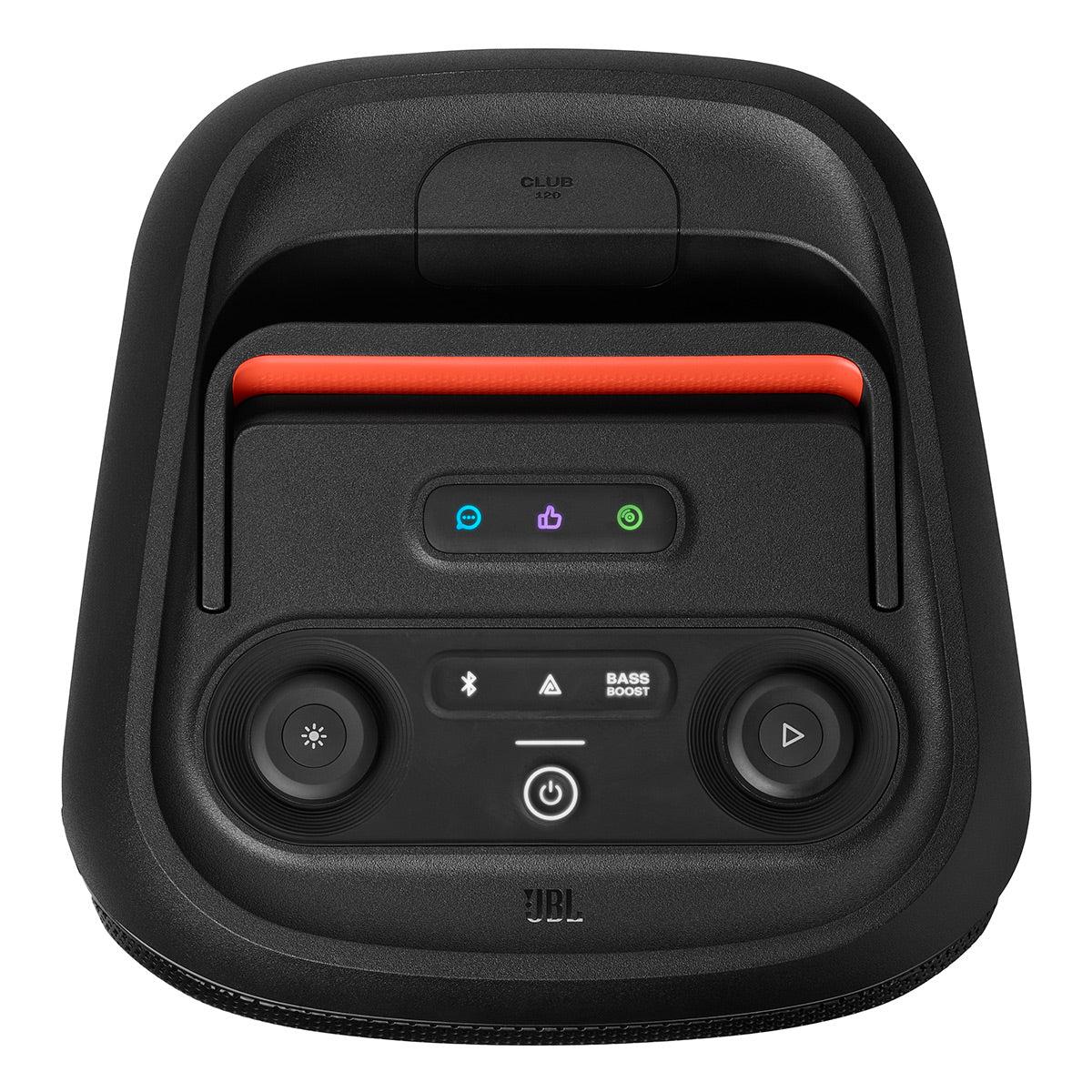
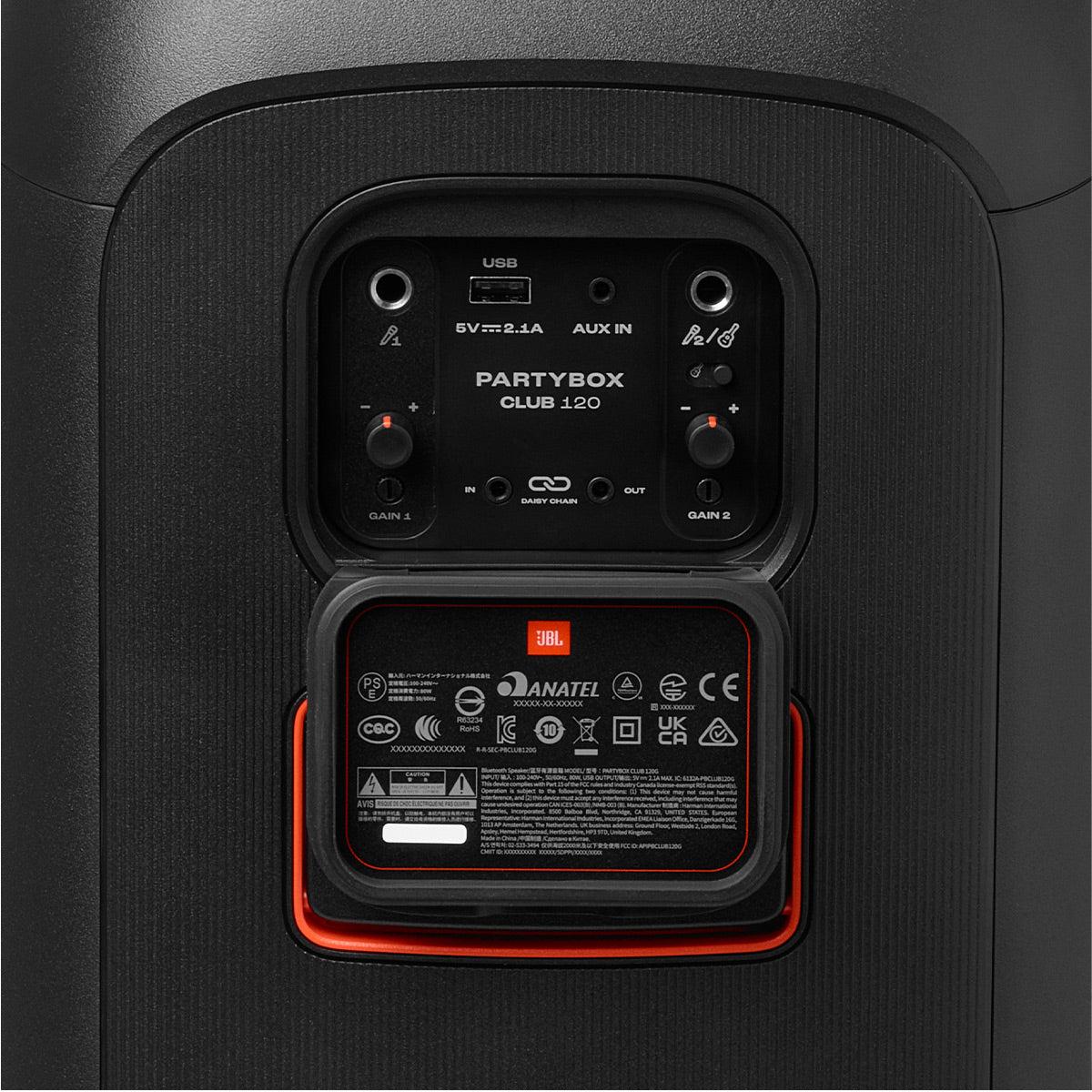
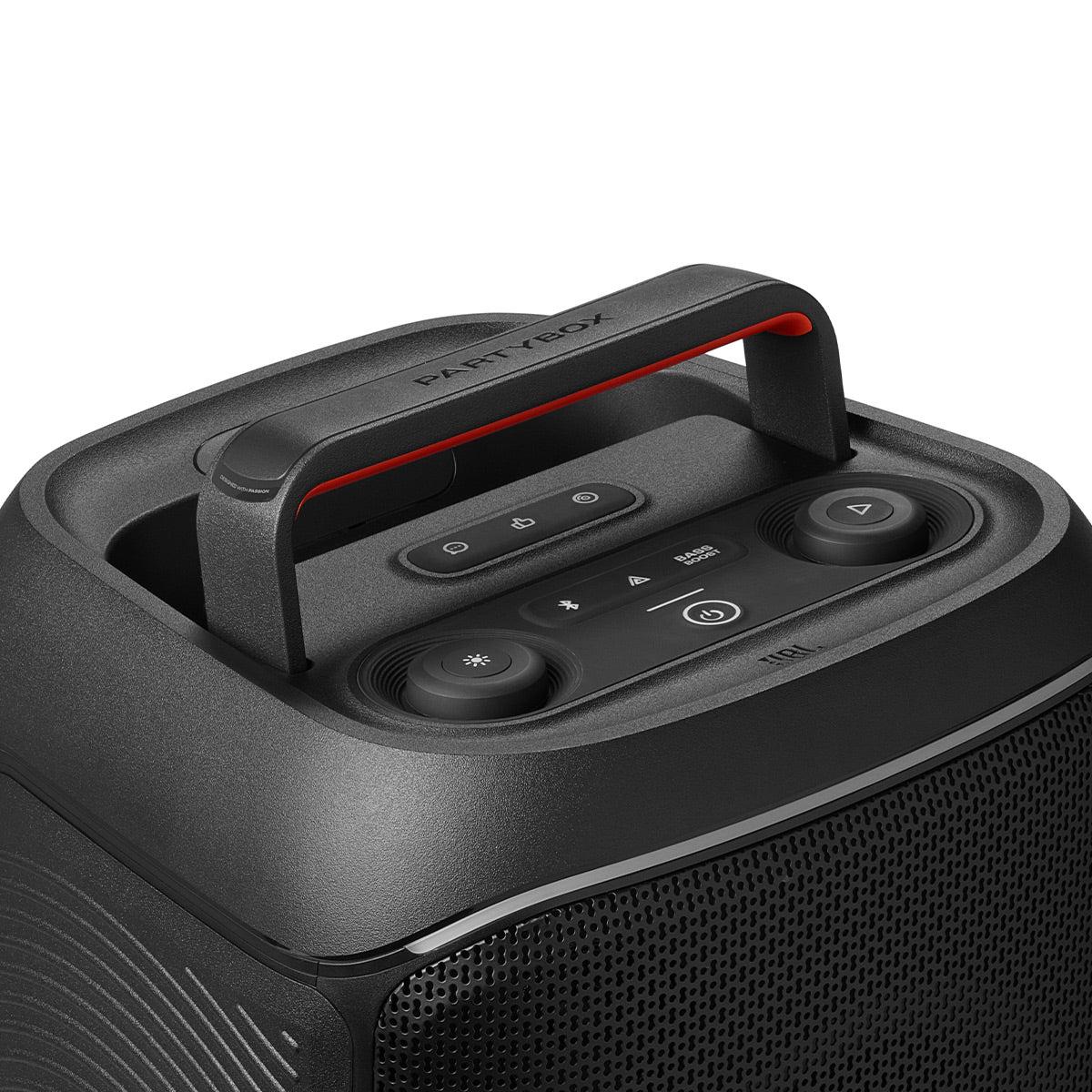
The JBL PartyBox Club 120 becomes genuinely compelling when you consider its versatility beyond just playing music from your phone. The dual microphone and guitar inputs transform it into a complete entertainment system. Each input has independent volume and gain controls (gain controls how sensitive the input is to the incoming signal), meaning you can balance a vocalist against background music or plug in an electric guitar for impromptu performances.
The karaoke functionality goes beyond just plugging in a microphone. JBL's mobile app includes dedicated karaoke EQ settings that enhance vocal clarity and reduce feedback—that annoying squealing sound you get when microphones and speakers interact poorly. For anyone who's tried to set up karaoke with regular audio equipment, this level of integration is genuinely useful.
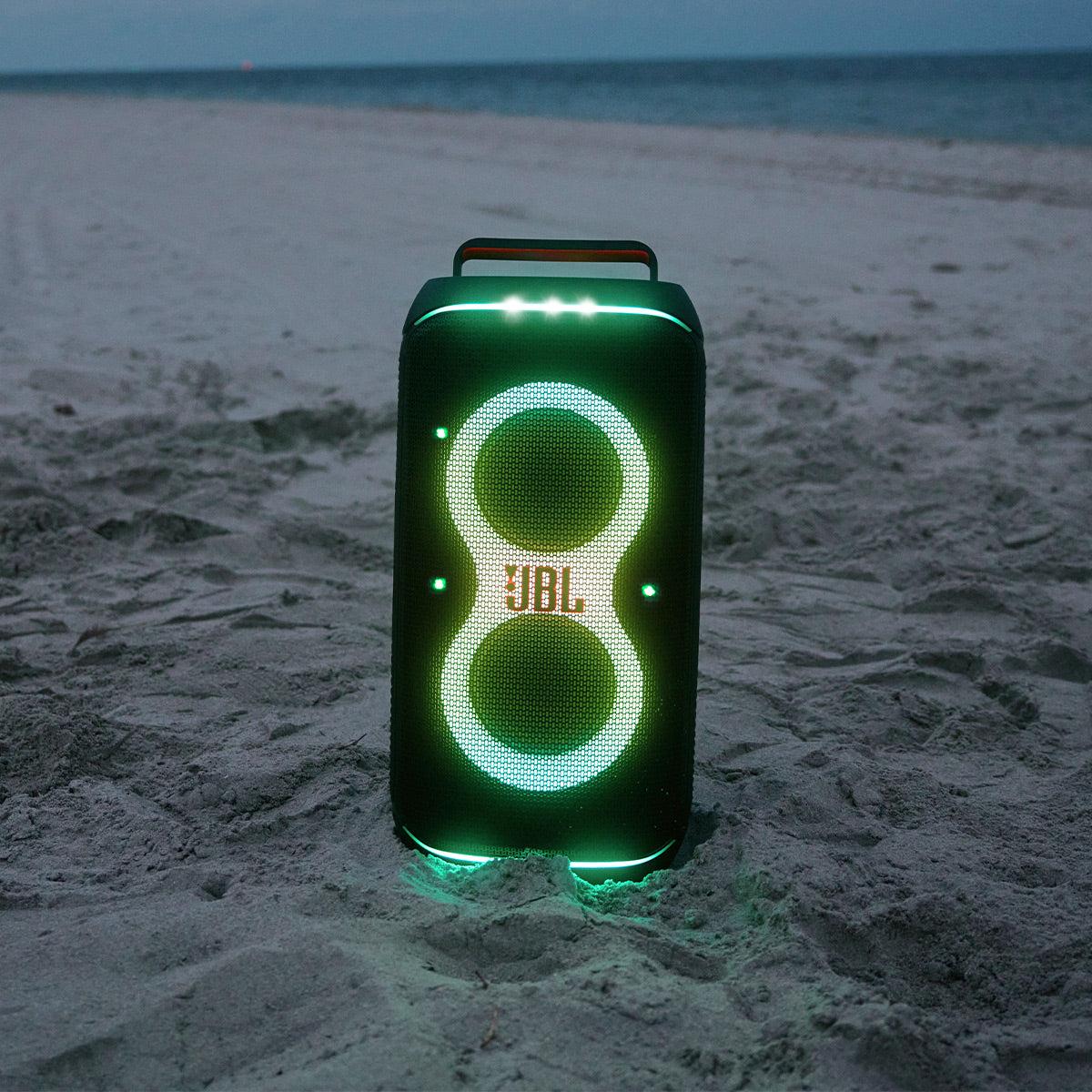
Then there's the lightshow feature, which initially might seem like a gimmick but proves surprisingly effective at creating atmosphere. The RGB LED system includes multiple lighting modes that sync to the music's beat, from subtle ambient lighting for dinner parties to full strobe effects for dance music. The app gives you granular control over these effects, and based on user feedback, the beat synchronization works reliably across different music genres.
The PartyBox Club 120 also supports True Wireless Stereo pairing, allowing you to connect two units for genuine stereo separation—something most portable speakers can't deliver. This addressing one of the inherent limitations of mono (single-channel) speakers, where all the sound comes from one point rather than creating the spatial imaging that makes music feel more natural and immersive.
JBL rates the PartyBox Club 120's battery at 12 hours of playback, though real-world performance varies significantly based on volume level and music type. User reports suggest you can expect closer to 8-10 hours at the volumes most people actually use for parties. The replaceable battery system is smart design—rather than being stuck with degraded battery performance after a few years, you can swap in fresh batteries (sold separately) to restore original performance.
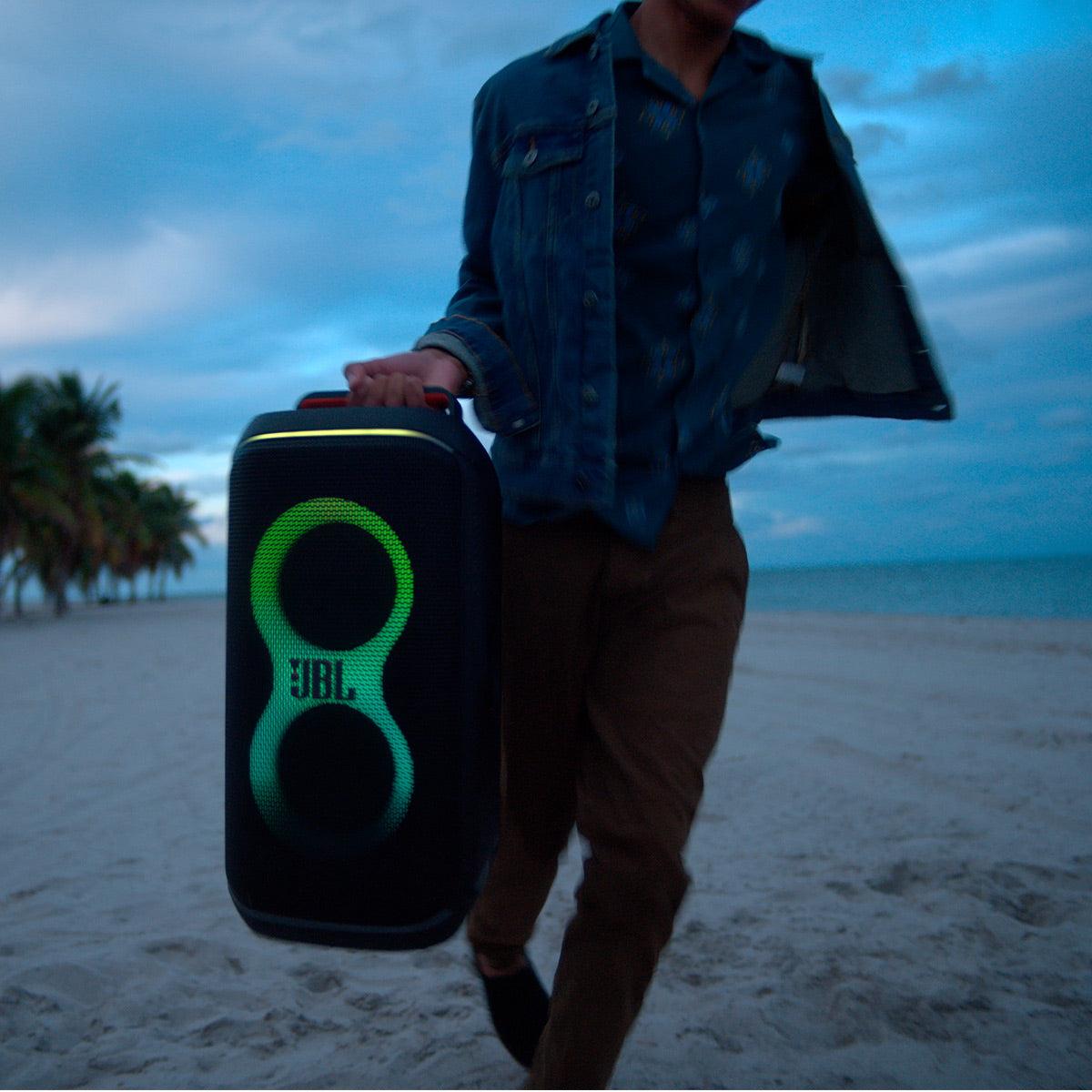
The 24-pound weight puts the PartyBox Club 120 at the heavier end of truly portable speakers, but the foldable handle design makes transport manageable for most users. However, this is definitely a speaker you'll want to drive to your destination rather than carrying by hand for any significant distance.
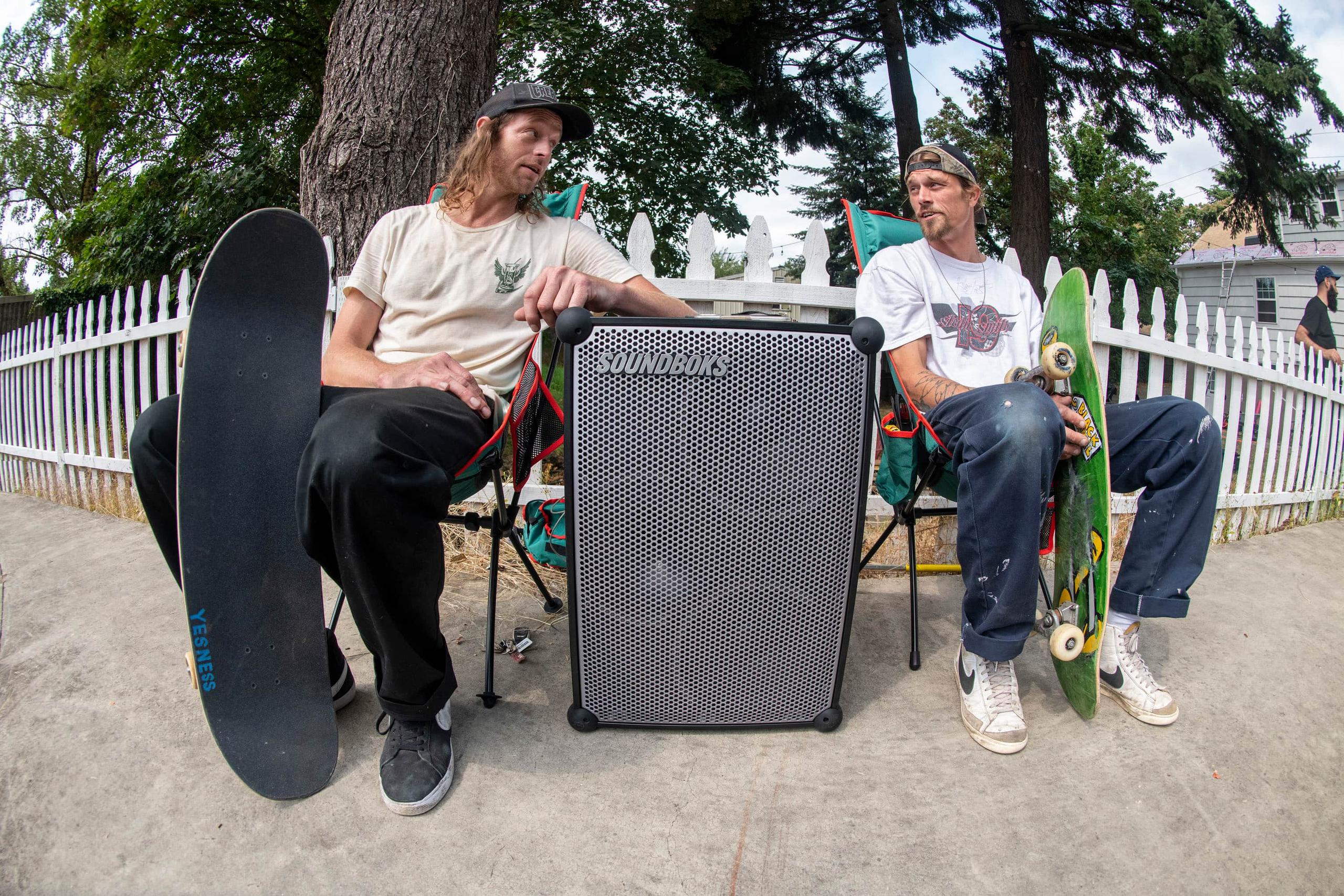
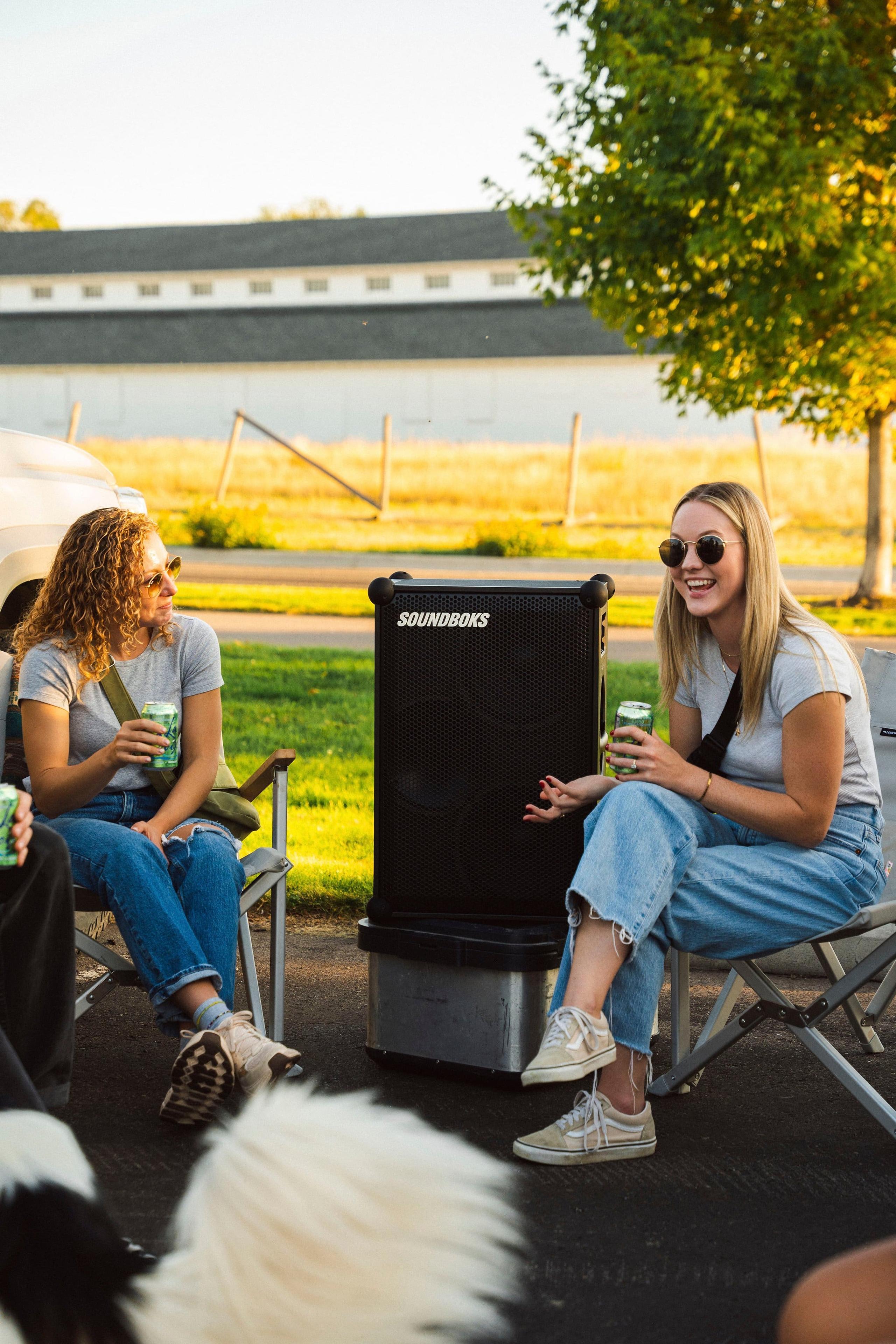
The SOUNDBOKS 4, while not specifying its exact release year, represents a fundamentally different philosophy in portable speaker design. Where the JBL PartyBox Club 120 tries to balance multiple priorities, the SOUNDBOKS takes an uncompromising approach to durability, battery life, and maximum output.
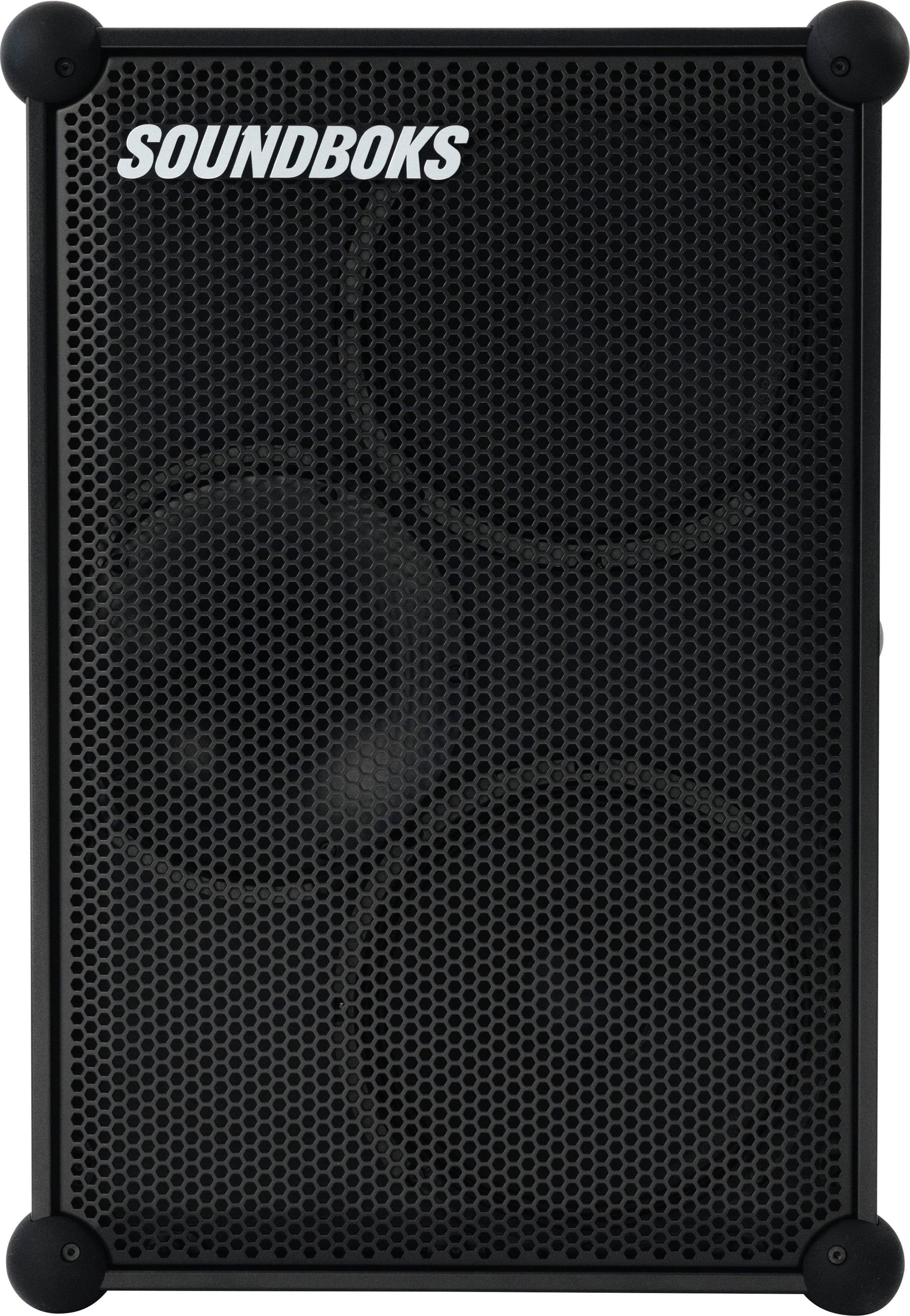
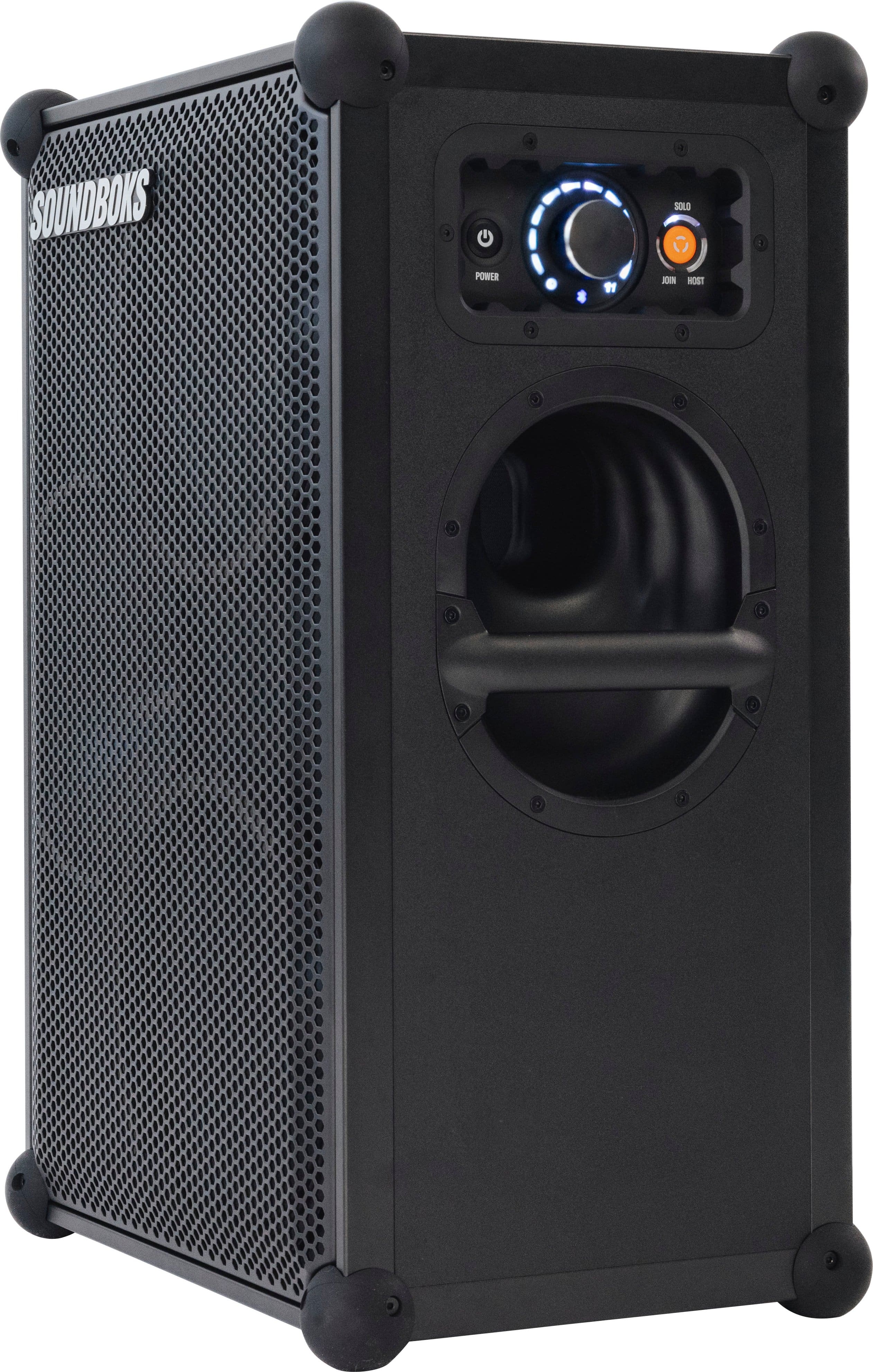
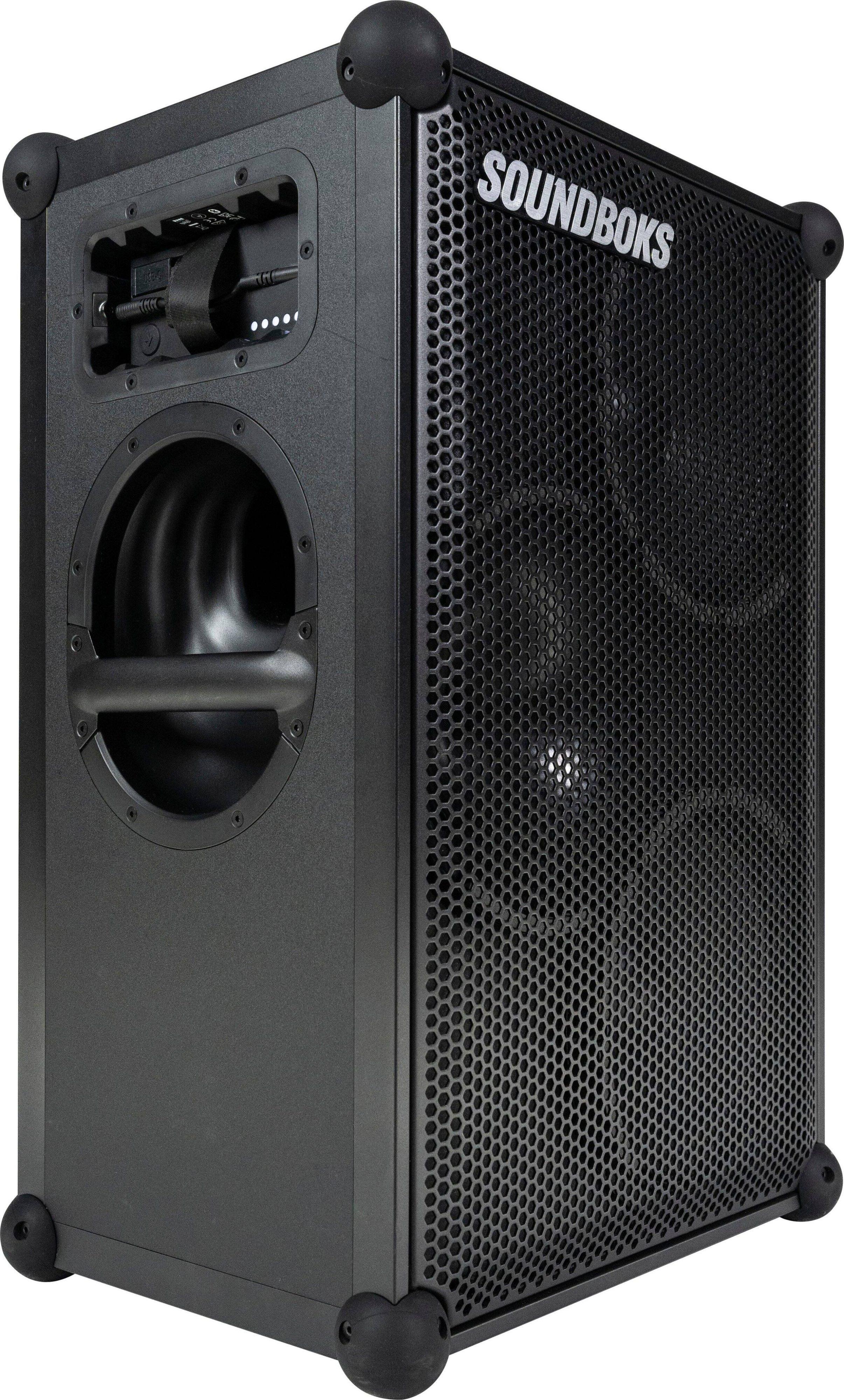
The first thing you notice about the SOUNDBOKS 4 is its construction. This isn't typical plastic speaker housing—we're talking about a poplar wood cabinet (the same material used in many professional speakers) reinforced with a powder-coated aluminum frame. The removable steel grille isn't just for protection; it's designed to handle the kind of abuse that would destroy conventional speaker grills. Users report successfully using these speakers in conditions that would be unthinkable for most portable audio equipment.
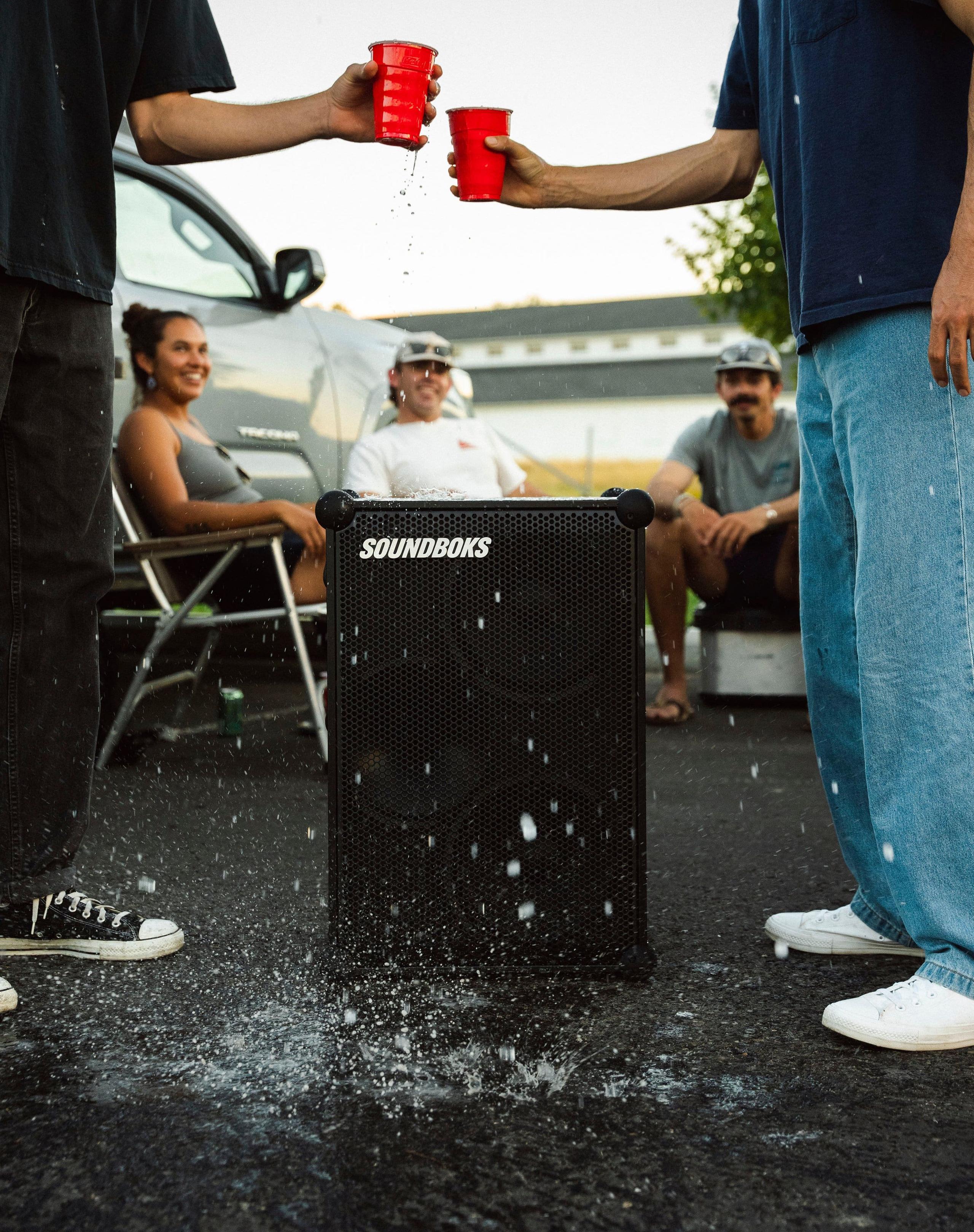
The IP65 rating deserves explanation because it represents a significant step up from typical "splash-proof" ratings. IP65 means the speaker is completely dust-tight and can handle water jets from any direction—not just light rain or spilled drinks. This is outdoor festival-grade protection, designed for speakers that might sit in muddy fields or get caught in sudden downpours.
The SOUNDBOKS 4's audio signature prioritizes impact and projection over audiophile refinement. The three-amplifier design (each producing 72W RMS) creates 216W of total power, significantly more than the PartyBox Club 120's single 160W amplifier. But the real difference lies in the driver configuration: dual 10-inch woofers paired with a 1-inch compression driver tweeter.
Those 10-inch woofers are the key to the SOUNDBOKS 4's ability to move serious air and create the kind of bass response that you feel in your chest rather than just hear. The compression driver tweeter, borrowed from professional PA systems, can cut through ambient noise and project clearly across large distances—crucial for outdoor events where sound has to travel far and compete with wind, conversation, and other environmental factors.
Based on professional reviews and user feedback, the SOUNDBOKS 4 reaches a maximum output of 126 dB SPL (Sound Pressure Level). To put this in perspective, this approaches the volume levels of live concerts and can easily handle events with 100+ people in outdoor environments. The trade-off is that this speaker is optimized for high-volume use—it doesn't sound as refined at lower volumes where the PartyBox Club 120 might be more pleasant for casual listening.
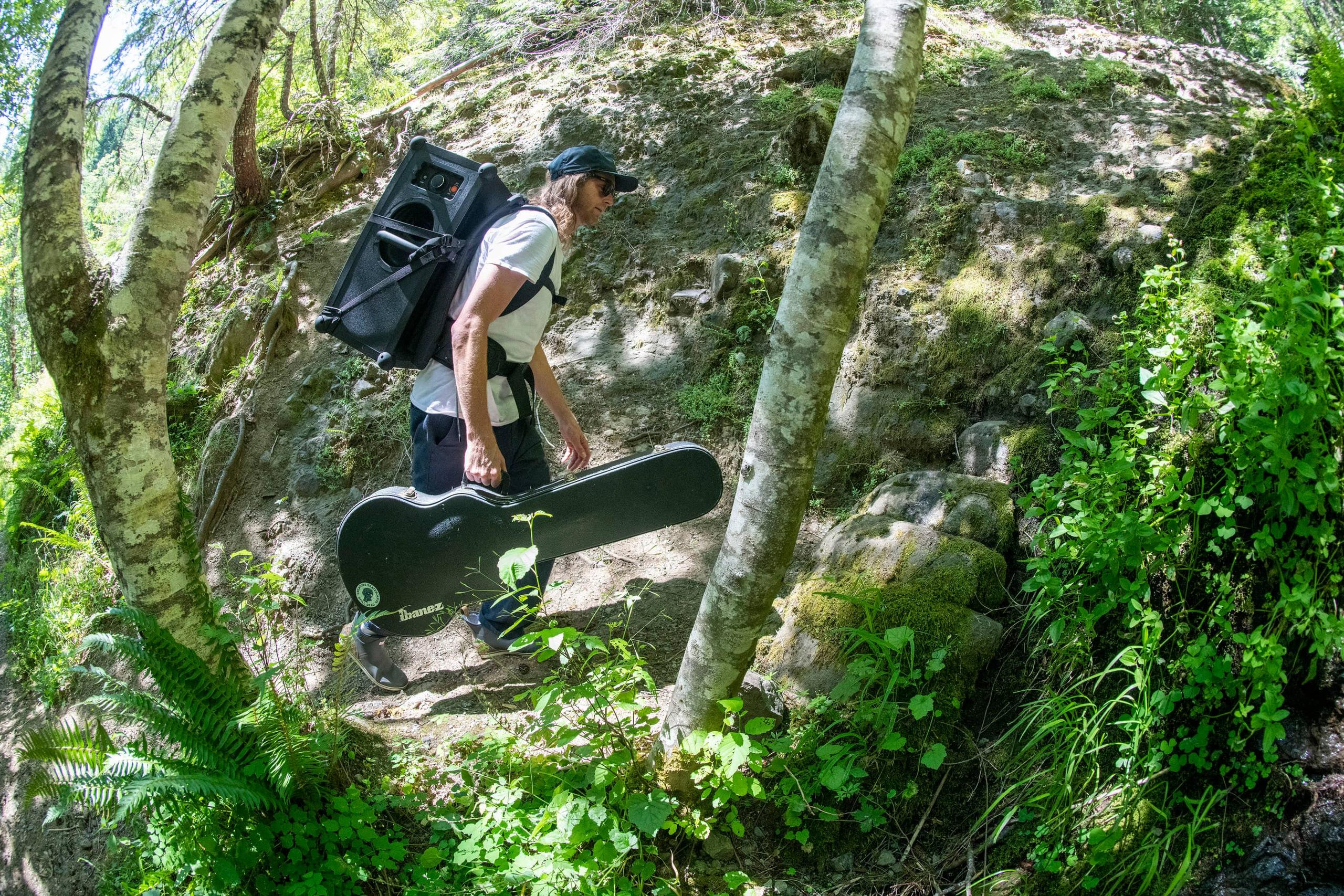
The SOUNDBOKS 4's battery performance fundamentally changes how you think about portable speakers. The 40-hour runtime at moderate volumes isn't just impressive—it's transformative for certain use cases. This means multi-day camping trips, all-day outdoor events, or emergency power situations where the speaker can run continuously without concern for charging.
The Lithium Iron Phosphate (LiFePO4) battery technology is worth understanding because it's different from typical lithium-ion batteries found in most portable electronics. LiFePO4 batteries handle temperature extremes better, have longer lifespans measured in charge cycles, and are inherently safer with built-in thermal stability. The SOUNDBOKS 4 operates reliably in temperatures from -5°F to 131°F, making it suitable for winter skiing trips or desert camping where other speakers would fail.
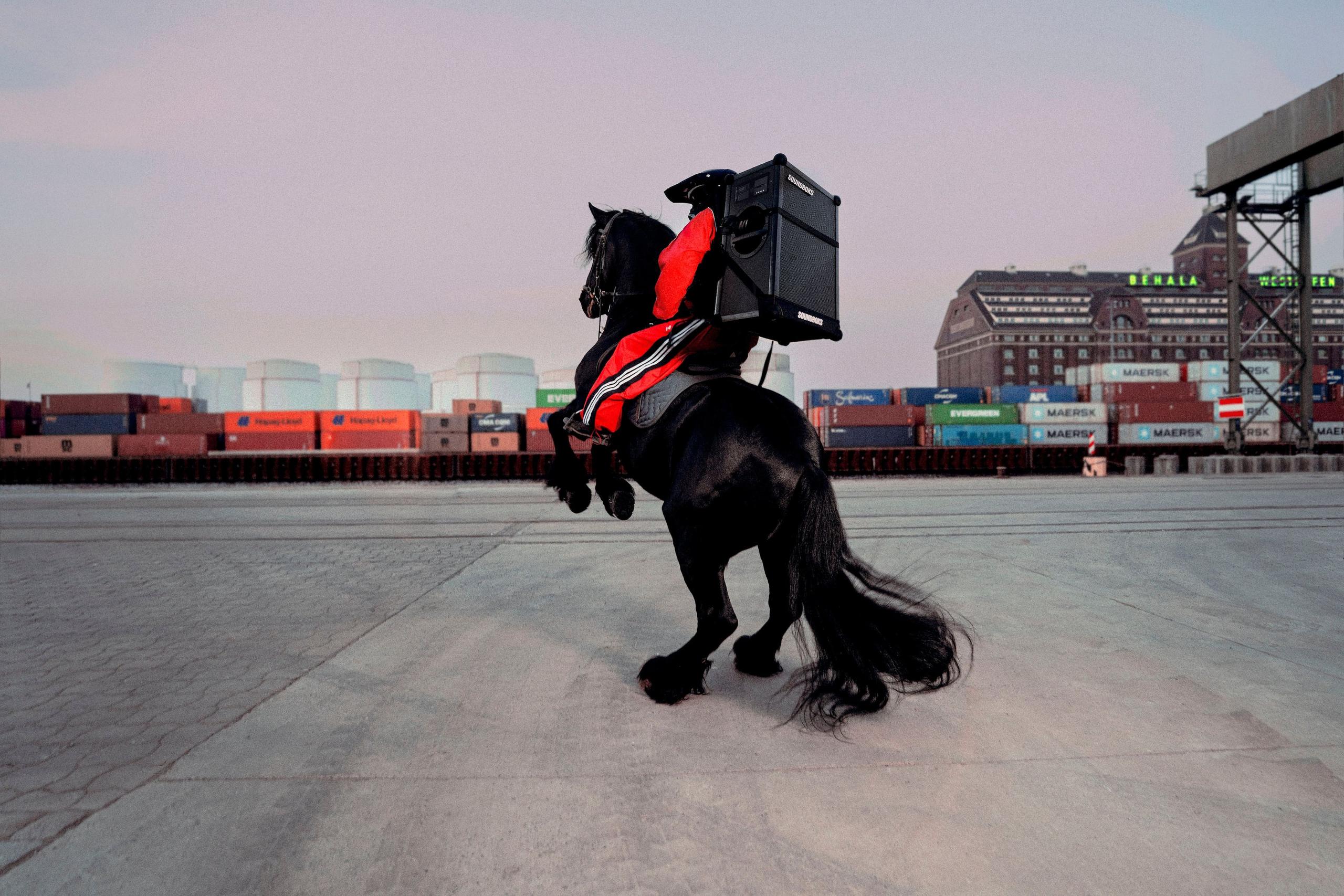
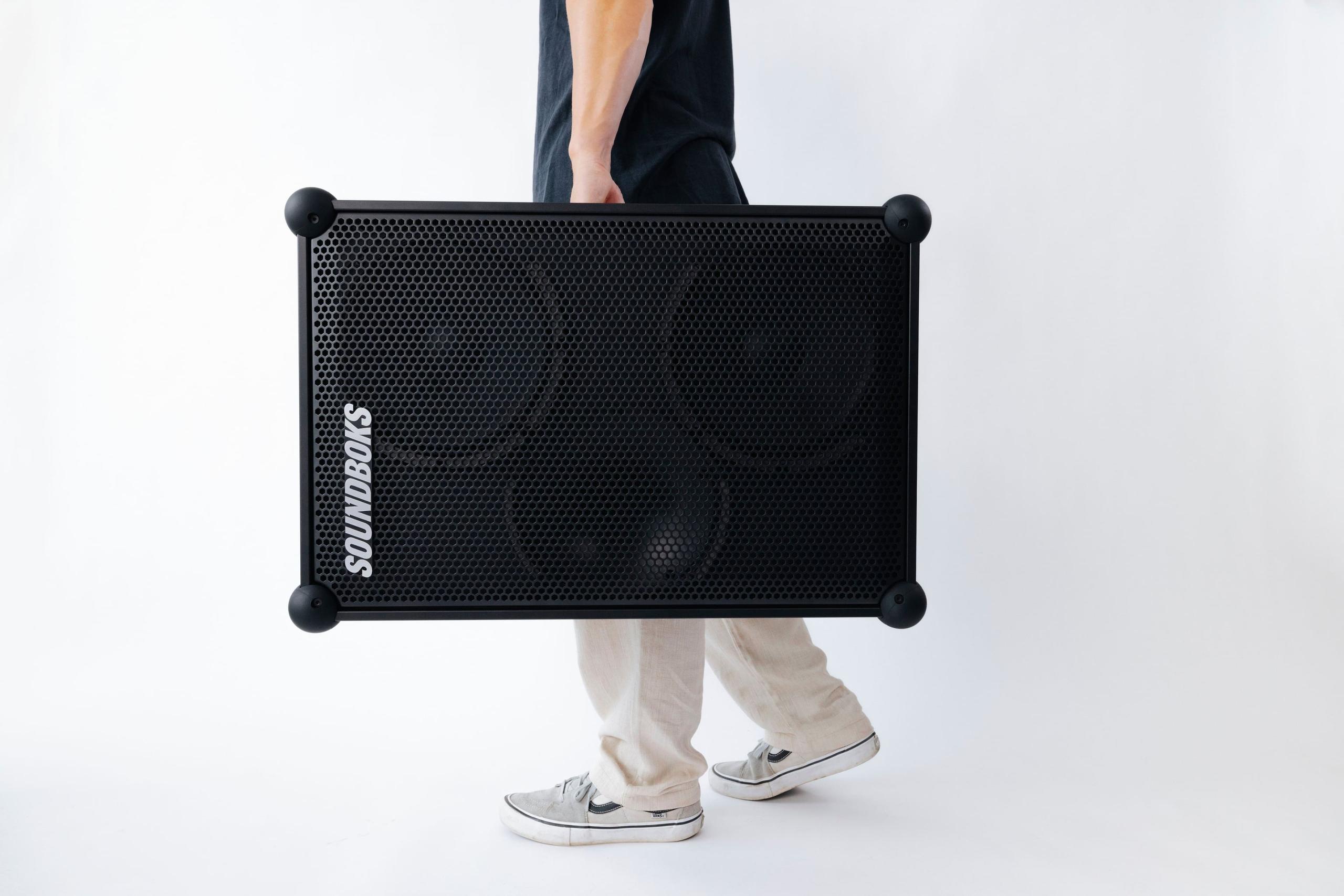
The swappable battery system means you can carry spare batteries for indefinite runtime—particularly valuable for professional applications where speaker downtime isn't acceptable. At 35 pounds, the SOUNDBOKS 4 is heavier than the PartyBox Club 120, but users consistently report that the build quality makes it feel more manageable than you'd expect from the weight specification.
Understanding the technical differences between these speakers helps explain their different performance characteristics and ideal use cases.
The PartyBox Club 120 uses a single Class D amplifier design with sophisticated DSP processing. Class D amplifiers are highly efficient (typically 85-90% efficient compared to 50-60% for older amplifier designs), which means less battery drain and less heat generation. The AI Sound Boost feature continuously monitors the audio signal and speaker response, preventing the driver overexcursion (when speaker cones move beyond their safe limits) that causes distortion and potential damage.
The SOUNDBOKS 4 takes a different approach with three separate Class D amplifiers, each optimized for specific frequency ranges. This tri-amplification setup allows more precise control over different parts of the audio spectrum and can deliver more total power, but it's also more complex and potentially less efficient overall.
The PartyBox Club 120's driver selection prioritizes balanced frequency response. The 5.25-inch woofers are large enough to reproduce meaningful bass while remaining quick enough to handle midrange frequencies cleanly. The dual tweeter design creates wider dispersion of high frequencies, important for maintaining sound quality as you move around the speaker.
The SOUNDBOKS 4's 10-inch woofers can move significantly more air, creating deeper bass and higher maximum volumes. However, large woofers typically can't respond as quickly to rapid changes in the audio signal, which is why the speaker pairs them with a dedicated compression driver for the higher frequencies. Compression drivers are designed for maximum efficiency and projection—they're the technology behind the horns in professional PA systems.
Both speakers offer sophisticated connectivity, but they target different usage scenarios. The PartyBox Club 120's Auracast technology represents the latest in multi-speaker wireless connection, allowing seamless synchronization of multiple speakers with minimal latency (delay between speakers). This is particularly useful for creating distributed audio systems in large spaces.
The SOUNDBOKS 4's TeamUP system uses SKAA (Skaa Audio) technology, which prioritizes ultra-stable connections over the latest wireless standards. SKAA is specifically designed for professional applications where connection drops are unacceptable, even if it means using slightly older wireless protocols.
For home theater applications, the PartyBox Club 120 is the more practical choice. Its balanced frequency response works well for dialogue clarity in movies, and the ability to fine-tune EQ settings through the mobile app allows optimization for different room acoustics. The lightshow features can create ambient lighting that enhances the viewing experience without being distracting.
The SOUNDBOKS 4 is frankly overkill for most home theater applications. Its outdoor-optimized sound signature can be overwhelming in enclosed spaces, and the lack of fine-tuned EQ options makes room optimization more difficult. However, for users with very large living spaces or those who want the option to easily move their home theater system outdoors, the SOUNDBOKS 4's versatility has appeal.
This is where the differences between these speakers become most apparent. The PartyBox Club 120 excels at medium-sized gatherings (20-50 people) where audio quality matters as much as volume. The microphone inputs make it ideal for speeches, announcements, or interactive entertainment. The lightshow features work particularly well for evening events, creating visual interest that helps define the party space.
The SOUNDBOKS 4 dominates large outdoor events where maximum projection is crucial. Its ability to maintain clarity at high volumes across large distances makes it suitable for events with 100+ people or challenging acoustic environments like beaches or open fields. Professional event organizers consistently choose speakers like the SOUNDBOKS 4 when failure isn't an option.
For users who plan frequent outdoor adventures—multi-day camping trips, beach weekends, or seasonal outdoor entertaining—the SOUNDBOKS 4's superior battery life and rugged construction provide measurable value despite the higher initial cost. The ability to swap batteries means the speaker can outlast any reasonable outdoor event, and the IP65 rating provides genuine peace of mind in unpredictable weather.
The PartyBox Club 120 is better suited for regular but less intensive use. Its IPX4 rating handles poolside splashes and light rain, covering most typical party scenarios. The replaceable battery system means long-term usability, but you'll need to plan around the shorter runtime for extended events.
At the time of writing, the PartyBox Club 120 typically costs roughly half what you'd pay for a SOUNDBOKS 4. This price difference reflects genuinely different target markets and use cases rather than simple quality tiers.
The PartyBox Club 120 delivers exceptional value for users who want a capable, feature-rich party speaker without professional-grade requirements. Its combination of balanced sound quality, entertainment features, and reasonable portability covers the needs of most home entertainers and casual outdoor enthusiasts.
The SOUNDBOKS 4 justifies its premium pricing through superior durability, extended battery life, and maximum output capability. For professional applications or serious outdoor use, the higher initial cost is offset by longer lifespan and better performance under demanding conditions.
Choose the JBL PartyBox Club 120 if you're looking for a versatile entertainment hub that balances sound quality with fun features. It's ideal for home entertainers who host regular gatherings, content creators who need microphone inputs, or anyone who values the visual appeal of synchronized lighting effects. The lower price point makes it accessible for casual users who want serious party speaker capability without professional-grade investment.
Choose the SOUNDBOKS 4 if you need maximum durability and performance for challenging environments. It's the right choice for professional applications, frequent outdoor adventures, or situations where speaker failure would be genuinely problematic. The extended battery life and rugged construction justify the premium pricing for users who demand reliability above all else.
Both speakers represent thoughtful approaches to portable audio, but they solve different problems. The PartyBox Club 120 makes professional-grade party features accessible to home users, while the SOUNDBOKS 4 brings professional reliability to portable audio. Understanding which approach better matches your specific needs and use patterns will guide you to the right choice for your audio adventures.
| JBL PartyBox Club 120 | SOUNDBOKS 4 |
|---|---|
| Maximum Volume Output - Critical for large outdoor spaces and events | |
| 160W RMS (suitable for medium gatherings 20-50 people) | 126 dB SPL with 216W total power (handles 100+ people outdoors) |
| Battery Life - Determines event duration without recharging | |
| 12 hours at moderate volume (plan for 8-10 hours real-world use) | 40 hours at mid-volume, 6 hours at max (genuine all-day/multi-day capability) |
| Water Resistance - Protection level for outdoor use | |
| IPX4 splash-proof (handles poolside spills and light rain) | IP65 dust/water resistant (survives heavy rain and harsh conditions) |
| Weight and Portability - Balance between power and transport ease | |
| 24.35 lbs with foldable handle (manageable for car transport) | 35 lbs with rugged construction (heavier but feels more stable) |
| Build Quality - Durability for long-term outdoor use | |
| Standard portable speaker materials with splash protection | Poplar wood cabinet, aluminum frame, steel grille (professional-grade durability) |
| Live Performance Features - Versatility beyond music playback | |
| Dual mic + guitar inputs, karaoke EQ, individual gain controls | Pro panel with XLR/combo inputs for professional equipment |
| Visual Entertainment - Party atmosphere enhancement | |
| Customizable RGB lightshow with beat sync and app control | No lighting features (focus purely on audio performance) |
| Multi-Speaker Connection - Scaling up for larger events | |
| Auracast wireless + True Wireless Stereo pairing | TeamUP (SKAA) connects up to 5 speakers with ultra-stable connection |
| Sound Character - Audio signature and listening experience | |
| Balanced across bass/mids/highs, AI Sound Boost for clarity | Bass-emphasized outdoor signature, optimized for high-volume projection |
| Target Price Range - Value proposition at time of writing | |
| Mid-tier pricing for feature-rich entertainment | Premium pricing justified by professional-grade construction and performance |
The SOUNDBOKS 4 is significantly louder, reaching 126 dB SPL compared to the JBL PartyBox Club 120's 160W output. The SOUNDBOKS 4 can handle events with 100+ people in outdoor spaces, while the PartyBox Club 120 is better suited for medium gatherings of 20-50 people.
The SOUNDBOKS 4 has superior battery performance with up to 40 hours at moderate volume and 6 hours at maximum volume. The JBL PartyBox Club 120 offers 12 hours of playback, though real-world usage typically provides 8-10 hours. Both speakers feature replaceable batteries for extended use.
Yes, both speakers support live performance, but differently. The JBL PartyBox Club 120 includes dual microphone and guitar inputs with dedicated karaoke features and individual gain controls. The SOUNDBOKS 4 offers professional XLR/combo inputs designed for mixing boards and professional equipment rather than direct microphone connection.
The SOUNDBOKS 4 offers superior outdoor durability with IP65 water resistance, poplar wood construction, and aluminum frame designed for harsh conditions. The JBL PartyBox Club 120 provides IPX4 splash-proof protection suitable for poolside use and light rain but isn't designed for extreme outdoor conditions.
The JBL PartyBox Club 120 works better for home theater use due to its balanced frequency response, customizable EQ settings, and appropriate volume levels for indoor spaces. The SOUNDBOKS 4 is optimized for outdoor projection and may be overwhelming in typical home theater rooms.
Sound quality depends on your needs. The JBL PartyBox Club 120 provides more balanced audio across bass, mids, and highs with AI Sound Boost technology for clarity. The SOUNDBOKS 4 emphasizes bass impact and maximum projection, making it better for outdoor environments where power matters more than audiophile refinement.
Both speakers support multi-speaker connection but use different technologies. The JBL PartyBox Club 120 uses Auracast wireless connection and True Wireless Stereo pairing. The SOUNDBOKS 4 features TeamUP technology that can connect up to 5 SKAA-enabled speakers with ultra-stable wireless connection.
The JBL PartyBox Club 120 is more portable at 24.35 lbs with a foldable handle design. The SOUNDBOKS 4 weighs 35 lbs but features rugged construction that many users find surprisingly manageable despite the extra weight. Both require vehicle transport for longer distances.
Only the JBL PartyBox Club 120 includes visual entertainment features with customizable RGB lightshow, beat synchronization, and multiple lighting effects controlled through the mobile app. The SOUNDBOKS 4 focuses purely on audio performance without any lighting features.
Value depends on your specific needs. The JBL PartyBox Club 120 offers better value for casual users wanting entertainment features, balanced sound, and moderate outdoor use. The SOUNDBOKS 4 provides better long-term value for professional applications, extreme outdoor use, and situations requiring maximum durability and battery life.
For extended outdoor adventures, the SOUNDBOKS 4 excels with 40-hour battery life, IP65 weather resistance, and rugged construction suitable for harsh conditions. The JBL PartyBox Club 120 works well for shorter camping trips and beach days but requires more careful handling and has shorter battery runtime.
The SOUNDBOKS 4 is better suited for professional DJ applications with its pro panel featuring XLR/combo inputs, maximum volume output, and ultra-reliable TeamUP wireless connection. The JBL PartyBox Club 120 offers DJ effects and app control but is designed more for consumer entertainment than professional performance requirements.
We've done our best to create useful and informative comparisons to help you decide what product to buy. Our research uses advanced automated methods to create this comparison and perfection is not possible - please contact us for corrections or questions. These are the sites we've researched in the creation of this article: stereoguide.com - armorsound.com - rtings.com - rtings.com - bestbuy.com - youtube.com - soundguys.com - youtube.com - lbtechreviews.com - youtube.com - youtube.com - versus.com - jbl.com - rtings.com - versus.com - ro.harmanaudio.com - dell.com - jbl.com - jbl.com - projectorscreenstore.com - hometechnologyreview.com - youtube.com - bestbuy.com - youtube.com - the-gadgeteer.com - blog.soundboks.com - youtube.com - ecoustics.com - soundboks.com - rtings.com - youtube.com - youtube.com - comparisontabl.es - canadianomad.com - skaastore.com - crutchfield.com - b2b-eu.soundboks.com - soundboks.com - bestbuy.com - store.djtechtools.com - novis.ch - crutchfield.com - comparisontabl.es - youtube.com - govconnection.com

Privacy Policy
Terms and Conditions - Affiliate Policy
Home Security
© Copyright 2008-2026.
11816 Inwood Rd #1211, Dallas, TX 75244