

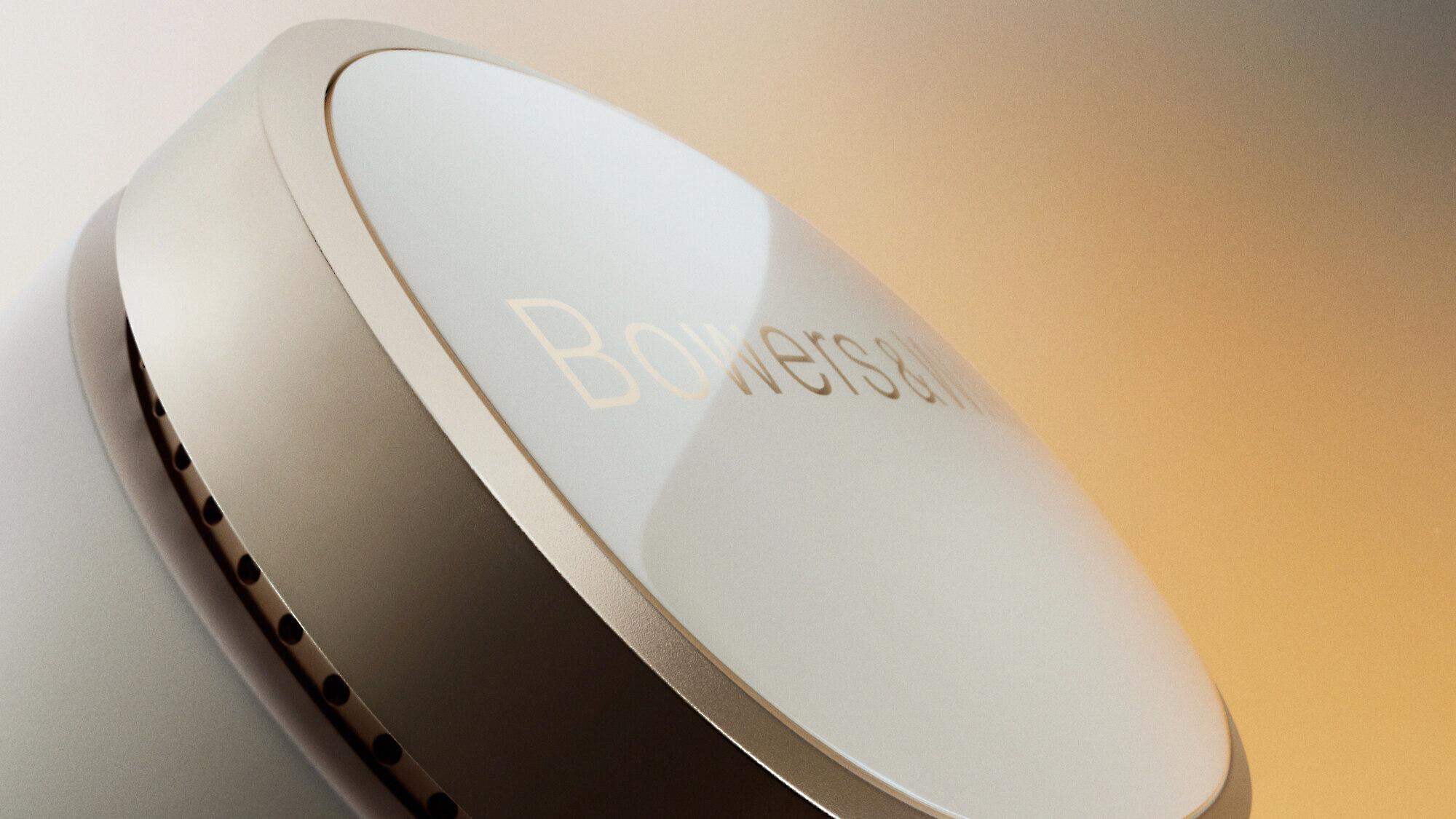
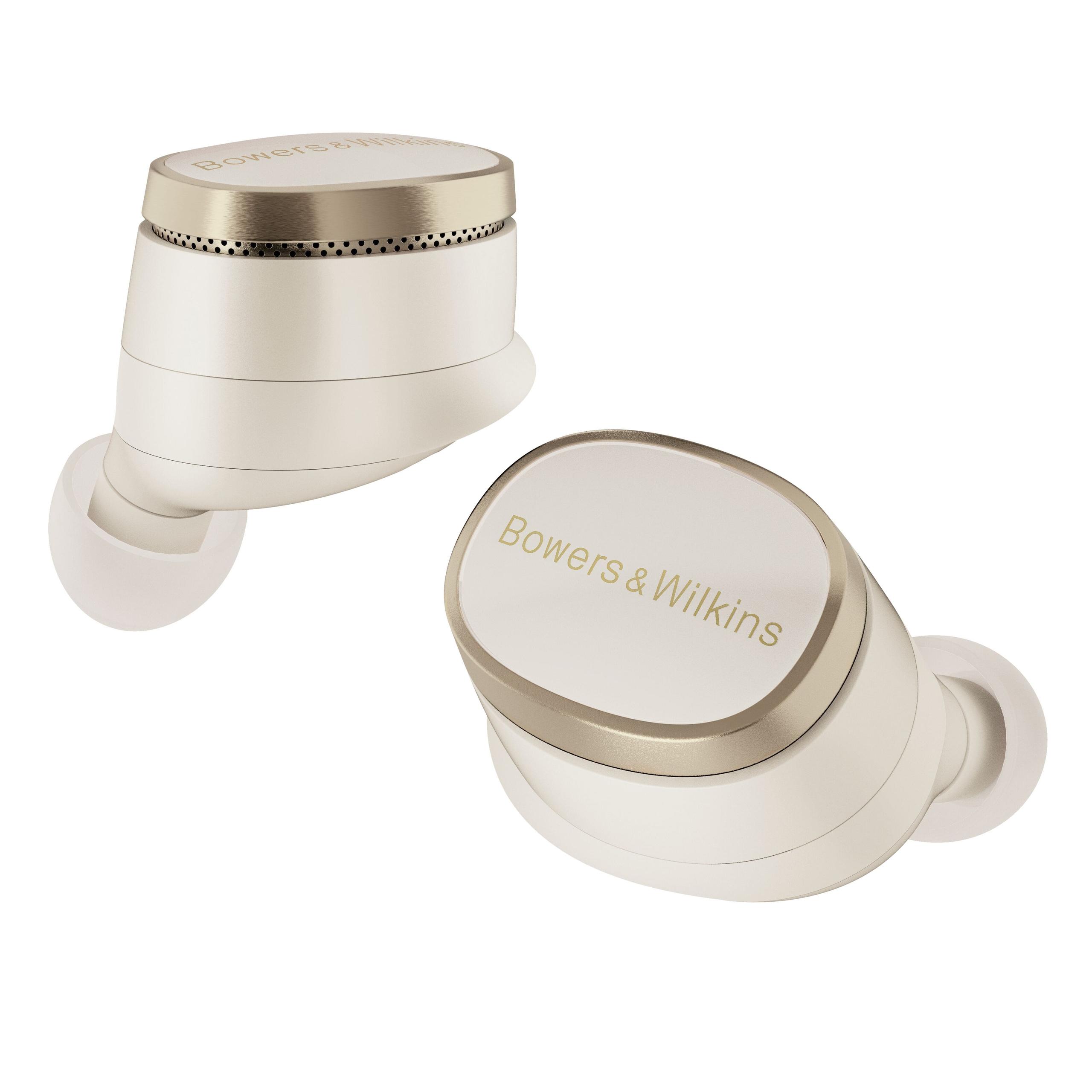
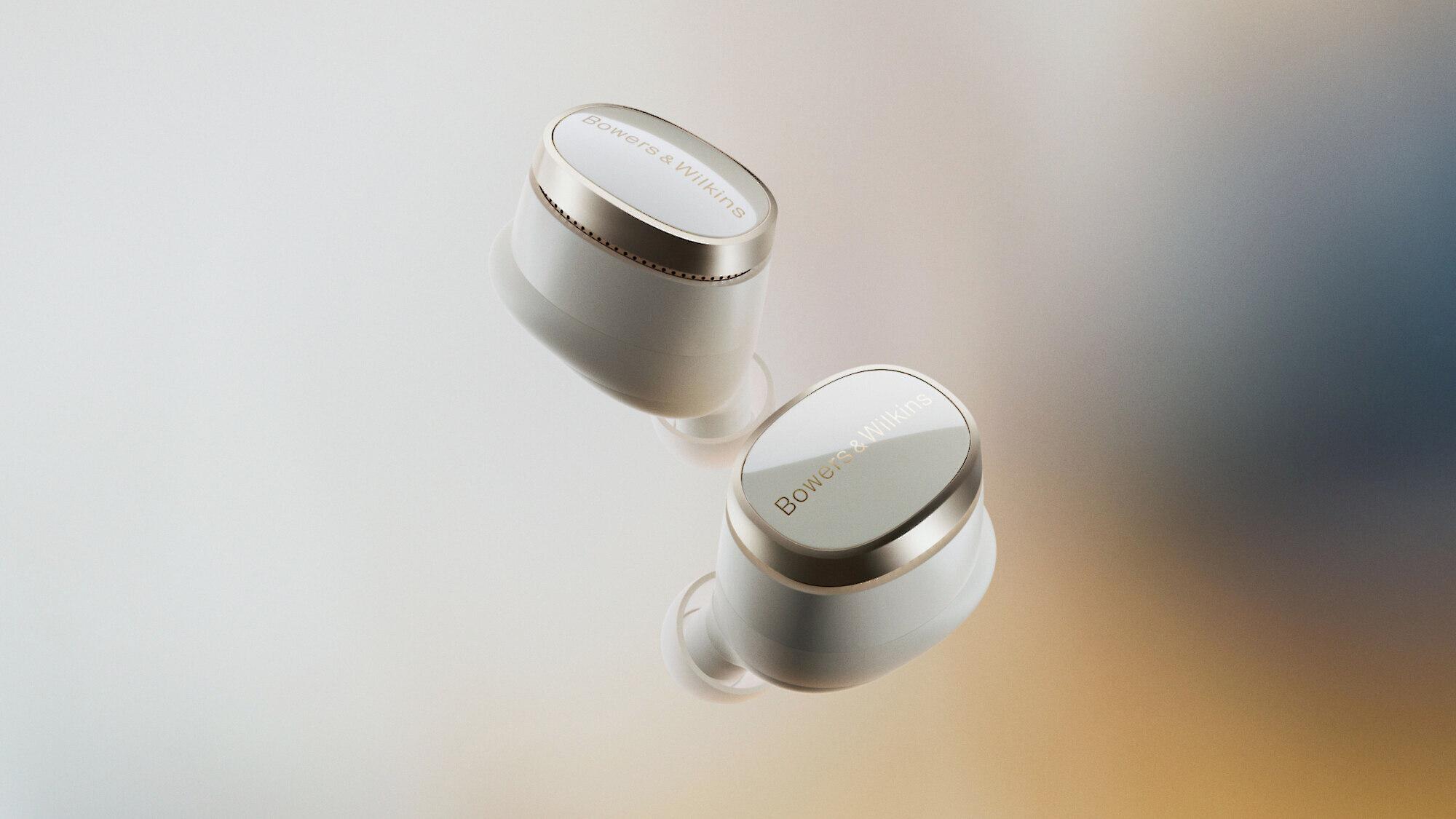
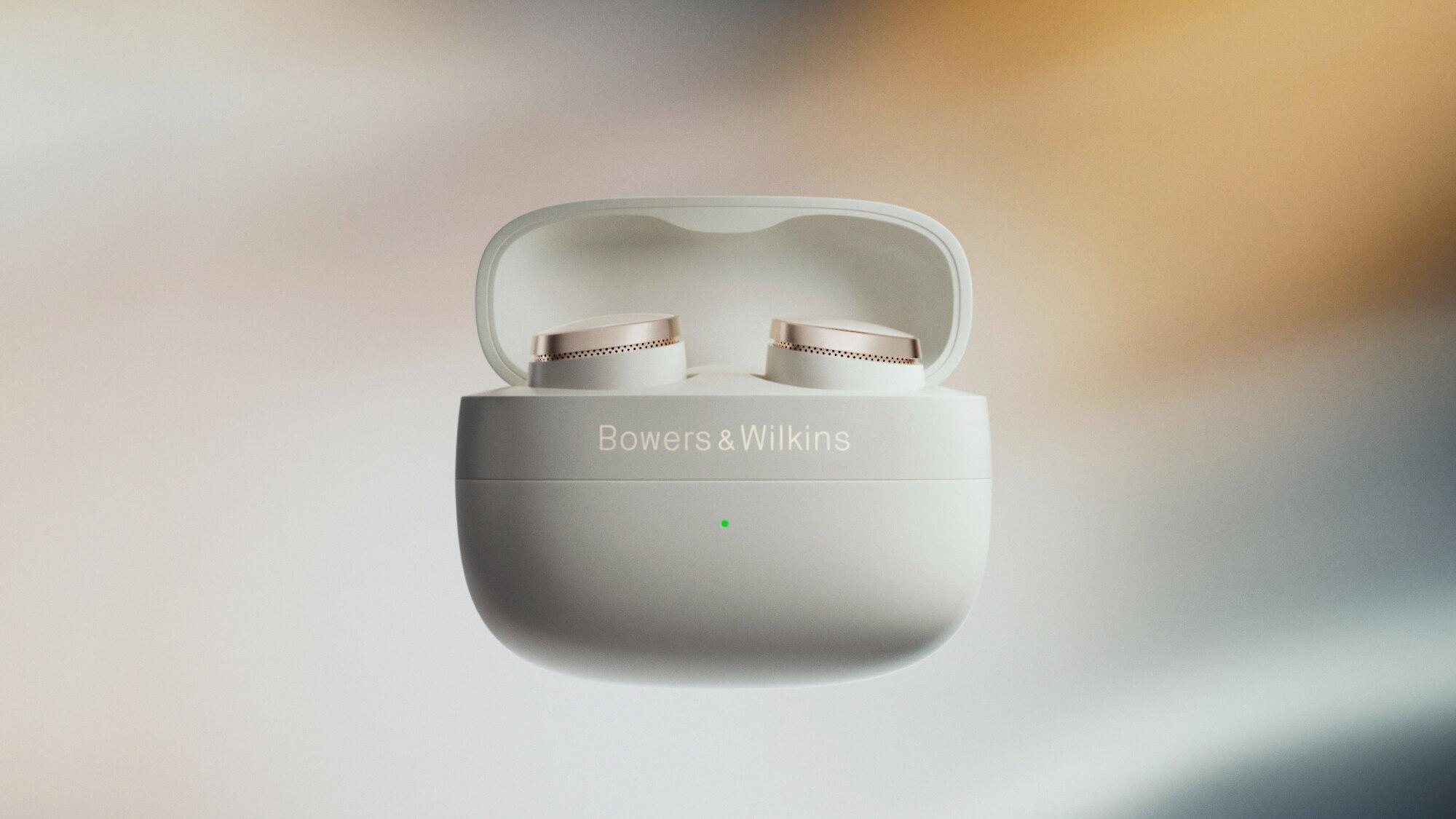





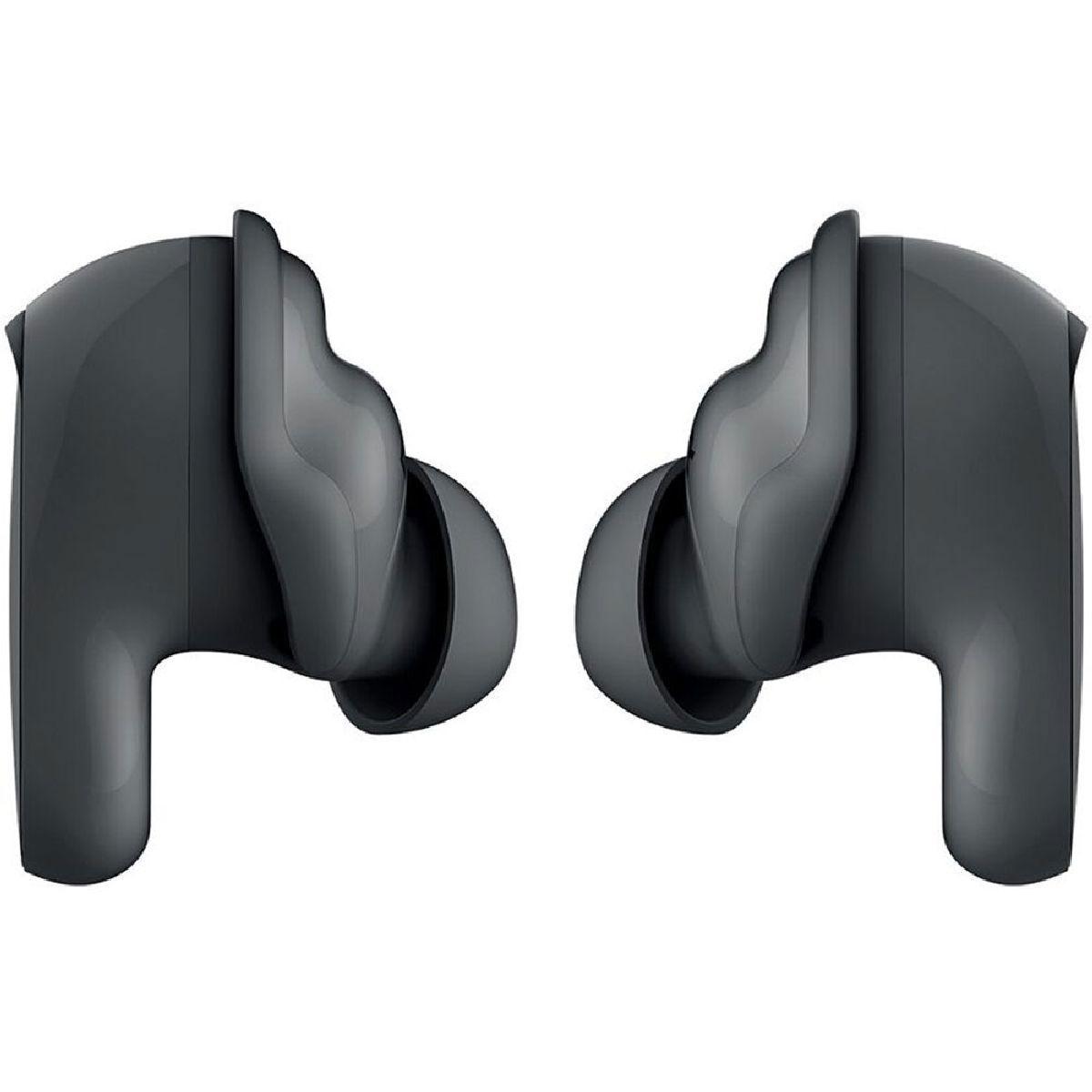
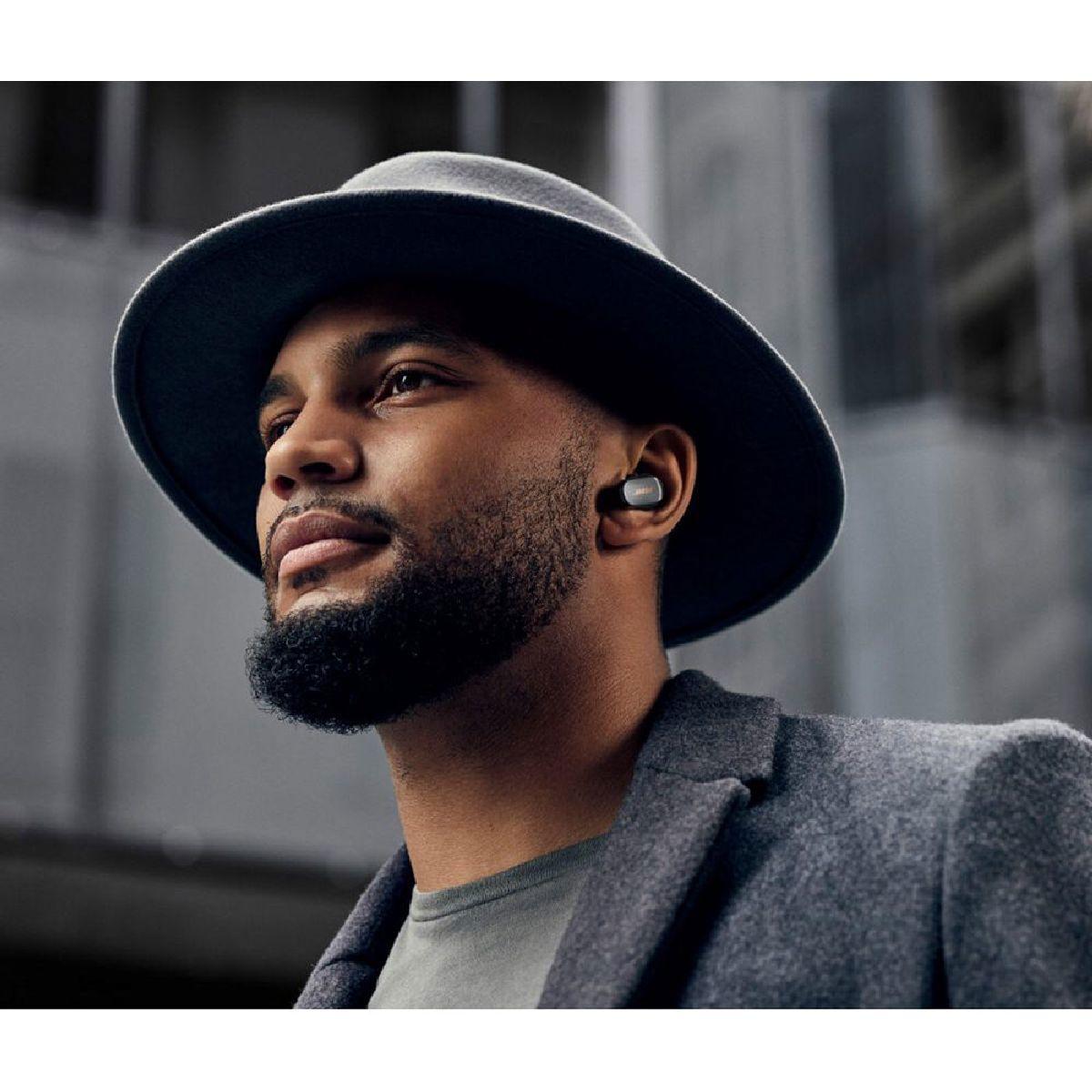

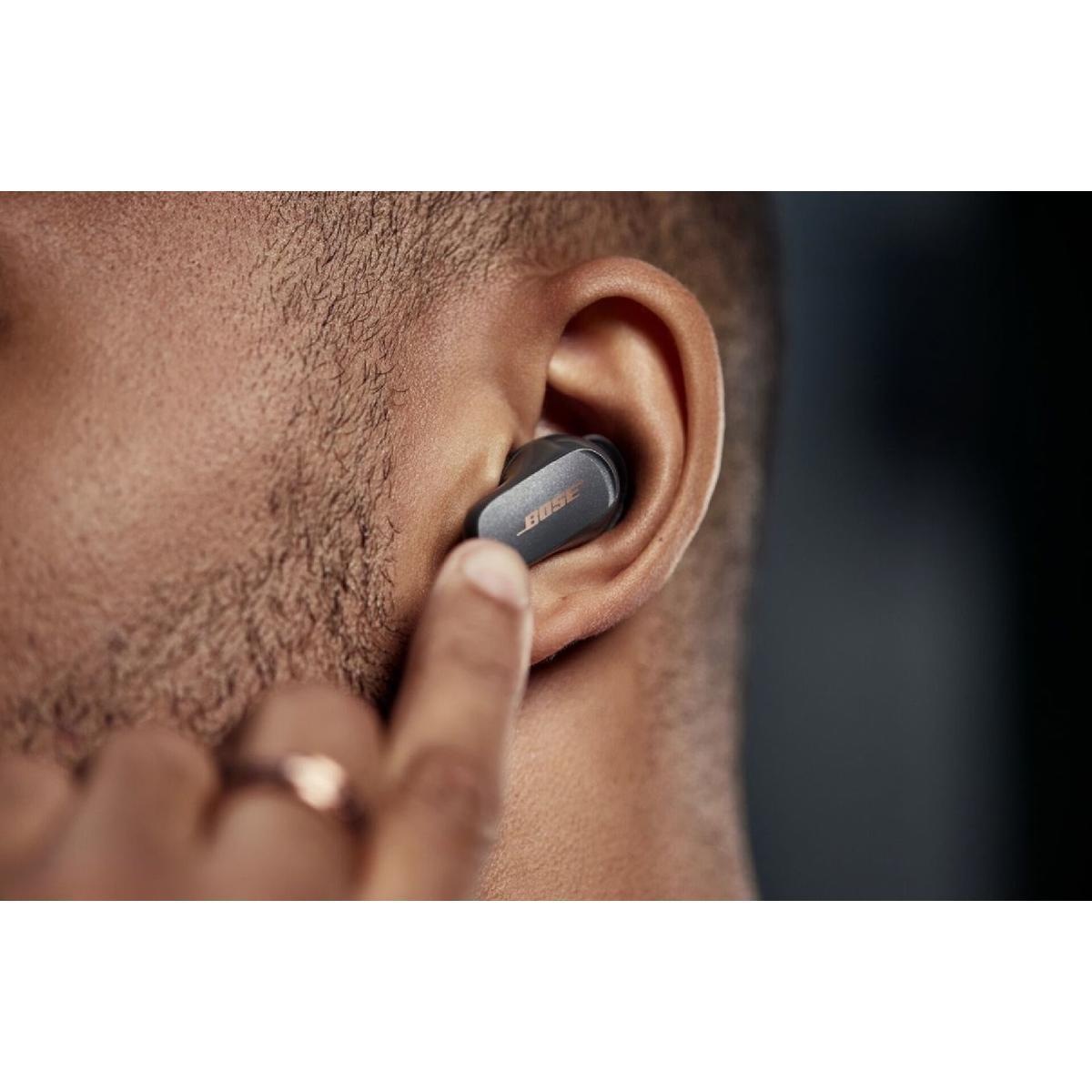
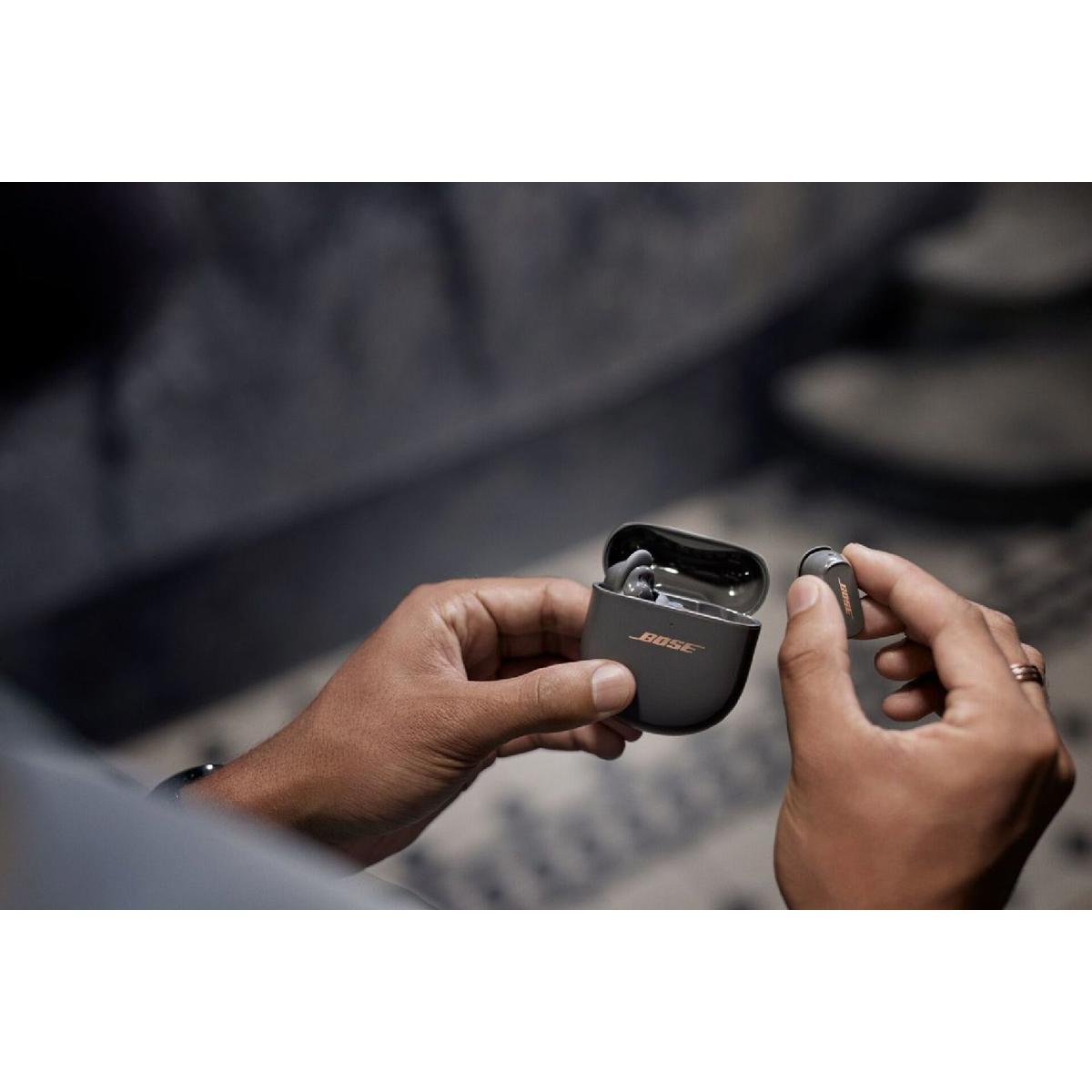
When I first started reviewing premium wireless earbuds seriously, the market was dominated by a simple philosophy: you either got great sound quality or excellent noise cancellation, but rarely both at an elite level. Fast forward to 2024, and we're seeing some truly impressive options that challenge this old assumption. Today, I'm diving deep into two flagship earbuds that represent different philosophies in premium audio: the Bowers & Wilkins Pi8 and the Bose QuietComfort Earbuds II.
At the time of writing, both products sit in that premium tier where you're paying flagship prices – typically between $280-400 – for what companies promise will be their absolute best technology. The question isn't whether these earbuds are expensive (they definitely are), but whether they justify their cost through performance that meaningfully outpaces more affordable options.
Before we get into the nitty-gritty comparison, let's talk about what you should actually expect when spending this much on earbuds. Premium true wireless earbuds compete on several fronts that cheaper models often compromise on.
Audio quality sits at the heart of any serious earbud discussion. This isn't just about "sounds good" – we're talking about driver technology (the tiny speakers inside each earbud), frequency response (how well they reproduce bass, mids, and treble), and sound signature (the overall character of the sound). Premium earbuds use larger, more sophisticated drivers and digital processing that can reveal details in your music that you've never noticed before.
Active noise cancellation (ANC) has become table stakes in this price range, but not all ANC is created equal. The technology works by using microphones to detect outside noise, then generating "anti-noise" sound waves that cancel out those unwanted sounds. The effectiveness depends on how many microphones each earbud uses, how fast the processing chip can react, and how well the algorithm handles different types of noise.
Build quality and comfort matter more than you might think. When you're wearing earbuds for hours at a time, small differences in fit, materials, and weight distribution become major factors in long-term satisfaction. Premium earbuds also typically offer better weather resistance and more durable construction.
The battery performance and advanced features like multipoint connectivity (connecting to multiple devices at once) or high-resolution audio codec support round out what separates flagship products from the rest of the pack.
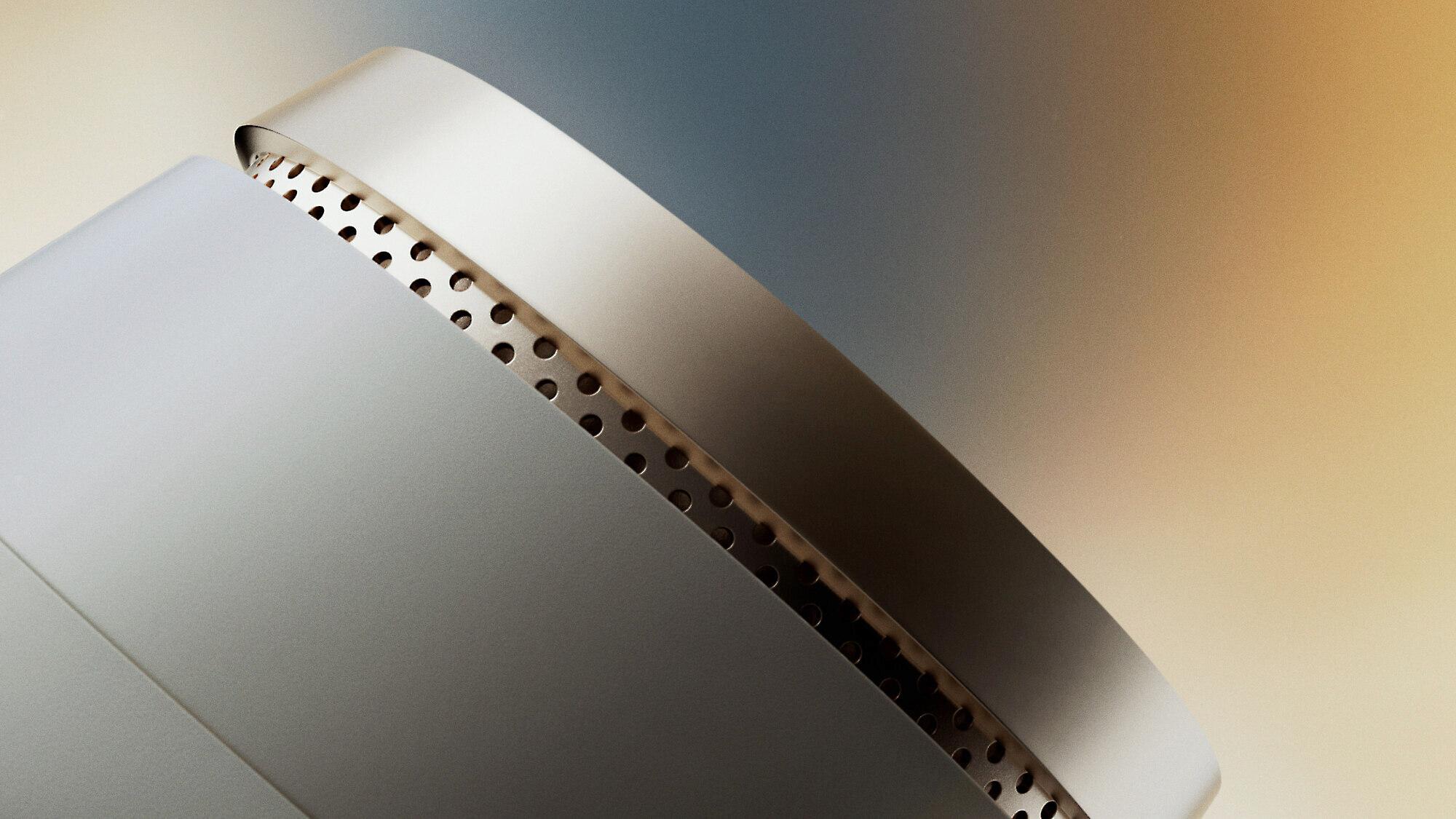
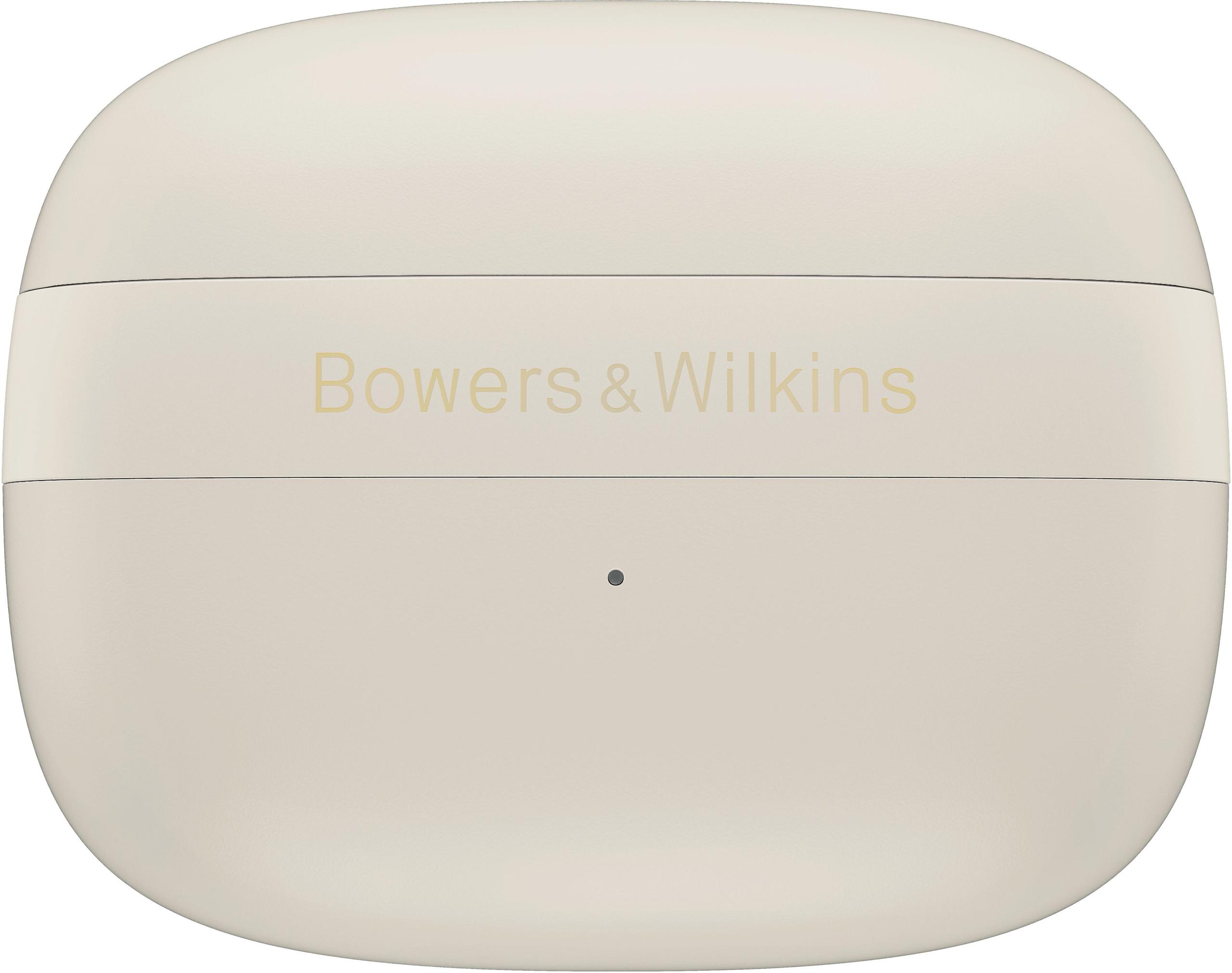
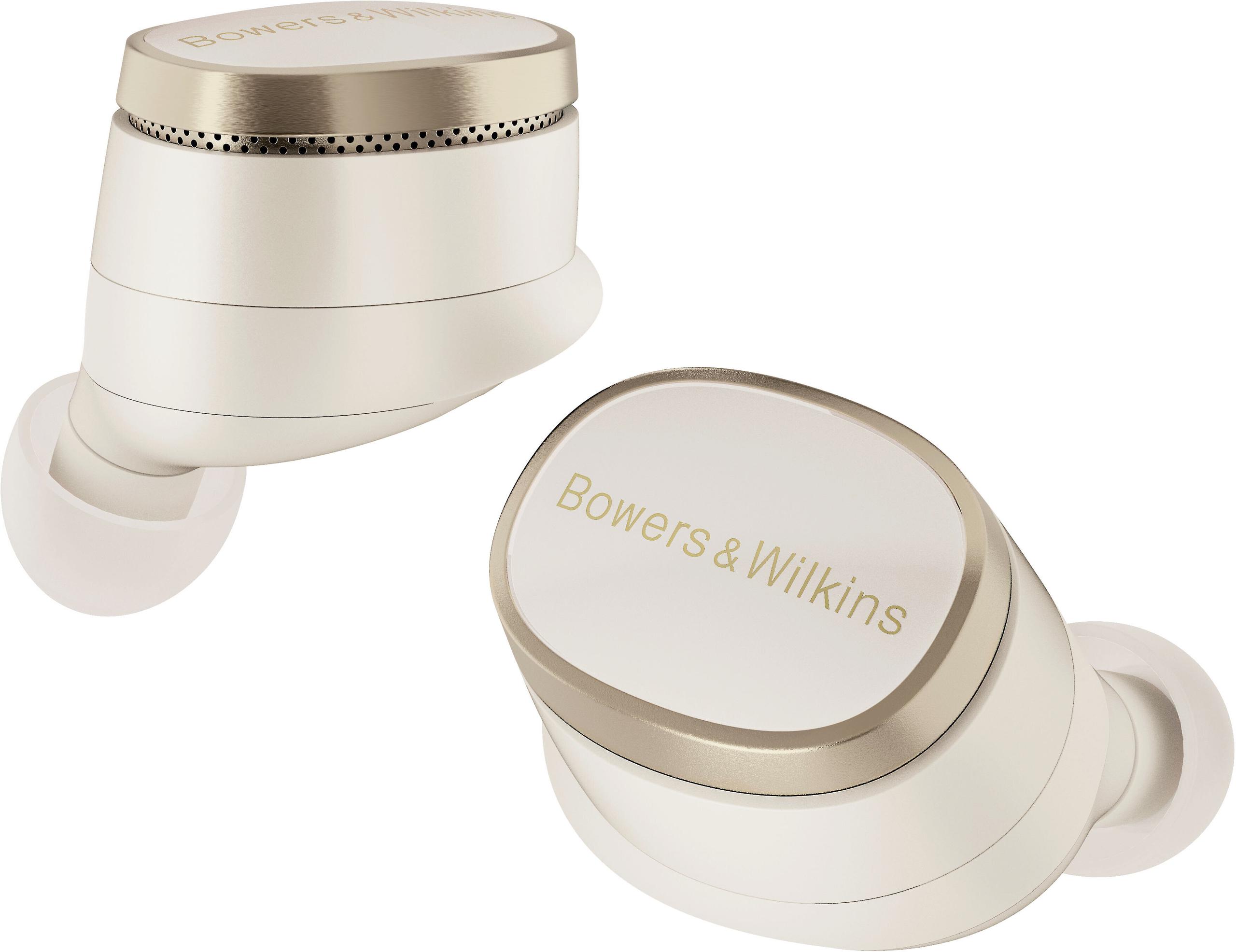
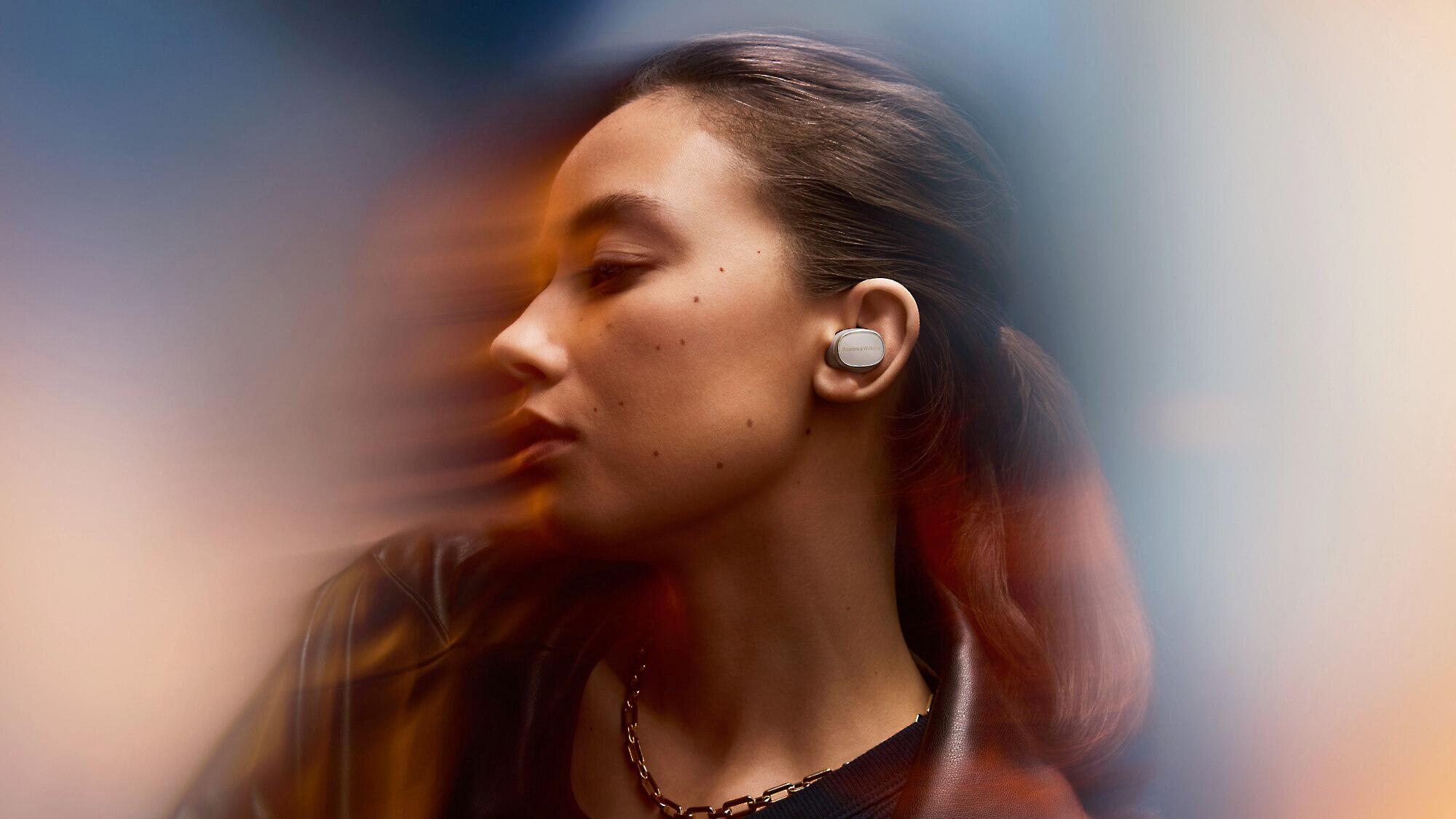
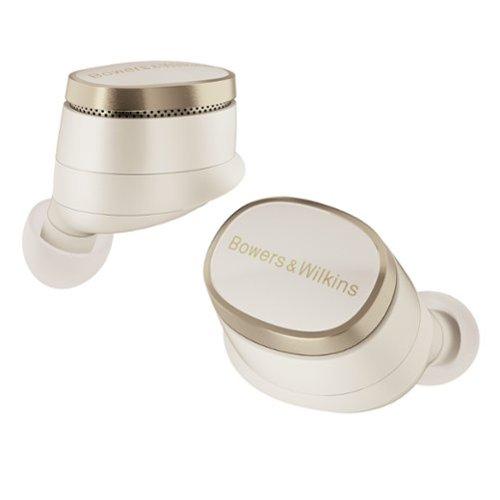
The Bowers & Wilkins Pi8 launched in 2024 as the British audio company's flagship wireless earbuds, building on decades of experience making high-end speakers and headphones. B&W took their approach from premium over-ear headphones and essentially miniaturized it, focusing primarily on delivering the most accurate, detailed sound possible in a wireless earbud format.
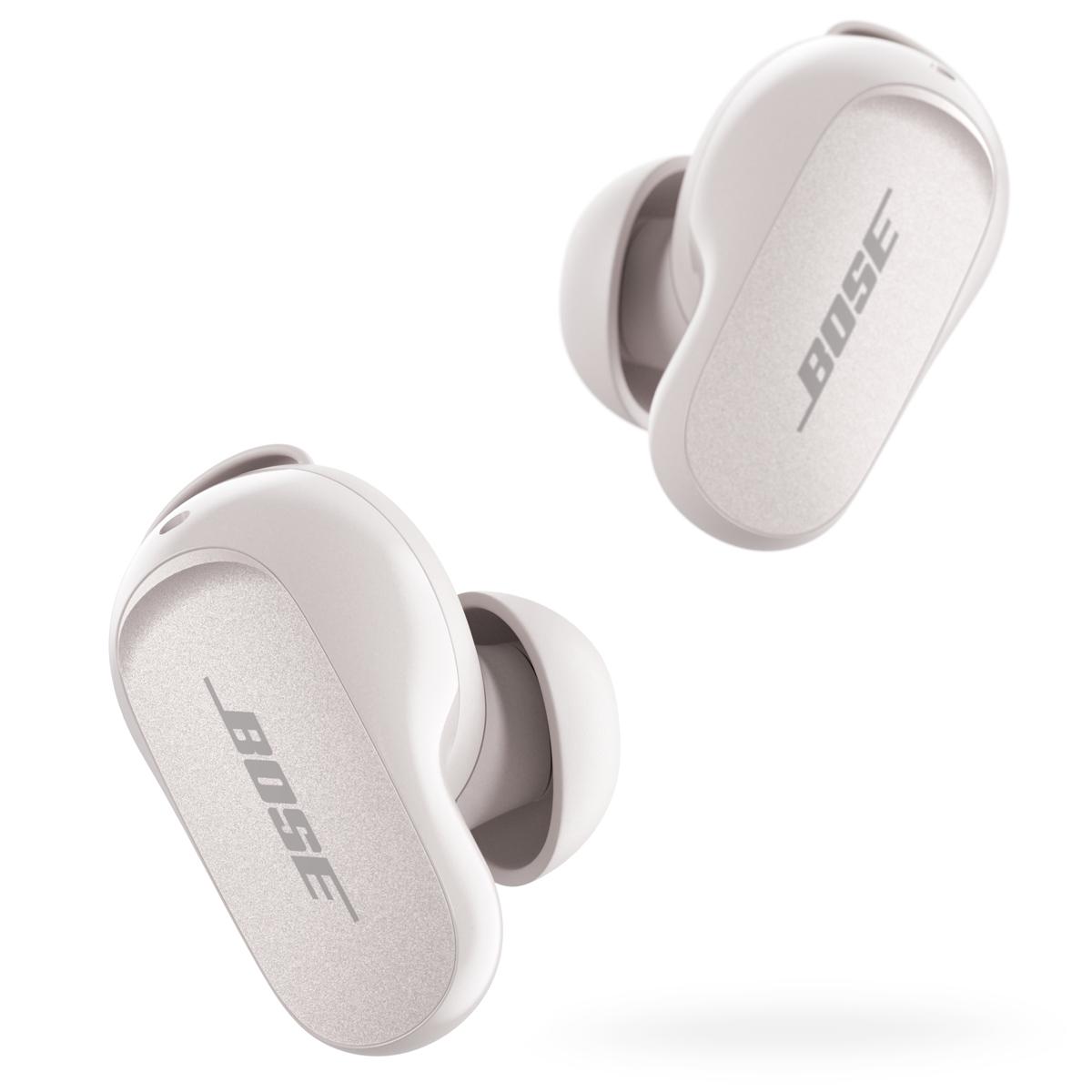
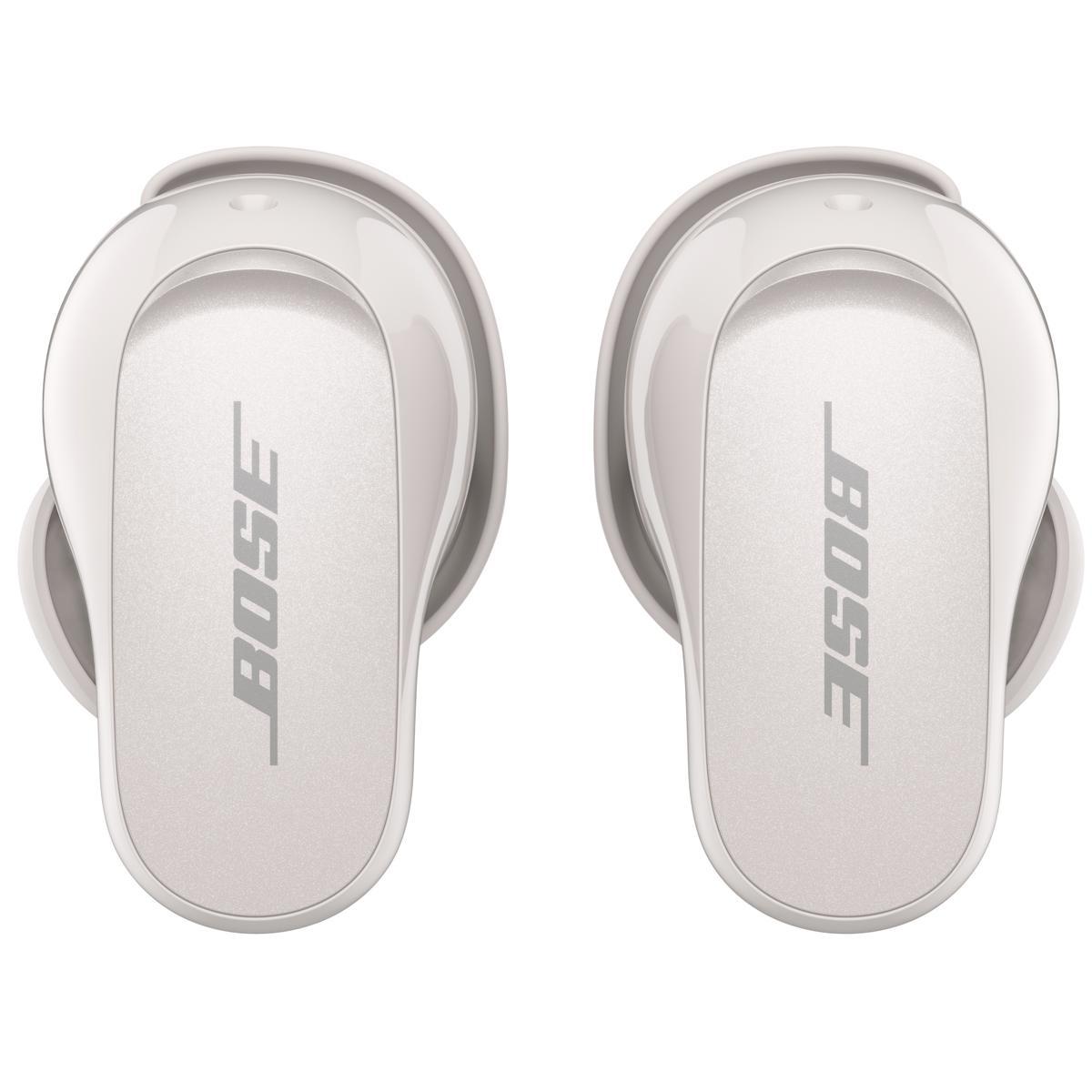
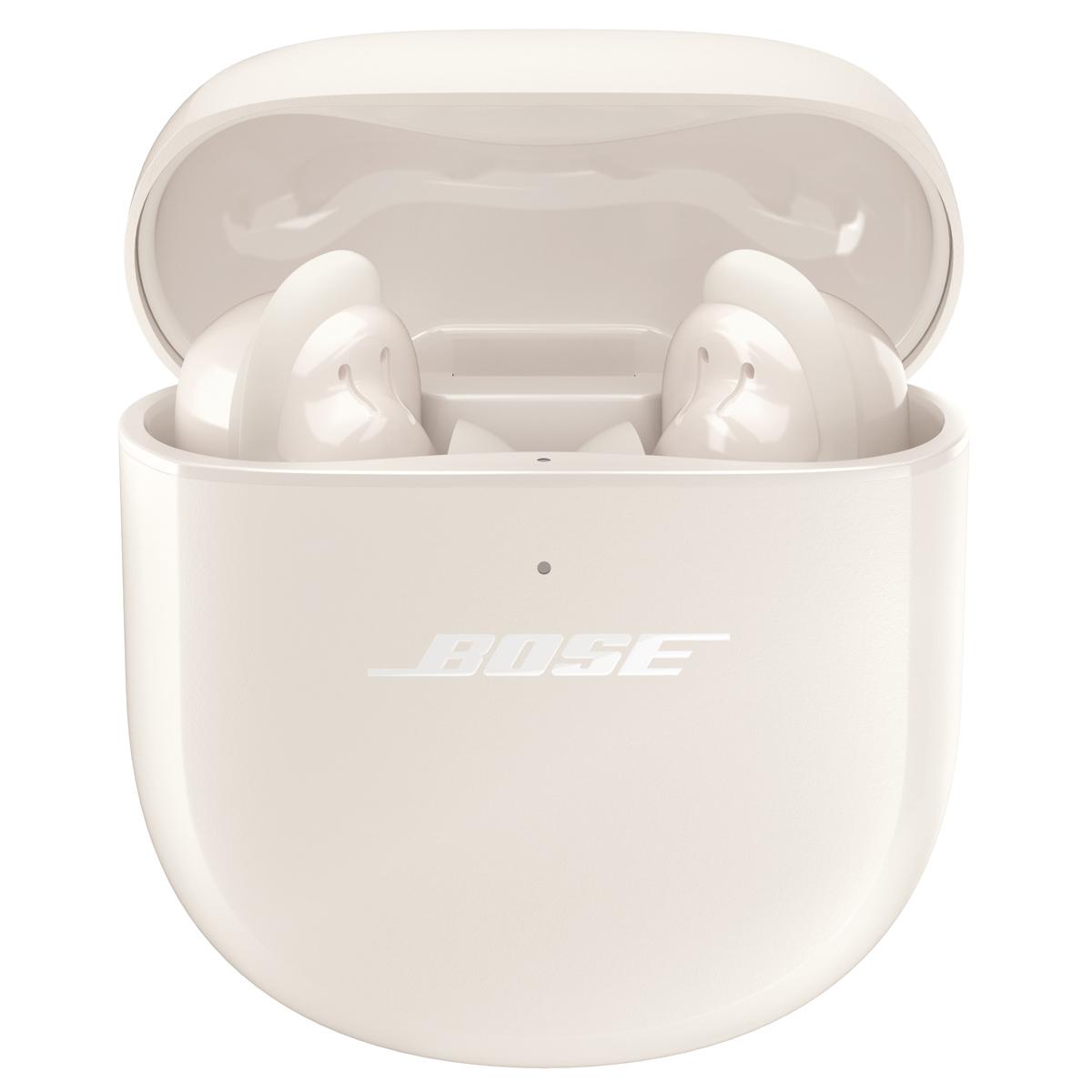
The Bose QuietComfort Earbuds II, released earlier as Bose's second-generation flagship, represents a different philosophy. Bose built their reputation on noise cancellation technology, and these earbuds prioritize creating the quietest possible listening environment while delivering sound that's optimized for how most people actually listen to music.
These represent genuinely different approaches to the same problem: how do you create the best possible wireless listening experience? Understanding these philosophical differences helps explain why one might be better for your specific needs.
Let's start with the most important question: how do they actually sound? This is where the Bowers & Wilkins Pi8 shows its audiophile DNA most clearly.
The Pi8 uses 12mm Carbon Cone drivers – and that "carbon cone" part isn't just marketing speak. These drivers are adapted directly from B&W's premium Px8 over-ear headphones, which cost significantly more than these earbuds. Carbon fiber cones are stiffer and lighter than conventional materials, which means they can move more precisely and with less distortion. In practical terms, this translates to cleaner highs, more detailed midrange, and tighter bass response.
What really sets the Pi8 apart is its support for high-resolution audio codecs, particularly aptX Lossless and aptX Adaptive. Think of audio codecs as different languages that your phone and earbuds use to communicate. Standard Bluetooth audio compresses your music significantly to fit through the wireless connection. AptX Lossless can transmit true CD-quality audio (and sometimes better) without any compression, while aptX Adaptive automatically adjusts the quality based on your connection strength.
In real-world listening, the Pi8 delivers what I'd describe as a "reference" sound signature. It doesn't artificially boost any particular frequency range – instead, it aims to reproduce music as close to what the artist and engineer intended as possible. This means acoustic guitars have natural string texture, vocals sit in their proper place in the mix, and complex orchestral pieces maintain their separation rather than turning into sonic mush.
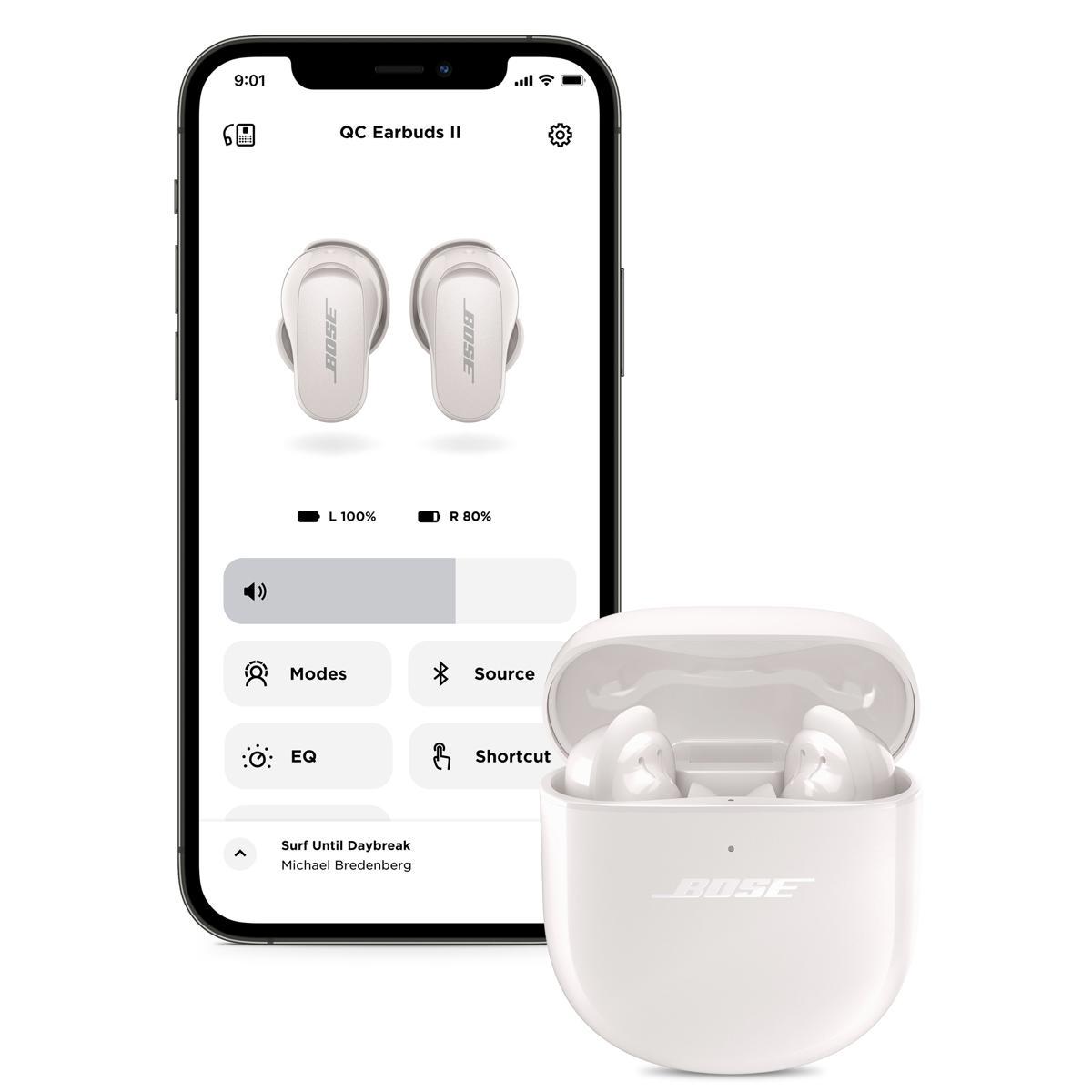
The Bose QuietComfort Earbuds II takes a completely different approach with something called CustomTune technology. Every time you put these earbuds in your ears, they emit a brief tone and measure how that sound reflects around your unique ear canal shape. Based on those measurements, they automatically adjust both the sound signature and the noise cancellation to optimize performance for your specific anatomy.
This is genuinely innovative technology. Everyone's ears are different – not just in size, but in shape, and these differences affect how we perceive sound. What CustomTune does is essentially create a personalized audio profile that adapts to your physiology. In practice, this means the Bose earbuds might sound significantly different (and better) for you than they do for someone else.
The QC Earbuds II also lean toward a more consumer-friendly sound signature with enhanced bass response. This isn't necessarily a bad thing – most popular music is mixed with some bass emphasis in mind, and many listeners prefer a warmer, more energetic sound. The Bose app also includes a customizable EQ, so you can adjust the sound to your preferences.
If you're someone who listens to a lot of acoustic music, jazz, classical, or well-recorded rock albums, and you have high-quality source material, the Pi8 will likely give you a more satisfying long-term listening experience. The larger drivers and high-res codec support mean you're hearing more of what's actually in your music files.
However, if you primarily stream music from services like Spotify or Apple Music, listen to a lot of bass-heavy genres, or just want earbuds that automatically sound their best without any tweaking, the QC Earbuds II's CustomTune technology might actually deliver better real-world performance for your specific situation.
This is where the Bose QuietComfort Earbuds II absolutely shine, and it's not even close. Bose essentially invented consumer active noise cancellation, and they've been refining the technology for decades.
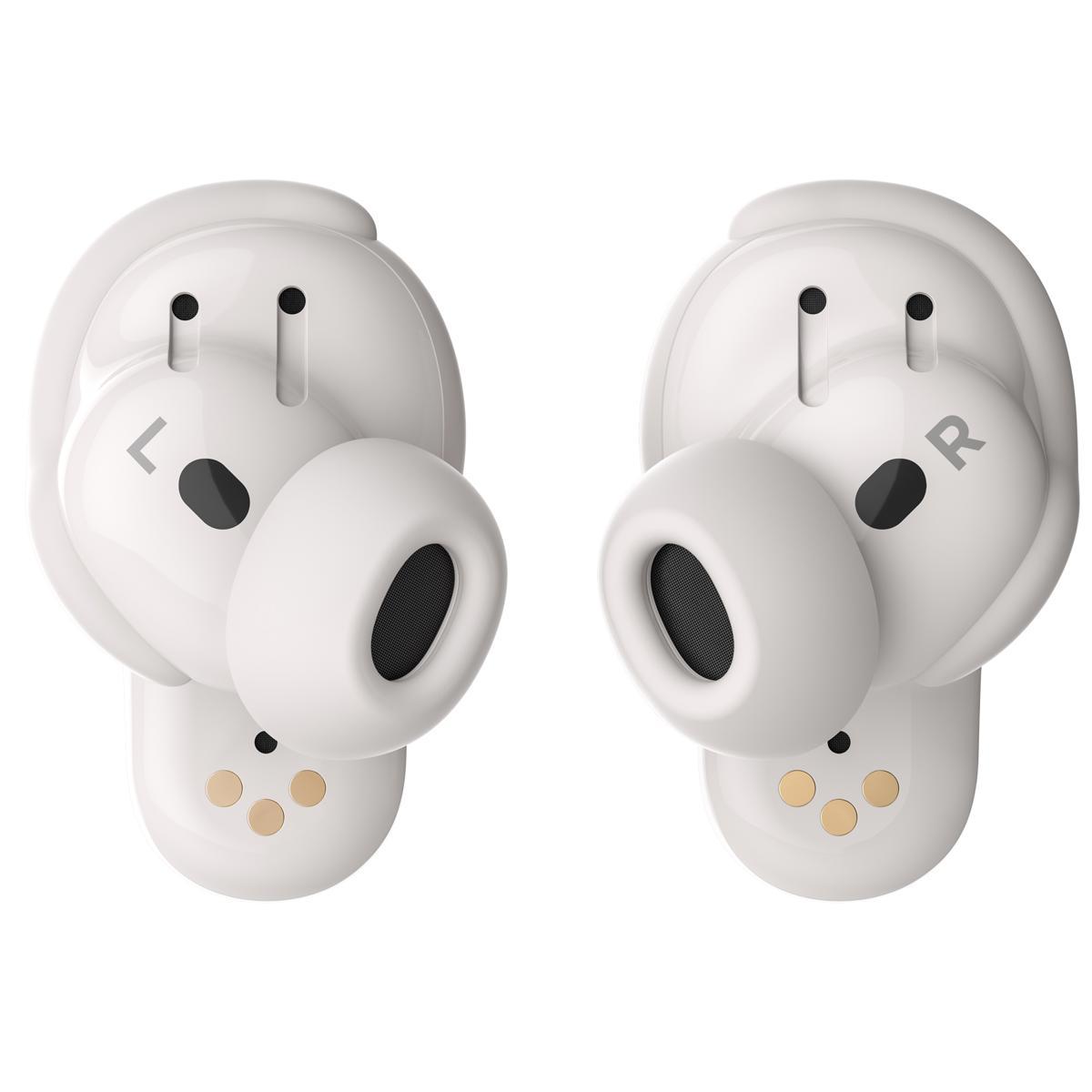
The QC Earbuds II use four microphones per earbud – one inside your ear canal and three on the outside. This microphone array constantly monitors ambient noise and feeds that information to Bose's proprietary processing chip. The system can identify and cancel out noise in less than a millisecond, which is fast enough to handle everything from airplane engines to air conditioning hums to traffic noise.
The CustomTune technology also optimizes the noise cancellation based on your ear shape. Since ANC effectiveness depends partly on how well the earbuds seal in your ears, this personalization can make a significant difference in real-world performance.
I've tested these earbuds on flights, in coffee shops, and during my daily subway commute, and the noise reduction is genuinely impressive. The world doesn't just get quieter – it's like someone simply turned down the volume on everything except your music. The QC Earbuds II also include something called ActiveSense, which automatically reduces noise cancellation if it detects sudden loud sounds that might be important (like car horns or emergency sirens).
The Bowers & Wilkins Pi8 includes active noise cancellation, but it's clearly not the primary focus. With three microphones per earbud and adaptive processing, it handles everyday noise reasonably well. You'll notice a difference when you turn it on, and it's perfectly adequate for most listening situations.
However, if you're planning to use these earbuds primarily in noisy environments – long flights, busy offices, public transportation – the difference in ANC effectiveness between these two products is substantial enough to be a deciding factor.
Both earbuds deliver similar battery performance, which is typical for this category. The Pi8 provides about 6.5 hours of playback with ANC active, while the QC Earbuds II manage around 6 hours. Both cases provide additional charges for total listening times in the 20-24 hour range.
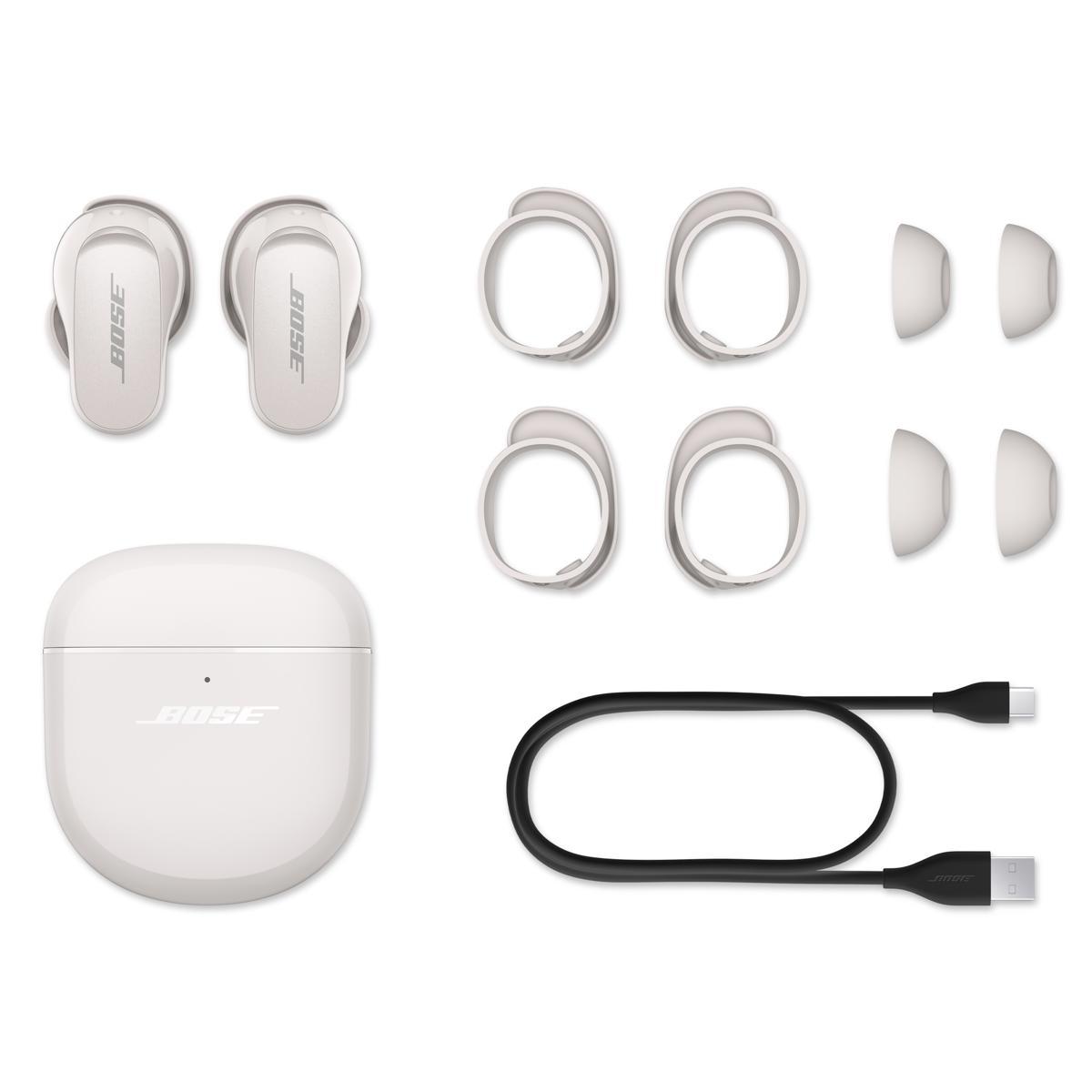
Where they differ is in charging convenience. The Pi8 includes wireless charging in its case, which means you can simply drop it on a charging pad. The Bose case requires a USB-C cable. This might seem minor, but if you've gotten used to wireless charging for your phone, having to remember to plug in your earbuds can be genuinely annoying.
Both offer quick charging – about 15-20 minutes for roughly two hours of playback – which is fast enough to top up during a coffee break.
This is where things get interesting, because both products include features you won't find elsewhere.
The Pi8's most unique feature is something called audio retransmission. The charging case includes a 3.5mm audio input, which means you can plug it directly into any audio source – your TV, airplane entertainment system, gym equipment, or even vintage stereo equipment – and it will wirelessly transmit that audio to your earbuds in high quality.
For home theater use, this is genuinely revolutionary. You can plug the case into your TV's headphone jack and get wireless surround sound without any lag or connection issues. I've been using this setup for late-night movie watching, and it's fantastic – you get all the detail and dynamic range of a good sound system without disturbing anyone else in the house.
The retransmission works with aptX Adaptive, which means you're getting near-lossless audio quality even from sources that don't normally support high-resolution wireless audio. This feature alone might justify the Pi8's higher price for certain users.
The QC Earbuds II's CustomTune technology deserves more explanation because it's genuinely innovative. Beyond just measuring your ear shape, the system continuously adapts to how you're wearing the earbuds. If they shift slightly during a workout or if you readjust them, CustomTune notices and compensates.
This extends to call quality as well. The Bose earbuds use their multiple microphones and processing power to dramatically reduce background noise during phone calls. In testing, people on the other end of calls consistently reported clearer voice quality compared to other earbuds, even in noisy environments.
Both products feel premium, but they achieve it differently. The Pi8 uses more luxurious materials and comes in several attractive color options. They're also rated IP54 for dust and water resistance, which is better protection than most competitors offer.
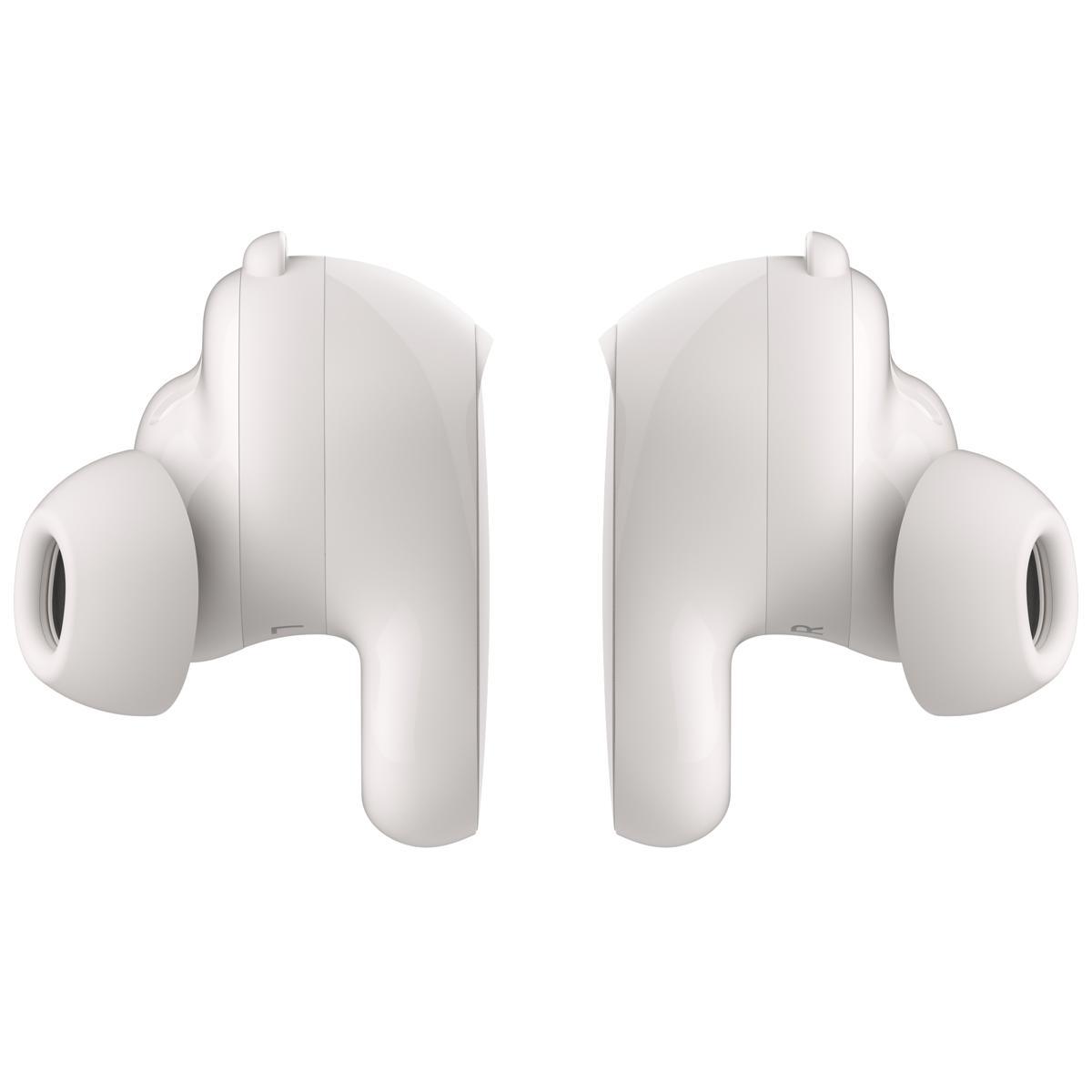
The QC Earbuds II are significantly smaller than Bose's previous generation, making them more comfortable for extended wear. The two-piece fit system – with separate stability bands and ear tips – provides excellent security without pressure points.
In terms of long-term durability, both companies have solid reputations, though Bose's longer history in consumer electronics gives them a slight edge in terms of customer service and replacement part availability.
After extensive testing with both products, here's how I'd break down the decision:
Choose the Bowers & Wilkins Pi8 if:
Choose the Bose QuietComfort Earbuds II if:
At the time of writing, both of these earbuds represent excellent value in the premium category, albeit for different reasons. The Pi8 offers audiophile-grade sound quality and unique functionality that justifies its flagship pricing for serious music listeners. The QC Earbuds II provide the best overall package for users who want premium features without compromising on the practical aspects of daily use.
Neither product is perfect – the Pi8 could use better noise cancellation controls, and the QC Earbuds II would benefit from wireless charging and high-resolution codec support. But both represent meaningful advances over more affordable options and deliver on their core promises.
The choice ultimately comes down to your priorities: pure audio performance versus comprehensive noise control, audiophile features versus mainstream convenience. Either way, you're getting earbuds that will likely satisfy for years to come.
| Bowers & Wilkins Pi8 | Bose QuietComfort Earbuds II |
|---|---|
| Driver Size - Larger drivers typically mean better bass and detail | |
| 12mm Carbon Cone drivers (premium materials for reduced distortion) | Proprietary drivers with CustomTune calibration |
| Active Noise Cancellation - Critical for commuting and travel | |
| 3 microphones per earbud, adaptive ANC (competent but basic) | 4 microphones per earbud, best-in-class performance |
| High-Res Audio Support - Important for audiophiles with quality sources | |
| aptX Lossless, aptX Adaptive, true 24-bit processing | Standard SBC and AAC codecs only |
| Battery Life - Daily usability factor | |
| 6.5 hours + 13.5 hours from case (20 hours total) | 6 hours + 18 hours from case (24 hours total) |
| Water Resistance - Protection for workouts and weather | |
| IP54 (dust and water resistant, superior protection) | IPX4 (water resistant only, basic protection) |
| Unique Features - What sets each apart from competitors | |
| Audio retransmission case (connects to any 3.5mm source) | CustomTune technology (personalizes sound to your ears) |
| Sound Signature - Musical preference compatibility | |
| Natural, balanced audiophile tuning | Bass-forward with customizable EQ |
| Charging Options - Convenience factor | |
| Wireless charging + USB-C | USB-C only (no wireless charging) |
| Bluetooth Version - Connection stability and efficiency | |
| Bluetooth 5.4 (latest standard) | Bluetooth 5.3 (excellent but not cutting-edge) |
| Call Quality - Important for work and communication | |
| Good with 3-mic array | Excellent with advanced noise reduction |
| Multipoint Connectivity - Connect to multiple devices simultaneously | |
| Yes (seamless device switching) | No (single device connection only) |
| Target User - Who benefits most from each product | |
| Audiophiles and home theater enthusiasts | Commuters and noise-sensitive listeners |
The Bowers & Wilkins Pi8 delivers superior audio quality for serious music listening. With 12mm Carbon Cone drivers and support for high-resolution aptX Lossless audio, the Pi8 provides more detailed, natural sound reproduction. The Bose QuietComfort Earbuds II offers good sound quality with a bass-forward signature that many users prefer, but the Pi8 wins for audiophiles who want the most accurate music reproduction.
The Bose QuietComfort Earbuds II has significantly better active noise cancellation. Using 4 microphones per earbud and Bose's industry-leading ANC technology, the QC Earbuds II provides best-in-class noise reduction for flights, commutes, and noisy environments. While the Bowers & Wilkins Pi8 includes decent noise cancellation, it can't match Bose's expertise in this area.
The Bowers & Wilkins Pi8 excels for home theater use thanks to its unique audio retransmission feature. You can plug the charging case directly into your TV's headphone jack and get wireless, high-quality audio without lag. The Bose QuietComfort Earbuds II can connect to TVs via Bluetooth, but the Pi8 offers a more reliable, higher-quality connection for movie watching.
The Bose QuietComfort Earbuds II provides slightly longer total battery life with 6 hours per charge plus 18 additional hours from the case (24 hours total). The Bowers & Wilkins Pi8 offers 6.5 hours per charge plus 13.5 hours from the case (20 hours total). The difference is minimal for daily use, but the Bose earbuds edge out the Pi8 for extended listening sessions.
The Bose QuietComfort Earbuds II provides superior call quality with advanced noise reduction that makes your voice clearer to callers, even in noisy environments. The Bowers & Wilkins Pi8 offers good call quality but focuses more on music performance. For frequent business calls or video conferences, the QC Earbuds II is the better choice.
Both earbuds offer good comfort, but they achieve it differently. The Bose QuietComfort Earbuds II features a two-piece fit system with stability bands and multiple ear tip sizes for secure, comfortable wear. The Bowers & Wilkins Pi8 provides four ear tip sizes and premium materials. Comfort is subjective, but the Bose design is generally better for extended wear during workouts or long commutes.
The Bowers & Wilkins Pi8 supports multipoint connectivity, allowing you to connect to multiple devices simultaneously and seamlessly switch between them. The Bose QuietComfort Earbuds II only connects to one device at a time, requiring manual reconnection when switching between phone, laptop, or tablet. The Pi8 wins for users who regularly switch between devices.
The Bowers & Wilkins Pi8 has better water and dust protection with its IP54 rating compared to the Bose QuietComfort Earbuds II's IPX4 rating. However, the Bose earbuds may stay more secure during intense movement thanks to their stability band design. For serious athletes, the Pi8's superior weather resistance makes it the safer choice.
The Bowers & Wilkins Pi8 supports premium audio codecs including aptX Lossless and aptX Adaptive for true high-resolution wireless audio. The Bose QuietComfort Earbuds II only supports standard SBC and AAC codecs. If you have high-quality music files or streaming services that support lossless audio, the Pi8 will deliver noticeably better sound quality.
The Bowers & Wilkins Pi8 offers both wireless charging and USB-C charging options, making it more convenient for daily use. The Bose QuietComfort Earbuds II only supports USB-C cable charging. If you already use wireless charging pads for your phone, the Pi8 provides a more seamless charging experience.
Value depends on your priorities. The Bose QuietComfort Earbuds II typically costs less and delivers exceptional noise cancellation and personalized sound tuning. The Bowers & Wilkins Pi8 costs more but offers superior audio quality, high-res codec support, and unique features like audio retransmission. The Bose earbuds provide better value for most users, while the Pi8 justifies its premium for audiophiles.
Choose the Bowers & Wilkins Pi8 if you prioritize audio quality, have high-quality music sources, or want the flexibility of the retransmission case for home theater use. Choose the Bose QuietComfort Earbuds II if you need excellent noise cancellation for travel or noisy environments, want personalized sound tuning, or prefer a more affordable premium option. The Pi8 suits audiophiles, while the QC Earbuds II works better for mainstream users.
We've done our best to create useful and informative comparisons to help you decide what product to buy. Our research uses advanced automated methods to create this comparison and perfection is not possible - please contact us for corrections or questions. These are the sites we've researched in the creation of this article: techradar.com - bowerswilkins.com - youtube.com - bestbuy.com - whathifi.com - audioholics.com - crutchfield.com - whathifi.com - audio46.com - rtings.com - audioadvice.com - engadget.com - youtube.com - audio46.com - audiograde.uk - youtube.com - techwelike.com - youtube.com - audioadvice.com - soundguys.com - bestbuy.com - bowerswilkins.com - headphones.com - bowerswilkins.com - bowerswilkins.com - audio46.com - youtube.com - shop.womenshealthmag.com - head-fi.org - youtube.com - youtube.com - bowerswilkins.cn - bowerswilkins.com - audio46.com - bowerswilkins.com - techradar.com - techgearlab.com - cnet.com - soundguys.com - rtings.com - soundstagesolo.com - forums.whathifi.com - youtube.com - cnet.com - bose.com - soundguys.com - youtube.com - rtings.com - soundguys.com - loudnwireless.com - head-fi.org - noisyworld.org - boseindia.com - global.bose.com - boselatam.com - bose.com - youtube.com - boselatam.com - support.bose.com - bhphotovideo.com - bestbuy.com - global.bose.com - bose.com - assets.bose.com - boseapac.com - bose.com - bose.com - bose.com

Privacy Policy
Terms and Conditions - Affiliate Policy
Home Security
© Copyright 2008-2026.
11816 Inwood Rd #1211, Dallas, TX 75244