




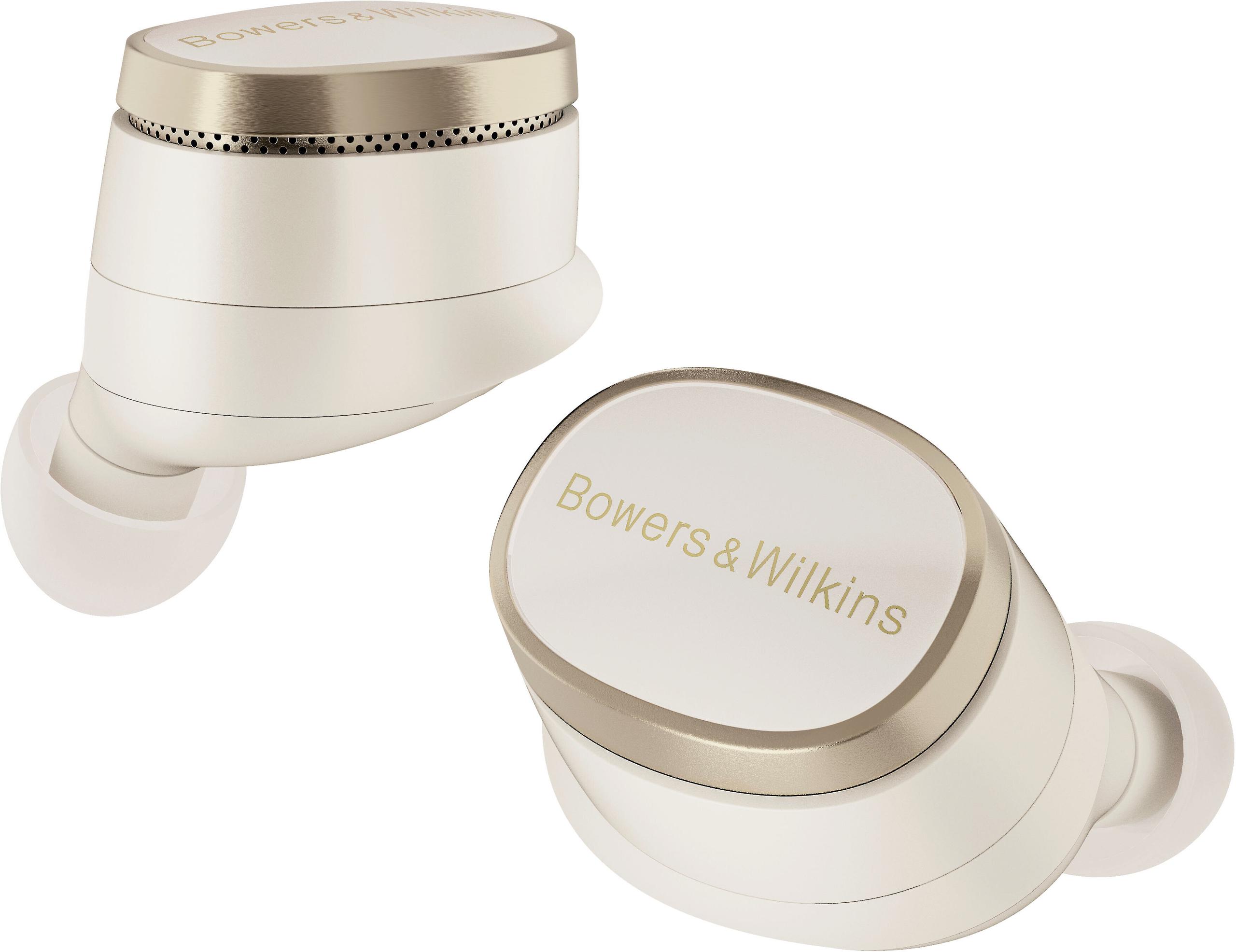





When shopping for premium wireless earbuds, you'll quickly discover that not all expensive earbuds are created equal. The Poly Voyager Free 60+ UC and Bowers & Wilkins Pi8 perfectly illustrate this divide – both command premium prices, but they're designed for completely different worlds.
The earbuds market has evolved far beyond simple audio playback. Today's premium models serve specialized niches, from enterprise communication tools to high-fidelity audio devices for serious music lovers. Understanding which category fits your needs is crucial because buying the wrong type, no matter how well-reviewed, will leave you frustrated with your expensive purchase.
Before diving into these specific models, it's worth understanding what separates premium earbuds from budget options. Premium earbuds typically offer better drivers (the tiny speakers inside), advanced noise cancellation, superior microphone arrays, longer battery life, and specialized features like enterprise software integration or high-resolution audio codec support.
The key considerations when choosing premium earbuds include your primary use case (calls versus music), audio quality requirements, professional features, value proposition, and ecosystem compatibility. These factors matter more than brand recognition or flashy marketing claims.
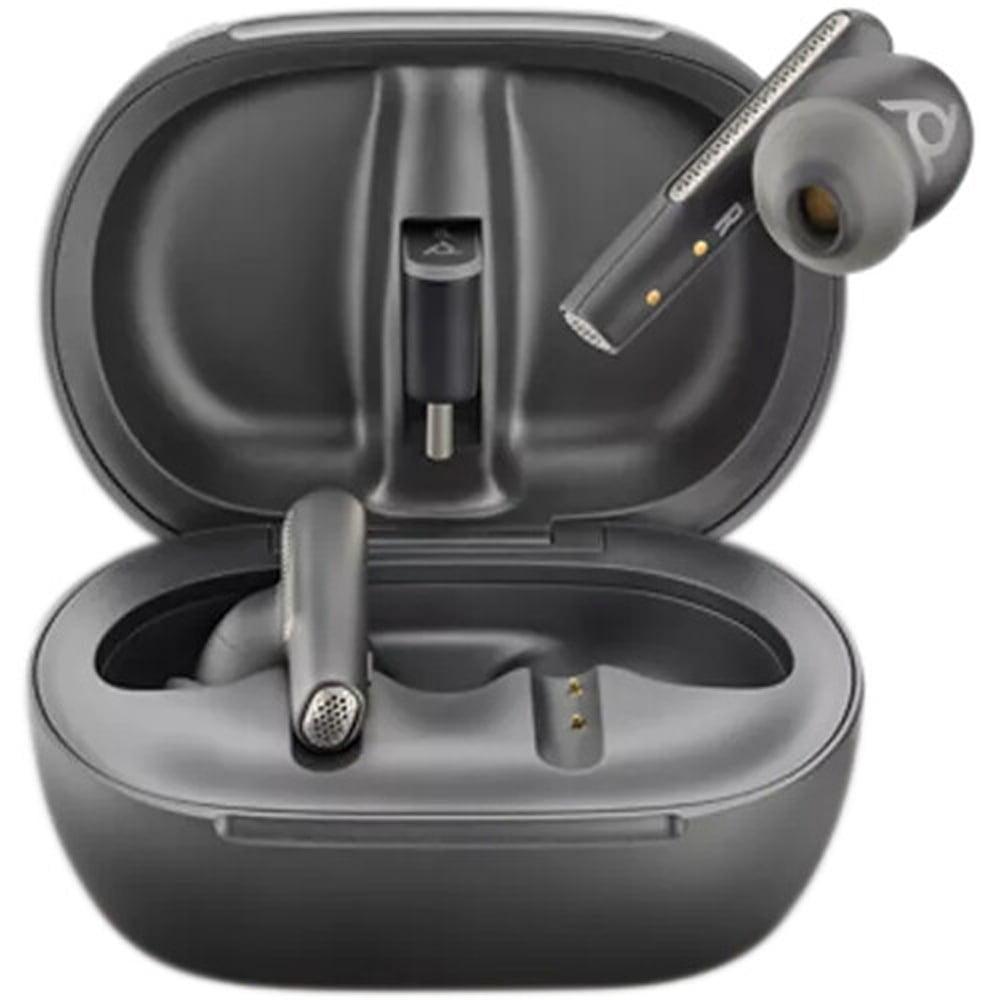
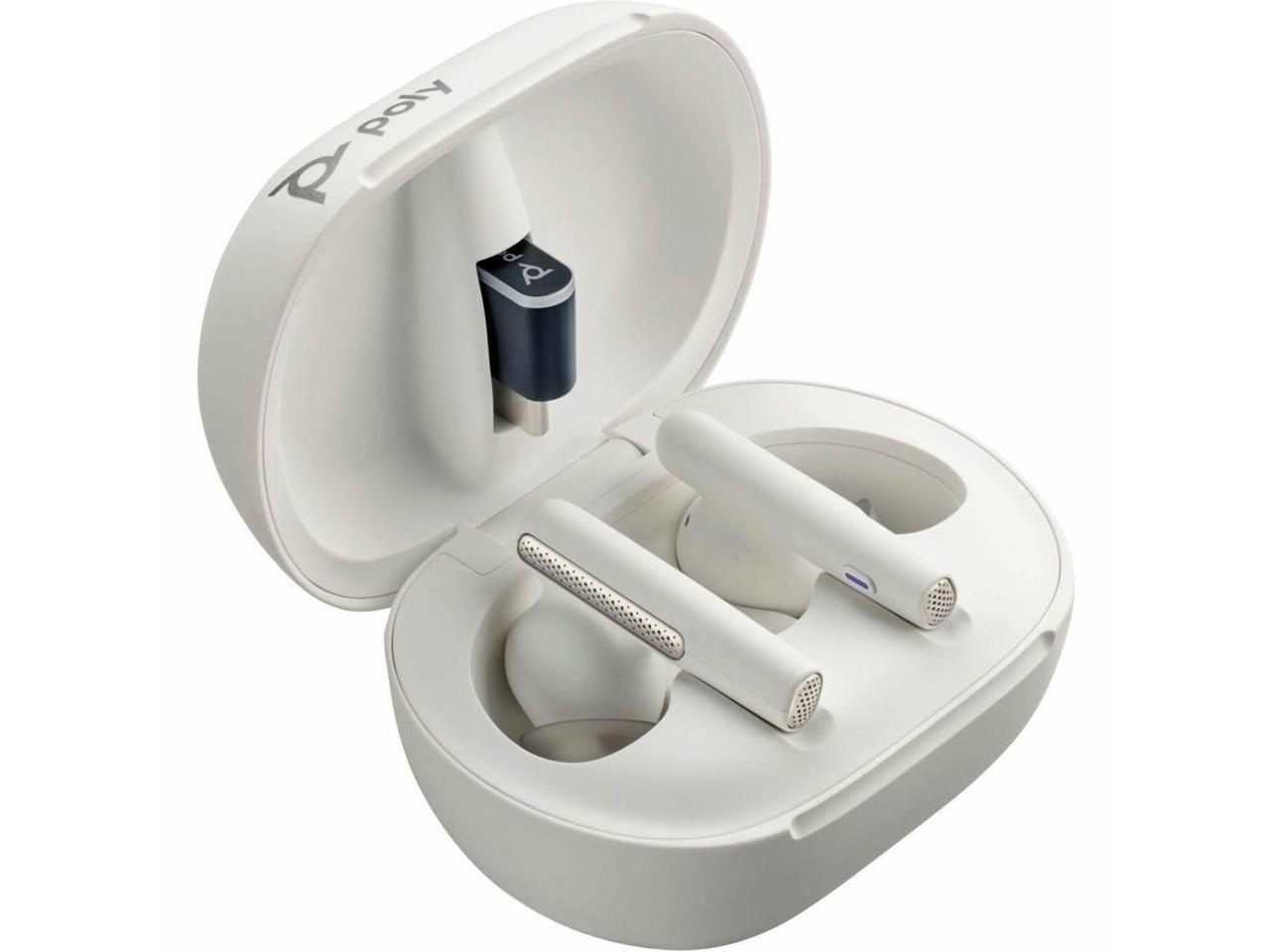
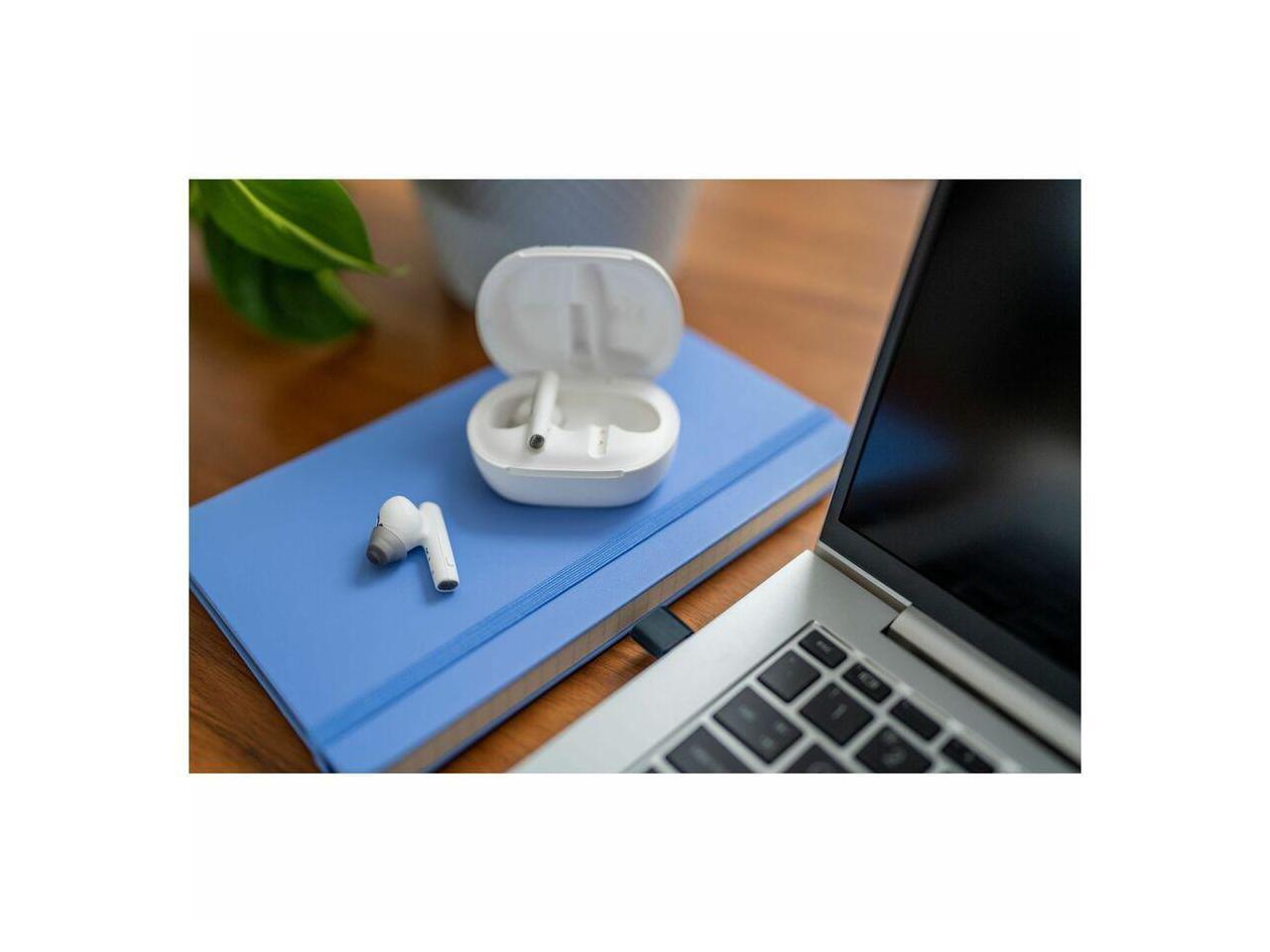
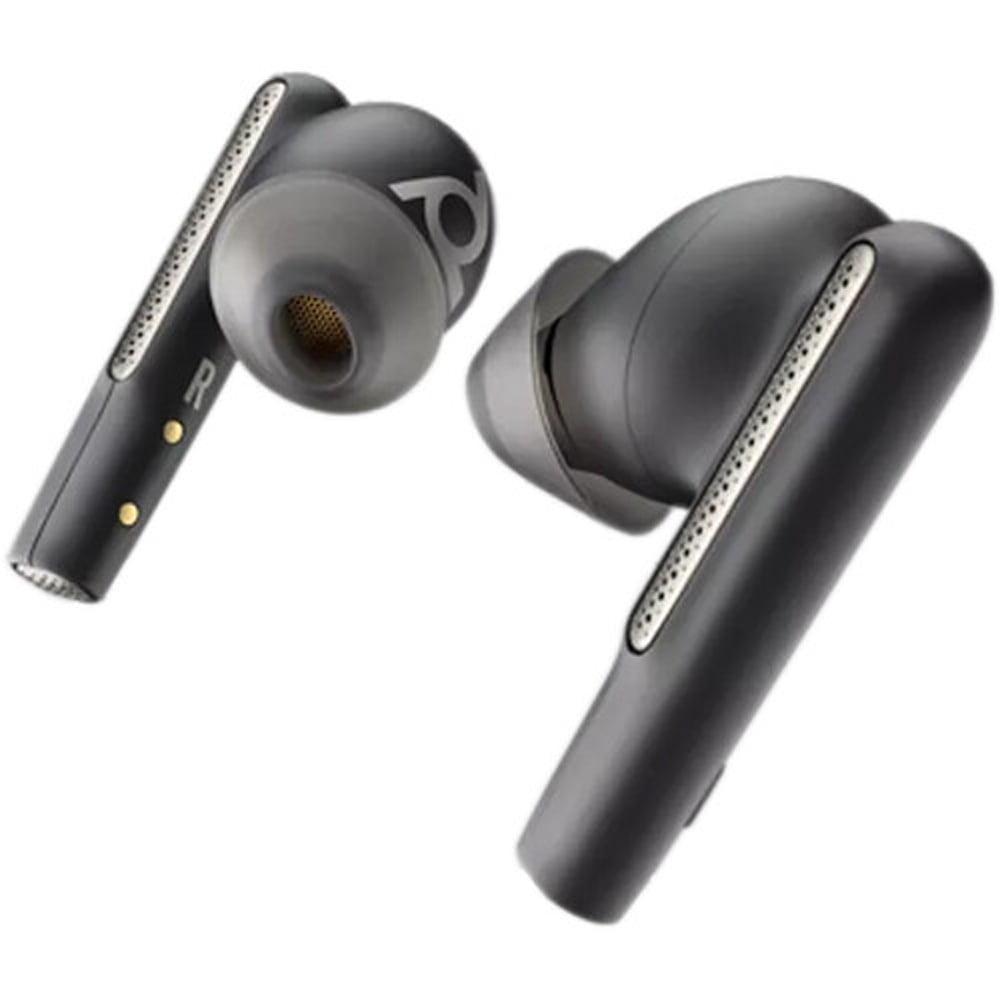
Released in 2023, the Poly Voyager Free 60+ UC represents Poly's enterprise-first philosophy. This isn't just a pair of earbuds with good microphones – it's a comprehensive communication tool designed for the modern workplace.
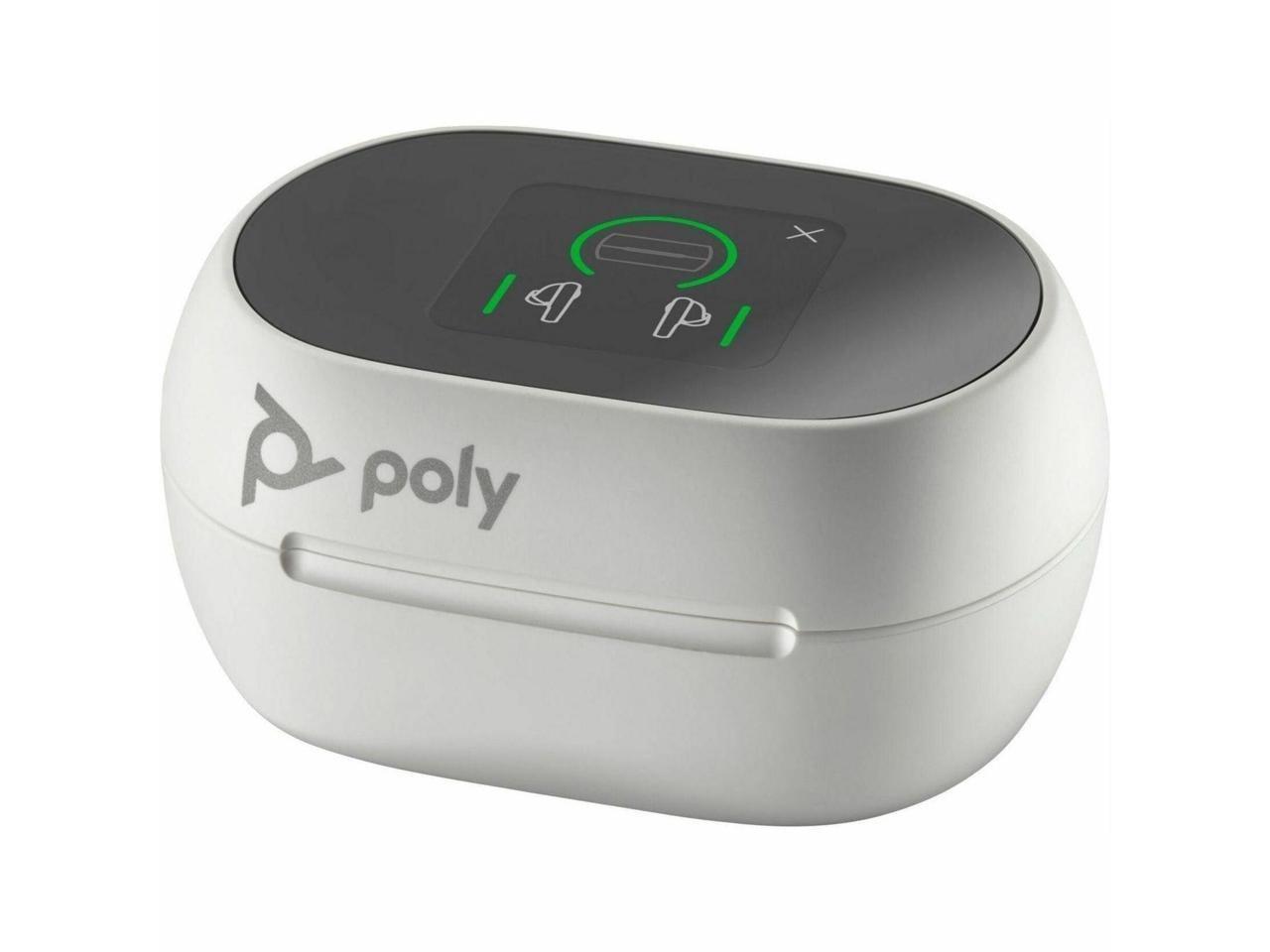
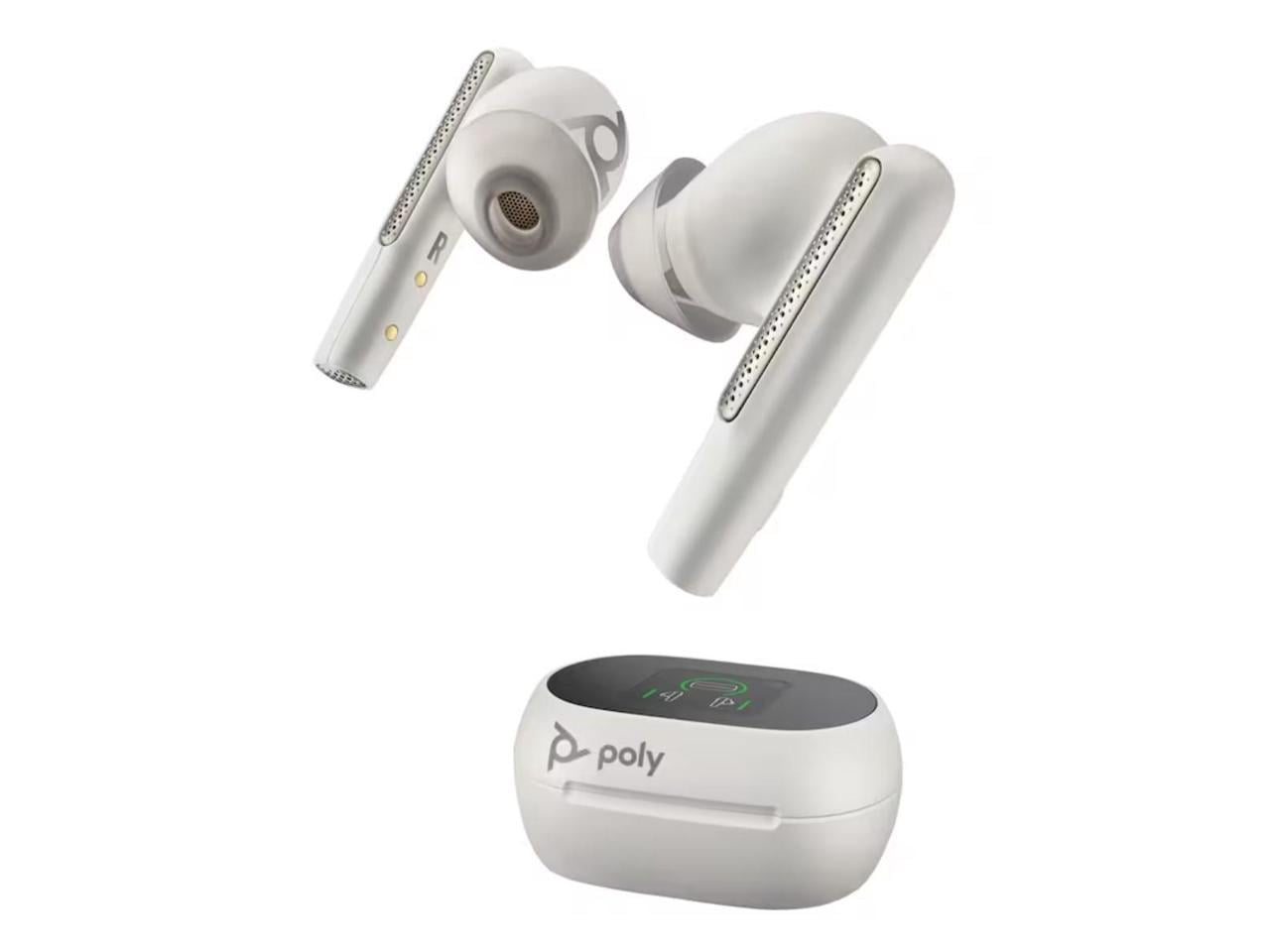
The most striking feature is the color touchscreen charging case, which isn't just a gimmick. This display lets you manage device connections, adjust volume, mute calls, and switch between paired devices without touching your phone or removing the earbuds. For someone juggling multiple video calls throughout the day, this functionality proves genuinely useful.
The Poly Voyager Free 60+ UC also includes Microsoft Teams certification, meaning it integrates seamlessly with Teams calls and includes dedicated Teams functionality. IT departments can manage these earbuds centrally through Poly Lens cloud software – crucial for enterprise deployments where consistency and remote management matter.
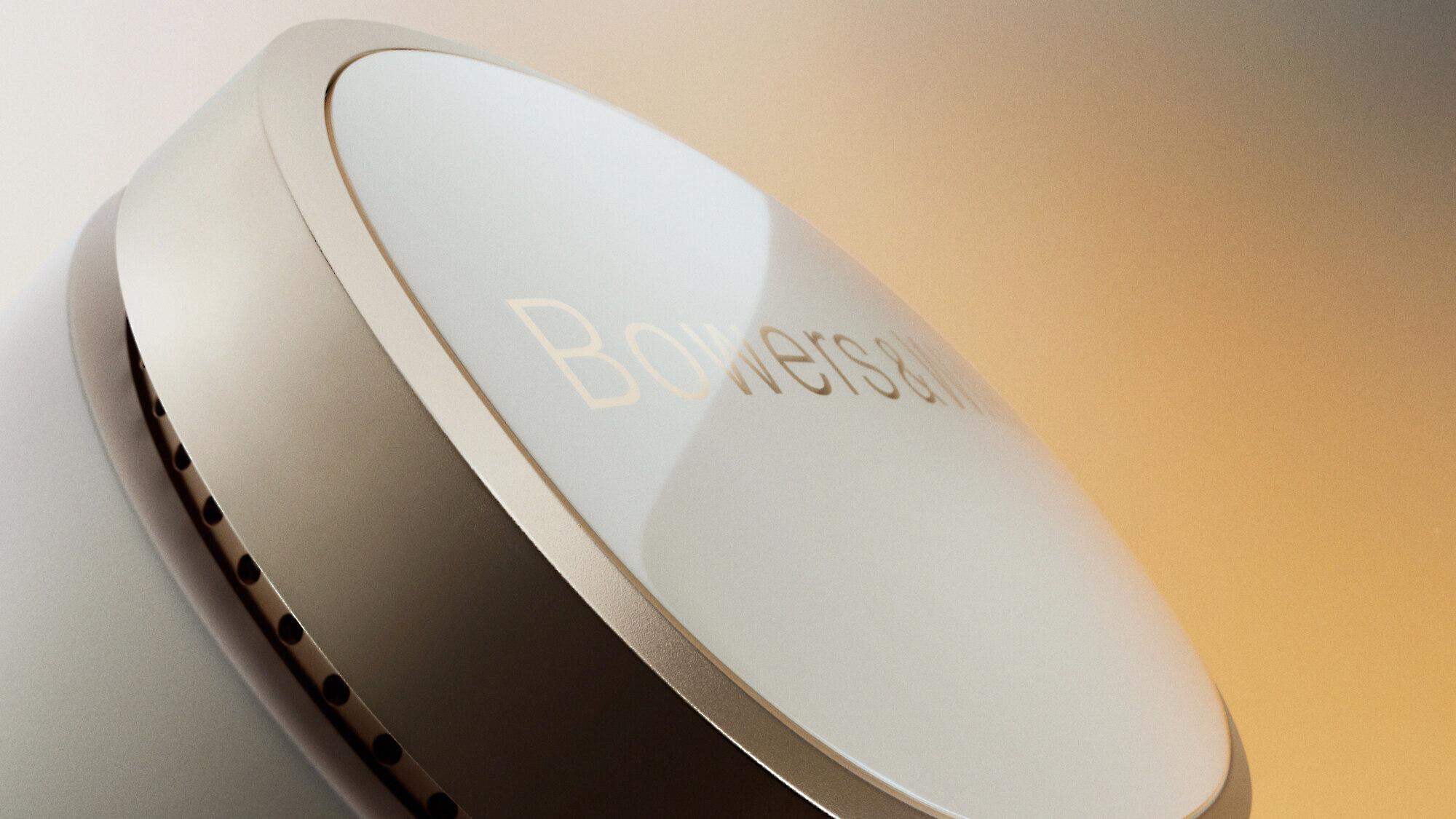
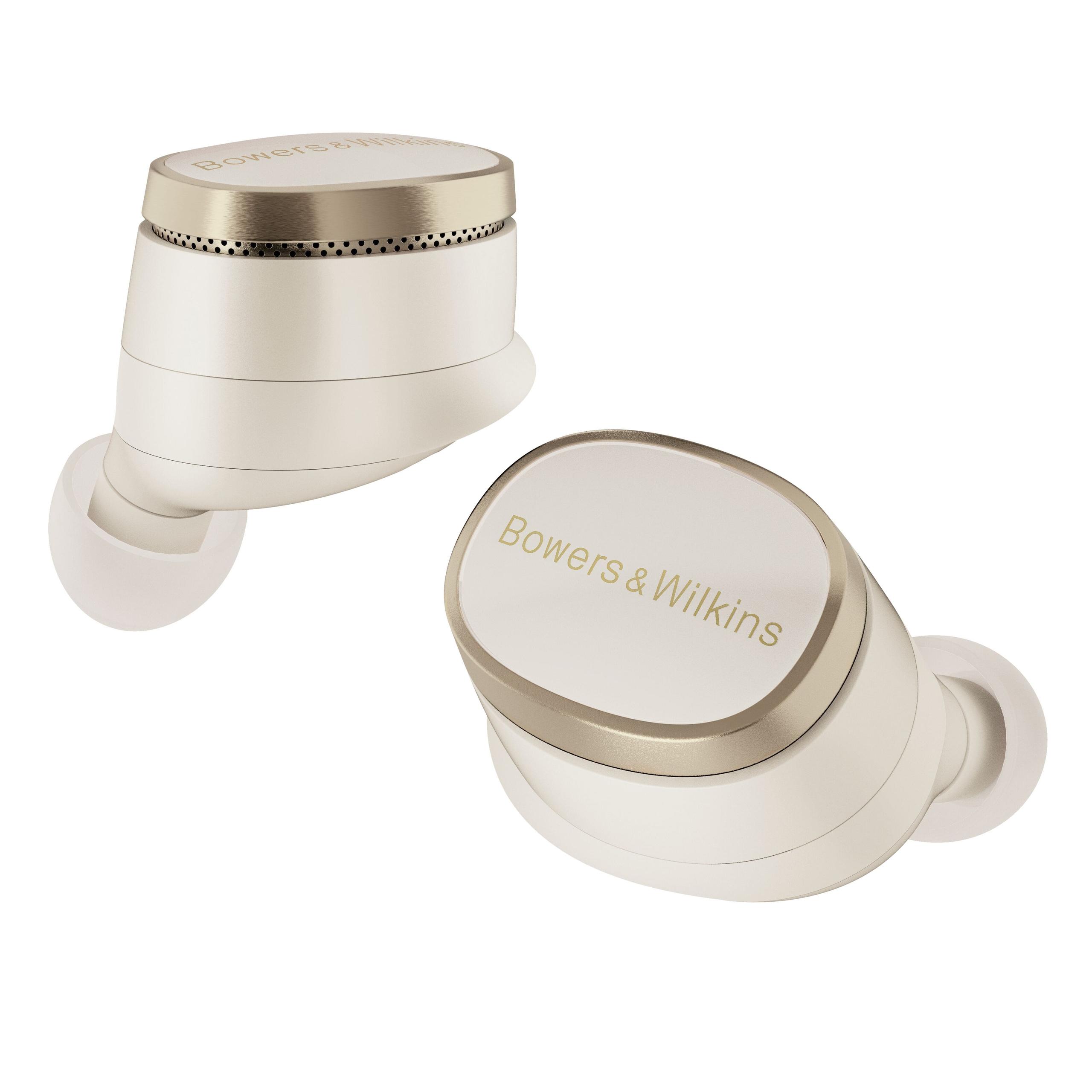
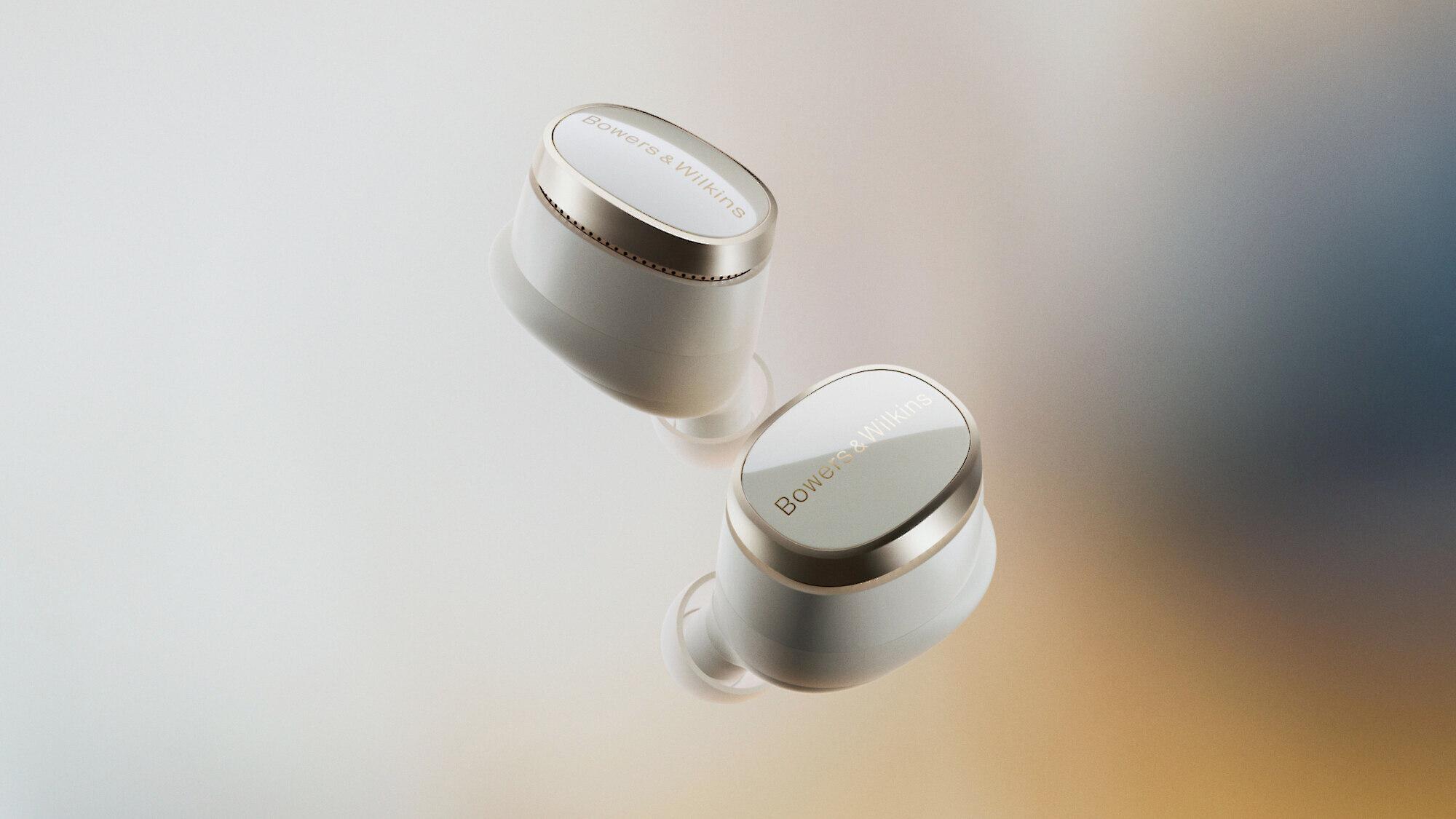
The Bowers & Wilkins Pi8, released in 2024, takes a completely different approach. Bowers & Wilkins, known for premium speakers and headphones used in recording studios worldwide, focused on delivering exceptional audio quality in a wireless earbud package.
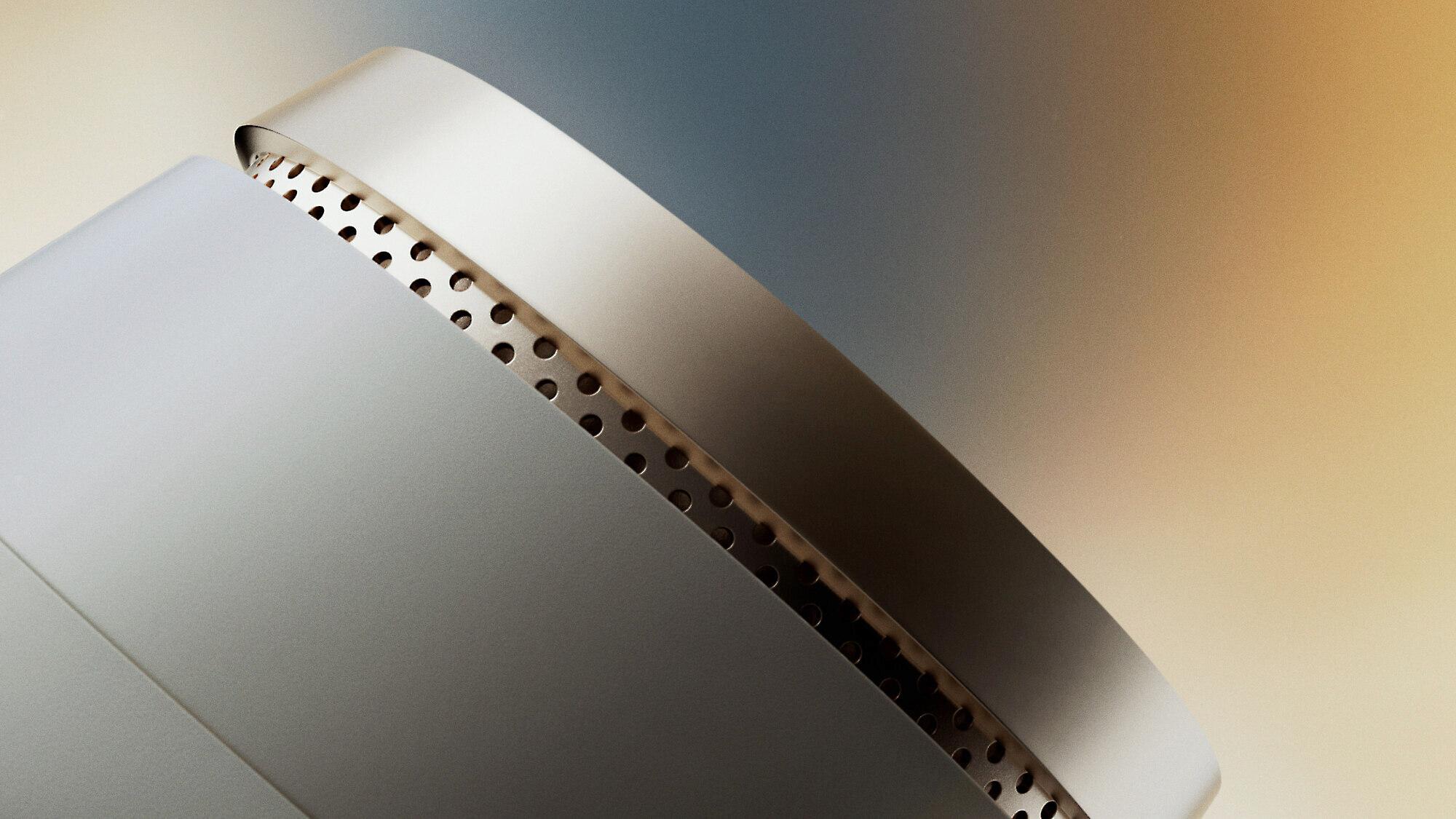
The Pi8 features 12mm Carbon Cone drivers adapted from B&W's flagship Px8 over-ear headphones. These drivers use carbon fiber construction to reduce distortion and improve high-frequency detail – technical improvements that translate to noticeably clearer, more detailed music reproduction.
Perhaps more importantly for audio enthusiasts, the Pi8 supports advanced Bluetooth codecs including aptX Lossless and aptX Adaptive. These codecs allow for much higher quality audio transmission than standard Bluetooth, supporting up to 24-bit/96kHz high-resolution audio wirelessly.
The audio quality difference between these models is substantial and immediately noticeable. The Poly Voyager Free 60+ UC uses dynamic EQ optimization, switching between a narrower frequency response (200Hz to 6.8kHz) for speech clarity and full range (20Hz to 20kHz) for music. This approach prioritizes voice intelligibility over musical accuracy.
In contrast, the Bowers & Wilkins Pi8 delivers what reviewers consistently describe as "breathtaking" detail and refinement. The Carbon Cone drivers and advanced signal processing create a wide, immersive soundstage that places you in the recording space rather than just playing music into your ears.
For music listening, the Pi8 clearly wins. The aptX Lossless codec support means you can stream high-resolution audio files with minimal compression, preserving the subtle details that make great recordings special. The Poly, while perfectly adequate for casual listening, simply can't match this level of audio fidelity.
However, audio quality isn't just about music. For voice calls and video conferences, the equation flips dramatically.
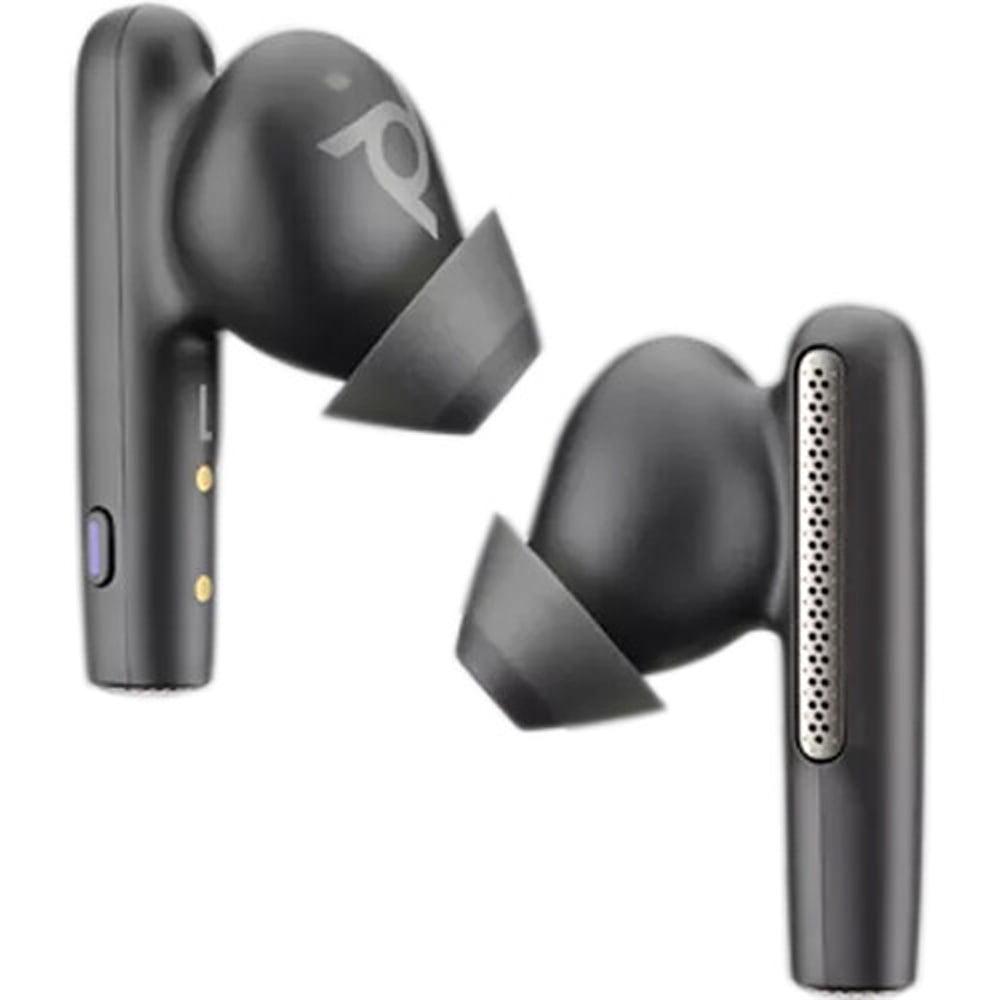
The Poly Voyager Free 60+ UC incorporates six total microphones – three in each earbud – that work together using triangulation technology to isolate your voice while minimizing background noise. This system includes WindSmart technology, which specifically targets wind noise for clearer outdoor calls.
More impressively, the Poly includes NoiseBlockAI, which uses machine learning to identify and eliminate specific background sounds like barking dogs, keyboard typing, or air conditioning hum. Based on our research into user experiences, this technology works remarkably well in real-world scenarios where you're taking calls from various locations.
The Bowers & Wilkins Pi8 includes three microphones per earbud and provides good call quality, but it's not specialized for business communication. Reviews consistently note that while calls sound fine, the Pi8 lacks the advanced voice processing that makes the Poly exceptional for professional use.
Both earbuds feature active noise cancellation (ANC), but they're optimized for different scenarios. ANC works by using microphones to detect ambient noise, then generating opposite sound waves to cancel it out.
The Poly Voyager Free 60+ UC uses adaptive hybrid ANC that automatically compensates for how well the earbuds fit in your ears. However, reviews suggest its ANC performance, while decent, doesn't match the best consumer-focused options from Sony, Bose, or Apple. This makes sense – Poly optimized for voice isolation rather than general ambient noise reduction.
The Bowers & Wilkins Pi8 represents a significant improvement over previous B&W models, with adaptive noise cancellation that adjusts to your environment. Reviews indicate the ANC is clearly effective and works well for music listening and general use. For pure noise cancellation performance, the Pi8 edges ahead.
Battery performance reveals another key difference in design philosophy. The Poly Voyager Free 60+ UC delivers up to 5.5 hours of talk time from the earbuds alone, with an additional 11 hours from the charging case – totaling 16.5 hours for calls. For music listening with ANC enabled, you get 8 hours from the earbuds plus 16 hours from the case.
The Bowers & Wilkins Pi8 provides up to 6.5 hours of playback with ANC enabled, with the charging case adding another 13.5 hours for a 20-hour total. Both models support fast charging, with 15 minutes providing about 2 hours of additional playback.
The Poly's longer talk time optimization makes sense for its business focus, while the Pi8's music-optimized battery performance suits its audiophile target market.
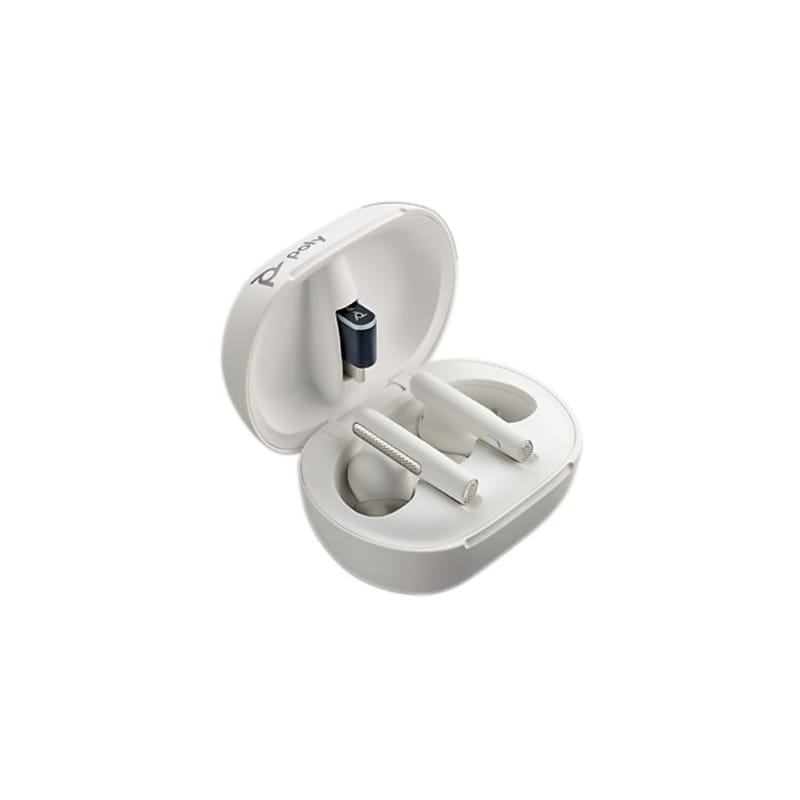
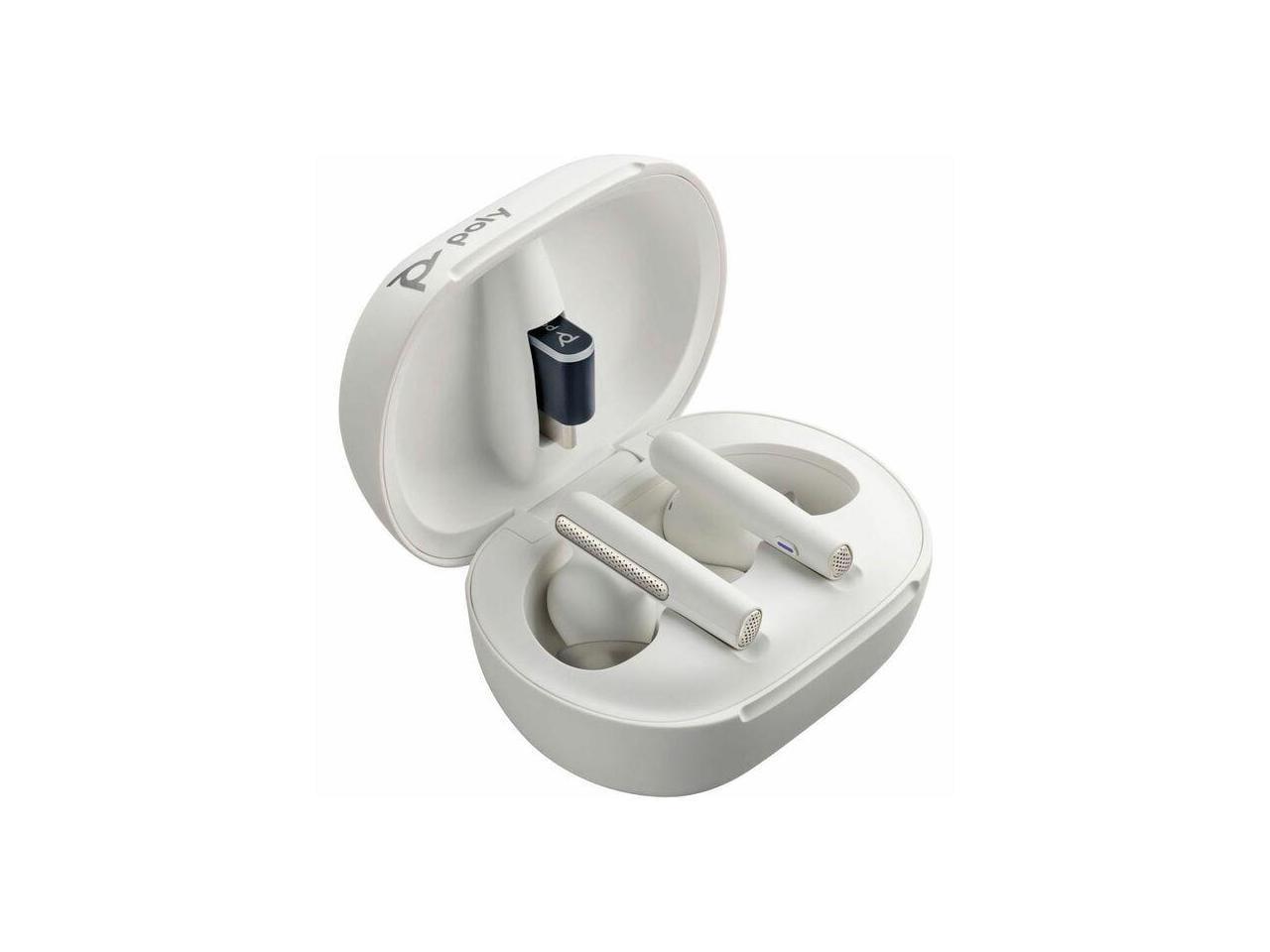
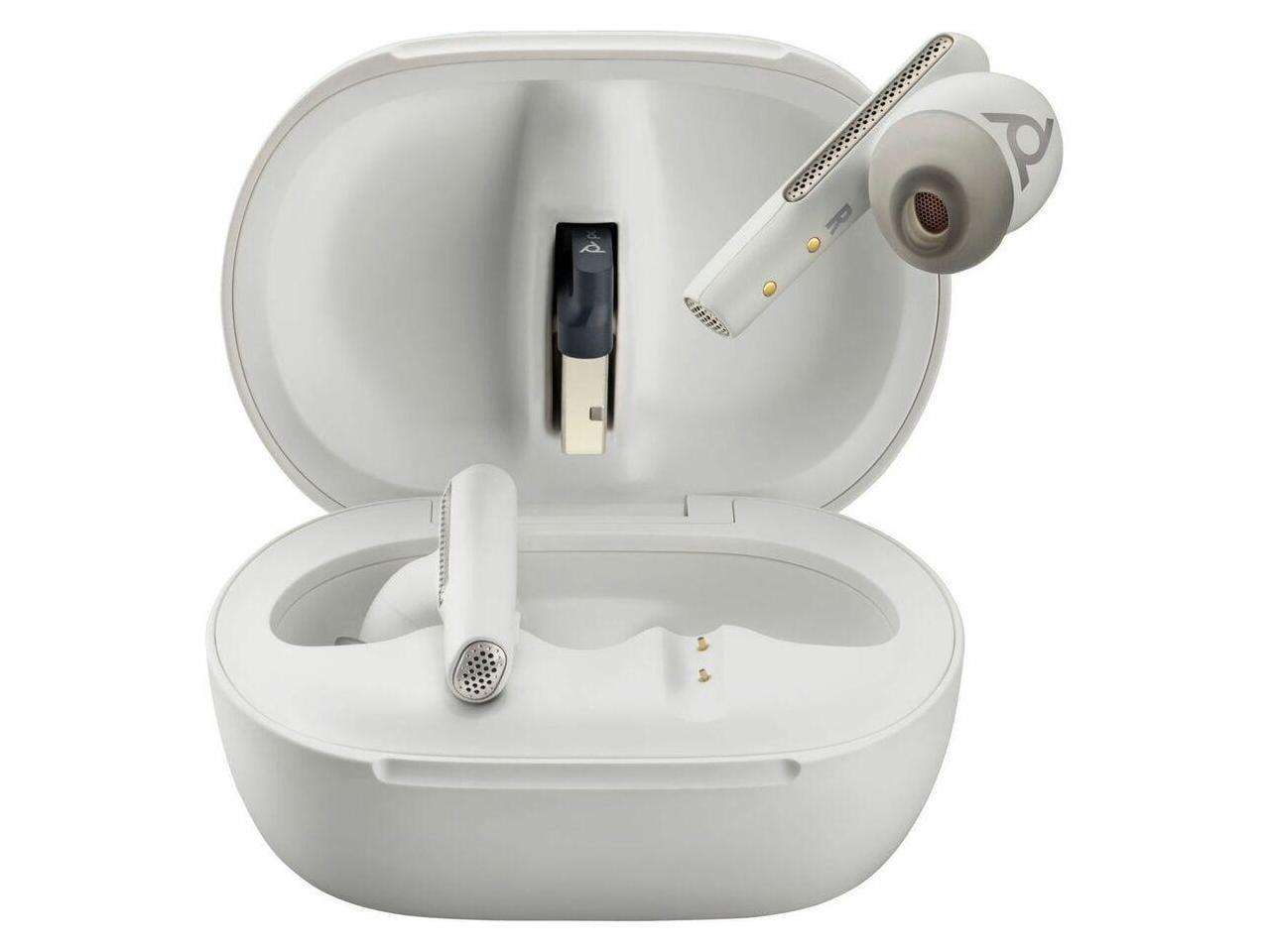
The Poly Voyager Free 60+ UC includes several features you won't find on consumer earbuds. The BT700 USB adapter provides enhanced connectivity for PCs and Macs, ensuring stable connections during important video calls. Multipoint connectivity lets you connect to two devices simultaneously while remembering up to eight paired devices.
The touchscreen charging case isn't just novel – it's genuinely functional for business users. You can see which devices are connected, switch between them, adjust volume, and manage calls without touching your phone. For someone constantly moving between laptop calls, phone calls, and tablet meetings, this capability saves significant frustration.
Perhaps most importantly for IT departments, the Poly integrates with Poly Lens cloud management software. This allows centralized configuration, monitoring, and updating across an entire fleet of deployed earbuds – essential for large organizations.
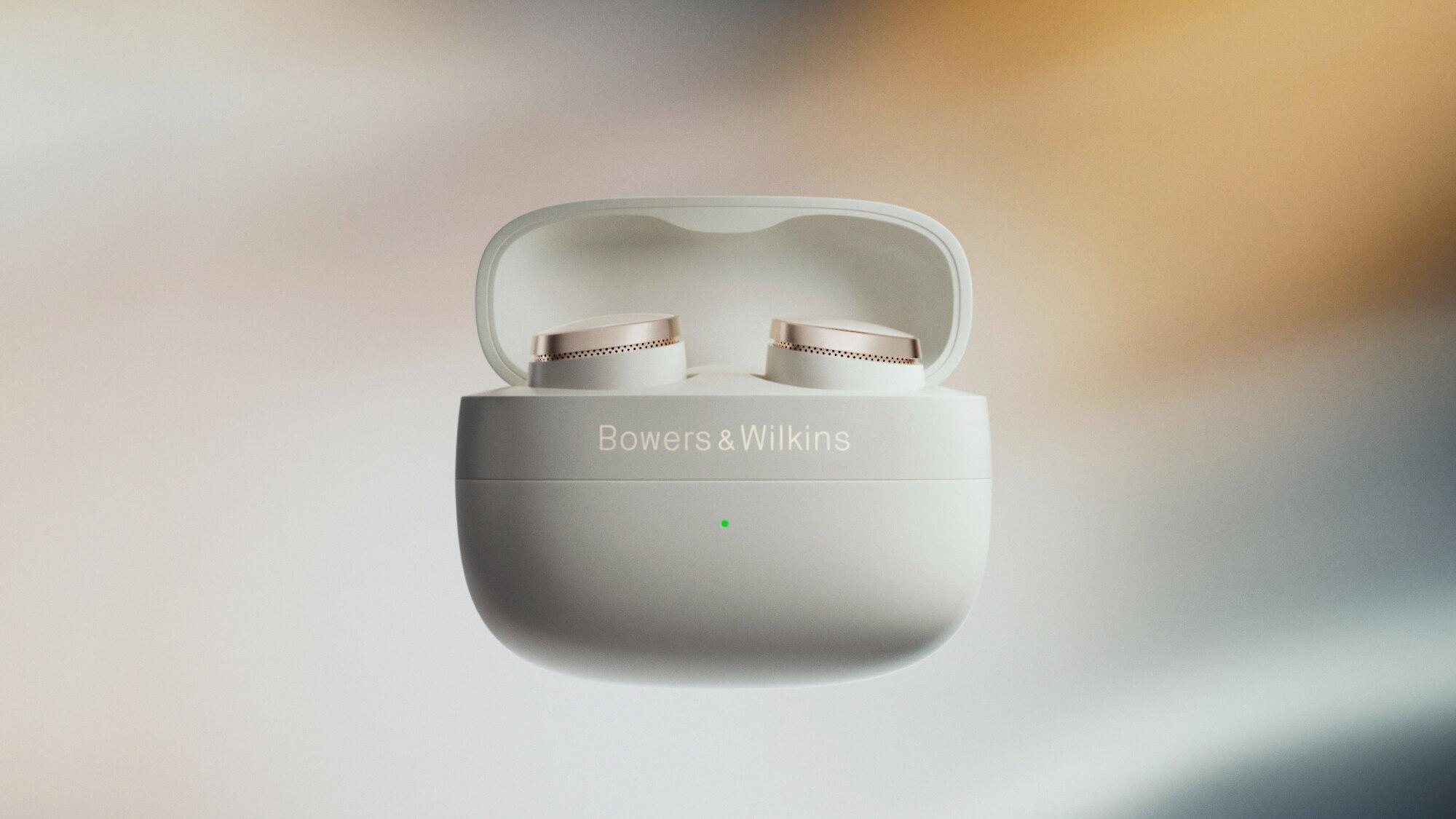
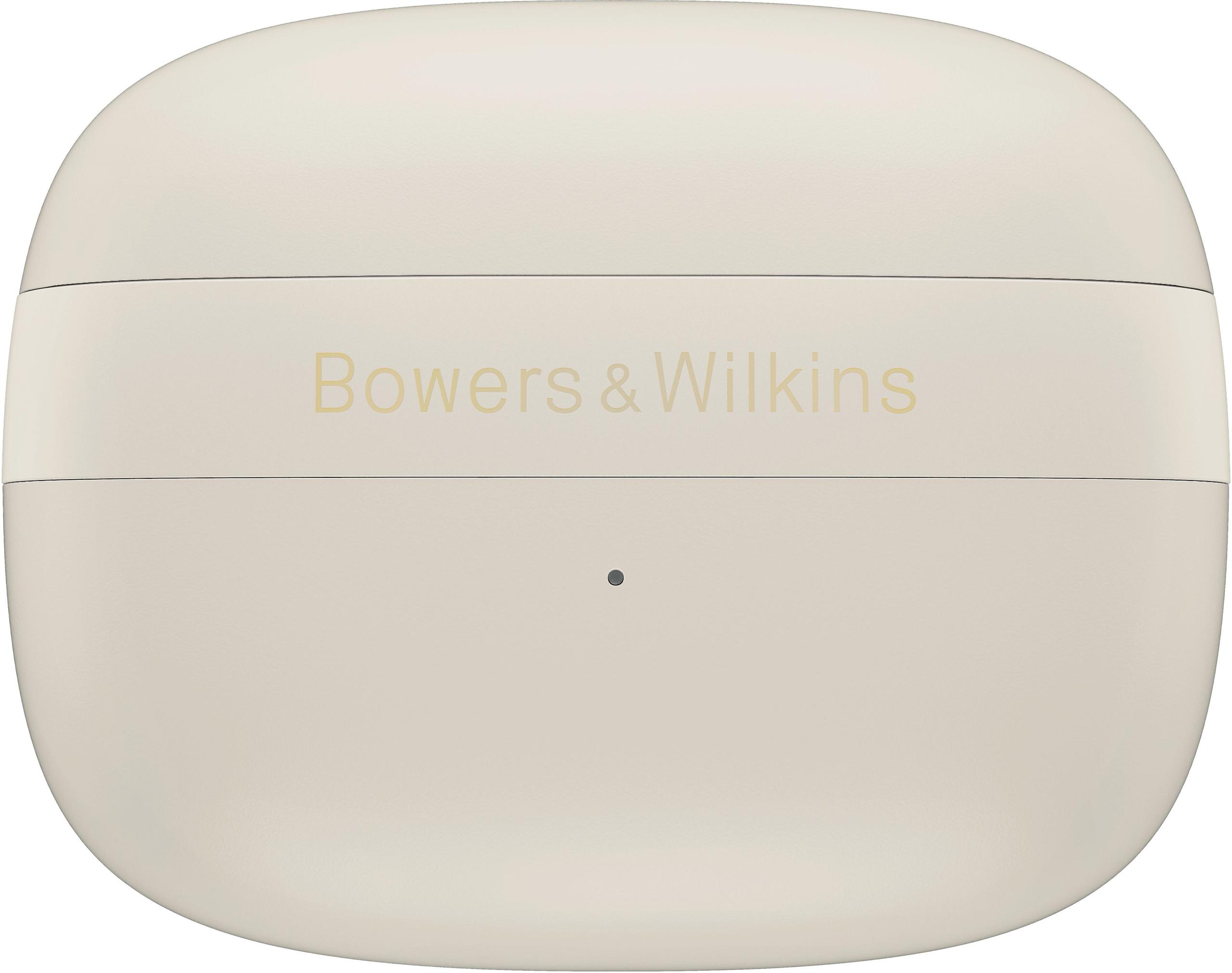
The Bowers & Wilkins Pi8 focuses on audio excellence rather than business features. The charging case includes an audio retransmission feature, allowing you to connect the case to non-Bluetooth audio sources (like airplane entertainment systems) and stream wirelessly to the earbuds.
The B&W Music app provides a 5-band equalizer and direct streaming from services like TIDAL, Pandora, and Qobuz. More importantly, it supports TrueSound mode, which maintains the audio engineer's intended sound signature rather than applying heavy EQ processing.
The Pi8's True 24-bit audio connection between earbuds ensures minimal signal degradation, while the 32-bit DSP (digital signal processor) handles complex audio processing without compromising quality.
For home theater use, both earbuds offer interesting capabilities, though neither is specifically designed for this purpose. The Poly Voyager Free 60+ UC includes a 3.5mm audio connection via the charging case, making it compatible with older audio equipment or gaming systems that lack Bluetooth.
However, the Bowers & Wilkins Pi8 provides a better entertainment experience overall. The superior audio quality, wider soundstage, and support for high-resolution audio codecs create a more immersive experience for movies and gaming. The audio retransmission feature also proves useful for connecting to TVs or gaming systems that don't have modern Bluetooth capabilities.
Neither model offers the specialized gaming features found in dedicated gaming earbuds, such as ultra-low latency modes or spatial audio optimization for specific games. For serious gaming, purpose-built gaming headsets remain the better choice.
At the time of writing, both models command premium pricing, though the Poly Voyager Free 60+ UC typically costs more than the Bowers & Wilkins Pi8. This pricing reflects their different target markets and feature sets.
The Poly justifies its premium through specialized business features that have genuine value for enterprise users. The touchscreen case, enterprise software integration, superior call quality, and comprehensive IT management capabilities provide clear ROI for businesses. However, consumers who don't need these features are paying for functionality they won't use.
The Pi8 offers better value for audio enthusiasts. You're paying for superior sound quality, premium materials, and advanced audio technology rather than specialized business features. For music lovers, the price-to-performance ratio makes more sense.
Since their respective releases, both models have benefited from firmware updates that improved performance and added features. The Poly has received updates enhancing the touchscreen interface and expanding codec support, while the Pi8 has seen improvements to noise cancellation algorithms and app functionality.
The broader earbuds market has continued evolving rapidly, with competitors adding features like spatial audio, hearing health monitoring, and AI-powered personalization. However, both the Poly and Pi8 remain competitive in their specialized niches.
The Poly makes most sense for remote workers, business travelers, sales professionals, and anyone whose livelihood depends on clear communication. IT departments deploying earbuds across large organizations will appreciate the management capabilities.
The Pi8 suits music enthusiasts, audiophiles, casual business users, and anyone who wants premium audio quality without paying for enterprise features they won't use.
These earbuds represent two distinct approaches to the premium market, and choosing between them depends entirely on your primary use case. The Poly Voyager Free 60+ UC excels as a communication tool with genuinely useful business features, while the Bowers & Wilkins Pi8 delivers superior audio quality for music enthusiasts at a more accessible price point.
Neither is objectively "better" – they're optimized for different users and scenarios. The key is honestly assessing whether you need enterprise communication features or premium audio quality more. Your answer will make the decision obvious and ensure you get maximum value from your investment.
For most consumers, the Pi8 provides better overall value and versatility. But for business users who live in meetings and calls, the Poly's specialized features justify the premium pricing. Choose based on your primary use case, not just reviews or brand preference, and you'll be happy with either option.
| Poly Voyager Free 60+ UC | Bowers & Wilkins Pi8 |
|---|---|
| Primary Design Focus - Determines which features are prioritized | |
| Enterprise communication and business productivity | Audiophile music listening and premium sound quality |
| Audio Drivers - Affects overall sound quality and detail | |
| 10mm drivers optimized for voice clarity | 12mm Carbon Cone drivers adapted from premium Px8 headphones |
| Bluetooth Codecs - Higher quality codecs mean better wireless audio | |
| Standard codecs (AAC, aptX, SBC) suitable for calls and casual music | Advanced codecs including aptX Lossless and aptX Adaptive for high-res audio |
| Microphone Array - Critical for call quality and noise rejection | |
| 6 total mics (3 per earbud) with WindSmart and NoiseBlockAI technology | 3 mics per earbud with standard noise reduction |
| Charging Case Features - Unique functionality beyond just charging | |
| Color touchscreen for device management, volume, and connection switching | Standard wireless charging case with audio retransmission feature |
| Battery Life (Talk Time) - Important for business users with long calls | |
| Up to 16.5 hours total talk time (5.5 + 11 hours from case) | Not optimized for talk time, focuses on music playback |
| Battery Life (Music) - Important for entertainment and casual listening | |
| Up to 24 hours total with ANC (8 + 16 hours from case) | Up to 20 hours total with ANC (6.5 + 13.5 hours from case) |
| Enterprise Integration - Essential for business environments | |
| Microsoft Teams certified, Poly Lens cloud management, BT700 USB adapter | Consumer-focused with B&W Music app and standard connectivity |
| Active Noise Cancellation - Reduces ambient noise for focus | |
| Adaptive hybrid ANC, decent but not class-leading | Significantly improved ANC that's clearly effective for music listening |
| Multi-Device Connectivity - Useful for switching between work devices | |
| Connects to 2 devices simultaneously, remembers up to 8 devices | Standard multipoint connectivity |
| Water Resistance - Protection against sweat and light moisture | |
| IP54 rating (dust and water resistant) | IP54 rating (dust and water resistant) |
| Best Use Cases - Who should choose each product | |
| Remote workers, business travelers, enterprise deployments, call-heavy users | Music enthusiasts, audiophiles, general consumers, casual business use |
The Bowers & Wilkins Pi8 are significantly better for music listening. They feature 12mm Carbon Cone drivers adapted from B&W's premium headphones and support advanced audio codecs like aptX Lossless for high-resolution wireless audio. The Poly Voyager Free 60+ UC are optimized for voice calls rather than music quality.
The Poly Voyager Free 60+ UC have superior call quality with six total microphones (three per earbud) that use triangulation technology to isolate your voice. They also include WindSmart technology and NoiseBlockAI for eliminating background noise during calls. The Bowers & Wilkins Pi8 have good call quality but aren't specialized for business communication.
The main difference is their target audience and design focus. The Poly Voyager Free 60+ UC are enterprise-focused earbuds designed for business users who need excellent call quality and professional features. The Bowers & Wilkins Pi8 are consumer-focused earbuds designed for audiophiles who prioritize superior music quality.
Both offer excellent battery life but optimized differently. The Poly Voyager Free 60+ UC provide up to 16.5 hours of talk time and 24 hours for music. The Bowers & Wilkins Pi8 offer up to 20 hours total for music playback. The Poly is optimized for longer call times while the Pi8 focuses on music listening.
The Bowers & Wilkins Pi8 are better for home theater use due to their superior audio quality, wider soundstage, and support for high-resolution audio codecs. The Poly Voyager Free 60+ UC can connect to TVs via the 3.5mm port in the charging case, but they're not optimized for entertainment use.
The Bowers & Wilkins Pi8 have better overall noise cancellation for general use and music listening. While the Poly Voyager Free 60+ UC have adaptive ANC, their noise cancellation is optimized more for voice isolation during calls rather than blocking ambient noise for entertainment.
The Poly Voyager Free 60+ UC are specifically designed for business use with Microsoft Teams certification, enterprise software integration, and superior call quality. The Bowers & Wilkins Pi8 can handle business calls adequately but lack the specialized features that make the Poly ideal for professional environments.
Value depends on your needs. The Bowers & Wilkins Pi8 typically offer better value for general consumers and music lovers, providing premium audio quality at a more accessible price point. The Poly Voyager Free 60+ UC offer better value for business users who need the specialized enterprise features and superior call quality.
Both support multi-device connectivity, but the Poly Voyager Free 60+ UC are more advanced in this area. They can connect to two devices simultaneously and remember up to eight paired devices, with easy switching via the touchscreen case. The Bowers & Wilkins Pi8 offer standard multipoint connectivity for connecting to multiple devices.
Comfort varies by individual, but the Bowers & Wilkins Pi8 have been praised for their improved ergonomic design with a smoother, more rounded fit. The Poly Voyager Free 60+ UC can feel bulky for some users due to their larger size needed to accommodate the extensive microphone array and business-focused components.
The Poly Voyager Free 60+ UC feature a unique color touchscreen charging case for device management and call control, plus enterprise software integration. The Bowers & Wilkins Pi8 offer audio retransmission from the charging case, allowing connection to non-Bluetooth sources, and support for high-resolution audio codecs like aptX Lossless.
Choose the Poly Voyager Free 60+ UC if you're a business user who prioritizes call quality, needs enterprise features like Teams integration, or spends significant time in meetings. Choose the Bowers & Wilkins Pi8 if you're primarily interested in premium music quality, want better overall value for general use, or are an audiophile who appreciates high-resolution audio support.
We've done our best to create useful and informative comparisons to help you decide what product to buy. Our research uses advanced automated methods to create this comparison and perfection is not possible - please contact us for corrections or questions. These are the sites we've researched in the creation of this article: soundguys.com - headsetsdirect.com - youtube.com - vivo.tech - headsetadvisor.com - hp.com - headsetadvisor.com - hp.com - gadgetoid.com - hp.com - hp.com - youtube.com - headsetsdirect.com - lexair.com - content.shi.com - docs.poly.com - hp.com - bestbuy.com - h20195.www2.hp.com - vivo.tech - hp.com - insight.com - cdw.com - hp.com - trustedreviews.com - hp.com - youtube.com - techradar.com - bowerswilkins.com - youtube.com - bestbuy.com - whathifi.com - audioholics.com - crutchfield.com - whathifi.com - audio46.com - rtings.com - audioadvice.com - engadget.com - youtube.com - audio46.com - audiograde.uk - youtube.com - techwelike.com - youtube.com - audioadvice.com - soundguys.com - bestbuy.com - bowerswilkins.com - headphones.com - bowerswilkins.com - bowerswilkins.com - audio46.com - youtube.com - shop.womenshealthmag.com - head-fi.org - youtube.com - youtube.com - bowerswilkins.cn - bowerswilkins.com - audio46.com - bowerswilkins.com

Privacy Policy
Terms and Conditions - Affiliate Policy
Home Security
© Copyright 2008-2026.
11816 Inwood Rd #1211, Dallas, TX 75244