





When I first started reviewing premium earbuds back in 2022, the market was fairly predictable. You had your noise-canceling champions, your bass-heavy workout buddies, and your audiophile darlings. But something interesting happened in 2024 – companies started getting really creative with what earbuds could do beyond just playing music.
Enter two fascinating products that represent completely different philosophies: the Sennheiser Momentum Sport and the Bowers & Wilkins Pi8. Both launched in 2024, both command premium prices (we're talking well north of $300 at the time of writing), but they couldn't be more different in their approach to what makes earbuds worth that investment.
Before we dive into these specific models, it's worth understanding what separates premium earbuds from their more affordable siblings. We're not just talking about better sound – though that's certainly part of it. Premium earbuds typically feature larger, more sophisticated drivers (the tiny speakers inside), advanced digital signal processing (DSP – basically a computer chip that fine-tunes the audio), and materials that would make a luxury car manufacturer jealous.
The real differentiator, though, is specialization. Where budget earbuds try to do everything adequately, premium models excel in specific areas. Some focus on noise cancellation so effective you could wear them during a rocket launch. Others prioritize sound quality that reveals details in your favorite songs you never knew existed. And increasingly, some are branching out into entirely new territories.
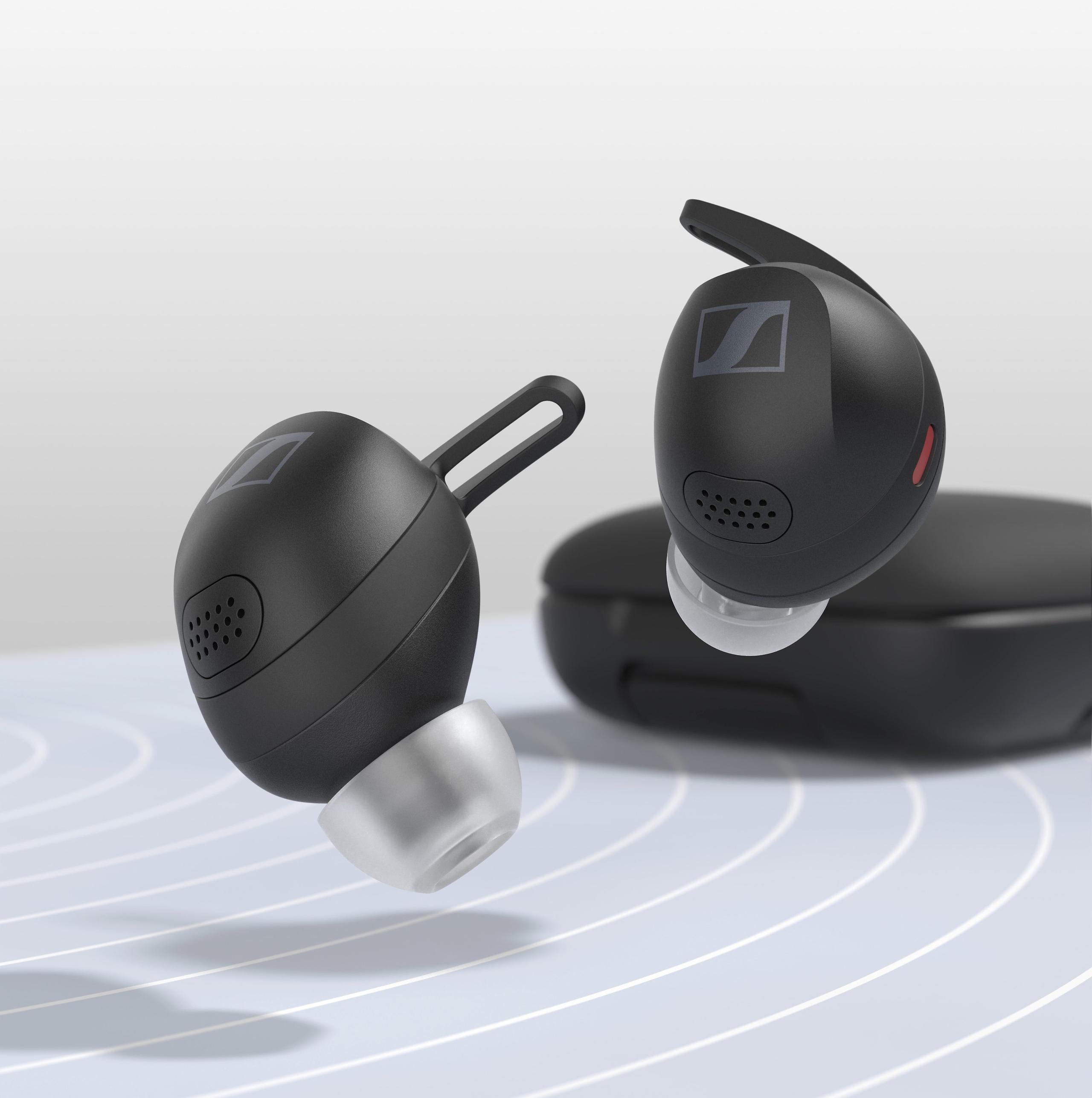
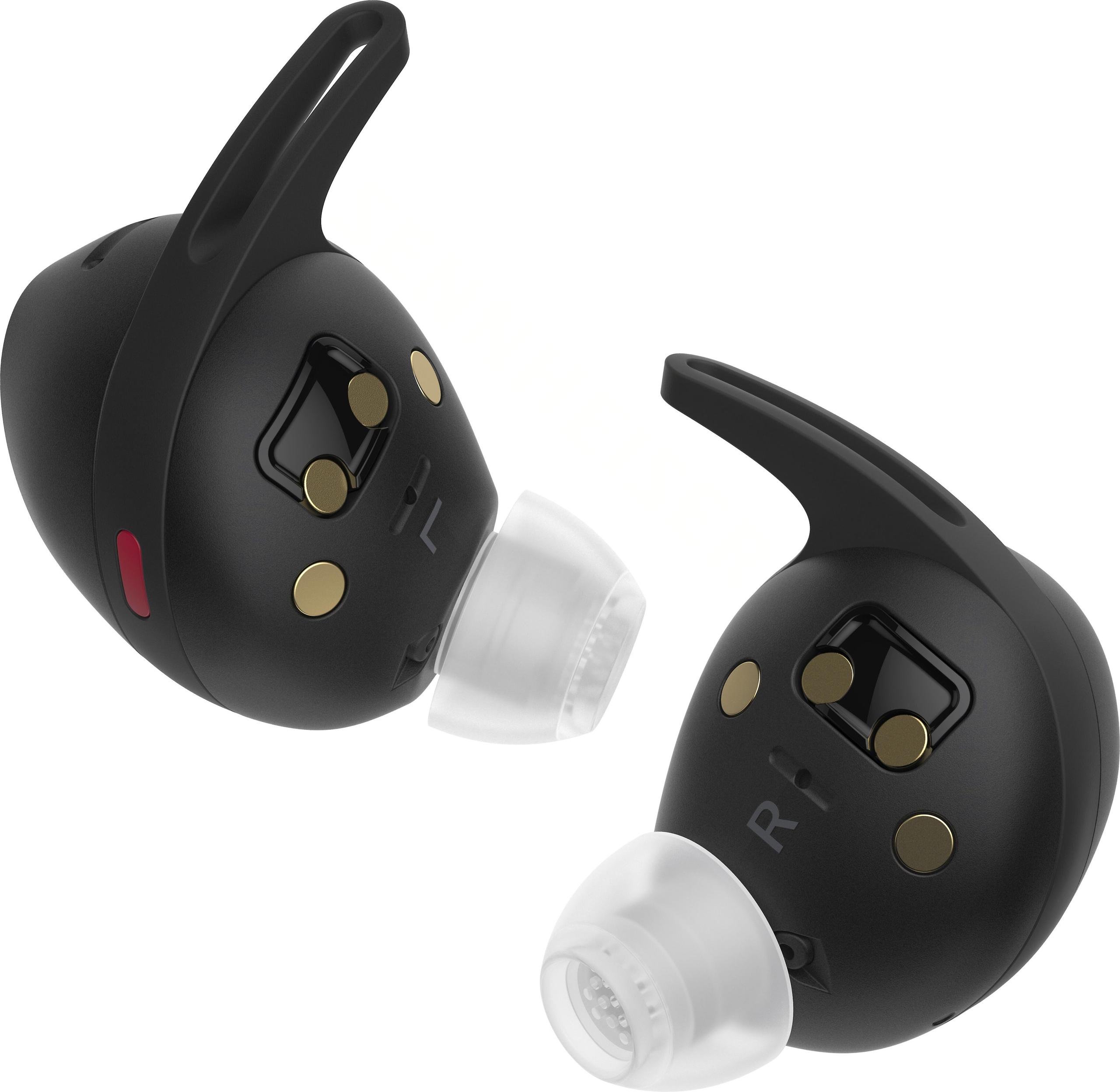
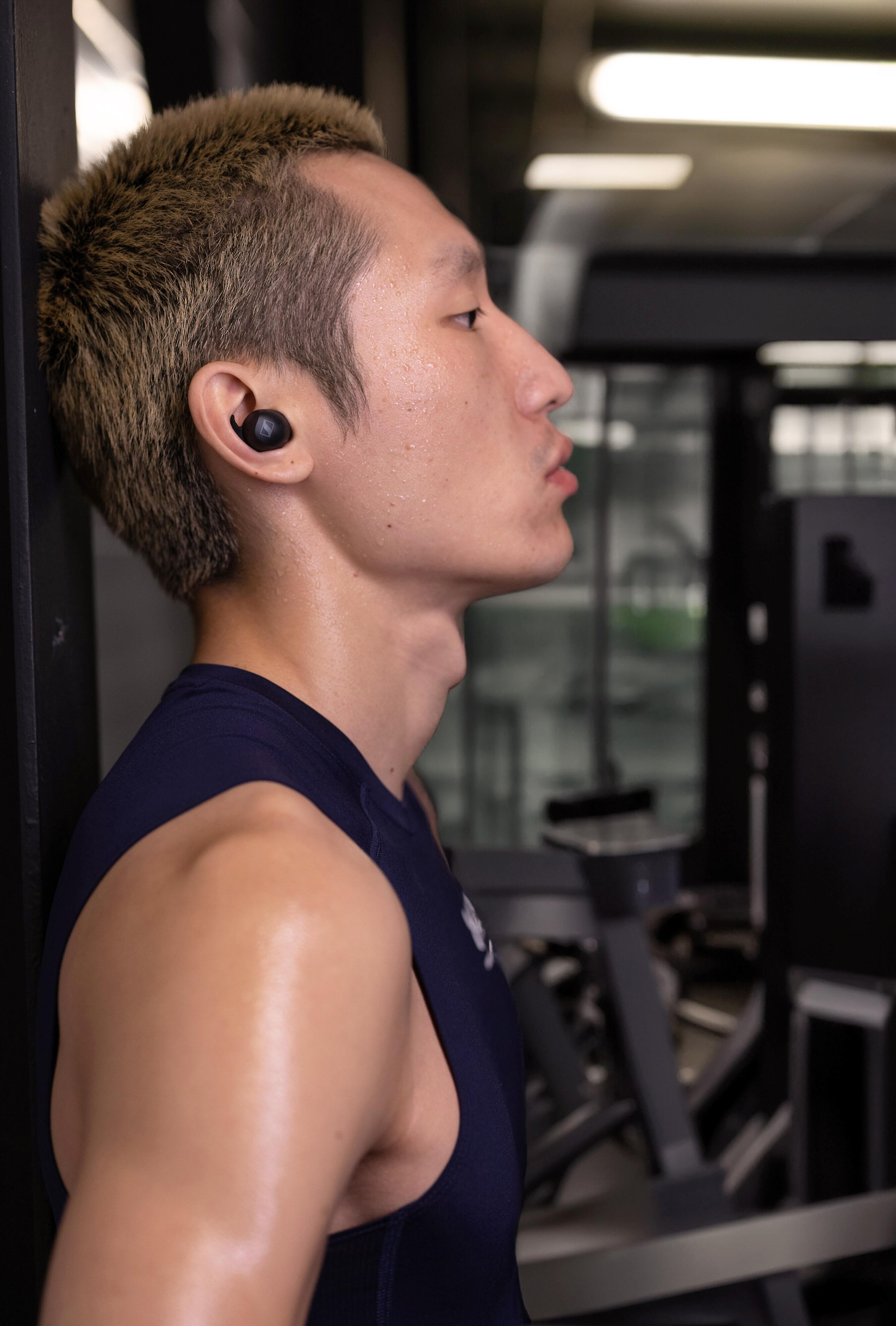
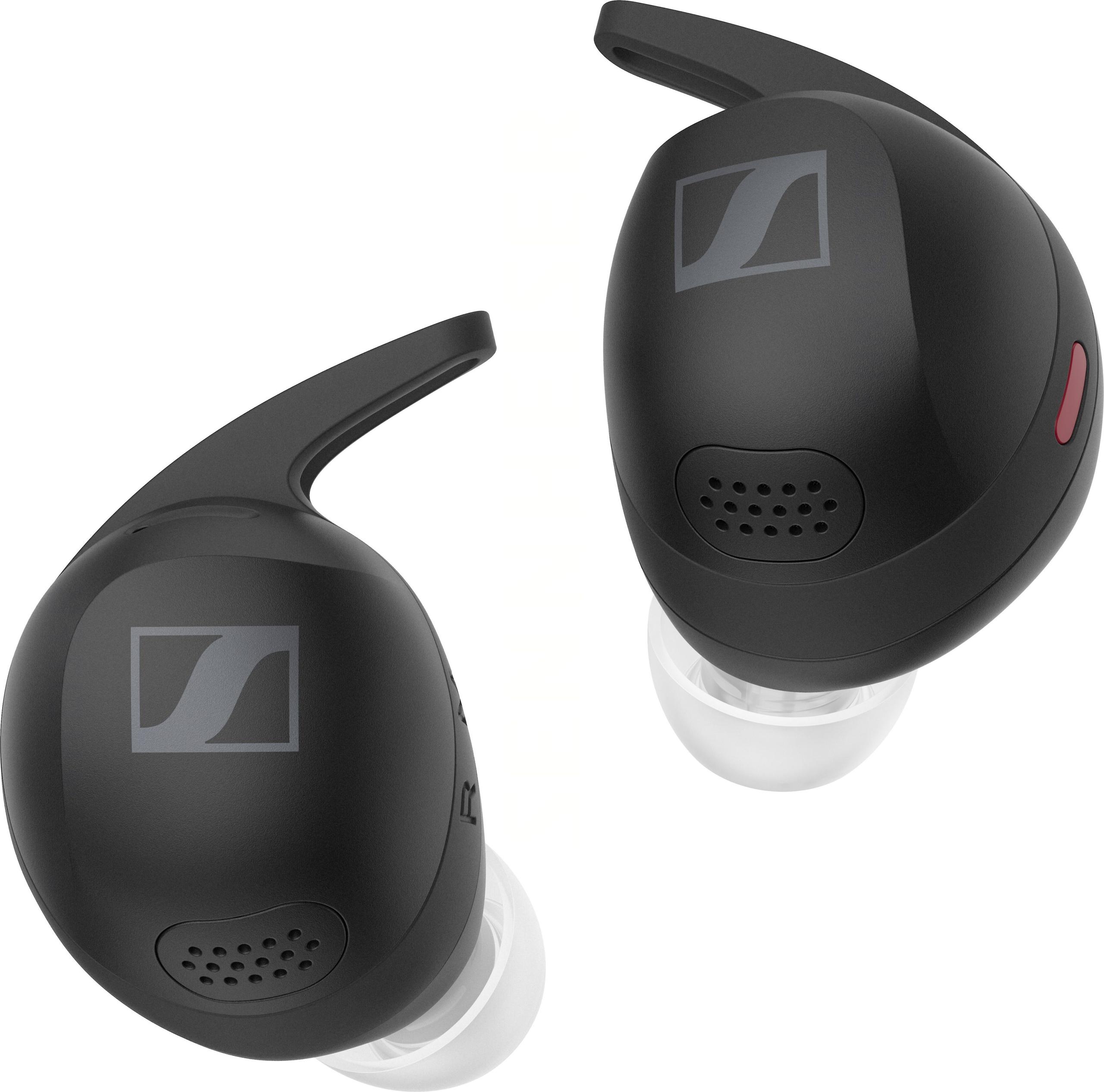
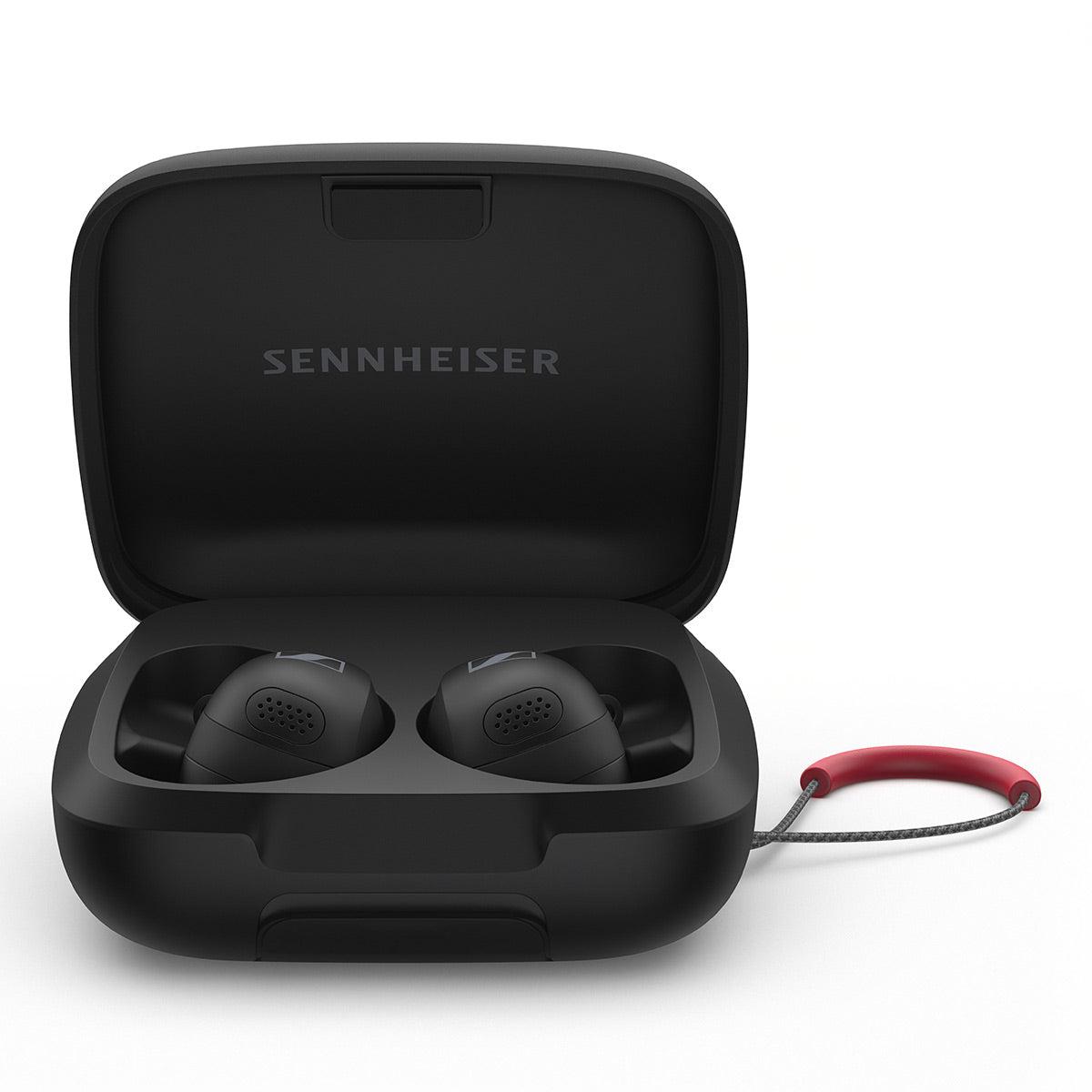
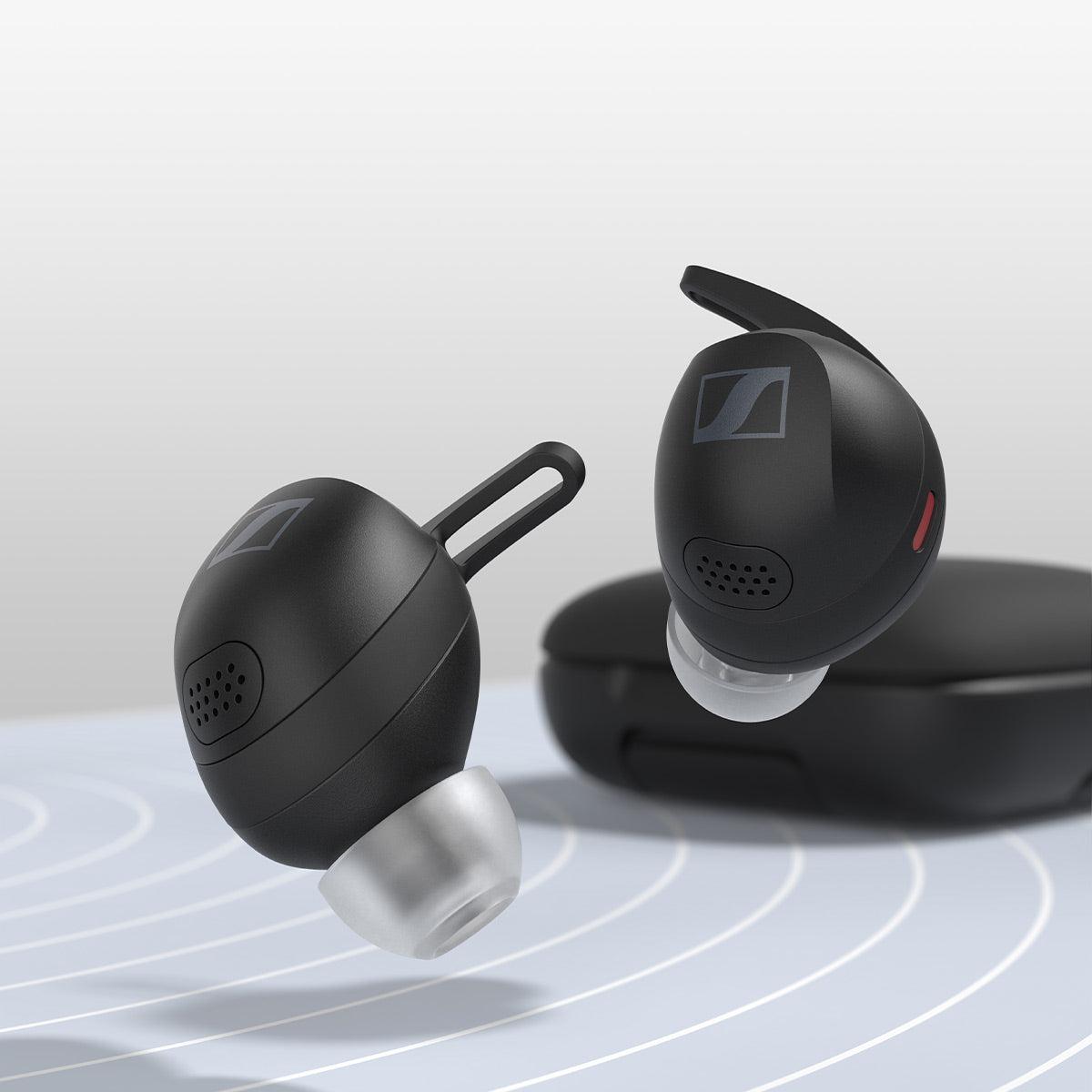
The Sennheiser Momentum Sport represents something genuinely new in the earbud world. Sennheiser spent over three years developing what they call "the ultimate sports earbuds," and they weren't kidding around. These aren't just regular earbuds with a sweat-resistant coating slapped on – they're built from the ground up for people who take their fitness seriously.
The headline feature? Built-in biometric sensors. We're talking about photoplethysmography (PPG) sensors – the same technology your smartwatch uses to measure heart rate by shining light through your skin and measuring blood flow changes. But here's the clever part: your ear canal is actually one of the most accurate places to measure heart rate because of the rich blood supply and stable positioning. No more dealing with chest straps that slip around or wrist monitors that get confused when you're doing burpees.
But Sennheiser didn't stop there. The Momentum Sport also includes body temperature sensors, giving you real-time core temperature data that can be crucial for endurance athletes or anyone training in hot conditions. This data flows directly to popular fitness platforms like Polar Flow, Apple Health, Garmin Connect, and Strava, essentially turning your earbuds into a comprehensive fitness tracker.
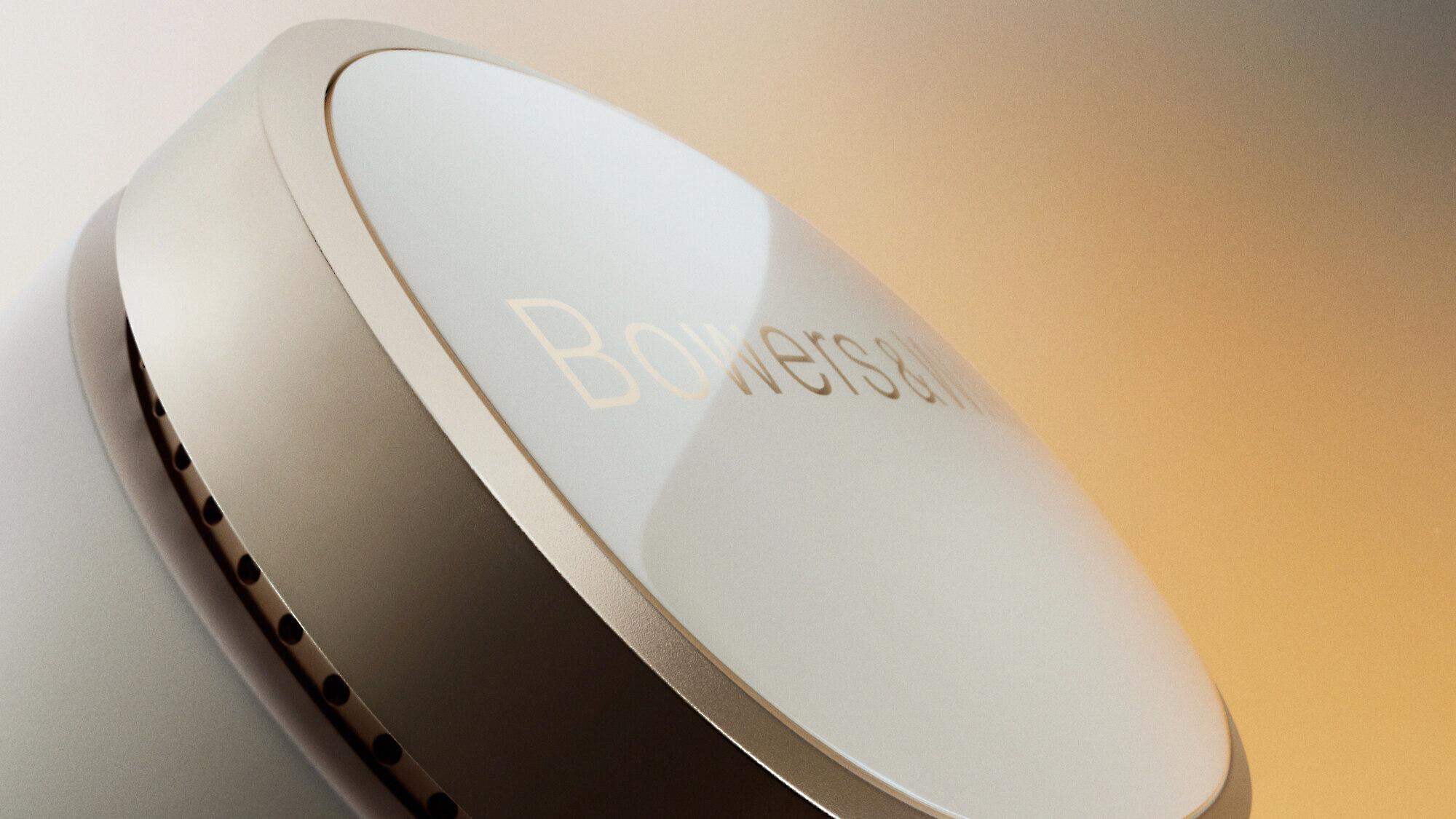
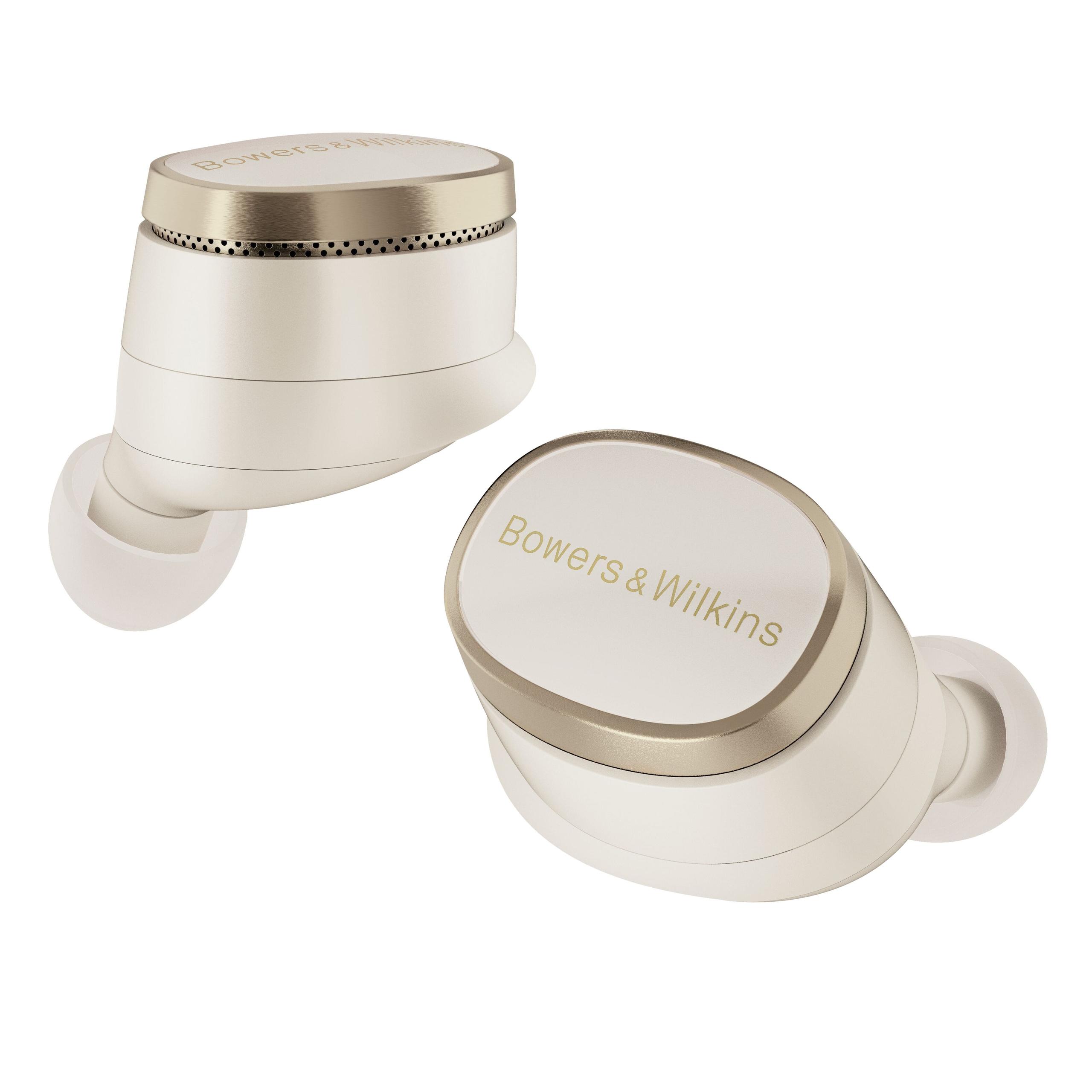
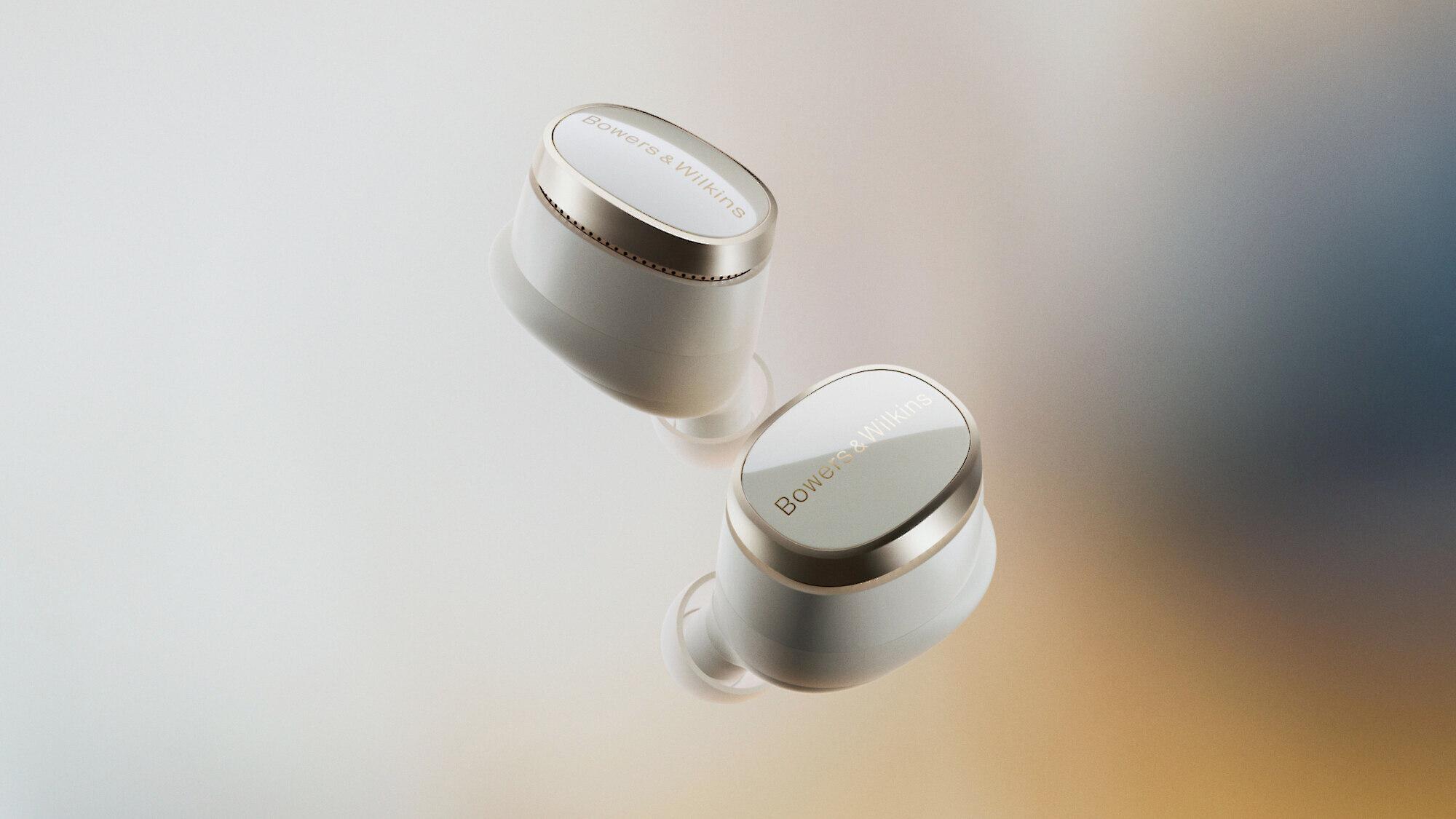
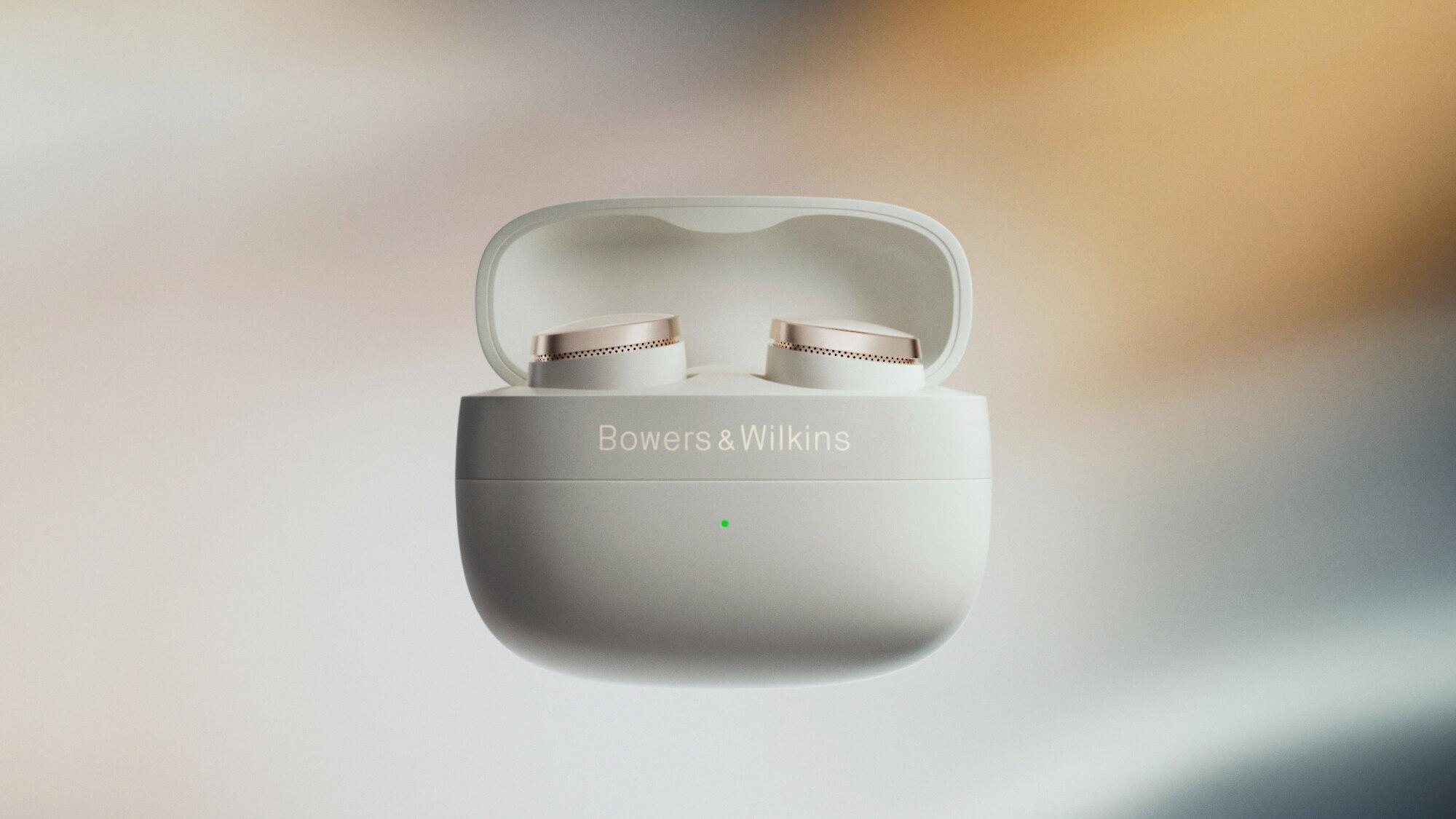
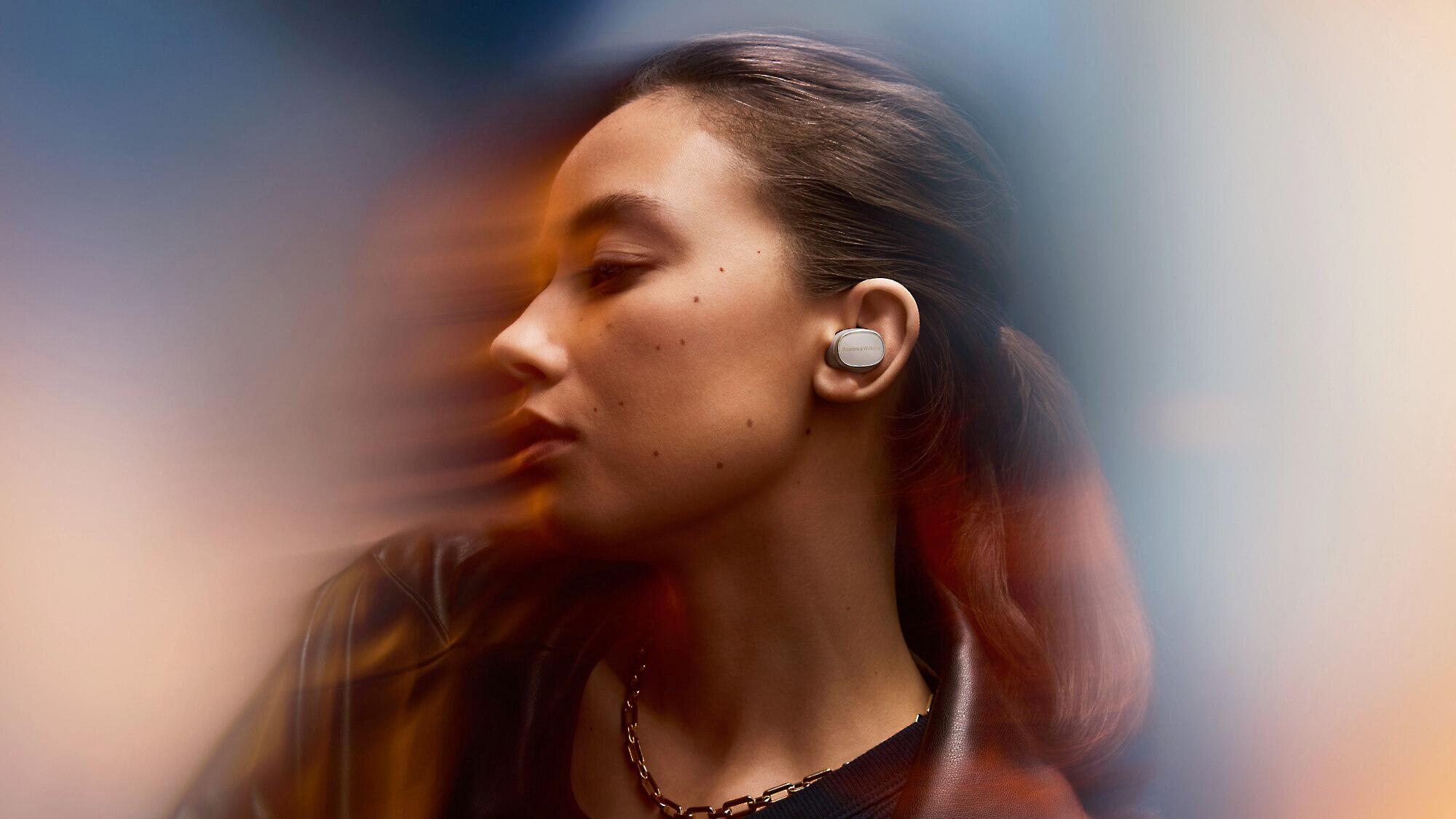
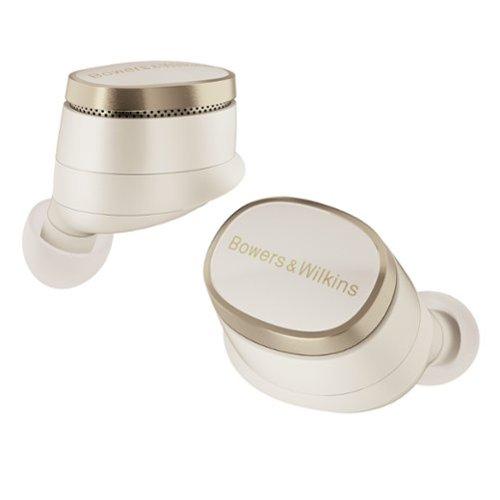
On the opposite end of the spectrum sits the Bowers & Wilkins Pi8, which takes a decidedly different approach. B&W has been making high-end speakers since 1966, and their philosophy has always been about one thing: uncompromising sound quality. The Pi8 is their flagship earbud, designed for people who consider music listening a serious hobby.
The technical specs tell the story. While most earbuds use 16-bit audio processing (which is perfectly fine for most people), the Pi8 features true 24-bit decoding with 32-bit DSP processing. Think of it like the difference between standard definition and 4K video – you're getting more information, more detail, more nuance in every song.
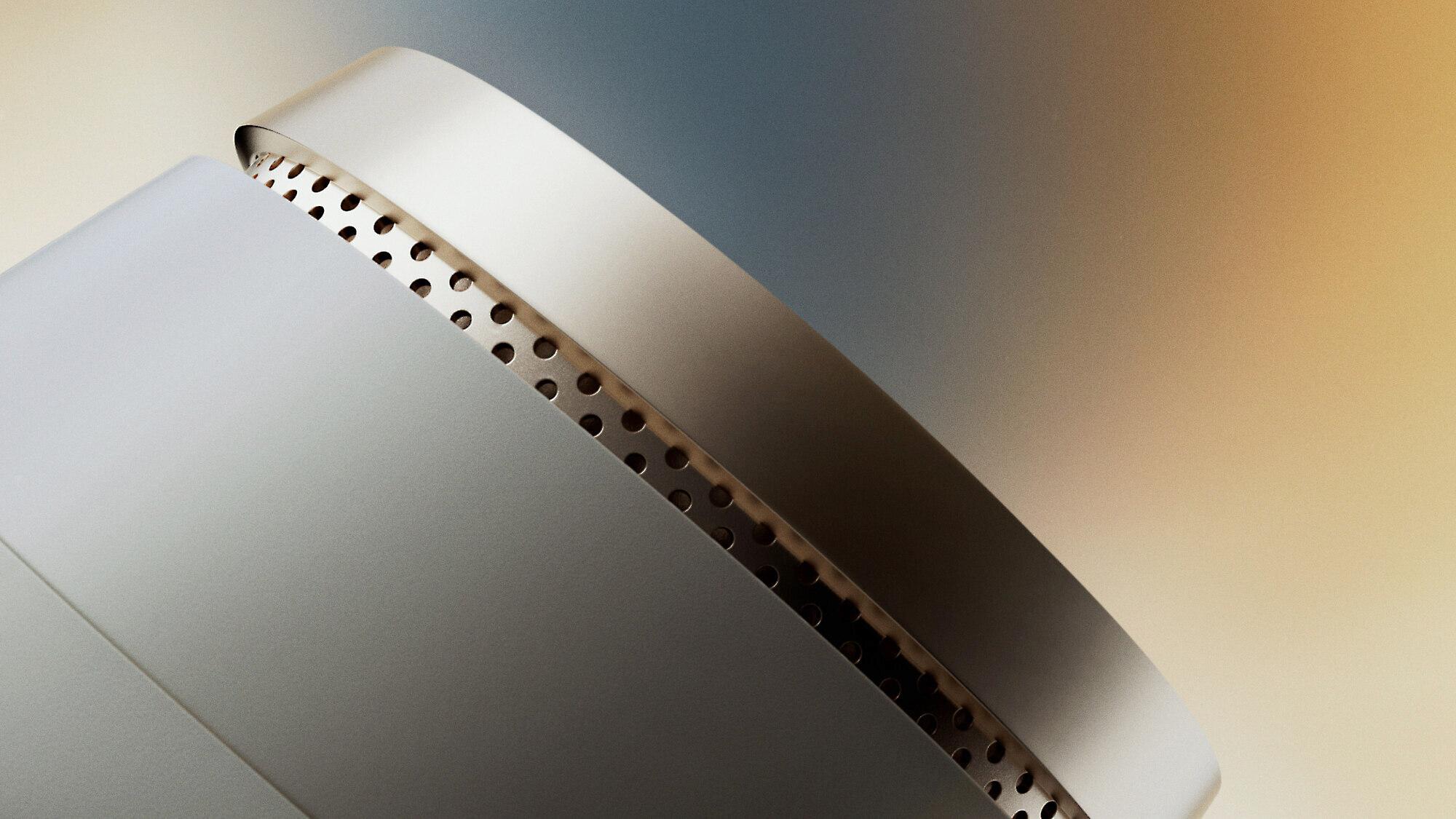
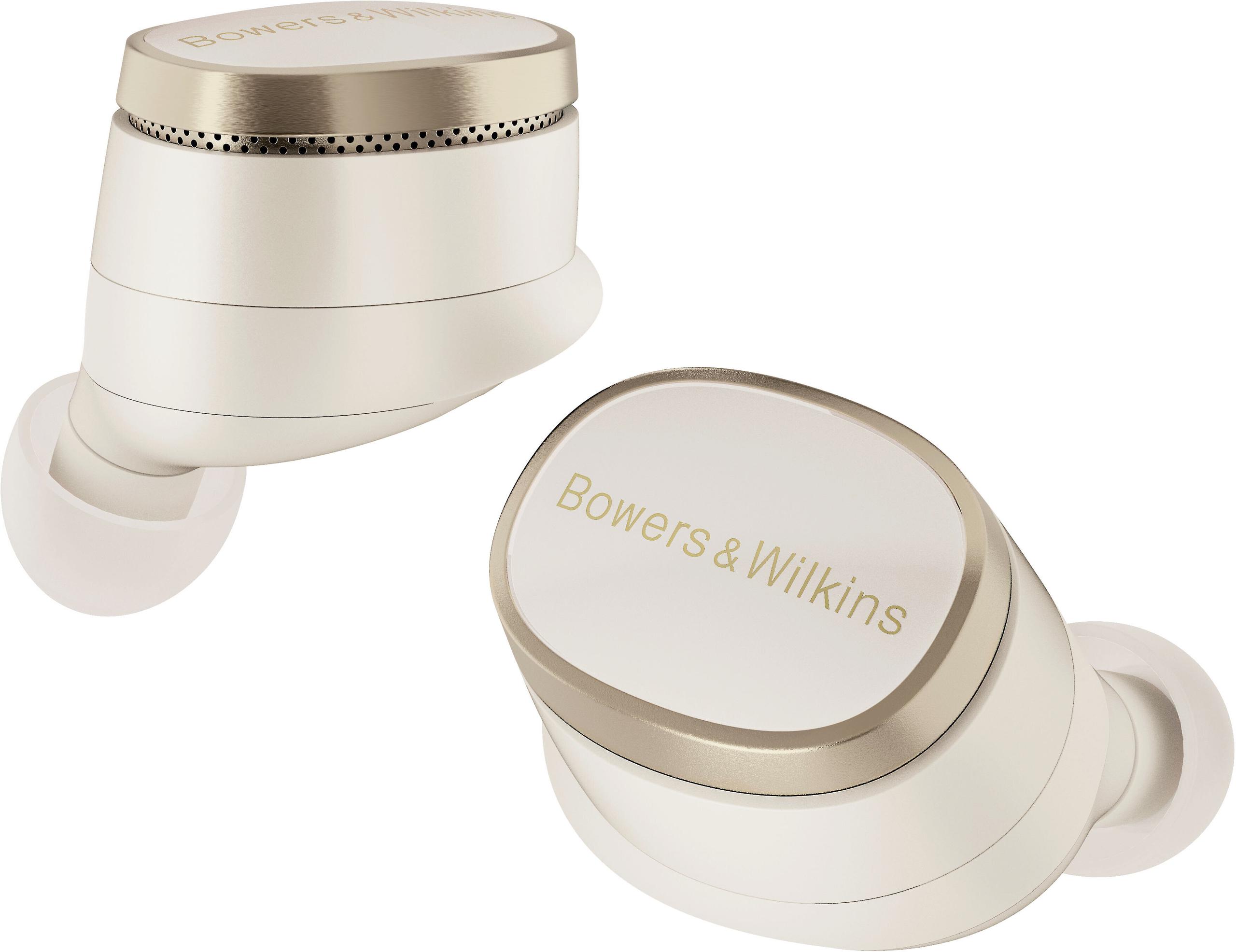
The drivers – those tiny speakers – are fascinating too. B&W adapted their 12mm Carbon Cone drivers directly from their flagship Px8 over-ear headphones. Carbon fiber cones are incredibly light yet rigid, which means they can move precisely without unwanted vibrations that muddy the sound. It's like having tiny versions of high-end speakers sitting right in your ears.
Here's where things get interesting. Both earbuds sound excellent, but they're optimized for completely different listening scenarios.
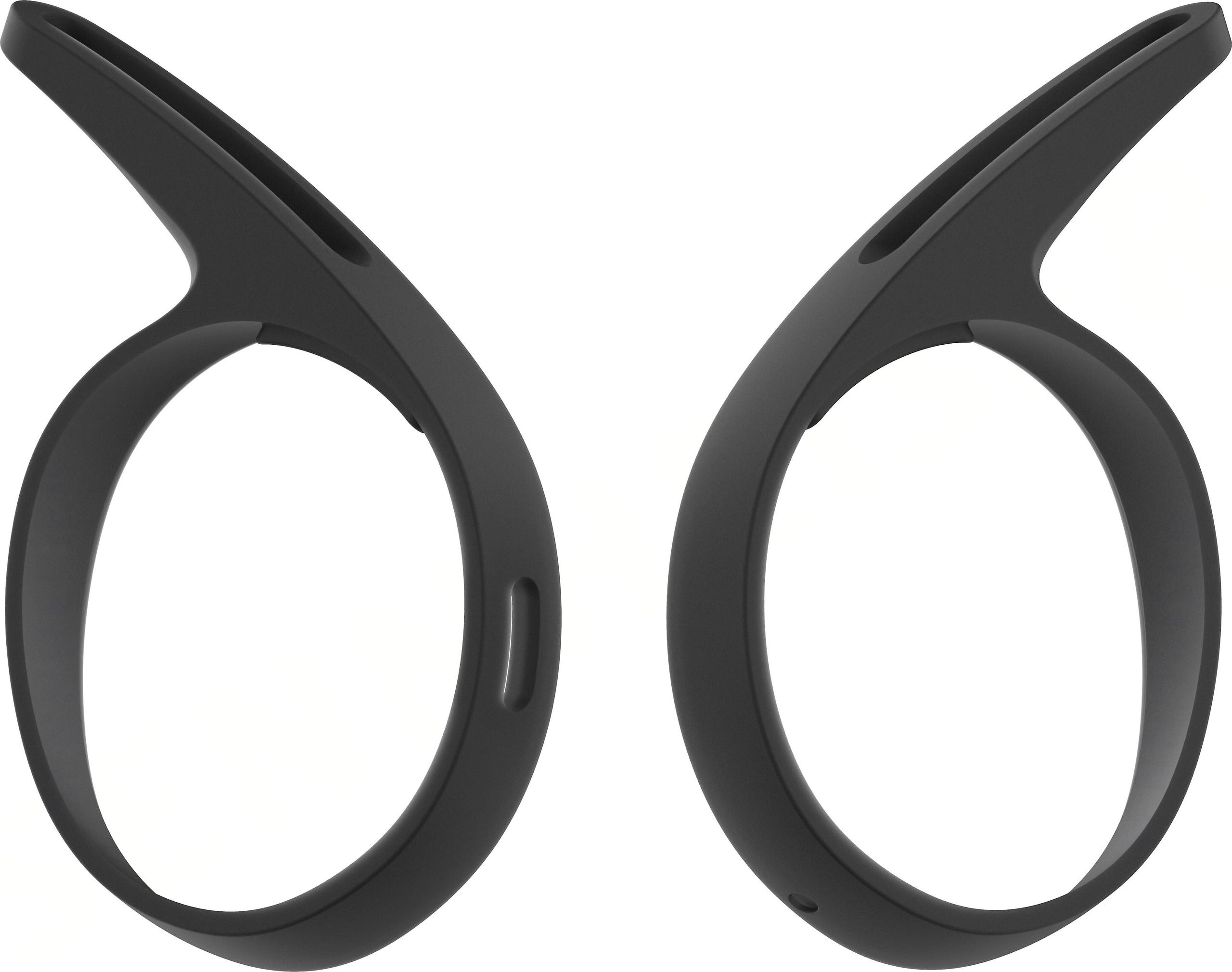
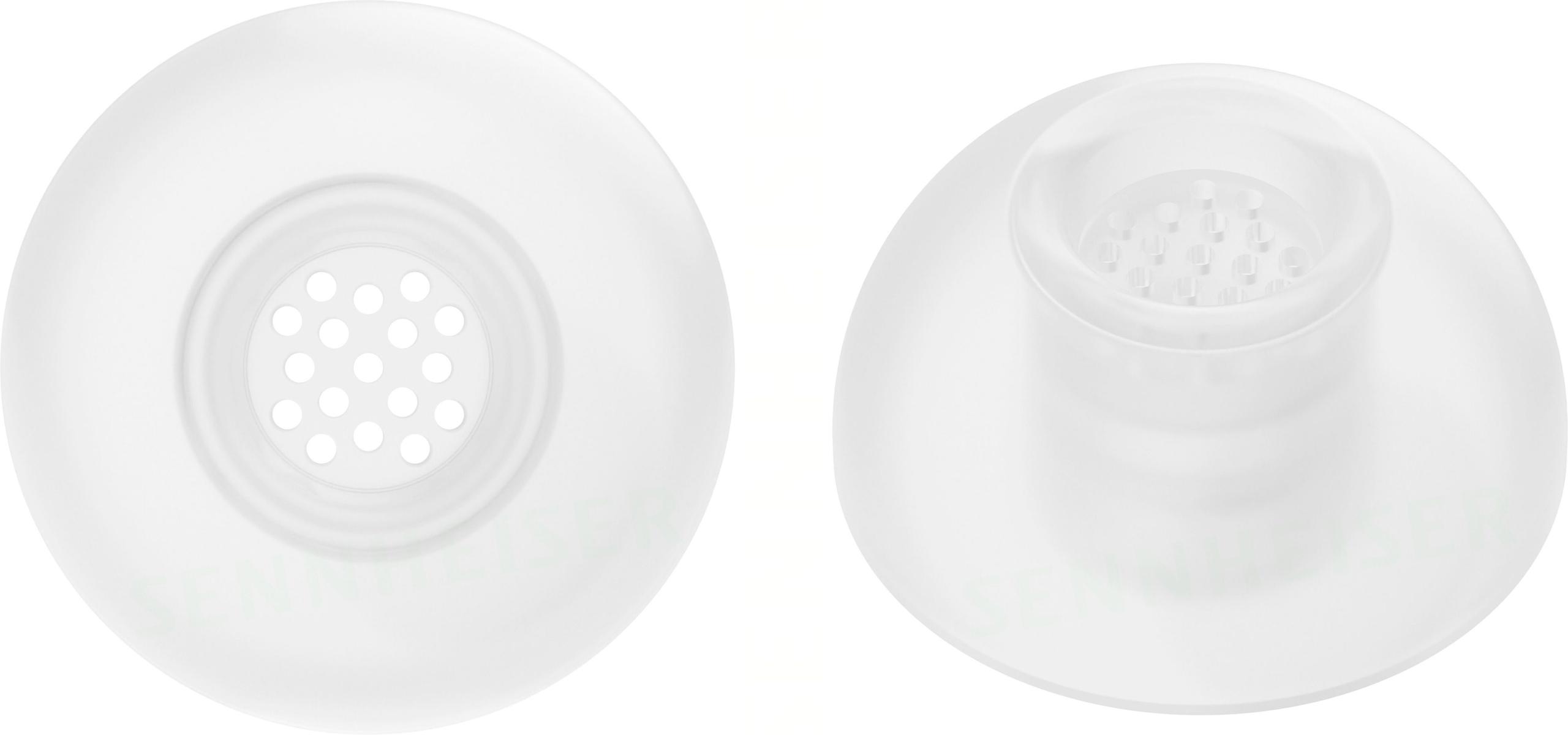
The Momentum Sport uses what Sennheiser calls a "semi-open acoustic design." Traditional earbuds seal your ear canal completely, which is great for isolation but can make you uncomfortably aware of your own breathing and heartbeat during exercise. Sennheiser's solution is brilliant: they include acoustic relief channels that let some air flow while reducing those annoying body-borne noises. The result is a more natural feeling that doesn't make you feel disconnected from your environment – crucial when you're running on busy streets.
The sound signature is tuned specifically for workouts. There's enough bass to keep you motivated during that final set of squats, but the midrange (where voices and most instruments live) stays clear so you can still follow podcasts or take calls. It's not trying to be neutral – it's trying to be energizing.
The Pi8, meanwhile, is all about accuracy and detail. Those carbon cone drivers reveal layers in familiar songs that you've probably never noticed. The soundstage – how wide and spacious music feels – is remarkably good for earbuds. When I tested them with some high-quality jazz recordings, I could practically place each instrument in space. The bass is tight and controlled rather than boomy, the midrange is crystalline, and the treble extends beautifully without becoming harsh.
For home theater use, the Pi8 really shines. The detailed sound reproduction and excellent imaging make dialogue crystal clear, while the dynamic range handling means quiet moments stay quiet and explosions have proper impact. The comprehensive codec support, including aptX Lossless, means you're getting the full quality from high-end streaming services or Blu-ray sources.
Both earbuds feature active noise cancellation (ANC), but they approach it differently based on their intended use.
The Momentum Sport includes what Sennheiser calls "anti-wind mode" – a specialized setting that recognizes the unique challenges of outdoor exercise. Anyone who's tried to run with ANC earbuds knows the problem: wind noise gets amplified into an annoying whooshing that makes the feature more hindrance than help. The Momentum Sport's solution actively filters out wind noise while maintaining the benefits of ANC for other sounds.
The transparency mode (which lets outside sound in) is also sports-optimized. It's designed to let you hear approaching cars, other runners calling out, or your workout partner's instructions while still enjoying your music. Safety is clearly a priority here.
The Pi8 takes a more traditional approach, focusing on maximum isolation for immersive listening. With three microphones per earbud, it creates a bubble of quiet that's perfect for focused music listening or blocking out airplane noise. The adaptive nature means it automatically adjusts based on your environment – stronger cancellation in loud spaces, lighter touch in quieter areas.
This is where the design philosophies really diverge. The Momentum Sport earned an IP55 rating, which means it can handle direct water spray from any direction. For context, that's better protection than many smartphones. The earbuds are designed to survive everything from sweaty CrossFit sessions to getting caught in a downpour during your morning run.
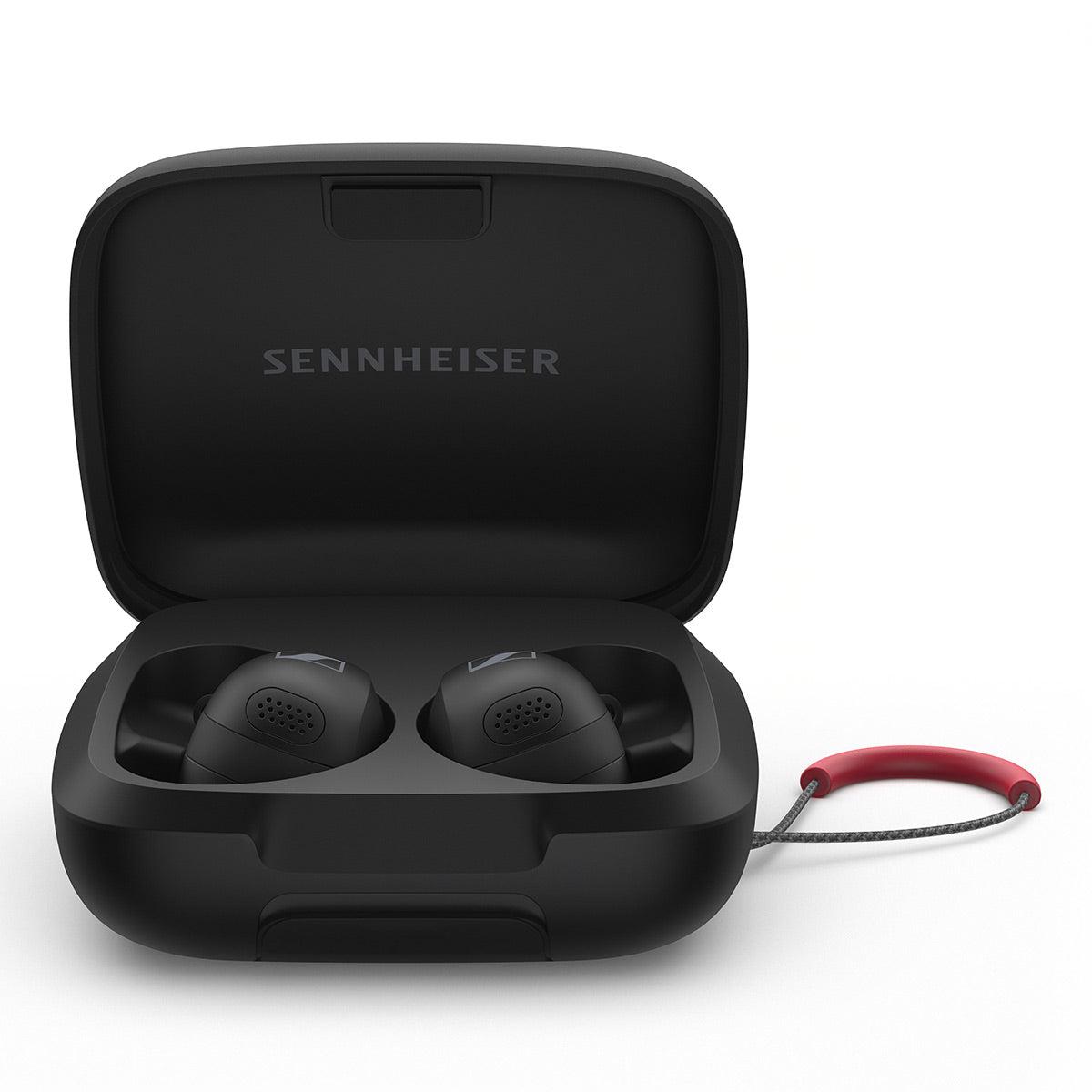
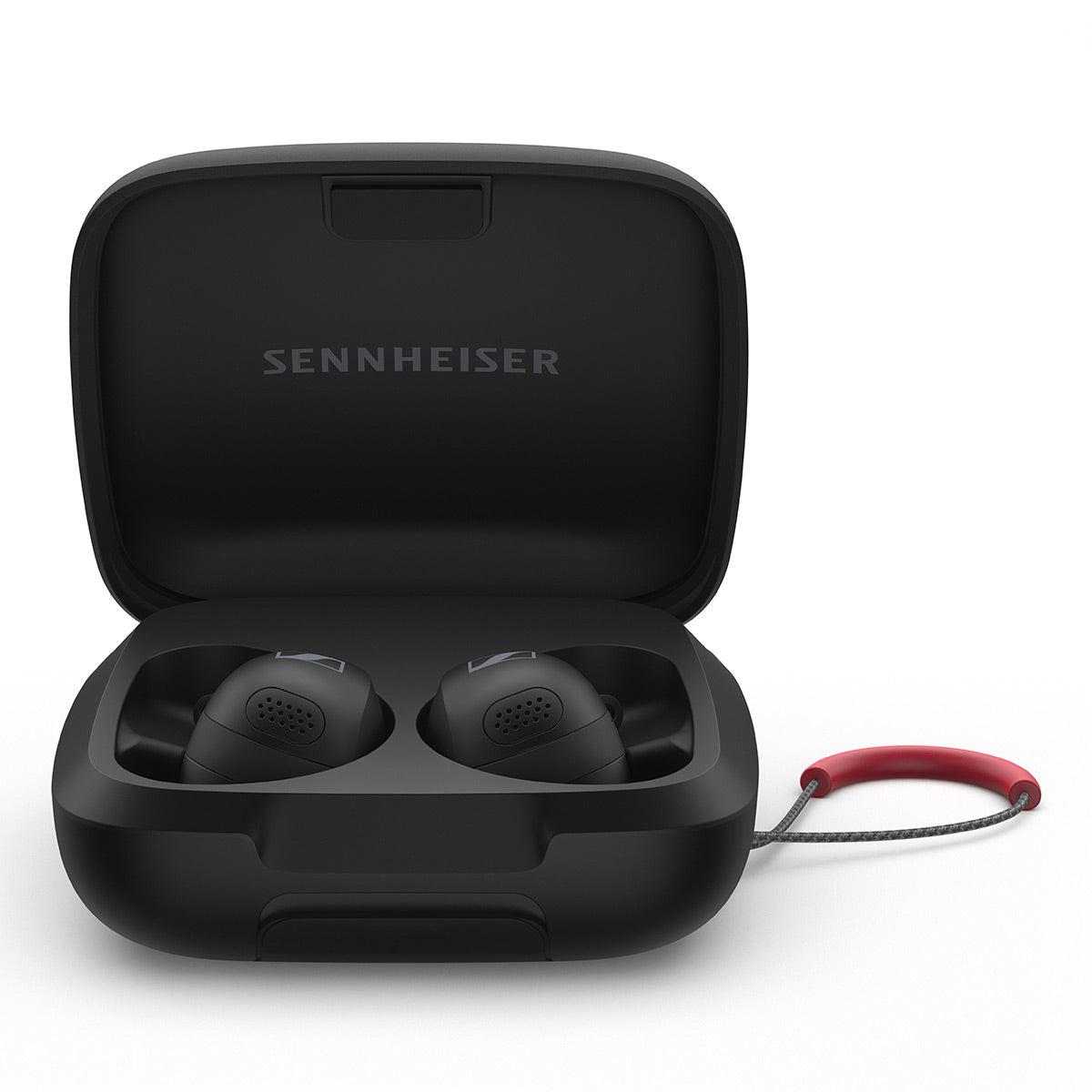
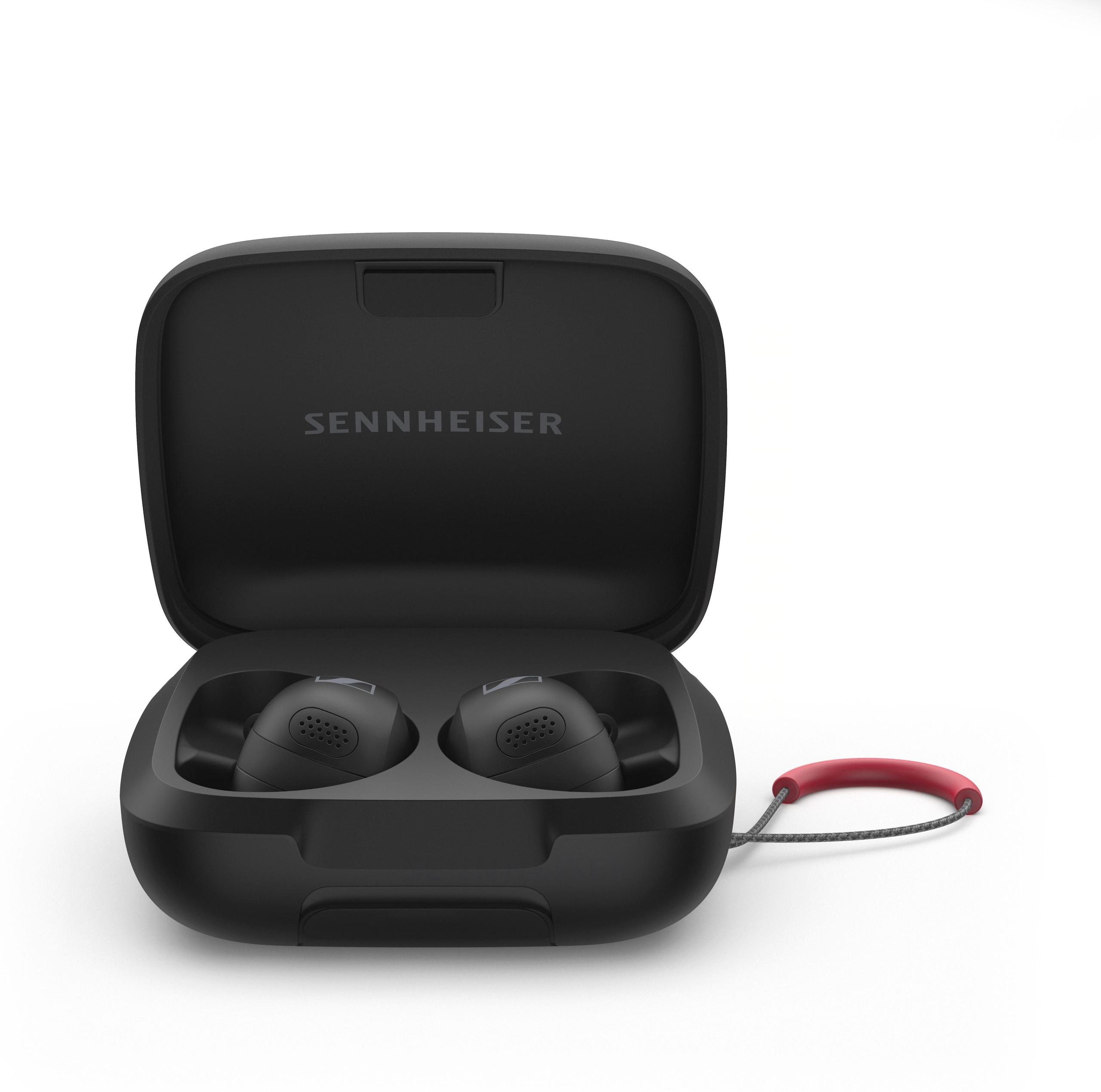
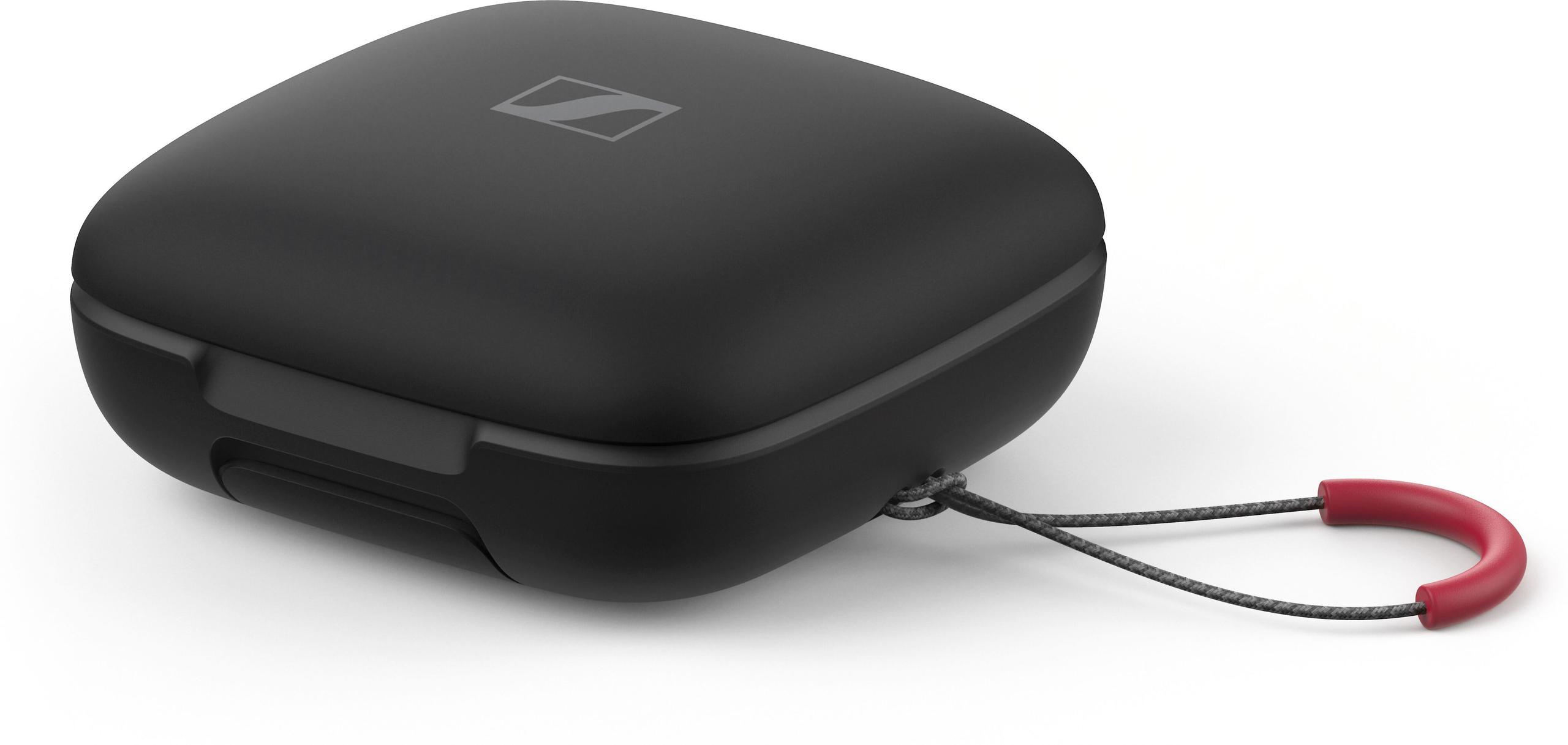
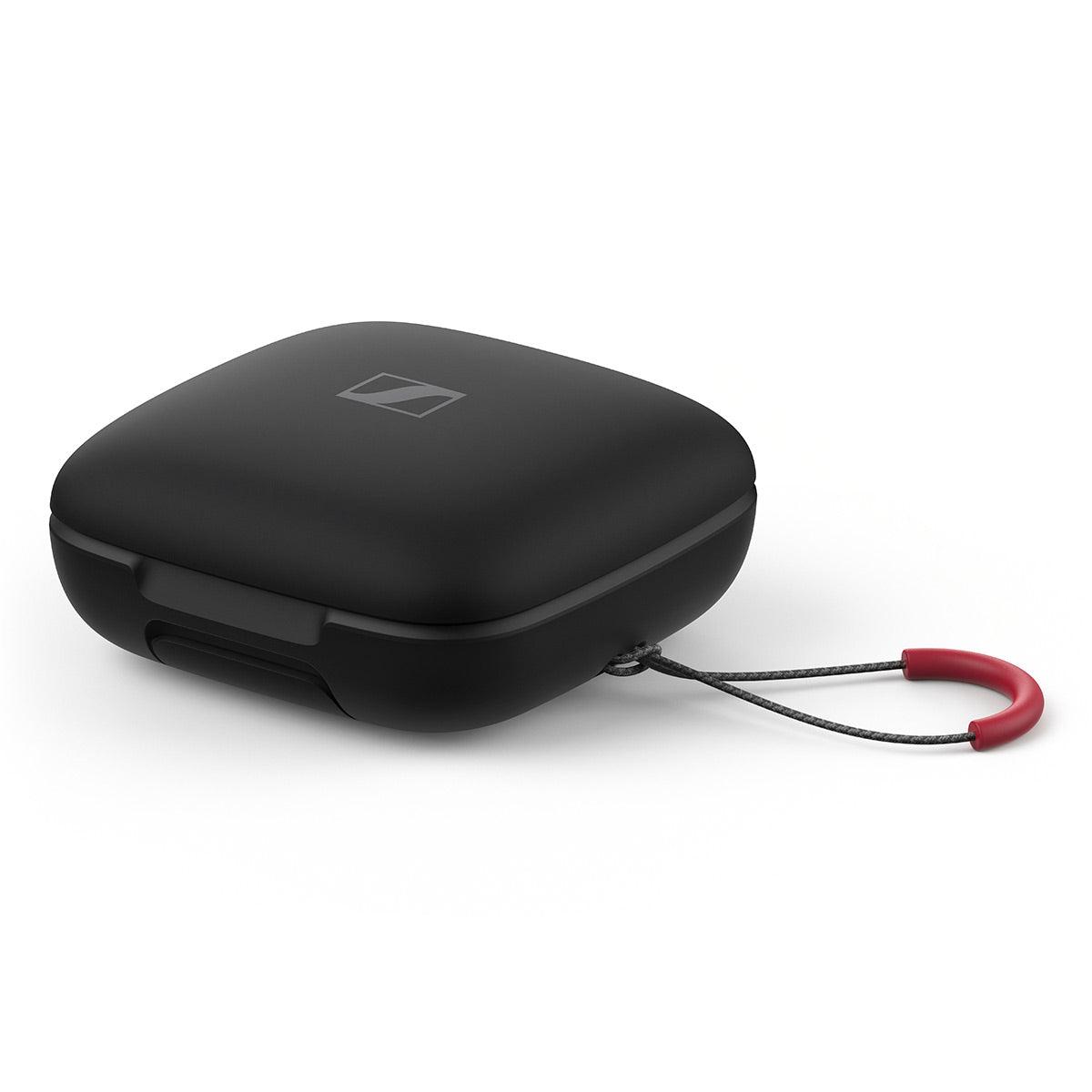
The charging case isn't forgotten either, with its own IP54 rating. Sennheiser clearly understands that fitness enthusiasts don't baby their gear – these earbuds need to survive being tossed in gym bags, dropped on concrete, and subjected to temperature swings from air-conditioned gyms to outdoor summer workouts.
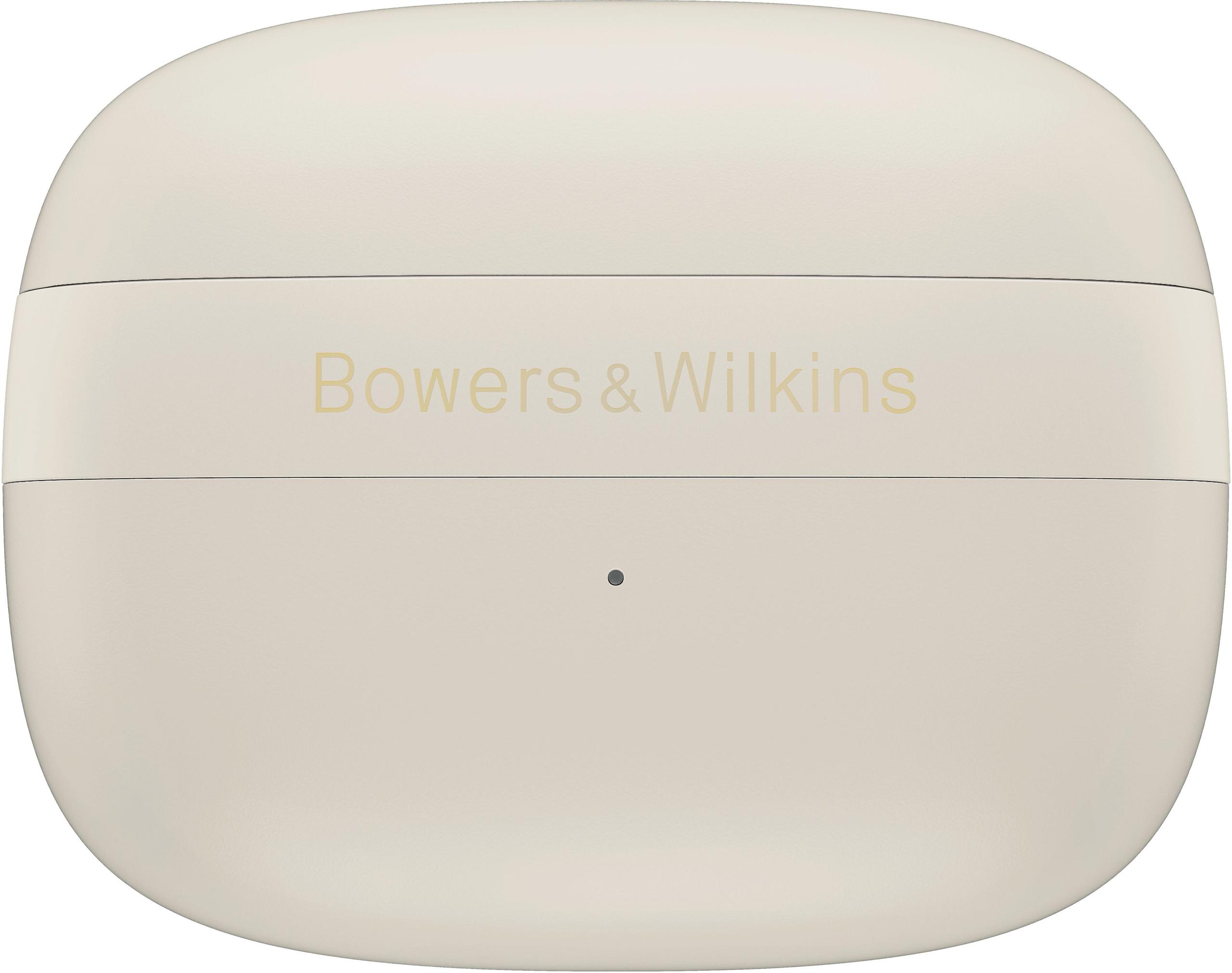
The Pi8 takes a more refined approach with premium materials and luxury finishes. The IP54 rating provides adequate protection for occasional workouts, but these are clearly designed for the discerning listener who appreciates fine craftsmanship. The build quality feels substantial and premium, though the shell design is bulkier than the Momentum Sport.
Battery life often reveals a product's true priorities. The Momentum Sport delivers up to 24 hours total runtime with the case, plus Qi wireless charging for convenience. There's also a quick-charge feature that gives you 45 minutes of playback from just 10 minutes of charging – perfect for those "I forgot to charge them" moments before a workout.
The Pi8 provides about 20 hours total runtime, which is respectable but clearly not the main focus. The charging case includes a unique feature: wireless audio retransmission. This means you can plug the case into any audio source with a 3.5mm cable (airplane entertainment, older stereo systems, gym equipment) and it will wirelessly transmit that audio to your earbuds. It's a clever solution for audiophiles who encounter various audio sources.
What makes the Momentum Sport genuinely revolutionary is how seamlessly it integrates with fitness ecosystems. During my testing, I was impressed by how accurately the heart rate monitoring compared to dedicated chest strap monitors. The ear canal placement really does provide more consistent readings than wrist-based monitors, especially during activities involving arm movement.
The body temperature monitoring is more subtle but potentially valuable for serious athletes. Core body temperature is a key indicator of heat stress and recovery status, but it's typically only available through expensive laboratory equipment or invasive monitoring. Having this data available in real-time, integrated with your training apps, opens up new possibilities for training optimization.
The Sound Zones feature is particularly clever – you can set up automated audio profiles based on your location. Arrive at the gym and your earbuds automatically switch to a bass-heavy EQ and enable ANC. Get to the park for your run and they switch to transparency mode with wind noise filtering. It's the kind of smart automation that actually makes sense.
At the time of writing, both products command premium prices that place them firmly in luxury territory. But the value proposition differs significantly.
The Momentum Sport effectively replaces multiple devices. If you were planning to buy premium earbuds anyway, plus a fitness tracker, plus a heart rate monitor, the integrated approach suddenly makes financial sense. You're not just paying for premium audio – you're investing in a comprehensive fitness monitoring system that happens to sound great.
The Pi8 is harder to justify purely on features, but easier to understand from an audio quality perspective. If you're someone who's invested in high-quality music sources, streaming services, or home theater equipment, the Pi8 can actually reveal details and nuances that cheaper earbuds simply can't reproduce. You're paying for the same kind of precision engineering that goes into high-end speakers, just miniaturized.
The decision really comes down to how you plan to use these earbuds most of the time.
Choose the Momentum Sport if you're serious about fitness and want technology that enhances your training. They're perfect for runners who want accurate heart rate data without chest straps, gym enthusiasts who need earbuds that can survive intense workouts, or outdoor athletes who need environmental awareness for safety. The integration with fitness platforms means your audio gear is actively contributing to your health goals.
The Pi8 makes sense for dedicated music lovers who want the best possible wireless audio experience. If you find yourself analyzing the production quality of your favorite albums, if you have a collection of high-resolution music files, or if you use your earbuds primarily for focused listening sessions, the audio quality improvements are immediately noticeable and worthwhile.
For home theater use, the Pi8 is clearly superior. The detailed sound reproduction makes dialogue more intelligible, the wide soundstage creates a more immersive experience, and the excellent dynamic range handling means you'll hear subtle details without being blown away by loud effects.
What's fascinating about comparing these products is how they represent broader trends in premium consumer electronics. We're moving beyond the era of "one size fits all" solutions toward highly specialized tools that excel in specific use cases.
The Sennheiser Momentum Sport points toward a future where our everyday devices seamlessly integrate health monitoring without requiring us to wear additional gadgets. The Bowers & Wilkins Pi8 shows that there's still a strong market for products that focus entirely on doing one thing – in this case, audio reproduction – at an extremely high level.
Both approaches have merit, and both represent genuine innovation in their respective areas. The question isn't which one is objectively better, but which one aligns better with your priorities and usage patterns. In a world where premium earbuds are becoming increasingly capable, that's exactly the kind of choice we should want to make.
| Sennheiser Momentum Sport | Bowers & Wilkins Pi8 |
|---|---|
| Driver Size - Larger drivers typically produce better bass and overall sound quality | |
| 10mm redesigned dynamic drivers | 12mm Carbon Cone drivers |
| Audio Processing - Higher bit rates capture more musical detail and nuance | |
| 16-bit processing with upsampling | True 24-bit decoding with 32-bit DSP |
| Codec Support - Determines maximum audio quality from your devices | |
| aptX Adaptive (High Quality/Low Latency modes) | aptX Lossless, aptX Adaptive, aptX Classic, AAC, SBC |
| Active Noise Cancellation - Essential for blocking distractions during workouts or focused listening | |
| Adaptive ANC with anti-wind mode for outdoor activities | Advanced adaptive ANC with 3 mics per earbud |
| Water Resistance - Critical durability spec for exercise and weather protection | |
| IP55 (superior spray protection from any direction) | IP54 (adequate splash protection) |
| Battery Life - Total listening time before needing to find a charger | |
| 6 hours earbuds + 18 hours case = 24 hours total | 6.5 hours earbuds + 13.5 hours case = 20 hours total |
| Biometric Sensors - Unique health tracking capabilities that replace separate fitness devices | |
| Heart rate (PPG) + body temperature sensors | None |
| Fitness Integration - How well earbuds work with popular training apps and platforms | |
| Direct sync with Polar Flow, Apple Health, Garmin, Strava | Standard Bluetooth connectivity only |
| Acoustic Design - Affects comfort during exercise and environmental awareness | |
| Semi-open with relief channels (reduces body noise) | Traditional closed design (maximum isolation) |
| Quick Charging - How fast you can get back to listening when battery runs low | |
| 10 minutes = 45 minutes playback | 15 minutes = 2 hours playback |
| Special Features - Unique capabilities that differentiate from standard earbuds | |
| Sound Zones automation, anti-wind mode | Wireless audio retransmission from case, 3.5mm input |
| Target Use Case - Who these earbuds are specifically designed for | |
| Athletes and fitness enthusiasts wanting integrated health tracking | Audiophiles prioritizing maximum sound quality and luxury build |
The Bowers & Wilkins Pi8 delivers superior sound quality for pure music listening with its 12mm Carbon Cone drivers and true 24-bit audio decoding. The Sennheiser Momentum Sport offers excellent sound but is tuned specifically for workout motivation with enhanced bass and sports-optimized audio processing.
The Sennheiser Momentum Sport is specifically designed for fitness with IP55 water resistance, integrated heart rate sensors, and a secure fit that stays put during intense workouts. The Bowers & Wilkins Pi8 has basic IP54 protection and works for light exercise, but lacks the sports-focused features and durability of the Momentum Sport.
Both offer excellent active noise cancellation, but serve different needs. The Pi8 provides superior isolation for focused listening with three microphones per earbud. The Momentum Sport features specialized anti-wind mode and sports-optimized transparency for outdoor activities where situational awareness is important.
Only the Sennheiser Momentum Sport includes integrated biometric sensors that track heart rate and body temperature, syncing directly with popular fitness apps like Polar Flow, Apple Health, and Strava. The Bowers & Wilkins Pi8 focuses purely on audio performance without any fitness tracking capabilities.
The Sennheiser Momentum Sport offers longer total battery life with 24 hours combined (6 hours earbuds + 18 hours case) compared to the Pi8's 20 hours total (6.5 hours earbuds + 13.5 hours case). Both support wireless charging, but the Momentum Sport has faster quick-charge capabilities.
Both justify their premium pricing differently. The Momentum Sport replaces multiple devices by combining premium earbuds with comprehensive fitness tracking. The Pi8 targets audiophiles willing to pay for exceptional sound quality and luxury build materials comparable to high-end speakers.
The Sennheiser Momentum Sport offers superior durability with IP55 rating (spray protection from any direction) and shock-resistant design for sports activities. The Bowers & Wilkins Pi8 has IP54 protection adequate for light workouts but emphasizes premium materials over rugged construction.
Both earbuds support multipoint Bluetooth connectivity, allowing connection to multiple devices simultaneously. However, the Pi8 includes additional flexibility with its charging case's wireless audio retransmission feature and 3.5mm input for non-Bluetooth sources.
The Bowers & Wilkins Pi8 has a slight edge for call quality with three microphones per earbud providing superior noise reduction and voice pickup. The Sennheiser Momentum Sport offers good call quality but prioritizes fitness features over call optimization.
The Pi8 excels for home theater use with detailed sound reproduction, excellent imaging for dialogue clarity, and comprehensive codec support for high-quality streaming. The Momentum Sport works fine for casual viewing but is optimized for active use rather than cinematic experiences.
Both offer comprehensive apps with 5-band EQ customization. The Sennheiser Momentum Sport includes unique features like Sound Zones automation and extensive fitness app integration. The Pi8 focuses on audio customization and direct music streaming through the Bowers & Wilkins app.
Choose the Sennheiser Momentum Sport if you exercise regularly and want integrated health tracking with premium audio. Select the Bowers & Wilkins Pi8 if you prioritize maximum sound quality for music listening and don't need fitness features. Your primary use case should drive the decision between these two excellent but different approaches.
We've done our best to create useful and informative comparisons to help you decide what product to buy. Our research uses advanced automated methods to create this comparison and perfection is not possible - please contact us for corrections or questions. These are the sites we've researched in the creation of this article: rtings.com - shop.prevention.com - youtube.com - techradar.com - sennheiser-hearing.com - youtube.com - dcrainmaker.com - head-fi.org - whathifi.com - youtube.com - youtube.com - head-fi.org - ecoustics.com - soundguys.com - audio46.com - moon-audio.com - newsroom.sennheiser.com - youtube.com - shop.menshealth.com - the5krunner.com - youtube.com - bloomaudio.com - eftm.com - soundguys.com - techradar.com - sennheiser-hearing.com - techradar.com - bowerswilkins.com - youtube.com - bestbuy.com - whathifi.com - audioholics.com - crutchfield.com - whathifi.com - audio46.com - rtings.com - audioadvice.com - engadget.com - youtube.com - audio46.com - audiograde.uk - youtube.com - techwelike.com - youtube.com - audioadvice.com - soundguys.com - bestbuy.com - bowerswilkins.com - headphones.com - bowerswilkins.com - bowerswilkins.com - audio46.com - youtube.com - shop.womenshealthmag.com - head-fi.org - youtube.com - youtube.com - bowerswilkins.cn - bowerswilkins.com - audio46.com - bowerswilkins.com

Privacy Policy
Terms and Conditions - Affiliate Policy
Home Security
© Copyright 2008-2026.
11816 Inwood Rd #1211, Dallas, TX 75244