

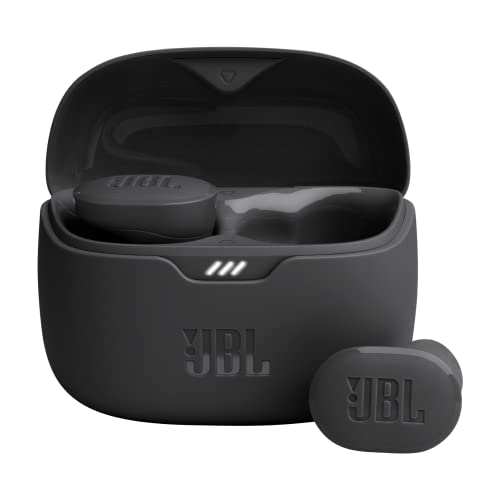







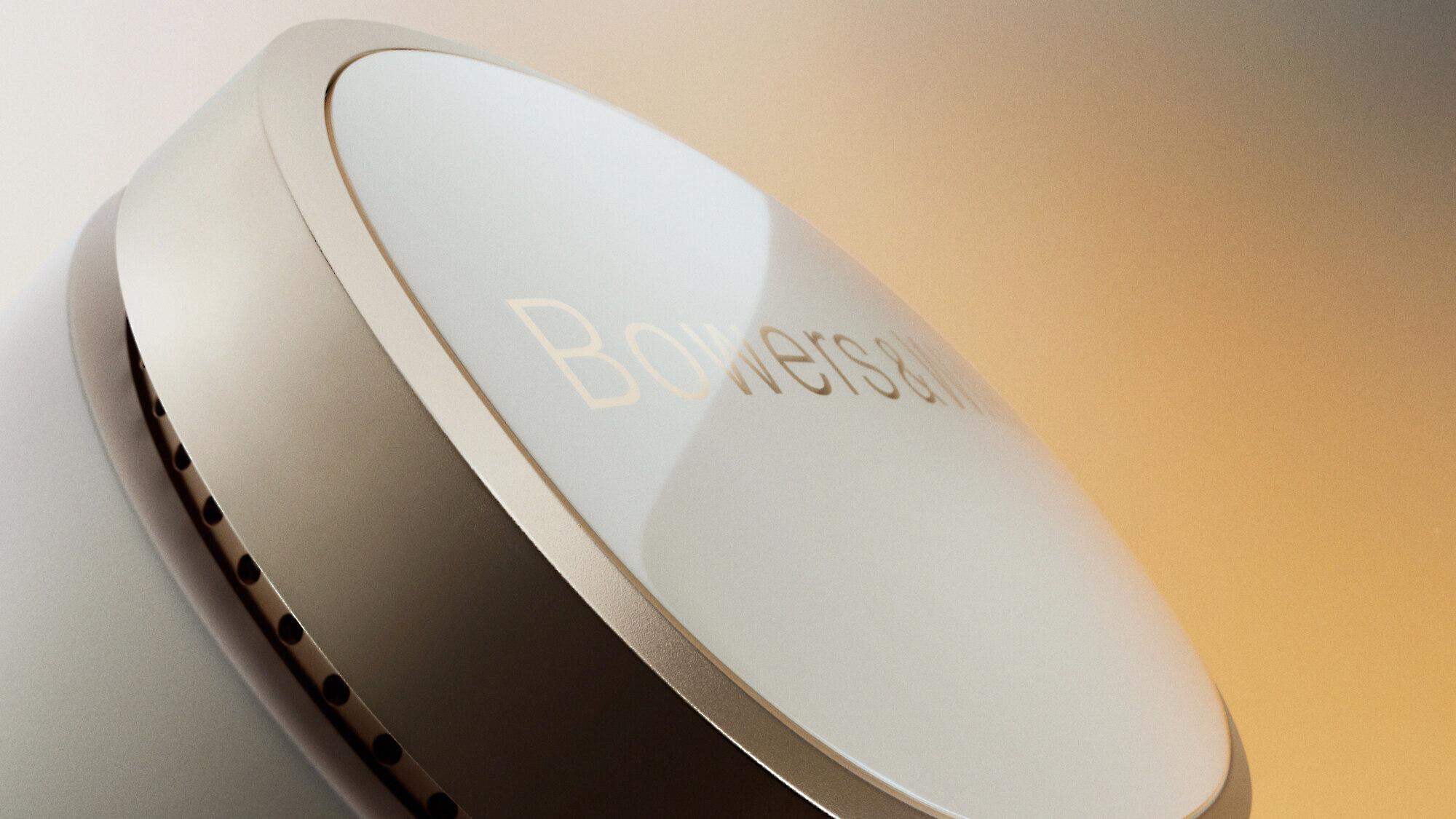
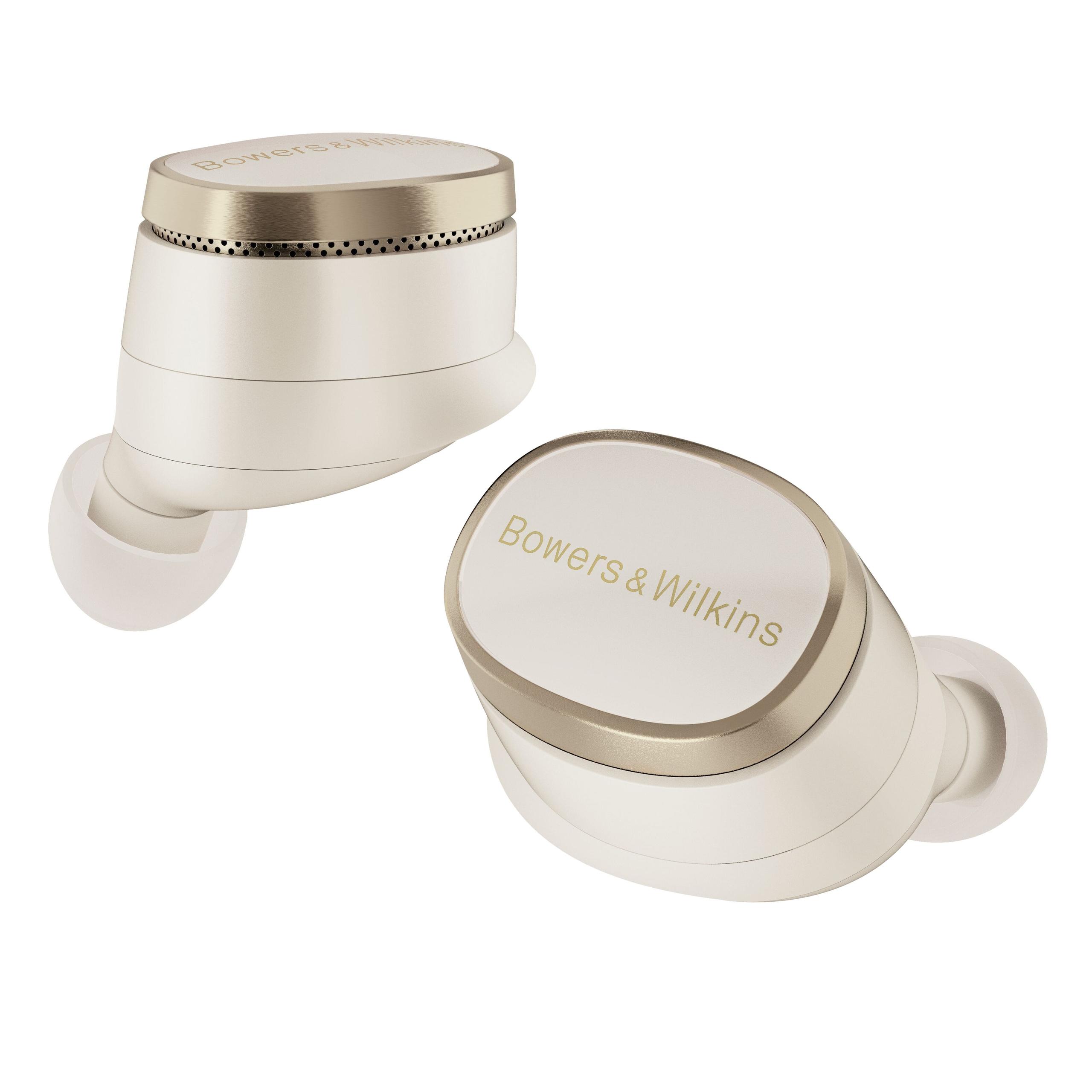
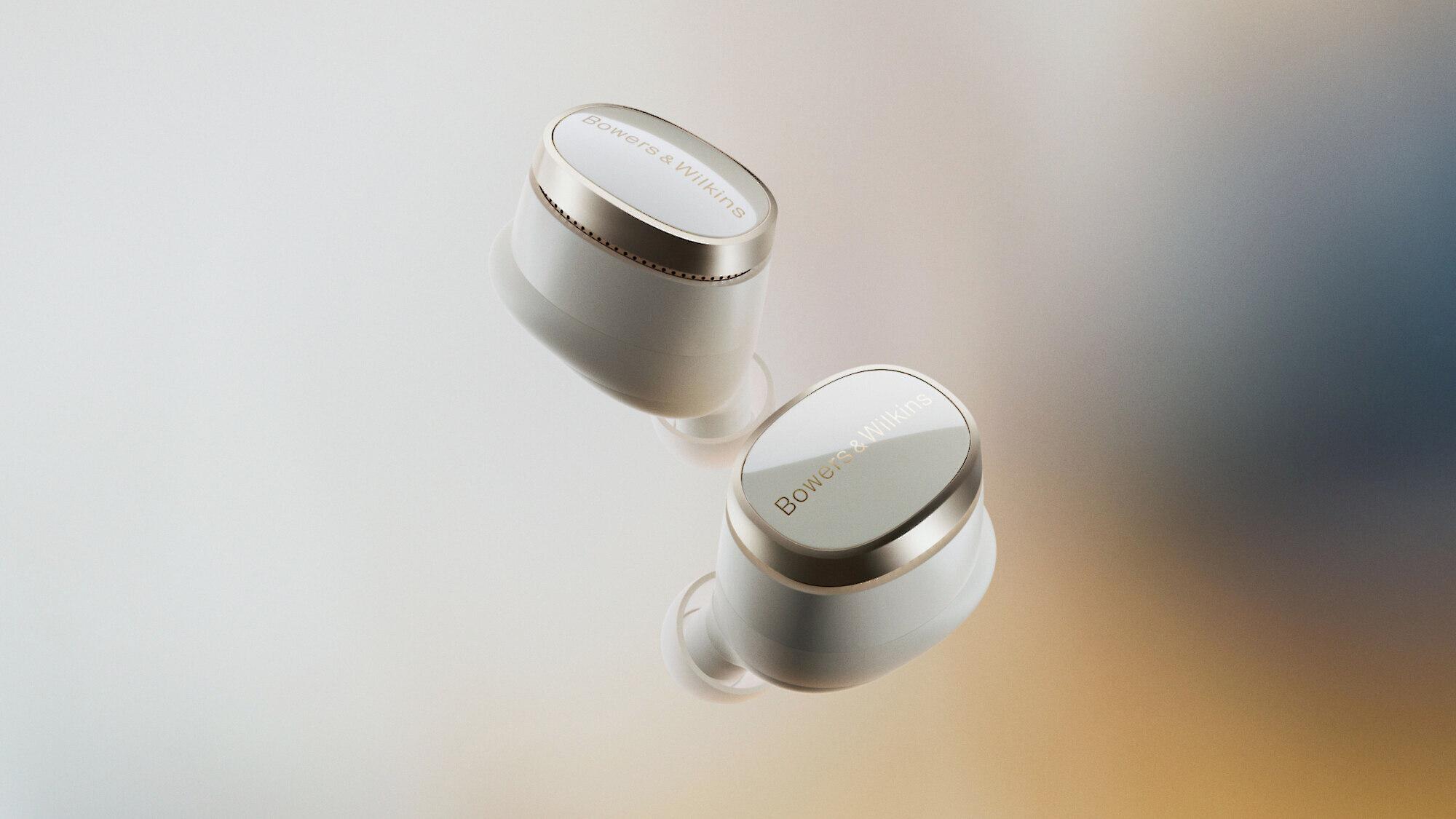
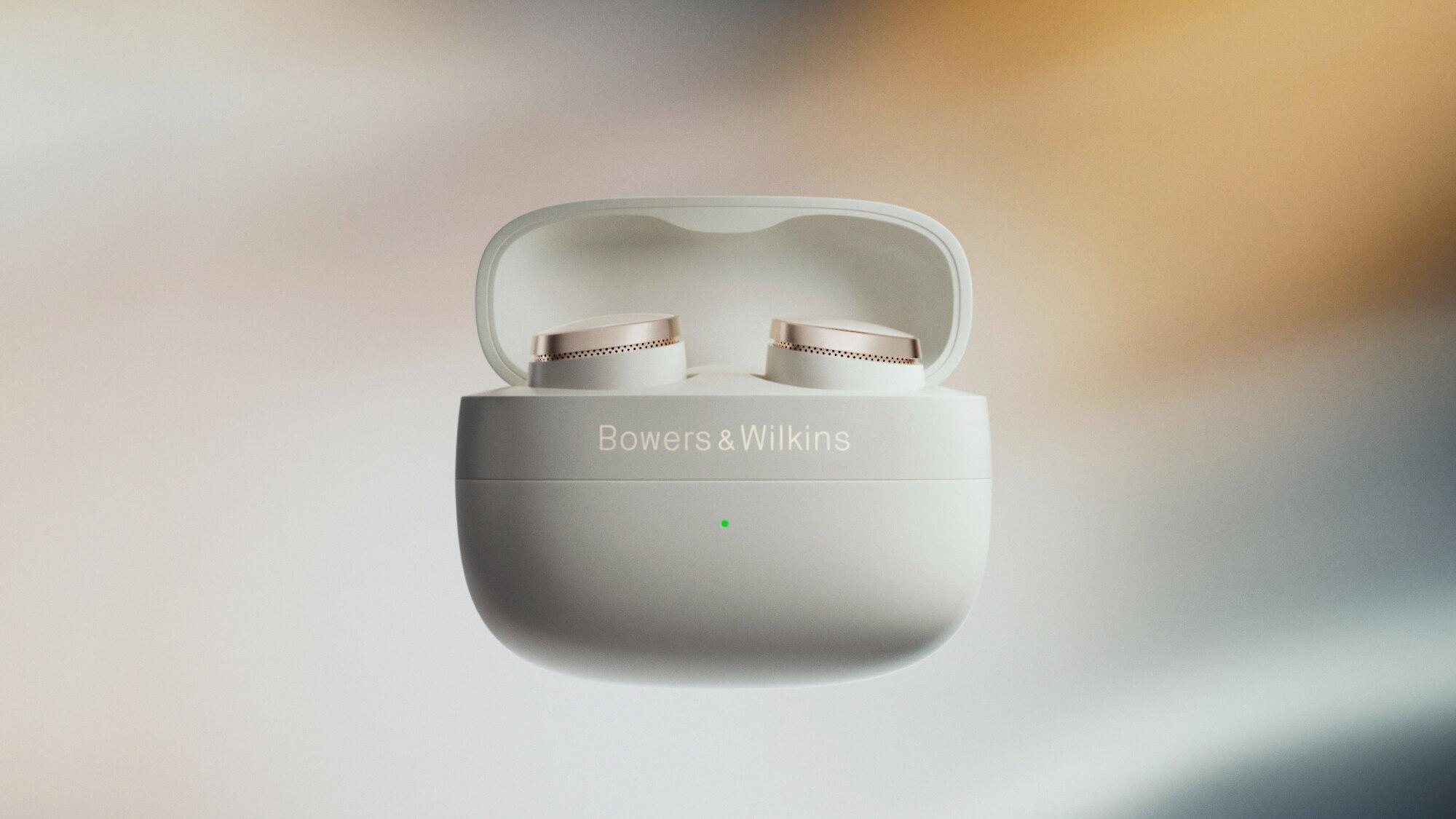

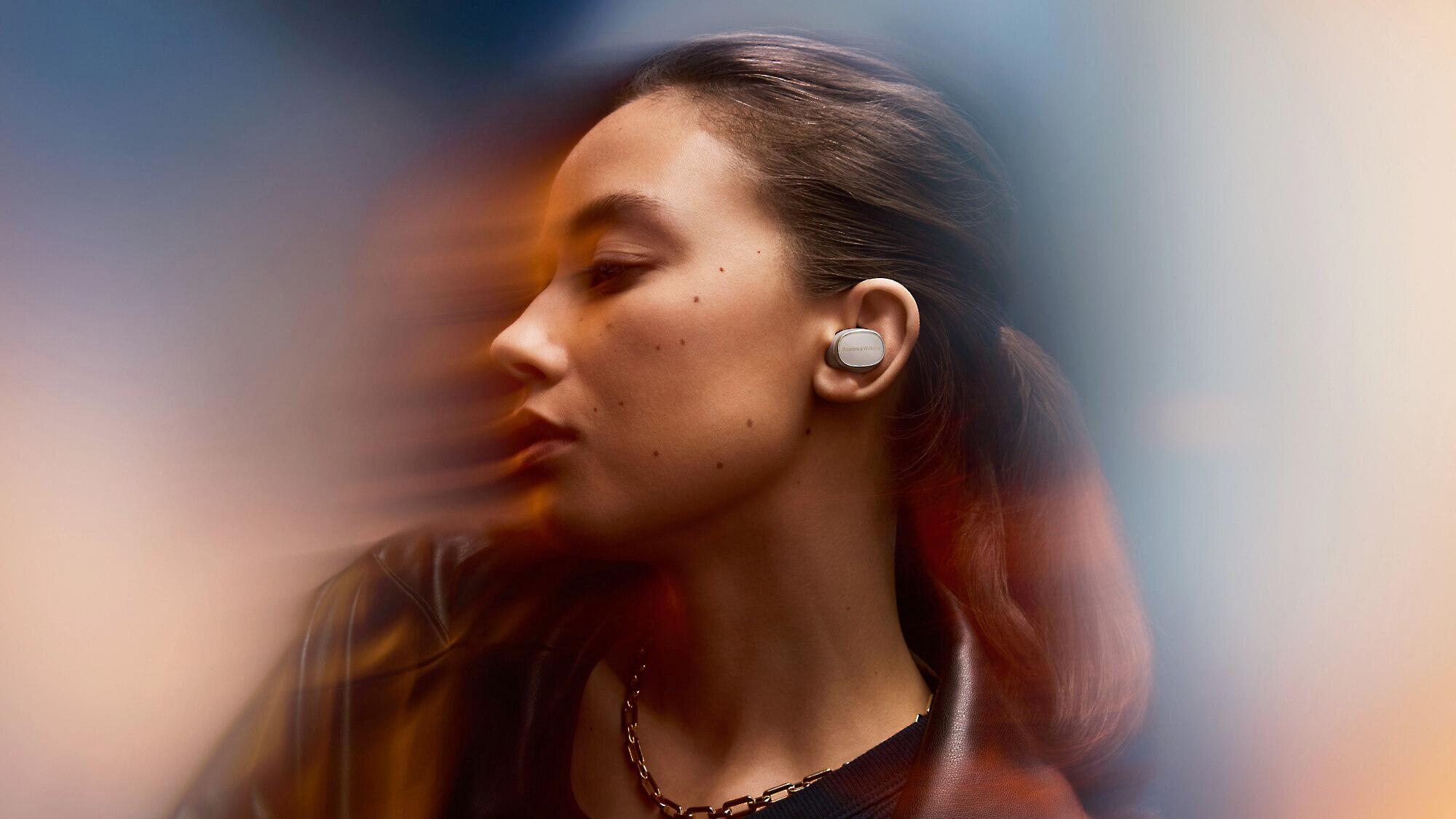
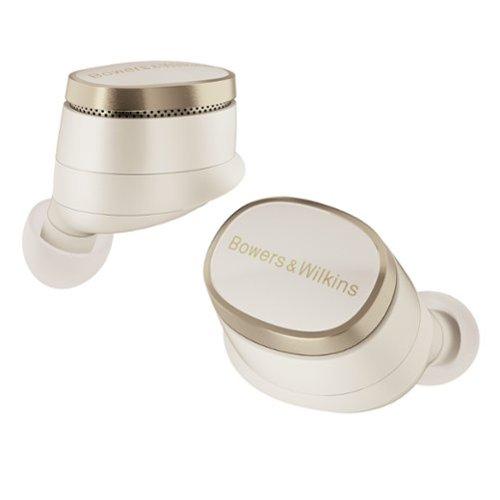



Choosing the right true wireless earbuds feels overwhelming when you're faced with hundreds of options ranging from $30 to $500. The fundamental question isn't just about finding the "best" earbuds—it's about finding the ones that match your priorities, lifestyle, and budget. Today, we're comparing two earbuds that represent completely different philosophies: the budget-focused JBL Tune Buds and the premium audiophile-targeted Bowers & Wilkins Pi8.
Released in 2024, both earbuds benefit from the latest Bluetooth technology and years of refinement in true wireless design. However, at the time of writing, they sit at opposite ends of the price spectrum—the JBL Tune Buds cost roughly 85% less than the Bowers & Wilkins Pi8. This massive price gap raises an obvious question: what exactly are you getting for that extra money, and is it worth it?
Before diving into comparisons, let's establish what actually matters in true wireless earbuds. The most critical factors are sound quality, battery life, comfort and fit, noise cancellation effectiveness, and overall value. However, the relative importance of these factors varies dramatically depending on how you plan to use them.
Sound quality encompasses several technical aspects that work together. Frequency response determines how balanced the sound is across bass, mids, and treble. Driver technology affects how accurately sound is reproduced—the physical component that vibrates to create sound waves. Soundstage refers to how spacious and three-dimensional the audio feels, while detail retrieval measures how well you can hear subtle elements in complex music.
Battery life involves two key measurements: how long the earbuds themselves last on a single charge, and the total listening time when you include the charging case. Active Noise Cancellation (ANC) uses microphones to detect external sound and generates inverse sound waves to cancel it out, though this typically reduces battery life.
The most significant difference between the JBL Tune Buds and Bowers & Wilkins Pi8 lies in their audio reproduction capabilities, and this difference starts with their fundamental hardware.
The JBL Tune Buds feature 10mm dynamic drivers designed around JBL's signature "Pure Bass Sound." These drivers create a V-shaped sound signature, meaning they emphasize both the bass and treble frequencies while keeping the midrange relatively neutral. This tuning works exceptionally well for contemporary music genres like electronic dance music, hip-hop, and pop, where punchy bass and crisp highs enhance the listening experience.
However, this emphasis can become problematic with certain types of content. The treble boost occasionally makes sibilant sounds (like "s" and "t" sounds in vocals) harsh and fatiguing during extended listening sessions. The bass emphasis, while exciting for bass-heavy tracks, can overwhelm more delicate acoustic music or classical pieces where balance is crucial.
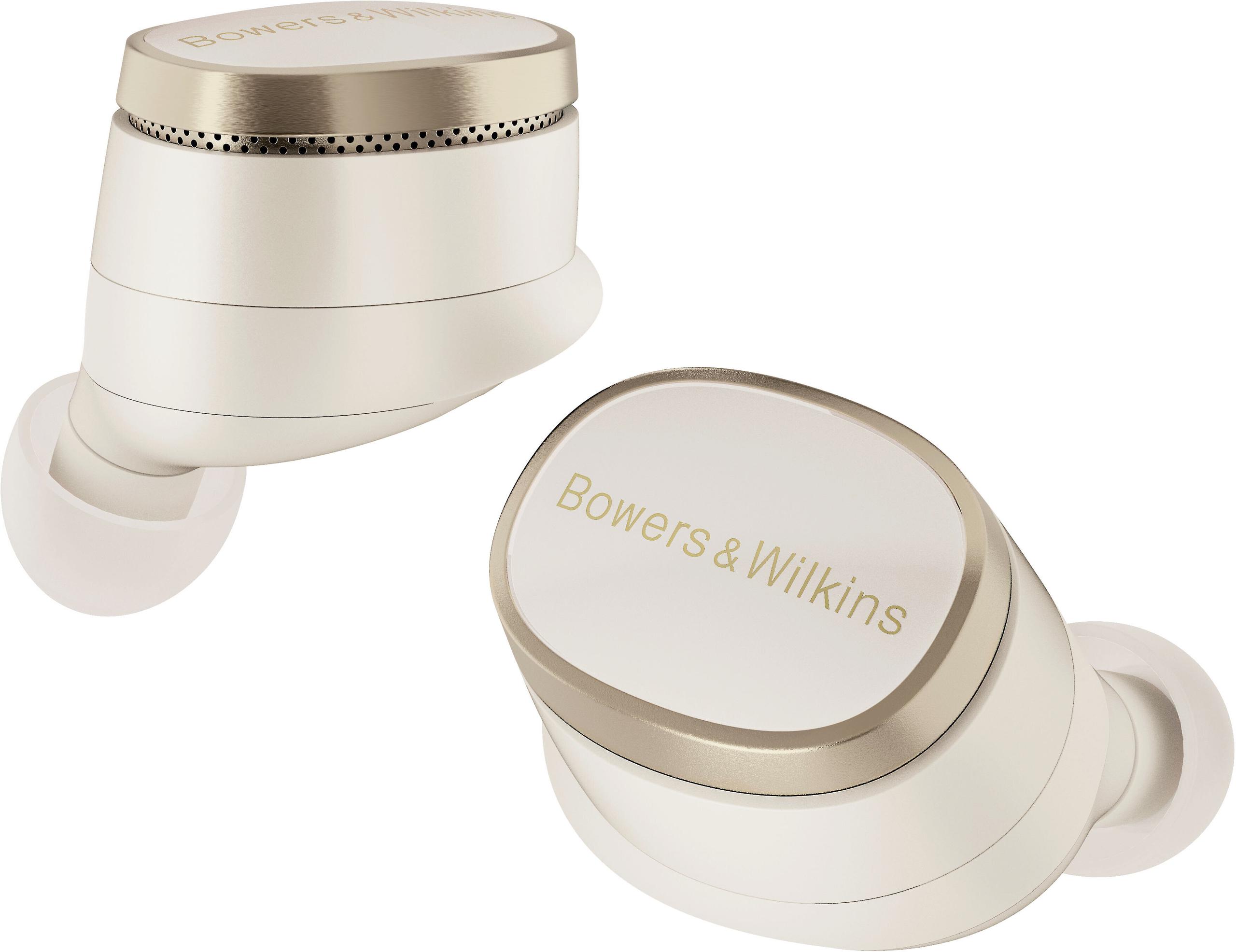
The Bowers & Wilkins Pi8 takes a fundamentally different approach with 12mm carbon cone drivers—the same technology used in Bowers & Wilkins' premium over-ear headphones. Carbon fiber as a driver material offers significant advantages over traditional plastic or paper cones. It's simultaneously lighter and stiffer, allowing it to move faster and more accurately while resisting distortion at high volumes.
This translates to noticeably superior detail retrieval and instrument separation. When listening to complex orchestral pieces or densely layered rock songs, the Pi8 reveals subtle details that simply get lost in the Tune Buds. The soundstage—how spacious and three-dimensional the music feels—is also significantly wider with the Pi8, making music feel less trapped inside your head.
The Pi8 also supports advanced audio codecs, particularly aptX Lossless, which can transmit CD-quality audio wirelessly without compression. This feature only works with compatible Android devices, but when it does work, the difference is audible with high-quality source material.
Based on extensive research into professional reviews and user feedback, the audio quality difference is substantial enough that even casual listeners notice it during direct comparisons. However, the JBL Tune Buds still provide genuinely enjoyable sound that punches well above their price point.
Battery performance represents the JBL Tune Buds' most compelling advantage. These earbuds deliver up to 12 hours of continuous playback on a single charge, with the case providing an additional 36 hours—totaling 48 hours of listening time. Even with Active Noise Cancellation enabled, you still get 10 hours from the earbuds and 30 hours total.
This exceptional battery life stems from JBL's efficient Bluetooth 5.3 implementation and power management. The company has clearly prioritized longevity over features that drain battery quickly.
The Bowers & Wilkins Pi8 provides 6.5 hours from the earbuds with an additional 13.5 hours from the case, totaling 20 hours. While this meets industry standards, it represents less than half the endurance of the JBL Tune Buds.
For most users, this difference matters enormously in daily use. The JBL Tune Buds can handle a full work week of commuting without charging, while the Pi8 requires more frequent attention. However, both earbuds support quick charging—15 minutes provides several hours of playback—which helps mitigate the difference.
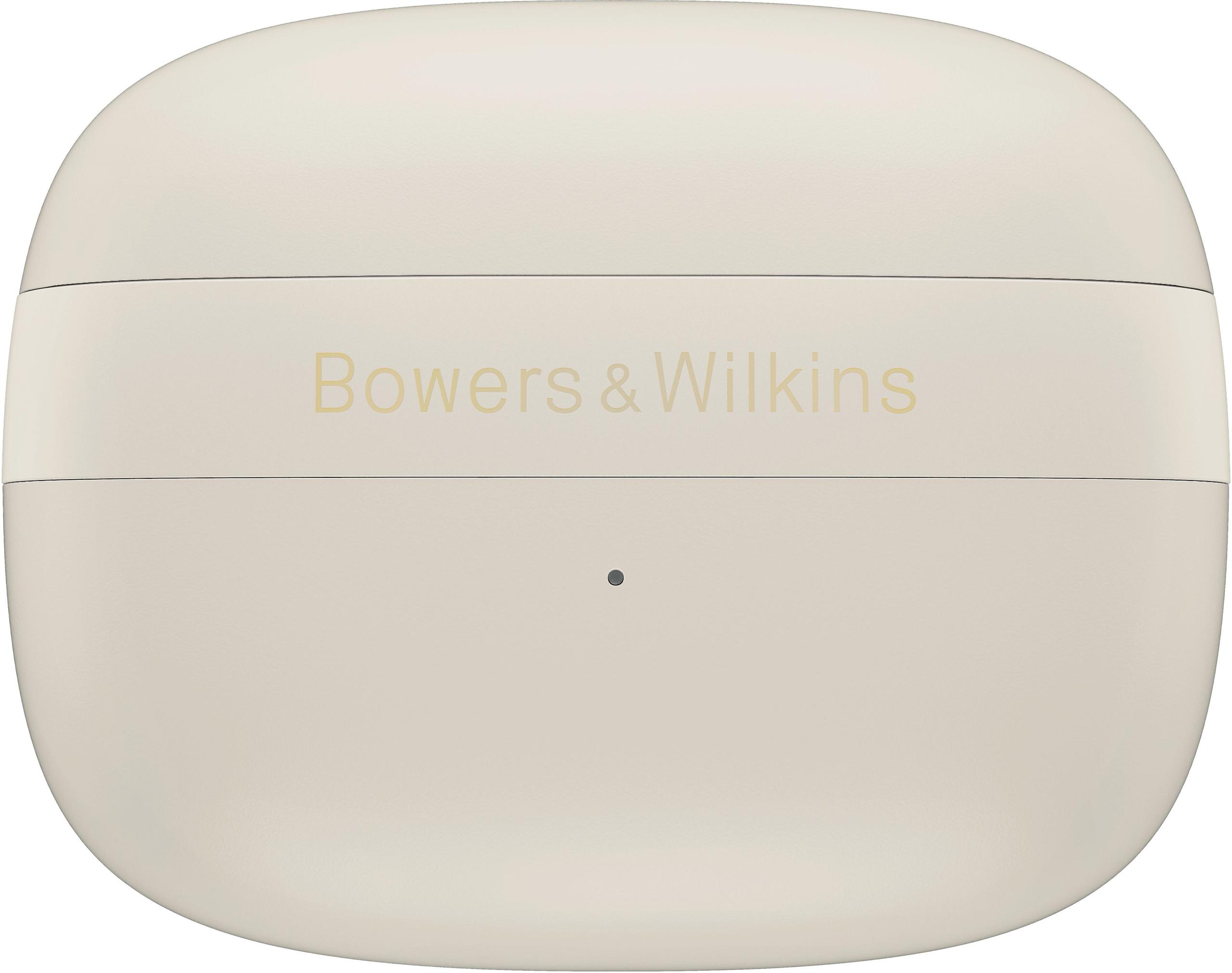
The Pi8 does include wireless charging in its case, adding convenience for users with compatible charging pads. This premium feature aligns with the overall luxury positioning but doesn't fundamentally change the battery life equation.
Both earbuds include Active Noise Cancellation, but their implementations reveal different priorities and capabilities.
The JBL Tune Buds employ what the company calls "Smart Ambient" technology. This includes standard ANC along with two transparency modes: Ambient Aware, which lets environmental sounds through for safety, and TalkThru, which reduces music volume and amplifies voices for conversations without removing the earbuds.
Based on user reviews and professional testing, the ANC performance is adequate but not exceptional. It handles steady, predictable noises reasonably well—like air conditioning or train rumble—but struggles with sudden sounds or complex noise environments. This limitation is typical for earbuds in this price range, where manufacturers balance cost against performance.
The Bowers & Wilkins Pi8 features more sophisticated adaptive noise cancellation that automatically adjusts to your environment. With three microphones per earbud versus two on the JBL Tune Buds, it has more data to work with for both noise cancellation and call quality.
Professional reviews consistently highlight the Pi8's superior ANC performance, particularly in handling variable environmental sounds like busy cafes or offices with changing noise levels. The transparency modes also sound more natural, without the artificial or hollow quality that plagues many earbuds' ambient modes.
However, neither earbud approaches the ANC effectiveness of category leaders like Sony's WF-1000XM4 or Apple's AirPods Pro. If noise cancellation is your primary concern, both of these options represent compromises, though the Pi8 makes fewer compromises than the Tune Buds.
The physical design and construction quality reveal another significant difference between these earbuds.
The JBL Tune Buds feature solid plastic construction with an IP54 rating for water and dust resistance. This rating means they can handle splashes, sweat, and dusty environments without damage—perfect for workouts or outdoor activities. The earbuds include three sizes of ear tips and employ an ergonomic design that most users find comfortable for extended wear.
The Bowers & Wilkins Pi8 step up to premium materials with superior fit and finish. The construction feels more substantial and refined, with tighter tolerances and premium plastics that justify the higher price point. The earbuds include four ear tip sizes instead of three, potentially providing better fit options for more users.
Both earbuds achieve good comfort levels, though individual ear anatomy varies significantly. Research into user feedback suggests that most people find both options comfortable for multi-hour listening sessions, with the Pi8 having a slight edge in premium feel and potentially better fit due to the additional ear tip size.
The IP54 rating on the JBL Tune Buds makes them more practical for active users who prioritize durability over luxury materials. The Pi8 focuses more on premium aesthetics and tactile quality.
For voice calls, both earbuds take different approaches to microphone implementation.
The JBL Tune Buds feature a 4-microphone array—two per earbud—with a unique VoiceAware feature. This technology lets you hear your own voice during calls, helping you maintain natural speaking volume and cadence. This addresses a common complaint with noise-canceling earbuds where users speak too loudly because they can't hear themselves.
The Bowers & Wilkins Pi8 employ three microphones per earbud, focusing on advanced noise processing to separate your voice from background noise. Professional reviews suggest both earbuds provide acceptable call quality in quiet environments, with the JBL's 4-mic setup potentially offering slight advantages in noisy conditions.
Neither earbud excels at call quality compared to dedicated business-focused models, but both handle typical phone calls and video conferences adequately.
Both earbuds include features that set them apart from generic competitors, though these innovations serve different user needs.
The JBL Tune Buds offer several practical advantages. They support true mono listening, meaning you can use either earbud independently—useful for staying aware of your surroundings while still enjoying audio. Multipoint connectivity allows connection to two devices simultaneously, seamlessly switching between your phone and laptop as needed.
The JBL Headphones app provides extensive customization options, including graphic EQ adjustment, touch control remapping, and environmental sound management. This level of customization helps users tailor the earbuds to their preferences, somewhat compensating for the fixed hardware tuning.
The Bowers & Wilkins Pi8 include a genuinely innovative feature that justifies consideration even from budget-conscious buyers: audio retransmission through the charging case. This technology allows the case to connect to any audio source via USB-C or optical cable, then transmit audio wirelessly to the earbuds using aptX Adaptive.
This feature solves real-world problems that plague most wireless earbuds. On airplanes, you can connect the case to the entertainment system without dealing with audio delay or poor Bluetooth implementation. At home, you can connect to your TV or stereo system and enjoy high-quality wireless audio without the latency issues that make most Bluetooth earbuds unsuitable for video content.
The retransmission feature essentially turns the Pi8 into a hybrid wireless/wired system, offering flexibility that no other consumer earbuds currently provide.
For home theater use, the differences between these earbuds become particularly pronounced.
Standard Bluetooth connections introduce audio delay (latency) that makes earbuds unsuitable for watching movies or TV shows. The JBL Tune Buds include a "Smart Video mode" designed to reduce this delay, but like most Bluetooth implementations, it doesn't eliminate the problem entirely.
The Bowers & Wilkins Pi8's retransmission feature fundamentally solves this problem. By connecting the case directly to your TV or streaming device via USB-C or optical cable, you eliminate Bluetooth latency entirely. The case then transmits audio to the earbuds using a direct, low-latency wireless connection.
This capability makes the Pi8 genuinely viable for home theater use—something that's rarely true for wireless earbuds. Whether you're watching late-night movies without disturbing others or dealing with hearing difficulties, this feature provides a legitimate alternative to traditional headphone solutions.
Determining value requires balancing performance against price within your specific use cases and budget constraints.
The JBL Tune Buds deliver remarkable value by prioritizing the features that matter most to typical users. The exceptional battery life, solid sound quality, reliable connectivity, and comprehensive app support create a package that serves most people's needs without compromise. At the time of writing, they cost significantly less than premium alternatives while delivering 80% of the performance.
The Bowers & Wilkins Pi8 justify their premium pricing through superior audio quality, innovative features, and luxury construction. However, this value proposition only makes sense if you can actually utilize and appreciate these advantages. The audio quality improvements are real and significant, but they require good source material and trained ears to fully appreciate.
The retransmission feature adds genuine utility that's impossible to replicate with cheaper alternatives, making the Pi8 compelling for users with specific connectivity needs.
Choose the JBL Tune Buds if you prioritize practical performance over absolute quality. They're ideal for daily commuting, exercise, casual music listening, and general use where battery life and reliability matter more than audiophile-grade sound quality. The excellent app support and customization options help optimize them for your preferences, while the robust construction handles real-world use.
The Tune Buds particularly suit users who listen to contemporary music genres that benefit from their bass-emphasized tuning. If you primarily stream music from Spotify or Apple Music while commuting, exercising, or working, these earbuds provide everything you need without unnecessary premium features.
Choose the Bowers & Wilkins Pi8 if audio quality is your primary concern and you're willing to pay significantly more for superior performance. They're designed for music enthusiasts who can appreciate the difference that premium drivers and advanced audio processing provide. The retransmission feature also makes them uniquely valuable for home theater use or travel where you need to connect to non-Bluetooth audio sources.
The Pi8 make most sense for users with high-quality music libraries, premium streaming subscriptions, and the listening experience to appreciate subtle improvements in detail and soundstage. If you find yourself critically listening to music rather than using it as background audio, the performance improvements justify the investment.
Ultimately, both earbuds succeed at their intended purposes. The JBL Tune Buds prove that budget-friendly doesn't mean compromised, while the Bowers & Wilkins Pi8 demonstrate what's possible when cost becomes secondary to performance. Your choice should align with your priorities, budget, and listening habits rather than abstract notions of "better" or "worse."
| JBL Tune Buds True Wireless Earbuds | Bowers & Wilkins Pi8 True Wireless Earbuds |
|---|---|
| Driver Technology - Determines sound quality and detail retrieval | |
| 10mm dynamic drivers with Pure Bass Sound tuning | 12mm carbon cone drivers (premium audiophile-grade) |
| Battery Life - Critical for daily use without charging anxiety | |
| 48 hours total (12 hours earbuds + 36 hours case) | 20 hours total (6.5 hours earbuds + 13.5 hours case) |
| Audio Codec Support - Affects wireless sound quality | |
| Bluetooth 5.3 with LE Audio support (via future update) | aptX Lossless, aptX Adaptive for CD-quality wireless audio |
| Active Noise Cancellation - Blocks distracting background noise | |
| Standard ANC with Smart Ambient modes | Advanced adaptive ANC with superior performance |
| Sound Signature - Impacts music genre compatibility | |
| V-shaped (bass-emphasized) ideal for EDM, hip-hop, pop | Balanced, natural sound with exceptional detail |
| Water/Dust Resistance - Protection for workouts and outdoor use | |
| IP54 (water and dust resistant) | IP54 (water resistant only) |
| Unique Features - Standout capabilities | |
| Exceptional battery life, multipoint connectivity | Audio retransmission case for TV/airplane connectivity |
| Charging Options - Convenience factors | |
| USB-C charging only | USB-C + wireless charging case |
| Call Quality - Important for work and personal calls | |
| 4-mic array with VoiceAware technology | 3-mic array per earbud with advanced noise processing |
| Build Quality - Durability and premium feel | |
| Quality plastic construction, 3 ear tip sizes | Premium materials, 4 ear tip sizes |
| App Support - Customization and control options | |
| Comprehensive JBL Headphones app with EQ | Bowers & Wilkins Music app with 5-band EQ |
| Target User - Who should choose this product | |
| Budget-conscious users prioritizing battery life and value | Audiophiles willing to pay premium for superior sound quality |
The Bowers & Wilkins Pi8 deliver significantly better sound quality with their 12mm carbon cone drivers, which provide superior detail retrieval, instrument separation, and a more balanced sound signature. The JBL Tune Buds offer good sound for their price point with a bass-heavy V-shaped signature that works well for contemporary music, but they can't match the audiophile-grade performance of the Pi8.
The JBL Tune Buds excel in battery performance with 48 hours total listening time (12 hours earbuds + 36 hours case), making them ideal for heavy users. The Bowers & Wilkins Pi8 provide 20 hours total (6.5 hours earbuds + 13.5 hours case), which is adequate but significantly less than the JBL Tune Buds.
The JBL Tune Buds are better suited for workouts due to their IP54 water and dust resistance rating, secure ergonomic fit, and exceptional battery life that won't leave you without music during long training sessions. While the Pi8 have water resistance, they're designed more for premium listening experiences than active use.
The Bowers & Wilkins Pi8 feature superior adaptive noise cancellation that automatically adjusts to your environment and handles variable sounds better. The JBL Tune Buds provide basic ANC that works adequately for steady background noise but struggles with complex environments. Both include transparency modes for situational awareness.
The JBL Tune Buds offer exceptional value by delivering solid performance across all key areas at a budget-friendly price point. The Bowers & Wilkins Pi8 justify their premium pricing through superior audio quality and unique features like audio retransmission, but only represent good value for audiophiles who can appreciate these differences.
The Bowers & Wilkins Pi8 excel for home theater use thanks to their unique audio retransmission feature, which allows the charging case to connect directly to your TV via USB-C or optical cable, eliminating Bluetooth latency issues. The JBL Tune Buds include Smart Video mode but still experience some audio delay typical of Bluetooth connections.
The JBL Tune Buds feature a 4-microphone array with VoiceAware technology that lets you hear your own voice during calls, potentially offering slight advantages in noisy environments. The Pi8 use 3 microphones per earbud with advanced noise processing. Both provide acceptable call quality for typical phone conversations and video conferences.
Both the JBL Tune Buds and Bowers & Wilkins Pi8 are designed for comfortable extended wear. The JBL Tune Buds include 3 ear tip sizes with an ergonomic design, while the Pi8 offer 4 ear tip sizes and premium materials for potentially better customization and comfort.
The Bowers & Wilkins Pi8 support aptX Lossless and aptX Adaptive codecs for CD-quality wireless audio transmission, making them ideal for high-resolution music streaming. The JBL Tune Buds use Bluetooth 5.3 with future LE Audio support, providing good quality streaming but not at the audiophile level of the Pi8.
Both earbuds offer comprehensive app support. The JBL Tune Buds work with the JBL Headphones app, providing graphic EQ adjustment, touch control customization, and environmental sound management. The Bowers & Wilkins Pi8 use the B&W Music app with 5-band EQ and direct music streaming capabilities from various services.
The JBL Tune Buds charge via USB-C cable only, focusing on practicality and cost efficiency. The Bowers & Wilkins Pi8 include both USB-C charging and wireless charging capabilities in their premium case, offering more convenience for users with wireless charging pads.
The JBL Tune Buds excel with bass-heavy genres like EDM, hip-hop, and pop due to their Pure Bass Sound tuning. The Bowers & Wilkins Pi8 provide superior performance across all music genres, particularly classical, jazz, and acoustic music that benefit from their balanced sound signature and exceptional detail retrieval capabilities.
We've done our best to create useful and informative comparisons to help you decide what product to buy. Our research uses advanced automated methods to create this comparison and perfection is not possible - please contact us for corrections or questions. These are the sites we've researched in the creation of this article: rtings.com - jbl.com - youtube.com - jbl.com - soundguys.com - ro.harmanaudio.com - audio46.com - bestbuy.com - majorhifi.com - jbl.com - crutchfield.com - jblstore.com.ph - kh.jbl.com - in.jbl.com - bestbuy.com - uclastore.com - jbl.com - jbl.com.tw - techradar.com - bowerswilkins.com - youtube.com - bestbuy.com - whathifi.com - audioholics.com - crutchfield.com - whathifi.com - audio46.com - rtings.com - audioadvice.com - engadget.com - youtube.com - audio46.com - audiograde.uk - youtube.com - techwelike.com - youtube.com - audioadvice.com - soundguys.com - bestbuy.com - bowerswilkins.com - headphones.com - bowerswilkins.com - bowerswilkins.com - audio46.com - youtube.com - shop.womenshealthmag.com - head-fi.org - youtube.com - youtube.com - bowerswilkins.cn - bowerswilkins.com - audio46.com - bowerswilkins.com

Privacy Policy
Terms and Conditions - Affiliate Policy
Home Security
© Copyright 2008-2026.
11816 Inwood Rd #1211, Dallas, TX 75244