




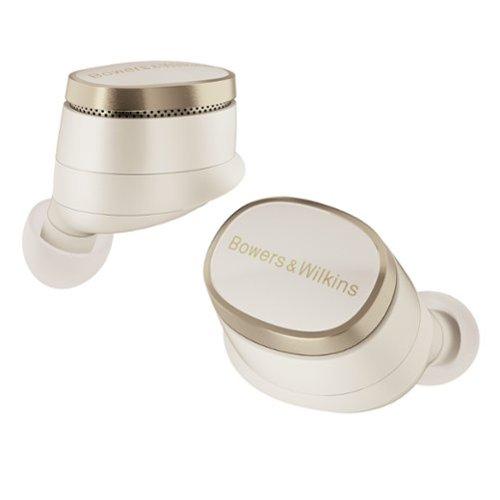



The world of premium wireless earbuds has reached an interesting crossroads. On one side, you have Apple pushing the boundaries of what earbuds can do beyond just playing music. On the other, traditional audio companies like Bowers & Wilkins are proving that pure sound quality still matters enormously. The Apple AirPods Pro 3 and Bowers & Wilkins Pi8 represent these two different philosophies perfectly, and choosing between them requires understanding what you actually value most.
Premium true wireless earbuds aren't just about cutting the cord anymore. These devices have evolved into sophisticated pieces of technology that combine high-quality audio drivers, advanced noise cancellation systems, smart features, and even health monitoring capabilities. At the time of writing, both models sit in the premium segment where you'd expect to pay between $250-$400, but the value proposition of each takes dramatically different approaches.
The key considerations when shopping in this category include audio quality (how good music actually sounds), active noise cancellation effectiveness, how well they integrate with your existing devices, battery life, comfort during extended wear, and what unique features justify the premium price. What's fascinating about comparing the AirPods Pro 3 and Pi8 is how differently they prioritize these elements.
The most fundamental difference between these earbuds lies in their approach to device compatibility and features. The AirPods Pro 3, released in 2025, represent Apple's continued strategy of creating products that work amazingly well within their ecosystem while offering limited functionality outside it. If you own an iPhone, iPad, or Mac, features like automatic device switching, spatial audio optimization, and "Hey Siri" integration create an almost magical user experience. The earbuds know which device you're using and seamlessly transition between them.
However, this ecosystem lock-in means Android users miss out on many premium features. You'll still get decent sound quality, but advanced features like heart rate monitoring, live translation, and optimized spatial audio simply don't work. It's like buying a luxury car but only getting access to the radio.
The Pi8, launched in 2024, take the opposite approach. These earbuds deliver consistent, high-quality performance whether you're using an iPhone, Android device, Windows laptop, or even connecting directly to a TV. They support advanced Bluetooth codecs like aptX Lossless and aptX Adaptive, which enable CD-quality audio streaming that the AirPods Pro 3 simply cannot match due to their limitation to Apple's AAC codec.
This platform independence extends to practical daily use. The Pi8 can connect to two devices simultaneously through multipoint connectivity, making it easy to take a call on your phone while watching a movie on your laptop. The AirPods Pro 3 only offer seamless switching within Apple's ecosystem.
When it comes to pure sound quality, our research into expert reviews and user consensus reveals a clear distinction. The Pi8 consistently earn perfect 10/10 ratings for audio quality, while the AirPods Pro 3 typically receive 9/10 ratings—still excellent, but with a noticeable gap.
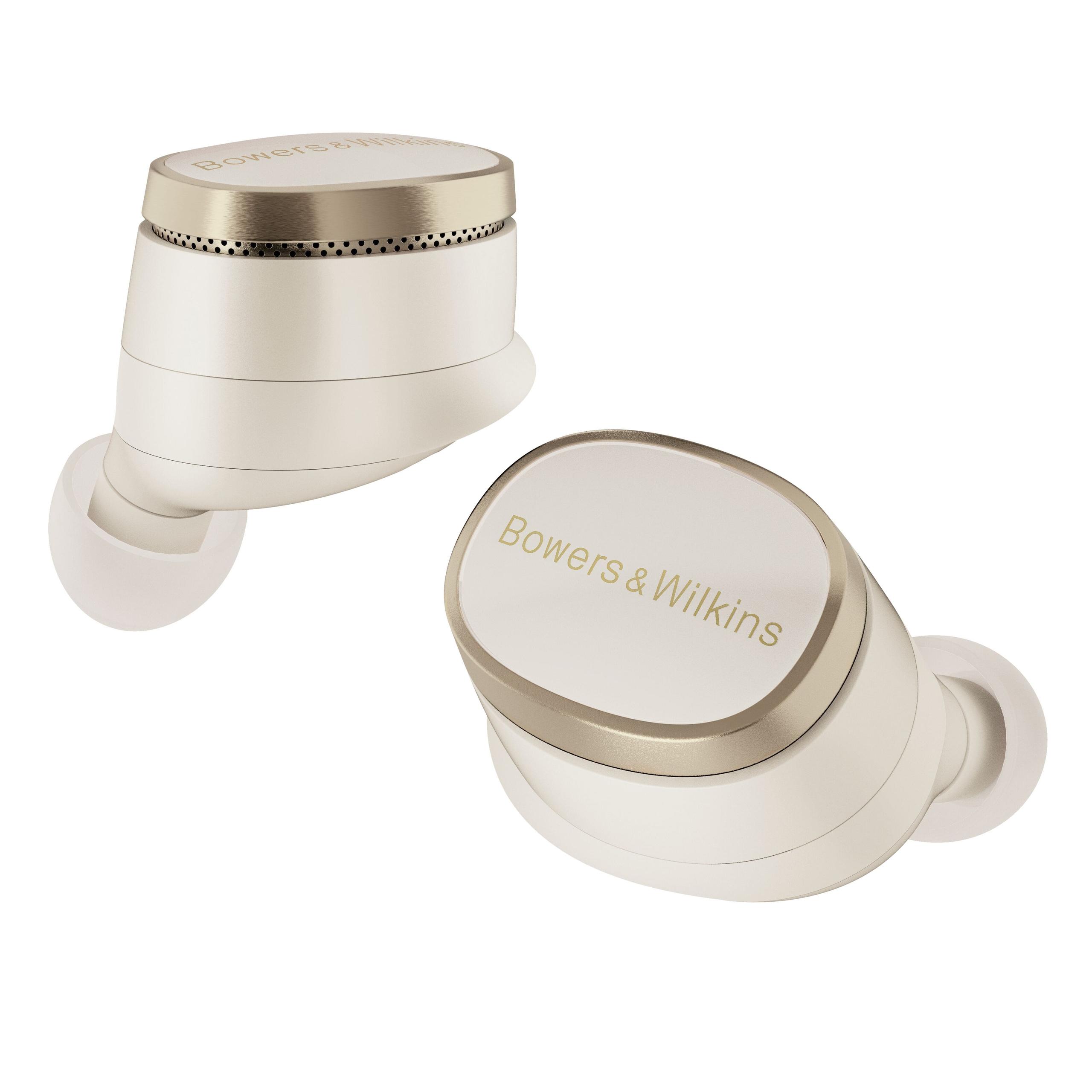
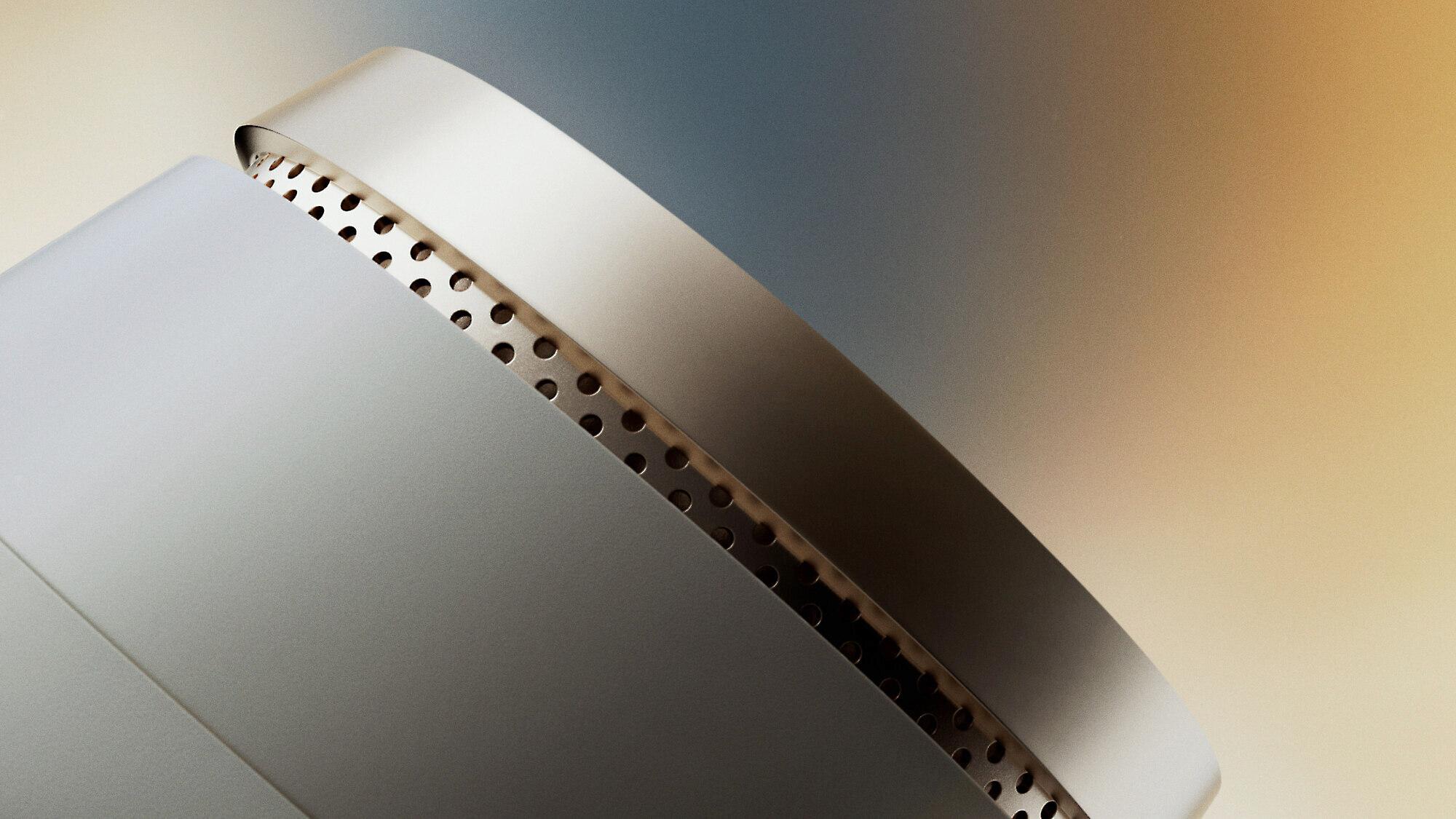
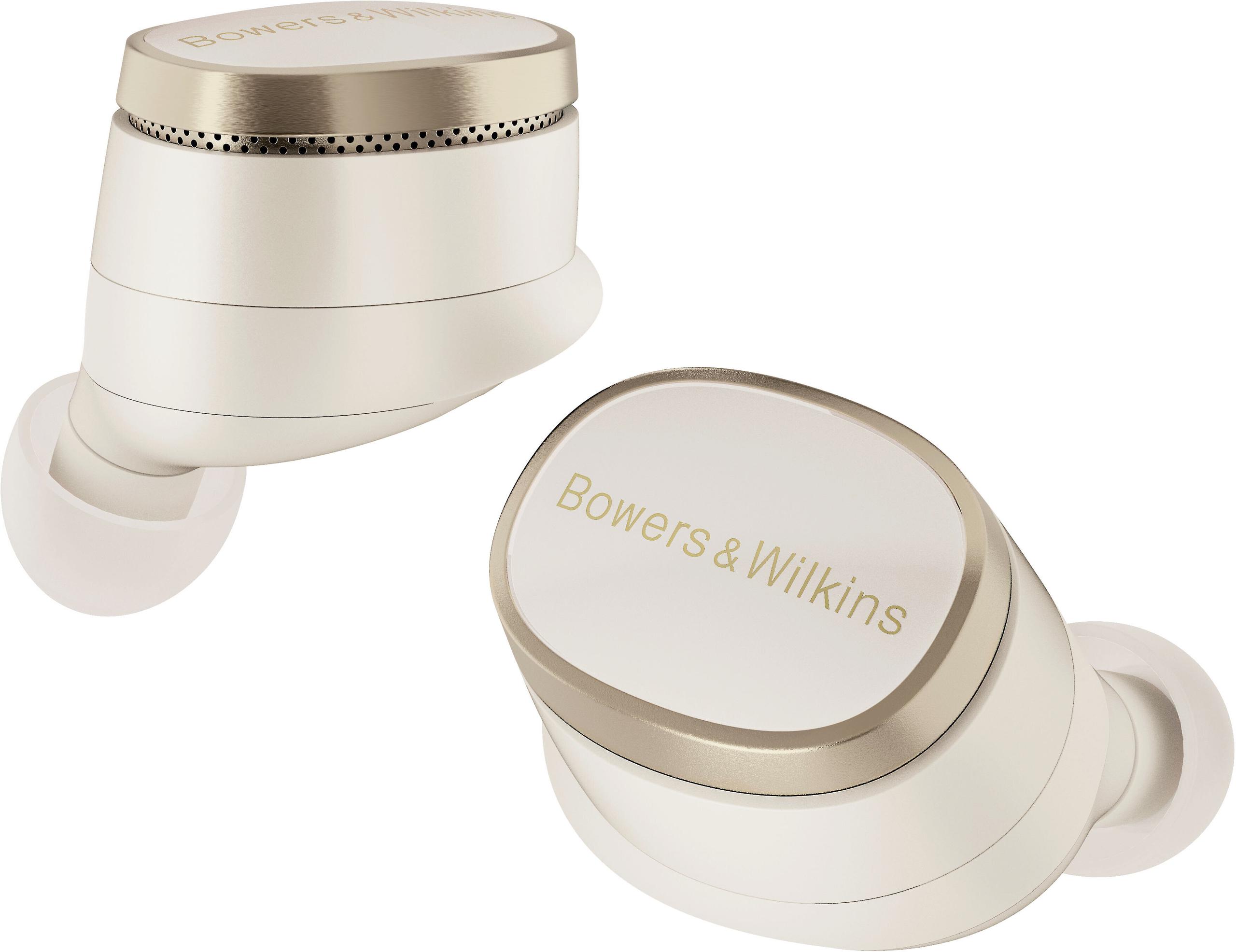
The technical reason for this difference lies in the drivers. Bowers & Wilkins uses 12mm carbon cone drivers in the Pi8, which are essentially miniaturized versions of the technology found in their high-end speakers. Carbon fiber is incredibly light yet rigid, which means it can move precisely to reproduce sound without unwanted vibrations that cause distortion. These larger drivers also move more air, creating deeper bass and a wider soundstage that makes music feel more open and spacious.
The AirPods Pro 3 use Apple's custom drivers, which are smaller but paired with sophisticated digital signal processing. Apple's approach focuses on creating a balanced, accessible sound that works well across all music genres and listening scenarios. They excel at vocal clarity and have improved bass response compared to previous generations, but they can't match the raw detail retrieval and dynamic range of the Pi8.
Codec support becomes crucial here. The Pi8 support aptX Lossless, which can stream true CD-quality audio at 24-bit/96kHz resolution. This means when you're listening to high-quality music from services like Tidal or Qobuz, you're getting all the detail the artist intended. The AirPods Pro 3, limited to AAC codec, compress audio even from lossless sources, though Apple's implementation of AAC is admittedly quite good.
For most listeners, both earbuds sound excellent, but audio enthusiasts consistently prefer the Pi8 for their ability to reveal subtle details in recordings—the texture of a guitar string, the breath between vocal phrases, or the precise placement of instruments in a jazz ensemble.
Active Noise Cancellation (ANC) works by using microphones to detect external sounds and then generating opposite sound waves to cancel them out. It's particularly effective against consistent, low-frequency sounds like airplane engines or air conditioners.
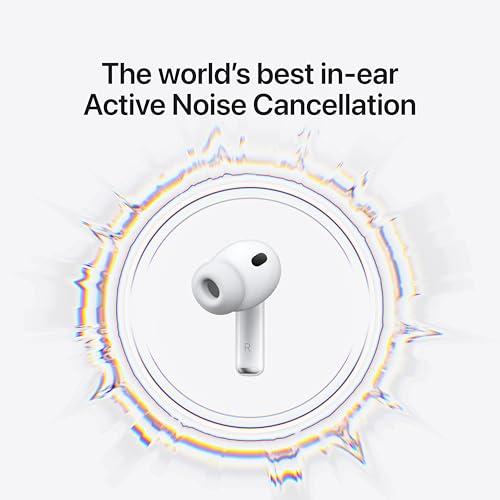
The AirPods Pro 3 set the current industry standard for ANC performance. Based on our evaluation of professional testing, they reduce external noise by approximately 90% on average, which represents a significant improvement over even the highly-regarded AirPods Pro 2. The system uses multiple microphones and Apple's H2 chip to process audio in real-time, adapting to your environment automatically.
What makes the AirPods Pro 3 ANC special is its intelligence. Rather than just applying maximum noise cancellation all the time, it gradually adjusts when it detects loud sounds, preventing the jarring experience of sudden volume changes. This adaptive approach reduces listening fatigue during long flights or commutes.
The Pi8 offer what reviewers describe as "very good" noise cancellation that matches the performance of previous-generation flagships like the AirPods Pro 2 and Bose QuietComfort Ultra Earbuds. While effective, they don't quite reach the latest generation's performance levels. For most users, this difference is subtle, but frequent travelers or those working in consistently noisy environments will notice the advantage of the AirPods Pro 3.
Both earbuds offer transparency modes that let external sound through, but Apple's implementation is more sophisticated, automatically adjusting based on your environment and even reducing the volume of music when it detects you're having a conversation.
Battery performance reveals different priorities. The AirPods Pro 3 provide up to 8 hours of listening time with ANC enabled per charge, while the Pi8 offer 6.5 hours from the earbuds plus an additional 13.5 hours from the charging case, totaling 20 hours of playback time.
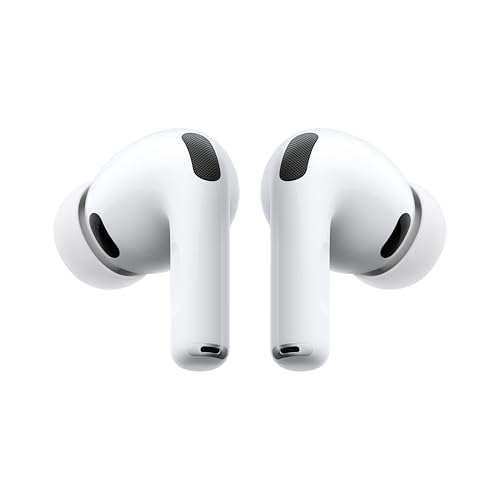
The weight difference is significant: each AirPods Pro 3 earbud weighs about 5.5 grams, while the Pi8 weigh 7 grams each. This might seem minor, but during extended listening sessions, the lighter Apple earbuds feel less intrusive. The AirPods Pro 3 also feature a more compact design that sits closer to your ear.
However, the Pi8 offer superior durability with an IP54 rating for dust and water resistance, compared to the AirPods Pro 3's IPX4 splash resistance. If you exercise outdoors or work in dusty environments, this additional protection matters.
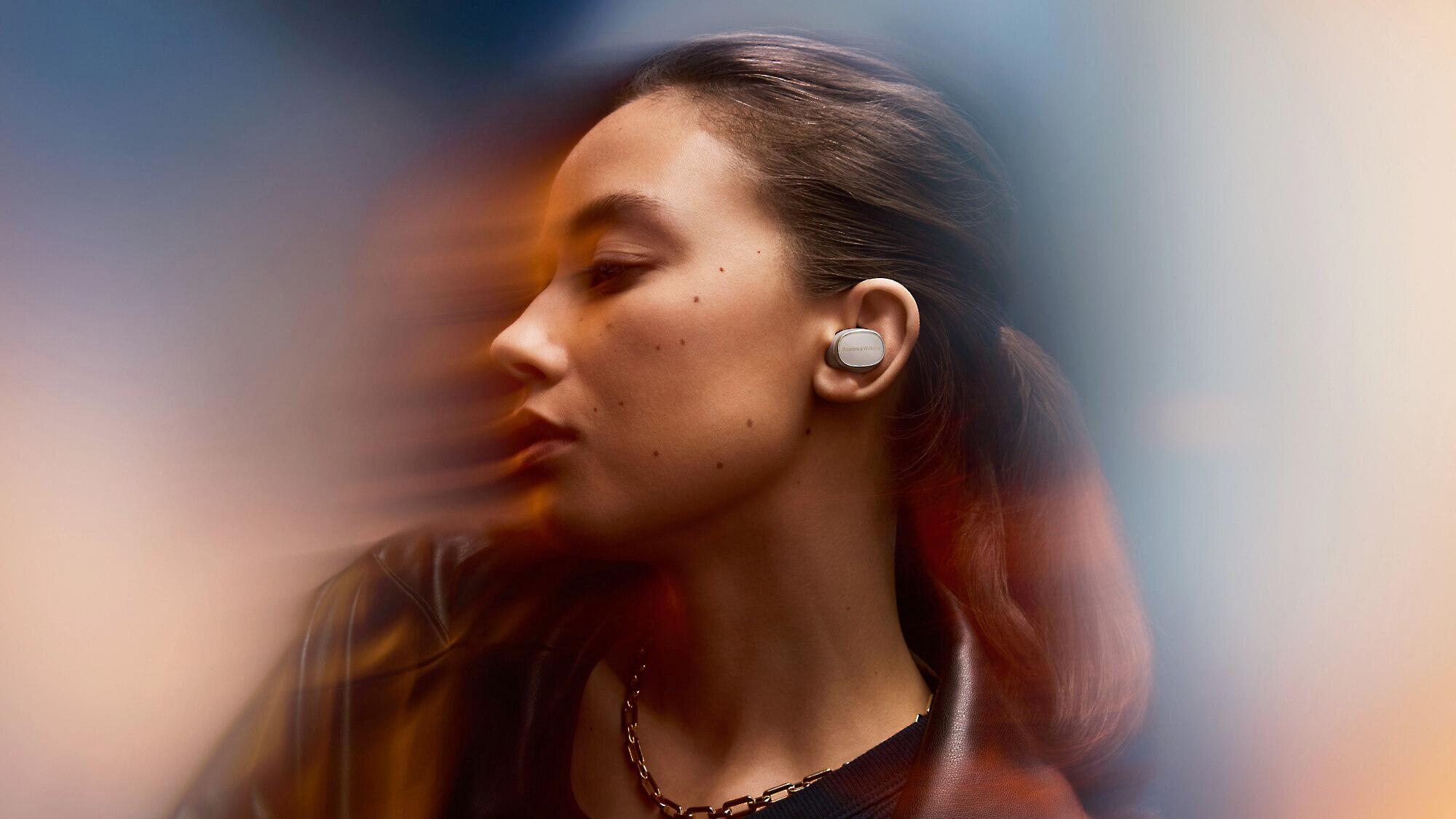
Comfort is highly individual, but our research suggests the AirPods Pro 3 accommodate more ear shapes successfully due to their lighter weight and refined ergonomics. The Pi8 require more attention to ear tip selection to achieve both comfort and proper acoustic seal.
The AirPods Pro 3 introduce several industry-first features that expand what earbuds can do. The heart rate monitoring uses photoplethysmography (PPG) technology—the same technique used in smartwatches—to track your pulse during workouts. Infrared light pulses 256 times per second to measure blood flow changes, enabling integration with Apple's Fitness app for comprehensive workout tracking.
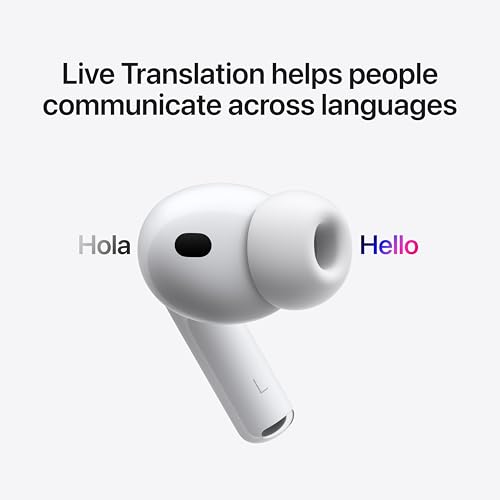
The live translation feature represents another breakthrough. Using Apple's on-device AI processing, the earbuds can provide real-time translation of conversations with on-screen transcripts displayed on your iPhone. While currently limited to major languages like English, French, German, Portuguese, and Spanish, this capability is genuinely useful for international travel or business.
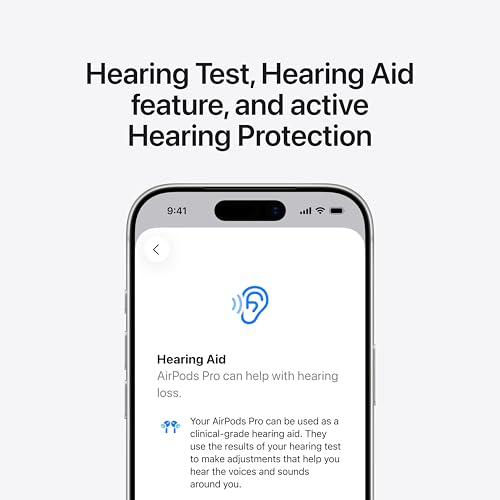
Apple's hearing health features are perhaps most impressive. The earbuds can conduct clinically-validated hearing tests and even function as hearing aids for mild to moderate hearing loss—a capability that required FDA authorization. This transforms the AirPods Pro 3 from entertainment devices into legitimate health tools.
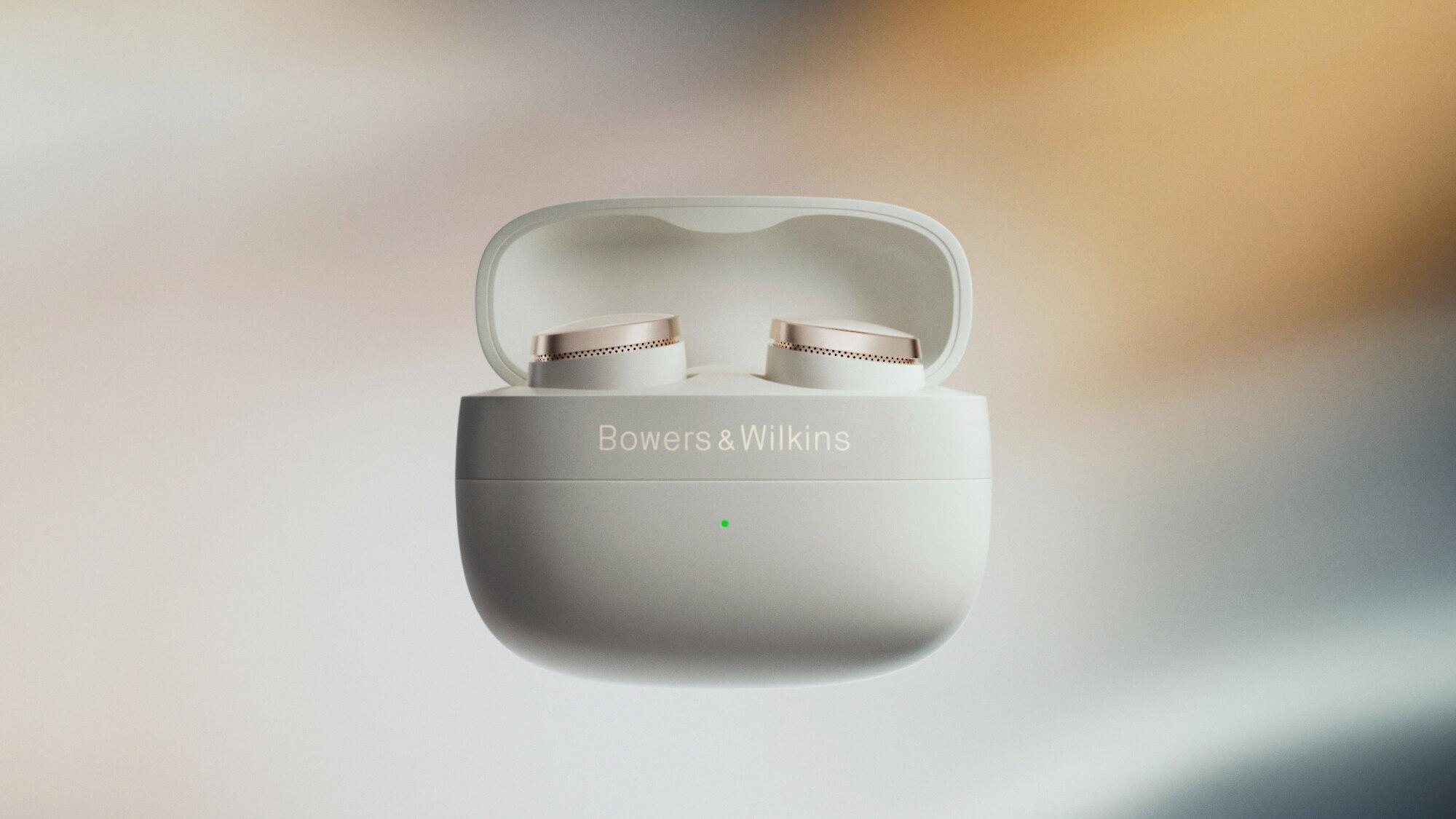
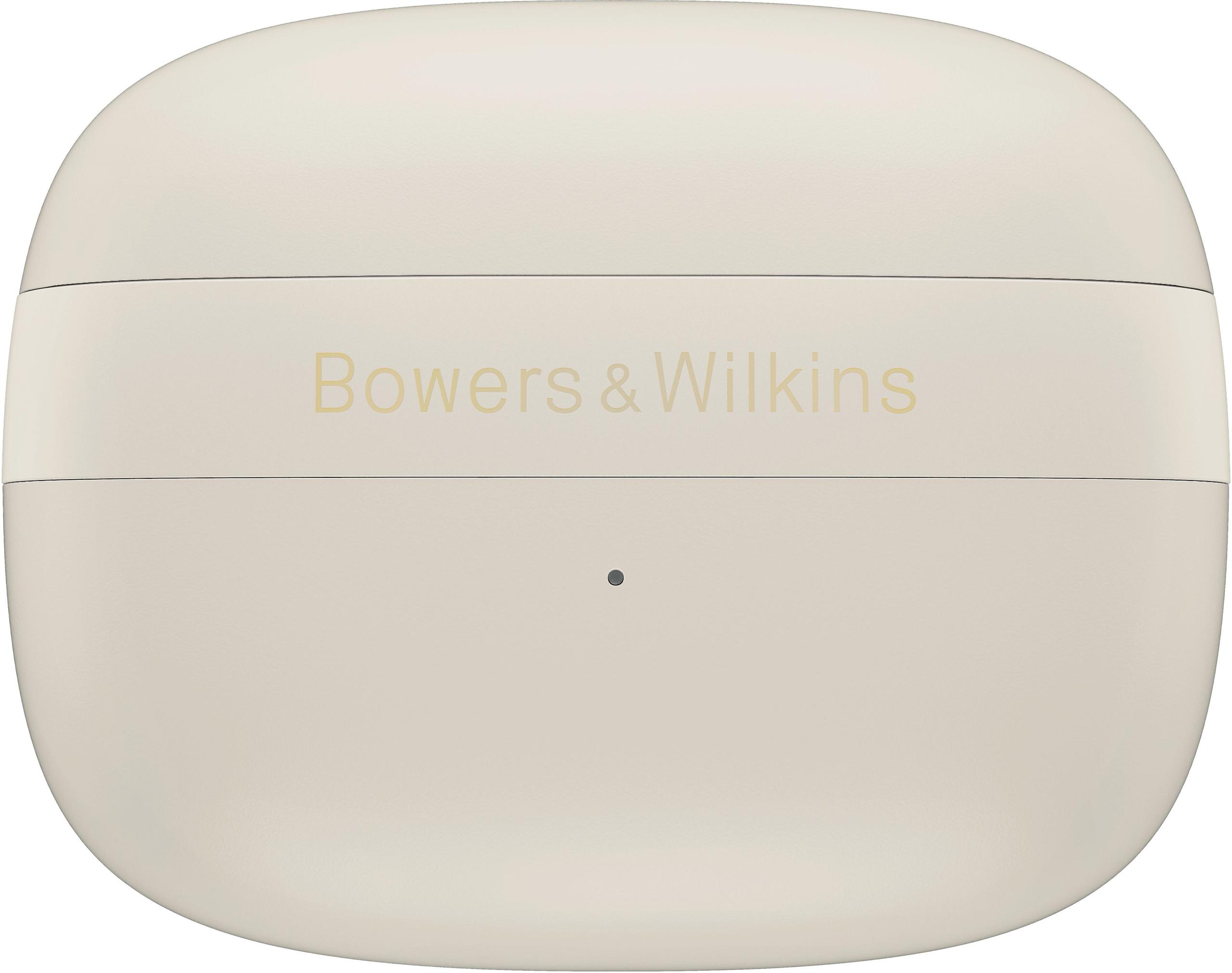
The Pi8 take a more focused approach to innovation. Their standout feature is the wireless retransmission case, which can connect directly to TVs, airplane entertainment systems, or any audio source via USB-C or 3.5mm cable. The case then transmits high-quality audio wirelessly to your earbuds, solving the common problem of wanting to use wireless earbuds with devices that don't support Bluetooth or have poor Bluetooth implementations.
This feature is particularly valuable for home theater use. You can connect the Pi8 case to your TV and enjoy late-night movie watching without disturbing others, all while maintaining audiophile-quality sound. No other mainstream earbuds offer this capability.
For business calls and video conferences, the AirPods Pro 3 demonstrate clear superiority. Their advanced microphone arrays use computational audio to focus on your voice while suppressing background noise. The processing makes your voice sound natural and clear, even in challenging acoustic environments.
The Pi8 feature three microphones per earbud and provide good call quality, but they can't match Apple's sophisticated voice processing algorithms. If you frequently take important calls, this difference becomes meaningful.
Both earbuds offer interesting possibilities for home entertainment, but in different ways. The Pi8's wireless retransmission feature makes them ideal for personal TV watching. Connect the case to your TV's audio output, and you get high-quality stereo sound without the typical Bluetooth audio delay that makes dialogue feel out of sync.
The AirPods Pro 3 excel when used with Apple TV, offering optimized spatial audio that creates an immersive surround sound experience. The dynamic head tracking makes explosions and dialogue feel positioned in 3D space around you. However, this optimization only works within Apple's ecosystem.
The AirPods Pro 3 make the most sense for Apple ecosystem users who want cutting-edge features and the best noise cancellation available. If you use an iPhone as your primary device, exercise regularly, travel frequently, or take many business calls, the integration and advanced features justify the premium. The health monitoring capabilities add genuine value beyond entertainment, especially for fitness enthusiasts or anyone concerned about hearing health.
The Pi8 are ideal for audio enthusiasts who prioritize sound quality above all else, regardless of their device ecosystem. If you have high-quality music streaming subscriptions, use Android devices, frequently watch TV with headphones, or simply want the most detailed and engaging sound possible, these earbuds deliver exceptional value. The wireless retransmission feature alone makes them unique in the market.
Android users should strongly consider the Pi8 since they'll miss most of the AirPods Pro 3's advanced features anyway. Similarly, if you regularly switch between different devices or platforms, the Pi8's consistent performance across all sources provides better value.
At the time of writing, both products represent excellent value in their respective approaches, though pricing can vary significantly based on promotions and availability. The AirPods Pro 3 justify their premium through innovation and ecosystem integration, while the Pi8 deliver audiophile-grade sound quality with unique practical features.
Your choice ultimately depends on whether you value seamless integration with advanced smart features or prioritize pure audio performance with maximum flexibility. Both are exceptional products, but they serve different users with different priorities. The AirPods Pro 3 are the future of smart earbuds, while the Pi8 represent the pinnacle of wireless audio quality. Choose based on which vision of premium earbuds better matches your needs and values.
| Apple AirPods Pro 3 Wireless Earbuds | Bowers & Wilkins Pi8 True Wireless Earbuds |
|---|---|
| Audio Quality - The foundation of any premium earbuds experience | |
| Custom Apple drivers with AAC codec, balanced sound signature optimized for all genres | 12mm carbon cone drivers with aptX Lossless support, audiophile-grade detail and soundstage |
| Active Noise Cancellation - Essential for commuting and focus | |
| Industry-leading ANC reducing 90% of external noise, adaptive processing | Very good ANC matching previous-generation flagships, effective but not best-in-class |
| Battery Life - Critical for all-day use without charging breaks | |
| 8 hours earbuds only (33% improvement over Pro 2) | 6.5 hours earbuds + 13.5 hours case = 20 hours total |
| Ecosystem Integration - Determines ease of use and feature access | |
| Seamless Apple device switching, spatial audio, exclusive iOS features | Platform-agnostic performance, multipoint connectivity to two devices |
| Health & Fitness Features - Added value beyond audio entertainment | |
| Heart rate monitoring, workout tracking, hearing health tests, hearing aid functionality | None - focused purely on audio performance |
| Smart Features - Convenience and productivity enhancements | |
| Live translation, adaptive audio, "Hey Siri" voice control, head gesture controls | Wireless retransmission case for direct TV/audio source connection |
| Build Quality & Durability - Important for active use and longevity | |
| IPX4 splash resistance, 5.5g per earbud, compact lightweight design | IP54 dust and water resistance, 7g per earbud, premium materials |
| Call Quality - Crucial for business and personal communication | |
| Superior microphone arrays with computational audio processing | Good quality with three mics per earbud, but less advanced processing |
| Audio Codec Support - Determines maximum sound quality potential | |
| AAC only (excellent implementation but compressed audio) | aptX Lossless, aptX Adaptive, AAC, SBC (true lossless audio streaming) |
| Unique Selling Points - Features that set each product apart | |
| First earbuds with heart rate sensing and live translation | Only earbuds with wireless retransmission case for direct device connection |
The Bowers & Wilkins Pi8 deliver superior sound quality with their 12mm carbon cone drivers and support for aptX Lossless codec, enabling CD-quality audio streaming. The Apple AirPods Pro 3 offer excellent balanced sound optimized for all genres, but are limited to AAC codec compression. Audio enthusiasts consistently rate the Pi8 higher for detail retrieval and soundstage.
The Apple AirPods Pro 3 feature industry-leading active noise cancellation that reduces external noise by approximately 90%, outperforming the Bowers & Wilkins Pi8. While the Pi8 offer good noise cancellation comparable to previous-generation flagships, they don't match the adaptive processing and effectiveness of the AirPods Pro 3.
The Bowers & Wilkins Pi8 are significantly better for Android users, offering full functionality including aptX Lossless codec support and multipoint connectivity. The Apple AirPods Pro 3 lose most premium features on Android, including heart rate monitoring, live translation, and optimized spatial audio, making the Pi8 the clear choice for non-Apple devices.
The Apple AirPods Pro 3 provide 8 hours of playback per charge with ANC enabled, while the Bowers & Wilkins Pi8 offer 6.5 hours from the earbuds plus an additional 13.5 hours from the charging case. The Pi8 provide more total listening time (20 hours), but the AirPods Pro 3 last longer per individual charge.
The Bowers & Wilkins Pi8 excel for TV use with their unique wireless retransmission case that connects directly to TVs via USB-C or 3.5mm cable, eliminating audio delay issues. The Apple AirPods Pro 3 work well with Apple TV for spatial audio experiences but may have connectivity limitations with other TV brands.
The Apple AirPods Pro 3 are superior for fitness with built-in heart rate monitoring, workout tracking integration, and lighter 5.5g weight per earbud. However, the Bowers & Wilkins Pi8 offer better water and dust protection with IP54 rating compared to the AirPods Pro 3's IPX4 rating.
The Apple AirPods Pro 3 deliver superior call quality with advanced microphone arrays and computational audio processing that focuses on voice clarity. The Bowers & Wilkins Pi8 provide good call quality with three microphones per earbud, but cannot match Apple's sophisticated voice processing technology.
Value depends on your ecosystem and priorities. The Apple AirPods Pro 3 offer exceptional value for iOS users who want health features and seamless integration. The Bowers & Wilkins Pi8 provide better value for audio enthusiasts and Android users who prioritize sound quality and platform independence over smart features.
The Bowers & Wilkins Pi8 support true multipoint connectivity, allowing connection to two devices simultaneously for easy switching between phone calls and computer audio. The Apple AirPods Pro 3 only offer seamless automatic switching between Apple devices within the same iCloud account.
The Apple AirPods Pro 3 are generally more comfortable due to their lighter weight (5.5g vs 7g per earbud) and refined ergonomic design. The Bowers & Wilkins Pi8 are bulkier but offer multiple ear tip sizes. Comfort preference varies by individual ear shape and sensitivity to weight.
The Apple AirPods Pro 3 are the first earbuds with heart rate monitoring, live translation capabilities, and clinical-grade hearing health features. The Bowers & Wilkins Pi8 are unique for their wireless retransmission case that enables direct connection to any audio source, making them ideal for TV watching and airplane entertainment systems.
The Bowers & Wilkins Pi8 are better for mixed-device usage, providing consistent high-quality performance across all platforms with multipoint connectivity and advanced codec support. The Apple AirPods Pro 3 work best when staying within Apple's ecosystem, losing significant functionality when used with non-Apple devices.
We've done our best to create useful and informative comparisons to help you decide what product to buy. Our research uses advanced automated methods to create this comparison and perfection is not possible - please contact us for corrections or questions. These are the sites we've researched in the creation of this article: 9to5mac.com - youtube.com - apple.com - youtube.com - youtube.com - whathifi.com - head-fi.org - forums.macrumors.com - soundguys.com - apple.com - apple.com - phonearena.com - forum.headphones.com - macrumors.com - youtube.com - t-mobile.com - apple.com - youtube.com - support.apple.com - media.distrelec.com - support.apple.com - en.wikipedia.org - techradar.com - bowerswilkins.com - youtube.com - bestbuy.com - whathifi.com - audioholics.com - crutchfield.com - whathifi.com - audio46.com - rtings.com - audioadvice.com - engadget.com - youtube.com - audio46.com - audiograde.uk - youtube.com - techwelike.com - youtube.com - audioadvice.com - soundguys.com - bestbuy.com - bowerswilkins.com - headphones.com - bowerswilkins.com - bowerswilkins.com - audio46.com - youtube.com - shop.womenshealthmag.com - head-fi.org - youtube.com - youtube.com - bowerswilkins.cn - bowerswilkins.com - audio46.com - bowerswilkins.com

Privacy Policy
Terms and Conditions - Affiliate Policy
Home Security
© Copyright 2008-2026.
11816 Inwood Rd #1211, Dallas, TX 75244