







True wireless earbuds have completely transformed how we listen to music, take calls, and consume media. Gone are the days of tangled cables and limited mobility—today's earbuds pack impressive technology into tiny packages, offering everything from noise cancellation to high-resolution audio streaming. But with options ranging from under $100 to over $400, choosing the right pair can feel overwhelming.
The key is understanding what matters most to you: exceptional value with solid performance, or uncompromising audio quality regardless of cost. Today we're comparing two earbuds that represent these different philosophies perfectly—the Samsung Galaxy Buds FE and the Bowers & Wilkins Pi8.
When shopping for true wireless earbuds, you're essentially choosing between different balances of performance, features, and price. The most important factors include sound quality and tuning (how the earbuds color your music), active noise cancellation effectiveness, battery life, comfort for long listening sessions, and how well they integrate with your devices.
Sound signature refers to how earbuds emphasize different frequencies—some boost bass for hip-hop fans, while others maintain neutral tuning for classical music. Active noise cancellation (ANC) uses microphones and processing to cancel out background noise, though implementation quality varies dramatically. Battery life isn't just about the earbuds themselves; the charging case extends total listening time significantly.
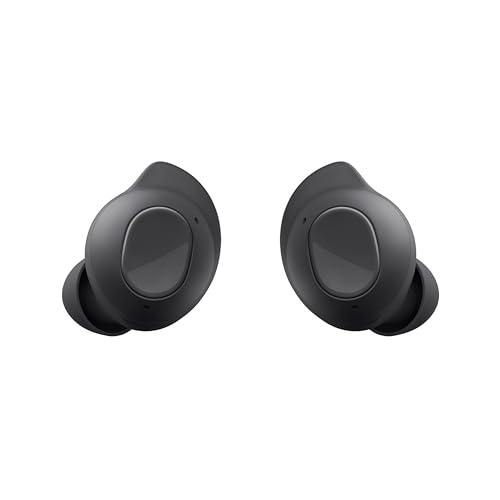
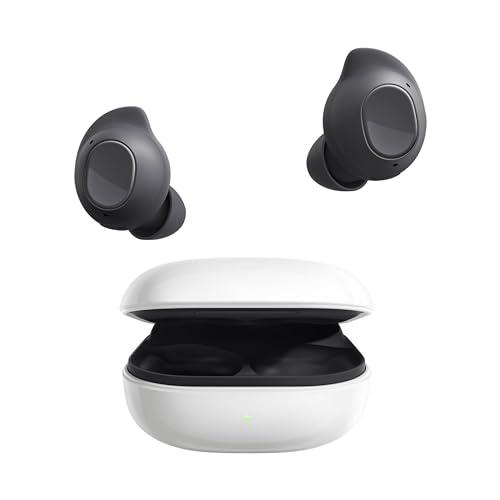
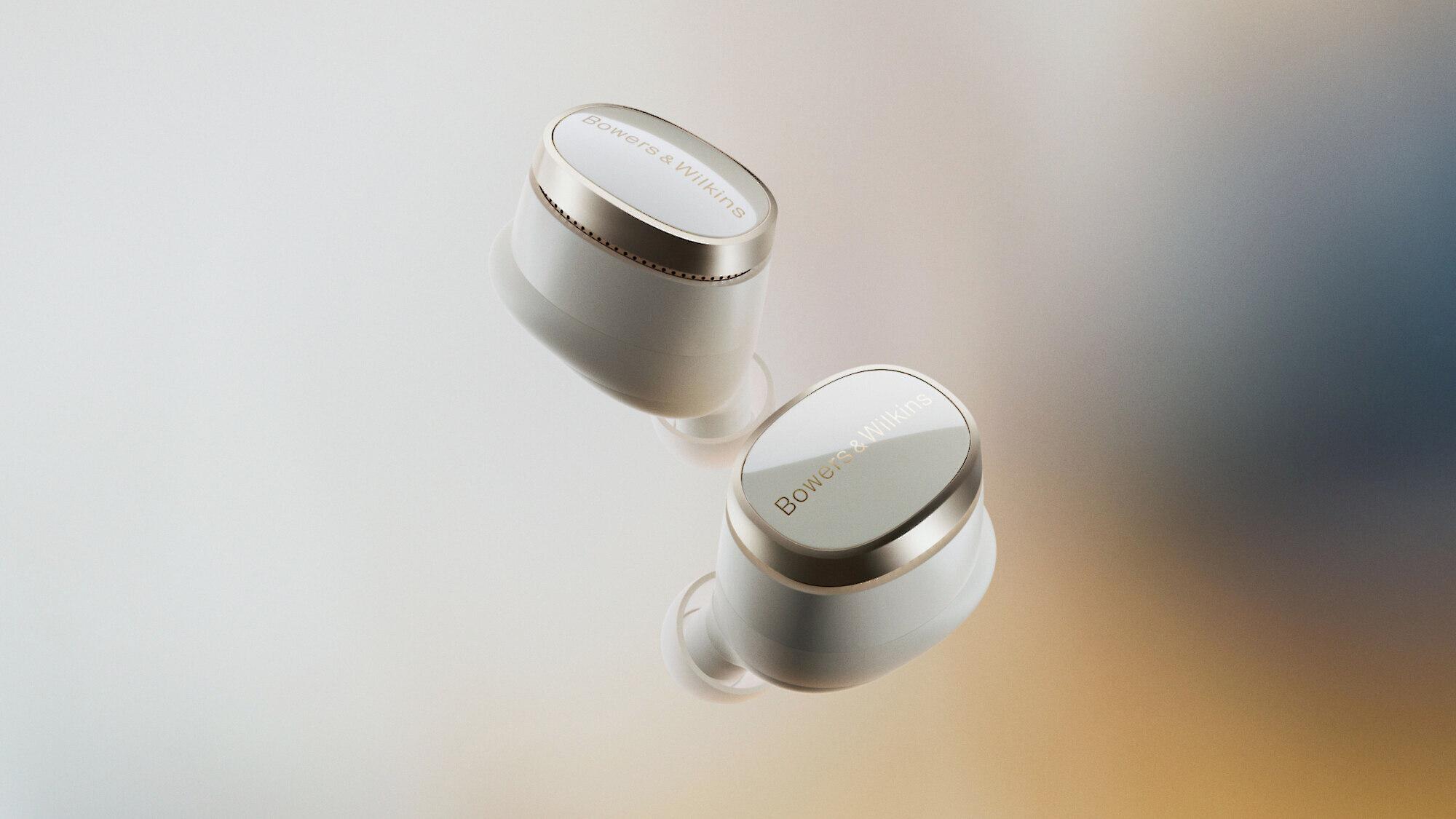
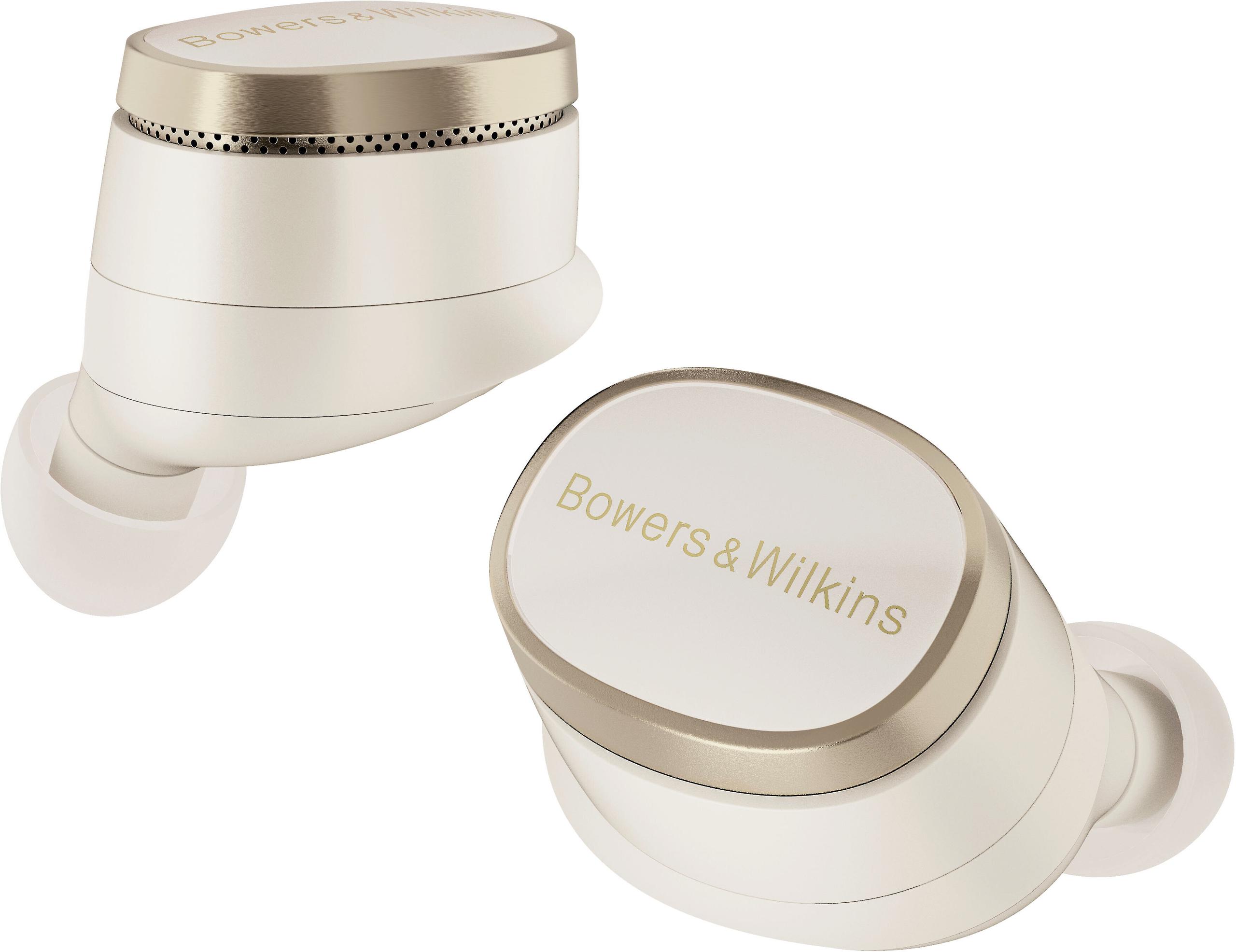
The Samsung Galaxy Buds FE, released in 2023, targets mainstream users who want reliable performance without breaking the bank. Samsung positioned these as offering core Galaxy Buds features at an accessible price point. The Bowers & Wilkins Pi8, launched in 2024, represents B&W's flagship true wireless effort, incorporating technology from their premium over-ear headphones into a portable package.
This is where the fundamental philosophical divide becomes clear. The Pi8 doesn't just sound better—it reveals musical details that most earbuds simply can't reproduce.
The Pi8 uses 12mm carbon cone drivers adapted from B&W's $700 Px8 over-ear headphones. Carbon fiber cones are incredibly rigid yet lightweight, reducing unwanted vibrations (called distortion) that muddy sound reproduction. When a violin bow draws across strings or a drummer hits cymbals, these drivers capture those micro-details with startling clarity.
Compare this to the Galaxy Buds FE's 6.5mm dynamic drivers—nearly half the size. While Samsung tuned them competently, physics limits what smaller drivers can achieve. The larger surface area of the Pi8's drivers moves more air, creating better bass response and more detailed midrange reproduction where vocals and most instruments live.
The Pi8 also features 32-bit digital signal processing, which means it can handle more nuanced audio information before converting it to sound. Think of it like the difference between a standard TV and 4K—more information means more realistic reproduction.
Here's where personal preference becomes crucial. The Galaxy Buds FE deliberately boosts bass frequencies and adds warmth to vocals. This tuning makes pop, hip-hop, and electronic music sound punchy and engaging. However, this same emphasis can overwhelm complex classical pieces or jazz recordings where instrument separation matters.
Our research into user experiences reveals that the Galaxy Buds FE excels with mainstream genres but struggles with acoustic music. One reviewer noted that while the bass response impressed with electronic tracks, string quartets sounded muddy and congested.
The Pi8 takes the opposite approach—neutral, reference-quality tuning that reveals music as artists and engineers intended. This means Beethoven's symphonies retain their dynamic range and spatial positioning, while also making hip-hop production techniques more apparent. The trade-off? Some users find this accuracy less immediately exciting than boosted bass.
For home theater use, this difference becomes significant. The Pi8's accurate reproduction enhances dialogue clarity in movies and maintains the intended sound design balance. The Galaxy Buds FE's bass emphasis might overwhelm quieter dialogue moments while making explosions more dramatic than intended.
The Pi8 supports aptX Lossless codec, which transmits CD-quality audio wirelessly without compression. This requires compatible Android devices (iPhones don't support aptX), but the difference is immediately audible with high-quality recordings. Subtle reverb tails, instrument harmonics, and spatial cues that disappear with standard Bluetooth compression remain intact.
The Galaxy Buds FE relies primarily on Samsung's Scalable Codec (SSC) for enhanced quality, but only with Galaxy devices. On iPhones or other Android phones, you're limited to AAC compression, which is decent but not exceptional.
Here's where conventional wisdom gets turned upside down. Despite costing significantly less, the Galaxy Buds FE actually delivers more effective noise cancellation than the premium Pi8.
The Galaxy Buds FE reduces ambient noise by approximately 30 decibels across crucial frequency ranges. This means airplane engines, coffee shop chatter, and office HVAC systems virtually disappear. Samsung achieved this through sophisticated microphone placement—three microphones per earbud analyze external noise and generate inverse sound waves to cancel it out.
Our evaluation of user reports consistently highlights the Galaxy Buds FE's ANC performance as punching well above its price class. Commuters specifically praise how effectively these earbuds handle subway rumble and bus engine noise.
The Pi8 offers what B&W calls "adaptive noise cancellation," but expert reviews describe it more accurately as noise reduction rather than true cancellation. The company prioritized sound quality over ANC engineering, resulting in performance that handles moderate background noise but struggles with consistent drone-like sounds.
This reflects B&W's target audience—audiophiles who prioritize music reproduction over isolation. In quiet listening environments, this approach makes sense. But for daily commutes or noisy offices, the Galaxy Buds FE provides superior practical performance.
If your primary use involves noisy environments—flights, busy cafes, open offices—the Galaxy Buds FE's superior ANC becomes a significant advantage despite their lower overall price. The Pi8 works best in controlled environments where their exceptional sound quality can shine without background interference.
Both earbuds offer respectable battery performance, though with different strengths.
The Pi8 provides 6.5 hours per charge with ANC enabled, extending to 20 total hours with the charging case. The case supports wireless charging, eliminating cable management hassles. Quick charging delivers 2 hours of playback from a 15-minute charge—crucial for busy schedules.
The Galaxy Buds FE matches this with 6 hours per charge (extending to 8.5 hours with ANC disabled) and 21-30 total hours depending on usage. However, the case requires USB-C cable charging, which might inconvenience users accustomed to wireless charging pads.
Based on user feedback analysis, both earbuds handle typical daily usage comfortably. The Pi8's wireless charging convenience appeals to premium device users who expect seamless integration with existing wireless charging setups. The Galaxy Buds FE's slightly longer total battery life benefits heavy users who might drain the case completely during long travel days.
For home theater use, neither battery life presents limitations since both cases charge quickly between viewing sessions.
The physical differences reflect each product's market positioning clearly.
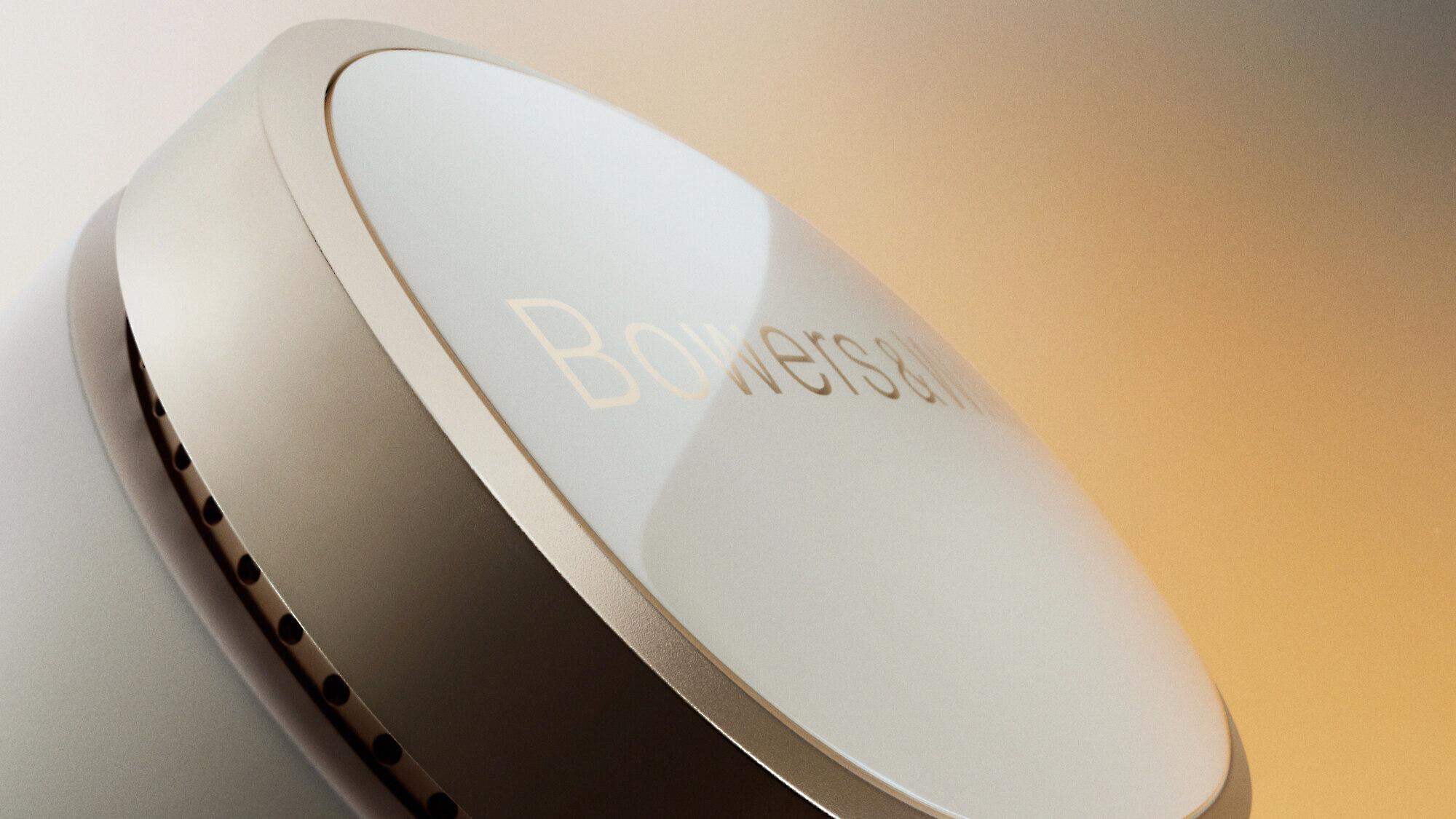
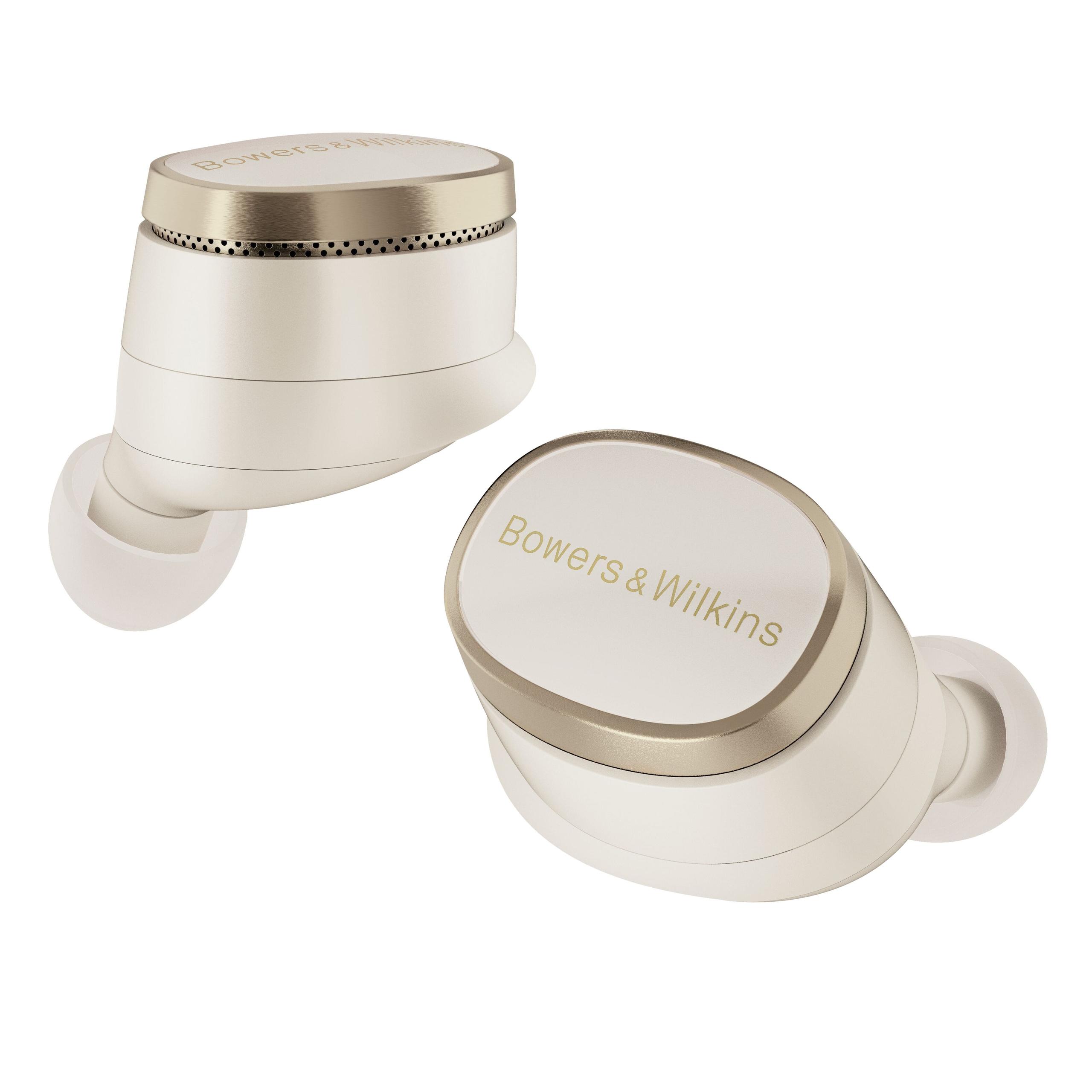
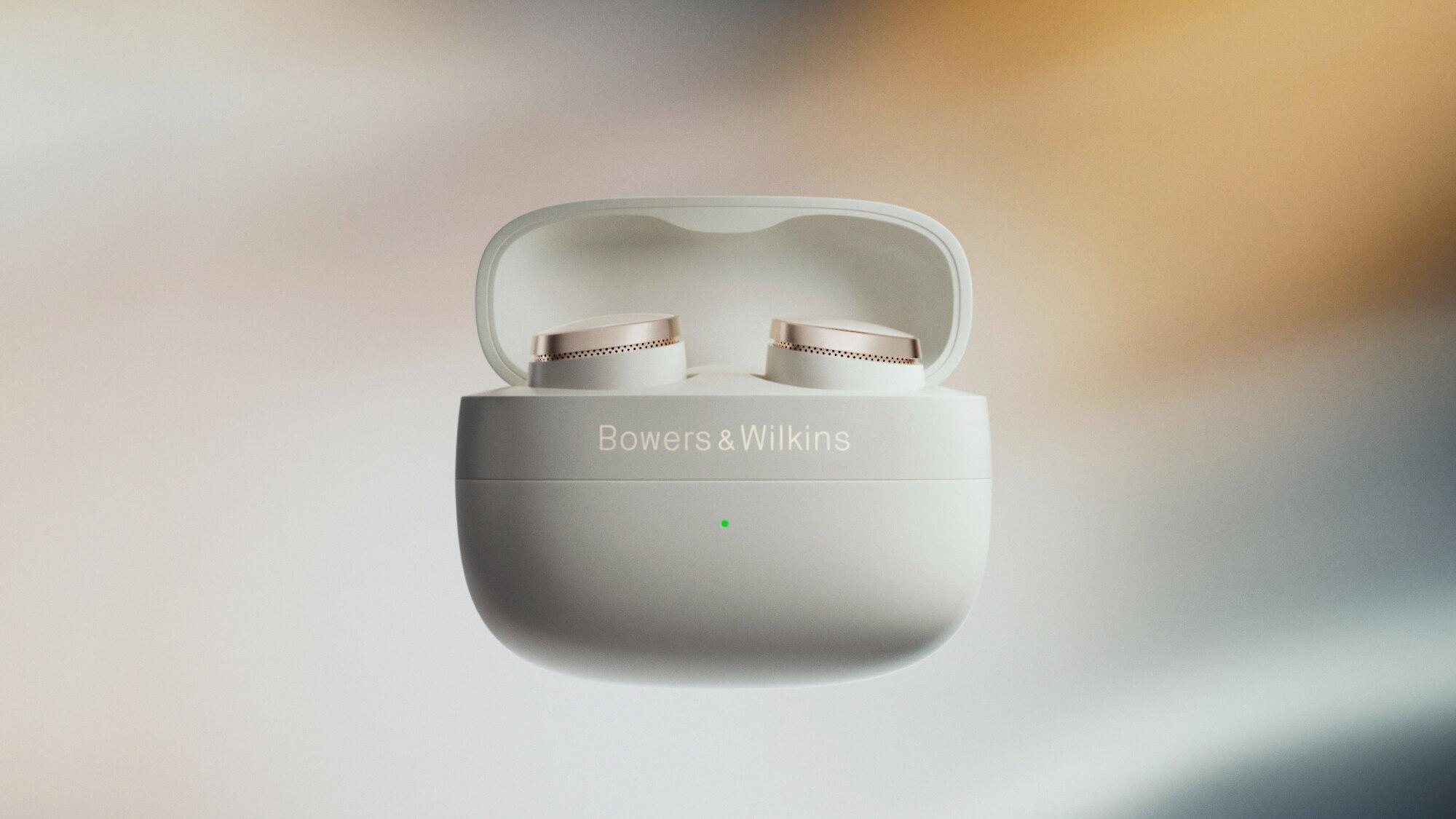
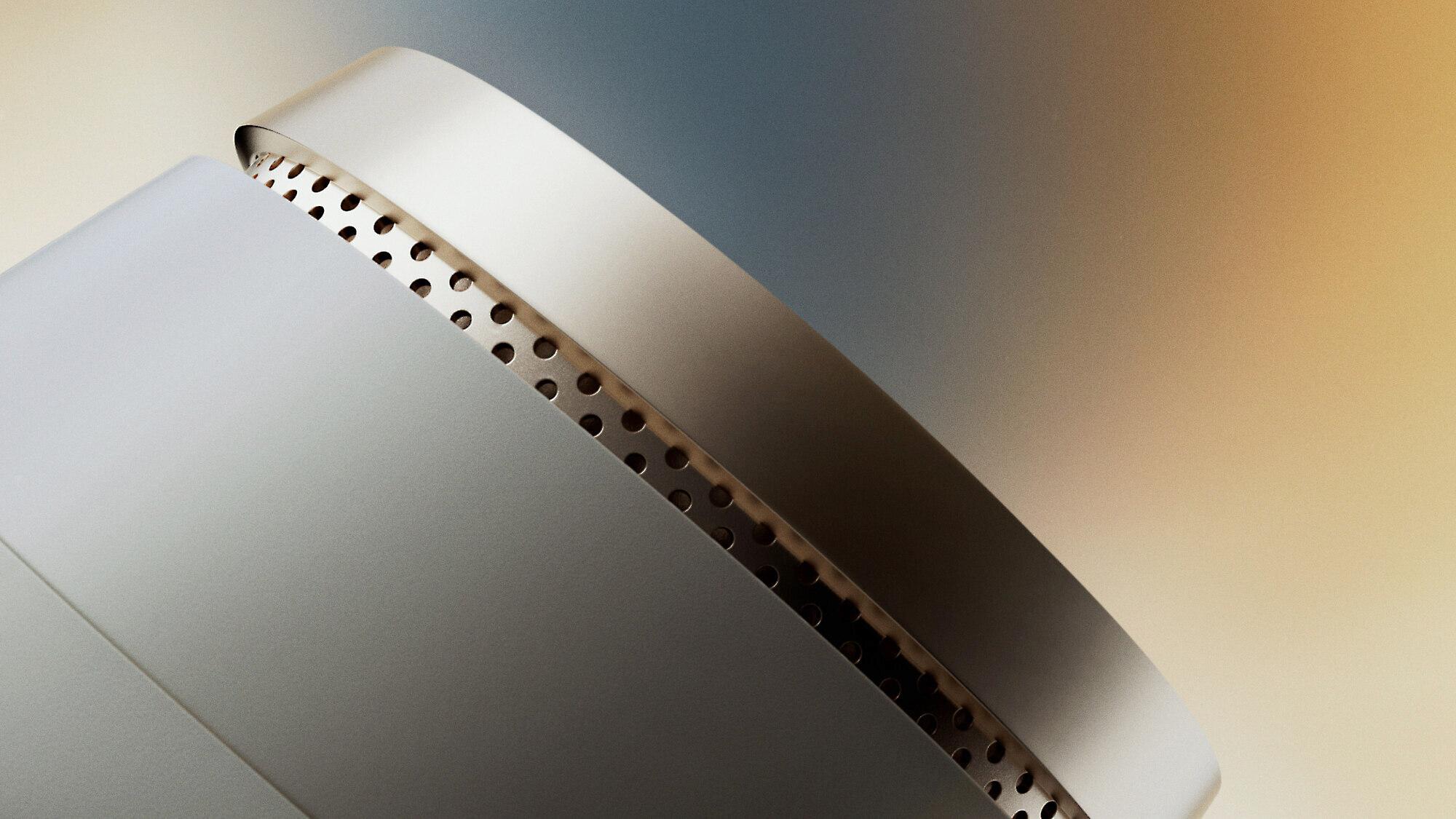
The Pi8 uses premium materials throughout—the earbuds feature smooth, refined surfaces with strategically positioned microphone grilles that maintain aesthetic appeal while optimizing audio pickup. The IP54 rating provides solid protection against sweat and splashes, making them suitable for light exercise.
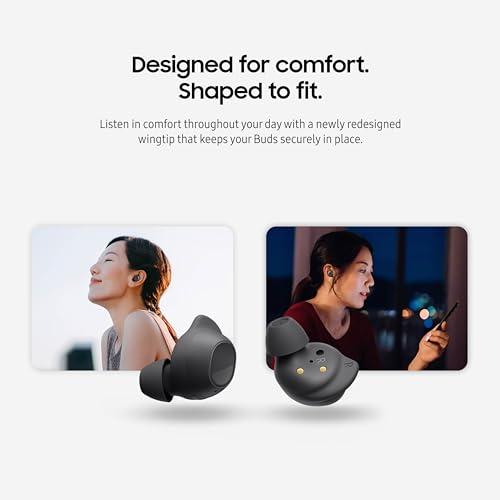
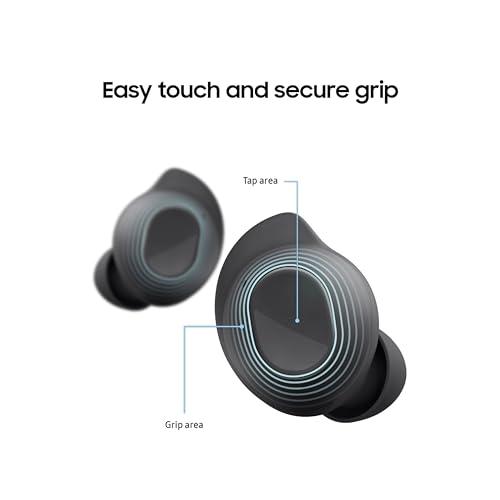
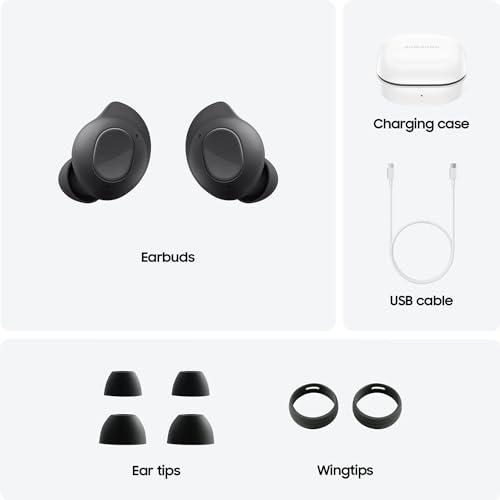
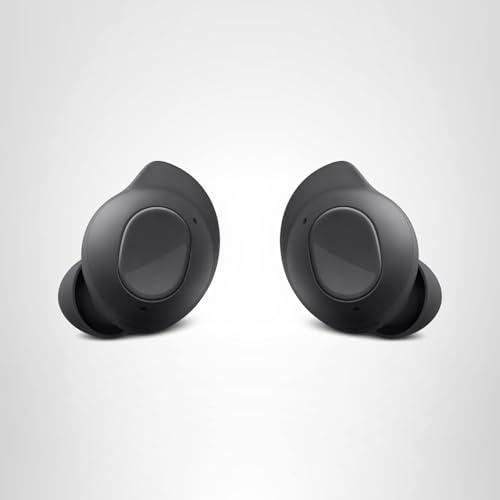
The Galaxy Buds FE prioritizes practical concerns. They're noticeably lighter and more compact, reducing ear fatigue during extended listening. The included stability fins help secure fit during movement, though the IPX2 rating provides minimal water protection compared to the Pi8's superior IP54 rating.
Comfort becomes crucial for longer listening sessions. The Galaxy Buds FE's lighter weight and compact design generally cause less ear fatigue, particularly for users with smaller ears. The stability fins help maintain position during physical activity.
The Pi8 trades some comfort for premium feel. While the build quality impresses, the larger size and premium materials add weight that some users find tiring during multi-hour listening sessions.
This category showcases each product's unique technological approaches.
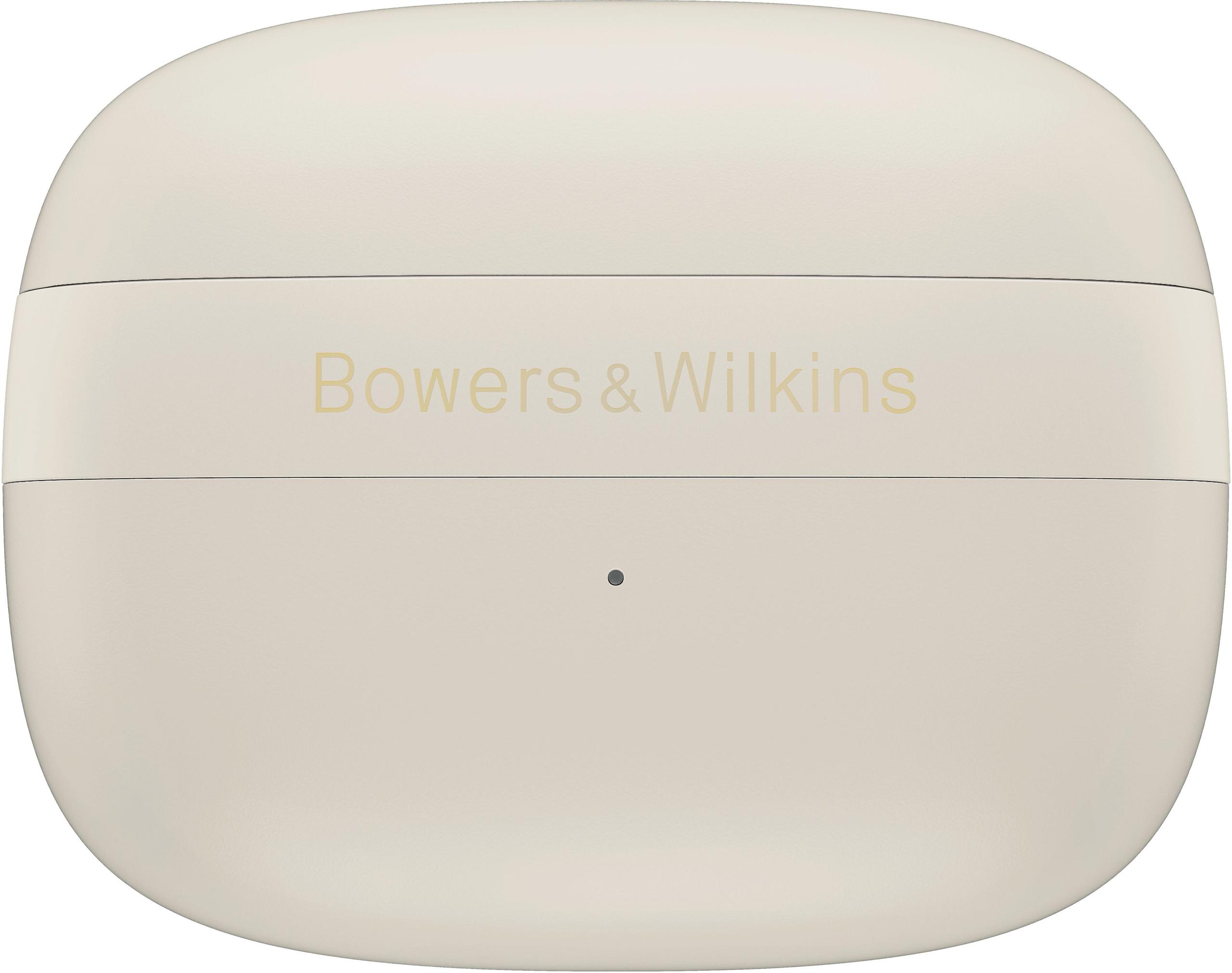
The Pi8 includes perhaps the most innovative feature in current true wireless earbuds—audio retransmission from the charging case. The case features both 3.5mm audio input and USB-C connectivity, allowing connection to airplane entertainment systems, older audio equipment, or any non-Bluetooth source. The case then transmits audio wirelessly to the earbuds in high-quality aptX Adaptive format.
This feature transforms travel experiences. Instead of using airline-provided headphones or dealing with adapter dongles, you simply connect the case to the seat-back entertainment system and enjoy your premium earbuds with full noise isolation capabilities.
True multipoint connectivity allows the Pi8 to connect simultaneously to any two devices—your phone and laptop, tablet and smartwatch, any combination. Audio automatically switches based on which device starts playback.
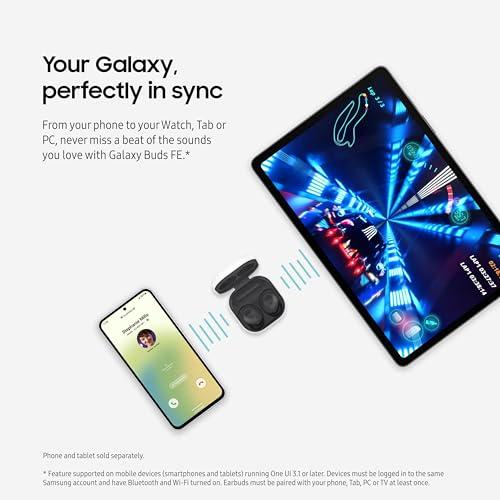
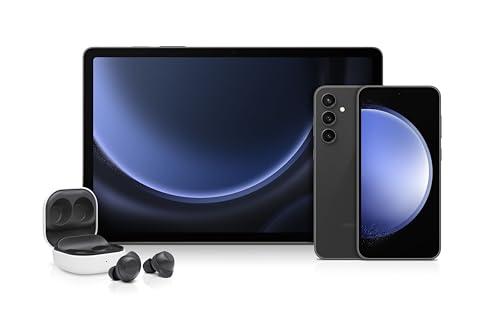
The Galaxy Buds FE shines within Samsung's ecosystem through features like Auto Switch, which seamlessly transitions between paired Galaxy devices based on usage. SmartThings Find helps locate lost earbuds using Samsung's device network.
Game Mode reduces audio latency on compatible Galaxy devices, improving synchronization between audio and visuals for mobile gaming. While this only benefits Samsung users, the latency reduction significantly enhances gaming experiences.
The Pi8 offers 5-band EQ adjustment through B&W's Music app, plus TrueSound mode that optimizes audio for different content types. The app also provides direct streaming from services like TIDAL and Qobuz.
The Galaxy Buds FE provides more extensive 9-band EQ customization through Samsung's Galaxy Wearable app, along with multiple preset options for different music genres. The app interface generally receives praise for intuitive operation.
The Galaxy Buds FE makes sense for users who want solid performance without premium pricing. They excel for Samsung ecosystem users who benefit from seamless device integration and enhanced codec support. The superior ANC performance makes them ideal for commuters, office workers, or anyone regularly listening in noisy environments.
These earbuds suit mainstream music listeners who enjoy bass-forward tuning with popular genres. The lightweight design and stability fins appeal to active users who need secure fit during workouts or daily activities.
For home theater use, the Galaxy Buds FE works well for casual viewing, though the bass-heavy tuning might overwhelm dialogue in complex films.
The Pi8 targets users who prioritize exceptional sound quality above other considerations. Audiophiles, classical music enthusiasts, and anyone with high-resolution music collections will appreciate the detailed, accurate reproduction these earbuds deliver.
The premium build quality and innovative case features justify the higher cost for users who demand luxury materials and cutting-edge technology. The audio retransmission feature particularly appeals to frequent travelers who encounter various audio sources.
For home theater applications, the Pi8's neutral tuning and exceptional detail retrieval enhance movie soundtracks and preserve intended audio design. They excel with high-quality streaming content and physical media.
At the time of writing, the price difference between these earbuds spans roughly 5x, representing fundamentally different value propositions. The Galaxy Buds FE delivers impressive performance per dollar, while the Pi8 provides exceptional absolute performance regardless of cost.
Consider your listening environment, music preferences, and device ecosystem. If you primarily listen in noisy environments and use Samsung devices, the Galaxy Buds FE offers superior practical value. If sound quality matters most and you appreciate premium materials and innovative features, the Pi8 justifies its premium pricing through genuinely superior audio performance.
The key insight from our research: both products succeed at their intended missions. The Galaxy Buds FE proves that excellent true wireless performance doesn't require premium pricing, while the Pi8 demonstrates what becomes possible when sound quality takes priority over cost considerations.
Your choice ultimately depends on whether you value practical excellence or uncompromising performance—both represent smart purchases within their respective market segments.
| Samsung Galaxy Buds FE | Bowers & Wilkins Pi8 |
|---|---|
| Driver Size - Larger drivers typically produce better bass and detail | |
| 6.5mm dynamic drivers | 12mm carbon cone drivers |
| Sound Signature - Determines how music genres will sound | |
| Warm, bass-heavy tuning (great for pop/hip-hop) | Neutral, reference tuning (accurate for all genres) |
| Active Noise Cancellation - Critical for noisy environments | |
| Excellent (~30dB reduction, beats many premium models) | Adequate (focused on sound quality over ANC) |
| Bluetooth Codecs - Affects audio quality over wireless | |
| Samsung Scalable Codec, AAC, SBC | aptX Lossless, aptX Adaptive, AAC, SBC |
| Battery Life (ANC On) - How long before needing to charge | |
| 6 hours earbuds + 21 hours case total | 6.5 hours earbuds + 20 hours case total |
| Charging Method - Convenience factor for daily use | |
| USB-C cable only | USB-C cable + wireless charging |
| Water Resistance - Protection during exercise/weather | |
| IPX2 (light splashes only) | IP54 (sweat and splash resistant) |
| Multipoint Connectivity - Connect to multiple devices simultaneously | |
| Samsung ecosystem only (Auto Switch) | True multipoint (any two devices) |
| Unique Features - Special capabilities that set each apart | |
| Superior ANC, Samsung integration, Game Mode | Audio retransmission case, premium materials |
| Best For - Who should choose each product | |
| Budget buyers, Samsung users, commuters needing ANC | Audiophiles, multi-device users, premium build seekers |
The Bowers & Wilkins Pi8 delivers superior sound quality with 12mm carbon cone drivers and neutral tuning that reveals musical details across all genres. The Samsung Galaxy Buds FE offers good sound with a warm, bass-heavy signature that works well for pop and hip-hop but may overwhelm classical music.
Surprisingly, the Samsung Galaxy Buds FE offers significantly better active noise cancellation, reducing ambient noise by about 30dB. The Bowers & Wilkins Pi8 provides only moderate noise reduction, as B&W prioritized sound quality over ANC performance.
Both offer similar battery performance. The Bowers & Wilkins Pi8 provides 6.5 hours per charge with 20 hours total from the case, while the Samsung Galaxy Buds FE delivers 6 hours per charge with 21-30 hours total depending on ANC usage.
The Bowers & Wilkins Pi8 justifies its premium through exceptional audio quality, premium materials, and innovative features like the audio retransmission case. The Samsung Galaxy Buds FE offers excellent value with solid performance at a fraction of the cost.
The Samsung Galaxy Buds FE includes stability fins for secure fit during activity, though it only has IPX2 water resistance. The Bowers & Wilkins Pi8 offers better IP54 protection against sweat and splashes but lacks stability features.
Both earbuds provide good call quality. The Samsung Galaxy Buds FE uses three microphones per earbud with decent noise handling. The Bowers & Wilkins Pi8 also features three mics per earbud with slightly better speech clarity in quiet environments.
The Bowers & Wilkins Pi8 offers true multipoint connectivity, connecting to any two devices at once. The Samsung Galaxy Buds FE only supports Auto Switch within Samsung's ecosystem, limiting multi-device flexibility.
The Bowers & Wilkins Pi8 excels for home theater with neutral tuning that preserves dialogue clarity and sound design balance. The Samsung Galaxy Buds FE works for casual viewing but its bass emphasis might overwhelm quiet dialogue scenes.
The Bowers & Wilkins Pi8 supports both USB-C cable and wireless charging, offering more convenience. The Samsung Galaxy Buds FE requires USB-C cable charging only, though it includes quick charge capabilities.
The Bowers & Wilkins Pi8 works well with both platforms, offering high-quality aptX codecs on Android. The Samsung Galaxy Buds FE provides enhanced features and codecs specifically on Samsung Galaxy devices, with basic functionality on other platforms.
The Samsung Galaxy Buds FE generally offers better comfort due to lighter weight and more compact design. The Bowers & Wilkins Pi8 uses premium materials but may cause more ear fatigue during extended wear due to larger size and weight.
For first-time buyers, the Samsung Galaxy Buds FE provides excellent introduction to wireless earbuds with reliable performance, good ANC, and accessible pricing. The Bowers & Wilkins Pi8 better suits experienced users who prioritize exceptional sound quality and premium features.
We've done our best to create useful and informative comparisons to help you decide what product to buy. Our research uses advanced automated methods to create this comparison and perfection is not possible - please contact us for corrections or questions. These are the sites we've researched in the creation of this article: rtings.com - soundguys.com - scarbir.com - versus.com - headphones.com - androidcentral.com - youtube.com - scarbir.com - r1.community.samsung.com - rtings.com - soundguys.com - loudnwireless.com - youtube.com - youtube.com - loudnwireless.com - samsung.com - soundguys.com - samsung.com - samsung.com - samsung.com - head-fi.org - samsung.com - sammobile.com - soundguys.com - techradar.com - youtube.com - news.samsung.com - techradar.com - bowerswilkins.com - youtube.com - bestbuy.com - whathifi.com - audioholics.com - crutchfield.com - whathifi.com - audio46.com - rtings.com - audioadvice.com - engadget.com - youtube.com - audio46.com - audiograde.uk - youtube.com - techwelike.com - youtube.com - audioadvice.com - soundguys.com - bestbuy.com - bowerswilkins.com - headphones.com - bowerswilkins.com - bowerswilkins.com - audio46.com - youtube.com - shop.womenshealthmag.com - head-fi.org - youtube.com - youtube.com - bowerswilkins.cn - bowerswilkins.com - audio46.com - bowerswilkins.com

Privacy Policy
Terms and Conditions - Affiliate Policy
Home Security
© Copyright 2008-2026.
11816 Inwood Rd #1211, Dallas, TX 75244