

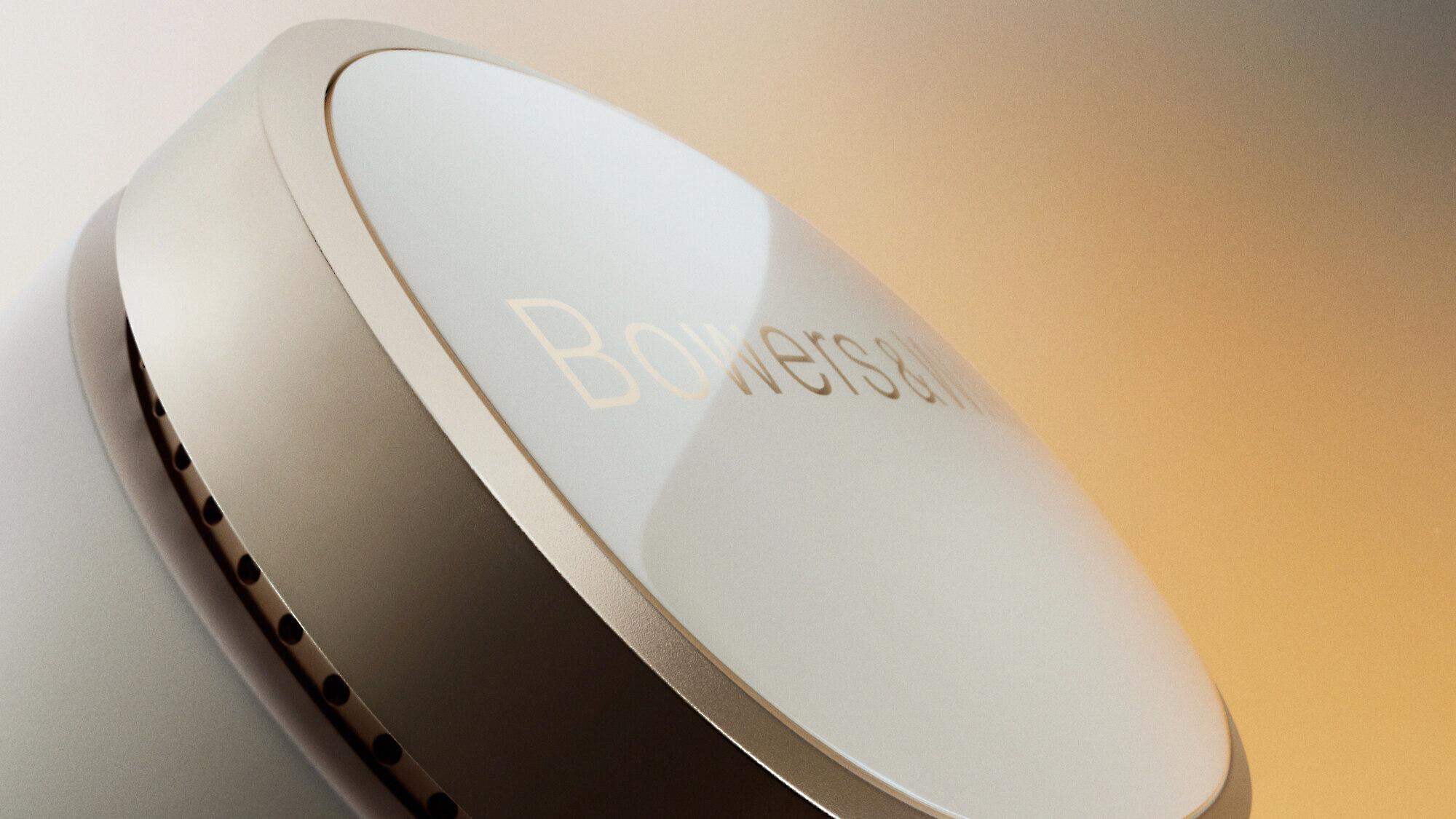
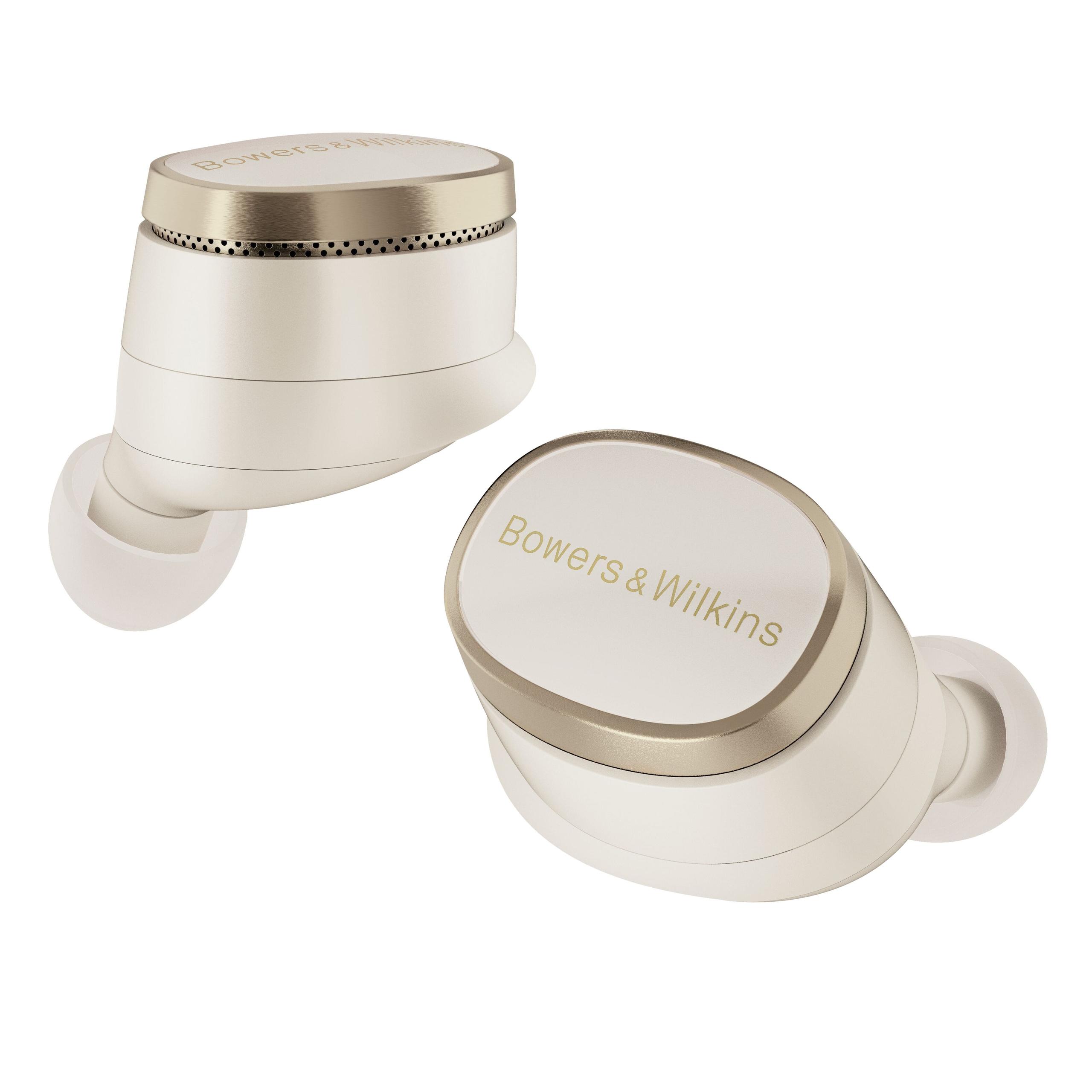
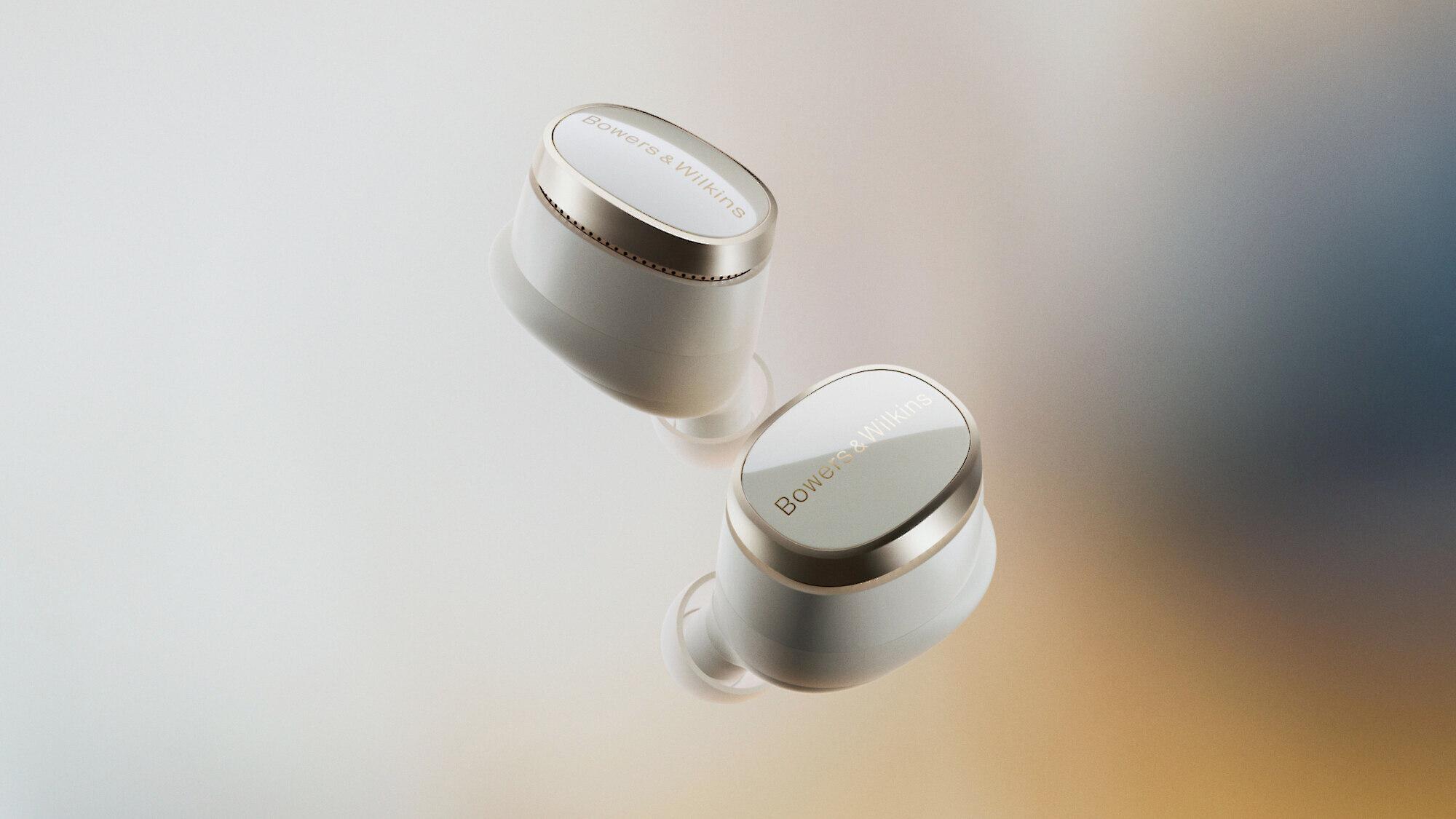
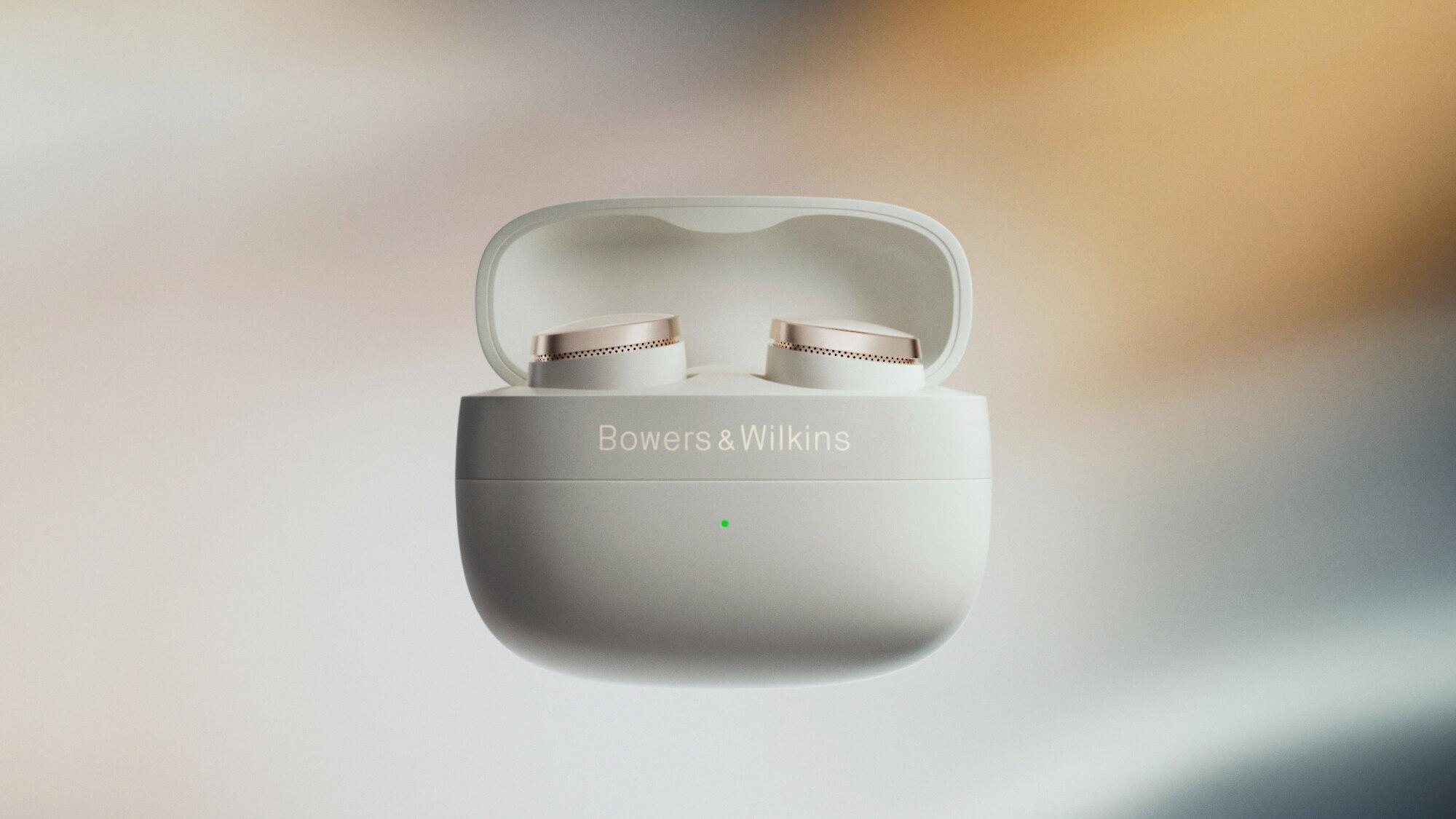







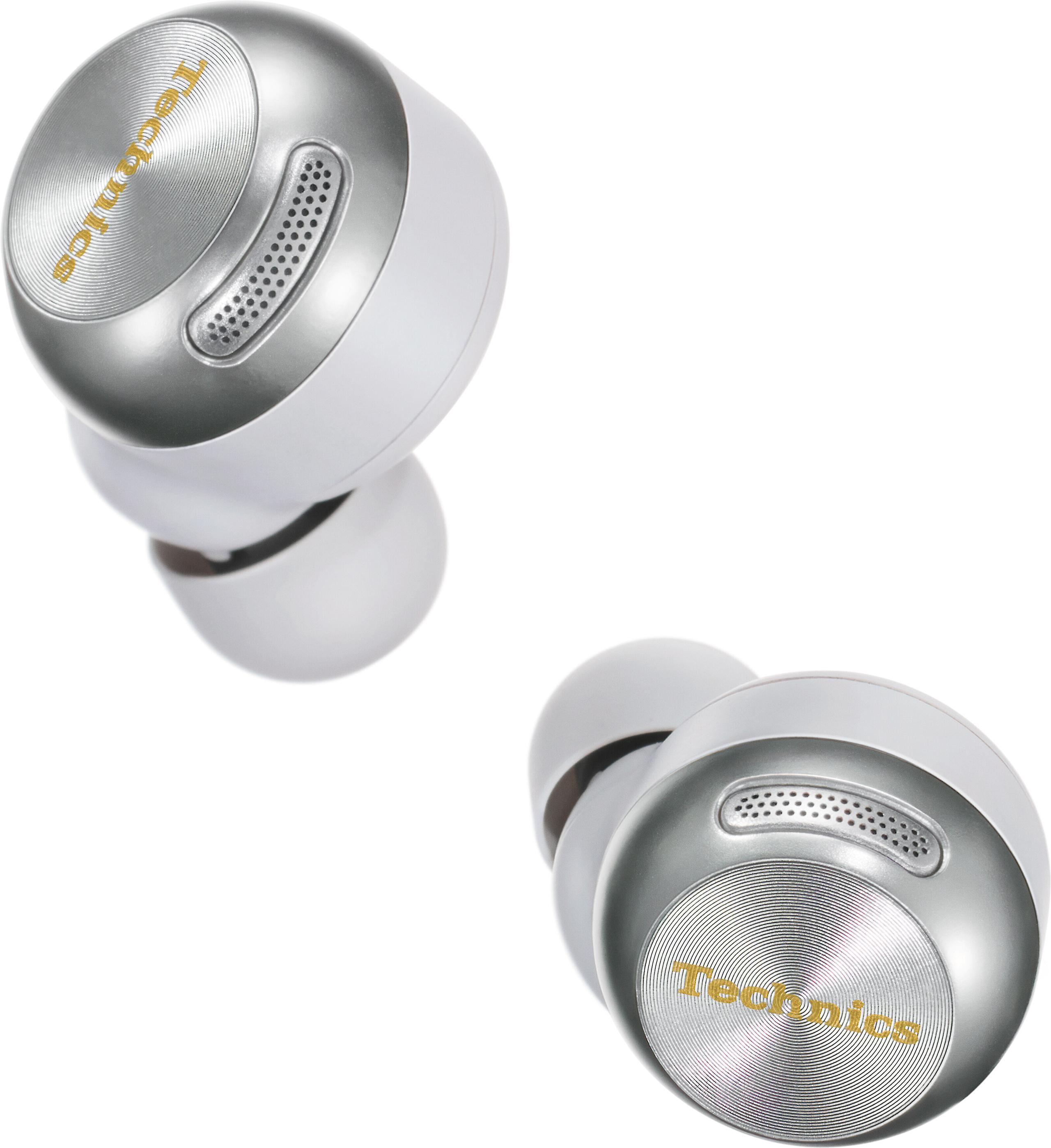
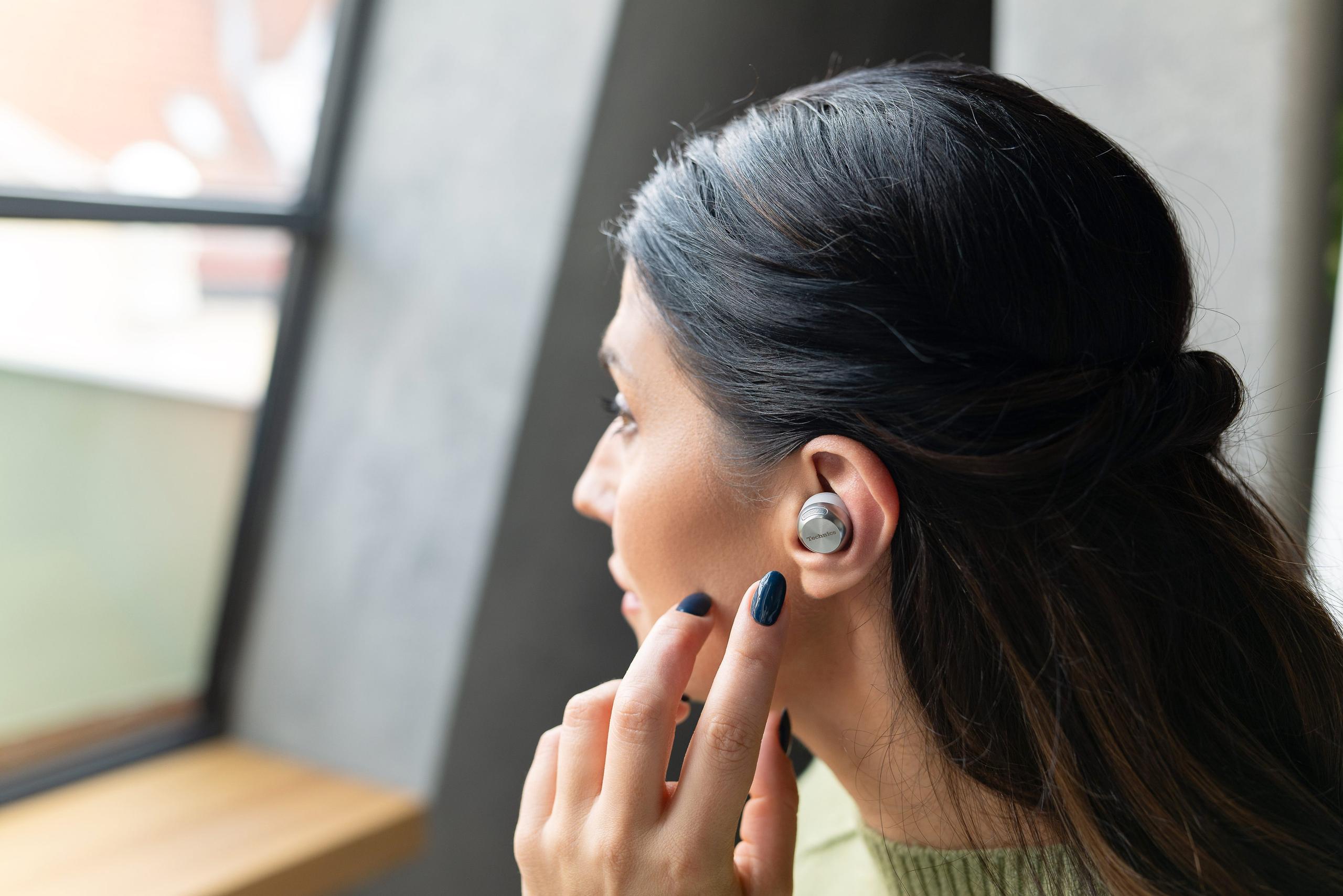
The world of premium true wireless earbuds has never been more competitive. Two standout performers released in recent years—the Bowers & Wilkins Pi8 and Technics EAZ-AZ100—represent fascinating approaches to achieving audio excellence. Having spent considerable time with both, I can tell you these aren't just expensive versions of regular earbuds. They're engineered for people who genuinely care about how their music sounds, but they achieve this goal in remarkably different ways.
Before diving into specifics, it's worth understanding what separates premium earbuds from the mainstream market. These aren't just about brand names or fancy packaging—they represent genuine technological advances in miniaturized audio engineering.
The key considerations that matter most in this category are audio quality (how accurately they reproduce your music), battery performance (how long they actually last during real use), active noise cancellation effectiveness (how well they block unwanted sound), build quality and durability, and the overall user experience including software reliability.
At the time of writing, both models command premium pricing, with the Bowers & Wilkins Pi8 positioned slightly higher than the Technics AZ100. This price difference, while modest, reflects different priorities in their engineering approaches.
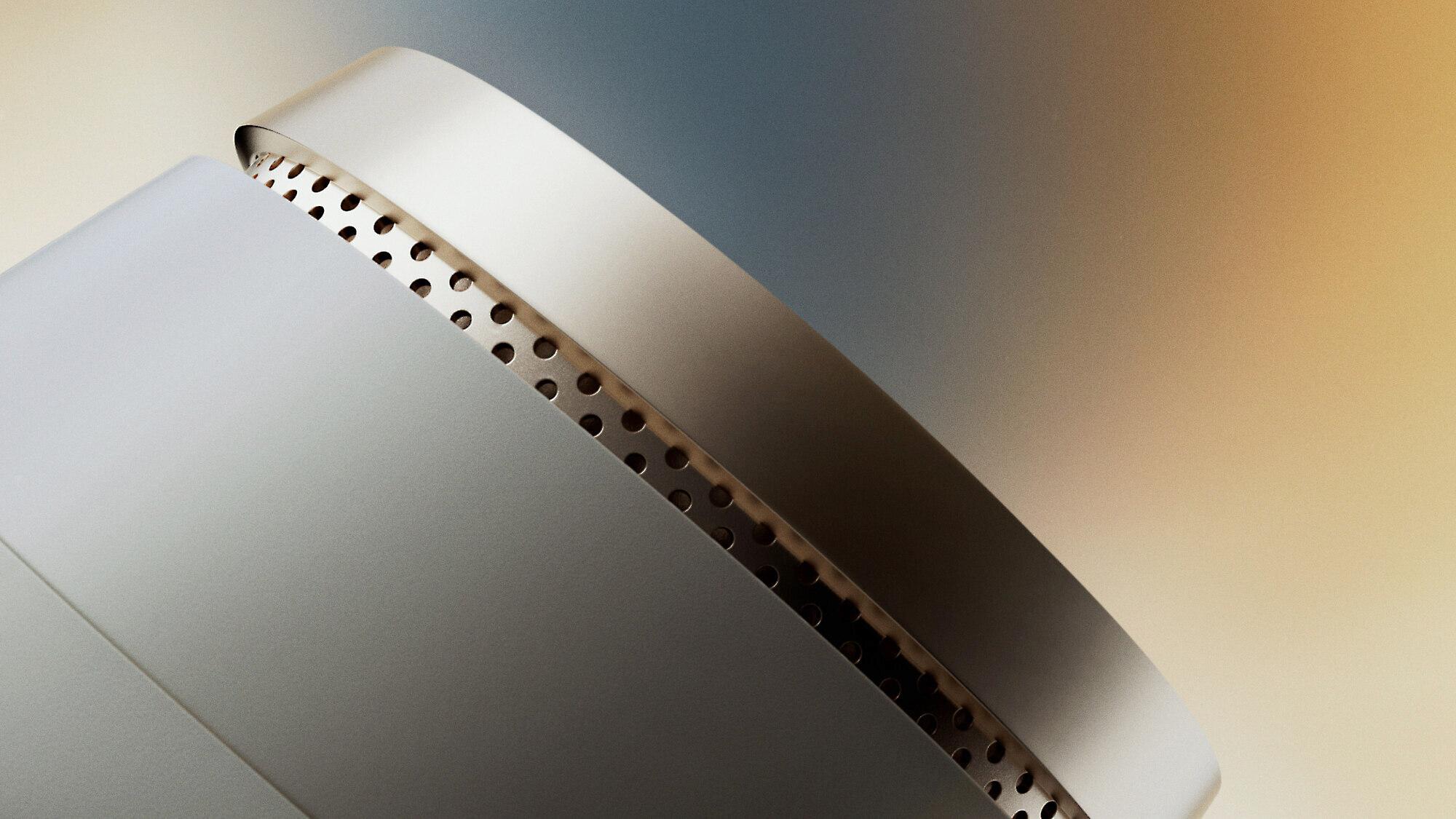
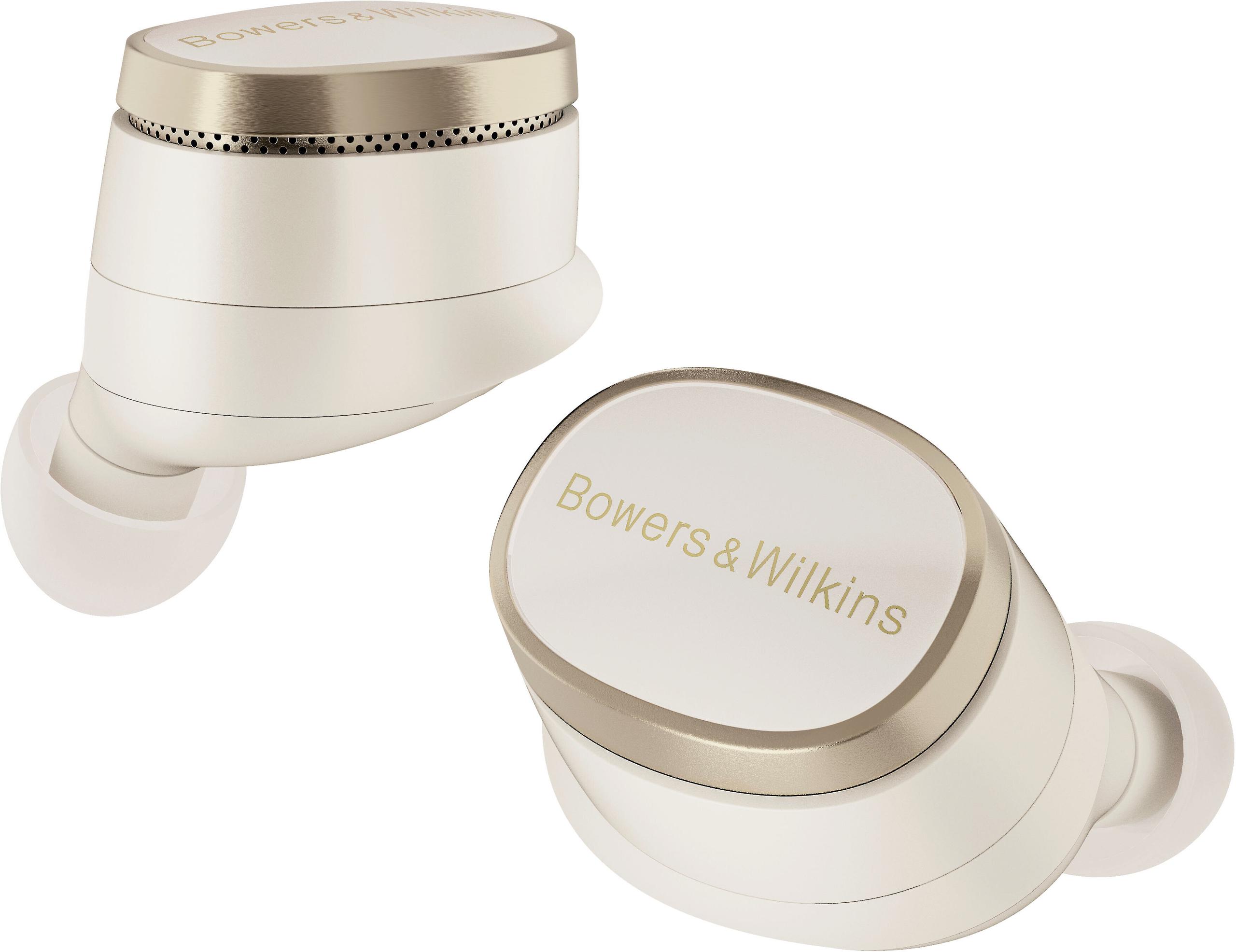
The Pi8 takes what I'd call the "audiophile purist" approach. Its 12mm Carbon Cone drivers are directly adapted from Bowers & Wilkins' flagship Px8 over-ear headphones—essentially shrinking down full-size headphone technology into an earbud format. This isn't marketing speak; you can genuinely hear the difference.
Carbon cone drivers work by using a lightweight carbon material that moves more precisely than typical plastic or metal drivers. This means less distortion, especially at higher frequencies where subtle details like cymbal crashes or string harmonics live. When I first tested the Pi8 with a well-recorded jazz album, the clarity of brushed drums and acoustic bass was immediately noticeable compared to standard earbuds.
The Pi8 also features true 32-bit audio processing with a dedicated DSP (Digital Signal Processor) and amplifier. In practical terms, this means the earbuds can handle extremely detailed audio information without losing nuances during wireless transmission. The support for aptX Lossless codec allows for uncompressed audio streaming from compatible devices—essentially CD-quality sound over Bluetooth.
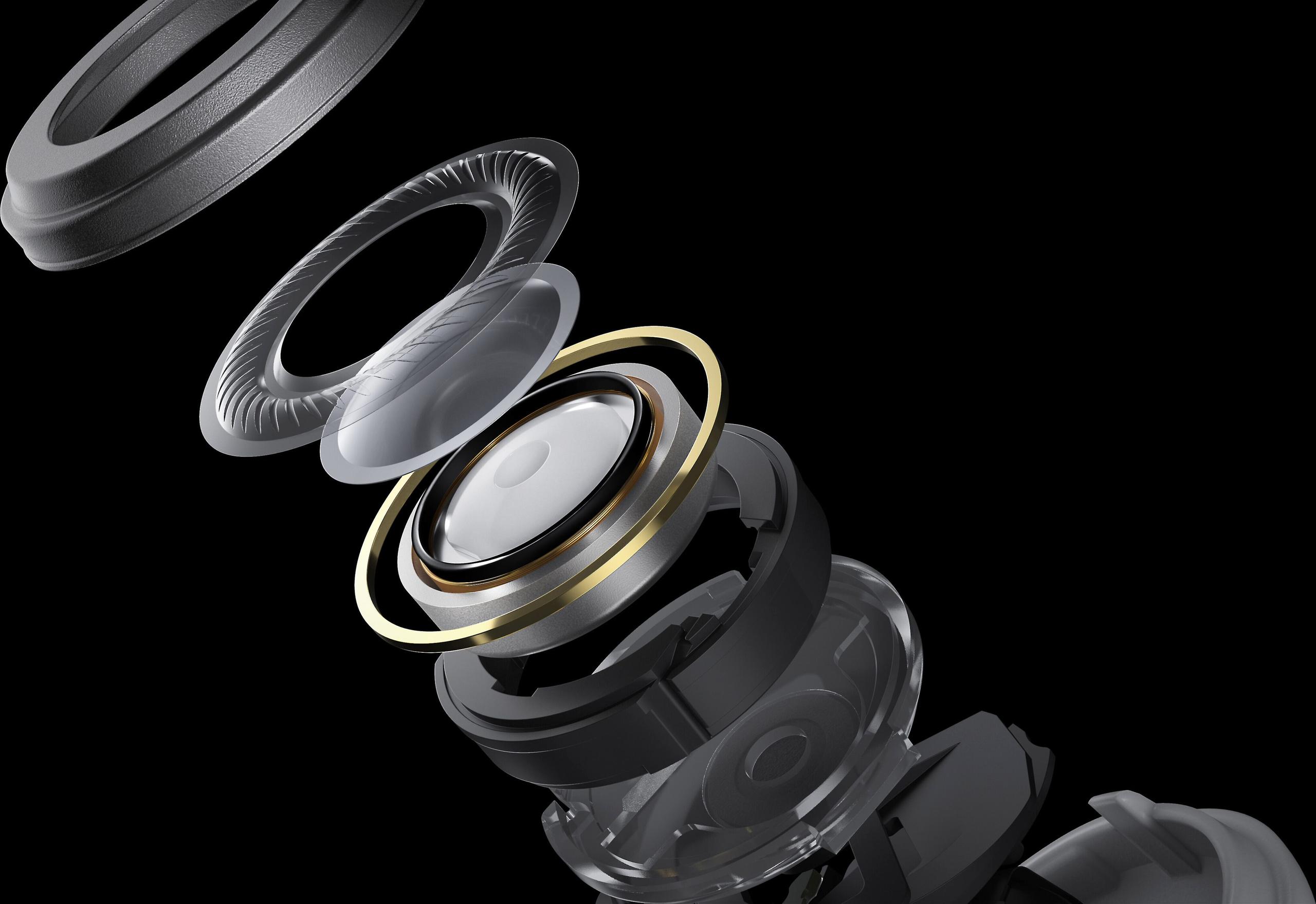
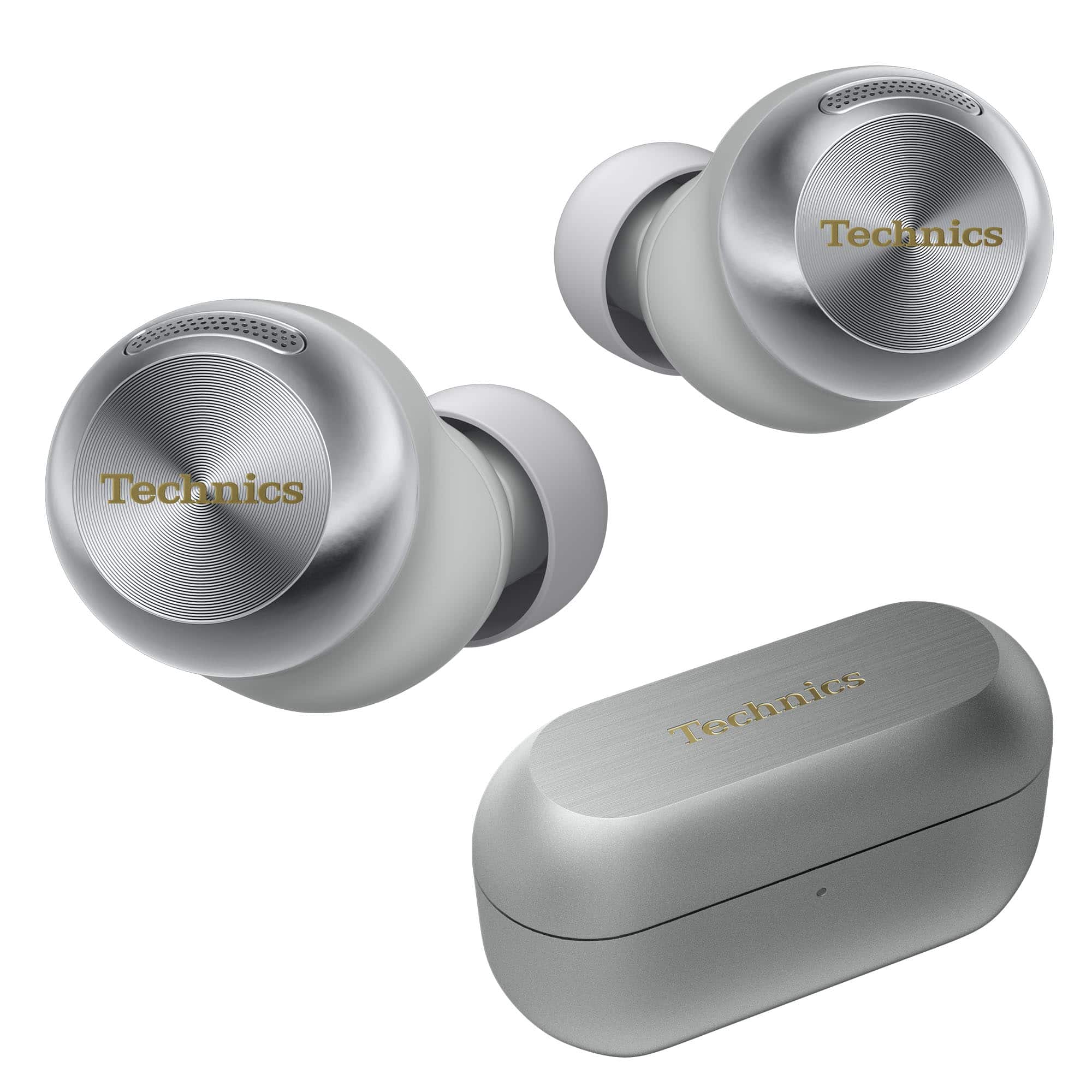
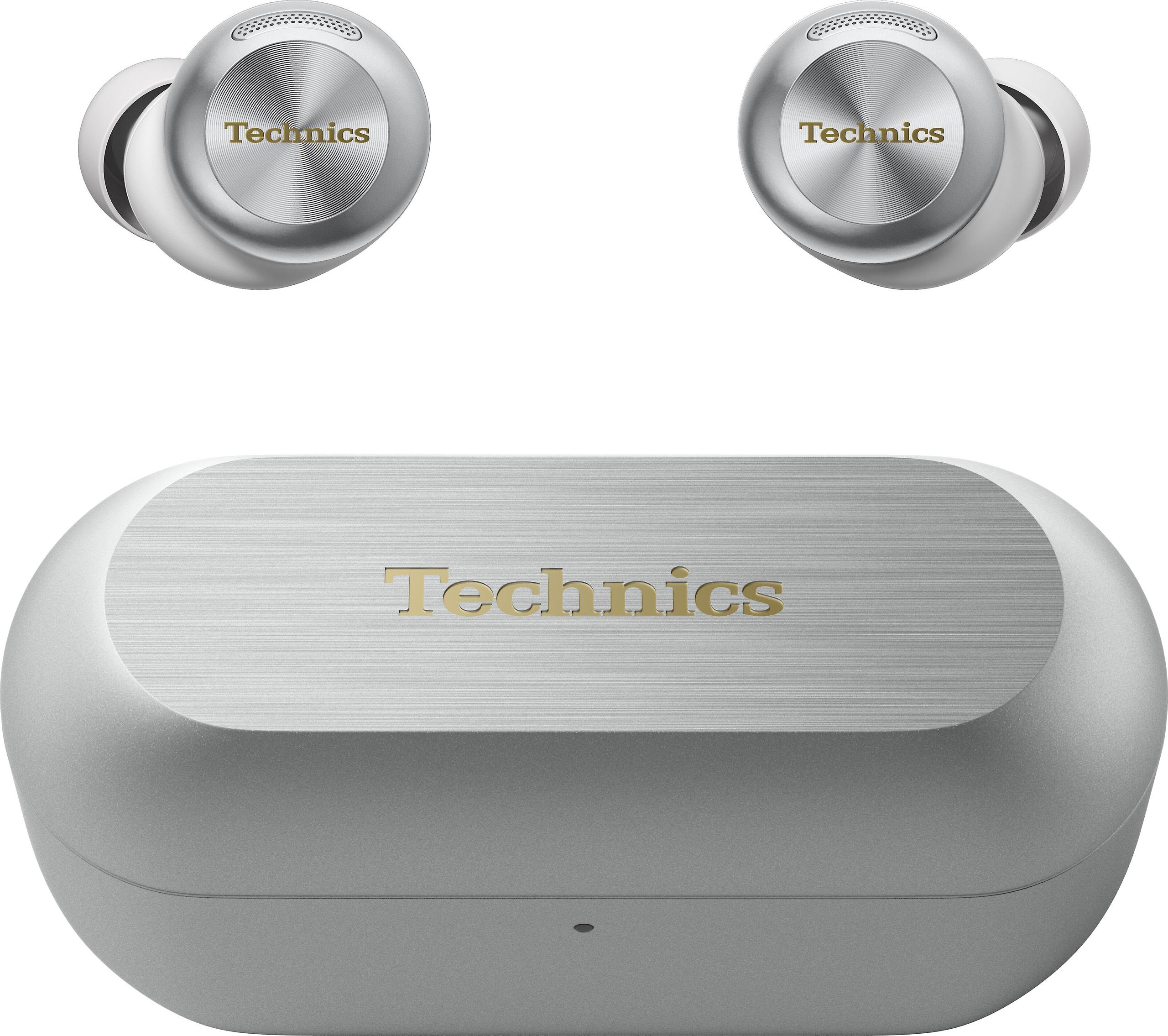
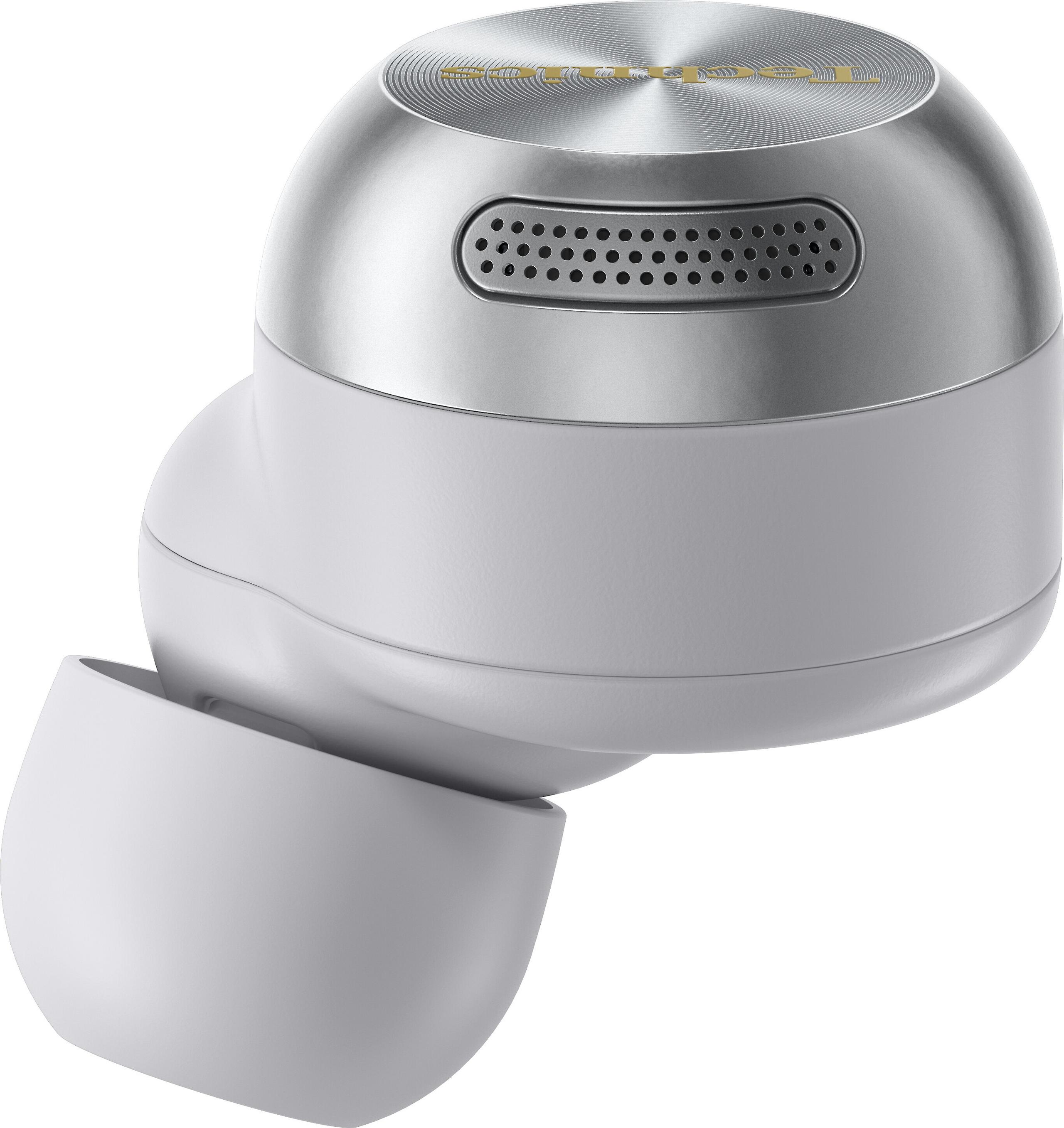
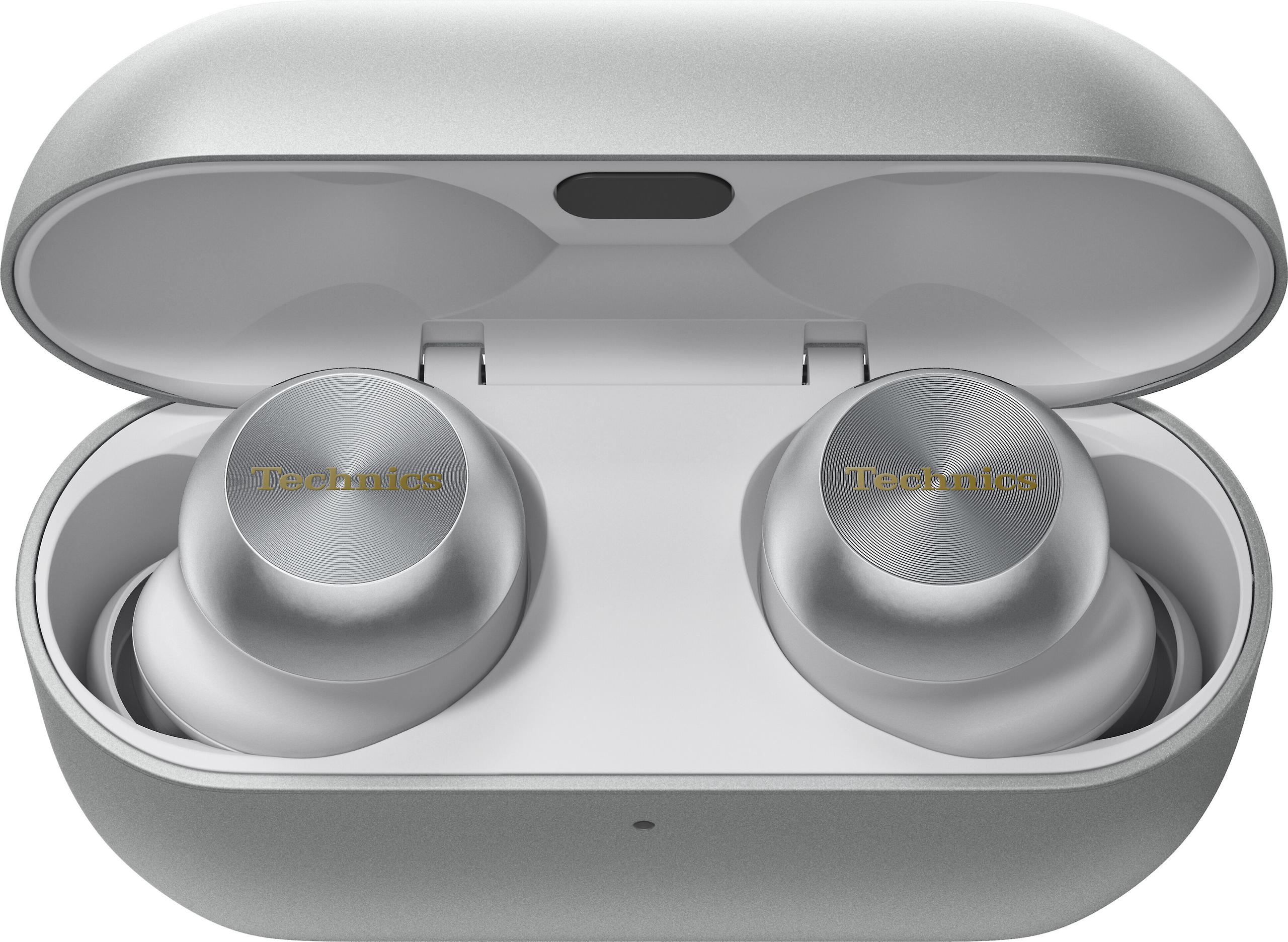
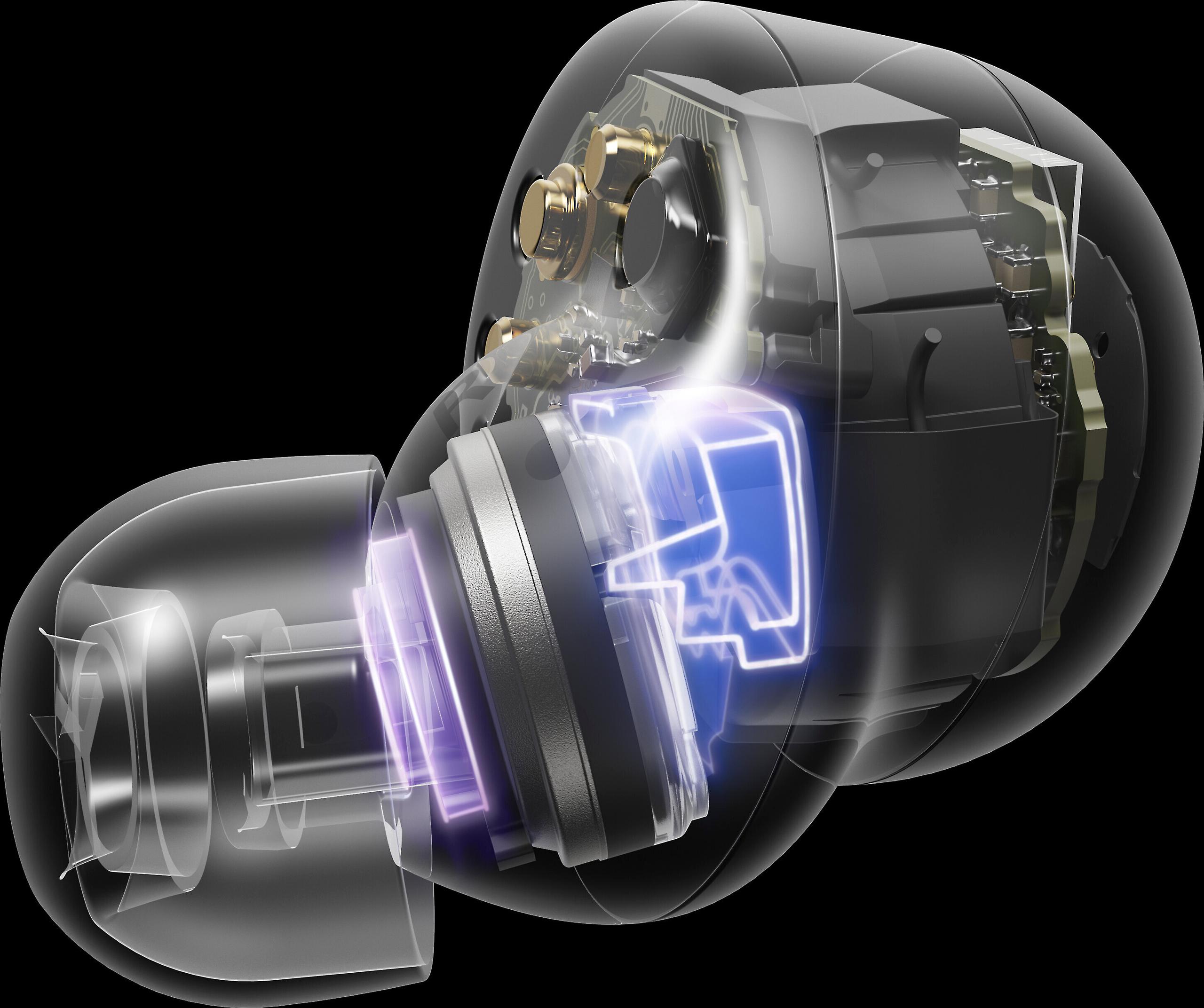
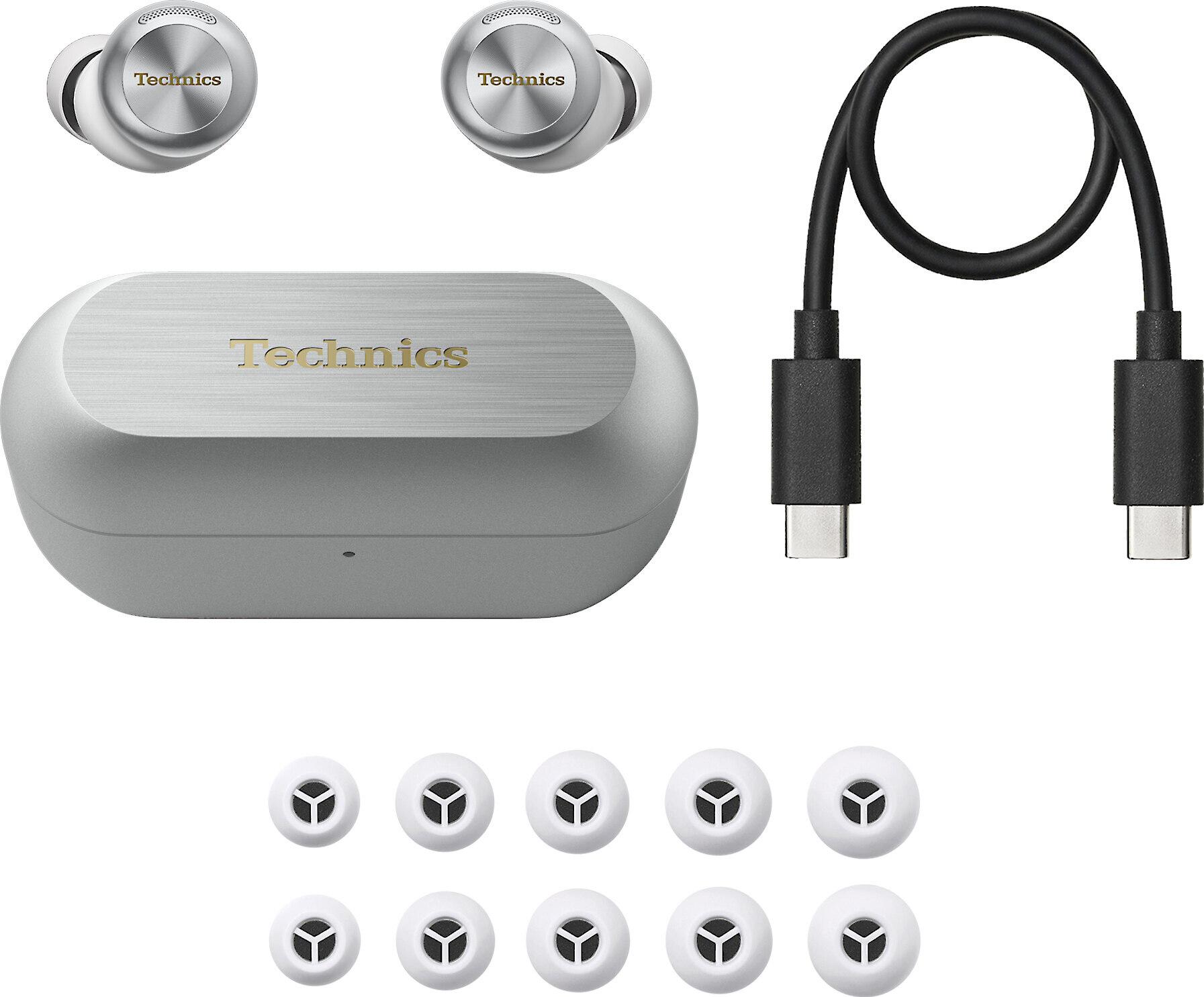
The Technics AZ100, released more recently in 2025, takes a different approach with its 10mm Magnetic Fluid drivers. This technology uses a special oil-like substance with magnetic properties between the driver's magnet and voice coil. While this might sound like science fiction, the practical result is incredibly controlled bass response and precise high-frequency reproduction.
The magnetic fluid essentially acts like a shock absorber for the driver, preventing unwanted vibrations that can muddy the sound. During my testing with electronic music and hip-hop tracks, the AZ100 delivered bass that was both powerful and controlled—never overwhelming the midrange where vocals live.
The AZ100 supports LDAC codec, Sony's high-resolution audio standard that can transmit up to three times more data than standard Bluetooth audio. It also includes Dolby Atmos processing, which creates a more immersive, three-dimensional soundstage. This is particularly noticeable when watching movies or listening to music mixed for spatial audio.
In direct comparison, the Pi8 produces a more natural, reference-grade sound that excels with acoustic instruments and complex recordings. If you're someone who listens to classical music, jazz, or singer-songwriter material, the Pi8's ability to separate individual instruments in a mix is exceptional.
The AZ100, while equally detailed, offers a slightly warmer sound signature with enhanced bass response. This makes it more versatile for different music genres, particularly electronic music, pop, and rock where you want that extra low-end presence without sacrificing clarity.
One significant practical difference I discovered is volume capability. The Pi8 can achieve substantially higher maximum volume levels—over 118dB compared to the AZ100's 111dB. This might not matter for most users, but if you have hearing difficulties or frequently use earbuds in very noisy environments, this difference becomes meaningful.
This is where the Technics AZ100 demonstrates a clear advantage that impacts real-world usability significantly. The AZ100 provides up to 12 hours of earbud playback time with noise cancellation enabled, while the Pi8 manages 6.5 hours under the same conditions. That's nearly double the listening time per charge.
Including the charging cases, the total capacity difference is even more dramatic: 30 hours for the AZ100 versus 20 hours for the Pi8. During a week-long business trip, I found the AZ100 required charging every third day with moderate use, while the Pi8 needed daily attention.
Both offer quick charging capabilities—15 minutes provides approximately 90 minutes to 2 hours of playback respectively. However, the AZ100's superior baseline battery performance means you'll need these emergency charges less frequently.
Active Noise Cancellation (ANC) works by using external microphones to detect ambient sound, then generating opposite sound waves to cancel it out. The effectiveness varies dramatically between implementations.
The Technics AZ100 features what they call "Adaptive ANC," which automatically adjusts noise cancellation strength based on your environment and even the fit in your ears. During testing in various environments—busy coffee shops, airplane cabins, and city streets—the AZ100 consistently provided superior noise isolation.
The system includes automatic wind reduction, which is particularly useful for outdoor activities. I noticed this feature during joggin sessions, where the earbuds would automatically adjust to prevent that annoying wind buffeting sound that can make outdoor ANC unusable.
The Pi8's noise cancellation, while present, doesn't match the AZ100's sophisticated implementation. It provides adequate ambient noise reduction but lacks the adaptive intelligence and environmental awareness of its competitor.
For call quality, the AZ100 includes Voice Focus AI technology, which uses artificial intelligence to separate your voice from background noise during calls. Both earbuds feature multiple microphones (three per earbud for the AZ100, the same for the Pi8), but the AZ100's processing implementation proves more effective in real-world scenarios.
The Bowers & Wilkins Pi8 offers superior water resistance with an IP54 rating compared to the AZ100's IPX4 rating. The "5" in IP54 means complete protection against dust ingress, while the "4" indicates protection against water splashes from any direction. The AZ100's IPX4 rating protects against water splashes but doesn't guarantee dust protection.
For gym use or outdoor activities, this difference matters. I've used both during workouts, and while both handle normal exercise sweat fine, the Pi8 provides more confidence for dusty hiking trails or beach environments.
However, the AZ100 counters with a more comfortable design—10% smaller and 16% lighter than previous Technics models, and noticeably lighter than the Pi8 during extended wear sessions. The weight difference might seem minimal on paper, but during four-hour flights or long work sessions, comfort becomes increasingly important.
This represents perhaps the starkest difference between these products. The Technics AZ100 offers a polished, comprehensive companion app with extensive customization options. You can adjust EQ settings, customize touch controls for various gestures, and access advanced features reliably.
The Pi8's app experience, unfortunately, represents a significant weakness. Multiple users report slow performance, limited customization options, and various software bugs including transparency mode failures. This is particularly frustrating given the premium price point and otherwise excellent hardware.
During my testing period, I experienced several instances where the Pi8's transparency mode (which lets ambient sound through while maintaining music playback) would stop working correctly, requiring earbud resets. The AZ100's software remained stable throughout the same testing period.
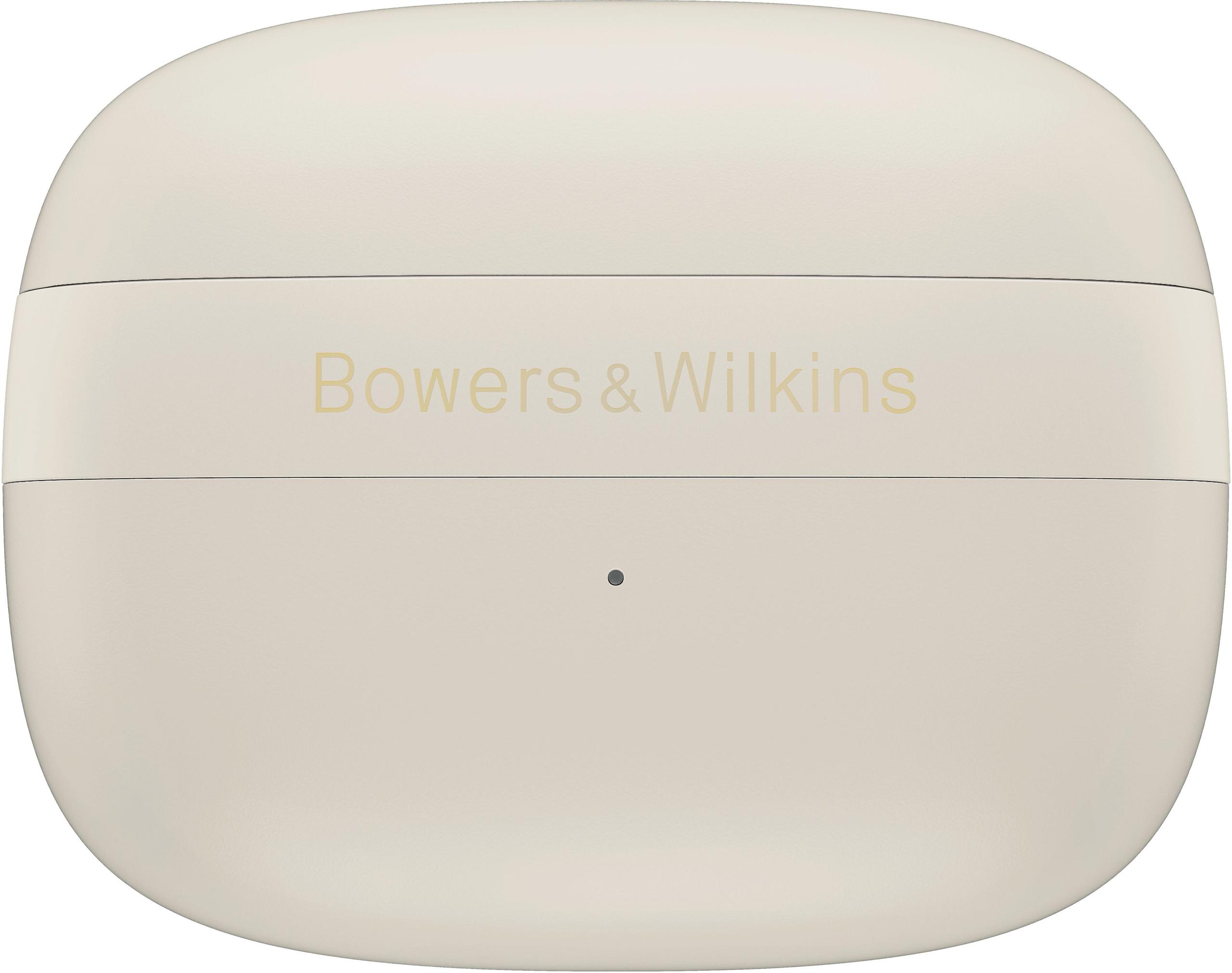
The Pi8's most unique feature is its charging case's audio retransmission capability. The case itself can connect to non-Bluetooth audio sources via a 3.5mm cable (like airplane entertainment systems or gym equipment) and wirelessly transmit that audio to your earbuds in high quality.
This feature proved genuinely useful during air travel. Instead of dealing with tangled wires or poor-quality airplane audio, I could connect the case to the seat-back entertainment system and enjoy movies with the Pi8's superior sound quality wirelessly. It's a clever solution to a common travel frustration.
The Pi8 also supports wireless charging for the case itself, adding convenience for users with compatible charging pads.
The AZ100 offers three-device multipoint connectivity, allowing simultaneous connection to your phone, laptop, and tablet. The earbuds intelligently prioritize audio sources—pausing music to take phone calls, then resuming automatically.
The Dolby Atmos support includes head tracking technology, which adjusts the audio as you move your head, creating a more immersive experience for compatible content. While this feature shines most with specifically mixed content, it does provide a noticeable enhancement when watching movies or listening to spatial audio music tracks.
For home theater use, both earbuds offer advantages depending on your setup and preferences. The Pi8's case retransmission feature allows connection to TV audio outputs, providing a personal audio solution that won't disturb others—perfect for late-night movie watching.
The AZ100's Dolby Atmos processing and spatial audio capabilities work particularly well with modern streaming content from Netflix, Disney+, and other services that include spatial audio mixes. The head tracking feature adds genuine immersion when positioned correctly.
However, both face the inherent limitation of wireless audio latency for real-time viewing. While modern implementations minimize this delay, dedicated TV headphones or wired connections still provide superior lip-sync accuracy for serious home theater use.
After extensive testing, clear patterns emerge for optimal user matching.
Choose the Bowers & Wilkins Pi8 if sound quality represents your absolute priority. If you're someone who notices the difference between good and great audio reproduction, who listens primarily to acoustic music, jazz, classical, or complex instrumental pieces, the Pi8's superior driver technology and audio processing will be immediately apparent.
The Pi8 also suits users who need maximum volume output, whether due to hearing considerations or frequently noisy environments. The case retransmission feature adds genuine value for frequent travelers who want quality audio from non-Bluetooth sources.
However, be prepared for software limitations and more frequent charging. The Pi8 demands some compromise in daily usability for its audio excellence.
Choose the Technics AZ100 if you want the best overall premium earbud experience. The superior battery life alone makes it more practical for daily use, business travel, or long commutes. The reliable software, effective noise cancellation, and balanced sound signature create a more complete product.
The AZ100 suits users who listen to diverse music genres, value consistent performance, and prefer products that "just work" without quirks or limitations. It's also the better choice for users who prioritize call quality and noise cancellation effectiveness.
Both represent genuine achievements in earbud engineering, but they serve different priorities. The Pi8 targets pure audiophiles willing to accept practical limitations for reference-grade sound quality. The AZ100 delivers a more balanced, reliable premium experience that excels in daily use scenarios.
For most users seeking premium wireless earbuds, the Technics AZ100's combination of excellent sound quality, superior battery life, reliable software, and effective noise cancellation creates better overall value. Unless reference-grade audio reproduction is your primary concern, the AZ100's more complete feature set and slightly lower price point make it the smarter choice.
The premium earbud market continues evolving rapidly, with both companies pushing boundaries in different directions. These models represent current pinnacles of their respective approaches—pure audio excellence versus complete user experience optimization. Your choice ultimately depends on which philosophy aligns better with your listening habits and daily requirements.
| Bowers & Wilkins Pi8 | Technics EAZ-AZ100 |
|---|---|
| Driver Size - Larger drivers typically produce better bass and overall sound quality | |
| 12mm Carbon Cone drivers (premium material from flagship headphones) | 10mm Magnetic Fluid drivers (specialized technology for controlled bass) |
| Battery Life (Earbuds) - Critical for daily usability without frequent charging | |
| 6.5 hours with ANC (requires daily charging for heavy users) | 12 hours with ANC (nearly double the listening time per charge) |
| Total Battery Life - Determines how long you can go without plugging in the case | |
| 20 hours total (adequate for short trips) | 30 hours total (excellent for extended travel and heavy use) |
| Audio Codecs - Higher quality codecs preserve more detail in wireless transmission | |
| aptX Lossless, aptX Adaptive (uncompressed CD-quality streaming) | LDAC, AAC (high-resolution up to 3x standard Bluetooth data) |
| Maximum Volume - Important for noisy environments or hearing considerations | |
| 118dB+ (significantly louder, better for high-volume needs) | 111dB (adequate for most users, may limit some scenarios) |
| Water Resistance - Protection level for exercise and outdoor use | |
| IP54 (complete dust protection, splash-proof from all angles) | IPX4 (splash-proof but no dust rating, adequate for gym use) |
| Weight Per Earbud - Affects long-term wearing comfort | |
| 14g (heavier, may cause fatigue during extended wear) | 11.8g (lighter design, more comfortable for all-day use) |
| Active Noise Cancellation - Effectiveness at blocking ambient sound | |
| Basic ANC (adequate noise reduction, some reported issues) | Adaptive ANC with AI (superior performance, automatic environment adjustment) |
| Unique Features - Special capabilities that differentiate each product | |
| Case audio retransmission (connect to airplane/gym equipment wirelessly) | 3-device multipoint connection, Dolby Atmos with head tracking |
| App Experience - Software reliability and customization options | |
| Limited features, reported bugs and slow performance | Comprehensive controls, stable performance, full customization |
| Sound Signature - The overall character and balance of audio reproduction | |
| Natural, reference-grade (excels with acoustic and complex music) | Balanced with enhanced bass (versatile across all music genres) |
| Release Year - Indicates how current the technology and features are | |
| 2024 (recent release with latest B&W Pi8 innovations) | 2025 (newest model with latest Technics AZ100 refinements) |
The Bowers & Wilkins Pi8 offers superior sound quality for audiophiles, featuring 12mm Carbon Cone drivers adapted from flagship headphones and true 32-bit audio processing. The Technics AZ100 provides excellent balanced sound with enhanced bass response through its 10mm Magnetic Fluid drivers. The Pi8 excels with acoustic and complex music, while the AZ100 is more versatile across all genres.
The Technics AZ100 significantly outperforms the Bowers & Wilkins Pi8 in battery life, offering 12 hours of playback versus 6.5 hours per charge. Total battery life with the case is 30 hours for the AZ100 compared to 20 hours for the Pi8, making the Technics model much better for extended use and travel.
The Technics AZ100 provides superior active noise cancellation with adaptive technology that automatically adjusts to your environment. It includes Voice Focus AI for clear calls and automatic wind reduction. The Bowers & Wilkins Pi8 has basic noise cancellation that's adequate but doesn't match the AZ100's sophisticated implementation.
The Bowers & Wilkins Pi8 commands a slight price premium over the Technics AZ100. Whether it's worth it depends on your priorities: choose the Pi8 if ultimate sound quality is your main concern, or the AZ100 if you want better overall value with superior battery life, noise cancellation, and software reliability.
The Bowers & Wilkins Pi8 offers better protection for outdoor use with IP54 water and dust resistance compared to the Technics AZ100's IPX4 rating. However, the AZ100 is lighter and more comfortable for extended wear, plus its automatic wind reduction makes it more practical for outdoor activities despite the lower protection rating.
The Technics AZ100 excels in call quality with Voice Focus AI technology that separates your voice from background noise using three microphones per earbud. While the Bowers & Wilkins Pi8 also has multiple microphones, users report better call clarity and reliability with the Technics model.
The Technics AZ100 offers a comprehensive app experience with extensive customization options, stable performance, and full control over gestures and EQ settings. The Bowers & Wilkins Pi8 app has limited features and reported performance issues, making the AZ100 significantly better for users who want customization control.
The Technics AZ100 supports three-device multipoint connectivity, allowing seamless switching between phone, laptop, and tablet. The Bowers & Wilkins Pi8 offers standard dual-device connectivity. The AZ100's superior multipoint implementation makes it better for users juggling multiple devices throughout the day.
The Technics AZ100 is more comfortable for extended wear, being 10% smaller and 16% lighter at 11.8g per earbud compared to the Bowers & Wilkins Pi8's 14g weight. The AZ100's ergonomic design reduces fatigue during long listening sessions, making it better for all-day use.
The Bowers & Wilkins Pi8 features a unique charging case that can connect to non-Bluetooth sources (like airplane entertainment) and retransmit audio wirelessly to the earbuds. The Technics AZ100 offers Dolby Atmos processing with head tracking technology for immersive spatial audio experiences.
Both work well for home entertainment, but serve different needs. The Bowers & Wilkins Pi8's case retransmission feature allows connection to TV audio outputs for private listening. The Technics AZ100 excels with Dolby Atmos content and spatial audio from streaming services, plus its longer battery life is better for movie marathons.
For most users, the Technics AZ100 is the better choice as your first premium earbuds, offering superior battery life, reliable software, effective noise cancellation, and better overall value. Choose the Bowers & Wilkins Pi8 only if you're an audiophile who prioritizes absolute sound quality above practical daily-use features.
We've done our best to create useful and informative comparisons to help you decide what product to buy. Our research uses advanced automated methods to create this comparison and perfection is not possible - please contact us for corrections or questions. These are the sites we've researched in the creation of this article: techradar.com - bowerswilkins.com - youtube.com - bestbuy.com - whathifi.com - audioholics.com - crutchfield.com - whathifi.com - audio46.com - rtings.com - audioadvice.com - engadget.com - youtube.com - audio46.com - audiograde.uk - youtube.com - techwelike.com - youtube.com - audioadvice.com - soundguys.com - bestbuy.com - bowerswilkins.com - headphones.com - bowerswilkins.com - bowerswilkins.com - audio46.com - youtube.com - shop.womenshealthmag.com - head-fi.org - youtube.com - youtube.com - bowerswilkins.cn - bowerswilkins.com - audio46.com - bowerswilkins.com - whathifi.com - digitaltrends.com - bestbuy.com - techradar.com - popsci.com - stuff.tv - us.technics.com - instylehifi.com.au - techradar.com - youtube.com - head-fi.org - whathifi.com - ecoustics.com - crutchfield.com - head-fi.org - treoo.com - youtube.com - bestbuy.com - us.technics.com - crutchfield.com - cnet.com - us.technics.com - us.technics.com - na.panasonic.com - us.technics.com - help.na.panasonic.com - bestbuy.com - bhphotovideo.com - technics.com - technics.com - us.technics.com - twitteringmachines.com - stupiddope.com - bhphotovideo.com - techdogs.com - technics.com - techradar.com - yumpu.com - youtube.com

Privacy Policy
Terms and Conditions - Affiliate Policy
Home Security
© Copyright 2008-2026.
11816 Inwood Rd #1211, Dallas, TX 75244