





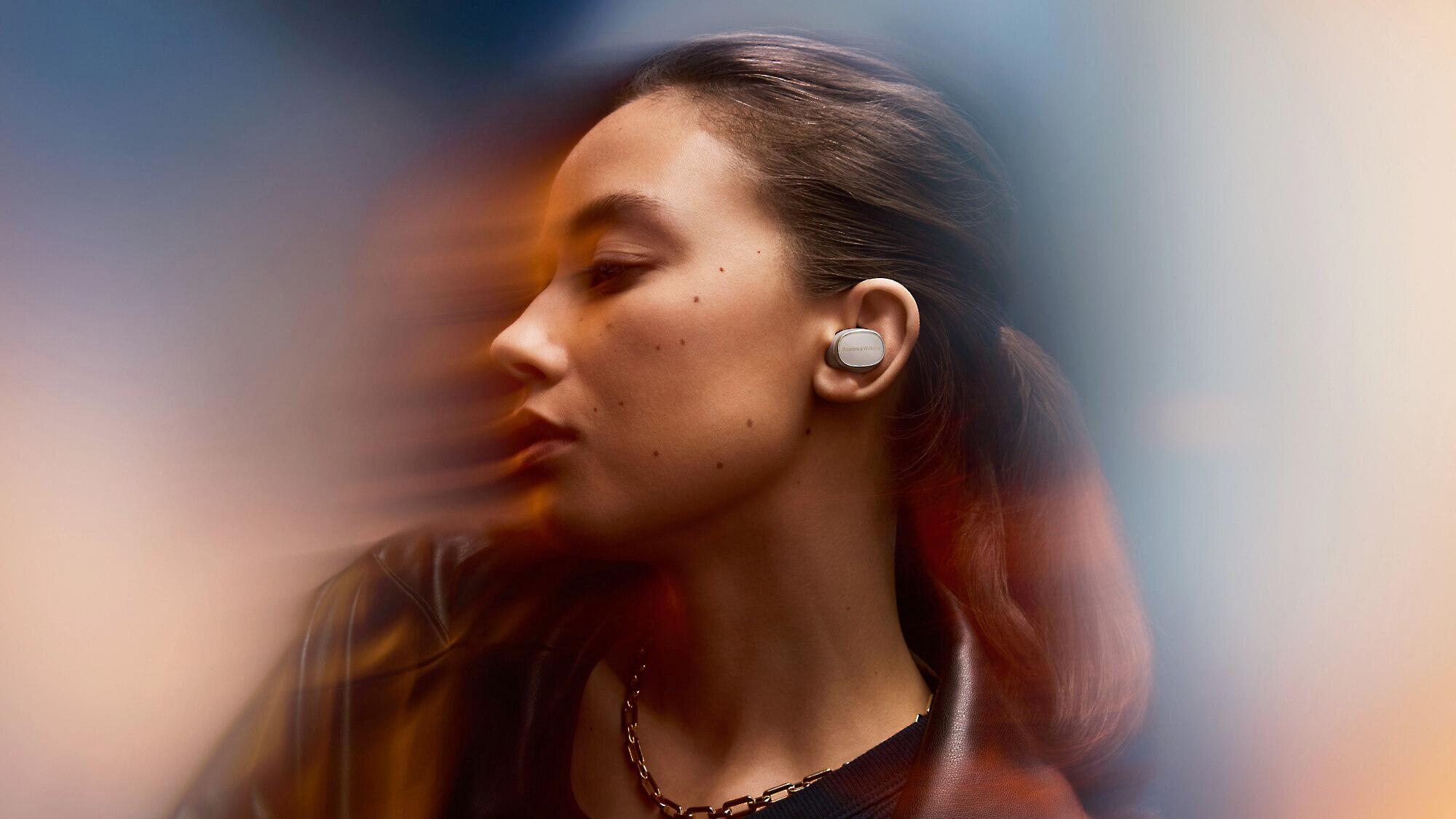
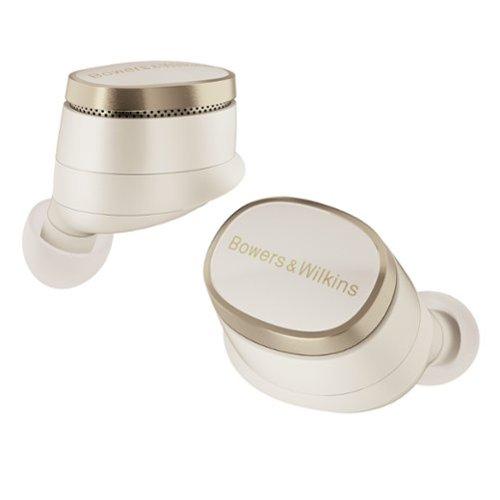



When you're ready to spend serious money on wireless earbuds, you're entering a market where every company claims their product offers the best sound, longest battery life, and most innovative features. The reality is more nuanced—premium earbuds often excel in specific areas while making trade-offs in others. Today we're comparing two earbuds that represent fundamentally different approaches to premium audio: the Beats Powerbeats Pro 2 and the Bowers & Wilkins Pi8.
Both earbuds command premium pricing (at the time of writing, you'll pay significantly more than budget options), but they target completely different users. Understanding these differences is crucial because buying the wrong premium earbuds means living with expensive compromises for years.
The premium wireless earbud category has matured dramatically since Apple's AirPods launched in 2016. What started as a novelty has become a sophisticated product category where manufacturers compete on audio quality, feature innovation, and specialized use cases. Premium earbuds typically cost two to four times more than basic Bluetooth options, and for good reason—they include advanced processors, multiple high-quality drivers, sophisticated noise cancellation systems, and premium materials.
The key differentiators in this category include active noise cancellation (ANC), which uses microphones and digital processing to cancel out background noise; advanced audio codecs like aptX that enable higher-quality wireless audio transmission; computational audio features that use AI and advanced processors to optimize sound in real-time; and specialized designs for specific use cases like fitness or audiophile listening.
What makes this comparison particularly interesting is that both the Powerbeats Pro 2 and Pi8 represent the best their respective brands can offer, but they've chosen radically different paths to premium performance.
The Powerbeats Pro 2, released in 2024, represents a complete transformation of the Beats brand. Gone are the days when Beats meant "bass-heavy sound for teenagers." Under Apple's ownership, Beats has evolved into a sophisticated audio company that happens to make products perfect for active lifestyles.
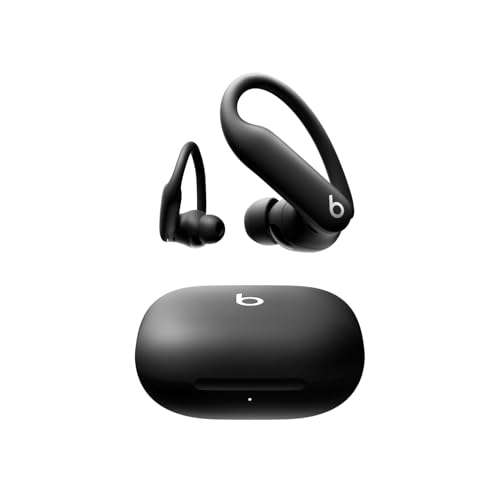
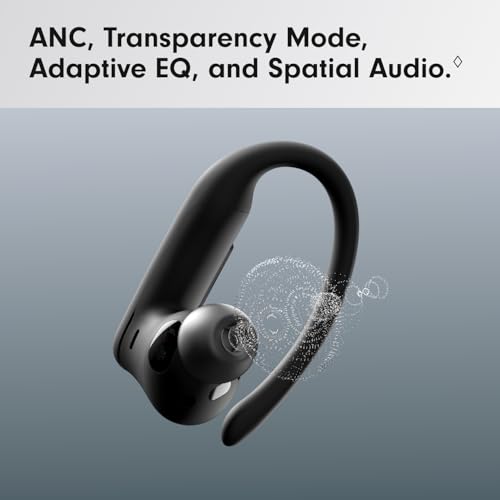
The most obvious difference is the distinctive ear-hook design. While most premium earbuds try to disappear in your ears, the Powerbeats Pro 2 embraces a more substantial form factor that wraps around your ear. This isn't just about looks—it's engineering for a specific purpose. The flexible ear hooks use a nickel-titanium alloy (the same material in high-end eyeglass frames) that provides what engineers call "shape memory." This means the hooks maintain their form while being flexible enough to fit different ear shapes comfortably.
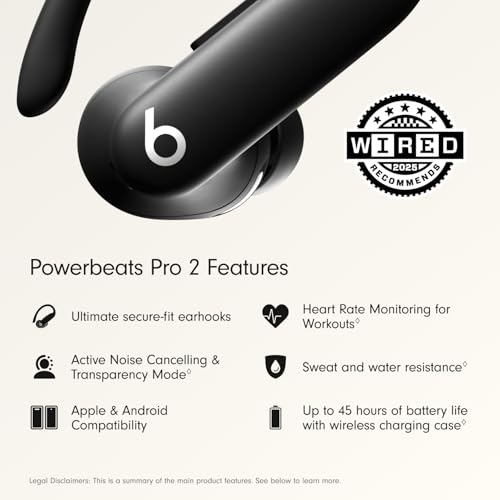
The significance of this design becomes clear when you consider that the original Powerbeats Pro, launched in 2019, was already considered the gold standard for workout earbuds. The 2024 version builds on that foundation with several major improvements: it's 20% lighter, includes active noise cancellation for the first time in the Powerbeats line, and introduces heart-rate monitoring sensors—making it the first mainstream earbud to include this fitness-focused feature.
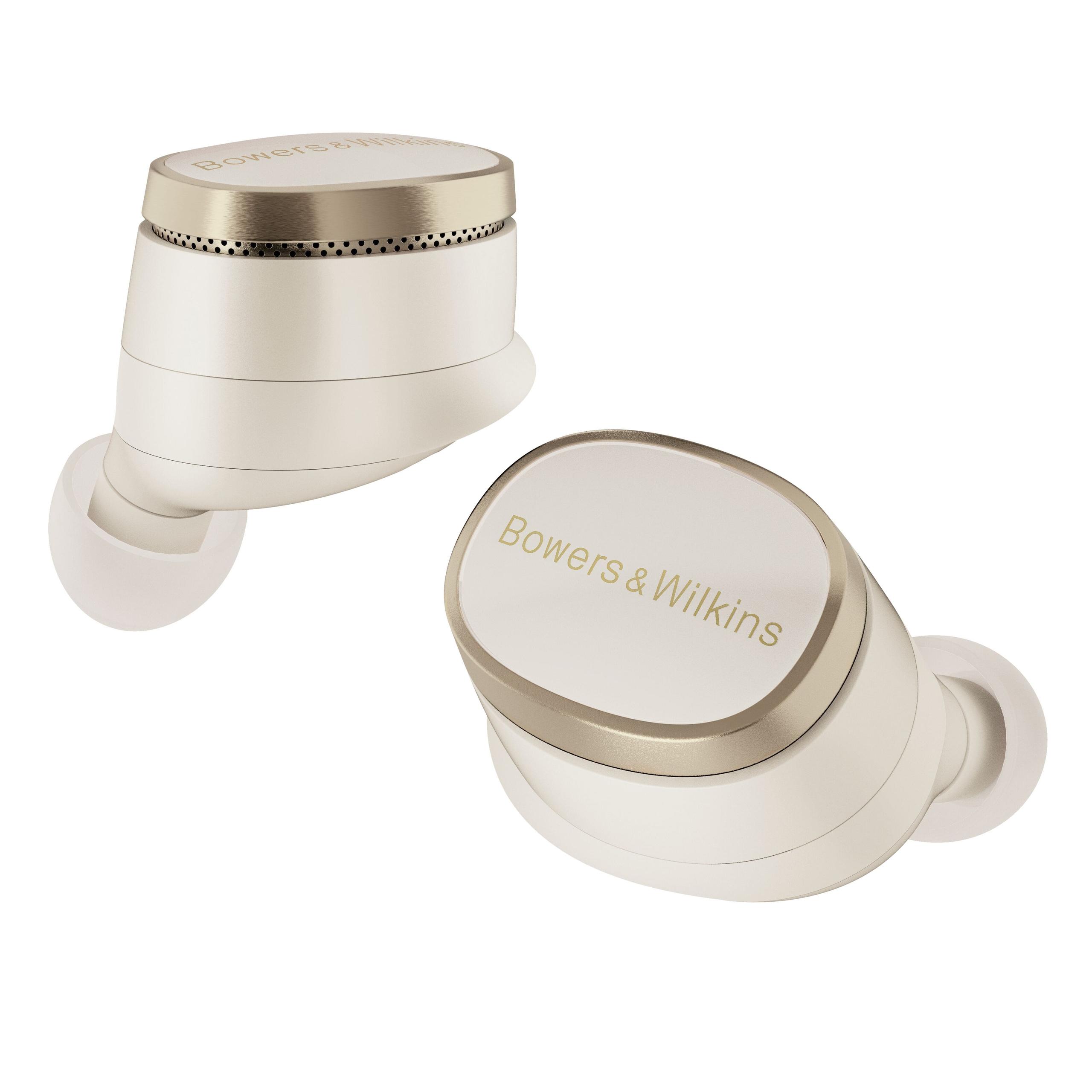
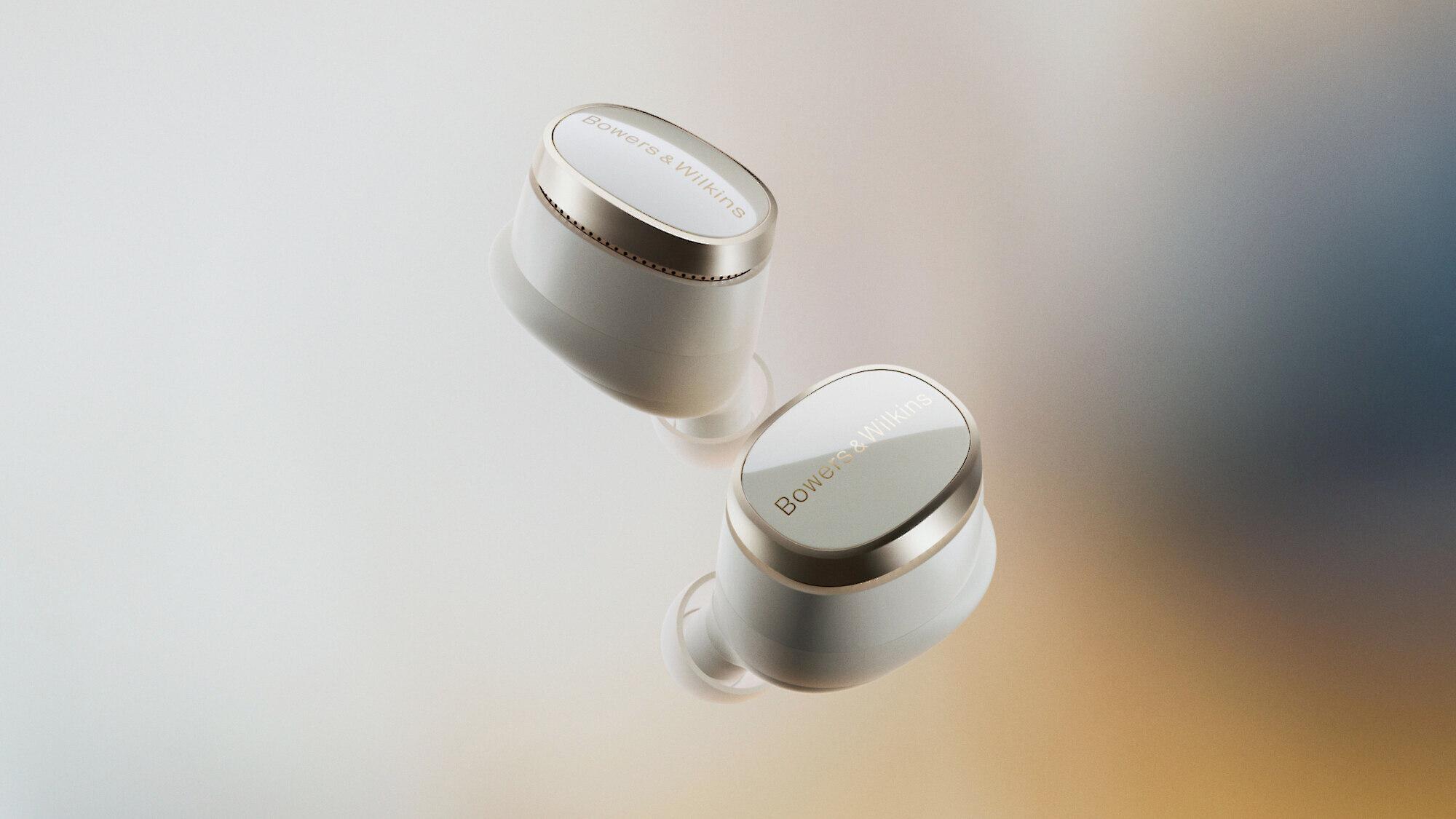
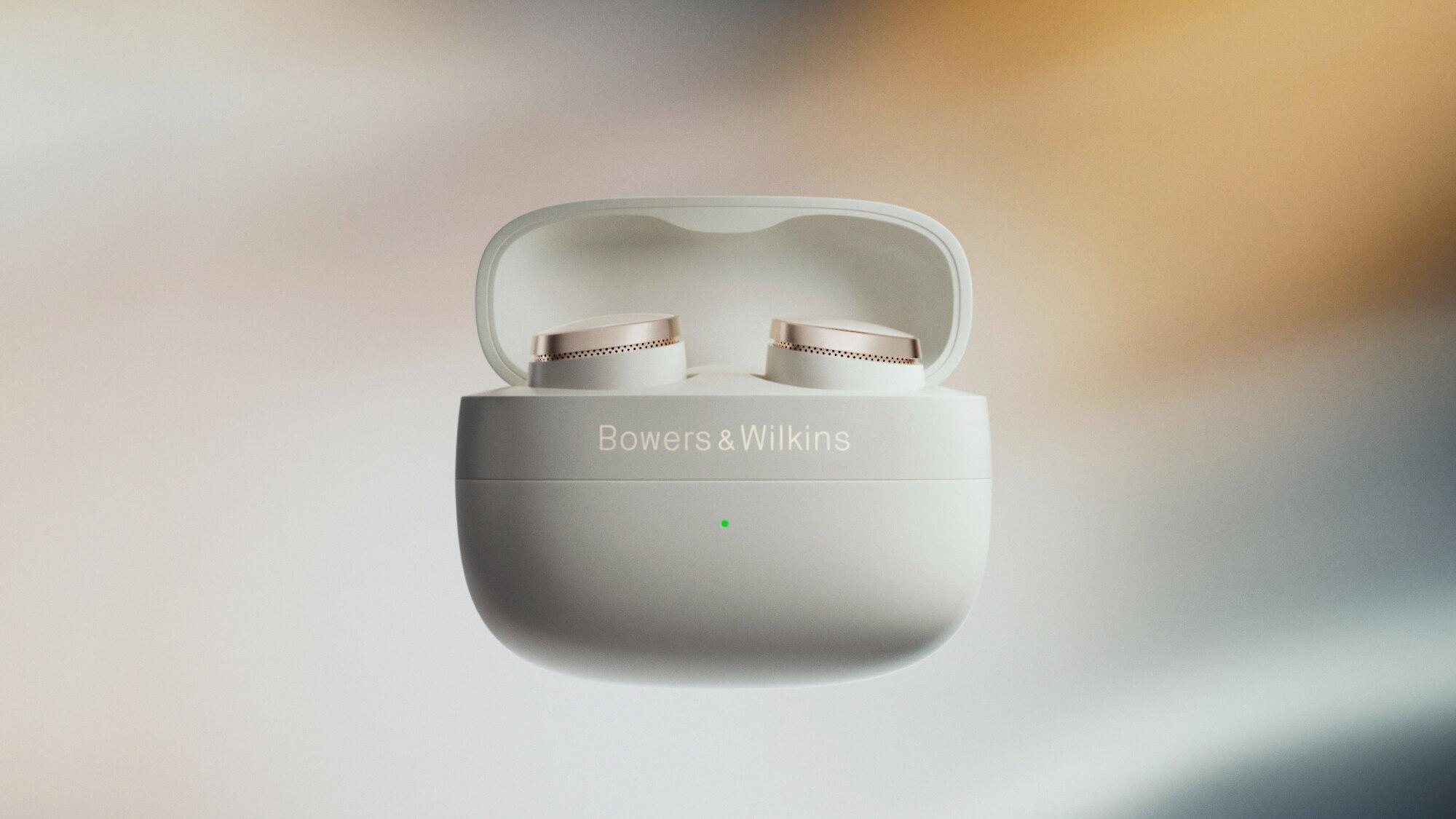
The Pi8, also released in 2024, takes a completely different approach. Bowers & Wilkins has spent decades perfecting high-end speakers and headphones for recording studios and audiophile homes. The Pi8 represents their attempt to compress that expertise into a tiny wireless package.
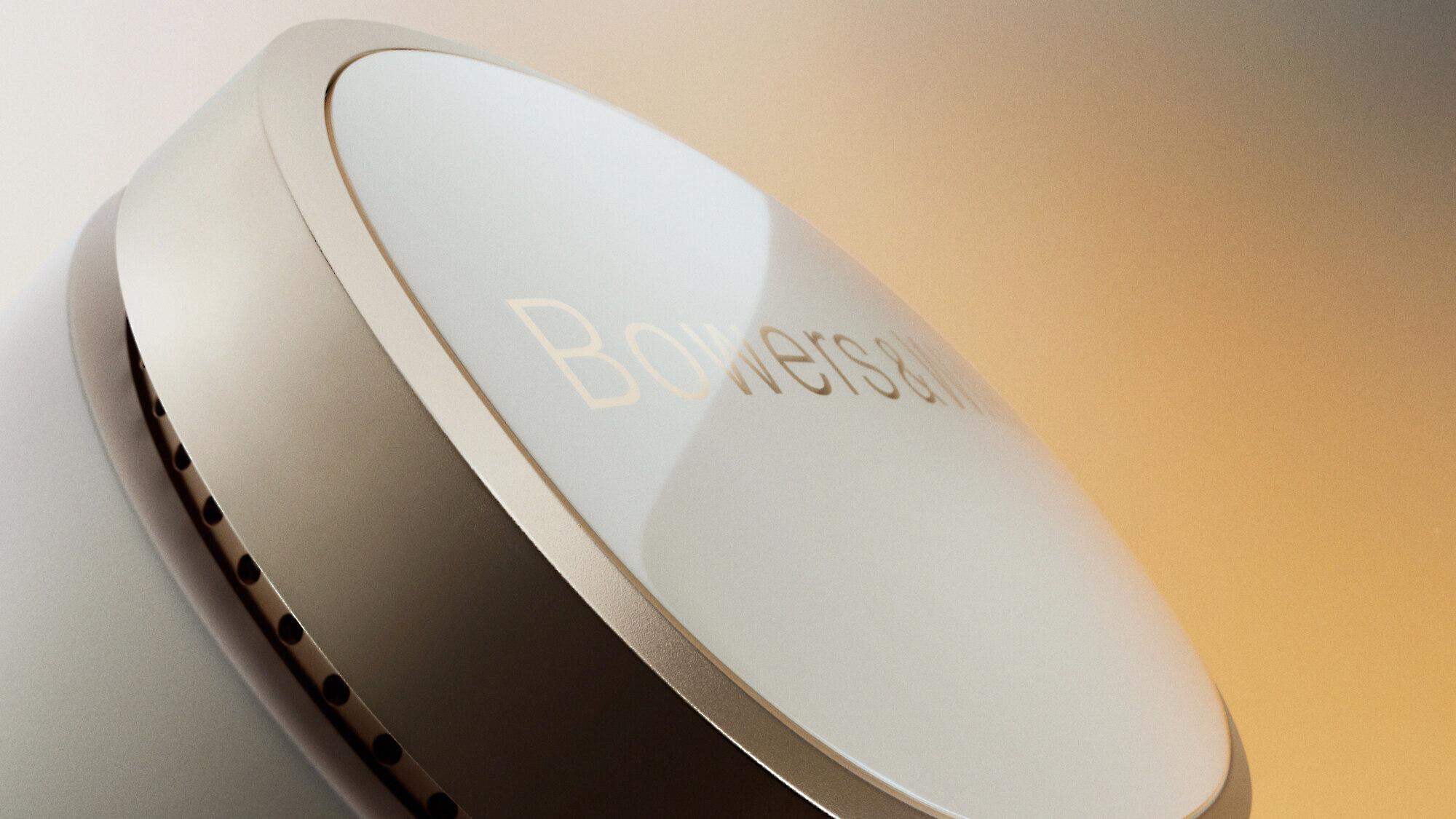
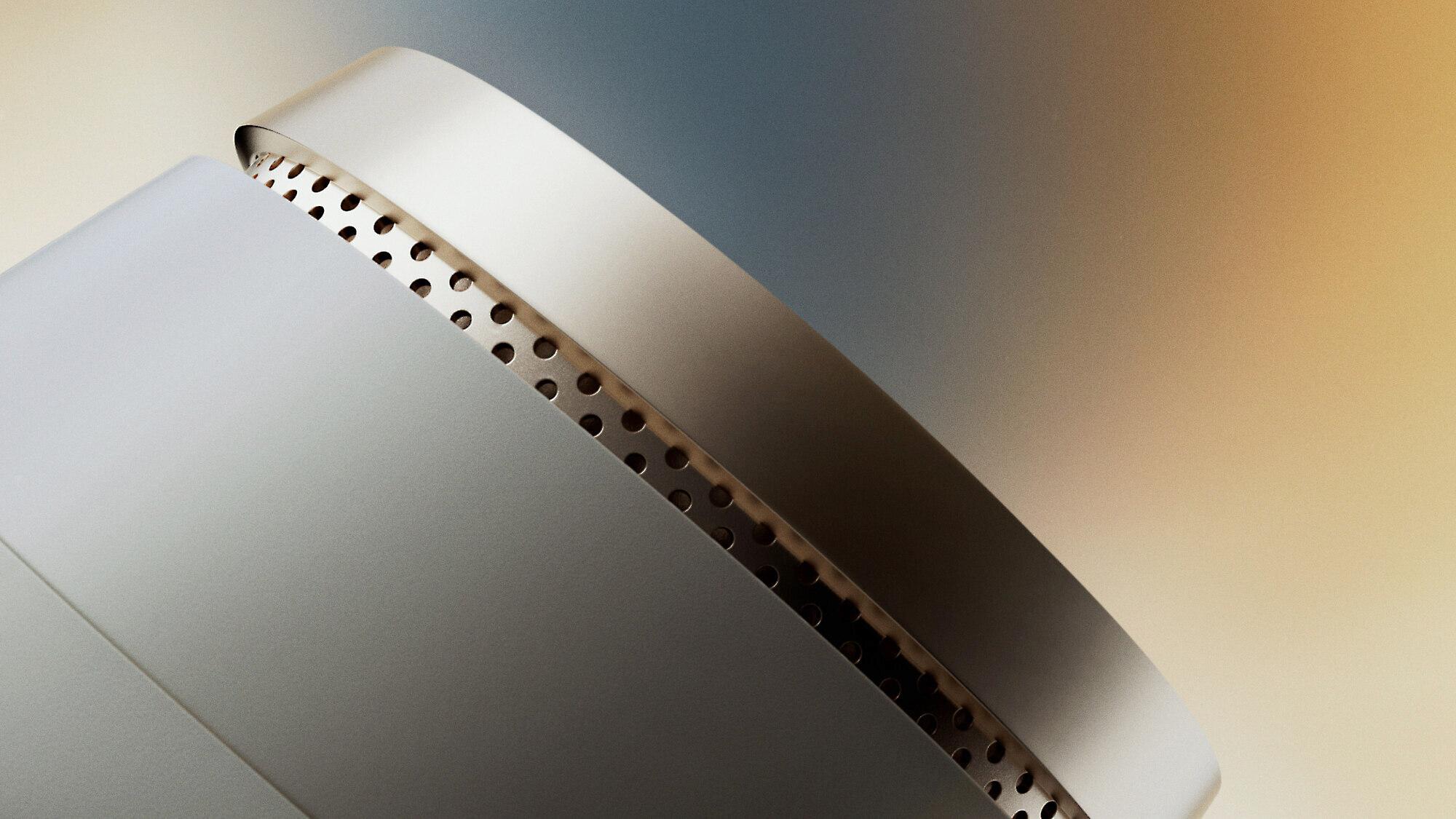
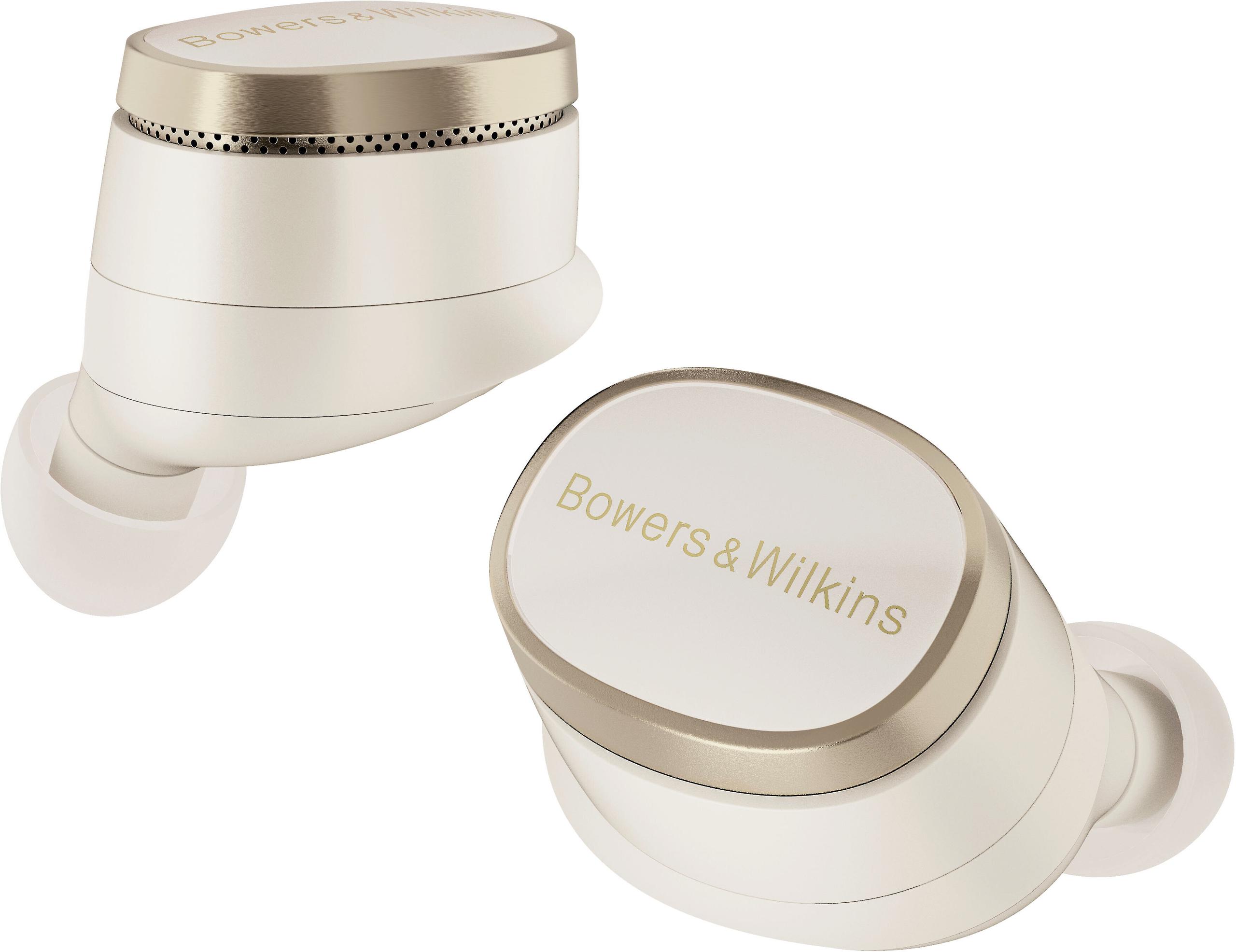
The most significant technical achievement is the 12mm carbon cone drivers—the same fundamental technology used in B&W's flagship over-ear headphones that cost several times more. Carbon fiber cones are lighter and stiffer than traditional materials, which means they can respond faster to audio signals and produce less distortion, especially in complex musical passages with multiple instruments playing simultaneously.
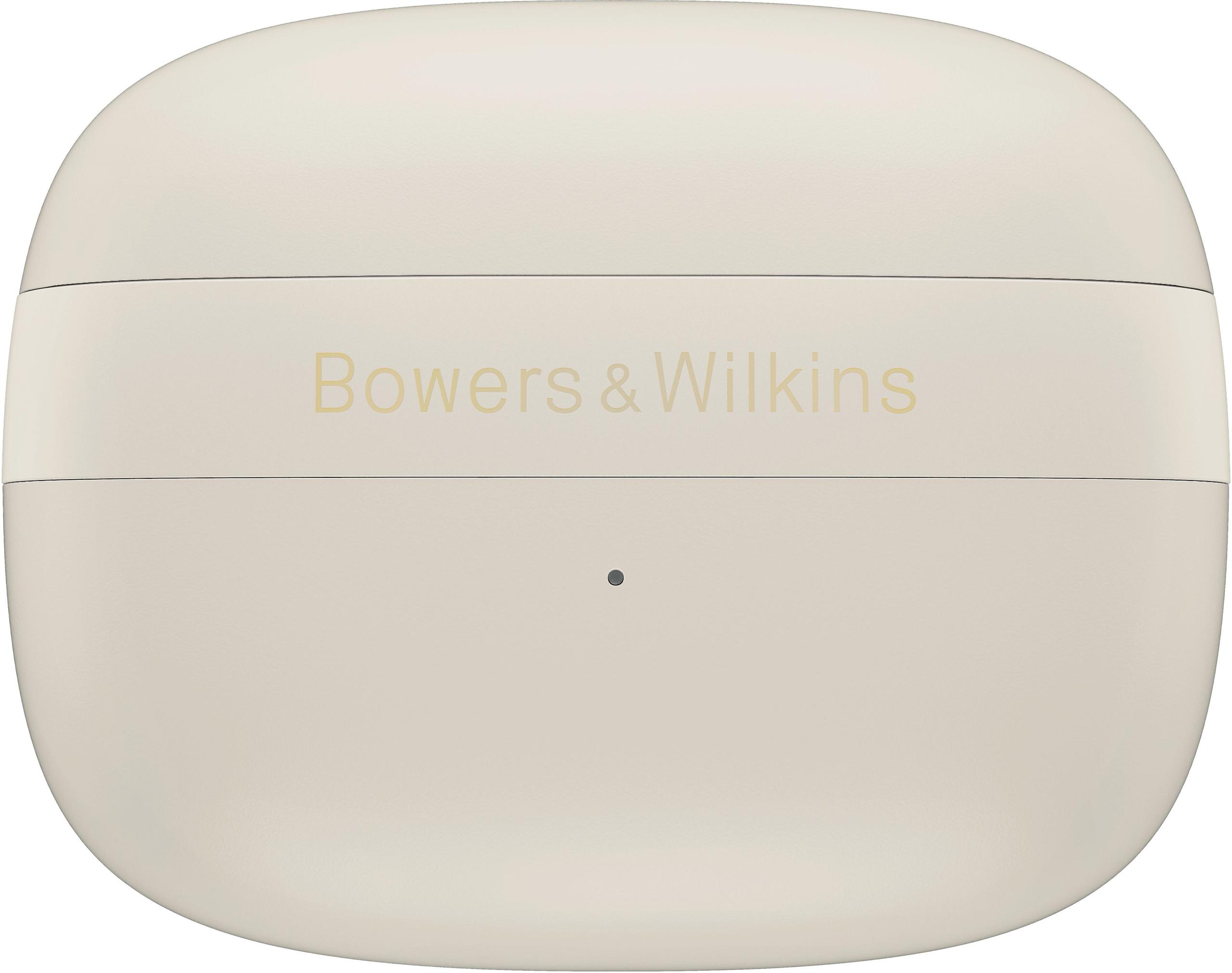
But perhaps the Pi8's most innovative feature is its "wireless retransmission" charging case. This isn't just a battery pack—it's essentially a Bluetooth transmitter that can connect to any audio source and beam the signal wirelessly to your earbuds. Plug it into an airplane's entertainment system, your TV's headphone jack, or any other wired audio source, and suddenly you have wireless earbuds that work with devices that don't have Bluetooth.
To understand why these earbuds sound different, we need to talk about how tiny speakers reproduce music. Every earbud contains a driver—essentially a miniature speaker that converts electrical signals into sound waves. The size, materials, and design of these drivers fundamentally determine what you hear.
The Powerbeats Pro 2 uses what Beats calls a "dual-element dynamic diaphragm transducer." This is engineering speak for a driver system that can handle both deep bass and clear highs without one frequency range interfering with the other. Combined with Apple's H2 chip (the same processor in the AirPods Pro 2), this system can perform real-time audio processing that adapts the sound based on how the earbuds fit in your ears.
Our research into user and expert reviews consistently shows the Powerbeats Pro 2 delivers what reviewers describe as "energetic" and "motivating" sound. The frequency response is deliberately tuned to emphasize bass and treble—the frequencies that make music feel more exciting during workouts. This isn't neutral sound reproduction, but it's intentionally designed for its target use case.
The Pi8 takes the opposite approach. Those 12mm carbon cone drivers are tuned for accuracy rather than excitement. Expert reviews consistently praise the Pi8's ability to reveal details in music that other earbuds miss. The soundstage (how wide and three-dimensional the music sounds) is notably larger, and instrument separation (how clearly you can distinguish individual instruments in complex music) is superior.
The quality of wireless audio depends heavily on audio codecs—the digital compression formats that squeeze high-quality audio through Bluetooth's limited bandwidth. This is where the philosophical differences become technical specifications.
The Powerbeats Pro 2 supports AAC and SBC codecs, which work seamlessly with Apple devices and provide good quality for most listeners. However, it doesn't support the higher-quality aptX codecs that can deliver near-CD quality over Bluetooth.
The Pi8 supports the full range of high-quality codecs, including aptX Lossless, which can theoretically transmit CD-quality audio wirelessly. In practice, this means if you're streaming high-resolution music from services like Tidal or Qobuz on an Android device, the Pi8 can take advantage of that extra quality while the Powerbeats Pro 2 cannot.
Based on our evaluation of expert reviews, the audio quality difference is significant. The Pi8 consistently receives praise for its "breathtaking detail and refinement" and "maturity and sophistication you don't get from entry-level and mid-price earbuds." The Powerbeats Pro 2 is praised for its engaging, workout-friendly sound, but doesn't match the Pi8's technical precision.
Active Noise Cancellation works by using external microphones to detect ambient noise, then generating "anti-noise" sound waves that cancel out the unwanted sounds. The effectiveness depends on the number and placement of microphones, the quality of the processing algorithms, and how well the earbuds seal in your ears.
The Powerbeats Pro 2 introduces ANC to the Powerbeats line for the first time, with an adaptive system that updates 200 times per second. This is particularly impressive given the ear-hook design, which traditionally makes creating a good seal more challenging. Reviews suggest it's effective against steady sounds like airplane engines or gym air conditioning, though the open design means some environmental noise still gets through—which is actually beneficial for outdoor workouts where you need to hear traffic and other safety cues.
The Pi8 uses three microphones per earbud and offers more sophisticated noise cancellation tuned for quiet listening environments. The traditional in-ear design creates a better seal, making the ANC more effective for pure isolation. However, this makes them less suitable for outdoor activities where situational awareness is important.
For home theater use, the Pi8's superior ANC becomes a significant advantage. Combined with the retransmission case, you can connect directly to your TV and enjoy movie soundtracks with minimal external distraction—something the Powerbeats Pro 2 can't match.
Battery performance often determines real-world usability more than any other specification. This is where the Powerbeats Pro 2 demonstrates clear superiority.
The Powerbeats Pro 2 delivers up to 10 hours of continuous playback per charge (8 hours with ANC enabled), with the charging case providing an additional 35 hours. This means you can go several days without needing to charge the case—crucial for frequent travelers or people who forget to charge their devices regularly. The "Fast Fuel" charging system provides 1.5 hours of playback from just a 5-minute charge, which has saved countless workouts when someone realizes their earbuds are dead just before heading to the gym.
The Pi8 provides 6.5 hours per charge with ANC enabled and 20 hours total with the case. While respectable, this is nearly half the Powerbeats Pro 2's total battery life. For casual listening sessions, this is perfectly adequate, but for all-day use or travel, the difference becomes significant.
The battery life difference reflects each product's intended use case. Workout earbuds need to survive long gym sessions, outdoor runs, and forgetful charging habits. Audiophile earbuds are typically used for focused listening sessions where running out of battery is less catastrophic.
The physical design differences between these earbuds reflect their intended lifestyles. The Powerbeats Pro 2 prioritizes security and sweat resistance, while the Pi8 focuses on long-term listening comfort and premium materials.
The Powerbeats Pro 2's ear-hook design provides what users consistently describe as "virtually impossible to shake loose" security. The IPX4 rating means they can handle sweat, rain, and accidental splashes. The redesigned hooks are 20% lighter than the previous generation and use that shape-memory alloy that maintains flexibility while providing consistent fit pressure.
The Pi8 uses a traditional in-ear design with premium materials and an IP54 rating that adds dust resistance to the water protection. However, the rating is designed for light rain and dust, not the intense sweat and movement of athletic activities.
For extended listening sessions in quiet environments, the Pi8's traditional design often feels more comfortable. But for any kind of movement—walking, commuting, or especially exercising—the Powerbeats Pro 2's secure fit becomes a crucial advantage.
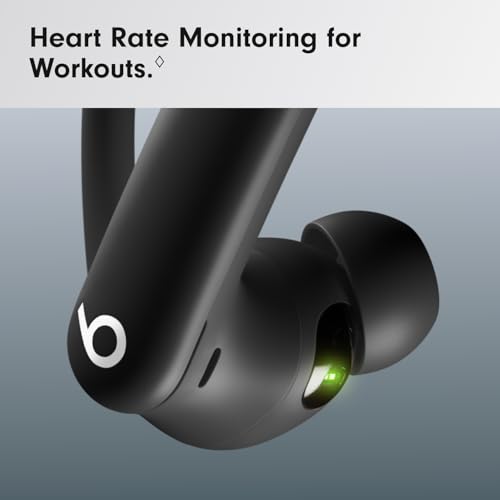
The Powerbeats Pro 2's most innovative feature is built-in heart-rate monitoring. Optical sensors in each earbud use LED technology to measure blood flow over 100 times per second, providing real-time heart-rate data during workouts. This data integrates with fitness apps to track calories burned across more than 50 different activities.
While fitness trackers have offered heart-rate monitoring for years, having it built into your earbuds eliminates the need for additional devices and provides more convenient access to this data during workouts. The sensors are accurate enough for general fitness tracking, though they're not intended to replace medical-grade heart monitors.
The Apple H2 chip integration provides seamless device switching, spatial audio with dynamic head tracking, and ultra-low latency connection with Apple Vision Pro. For Apple ecosystem users, these features work transparently and enhance the overall experience significantly.
The Pi8's retransmission case represents genuine innovation in the wireless audio space. By essentially turning the case into a Bluetooth transmitter, B&W solved a real problem many users face: wanting to use premium wireless earbuds with devices that don't have Bluetooth.
This feature shines in home theater applications. Connect the case to your TV's headphone output, and you can enjoy late-night movie watching with audiophile-quality sound without disturbing others. The aptX Adaptive codec support means you're getting near-lossless audio quality even through this wireless connection.
The multipoint connectivity allows simultaneous connection to two devices, so you can seamlessly switch between your phone and laptop without manual pairing. Combined with the 5-band customizable EQ in the B&W app, this provides the kind of sophisticated control that audio enthusiasts expect from premium equipment.
At the time of writing, both products command premium pricing, but they deliver value in different ways. The Powerbeats Pro 2 offers exceptional battery life, innovative fitness features, and reliable performance at a price point that's competitive with other premium options. You're paying for engineering that solves real problems for active users: secure fit, sweat resistance, long battery life, and integrated fitness tracking.
The Pi8 costs significantly more but delivers audiophile-grade sound quality and sophisticated features like the retransmission case. You're paying for the same driver technology found in much more expensive headphones, premium materials, and engineering that prioritizes sound quality above all else.
The value equation depends entirely on your priorities. If you'll use the fitness features, need the superior battery life, or prioritize active lifestyle compatibility, the Powerbeats Pro 2 delivers exceptional value. If sound quality is your primary concern, you use multiple devices regularly, or you want home theater integration, the Pi8 justifies its premium pricing.
For home entertainment, the Pi8 offers compelling advantages. The retransmission case connects directly to TV headphone outputs, providing high-quality wireless audio without the lag issues that sometimes plague Bluetooth TV connections. The superior sound quality and larger soundstage make movie soundtracks and dialog more engaging.
The Powerbeats Pro 2 can certainly be used for home entertainment, and the spatial audio features work well with Apple TV content. However, the workout-tuned sound signature isn't optimal for movie dialog and subtle soundtrack details.
Choose the Beats Powerbeats Pro 2 if your life includes regular exercise, long commutes, or frequent travel. The superior battery life alone makes it worth considering for anyone who uses earbuds extensively throughout the day. The secure fit and sweat resistance mean you won't need separate earbuds for workouts, and the heart-rate monitoring adds genuine value for fitness tracking.
The Powerbeats Pro 2 also makes sense if you're primarily in the Apple ecosystem and want features that work seamlessly across your devices. The H2 chip integration provides a level of convenience and functionality that's difficult to replicate with third-party alternatives.
Choose the Bowers & Wilkins Pi8 if sound quality is your primary concern and you're willing to pay significantly more for measurably better audio reproduction. The carbon cone drivers and sophisticated audio processing deliver sound quality that justifies the premium pricing for serious listeners.
The Pi8 also excels if you need versatile connectivity options, frequently switch between devices, or want to integrate premium wireless audio into a home theater setup. The retransmission case alone provides functionality you simply can't get elsewhere.
These earbuds represent two different peaks in premium audio engineering. The Powerbeats Pro 2 perfects the formula for active lifestyle audio—combining premium sound with practical features that solve real problems for people who live active lives. The Pi8 brings legitimate audiophile technology to the wireless format, with innovations that expand how and where you can use premium earbuds.
Your choice should align with your actual usage patterns rather than aspirational ones. If you exercise regularly, travel frequently, or need all-day battery life, the Powerbeats Pro 2 will serve you better regardless of its slightly lower audio quality. If you primarily listen to music in quiet environments, appreciate technical audio excellence, and want sophisticated connectivity options, the Pi8 delivers an experience that justifies its premium positioning.
Both products succeed brilliantly at what they're designed to do. The key is choosing the one whose strengths match your actual needs rather than being swayed by features you'll rarely use.
| Beats Powerbeats Pro 2 | Bowers & Wilkins Pi8 |
|---|---|
| Driver Technology - The foundation of sound quality | |
| Dual-element dynamic diaphragm with Apple H2 chip processing | 12mm Carbon Cone drivers (same tech as flagship headphones) |
| Sound Signature - Determines what music genres sound best | |
| Energetic, bass-forward tuning optimized for workouts | Neutral, detailed presentation for audiophile accuracy |
| Audio Codecs - Higher quality codecs enable better wireless sound | |
| AAC, SBC (Apple ecosystem optimized) | aptX Lossless, aptX Adaptive, aptX, AAC, SBC |
| Battery Life Per Charge - Critical for daily usability | |
| 10 hours (8 hours with ANC) | 6.5 hours with ANC |
| Total Battery Life with Case - Determines how often you charge | |
| 45 hours (36 hours with ANC) | 20 hours total |
| Design Philosophy - Affects comfort and when you can use them | |
| Over-ear hooks for workout security | Traditional in-ear for discreet comfort |
| Water/Sweat Resistance - Essential for active use | |
| IPX4 (sweat and splash proof for workouts) | IP54 (light dust and water, not workout-rated) |
| Active Noise Cancellation - Blocks external noise for focus | |
| First-time ANC in Powerbeats line, good for gym environments | Three mics per earbud, superior for quiet listening |
| Unique Features - Innovations that justify premium pricing | |
| Built-in heart rate monitoring sensors, Apple ecosystem integration | Wireless retransmission case, multipoint connectivity |
| Best Use Cases - When each product excels | |
| Workouts, long commutes, Apple users, all-day wear | Audiophile listening, home theater, multi-device switching |
| Charging Options - Convenience factors | |
| Wireless charging, Fast Fuel (1.5hrs from 5min charge) | Wireless charging, 15min charge = 2hrs playback |
| Target User - Who should consider each product | |
| Active lifestyle, fitness tracking, battery life priority | Sound quality priority, home entertainment integration |
The Bowers & Wilkins Pi8 delivers superior sound quality with its 12mm carbon cone drivers that provide exceptional detail, clarity, and instrument separation. The Beats Powerbeats Pro 2 offers good sound quality with energetic, workout-friendly tuning, but can't match the Pi8's audiophile-grade precision and neutral sound reproduction.
The Beats Powerbeats Pro 2 is specifically designed for workouts with secure ear hooks, IPX4 sweat resistance, and built-in heart rate monitoring. The Bowers & Wilkins Pi8 has traditional in-ear design and IP54 rating that's not suitable for intense exercise or heavy sweating.
The Beats Powerbeats Pro 2 offers significantly longer battery life with 10 hours per charge and 45 hours total with the case. The Bowers & Wilkins Pi8 provides 6.5 hours per charge and 20 hours total - less than half the Powerbeats Pro 2's endurance.
Comfort depends on use case. The Bowers & Wilkins Pi8 offers traditional in-ear comfort for casual listening, while the Beats Powerbeats Pro 2 provides secure ear hook design that stays comfortable during movement but may feel bulkier for stationary listening.
Yes, both the Beats Powerbeats Pro 2 and Bowers & Wilkins Pi8 feature active noise cancellation. The Pi8 offers more effective ANC with three microphones per earbud, while the Powerbeats Pro 2 includes ANC for the first time in the Powerbeats line.
The Beats Powerbeats Pro 2 integrates seamlessly with Apple devices through the H2 chip, offering features like automatic pairing and spatial audio. The Bowers & Wilkins Pi8 works equally well with both platforms and supports high-quality aptX codecs that benefit Android users more than iPhone users.
The Bowers & Wilkins Pi8 excels for home theater with its wireless retransmission case that connects directly to TV audio outputs and superior sound quality for movie dialogue and soundtracks. The Beats Powerbeats Pro 2 can be used for home entertainment but lacks TV connectivity features.
Value depends on priorities. The Beats Powerbeats Pro 2 offers better value for active users with superior battery life, fitness features, and practical design. The Bowers & Wilkins Pi8 provides better value for audio enthusiasts who prioritize sound quality and sophisticated features.
The Bowers & Wilkins Pi8 supports true multipoint connectivity for seamless switching between two paired devices. The Beats Powerbeats Pro 2 offers automatic device switching within the Apple ecosystem but doesn't support simultaneous connections to multiple devices.
Both earbuds offer good call quality, but the Beats Powerbeats Pro 2 includes a voice accelerometer and wind-noise reduction specifically designed for outdoor calls during activities. The Bowers & Wilkins Pi8 provides clear call quality with three microphones per earbud but is optimized for quieter environments.
The Beats Powerbeats Pro 2 offers superior quick charging with Fast Fuel technology providing 1.5 hours of playback from a 5-minute charge. The Bowers & Wilkins Pi8 provides 2 hours of playback from a 15-minute charge, which is good but not as convenient for urgent situations.
Choose the Bowers & Wilkins Pi8 if sound quality is your top priority. Its carbon cone drivers, aptX Lossless codec support, and audiophile tuning deliver significantly better audio reproduction than the Beats Powerbeats Pro 2, making it worth the premium for serious listeners.
We've done our best to create useful and informative comparisons to help you decide what product to buy. Our research uses advanced automated methods to create this comparison and perfection is not possible - please contact us for corrections or questions. These are the sites we've researched in the creation of this article: rtings.com - soundguys.com - soundguys.com - soundguys.com - bestbuy.com - tomsguide.com - techradar.com - youtube.com - slatepad.org - appleinsider.com - cnet.com - techradar.com - apple.com - bestbuy.com - panthertech.fiu.edu - beatsbydre.com - beatsbydre.com - youtube.com - beatsbydre.com - apple.com - gsmarena.com - alexreviewstech.com - techradar.com - bowerswilkins.com - youtube.com - bestbuy.com - whathifi.com - audioholics.com - crutchfield.com - whathifi.com - audio46.com - rtings.com - audioadvice.com - engadget.com - youtube.com - audio46.com - audiograde.uk - youtube.com - techwelike.com - youtube.com - audioadvice.com - soundguys.com - bestbuy.com - bowerswilkins.com - headphones.com - bowerswilkins.com - bowerswilkins.com - audio46.com - youtube.com - shop.womenshealthmag.com - head-fi.org - youtube.com - youtube.com - bowerswilkins.cn - bowerswilkins.com - audio46.com - bowerswilkins.com

Privacy Policy
Terms and Conditions - Affiliate Policy
Home Security
© Copyright 2008-2026.
11816 Inwood Rd #1211, Dallas, TX 75244