

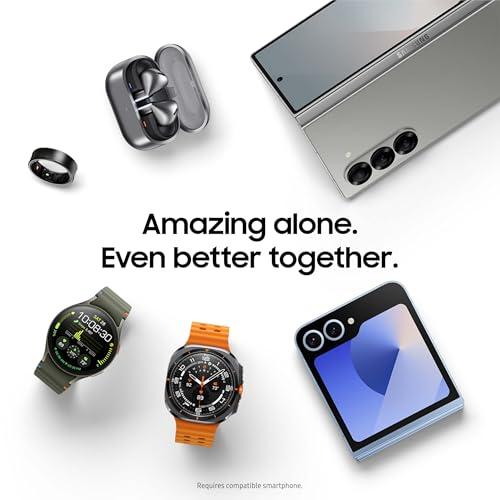





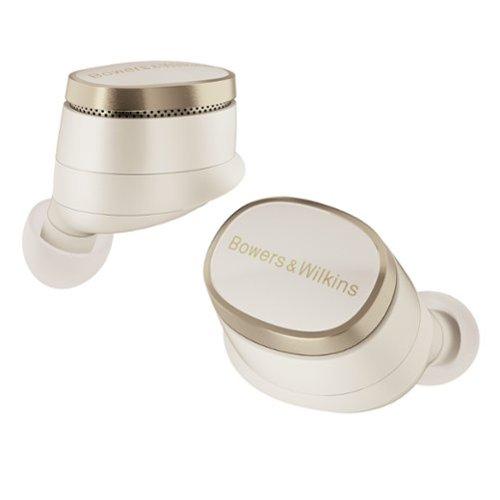



The world of premium true wireless earbuds has become incredibly competitive, with manufacturers pushing the boundaries of what's possible in these tiny audio devices. Two standouts from 2024 represent completely different philosophies: the Samsung Galaxy Buds 3 Pro focuses on smart ecosystem integration and advanced features, while the Bowers & Wilkins Pi8 prioritizes pure audio excellence and innovative connectivity. Both launched in 2024 as flagship products, and at the time of writing, both can be found at significant discounts from their original launch prices, making this an interesting comparison for anyone looking to upgrade their audio experience.
Before diving into the specifics, it's worth understanding what separates premium earbuds from budget alternatives. These aren't just regular earbuds with higher price tags – they incorporate advanced driver technologies, sophisticated digital signal processing, and materials that would have been impossible to fit in earbuds just a few years ago.
The key battlegrounds in premium earbuds include driver quality (the tiny speakers inside), active noise cancellation effectiveness, codec support (how audio data gets transmitted wirelessly), battery life, and unique features that enhance the user experience. Think of it like comparing a basic sedan to a luxury car – both will get you where you're going, but the premium option does it with better comfort, performance, and features.
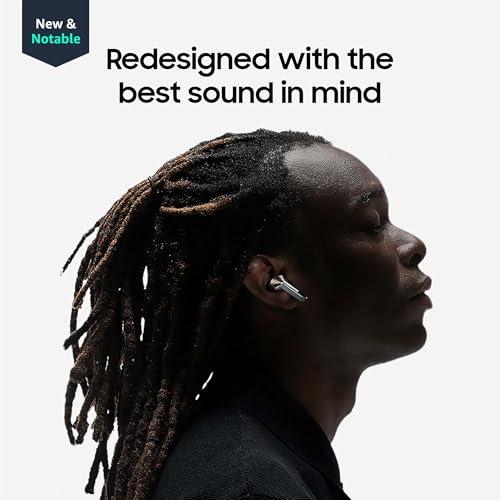
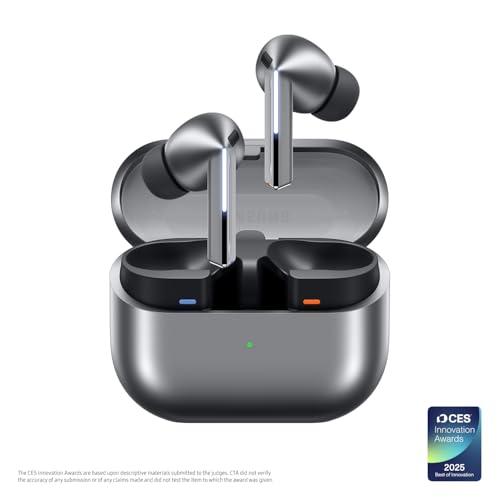
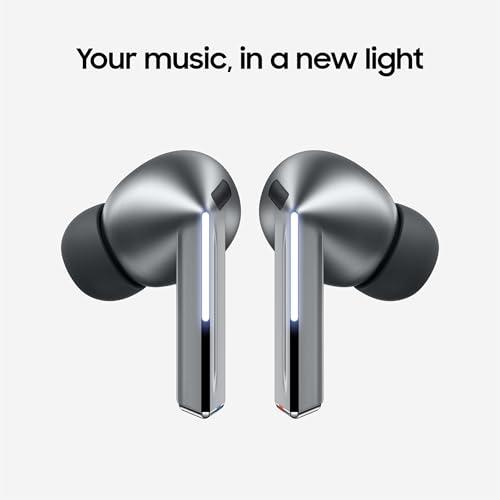
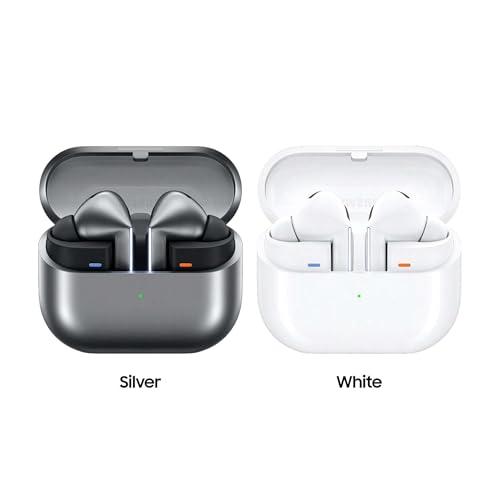
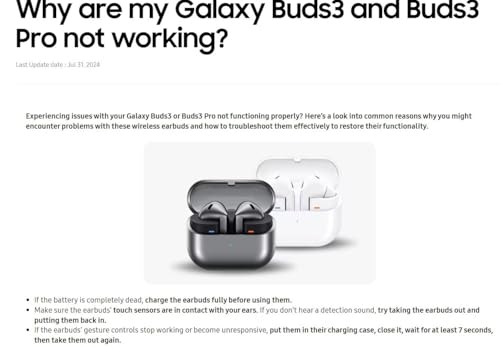
The Samsung Galaxy Buds 3 Pro represents Samsung's shift toward a more mainstream design approach. For the first time, Samsung abandoned their signature bean-shaped form factor in favor of a stem design similar to Apple's AirPods Pro. This wasn't just copying – the stem design allows for better microphone placement, improved touch controls, and space for status lighting that shows connection and battery status.
What's particularly interesting about Samsung's approach is their focus on artificial intelligence integration. These earbuds are designed to adapt to your environment automatically. For example, the AI-powered noise cancellation doesn't just block sound – it actually learns about your listening patterns and adjusts throughout the day. When you start speaking, voice detect technology automatically switches to transparency mode so you can hear conversations. There's even a "siren detect" feature that allows emergency vehicle sounds through while blocking everything else, which is genuinely useful for urban commuters.
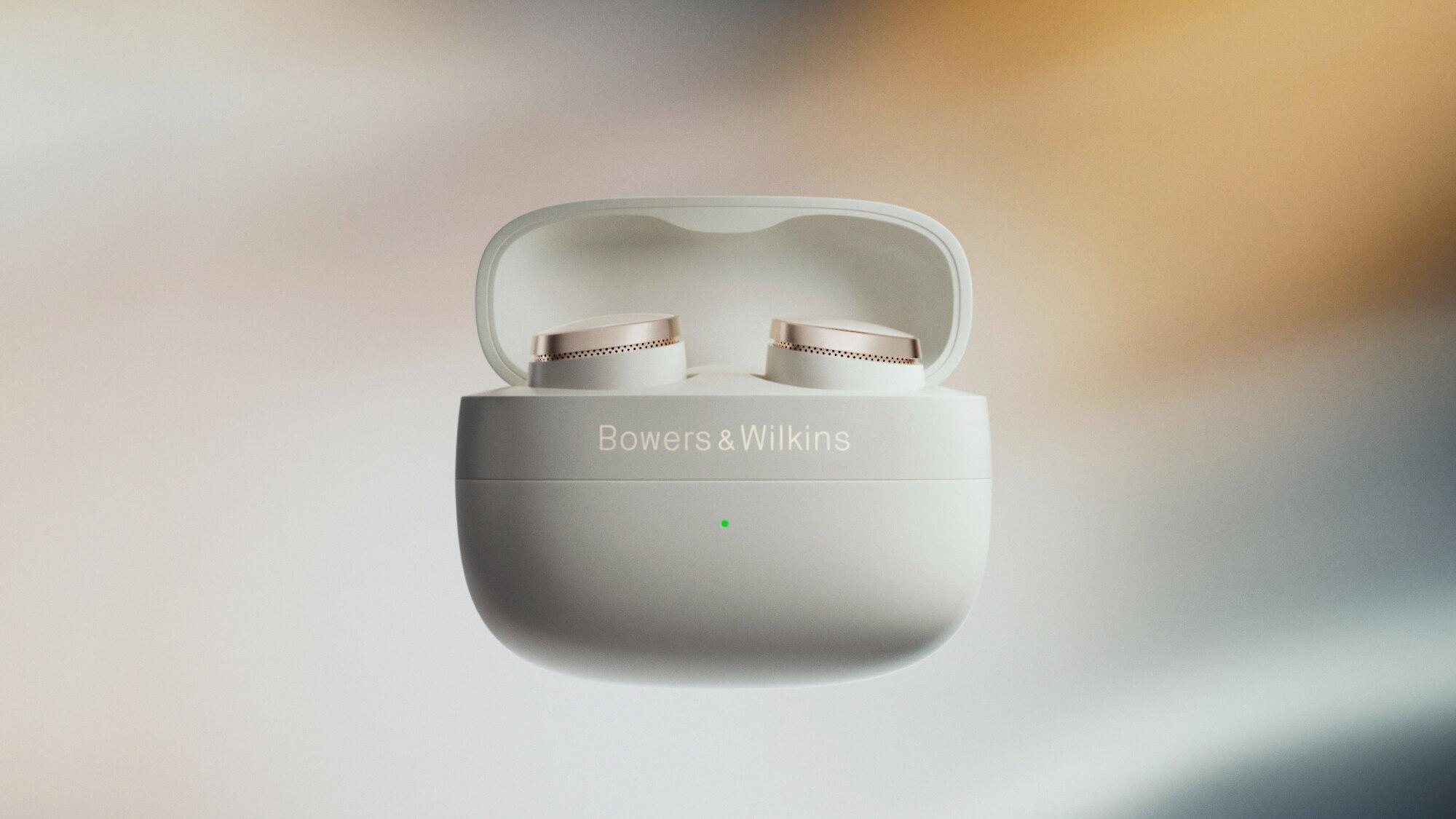
The Bowers & Wilkins Pi8, on the other hand, takes the traditional audiophile approach. B&W is the company that makes studio monitors for Abbey Road Studios – the same place where The Beatles recorded – so they bring serious audio engineering credentials to the wireless earbud space. Their design philosophy centers on delivering the most accurate, detailed sound possible, even if it means sacrificing some of the flashy smart features.
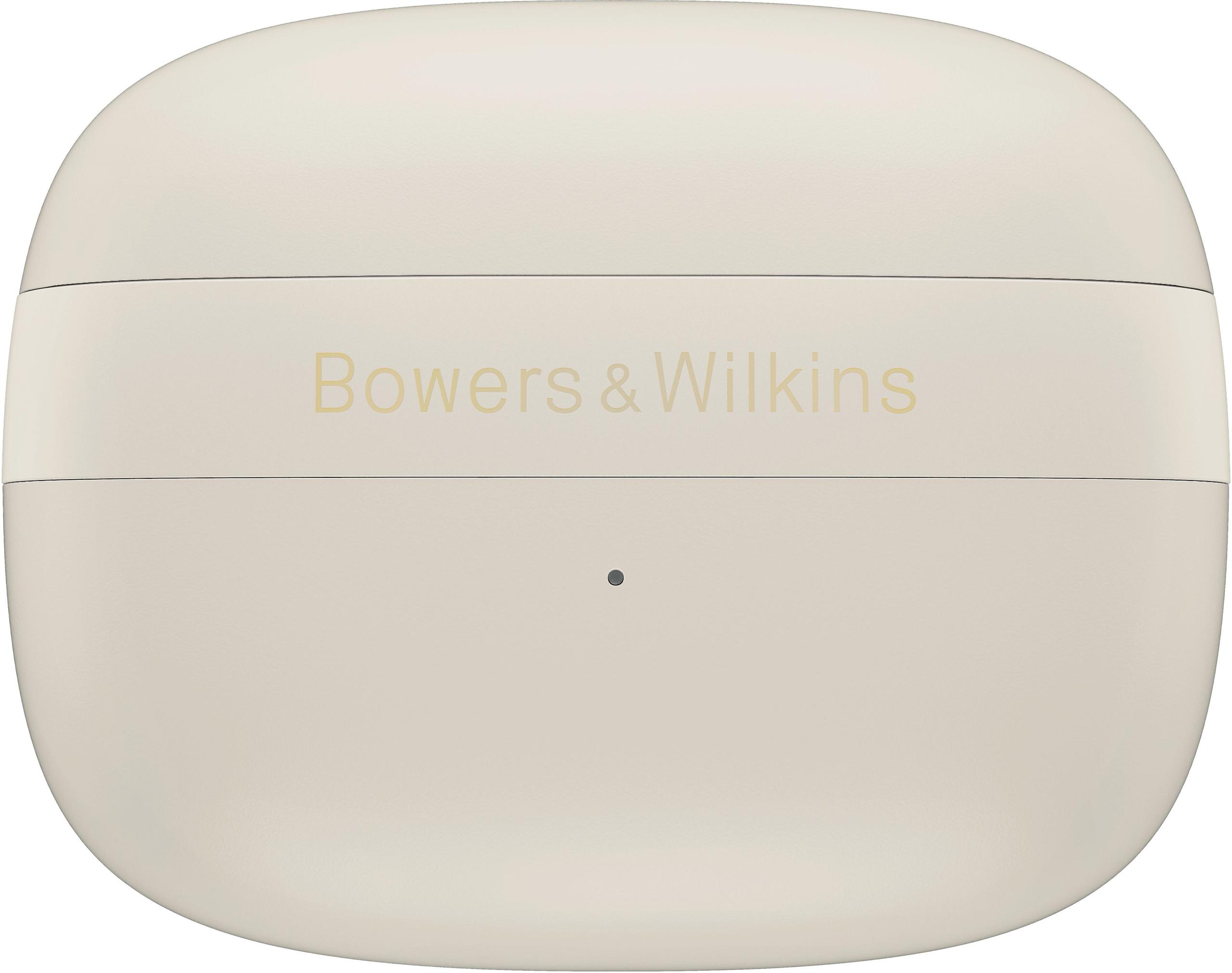
What makes the Pi8 unique isn't just the sound quality, though. The charging case doubles as a wireless audio transmitter, which sounds boring until you realize what it actually does. You can plug the case directly into airplane entertainment systems, TVs, or gym equipment that doesn't have Bluetooth, and it wirelessly transmits high-quality audio to your earbuds. This solves the age-old problem of wanting to use your premium earbuds with devices that don't support wireless audio.
Here's where things get technical, but it's worth understanding because audio quality is often the most important factor for premium earbuds.
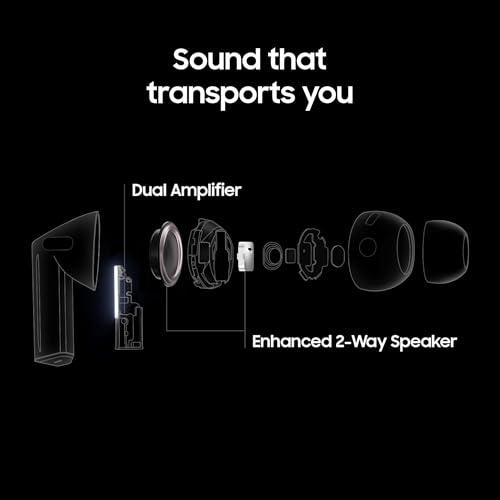
The Samsung Galaxy Buds 3 Pro uses what's called a hybrid driver system – specifically, a 10.5mm dynamic driver combined with a planar magnetic tweeter. Think of this like having a dedicated woofer and tweeter in a home speaker system, but miniaturized. The dynamic driver handles bass and mid-range frequencies, while the planar magnetic tweeter (a more advanced and expensive type of high-frequency driver) handles the crisp highs. This separation means each driver can be optimized for its specific frequency range, reducing distortion and improving overall clarity.
Samsung pairs this with their proprietary "Samsung Seamless Codec," which can transmit 24-bit audio at 96kHz sample rates. To put that in perspective, CD-quality audio is 16-bit/44.1kHz, so this is significantly higher resolution – though this premium codec only works with newer Samsung devices like the Galaxy S23 series or later.
The sound signature of the Galaxy Buds 3 Pro is what audio engineers call "V-shaped" – meaning both the bass and treble are emphasized while the midrange is slightly recessed. This creates an exciting, energetic sound that makes pop, rock, and electronic music feel dynamic and engaging. It's particularly effective for podcasts and video content, where the enhanced clarity in both low and high frequencies makes voices sound more present and music more impactful.
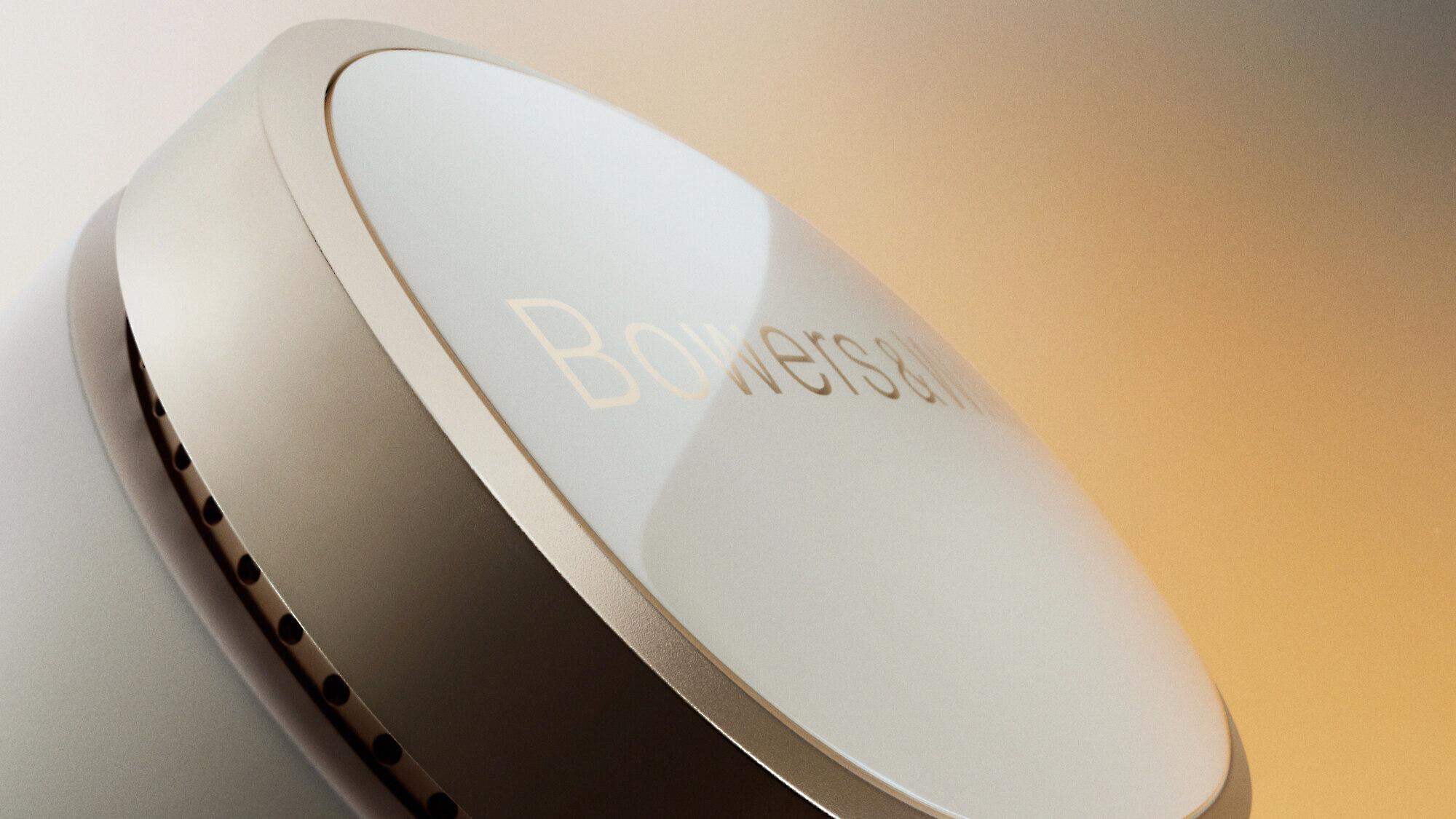
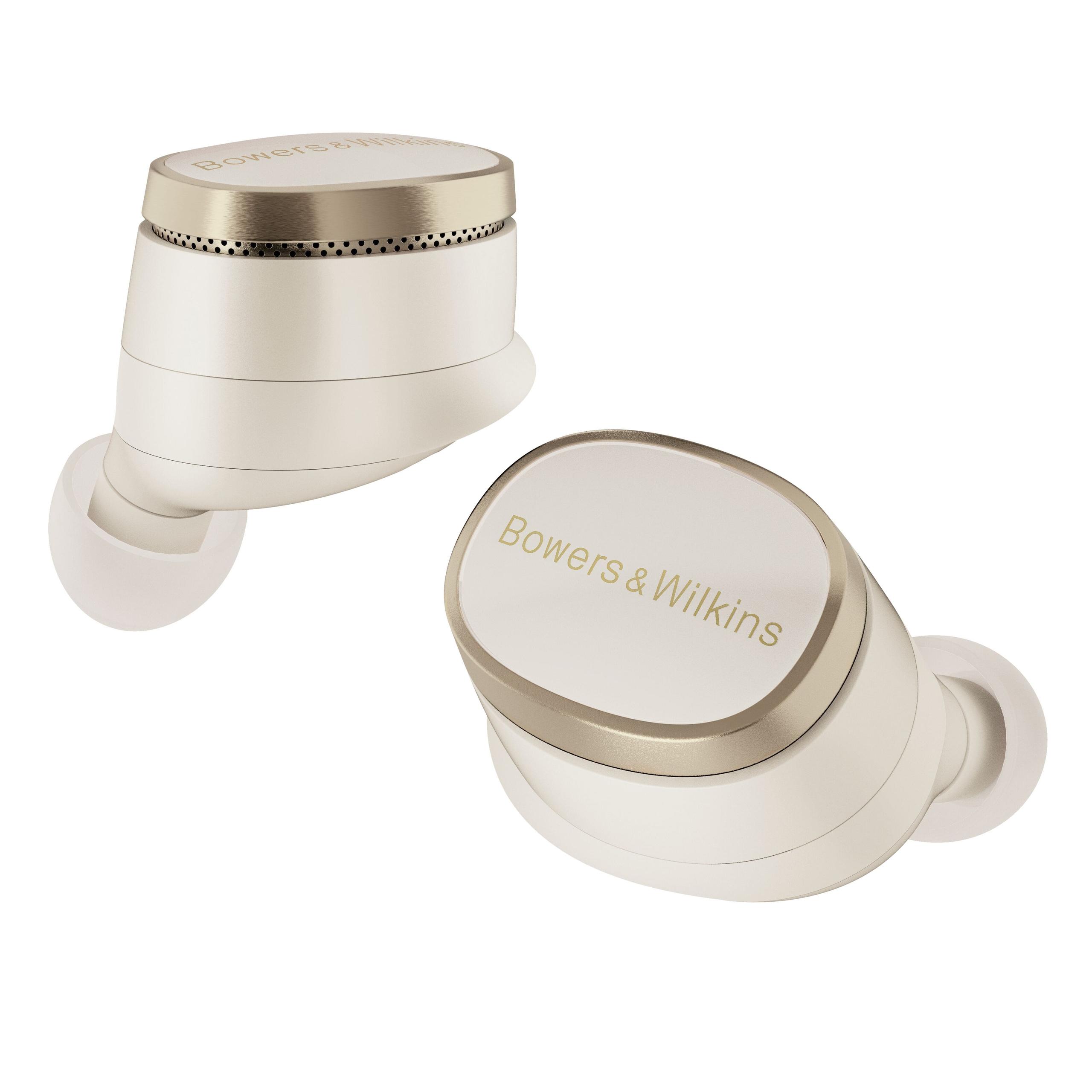
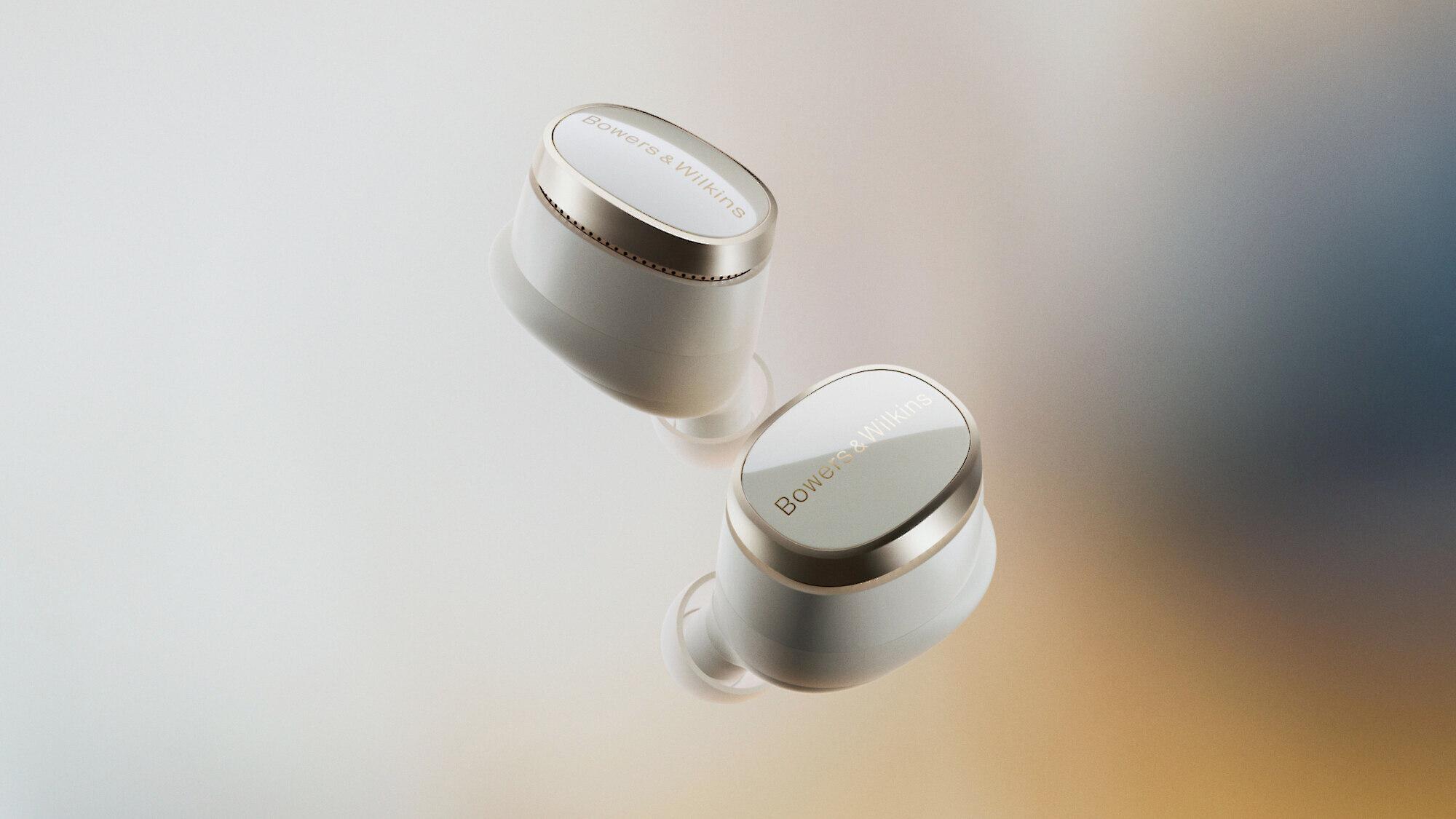
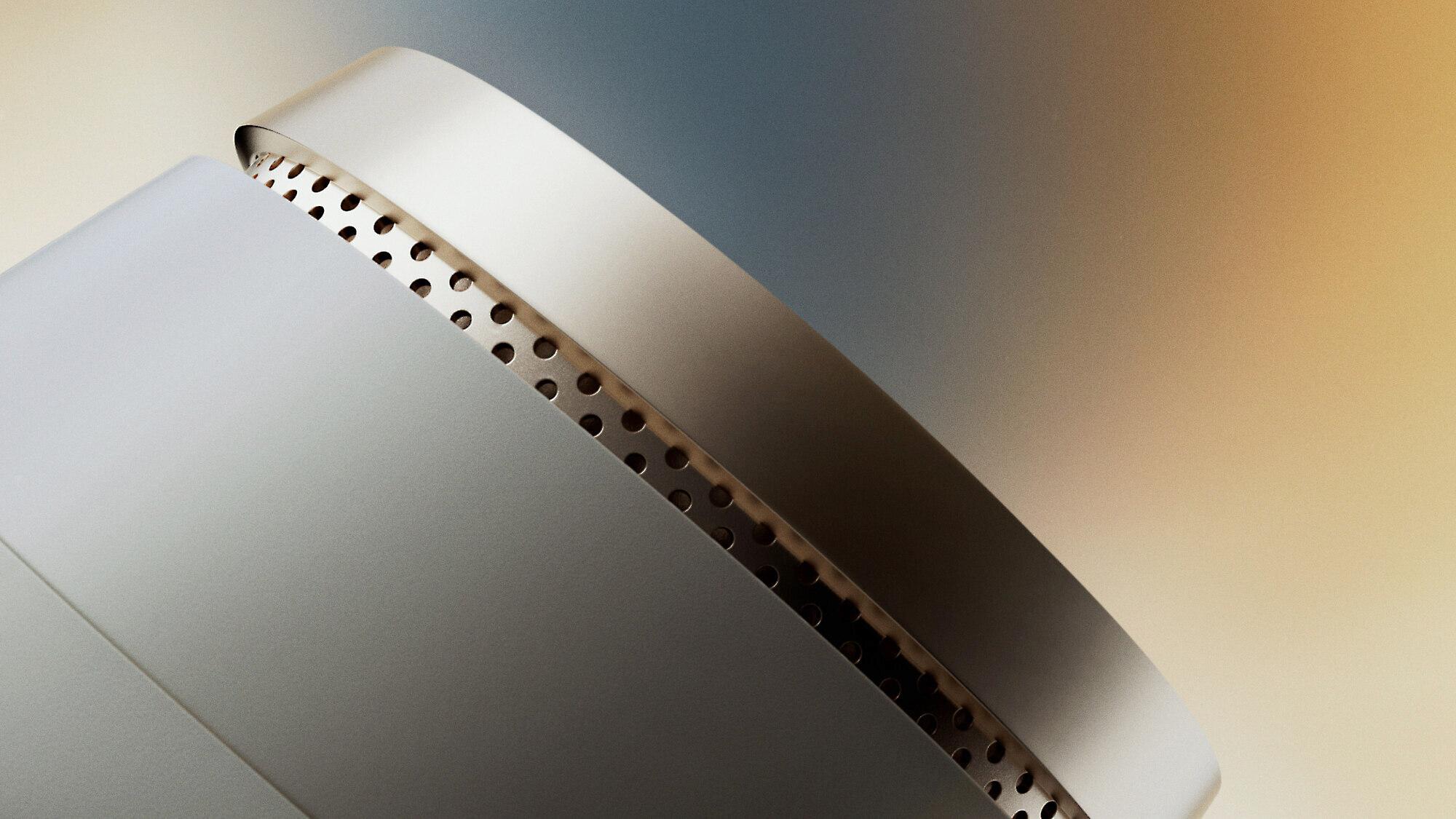
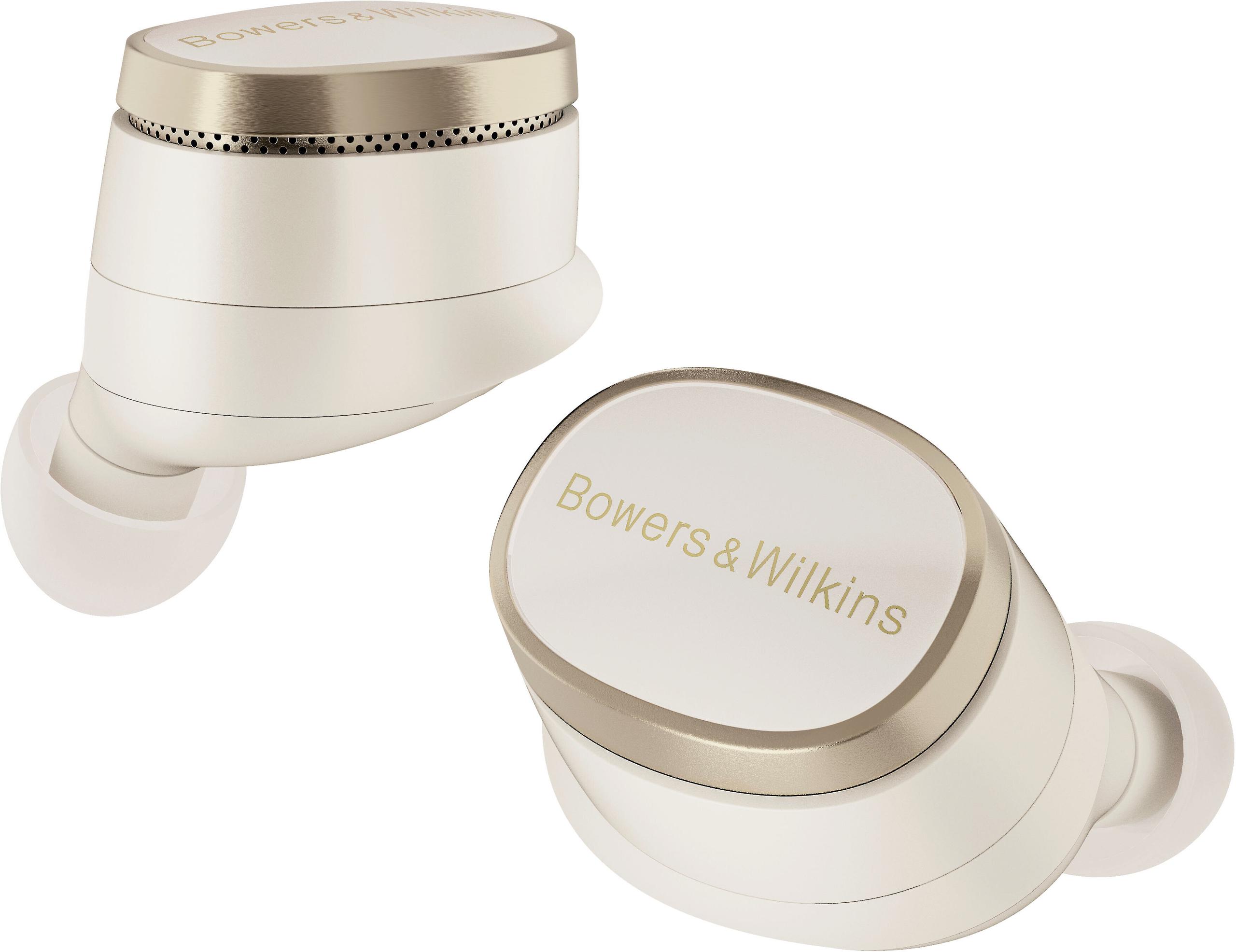
The Bowers & Wilkins Pi8 takes a fundamentally different approach with their 12mm carbon cone drivers. These aren't just bigger drivers – they're actually derived from the same technology B&W uses in their high-end Px8 over-ear headphones. Carbon fiber is an ideal material for audio drivers because it's incredibly rigid (preventing unwanted vibrations) while being lightweight (allowing for quick, accurate movement).
What's remarkable about the Pi8 is their support for aptX Lossless, which can transmit true CD-quality audio wirelessly without any compression. Most Bluetooth codecs compress audio to fit through the wireless connection, but aptX Lossless maintains perfect bit-for-bit accuracy. Combined with their "true 24-bit connection" between the left and right earbuds, this means the audio signal stays pristine from your phone all the way to your ears.
The Pi8's sound signature is much more neutral than the Galaxy Buds 3 Pro, prioritizing accuracy over excitement. This means classical music, jazz, and acoustic recordings sound incredibly natural and detailed, with excellent instrument separation and spatial imaging. You'll hear subtle details in recordings that get lost with more consumer-oriented tuning.
In terms of pure audio performance, our research into professional reviews and user feedback consistently shows the Pi8 delivering superior sound quality for critical listening. However, the Galaxy Buds 3 Pro excels for everyday use, particularly with modern music production and multimedia content.
Active noise cancellation (ANC) works by using microphones to detect outside noise, then generating "anti-noise" sound waves that cancel out the unwanted sound. But the implementation details make a huge difference in real-world performance.
The Samsung Galaxy Buds 3 Pro represents the cutting edge of adaptive ANC technology. Rather than just having an on/off switch, the system continuously monitors your environment and adjusts the level of noise cancellation accordingly. If you're on a quiet street, it might dial back the ANC to save battery and reduce the "pressure" feeling some people experience with strong noise cancellation. When you board a noisy airplane, it automatically increases the cancellation strength.
The AI integration goes beyond just volume adjustment, though. The voice detect feature is genuinely impressive – when the microphones pick up your voice, the earbuds automatically switch to transparency mode so you can have a conversation without removing them. Once you stop talking, they seamlessly return to noise cancellation. There's also environmental sound detection that can identify specific sounds like sirens and allow them through while blocking everything else.
The Bowers & Wilkins Pi8 uses a more traditional but still effective ANC system. It's particularly good at canceling constant sounds like airplane engines, air conditioning, or road noise, but it doesn't attempt the same level of intelligent adaptation as Samsung's system. For pure noise blocking performance, it's solid, but it lacks the smart features that make the Samsung system more convenient for daily use.
Based on the consensus from professional reviews, the Galaxy Buds 3 Pro has a clear advantage in ANC technology, with performance that rivals the industry-leading Apple AirPods Pro 2.
Call quality often gets overlooked in earbud reviews, but it's crucial if you spend time on video calls for work or frequently take phone calls on the go.
The Samsung Galaxy Buds 3 Pro uses six total microphones (three per earbud) combined with something called a Voice Pickup Unit (VPU). The VPU is essentially a bone conduction sensor that can detect when you're speaking by feeling the vibrations in your head, which helps the earbuds distinguish your voice from background noise more effectively than microphones alone.
Samsung also implements "Super-Wideband" call technology, which captures and transmits a wider range of frequencies during phone calls. Most phone calls are limited to a narrow frequency range that makes voices sound tinny and artificial. Super-Wideband captures more of the natural frequency range of human speech, making your voice sound clearer and more natural to the person on the other end.
The Pi8 has adequate call quality with three microphones per earbud, but it's clearly optimized for music playback rather than voice calls. While you can certainly take calls on them, they don't match the Samsung's advanced voice processing capabilities.
For anyone who regularly takes work calls, video meetings, or just wants to sound better during phone conversations, the Galaxy Buds 3 Pro has a significant advantage.
Battery life is one of those specs that looks simple on paper but can be misleading in real-world use. Both earbuds offer similar total listening time when you include the charging case, but the breakdown is different.
The Samsung Galaxy Buds 3 Pro provides 5-7 hours of listening time per charge (depending on volume levels and features used), with the case providing additional charges for a total of 20-26 hours. The variation in reported battery life reflects different testing conditions – using maximum volume with all features enabled will drain the battery faster than moderate volume with ANC off.
The Pi8 offers 6.5 hours per charge with ANC enabled, plus 13.5 additional hours from the case, for a total of 20 hours. The Pi8's slight advantage in single-session battery life makes it better for long flights or extended listening sessions where you can't easily recharge.
Both support fast charging and wireless charging for the case. The Pi8's 15-minute quick charge for 2 hours of playback is particularly convenient, while the Samsung's 5-minute charge for 1 hour is more modest but still useful for emergency situations.
The Samsung Galaxy Buds 3 Pro carries an IP57 rating, which means they're completely protected against dust and can handle being submerged in up to 1 meter of water for 30 minutes. In practical terms, this means you can wear them in the rain, during intense workouts, or even accidentally drop them in shallow water without worry.
The Pi8 has an IP54 rating – protected against dust but only splash-resistant for water. This makes them suitable for light rain or gym use, but you wouldn't want to get them soaked. However, B&W compensates with premium build materials and a more substantial feel that suggests longevity.
At 10.8g per earbud, the Samsung earbuds are noticeably lighter than the Pi8's 14g, which becomes significant during extended wear. The weight difference might seem small, but it's noticeable over several hours of listening.
One area where the Pi8 absolutely excels is home theater use, thanks to its innovative charging case with audio retransmission capability. You can connect the case directly to your TV's headphone jack, optical audio output, or USB-C port, and it wirelessly transmits the audio to your earbuds in high quality.
This solves several common problems: late-night movie watching without disturbing others, poor TV speaker quality, and the common scenario where you want to use quality earbuds with a TV that doesn't support advanced Bluetooth codecs. The case maintains aptX Adaptive quality during transmission, so you're not sacrificing audio quality for convenience.
For home theater enthusiasts, this feature alone might justify the Pi8's higher price. It's genuinely innovative and addresses a real problem that no other mainstream earbud manufacturer has tackled.
The Samsung Galaxy Buds 3 Pro really shines when used with Samsung devices. Features like seamless device switching (automatically connecting to whichever Samsung device you're using), 360 Audio spatial sound, and the advanced Samsung Seamless Codec only work within Samsung's ecosystem.
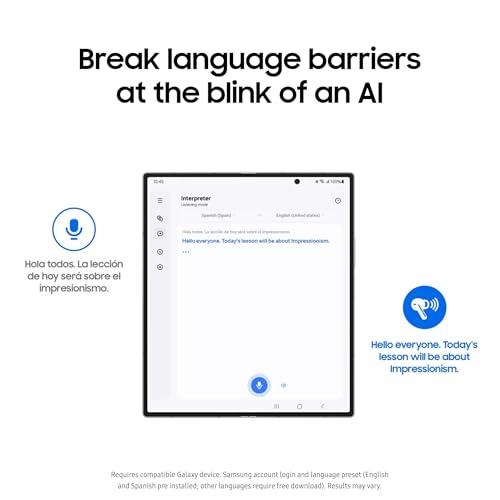
There's also real-time language translation powered by Samsung's Galaxy AI, which can translate conversations in real-time through the earbuds. While not perfect, it's surprisingly useful for travel or international business calls.
The Pi8 takes a more universal approach, with excellent codec support across Android devices regardless of manufacturer. The aptX Lossless support works with any compatible Android phone, giving you high-resolution audio without being locked into a specific brand's ecosystem.
At the time of writing, both earbuds are available at significant discounts from their original launch prices, which changes the value equation considerably.
The Samsung Galaxy Buds 3 Pro represents excellent value for anyone already in Samsung's ecosystem or those who prioritize smart features, call quality, and durability. The combination of AI-powered features, superior water resistance, and excellent call quality makes them practical for daily use beyond just music listening.
The Bowers & Wilkins Pi8 makes more sense for audio enthusiasts who can appreciate the superior sound quality and unique retransmission case functionality. At current pricing (compared to the original launch price), they become much more accessible to serious listeners who previously couldn't justify the premium.
Choose the Samsung Galaxy Buds 3 Pro if you:
Choose the Bowers & Wilkins Pi8 if you:
The reality is that both represent excellent choices at current pricing, just for different users. The Galaxy Buds 3 Pro excel as sophisticated daily drivers with impressive smart features, while the Pi8 serve as serious audio tools for those who prioritize sound quality and connectivity flexibility.
For most users, the Samsung earbuds offer better overall value and practicality. However, if you're an audio enthusiast or someone who needs the unique retransmission case functionality, the Pi8's superior sound quality and innovative features justify the additional investment. The choice ultimately comes down to whether you value convenience and smart features or pure audio performance and connectivity versatility.
| Samsung Galaxy Buds 3 Pro | Bowers & Wilkins Pi8 |
|---|---|
| Driver Technology - Foundation of sound quality and performance | |
| Dual-driver hybrid: 10.5mm dynamic + planar magnetic tweeter | 12mm carbon cone drivers (derived from studio monitors) |
| Sound Signature - Determines how music genres will sound | |
| V-shaped (emphasized bass/treble, energetic for pop/rock) | Neutral/accurate (detailed, natural for classical/jazz) |
| High-Resolution Audio Support - Critical for audiophile listening | |
| Samsung Seamless Codec 24-bit/96kHz (Samsung devices only) | aptX Lossless + aptX Adaptive (universal Android support) |
| Active Noise Cancellation - Essential for commuting and focus | |
| AI-adaptive with Voice/Siren Detect (automatic environment adjustment) | Traditional but effective ANC (good constant noise blocking) |
| Call Quality - Important for work and video meetings | |
| 6 mics + Voice Pickup Unit, Super-Wideband (industry-leading) | 6 mics total (adequate for casual calls) |
| Water Resistance - Determines workout and weather suitability | |
| IP57 (fully waterproof, excellent for exercise) | IP54 (splash-resistant only, limited workout use) |
| Weight Per Earbud - Affects long-term comfort | |
| 10.8g (lighter, better for extended wear) | 14g (heavier but premium materials) |
| Battery Life (Single Charge) - Critical for long listening sessions | |
| 5-7 hours with ANC | 6.5 hours with ANC (slight advantage) |
| Total Battery Life - Important for travel without charging | |
| 20-26 hours with case | 20 hours with case |
| Unique Features - Differentiating capabilities | |
| AI translation, Samsung ecosystem integration, 360 Audio | Wireless audio retransmission case (TV/airplane connectivity) |
| Ecosystem Benefits - Affects feature availability and convenience | |
| Full features require Samsung devices (S23+, Z Fold/Flip 5+) | Universal high-res audio across Android devices |
| Best Use Cases - Who should choose each product | |
| Samsung users, active lifestyles, work calls, smart features | Audiophiles, home theater, travel, multi-device flexibility |
The Bowers & Wilkins Pi8 delivers superior sound quality with 12mm carbon cone drivers derived from studio monitors used at Abbey Road Studios. These provide more detailed, accurate audio reproduction that audiophiles will appreciate. The Samsung Galaxy Buds 3 Pro offers excellent sound with a more consumer-friendly V-shaped signature that makes pop and rock music sound exciting, but the Pi8 wins for pure audio fidelity.
Yes, the Samsung Galaxy Buds 3 Pro unlock their full potential when paired with newer Samsung devices (Galaxy S23 series or later). You get access to the Samsung Seamless Codec for 24-bit audio, adaptive EQ, seamless device switching, and AI-powered features like real-time translation. With non-Samsung devices, you're limited to standard AAC and SBC codecs, while the Bowers & Wilkins Pi8 provides consistent high-resolution audio across all Android devices.
The Samsung Galaxy Buds 3 Pro significantly outperforms the Pi8 for calls. Samsung's earbuds feature six microphones, a Voice Pickup Unit, and Super-Wideband call technology that makes your voice sound clearer and more natural. The Bowers & Wilkins Pi8 has adequate call quality but is optimized for music rather than voice communication.
The Bowers & Wilkins Pi8 excels here with its unique wireless audio retransmission case. You can connect the case directly to your TV's headphone jack, USB-C, or optical output, and it wirelessly transmits high-quality audio to the earbuds. This is perfect for late-night viewing without disturbing others. The Samsung Galaxy Buds 3 Pro can connect to TVs via Bluetooth but lacks this innovative direct connection feature.
The Samsung Galaxy Buds 3 Pro features more advanced AI-powered adaptive noise cancellation that automatically adjusts to your environment. It includes smart features like Voice Detect (automatically switches to transparency when you speak) and Siren Detect (allows emergency sounds through). The Bowers & Wilkins Pi8 has effective traditional ANC but lacks these intelligent adaptations.
The Samsung Galaxy Buds 3 Pro are much better for exercise with their IP57 water resistance rating, meaning they're fully protected against sweat and can handle being submerged in water. They're also lighter at 10.8g per earbud. The Bowers & Wilkins Pi8 has only IP54 rating (splash-resistant) and weighs more at 14g per earbud, making them less suitable for intense workouts.
Both offer similar total battery life around 20 hours with their cases. The Bowers & Wilkins Pi8 provides slightly longer single-session listening at 6.5 hours with ANC, compared to 5-7 hours for the Samsung Galaxy Buds 3 Pro. Both support fast charging, with the Pi8 offering 2 hours of playback from a 15-minute charge.
At current market pricing, the Samsung Galaxy Buds 3 Pro typically offers better overall value, especially for Samsung device users who can access all features. The Bowers & Wilkins Pi8 costs more but justifies the premium with superior audio quality and the innovative retransmission case for users who prioritize sound fidelity and TV connectivity.
The Samsung Galaxy Buds 3 Pro supports seamless switching between Samsung devices on the same account, while the Bowers & Wilkins Pi8 offers traditional multipoint Bluetooth connectivity. Both allow connection to multiple devices, but Samsung's implementation works more smoothly within their ecosystem.
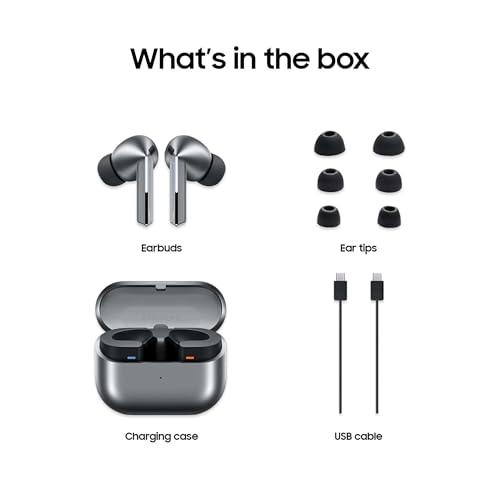
The Samsung Galaxy Buds 3 Pro are more comfortable for extended wear due to their lighter weight (10.8g vs 14g) and three ear tip sizes. However, the Bowers & Wilkins Pi8 includes four ear tip sizes for better fit customization and uses premium materials that some users prefer despite the extra weight.
Yes, both support high-resolution audio but differently. The Samsung Galaxy Buds 3 Pro uses Samsung Seamless Codec for 24-bit/96kHz audio, but only with compatible Samsung devices. The Bowers & Wilkins Pi8 supports aptX Lossless and aptX Adaptive across all compatible Android devices, providing more universal high-resolution audio access.
The Bowers & Wilkins Pi8 is better for users not committed to a specific ecosystem, offering consistent high-resolution audio performance across Android devices and unique features like the retransmission case. The Samsung Galaxy Buds 3 Pro is still capable with non-Samsung devices but loses many premium features, making the Pi8 a more feature-complete choice for brand-agnostic users.
We've done our best to create useful and informative comparisons to help you decide what product to buy. Our research uses advanced automated methods to create this comparison and perfection is not possible - please contact us for corrections or questions. These are the sites we've researched in the creation of this article: techradar.com - soundguys.com - whathifi.com - loudnwireless.com - rtings.com - whathifi.com - youtube.com - youtube.com - soundguys.com - youtube.com - youtube.com - soundguys.com - eu.community.samsung.com - phonearena.com - loudnwireless.com - samsung.com - whatgear.net - samsung.com - devicesupport.three.co.uk - youtube.com - samsung.com - techradar.com - samsung.com - en.wikipedia.org - samsung.com - moneycontrol.com - youtube.com - bestbuy.com - eu.community.samsung.com - techradar.com - bowerswilkins.com - youtube.com - bestbuy.com - whathifi.com - audioholics.com - crutchfield.com - whathifi.com - audio46.com - rtings.com - audioadvice.com - engadget.com - youtube.com - audio46.com - audiograde.uk - youtube.com - techwelike.com - youtube.com - audioadvice.com - soundguys.com - bestbuy.com - bowerswilkins.com - headphones.com - bowerswilkins.com - bowerswilkins.com - audio46.com - youtube.com - shop.womenshealthmag.com - head-fi.org - youtube.com - youtube.com - bowerswilkins.cn - bowerswilkins.com - audio46.com - bowerswilkins.com

Privacy Policy
Terms and Conditions - Affiliate Policy
Home Security
© Copyright 2008-2026.
11816 Inwood Rd #1211, Dallas, TX 75244