






The world of true wireless earbuds has exploded over the past few years, transforming from a novelty into an essential piece of tech for most people. Whether you're commuting, working out, or just trying to escape into your favorite playlist, these tiny audio powerhouses have become our constant companions. But with so many options flooding the market, choosing the right pair can feel overwhelming.
Today, we're diving deep into two earbuds that represent completely different philosophies: the Beats Studio Buds Plus and the Bowers & Wilkins Pi8. One focuses on delivering excellent everyday performance at a reasonable price, while the other pushes the boundaries of what's possible in wireless audio. Understanding which approach suits your needs could save you from buyer's remorse and ensure your music sounds exactly how you want it to.
Before we jump into the specifics, let's talk about what actually matters when you're shopping for premium earbuds. Audio quality is obviously crucial – you want your music to sound clear, detailed, and engaging. But there's more to consider than just raw sound performance.
Active Noise Cancellation (ANC) has become a must-have feature for many users. This technology uses microphones to detect outside noise and creates opposing sound waves to cancel it out, essentially giving you a quieter listening environment. Battery life determines how long you can use your earbuds before needing to charge them, while connectivity features affect how well they work with your devices.
Build quality encompasses everything from water resistance to comfort during long listening sessions. Finally, the value proposition – what you get for your money – ties everything together. The best earbuds aren't always the most expensive ones; they're the ones that best match your specific needs and budget.
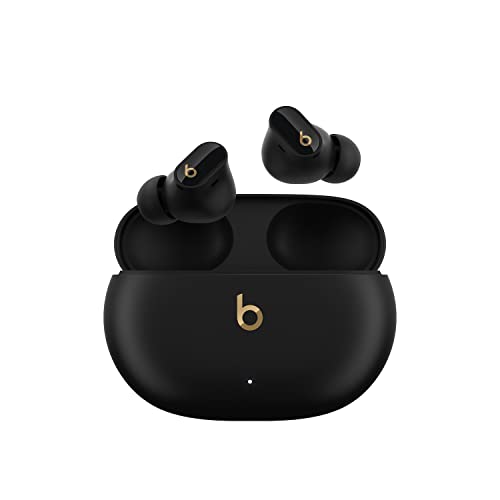
The Beats Studio Buds Plus, released in 2023 as an evolution of the popular original Studio Buds from 2021, represents what happens when a mainstream audio brand focuses on getting the essentials right. At the time of writing, these earbuds sit in the mid-range price category, offering features that used to be exclusive to premium models just a few years ago.
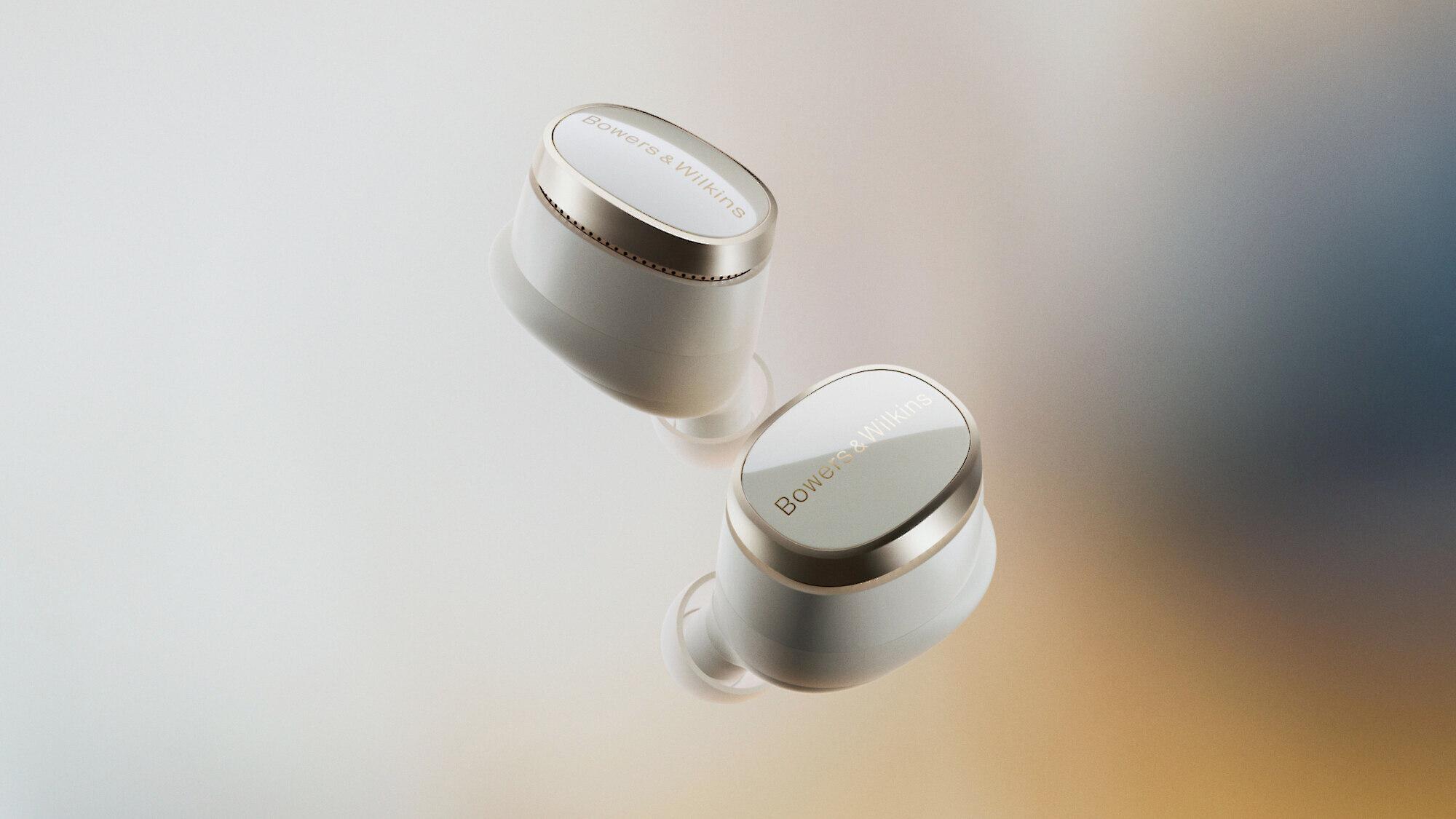
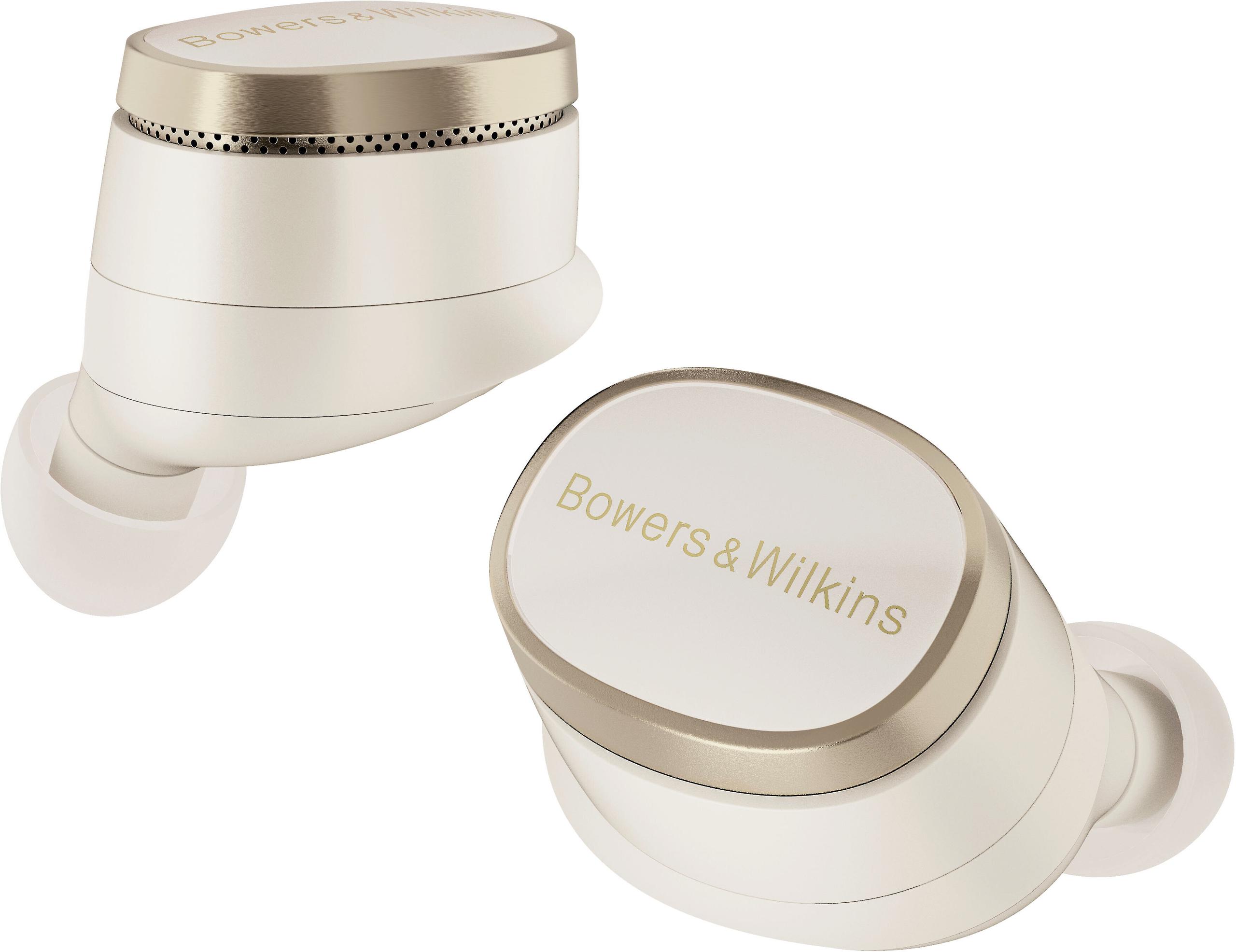
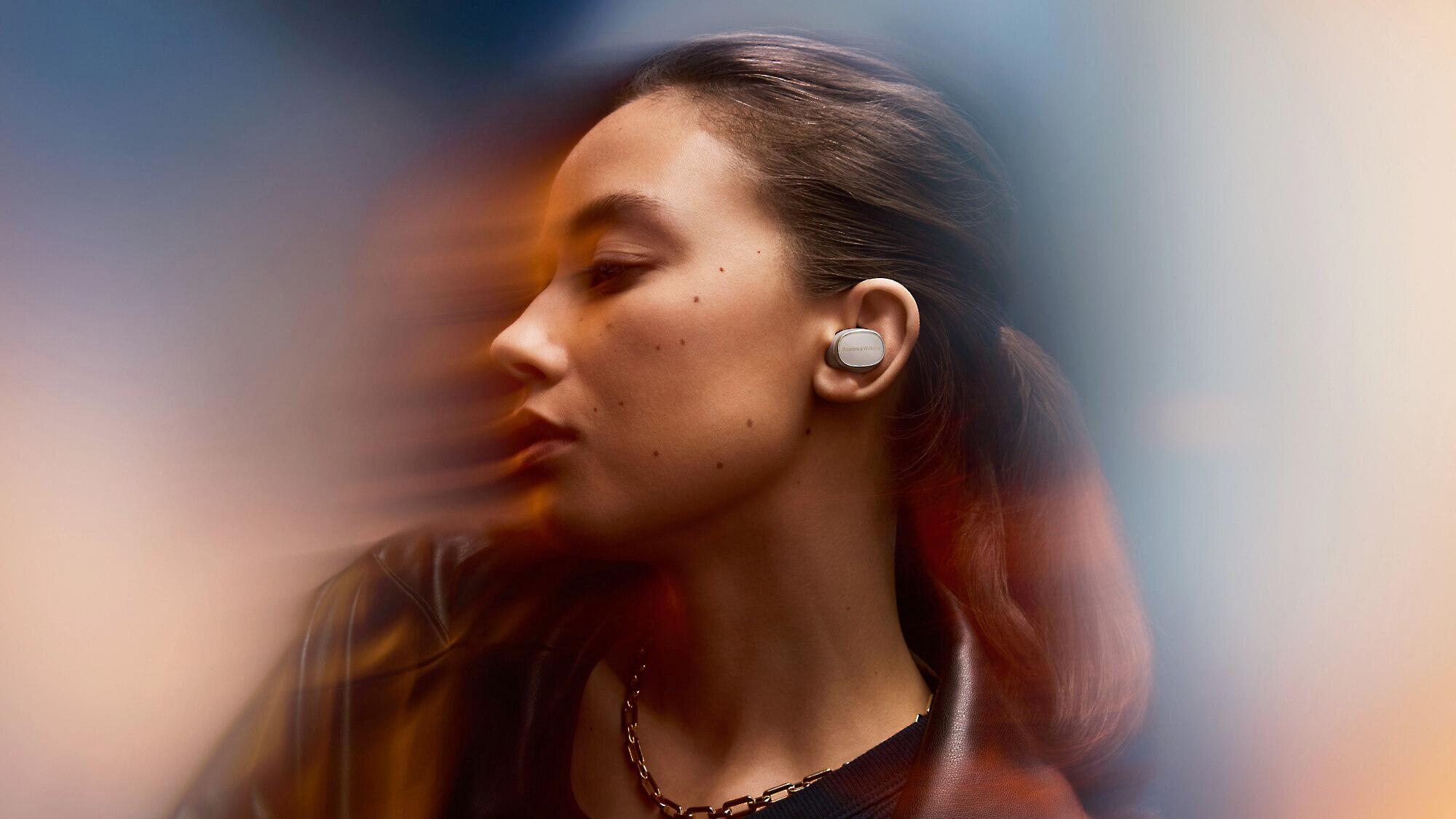
On the other side, we have the Bowers & Wilkins Pi8, launched in August 2024 as the British audio company's flagship true wireless offering. These earbuds command a significantly higher price but promise audiophile-level performance and cutting-edge features that push the envelope of what's possible in such a small package.
The fundamental difference between these two approaches becomes clear when you understand their target audiences. Beats aims for the everyday user who wants reliable performance, great battery life, and seamless integration with their phone. B&W targets the audio enthusiast who prioritizes sound quality above all else and appreciates innovative features that enhance the listening experience.
When it comes to audio performance, the differences between the Pi8 and Studio Buds Plus are immediately apparent to anyone with decent musical taste. The Pi8 features 12mm Carbon Cone drivers – the same advanced technology found in B&W's flagship over-ear headphones. These carbon fiber drivers are both lighter and stiffer than traditional materials, allowing them to respond faster and with less distortion. Think of it like comparing a race car's carbon fiber body to a regular car's steel frame – the carbon version can accelerate and change direction more precisely.
This technical advantage translates into real-world listening benefits. When you're listening to complex orchestral pieces or busy electronic tracks, the Pi8 excels at keeping individual instruments separate and clear. You can hear the subtle details in a guitar's string vibration or the decay of a cymbal crash that might get lost with lesser earbuds. The soundstage – how wide and spacious the music feels – is notably more expansive than what you'd expect from such small drivers.
The Pi8 also supports aptX Lossless, a relatively new Bluetooth codec that can transmit CD-quality audio wirelessly. This is a significant technological achievement that wasn't possible just a few years ago. Most streaming services don't provide lossless audio yet, but if you're using Tidal HiFi, Qobuz, or playing high-resolution files from your phone, you'll hear the difference in clarity and detail.
The Beats Studio Buds Plus, meanwhile, takes a more accessible approach to sound. They feature custom two-layer transducers designed specifically to deliver clean, punchy bass without the muddiness that plagued earlier Beats products. The sound signature is bold and dynamic, with emphasis on the frequencies that make modern hip-hop, pop, and electronic music sound exciting.
However, this tuning comes with trade-offs. The treble can sound harsh or sibilant, particularly with vocal-heavy tracks or if you're sensitive to higher frequencies. There's also no way to adjust the sound through an app – what you hear out of the box is what you get. For many listeners, especially those who primarily stream music from Spotify or Apple Music, this won't be a dealbreaker. The Studio Buds Plus sounds great with the vast majority of contemporary music.
From our research into user experiences and professional reviews, the consensus is clear: the Pi8 delivers more refined, accurate sound reproduction, while the Studio Buds Plus offers a more immediately engaging, consumer-friendly sound signature. Neither approach is inherently better – it depends entirely on your preferences and what kind of music you listen to.
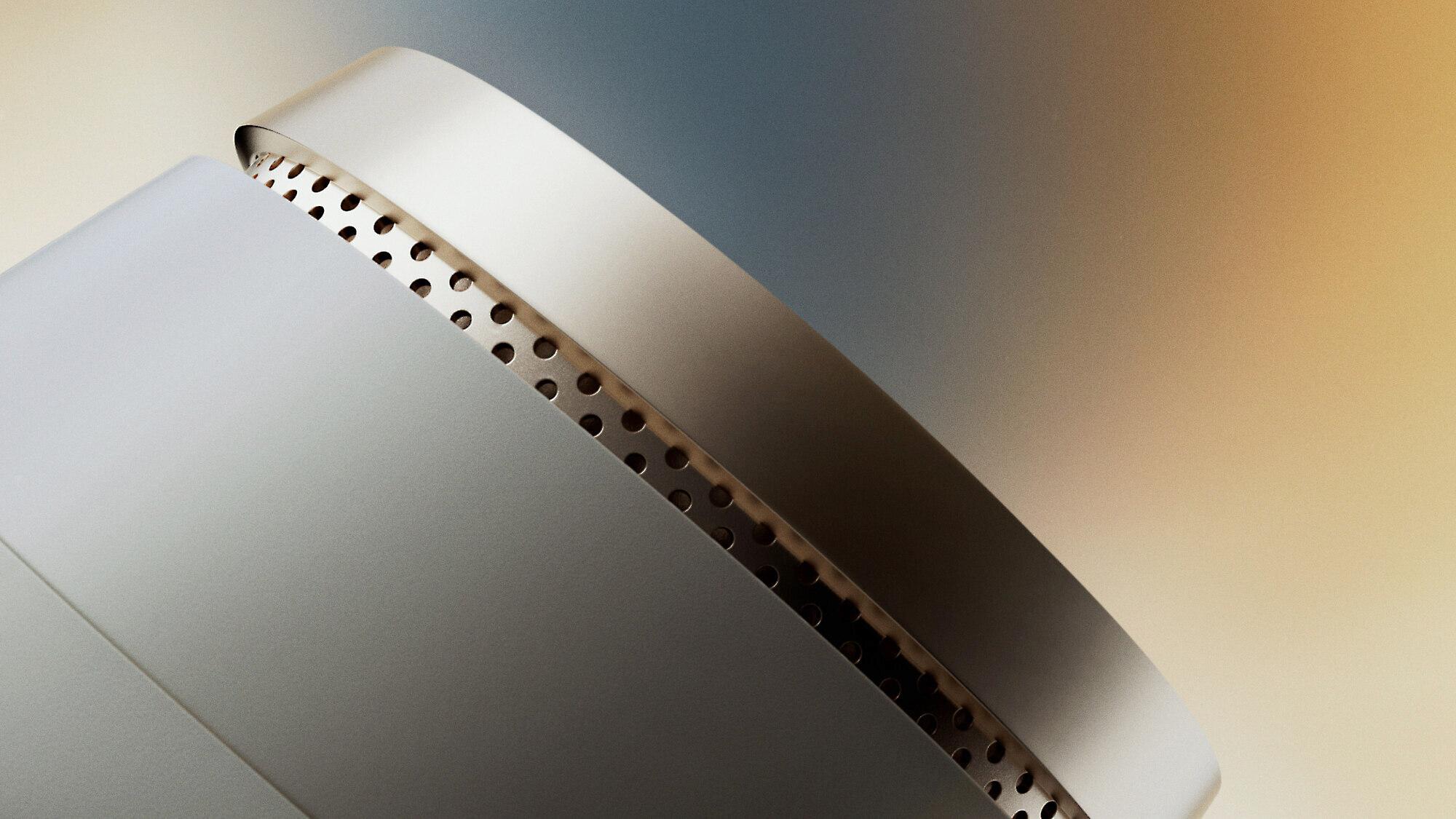
Both earbuds offer active noise cancellation, but their approaches differ significantly. The Pi8 uses an adaptive system with three microphones per earbud that automatically adjusts to your environment. This isn't just marketing speak – the difference is noticeable when you move from a quiet room to a busy street. The earbuds detect the change in ambient noise and modify their cancellation profile accordingly.
What's particularly impressive about B&W's implementation is that they've prioritized maintaining natural sound quality over achieving maximum isolation. Some earbuds create such aggressive noise cancellation that your music sounds artificially processed or "underwater." The Pi8 avoids this by using more sophisticated processing that reduces external noise while preserving the integrity of your audio.
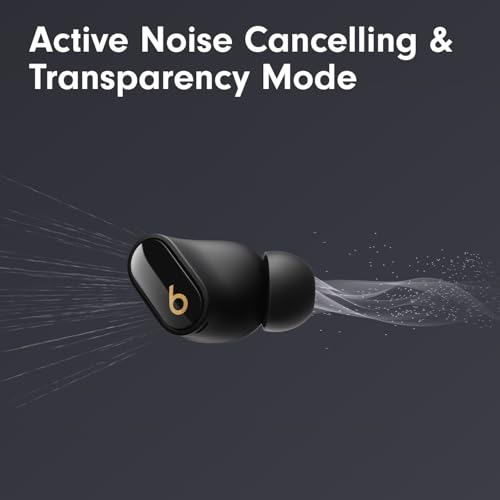
The Beats Studio Buds Plus offers what the company claims is 1.6 times more noise cancellation power than the previous generation, achieved through larger, more sensitive microphones and improved venting design. In practice, this translates to effective noise reduction that handles most common scenarios – airplane engines, office chatter, traffic noise – quite well.
Based on our evaluation of user feedback and professional testing, both earbuds provide serviceable noise cancellation for daily use. The Pi8 edges ahead in sophisticated environments where the noise changes frequently, while the Studio Buds Plus handles consistent background noise effectively. Neither reaches the absolute pinnacle of noise cancellation (that territory belongs to earbuds like the Sony WF-1000XM4 or Bose QuietComfort Earbuds), but both are more than adequate for most users.
For home theater use, noise cancellation becomes less critical since you're presumably in a controlled environment. However, if you live in an apartment with thin walls or have a noisy household, the Pi8's adaptive system might provide a slight edge in maintaining immersion during quiet movie scenes.
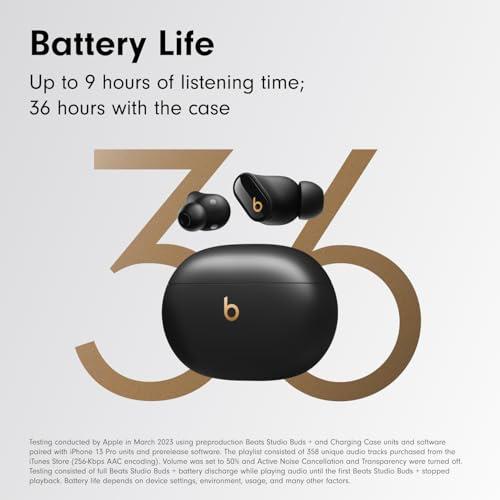
Here's where the Studio Buds Plus absolutely dominates. With up to 9 hours of playback per charge (with ANC off) and a total of 36 hours when including the charging case, these earbuds are built for marathon listening sessions. Even with noise cancellation enabled, you're looking at 6 hours per charge – enough for most workdays or long flights.
The Pi8, by comparison, offers 6.5 hours with ANC enabled and 20 hours total with the case. While this isn't terrible by industry standards, it's a significant step down from the Beats. The trade-off here is likely related to the more power-hungry processing required for the advanced audio features and adaptive noise cancellation.
Both earbuds offer quick charging, but with different approaches. The Studio Buds Plus provides about one hour of playback from a 5-minute charge, while the Pi8 gives you two hours from a 15-minute charge. The Pi8 also includes wireless charging, which adds convenience if you already have a wireless charging pad.
For most users, the Studio Buds Plus wins this category decisively. The ability to go nearly a full day without thinking about charging is invaluable for heavy users. However, if you typically use earbuds for shorter sessions and value the convenience of wireless charging, the Pi8's approach might be sufficient.
This is where the Pi8 really flexes its premium credentials. The earbuds support Bluetooth 5.4 with multipoint connectivity, meaning you can simultaneously connect to your phone and laptop, seamlessly switching between devices as needed. This is incredibly useful for work-from-home situations where you might be taking calls on your phone while listening to music from your computer.
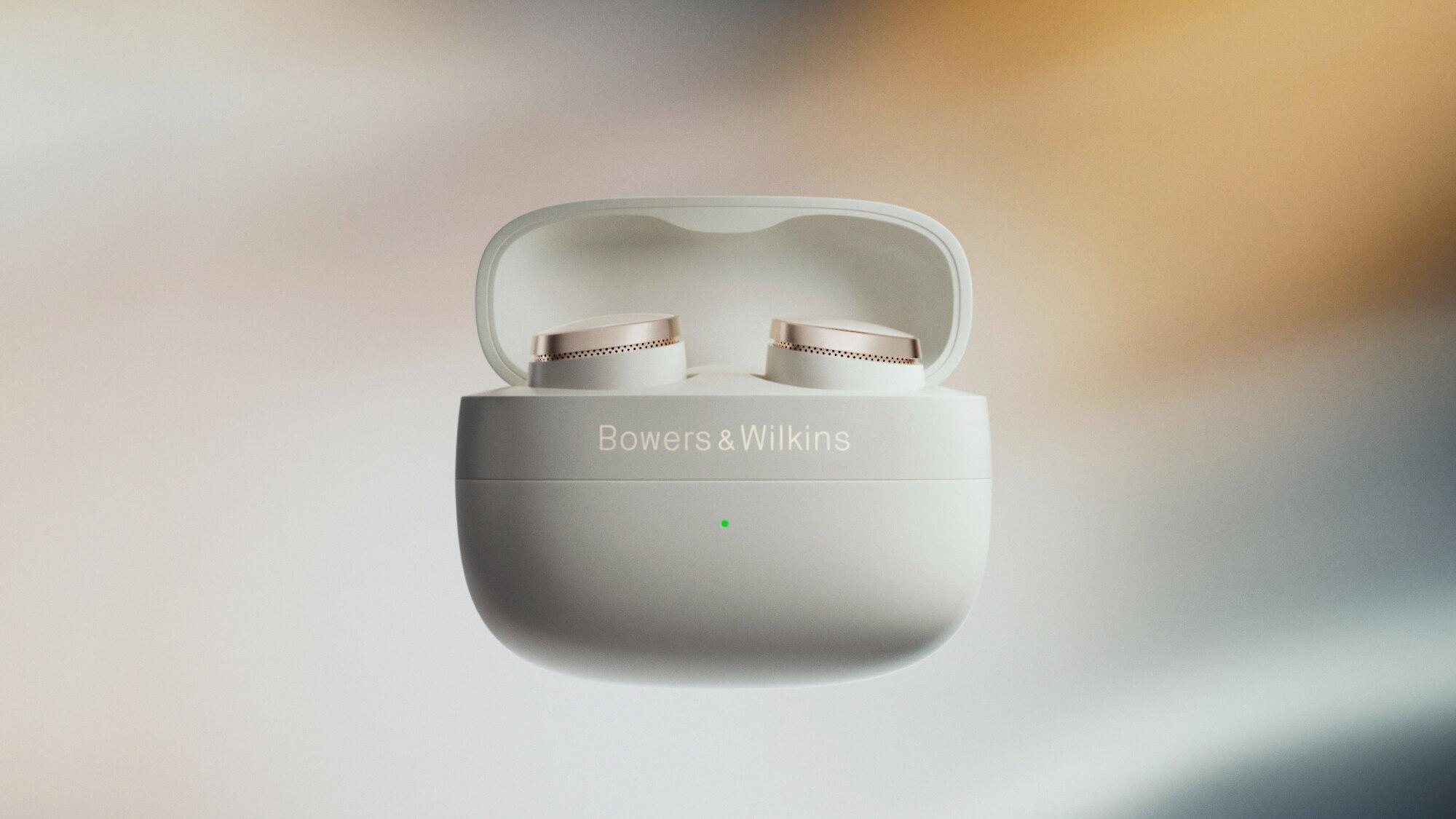
But the real showstopper is the wireless retransmission feature built into the charging case. This innovative technology allows you to connect the case to any audio source – like an airplane entertainment system, old stereo, or gym equipment – using a 3.5mm cable, then wirelessly transmit that audio to your earbuds in high-quality aptX Adaptive. It's like having a universal wireless adapter that can make any wired audio source compatible with your earbuds.
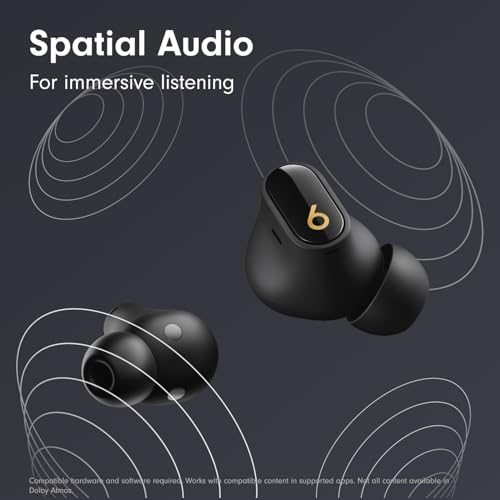
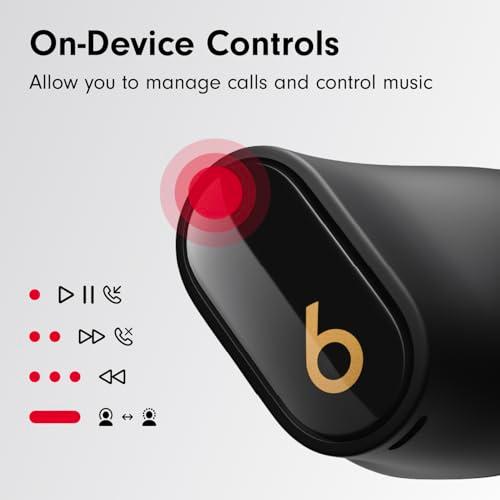
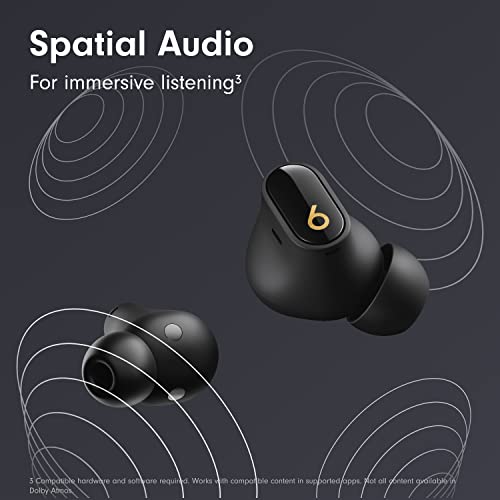
The Studio Buds Plus takes a more straightforward approach, focusing on cross-platform compatibility rather than advanced features. They work equally well with iPhone and Android devices, offering one-touch pairing, automatic device switching (though only between devices signed into the same Apple ID), and hands-free voice assistant support. The integration with Apple's ecosystem is particularly seamless, with features like spatial audio support and Find My compatibility.
For home theater applications, the Pi8's retransmission feature could be genuinely useful if you want to watch TV without disturbing others or if your TV lacks modern Bluetooth support. The Studio Buds Plus would require your TV or streaming device to have built-in Bluetooth, which isn't universal on older equipment.
Both earbuds prioritize comfort, but they approach it differently. The Studio Buds Plus comes with four sizes of silicone ear tips and features an ergonomic design that many users find comfortable for extended wear. The IPX4 rating means they can handle sweat and light rain, making them suitable for workouts and outdoor activities.
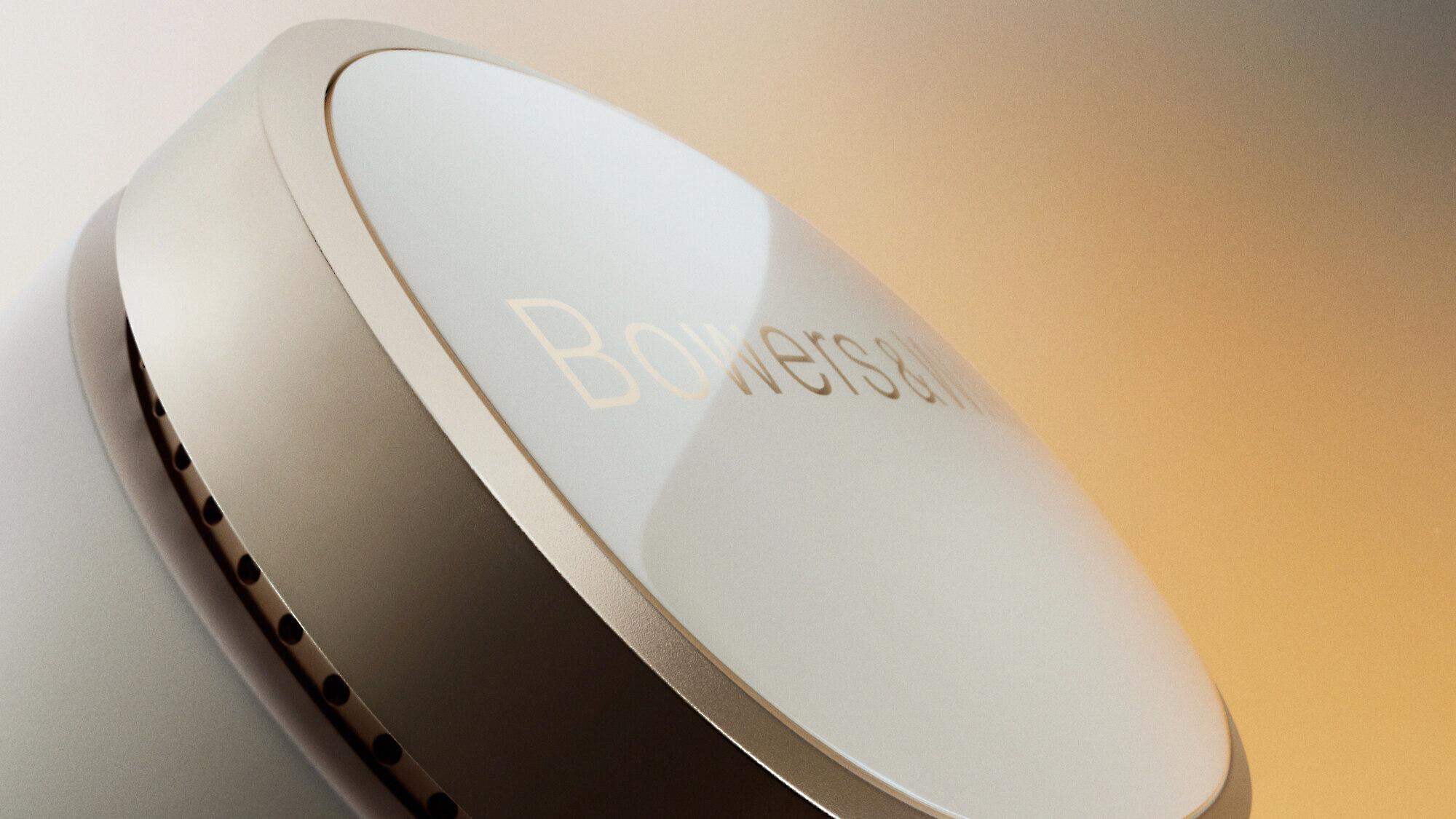
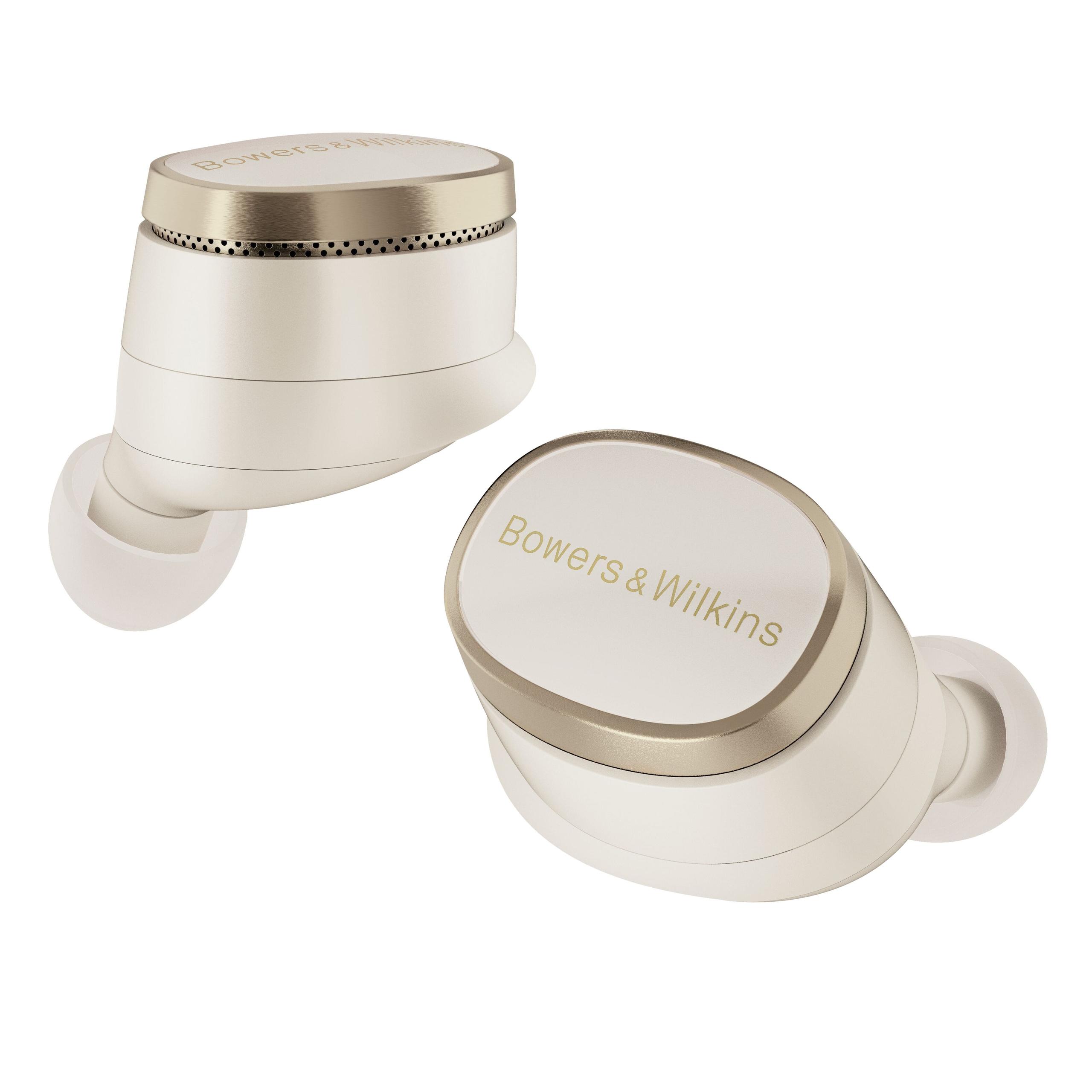
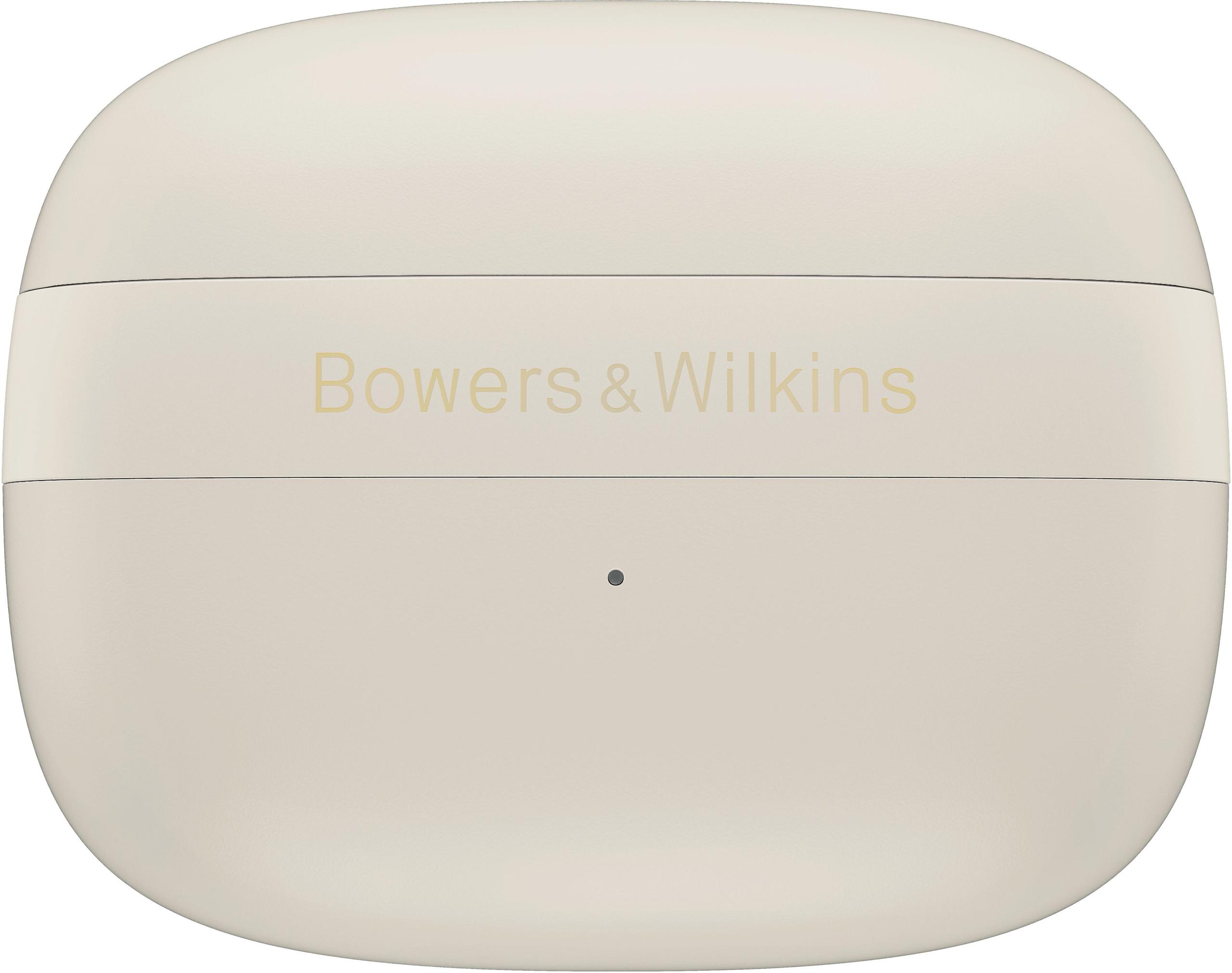
The Pi8 steps up the protection with an IP54 rating, offering better dust resistance in addition to water protection. The build quality feels more premium, with careful attention to materials and finish that reflects the higher price point. The case is also more compact than many competitors, making it easier to carry in a pocket.
Comfort is highly individual, but based on user feedback we've analyzed, both earbuds score well for extended wear. The Studio Buds Plus might have a slight edge for active use due to their secure fit and sweat resistance, while the Pi8 feels more refined for casual listening.
The Pi8, being the newer release, incorporates several technological advances that weren't available when the Studio Buds Plus were developed. The aptX Lossless support represents a significant leap forward in Bluetooth audio quality, while the wireless retransmission feature is genuinely innovative.
These advances matter because they future-proof your investment. As more streaming services begin offering lossless audio and as wireless technology continues to evolve, the Pi8 is better positioned to take advantage of these improvements.
The Studio Buds Plus, while not cutting-edge, represents the refinement of proven technology. Sometimes this approach is preferable – you get reliable, well-understood features that work consistently rather than bleeding-edge technology that might have quirks or compatibility issues.
After analyzing extensive user feedback and professional reviews, certain performance characteristics emerge as most critical for different use cases:
For music listening, audio quality obviously reigns supreme, but the specific type of music matters. The Pi8 excels with jazz, classical, acoustic, and any genre where instrument separation and detail matter. The Studio Buds Plus shines with bass-heavy electronic music, hip-hop, and pop where impact and energy are more important than absolute accuracy.
For calls and video conferences, both earbuds perform well thanks to improved microphone designs, but the Pi8's three-microphone array with advanced processing gives it a slight edge in noisy environments.
Battery life becomes crucial for frequent travelers or all-day users, where the Studio Buds Plus clear advantage of 50% longer battery life can be the deciding factor.
The Beats Studio Buds Plus makes sense for users who prioritize practical daily use over audiophile features. If you primarily listen to mainstream music genres, use standard streaming services, and want earbuds that will last all day without thinking about charging, they're an excellent choice. The seamless Apple integration is a bonus for iPhone users, though Android compatibility is solid too.
These earbuds are particularly well-suited for active lifestyles, commuting, and general daily use where reliability and battery life matter more than absolute audio fidelity. At the time of writing, they offer exceptional value in the mid-range category.
The Bowers & Wilkins Pi8 targets users who consider audio quality their top priority and appreciate innovative features that enhance the listening experience. If you use high-resolution streaming services, listen to acoustically complex music, or frequently find yourself needing to connect to non-Bluetooth audio sources, the premium price becomes justified.
For home theater use, the Pi8 offers more flexibility with its retransmission feature and superior audio processing, though both earbuds can provide an excellent late-night movie watching experience without disturbing others.
Neither of these earbuds is definitively "better" than the other – they excel in different areas and serve different needs. The Studio Buds Plus delivers excellent everyday performance with outstanding battery life at a reasonable price point. The Pi8 pushes the boundaries of wireless audio technology with premium sound quality and innovative features that justify its higher cost for the right user.
Your decision should come down to honest self-assessment: Do you prioritize cutting-edge audio technology and don't mind paying for it, or do you want reliable, long-lasting performance that handles daily use excellently? Both approaches have merit, and both earbuds execute their respective visions very well.
The beauty of the current earbud market is that there are genuinely excellent options across the price spectrum. Whether you choose the practical excellence of the Beats Studio Buds Plus or the technological sophistication of the Bowers & Wilkins Pi8, you're getting a product that would have been unimaginable at any price just a few years ago.
| Beats Studio Buds Plus | Bowers & Wilkins Pi8 |
|---|---|
| Driver Technology - Determines overall sound quality and detail | |
| Custom two-layer transducer for clean bass | 12mm Carbon Cone drivers (flagship tech from Px8 headphones) |
| Bluetooth Codec Support - Affects audio quality from high-res sources | |
| AAC, SBC (standard streaming quality) | aptX Lossless, aptX Adaptive, AAC, SBC (CD-quality wireless) |
| Active Noise Cancellation - Reduces external noise for better focus | |
| 1.6x improved ANC with 3 mics per bud | Adaptive ANC with 3 mics per bud (auto-adjusts to environment) |
| Battery Life Per Charge - How long before needing to recharge | |
| 9 hours (ANC off), 6 hours (ANC on) | 6.5 hours (ANC on) |
| Total Battery Life with Case - Determines all-day usability | |
| 36 hours (ANC off), 30 hours (ANC on) | 20 hours total |
| Charging Options - Convenience and speed of power restoration | |
| USB-C only, 5-min = 1 hour playback | Wireless + USB-C, 15-min = 2 hours playbook |
| Connectivity Features - Multi-device and smart features | |
| Single device, cross-platform compatibility | Bluetooth 5.4 multipoint, wireless retransmission case |
| Water Resistance - Protection during workouts and weather | |
| IPX4 (splash-proof) | IP54 (dust and water resistant) |
| Sound Customization - Ability to adjust audio to preference | |
| No EQ or app customization | 5-band EQ via Bowers & Wilkins Music app |
| Unique Features - Standout capabilities that differentiate products | |
| Seamless Apple integration, hands-free Siri | Retransmission case connects to any audio source wirelessly |
| Target User - Who gets the most value from each product | |
| Everyday users prioritizing battery life and reliability | Audiophiles wanting premium sound and innovative features |
The Bowers & Wilkins Pi8 delivers superior sound quality with its 12mm Carbon Cone drivers and support for aptX Lossless codec, providing CD-quality wireless audio. The Beats Studio Buds Plus offers a more consumer-friendly sound signature with punchy bass and clear vocals, but lacks the detail and refinement of the Pi8.
The Beats Studio Buds Plus significantly outperforms with 9 hours per charge (6 hours with ANC) and 36 hours total with the case. The Bowers & Wilkins Pi8 provides 6.5 hours per charge and 20 hours total with the case. For all-day use, the Beats is the clear winner.
Both earbuds feature three microphones per bud and deliver good call quality. The Bowers & Wilkins Pi8 has a slight edge with more advanced processing and adaptive noise cancellation that better isolates your voice. The Beats Studio Buds Plus performs well for most calling scenarios but may struggle more in very noisy environments.
The Beats Studio Buds Plus offers excellent cross-platform compatibility with seamless integration on both iOS and Android, including hands-free Siri and Google Assistant. The Bowers & Wilkins Pi8 works with both platforms but provides more advanced features like multipoint connectivity for switching between devices.
The Bowers & Wilkins Pi8 features more sophisticated adaptive ANC that automatically adjusts to your environment using three microphones per earbud. The Beats Studio Buds Plus offers improved noise cancellation over previous models but uses a more basic single-mode approach. Both provide adequate noise reduction for daily use.
The Beats Studio Buds Plus is better suited for workouts with its IPX4 splash-proof rating and secure fit designed for active use. The Bowers & Wilkins Pi8 has superior IP54 dust and water resistance but is designed more for premium listening than intense physical activity.
The Bowers & Wilkins Pi8 includes a 5-band customizable EQ through the B&W Music app, allowing you to adjust the sound to your preferences. The Beats Studio Buds Plus offers no sound customization options – you're limited to the default sound profile.
The Bowers & Wilkins Pi8 offers faster quick charging with 15 minutes providing 2 hours of playback, plus convenient wireless charging. The Beats Studio Buds Plus provides 1 hour of playback from a 5-minute charge but only supports USB-C charging without wireless capability.
The Bowers & Wilkins Pi8 supports aptX Lossless for CD-quality wireless streaming from compatible sources like Tidal HiFi. The Beats Studio Buds Plus supports standard AAC and SBC codecs, which work well with most streaming services but don't provide lossless audio quality.
For home theater, the Bowers & Wilkins Pi8 offers a unique advantage with its wireless retransmission case that can connect to any TV or audio source via 3.5mm cable and transmit wirelessly to the earbuds. The Beats Studio Buds Plus requires your TV to have built-in Bluetooth connectivity.
Both the Beats Studio Buds Plus and Bowers & Wilkins Pi8 are designed for comfortable extended wear with multiple ear tip sizes included. The Beats focuses on ergonomic everyday comfort, while the Pi8 emphasizes premium materials and build quality for a more refined feel.
The Beats Studio Buds Plus provides exceptional value with long battery life, reliable performance, and cross-platform compatibility at a moderate price point. The Bowers & Wilkins Pi8 justifies its premium pricing with audiophile sound quality, innovative features, and advanced technology, making it worthwhile for serious music listeners.
We've done our best to create useful and informative comparisons to help you decide what product to buy. Our research uses advanced automated methods to create this comparison and perfection is not possible - please contact us for corrections or questions. These are the sites we've researched in the creation of this article: soundguys.com - loudnwireless.com - beatsbydre.com - rtings.com - soundguys.com - youtube.com - cnet.com - soundguys.com - recordingnow.com - youtube.com - cornellstore.com - youtube.com - beatsbydre.com.cn - soundguys.com - techradar.com - youtube.com - techgearlab.com - beatsbydre.com - youtube.com - apple.com - electronics.woot.com - techradar.com - bowerswilkins.com - youtube.com - bestbuy.com - whathifi.com - audioholics.com - crutchfield.com - whathifi.com - audio46.com - rtings.com - audioadvice.com - engadget.com - youtube.com - audio46.com - audiograde.uk - youtube.com - techwelike.com - youtube.com - audioadvice.com - soundguys.com - bestbuy.com - bowerswilkins.com - headphones.com - bowerswilkins.com - bowerswilkins.com - audio46.com - youtube.com - shop.womenshealthmag.com - head-fi.org - youtube.com - youtube.com - bowerswilkins.cn - bowerswilkins.com - audio46.com - bowerswilkins.com

Privacy Policy
Terms and Conditions - Affiliate Policy
Home Security
© Copyright 2008-2026.
11816 Inwood Rd #1211, Dallas, TX 75244