







When you're ready to step up from basic wireless earbuds to something truly premium, you're entering a world where every detail matters. The Bowers & Wilkins Pi8 and JBL Tour Pro 3 represent two fascinating approaches to what high-end wireless audio should be in 2024. Having spent considerable time with both, I can tell you they're targeting the same audience—serious listeners willing to invest in quality—but they couldn't be more different in their philosophy.
Before diving into these specific models, it's worth understanding what separates premium earbuds from the dozens of cheaper alternatives flooding the market. At this price tier—we're talking several hundred dollars at the time of writing—you're not just paying for the brand name. You're investing in advanced driver technology (the tiny speakers inside each earbud), sophisticated digital signal processing (DSP, which is like having a tiny computer optimizing your audio), and features that genuinely enhance your daily listening experience.
The key battlegrounds in this category include audio fidelity (how accurately the earbuds reproduce music as the artist intended), active noise cancellation effectiveness, battery longevity, and increasingly, smart features that differentiate one product from another. Both the Pi8 and Tour Pro 3 launched in 2024, representing each company's current understanding of what premium buyers want.
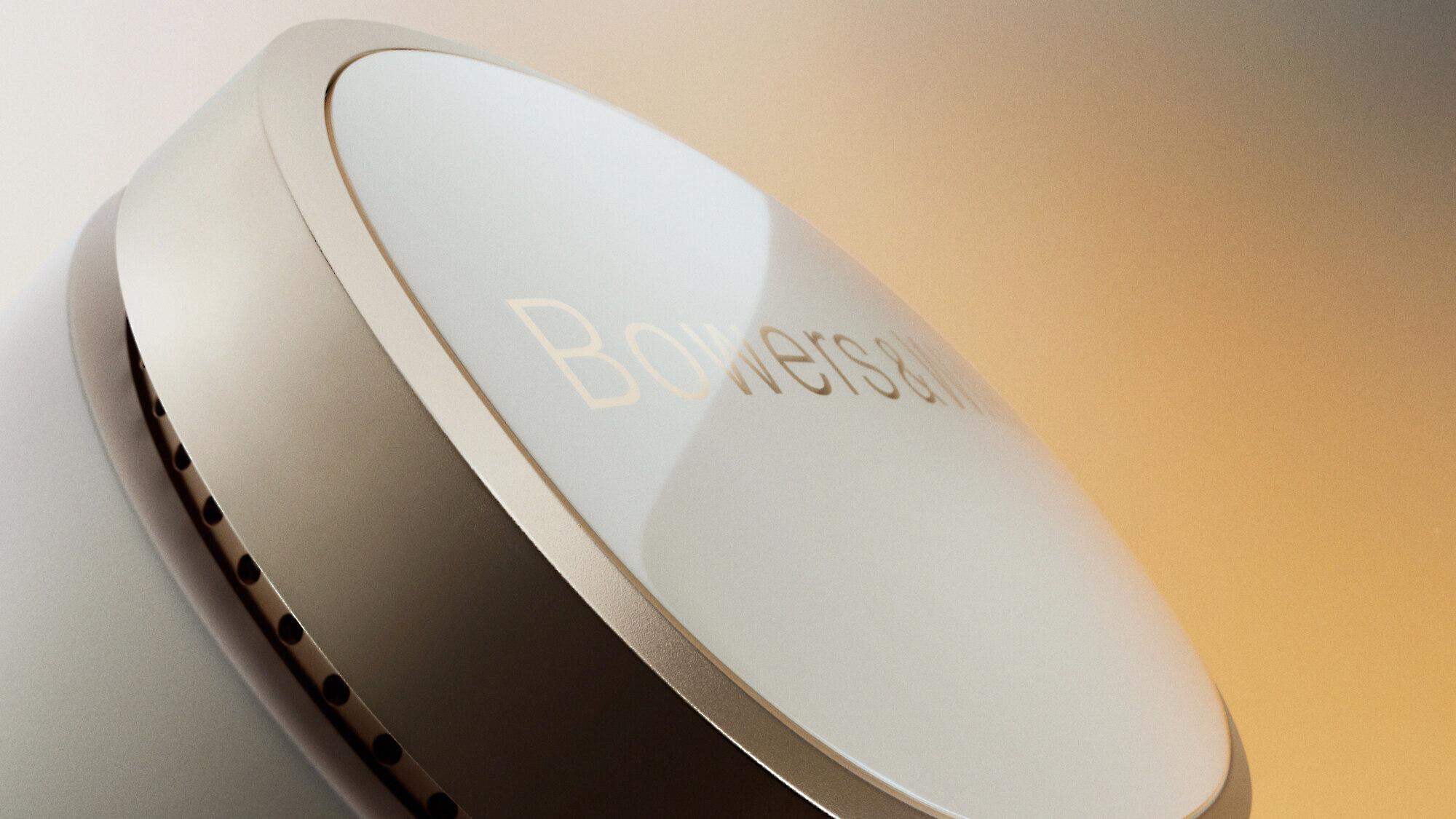
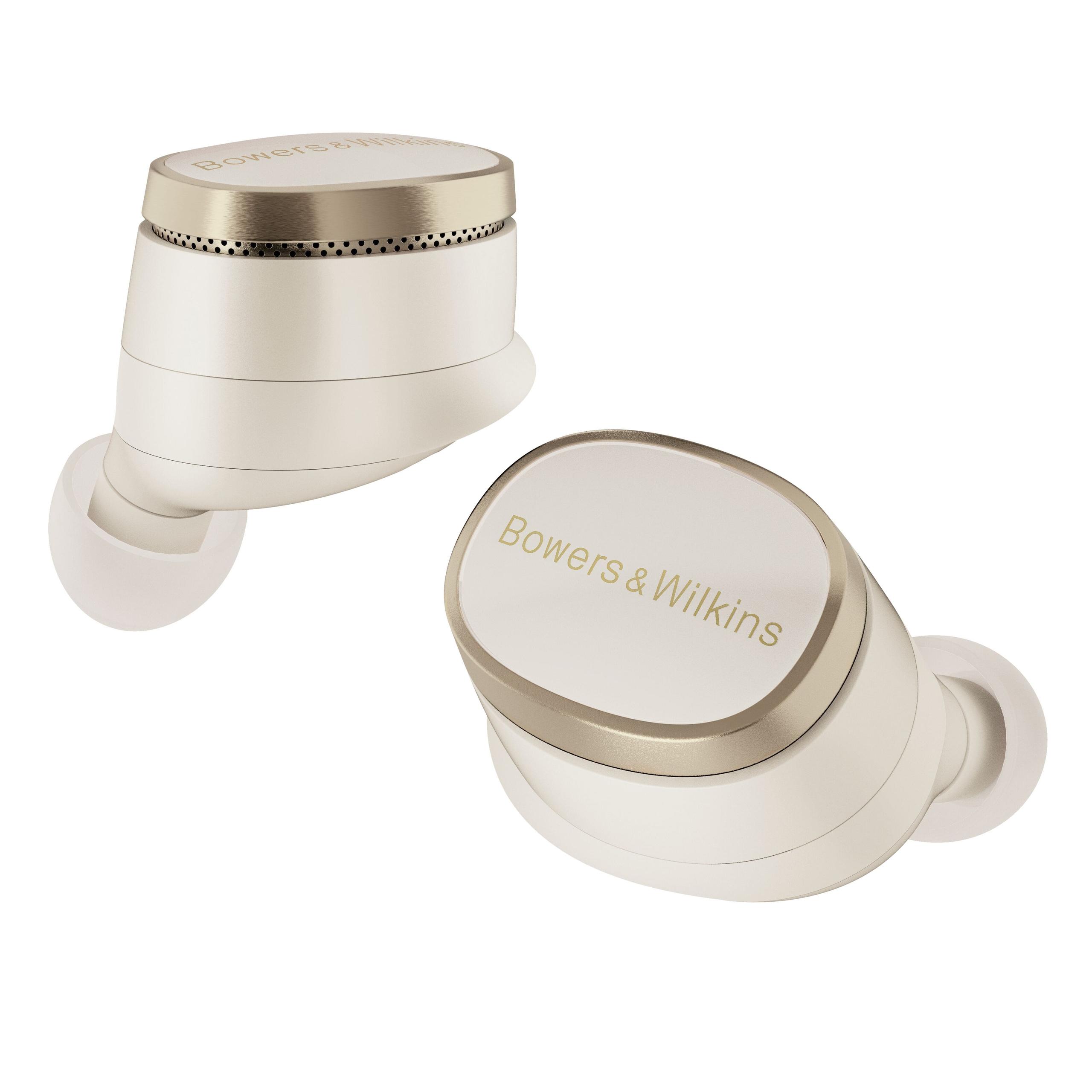
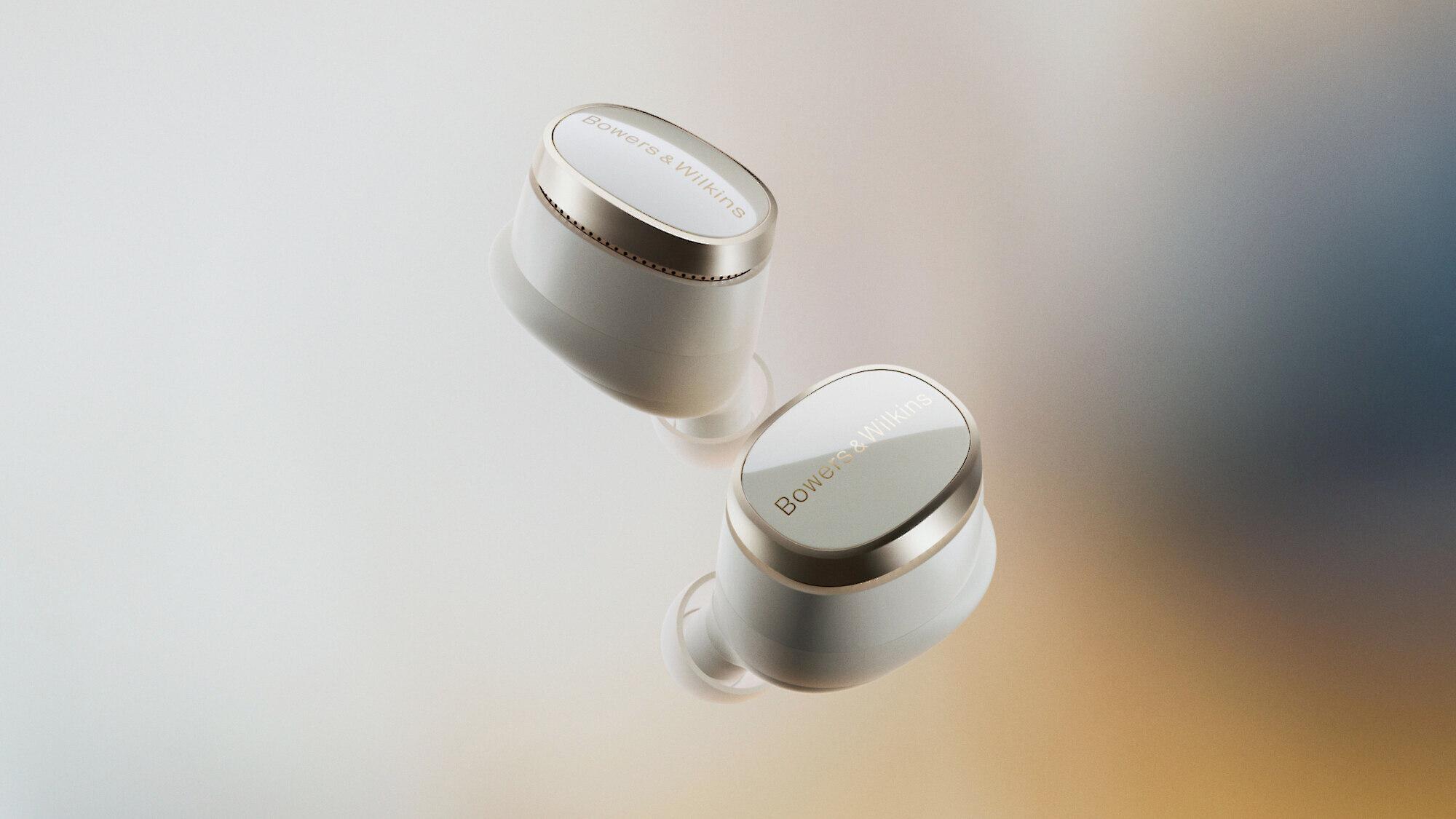
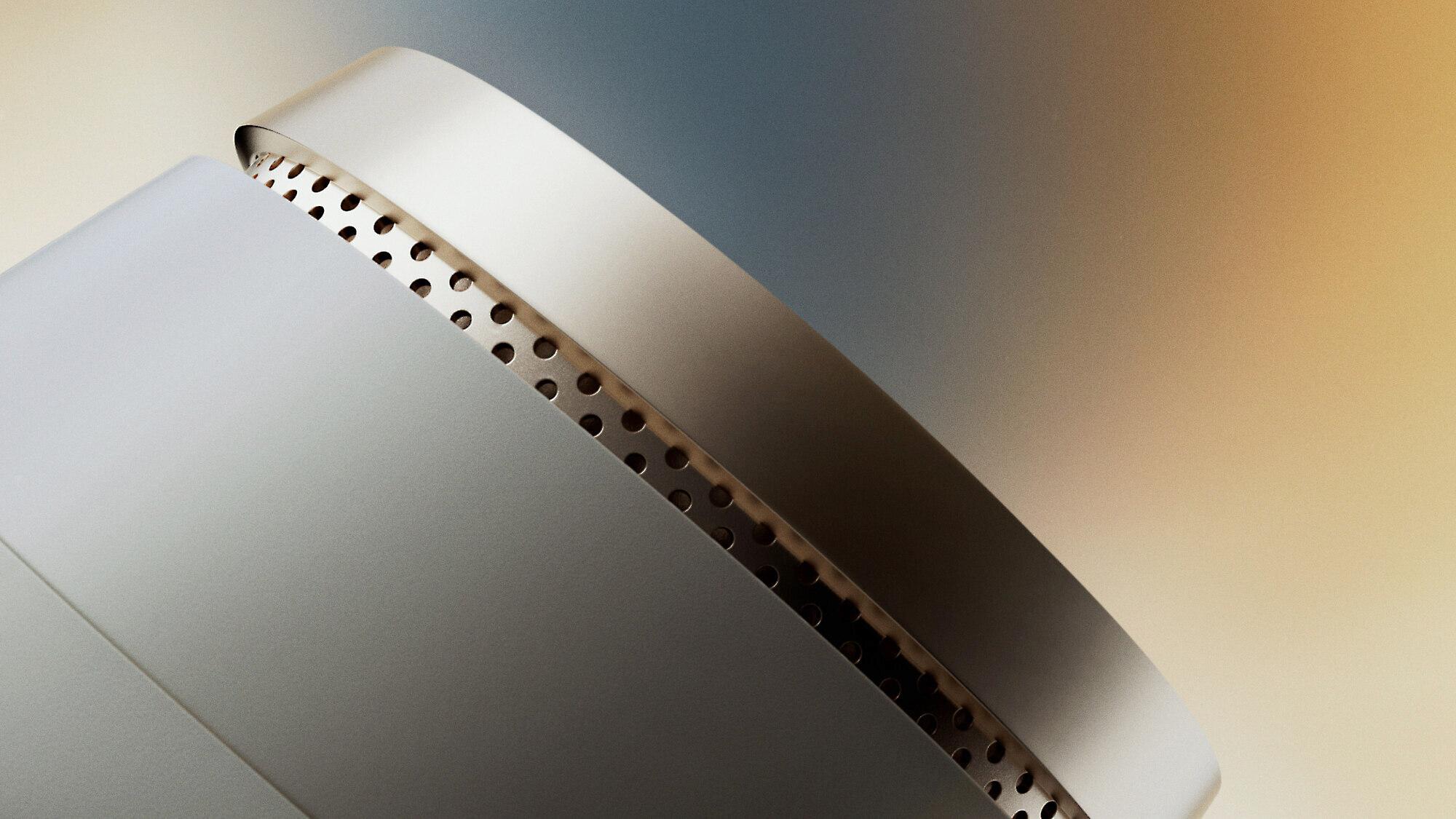
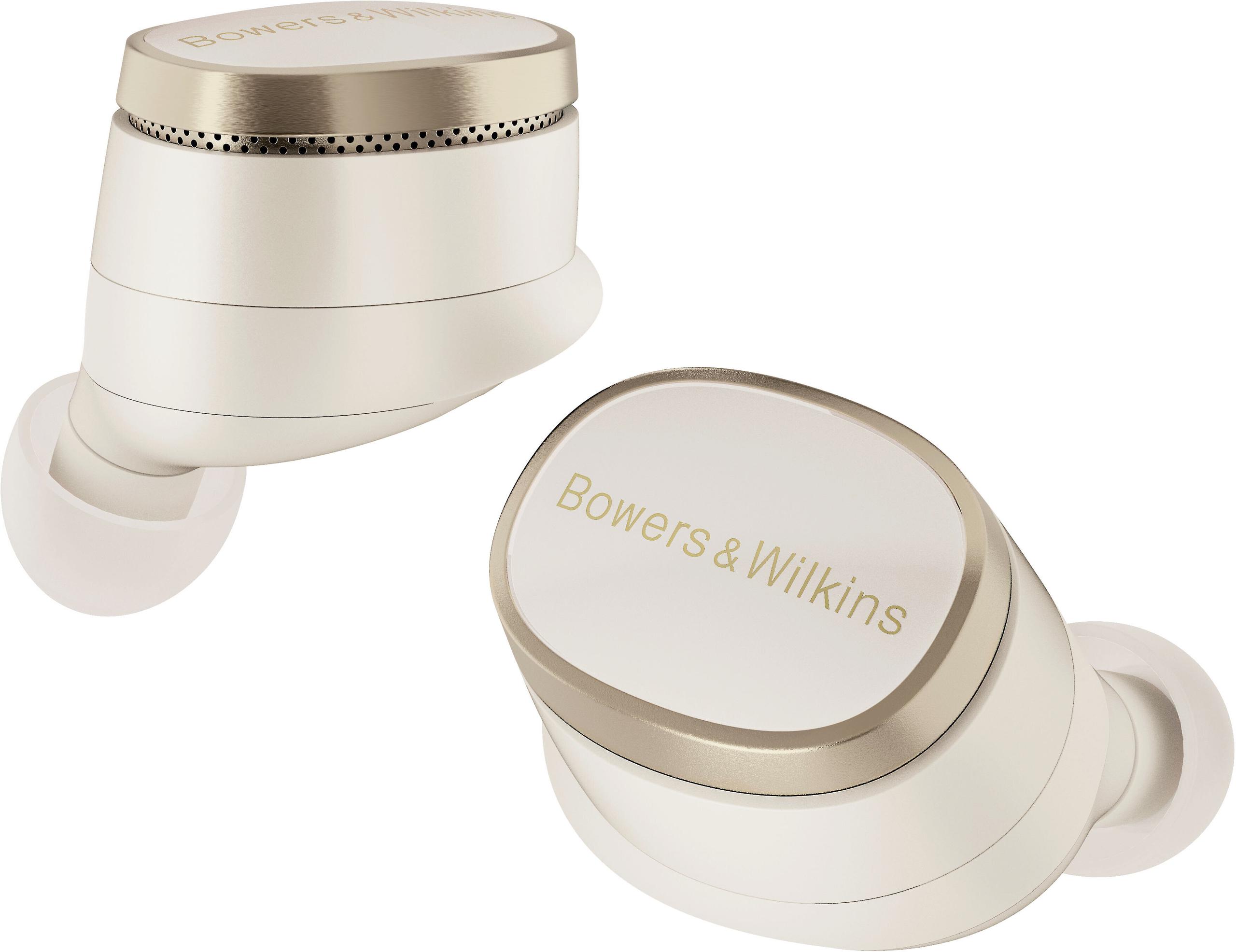
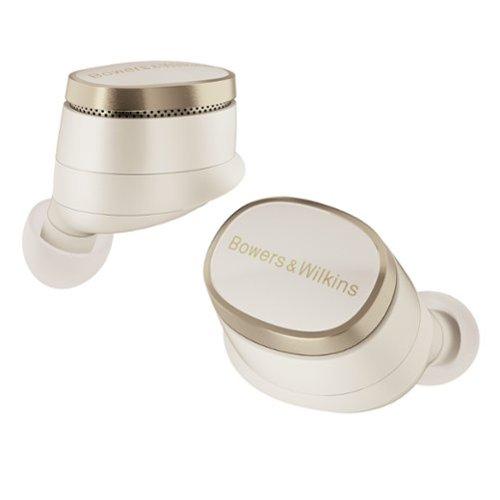
Here's where these two earbuds reveal their completely different DNA. The Bowers & Wilkins Pi8 approaches sound reproduction like a high-end stereo system shrunk down to fit in your ears. Bowers & Wilkins, a British company with decades of experience making reference-quality speakers, has engineered 12mm Carbon Cone drivers that are essentially miniaturized versions of what you'd find in their premium over-ear headphones.
Carbon cone technology isn't marketing fluff—it's a material choice that significantly reduces distortion while maintaining rigidity. When a driver (the part that actually moves air to create sound) flexes or bends during playback, it colors the sound in ways the artist never intended. Carbon fiber's stiffness means the Pi8 can reproduce even complex musical passages with remarkable clarity. In practical terms, this means when you're listening to something like Pink Floyd's "Money" with its intricate bass line and layered vocals, you'll hear details that simply disappear on lesser earbuds.
The soundstage—that's the perceived width and depth of the audio—is where the Pi8 truly shines. Good soundstage makes music feel like it's happening around you rather than just inside your head. During my testing, I found the Pi8 created one of the most convincing three-dimensional audio experiences I've encountered in wireless earbuds. It's the difference between feeling like you're listening to a recording versus feeling like you're in the room with the musicians.
The JBL Tour Pro 3, by contrast, takes a more modern, feature-rich approach to audio. Its hybrid driver system combines a traditional dynamic driver (good for bass and midrange) with a balanced armature driver (excellent for crisp highs). This dual-driver setup allows each component to focus on what it does best, theoretically providing more precise frequency reproduction across the spectrum.
However, JBL has tuned these earbuds for broader appeal rather than audiophile accuracy. The sound signature is more relaxed and forgiving—great for casual listening and perfectly enjoyable for most music, but lacking the energy and detail retrieval that makes the Pi8 so engaging. Where the Pi8 might reveal flaws in poorly recorded music, the Tour Pro 3 smooths them over for a more consistently pleasant experience.
One area where the JBL Tour Pro 3 does excel is spatial audio processing. Its JBL Spatial 360 with head tracking uses gyroscopes to detect head movement and adjusts the audio accordingly, creating an almost surround-sound effect. This works particularly well for movie content or specially mixed music, though it's more of a neat party trick than a fundamental improvement to audio quality.
Here's something most reviews don't emphasize enough: the Pi8 gets significantly louder than the Tour Pro 3. We're talking about 30-40% more maximum volume, which matters more than you might think. If you're the type who likes to really crank up your music, or if you find yourself in noisy environments where you need every decibel, the Pi8's superior amplification makes a real difference. This isn't just about volume for volume's sake—having more headroom means the earbuds can handle dynamic peaks in music without distortion.
Active Noise Cancellation (ANC) uses microphones to detect outside noise and generates opposite sound waves to cancel it out—like creating acoustic silence through controlled interference. This is where the JBL Tour Pro 3 clearly outperforms the Pi8.
JBL's True Adaptive Noise Cancellation 2.0 is genuinely impressive, constantly measuring the acoustic environment and adjusting its cancellation strategy accordingly. The system samples environmental noise over 50,000 times per second, which allows it to respond quickly to changing conditions. Whether you're on a plane, in a coffee shop, or walking down a busy street, the Tour Pro 3 adapts its noise-fighting approach in real-time.
What I particularly appreciate about JBL's implementation is the seven-step ANC slider in their app. Rather than just on/off or a few preset levels, you can fine-tune exactly how much outside world you want to let in. Sometimes you want complete isolation; other times you need just enough ambient awareness to hear important announcements.
The Pi8 offers competent but unremarkable noise cancellation. Bowers & Wilkins clearly prioritized audio quality over ANC performance, which isn't necessarily wrong—it's just a different set of compromises. If you're primarily using earbuds in quieter environments or you prefer the natural sound isolation that comes from a good fit, the Pi8's modest ANC might be perfectly adequate.
Battery life is where the JBL Tour Pro 3 absolutely dominates. With 11 hours from the earbuds themselves and 44 hours total when you include the charging case, it's among the longest-lasting premium earbuds available at the time of writing. This kind of longevity changes how you use the product—you stop thinking about battery management and just enjoy your music.
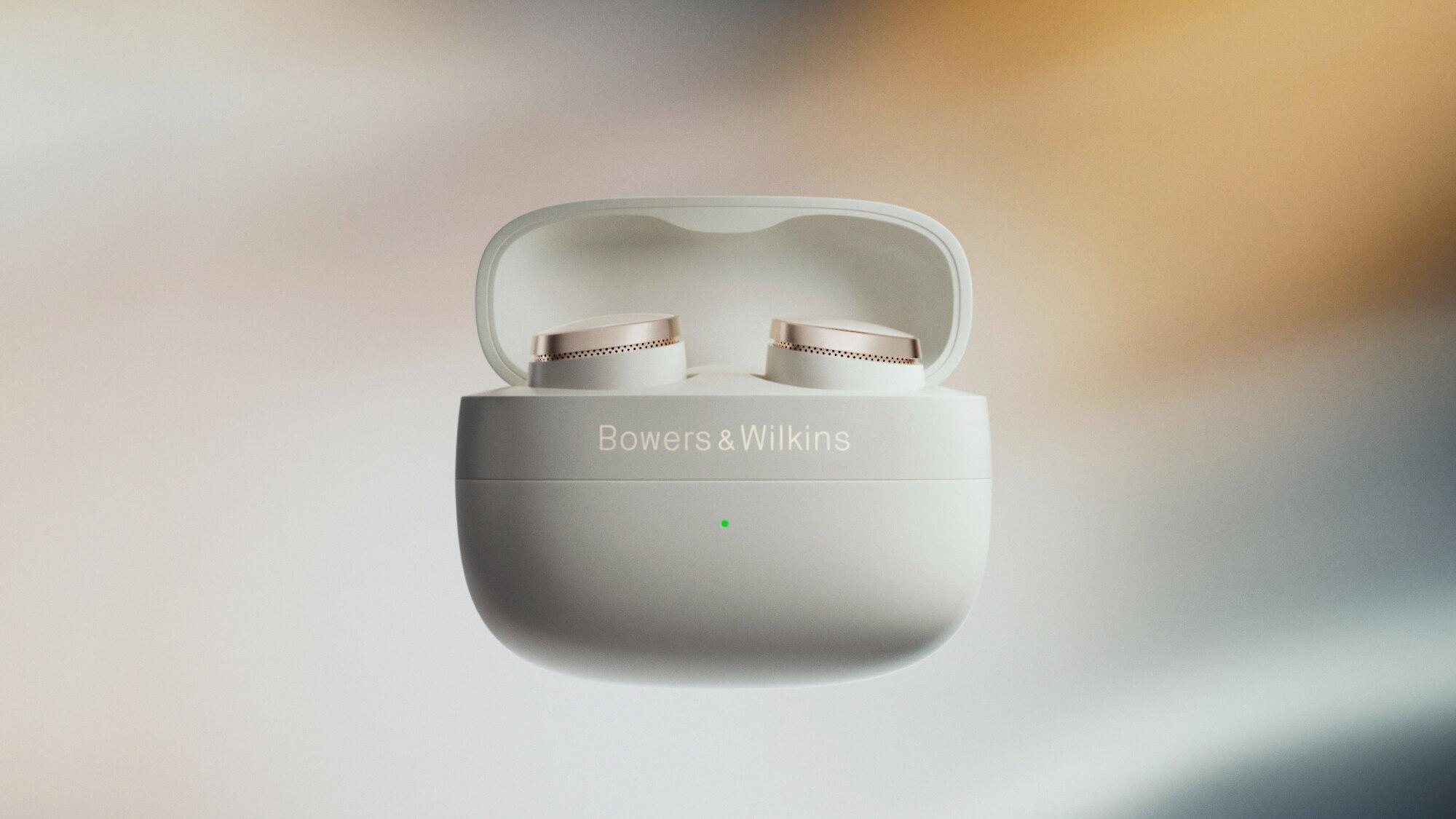
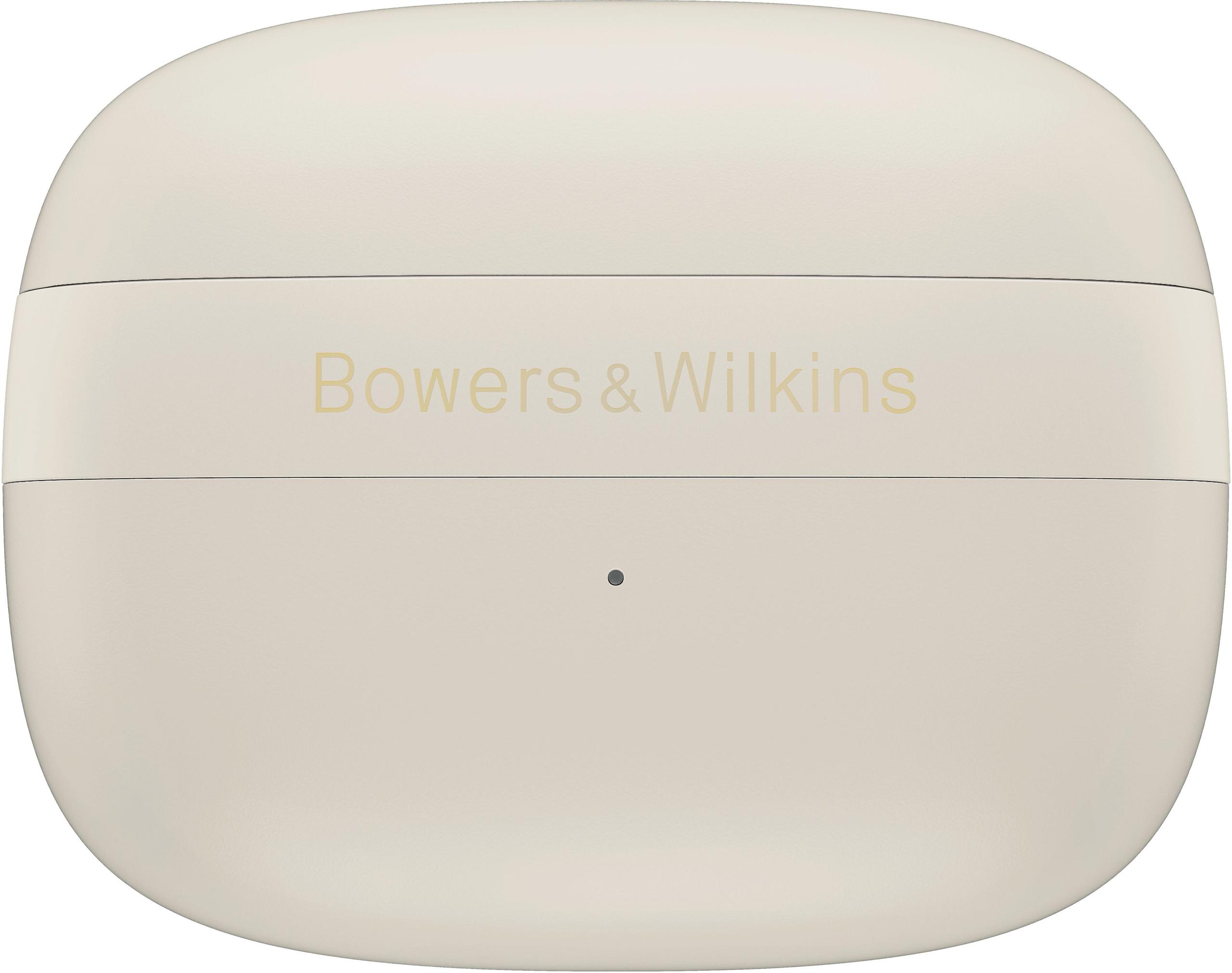
The Pi8 offers a more modest 6.5 hours per charge with a total of 20 hours including the case. While this meets the baseline expectation for premium earbuds, it means you'll be charging more frequently. The saving grace is wireless charging support and a compact case that's easy to slip into any pocket.
For most people, the JBL's battery advantage translates to real convenience. You can take these on a long flight, use them throughout a full workday, or go several days between charges depending on your usage patterns. The Pi8 requires more attention to your charging routine, though the quick-charge feature (15 minutes for 2 hours of playback) helps in a pinch.
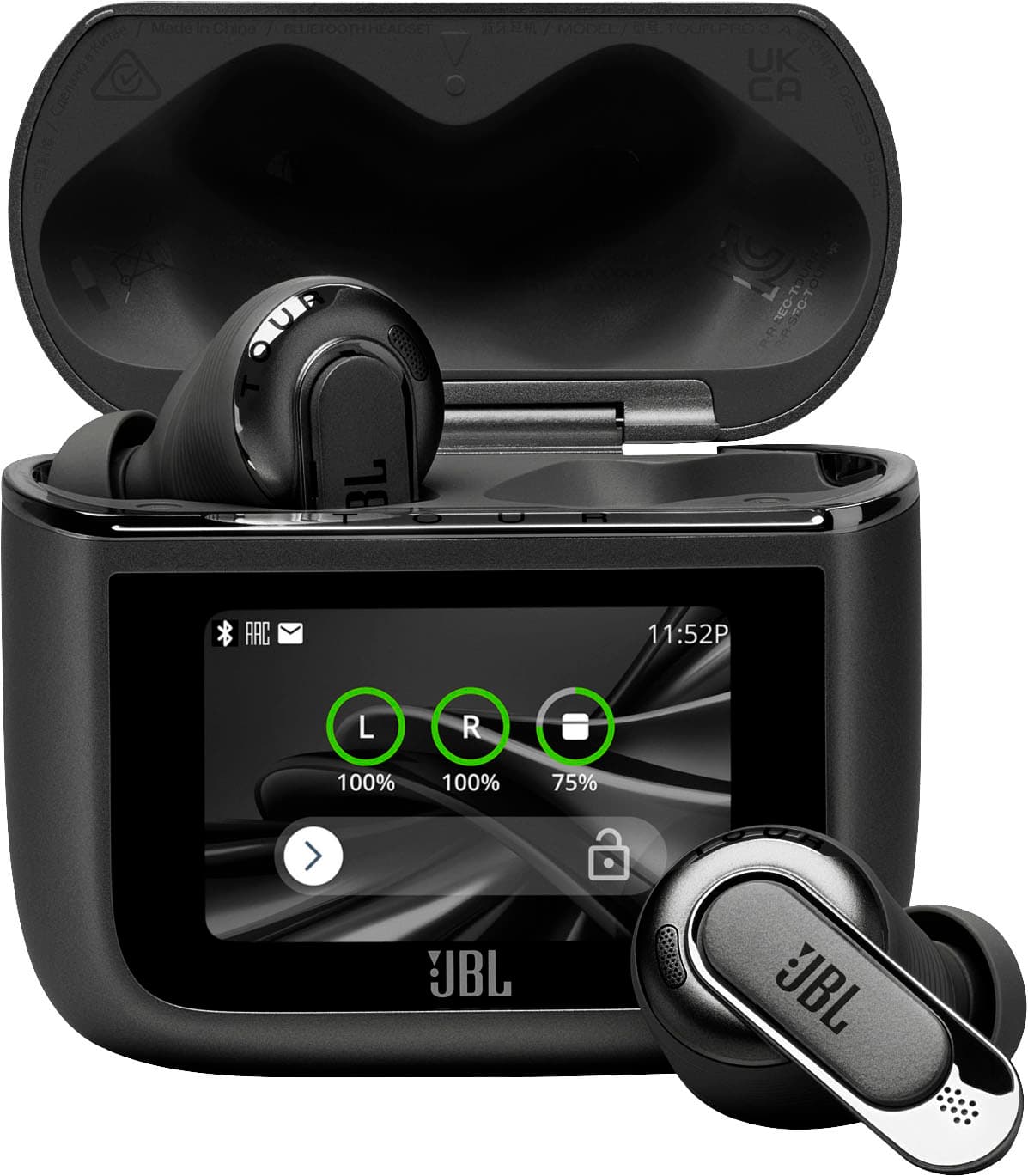
This is where the JBL Tour Pro 3 gets genuinely exciting. The Smart Charging Case isn't just a place to store your earbuds—it's a fully functional control center with its own touchscreen display. You can adjust volume, skip tracks, modify EQ settings, and even see caller ID information without ever touching your phone.
But the real magic happens when you use the case as an audio transmitter. Plug it into an airplane's entertainment system, your laptop, or any device with a headphone jack, and it wirelessly beams audio to your earbuds. This solves one of wireless audio's biggest limitations—compatibility with older or restrictive audio sources. I've used this feature on flights, and it transforms the in-flight entertainment experience from tolerable to genuinely enjoyable.
The case also supports Auracast, a newer Bluetooth standard that allows you to share audio with nearby compatible devices. While this feature is still emerging and doesn't have widespread device support yet, it hints at a more connected audio future.
The Pi8 takes a more minimalist approach to innovation. Its charging case can also connect to external audio sources, but through a more traditional wired connection. There's no fancy touchscreen—just clean, efficient functionality that prioritizes portability and battery life over bells and whistles.
With remote work still prevalent, call quality has become increasingly important for premium earbuds. The Tour Pro 3 excels here with six microphones total and sophisticated wind noise reduction. JBL's algorithm can distinguish between your voice and background noise remarkably well, ensuring you sound professional even in less-than-ideal acoustic environments.
The Pi8 offers solid call quality but without the same level of environmental noise suppression. If you're primarily using earbuds for music and occasional calls, this difference won't matter much. But if you're on video calls throughout the day, the JBL's superior microphone array makes a noticeable difference.
While neither product is specifically designed for home theater use, both can enhance your TV watching experience in different ways. The Tour Pro 3's case transmitter function means you can connect directly to your TV's audio output for private listening—perfect for late-night viewing when you don't want to disturb others.
The spatial audio processing also works well for movie content, creating a more immersive experience than traditional stereo earbuds. However, there will be some audio delay (latency) that makes lip-sync slightly off unless your TV has adjustable audio delay settings.
The Pi8 offers superior audio quality for movies, with better dynamic range and clearer dialogue reproduction. If your TV supports high-quality Bluetooth codecs like aptX, the Pi8 can deliver a more cinematic audio experience, though without the convenience of the JBL's direct connection capability.
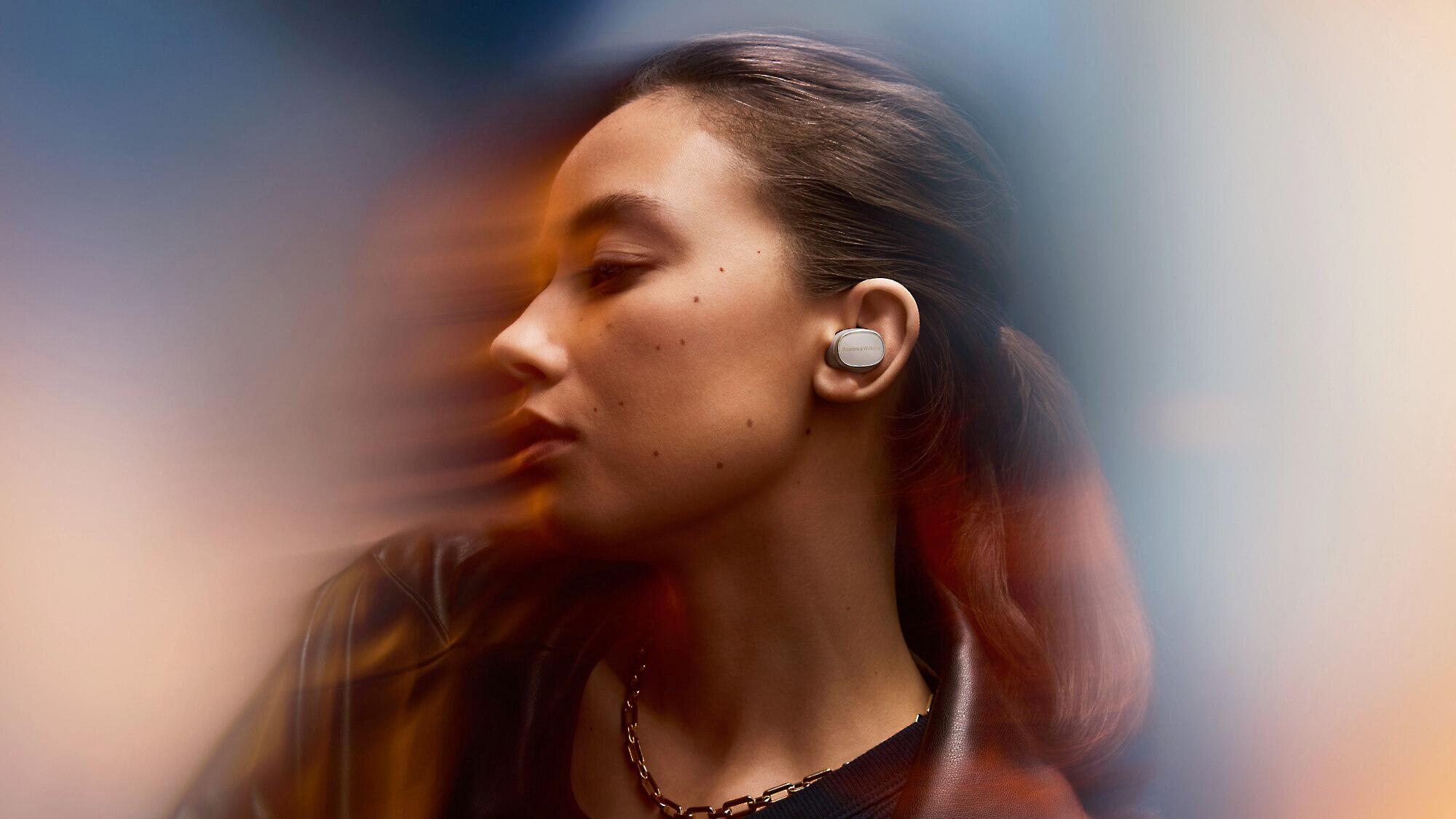
Both earbuds feel premium in construction, but they approach comfort differently. The Pi8 prioritizes a compact, lightweight design that disappears in your ears once properly fitted. The four included ear tip sizes should accommodate most ear shapes, and the premium materials feel substantial without being heavy.
The Tour Pro 3 includes both silicone and foam ear tips, with the foam options providing better noise isolation at the cost of some convenience (foam tips need to be compressed before insertion and take practice to get right). The slightly better IP55 water resistance rating versus the Pi8's IP54 means marginally better protection against sweat and moisture.
After extensive testing, my recommendation comes down to what you value most in your audio experience.
Choose the Bowers & Wilkins Pi8 if you're an audio enthusiast who prioritizes pure sound quality above all else. These earbuds will reveal details in your favorite music that you've never heard before, and they'll make every song sound more engaging and alive. They're perfect for listeners who already have high-quality music files or streaming subscriptions and want earbuds that can do justice to that content. The compact design and wireless charging make them practical for daily use, even if you have to charge them more frequently.
The Pi8 is also the better choice if you listen at higher volumes or in noisy environments where you need maximum audio output. They're ideal for commutes where you want your music to cut through ambient noise through sheer quality rather than active cancellation.
Choose the JBL Tour Pro 3 if you want a more complete package that balances good sound quality with practical innovation. The Smart Case functionality isn't just a gimmick—it genuinely makes these earbuds more versatile and convenient for travel, work, and daily use. The exceptional battery life means you can stop thinking about charging routines and just enjoy your music.
The Tour Pro 3 is particularly compelling for frequent travelers who need reliable noise cancellation and the flexibility to connect to any audio source. If you take a lot of calls or work in noisy environments, the superior microphone system and ANC make these the more practical choice.
At the time of writing, both products command premium pricing that reflects their advanced engineering and feature sets. The Tour Pro 3 typically costs less while offering more features, making it the better value for most buyers. However, if audio quality is your primary concern and you're willing to pay more for that last degree of sonic excellence, the Pi8 justifies its higher price through superior sound reproduction.
Neither choice is wrong—they're just different approaches to premium wireless audio. The Pi8 is for purists who want the best possible sound, while the Tour Pro 3 is for pragmatists who want excellent sound plus useful features that enhance the overall experience. Consider your priorities, usage patterns, and what aspects of the earbud experience matter most to your daily routine.
| Bowers & Wilkins Pi8 | JBL Tour Pro 3 |
|---|---|
| Driver Technology - Foundation of sound quality and detail retrieval | |
| 12mm Carbon Cone drivers (premium materials reduce distortion) | Hybrid dual-driver: 10mm dynamic + balanced armature (specialized drivers for different frequencies) |
| Audio Performance - Most critical factor for music lovers | |
| Audiophile-grade sound with exceptional soundstage and 30-40% higher max volume | Consumer-friendly tuning with spatial audio and head tracking features |
| Active Noise Cancellation - Essential for commuting and focus | |
| Basic adaptive ANC (adequate but not class-leading) | True Adaptive ANC 2.0 with 7-step customization (significantly superior isolation) |
| Battery Life - Determines daily usability without charging anxiety | |
| 6.5 hours earbuds + 13.5 hours case = 20 hours total | 11 hours earbuds + 33 hours case = 44 hours total (class-leading endurance) |
| Smart Features - Modern conveniences that justify premium pricing | |
| Wireless charging case with audio retransmission capability | Smart Case with touchscreen display, audio transmitter, and Auracast support |
| Call Quality - Important for work and daily communication | |
| 3 mics per earbud with standard processing | 6 mics total with advanced wind suppression and call optimization |
| Codec Support - Determines audio quality from different sources | |
| aptX Lossless, aptX Adaptive, AAC, SBC (excellent for high-res audio) | LDAC, aptX, AAC, SBC (broad compatibility with Android high-res) |
| Build Quality & Water Resistance - Long-term durability factors | |
| Premium materials, IP54 rating, compact design | Robust construction, IP55 rating, includes foam tips for better seal |
| Connectivity - Reliability for daily use | |
| Some reported stability issues but supports multipoint | Stable Bluetooth 5.3 with reliable dual-device connectivity |
| Best For - Target user profiles | |
| Audiophiles prioritizing pure sound quality and compact design | Users wanting feature-rich experience with excellent battery and ANC |
The Bowers & Wilkins Pi8 delivers superior sound quality with its 12mm Carbon Cone drivers and audiophile-grade tuning. It offers exceptional detail retrieval, wider soundstage, and 30-40% higher maximum volume than the JBL Tour Pro 3. While the Tour Pro 3 provides good sound with its hybrid dual-driver system, it's tuned for broader consumer appeal rather than critical listening.
The JBL Tour Pro 3 significantly outperforms the Bowers & Wilkins Pi8 in battery life, offering 11 hours from the earbuds plus 33 additional hours from the case for 44 hours total. The Pi8 provides 6.5 hours from the earbuds and 13.5 hours from the case for 20 hours total. This makes the Tour Pro 3 better for extended travel and heavy daily use.
The JBL Tour Pro 3 offers superior active noise cancellation with its True Adaptive ANC 2.0 system and 7-step customization slider. It adapts to your environment in real-time and includes foam ear tips for better passive isolation. The Bowers & Wilkins Pi8 provides basic adaptive ANC that's adequate but not class-leading for blocking external noise.
The JBL Tour Pro 3 excels at call quality with six microphones total and advanced wind noise suppression, making it ideal for work-from-home scenarios. The Bowers & Wilkins Pi8 offers decent call quality with three microphones per earbud but lacks the sophisticated noise processing of the Tour Pro 3 for challenging acoustic environments.
The JBL Tour Pro 3 features a revolutionary Smart Charging Case with touchscreen display for controlling settings without your phone, plus the ability to connect to any audio source as a wireless transmitter. The Bowers & Wilkins Pi8 focuses on audio purity with wireless charging and audio retransmission capabilities, prioritizing compact design over advanced features.
Both offer excellent comfort, but with different approaches. The Bowers & Wilkins Pi8 emphasizes a lightweight, compact design that disappears in your ears with four ear tip sizes included. The JBL Tour Pro 3 provides five silicone tip sizes plus foam options for better noise isolation, though foam tips require more effort to insert properly.
The JBL Tour Pro 3 has a slight advantage with its IP55 water resistance rating versus the Pi8's IP54 rating, offering better protection against sweat and moisture. Both are suitable for moderate exercise, but neither is specifically designed as sports earbuds. The Pi8's more secure fit might be preferable for vigorous activities.
Both earbuds can enhance your TV viewing experience differently. The JBL Tour Pro 3 excels here with its Smart Case that can connect directly to your TV's headphone output and transmit audio wirelessly, perfect for private late-night viewing. The Bowers & Wilkins Pi8 offers superior audio quality for movies but requires Bluetooth connectivity from your TV.
The JBL Tour Pro 3 typically offers better value with its lower price point and comprehensive feature set including superior battery life, advanced ANC, and the innovative Smart Case. The Bowers & Wilkins Pi8 commands a premium for its exceptional audio quality, making it worthwhile only if sound quality is your top priority.
The Bowers & Wilkins Pi8 supports aptX Lossless, aptX Adaptive, AAC, and SBC codecs, making it excellent for high-resolution audio. The JBL Tour Pro 3 supports LDAC, aptX, AAC, and SBC codecs, providing broad compatibility especially with Android devices for high-quality wireless audio streaming.
The JBL Tour Pro 3 is superior for travel with its exceptional 44-hour battery life, excellent noise cancellation, and Smart Case features that work with airplane entertainment systems. The Bowers & Wilkins Pi8 offers a more compact travel form factor but requires more frequent charging and provides less noise isolation for noisy environments.
Choose the Bowers & Wilkins Pi8 if you're an audiophile prioritizing exceptional sound quality, compact design, and don't mind paying premium pricing for superior audio performance. Choose the JBL Tour Pro 3 if you want a feature-rich experience with excellent battery life, superior noise cancellation, and innovative Smart Case functionality at better overall value.
We've done our best to create useful and informative comparisons to help you decide what product to buy. Our research uses advanced automated methods to create this comparison and perfection is not possible - please contact us for corrections or questions. These are the sites we've researched in the creation of this article: techradar.com - bowerswilkins.com - youtube.com - bestbuy.com - whathifi.com - audioholics.com - crutchfield.com - whathifi.com - audio46.com - rtings.com - audioadvice.com - engadget.com - youtube.com - audio46.com - audiograde.uk - youtube.com - techwelike.com - youtube.com - audioadvice.com - soundguys.com - bestbuy.com - bowerswilkins.com - headphones.com - bowerswilkins.com - bowerswilkins.com - audio46.com - youtube.com - shop.womenshealthmag.com - head-fi.org - youtube.com - youtube.com - bowerswilkins.cn - bowerswilkins.com - audio46.com - bowerswilkins.com - techradar.com - sweetwater.com - news.jbl.com - youtube.com - harmanaudio.com - jbl.com - krazykileys.ca - jbl.com - shop.menshealth.com - sweetwater.com

Privacy Policy
Terms and Conditions - Affiliate Policy
Home Security
© Copyright 2008-2026.
11816 Inwood Rd #1211, Dallas, TX 75244