




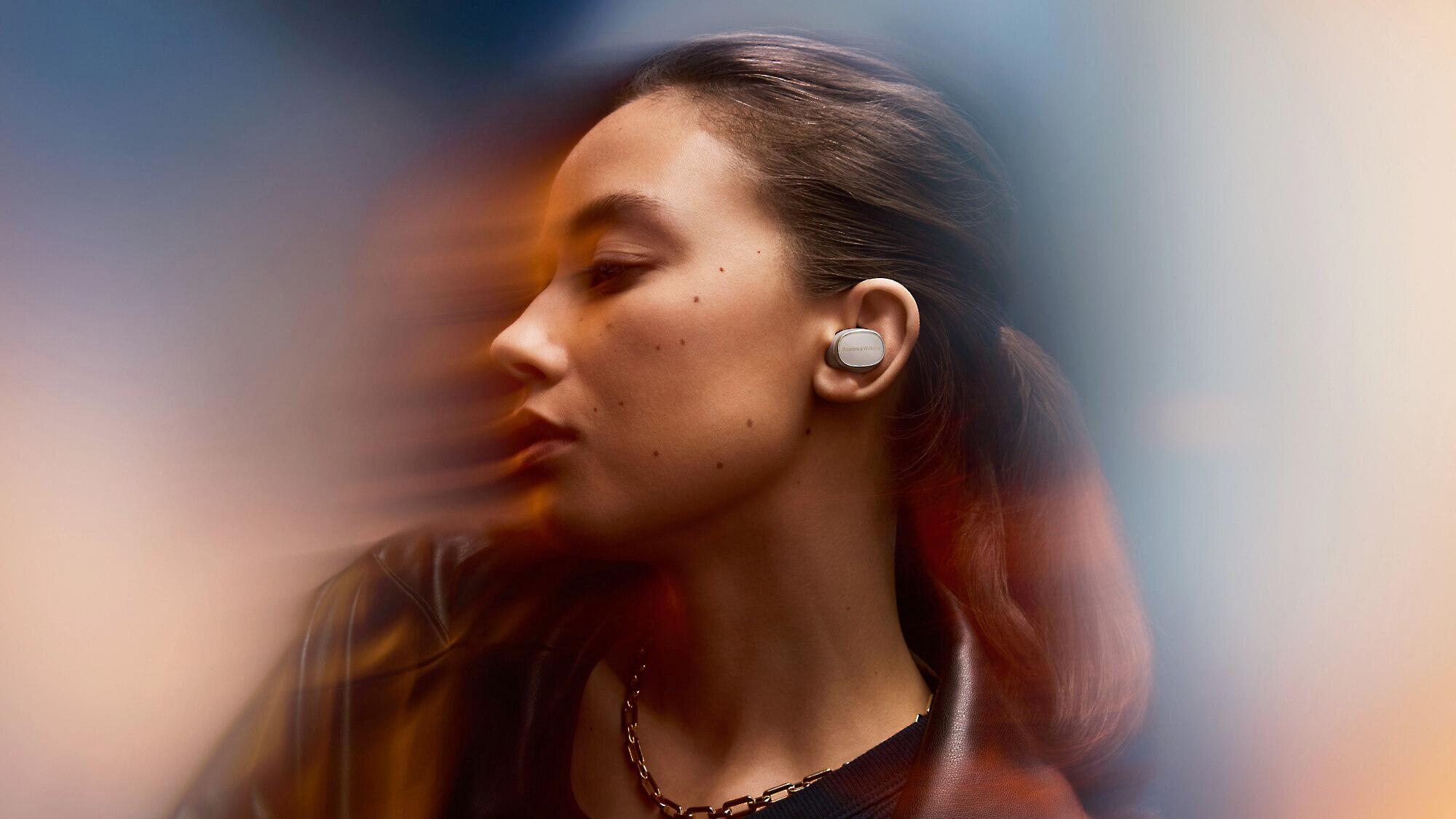



When it comes to true wireless earbuds, the market has matured significantly since the early days of Apple's AirPods. Today, we're dealing with sophisticated audio devices that can rival traditional wired headphones in sound quality while offering the convenience of complete wireless freedom. Two standout models that represent different philosophies in this space are the JBL Live Pro 2 and the Bowers & Wilkins Pi8 – and choosing between them requires understanding what matters most for your listening habits.
True wireless earbuds have become the go-to choice for most people's portable audio needs. Unlike traditional wireless headphones that still have a cable connecting the two earpieces, true wireless models are completely independent. This freedom comes with trade-offs: battery life becomes crucial since you can't just plug them in, and the small form factor limits driver size and internal components.
The key considerations when shopping for premium true wireless earbuds include sound quality (obviously), noise cancellation effectiveness, battery life, comfort during extended wear, and build quality. More advanced features like multipoint connectivity (connecting to multiple devices simultaneously) and high-resolution codec support have also become important differentiators in the premium segment.
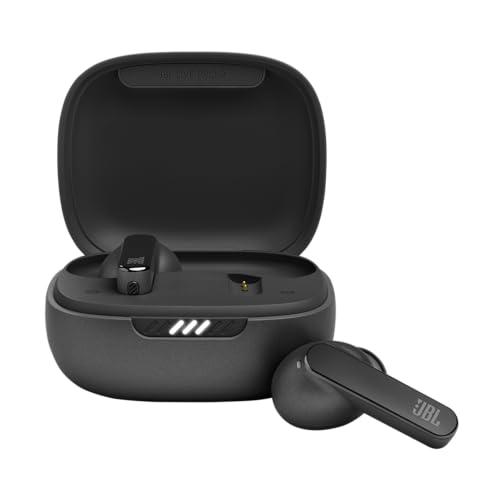
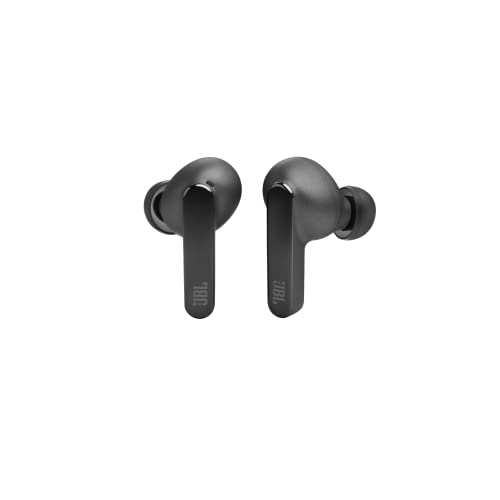
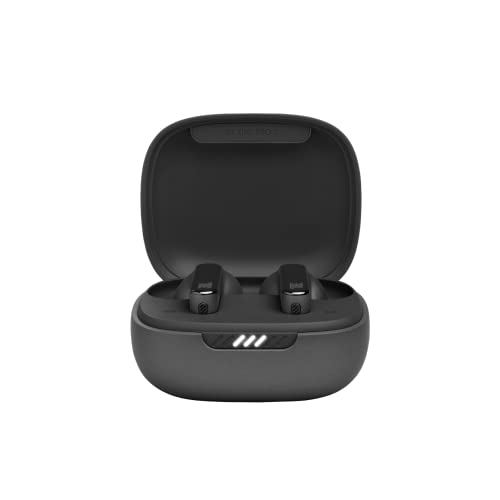
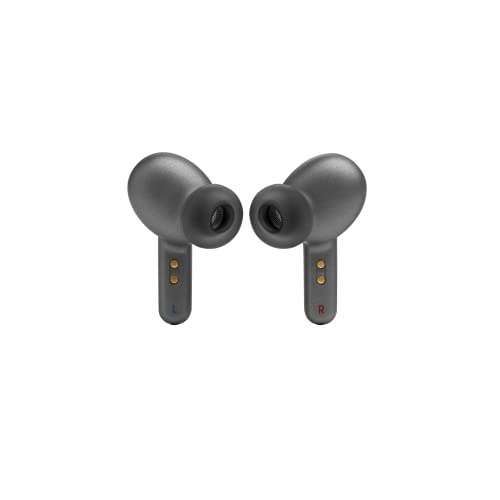
The JBL Live Pro 2 launched in 2022 as JBL's answer to premium consumer earbuds, targeting active users who want excellent all-around performance without breaking the bank. At the time of writing, they typically retail for significantly less than audiophile-focused competitors while still offering features like adaptive noise cancellation and impressive battery life.
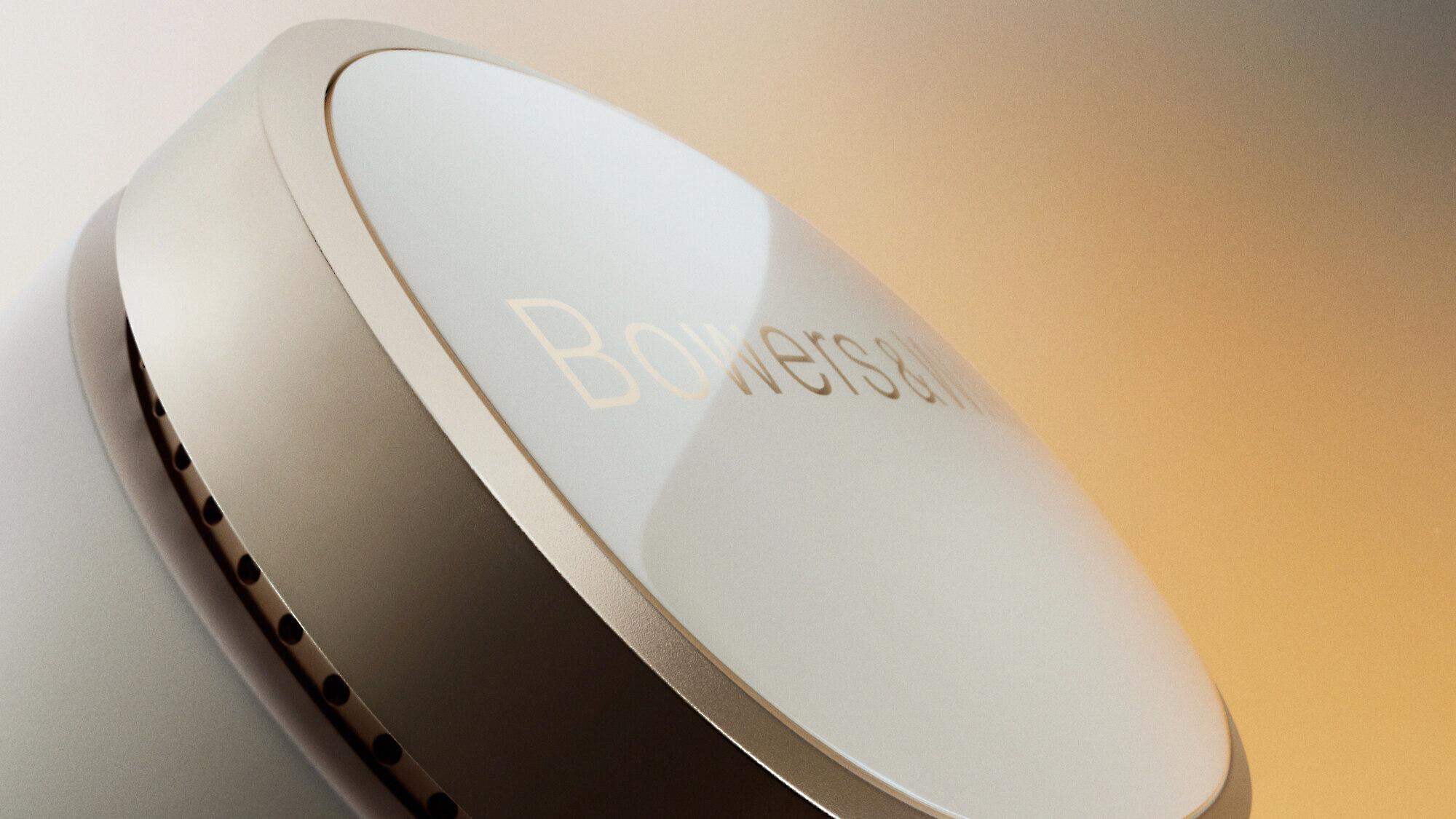
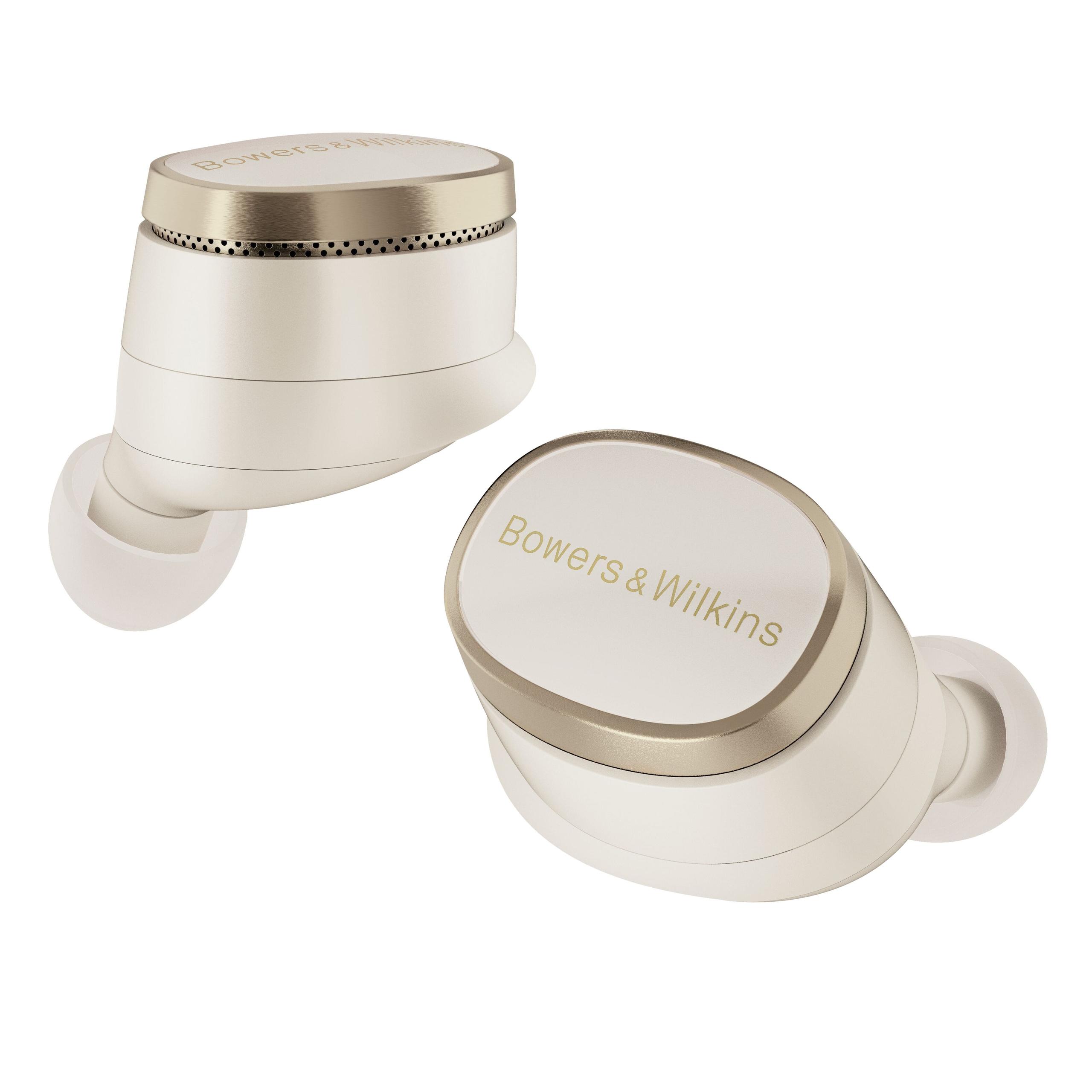
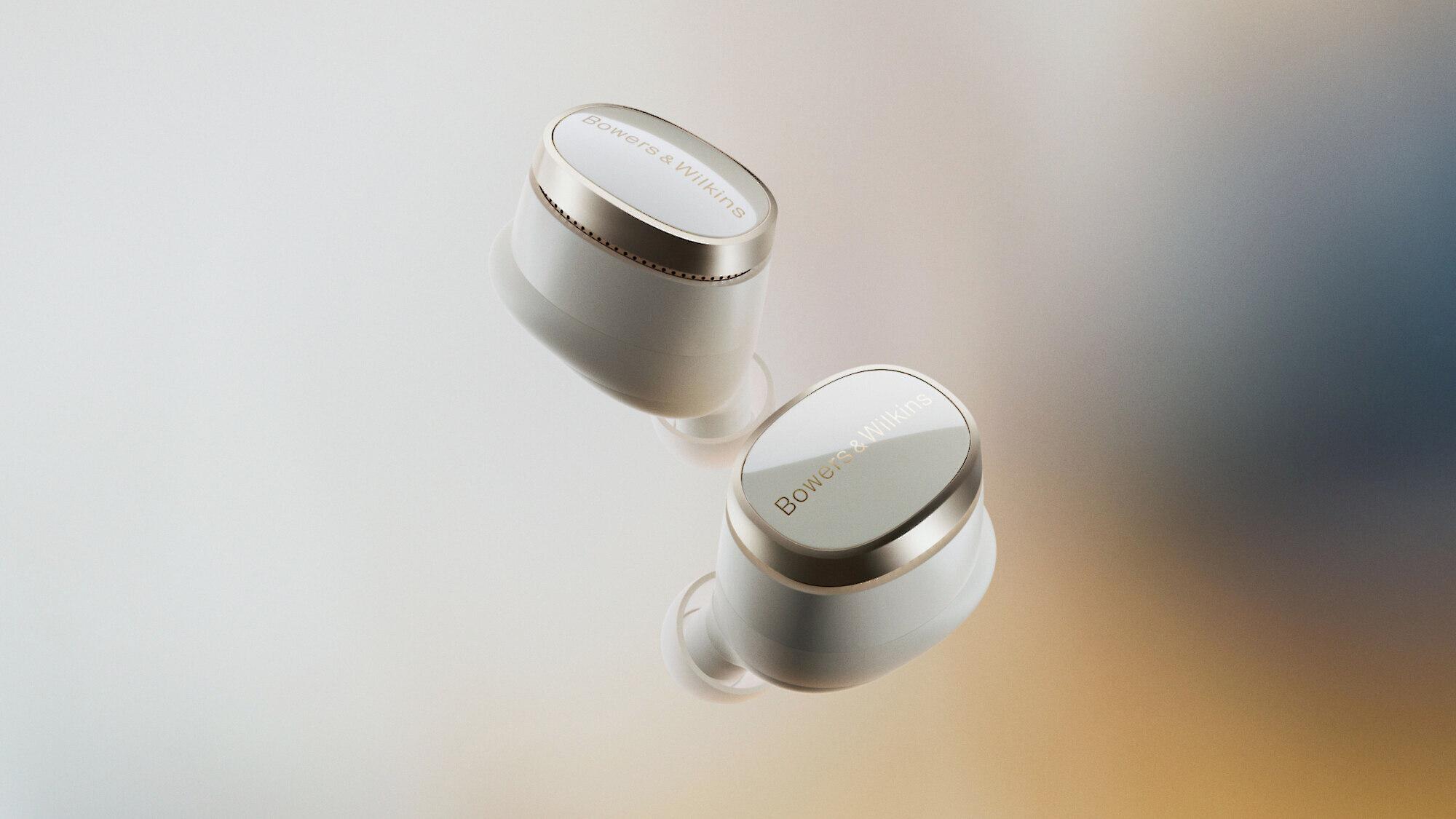
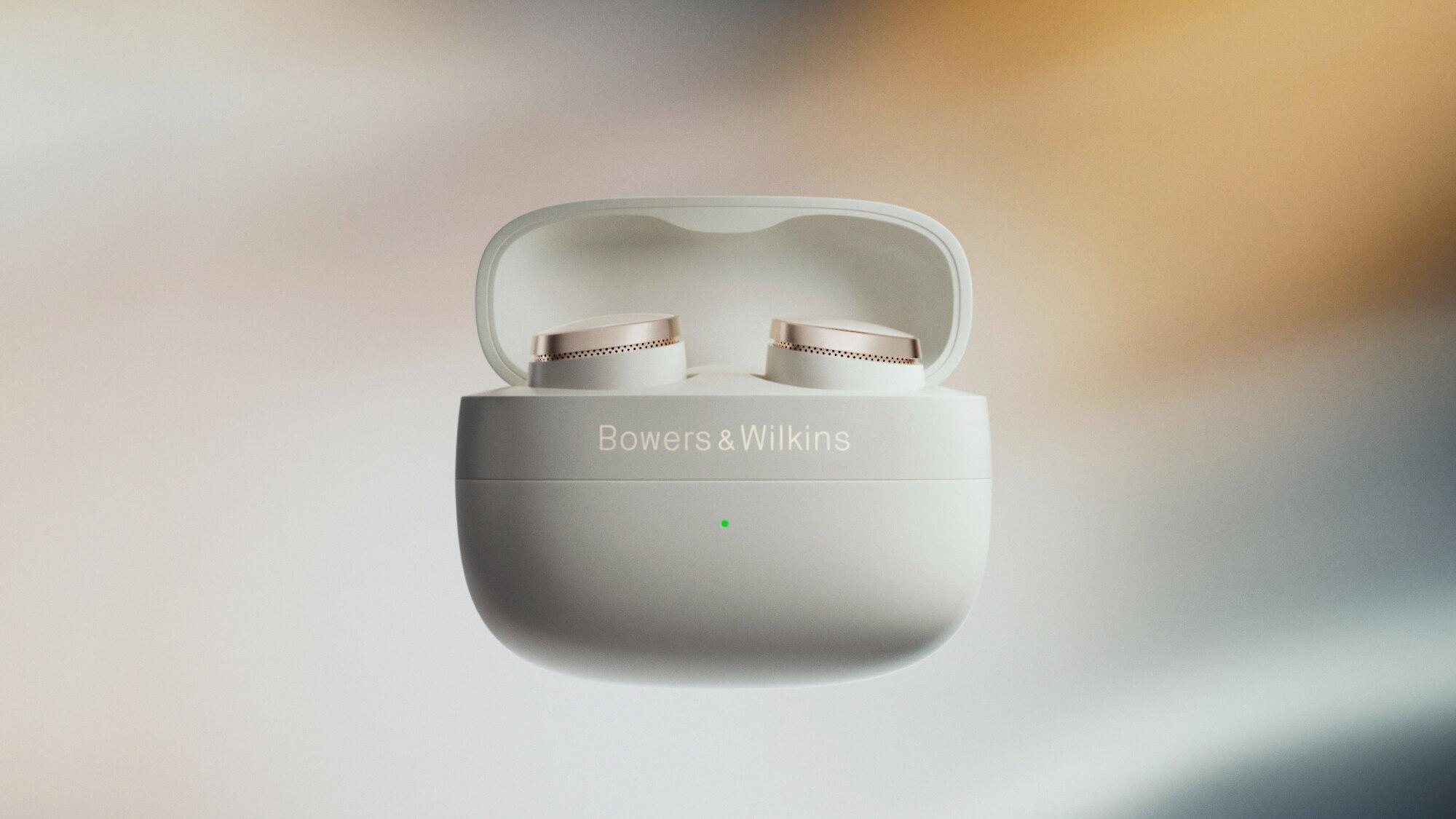
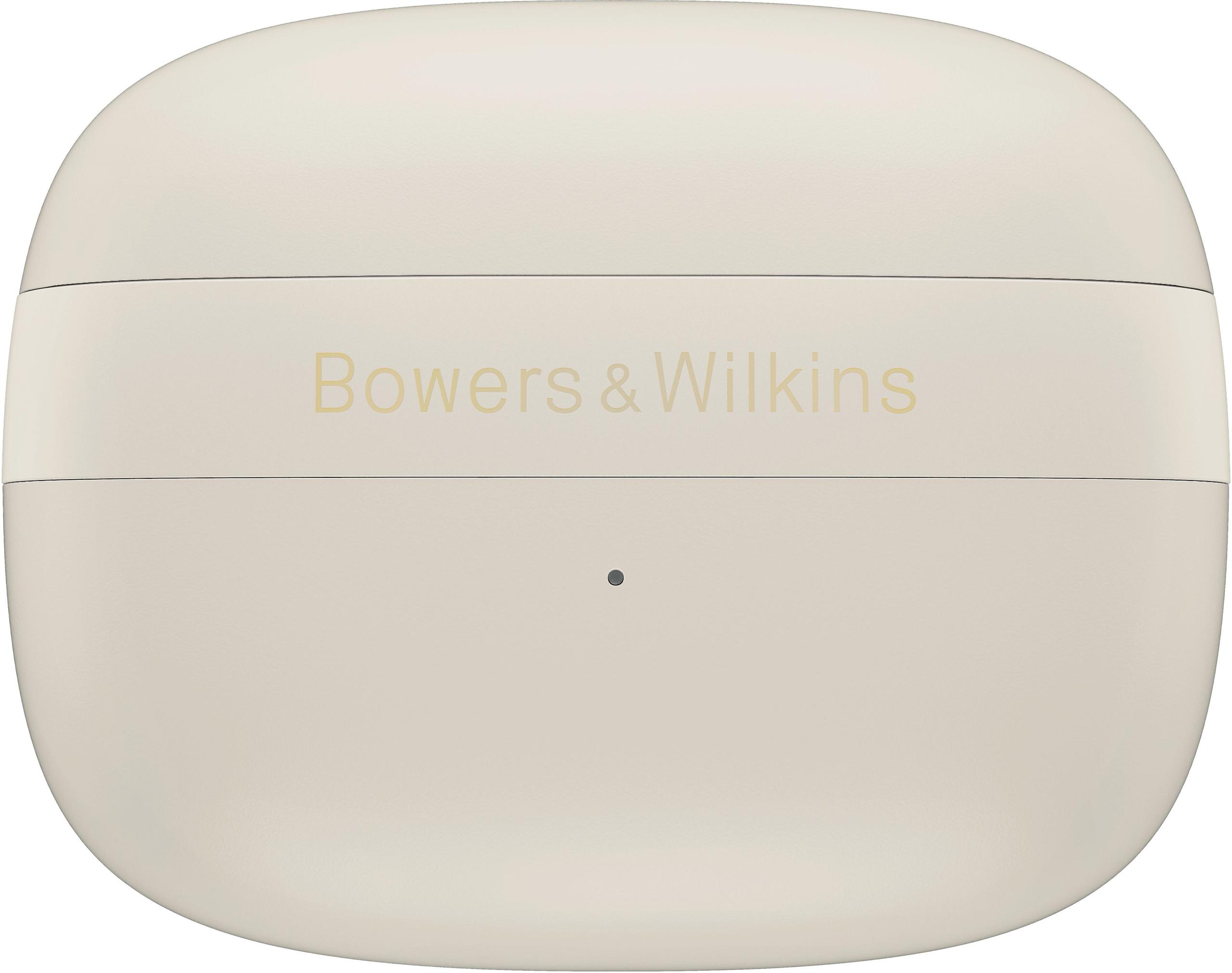
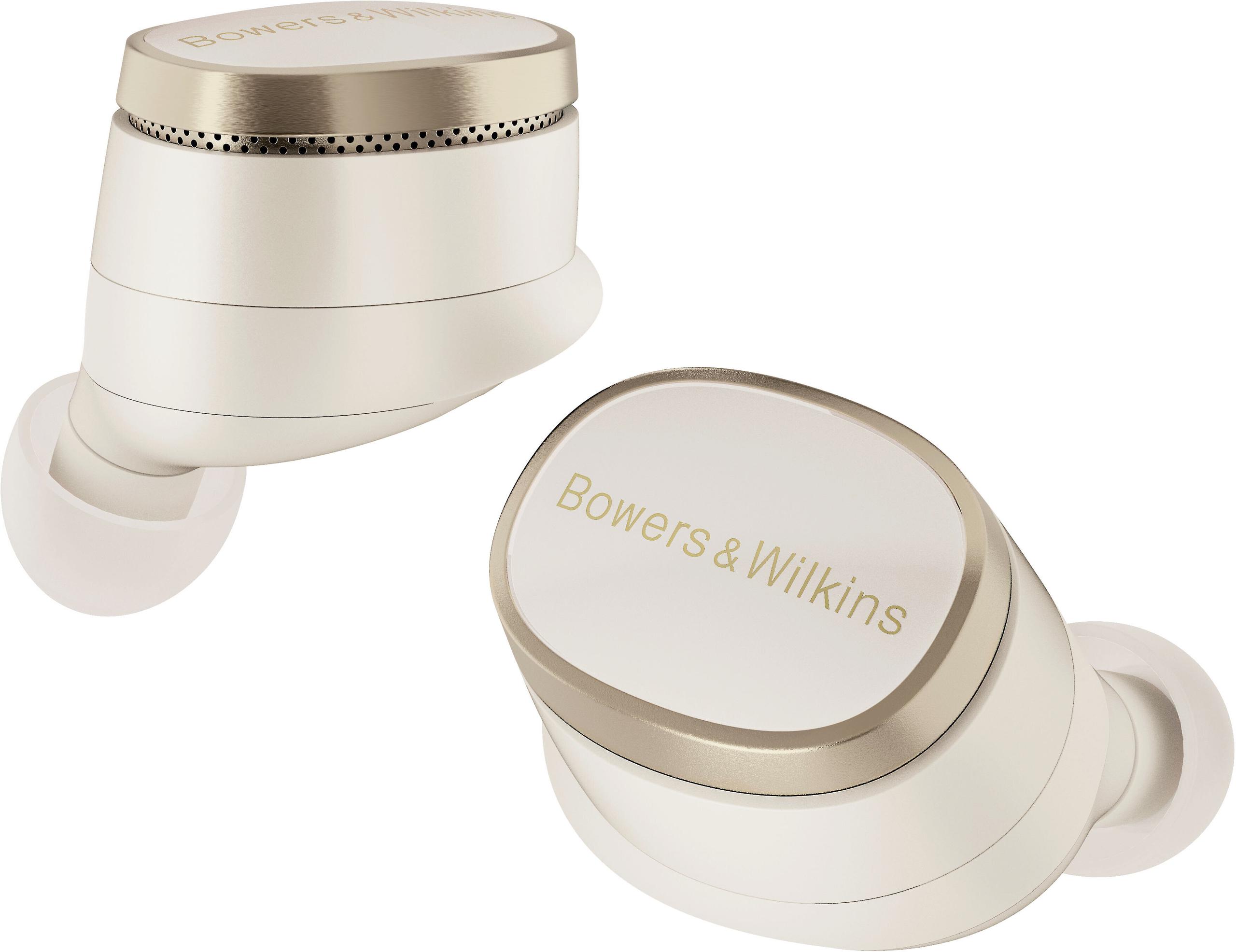
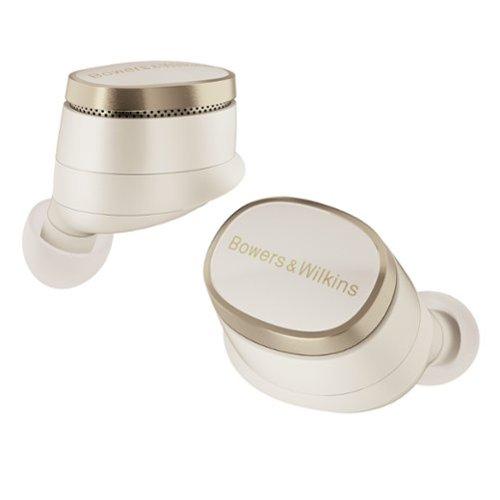
The Bowers & Wilkins Pi8, released in 2024, represents B&W's premium entry into the true wireless space. This British audio company, known for their high-end speakers and headphones, brought their audiophile expertise to create earbuds that prioritize sound quality above all else. Naturally, this focus comes with a premium price tag – expect to pay roughly double what the JBL Live Pro 2 costs.
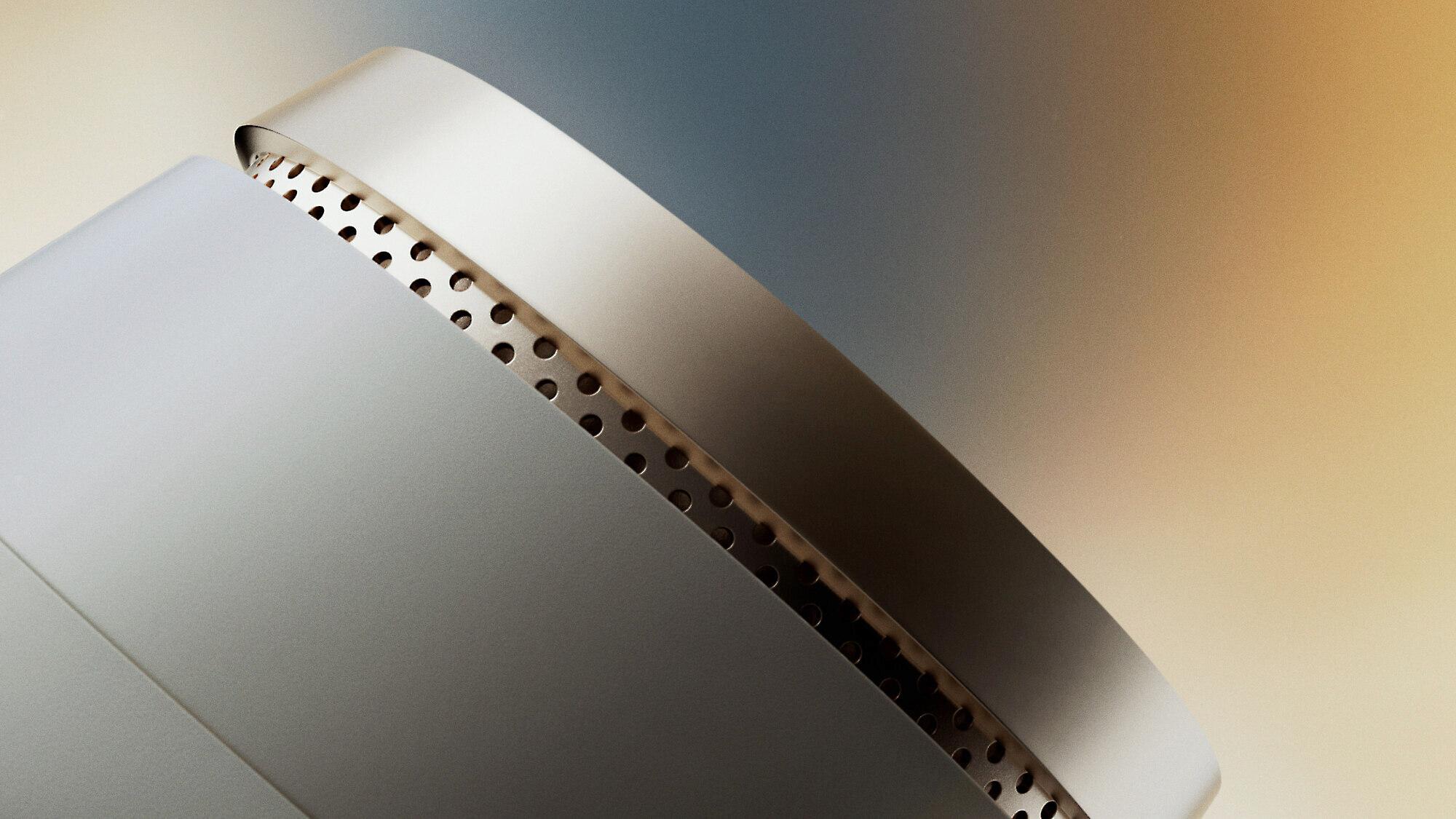
The most significant difference between these earbuds lies in their audio approach. The Bowers & Wilkins Pi8 uses 12mm Carbon Cone drivers – essentially miniaturized versions of the drivers found in B&W's premium over-ear headphones. Carbon fiber cones are stiffer and lighter than conventional plastic or paper drivers, which means they can move more precisely and with less distortion. Think of it like the difference between a high-performance car's lightweight carbon fiber components versus standard steel – the carbon version responds more accurately to input.
In contrast, the JBL Live Pro 2 employs 11mm dynamic drivers with more conventional materials. While slightly smaller, JBL has tuned these drivers for their signature sound profile that emphasizes bass impact and clear vocals. This isn't necessarily worse – it's a different philosophy focused on making music sound immediately engaging rather than analytically accurate.
The sound signatures reflect these different approaches. The Pi8 delivers what audio enthusiasts call a more "reference" sound – it aims to reproduce music exactly as the artist and engineers intended. Bass is controlled and accurate, mids are transparent, and highs extend cleanly without harshness. This makes familiar songs reveal details you might not have noticed before, but it also means poorly recorded music can sound, well, poorly recorded.
The JBL Live Pro 2 uses what's called a V-shaped sound signature, boosting both bass and treble while keeping mids prominent. This creates an exciting, punchy sound that makes almost everything sound good – your workout playlist will thump with authority, and vocals cut through clearly even in noisy environments. It's the audio equivalent of Instagram's filters: everything looks (or sounds) a bit more appealing than reality.
Here's where technical specifications start mattering for real-world performance. The Pi8 supports aptX Lossless and aptX Adaptive codecs – think of these as different methods for transmitting audio wirelessly. Standard Bluetooth audio compresses music files significantly to fit through the limited bandwidth, similar to how YouTube compresses video. AptX Lossless, as the name suggests, sends the full, uncompressed audio data.
This matters if you stream high-quality music from services like Tidal or have a collection of high-resolution audio files. The Pi8 can actually take advantage of this superior source material, while the JBL Live Pro 2 is limited to standard Bluetooth codecs that compress all audio regardless of source quality.
However – and this is important – you need compatible source devices and high-quality audio files to hear the difference. If you're streaming Spotify on an older Android phone, both earbuds will sound very similar in this regard.
Professional reviewers consistently praise the Pi8 for its impressive soundstage – the sense of space and instrument separation in music. Instead of feeling like sound is happening inside your head (common with many earbuds), the Pi8 creates a more spacious, three-dimensional presentation. Instruments seem to exist in distinct locations, and you can follow individual musical lines even in complex orchestral pieces.
The JBL Live Pro 2 provides good clarity and separation but prioritizes immediacy and impact. The presentation feels more intimate and forward, which works excellently for podcasts, calls, and most popular music genres. It's like comparing a live club performance (intimate, energetic) versus a concert hall experience (spacious, refined).
Both earbuds feature active noise cancellation (ANC) – technology that uses microphones to detect external noise and generates opposite sound waves to cancel it out. However, their implementations reflect their different target audiences.
The Pi8 uses adaptive ANC that continuously adjusts to your environment while prioritizing audio quality. The system works to maintain the earbuds' refined sound signature even when noise cancellation is active. This is technically impressive but means the ANC might not be as aggressively effective in extremely noisy situations.
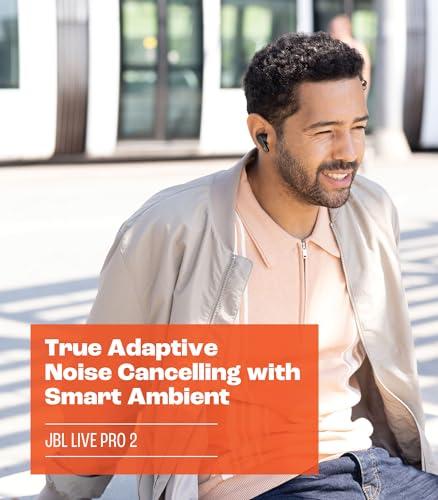
The JBL Live Pro 2 implements what JBL calls "True Adaptive Noise Cancelling," which prioritizes practical effectiveness over audiophile concerns. It's designed to handle real-world scenarios like airplane cabins, busy offices, and city streets. Based on user feedback and professional reviews, the Live Pro 2's ANC tends to be more noticeable and effective for blocking consistent background noise, though it may slightly alter the sound signature when active.
For most users dealing with daily commutes, office noise, or study environments, the JBL Live Pro 2 likely provides more practical noise isolation. The Pi8 excels when you want noise cancellation that doesn't compromise your music listening experience.
This is where the JBL Live Pro 2 absolutely dominates. With 10 hours of playback per charge and 30 additional hours from the charging case, you're looking at 40 hours total battery life. That's nearly a full work week of moderate listening without needing to find a power outlet.
The Bowers & Wilkins Pi8 provides 6.5 hours per charge with 13.5 hours from the case, totaling 20 hours. While respectable, that's exactly half the Live Pro 2's endurance. For frequent travelers, long commuters, or anyone who regularly forgets to charge their devices, this difference matters significantly.
Both support fast charging – 15 minutes plugged in gives you several hours of playback – but the Live Pro 2's superior baseline battery life means you'll need fast charging less frequently.
The JBL Live Pro 2 features IPX5 water resistance, meaning they can handle direct water contact from any angle. This makes them genuinely suitable for intense workouts, running in rain, or even accidental submersion. The construction emphasizes durability for active use – these earbuds are built to handle real-world abuse.
The Pi8 offers IP54 protection, which handles dust and light water splashing but isn't designed for serious moisture exposure. The build quality reflects luxury positioning with premium materials and precise manufacturing, but they're clearly intended for more careful use in controlled environments.
Weight-wise, the Pi8 earbuds are noticeably heavier at 14 grams each versus the Live Pro 2's 9.6 grams. For extended listening sessions, this difference becomes apparent – lighter earbuds simply disappear in your ears more effectively.
The Pi8 supports multipoint connectivity, allowing simultaneous connection to two devices. This means you can seamlessly take a call on your phone while music pauses on your laptop, then resume where you left off. It's incredibly convenient for people juggling work and personal devices.
More uniquely, the Pi8's charging case includes Wireless Audio Retransmission – a feature that lets you connect the case to wired audio sources (like airplane entertainment systems) and stream wirelessly to your earbuds. It's a clever solution for situations where Bluetooth isn't available or allowed.
The JBL Live Pro 2 focuses on reliable single-device connectivity with comprehensive app control. The JBL Headphones app provides detailed EQ customization with a 10-band equalizer, adaptive noise cancellation settings, and Smart Audio/Video modes that optimize performance for different content types.
At the time of writing, the pricing difference between these earbuds is substantial – the Pi8 costs roughly double the JBL Live Pro 2. This raises the crucial question: is the audio quality improvement worth the significant price premium?
For most users, the JBL Live Pro 2 represents exceptional value. You get effective noise cancellation, excellent battery life, robust build quality, and engaging sound that works well across all music genres and use cases. The superior water resistance and longer battery life actually make these more practical for daily use than more expensive alternatives.
The Bowers & Wilkins Pi8 justifies its premium through superior audio quality that's immediately apparent to trained ears. If you regularly listen to high-resolution music, can distinguish subtle audio differences, and value sound quality above practical considerations like battery life, the Pi8 delivers meaningfully better performance.
However, the law of diminishing returns applies here – you're paying significantly more for improvements that, while real, may not be proportionally valuable to casual listeners.
For home theater use, both earbuds face the same fundamental limitation: Bluetooth latency. Even with low-latency codecs, there's typically enough delay between video and audio to be noticeable during movies or gaming. Both models include video mode settings in their respective apps to minimize this delay, but neither eliminates it entirely.
The Pi8's retransmission feature offers an interesting workaround – you can connect the charging case directly to your TV's headphone output and avoid Bluetooth latency entirely while maintaining wireless freedom to your ears. This makes it uniquely suitable for late-night movie watching without disturbing others.
For general home listening, both work well for background music or podcasts, but neither is ideal as a primary home theater audio solution.
The choice between these earbuds ultimately depends on your priorities and listening habits.
Choose the JBL Live Pro 2 if you want excellent all-around performance with outstanding battery life and durability. They're ideal for active users, frequent travelers, or anyone who uses earbuds throughout the day for various activities. The engaging sound signature works well for most music genres and content types, while the superior water resistance and battery life provide real practical advantages. At the time of writing, they offer exceptional value in the premium earbud segment.
The Bowers & Wilkins Pi8 is the choice for dedicated music lovers who prioritize audio quality and can appreciate the refinements that premium audio engineering provides. If you have high-resolution music files, use lossless streaming services, and regularly listen in quiet environments where subtle details matter, the Pi8's superior drivers and codec support deliver meaningfully better performance. The premium price reflects genuine audio improvements, but those improvements are most valuable to listeners who can distinguish and appreciate them.
Consider your typical use cases honestly. If you primarily listen during commutes, workouts, or while multitasking, the JBL Live Pro 2's practical advantages probably matter more than the Pi8's audio refinements. But if music listening is a focused activity for you – if you set aside time specifically to enjoy albums and discover new details in familiar songs – the Pi8's superior audio quality becomes worth the investment.
Both represent excellent examples of their respective approaches to true wireless audio. The JBL Live Pro 2 proves that premium performance doesn't require premium pricing, while the Bowers & Wilkins Pi8 demonstrates what's possible when audio quality takes priority over cost considerations.
| JBL Live Pro 2 TWS True Wireless Earbuds | Bowers & Wilkins Pi8 True Wireless Earbuds |
|---|---|
| Driver Technology - Determines sound quality and detail resolution | |
| 11mm dynamic drivers with consumer-tuned V-shaped signature | 12mm Carbon Cone drivers adapted from premium over-ear headphones |
| Bluetooth Codec Support - Critical for high-resolution audio streaming | |
| Standard SBC and AAC codecs (compressed audio only) | aptX Lossless, aptX Adaptive, aptX Classic (uncompressed CD-quality possible) |
| Battery Life Per Charge - Most important for daily usability | |
| 10 hours (ANC off) / 8 hours (ANC on) | 6.5 hours (with ANC on) |
| Total Battery Life with Case - Determines how often you need to charge | |
| 40 hours total (industry-leading endurance) | 20 hours total (half the Live Pro 2's duration) |
| Water Resistance - Essential for workouts and outdoor use | |
| IPX5 (can handle direct water spray and intense workouts) | IP54 (light splashing only, not suitable for heavy exercise) |
| Weight Per Earbud - Affects comfort during extended wear | |
| 4.8g each (lightweight for all-day comfort) | 7g each (heavier premium construction) |
| Active Noise Cancellation - Effectiveness in blocking background noise | |
| True Adaptive ANC optimized for practical noise blocking | Adaptive ANC tuned to preserve audio quality over maximum isolation |
| Sound Signature - Determines musical presentation style | |
| V-shaped with punchy bass and bright treble (engaging for all genres) | Reference-tuned for analytical listening (reveals recording quality) |
| Multipoint Connectivity - Ability to connect multiple devices simultaneously | |
| Single device connection with reliable stability | Dual device pairing with seamless switching |
| Unique Features - Standout capabilities that differentiate the products | |
| 6-mic system for clear calls, 10-band EQ, Smart Audio/Video modes | Wireless Audio Retransmission from case, 5-band EQ, premium materials |
| Target User - Who gets the most value from each product | |
| Active users, commuters, value-conscious buyers wanting premium features | Audiophiles, critical listeners with high-res music libraries |
The Bowers & Wilkins Pi8 delivers superior sound quality with 12mm Carbon Cone drivers and support for lossless audio codecs like aptX Lossless. The JBL Live Pro 2 offers engaging, consumer-friendly sound with punchy bass, but the Pi8 provides more detailed, accurate audio reproduction that audiophiles will appreciate.
The JBL Live Pro 2 significantly outperforms with 10 hours per charge and 40 hours total with the case, while the Bowers & Wilkins Pi8 provides 6.5 hours per charge and 20 hours total. For all-day use and travel, the Live Pro 2 offers twice the battery endurance.
The JBL Live Pro 2 is clearly better for active use with IPX5 water resistance that can handle intense workouts and rain. The Bowers & Wilkins Pi8 has only IP54 protection, making it suitable for light exercise but not ideal for heavy sweating or outdoor activities.
Both offer active noise cancellation, but with different approaches. The JBL Live Pro 2 uses True Adaptive ANC optimized for practical noise blocking in real-world environments. The Pi8 features adaptive ANC tuned to maintain audio quality, making it less aggressive but more refined for music listening.
The JBL Live Pro 2 provides exceptional value with premium features like adaptive ANC, excellent battery life, and water resistance at a much lower price point. The Bowers & Wilkins Pi8 justifies its premium pricing through superior audio quality and advanced codec support, but represents a significant investment for incremental improvements.
The Bowers & Wilkins Pi8 supports multipoint connectivity, allowing connection to two devices simultaneously with seamless switching. The JBL Live Pro 2 focuses on single-device connectivity but offers reliable, stable connections with comprehensive app controls.
The JBL Live Pro 2 weighs only 4.8g per earbud, making them very comfortable for extended wear. The Pi8 is heavier at 7g per earbud but features premium ergonomic design with four ear tip sizes. Both offer good comfort, but the lighter Live Pro 2 has an advantage for all-day use.
Both feature 6-microphone systems for calls. The JBL Live Pro 2 emphasizes practical call clarity in noisy environments with beamforming technology. The Pi8 balances call quality with audio preservation, offering clear voice transmission while maintaining the refined audio signature.
Neither is ideal for home theater due to Bluetooth latency issues. However, the Bowers & Wilkins Pi8 offers a unique advantage with its Wireless Audio Retransmission feature, allowing you to connect the case directly to your TV's headphone output and avoid Bluetooth delays entirely. The Live Pro 2 includes video modes to minimize latency but doesn't eliminate it.
Both the JBL Live Pro 2 and Bowers & Wilkins Pi8 support wireless charging and fast charging via USB-C. The Live Pro 2 offers 15-minute speed charging for 4 hours of playback, while the Pi8 provides 2 hours of playback from a 15-minute charge.
The JBL Live Pro 2 excels across all popular genres with its V-shaped sound signature that makes everything sound engaging, especially bass-heavy music like hip-hop and EDM. The Bowers & Wilkins Pi8 is better suited for critical listening across all genres, particularly acoustic, jazz, and classical music where detail and accuracy matter most.
The JBL Live Pro 2 offers the JBL Headphones app with a 10-band equalizer, adaptive noise cancellation controls, and Smart Audio/Video modes. The Pi8 includes the B&W Music app with a 5-band EQ, direct streaming from premium services, and TrueSound mode. Both provide solid customization, but the Live Pro 2 offers more comprehensive control options.
We've done our best to create useful and informative comparisons to help you decide what product to buy. Our research uses advanced automated methods to create this comparison and perfection is not possible - please contact us for corrections or questions. These are the sites we've researched in the creation of this article: rtings.com - rtings.com - crutchfield.com - majorhifi.com - loudnwireless.com - techradar.com - youtube.com - youtube.com - wifihifi.com - scarbir.com - youtube.com - versus.com - jbl.com - rtings.com - boizoff.com - crutchfield.com - whathifi.com - hu.harmanaudio.com - robot-advance.com - youtube.com - youtube.com - jbl.com.sg - kh.jbl.com - jbl.com - jbl.com - walmart.com - youtube.com - bestbuy.com - versus.com - techradar.com - bowerswilkins.com - youtube.com - bestbuy.com - whathifi.com - audioholics.com - crutchfield.com - whathifi.com - audio46.com - rtings.com - audioadvice.com - engadget.com - youtube.com - audio46.com - audiograde.uk - youtube.com - techwelike.com - youtube.com - audioadvice.com - soundguys.com - bestbuy.com - bowerswilkins.com - headphones.com - bowerswilkins.com - bowerswilkins.com - audio46.com - youtube.com - shop.womenshealthmag.com - head-fi.org - youtube.com - youtube.com - bowerswilkins.cn - bowerswilkins.com - audio46.com - bowerswilkins.com

Privacy Policy
Terms and Conditions - Affiliate Policy
Home Security
© Copyright 2008-2026.
11816 Inwood Rd #1211, Dallas, TX 75244