







When shopping for true wireless earbuds, you'll quickly discover a massive price spectrum that can leave your head spinning. At the time of writing, you can find decent options for less than $15 or spend upwards of $300 for audiophile-grade models. The question isn't just about what you can afford—it's about understanding what you actually get for your money and whether those extra features justify the premium.
Today, we're comparing two earbuds that sit at opposite ends of this spectrum: the ultra-budget TOZO A1 and the premium Bowers & Wilkins Pi8. This comparison will help you understand not just which is "better," but which makes more sense for your specific needs and budget.
True wireless earbuds have evolved dramatically since Apple's AirPods launched in 2016. What started as a novelty has become the dominant audio accessory, with improvements in battery life, sound quality, and features happening at breakneck speed. The market now spans from ultra-budget options to audiophile-grade models that rival dedicated headphones.
The key considerations when choosing earbuds haven't changed much: sound quality remains king, followed closely by comfort and fit—because even the best-sounding earbuds are useless if they fall out of your ears. Battery life determines daily usability, while connectivity reliability can make or break your experience during calls or workouts. Finally, value for money ties everything together, helping you find the sweet spot between features and cost.
Modern earbuds also offer advanced features like active noise cancellation (ANC), which uses microphones and digital processing to cancel out ambient noise, and support for high-quality audio codecs—the digital compression formats that determine how much audio detail gets preserved during wireless transmission.
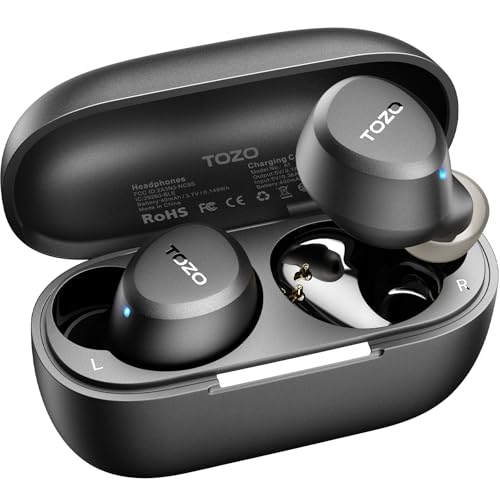
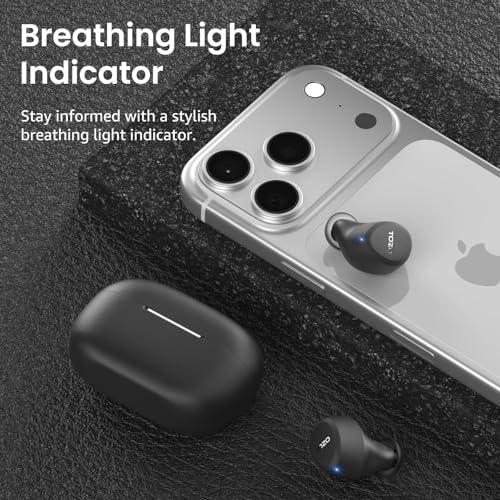
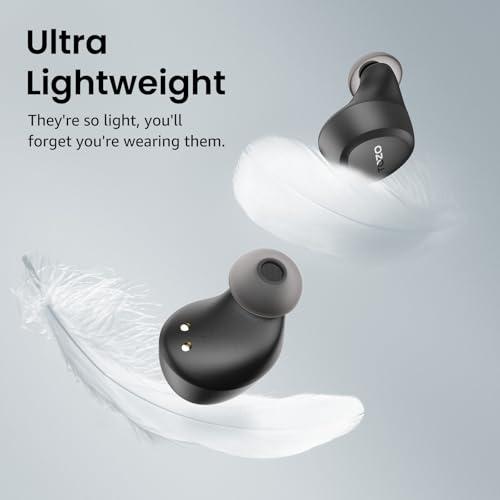
Released in 2024, the TOZO A1 represents the current state of ultra-budget earbud engineering. At its price point, you'd expect significant compromises, but TOZO has managed to pack in features that were premium just a few years ago. The standout feature is its ultra-lightweight design at just 3.7 grams per earbud—lighter than most coins in your pocket.
The A1's design philosophy centers on simplicity and comfort. Rather than cramming in every possible feature, TOZO focused on nailing the basics: reliable connectivity, decent sound, and all-day comfort. It's the kind of approach that often works better in practice than on paper.
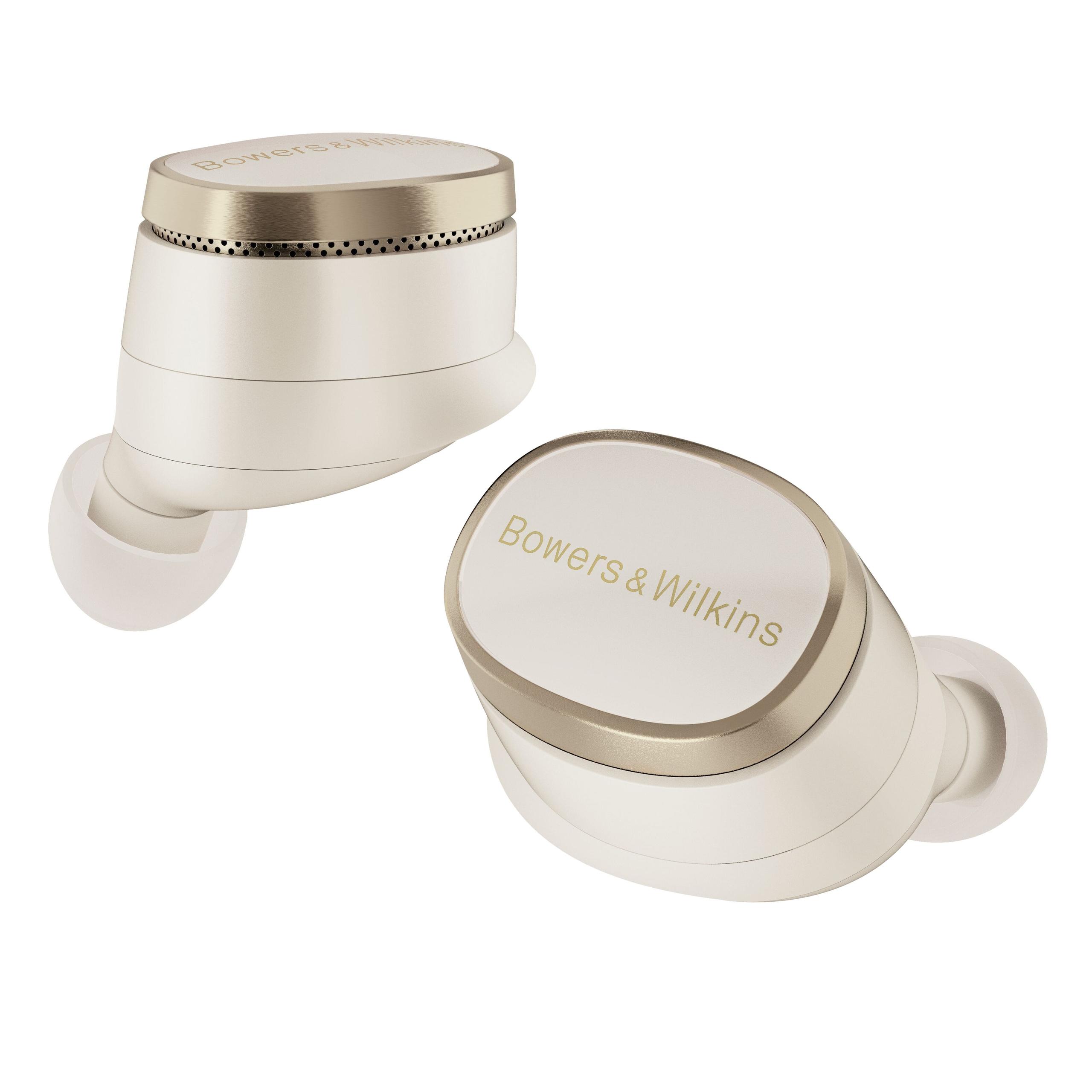
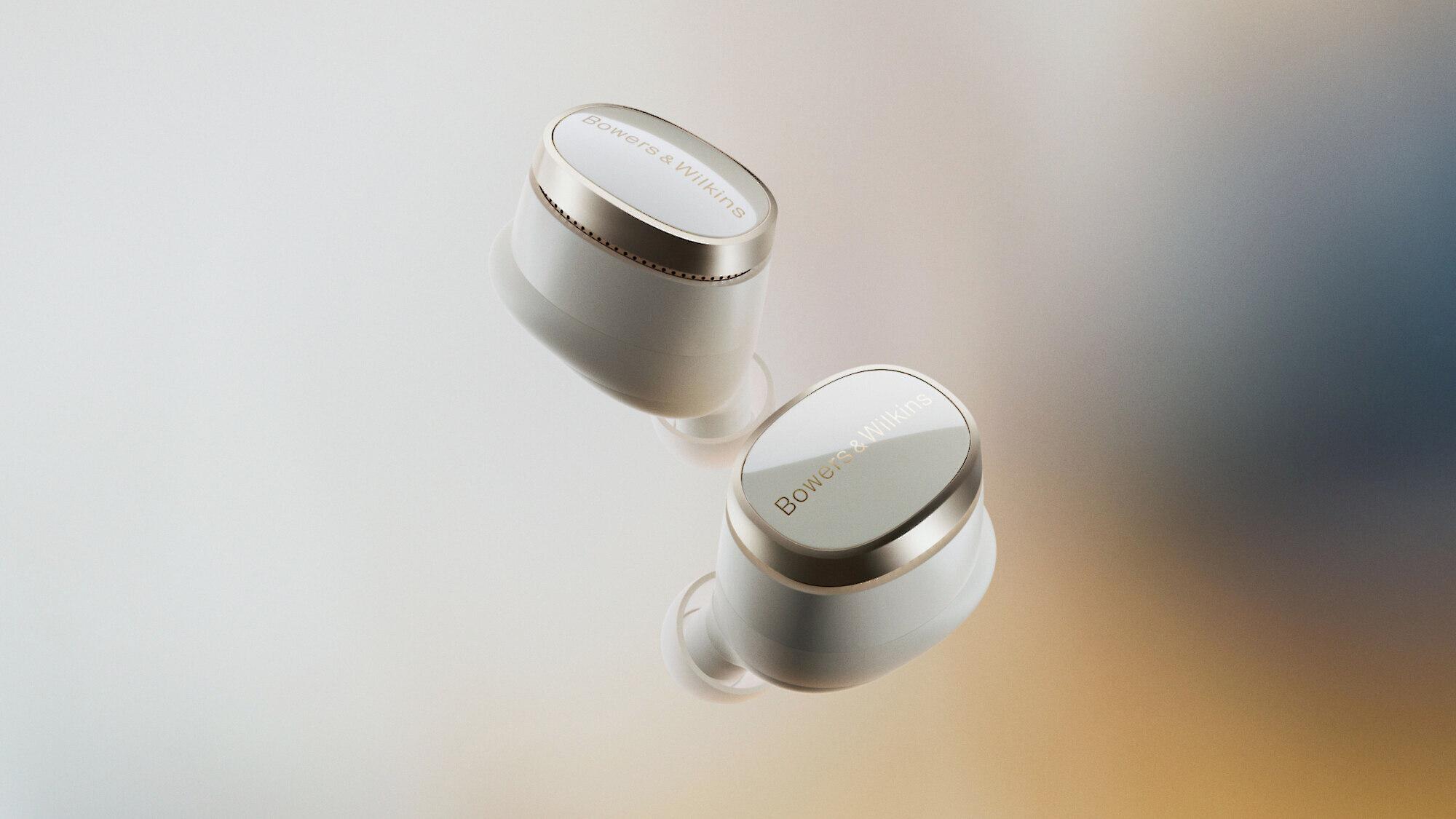
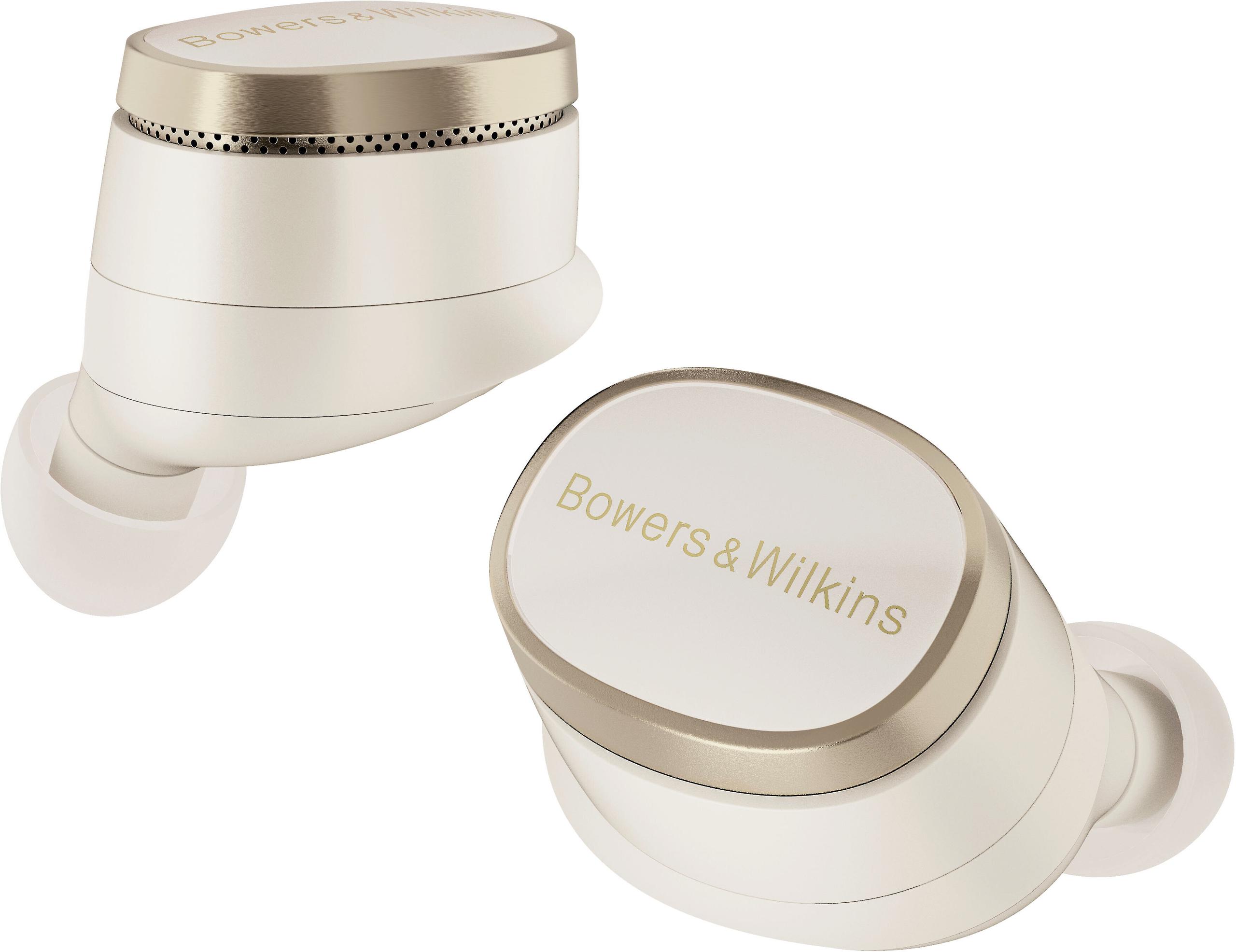
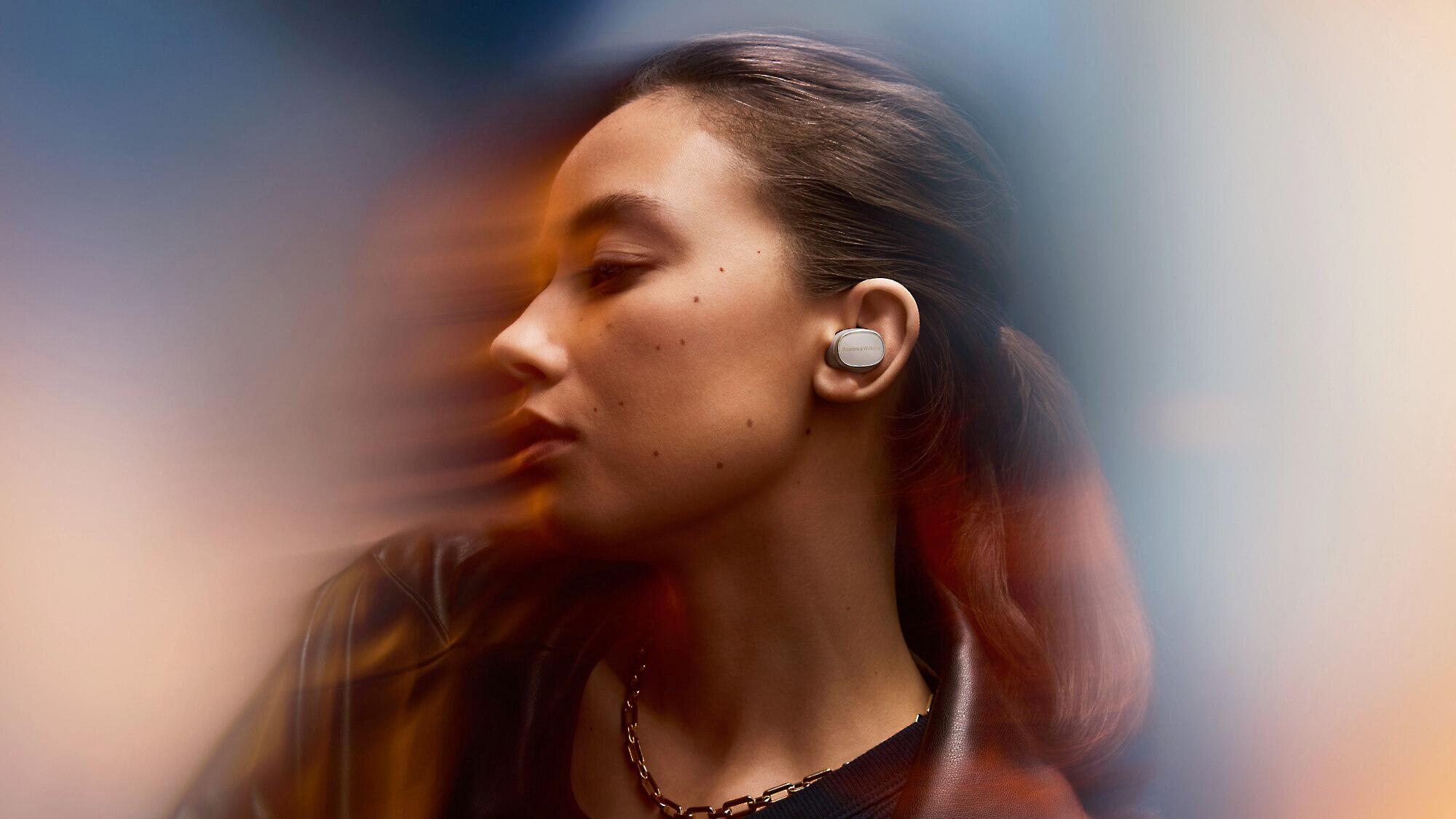
The Pi8, launched in 2024, represents Bowers & Wilkins' latest attempt to bring their 50+ years of premium audio expertise to the true wireless market. B&W has been crafting high-end speakers and headphones since 1966, and their reputation among audiophiles is virtually unmatched. The Pi8 isn't just another set of earbuds—it's B&W's statement that true wireless can deliver audiophile-quality sound.
The Pi8 packs 12mm Carbon Cone drivers adapted from their premium Px8 over-ear headphones, along with advanced digital signal processing (DSP)—the computer chip that fine-tunes audio in real-time. It's the kind of engineering that typically costs significantly more in traditional headphones.
Sound quality separates good earbuds from great ones, and the differences between these models tell a fascinating story about audio engineering at different price points.
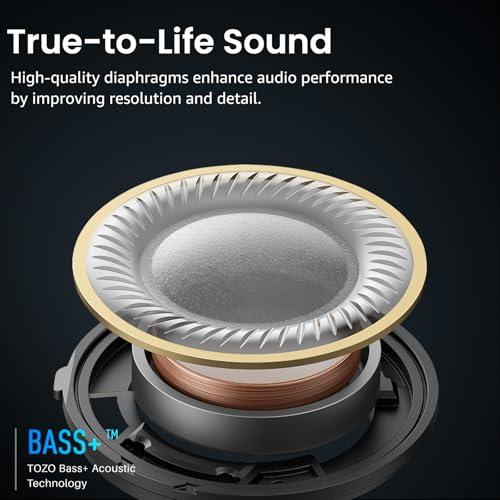
The TOZO A1 uses 6mm dynamic drivers with a frequency response range of 20Hz to 20kHz—the full range of human hearing. What's impressive isn't the specs on paper, but how TOZO tuned these drivers. Unlike many budget earbuds that pump up the bass to mask poor overall quality, the A1 takes a more balanced approach.
Based on our research into user and expert feedback, the A1 delivers a mid-focused sound signature that makes vocals particularly clear and natural. Male and female voices come through with surprising clarity, while instruments like guitar and piano benefit from this midrange emphasis. The bass is present but controlled—it won't rattle your skull, but it provides enough foundation to keep music engaging.
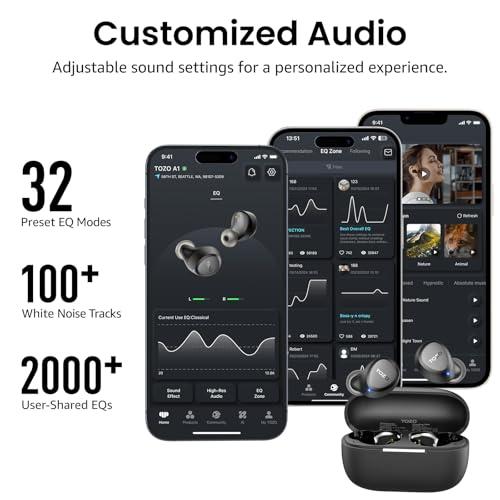
The A1 includes 32 preset EQ modes through TOZO's companion app, allowing you to customize the sound signature. However, reviews consistently warn that pushing the bass too high makes the sound muddy quickly—a limitation of the small drivers working at their limits.
For casual listening to podcasts, audiobooks, or mainstream music, the A1 delivers surprisingly engaging sound that belies its ultra-budget pricing. You won't get the detail retrieval of premium models, but you'll get music that's pleasant and fatigue-free for hours of listening.
The Pi8 operates in a completely different league. Its 12mm Carbon Cone drivers—the same technology found in B&W's premium over-ear headphones—provide significantly more surface area and better control than typical earbud drivers. Carbon fiber cones are stiffer and lighter than traditional materials, reducing distortion while improving high-frequency detail.
What sets the Pi8 apart is its true 24-bit audio processing chain and support for aptX Lossless—a codec that can transmit CD-quality audio wirelessly without compression. Most earbuds, including the A1, use lossy compression that discards audio information to save bandwidth. The Pi8 preserves every detail your source device can provide.
Professional reviews consistently praise the Pi8's natural tuning and exceptional detail retrieval. The soundstage—how wide and three-dimensional music sounds—rivals much more expensive headphones. Individual instruments are clearly separated in complex recordings, and subtle details like room acoustics or string vibrations become audible.
The bass response is tight and controlled, extending deep without overwhelming other frequencies. The treble is crisp and extended without harshness—a difficult balance that demonstrates B&W's decades of acoustic engineering expertise.
For home theater use, the Pi8 excels at delivering the spatial information and dynamic range that makes movie soundtracks engaging. The wide soundstage helps create the illusion that sound is coming from around you rather than directly from your ears.
This feature represents one of the starkest differences between our contenders, and it's worth understanding why ANC matters beyond just blocking noise.
The TOZO A1 has no active noise cancellation, relying entirely on passive isolation—the physical seal created by the ear tips blocking your ear canal. With the right fit, this can block a surprising amount of consistent noise like air conditioning or distant traffic. However, passive isolation is ineffective against variable sounds like conversations, sudden noises, or the rumble of airplane engines.
For many users, especially those primarily listening in quiet environments like offices or homes, passive isolation proves sufficient. The A1's lightweight design actually helps here—it doesn't create the suction feeling some earbuds produce, making extended wear more comfortable.
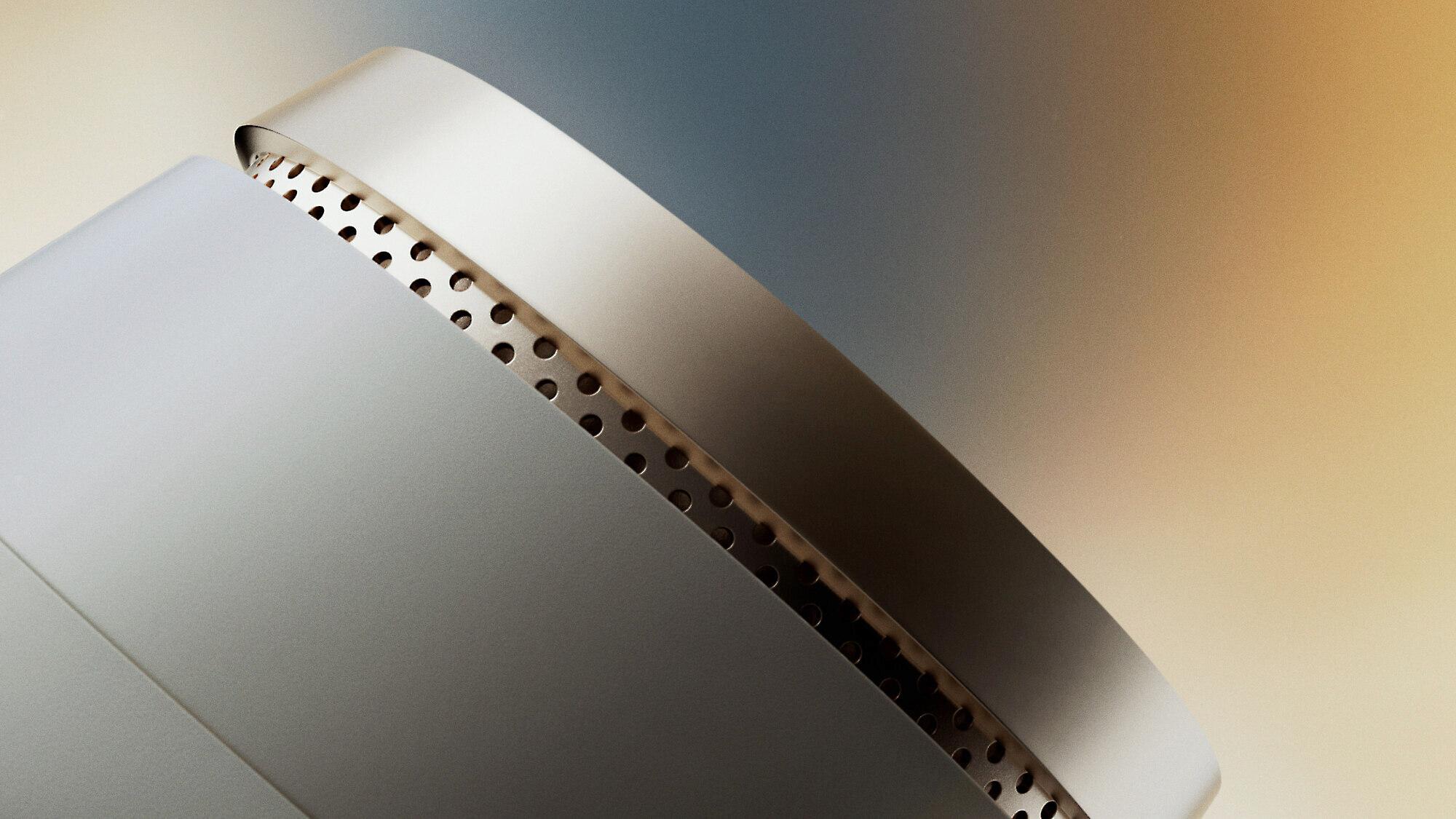
The Pi8 features sophisticated adaptive ANC using three microphones per earbud. Here's how it works: external microphones capture ambient noise, while internal microphones monitor what you're actually hearing. A digital processor analyzes these signals in real-time and generates "anti-noise"—sound waves that are exactly opposite to the incoming noise, canceling it out.
What makes the Pi8's ANC special is its adaptive nature. The system automatically adjusts cancellation strength based on your environment, becoming more aggressive in loud spaces and pulling back in quieter areas to preserve audio quality. This prevents the "underwater" feeling that overly aggressive ANC can create.
The transparency mode deserves special mention. Instead of just turning off ANC, it uses the external microphones to pipe in environmental sound, letting you hear announcements or conversations without removing the earbuds. The Pi8 includes wind noise reduction specifically for outdoor activities—the system recognizes wind hitting the microphones and prevents the rushing sound that can make ANC counterproductive during runs or cycling.
For frequent travelers, commuters, or anyone working in noisy environments, the Pi8's ANC transforms the listening experience from merely acceptable to genuinely immersive.
Battery performance determines whether earbuds enhance your daily routine or become another thing to worry about charging.
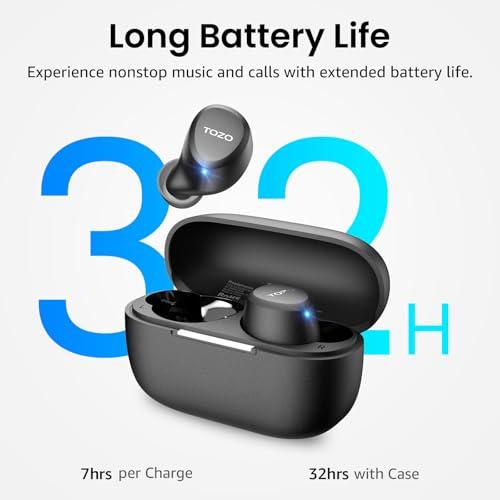
The TOZO A1 delivers exceptional battery life that puts many premium earbuds to shame. Each earbud provides 5.5 to 7 hours of playback depending on volume and codec selection, with the charging case extending total playback to an impressive 32 hours.
This performance comes from efficiency rather than larger batteries. The A1's simpler electronics and lack of power-hungry features like ANC allow the 40mAh batteries to last longer. The charging case holds 400mAh—enough for multiple full recharges.
For users who frequently forget to charge devices or take long trips, this battery performance is genuinely liberating. You can go days without thinking about charging, making the A1 ideal for camping, long flights, or just absent-minded users who struggle with daily charging routines.
The Pi8 provides 6.5 hours per charge with ANC enabled, extending to 20 hours total with the case. While this is less total time than the A1, it's competitive with other premium earbuds and sufficient for most daily use patterns.
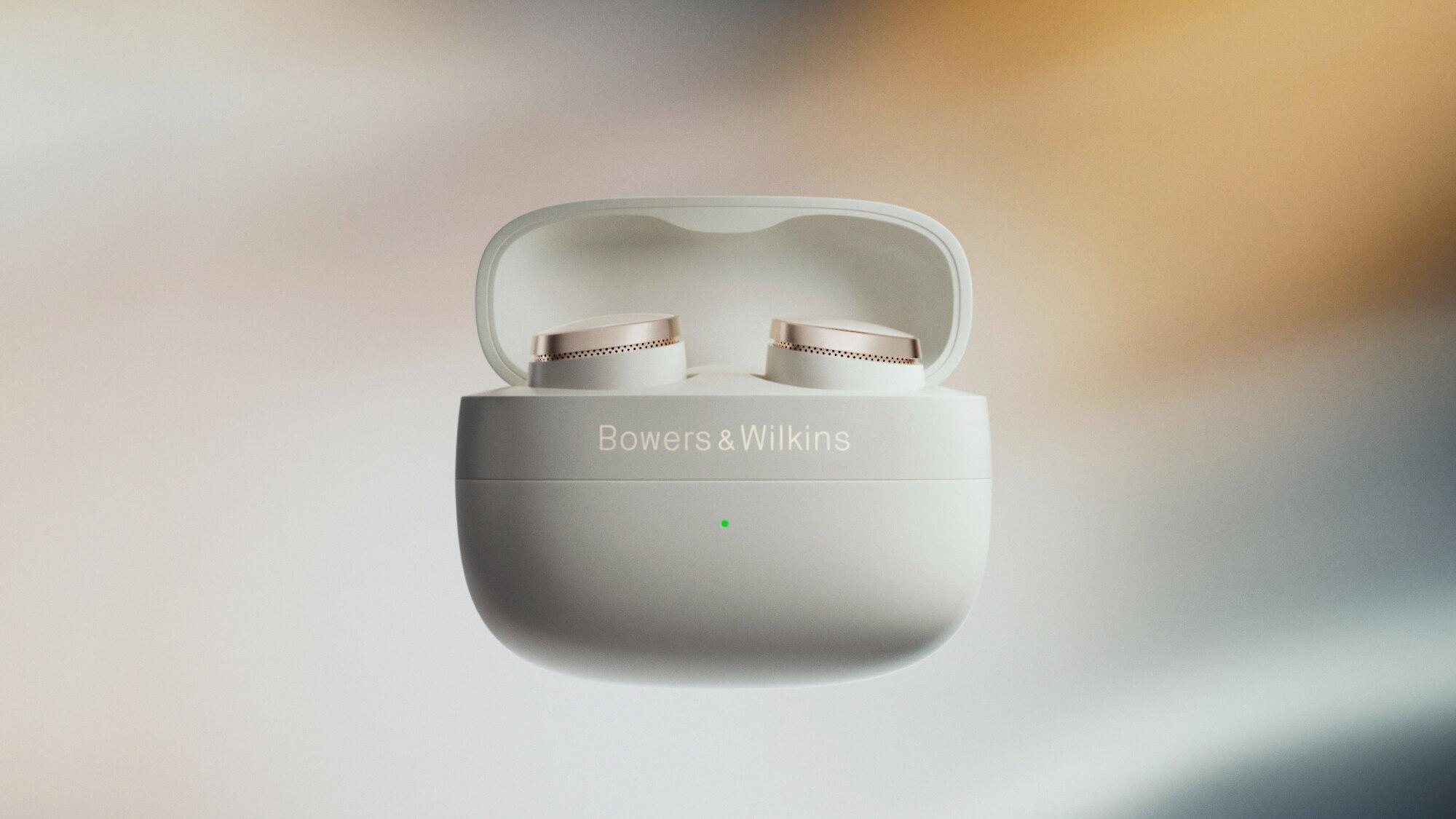
Where the Pi8 shines is charging convenience. The wireless charging case eliminates cable fumbling—just drop it on any Qi charging pad. The 15-minute quick charge providing 2 hours of playback is genuinely useful for those "oh no, dead battery" moments before important calls or flights.
The Pi8's case also includes a unique feature: audio retransmission. You can connect the case directly to non-Bluetooth audio sources like airplane entertainment systems or gym equipment using the included cable, then transmit wirelessly to the earbuds. It's the kind of thoughtful engineering that justifies premium pricing.
Modern earbuds live or die by their wireless performance, and codec support determines audio quality over Bluetooth connections.
The TOZO A1 uses Bluetooth 5.3 with support for AAC and SBC codecs. SBC (Subband Coding) is the basic Bluetooth audio standard—it works with everything but compresses audio significantly. AAC (Advanced Audio Coding) offers better quality and is preferred by Apple devices, though Android phones have historically had mixed AAC implementation.
In practice, the A1's connectivity proves reliable within its limitations. Pairing is quick and reconnection is automatic. The connection remains stable within typical Bluetooth range, and audio latency—the delay between video and audio—is minimal for a budget model.
The A1 connects to one device at a time, requiring manual switching between your phone, laptop, or tablet. For users with simple device ecosystems, this limitation rarely matters.
The Pi8 represents the current state-of-the-art in wireless audio connectivity. Bluetooth 5.4 provides improved stability and power efficiency, while the codec support reads like an audiophile wish list: aptX Lossless, aptX Adaptive, aptX, AAC, and SBC.
AptX Lossless deserves special explanation—it can transmit true CD-quality audio (16-bit/44.1kHz) without any compression, provided your source device supports it. AptX Adaptive automatically adjusts quality and latency based on your connection and content type, prioritizing quality for music and low latency for video.
The three-device multipoint connectivity is genuinely useful for modern workflows. Your Pi8 can simultaneously connect to your phone, laptop, and tablet, automatically switching to whichever device starts playing audio. Answer a call on your phone while listening to music on your laptop? The earbuds seamlessly handle the transition.
This connectivity sophistication makes the Pi8 particularly valuable for professionals juggling multiple devices throughout the day.
With remote work remaining common, call quality has become crucial for many users.
The TOZO A1 includes dual microphones with AI-powered noise cancellation for calls. In quiet environments, voice clarity is adequate for phone calls and video meetings. However, the system struggles with background noise rejection, and user feedback indicates voices come through somewhat softly.
The A1 works fine for occasional calls from quiet locations, but it's not the choice for users who spend hours daily on conference calls or need reliable performance in noisy environments.
The Pi8 excels at call quality with three microphones per earbud providing superior voice isolation. The advanced processing effectively filters out background noise while preserving voice clarity. Wind noise reduction makes outdoor calls practical—something many earbuds struggle with.
Based on professional reviews, the Pi8's call quality approaches dedicated business headsets. The voice pickup is clear and natural, background noise suppression is effective, and the overall experience is professional enough for important business calls.
Comfort determines whether you'll actually want to use your earbuds regularly, making it perhaps the most practical consideration.
The TOZO A1's 3.7-gram weight per earbud is genuinely remarkable. For comparison, a standard paperclip weighs about 1 gram—these earbuds weigh less than four paperclips. This ultra-light design makes extended wear comfortable for users who typically struggle with earbud fatigue.
The A1 was specifically designed for smaller ears, addressing a common complaint about earbuds being too large. Five ear tip sizes (XS through XXL) accommodate virtually any ear shape. The IPX5 water resistance handles sweat and light rain, making them suitable for workouts.
Build quality reflects the budget pricing—plastic construction feels functional rather than premium, but user feedback suggests good durability for the price point. Some users note fit issues when wearing helmets, limiting their usefulness for cycling or similar activities.
The Pi8 demonstrates B&W's attention to materials and construction. The ergonomic design uses premium materials with refined aesthetics that justify the higher price point. Four ear tip sizes plus optional stabilizing wings provide secure fit options for most users.
The IP54 rating protects against dust and water splashes, making them suitable for workouts and outdoor use. The balanced weight distribution prevents the top-heavy feeling some earbuds create, and the build quality feels substantial without being heavy.
Professional reviews consistently praise the Pi8's comfort improvements over previous B&W models, suggesting the company learned from earlier design issues.
Understanding value requires looking beyond simple price comparisons to consider long-term satisfaction and feature utility.
At the time of writing, the TOZO A1 costs roughly what you'd spend on a fast-casual lunch, making it an almost impulse purchase. For this minimal investment, you get reliable Bluetooth connectivity, surprisingly balanced sound quality, exceptional battery life, and genuine all-day comfort.
The A1's value proposition is simple: it delivers the core earbud experience without compromise at an price point that eliminates buyer's remorse. Even if you later upgrade to premium earbuds, the A1 makes an excellent backup pair or dedicated workout earbuds.
The main value limitation is upgrade path—while the A1 does everything adequately, it doesn't excel at anything specific. Users seeking particular strengths like ANC, audiophile sound quality, or professional call features will quickly outgrow its capabilities.
The Pi8 commands premium pricing that places it among the most expensive earbuds available at launch. This pricing requires justification through superior performance rather than just brand prestige.
The Pi8 delivers on its premium promise through genuine technical advantages: superior drivers, advanced digital processing, comprehensive codec support, effective ANC, and business-grade call quality. These aren't just marketing features—they translate to measurably better daily experience for users who value these capabilities.
The value equation depends heavily on your priorities and usage patterns. For casual listeners, the performance advantages may not justify the cost premium. For audiophiles, frequent travelers, or business professionals, the Pi8's capabilities can genuinely improve productivity and enjoyment enough to warrant the investment.
Several unique aspects of these earbuds deserve specific mention for their impact on daily use.
The TOZO A1 supports independent earbud use, allowing you to use either earbud alone while the other charges. This effectively doubles battery life for calls or extends listening time for ultra-long sessions. The 32 preset EQ modes provide surprising customization flexibility for a budget model.
The Pi8's case audio retransmission feature is genuinely innovative, solving the common problem of non-Bluetooth audio sources. The simultaneous three-device connectivity eliminates the constant pairing/unpairing dance common with single-connection earbuds.
For home theater use, the Pi8's wide soundstage and detailed imaging create a more immersive experience than typical earbuds. The low latency and high-quality codecs prevent the audio delay issues that can make earbuds frustrating for video content.
Have budget constraints but need reliable daily earbuds. The A1's ultra-low price eliminates financial stress while delivering genuinely useful performance.
Prioritize comfort above all else. The ultra-lightweight design and small-ear optimization make these ideal for extended wear without fatigue.
Want maximum battery life. The 32-hour total battery life reduces charging anxiety and makes these perfect for travel or infrequent charging habits.
Need backup or secondary earbuds. Even premium earbud owners benefit from having reliable, inexpensive backups for workouts, travel, or situations where loss/damage is possible.
Have simple connectivity needs. Single-device connection and basic codec support work fine for straightforward phone/music listening.
Value audio quality above price considerations. The superior drivers, processing, and codec support deliver genuinely audiophile-quality sound that justifies premium pricing for serious listeners.
Need effective noise cancellation. The adaptive ANC transforms commuting, air travel, and noisy work environments from endurance tests into pleasant experiences.
Rely on earbuds for professional calls. The business-grade call quality and wind noise reduction make these suitable for important business communications.
Juggle multiple devices daily. Three-device multipoint connectivity eliminates pairing frustrations for users switching between phones, laptops, and tablets.
Want premium build quality and features. The materials, construction, and thoughtful features like wireless charging justify the investment for users who appreciate refined engineering.
These earbuds represent two valid but completely different approaches to the true wireless market. The TOZO A1 proves that excellent value doesn't require compromise on core functionality, while the Bowers & Wilkins Pi8 demonstrates that premium pricing can be justified through genuinely superior performance.
Your choice ultimately depends on budget and priorities. The A1 delivers surprising satisfaction for its minimal cost, making it an excellent choice for budget-conscious users or anyone seeking reliable backup earbuds. The Pi8 rewards its premium pricing with technical excellence that enhances daily life for users who value superior audio quality and advanced features.
Both earbuds succeed in their respective market segments, proving that whether you spend lunch money or mortgage payment money on earbuds, you can find options that deliver genuine satisfaction when matched to appropriate expectations and use cases.
| TOZO A1 Wireless Earbuds | Bowers & Wilkins Pi8 True Wireless Earbuds |
|---|---|
| Driver Size - Larger drivers typically produce better bass and overall sound quality | |
| 6mm dynamic drivers (adequate for budget earbuds) | 12mm Carbon Cone drivers (audiophile-grade size and materials) |
| Active Noise Cancellation - Essential for commuting, travel, and noisy environments | |
| None (passive isolation only) | Advanced adaptive ANC with 3 microphones per earbud |
| Audio Codecs - Higher quality codecs preserve more musical detail over Bluetooth | |
| AAC, SBC (basic quality suitable for casual listening) | aptX Lossless, aptX Adaptive, aptX, AAC, SBC (audiophile-grade transmission) |
| Battery Life Per Charge - Determines how often you'll need to recharge during the day | |
| 5.5-7 hours (exceptional for budget earbuds) | 6.5 hours with ANC (competitive for premium models) |
| Total Battery Life - Important for travel and users who forget to charge frequently | |
| 32 hours with case (outstanding longevity) | 20 hours with case (adequate for daily use) |
| Weight Per Earbud - Lighter earbuds are more comfortable for extended wear | |
| 3.7g (ultra-lightweight, ideal for small ears) | Standard weight (ergonomic design with premium materials) |
| Water Resistance - Protection against sweat and rain during workouts | |
| IPX5 (sweat and light water resistant) | IP54 (dust and water resistant, more comprehensive protection) |
| Bluetooth Connectivity - Newer versions offer better stability and features | |
| Bluetooth 5.3, single device connection | Bluetooth 5.4, simultaneous 3-device multipoint connectivity |
| Charging Features - Convenience features that enhance daily usability | |
| USB-C charging only (2-hour charge time) | Wireless charging case + USB-C, 15-min quick charge for 2 hours playback |
| Call Quality - Critical for remote work and business communications | |
| Dual mics with basic AI noise reduction (adequate for quiet environments) | 3 mics per earbud with advanced processing (business-grade call quality) |
| App Features - Customization options that let you tailor the sound to your preferences | |
| 32 preset EQ modes via TOZO app | Full EQ customization and controls via Bowers & Wilkins Music app |
| Unique Features - Special capabilities that differentiate each product | |
| Independent earbud use, ultra-budget pricing | Audio retransmission from case, audiophile-grade sound processing |
The Bowers & Wilkins Pi8 delivers significantly better sound quality with its 12mm Carbon Cone drivers and audiophile-grade tuning. The Pi8 offers superior detail retrieval, wider soundstage, and support for high-resolution audio codecs like aptX Lossless. The TOZO A1 provides surprisingly balanced sound for its budget price point, but cannot match the Pi8's technical capabilities and refinement.
No, only the Bowers & Wilkins Pi8 features active noise cancellation with adaptive technology that adjusts to your environment using three microphones per earbud. The TOZO A1 relies entirely on passive noise isolation from the ear tip seal, which blocks some consistent noise but is ineffective against variable sounds like conversations or airplane engines.
The TOZO A1 excels in comfort with its ultra-lightweight 3.7g design specifically engineered for small ears and extended wear. The Bowers & Wilkins Pi8 offers premium ergonomics with quality materials but uses a more traditional weight distribution. For users prioritizing featherweight comfort, the TOZO A1 is superior, while the Pi8 provides refined comfort with better build quality.
The TOZO A1 offers exceptional battery performance with 5.5-7 hours per charge and 32 hours total with the charging case. The Bowers & Wilkins Pi8 provides 6.5 hours per charge with ANC enabled and 20 hours total. While the Pi8 includes convenient wireless charging and 15-minute quick charge, the TOZO A1 wins on total battery longevity.
The Bowers & Wilkins Pi8 delivers business-grade call quality with three microphones per earbud, advanced noise processing, and effective wind noise reduction. The TOZO A1 provides adequate call quality in quiet environments but struggles with background noise rejection and voice clarity. For professional use or frequent calls, the Pi8 is the clear choice.
Only the Bowers & Wilkins Pi8 supports multipoint connectivity, allowing simultaneous connection to three devices with automatic switching between them. The TOZO A1 connects to one device at a time, requiring manual switching between your phone, laptop, or tablet. This makes the Pi8 more convenient for users juggling multiple devices throughout the day.
Both earbuds offer water resistance suitable for workouts - the TOZO A1 features IPX5 rating while the Bowers & Wilkins Pi8 has IP54 protection. The TOZO A1's ultra-lightweight design makes it ideal for extended gym sessions without fatigue. The Pi8 includes stabilizing wings for secure fit during intense activities, though some users may find the TOZO A1 more comfortable for long workouts.
The TOZO A1 provides exceptional value with reliable performance, impressive battery life, and genuine comfort at an ultra-budget price point. The Bowers & Wilkins Pi8 justifies its premium pricing through superior audio quality, advanced features, and build quality. Value depends on your budget and priorities - the TOZO A1 for maximum affordability, the Pi8 for uncompromising performance.
The Bowers & Wilkins Pi8 excels for video content with its wide soundstage, low latency codecs, and detailed audio reproduction that enhances movie soundtracks and dialogue clarity. The TOZO A1 handles video adequately with minimal audio delay, making it suitable for casual viewing. For dedicated home theater use, the Pi8's superior drivers and processing create a more immersive experience.
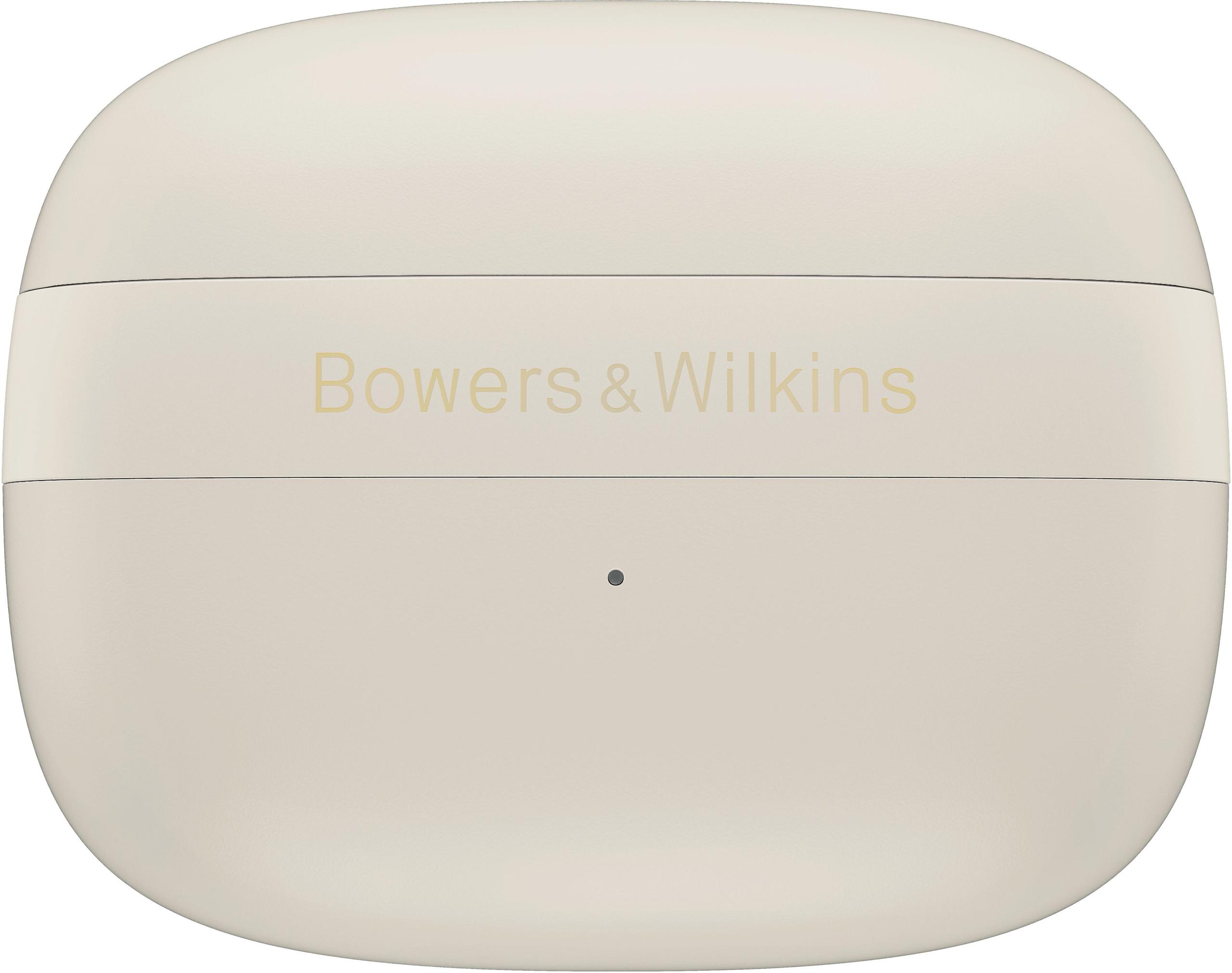
The Bowers & Wilkins Pi8 features a premium wireless charging case with unique audio retransmission capability, allowing direct connection to non-Bluetooth sources. The TOZO A1 includes a compact USB-C charging case with excellent battery capacity. While the Pi8's case offers more convenience features, the TOZO A1's case provides longer total battery life at a fraction of the cost.
The Bowers & Wilkins Pi8 is superior for complex music genres with its detailed instrument separation, natural tuning, and wide soundstage that allows you to hear individual orchestra sections or jazz ensemble interplay. The TOZO A1 offers pleasant listening for all genres but lacks the detail retrieval and dynamics that make classical and jazz recordings truly engaging. Serious music listeners will appreciate the Pi8's audiophile capabilities.
Yes, both the TOZO A1 and Bowers & Wilkins Pi8 support independent earbud use, allowing you to wear just one while the other charges. This feature effectively doubles your battery life for calls or extends listening time. The TOZO A1 particularly benefits from this capability given its already exceptional battery performance, while the Pi8 maintains its premium audio quality even in single-earbud mode.
We've done our best to create useful and informative comparisons to help you decide what product to buy. Our research uses advanced automated methods to create this comparison and perfection is not possible - please contact us for corrections or questions. These are the sites we've researched in the creation of this article: bestbuy.com - izreview.com - tozostore.com - youtube.com - youtube.com - bestbuy.com - mryouwho.com - versus.com - walmart.com - scarbir.com - versus.com - youtube.com - youtube.com - youtube.com - tozostore.com - review-rating.com - us.smartprix.com - tozostore.com - newegg.com - tozostore.com - bestbuy.com - newegg.com - versus.com - tozostore.com - bestbuy.com - manuals.plus - walmart.com - independenttourist.com - techradar.com - bowerswilkins.com - youtube.com - bestbuy.com - whathifi.com - audioholics.com - crutchfield.com - whathifi.com - audio46.com - rtings.com - audioadvice.com - engadget.com - youtube.com - audio46.com - audiograde.uk - youtube.com - techwelike.com - youtube.com - audioadvice.com - soundguys.com - bestbuy.com - bowerswilkins.com - headphones.com - bowerswilkins.com - bowerswilkins.com - audio46.com - youtube.com - shop.womenshealthmag.com - head-fi.org - youtube.com - youtube.com - bowerswilkins.cn - bowerswilkins.com - audio46.com - bowerswilkins.com

Privacy Policy
Terms and Conditions - Affiliate Policy
Home Security
© Copyright 2008-2026.
11816 Inwood Rd #1211, Dallas, TX 75244