

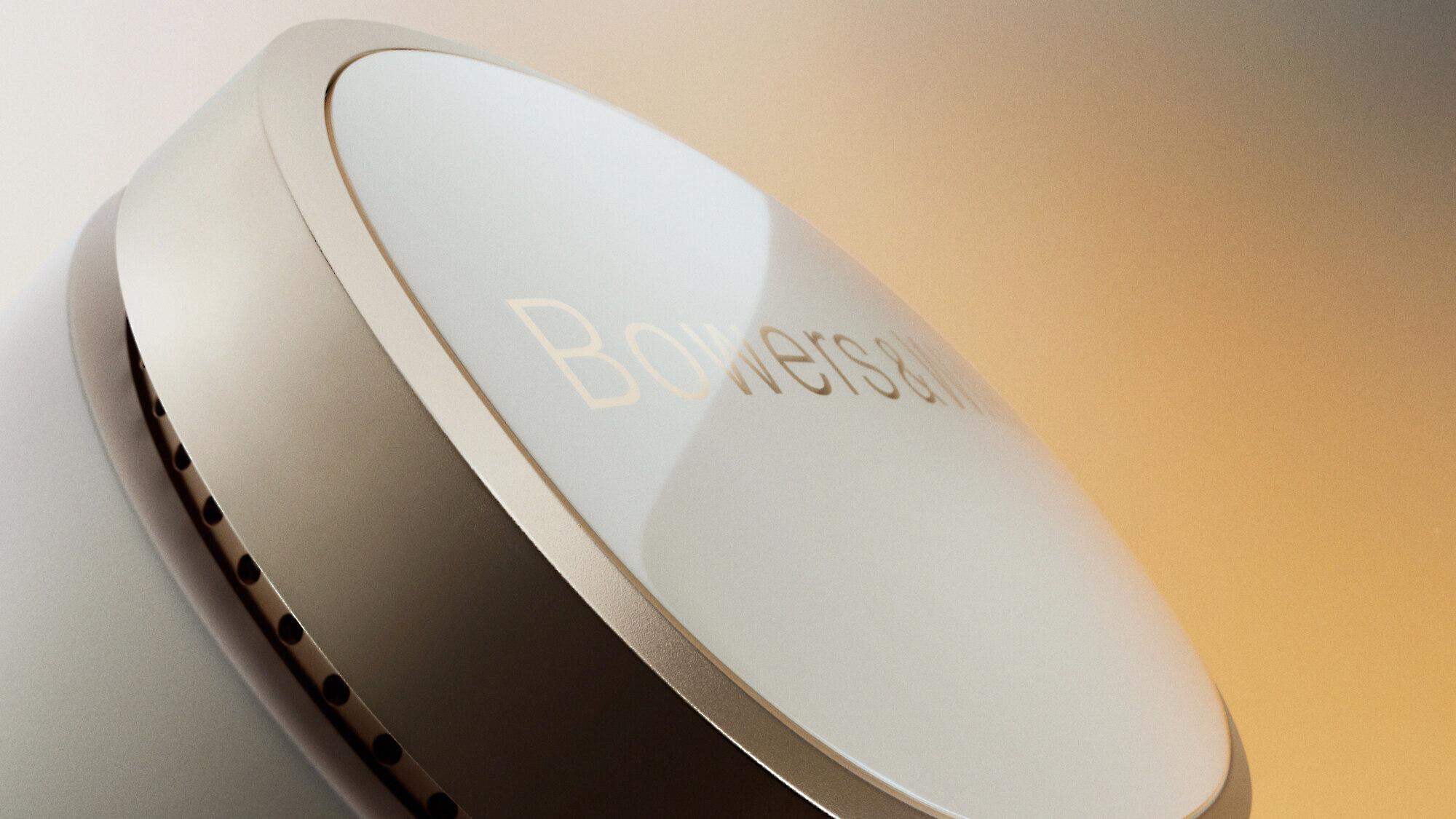
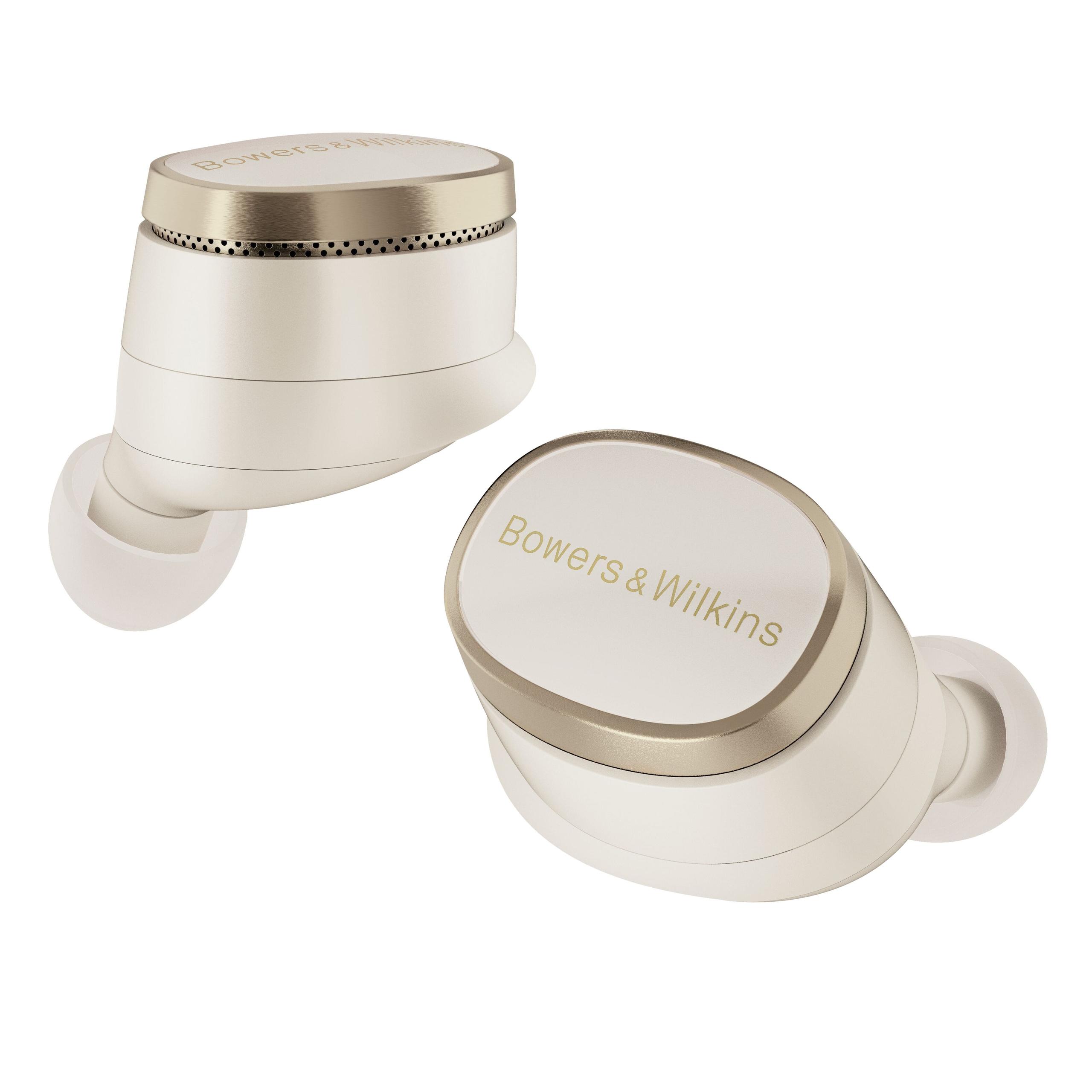
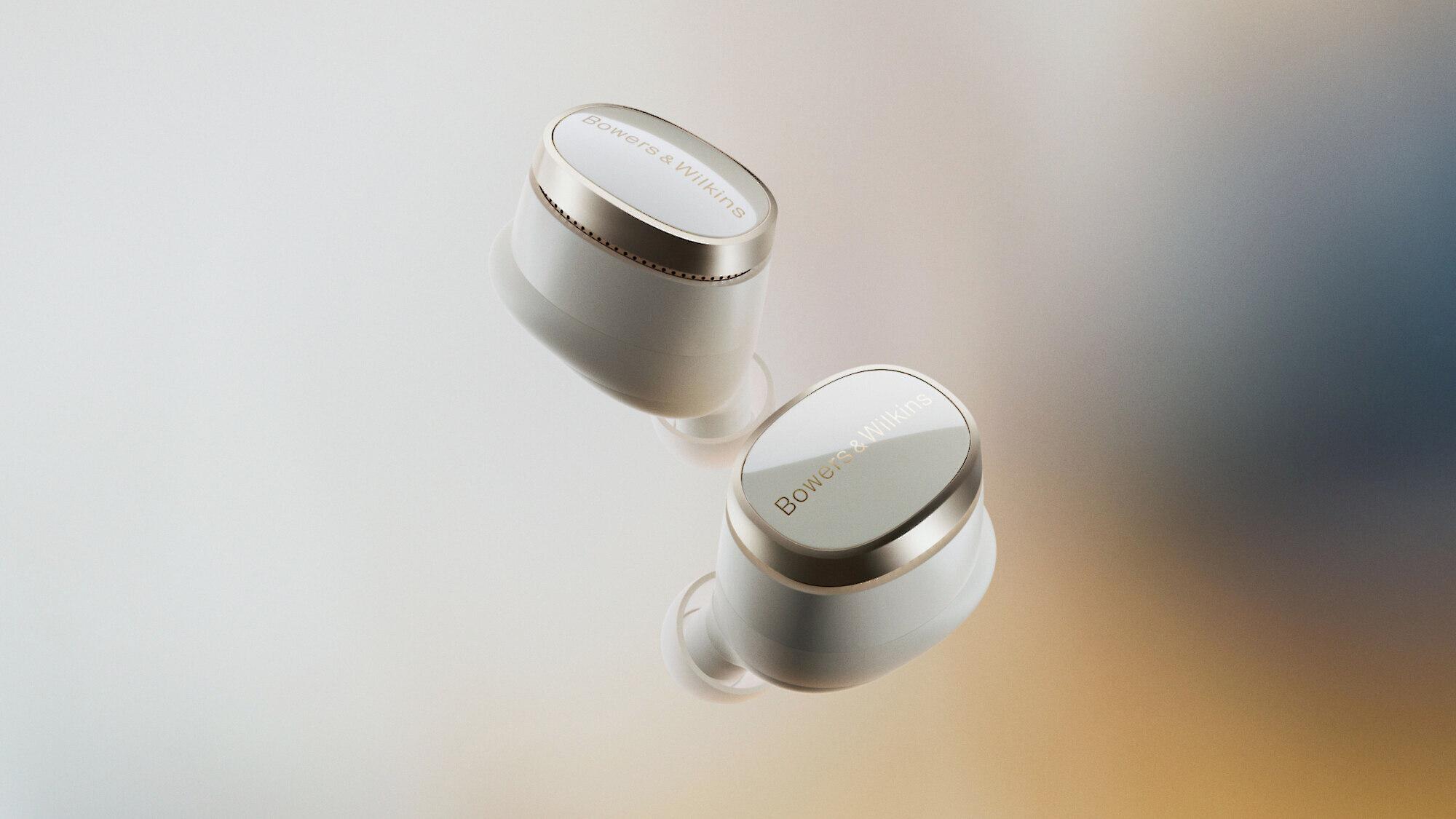
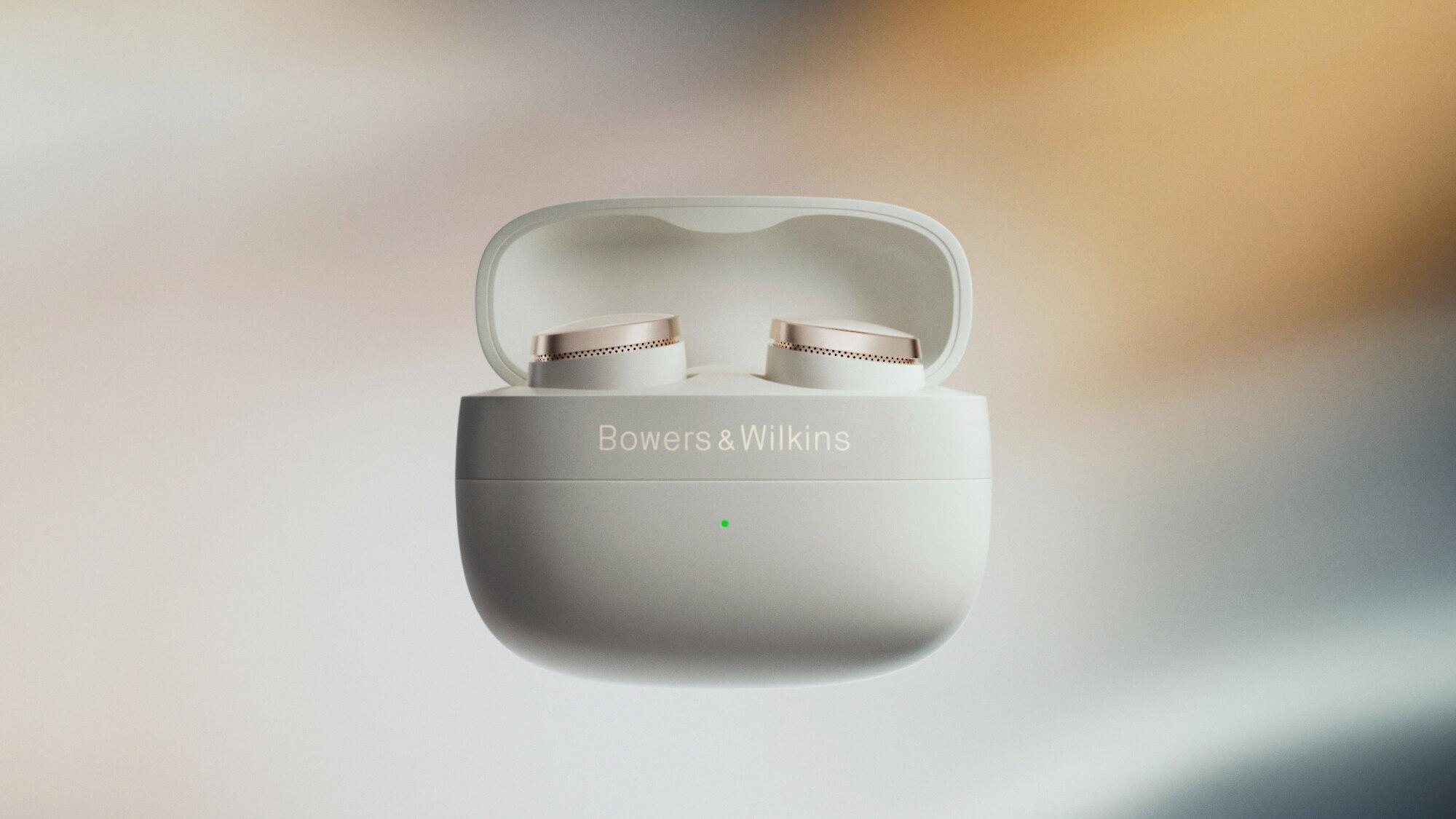








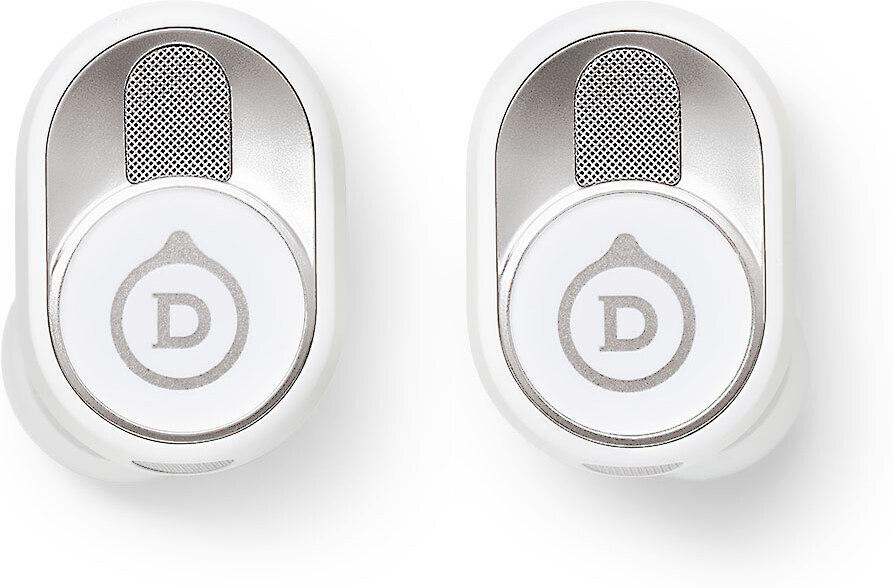

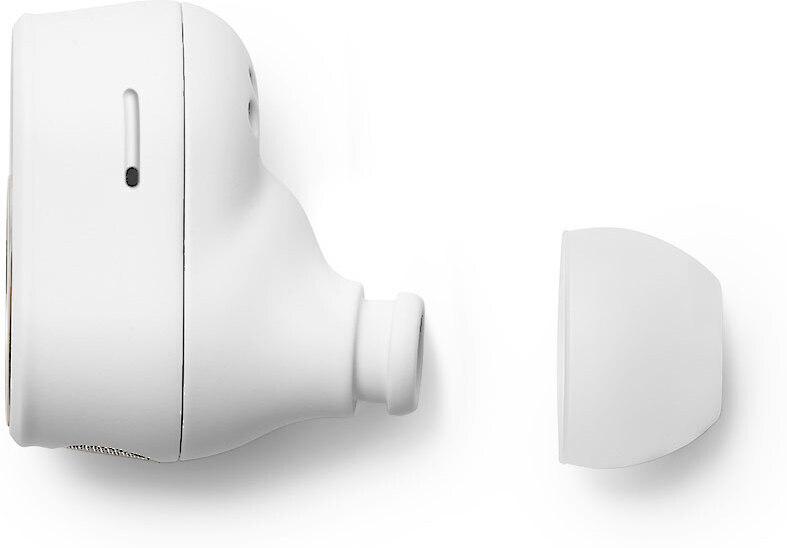
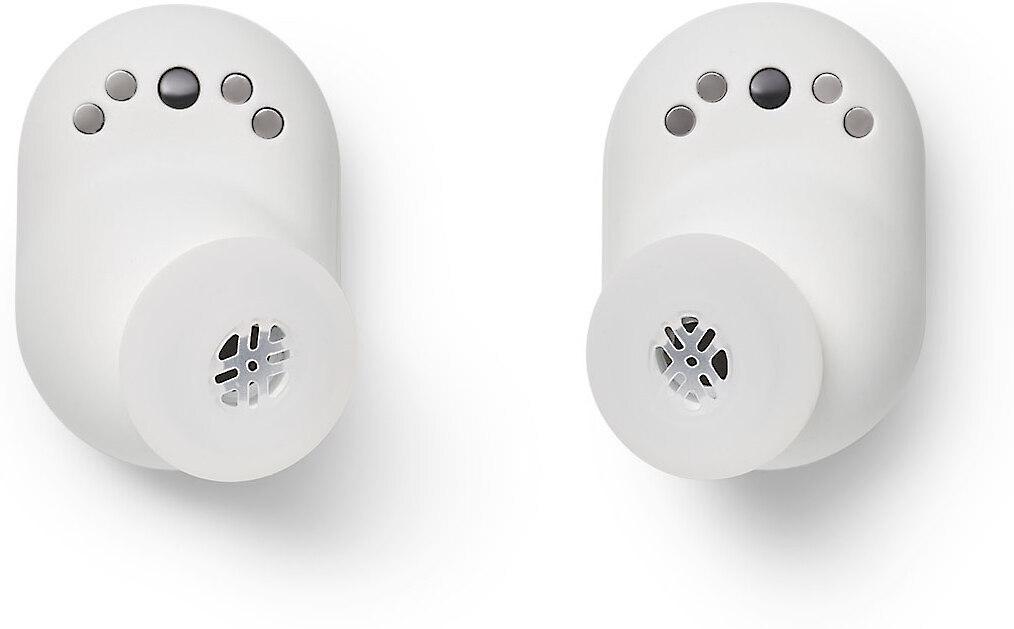

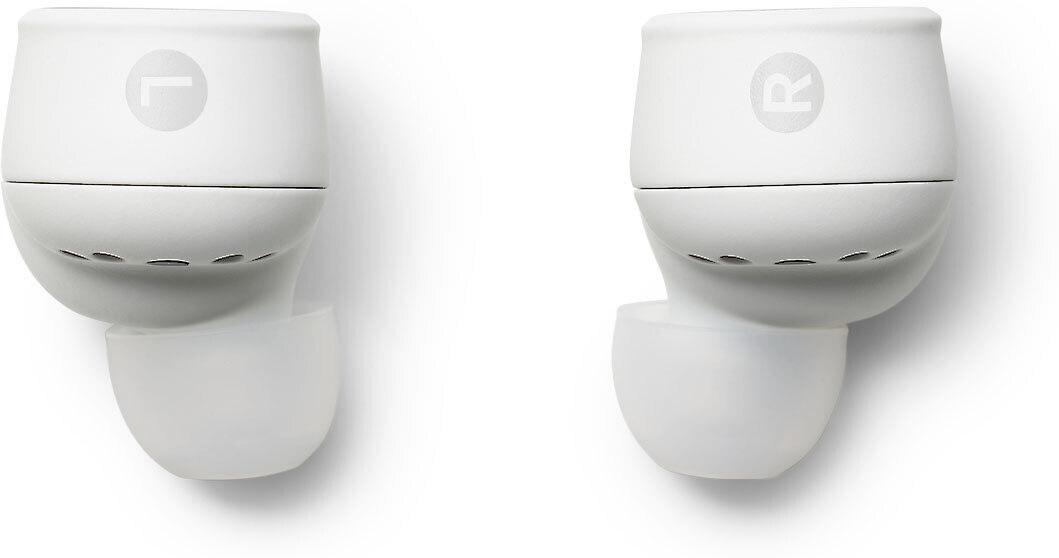
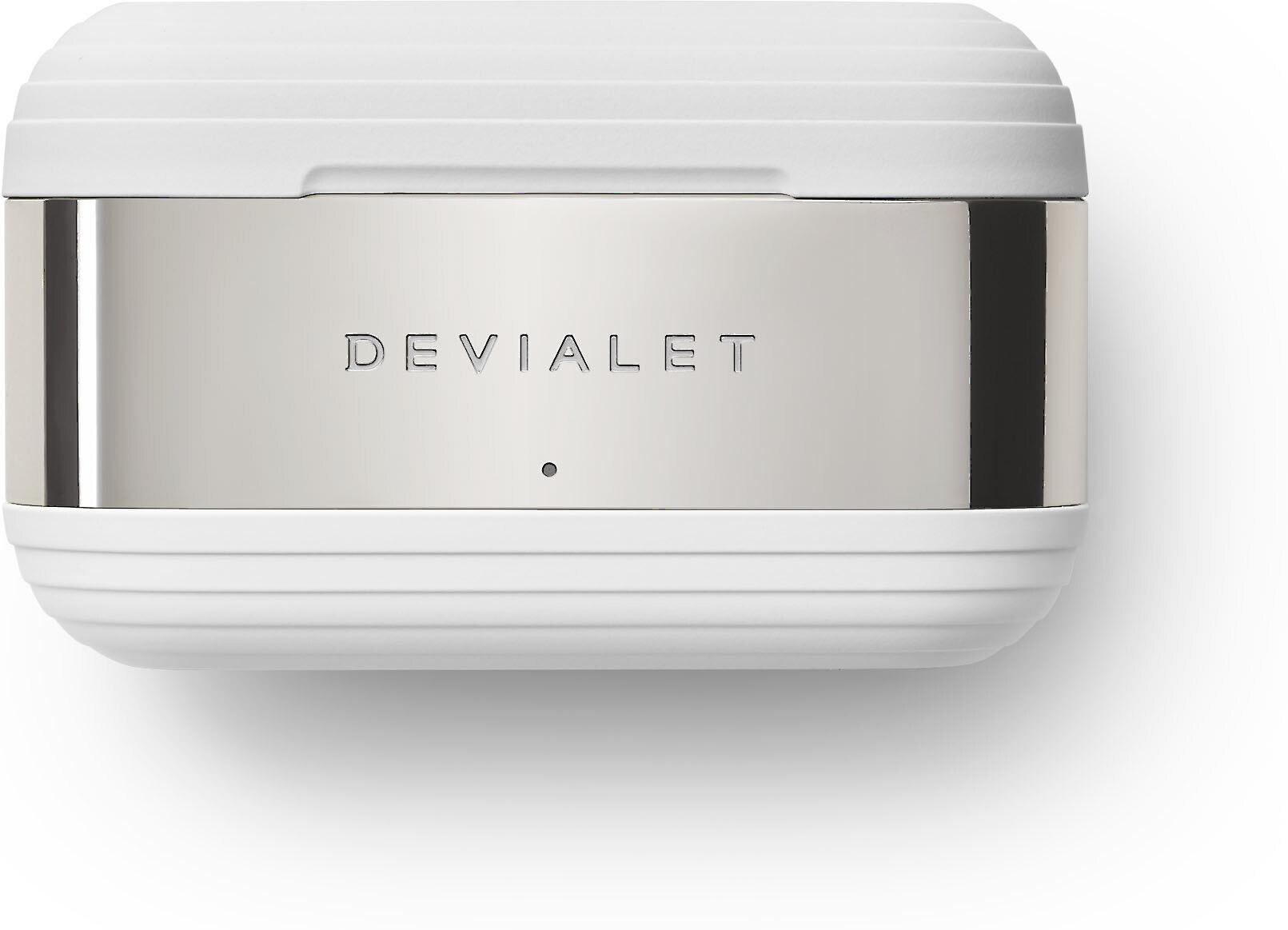
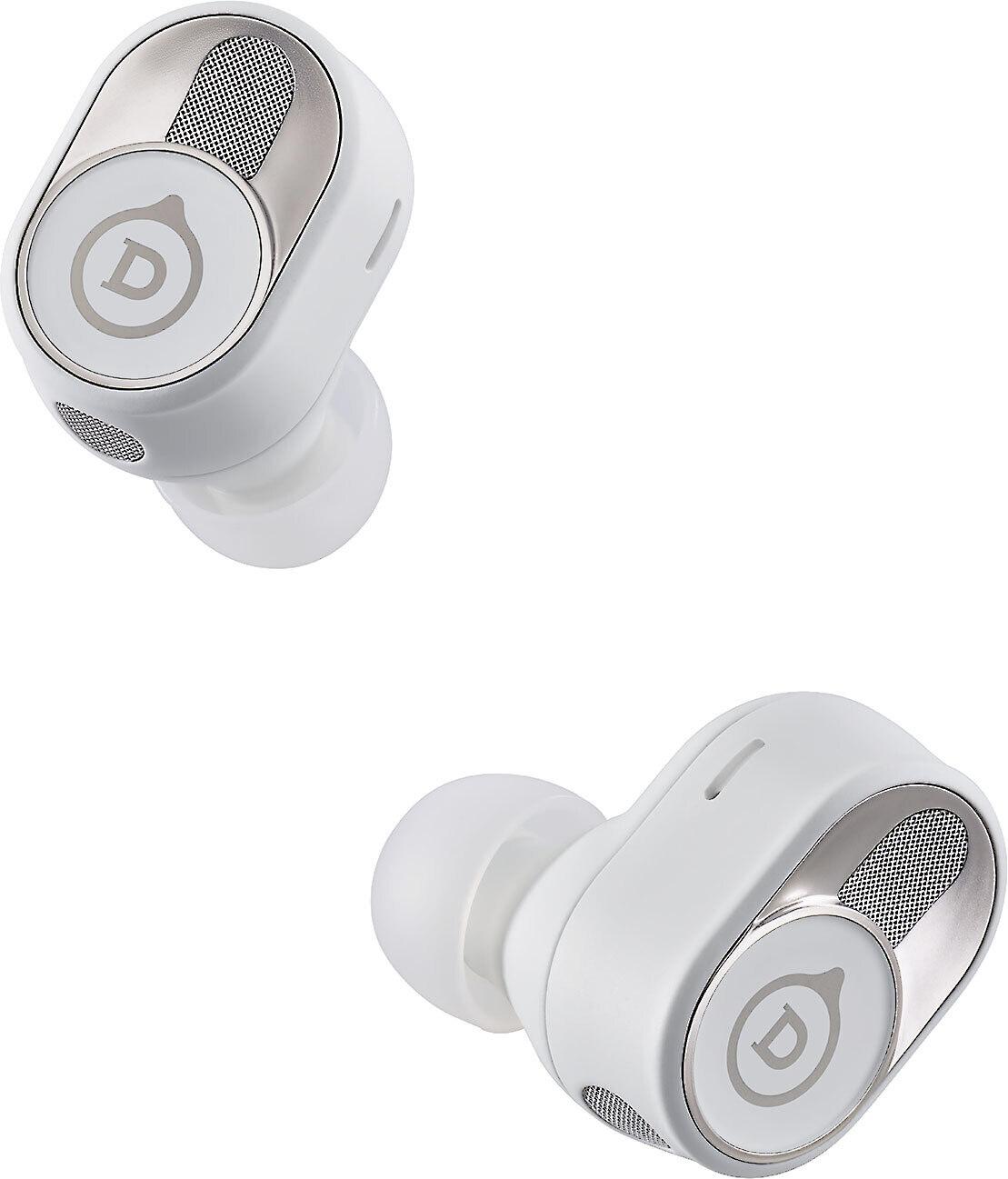
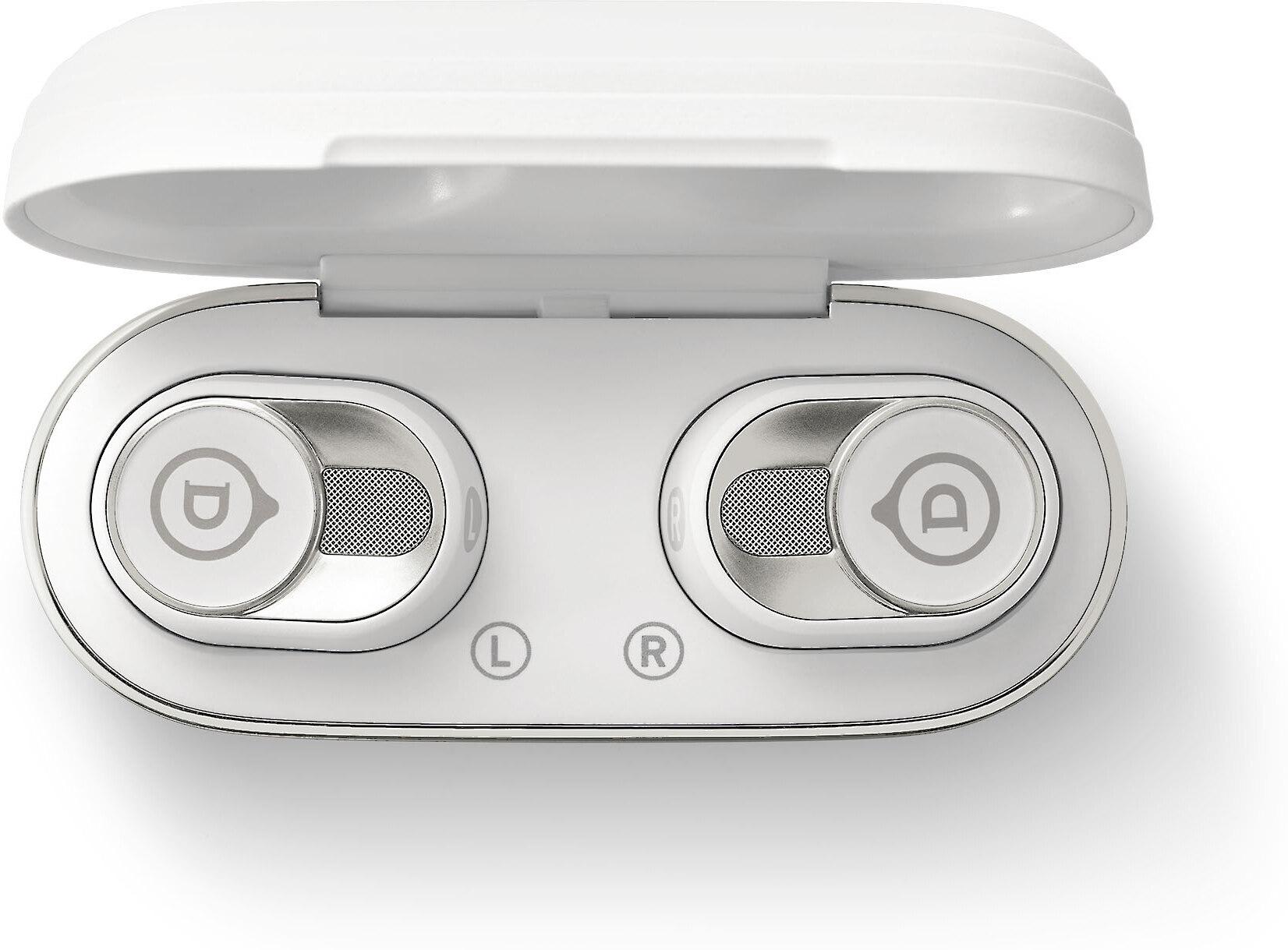
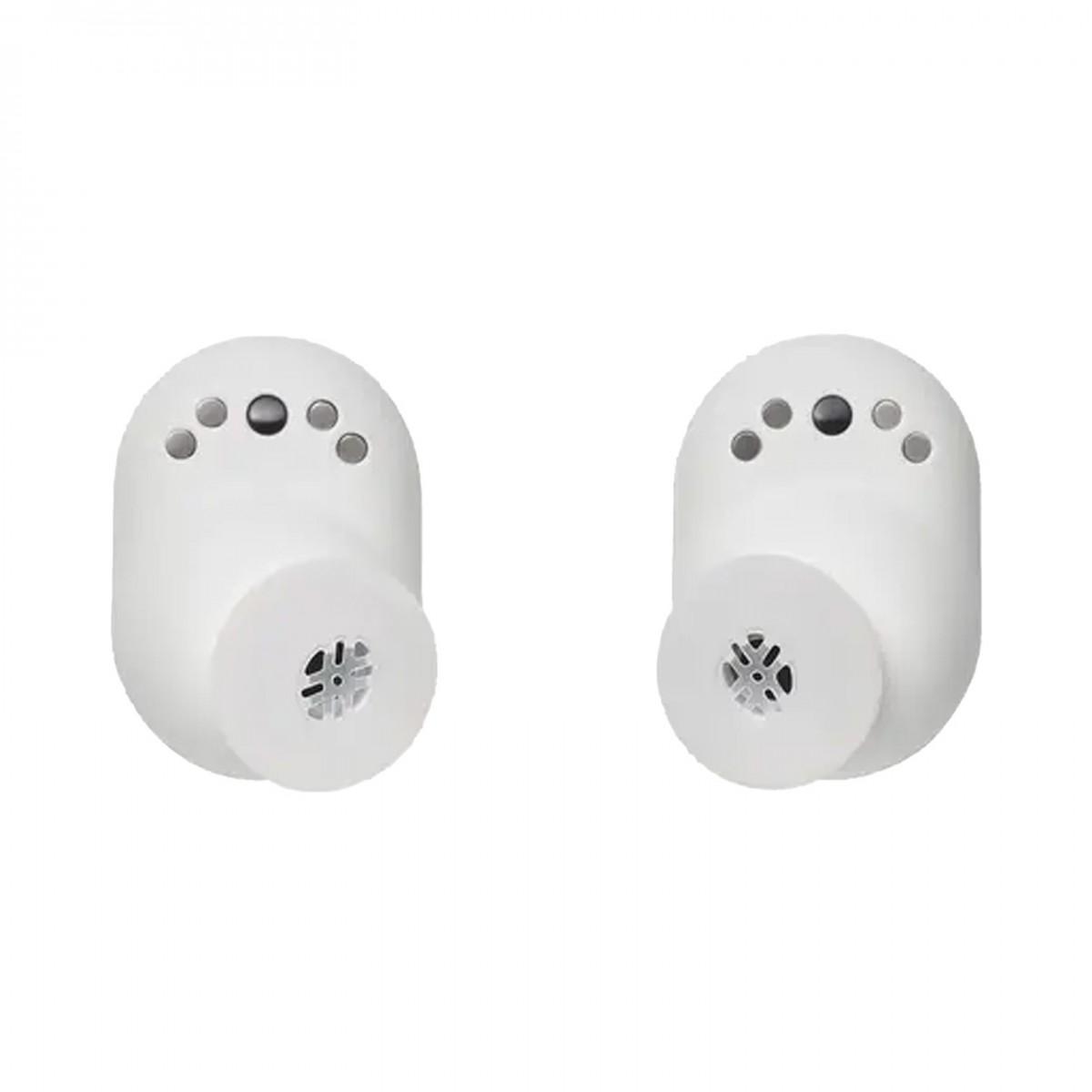
When you're ready to step beyond mainstream earbuds and into the world of premium audio, the landscape becomes both exciting and overwhelming. The premium true wireless segment—where earbuds cost significantly more than your typical Apple AirPods—represents the intersection of cutting-edge technology and audiophile-grade performance. Today, we're examining two standout options that showcase different approaches to achieving audio excellence: the Bowers & Wilkins Pi8 and the Devialet Gemini II.
The premium true wireless market has evolved dramatically since the first high-end models appeared around 2019. What separates these earbuds from mainstream options isn't just price—it's a fundamental difference in engineering philosophy. While most earbuds prioritize convenience and basic sound quality, premium models chase the holy grail of portable audio: delivering the same detailed, immersive experience you'd expect from high-end over-ear headphones, but in a tiny wireless package.
Key considerations in this segment include driver technology (the tiny speakers inside each earbud), codec support (how audio data gets transmitted wirelessly), active noise cancellation sophistication, and build quality that justifies the investment. At the time of writing, premium true wireless earbuds typically cost three to five times more than mainstream alternatives, so understanding what you're paying for becomes crucial.
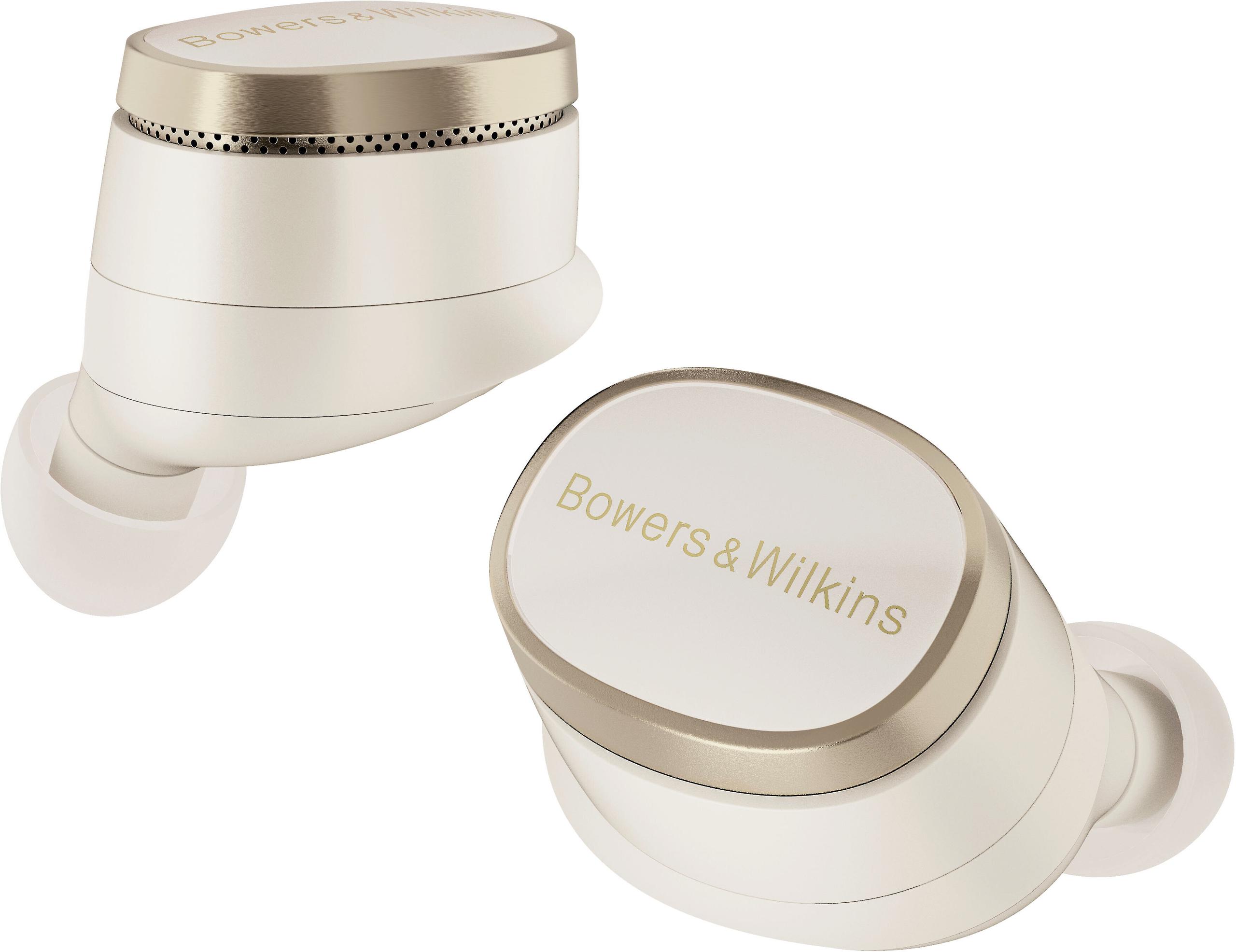
The Bowers & Wilkins Pi8, released in 2024, represents the British audio company's flagship wireless offering. The Devialet Gemini II, also launched in 2024, comes from the French luxury audio brand known for its innovative acoustic engineering. Both arrived during a particularly competitive period in premium audio, when manufacturers were pushing the boundaries of what's possible in such a compact form factor.
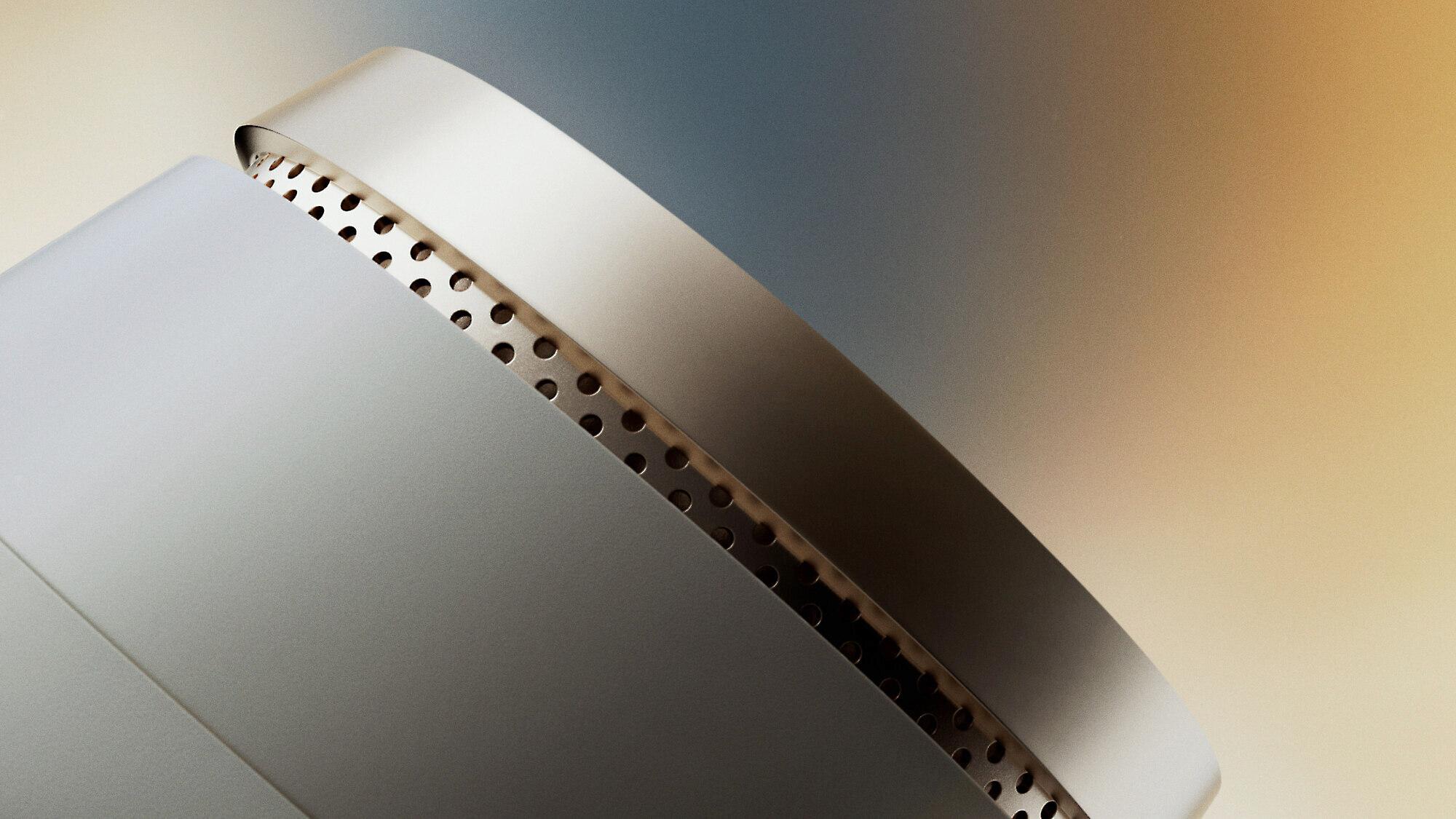
The Pi8 builds its reputation on 12mm Carbon Cone drivers—miniaturized versions of the technology found in Bowers & Wilkins' acclaimed PX8 over-ear headphones. Carbon fiber offers unique advantages as a driver material: it's incredibly stiff yet lightweight, which means it can move rapidly to reproduce high frequencies without unwanted resonances that muddy the sound.
What makes this particularly impressive is the engineering challenge of scaling down over-ear headphone drivers to fit inside earbuds. The Pi8 maintains the same fundamental acoustic principles that make the PX8 headphones renowned among audio enthusiasts. In practical terms, this translates to exceptional detail retrieval—you'll hear subtle elements in familiar songs that might have been buried by other earbuds.
The sound signature leans slightly toward enhanced bass compared to perfectly neutral reference tuning, but this isn't the boomy, overwhelming bass of consumer-focused earbuds. Instead, it's controlled and textured, adding warmth without sacrificing the midrange clarity where vocals and most instruments live.
The Gemini II takes a different approach with 10mm titanium-coated drivers. Titanium coating serves a specific purpose: it adds rigidity to the driver diaphragm while maintaining low mass. This combination allows the driver to reproduce a wider frequency range—from 5Hz all the way up to 20kHz—which encompasses the full range of human hearing and even extends into subsonic territory that you feel rather than hear.
Devialet's Pressure Balance Architecture represents perhaps the most innovative feature here. This system incorporates a three-vent decompression design that optimizes the driver's low-frequency sensitivity. Think of it like the port on a high-end speaker—it's carefully tuned to enhance bass response while simultaneously improving isolation from external noise.
The Gemini II also features Ear Active Matching technology, which automatically tunes the audio signal up to 10,000 times per second based on your unique ear canal shape. This real-time adjustment ensures optimal sound delivery regardless of how the earbuds fit in your ears, addressing one of the biggest challenges in earbud design: the fact that everyone's ears are different.
Understanding audio codecs is crucial when evaluating premium earbuds. A codec determines how audio data gets compressed and transmitted wirelessly from your device to the earbuds. Basic codecs like SBC work fine for casual listening, but premium earbuds demand better.
The Bowers & Wilkins Pi8 stands out with aptX Lossless support—currently the gold standard for wireless audio transmission. AptX Lossless can transmit CD-quality audio (16-bit/44.1kHz) without any compression, and it supports high-resolution formats up to 24-bit/96kHz with minimal compression. The Pi8 also supports aptX Adaptive, which dynamically adjusts the bitrate based on wireless conditions to maintain the highest possible quality.
The Devialet Gemini II supports aptX (the standard version), AAC, and SBC codecs but lacks aptX Lossless support. For most listeners, this won't be immediately noticeable, but if you have high-resolution music files or streaming subscriptions that support lossless audio, the Pi8 has a clear technical advantage.
This difference becomes more significant when considering home theater applications. If you're someone who likes to watch movies late at night without disturbing others, the Pi8's superior codec support means you'll experience less audio compression and delay, making dialogue feel more natural and synchronized with the video.
The Pi8 employs adaptive active noise cancellation using three microphones per earbud. The system continuously monitors ambient noise and adjusts the cancellation algorithms accordingly. While effective, it represents a more conventional approach to ANC—solid performance without groundbreaking innovation.
The real strength of the Pi8's noise cancellation lies in its integration with the overall audio system. Because the same processing power handles both ANC and audio playback, the system can maintain audio quality even when maximum noise cancellation is engaged. Many earbuds suffer from reduced sound quality when ANC is active, but the Pi8 avoids this compromise.
The Devialet Gemini II takes ANC much further with proprietary technology that delivers up to 40dB of noise reduction. To put that in perspective, that's enough to reduce the sound of a busy coffee shop to barely audible levels. The system uses Internal Delay Compensation technology, which addresses one of the fundamental challenges in ANC: the tiny delays that occur as sound travels through the system.
Perhaps more impressively, the Gemini II includes Active Wind Reduction. Anyone who's tried to use earbuds while walking outside knows how wind noise can completely overwhelm your music. The Gemini II's specialized algorithms detect wind patterns and filter out this noise automatically, making them exceptional for outdoor use.
For frequent travelers or commuters who deal with airplane engines, subway rumble, or busy urban environments, the Gemini II's superior ANC technology provides tangible benefits that justify its premium positioning.
Battery performance in premium earbuds involves more than just runtime—it's about maintaining audio quality throughout the charge cycle and providing convenient charging options.
The Pi8 offers 6.5 hours of continuous use with ANC enabled, extending to 20 total hours with the charging case. The quick-charge feature provides two hours of listening from just 15 minutes of charging, which proves invaluable when you're rushing out the door.
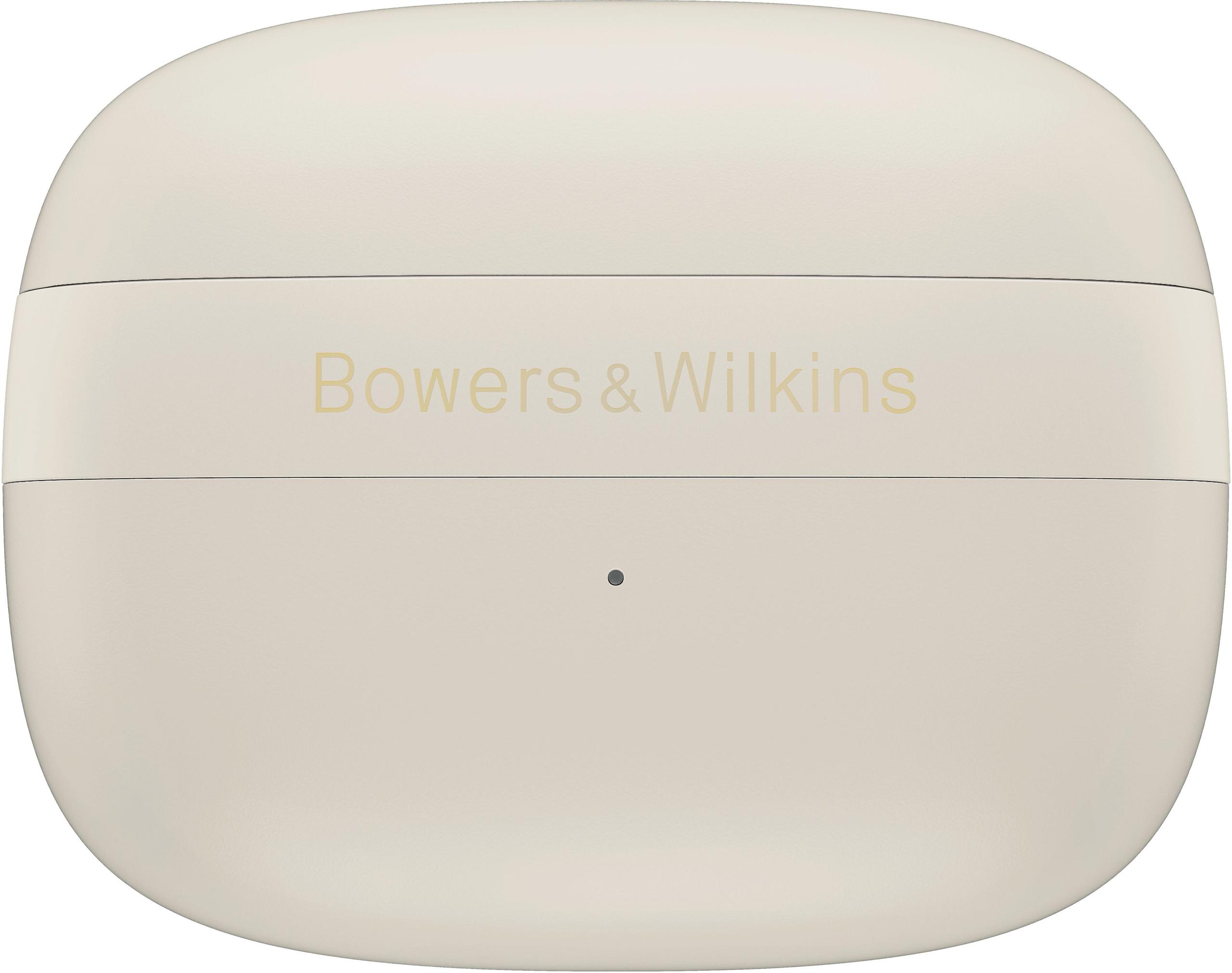
But the Pi8's charging case represents a genuine innovation in the category. It includes audio retransmission capability, essentially functioning as a Bluetooth transmitter. You can connect the case to any audio source—airplane entertainment systems, gym equipment, older home theater receivers—via the included 3.5mm cable, and it wirelessly transmits audio to the earbuds in high-quality aptX Adaptive format. This feature alone makes the Pi8 incredibly versatile for travel and situations where traditional Bluetooth connectivity isn't available.
The Devialet Gemini II provides 5 hours of earbud battery life with 17 additional hours from the case, totaling 22 hours. While the individual listening sessions are slightly shorter than the Pi8, the total battery capacity is higher. The case supports Qi wireless charging, which adds convenience if you already have wireless charging pads in your daily routine.
Both earbuds represent premium construction, but with different aesthetic and functional approaches. The Pi8 emphasizes understated elegance with multiple color options and an IP54 rating for dust and water resistance. The earbuds feel substantial without being heavy, and the included ear tip selection ensures a comfortable fit for most users.
The Gemini II opts for a more luxurious presentation with premium materials and IPX4 water resistance. The Pressure Balance Architecture isn't just about sound—it also enhances comfort by reducing the pressure sensation that some users experience with traditional sealed earbuds designs.
For home theater applications, the Pi8 holds clear advantages. The audio retransmission feature means you can connect directly to your TV or receiver, bypassing potential Bluetooth latency issues that can cause audio-video sync problems. The superior codec support also ensures you're getting the full dynamic range of movie soundtracks.
I've found that watching action movies late at night with the Pi8 provides an surprisingly immersive experience. The Carbon Cone drivers excel at reproducing the subtle details in movie soundtracks—the texture of explosions, the spatial positioning of dialogue, the nuanced scoring that gives films their emotional impact.
For daily commuting, especially in noisy urban environments, the Gemini II becomes the more compelling choice. The superior active noise cancellation and wind reduction technology make a noticeable difference when you're walking city streets or dealing with subway rumble. The Ear Active Matching also means the earbuds maintain consistent performance even if they shift slightly during movement.
When audio fidelity is the primary concern—whether you're an audio enthusiast with high-resolution music files or simply someone who wants to hear every detail in their favorite albums—the Pi8 typically delivers superior performance. The combination of larger drivers, better codec support, and Bowers & Wilkins' acoustic tuning philosophy creates a more reference-accurate listening experience.
At the time of writing, these earbuds occupy the premium tier where prices reflect cutting-edge technology and luxury brand positioning rather than basic functionality. The Pi8 generally commands a lower price while delivering arguably superior audio performance, making it the more compelling value proposition for pure sound quality.
The Gemini II justifies its premium pricing through advanced noise cancellation technology and unique comfort features. For users who prioritize these aspects—frequent travelers, urban commuters, or those sensitive to external noise—the additional cost becomes worthwhile.
Choose the Bowers & Wilkins Pi8 if you're primarily focused on audio fidelity and versatility. The combination of superior driver technology, comprehensive codec support, and innovative charging case features makes it ideal for critical listeners who want maximum flexibility. The home theater connectivity advantage also makes it appealing for movie enthusiasts who want wireless convenience without sacrificing audio quality.
The Devialet Gemini II becomes the better choice when noise cancellation and comfort are paramount concerns. If you frequently use earbuds in challenging acoustic environments—noisy offices, public transportation, outdoor activities—the superior ANC technology and wind reduction capabilities provide tangible daily benefits.
Both earbuds represent significant investments that should provide years of satisfying use. The Pi8 appeals to the audio purist who wants reference-quality sound with maximum versatility, while the Gemini II targets users who need advanced noise control without compromising on audio excellence. Understanding which priorities matter most in your specific use cases will guide you toward the right choice.
The premium true wireless market has matured to the point where both options deliver exceptional performance that was impossible just a few years ago. Either choice represents a significant step up from mainstream alternatives, but the specific strengths of each model align with different user priorities and listening habits.
| Bowers & Wilkins Pi8 | Devialet Gemini II |
|---|---|
| Driver Technology - Foundation of sound quality and detail | |
| 12mm Carbon Cone drivers (adapted from PX8 headphones) | 10mm titanium-coated drivers with 5Hz-20kHz range |
| Codec Support - Determines wireless audio quality ceiling | |
| aptX Lossless, aptX Adaptive, AAC, SBC (best-in-class) | aptX, AAC, SBC (no lossless support) |
| Active Noise Cancellation - Critical for noisy environments | |
| Adaptive ANC with 3 mics per earbud (good performance) | Up to 40dB reduction with wind reduction (superior technology) |
| Battery Life - Total listening time matters for daily use | |
| 6.5hrs + 13.5hrs case = 20hrs total with 15min quick charge | 5hrs + 17hrs case = 22hrs total with Qi wireless charging |
| Water Resistance - Protection level for active lifestyles | |
| IP54 (dust and water resistant) | IPX4 (sweat and splash resistant) |
| Unique Features - What sets each apart from competition | |
| Audio retransmission case connects to any 3.5mm source | Pressure Balance Architecture + Ear Active Matching tuning |
| Sound Signature - How music is presented to your ears | |
| Slightly bass-enhanced but detailed and refined | Powerful bass with clarity across frequency range |
| Comfort Technology - Important for extended listening sessions | |
| Ergonomic design with 4 ear tip sizes | 3-vent decompression system reduces ear pressure |
| Value Proposition - What you get for the investment | |
| Superior audio quality and versatility at lower price | Advanced noise control and luxury engineering at premium |
The Bowers & Wilkins Pi8 generally delivers superior sound quality with its 12mm Carbon Cone drivers adapted from premium over-ear headphones. These drivers provide exceptional detail and refinement that audiophiles appreciate. The Devialet Gemini II offers excellent sound with powerful bass response, but the Pi8 edges ahead for critical listening due to its larger drivers and more neutral tuning.
Yes, both work for home theater, but the Bowers & Wilkins Pi8 is significantly better for this purpose. The Pi8 features a unique audio retransmission case that connects directly to TVs and receivers via 3.5mm cable, eliminating Bluetooth latency issues. The Devialet Gemini II works via standard Bluetooth but may have slight audio delay with video content.
The Devialet Gemini II has superior active noise cancellation with up to 40dB of noise reduction and specialized wind reduction technology. The Gemini II uses advanced algorithms and multiple microphones for more effective noise blocking. The Bowers & Wilkins Pi8 offers good but not exceptional noise cancellation in comparison.
The Bowers & Wilkins Pi8 provides 6.5 hours of listening plus 13.5 hours from the case (20 hours total) with excellent 15-minute quick charging. The Devialet Gemini II offers 5 hours plus 17 hours from the case (22 hours total) with wireless charging support. Both provide all-day usage, but the Pi8 has better quick charging.
The Devialet Gemini II typically offers superior comfort due to its Pressure Balance Architecture, which uses a three-vent system to reduce ear pressure buildup. This makes extended listening more comfortable. The Bowers & Wilkins Pi8 is well-designed but uses a more traditional sealed approach that some users may find less comfortable over time.
The Bowers & Wilkins Pi8 supports aptX Lossless codec, enabling true high-resolution wireless audio transmission up to 24-bit/96kHz. The Devialet Gemini II supports standard aptX but lacks lossless codec support. For high-resolution music enthusiasts, the Pi8 provides technically superior wireless audio quality.
The Devialet Gemini II is better suited for outdoor activities due to its Active Wind Reduction technology and superior noise cancellation. However, the Bowers & Wilkins Pi8 offers better water resistance with IP54 rating compared to the Gemini II's IPX4 rating, making it more suitable for intense workouts or weather exposure.
The Bowers & Wilkins Pi8 features a revolutionary charging case that doubles as a Bluetooth transmitter, connecting to any audio source via 3.5mm cable. The Devialet Gemini II offers Ear Active Matching technology that adjusts sound 10,000 times per second based on your ear shape, plus advanced pressure balancing for comfort.
The Bowers & Wilkins Pi8 generally offers better value, providing superior audio quality and innovative features at a lower price point than the Devialet Gemini II. However, the Gemini II may justify its premium for users who prioritize advanced noise cancellation and luxury build quality over pure audio performance.
Both earbuds handle calls well, but the Devialet Gemini II has an advantage with its superior noise cancellation that helps isolate your voice in noisy environments. The Bowers & Wilkins Pi8 uses three microphones per earbud for good call quality, but the Gemini II's advanced noise processing makes it better for calls in challenging acoustic situations.
Both offer premium build quality with luxury materials and finishes. The Bowers & Wilkins Pi8 provides multiple color options and slightly better water resistance, while the Devialet Gemini II emphasizes sophisticated French design aesthetics. Both feel substantial and well-constructed, representing the premium nature of their respective brands.
Choose the Bowers & Wilkins Pi8 if you prioritize audio fidelity, high-resolution music, home theater use, or want maximum versatility with the retransmission case. Select the Devialet Gemini II if you need superior noise cancellation for commuting, travel, or noisy environments, and if you value advanced comfort features and don't mind paying a premium for cutting-edge technology.
We've done our best to create useful and informative comparisons to help you decide what product to buy. Our research uses advanced automated methods to create this comparison and perfection is not possible - please contact us for corrections or questions. These are the sites we've researched in the creation of this article: techradar.com - bowerswilkins.com - youtube.com - bestbuy.com - whathifi.com - audioholics.com - crutchfield.com - whathifi.com - audio46.com - rtings.com - audioadvice.com - engadget.com - youtube.com - audio46.com - audiograde.uk - youtube.com - techwelike.com - youtube.com - audioadvice.com - soundguys.com - bestbuy.com - bowerswilkins.com - headphones.com - bowerswilkins.com - bowerswilkins.com - audio46.com - youtube.com - shop.womenshealthmag.com - head-fi.org - youtube.com - youtube.com - bowerswilkins.cn - bowerswilkins.com - audio46.com - bowerswilkins.com - t3.com - devialet.com - thebeat.asia - bestbuy.com - devialet.com - bestbuy.com - rtings.com - devialet.com - head-fi.org - devialetchat.com - worldradiohistory.com - loudnwireless.com - psv4.userapi.com - headfonia.com - techcrunch.com - bhphotovideo.com - audioadvice.com - youtube.com - bestbuy.com - youtube.com - help.devialet.com - headfonia.com - bestbuy.com - psv4.userapi.com - psv4.userapi.com - worldradiohistory.com

Privacy Policy
Terms and Conditions - Affiliate Policy
Home Security
© Copyright 2008-2026.
11816 Inwood Rd #1211, Dallas, TX 75244