

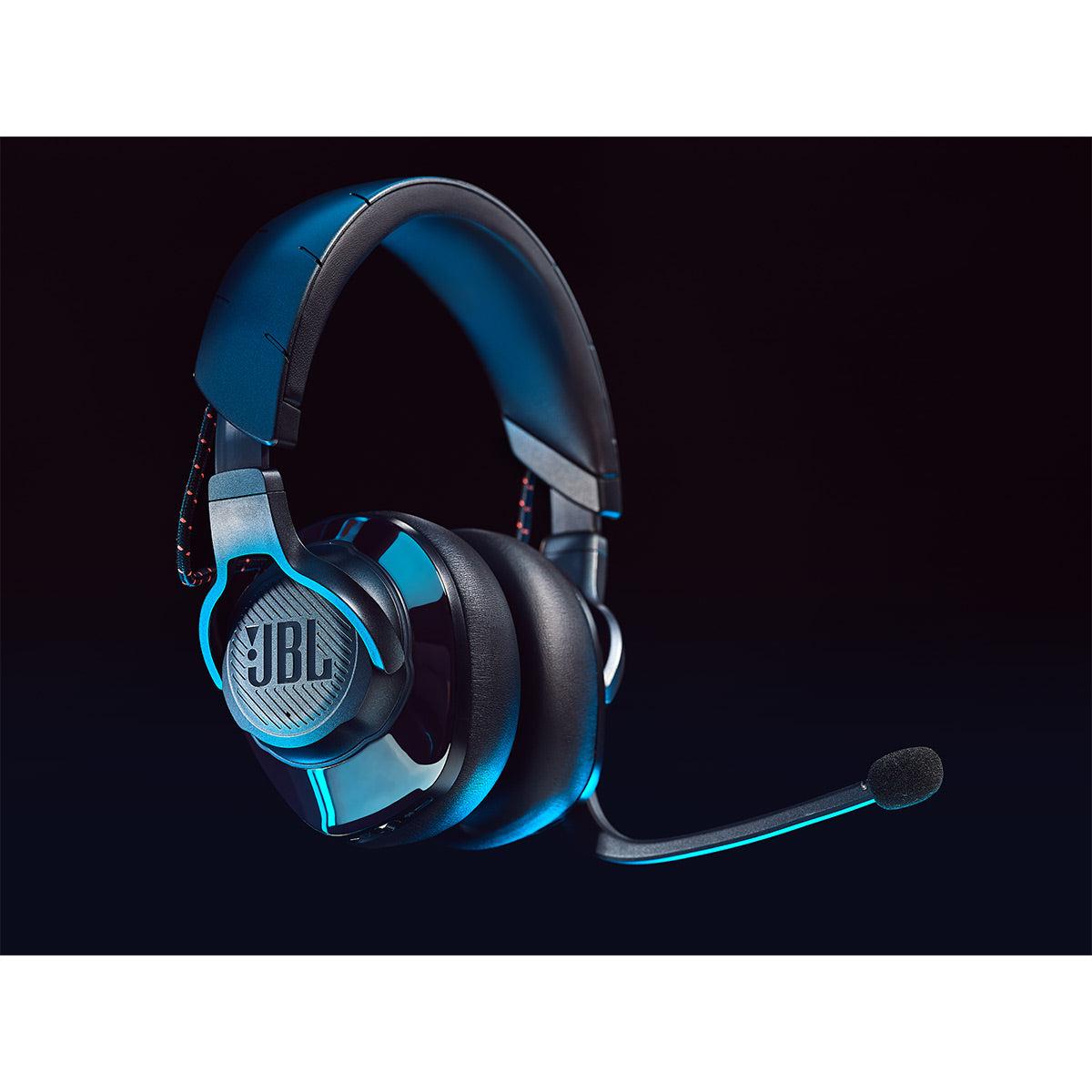
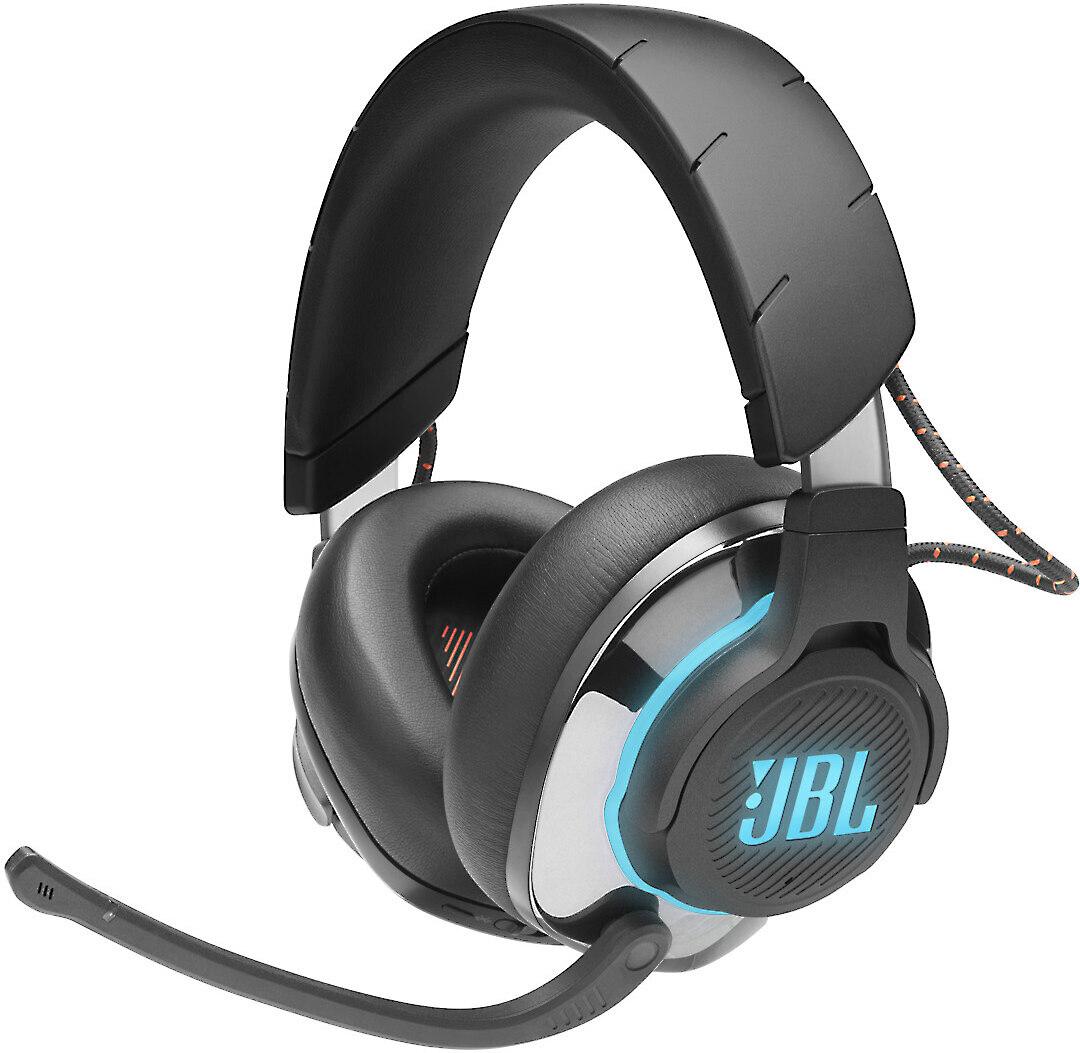
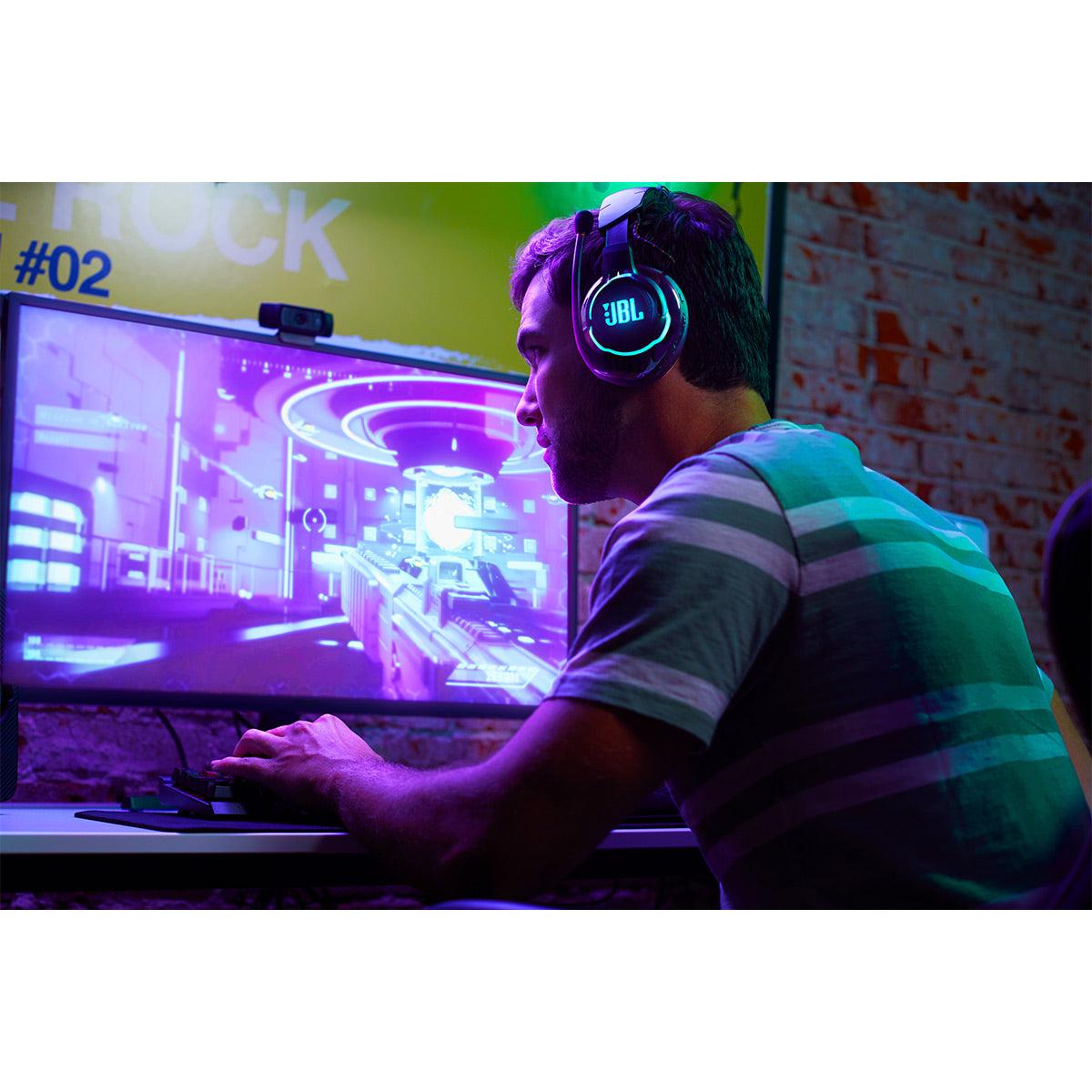
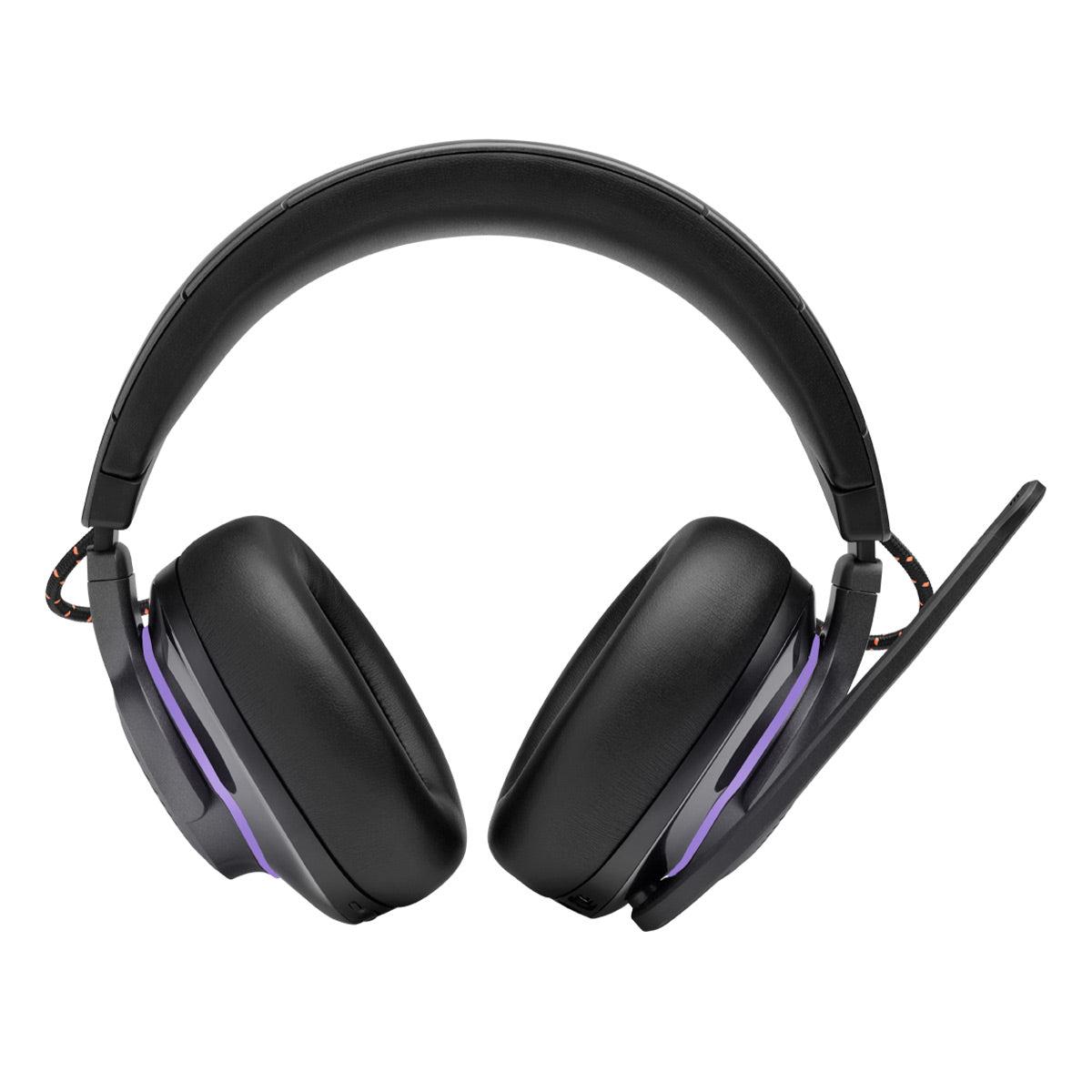
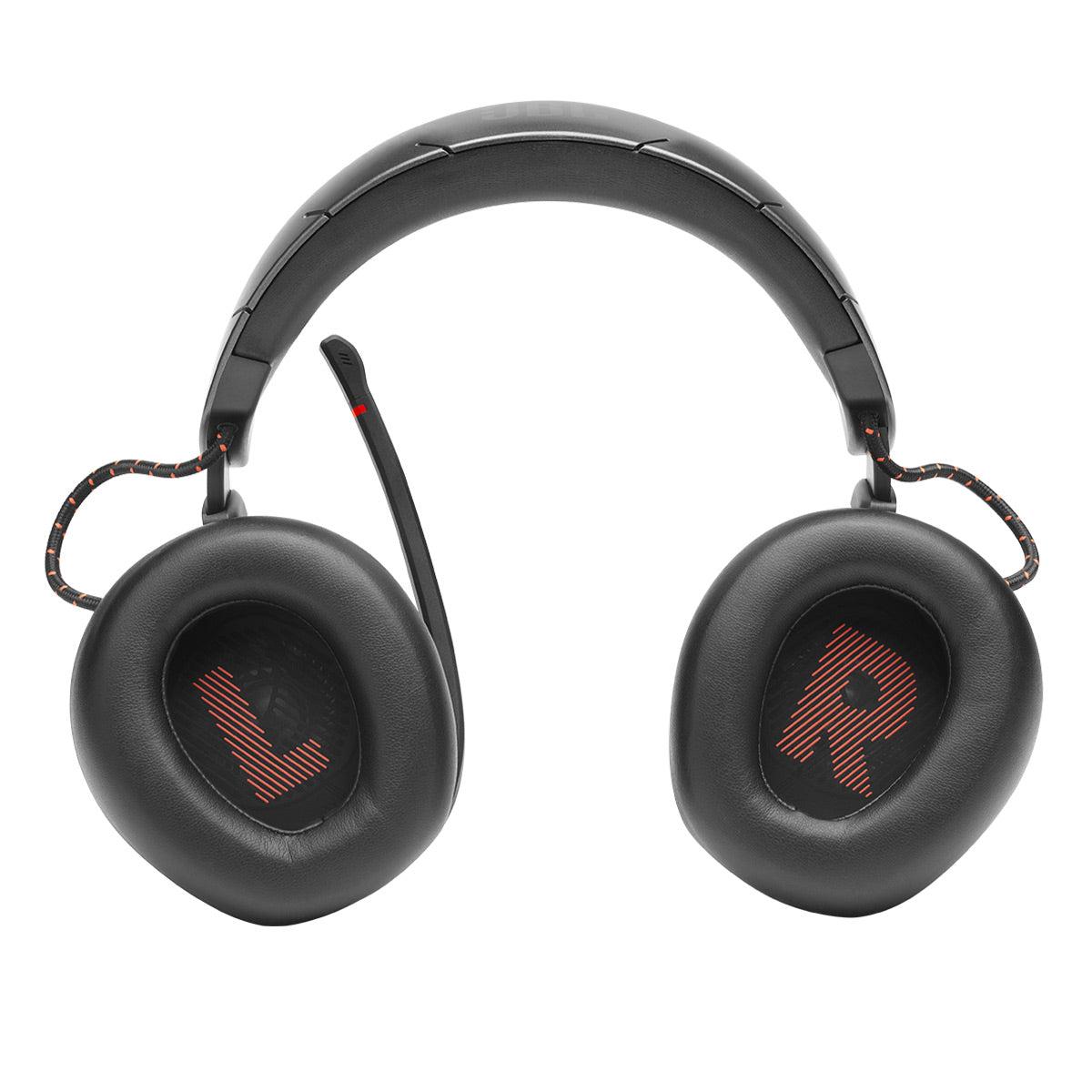
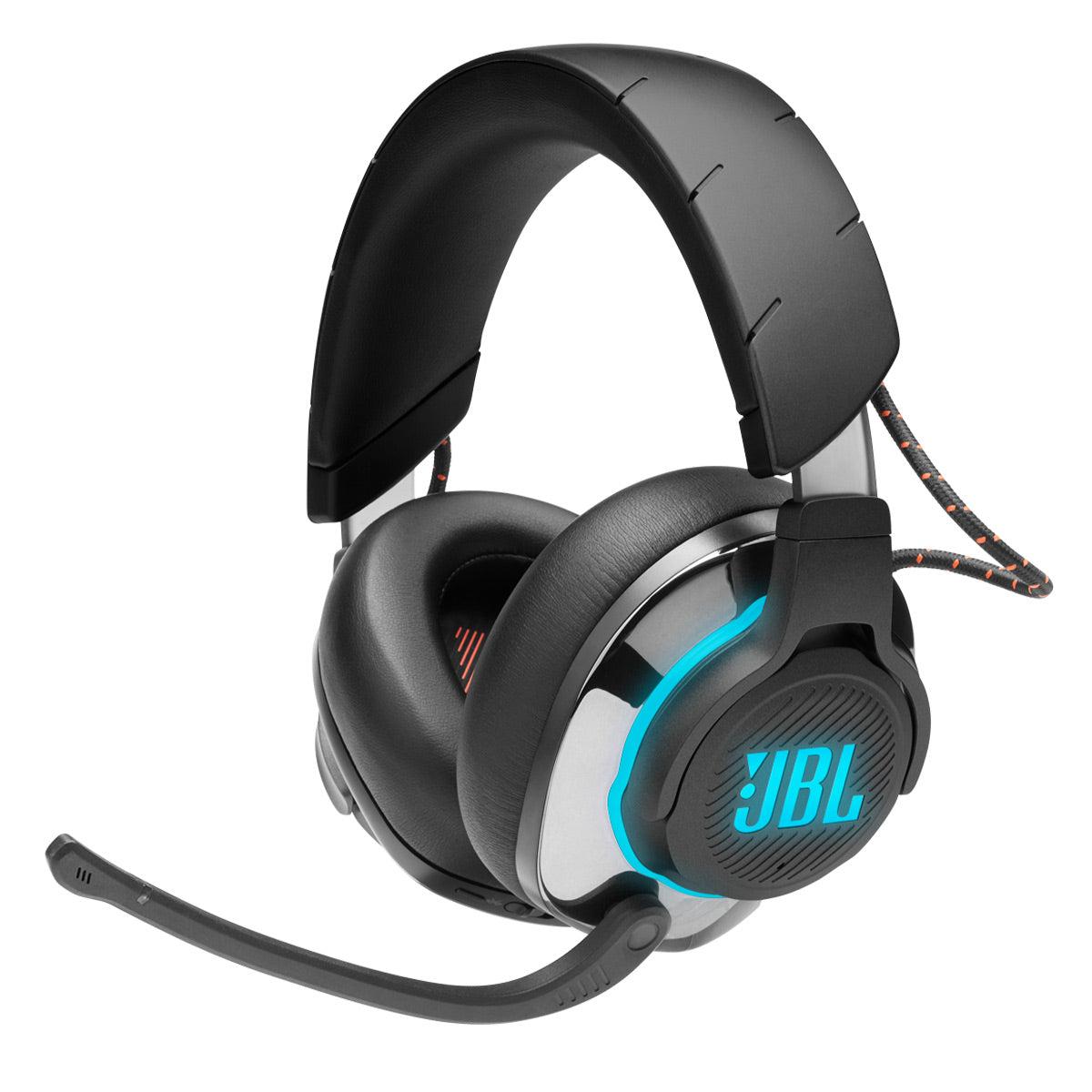
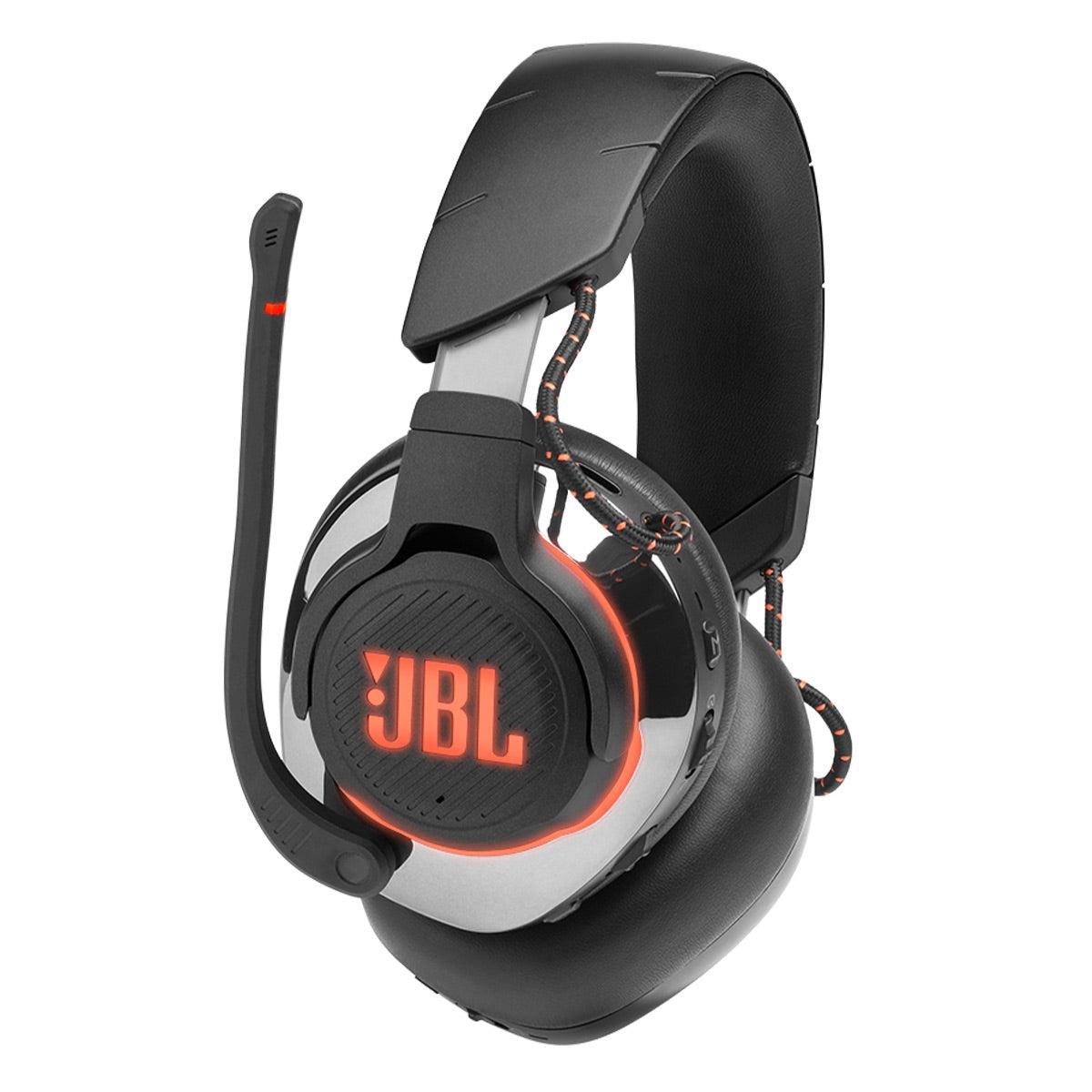
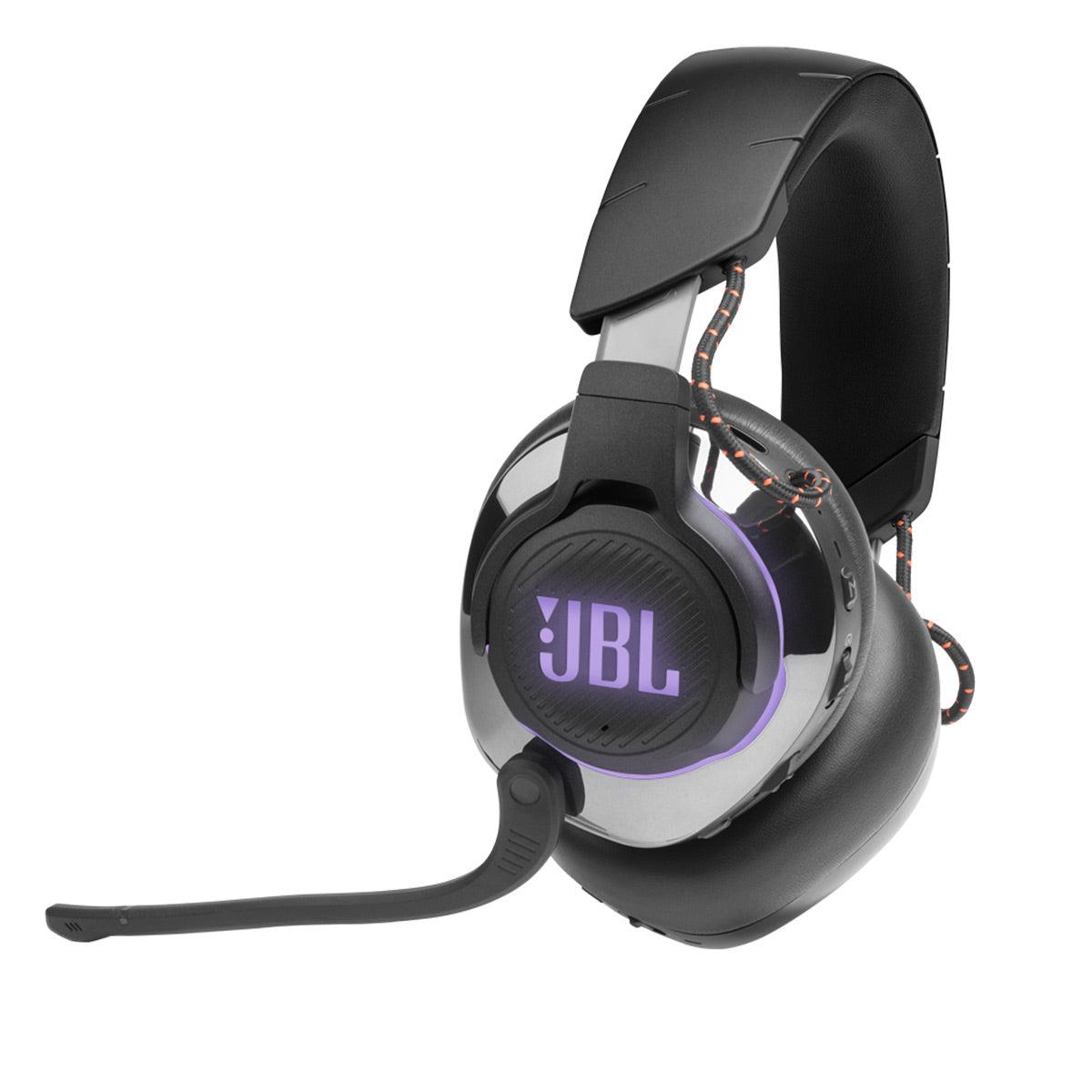
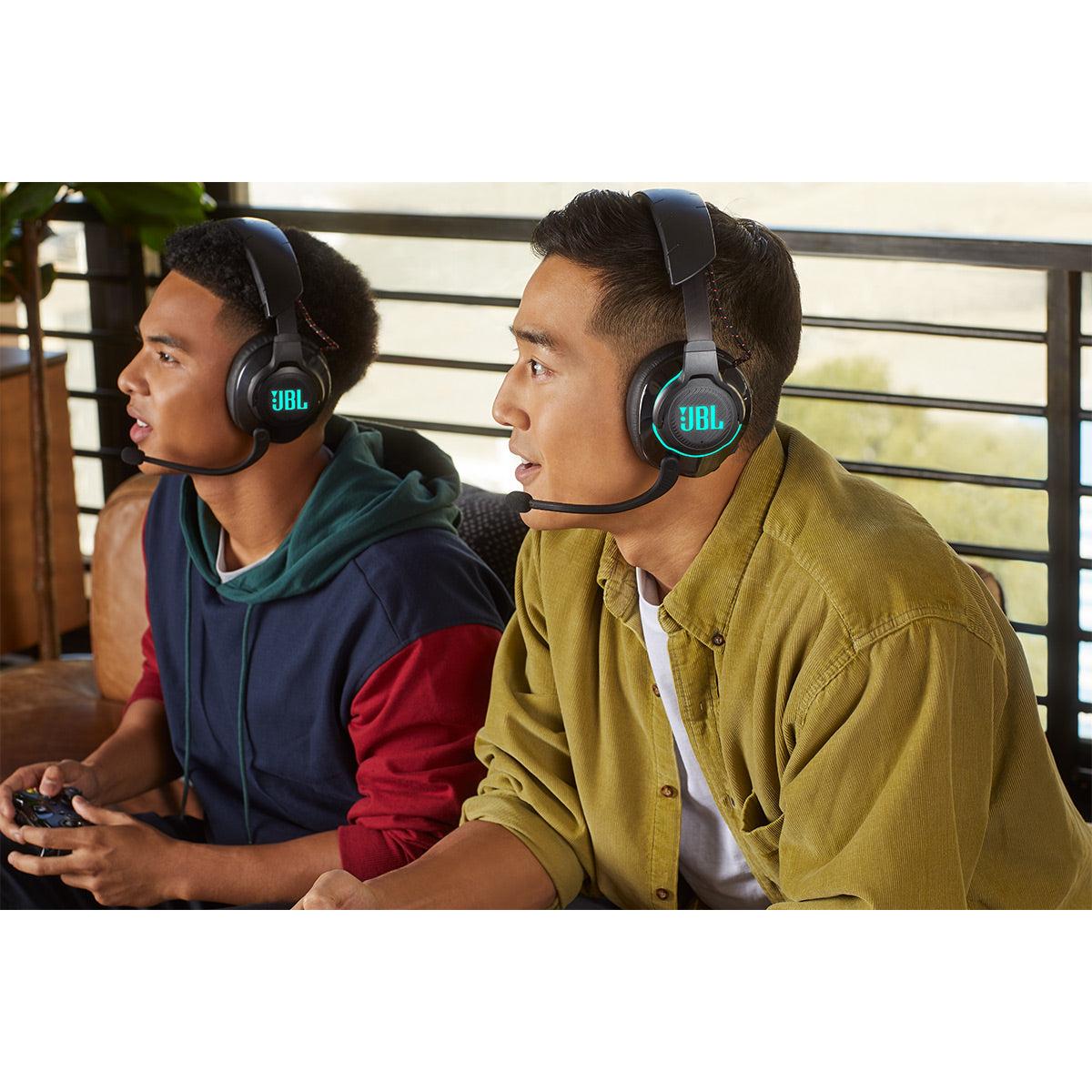
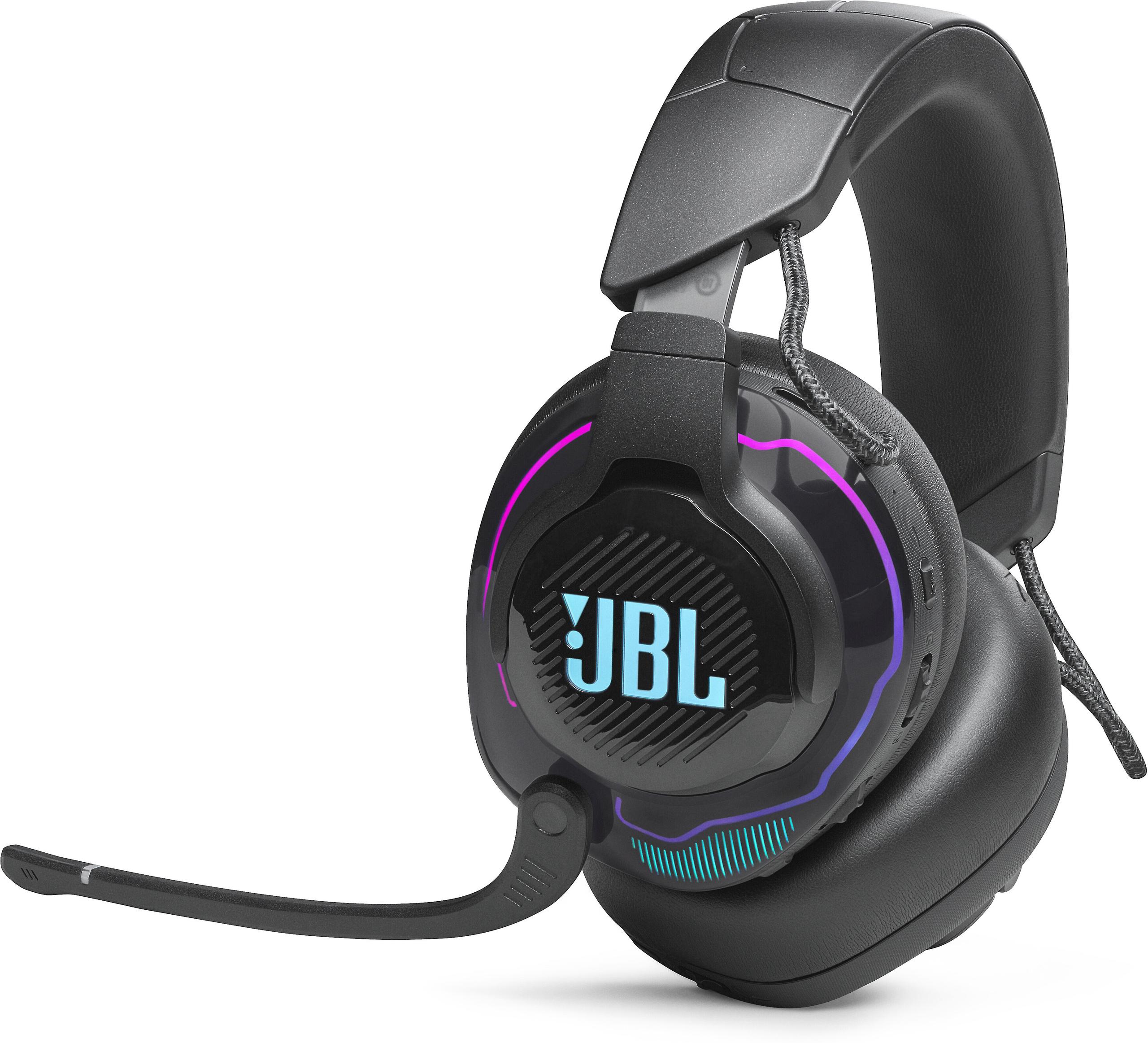
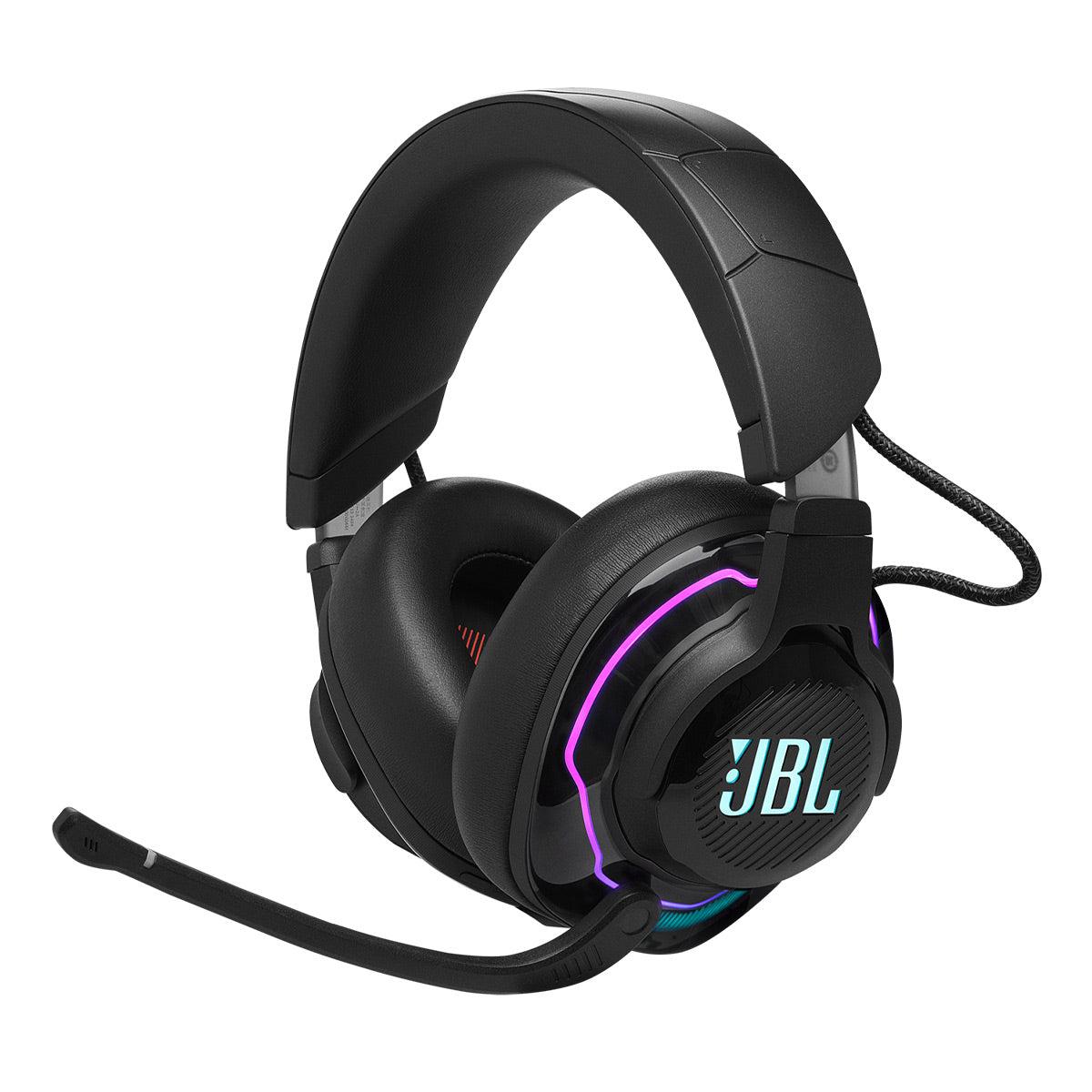
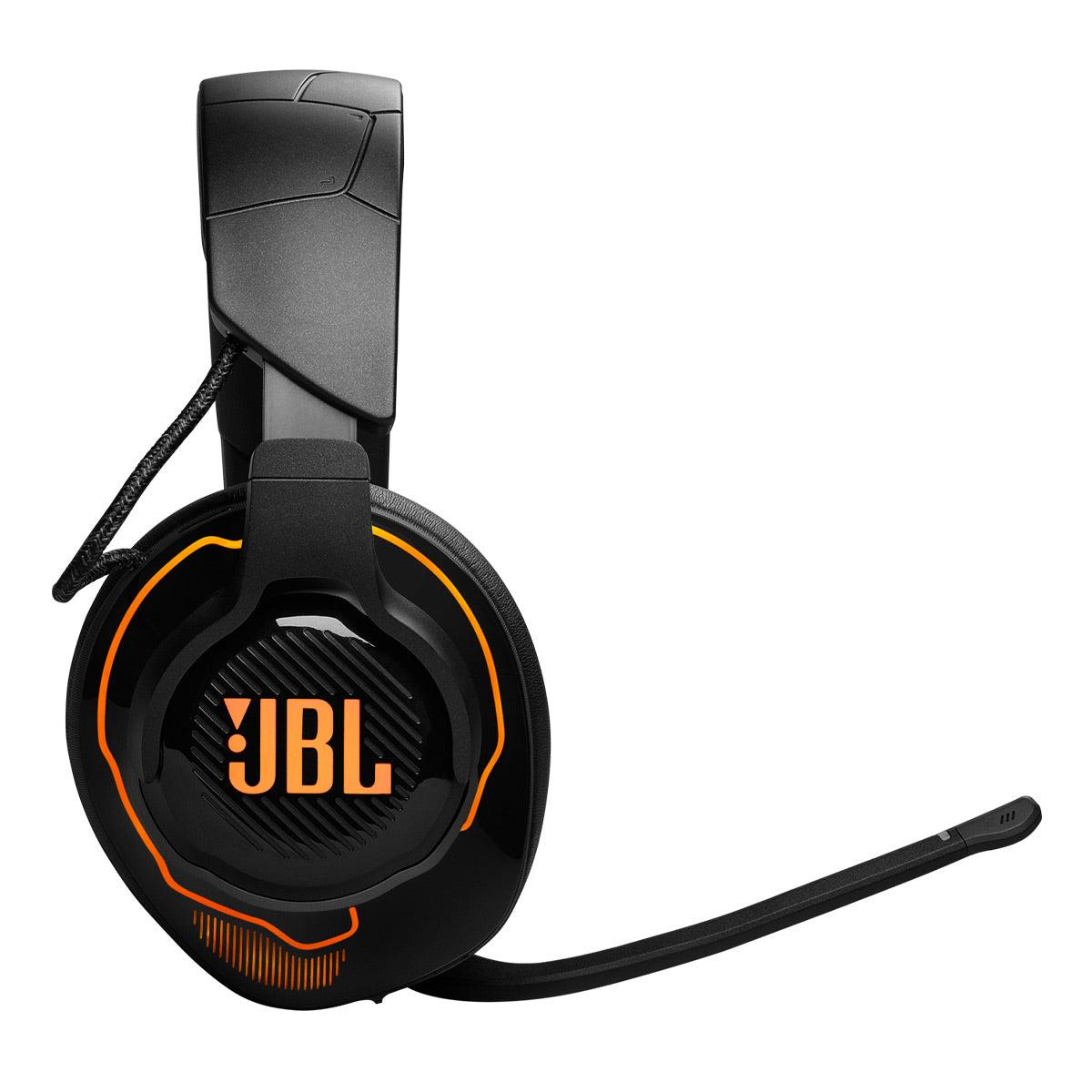
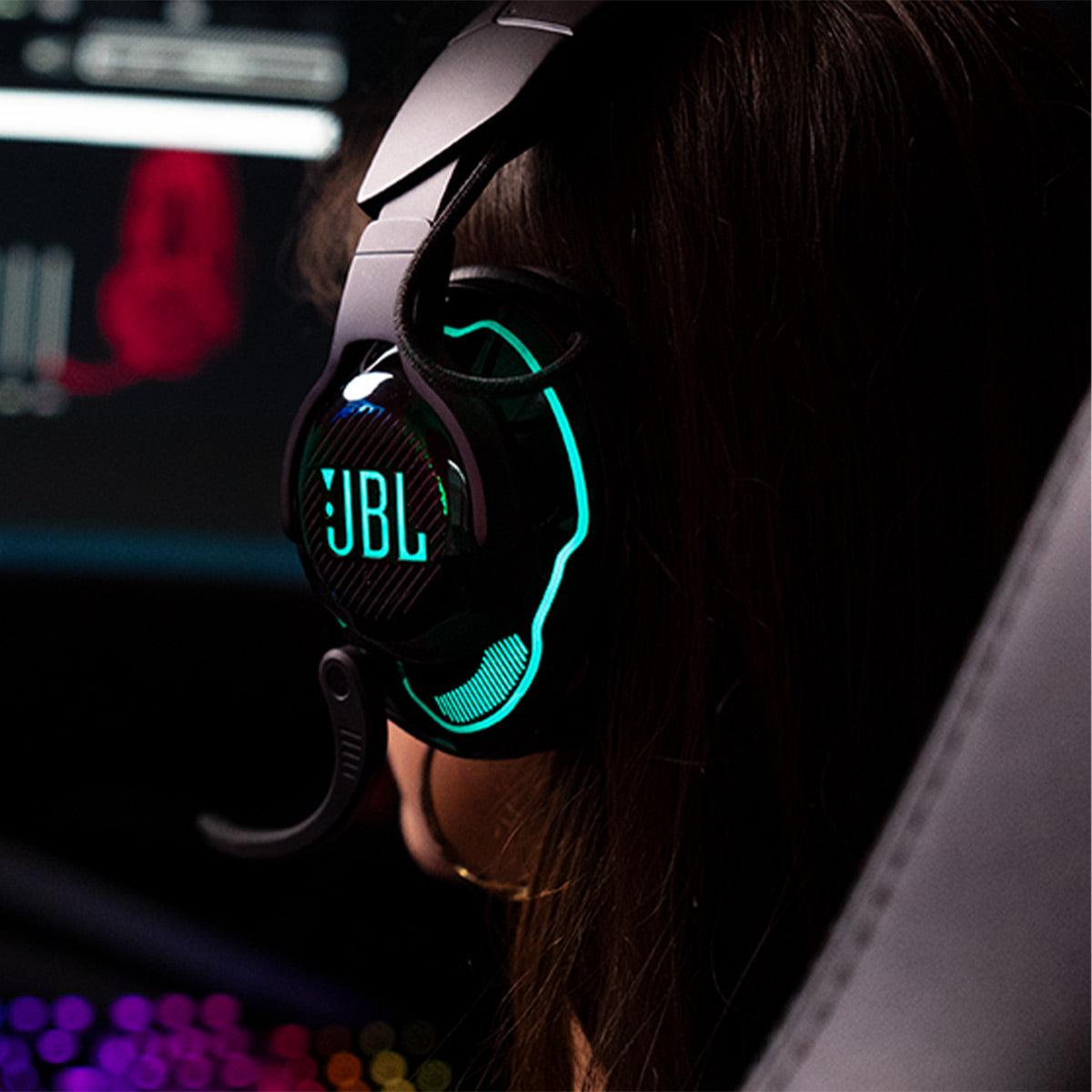
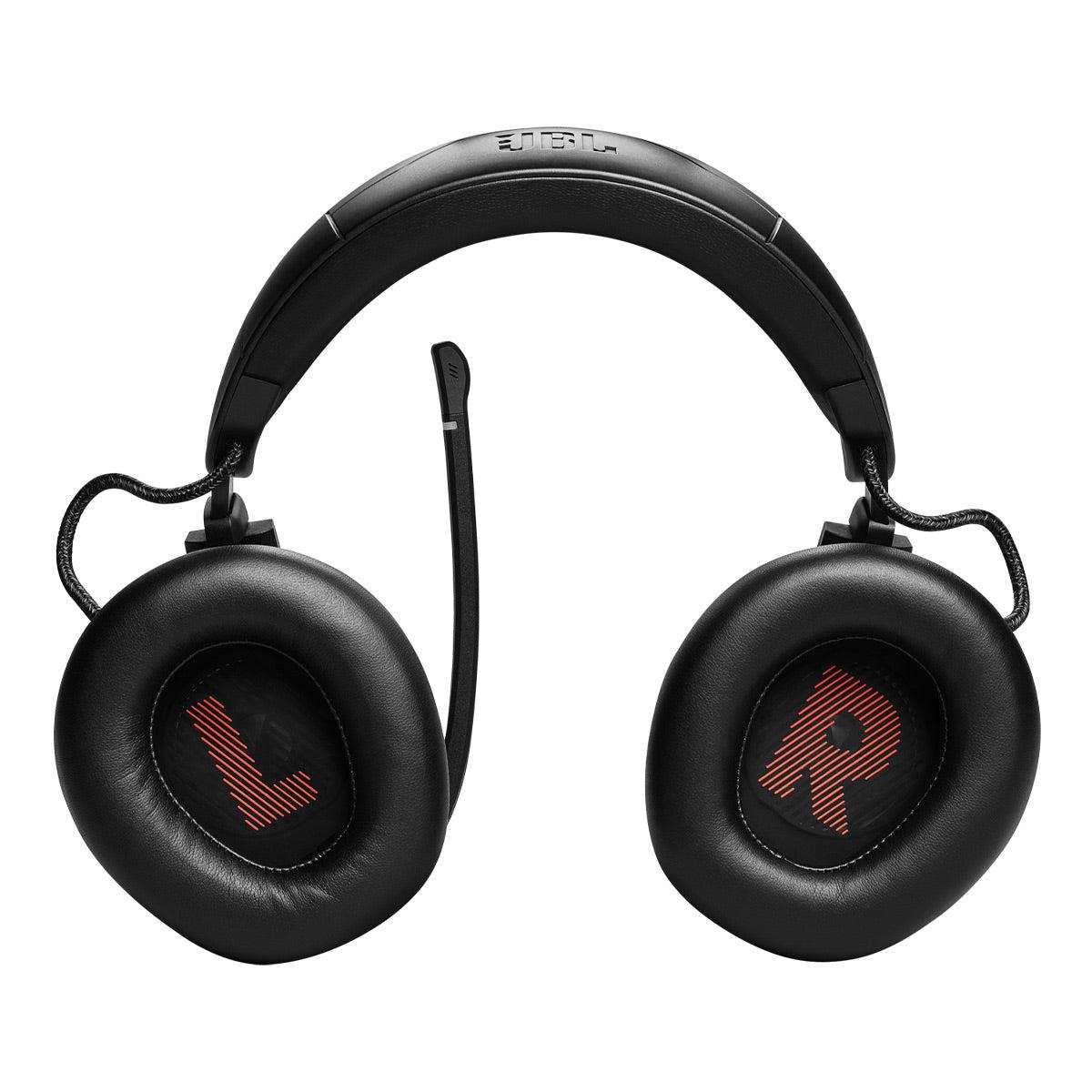

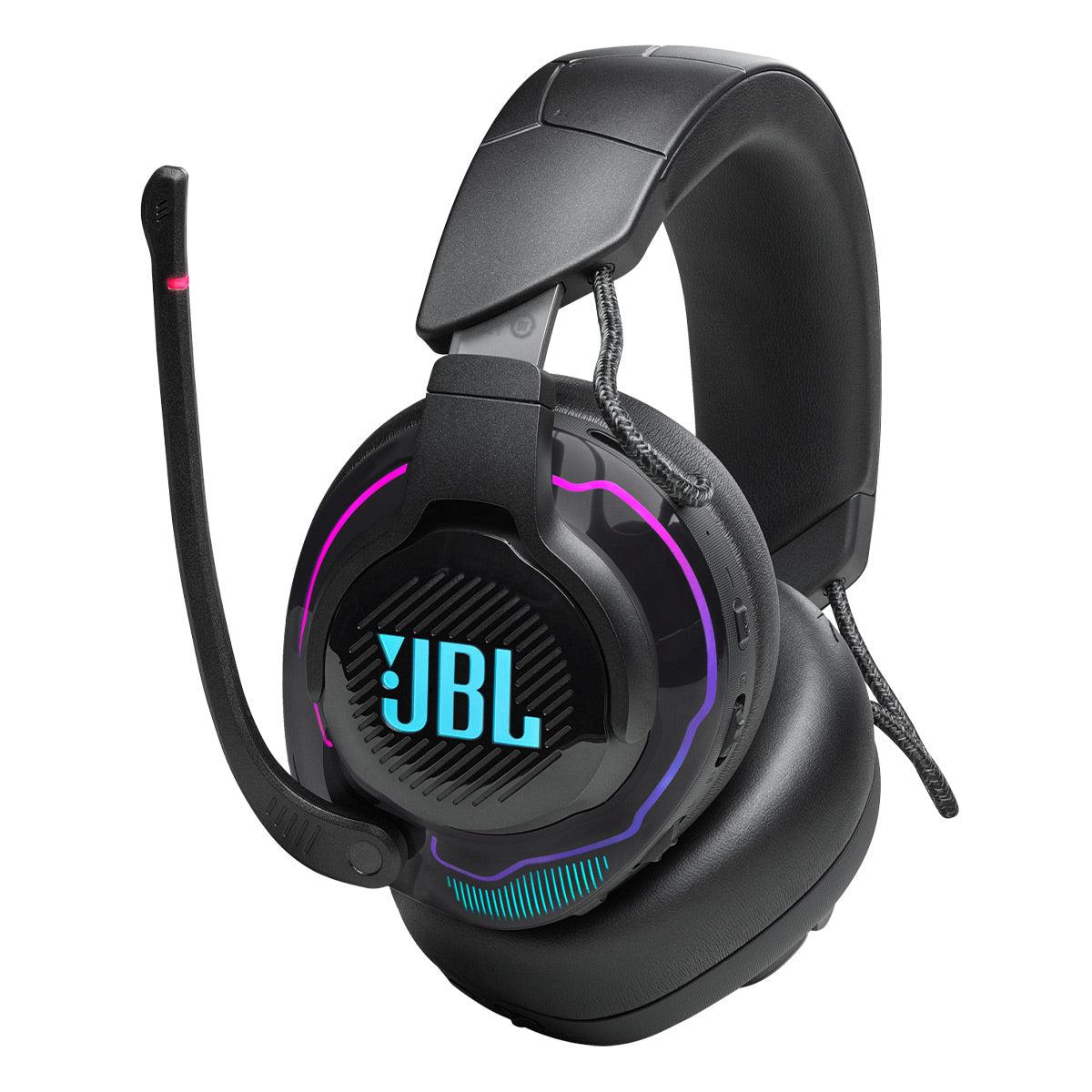
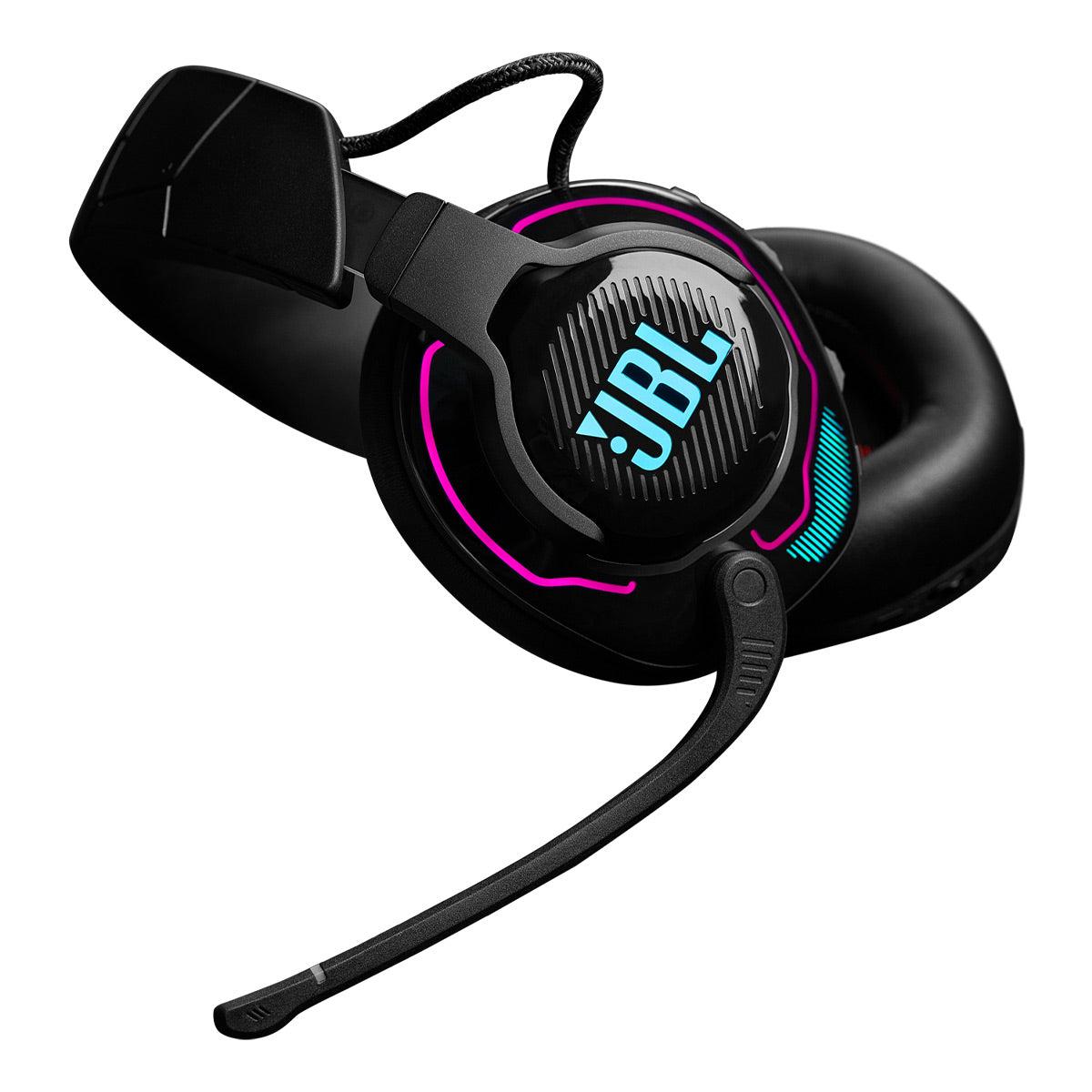
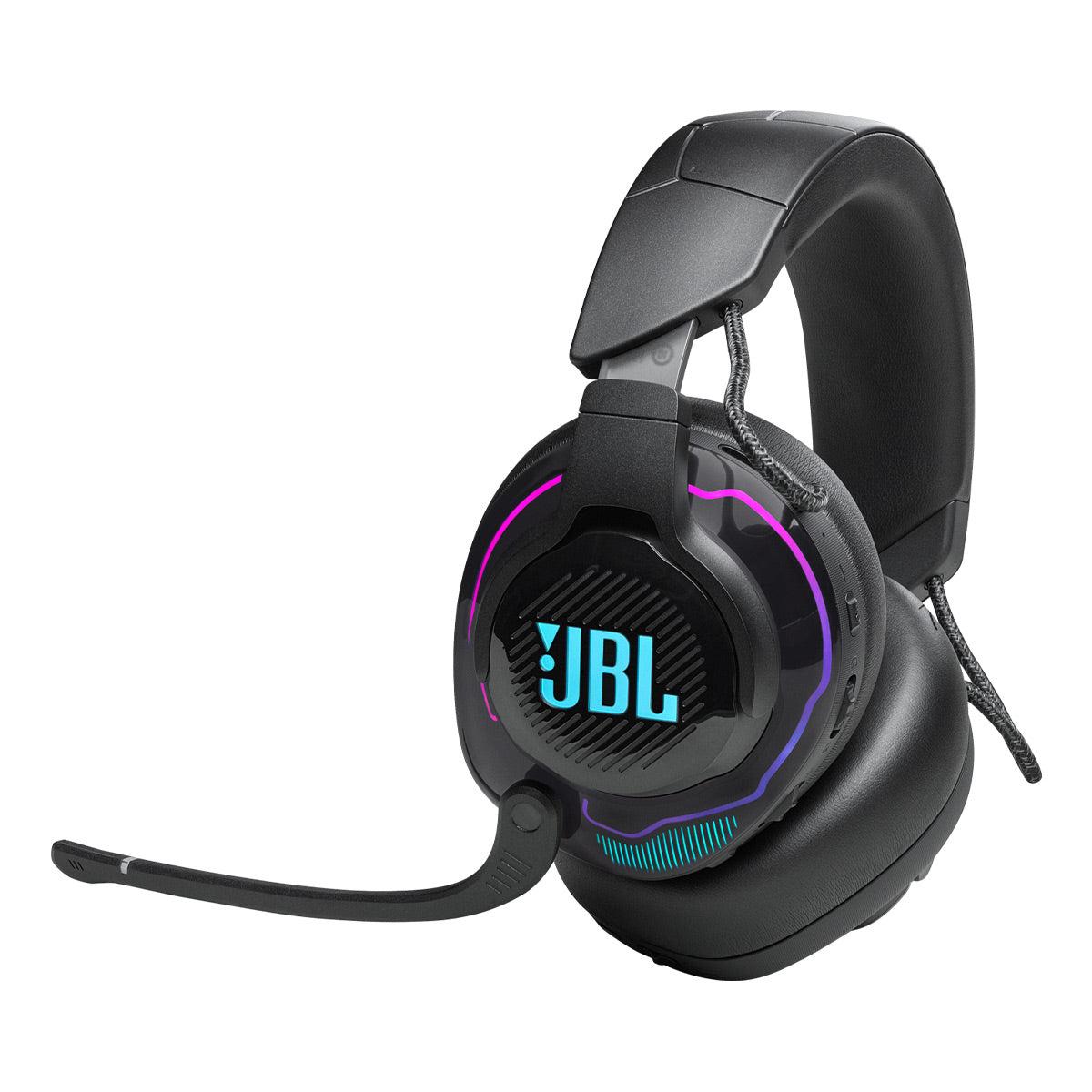
When you're serious about gaming, your headset becomes as crucial as your graphics card or gaming chair. The difference between hearing an enemy's footsteps and missing them entirely can determine whether you clutch that final round or watch your team lose. JBL's Quantum series targets exactly this type of gamer, with the Quantum 810 and Quantum 910 representing their most compelling wireless offerings.
These aren't budget headsets competing on price alone. Both models sit firmly in the premium wireless gaming category, where headsets typically cost between $200-300 at the time of writing. At this price point, you're paying for advanced features like active noise cancellation (ANC), spatial audio processing, and the kind of battery life that lets you game all weekend without reaching for a charging cable.
Premium wireless gaming headsets solve several problems that cheaper alternatives can't. First, they eliminate the cable management nightmare that comes with wired setups, especially if you game across multiple platforms. Second, they provide the kind of audio processing power that can give you a competitive edge - imagine being able to precisely locate where that sniper is positioned just from the sound of their reload.
The technology that makes this possible centers around several key innovations. Spatial audio processing uses advanced algorithms to create a three-dimensional sound environment, making it feel like audio is coming from specific locations around you rather than just from left and right speakers. Active noise cancellation works by using microphones to detect ambient noise, then generating opposite sound waves to cancel it out - think of it as acoustic magic that creates a bubble of silence around your ears.
Battery life becomes critical when you're talking about wireless headsets that pack this much technology. A headset with poor battery management might die in the middle of a crucial raid, forcing you to either plug in a cable (defeating the wireless purpose) or switch to backup audio that lacks all your carefully tuned settings.
Released in 2022, the Quantum 810 established JBL's reputation in the serious gaming market. After more than a year in the wild, it's proven itself as a reliable workhorse that delivers consistent performance without the growing pains that often affect first-generation products.
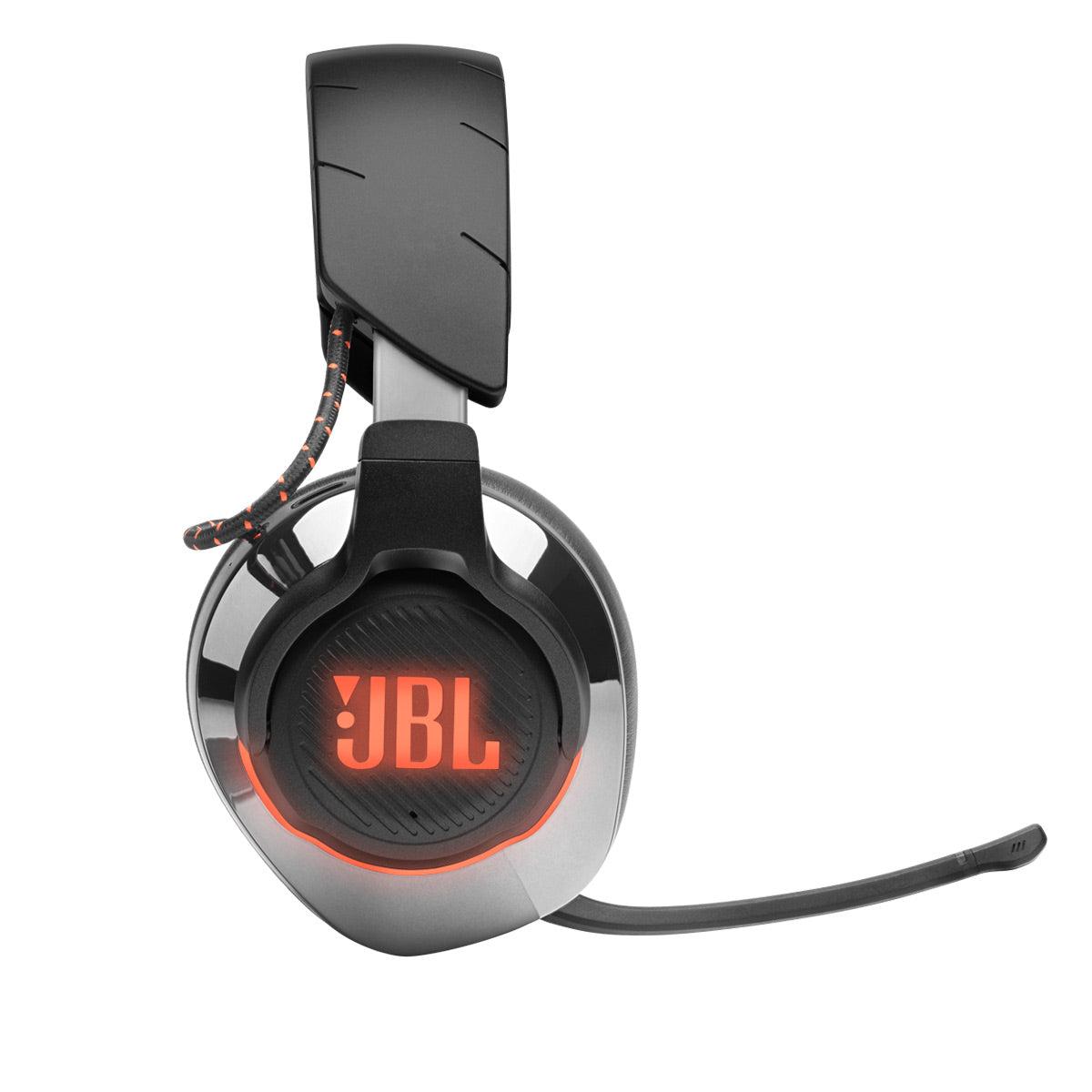
What immediately strikes you about the Quantum 810 is how JBL prioritized the fundamentals. The 50mm dynamic drivers - the speakers inside the headset - use a frequency response range of 20Hz to 40kHz when wired, which covers both the deepest bass rumbles and the highest treble details that human ears can perceive. This wide range means you'll hear everything from the low-frequency rumble of an explosion to the subtle high-frequency cues like the metallic click of a weapon being reloaded in the distance.
The headset's warm, bass-forward sound signature works particularly well for gaming. This isn't an accident - JBL's audiologists specifically tuned this response curve to emphasize the frequencies where important gaming audio lives. Footsteps, engine sounds, and weapon audio all benefit from this enhanced low-end presence, while the clear midrange ensures that voice chat remains intelligible even during chaotic firefights.
Battery life stands as the Quantum 810's most impressive achievement. At up to 43 hours of continuous use with RGB lighting disabled, it outlasts virtually every competitor in its class. To put this in perspective, you could game for an entire weekend - Friday evening through Sunday night - without needing to charge. Even with moderate RGB usage, you're looking at 30+ hours of real-world gaming time.
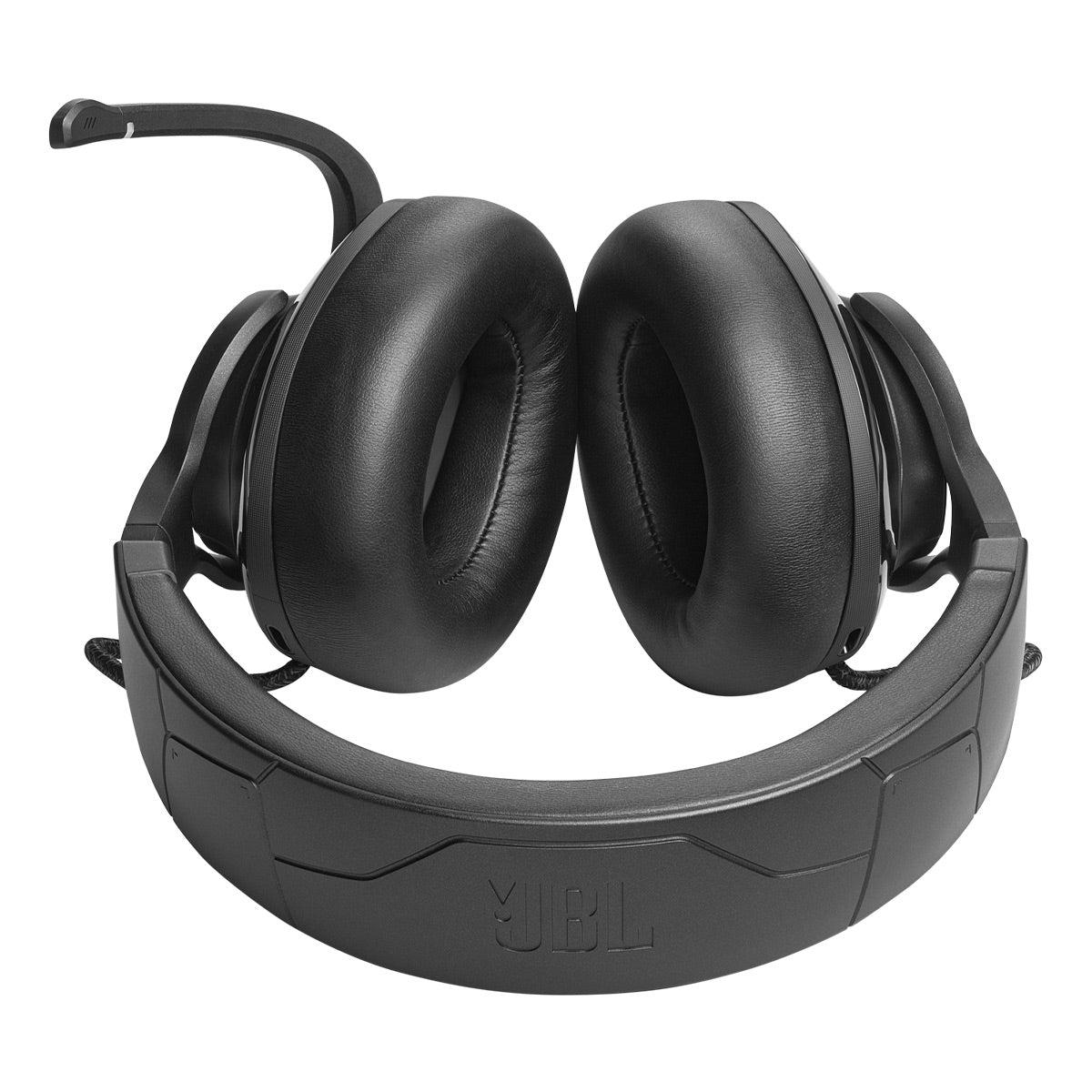
The headset's 357-gram weight contributes significantly to its comfort during extended sessions. This might not sound like much, but when you're wearing something on your head for 4-6 hours straight, every gram matters. The memory foam ear cushions, wrapped in leather-like material, create a comfortable seal that provides both passive noise isolation and long-term wearing comfort.
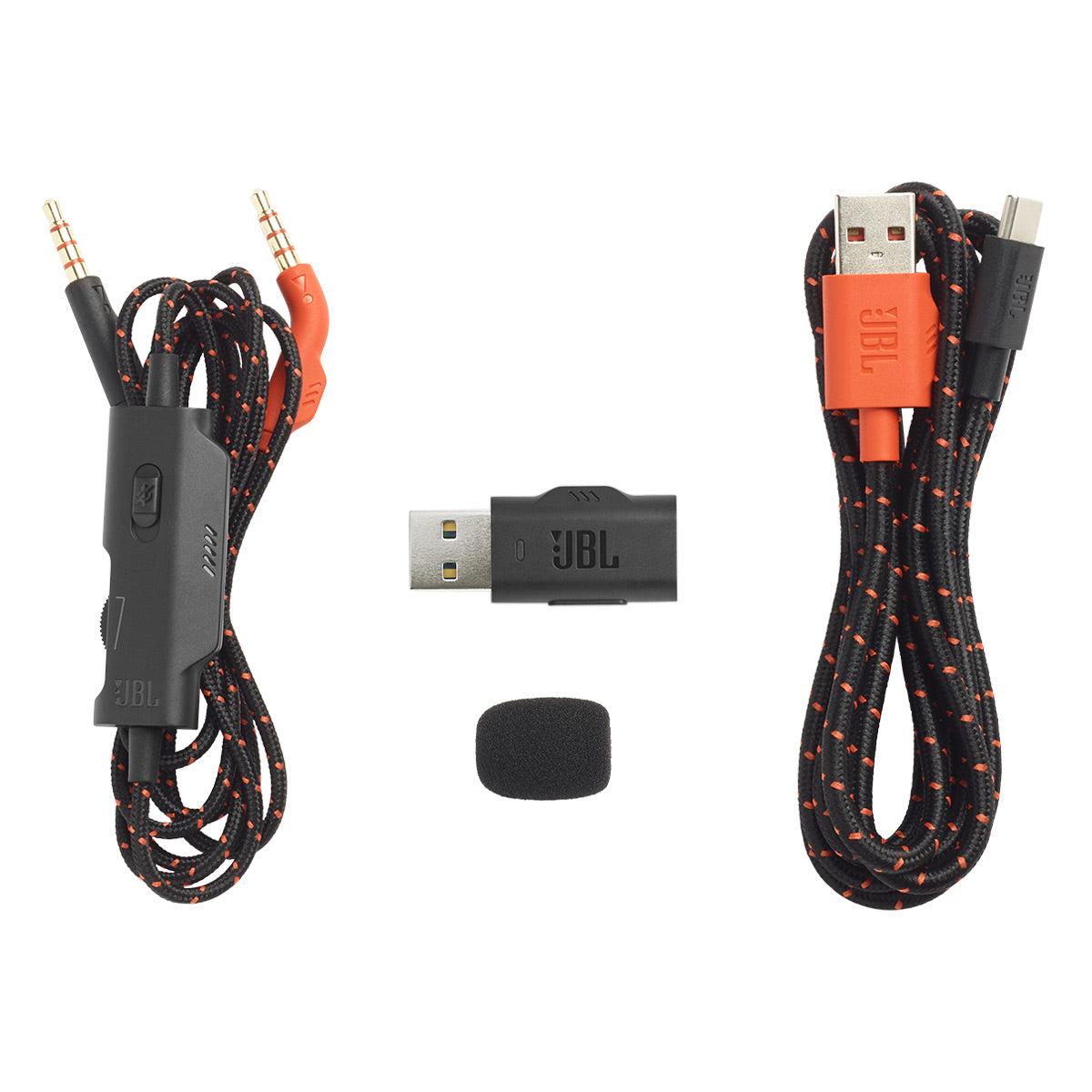
Platform compatibility covers the essentials well, though with one notable limitation. The Quantum 810 connects wirelessly to PC and PlayStation systems via its 2.4GHz USB dongle, providing the low-latency connection that serious gaming demands. However, Xbox users need to connect via the included 3.5mm cable, which eliminates wireless freedom and some advanced features.
JBL released the Quantum 910 in 2023 as their flagship gaming headset, incorporating lessons learned from the 810 while pushing the boundaries of what's possible in gaming audio. The most revolutionary addition is integrated head tracking technology - sensors within the headset monitor your head movement and adjust the audio accordingly.
This head tracking enables JBL's QuantumSPHERE 360™ technology, which creates what can only be described as a fixed audio environment. Instead of audio moving with your head (as traditional headphones work), sounds remain anchored to specific locations in virtual space. Turn your head left, and the audio from your monitor stays in the same relative position. It sounds like science fiction, but the technology works remarkably well when properly implemented.
The Quantum 910 uses 50mm neodymium drivers with a sensitivity rating of 111 dB SPL compared to the 810's 95 dB. This technical difference translates to noticeably more powerful audio output and better dynamic range - the difference between the quietest and loudest sounds the headset can reproduce. In practical terms, this means explosions hit harder while subtle environmental audio remains clearly audible.
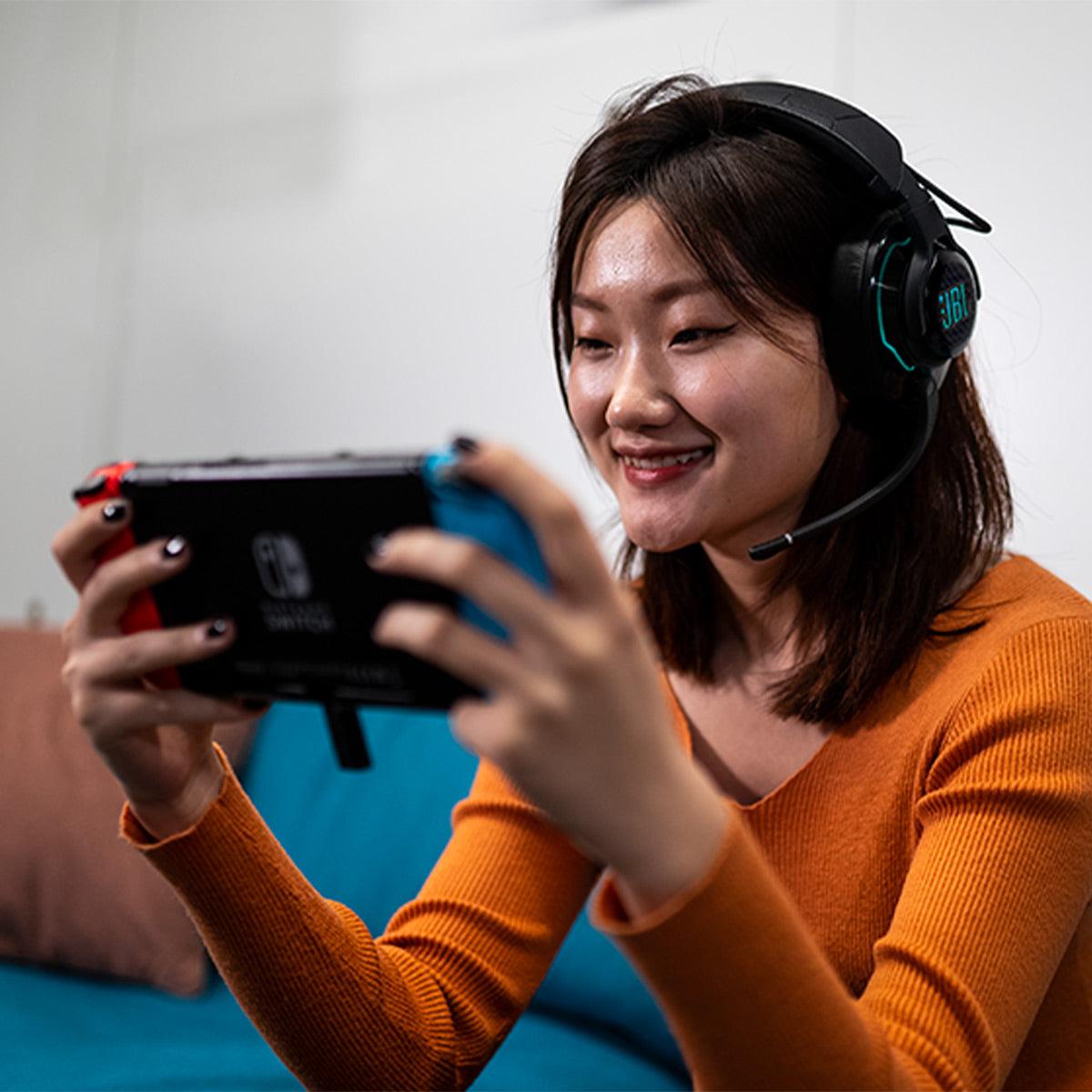
Universal wireless compatibility represents another significant upgrade. The Quantum 910 connects wirelessly to PC, PlayStation, Xbox, and Nintendo Switch systems. This eliminates the platform juggling that affects the 810, making it ideal for gamers who own multiple systems or frequently switch between PC and console gaming.
The dual wireless capability deserves special attention. The Quantum 910 can simultaneously maintain a 2.4GHz connection to your gaming system and a Bluetooth connection to your phone. This means you can take calls or listen to music without interrupting your gaming session - a feature that proves surprisingly useful once you experience it.
However, this advanced technology comes with trade-offs. The headset weighs 420 grams, a 63-gram increase over the 810 that becomes noticeable during extended gaming sessions. Battery life also takes a hit, dropping to 39 hours in standard mode and potentially as low as 10 hours when all advanced features are active.
Both headsets excel at delivering gaming-focused audio, but they take different approaches to achieving their results. The Quantum 810 provides consistent, reliable performance across all games and genres. Its warm sound signature enhances the impact of explosions and environmental effects while maintaining clear dialogue and directional audio cues.
The Quantum 910 offers potentially superior performance when its advanced features work properly. The head tracking technology creates an unprecedented sense of spatial awareness in supported games. Playing a title like Call of Duty with proper head tracking feels transformative - you can literally turn your head to better locate enemy positions, creating a more immersive and tactically advantageous experience.
However, this advanced spatial audio comes with significant caveats. Performance varies dramatically between games, with some titles delivering exceptional enhancement while others may actually sound worse with spatial processing enabled. This inconsistency means you might find yourself frequently toggling features on and off depending on what you're playing.
For competitive gaming, the Quantum 810 often proves more reliable. Its consistent audio signature and proven low-latency performance make it ideal for esports titles where predictable audio behavior matters more than cutting-edge features. The lighter weight also provides an advantage during tournament play or extended competitive sessions.
Understanding how these headsets create 3D audio helps explain their different approaches and performance characteristics. Traditional gaming headsets rely on stereo processing - they take multichannel game audio and mix it down to left and right channels, using timing and volume differences to create the illusion of directional sound.
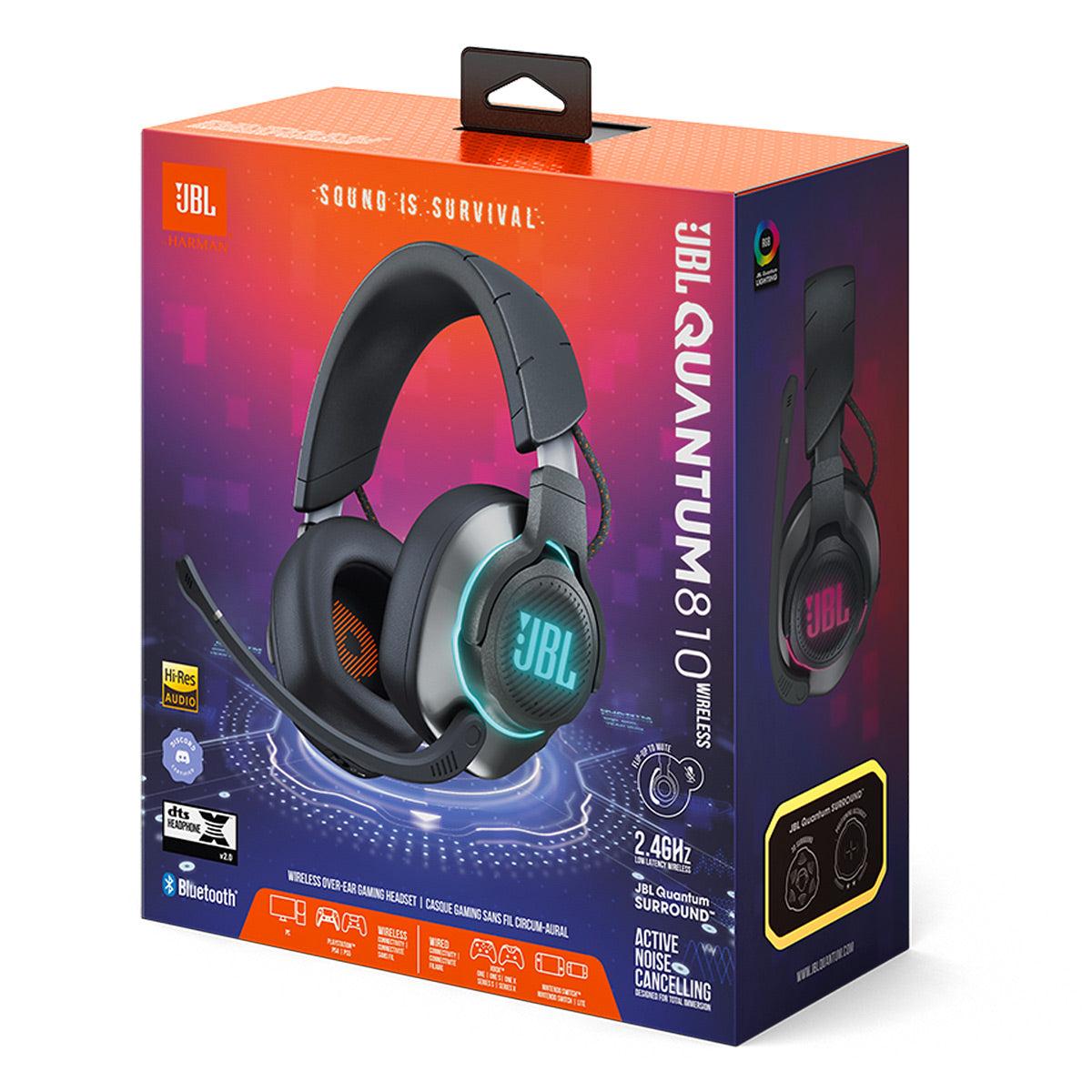
The Quantum 810 enhances this with JBL QuantumSURROUND and DTS Headphone:X v2.0 processing. These technologies use psychoacoustic algorithms - mathematical models of how human hearing works - to create more convincing virtual surround sound. The result is improved directional accuracy and a wider perceived soundstage.
The Quantum 910's QuantumSPHERE 360™ technology takes a fundamentally different approach. By tracking head movement and adjusting audio processing in real-time, it creates the illusion that sounds exist in fixed positions in space. This mimics how we naturally locate sounds in the real world, where turning your head changes your relationship to audio sources.
When this technology works properly, the results can be startling. Audio cues that would normally require careful listening become obvious and intuitive. However, the complexity of this processing introduces potential points of failure, and not all games implement the necessary audio APIs correctly.
Battery performance affects daily usability more than most specifications suggest. The Quantum 810's 43-hour battery life eliminates range anxiety entirely. You can game intensively for days without thinking about charging, and even when you do need to plug in, the 3.5-hour charge time means you won't be offline for long.
The Quantum 910's 39-hour standard battery life remains excellent by industry standards, but its advanced features create more complex power management scenarios. With head tracking, RGB lighting, and dual wireless connections active, battery life can drop to 10-15 hours. While still adequate for most gaming sessions, this requires more conscious battery management.
Both headsets support simultaneous play-and-charge functionality, letting you continue gaming while connected to power. However, this somewhat defeats the purpose of wireless freedom, making battery life a more critical consideration than it might initially appear.
The platform compatibility difference between these headsets significantly impacts their real-world utility. The Quantum 810's limitation to PC and PlayStation wireless connectivity creates friction for Xbox owners or anyone gaming across multiple ecosystems.
This becomes particularly relevant as gaming becomes increasingly platform-agnostic. Many gamers own both a gaming PC and one or more consoles, switching between platforms depending on where their friends are playing or which platform has the best version of a particular game.
The Quantum 910's universal wireless compatibility eliminates this friction entirely. You can seamlessly switch between your PC, Xbox Series X, and PlayStation 5 without cable swapping or setup changes. The headset automatically connects to whatever system you power on, maintaining your custom settings and audio profiles across platforms.
Both headsets excel beyond gaming, particularly for movie and music consumption. Their wide frequency response and comfortable designs make them suitable for extended entertainment sessions.
The Quantum 810's warm sound signature works particularly well for movie audio, enhancing dialogue clarity while providing impactful sound effects. Its exceptional battery life means you can binge-watch entire series without interruption.
The Quantum 910's head tracking technology can enhance movie viewing in supported applications, creating a more immersive experience for content that includes spatial audio. However, this feature remains relatively rare in streaming video content, limiting its practical benefit for non-gaming entertainment.
At the time of writing, the price gap between these headsets reflects the cost of innovation versus proven reliability. The Quantum 810 offers exceptional value for users who prioritize reliable performance, exceptional battery life, and proven comfort. Its lower price point makes premium wireless gaming accessible to more users while delivering features that satisfy most gaming requirements.
The Quantum 910 commands a premium for its cutting-edge features and universal compatibility. Whether this premium provides good value depends largely on your specific gaming habits and priorities. For users who game across multiple platforms or want the latest audio technology, the additional cost may prove justified.
However, the Quantum 910's experimental nature means you're essentially paying to be an early adopter of head tracking technology. While impressive when it works properly, the inconsistent implementation across different games and platforms means you're not guaranteed to benefit from every feature you're paying for.
The Quantum 810 makes the most sense for gamers who prioritize reliability, comfort, and value. If you primarily game on PC or PlayStation, appreciate exceptional battery life, and prefer proven technology over experimental features, the 810 delivers everything you need without unnecessary complexity.
Competitive gamers, in particular, should strongly consider the Quantum 810. Its lighter weight reduces fatigue during tournament play, while its consistent audio signature provides predictable performance across all games. The proven reliability also eliminates the risk of experimental features causing problems during crucial moments.
The Quantum 910 appeals to enthusiasts who want cutting-edge technology and game across multiple platforms. If Xbox wireless compatibility is important, or you're excited about head tracking technology and willing to troubleshoot occasional compatibility issues, the 910 offers features you simply can't get elsewhere.
Multi-platform gamers will particularly appreciate the Quantum 910's universal wireless compatibility. The convenience of seamless switching between PC, Xbox, PlayStation, and Switch gaming more than justifies the premium for users who regularly game across different systems.
For most gamers, the Quantum 810 provides better overall value and a more consistent experience. Its proven reliability, exceptional battery life, and comfortable design deliver everything that matters for serious gaming without the complexity and potential frustrations of experimental features.
Choose the Quantum 910 if you specifically need Xbox wireless compatibility, game across multiple platforms regularly, or are excited about experiencing cutting-edge head tracking technology. Just be prepared for a learning curve and occasional troubleshooting as games and platforms continue adapting to this new technology.
Both headsets represent excellent choices within the premium wireless gaming category. Your decision should ultimately depend on whether you value proven reliability and exceptional value (Quantum 810) or cutting-edge features and universal compatibility (Quantum 910). Either way, you're getting a headset that will significantly enhance your gaming experience for years to come.
| JBL Quantum 810 Wireless Gaming Headset | JBL Quantum 910 Wireless Gaming Headset |
|---|---|
| Weight - Critical for comfort during long gaming sessions | |
| 357g (lighter, reduces neck fatigue) | 420g (63g heavier, may cause discomfort after hours) |
| Battery Life - Determines how long you can game wirelessly | |
| 43 hours (weekend-long gaming without charging) | 39 hours standard (drops to 10 hours with all features active) |
| Platform Compatibility - Which gaming systems work wirelessly | |
| PC, PlayStation 4/5, Nintendo Switch docked (Xbox wired only) | Universal: PC, PlayStation, Xbox, Nintendo Switch (true wireless freedom) |
| Head Tracking Technology - Revolutionary spatial audio positioning | |
| None (traditional virtual surround sound) | Integrated head tracking with QuantumSPHERE 360™ (game-changing when supported) |
| Audio Drivers - Raw sound quality and power | |
| 50mm dynamic drivers, 95 dB SPL sensitivity | 50mm neodymium drivers, 111 dB SPL sensitivity (16% more powerful output) |
| Charging Time - How long you'll be tethered to a cable | |
| 3.5 hours (longer downtime) | 2 hours (42% faster charging) |
| Spatial Audio Processing - 3D sound technology for competitive advantage | |
| JBL QuantumSURROUND, DTS Headphone:X v2.0 (PC only) | QuantumSPHERE 360™ with head tracking, QuantumSPATIAL 360™ for consoles |
| Wireless Connectivity - How many devices you can connect simultaneously | |
| 2.4GHz wireless + Bluetooth (standard dual connection) | 2.4GHz + Bluetooth 5.2 simultaneous (enhanced dual wireless communication) |
| Release Date - Product maturity and proven reliability | |
| 2022 (18+ months of proven performance and user feedback) | 2023 (newer technology, less real-world testing) |
| Target User - Who benefits most from each headset's strengths | |
| Competitive gamers, PC/PlayStation users, value-conscious buyers | Multi-platform gamers, early adopters, Xbox wireless users |
The JBL Quantum 910 offers more advanced gaming features with head tracking technology and universal wireless compatibility, while the JBL Quantum 810 provides more reliable performance with longer battery life and lighter weight. For competitive gaming, the Quantum 810 is often preferred due to its consistent performance and comfort during extended sessions.
The biggest difference is that the JBL Quantum 910 includes revolutionary head tracking technology that adjusts audio based on your head movement, plus universal wireless compatibility with all gaming platforms. The JBL Quantum 810 focuses on proven reliability with exceptional 43-hour battery life and lighter weight for comfort.
The JBL Quantum 810 has superior battery life with up to 43 hours of use, compared to the Quantum 910's 39 hours in standard mode. However, the Quantum 910 can drop to just 10 hours when using all advanced features like head tracking and RGB lighting.
No, only the JBL Quantum 910 supports wireless connectivity with Xbox consoles. The JBL Quantum 810 requires a wired connection for Xbox gaming, though it works wirelessly with PC and PlayStation systems.
The JBL Quantum 810 is more comfortable for extended use due to its lighter 357g weight compared to the Quantum 910's 420g. The 63-gram difference becomes noticeable after several hours of gaming and can reduce neck fatigue.
Both headsets excel for home entertainment beyond gaming. The JBL Quantum 810 offers a warm sound signature that enhances movie dialogue and sound effects, while the Quantum 910 can provide more immersive spatial audio for supported content, though this feature is still limited in streaming applications.
The JBL Quantum 910 charges significantly faster at just 2 hours compared to the Quantum 810's 3.5-hour charging time. This 42% improvement means less downtime when you need to recharge between gaming sessions.
Head tracking in the JBL Quantum 910 uses sensors to monitor your head movement and adjusts audio accordingly, creating a fixed 3D sound environment. While revolutionary when it works properly, the technology varies in performance between games and can sometimes degrade audio quality in unsupported titles.
The JBL Quantum 810 typically offers better value with its lower price point, proven reliability, and essential gaming features. The Quantum 910 commands a premium for cutting-edge technology and universal compatibility, making it worthwhile mainly for multi-platform gamers or early adopters.
Both the JBL Quantum 810 and Quantum 910 support dual wireless connectivity, allowing simultaneous connections via 2.4GHz and Bluetooth. However, the Quantum 910 offers enhanced Bluetooth 5.2 with better stability for managing multiple device connections.
The JBL Quantum 910 has technically superior audio with 50mm neodymium drivers and 111 dB sensitivity compared to the Quantum 810's 95 dB sensitivity. This translates to more powerful output and better dynamic range, though the Quantum 810 offers more consistent performance across all games.
For competitive gaming, the JBL Quantum 810 is often the better choice due to its lighter weight, consistent audio performance, and proven reliability. The Quantum 910's advanced features can sometimes introduce inconsistency, and its heavier weight may cause fatigue during tournament play or extended competitive sessions.
We've done our best to create useful and informative comparisons to help you decide what product to buy. Our research uses advanced automated methods to create this comparison and perfection is not possible - please contact us for corrections or questions. These are the sites we've researched in the creation of this article: techradar.com - youtube.com - gamingtrend.com - gamingaustralia.com.au - youtube.com - jbl.com - jbl.com - youtube.com - harmanaudio.com - versus.com - microcenter.com - crutchfield.com - jbl.com - mm.jbl.com - cdwg.com - jbl.com - en.jblthailand.com - nfm.com - jblonlinestore.com - scribd.com - harmanaudio.com - samsung.com - techradar.com - stereoguide.com - ausdroid.net - majorhifi.com - ign.com - youtube.com - soundguys.com - versus.com - impulsegamer.com - versus.com - jbl.com - jbl.com.tw - crutchfield.com - th.jbl.com - harmanaudio.com - jbl.com - jbl.com - youtube.com - bestbuy.com - harmanaudio.com - jbl.com - th.jbl.com - bhphotovideo.com

Privacy Policy
Terms and Conditions - Affiliate Policy
Home Security
© Copyright 2008-2026.
11816 Inwood Rd #1211, Dallas, TX 75244