


Portable party speakers occupy a unique space in the audio world. Unlike your typical Bluetooth speaker designed for personal listening, these powerhouses are built to fill large outdoor spaces with sound, survive splashes and drops, and keep the music going for hours without needing a wall outlet. Think of them as the audio equivalent of a portable generator – they're all about delivering serious performance when you're away from home.
The challenge with this category is that "portable party speaker" can mean vastly different things depending on your needs and budget. At the time of writing, you can find decent options starting around $300, but the serious performers often cost three or four times that amount. The question isn't just about getting loud sound – it's about finding the right balance of volume, battery life, durability, and features for how you actually plan to use the speaker.
When we talk about portable party speakers, we're looking at devices designed for specific performance priorities that regular speakers can't match. The most critical factor is maximum SPL (Sound Pressure Level) – basically how loud they can get before the sound becomes distorted. While your typical portable speaker might max out around 90-100 decibels, party speakers routinely hit 120+ decibels, which is loud enough to be heard clearly across a large backyard or beach area.
Battery capacity becomes equally important because these speakers are meant for extended use away from power sources. We're not talking about the 8-10 hours you'd expect from a regular Bluetooth speaker, but rather the stamina to power an all-day outdoor event. The battery technology here – typically lithium-ion or more advanced lithium iron phosphate – needs to handle the massive power draws that come with driving large drivers at high volumes.
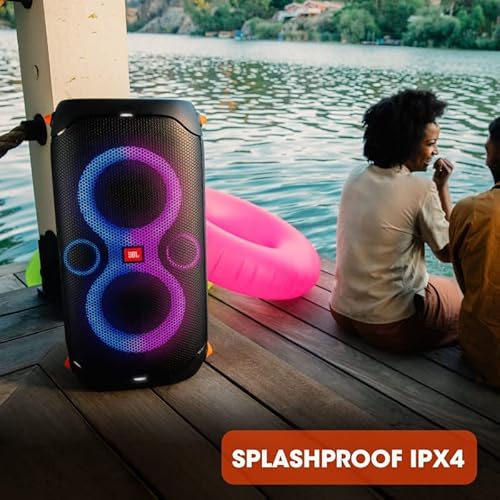
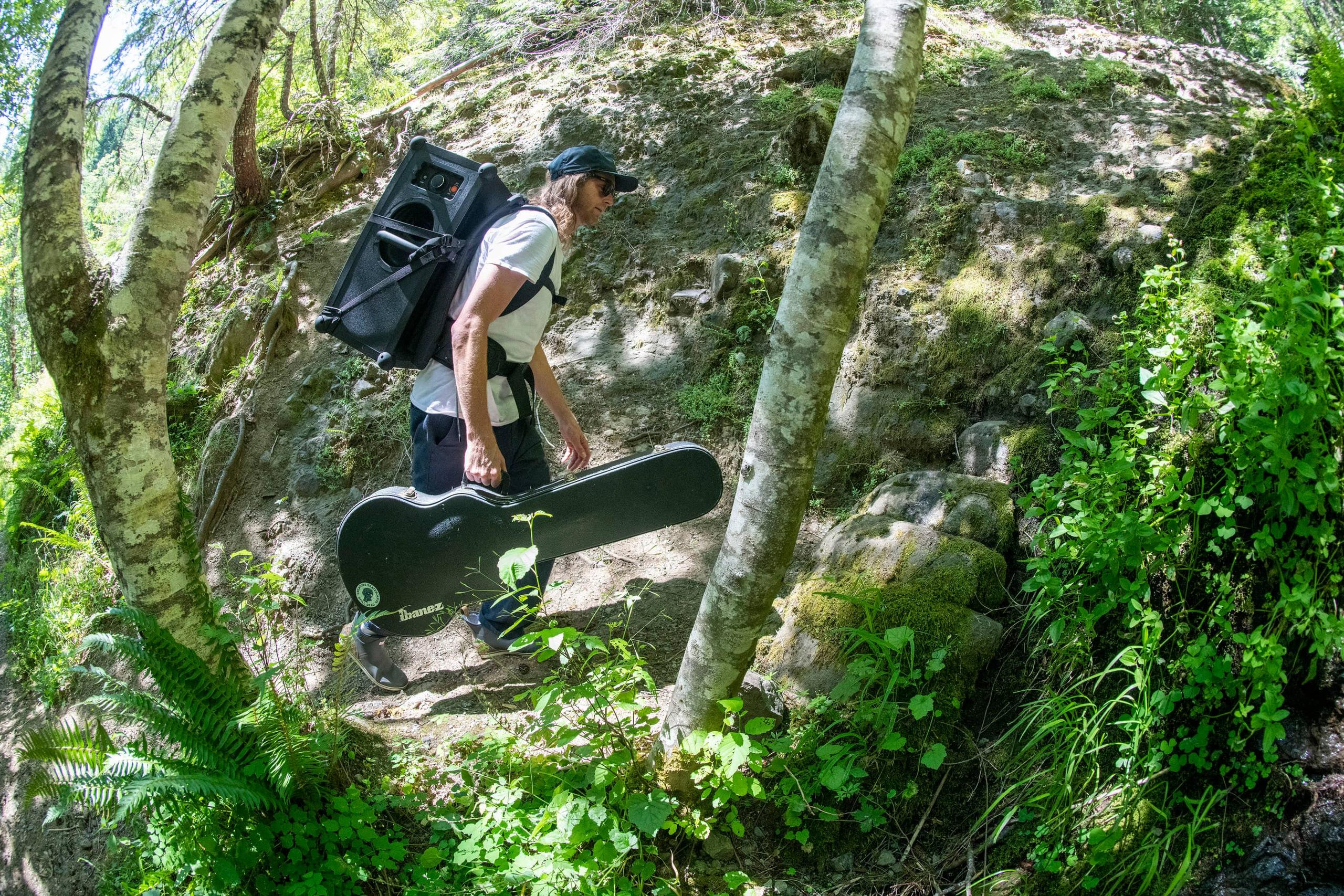
Durability standards are also completely different. These speakers need to handle being transported in truck beds, survive sudden rain showers, and withstand the inevitable bumps and drops that come with outdoor use. That's where ratings like IPX4 (splash resistant) or IP65 (dust and water jet resistant) become meaningful – they tell you exactly what conditions the speaker can handle.
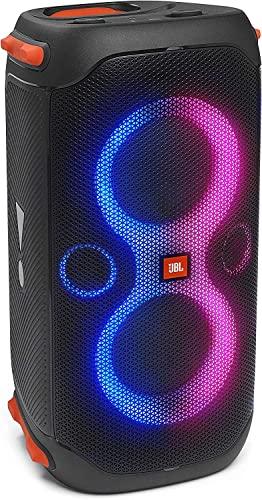
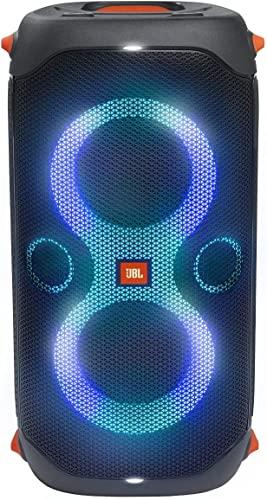
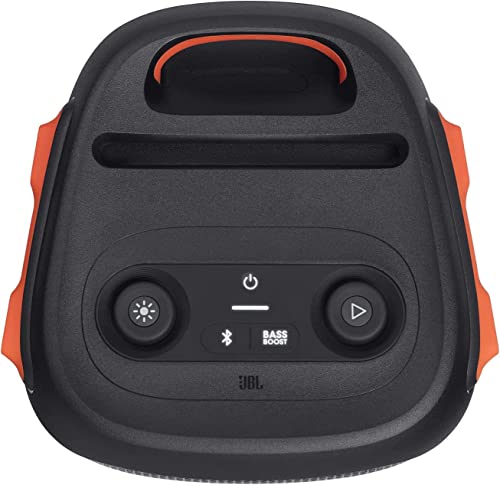
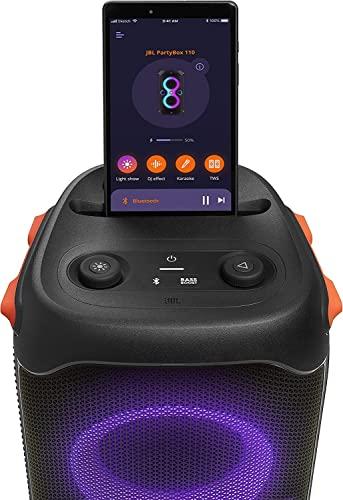
The JBL PartyBox 110, released in 2021, represents what we'd call the "feature-rich approach" to portable party speakers. JBL designed it as an all-in-one entertainment system that happens to be portable, packing in LED light shows, karaoke capabilities, and user-friendly controls alongside solid audio performance. At the time of writing, it sits in the mid-range price category, making it accessible to casual users who want a complete party package without breaking the bank.
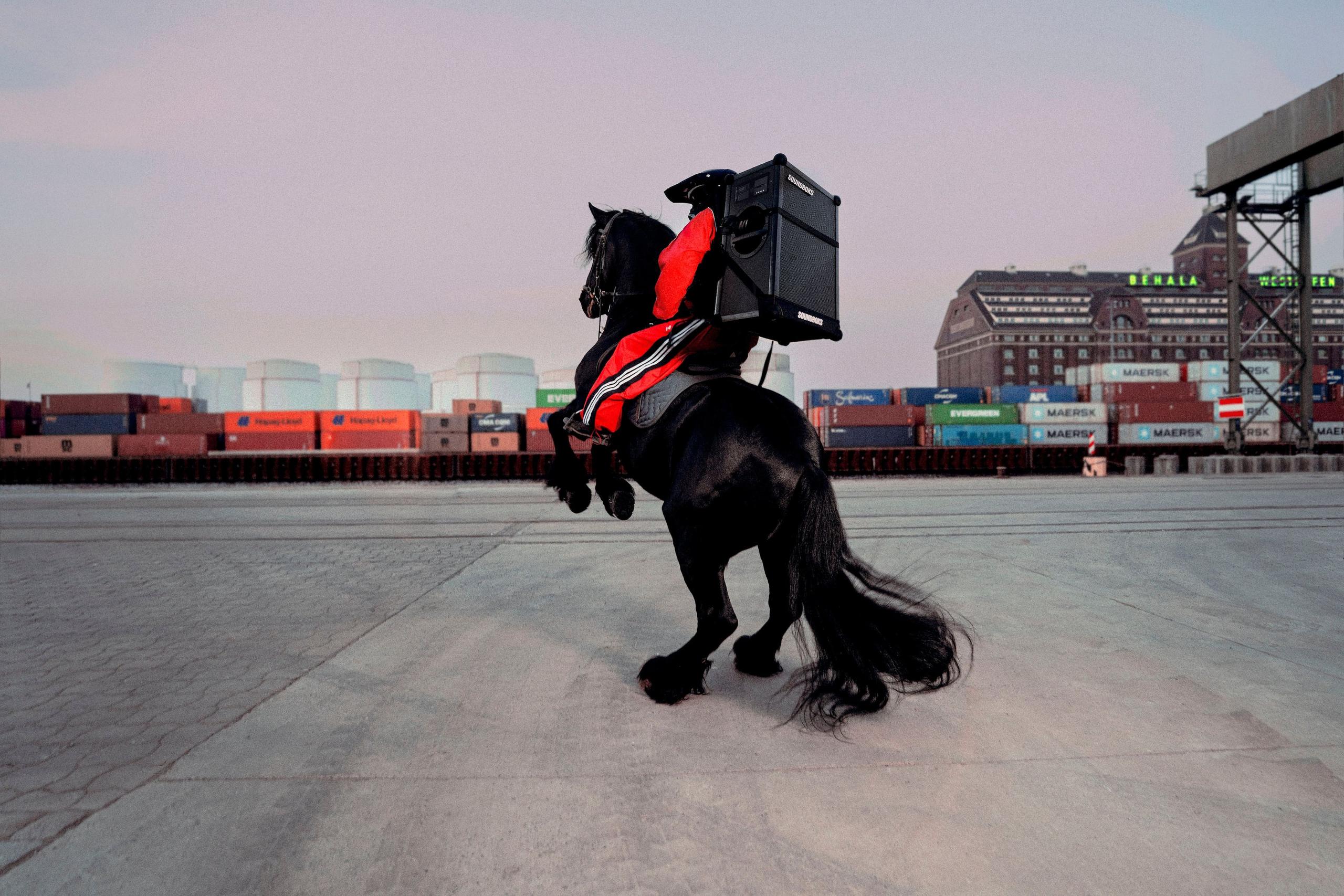
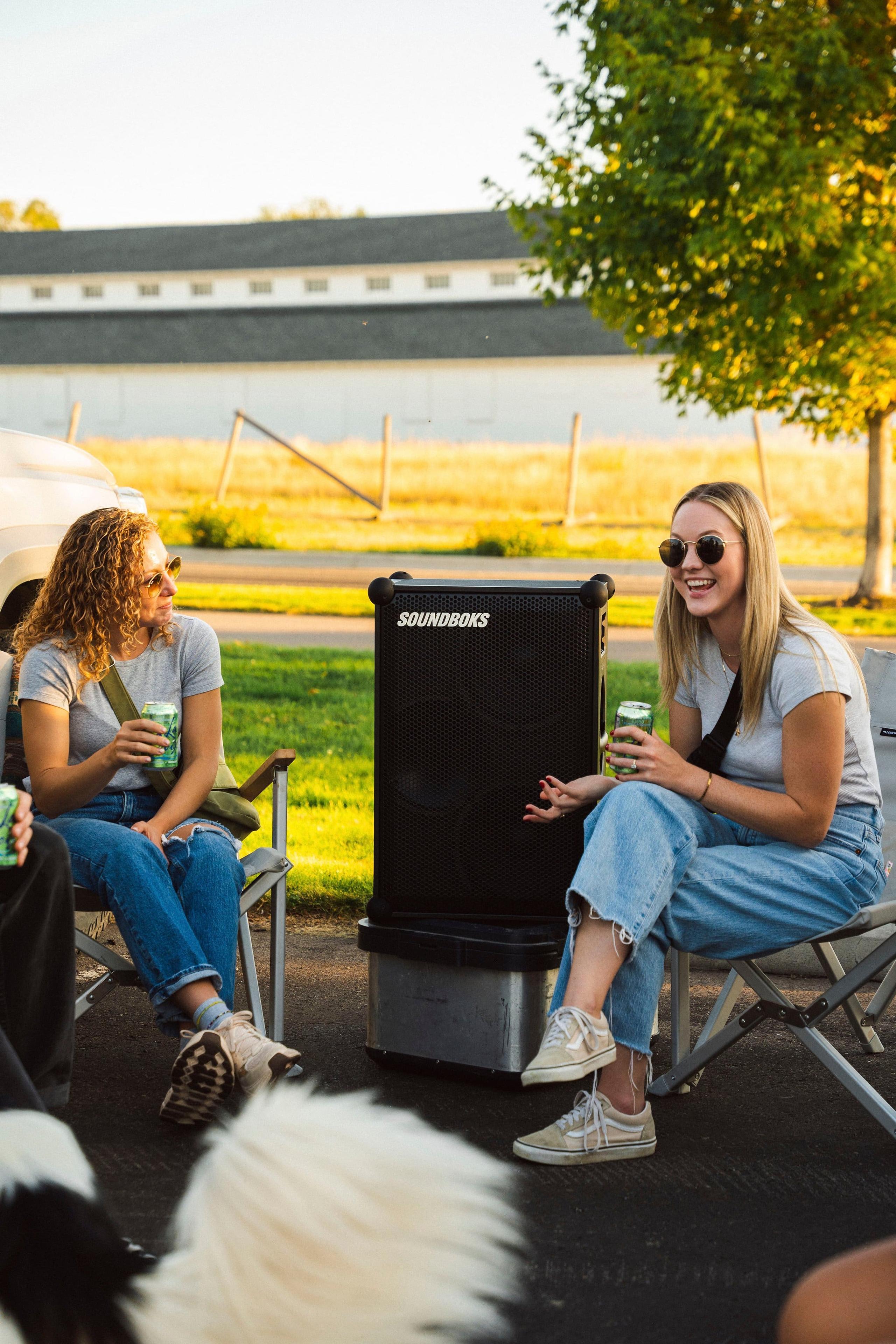
The SOUNDBOKS 4, a more recent release, takes the opposite approach – what we'd call the "performance-first philosophy." SOUNDBOKS built their reputation among festival-goers and outdoor enthusiasts who needed speakers that could handle extreme conditions and deliver uncompromising audio quality. This speaker costs significantly more – roughly three times the price of the JBL – but that premium reflects genuine engineering differences rather than just brand markup.
When comparing audio performance between these speakers, the specifications only tell part of the story. The JBL PartyBox 110 delivers 160W RMS (Root Mean Square) power, which measures the continuous power the amplifiers can sustain. It uses a configuration of two 5.25-inch woofers and two 2.25-inch tweeters, creating what JBL calls their "Original Pro Sound" signature.
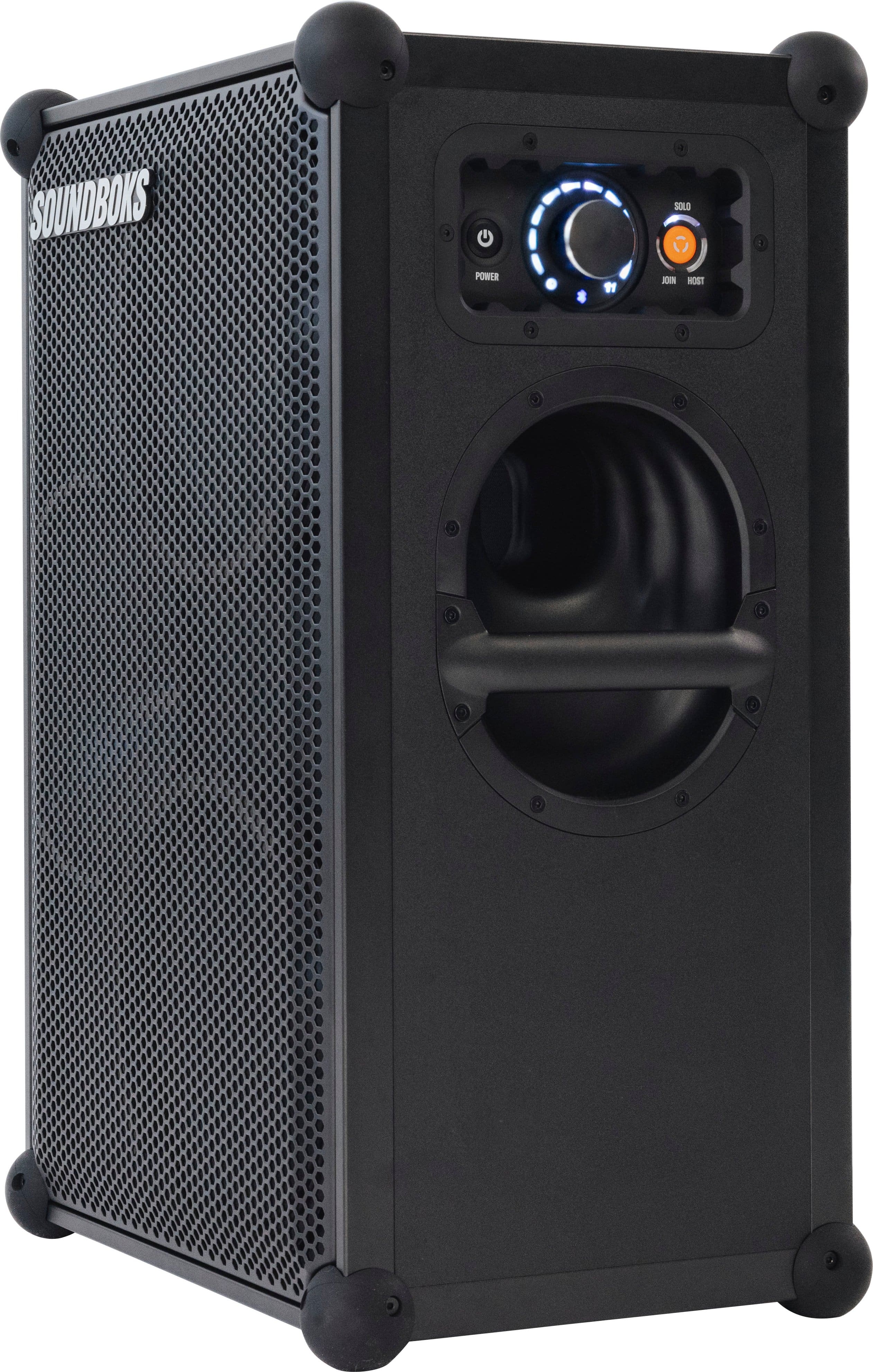
The SOUNDBOKS 4 pushes 216W RMS through a different driver arrangement – two 10-inch woofers and a single 1-inch compression tweeter. That compression tweeter is particularly interesting because it's the same technology used in professional PA systems. Unlike regular dome tweeters, compression drivers force sound through a small opening into a horn, creating much higher efficiency and the ability to project high frequencies over long distances.
But here's where raw numbers become misleading. Based on extensive user feedback and expert evaluations, the SOUNDBOKS 4 consistently sounds louder and clearer than its wattage advantage would suggest. This comes down to several factors: the quality of the amplification (SOUNDBOKS uses high-end Infineon MERUS class-D amplifiers), the efficiency of the driver design, and sophisticated DSP (Digital Signal Processing) that optimizes the sound in real-time.
The frequency response also tells an important story. The JBL PartyBox 110 covers 45 Hz to 20 kHz, while the SOUNDBOKS 4 reaches down to 40 Hz. That extra 5 Hz might seem trivial, but in the bass realm, those lowest frequencies create the physical sensation you feel in your chest during powerful music passages. The SOUNDBOKS also maintains better clarity at maximum volume, where many speakers start to compress the sound and lose detail.
Battery technology represents the single biggest differentiator between these speakers, and it's where the engineering philosophies become most apparent. The JBL PartyBox 110 uses a fixed lithium-ion battery that provides up to 12 hours of playback. That's respectable for most casual use, but the "up to" caveat is important – real-world battery life depends heavily on volume level and which features you're using. Turn on the LED lights and crank the bass boost, and you'll see significantly less than 12 hours.
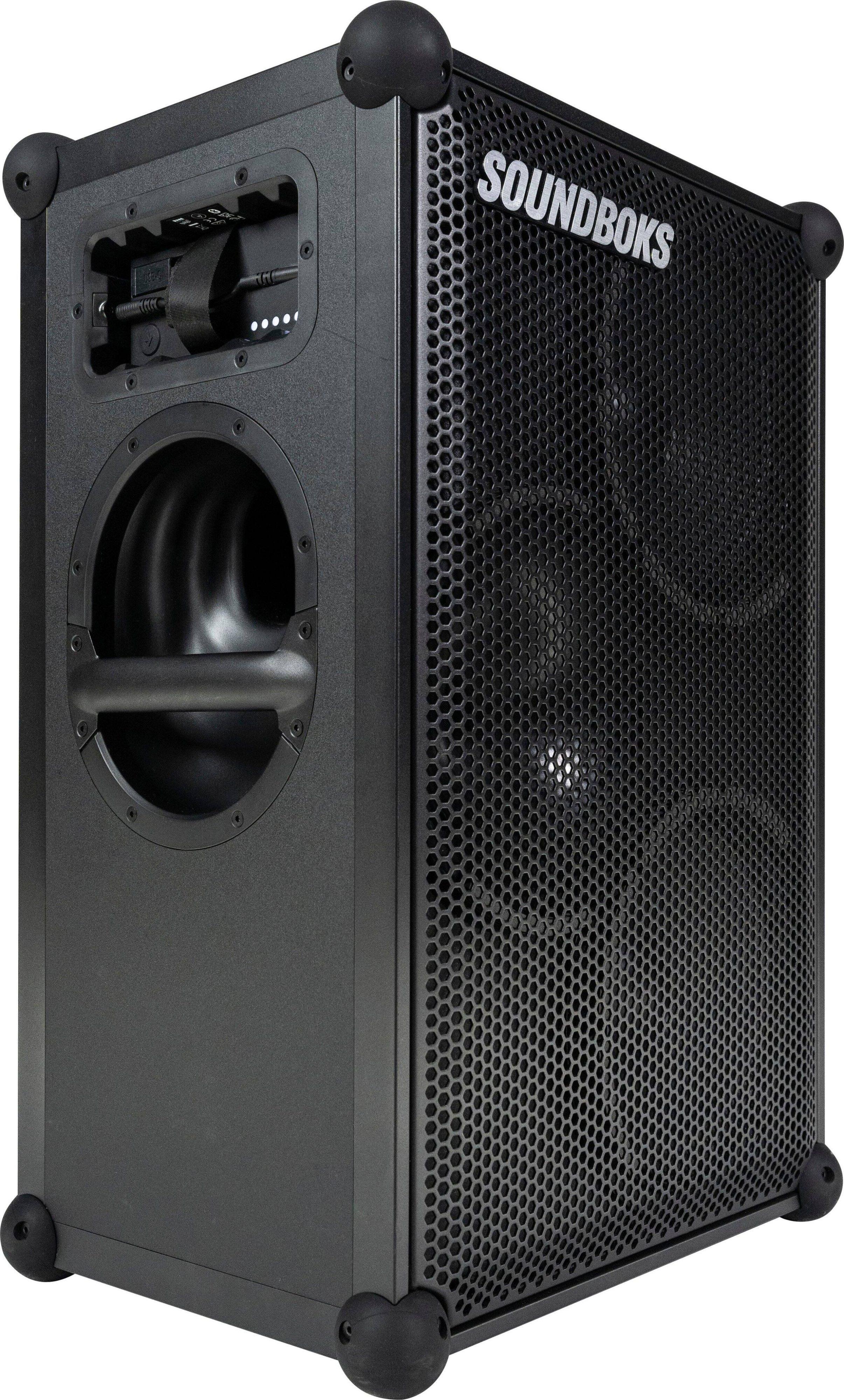
The SOUNDBOKS 4 takes a completely different approach with its removable LiFePO4 (Lithium Iron Phosphate) battery. This chemistry is more expensive but offers several advantages: it handles more charge cycles before degrading, works better in extreme temperatures, and provides more stable voltage output as the battery drains. The rated 40 hours at mid-volume isn't just marketing – it reflects the superior energy efficiency of the entire system.
More importantly, the removable battery design means you can carry spares for unlimited runtime. This isn't just convenient – it's transformative for certain use cases. Imagine a weekend camping trip where you want background music during the day and louder evening entertainment. With the JBL PartyBox 110, you'd need to carefully manage battery usage and find charging opportunities. With the SOUNDBOKS 4, you just swap batteries and keep going.
The charging systems also differ meaningfully. Both take about 3.5 hours for a full charge, but the SOUNDBOKS 4 can charge batteries externally while using the speaker, and the LiFePO4 chemistry means the battery will still hold good capacity after thousands of cycles.
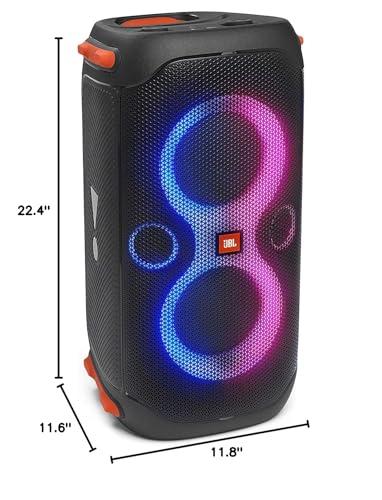
The construction differences between these speakers reflect their intended use cases. The JBL PartyBox 110 uses a plastic cabinet with integrated handles and basic splash protection (IPX4 rating). This design keeps weight manageable at 24 pounds and provides adequate protection for typical backyard and poolside use.
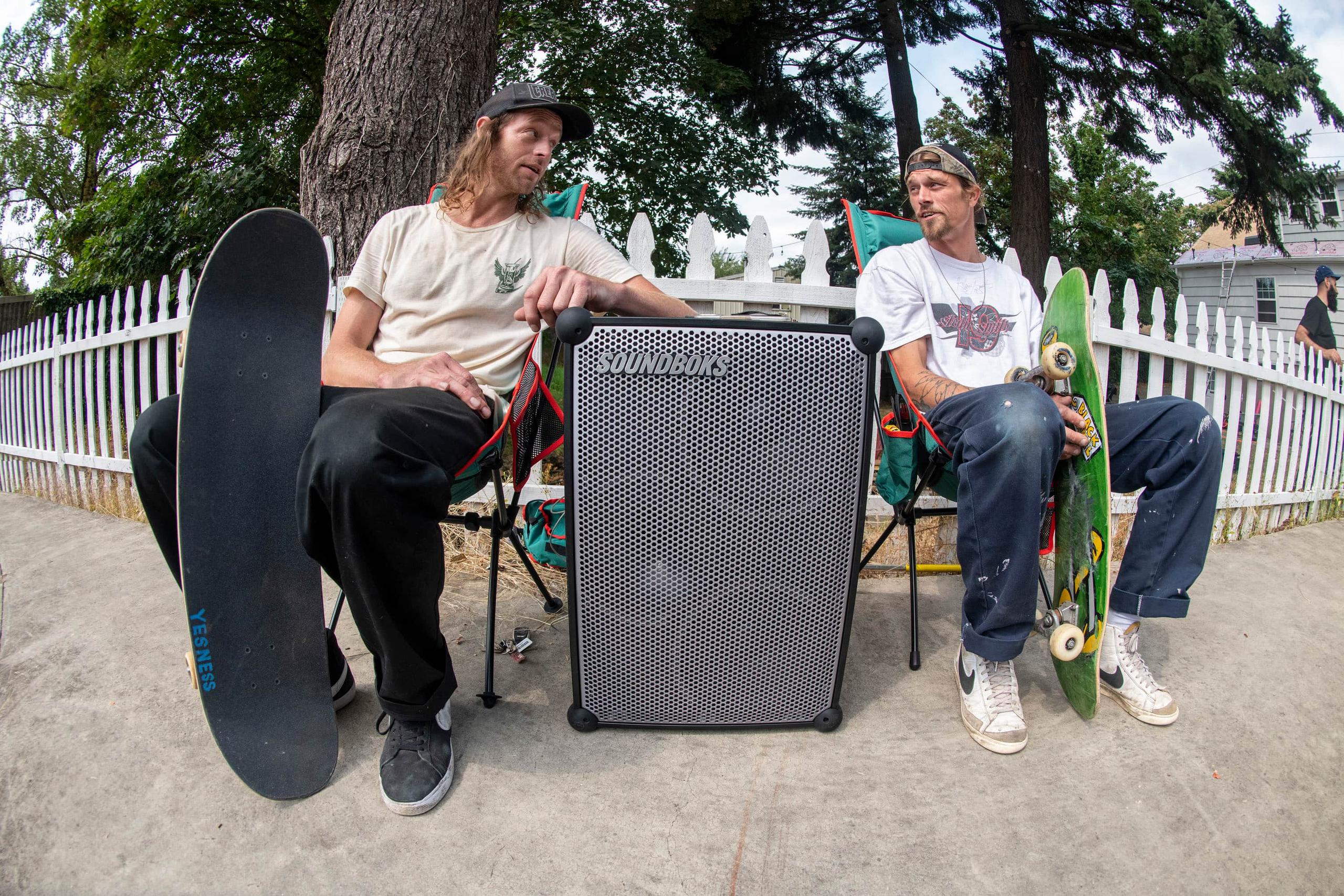
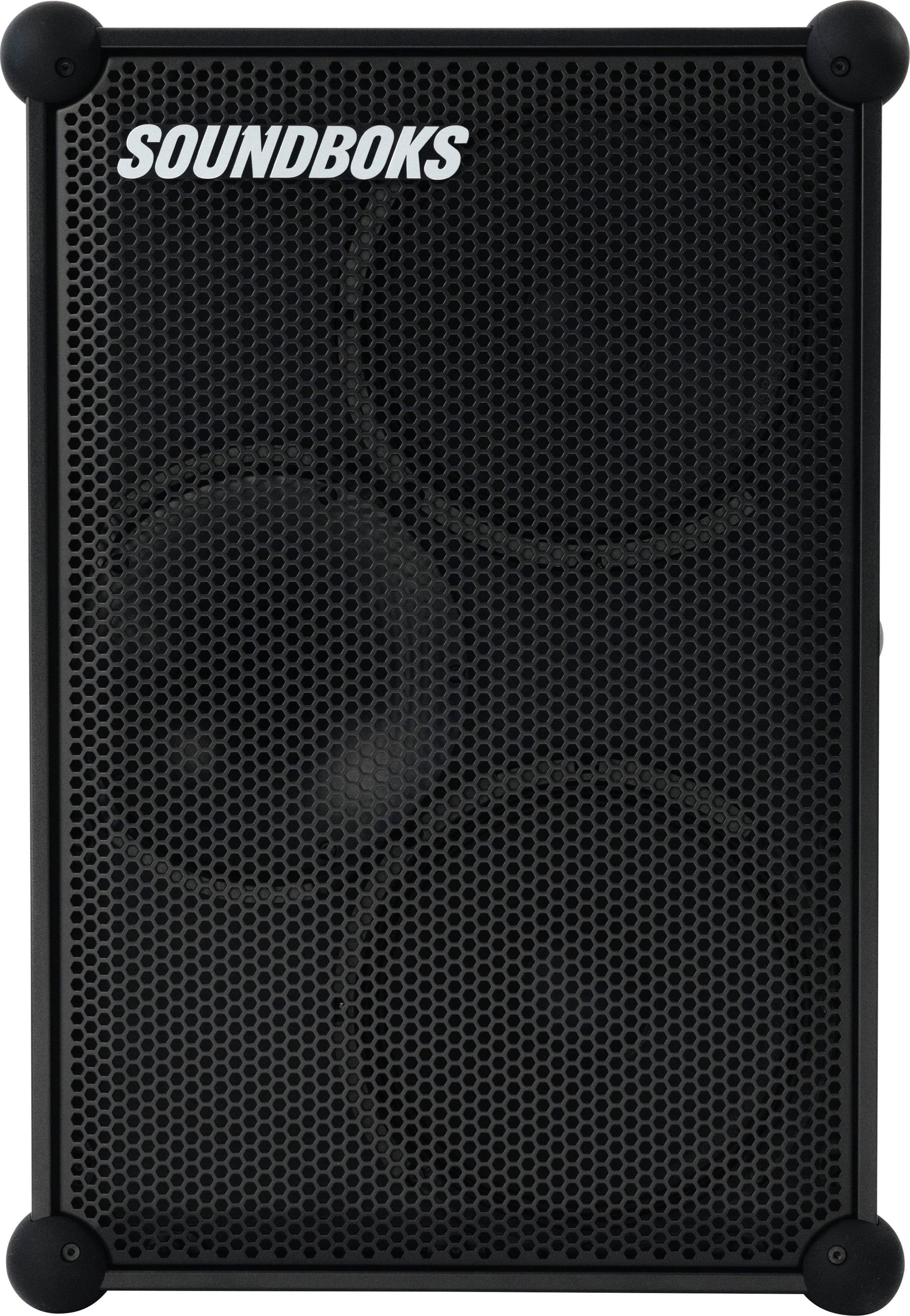
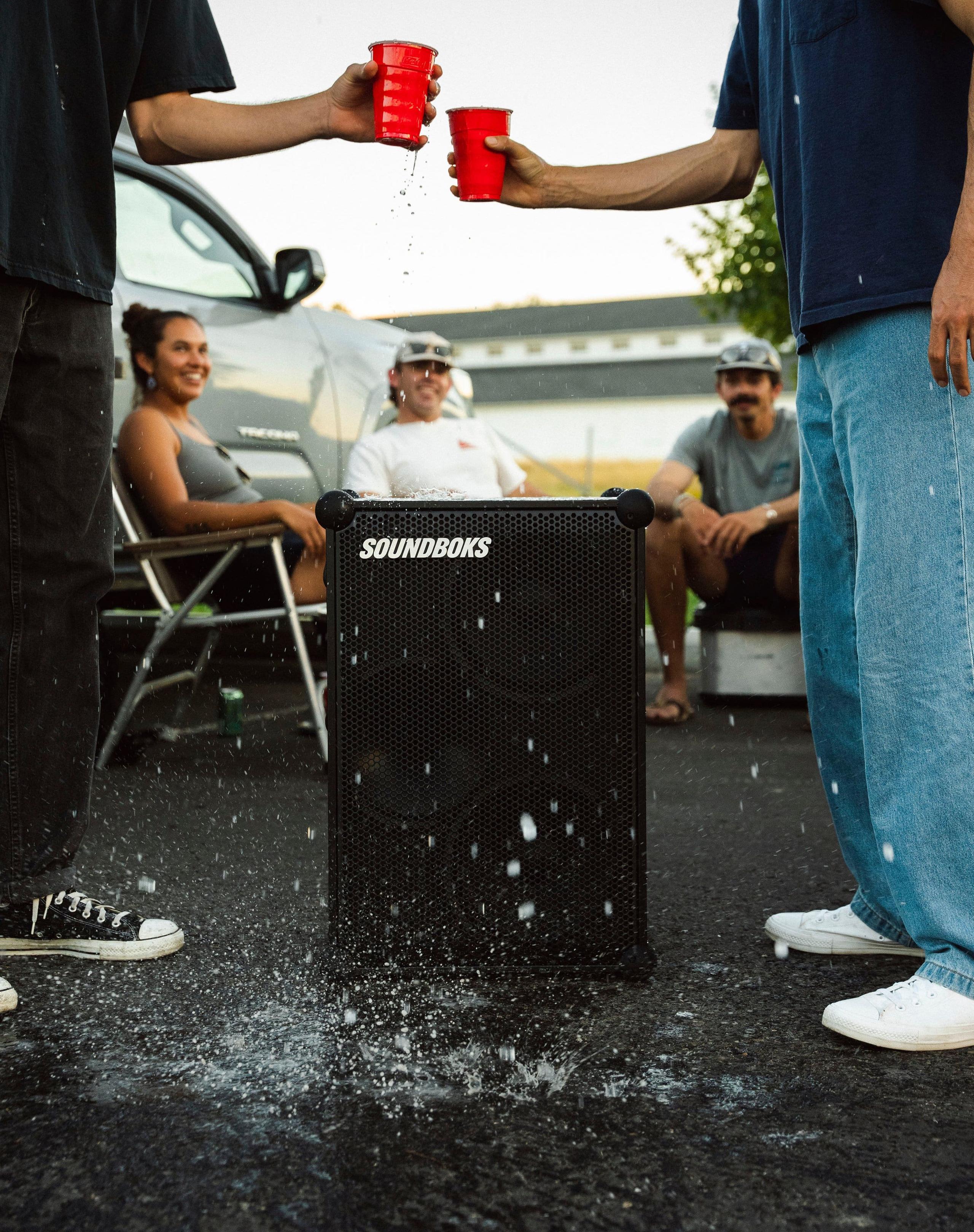
The SOUNDBOKS 4 takes durability seriously with its poplar wood cabinet, powder-coated aluminum frame, and IP65 rating. That IP65 certification means it's completely dust-tight and can handle low-pressure water jets from any direction – essentially, you could rinse it off with a hose if it gets muddy. The silicone corner balls absorb impact, and the steel grill can be removed for painting or replacement.
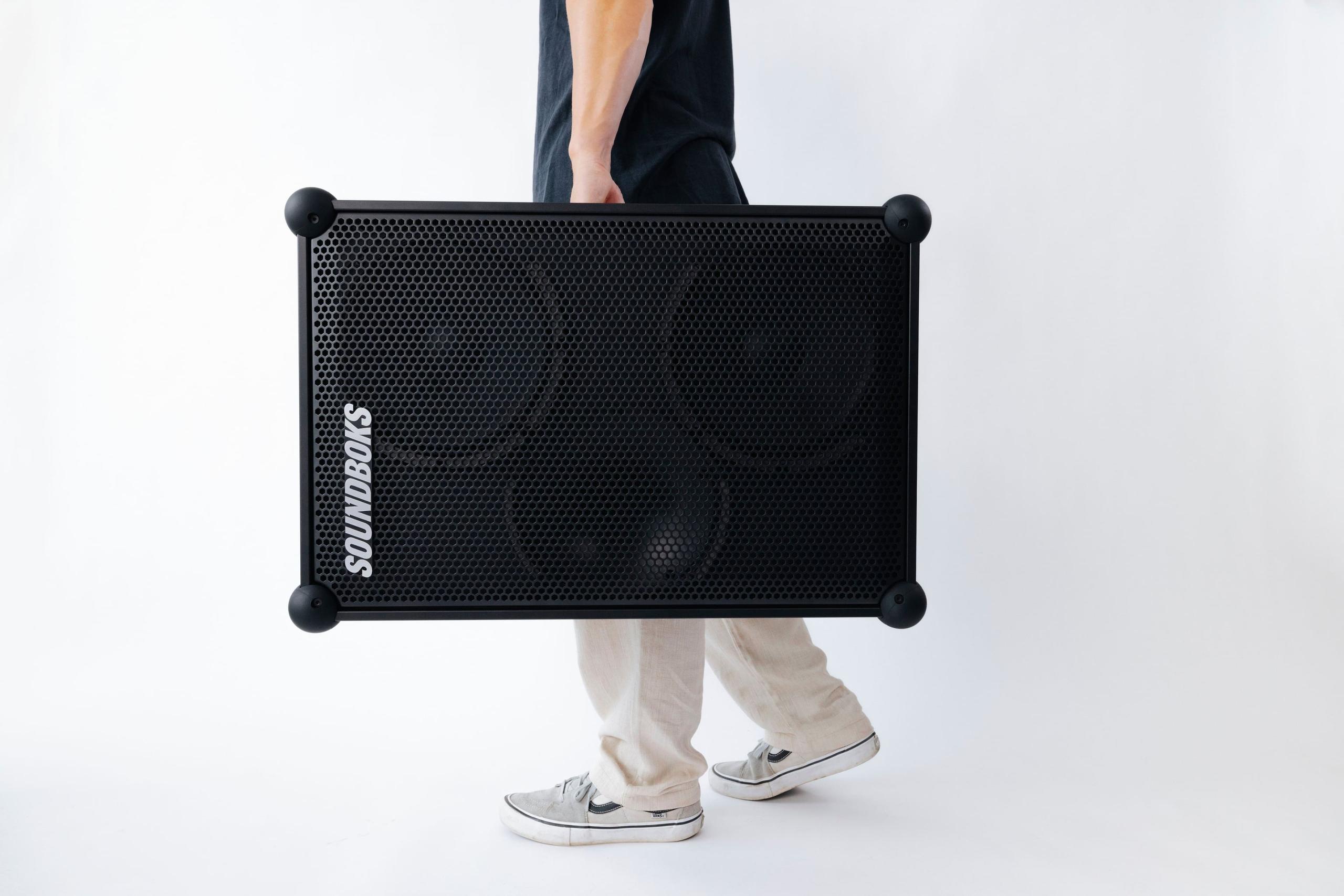
At 35 pounds, the SOUNDBOKS 4 is significantly heavier, but the built-in reinforced pole mount (standard 35mm) and sturdy handles make it manageable for one person. The weight actually helps with stability during high-volume playback – lighter speakers tend to vibrate and "walk" across surfaces when playing bass-heavy content.
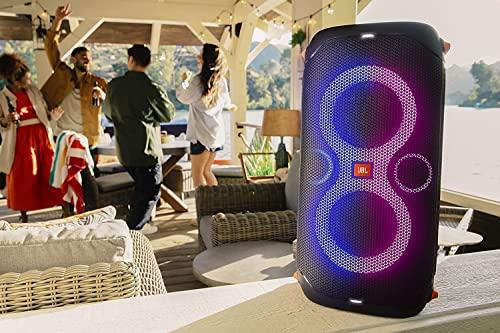
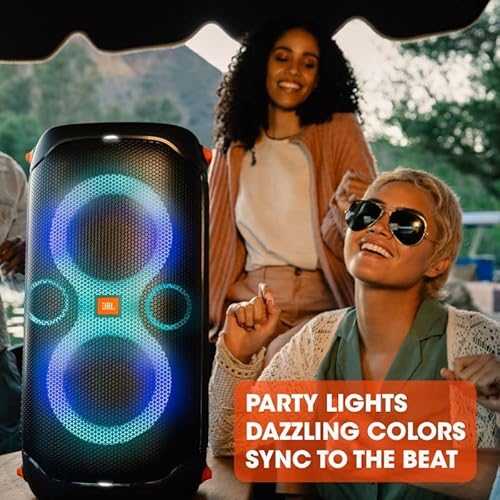
The JBL PartyBox 110 excels in user-friendly entertainment features. The synchronized LED light show isn't just a gimmick – it genuinely adds to the party atmosphere, with colors and patterns that pulse with the music's rhythm. The JBL PartyBox app lets you customize these effects and provides simple controls for music playback and speaker settings.
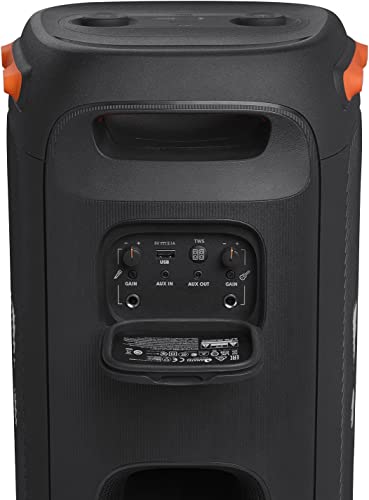
The dedicated microphone and guitar inputs with individual volume controls make karaoke and live performance surprisingly accessible. You're not getting professional-grade preamps here, but the quality is sufficient for casual sing-alongs and amateur musicians. The True Wireless Stereo (TWS) feature lets you pair two JBL PartyBox 110 units for genuine stereo sound, though you'll need to buy a second speaker to take advantage of this.
The SOUNDBOKS 4 focuses on professional connectivity rather than entertainment bells and whistles. The Pro Panel includes XLR combo jacks – the same professional connectors used in recording studios and live venues. These balanced inputs provide superior noise rejection and can handle both microphones and line-level signals from mixing boards or DJ equipment.
The TeamUP wireless connection system deserves special mention. Unlike simple Bluetooth pairing, this uses SKAA technology to create a mesh network of up to five SOUNDBOKS speakers with minimal latency. For larger events, this system maintains audio synchronization that would be impossible with standard Bluetooth connections.
Both speakers handle standard Bluetooth connectivity well, but with different philosophies. The JBL PartyBox 110 prioritizes ease of use with quick pairing and the ability to connect multiple devices, automatically switching between them based on which one starts playing music.
The SOUNDBOKS 4 focuses on connection stability and professional features. The Bluetooth 5.0 implementation provides better range and more stable connections, especially in environments with lots of wireless interference. The Pro Panel's 3.5mm input and output jacks allow for daisy-chaining multiple speakers or connecting wired sources without relying on wireless connections that might cut out during critical moments.
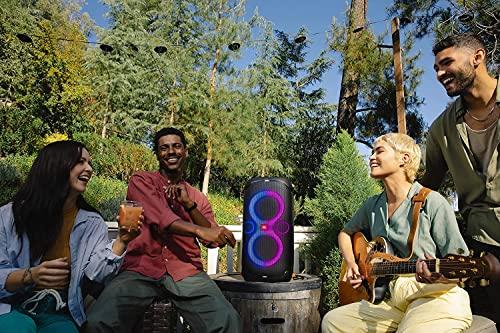
For typical home use – backyard barbecues, pool parties, family gatherings – the JBL PartyBox 110 often provides better value. The LED lights create atmosphere, the karaoke features encourage participation, and 12 hours of battery life covers most single-day events. The splash protection handles poolside use, and the relatively compact size makes storage and transport manageable.
The SOUNDBOKS 4 shines in more demanding scenarios. Beach parties where sand and salt spray would damage lesser speakers, camping trips where you need multi-day battery life, or outdoor events where you're competing with ambient noise and need serious volume. The superior audio quality also makes it suitable for more critical listening, even at lower volumes.
For home theater use, neither speaker is ideal as a primary system since they're both mono speakers designed for omnidirectional sound dispersion rather than precise stereo imaging. However, the SOUNDBOKS 4 could serve as an excellent subwoofer supplement for outdoor movie nights, providing the low-frequency impact that most portable projector setups lack.
The price difference between these speakers – roughly 3:1 at the time of writing – reflects genuine engineering and component differences rather than just brand positioning. The JBL PartyBox 110 delivers impressive performance and features for its price point, making it accessible to casual users who want a complete party package.
The SOUNDBOKS 4 commands its premium through superior battery technology, professional-grade construction, and uncompromising audio performance. For users who need these capabilities, the price becomes reasonable when compared to professional PA equipment with similar performance.
Choose the JBL PartyBox 110 if you want maximum entertainment value for occasional use. It's perfect for families who host regular gatherings, people who enjoy karaoke, or anyone who wants impressive sound and lights without the professional-grade price tag. The fixed battery and basic weather protection are adequate for most residential use cases.
Choose the SOUNDBOKS 4 if you need uncompromising performance and durability. It's the right choice for serious outdoor enthusiasts, frequent event organizers, or anyone who regularly uses their speaker in challenging conditions. The removable battery system alone justifies the premium for users who need extended runtime, and the superior build quality ensures years of reliable service under heavy use.
The decision often comes down to usage frequency and conditions. If you use a portable speaker monthly or less, the JBL PartyBox 110 provides better value. If you use it weekly or more, especially in demanding conditions, the SOUNDBOKS 4 becomes a worthwhile investment in long-term performance and reliability.
Both speakers represent excellent engineering within their intended market segments, but they serve fundamentally different user needs despite superficial similarities. Understanding those differences – and honestly assessing your own usage patterns – is the key to making the right choice.
| JBL PartyBox 110 | SOUNDBOKS 4 |
|---|---|
| Power Output - Determines maximum volume and sound quality | |
| 160W RMS (good for medium-large gatherings) | 216W RMS (significantly louder with better clarity) |
| Battery Life - Critical for extended outdoor events | |
| 12 hours total (non-removable, party stops when dead) | 40 hours at mid-volume, 6 hours at max (removable battery for unlimited use) |
| Water Resistance - Protection level for outdoor use | |
| IPX4 splash-resistant (poolside safe, not rain-proof) | IP65 dust/water jet resistant (can be hosed down) |
| Weight & Portability - Affects ease of transport | |
| 24 lbs, compact design (easier casual transport) | 35 lbs, professional build (heavier but more durable) |
| Audio Configuration - Driver setup affects sound quality | |
| 2x 5.25" woofers + 2x 2.25" tweeters (balanced consumer sound) | 2x 10" woofers + 1x compression tweeter (professional PA-style clarity) |
| Frequency Response - Range of sounds the speaker can produce | |
| 45 Hz - 20 kHz (good bass extension) | 40 Hz - 20 kHz (deeper bass, better low-end impact) |
| Maximum Volume - Peak loudness capability | |
| ~120 dB SPL (loud enough for backyard parties) | 126 dB SPL (concert-level volume, among loudest portable speakers) |
| Entertainment Features - Built-in party enhancements | |
| LED light show, karaoke inputs, bass boost modes | No lights, focus on audio quality and professional features |
| Professional Connectivity - Inputs for serious audio work | |
| 3.5mm aux, mic/guitar inputs with basic controls | XLR combo jacks, balanced inputs, Pro Panel for mixers/DJ equipment |
| Multi-Speaker Pairing - Connecting multiple units | |
| True Wireless Stereo with other JBL PartyBox units | TeamUP mesh network up to 5 SOUNDBOKS speakers with minimal latency |
| Build Materials - Construction quality and longevity | |
| Plastic cabinet with steel handles (adequate for casual use) | Poplar wood cabinet, aluminum frame, steel grill (professional durability) |
| Charging System - Battery management approach | |
| Fixed battery, 3.5-hour charge time (must plan around battery life) | Swappable LiFePO4 batteries, external charging available (continuous operation possible) |
The SOUNDBOKS 4 is significantly louder, reaching 126 dB SPL compared to the JBL PartyBox 110's ~120 dB SPL. The SOUNDBOKS 4 also maintains better sound clarity at maximum volume, making it ideal for large outdoor events where you need to compete with ambient noise.
The SOUNDBOKS 4 offers superior battery life with up to 40 hours at mid-volume and 6 hours at maximum volume. The JBL PartyBox 110 provides 12 hours total battery life. Crucially, the SOUNDBOKS 4 has removable batteries, allowing unlimited runtime with spare batteries.
The SOUNDBOKS 4 is built for harsh outdoor conditions with IP65 rating (dust and water jet resistant), compared to the JBL PartyBox 110's IPX4 splash resistance. The SOUNDBOKS 4 can handle rain, sand, and extreme conditions that would damage the JBL PartyBox 110.
The JBL PartyBox 110 excels for karaoke with dedicated mic and guitar inputs, individual volume controls, and user-friendly setup. The SOUNDBOKS 4 has professional XLR inputs suitable for high-quality microphones but lacks the casual karaoke-focused features of the JBL PartyBox 110.
The JBL PartyBox 110 offers excellent value for casual users, providing LED lights, karaoke features, and solid audio quality at a mid-range price. The SOUNDBOKS 4 costs roughly three times more but delivers professional-grade performance, superior durability, and advanced battery technology that justifies the premium for serious users.
Both speakers support multi-unit pairing, but differently. The JBL PartyBox 110 uses True Wireless Stereo to pair with other JBL units for stereo sound. The SOUNDBOKS 4 features TeamUP technology that can wirelessly connect up to 5 SOUNDBOKS speakers with minimal audio delay.
The JBL PartyBox 110 is more portable at 24 pounds with a compact design and integrated handles. The SOUNDBOKS 4 weighs 35 pounds but features professional-grade construction with reinforced handles and a pole mount for setup versatility.
The JBL PartyBox 110 features dynamic LED light shows that sync with music beats, customizable through the JBL app, plus bass boost modes for enhanced party atmosphere. The SOUNDBOKS 4 focuses purely on audio performance without light features, prioritizing sound quality over visual effects.
The SOUNDBOKS 4 delivers superior sound quality with 216W RMS power, professional-grade drivers, and advanced DSP processing that maintains clarity at all volumes. The JBL PartyBox 110 provides 160W RMS with balanced, consumer-friendly tuning that's excellent for its price range but not as refined as the SOUNDBOKS 4.
The JBL PartyBox 110 offers Bluetooth, USB playback, and 3.5mm aux connections with easy device switching. The SOUNDBOKS 4 provides Bluetooth 5.0 plus professional XLR combo inputs, balanced connections, and Pro Panel features for DJ equipment and mixing boards.
The SOUNDBOKS 4 is ideal for camping with its removable battery system, 40-hour runtime, IP65 weather protection, and ability to handle extreme temperatures. The JBL PartyBox 110 works for shorter trips but the fixed 12-hour battery and basic weather resistance limit extended outdoor use.
Neither speaker is designed primarily for home theater since both are mono speakers optimized for omnidirectional party use rather than stereo imaging. However, the SOUNDBOKS 4 could serve as a powerful subwoofer supplement for outdoor movie nights, while the JBL PartyBox 110 might work for casual indoor movie watching with its balanced sound profile.
We've done our best to create useful and informative comparisons to help you decide what product to buy. Our research uses advanced automated methods to create this comparison and perfection is not possible - please contact us for corrections or questions. These are the sites we've researched in the creation of this article: rtings.com - youtube.com - bestbuy.com - gadgets360.com - popsci.com - youtube.com - audioadvice.com - popsci.com - youtube.com - versus.com - youtube.com - rtings.com - jbl.com - in.jbl.com - jbl.com.tw - bhphotovideo.com - in.jbl.com - jbl.com - youtube.com - hu.harmanaudio.com - jbl.com.au - global.jbl.com - support.jbl.com - youtube.com - kh.jbl.com - onward.ph - jbl.com.ph - support.jbl.com - youtube.com - hometechnologyreview.com - youtube.com - bestbuy.com - youtube.com - the-gadgeteer.com - blog.soundboks.com - youtube.com - ecoustics.com - soundboks.com - rtings.com - youtube.com - youtube.com - comparisontabl.es - canadianomad.com - skaastore.com - crutchfield.com - b2b-eu.soundboks.com - soundboks.com - bestbuy.com - store.djtechtools.com - novis.ch - crutchfield.com - comparisontabl.es - youtube.com - govconnection.com

Privacy Policy
Terms and Conditions - Affiliate Policy
Home Security
© Copyright 2008-2026.
11816 Inwood Rd #1211, Dallas, TX 75244