


When it comes to throwing an unforgettable party, your music setup can make or break the entire experience. While your phone's speaker might work for casual listening, portable party speakers are designed for something entirely different—filling large spaces with powerful, room-shaking sound that gets people moving. These aren't your typical Bluetooth speakers; they're audio powerhouses built to compete with permanent sound systems while remaining mobile enough to take anywhere.
The portable party speaker market has exploded in recent years, with manufacturers focusing on delivering maximum volume, deep bass response, and eye-catching visual effects. Two standout models that consistently appear in buying conversations are the JBL PartyBox 110 and the Sony SRS-XV500. Both launched with similar price points, but they take remarkably different approaches to achieving party-ready sound.
Before diving into the specifics, it's worth understanding what separates party speakers from regular portable speakers. The key difference lies in their design priorities: maximum volume output, powerful bass response that you can literally feel, battery life that lasts through extended gatherings, and additional features like LED lighting and microphone inputs for karaoke.
The most important performance characteristics for party speakers include sound pressure level (how loud they can get), frequency response (how well they handle different musical frequencies), total harmonic distortion (how clean the sound remains at high volumes), and dynamic range (the difference between the quietest and loudest sounds they can reproduce). Bass response is particularly crucial since low-frequency sounds create the physical sensation that makes music feel immersive and exciting.
When evaluating these speakers, we've analyzed extensive user feedback, professional reviews, and technical specifications to understand how they perform in real-world party scenarios. The consensus from both expert reviews and user experiences reveals some clear performance differences that can significantly impact your decision.
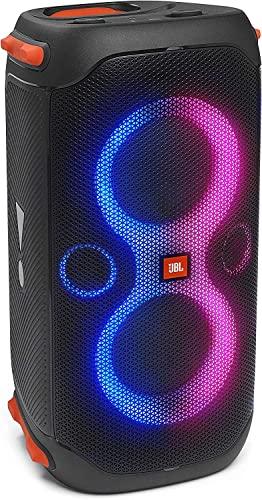
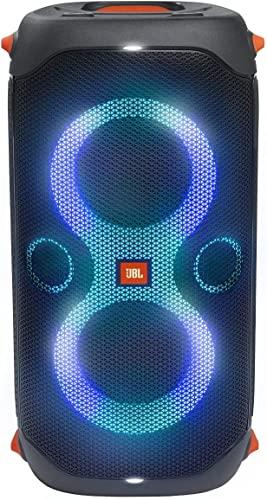
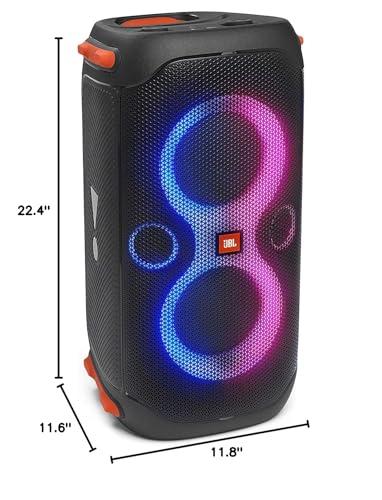
The JBL PartyBox 110, released in 2021, represents JBL's "maximum impact" philosophy. This mono speaker (meaning it combines left and right audio channels into a single output) focuses on delivering the loudest, most visceral sound possible from its 160-watt amplifier. At approximately 23 pounds, it's designed around dual 5.25-inch woofers and dual 2.25-inch tweeters, creating a configuration optimized for raw power and bass response.
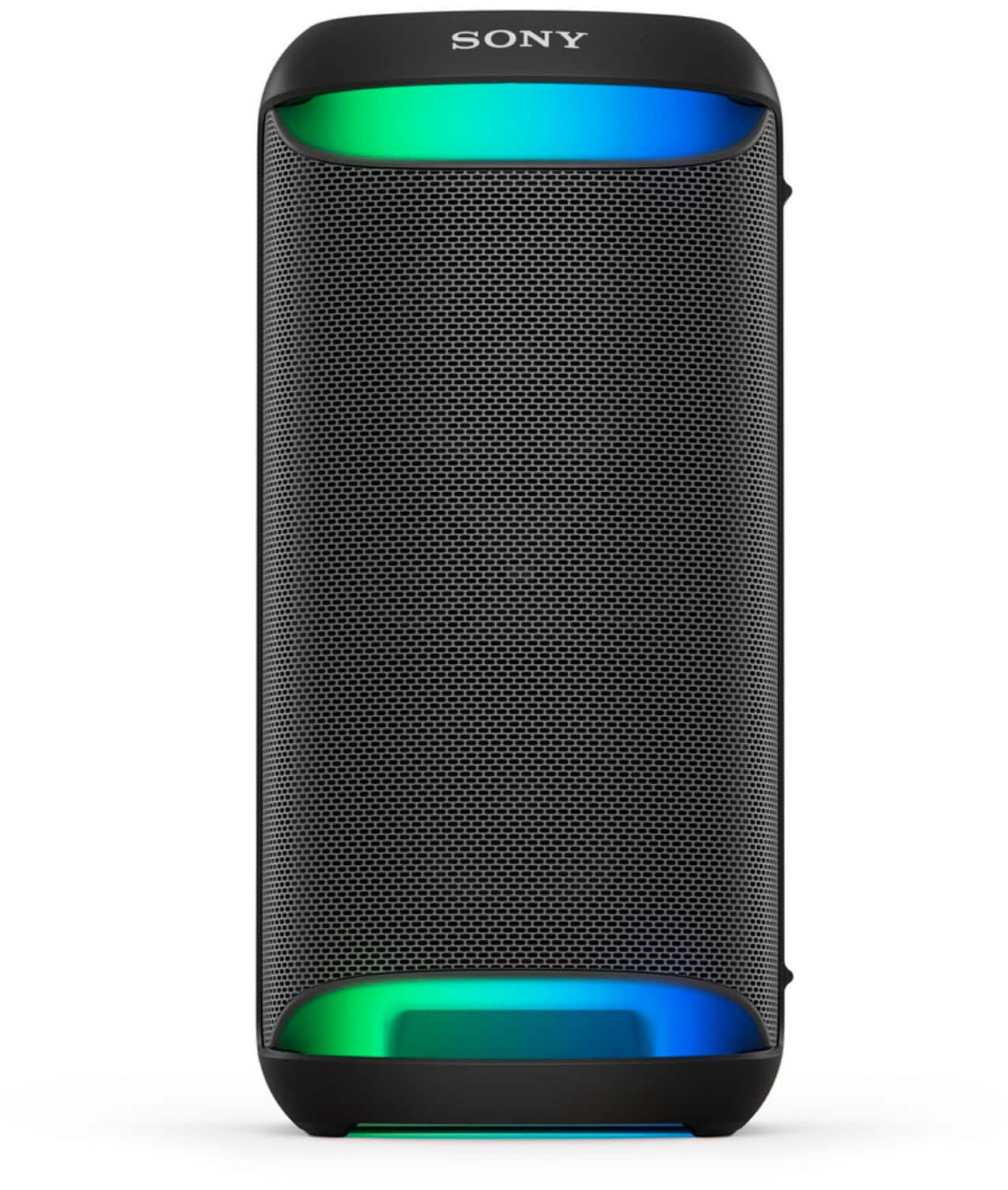
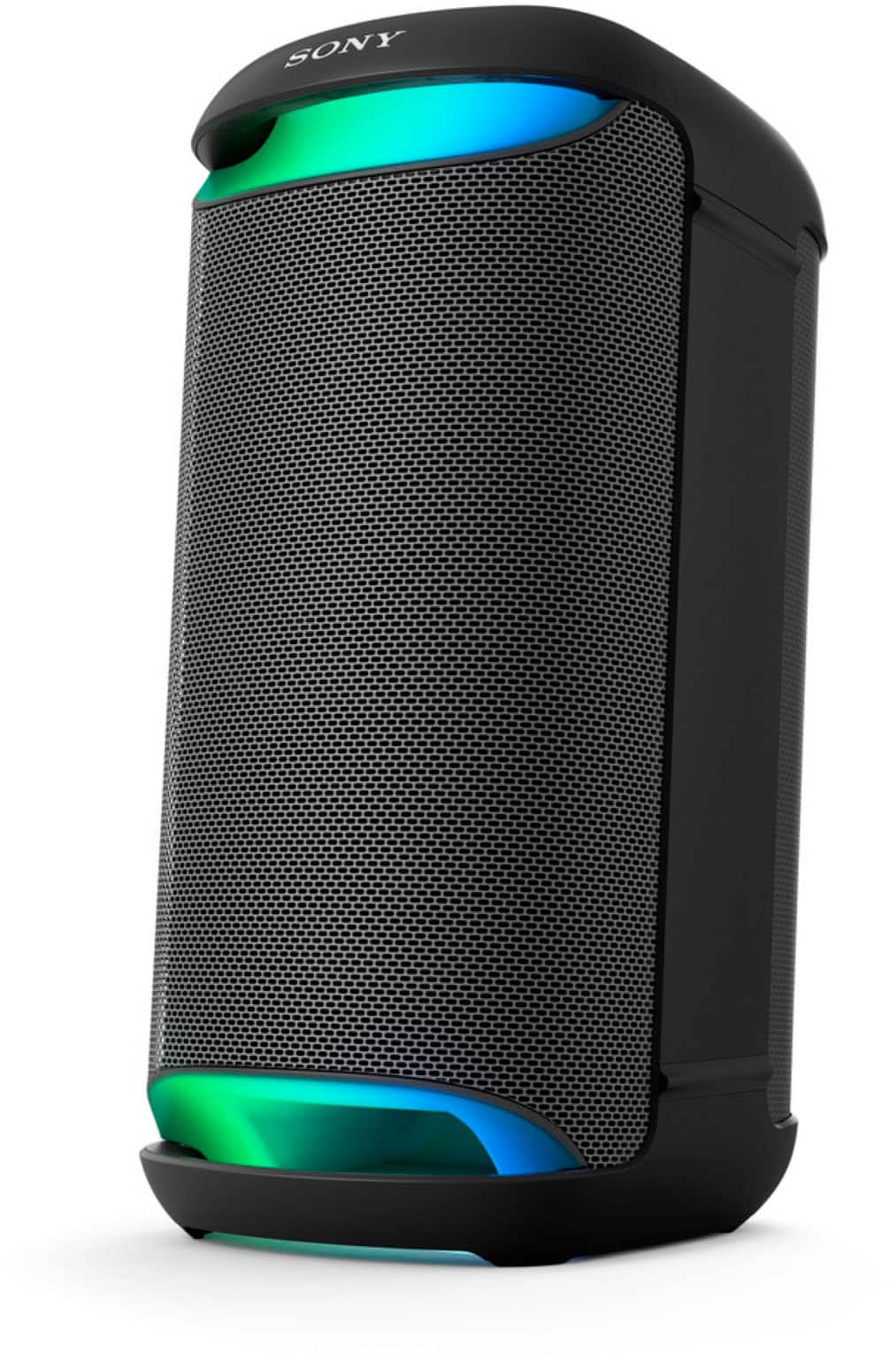
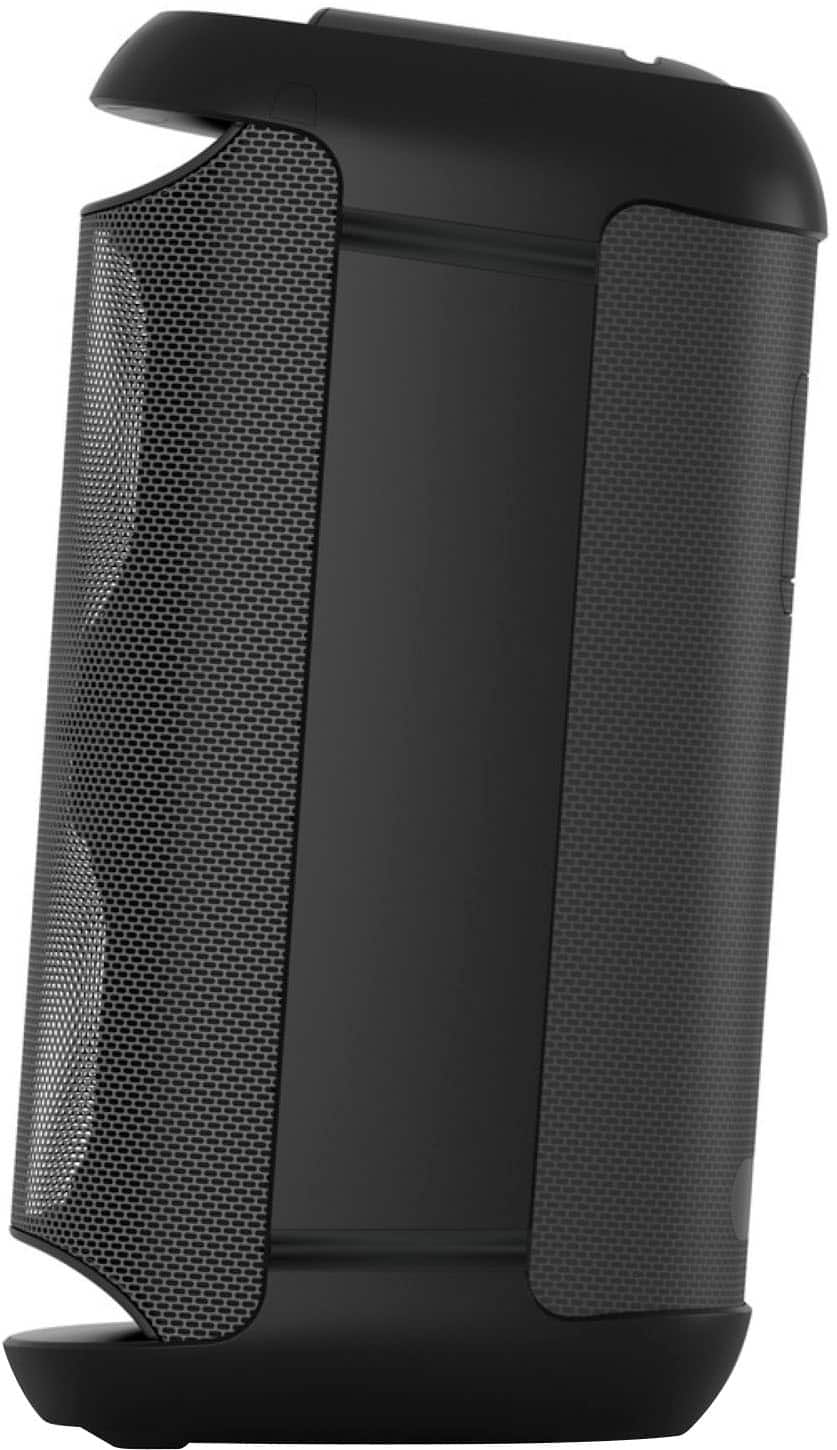
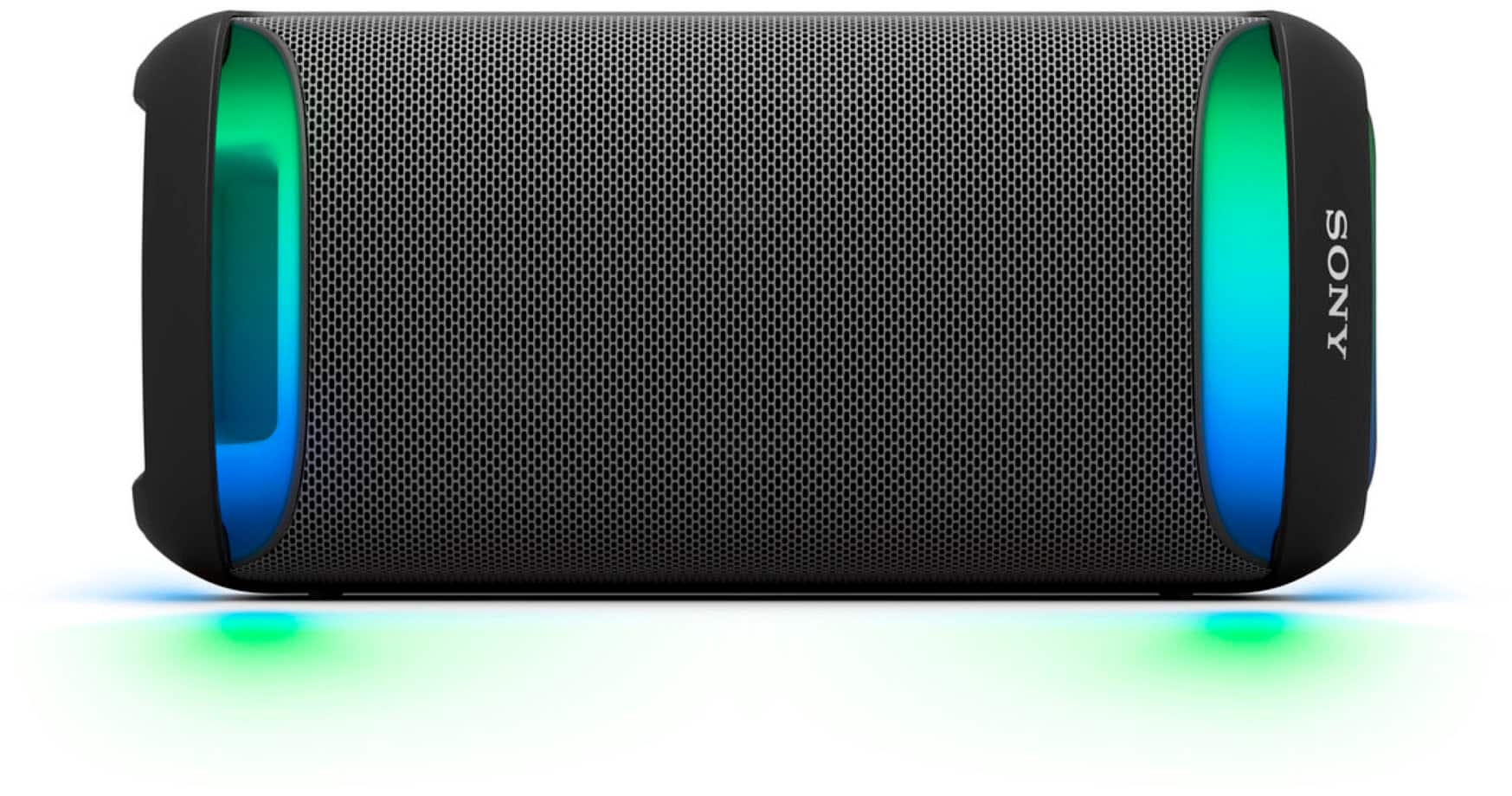
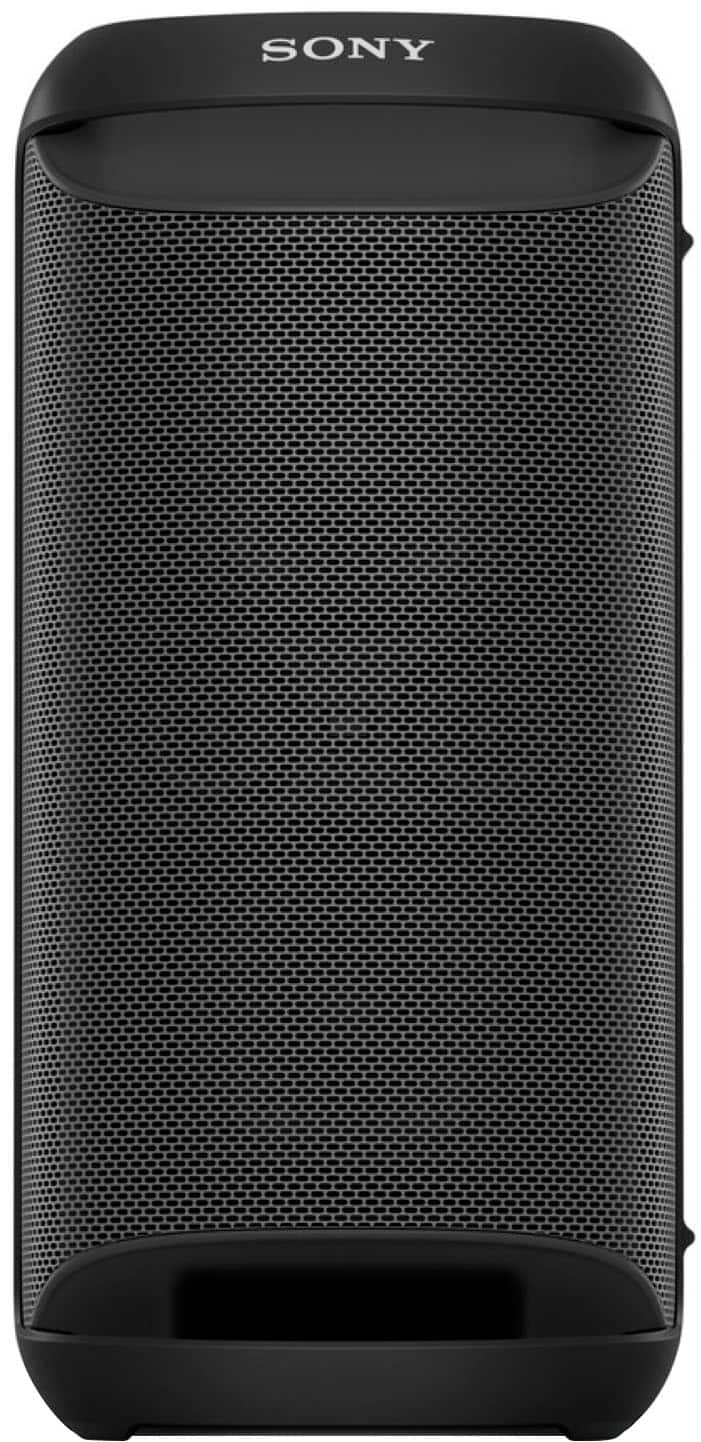
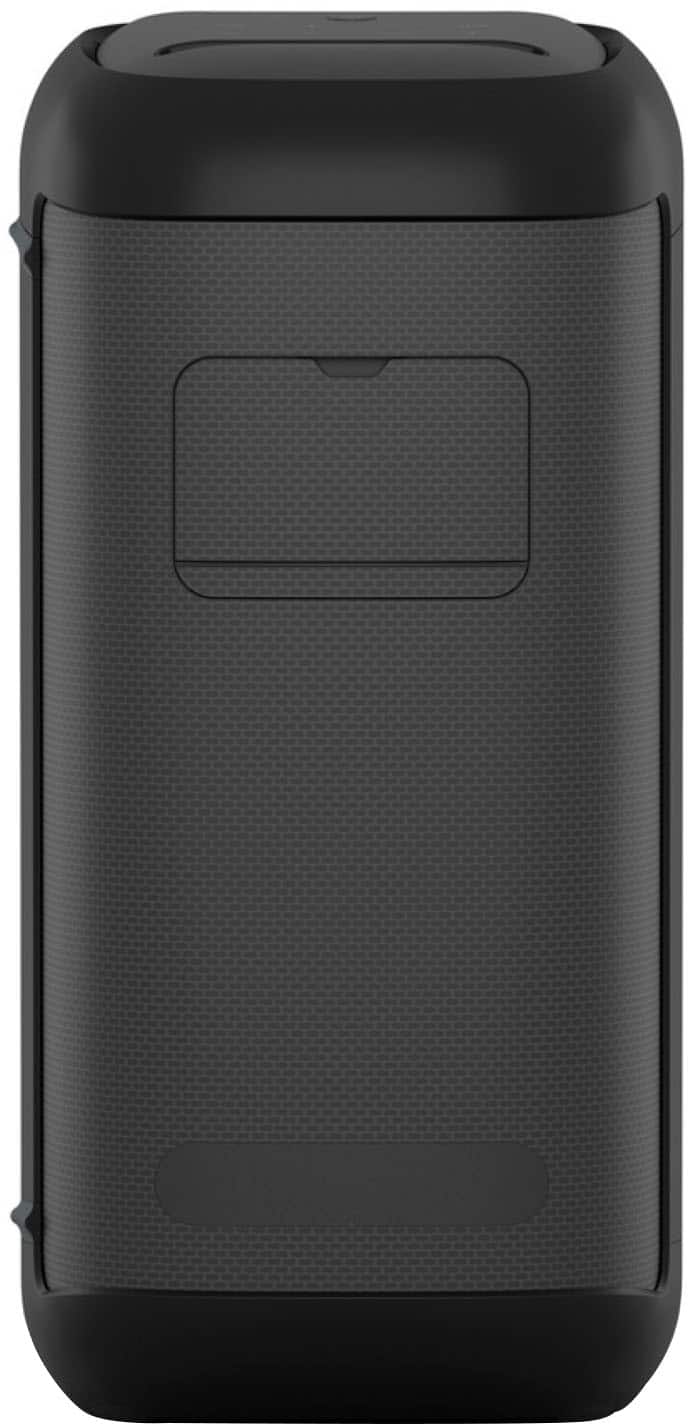
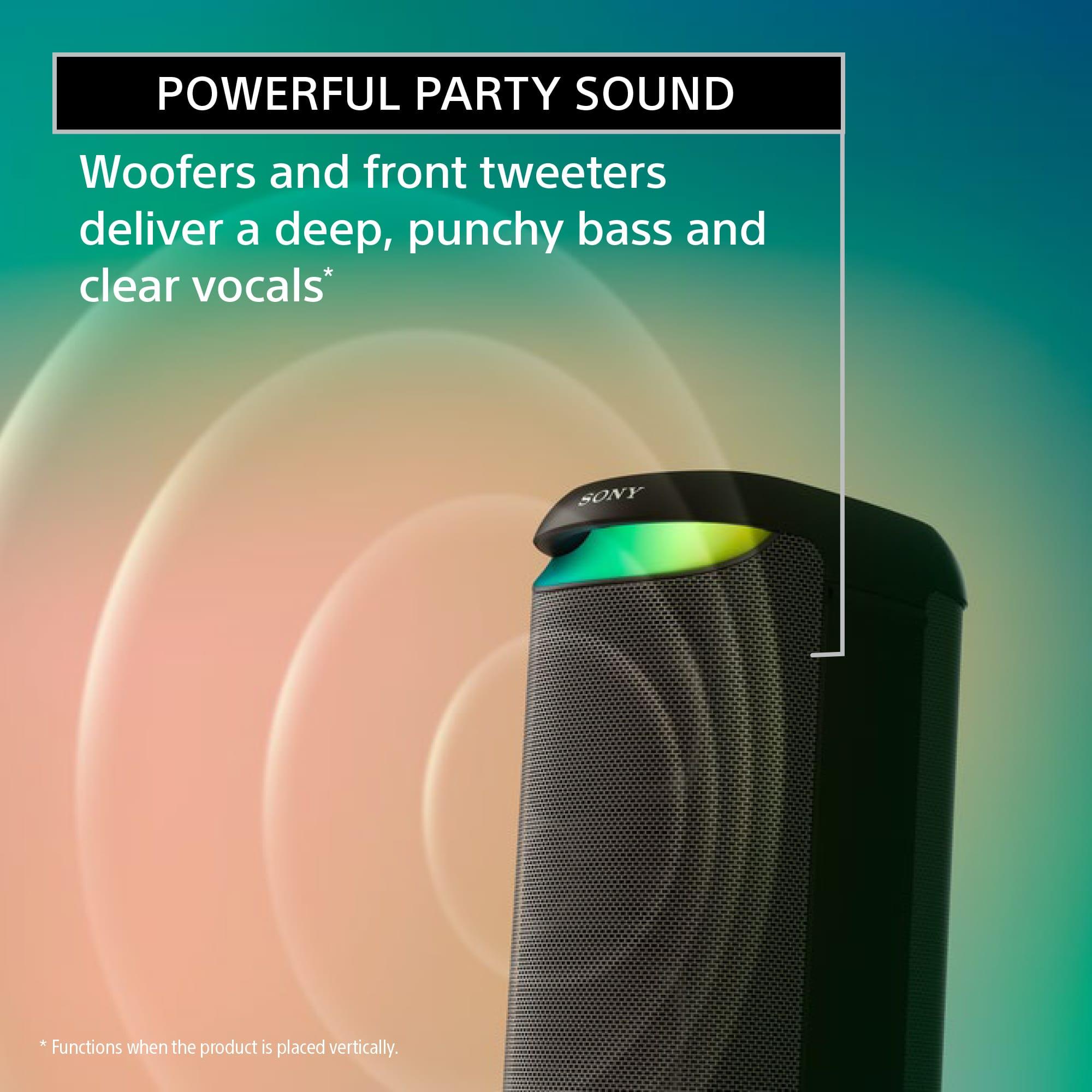
The Sony SRS-XV500, launched in 2024, embodies Sony's "balanced performance" approach. This newer stereo speaker (maintaining separate left and right channels for spatial audio) emphasizes sound quality and versatility through its dual 140mm X-Balanced woofers and dual 60mm tweeters. Weighing about 24.7 pounds, it incorporates Sony's latest audio processing technologies developed over the past few years.
The three-year gap between their releases is significant in speaker technology terms. Sony's newer model benefits from improvements in digital signal processing, battery chemistry, and Bluetooth codec support that weren't available when JBL designed the PartyBox 110. However, JBL's focus on raw output power and visual spectacle remains compelling, especially considering how both speakers are positioned at similar price points at the time of writing.
Here's where these speakers reveal their fundamental differences most clearly. The JBL PartyBox 110 is engineered to grab attention through sheer volume and bass impact. User reports consistently indicate it can get louder than the Sony SRS-XV500, particularly when running on battery power. The mono configuration means all the amplifier power focuses on a single audio channel, which can result in more concentrated sound output.
However, loudness isn't everything. The Sony SRS-XV500 delivers what many reviewers describe as superior sound balance and instrument separation. This difference becomes apparent when listening to complex music with multiple instruments—the Sony allows you to distinguish individual elements more clearly, while the JBL tends to blend everything into a powerful but less refined wall of sound.
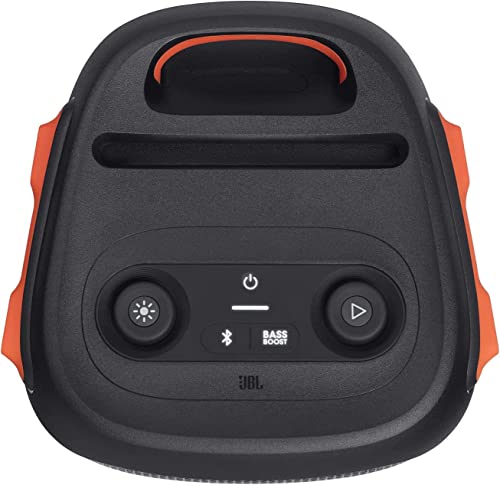
The technical reason behind this difference lies in their frequency response characteristics. The JBL PartyBox 110 emphasizes the lower frequencies heavily, especially with its Bass Boost feature enabled. This creates that chest-thumping effect that makes music feel physically exciting but can sometimes overwhelm mid-range frequencies where vocals and many instruments reside. The Sony SRS-XV500 maintains better balance across the frequency spectrum, resulting in cleaner vocal reproduction and more detailed instrumental clarity.
For home theater use, the Sony's stereo configuration provides a significant advantage. True left-right channel separation creates a more immersive soundstage for movies and TV shows, where directional audio cues matter. The JBL's mono output, while powerful, cannot recreate the spatial audio effects that make action scenes and music performances feel more realistic.
Bass response deserves special attention since it's crucial for party atmospheres. The JBL PartyBox 110 produces what users consistently describe as deeper, more felt bass. Its Bass Boost feature offers two intensity levels that can literally shake furniture and walls. The Sony SRS-XV500 delivers tighter, more controlled bass through its X-Balanced Speaker Units—a Sony technology that maximizes cone movement while minimizing distortion. The result is bass that sounds cleaner and more accurate, though potentially less viscerally exciting than JBL's approach.
Battery life specifications can be misleading since manufacturers often measure them under unrealistic conditions. The Sony SRS-XV500 advertises up to 25 hours of playback, which sounds impressive until you realize this rating applies only at 36% volume with lighting effects disabled. The JBL PartyBox 110 claims 12 hours, which seems more modest but is measured under more realistic conditions.
In practical party scenarios—around 65-80% volume with lights active and bass enhancement enabled—both speakers deliver remarkably similar performance of approximately 7-8 hours. This real-world parity makes sense when you consider that both use similar battery capacities and both speakers consume significant power when pushed to party-appropriate volume levels.
The charging experience differs slightly between the models. Both require roughly 3.5 hours for a full charge, but the Sony SRS-XV500 receives a more substantial performance boost when plugged into AC power. Users report noticeably increased volume and bass response when the Sony operates on wall power, while the JBL PartyBox 110 shows more modest improvements when connected to AC.
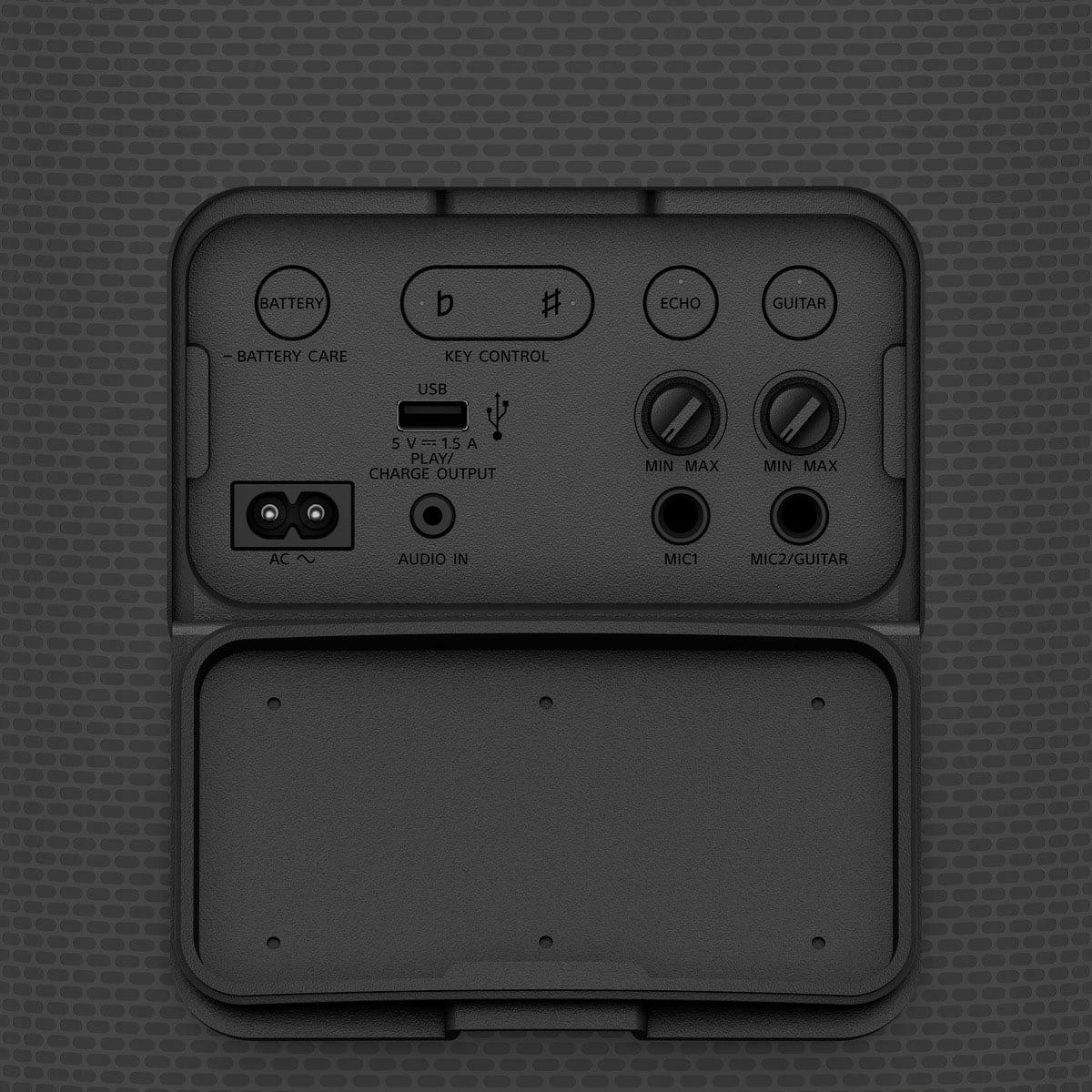
For extended events, both speakers can function while charging, which is essential for all-day gatherings. The Sony includes a USB port that can charge your phone or other devices, effectively turning it into a portable power bank—a thoughtful feature that the JBL lacks.
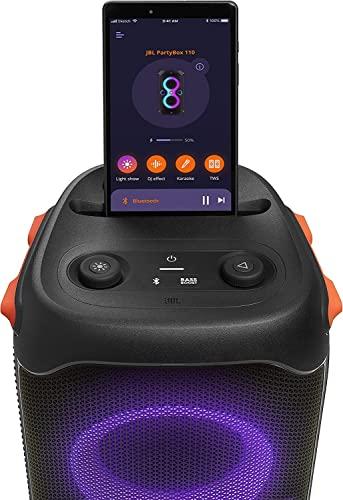
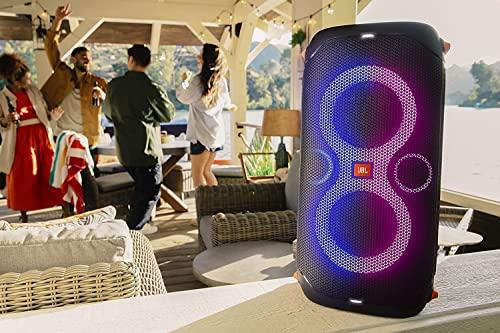
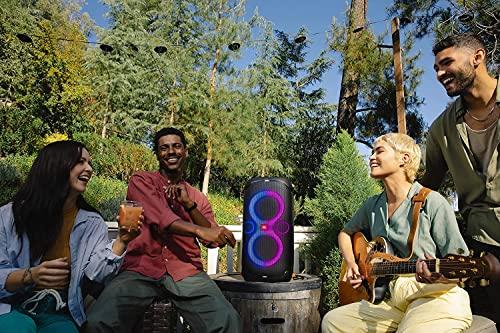
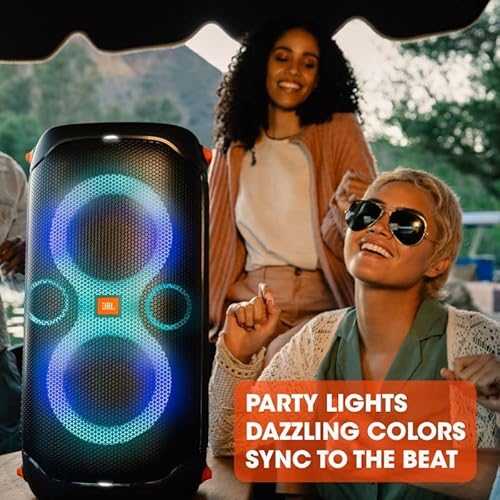
Party speakers aren't just about audio; they're about creating an atmosphere. This is where the JBL PartyBox 110 truly shines. Its lighting system features four ring LEDs with two white strobe lights that create genuinely dramatic effects. The lights synchronize with music beats and offer extensive customization through JBL's PartyBox app, allowing you to adjust colors, patterns, and intensity to match different music styles or moods.
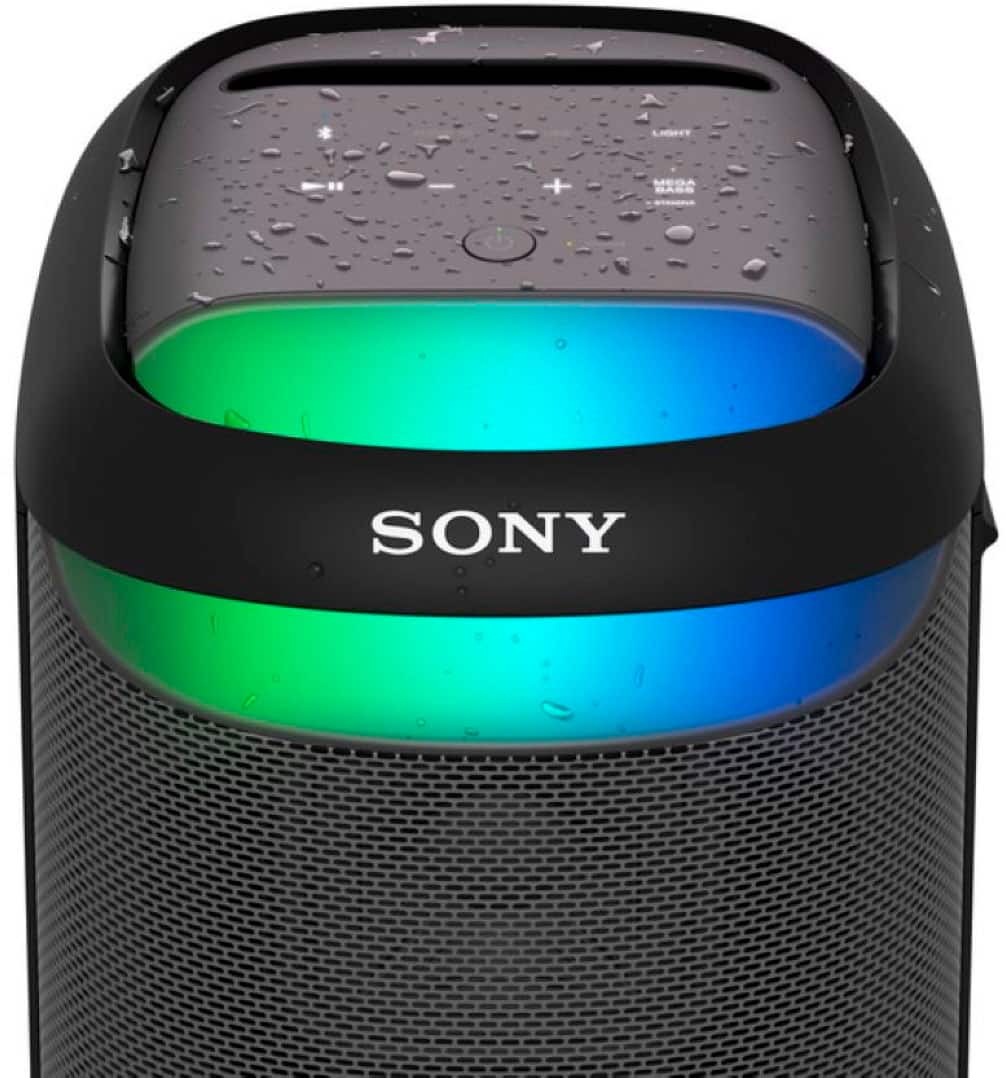
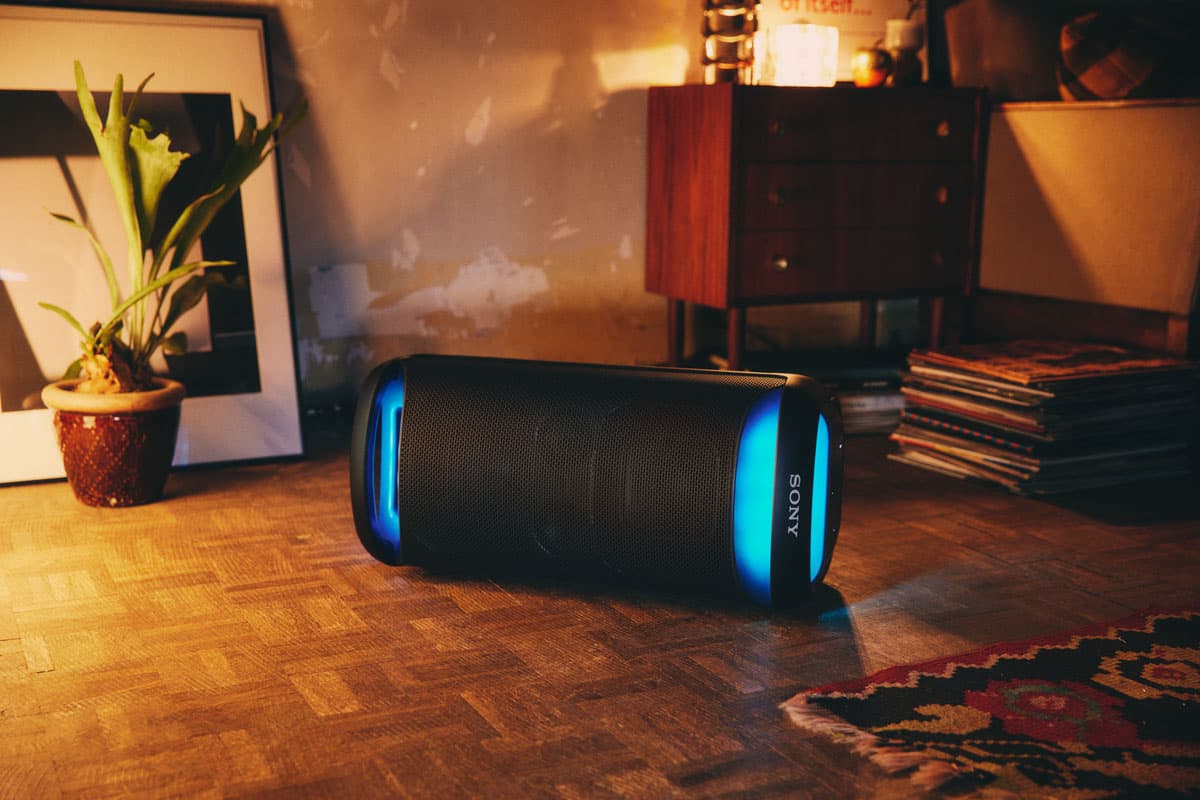
The visual impact difference is substantial. Multiple users describe JBL's lighting as "mesmerizing" and "party-transforming," while Sony's approach feels more restrained. The Sony SRS-XV500 includes LED lighting at the top and bottom of the unit, but the effects are subtler and less customizable. Sony's Fiestable app provides some lighting control, but the options are significantly more limited than JBL's offerings.
This difference reflects each company's design philosophy. JBL treats lighting as a core party feature, while Sony considers it a complementary addition to the audio experience. If you're planning outdoor evening parties, beach gatherings, or any event where visual spectacle matters, the JBL's superior lighting system can genuinely enhance the experience.
Modern party speakers need to integrate with other devices and speakers to create larger sound systems. Here, the Sony SRS-XV500 demonstrates a clear advantage through its Party Connect feature, which allows you to wirelessly link up to 100 compatible Sony speakers. More importantly, this system works across different Sony speaker sizes, meaning you can combine the XV500 with smaller Sony models to create a distributed audio system throughout your space.
The JBL PartyBox 110 offers True Wireless Stereo (TWS) pairing, but only with other PartyBox 110 units. You cannot connect it to smaller JBL speakers like the Xtreme or Boombox series, which limits your expansion options. For most users, this restriction isn't critical, but it becomes important if you're building a more comprehensive audio system over time.
Bluetooth performance also differs between the models. The Sony SRS-XV500 supports advanced audio codecs including LDAC, which provides higher-quality wireless audio transmission, particularly for Android devices. It can also maintain connections to two devices simultaneously, allowing seamless switching between different phones or tablets. The JBL PartyBox 110 uses standard SBC Bluetooth codec and connects to one device at a time.
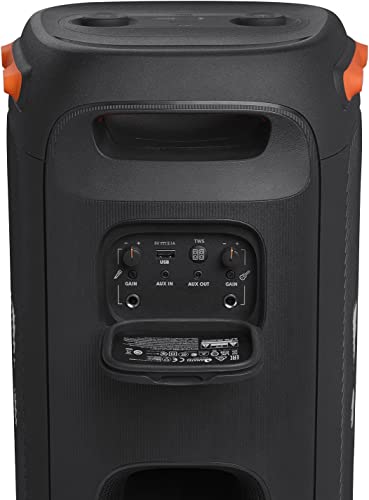
Both speakers include microphone inputs for karaoke, but their implementations reveal different priorities. The Sony SRS-XV500 provides two 1/4-inch inputs that deliver equal volume levels, making it ideal for duets or group singing. Sony includes dedicated Echo and Key Control knobs, allowing real-time pitch adjustment and reverb effects that can make amateur singers sound more polished.
The JBL PartyBox 110 also has two 1/4-inch inputs, but one is optimized for microphone use while the other serves as a combo mic/guitar input. The problem is that when using two microphones, one output is significantly quieter than the other, creating an imbalanced karaoke experience. However, the guitar input capability is better implemented on the JBL, making it more suitable for live music performances.
The JBL includes a unique feature that Sony lacks: a tripod mounting socket. This allows you to elevate the speaker for better sound distribution in larger spaces, which can be valuable for outdoor events or venues with obstacles that might block sound projection.
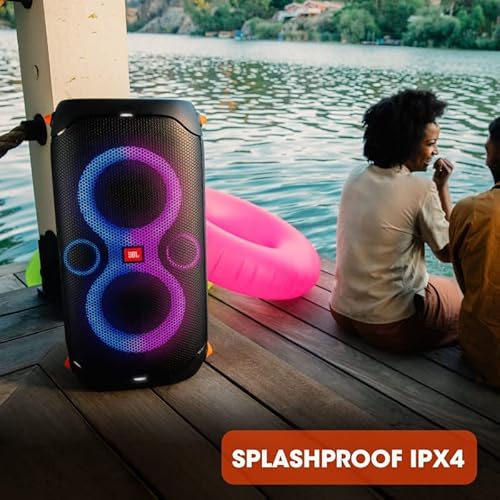
Both speakers carry IPX4 splash-proof ratings, meaning they can handle water splashes from any direction—perfect for poolside parties or outdoor events where drinks might spill. However, neither is submersible, so they won't survive being dropped in a pool.
Build quality feels solid on both models, with the Sony SRS-XV500 featuring a more premium appearance through its illuminated touch controls and recycled plastic construction. The JBL PartyBox 110 uses traditional physical buttons that some users prefer for their tactile feedback and reliability in wet conditions.
Weight differences are minimal—the Sony weighs about 1.7 pounds more than the JBL—but both require two hands for comfortable carrying. Both include integrated handles, though neither is what you'd call truly portable for long distances. These are speakers you drive to a location rather than carry around for extended periods.
While primarily designed for parties, these speakers can serve as home theater solutions. The Sony SRS-XV500 has a significant advantage here due to its stereo configuration and balanced frequency response. Movies and TV shows sound more natural with proper left-right channel separation, and dialogue remains clear even during action scenes.
The JBL PartyBox 110 can certainly provide powerful movie audio, and some users might prefer its enhanced bass for action films. However, the mono output eliminates spatial audio effects, and the bass-heavy sound signature can muddy dialogue and subtle sound effects.
For dedicated home theater use, neither speaker matches a proper surround sound system, but the Sony comes closer to providing a satisfying cinematic experience for apartments or smaller rooms where full surround setups aren't practical.
The three-year development gap between these speakers shows in their technical specifications. The Sony SRS-XV500 benefits from newer Bluetooth 5.2 technology, advanced audio processing algorithms, and improved battery chemistry. Sony's X-Balanced Speaker Units represent genuine engineering innovation designed to maximize sound output while minimizing distortion.
The JBL PartyBox 110, while older, still incorporates JBL's decades of professional audio experience. Its design prioritizes the fundamentals of high-volume sound reproduction, which explains why it can still compete with newer models in terms of raw output.
From a longevity perspective, Sony's newer components and more extensive software support through regular app updates suggest better long-term viability. However, JBL's simpler approach means fewer complex systems that might fail over time.
At similar price points (as of this writing), these speakers target different user priorities rather than competing directly on features. The JBL PartyBox 110 offers better value for users prioritizing maximum impact—loudest volume, strongest bass response, and most dramatic lighting effects. If your goal is to create an unforgettable party atmosphere that gets everyone's attention, the JBL delivers more spectacle per dollar.
The Sony SRS-XV500 provides superior value for users wanting versatility and long-term flexibility. Its better sound quality, extensive connectivity options, superior karaoke capabilities, and ecosystem integration make it more valuable for users who plan to use their speaker in various scenarios beyond just parties.
Choose the JBL PartyBox 110 if you prioritize maximum party impact above all else. It's perfect for users who want to create memorable outdoor gatherings, beach parties, or any event where grabbing attention matters more than audio refinement. The superior lighting effects and raw power make it ideal for younger users or anyone who views their speaker as a party centerpiece rather than just an audio device.
The Sony SRS-XV500 makes more sense for users seeking a versatile audio solution that happens to work great for parties. Its balanced sound quality, extensive connectivity options, and superior karaoke features appeal to users who want one speaker that can handle parties, home theater duties, and casual listening equally well. It's the better choice for users planning to build a larger audio system over time or who frequently host different types of gatherings.
Neither speaker represents a poor choice—they're both well-executed products that excel in their intended roles. Your decision should ultimately depend on whether you prioritize maximum impact (JBL) or maximum versatility (Sony). Both will deliver the party-ready performance you're looking for, just through different approaches that reflect their manufacturers' distinct philosophies about what makes great party audio.
| JBL PartyBox 110 | Sony SRS-XV500 |
|---|---|
| Audio Configuration - Affects sound quality and spatial imaging | |
| Mono (1.0 channels), 160W RMS | Stereo (2.0 channels), dual woofers |
| Maximum Volume - Critical for outdoor parties and large spaces | |
| Gets louder, especially on battery power | Slightly lower max volume but cleaner at high levels |
| Bass Response - Creates the physical party atmosphere | |
| Deeper, more felt bass with 2-level Bass Boost | Tighter, more controlled bass with X-Balanced drivers |
| Sound Quality - Important for music detail and clarity | |
| Bass-heavy with harsh highs at max volume | Balanced frequency response with better instrument separation |
| Speaker Drivers - Determines sound character and power handling | |
| 2x 5.25" woofers, 2x 2.25" tweeters | 2x 140mm X-Balanced woofers, 2x 60mm tweeters |
| Battery Life (Advertised vs Real-World) - Essential for portable use | |
| 12 hours advertised, ~7 hours at party volumes | 25 hours advertised, ~8 hours at party volumes |
| Lighting Effects - Creates visual party atmosphere | |
| 4 ring LEDs + 2 strobes, highly customizable | 2 area LEDs (top/bottom), limited customization |
| Multi-Speaker Connectivity - For expanding your sound system | |
| TWS pairing with other PartyBox 110 units only | Party Connect up to 100 Sony speakers, cross-model compatible |
| Karaoke Capabilities - For group singing and entertainment | |
| Unbalanced dual mic levels, better for solo performances | Equal dual mic levels with Echo/Key controls, ideal for groups |
| Bluetooth Codecs - Affects wireless audio quality | |
| SBC only, single device connection | SBC, AAC, LDAC support, dual device connection |
| Physical Design - Impacts portability and setup options | |
| 23 lbs, tripod mount socket, audio output jack | 24.7 lbs, illuminated touch controls, USB charging port |
| Water Resistance - Protection for outdoor use | |
| IPX4 splashproof (same protection level) | IPX4 splashproof (same protection level) |
| Release Year - Indicates technology generation | |
| 2021 (older technology, proven design) | 2024 (newer components, latest features) |
| Home Theater Use - For movie and TV watching | |
| Mono output limits spatial audio effects | Stereo separation better for cinematic experience |
| Best For - Primary use case recommendation | |
| Maximum impact, dramatic lighting, raw power | Balanced performance, versatility, sound quality |
The JBL PartyBox 110 gets louder than the Sony SRS-XV500, especially when running on battery power. The JBL's 160W mono configuration focuses all power into a single channel for maximum volume output. However, the Sony maintains better sound quality at high volumes with less compression and distortion.
The Sony SRS-XV500 delivers more balanced sound quality with better instrument separation and clearer vocals, while the JBL PartyBox 110 prioritizes powerful, visceral bass that you can physically feel. The Sony's stereo configuration provides spatial audio imaging that the JBL's mono output cannot match.
Despite advertised differences (12 hours for JBL PartyBox 110 vs 25 hours for Sony SRS-XV500), real-world party usage delivers similar performance. Both speakers provide approximately 7-8 hours of playtime at party volumes (65-80%) with lighting effects and bass boost enabled.
The JBL PartyBox 110 has significantly better lighting effects with 4 ring LEDs plus 2 strobe lights that are highly customizable through the app. The Sony SRS-XV500 has more subtle 2-area LED lighting with limited customization options. JBL's lighting is more dynamic and party-focused.
The Sony SRS-XV500 offers superior multi-speaker connectivity through Party Connect, allowing up to 100 compatible Sony speakers to work together. The JBL PartyBox 110 only supports pairing with other PartyBox 110 units and cannot connect to smaller JBL speakers like the Xtreme series.
The Sony SRS-XV500 is better for karaoke with two balanced microphone inputs that provide equal volume levels, plus dedicated Echo and Key Control features for professional-sounding vocals. The JBL PartyBox 110 has unbalanced mic inputs where one microphone is significantly quieter than the other.
Both the JBL PartyBox 110 and Sony SRS-XV500 feature IPX4 splash-proof ratings, making them suitable for poolside parties and outdoor events where water splashes might occur. Neither is submersible, but both can handle typical outdoor party conditions.
Value depends on your priorities: the JBL PartyBox 110 offers better value for maximum impact with louder volume, stronger bass, and superior lighting effects. The Sony SRS-XV500 provides better value for versatility with balanced sound quality, extensive connectivity options, and superior karaoke features.
The Sony SRS-XV500 is better for home theater use due to its stereo configuration that provides proper left-right channel separation for movies and TV shows. The JBL PartyBox 110 can provide powerful movie audio but lacks spatial effects due to its mono output configuration.
The JBL PartyBox 110 produces deeper, more felt bass with its 2-level Bass Boost feature that can literally shake walls and furniture. The Sony SRS-XV500 delivers tighter, more controlled bass through X-Balanced drivers that sounds cleaner and more accurate but may feel less viscerally exciting.
Both speakers are similarly portable with the JBL PartyBox 110 weighing 23 pounds and the Sony SRS-XV500 weighing 24.7 pounds. Both include integrated handles for transport. The JBL includes a tripod mount socket for elevated positioning, while the Sony features illuminated touch controls and can charge your phone.
Choose the JBL PartyBox 110 if you prioritize maximum party impact with the loudest volume, strongest bass, and most dramatic lighting effects. Choose the Sony SRS-XV500 if you want versatility with better sound quality, extensive speaker connectivity, superior karaoke capabilities, and the latest audio technology from 2024.
We've done our best to create useful and informative comparisons to help you decide what product to buy. Our research uses advanced automated methods to create this comparison and perfection is not possible - please contact us for corrections or questions. These are the sites we've researched in the creation of this article: rtings.com - youtube.com - bestbuy.com - gadgets360.com - popsci.com - youtube.com - audioadvice.com - popsci.com - youtube.com - versus.com - youtube.com - rtings.com - jbl.com - in.jbl.com - jbl.com.tw - bhphotovideo.com - in.jbl.com - jbl.com - youtube.com - hu.harmanaudio.com - jbl.com.au - global.jbl.com - support.jbl.com - youtube.com - kh.jbl.com - onward.ph - jbl.com.ph - support.jbl.com - youtube.com - bestbuy.com - rtings.com - bestbuy.com - rtings.com - versus.com - youtube.com - versus.com - youtube.com - youtube.com - guidingtech.com - crutchfield.com - sony.com - sony.com - bestbuy.com - helpguide.sony.net - smappliance.com - youtube.com - helpguide.sony.net - videoandaudiocenter.com - electronics.sony.com - linqcdn.avbportal.com

Privacy Policy
Terms and Conditions - Affiliate Policy
Home Security
© Copyright 2008-2026.
11816 Inwood Rd #1211, Dallas, TX 75244