





The wireless earbuds market has exploded with options, but finding the right pair means understanding what you actually need them for. Two standout models from 2024—the Beats Powerbeats Pro 2 and JBL Tour Pro 3—represent completely different philosophies in earbud design. One's built like a sports car for your ears, the other like a luxury sedan with all the tech bells and whistles.
At the time of writing, both products sit in the premium price range, with the Beats Powerbeats Pro 2 positioned as the more affordable option while the JBL Tour Pro 3 commands a higher premium for its advanced features. But price alone doesn't tell the whole story—these earbuds solve different problems for different people.
Before diving into specifics, it's worth understanding what separates premium earbuds from budget options. The key differentiators include driver technology (the tiny speakers inside), advanced signal processing, build quality, battery life, and specialized features like noise cancellation.
Modern premium earbuds also compete on "smart" features—things like automatic device switching, spatial audio (surround sound simulation), and adaptive noise cancellation that adjusts to your environment in real-time. These aren't just marketing gimmicks; they genuinely improve the listening experience when implemented well.
The Beats Powerbeats Pro 2 and JBL Tour Pro 3 represent fundamentally different approaches to what wireless earbuds should be. Understanding this difference is crucial to making the right choice.
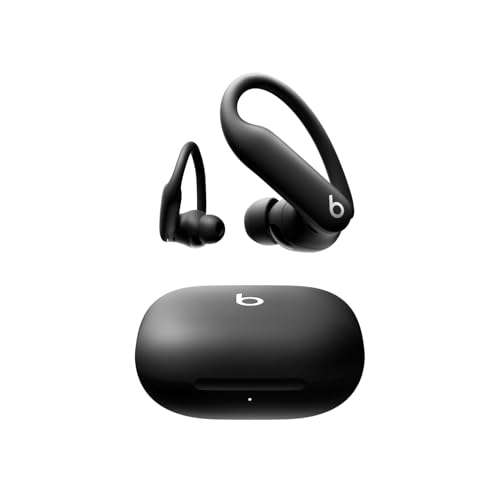
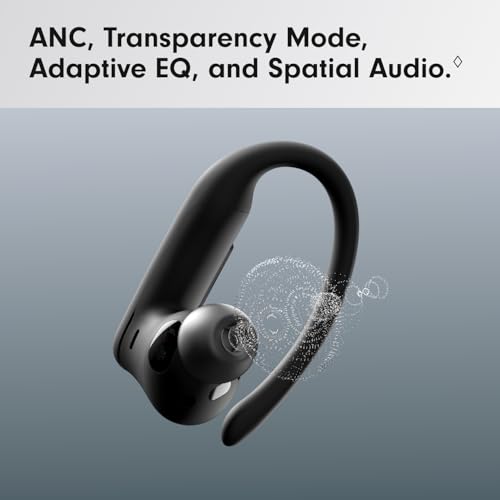
The Beats Powerbeats Pro 2 follows the "sports-first" philosophy. Every design decision prioritizes staying securely in your ears during intense physical activity. The over-ear hooks made from nickel-titanium alloy (the same material used in eyeglass frames) provide memory retention—they bounce back to their original shape no matter how you twist them. This isn't just about convenience; it's about reliability when you're pushing your physical limits.
The JBL Tour Pro 3 takes the "audiophile-first" approach. These earbuds prioritize sound quality and technological sophistication above all else. The traditional in-ear design focuses on creating the best possible seal for sound isolation and audio performance, while the smart case pushes the boundaries of what earbuds can do beyond just playing music.
Sound quality is where these two products really differentiate themselves, and understanding driver technology helps explain why.
The JBL Tour Pro 3 uses what's called a "hybrid dual-driver system"—essentially two different types of speakers in each earbud. The 10mm dynamic driver handles bass and mid-range frequencies (think drums and vocals), while a separate balanced armature driver focuses exclusively on high frequencies (cymbals, guitar strings, vocal details). This division of labor allows each driver to specialize, resulting in cleaner, more detailed sound across the entire frequency spectrum.
Balanced armature drivers are typically found in professional in-ear monitors used by musicians on stage. They're more complex and expensive to manufacture but provide exceptional clarity in the treble range that dynamic drivers struggle with.
The Beats Powerbeats Pro 2, by contrast, uses a custom dual-element dynamic driver system. While still sophisticated, this approach uses variations of the same driver technology rather than fundamentally different driver types. The result is the characteristic "Beats sound"—punchy, energetic, and optimized for motivation during workouts rather than critical listening.
Based on our evaluation of expert reviews and user feedback, the sound quality difference is significant and purposeful. The JBL Tour Pro 3 delivers what audiophiles call a "neutral-to-warm" signature—accurate reproduction across all frequencies with slight emphasis on bass warmth. This makes them excellent for genres requiring detail, like jazz, classical, or well-produced pop music.
The Beats Powerbeats Pro 2 maintains the evolved Beats sound signature—less bass-heavy than older Beats products but still energetic and exciting. The Adaptive EQ feature uses internal microphones to measure how sound reaches your eardrums and adjusts the frequency response accordingly. While you can't manually control this EQ, it does provide some personalization based on your ear shape and tip fit.
For home theater use, the JBL Tour Pro 3 has a clear advantage. The superior driver separation and spatial audio implementation create a more convincing surround sound experience for movies and TV shows. The LDAC codec support also means higher quality audio when streaming from compatible devices—think of it as the difference between MP3 and CD quality.
Active Noise Cancellation (ANC) works by using external microphones to capture ambient noise, then generating "anti-noise" waves to cancel it out. The effectiveness depends on both the microphone quality and the processing power behind the algorithm.
The JBL Tour Pro 3 features True Adaptive Noise Cancellation 2.0, which samples the environment 50,000 times per second. To put that in perspective, that's checking and adjusting for noise changes faster than your brain can process them. This rapid adaptation means the system can handle sudden changes—like a train pulling into a station or someone starting a conversation nearby—almost instantly.
The Beats Powerbeats Pro 2 offers Adaptive ANC updating 200 times per second, which is still quite fast but not as sophisticated. However, for fitness use, this is actually sufficient since gym environments tend to have more consistent noise patterns (air conditioning, equipment, music).
In practical terms, the JBL Tour Pro 3 provides better noise cancellation for commuting and office environments, while the Beats Powerbeats Pro 2 offers adequate noise reduction for most workout scenarios while maintaining some environmental awareness for safety.
Battery life has become a crucial differentiator in premium earbuds, and both products excel here, though in different ways.
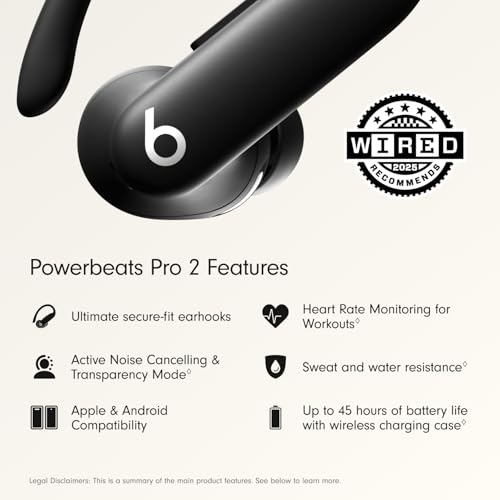
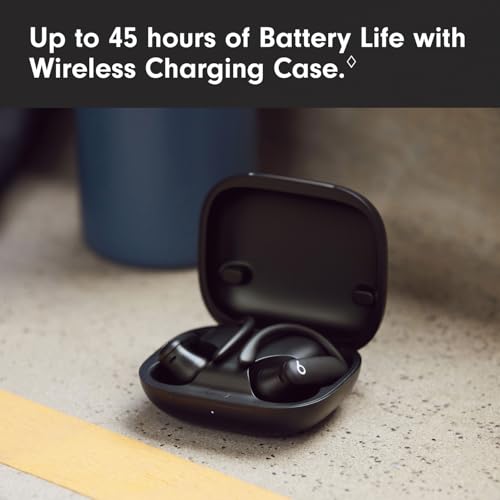
The Beats Powerbeats Pro 2 leads with up to 10 hours of continuous playback per earbud (8 hours with ANC enabled) plus an additional 35-45 hours from the charging case. This industry-leading performance stems from the efficient H2 chip and the larger case that accommodates bigger batteries. For athletes who train multiple times per day or travel frequently, this extended runtime eliminates charging anxiety.
The JBL Tour Pro 3 provides 11 hours per earbud (8 with ANC) plus 33 hours from the case—competitive but slightly less total capacity. However, the fast charging is more aggressive: 10 minutes provides 3 hours of playback compared to the Beats' 1.5 hours from 5 minutes. For daily use, this faster charging often matters more than total capacity.
Both support wireless charging, which has become table stakes in the premium segment. The JBL's smart case draws additional power for its touchscreen display, which explains the slightly reduced total battery life despite similar per-earbud performance.
No matter how good the drivers are, earbuds that don't fit properly won't sound good. The two products take radically different approaches to achieving a secure, comfortable fit.
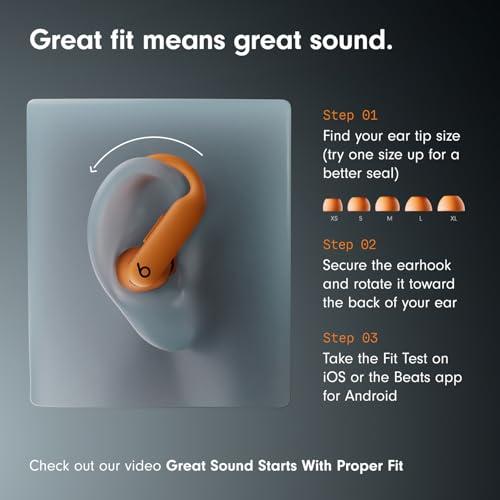
The Beats Powerbeats Pro 2 uses adjustable ear hooks that distribute weight and retention force across a larger area of your ear. This design, borrowed from professional sports earpiece design, virtually eliminates the possibility of the earbuds falling out during activity. The nickel-titanium alloy hooks are both flexible and memory-retentive, meaning they'll conform to your ear shape but return to their original form.
The earbuds are also 20% lighter than the previous generation, reducing fatigue during extended wear. Five different silicone tip sizes (including XS) ensure a proper seal for most ear shapes.
The JBL Tour Pro 3 relies on the traditional approach of achieving fit through the right combination of ear tip size and insertion depth. This works well for stationary listening but can be less reliable during movement. The inclusion of foam tips alongside silicone options helps—foam tips conform more closely to your ear canal shape, providing better passive isolation and more consistent fit.
For running, gym workouts, or any high-movement activities, the Beats Powerbeats Pro 2 is simply more reliable. For commuting, office work, or home listening, the JBL Tour Pro 3 can be more comfortable for extended periods since there's no ear hook pressure.
This is where the two products really diverge in their value propositions.
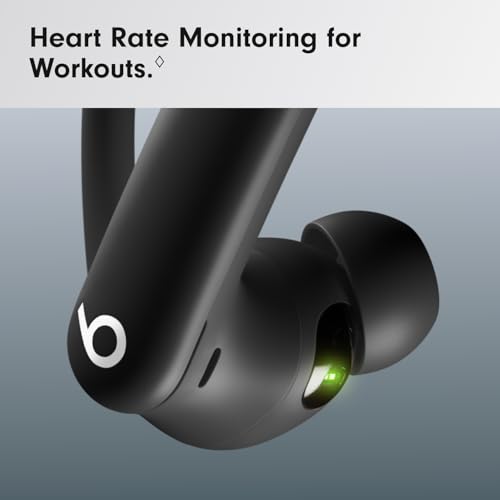
The Beats Powerbeats Pro 2 includes optical heart rate monitoring—a feature typically found in dedicated fitness wearables. LED sensors measure blood flow changes over 100 times per second, providing real-time heart rate data that can integrate with fitness apps. While not as comprehensive as a dedicated fitness tracker, having heart rate monitoring built into your earbuds eliminates the need for a separate chest strap or wrist device during workouts.
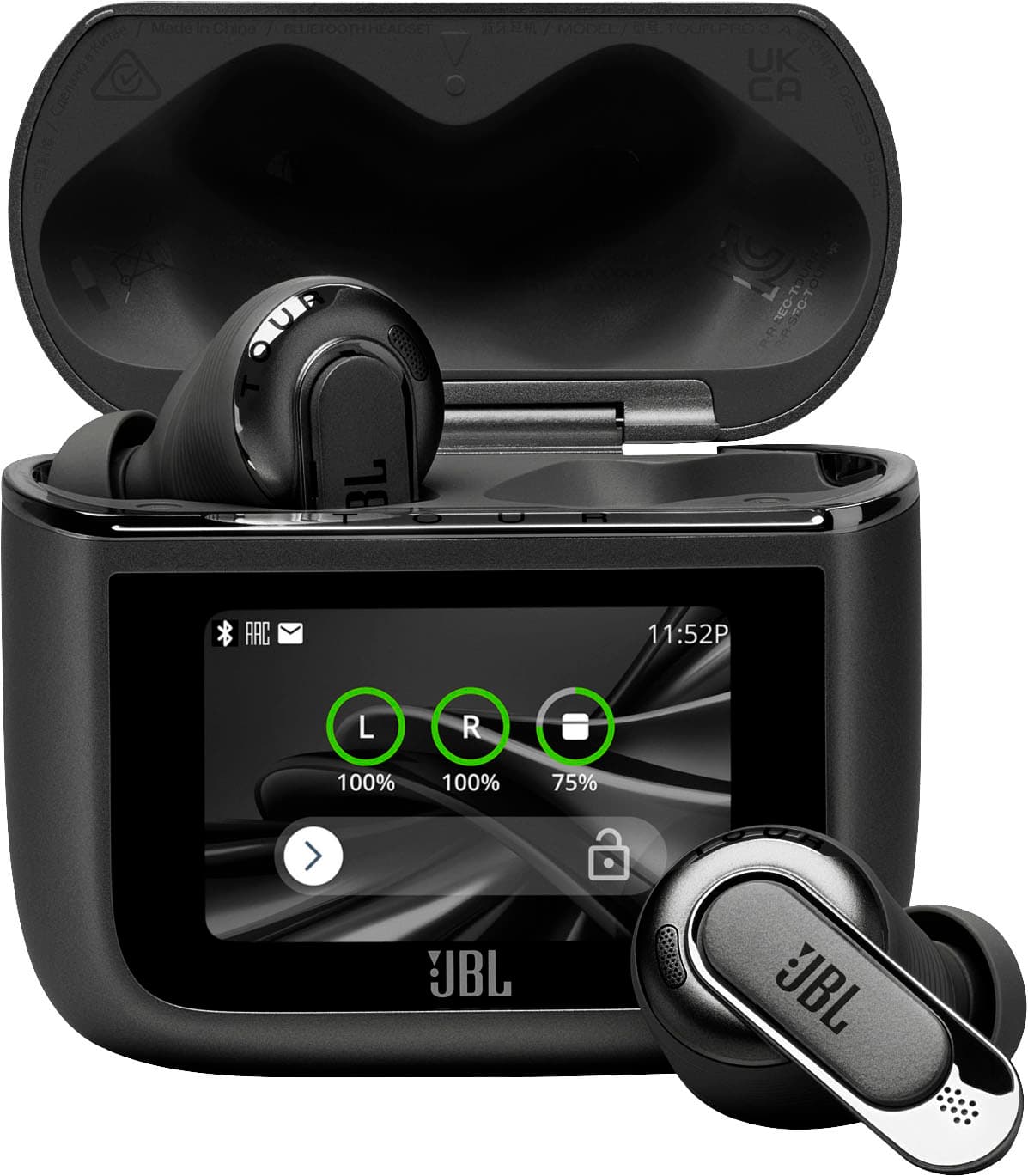
The JBL Tour Pro 3 features what might be the most innovative earbud case ever created. The touchscreen display shows track information, battery levels, and EQ settings without needing to pull out your phone. More impressive is the case's ability to function as a wireless audio transmitter. Plug it into an airplane entertainment system, gym treadmill, or any device with a headphone jack, and it wirelessly transmits audio to your earbuds. This solves the common problem of wanting to use your premium earbuds with devices that don't support Bluetooth.
The case also supports Auracast technology, which allows you to share your audio with nearby compatible devices—think of it as Bluetooth for groups. While this technology is still emerging, it represents the future of shared listening experiences.
The Beats Powerbeats Pro 2 leverages the Apple H2 chip for seamless integration with iOS devices. Features like instant pairing, automatic device switching between your iPhone, iPad, and Mac, and hands-free Siri access work flawlessly within the Apple ecosystem. However, Android users get a more limited experience, missing some smart features entirely.
The JBL Tour Pro 3 takes a more platform-agnostic approach. While it supports advanced features across iOS and Android through the JBL app, it doesn't have the deep system integration that the H2 chip provides with Apple devices. For mixed-ecosystem users or Android enthusiasts, this broader compatibility is actually an advantage.
The Beats Powerbeats Pro 2 carries an IPX4 rating, meaning they can handle sweat and light rain without issue. The materials and construction are specifically chosen for athletic use—the flexible ear hooks won't crack under repeated bending, and the earbuds themselves are designed to handle the salt and acidity of sweat.
The JBL Tour Pro 3 lacks an official water resistance rating, which significantly limits their suitability for intense workouts or outdoor use in unpredictable weather. This isn't necessarily a flaw—it's a conscious design choice that prioritizes acoustic performance and smart features over ruggedness.
After evaluating both products extensively through expert reviews and user feedback, the choice comes down to your primary use case and priorities.
Choose the Beats Powerbeats Pro 2 if:
Your primary use case involves physical activity. Whether you're a serious athlete, casual gym-goer, or someone who walks/runs regularly, the secure fit and sweat resistance make these the obvious choice. The heart rate monitoring adds genuine value for fitness tracking, and the exceptional battery life means you won't be caught with dead earbuds mid-workout.
The Beats Powerbeats Pro 2 also makes sense if you're heavily invested in the Apple ecosystem and want the seamless integration that comes with the H2 chip. Features like automatic device switching and hands-free Siri become genuinely useful when they work reliably.
Choose the JBL Tour Pro 3 if:
Sound quality is your primary concern and you do most of your listening in controlled environments. The dual-driver system provides noticeably better audio performance for critical listening, making these earbuds suitable for both casual enjoyment and more serious music appreciation.
The smart case features justify the higher price point if you frequently deal with non-Bluetooth audio sources or want the convenience of case-based controls. For frequent travelers, the case's transmitter functionality alone might justify the premium.
The JBL Tour Pro 3 is also the better choice for home theater use, thanks to superior spatial audio implementation and the more neutral sound signature that works well with movie soundtracks.
Neither product is objectively "better"—they excel in different scenarios. The Beats Powerbeats Pro 2 represents the pinnacle of sports-focused earbuds, while the JBL Tour Pro 3 pushes the boundaries of what earbuds can do for general listening.
At the time of writing, both offer excellent value within their respective niches. The Beats provide unique fitness features and reliability that justify their cost for active users, while the JBL delivers audiophile-grade performance and innovative features that appeal to tech enthusiasts and serious listeners.
Your decision should be based on honest assessment of how you'll actually use the earbuds. If you're buying them primarily for workouts, the Beats Powerbeats Pro 2 is the clear winner. If you want the best possible sound quality and cutting-edge features for general use, the JBL Tour Pro 3 is worth the premium.
The wireless earbuds market continues to evolve rapidly, but both of these 2024 releases represent mature, well-executed takes on their respective design philosophies. Either choice will likely serve you well for years to come—just make sure you pick the one that matches your actual needs rather than aspirational ones.
| Beats Powerbeats Pro 2 | JBL Tour Pro 3 |
|---|---|
| Driver Technology - Determines sound quality and detail | |
| Custom dual-element dynamic drivers with Adaptive EQ | Hybrid dual-driver system (10mm dynamic + balanced armature) |
| Battery Life - Critical for daily use without charging anxiety | |
| 10 hours per earbud, 45 hours total (8/36 hours with ANC) | 11 hours per earbud, 44 hours total (8/32 hours with ANC) |
| Active Noise Cancellation - Essential for commuting and focus | |
| Adaptive ANC (200 updates/second, good for gym environments) | True Adaptive ANC 2.0 (50,000 updates/second, superior isolation) |
| Fit Design - Determines comfort and security during use | |
| Over-ear hooks with nickel-titanium alloy, 5 silicone tip sizes | Traditional in-ear fit with silicone + foam tip options |
| Water Resistance - Important for workouts and weather | |
| IPX4 sweat and water resistant | No official water resistance rating |
| Unique Features - Standout capabilities that justify premium pricing | |
| Optical heart rate monitoring sensors for fitness tracking | Smart touchscreen case with wireless audio transmitter |
| Sound Signature - Affects music enjoyment across genres | |
| Energetic, bass-forward tuning optimized for workouts | Neutral-to-warm signature ideal for critical listening |
| Fast Charging - Convenience for busy lifestyles | |
| 5 minutes = 1.5 hours playback | 10 minutes = 3 hours playback |
| Spatial Audio - Immersive experience for movies and music | |
| Personalized Spatial Audio with dynamic head tracking | JBL Spatial 360 with head tracking technology |
| Device Integration - Seamless connectivity and smart features | |
| Apple H2 chip (seamless iOS, limited Android functionality) | Universal compatibility with JBL app across platforms |
| High-Resolution Audio Support - Better quality for audiophiles | |
| Standard Bluetooth codecs with Apple ecosystem optimization | LDAC codec support for 3x higher data transmission |
| Weight Per Earbud - Affects long-term wearing comfort | |
| 5.6g each (20% lighter than previous generation) | 5.6g each (traditional lightweight design) |
| Best Use Cases - Where each product excels | |
| Fitness, sports, Apple ecosystem users needing secure fit | Audiophiles, commuters, tech enthusiasts wanting premium features |
The JBL Tour Pro 3 delivers superior sound quality with its hybrid dual-driver system featuring a 10mm dynamic driver plus balanced armature driver. This setup provides better frequency separation and detail across all ranges. The Beats Powerbeats Pro 2 offers energetic, bass-forward tuning that's optimized for workouts but isn't as technically accurate as the JBL Tour Pro 3.
The Beats Powerbeats Pro 2 are significantly better for workouts due to their secure over-ear hook design and IPX4 sweat resistance rating. The nickel-titanium alloy hooks ensure they won't fall out during intense activity. The JBL Tour Pro 3 lacks water resistance certification and uses traditional in-ear fit that's less secure during movement.
Both offer excellent battery life, but the Beats Powerbeats Pro 2 slightly edges out with 10 hours per earbud and 45 hours total with the case. The JBL Tour Pro 3 provides 11 hours per earbud but only 44 hours total. However, the JBL Tour Pro 3 charges faster, giving 3 hours of playback from a 10-minute charge compared to 1.5 hours for the Beats Powerbeats Pro 2.
The JBL Tour Pro 3 has superior noise cancellation with True Adaptive ANC 2.0 that updates 50,000 times per second, making it better for commuting and office environments. The Beats Powerbeats Pro 2 offers good ANC that updates 200 times per second, which is adequate for gym environments but not as sophisticated as the JBL Tour Pro 3.
Both offer excellent call quality, but the JBL Tour Pro 3 has a slight advantage with six microphones total and advanced wind-noise reduction technology. The Beats Powerbeats Pro 2 also performs well with voice accelerometers and noise suppression, making either choice suitable for frequent calls.
Yes, the Beats Powerbeats Pro 2 work with Android devices, but with limited functionality compared to iOS. Many advanced features require Apple's ecosystem. The JBL Tour Pro 3 offers better cross-platform compatibility with full feature access through the JBL app on both Android and iOS.
For extended stationary listening, the JBL Tour Pro 3 may be more comfortable since there's no ear hook pressure. However, the Beats Powerbeats Pro 2 are 20% lighter than previous generations and distribute weight well across the ear hook. Comfort preference varies by individual ear shape and intended use.
The JBL Tour Pro 3 are better for home theater use due to their neutral sound signature, superior spatial audio implementation, and LDAC codec support for higher quality audio. The dual-driver system also provides better dialogue clarity. While the Beats Powerbeats Pro 2 offer spatial audio, they're tuned more for music and workouts than cinematic content.
Both offer distinctive features: the Beats Powerbeats Pro 2 includes optical heart rate monitoring sensors for fitness tracking, while the JBL Tour Pro 3 features a smart touchscreen case that can function as a wireless audio transmitter. The JBL's case innovation is more broadly useful, while the Beats' health tracking appeals specifically to fitness enthusiasts.
The Beats Powerbeats Pro 2 are more durable for active use with IPX4 water resistance and construction designed for athletic activities. The flexible ear hooks won't crack under repeated use. The JBL Tour Pro 3 have premium build quality but lack water resistance, making them less suitable for sweaty workouts or outdoor weather exposure.
Value depends on your needs: the Beats Powerbeats Pro 2 offer excellent value for fitness enthusiasts who need secure fit, heart rate monitoring, and sweat resistance. The JBL Tour Pro 3 provide better value for audiophiles and tech enthusiasts who want superior sound quality and innovative smart case features. Both justify their premium positioning in different use cases.
Yes, both support spatial audio technology. The Beats Powerbeats Pro 2 offer Personalized Spatial Audio with dynamic head tracking, optimized for the Apple ecosystem. The JBL Tour Pro 3 feature JBL Spatial 360 with head tracking that works across multiple platforms. The JBL's implementation may be more versatile for non-Apple device users.
We've done our best to create useful and informative comparisons to help you decide what product to buy. Our research uses advanced automated methods to create this comparison and perfection is not possible - please contact us for corrections or questions. These are the sites we've researched in the creation of this article: rtings.com - soundguys.com - soundguys.com - soundguys.com - bestbuy.com - tomsguide.com - techradar.com - youtube.com - slatepad.org - appleinsider.com - cnet.com - techradar.com - apple.com - bestbuy.com - panthertech.fiu.edu - beatsbydre.com - beatsbydre.com - youtube.com - beatsbydre.com - apple.com - gsmarena.com - alexreviewstech.com - techradar.com - sweetwater.com - news.jbl.com - youtube.com - harmanaudio.com - jbl.com - krazykileys.ca - jbl.com - shop.menshealth.com - sweetwater.com

Privacy Policy
Terms and Conditions - Affiliate Policy
Home Security
© Copyright 2008-2026.
11816 Inwood Rd #1211, Dallas, TX 75244