

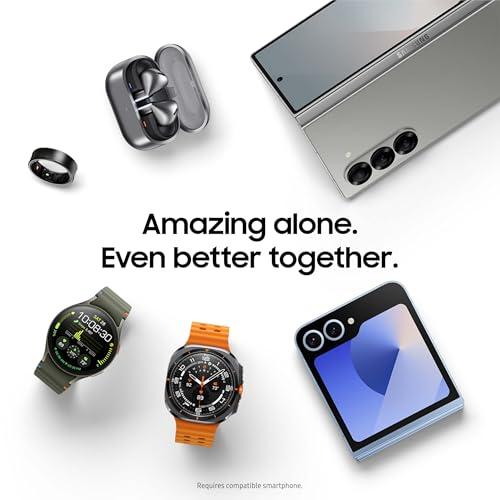

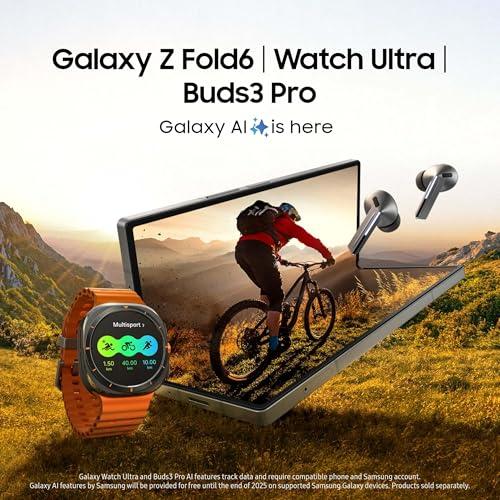
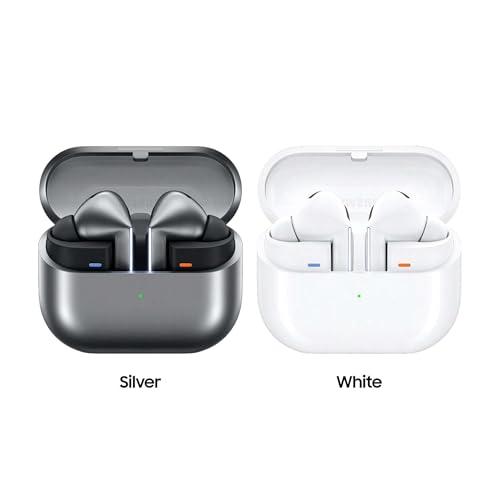


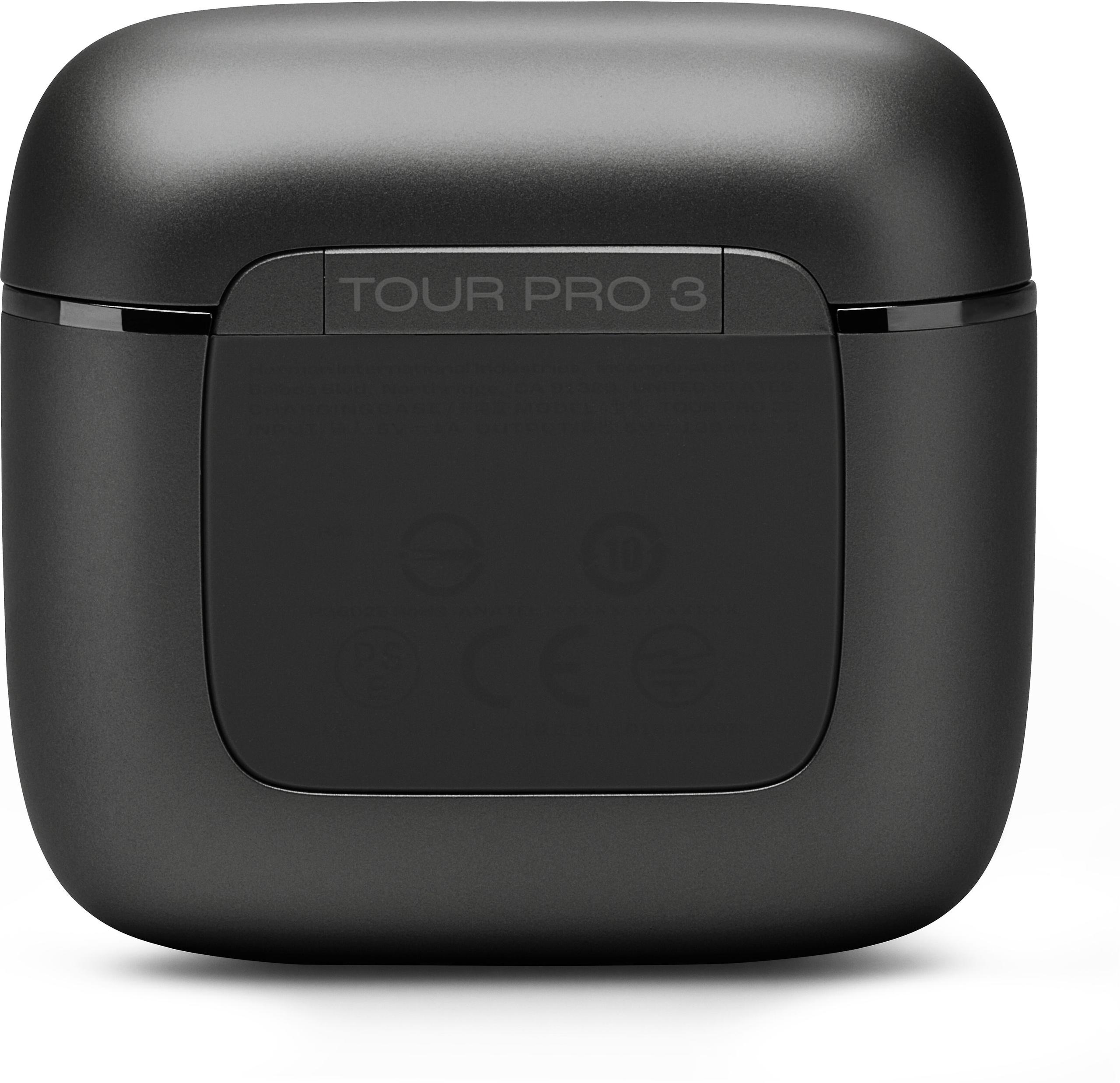
When Samsung and JBL both launched their flagship true wireless earbuds in 2024, they represented two fundamentally different philosophies about what premium earbuds should be. The Samsung Galaxy Buds 3 Pro doubled down on ecosystem integration and audiophile-grade audio technology, while the JBL Tour Pro 3 focused on universal compatibility and innovative smart features. At the time of writing, both models command premium pricing, but which approach delivers better value depends entirely on how you plan to use them.
Premium true wireless earbuds have evolved far beyond simple audio playback devices. Today's flagship models pack advanced noise cancellation systems, hi-res audio support, spatial audio processing, and smart features that would have seemed impossible just a few years ago. The key considerations when evaluating these expensive investments include audio quality (how they actually sound), battery endurance (how long they last), noise cancellation effectiveness (how well they block distractions), ecosystem integration (how they work with your devices), and build quality (how they feel and how long they'll last).
The challenge with premium earbuds is that "better" becomes highly subjective once you reach a certain quality threshold. Some listeners prefer bright, analytical sound that reveals every detail in their music, while others want warmer, more relaxed tuning that's enjoyable for hours of listening. Similarly, some users prioritize seamless integration with their phone's ecosystem, while others need universal compatibility across multiple platforms.
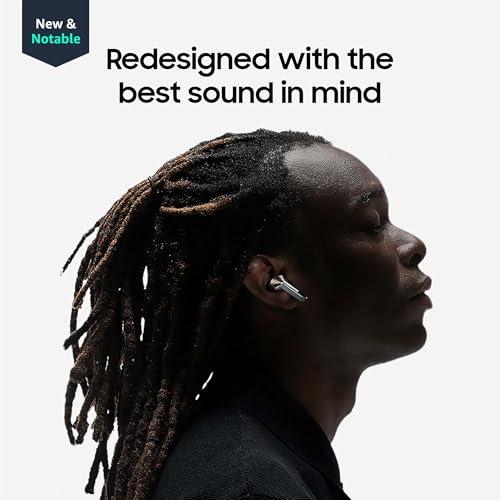
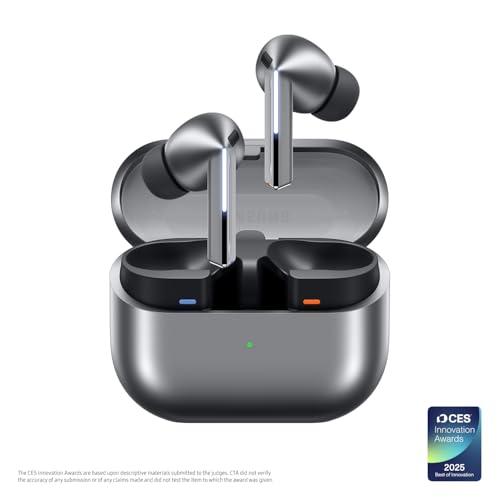
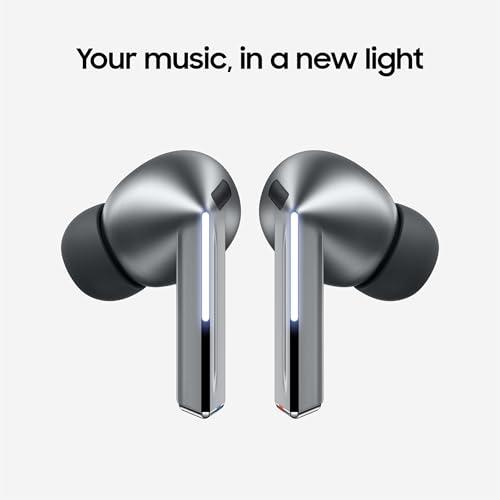
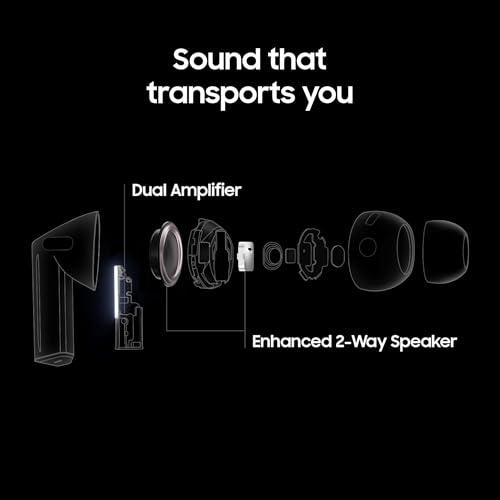
The Samsung Galaxy Buds 3 Pro represent Samsung's most ambitious audio engineering effort to date. Instead of using traditional dynamic drivers for everything, Samsung employed a dual-driver system featuring a planar magnetic tweeter paired with a dynamic woofer. Planar magnetic technology uses a flat, lightweight diaphragm suspended between magnets - think of it like a speaker cone that's been flattened out. This design excels at reproducing high frequencies with exceptional detail and speed, which is why you typically find planar magnetic drivers in expensive audiophile headphones costing hundreds of dollars.
The result is a sound signature that emphasizes clarity and precision. When listening to complex orchestral pieces or guitar-heavy rock tracks, the Samsung Galaxy Buds 3 Pro excel at separating individual instruments and revealing subtle details that get buried with lesser earbuds. The soundstage - how wide and spacious music feels - is notably impressive for such compact earbuds.
However, this analytical approach isn't for everyone. The bright, detailed tuning can become fatiguing during long listening sessions, especially if you prefer a more relaxed sound. It's like the difference between a high-resolution monitor that shows every detail versus a warm, cinematic display - both have their place depending on your preferences and use case.
The JBL Tour Pro 3 takes a different approach with its hybrid dual-driver system, combining a 10mm dynamic driver with a balanced armature driver. Dynamic drivers excel at producing powerful, controlled bass, while balanced armature drivers (commonly used in professional in-ear monitors) provide precise midrange and treble reproduction. This combination delivers what many listeners consider a more "fun" sound signature - fuller bass response, smooth mids, and controlled highs that remain engaging without becoming harsh.
The practical difference is immediately noticeable when switching between the two models. The JBL Tour Pro 3 sounds warmer and more forgiving, making it easier to enjoy for extended periods. Electronic music, hip-hop, and pop tracks benefit from the fuller bass response, while the balanced armature ensures vocals remain clear and present.
Both earbuds support hi-res audio, but their implementation reveals a crucial difference in philosophy. The Samsung Galaxy Buds 3 Pro supports Samsung's proprietary Seamless Codec (SSC), which can deliver 24-bit audio quality - but only when paired with newer Samsung devices. For everyone else, you're limited to standard AAC and SBC codecs, which don't offer any hi-res advantages.
The JBL Tour Pro 3 supports LDAC, Sony's hi-res audio codec that's been adopted across the Android ecosystem. LDAC can transmit three times more data than standard Bluetooth codecs, enabling true hi-res audio playback on any compatible Android device. This universal approach means you get the full audio capabilities regardless of your phone brand.
In practical terms, the difference between hi-res and standard codecs is subtle unless you're listening to high-quality source material with critical attention. However, the compatibility issue is significant - limiting premium features to specific device ecosystems feels restrictive in 2024.
This represents the most significant performance gap between these models, and it's where the JBL Tour Pro 3 truly shines. While the Samsung Galaxy Buds 3 Pro manages respectable 5-6 hours per charge with noise cancellation enabled, the JBL Tour Pro 3 delivers 8 hours - a 60% improvement that translates to meaningful real-world advantages.
Consider a typical long-haul flight: the Samsung earbuds might require a mid-flight charging break, while the JBL can handle most international routes on a single charge. For daily commuters, this means fewer interruptions and less anxiety about battery levels. The total capacity difference is even more dramatic, with JBL providing 32 hours total versus Samsung's approximately 20 hours.
Battery life isn't just about convenience - it affects long-term durability. Lithium-ion batteries degrade over time based on charge cycles. Earbuds that require daily charging will hit their capacity degradation point much faster than those charged every other day. Over a two-year ownership period, this difference could significantly impact usability.
Both models offer quick charging capabilities, but JBL's 10-minute charge providing 3 hours of listening gives it a practical edge for users who occasionally forget to charge overnight.
Active noise cancellation has become table stakes for premium earbuds, but implementation quality varies dramatically. The JBL Tour Pro 3 employs True Adaptive Noise Cancellation 2.0 with six microphones (three per earbud) that constantly monitor your environment and adjust cancellation accordingly.
Based on expert reviews and user feedback, the JBL delivers superior noise blocking across various environments. On airplanes - the ultimate ANC test - the JBL Tour Pro 3 more effectively eliminates engine drone and passenger chatter. In coffee shops and open offices, it better suppresses background conversations and ambient noise.
The Samsung Galaxy Buds 3 Pro offers good noise cancellation with an excellent transparency mode that naturally lets in ambient sound when needed. However, it consistently falls short of the JBL's isolation capabilities in challenging noise environments. For users who primarily use earbuds in quiet environments, this difference might not justify JBL's premium. But for frequent travelers, commuters, or anyone working in noisy environments, superior ANC becomes a deal-breaker feature.
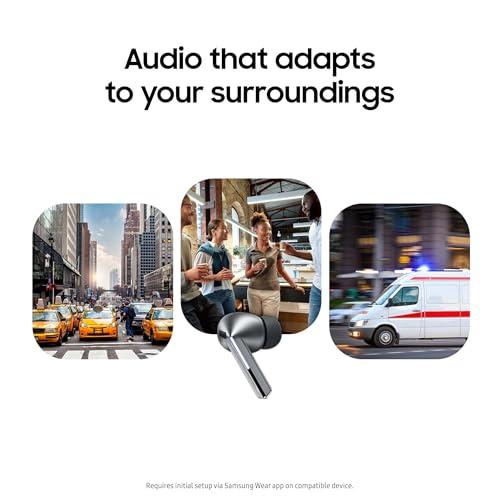
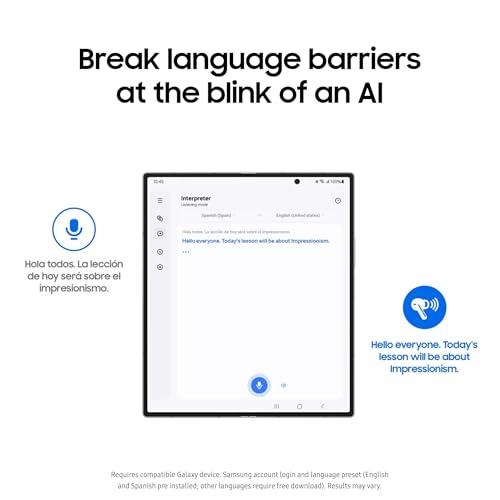
The Samsung Galaxy Buds 3 Pro showcase what's possible when earbuds are designed specifically for a particular ecosystem. Galaxy AI integration enables features like real-time language translation - imagine having a conversation with someone speaking a different language while the earbuds translate in real-time. Voice Detect automatically pauses music and activates transparency mode when you start speaking, while Siren Detect allows emergency vehicle sounds through even with ANC enabled.
Device switching within the Samsung ecosystem feels magical. Answer a call on your Galaxy phone, then seamlessly transition to watching a movie on your Samsung TV, with audio automatically following your attention. The 360 Audio implementation is particularly impressive with Samsung TVs, creating convincing surround sound effects that enhance movie watching.
However, these premium features disappear when used with non-Samsung devices. iPhone users get basic functionality - play, pause, skip tracks - but miss out on the advanced AI features, seamless codec support, and ecosystem integration that justify the premium price.
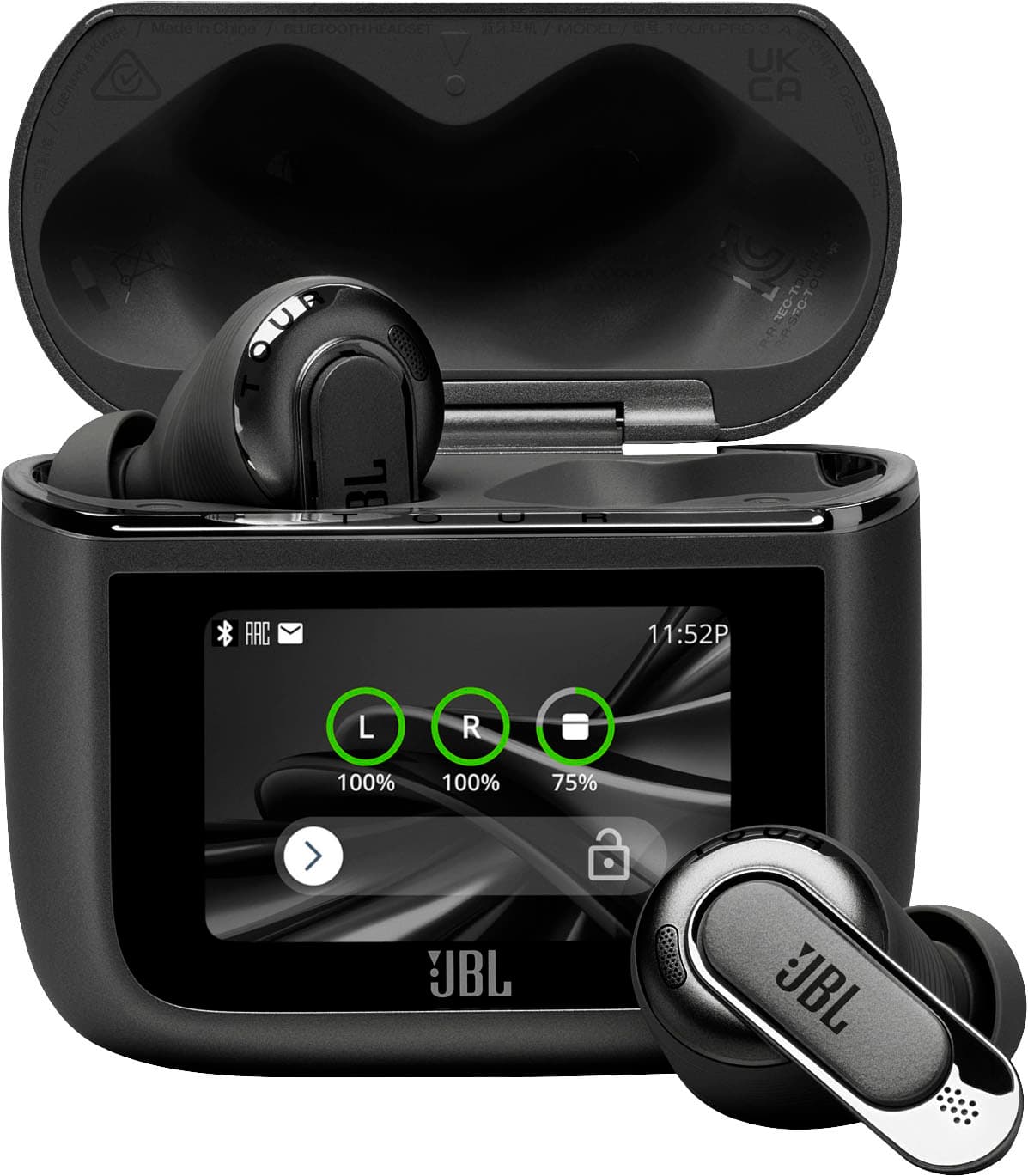
The JBL Tour Pro 3 takes a radically different approach with its Smart Charging Case featuring a 1.57-inch touchscreen display. Initially, this might seem gimmicky, but the implementation is surprisingly practical. The screen shows track information, caller names, battery levels, and provides touch controls for music playback, volume adjustment, and ANC modes - all without touching your phone.
More impressively, the case functions as a Bluetooth transmitter with both USB-C and 3.5mm inputs. Connect it to an airplane entertainment system, and it wirelessly streams audio to your earbuds - eliminating those terrible airline headphones. The same functionality works with gym equipment, hotel TVs, or any audio source lacking Bluetooth. For frequent travelers, this single feature can justify the entire purchase.
The case also supports Auracast broadcasting, enabling audio sharing with other compatible devices. While this ecosystem is still developing, it represents a forward-thinking approach to audio sharing that could become increasingly valuable.
Comfort becomes crucial for earbuds worn for hours daily. The Samsung Galaxy Buds 3 Pro are notably compact and lightweight at 5.4g per bud, making them nearly disappear during extended wear. The IP57 water resistance rating means they can handle intense workouts, rain exposure, and even brief submersion without damage.
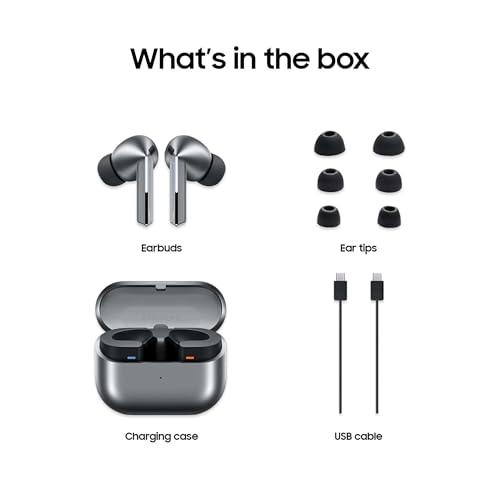
The downside is Samsung's use of proprietary ear tips. When replacements are needed - and they will be after months of daily use - you're limited to expensive Samsung-branded options rather than the dozens of affordable third-party alternatives available for standard tips.
The JBL Tour Pro 3 weighs slightly more at 5.6g per bud but includes five sizes of silicone tips plus memory foam options, ensuring a proper fit for most ears. The standard tip design means replacements are widely available and affordable. However, the IPX5 rating provides splash resistance but isn't as robust as Samsung's IP57 for water exposure.
The JBL's Smart Charging Case adds considerable bulk - it's substantially larger and heavier than Samsung's standard case. This affects pocket portability, though the added functionality may justify the size for many users.
Both earbuds excel for home theater use, but in different ways. The Samsung Galaxy Buds 3 Pro deliver more convincing spatial audio when paired with Samsung TVs, creating believable surround sound effects that enhance action movies and immersive content. The bright, detailed tuning helps dialogue clarity, while the wide soundstage makes sound effects feel positioned around you.
The JBL Tour Pro 3 offers more universal home theater compatibility. The Smart Charging Case can connect to any TV via USB-C or 3.5mm, eliminating Bluetooth pairing hassles and potential audio delay issues. The warmer sound signature enhances movie soundtracks and makes explosions feel more impactful, though dialogue might occasionally feel less crisp than Samsung's analytical tuning.
For viewers who primarily watch content on Samsung devices, the ecosystem integration gives Samsung an edge. For those with mixed device setups or older TVs lacking modern Bluetooth support, JBL's universal transmitter functionality proves invaluable.
At the time of writing, both models command premium pricing, but the value calculation depends heavily on your specific use case and device ecosystem.
The Samsung Galaxy Buds 3 Pro represent excellent value for Samsung ecosystem users who prioritize audio quality and compact design. The advanced planar magnetic technology, seamless device integration, and superior water resistance create a compelling package for Galaxy users. However, the shorter battery life and ecosystem limitations significantly reduce value for non-Samsung users.
The JBL Tour Pro 3 commands a higher price but delivers more universal value through superior battery life, better noise cancellation, and innovative smart case functionality. The LDAC support works across all Android devices, while the transmitter case solves real problems for travelers and users with older audio equipment.
Choose the Samsung Galaxy Buds 3 Pro if:
Choose the JBL Tour Pro 3 if:
The deciding factors ultimately come down to ecosystem commitment and usage patterns. Samsung users benefit tremendously from the deep integration and advanced features, making the earbuds feel like a natural extension of their device ecosystem. However, users outside Samsung's walled garden get significantly more value from JBL's universal approach, superior battery endurance, and innovative smart case functionality.
For most users evaluating these options at current pricing, the JBL Tour Pro 3 represents better long-term value despite the higher upfront cost. The combination of exceptional battery life, superior noise cancellation, and truly useful smart features creates a more compelling overall package. However, Samsung ecosystem users shouldn't overlook how well the Samsung Galaxy Buds 3 Pro integrate with their existing devices - sometimes that seamless experience justifies the compromises.
Both represent significant technological achievements that push the boundaries of what's possible in tiny wireless earbuds. Your choice between them says more about your priorities and device ecosystem than any objective superiority of one approach over another.
| Samsung Galaxy Buds 3 Pro | JBL Tour Pro 3 |
|---|---|
| Driver Technology - Determines sound character and detail | |
| 10.5mm dynamic + 6.1mm planar magnetic tweeter (rare audiophile tech for exceptional highs) | 10mm dynamic + 5.1mm balanced armature hybrid (warmer, more forgiving sound) |
| Battery Life Per Charge - Critical for daily use without interruptions | |
| 5-6 hours with ANC (requires frequent charging breaks) | 8 hours with ANC (60% longer, handles full workdays) |
| Total Battery Life - Determines how often you charge the case | |
| ~20 hours total (more charging maintenance) | 32-44 hours total (significantly less charging anxiety) |
| Hi-Res Audio Codec Support - Enables better than CD quality | |
| Samsung Seamless Codec (SSC) - only works with Samsung devices | LDAC - works universally across Android devices |
| Noise Cancellation - Blocks distracting environments | |
| Good ANC with excellent transparency mode | Superior True Adaptive ANC 2.0 with 6 microphones |
| Water Resistance - Protection for workouts and weather | |
| IP57 (submersion resistant, excellent for fitness) | IPX5 (splash resistant, adequate for most use) |
| Weight Per Earbud - Affects comfort during extended wear | |
| 5.4g (notably lightweight and comfortable) | 5.6g (slightly heavier but still comfortable) |
| Smart Case Features - Convenience and unique functionality | |
| Standard charging case with wireless charging | 1.57" touchscreen + Bluetooth transmitter for any audio source |
| Ecosystem Integration - Works best with specific devices | |
| Deep Samsung Galaxy integration with AI features, limited elsewhere | Universal compatibility with full features on any platform |
| Frequency Response Range - Shows theoretical audio range | |
| 20Hz-20kHz (standard human hearing range) | 20Hz-40kHz (extends beyond hearing for hi-res content) |
| Microphone Array - Call quality and wind resistance | |
| 3 mics per earbud with Voice Pickup Unit | 6 total microphones with superior wind noise reduction |
| Ear Tip Compatibility - Replacement cost and availability | |
| Proprietary Samsung tips (expensive, limited options) | Standard tips with 5 sizes + foam included (universal replacements) |

Privacy Policy
Terms and Conditions - Affiliate Policy
Home Security
© Copyright 2008-2026.
11816 Inwood Rd #1211, Dallas, TX 75244