






When shopping for premium wireless earbuds, you'll quickly discover that not all models are created equal. Some excel at music, others dominate business calls, and a few attempt to do everything well. The Poly Voyager Free 60+ UC and JBL Tour Pro 3 represent two distinctly different approaches to solving the wireless earbud puzzle, each with compelling reasons to choose them.
Released in 2024, both products showcase the latest thinking in wireless audio technology, but they're aimed at completely different users. Understanding these differences will help you avoid buyer's remorse and get earbuds that actually match how you plan to use them.
The wireless earbud market has matured significantly since Apple's original AirPods launched. Today's premium models pack sophisticated technology that would have seemed impossible just a few years ago. Active noise cancellation (ANC) uses microphones to detect outside noise and plays inverted sound waves to cancel it out. Multi-driver systems combine different speaker types to handle various frequency ranges more effectively. Advanced codecs like LDAC compress audio files less, preserving more detail from your original music files.
But here's where it gets interesting: manufacturers are increasingly specializing their products for specific use cases rather than trying to be everything to everyone. This specialization leads to better performance in targeted areas, but it also means choosing the wrong product for your needs becomes more costly.
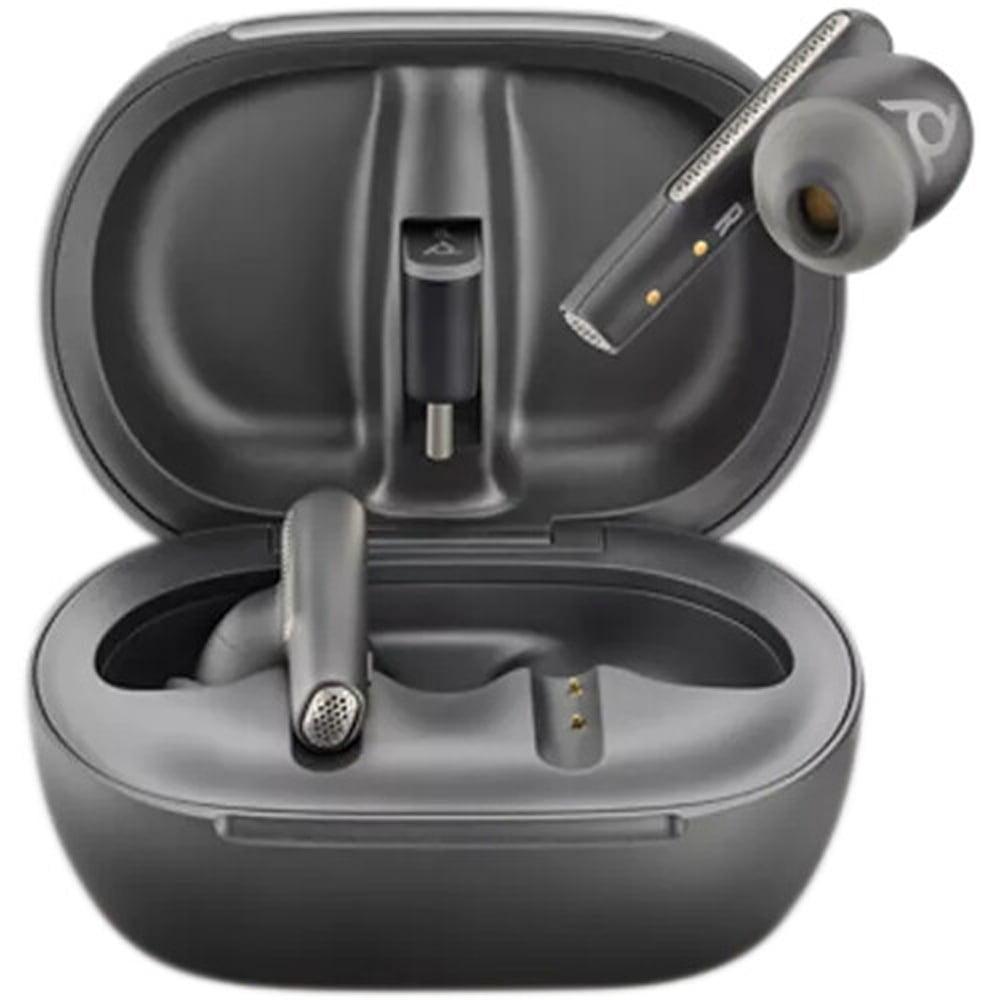
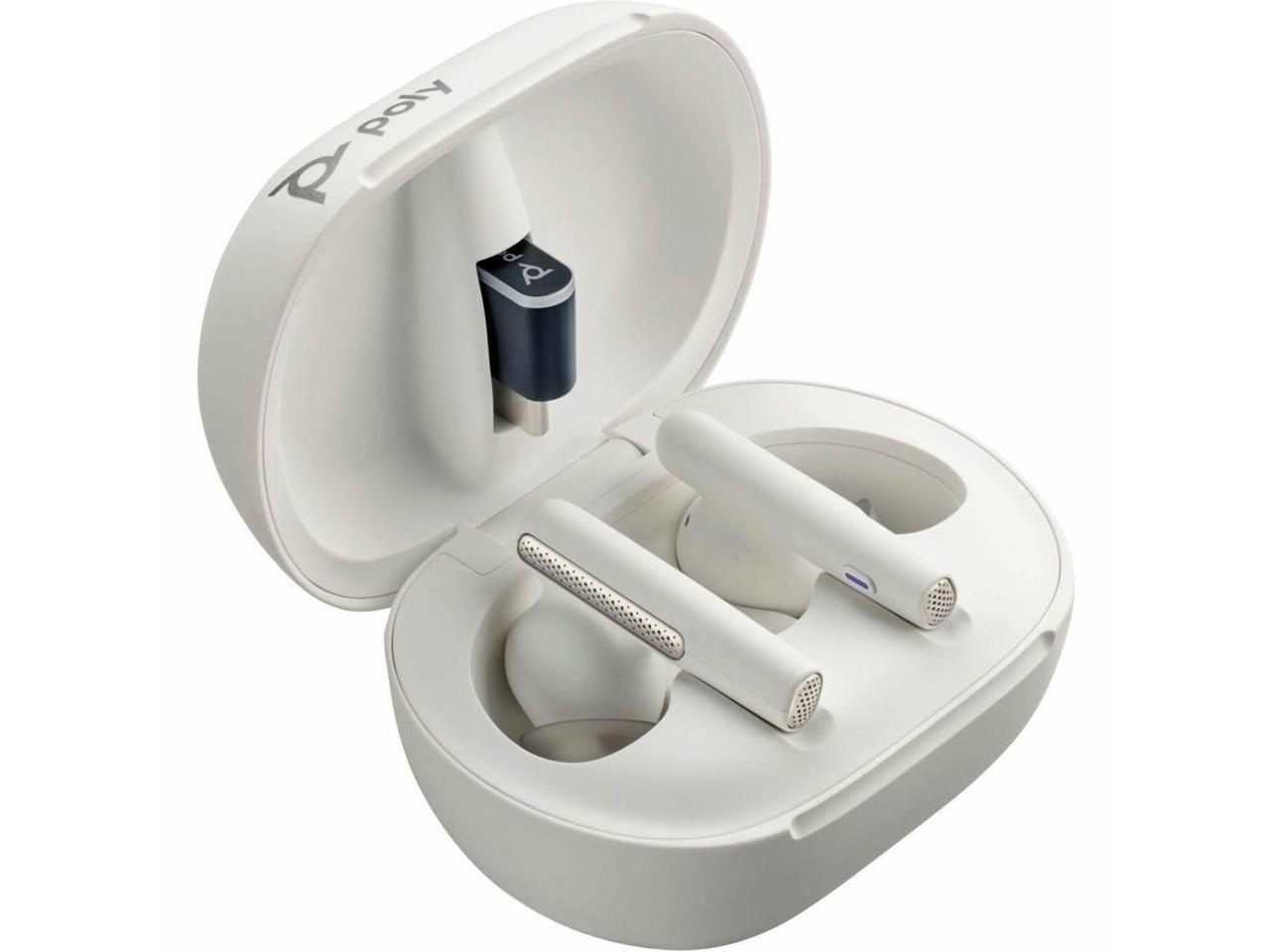
The Poly Voyager Free 60+ UC doesn't hide its business intentions. The "UC" stands for Unified Communications, which is corporate speak for "works perfectly with your work software." These earbuds launched in 2024 with Microsoft Teams and Zoom certifications, meaning they've been specifically tested and optimized for business calling platforms.
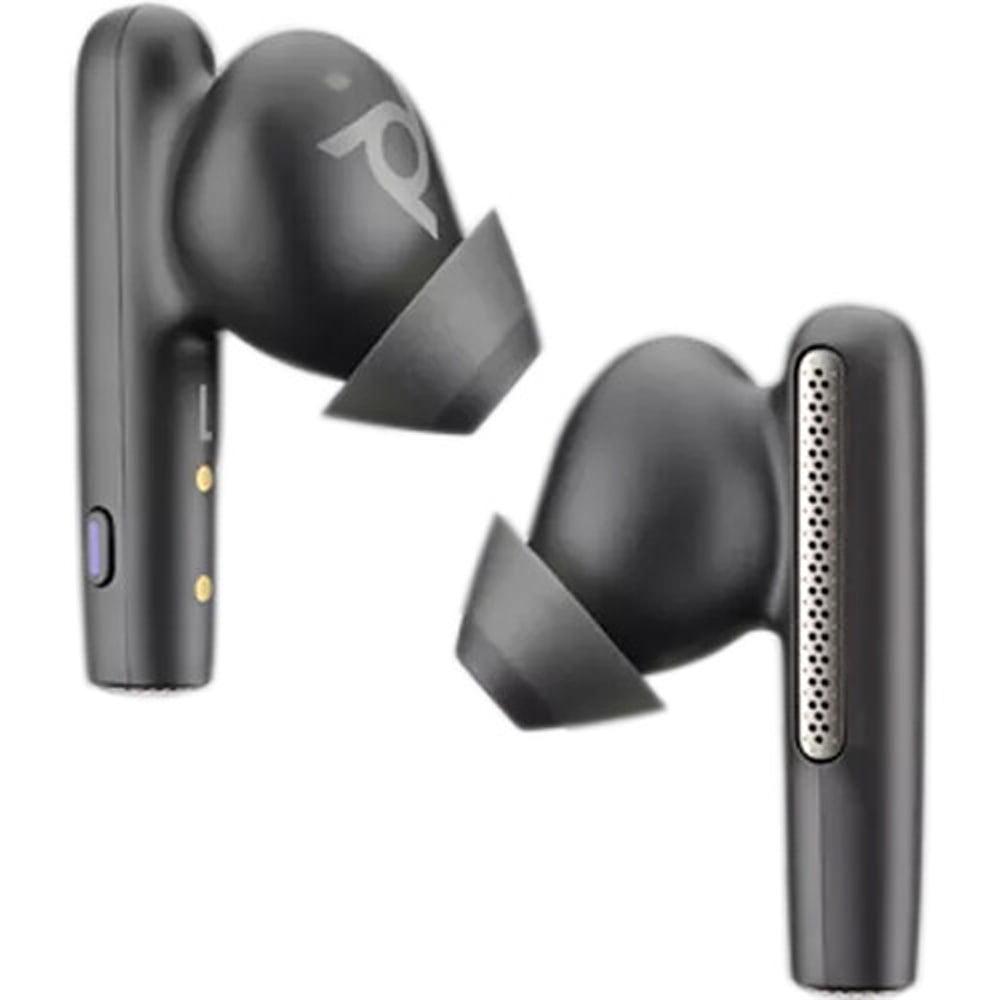
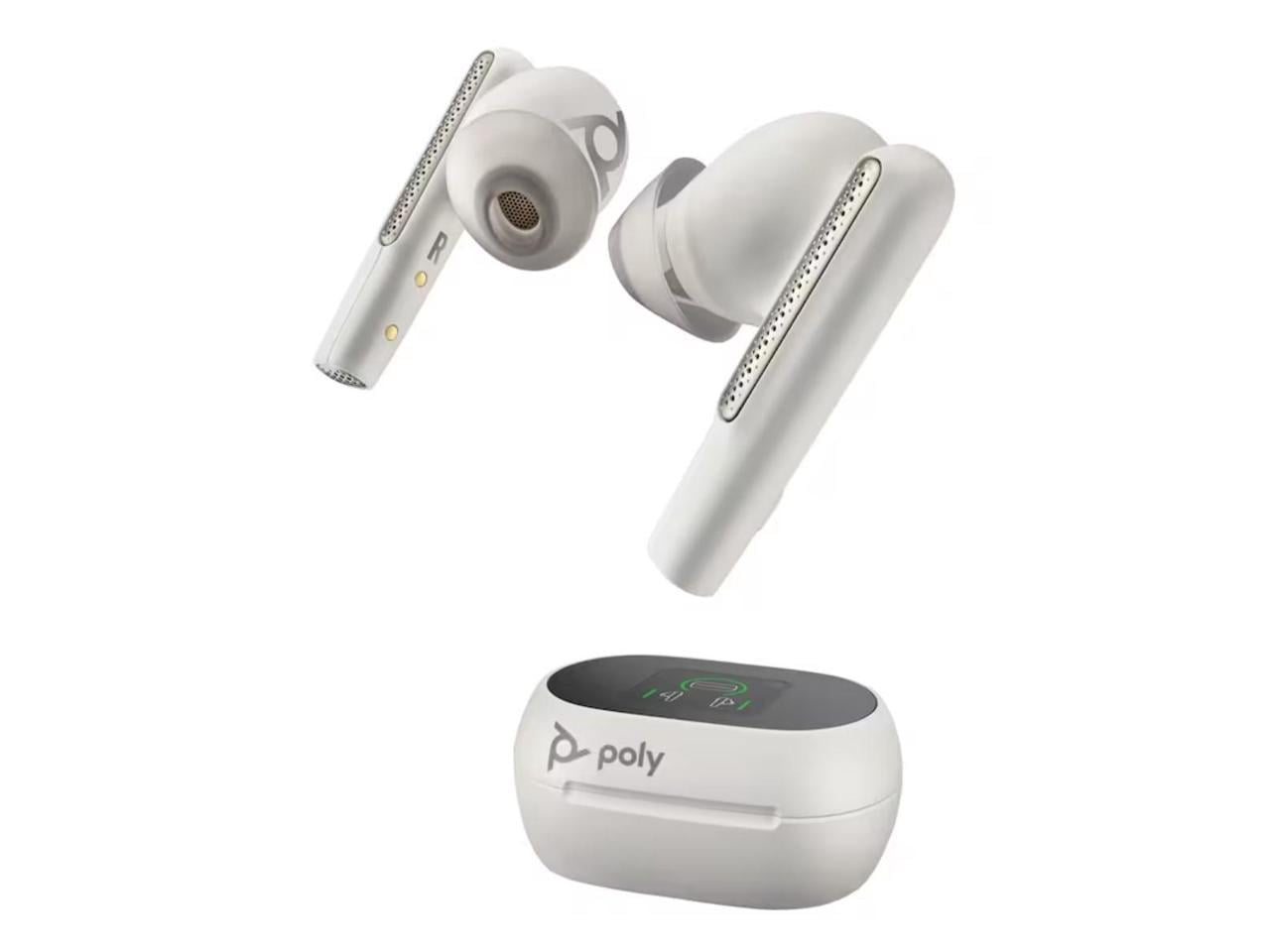
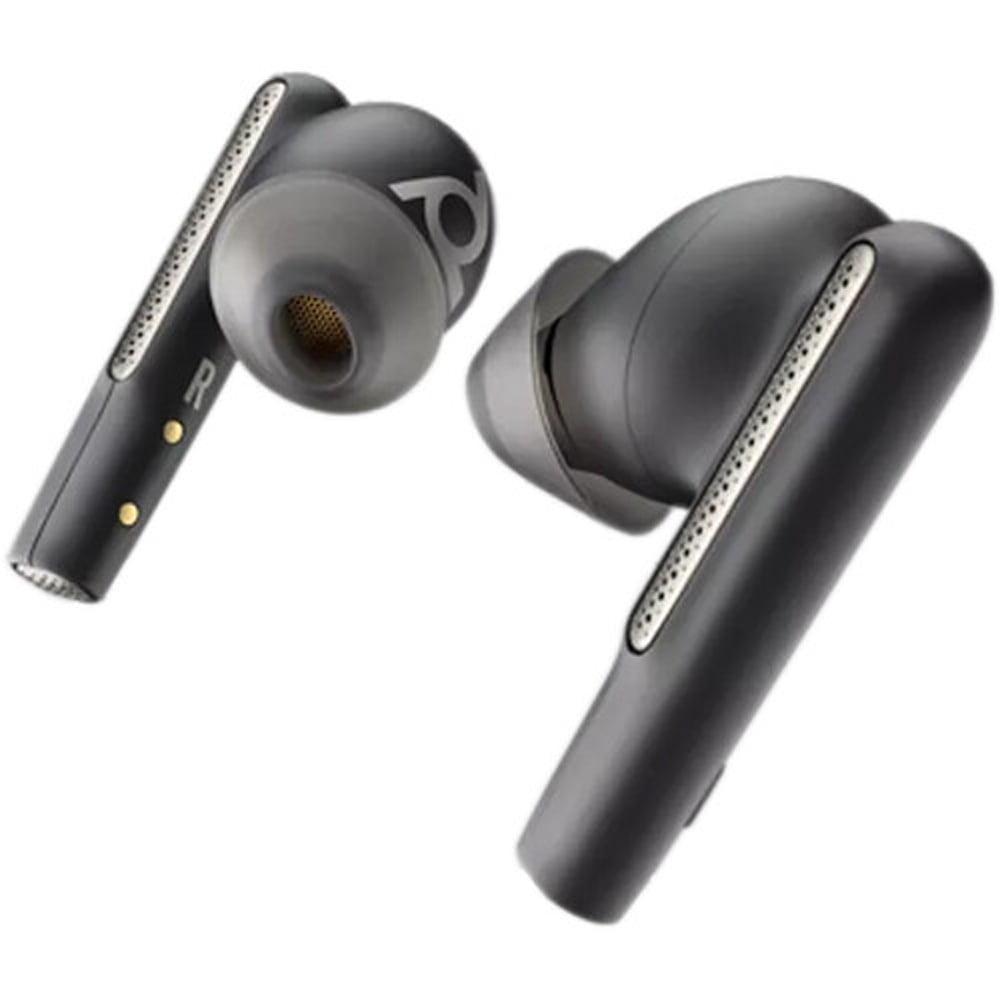
Most people underestimate how much bad call quality affects their professional image. When your voice cuts out, sounds muffled, or competes with background noise, it reflects poorly on your competence. The Poly Voyager Free 60+ UC addresses this with what Poly calls a "three-microphone steerable array" in each earbud.
This isn't marketing fluff—it's genuinely advanced technology. Traditional earbuds use one or two microphones per side, but three microphones allow the system to triangulate your voice's location and focus on it while actively suppressing everything else. Think of it like having a laser pointer for sound—the system can aim directly at your mouth while ignoring the dog barking next door.
The WindSmart technology deserves special mention because it solves a problem most people don't realize exists until they're walking outside during a call. Wind hitting microphones creates that whooshing noise that makes you sound like you're calling from inside a tornado. The Poly Voyager Free 60+ UC uses algorithmic processing to identify and remove wind noise in real-time, maintaining clear voice transmission even when you're moving outdoors.
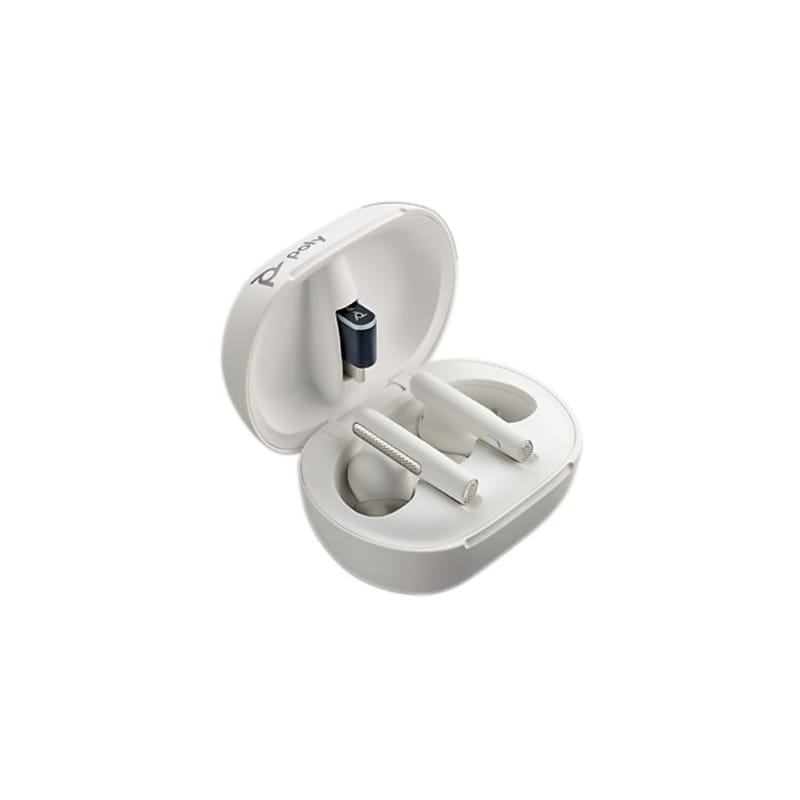
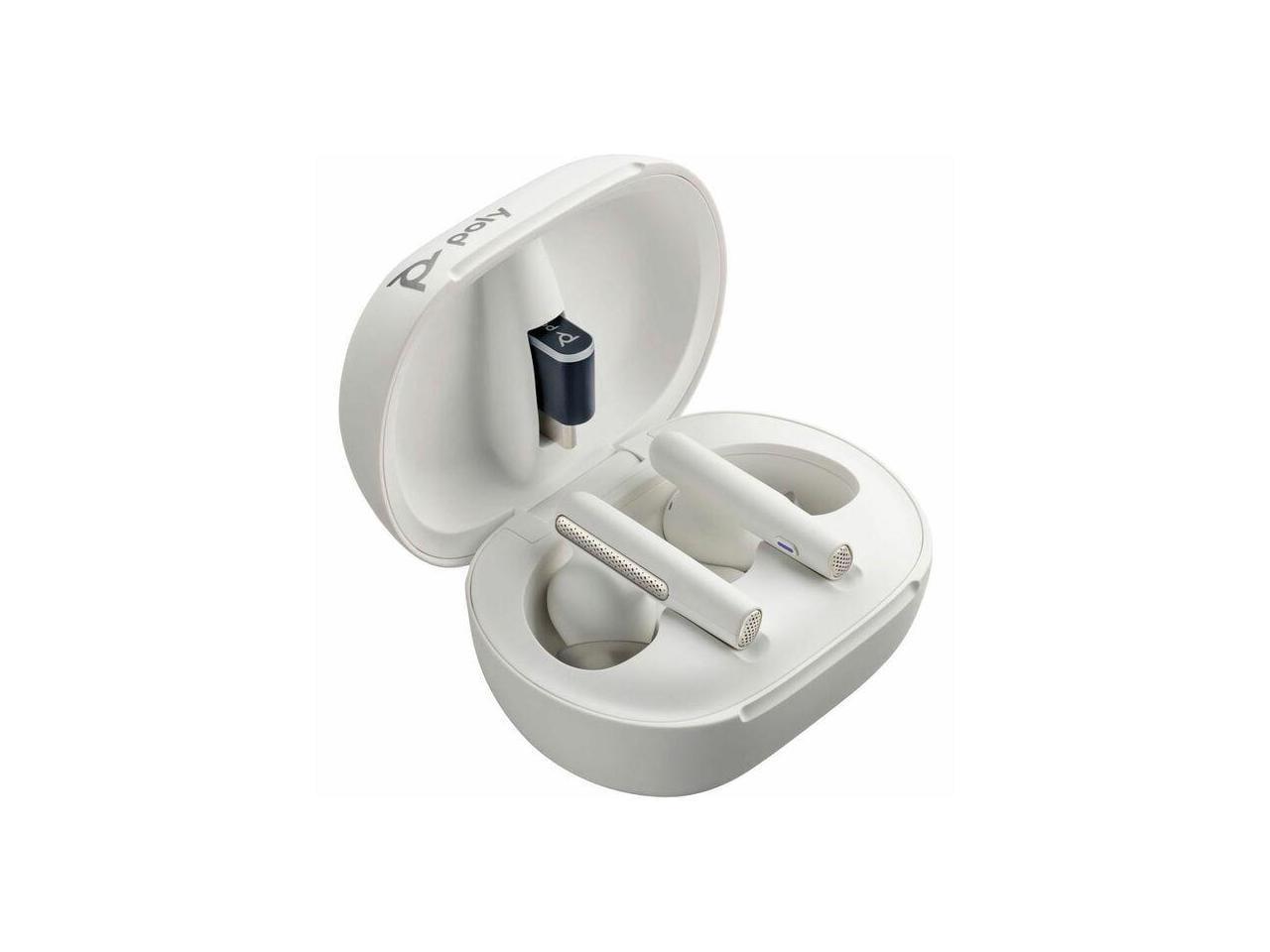
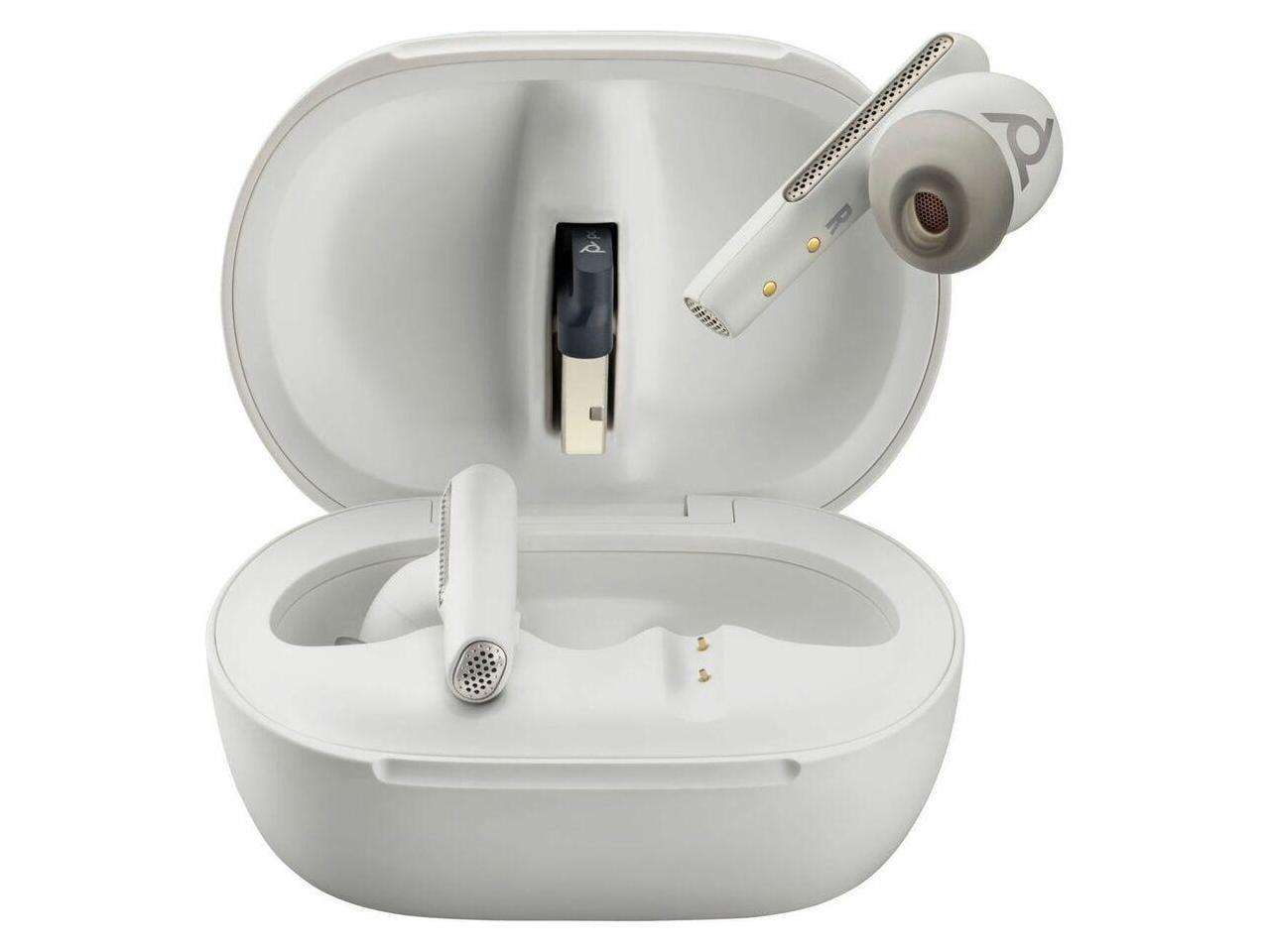
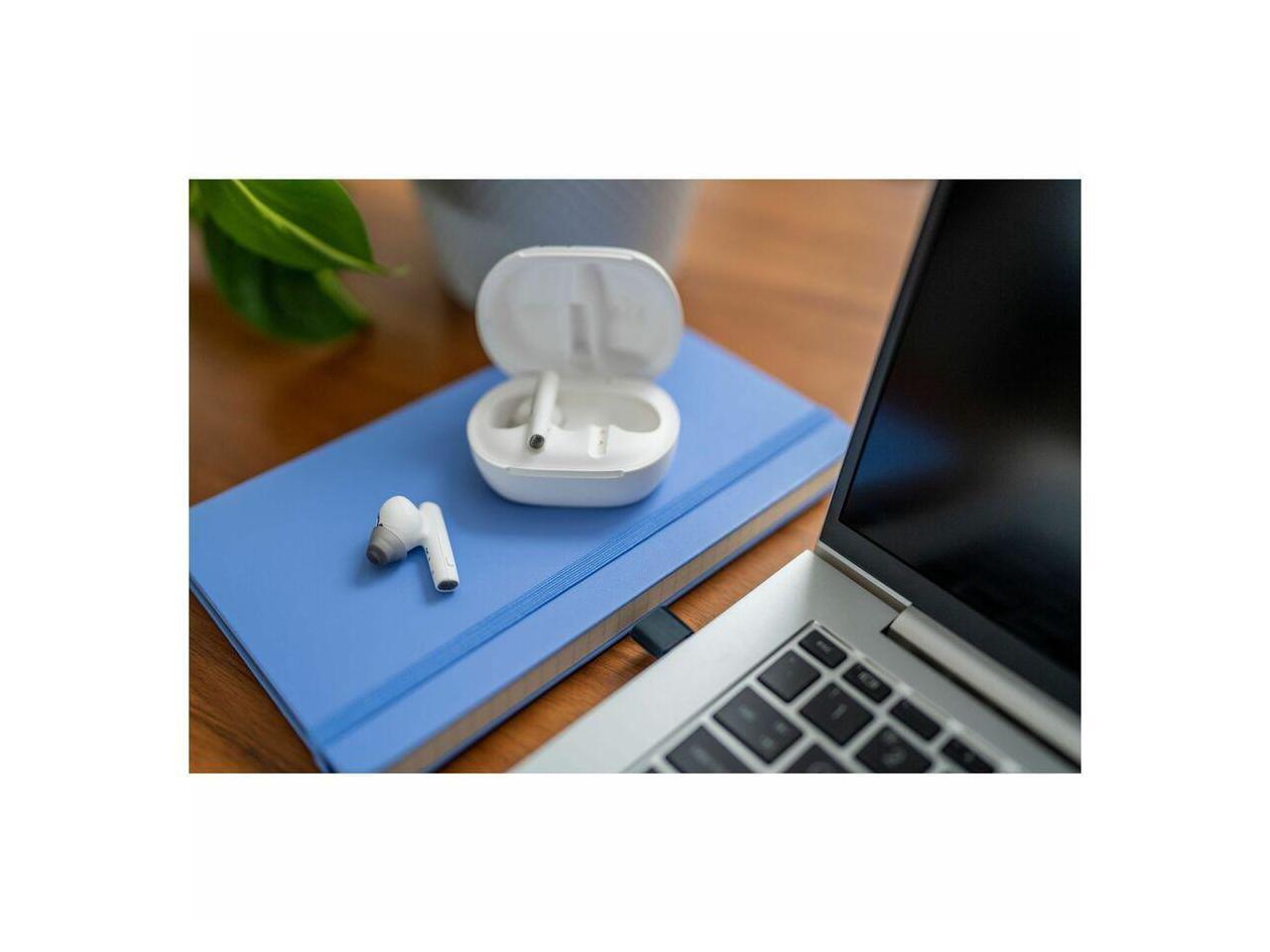
The included BT700 USB adapter might seem like a small addition, but it transforms how these earbuds work with computers. Instead of relying on your laptop's potentially weak Bluetooth radio, the adapter creates a dedicated, optimized connection that can reach up to 98 feet. This means you can walk to the kitchen during a long call without worrying about dropouts.
The Poly Lens software integration appeals mainly to IT departments managing large earbud deployments, but individual users benefit from the centralized control and customization options. You can adjust microphone sensitivity, update firmware, and fine-tune settings through a single interface.
The Poly Voyager Free 60+ UC makes trade-offs to achieve its call quality excellence. Music performance, while adequate, doesn't compete with dedicated entertainment earbuds. The single 10mm driver in each earbud handles the full frequency range competently but lacks the nuanced detail that music enthusiasts expect from premium products.
Battery life optimization favors talk time over music listening, which makes sense for the target audience but limits versatility. At around $360 at the time of writing, these earbuds command a significant premium that's justified only if you regularly rely on them for professional communication.
JBL took a dramatically different approach with the JBL Tour Pro 3, released in late 2024. Instead of targeting business users, JBL focused on creating the ultimate entertainment experience with innovative smart features that genuinely enhance daily use.
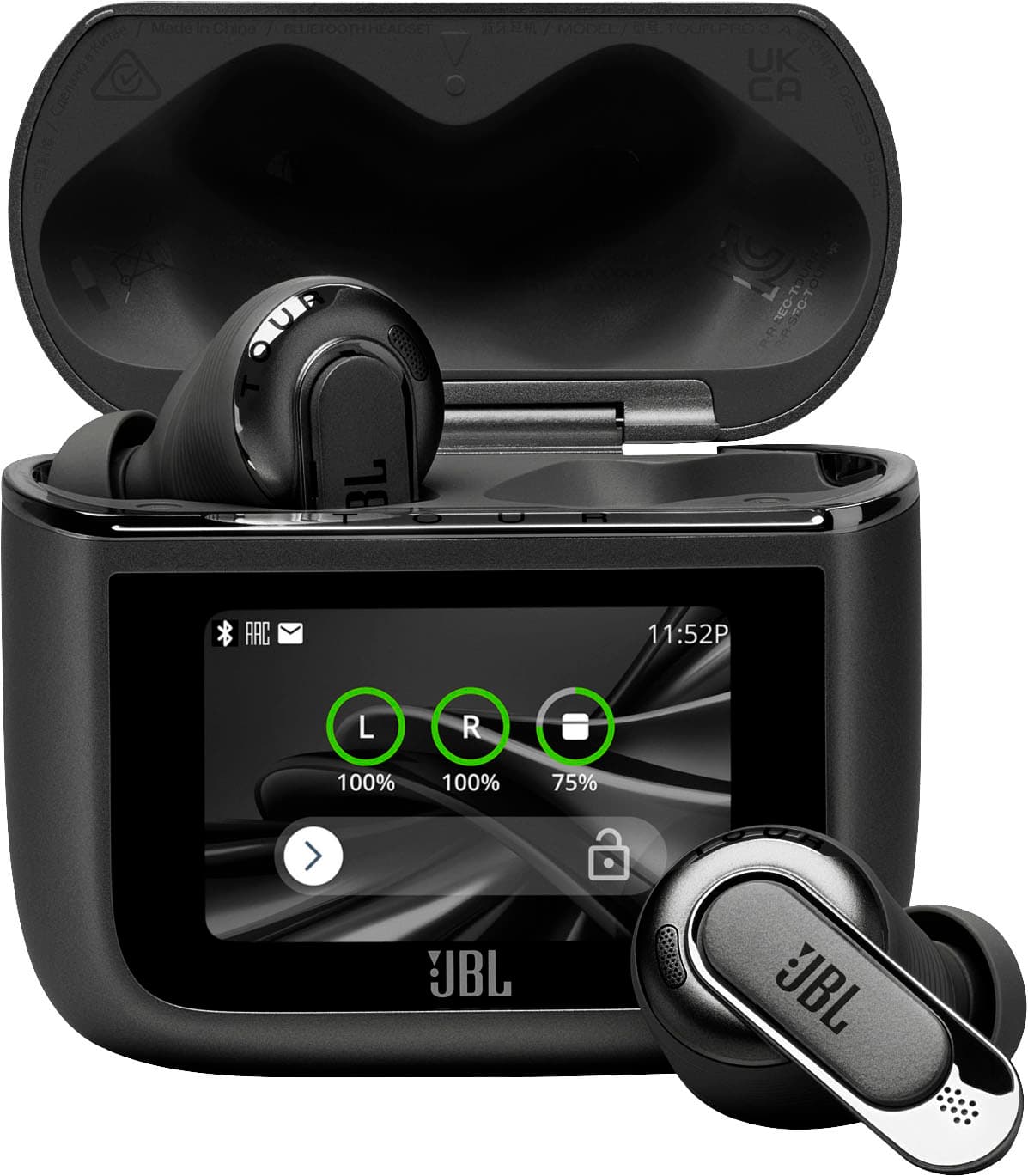
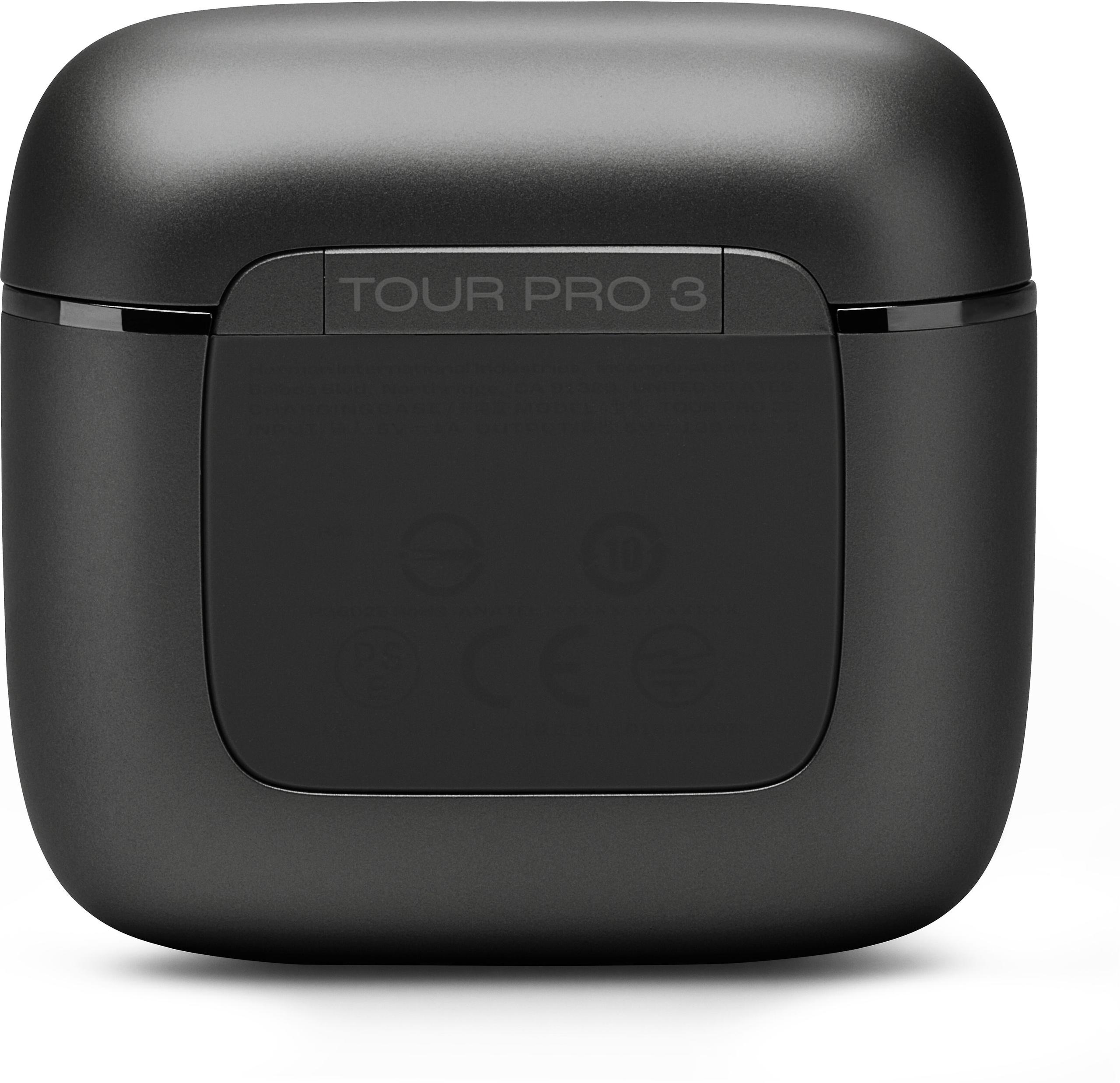
The most obvious difference is the 1.57-inch touchscreen built into the charging case. This isn't a gimmick—it's a functional interface that eliminates the need to pull out your phone for common tasks. You can skip tracks, adjust volume, answer calls, and switch between connected devices directly from the case screen.
More importantly, the case doubles as an audio transmitter. Plug it into airplane entertainment systems, gym equipment, or any device with a headphone jack, and it wirelessly streams audio to your earbuds. This flexibility extends your listening options beyond just phone and computer connections.
The Auracast functionality represents the future of audio sharing. Instead of passing earbuds back and forth to share a song, compatible devices can broadcast audio that nearby Auracast-enabled earbuds can receive. It's like a personal radio station for your immediate area.
The JBL Tour Pro 3 uses a hybrid dual-driver system that combines a 10.2mm dynamic driver with a 5.1mm x 2.8mm balanced armature driver in each earbud. This might sound overly technical, but the practical benefit is significant.
Dynamic drivers excel at producing powerful bass and midrange frequencies—they move a lot of air to create those deep, rumbling low notes you feel in your chest. Balanced armature drivers are smaller and more precise, perfect for crisp high frequencies and detailed vocals. By using both types together, the JBL Tour Pro 3 delivers the full audio spectrum with impressive clarity and detail.
The LDAC codec support deserves attention from serious music listeners. Standard Bluetooth audio compression discards a lot of musical information to fit data through the wireless connection. LDAC maintains much more of the original recording quality, though you'll need a compatible source device (most Android phones and some music players) to take advantage of it.
JBL's Personi-Fi 3.0 technology creates a custom hearing profile by playing various frequencies and asking you to identify when you can hear them. This process maps your individual hearing characteristics and adjusts the audio output accordingly. Everyone's hearing is slightly different, and this customization can reveal details in music you've never noticed before.
The JBL Spatial 360 with head tracking creates an immersive audio experience that makes sounds seem to come from specific locations around you. When watching movies or playing games, this positioning creates a more engaging experience than traditional stereo audio.
While the JBL Tour Pro 3 handles calls adequately, it doesn't match the Poly Voyager Free 60+ UC's specialized microphone technology. The six-microphone system works well in quiet environments but struggles more with wind noise and competing background sounds during calls.
The smart case, while innovative, adds bulk and complexity. Some users report occasional interface lag and prefer the simplicity of physical controls. The touchscreen also consumes battery power, though this rarely becomes problematic in practice.
Based on our research into user experiences and expert reviews, the Poly Voyager Free 60+ UC dominates call performance. The three-microphone array and WindSmart technology create noticeably clearer voice transmission, especially in challenging acoustic environments.
Real-world testing by users consistently shows the Poly earbuds maintaining clear communication in scenarios where other earbuds fail—conference rooms with poor acoustics, outdoor environments with wind, and spaces with competing noise sources. This reliability becomes crucial during important business calls where technical difficulties reflect poorly on professionalism.
The JBL Tour Pro 3 provides acceptable call quality for casual use, but the difference becomes apparent during back-to-back comparisons. Colleagues and clients notice the superior clarity from the Poly earbuds, though most users find the JBL's performance sufficient for non-professional calling.
Music reproduction strongly favors the JBL Tour Pro 3. The hybrid dual-driver system delivers more detailed, dynamic sound across all genres. Bass response is particularly impressive—deep and punchy without overwhelming vocals or instruments. The balanced armature drivers provide crisp high-frequency detail that reveals subtle elements in complex recordings.
Review consensus places the JBL earbuds among the best-sounding wireless earbuds at their price point, while the Poly model receives adequate ratings for music but clear acknowledgment that entertainment isn't its primary strength. The difference is most noticeable with high-quality recordings where the JBL's superior driver configuration and codec support shine.
Battery performance reflects each product's priorities. The Poly Voyager Free 60+ UC optimizes for talk time, providing up to 16.5 hours of calling capability when you include the charging case. This focus makes sense for users who spend hours daily in virtual meetings.
The JBL Tour Pro 3 prioritizes music listening with up to 44 hours of total playback time (ANC off). This extended capacity suits commuters, travelers, and anyone who uses earbuds primarily for entertainment rather than communication.
Both earbuds offer quick charging features, but the JBL model provides more flexibility with its longer total battery life and faster charging speeds for music listening.
Active noise cancellation performance between these models is surprisingly close, though they optimize for different scenarios. The Poly earbuds focus ANC on frequencies that interfere with voice communication—reducing the constant hum of air conditioning, traffic noise, and office chatter that makes calls difficult.
The JBL Tour Pro 3 provides broader-spectrum noise cancellation optimized for music listening and general environmental noise reduction. This approach works better for commuting, air travel, and creating a quiet space for entertainment.
Neither model matches the absolute best ANC performance available from specialists like Bose or Sony, but both provide effective noise reduction for their intended use cases.
While neither earbud specifically targets home theater use, the JBL Tour Pro 3 offers more compelling features for this application. The smart case's audio transmitter functionality allows wireless connection to TV audio outputs, eliminating the need for separate Bluetooth transmitters.
The JBL Spatial 360 processing creates a more immersive experience for movies and shows, though it can't match dedicated surround sound systems. The extended battery life also supports longer viewing sessions without charging interruptions.
The Poly earbuds work adequately for TV audio but don't offer specific advantages over standard earbuds in this scenario. Their business-focused optimization doesn't translate to home entertainment benefits.
At the time of writing, both earbuds occupy the premium price segment but offer different value propositions. The Poly Voyager Free 60+ UC commands a higher price that reflects its specialized enterprise features and superior call technology. For users who depend on clear communication for work, this premium provides measurable professional benefits that justify the cost.
The JBL Tour Pro 3 typically costs less while delivering more entertainment features and innovative technology. The smart case alone represents significant engineering investment, and the superior music quality provides excellent value for general consumers.
Price-conscious buyers should consider that the JBL earbuds handle a broader range of use cases effectively, while the Poly model excels primarily in business communication scenarios.
Work from home or in hybrid arrangements where call quality directly impacts your professional image. The superior microphone technology and enterprise certifications provide tangible career benefits that justify the higher cost.
Frequently take calls while mobile or in challenging acoustic environments. The WindSmart technology and extended wireless range (with the included adapter) maintain communication reliability that standard earbuds can't match.
Need enterprise IT integration for managed deployments or want guaranteed compatibility with business communication platforms. The UC certification eliminates compatibility concerns that can plague consumer earbuds in corporate environments.
Prioritize reliability over features and view earbuds primarily as professional tools rather than entertainment devices. The Poly earbuds focus resources on core communication performance rather than flashy additional features.
Listen to music more than taking calls and want premium audio quality that rivals more expensive audiophile options. The hybrid driver system and LDAC support provide exceptional entertainment value.
Appreciate innovative technology and want features that genuinely improve daily usability. The smart case functionality offers practical benefits beyond novelty, especially for frequent travelers.
Need versatile earbuds that perform well across various scenarios rather than excelling in one specific area. The JBL model provides good call quality, excellent music performance, and useful smart features in one package.
Want better value for general use and don't require specialized business features. The lower price point provides access to premium audio technology and innovative features without paying for enterprise capabilities you won't use.
The decision ultimately comes down to your primary use case and whether you need specialized business communication tools or prefer versatile entertainment-focused earbuds. Both products excel in their intended markets, but choosing the wrong one for your needs will leave you disappointed with an expensive purchase that doesn't match your expectations.
| Poly Voyager Free 60+ UC | JBL Tour Pro 3 |
|---|---|
| Primary Design Focus - Determines which features are prioritized | |
| Enterprise communication and business calls | Consumer entertainment and music quality |
| Driver Configuration - Directly impacts sound quality and detail | |
| Single 10mm dynamic driver per earbud | Hybrid: 10.2mm dynamic + 5.1mm balanced armature per earbud |
| Microphone Array - Critical for call clarity and voice pickup | |
| 3-microphone steerable array with triangulation technology | Standard 6-microphone setup (3 per earbud) |
| Call Quality Features - Essential for professional communication | |
| WindSmart technology, NoiseBlockAI, voice triangulation | Basic wind reduction, standard call processing |
| Wireless Range - Important for office mobility and flexibility | |
| Up to 98 feet with included BT700 USB adapter | Standard Bluetooth range (~30 feet) |
| Audio Codec Support - Affects music streaming quality | |
| Standard Bluetooth codecs | LDAC high-resolution codec support |
| Charging Case Technology - Modern convenience and control features | |
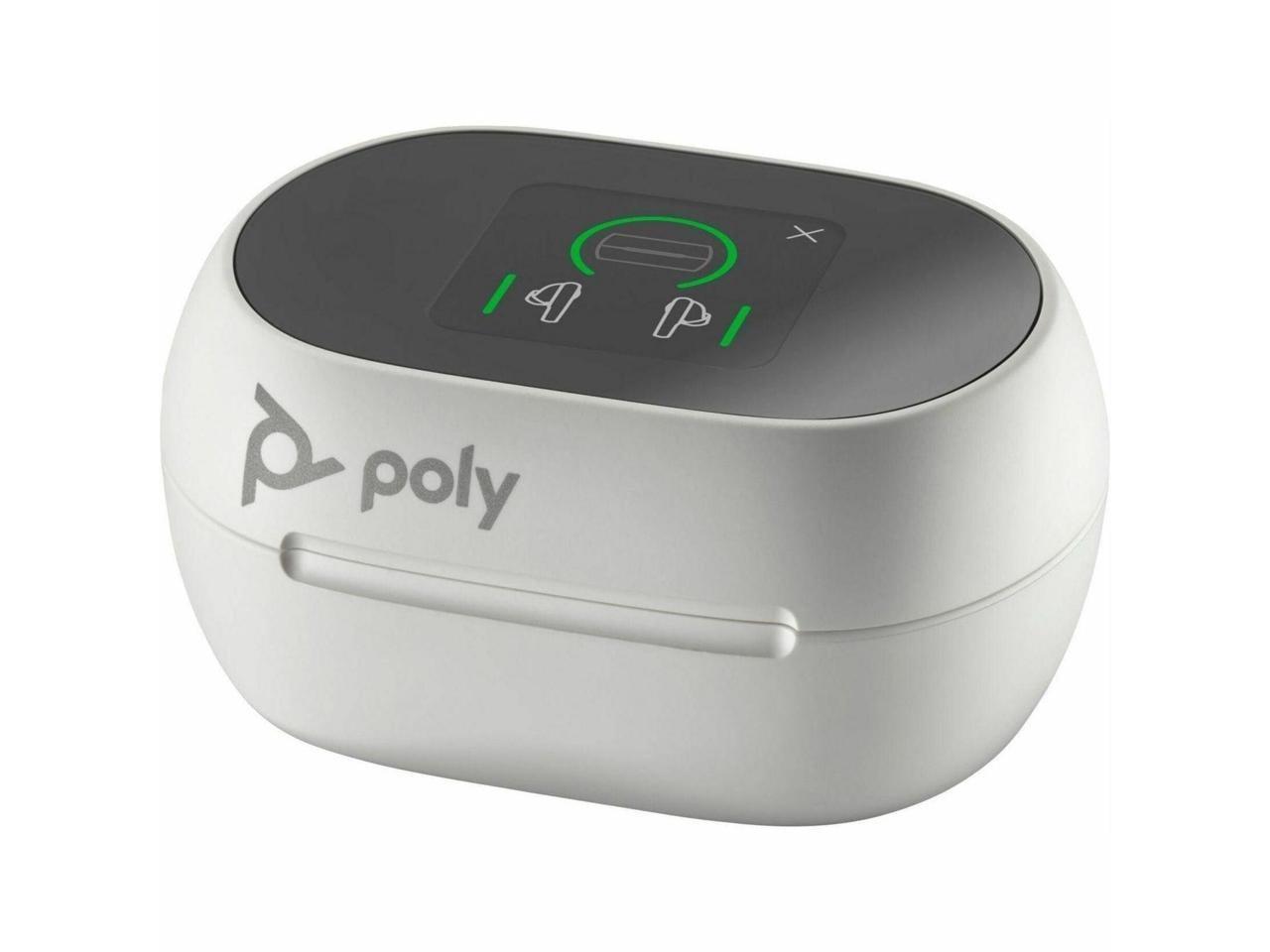
| Color touch display with basic controls | 1.57-inch touchscreen with full media control and audio transmitter |
| Battery Life Optimization - Different priorities for different users | |
| 16.5 hours total talk time (call-optimized) | 44 hours total music time, 32 hours with ANC (entertainment-optimized) |
| Enterprise Integration - Important for business environments | |
| Microsoft Teams/Zoom certified, Poly Lens software, UC designation | Consumer-focused with Fast Pair and Swift Pair |
| Active Noise Cancellation - Background noise reduction approach | |
| Adaptive hybrid ANC optimized for call environments | True Adaptive Noise Cancellation 2.0 for general use |
| Smart Features - Modern convenience and innovation | |
| Qi wireless charging, device switching via case | Auracast sharing, Personi-Fi 3.0, JBL Spatial 360 with head tracking |
| Target Price Range - Value proposition differs significantly | |
| Premium enterprise pricing reflects specialized business features | Competitive consumer pricing with high-end entertainment features |
| Best Use Cases - Where each product truly excels | |
| Professional calls, hybrid work, enterprise deployments | Music listening, commuting, general entertainment, innovative tech enthusiasts |
The JBL Tour Pro 3 delivers significantly better music quality thanks to its hybrid dual-driver system combining a 10.2mm dynamic driver with a balanced armature driver in each earbud. This setup provides clearer highs, more detailed mids, and powerful bass compared to the Poly Voyager Free 60+ UC's single driver configuration. The JBL earbuds also support LDAC high-resolution audio codec for superior streaming quality.
The Poly Voyager Free 60+ UC excels in call quality with its three-microphone steerable array that triangulates your voice while suppressing background noise. WindSmart technology eliminates wind interference, and the system is specifically optimized for business communication. While the JBL Tour Pro 3 handles calls adequately, the Poly earbuds provide noticeably clearer voice transmission in challenging environments.
Battery optimization differs based on intended use. The Poly Voyager Free 60+ UC provides up to 16.5 hours of total talk time, perfect for long business calls. The JBL Tour Pro 3 offers up to 44 hours of total music listening time with the case, making it ideal for entertainment use. The JBL model clearly wins for extended listening sessions.
The Poly Voyager Free 60+ UC is specifically designed for remote work with Microsoft Teams and Zoom certification, superior call quality, and enterprise features. The included BT700 adapter extends wireless range up to 98 feet for office mobility. While the JBL Tour Pro 3 works for calls, the Poly earbuds provide professional-grade communication tools essential for business use.
The JBL Tour Pro 3 offers better entertainment features for TV use, including JBL Spatial 360 sound with head tracking for immersive audio and longer battery life for extended viewing. The smart case can also transmit audio from TV headphone jacks wirelessly to the earbuds. The Poly Voyager Free 60+ UC works for TV audio but lacks specialized entertainment features.
Both offer effective active noise cancellation but with different focuses. The JBL Tour Pro 3 provides True Adaptive Noise Cancellation 2.0 optimized for general use and music listening. The Poly Voyager Free 60+ UC uses adaptive hybrid ANC specifically tuned for call environments. For overall noise reduction during entertainment, the JBL earbuds perform better.
The JBL Tour Pro 3 leads in innovation with its 1.57-inch touchscreen charging case that controls music, calls, and settings without touching your phone. It also features Auracast audio sharing and Personi-Fi sound customization. The Poly Voyager Free 60+ UC offers a smaller color display, Qi wireless charging, and enterprise software integration through Poly Lens.
Comfort varies by individual fit, but the JBL Tour Pro 3 generally receives better comfort ratings from reviewers. The Poly Voyager Free 60+ UC weighs only 5.8 grams per earbud, making them lightweight, though some users report discomfort after extended wear. Both include multiple ear tip sizes, but the JBL model offers better long-term wearing comfort for most users.
Yes, both support multipoint connectivity. The Poly Voyager Free 60+ UC can connect to two devices simultaneously and remember up to 8 paired devices, with easy switching via the case display. The JBL Tour Pro 3 also supports dual device connection with seamless switching through its smart case interface. Both handle multiple device management effectively.
Value depends on your primary use case. The JBL Tour Pro 3 typically costs less while offering superior music quality, innovative smart features, and longer battery life for entertainment. The Poly Voyager Free 60+ UC commands a premium price justified by specialized business features and superior call technology. For general consumers, the JBL earbuds provide better overall value.
Both offer decent protection with IP54 rating for dust and water resistance. The Poly Voyager Free 60+ UC includes WindSmart technology that maintains call clarity during outdoor movement. The JBL Tour Pro 3 provides better music quality for workout motivation but doesn't have specialized outdoor calling features. Neither is specifically designed as sports earbuds, so dedicated fitness models might serve active users better.
For balanced use, the JBL Tour Pro 3 offers the better compromise with good call quality and excellent music performance, plus innovative features like the smart case. However, if call quality is critically important for your work, the Poly Voyager Free 60+ UC provides superior business communication capabilities that may outweigh its music limitations. Consider how much professional calling affects your daily routine when deciding between these two models.
We've done our best to create useful and informative comparisons to help you decide what product to buy. Our research uses advanced automated methods to create this comparison and perfection is not possible - please contact us for corrections or questions. These are the sites we've researched in the creation of this article: soundguys.com - headsetsdirect.com - youtube.com - vivo.tech - headsetadvisor.com - hp.com - headsetadvisor.com - hp.com - gadgetoid.com - hp.com - hp.com - youtube.com - headsetsdirect.com - lexair.com - content.shi.com - docs.poly.com - hp.com - bestbuy.com - h20195.www2.hp.com - vivo.tech - hp.com - insight.com - cdw.com - hp.com - trustedreviews.com - hp.com - youtube.com - techradar.com - sweetwater.com - news.jbl.com - youtube.com - harmanaudio.com - jbl.com - krazykileys.ca - jbl.com - shop.menshealth.com - sweetwater.com

Privacy Policy
Terms and Conditions - Affiliate Policy
Home Security
© Copyright 2008-2026.
11816 Inwood Rd #1211, Dallas, TX 75244