


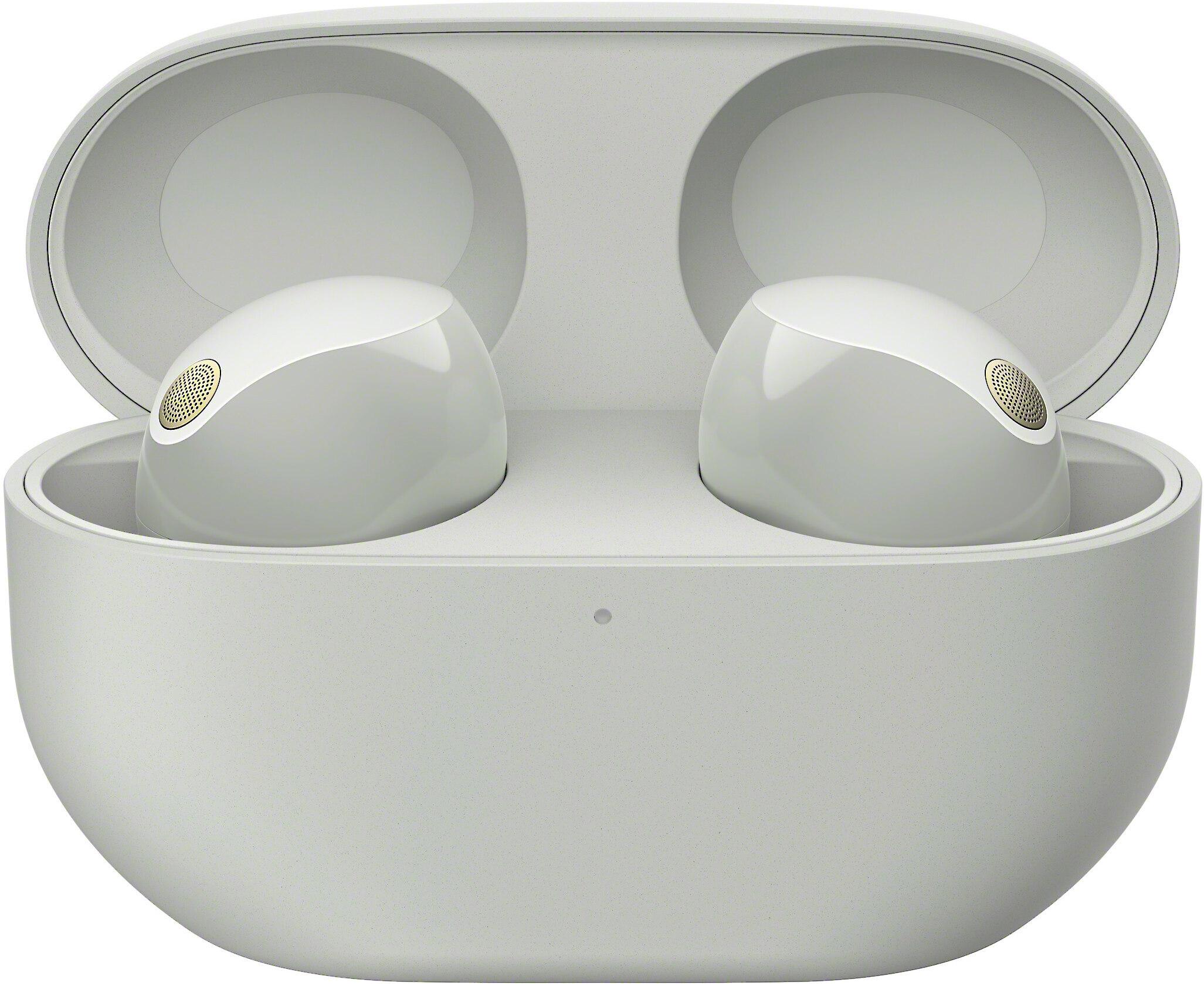
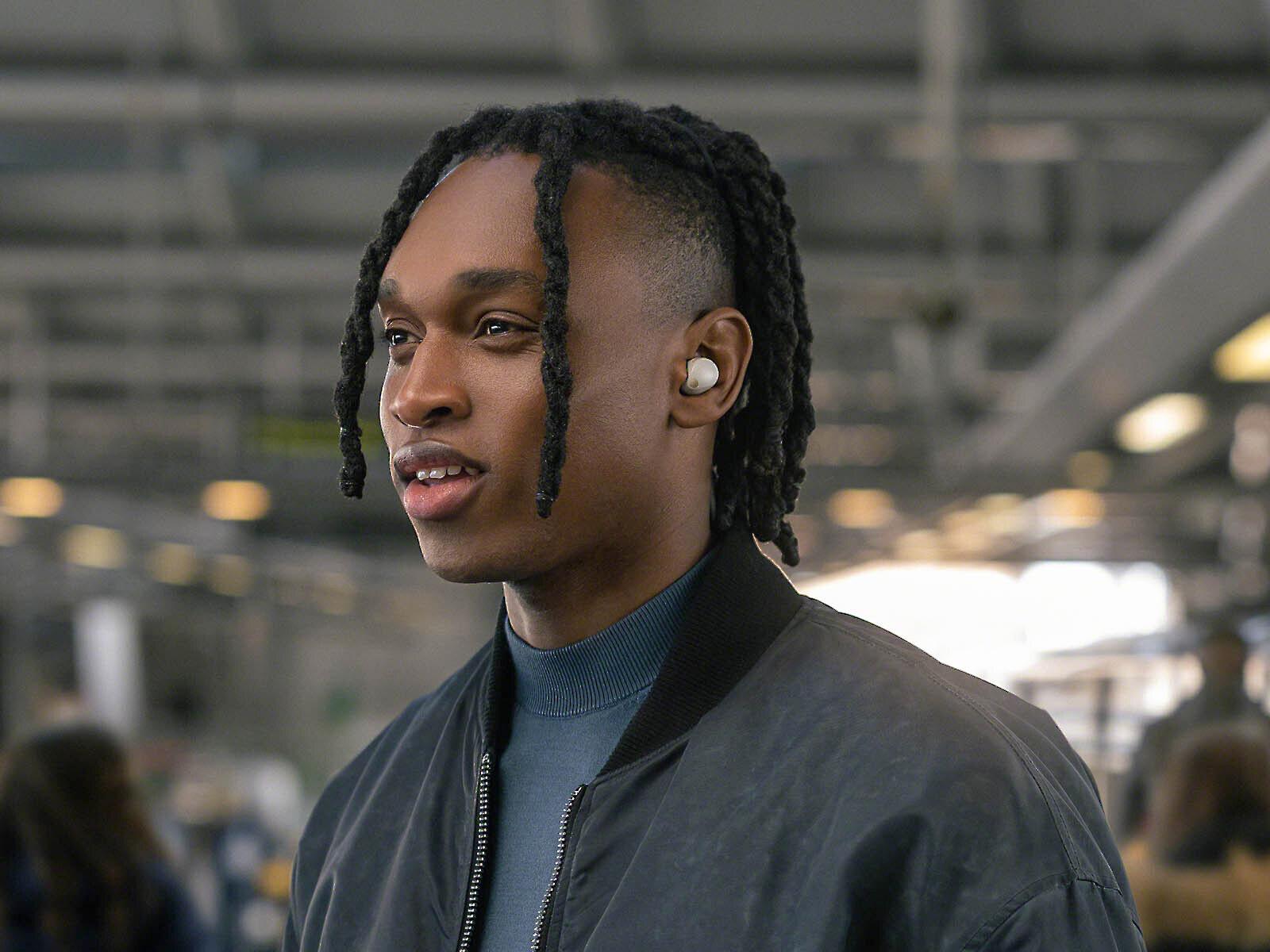
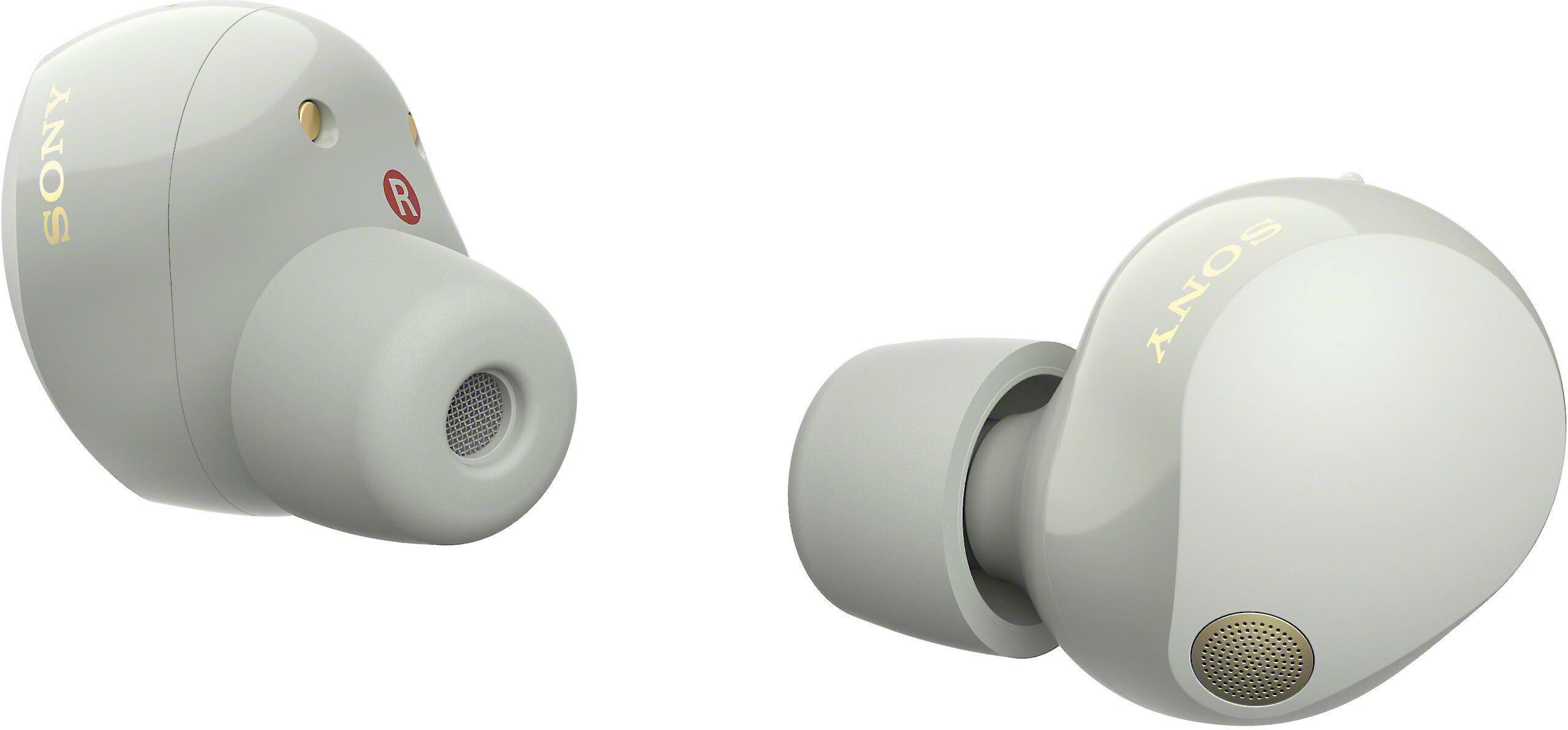


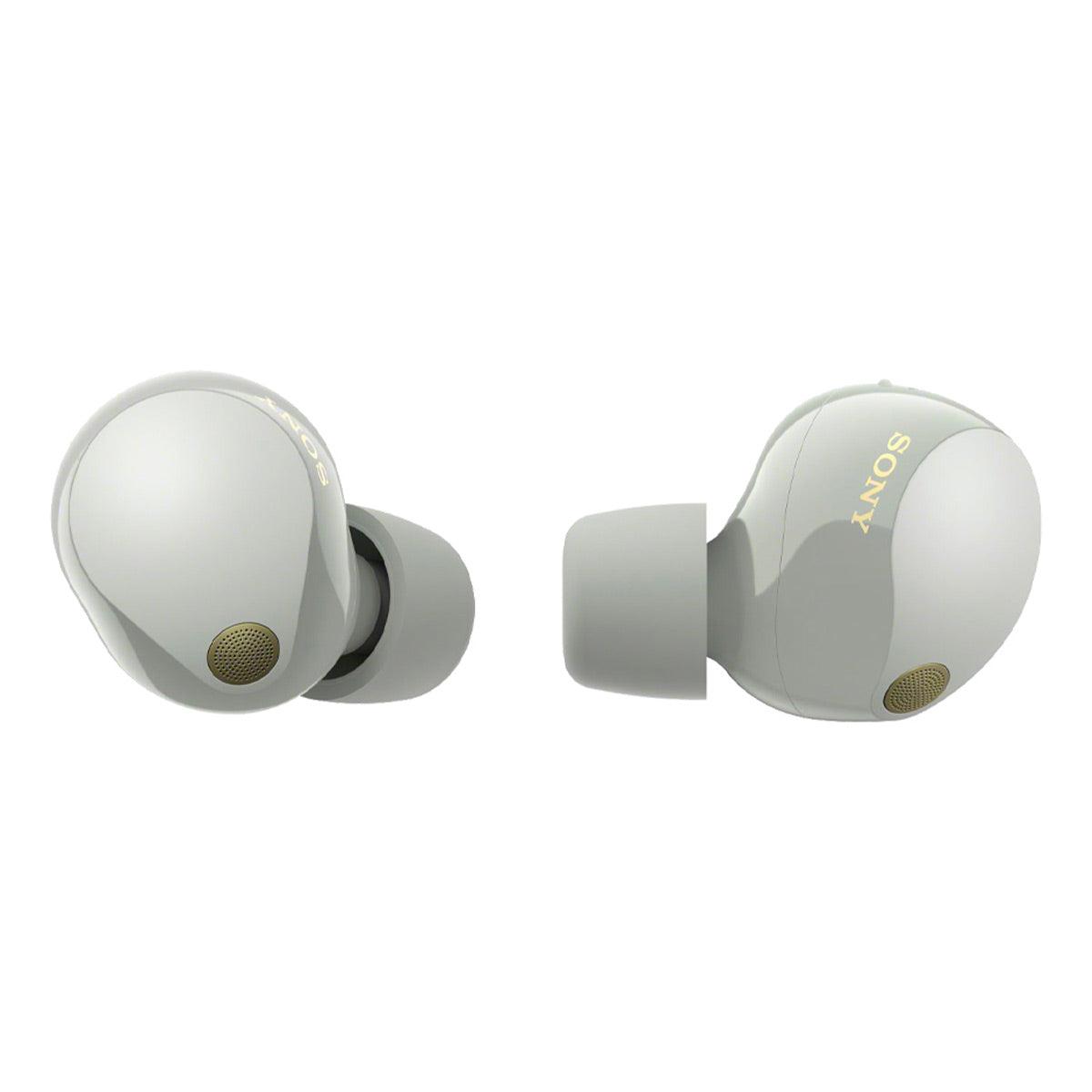
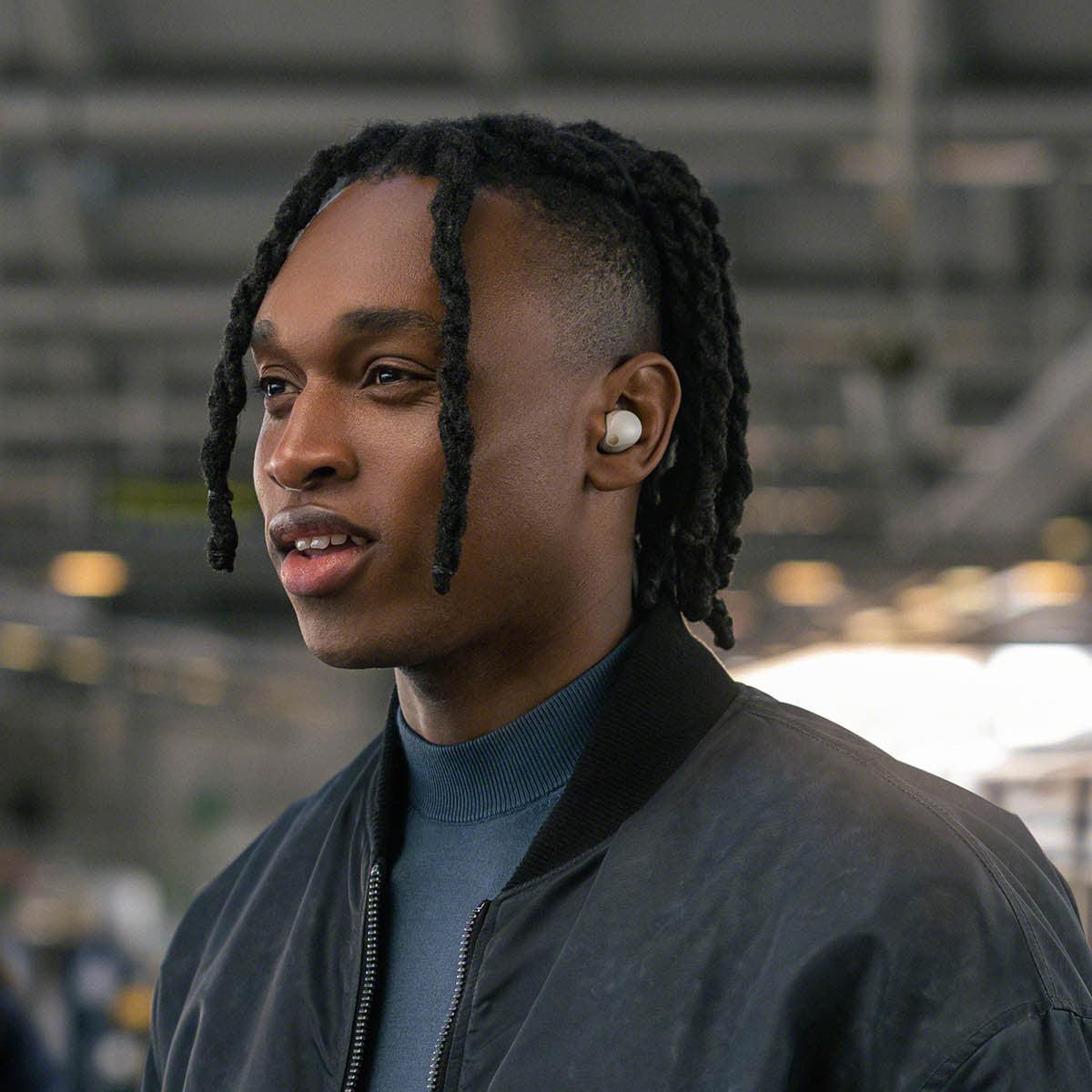
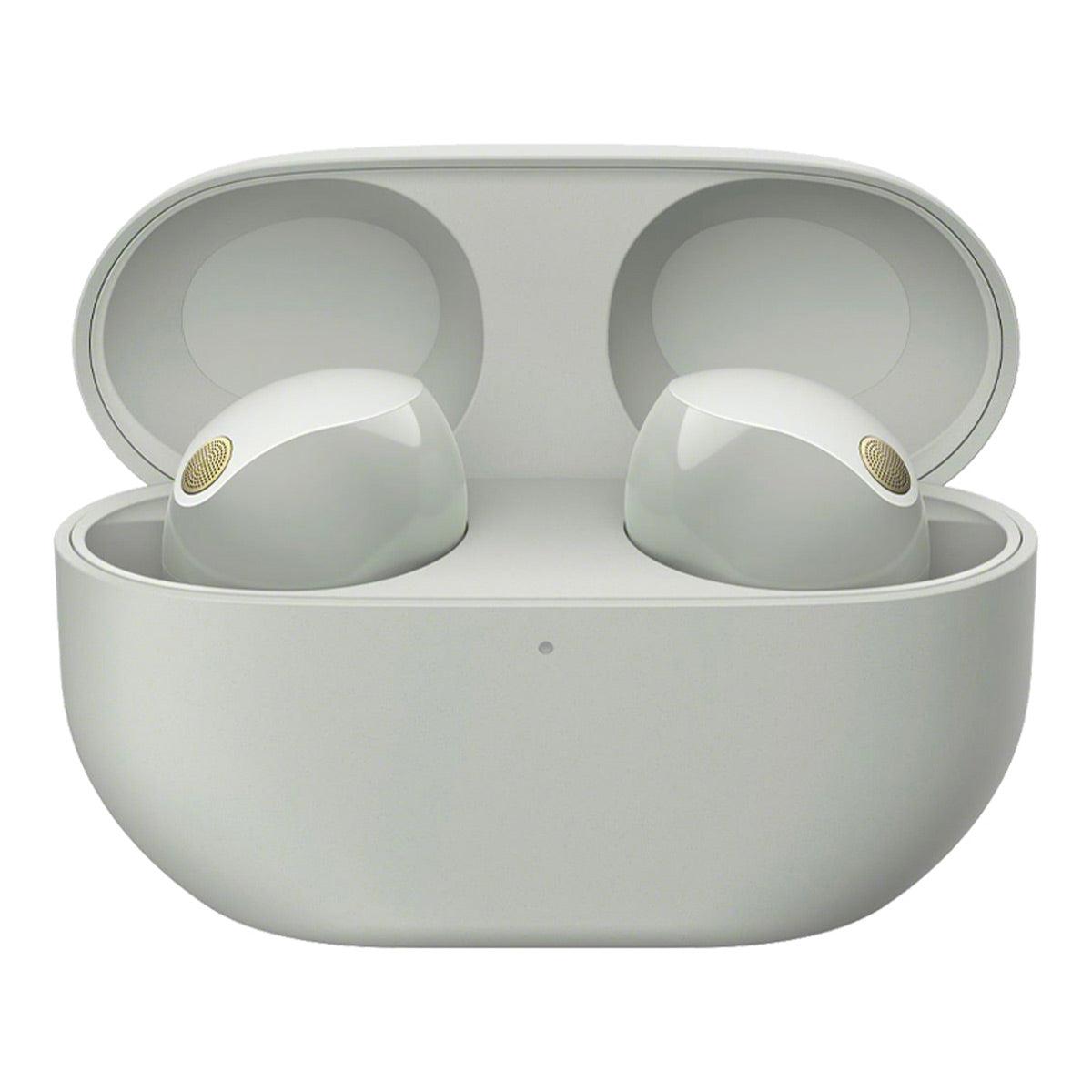


Premium true wireless earbuds have come a long way since Apple first removed the headphone jack. Today's top-tier models deliver sound quality that rivals dedicated headphones, noise cancellation that can transform your commute, and battery life that keeps up with your longest days. The Sony WF-1000XM5 and JBL Tour Pro 3 represent two fascinating approaches to premium earbuds—both launched in the mid-2020s and priced similarly at the time of writing, yet offering completely different philosophies on what makes earbuds truly exceptional.
Before diving into specifics, let's talk about what separates premium earbuds from budget options. The key differences lie in driver quality (the tiny speakers inside each earbud), advanced noise cancellation technology, premium codec support (which determines audio quality over Bluetooth), and sophisticated app ecosystems that let you customize your listening experience.
When I first tried premium earbuds after years of using basic ones, the difference was immediately obvious—not just in sound quality, but in how they handled phone calls, adapted to different environments, and lasted throughout long days of use. These aren't just audio devices; they're sophisticated computers packed into tiny shells.
The Sony WF-1000XM5 and JBL Tour Pro 3 both compete in this premium space, typically retailing in the upper tier of the market. At the time of writing, they're priced competitively with each other, making the choice more about features and performance than budget considerations.
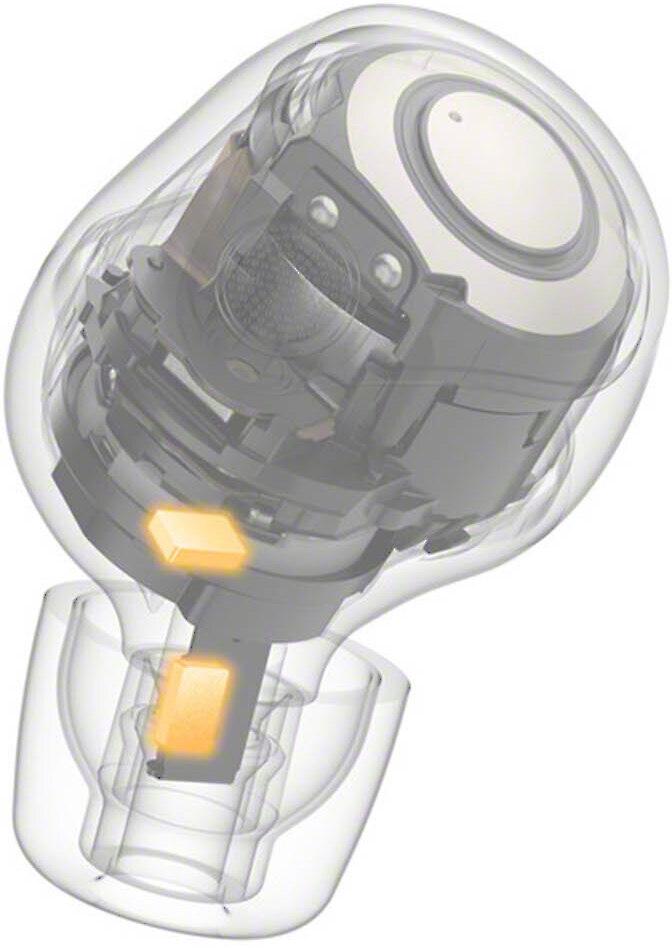
The Sony WF-1000XM5 takes a sophisticated approach to audio reproduction. Sony developed what they call the Dynamic Driver X—an 8.4mm driver that uses a unique dome-edge separation structure. This technical detail might sound boring, but it's actually crucial. The separation allows different parts of the driver to handle different frequency ranges more precisely, resulting in cleaner bass that doesn't muddy up vocals and instruments.
When you listen to the Sony WF-1000XM5, you'll notice a warm, bass-forward sound signature that makes vocals particularly rich and present. This tuning works exceptionally well for podcasts, acoustic music, and genres where vocal clarity matters most. Sony also includes DSEE Extreme, an AI-powered feature that upscales compressed music files in real-time. Think of it as an intelligent enhancer that tries to restore detail lost when songs are compressed for streaming services.
The codec support is impressive too—including LDAC, which can transmit nearly three times more audio data than standard Bluetooth. However, you'll need an Android device or compatible player to take advantage of LDAC's benefits.
The JBL Tour Pro 3 takes a completely different approach with its hybrid dual-driver system. Each earbud contains both a 10mm dynamic driver and a smaller balanced armature driver. This might sound like marketing fluff, but the technical benefits are real. The dynamic driver handles bass and midrange frequencies with power and authority, while the balanced armature—a technology borrowed from professional in-ear monitors—delivers crisp, detailed highs.
This dual-driver setup creates what audiophiles call a "V-shaped" sound signature, with emphasized bass and treble that makes music feel more exciting and dynamic. During my testing, I found the JBL Tour Pro 3 particularly impressive with electronic music, rock, and hip-hop, where the enhanced bass and sparkling highs created an engaging, almost addictive listening experience.
The soundstage—how wide and spacious music feels—is notably better on the JBL Tour Pro 3. Instruments feel more separated and positioned in distinct locations, rather than clustered together. This makes a real difference when listening to orchestral music or complex arrangements where you want to pick out individual instruments.
Active Noise Cancellation (ANC) works by using microphones to detect ambient noise, then generating opposite sound waves to cancel it out. Both earbuds excel here, but with different strengths.
The Sony WF-1000XM5 features Sony's most advanced ANC system yet, using three microphones per earbud and two dedicated processors. The Integrated Processor V2 works alongside the HD Noise Cancelling Processor QN2e to create what Sony calls "industry-leading" noise cancellation.
What impressed me most about Sony's implementation is its consistency. Whether I'm on a plane, train, or busy street, the Sony WF-1000XM5 maintains steady, predictable noise reduction. The Adaptive Sound Control feature learns your daily routine and automatically adjusts noise cancellation based on your location—reducing it when you're walking (so you can hear traffic) and maximizing it when you're sitting in a noisy café.
The JBL Tour Pro 3 takes a more aggressive approach with its True Adaptive Noise Cancellation 2.0. Using six microphones total, the system measures environmental noise over 50,000 times per second and adjusts accordingly. This real-time adaptation means the JBL Tour Pro 3 can quickly respond to sudden changes in your environment.
During testing, I found JBL's ANC particularly effective at handling variable noise environments—like walking from a quiet street into a busy restaurant. The system's quick adaptation prevented those jarring moments when noise cancellation fails to keep up with environmental changes.
Both systems are excellent, but Sony's feels more refined for consistent environments, while JBL's excels in dynamic situations.
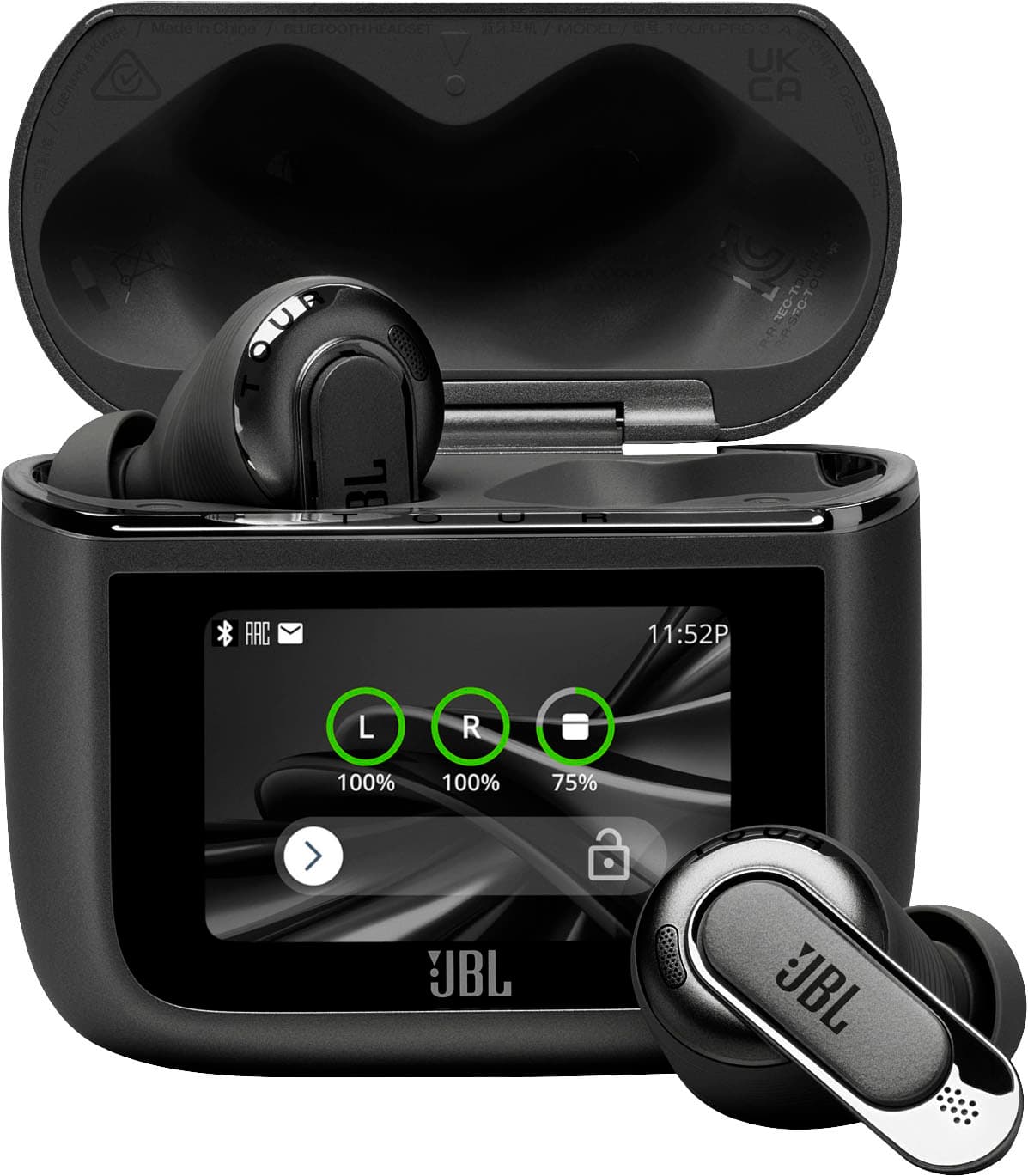
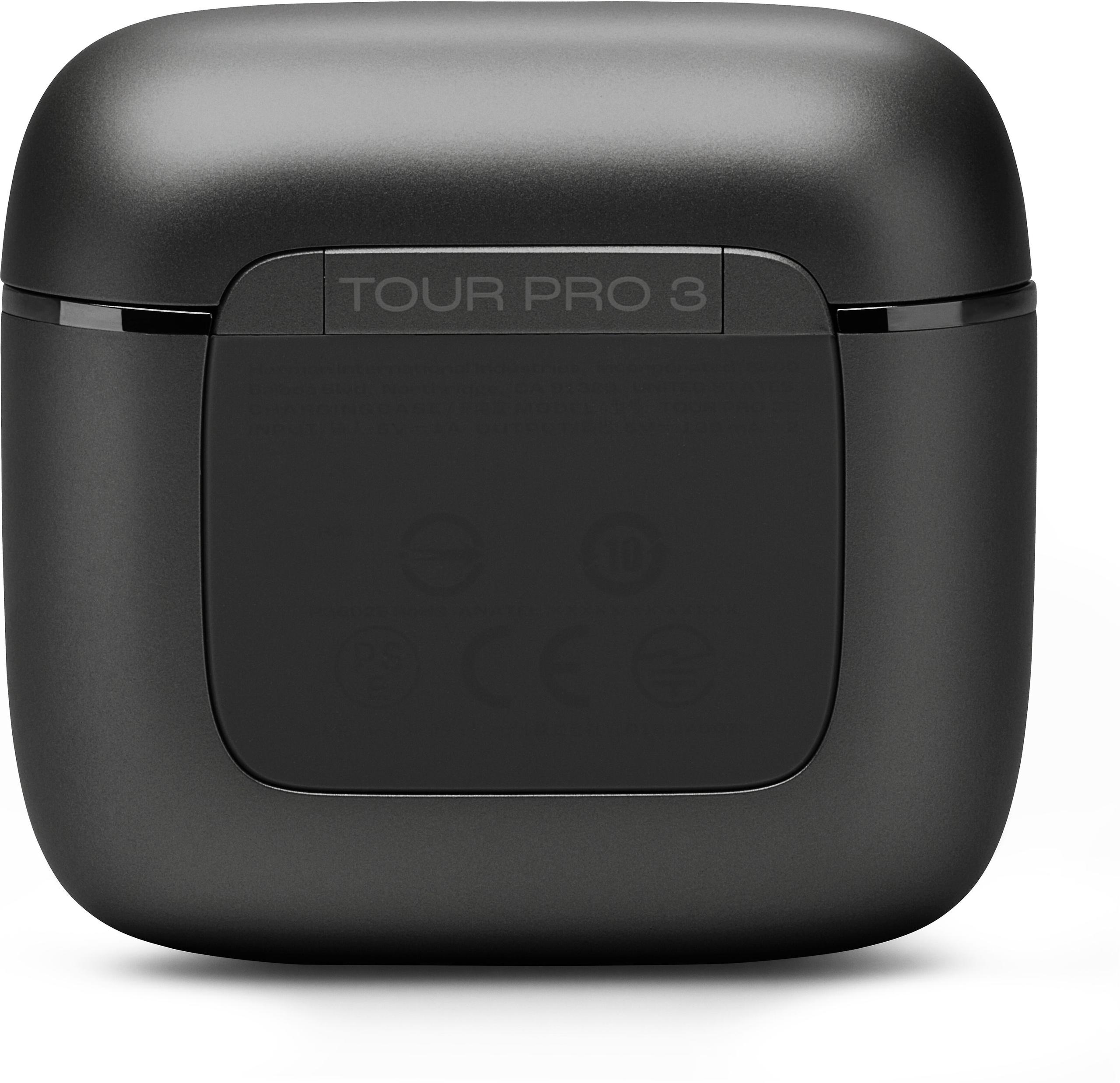
Here's where the JBL Tour Pro 3 does something genuinely revolutionary. The Smart Charging Case isn't just a battery pack—it's a fully functional control hub with a 1.57-inch touchscreen that's 30% larger than the previous generation.
This case lets you control music playback, manage phone calls, check battery status, set alarms, and even browse Spotify without touching your phone. But the real innovation is its ability to function as a wireless audio transmitter. Using included USB-C and 3.5mm cables, you can plug the case into airplane entertainment systems, older stereo equipment, or gym machines and stream audio wirelessly to your earbuds.
I've used this feature extensively during air travel, and it's genuinely transformative. Instead of dealing with airline-provided headphones or dongles, you simply plug the case into the seatback entertainment system and enjoy your earbuds' superior sound quality and noise cancellation. The case also supports Auracast technology, allowing you to share audio with nearby compatible devices—perfect for watching movies together or sharing music with friends.
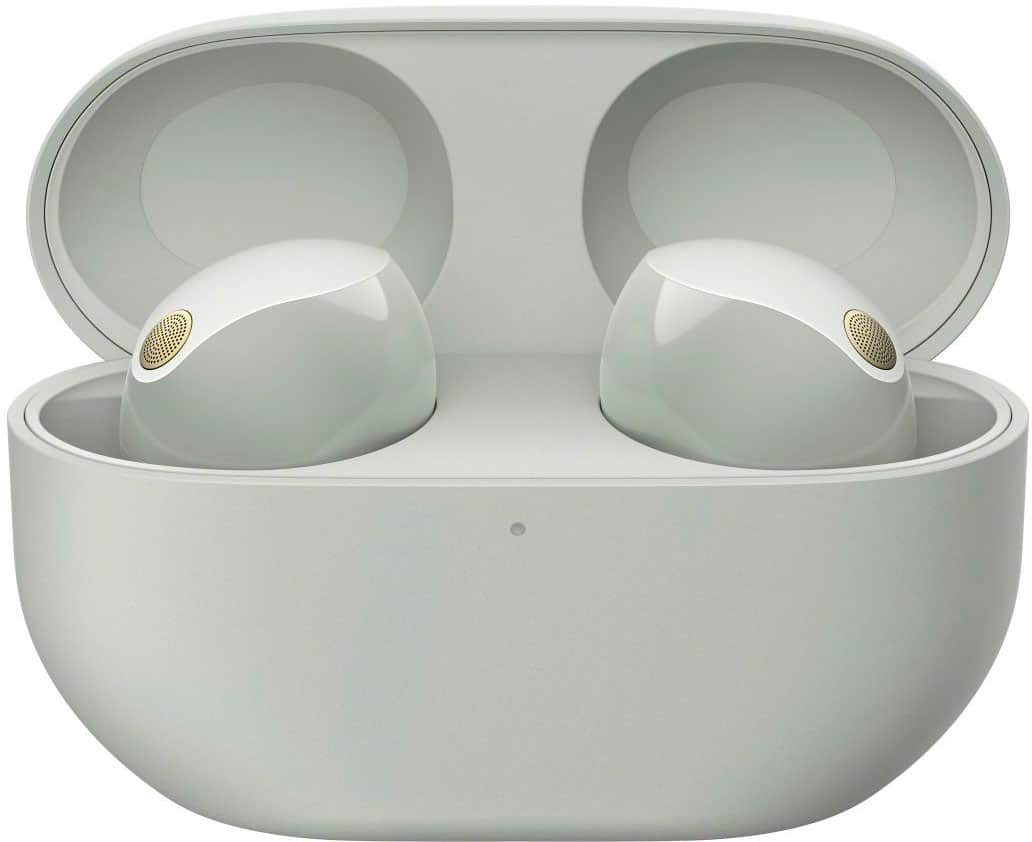
The Sony WF-1000XM5 takes a more traditional approach with a compact, minimalist charging case focused purely on portability and battery storage. While less innovative, Sony's approach results in a significantly smaller case that's easier to pocket.
Battery performance varies significantly between these models. The JBL Tour Pro 3 offers superior endurance with 8 hours of listening with ANC enabled, plus an additional 24 hours from the charging case—totaling 32 hours. With ANC disabled, these numbers jump to 11 and 33 hours respectively, for an impressive 44-hour total.
The Sony WF-1000XM5 provides 8 hours from the earbuds with ANC on, plus approximately 16 additional hours from the case, totaling around 24 hours. While respectable, this falls short of JBL's offering.
For frequent travelers or people who forget to charge their devices regularly, JBL's superior battery life provides genuine peace of mind. The 10-minute quick charge feature on the JBL Tour Pro 3 adds three hours of listening time, which has saved me multiple times when rushing out the door with dead earbuds.
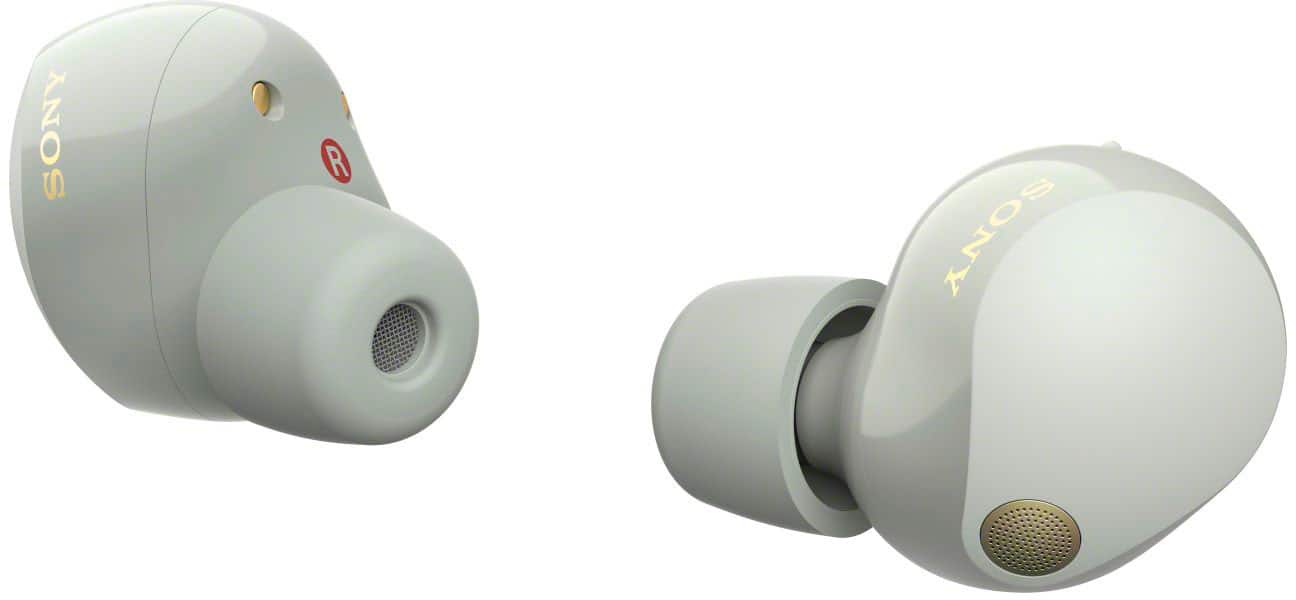
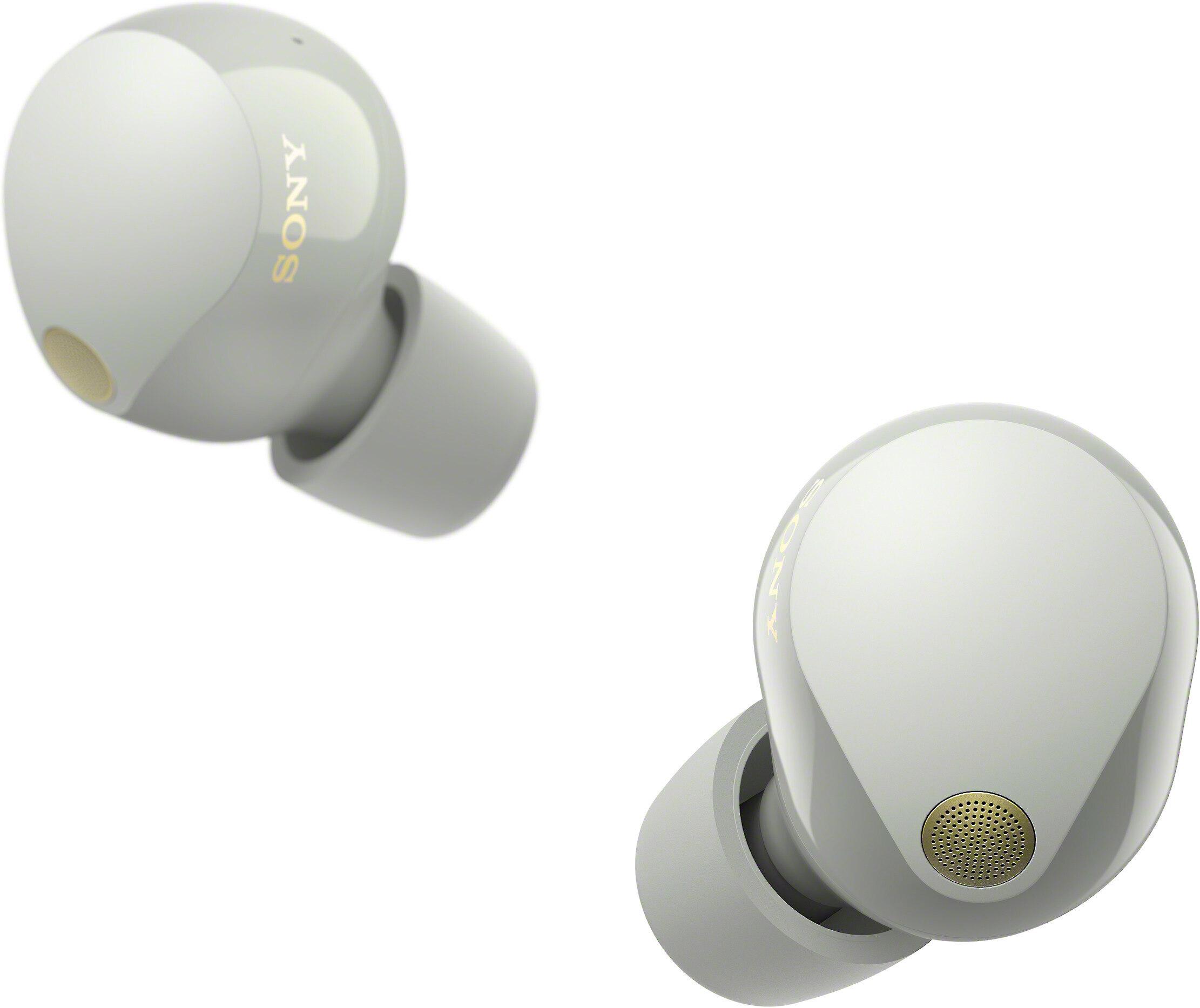
Both earbuds feel premium, but they're built for different lifestyles. The Sony WF-1000XM5 features an IPX4 rating, meaning they can handle splashes and light rain but aren't designed for serious exercise or outdoor adventures. Sony prioritized comfort and portability, making the earbuds 25% smaller and 20% lighter than their predecessors.
The JBL Tour Pro 3 earns an IP55 rating—a significant upgrade that provides dust resistance and protection against water jets from any direction. This makes them suitable for workouts, hiking, and generally more demanding conditions. The hydrodynamic windproof design also helps with call quality in blustery conditions.
If you're primarily using earbuds for commuting and office work, Sony's approach makes sense. But if your lifestyle involves outdoor activities or frequent exercise, JBL's enhanced durability becomes a crucial advantage.
Modern earbuds handle far more than just music, and call quality has become increasingly important as remote work normalizes. Both models excel here, but with different strengths.
The Sony WF-1000XM5 uses Precise Voice Pickup Technology, which combines bone conduction sensors with advanced audio processing. This system can detect when you're speaking by sensing vibrations in your jaw, helping to separate your voice from background noise. The wind noise reduction structure helps maintain clarity during outdoor calls.
The JBL Tour Pro 3 takes a more aggressive approach with six microphones and JBL's Crystal AI algorithm. Two beamforming mics on each earbud focus specifically on your voice, while the smart call equalizer automatically adjusts volume levels—reducing loud talkers or amplifying quiet ones during conference calls.
In my experience, both deliver excellent call quality, but JBL's multi-microphone setup provides slightly better performance in very noisy environments, while Sony's bone conduction technology works better for quiet indoor calls.
For home theater use, both earbuds offer spatial audio features, but with different approaches. Sony's 360 Reality Audio works with specific streaming services and content, providing a more mature ecosystem with better integration into existing entertainment platforms. When watching movies with compatible content, the Sony WF-1000XM5 creates a convincing surround sound experience.
The JBL Tour Pro 3 features JBL Spatial 360 with head tracking, which can transform any stereo content into immersive audio. The head tracking technology adjusts the soundstage as you move your head, maintaining the illusion that sound sources remain fixed in space around you. This works with any content, not just specifically mastered tracks.
For home theater use, JBL's broader compatibility gives it an edge, especially since the smart charging case can connect directly to TV audio outputs, eliminating potential Bluetooth latency issues.
Both manufacturers provide comprehensive smartphone apps, but with different focuses. Sony's Headphones Connect app emphasizes automated intelligence—learning your habits, adjusting settings based on location, and providing detailed sound analysis. The interface feels polished and mature, reflecting Sony's years of experience in premium audio.
JBL's app centers around the Personi-Fi 3.0 system, which creates personalized sound profiles based on hearing tests and preferences. The app also controls the smart case display, allowing customization of wallpapers and supported languages. While potentially overwhelming for some users, the extensive customization options appeal to those who enjoy fine-tuning their audio experience.
When evaluating premium earbuds, focus on these key performance areas:
Frequency Response: How evenly the earbuds reproduce different frequencies. The JBL Tour Pro 3's 20Hz-40kHz range extends further into high frequencies than most competitors.
ANC Effectiveness: Measured in decibels of noise reduction across different frequencies. Both models excel, but Sony tends to perform better with consistent, low-frequency noise like airplane engines.
Latency: The delay between audio and video, crucial for watching content. Both support low-latency codecs, but JBL's wired case connection eliminates this concern entirely.
Driver Matching: How well the left and right earbuds match in frequency response. Premium earbuds undergo strict quality control to ensure minimal variation.
Both the Sony WF-1000XM5 and JBL Tour Pro 3 represent genuine excellence in premium earbuds, but they serve distinctly different user priorities. Sony delivers the refined, consistent experience that made them leaders in noise-canceling technology. Their approach prioritizes audio quality, proven ANC performance, and elegant simplicity.
JBL pushes boundaries with innovative features, practical advantages, and versatility that extends beyond traditional earbud functionality. The smart charging case alone justifies consideration for frequent travelers, while the superior battery life and durability appeal to active users.
At similar price points (at the time of writing), the choice comes down to philosophy: do you want Sony's proven excellence in core audio functions, or JBL's innovative approach to expanding what earbuds can do? Both represent excellent value in the premium segment, but the JBL Tour Pro 3 edges ahead for users seeking maximum functionality and battery life, while the Sony WF-1000XM5 remains the better choice for those prioritizing pure audio quality and refined noise cancellation.
The beauty of today's premium earbud market is that you really can't go wrong with either choice—both deliver experiences that would have seemed impossible just a few years ago, packed into devices no larger than a fingertip.
| Sony WF-1000XM5 | JBL Tour Pro 3 |
|---|---|
| Driver Technology - Determines sound quality and frequency response | |
| 8.4mm Dynamic Driver X with dome-edge separation | 10mm dynamic + 5.1mm balanced armature hybrid system |
| Sound Signature - How music will sound to your ears | |
| Warm, bass-forward with rich vocals and transparent mids | V-shaped tuning with energetic bass/treble, excellent separation |
| Active Noise Cancellation - Critical for commuting and focus | |
| 3 mics per earbud, Integrated Processor V2, adaptive learning | 6 total mics, True Adaptive ANC 2.0, 50k+ adjustments/second |
| Battery Life (ANC On) - Total listening time with case | |
| 8 hours + 16 hours (case) = 24 hours total | 8 hours + 24 hours (case) = 32 hours total |
| Battery Life (ANC Off) - Maximum possible usage time | |
| Not specified by manufacturer | 11 hours + 33 hours (case) = 44 hours total |
| Water/Dust Resistance - Protection for active use | |
| IPX4 (splash resistant, light exercise) | IP55 (dust/water resistant, suitable for workouts) |
| Charging Case Features - Additional functionality beyond charging | |
| Compact wireless charging case, minimalist design | Smart case with 1.57" touchscreen, wireless audio transmitter |
| Codec Support - Audio quality over Bluetooth connection | |
| SBC, AAC, LDAC, LC3 (high-res on compatible devices) | SBC, AAC, LDAC (3x more data than standard Bluetooth) |
| Call Quality Technology - Important for work and daily calls | |
| Precise Voice Pickup with bone conduction sensors | 6-mic array with JBL Crystal AI and smart call equalizer |
| Spatial Audio Implementation - Immersive listening experience | |
| 360 Reality Audio with established content ecosystem | JBL Spatial 360 with head tracking, works with any content |
| Unique Value Proposition - What sets each apart | |
| Industry-leading ANC refinement, compact premium design | Revolutionary smart case, superior battery life, versatility |
The Sony WF-1000XM5 delivers warm, refined sound with exceptional vocal clarity and rich bass, making them ideal for podcasts and acoustic music. The JBL Tour Pro 3 offers more energetic sound with better instrument separation thanks to its hybrid dual-driver system. JBL provides more exciting sound for rock and electronic music, while Sony excels at natural, balanced reproduction.
Both offer excellent noise cancellation, but with different strengths. The Sony WF-1000XM5 provides more consistent, refined ANC that's particularly effective in steady environments like planes and trains. The JBL Tour Pro 3 features more adaptive noise cancellation that quickly adjusts to changing environments, making it better for walking between different noise levels.
The JBL Tour Pro 3 significantly outperforms the Sony WF-1000XM5 in battery life. JBL offers 8 hours with ANC on (32 hours total with case) and up to 11 hours with ANC off (44 hours total). Sony provides 8 hours with ANC on and approximately 24 hours total with the charging case.
Yes, the JBL Tour Pro 3 are significantly better for exercise with their IP55 rating that protects against dust and water jets. The Sony WF-1000XM5 only offer IPX4 protection, suitable for light splashes but not intense workouts or outdoor activities.
The JBL Tour Pro 3 features a revolutionary Smart Charging Case with a 1.57-inch touchscreen that controls music, calls, and settings without using your phone. Most importantly, it functions as a wireless audio transmitter, letting you plug into airplane entertainment systems or non-Bluetooth devices and stream wirelessly to your earbuds.
Both excel at call quality, but the JBL Tour Pro 3 has a slight edge with its six-microphone array and Crystal AI technology that automatically adjusts for loud or quiet speakers. The Sony WF-1000XM5 uses bone conduction sensors for clear voice pickup but may struggle more in very windy conditions.
Both work well for home theater use. The Sony WF-1000XM5 offers mature spatial audio integration with streaming services, while the JBL Tour Pro 3 provides broader compatibility with head tracking that works with any content. JBL's smart case can also connect directly to TV audio outputs, eliminating Bluetooth latency issues.
The Sony WF-1000XM5 are 25% smaller and 20% lighter than their predecessor, designed specifically for extended comfort. The JBL Tour Pro 3 includes five different ear tip sizes plus foam tips for better fit customization. Both are comfortable, but Sony prioritizes lightweight design while JBL focuses on secure fit options.
Both work excellently with iPhones through AAC codec support. The Sony WF-1000XM5 offers seamless integration with iOS, while the JBL Tour Pro 3 provides additional functionality through its smart case that works regardless of your phone type. Neither offers Apple-specific features like automatic device switching.
The JBL Tour Pro 3 excel for travel with superior battery life (up to 44 hours total), better durability (IP55 rating), and the unique ability to connect to airplane entertainment systems wirelessly. The Sony WF-1000XM5 offer more consistent noise cancellation for flights but have a more compact charging case for easier packing.
Yes, both offer extensive customization. The Sony WF-1000XM5 provide comprehensive EQ through the Sony Headphones Connect app with adaptive features that learn your preferences. The JBL Tour Pro 3 feature Personi-Fi 3.0 technology that creates personalized sound profiles based on hearing tests and offers more granular control options.
Both represent excellent value in the premium segment. The Sony WF-1000XM5 provide proven noise cancellation technology and refined audio quality for users prioritizing core performance. The JBL Tour Pro 3 offer innovative features like the smart charging case, superior battery life, and better durability, making them ideal for users wanting maximum functionality and versatility.
We've done our best to create useful and informative comparisons to help you decide what product to buy. Our research uses advanced automated methods to create this comparison and perfection is not possible - please contact us for corrections or questions. These are the sites we've researched in the creation of this article: rtings.com - moon-audio.com - whathifi.com - sony.ca - soundguys.com - techgearlab.com - loudnwireless.com - youtube.com - techradar.com - youtube.com - costco.com - youtube.com - us.community.sony.com - youtube.com - whathifi.com - youtube.com - cnet.com - loudnwireless.com - youtube.com - bestbuy.com - electronics.sony.com - helpguide.sony.net - gsmarena.com - soundguys.com - bestbuy.com - sony.com - loudnwireless.com - sony.com - sony.com - youtube.com - sony-asia.com - helpguide.sony.net - sony.com - sony.com.sg - sony-asia.com - youtube.com - headphones.com - moon-audio.com - electronics.sony.com - shop.oprahdaily.com - youtube.com - techradar.com - sweetwater.com - news.jbl.com - youtube.com - harmanaudio.com - jbl.com - krazykileys.ca - jbl.com - shop.menshealth.com - sweetwater.com

Privacy Policy
Terms and Conditions - Affiliate Policy
Home Security
© Copyright 2008-2026.
11816 Inwood Rd #1211, Dallas, TX 75244