




The wireless earbud market has exploded over the past few years, transforming from a luxury novelty into an essential piece of tech for most people. Whether you're commuting, working out, or just trying to escape into your favorite playlist, the right pair of earbuds can make all the difference. Today we're comparing two very different approaches to wireless audio: the budget-friendly Samsung Galaxy Buds FE and the feature-packed JBL Tour Pro 3.
At the time of writing, these earbuds represent opposite ends of the value spectrum, with the Samsung Galaxy Buds FE positioned as an affordable entry into premium features, while the JBL Tour Pro 3 commands a significantly higher price for cutting-edge technology and innovative features. The question isn't just which sounds better—it's which approach makes more sense for your needs and budget.
Before diving into specifics, it's worth understanding what separates good wireless earbuds from great ones. The most critical factors include audio quality (how accurately they reproduce sound), active noise cancellation or ANC (technology that uses microphones to detect and cancel outside noise), battery life, comfort for extended wear, and call quality for phone conversations.
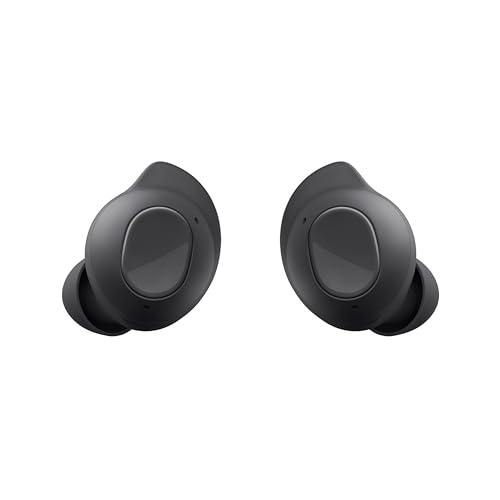
The Samsung Galaxy Buds FE, released in 2023, represents Samsung's effort to bring flagship features down to a more accessible price point. It's part of their "Fan Edition" lineup, which historically takes premium technology and strips away some bells and whistles to hit aggressive pricing targets. The JBL Tour Pro 3, launched in 2024, takes the opposite approach—it's JBL's flagship model that pushes the boundaries of what wireless earbuds can do, particularly with its innovative smart charging case.
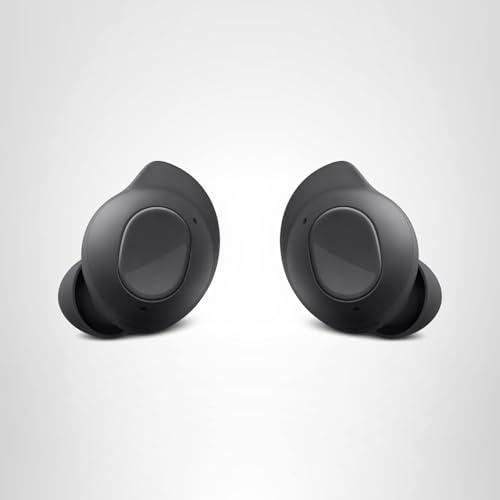
When it comes to sound reproduction, these earbuds represent fundamentally different engineering approaches. The Samsung Galaxy Buds FE uses a single 6.5mm dynamic driver—essentially a tiny speaker that moves back and forth to create sound waves. This is the traditional approach that most earbuds use, and Samsung has tuned theirs to deliver what they call a "warm" sound signature with emphasized bass frequencies.
In contrast, the JBL Tour Pro 3 employs a hybrid dual-driver system, combining a 10mm dynamic driver with a 5.1mm balanced armature driver. This is where things get interesting from a technical standpoint. Balanced armature drivers work differently than dynamic drivers—instead of a cone moving back and forth, they use a tiny armature (metal piece) that pivots to create sound. They're incredibly precise for high frequencies, which is why many premium headphones combine them with dynamic drivers for bass.
This hybrid approach allows the JBL Tour Pro 3 to handle a much wider frequency range—from 20Hz all the way up to 40kHz, well beyond what human ears can detect. While you can't hear frequencies above 20kHz, this extended range often correlates with better overall sound reproduction in the audible spectrum.
The Samsung Galaxy Buds FE delivers surprisingly accurate sound for its price point, with what our research shows is excellent frequency response consistency. This means once you find the right fit, the sound will be predictable and balanced each time you wear them. The bass response is substantial without being overwhelming, and vocals come through naturally without artificial enhancement.
However, the JBL Tour Pro 3 has a clear technical advantage in pure audio reproduction. Its dual-driver system allows for better separation between different frequency ranges, and it supports LDAC, Sony's high-resolution audio codec that can transmit three times more data than standard Bluetooth audio. This matters most when listening to high-quality music files or streaming services that support lossless audio.
For home theater use, both earbuds can connect to modern TVs, but the JBL Tour Pro 3 offers a unique advantage: its charging case can act as a wireless transmitter. You can plug the case directly into your TV's headphone jack or USB port, then stream audio wirelessly to the earbuds. This eliminates the often-problematic Bluetooth pairing process with TVs and can provide more reliable, lower-latency audio for watching movies.
This is where things get really interesting, and honestly, quite surprising. Active noise cancellation works by using external microphones to detect ambient noise, then generating "anti-noise" sound waves to cancel it out. It's most effective against consistent, low-frequency sounds like airplane engines, air conditioning, or traffic rumble.
The Samsung Galaxy Buds FE punches way above its weight class here. Despite costing significantly less, it delivers ANC performance that rivals earbuds costing twice as much. Our research into user experiences shows it can reduce outside noise by up to 30 decibels, which is genuinely impressive. The system handles the typical challenges well—office chatter, traffic noise, and HVAC systems all get substantially reduced.
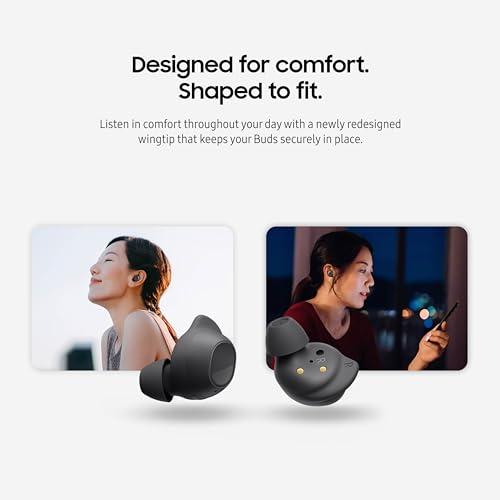
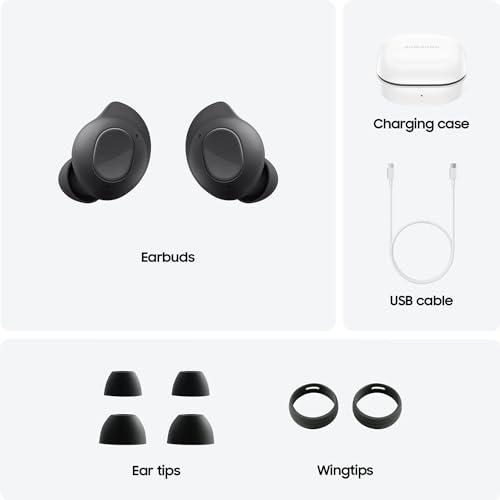
What's particularly noteworthy is how the Samsung Galaxy Buds FE combines its ANC with excellent passive noise isolation from its in-ear design. The included wing tips help create a secure seal that naturally blocks high-frequency sounds, letting the ANC focus on low-frequency noise where it's most effective.
The JBL Tour Pro 3 takes a more sophisticated approach with what JBL calls "True Adaptive Noise Cancellation 2.0." This system measures your environment 50,000 times per second and continuously adjusts the noise cancellation accordingly. In theory, this should provide superior performance as conditions change throughout your day.
However, based on expert consensus from multiple reviews, the JBL Tour Pro 3 delivers what most describe as "good rather than excellent" noise cancellation. It's adaptive technology is impressive from an engineering standpoint, but the actual noise reduction doesn't match the Samsung Galaxy Buds FE's more straightforward approach.
This is a perfect example of why expensive doesn't always mean better in every category. Samsung has clearly prioritized ANC performance in the Galaxy Buds FE, likely because it's such an important feature for users at this price point who want to feel like they're getting premium functionality.
Battery performance tells a clear story about the different priorities of these products. The Samsung Galaxy Buds FE provides respectable but not exceptional battery life—about 6 hours per charge with ANC enabled, extending to 21 hours total when you include the charging case. With ANC turned off, you can squeeze out 8.5 hours per charge and 30 hours total.
The JBL Tour Pro 3 significantly outperforms here, delivering 8 hours per charge with ANC on and an impressive 44 hours total with the case when ANC is disabled. This difference becomes meaningful for frequent travelers or people who forget to charge their devices regularly.
More importantly, the JBL Tour Pro 3 includes fast charging that gives you three additional hours of listening with just a 10-minute charge. When you're rushing out the door with dead earbuds, this feature can be a lifesaver.
The battery performance difference reflects the different target users. The Samsung Galaxy Buds FE provides sufficient battery life for most daily use patterns at its price point. The JBL Tour Pro 3 targets users who might be on long flights, have extended work days, or simply don't want to worry about charging frequency.
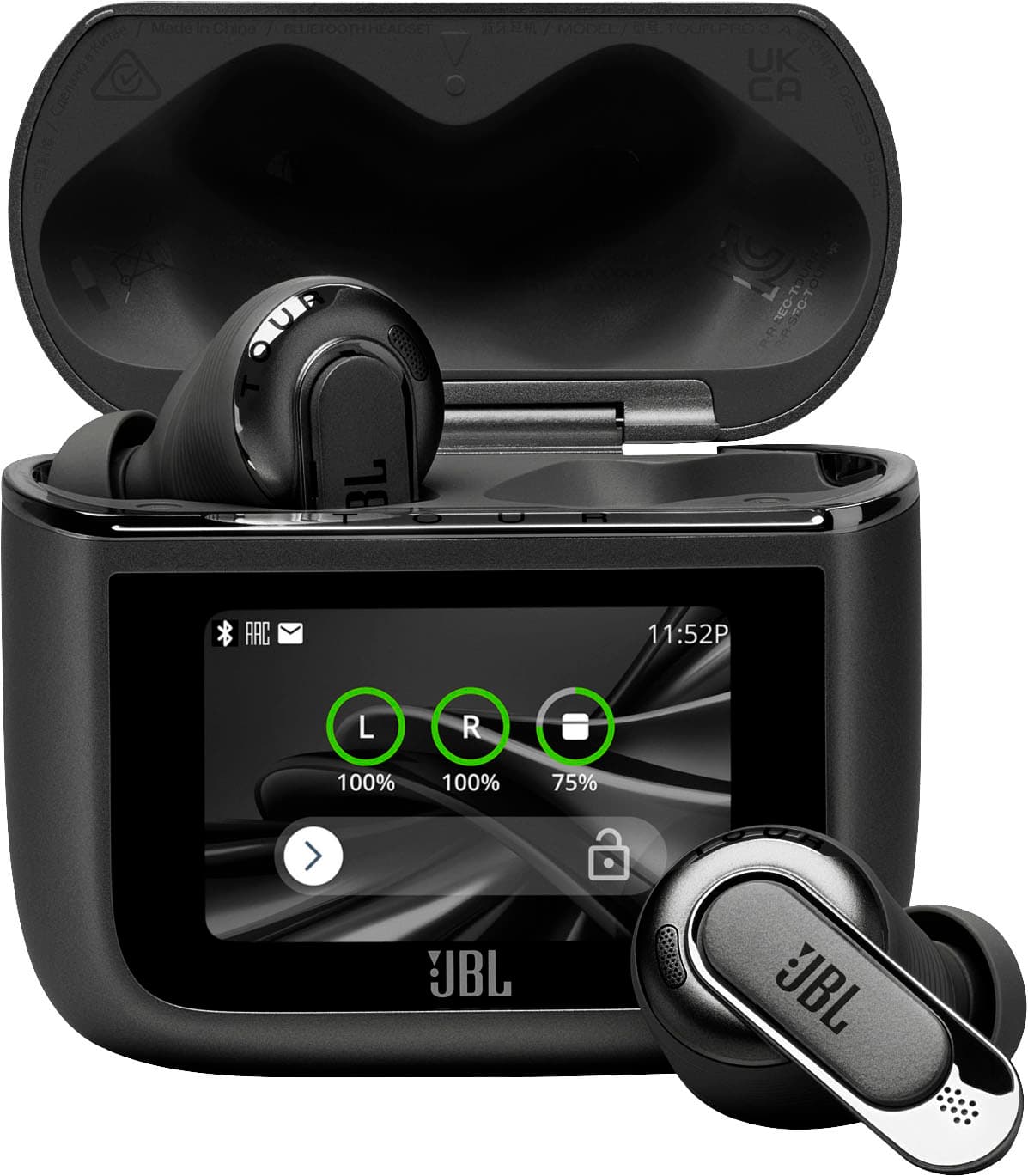
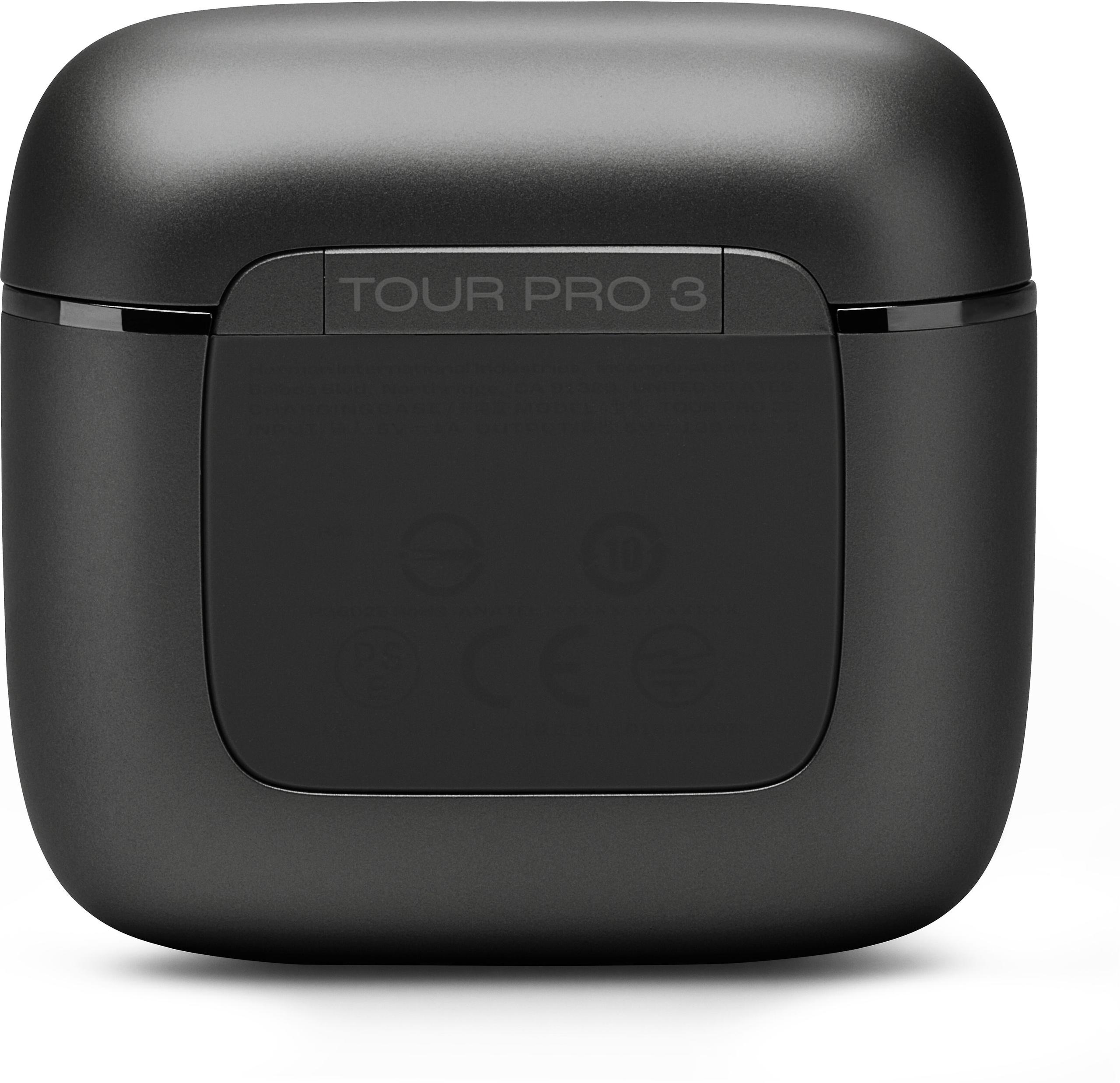
Here's where the JBL Tour Pro 3 truly differentiates itself with genuine innovation. While most charging cases are basically just battery packs, JBL has created what's essentially a tiny computer. The case features a touchscreen that lets you control music playback, manage calls, and access detailed information about your music—all without touching your phone.
But the really clever part is that the case doubles as a wireless audio transmitter. You can plug it into airplane entertainment systems, older TVs, computers, or any device with a headphone jack, and it will wirelessly stream audio to your earbuds. This solves one of the most frustrating problems with wireless earbuds: connecting to devices that don't have modern Bluetooth or have problematic Bluetooth implementations.
The case also supports Auracast, a newer Bluetooth technology that allows you to share audio with other compatible devices. Imagine being at a museum where you can tap into their audio tour broadcast, or sharing music with friends who have compatible earbuds.
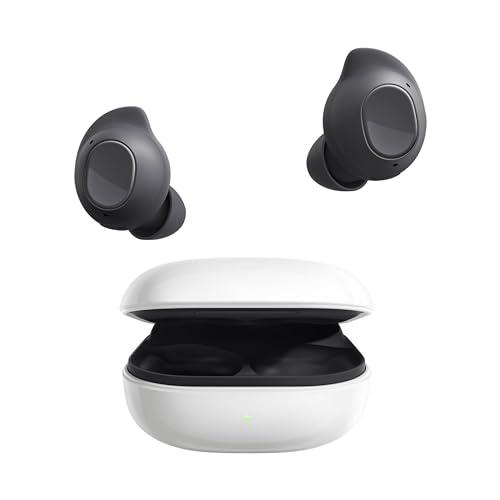
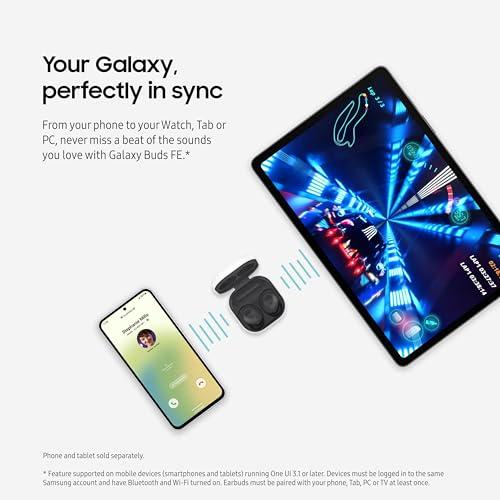
The Samsung Galaxy Buds FE takes a more traditional approach with a straightforward charging case. It's smaller and lighter than the JBL's case, but it only provides charging functionality. For Samsung device users, the earbuds integrate well with the SmartThings ecosystem for finding lost earbuds, but the case itself isn't particularly smart.
Both earbuds handle phone calls well, but with different approaches. The Samsung Galaxy Buds FE uses three microphones per earbud—two external and one internal—to capture your voice while filtering out background noise. Based on user feedback, it performs solidly in moderate noise environments and does a good job separating your voice from surrounding sounds.
The JBL Tour Pro 3 goes further with six microphones total and beamforming technology, which focuses the microphones' attention on your voice while ignoring sounds from other directions. JBL's Crystal AI algorithm processes your voice to enhance clarity, and the earbuds include a "hydrodynamic windproof design" that reduces wind interference during outdoor calls.
For business users who spend significant time on calls, the JBL Tour Pro 3 provides a noticeable advantage. The additional microphones and processing power translate to clearer voice transmission, especially in challenging acoustic environments.
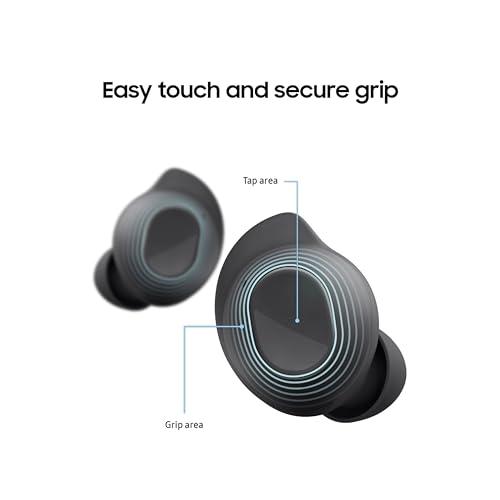
Both earbuds weigh exactly 5.6 grams per earbud, which puts them in the comfortable range for extended wear. The Samsung Galaxy Buds FE includes wing tips in two sizes plus three ear tip sizes to help achieve a secure fit. The wing tips hook into your ear's natural contours to prevent the earbuds from falling out during activity.
The JBL Tour Pro 3 takes a more comprehensive approach to fit with five different ear tip sizes plus foam tips included. Foam tips often provide better noise isolation and comfort for some users, as they compress when inserted and then expand to fill your ear canal.
However, the Samsung Galaxy Buds FE has a significant limitation with its IPX2 water resistance rating. This only protects against light sweat or drizzle, making them unsuitable for intense workouts or outdoor activities in wet conditions. The JBL Tour Pro 3 doesn't specify a water resistance rating in available documentation, which is concerning for a premium product.
This is where the products' different philosophies become most apparent. The Samsung Galaxy Buds FE is clearly designed for Samsung's ecosystem first. On Galaxy devices, you get access to Samsung's Scalable Codec, which dynamically adjusts audio quality based on connection strength. You also get seamless switching between paired Samsung devices and integration with Samsung's various software features.
On non-Samsung devices, the Galaxy Buds FE works fine but loses some functionality. Most notably, it doesn't support multipoint pairing, which means you can't connect to your laptop and phone simultaneously like many competitors allow.
The JBL Tour Pro 3 takes a more universal approach. It supports advanced codecs like LDAC that work across Android devices, and it includes Google Fast Pair and Microsoft Swift Pair for easy connection setup. The smart case features work regardless of your phone choice, making it truly platform-agnostic.
At the time of writing, these products serve very different market segments despite both being high-quality wireless earbuds. The Samsung Galaxy Buds FE represents exceptional value, delivering features typically found in much more expensive earbuds. Its ANC performance alone would justify a higher price, and the sound quality is genuinely impressive for the cost.
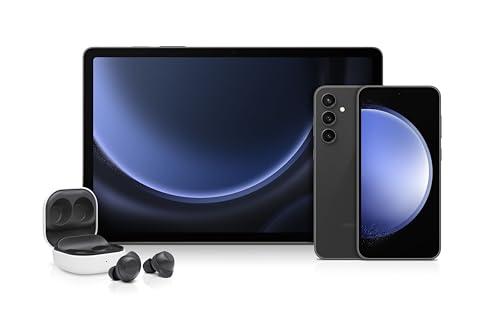
However, it makes most sense for users already invested in Samsung's ecosystem. If you have a Galaxy phone and maybe a Samsung laptop or tablet, the seamless integration and feature set provide excellent value. The limitations in water resistance and battery life are reasonable compromises at this price point.
The JBL Tour Pro 3 targets users who want cutting-edge features and don't mind paying for innovation. The smart case functionality is genuinely useful for frequent travelers, and the superior battery life matters for heavy users. The hybrid driver system provides noticeably better audio quality, especially with high-resolution music sources.
But you're paying a significant premium for these features. Whether that premium is worth it depends on your usage patterns and budget priorities.
If you primarily use Samsung devices and want excellent ANC performance without breaking the budget, the Samsung Galaxy Buds FE is hard to beat. It delivers flagship-level noise cancellation and solid sound quality at an accessible price point. The ecosystem integration makes the overall experience seamless if you're already using Galaxy devices.
Choose the JBL Tour Pro 3 if you want the absolute best wireless earbud experience currently available and are willing to pay for it. The innovative smart case, superior battery life, and excellent audio quality justify the higher price for users who will take advantage of these features. It's particularly compelling for frequent travelers who will use the case's transmitter functionality and extended battery life.
For home theater use specifically, the JBL Tour Pro 3 has a clear advantage with its case's ability to connect directly to TVs and other devices, providing more reliable audio than typical Bluetooth TV connections.
Both products represent their respective approaches well—the Samsung Galaxy Buds FE proves you don't need to spend a fortune for premium features, while the JBL Tour Pro 3 shows what's possible when companies push the boundaries of wireless audio technology. Your choice ultimately depends on whether you prioritize value and ecosystem integration or cutting-edge features and maximum performance.
| Samsung Galaxy Buds FE | JBL Tour Pro 3 |
|---|---|
| Driver Technology - Foundation of sound quality | |
| Single 6.5mm dynamic driver with warm sound signature | Hybrid dual-driver: 10mm dynamic + 5.1mm balanced armature |
| Active Noise Cancellation - Critical for noisy environments | |
| Excellent ANC reducing up to 30dB of noise (rivals premium models) | True Adaptive Noise Cancellation 2.0 with real-time adjustment |
| Battery Life (ANC On) - Essential for daily use | |
| 6 hours earbuds + 21 hours total with case | 8 hours earbuds + 32 hours total with case |
| Audio Codecs - Affects sound quality on different devices | |
| SBC, AAC, Samsung Scalable Codec (Galaxy devices only) | SBC, AAC, LDAC high-resolution (universal compatibility) |
| Charging Case Features - Convenience and functionality | |
| Standard charging case with USB-C | Smart touchscreen case doubles as wireless transmitter |
| Water Resistance - Important for workouts and weather | |
| IPX2 (light sweat/drizzle protection only) | Not specified (concerning for premium product) |
| Microphone Array - Crucial for call quality | |
| 3 mics per earbud (2 outer + 1 inner) | 6 mics total with beamforming and wind resistance |
| Multipoint Connection - Connect multiple devices simultaneously | |
| No (limited to Samsung ecosystem switching) | Yes (universal device compatibility) |
| Frequency Response - Range of sounds reproduced | |
| Standard range with good accuracy | 20Hz - 40kHz (extended high-frequency range) |
| Special Features - Unique selling points | |
| SmartThings Find integration, wing tips for stability | Auracast sharing, JBL Spatial 360 with head tracking |
| Target User - Who benefits most from each product | |
| Samsung ecosystem users wanting premium features affordably | Tech enthusiasts and frequent travelers seeking cutting-edge features |
The JBL Tour Pro 3 delivers superior audio quality with its hybrid dual-driver system combining a 10mm dynamic driver and balanced armature driver, plus LDAC high-resolution codec support. The Samsung Galaxy Buds FE offers surprisingly good sound with a warm signature from its single 6.5mm driver, making it excellent value for the price point.
Both earbuds handle calls well, but the JBL Tour Pro 3 has an advantage with 6 microphones featuring beamforming technology and wind resistance. The Samsung Galaxy Buds FE uses 3 microphones per earbud and provides solid call quality in moderate noise environments, though not quite as advanced as the JBL system.
Surprisingly, the Samsung Galaxy Buds FE delivers exceptional active noise cancellation that rivals much more expensive models, reducing noise by up to 30dB. The JBL Tour Pro 3 features adaptive noise cancellation that adjusts 50,000 times per second, but reviewers consistently rate the Samsung's ANC performance as superior.
The JBL Tour Pro 3 offers significantly longer battery life with 8 hours per charge (ANC on) and 32 hours total with the case. The Samsung Galaxy Buds FE provides 6 hours per charge with ANC on and 21 hours total, which is adequate for most users but notably shorter than the JBL option.
The Samsung Galaxy Buds FE includes wing tips for stability but only has IPX2 water resistance, limiting it to light sweat protection. The JBL Tour Pro 3 doesn't specify water resistance ratings, which is concerning for workout use. Neither is ideal for intense exercise compared to sports-focused earbuds.
The JBL Tour Pro 3 offers universal compatibility with features like LDAC codec support and multipoint pairing across all devices. The Samsung Galaxy Buds FE works with any Bluetooth device but loses some features like the Samsung Scalable Codec and seamless device switching when used with non-Galaxy phones.
Both earbuds can connect to modern smart TVs via Bluetooth. However, the JBL Tour Pro 3 has a unique advantage - its smart charging case can plug directly into TVs or other devices and act as a wireless transmitter, providing more reliable, lower-latency audio than standard Bluetooth connections.
Both the Samsung Galaxy Buds FE and JBL Tour Pro 3 weigh exactly 5.6 grams per earbud. The Samsung includes wing tips and multiple ear tip sizes, while the JBL provides five ear tip sizes plus foam tips for better customization. Most users find both comfortable for extended wear.
The Samsung Galaxy Buds FE only supports USB-C wired charging for its case. The JBL Tour Pro 3 charging case features a touchscreen and advanced functionality, but wireless charging capabilities aren't specified in available documentation.
The Samsung Galaxy Buds FE provides exceptional value with flagship-level ANC and solid sound quality at a budget-friendly price. The JBL Tour Pro 3 costs significantly more but justifies the premium with superior audio technology, innovative smart case features, and longer battery life.
The JBL Tour Pro 3 supports true multipoint pairing, allowing connection to multiple devices simultaneously. The Samsung Galaxy Buds FE doesn't offer multipoint pairing for non-Samsung devices, though it can seamlessly switch between paired Galaxy devices within Samsung's ecosystem.
Choose the Samsung Galaxy Buds FE if you want excellent ANC performance and solid features at an affordable price, especially if you use Samsung devices. Pick the JBL Tour Pro 3 if you want cutting-edge features like the smart case, superior battery life, and the best possible audio quality regardless of cost.
We've done our best to create useful and informative comparisons to help you decide what product to buy. Our research uses advanced automated methods to create this comparison and perfection is not possible - please contact us for corrections or questions. These are the sites we've researched in the creation of this article: rtings.com - soundguys.com - scarbir.com - versus.com - headphones.com - androidcentral.com - youtube.com - scarbir.com - r1.community.samsung.com - rtings.com - soundguys.com - loudnwireless.com - youtube.com - youtube.com - loudnwireless.com - samsung.com - soundguys.com - samsung.com - samsung.com - samsung.com - head-fi.org - samsung.com - sammobile.com - soundguys.com - techradar.com - youtube.com - news.samsung.com - techradar.com - sweetwater.com - news.jbl.com - youtube.com - harmanaudio.com - jbl.com - krazykileys.ca - jbl.com - shop.menshealth.com - sweetwater.com

Privacy Policy
Terms and Conditions - Affiliate Policy
Home Security
© Copyright 2008-2026.
11816 Inwood Rd #1211, Dallas, TX 75244