

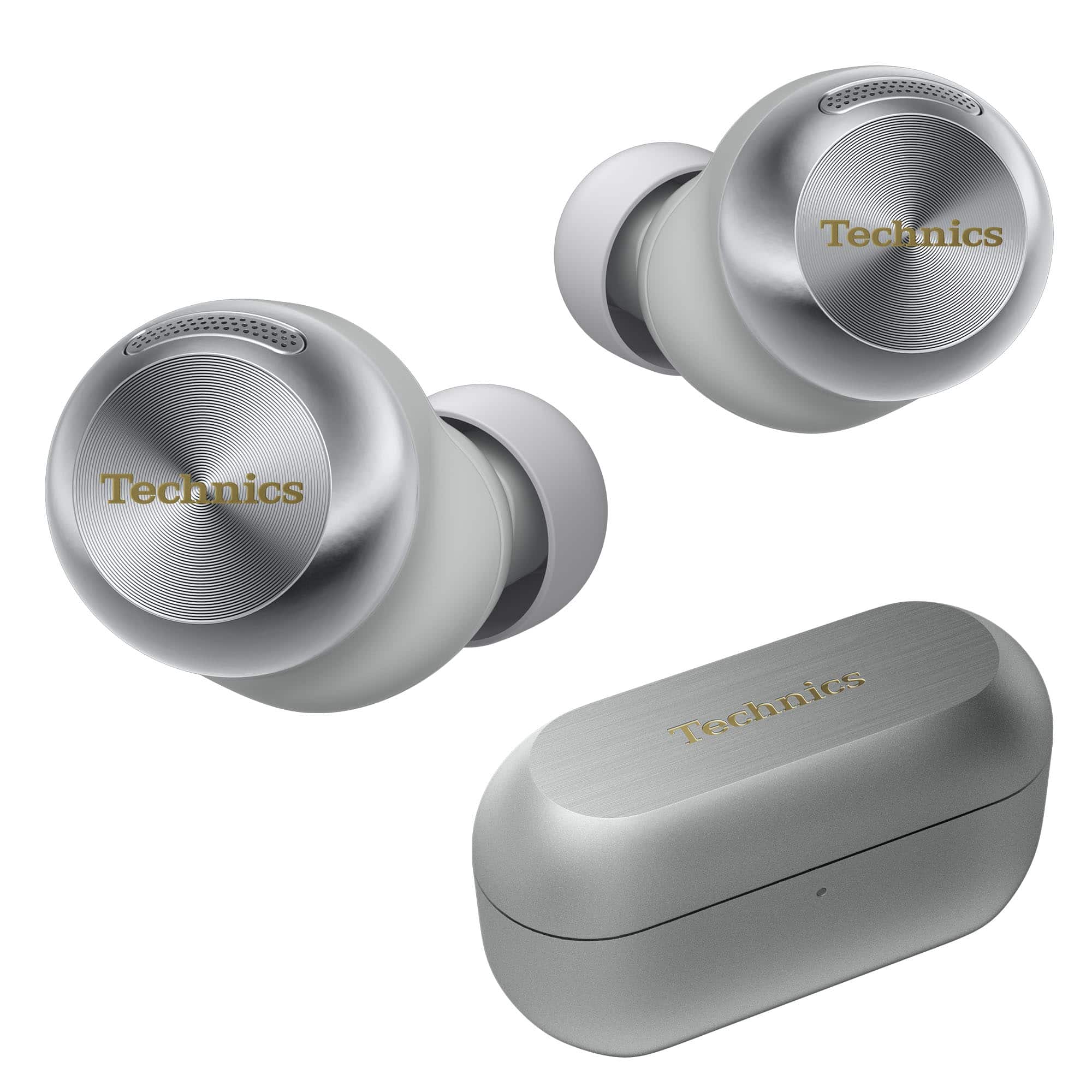
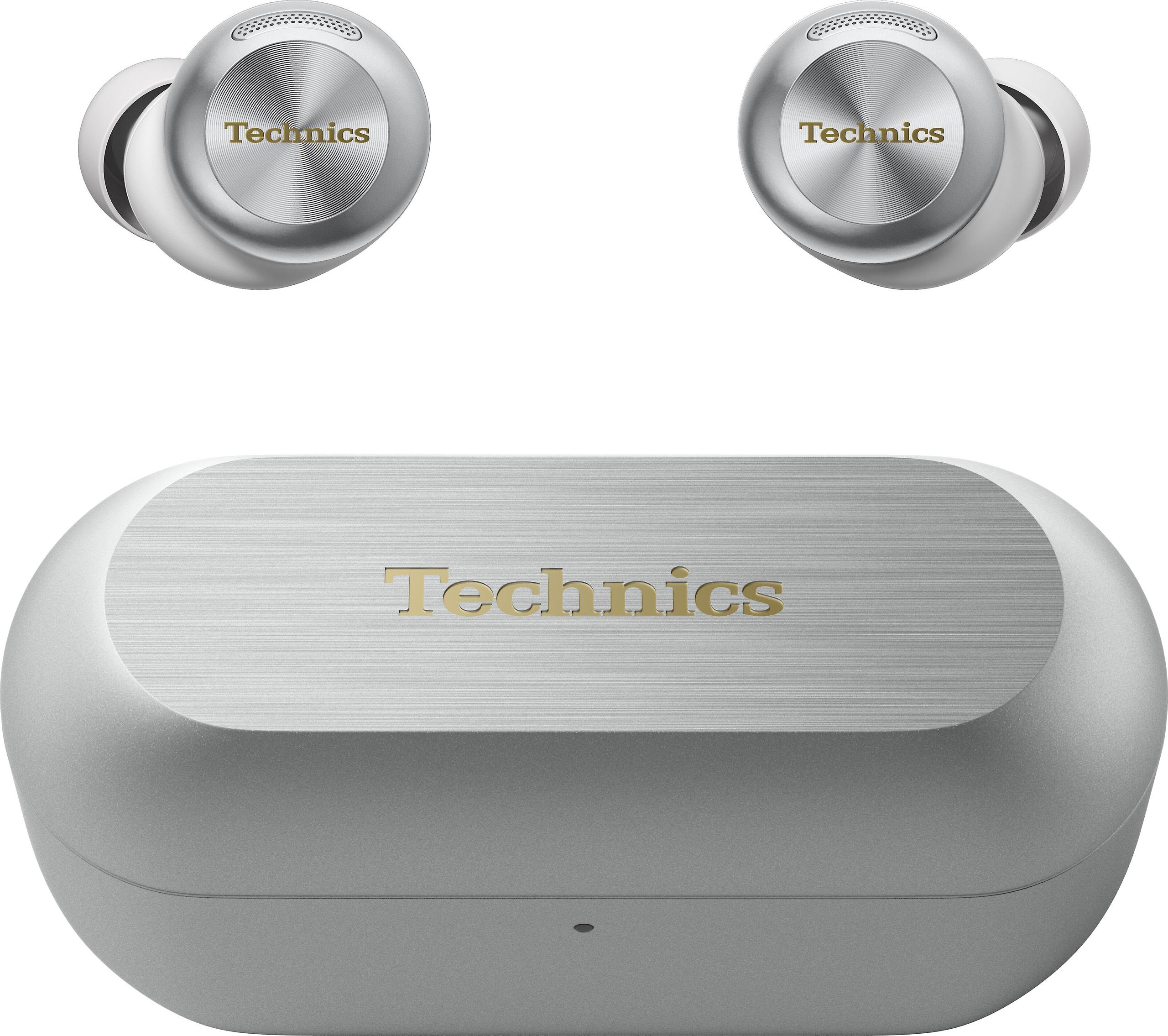

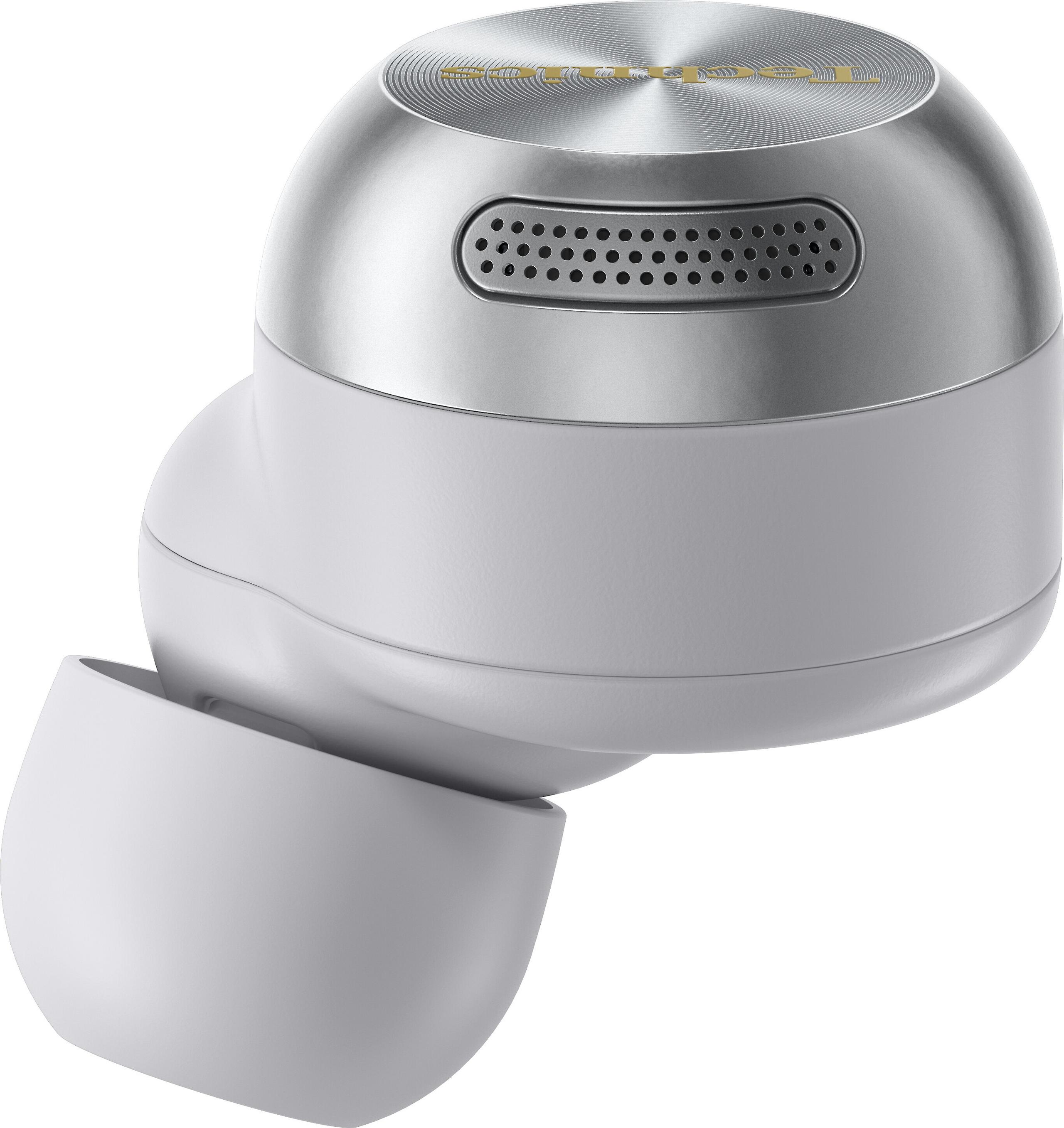
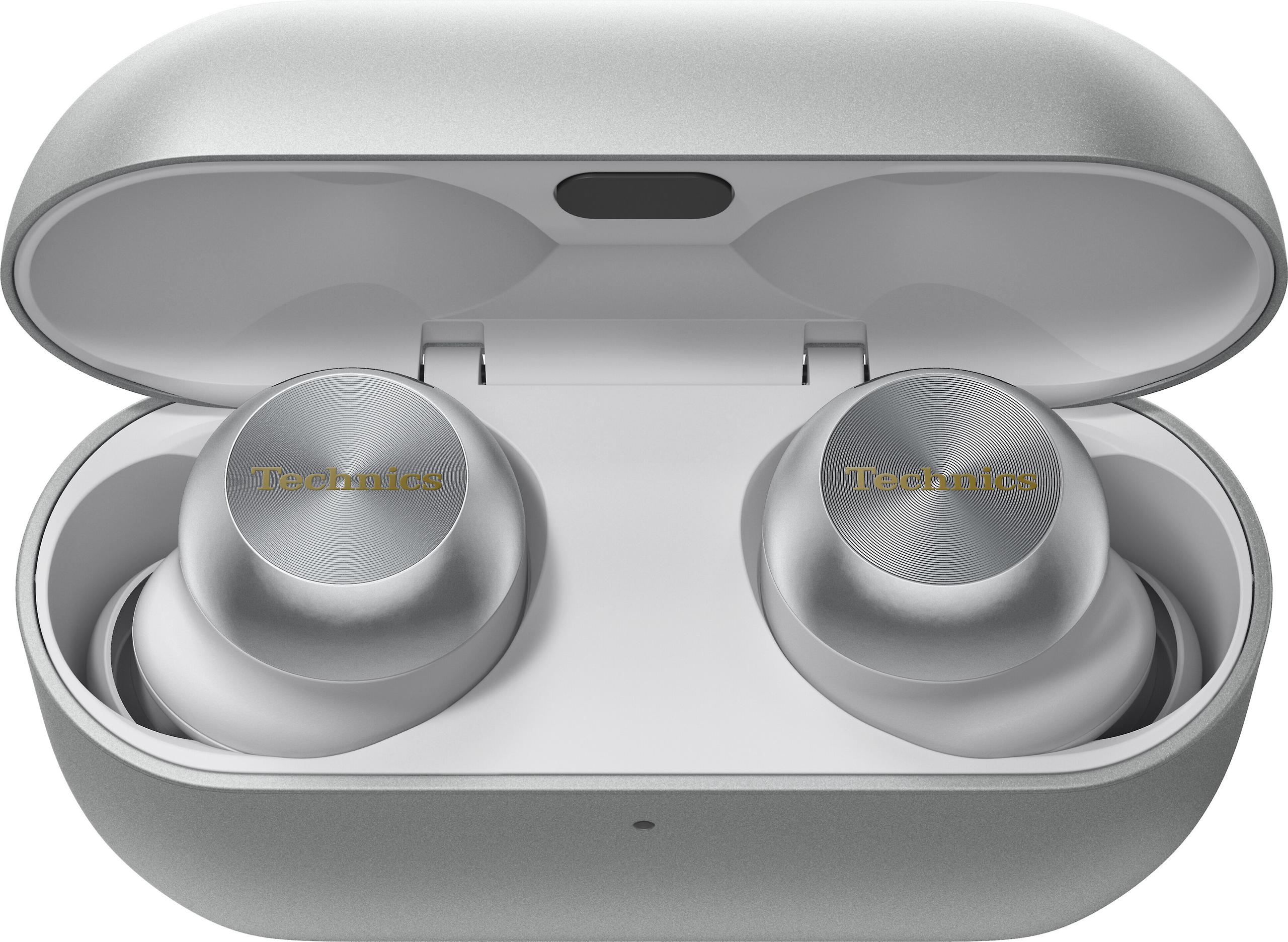
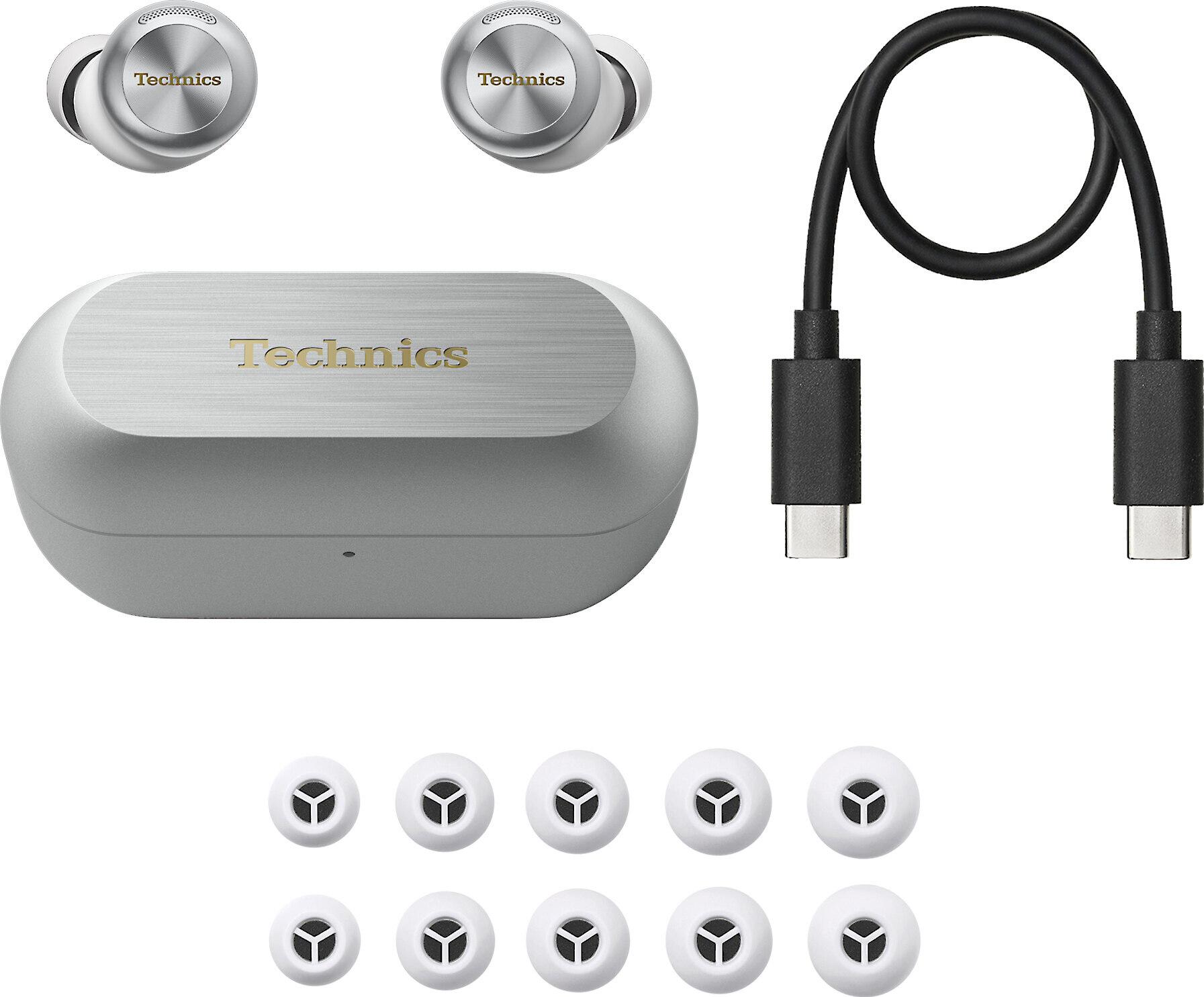

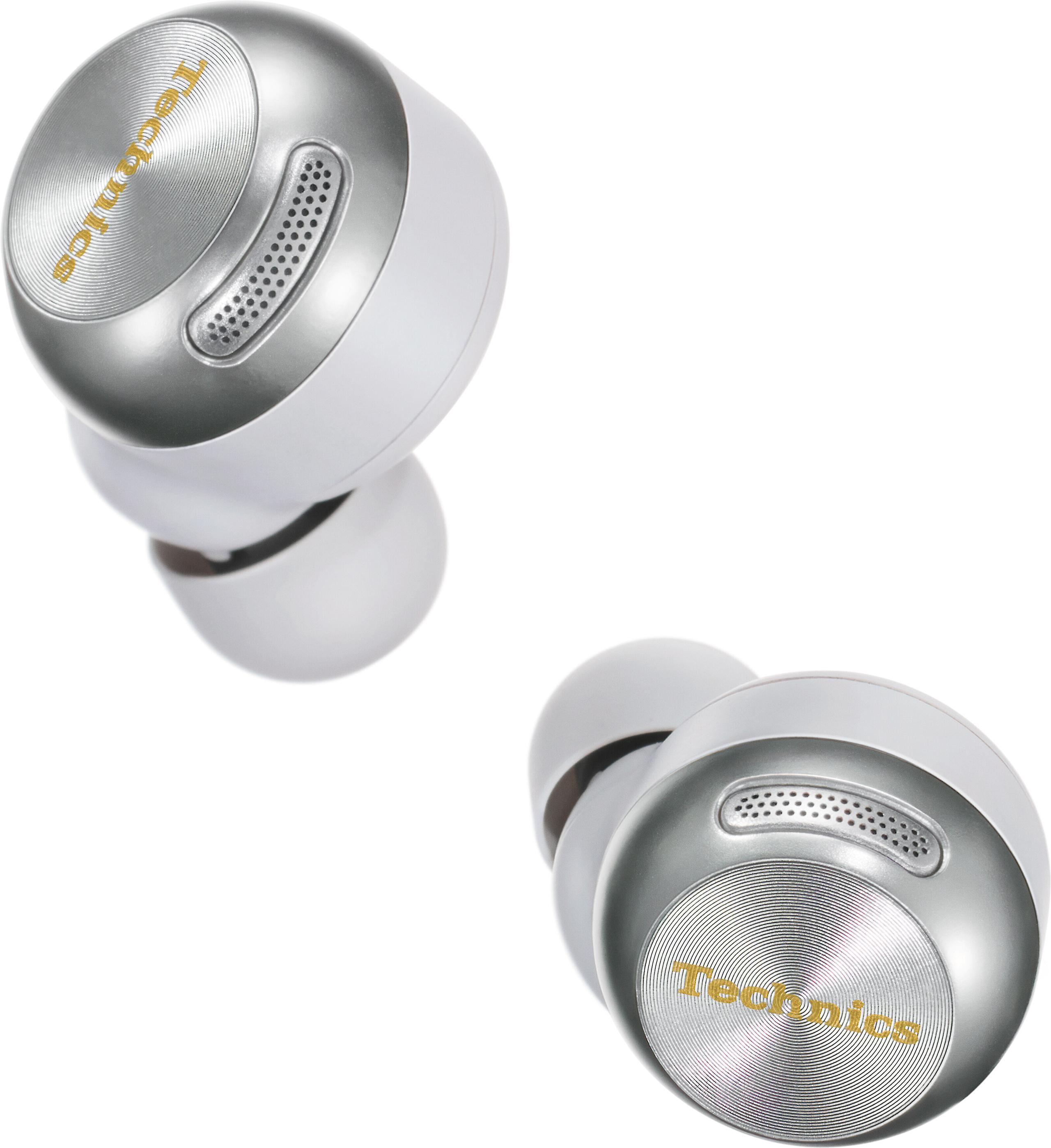


When it comes to premium true wireless earbuds, two models have been making serious waves in 2024: the Technics AZ100 and the JBL Tour Pro 3. Both launched this year with ambitious goals, but they've taken completely different paths to reach the pinnacle of wireless audio. After spending time with both, I can tell you they represent two fascinating philosophies in earbud design—one focused on pure audiophile performance, the other pushing the boundaries of what a smart case can do.
At the time of writing, both models sit in the premium segment where you'd expect to pay significantly more than budget options, but the question isn't just about cost—it's about which approach to premium audio makes more sense for your lifestyle.
Premium earbuds have evolved dramatically since the category emerged. We're no longer just talking about wireless convenience; these devices now compete directly with high-end wired headphones for sound quality while adding features that simply weren't possible before. The key battlegrounds include sound fidelity, active noise cancellation (which uses microphones to detect and cancel external noise), battery endurance, and increasingly, smart features that extend beyond just playing music.
What separates premium models from their cheaper cousins isn't just better drivers or longer battery life—it's the integration of advanced technologies like spatial audio (which creates a 3D sound experience), multiple device connectivity, and sophisticated noise cancellation algorithms that adapt to your environment in real-time.
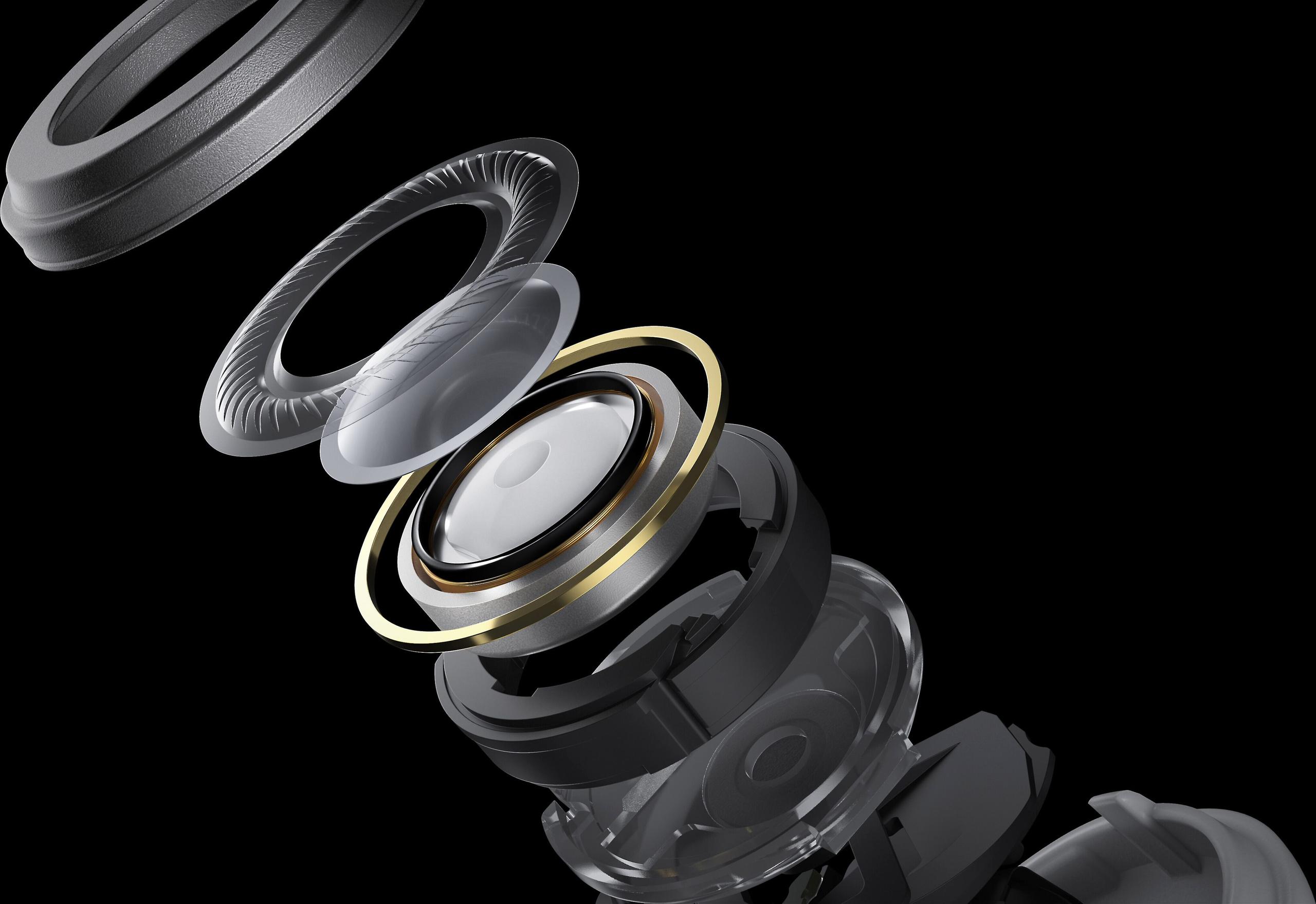
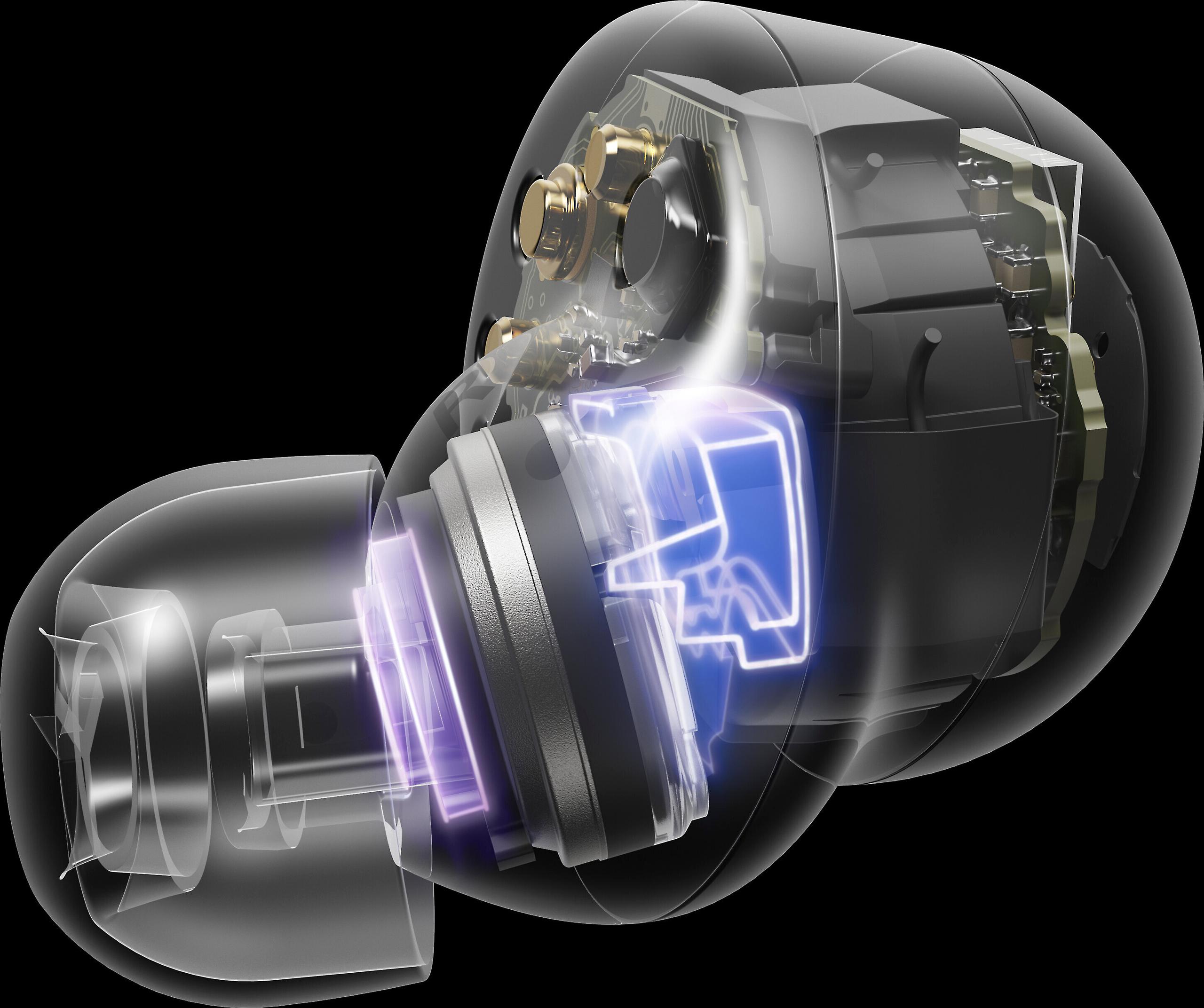
The Technics AZ100 represents something special in the earbud world. Technics didn't just throw in larger drivers and call it a day—they miniaturized the magnetic fluid driver technology from their flagship wired in-ear monitors. This magnetic fluid driver uses an oil-like substance with magnetic properties between the driver magnet and voice coil, enabling incredibly low distortion with rich bass and precise high-frequency response.
What this translates to in practice is remarkable. The mid-range detail retrieval on the Technics AZ100 is genuinely impressive, revealing subtle elements in familiar tracks that you might have missed before. Female vocals have a crispness and presence that makes them feel more intimate, while instruments maintain better separation in the stereo field. It's the kind of sound signature that audio engineers and musicians tend to gravitate toward—balanced, revealing, and honest to the source material.
The JBL Tour Pro 3, meanwhile, takes a hybrid dual-driver approach that's all about creating an engaging, energetic listening experience. The combination of a 10mm dynamic driver with a 5.1mm balanced armature driver creates JBL's signature V-shaped sound profile—enhanced bass and treble with a slight dip in the upper mids.
This isn't about being "worse" than the Technics; it's about different goals. The JBL Tour Pro 3 delivers bass with serious impact and clean separation from the mids, handling everything from electronic music to hip-hop with authority. The balanced armature driver ensures that high frequencies stay crisp and detailed, while the dynamic driver provides the low-end power that makes music feel more visceral and exciting.
In my experience, the choice comes down to how you listen to music. If you're someone who enjoys discovering new details in familiar songs, who values accurate instrument timbre, or who listens to a lot of acoustic, jazz, or classical music, the Technics AZ100 will likely resonate more with you. The way it handles complex passages without congestion is genuinely impressive.
But if you want your music to have energy and impact, if you listen primarily to modern pop, electronic, or hip-hop, or if you just want earbuds that make everything sound exciting rather than analytical, the JBL Tour Pro 3 delivers that experience brilliantly. The bass response isn't just louder—it's cleaner and more controlled than you'd expect from such an energetic sound signature.
Active noise cancellation has become table stakes for premium earbuds, but implementation varies dramatically between models. Both earbuds use adaptive systems, but their approaches differ significantly.
The JBL Tour Pro 3 employs True Adaptive Noise Cancellation 2.0, which measures environmental changes over 50,000 times per second. This constant monitoring allows the system to respond quickly to sudden changes—like when a train passes by or when you walk from a quiet office into a busy street. In practice, this translates to more consistent noise cancellation across different environments.
The Technics AZ100 uses an adaptive system that adjusts to both your environment and your individual ear shape. While this personalization approach is clever, the effectiveness can vary depending on how well the earbuds fit and which ear tips you're using. With a good seal, the noise cancellation is effective, but it's not quite as aggressive or consistent as the JBL's implementation.
For daily commuting, airplane travel, or working in noisy environments, the JBL Tour Pro 3 provides noticeably better isolation from the outside world. However, some users actually prefer the Technics' more moderate approach, which allows for better awareness of important environmental sounds while still reducing fatigue-inducing background noise.
Battery life has become increasingly important as people use earbuds for longer periods throughout the day. Here, both models make different trade-offs that affect real-world usage patterns.
The Technics AZ100 delivers up to 10 hours per charge with noise cancellation active, which is genuinely impressive for a single listening session. This makes it ideal for long flights, full workdays, or extended listening sessions without needing to return to the case. The total capacity with the case reaches 28 hours, which covers most people's weekly usage comfortably.
The JBL Tour Pro 3 provides 8 hours per charge but compensates with a higher-capacity case that delivers up to 32 hours total. The quick charging is also more aggressive—10 minutes gives you 3 hours of listening time compared to the Technics' 90 minutes from a 15-minute charge.
In practical terms, if you tend to use earbuds for long, uninterrupted sessions, the Technics AZ100 wins. But if you're someone who uses earbuds throughout the day in shorter bursts and values having maximum backup power available, the JBL Tour Pro 3 provides more flexibility.
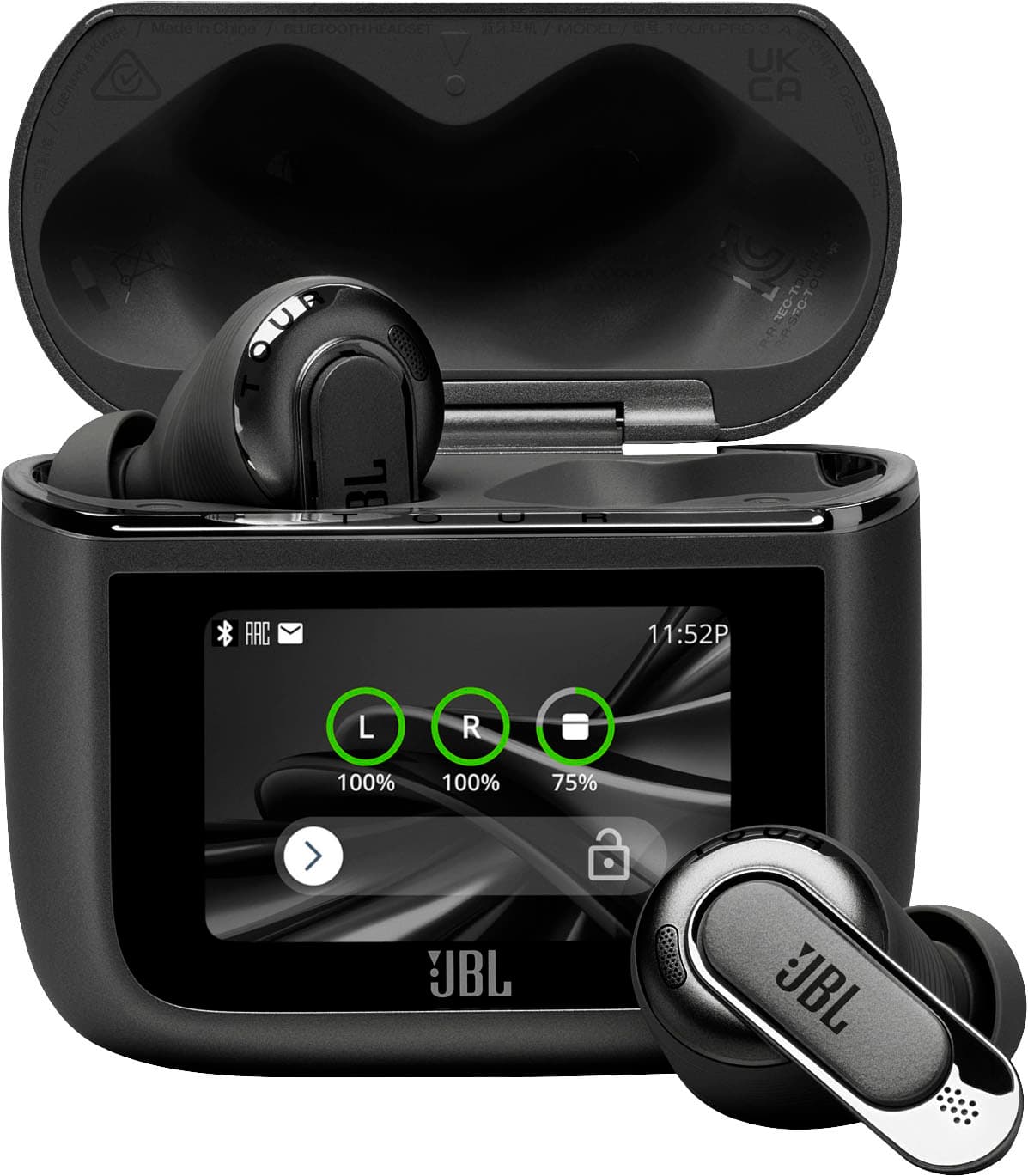
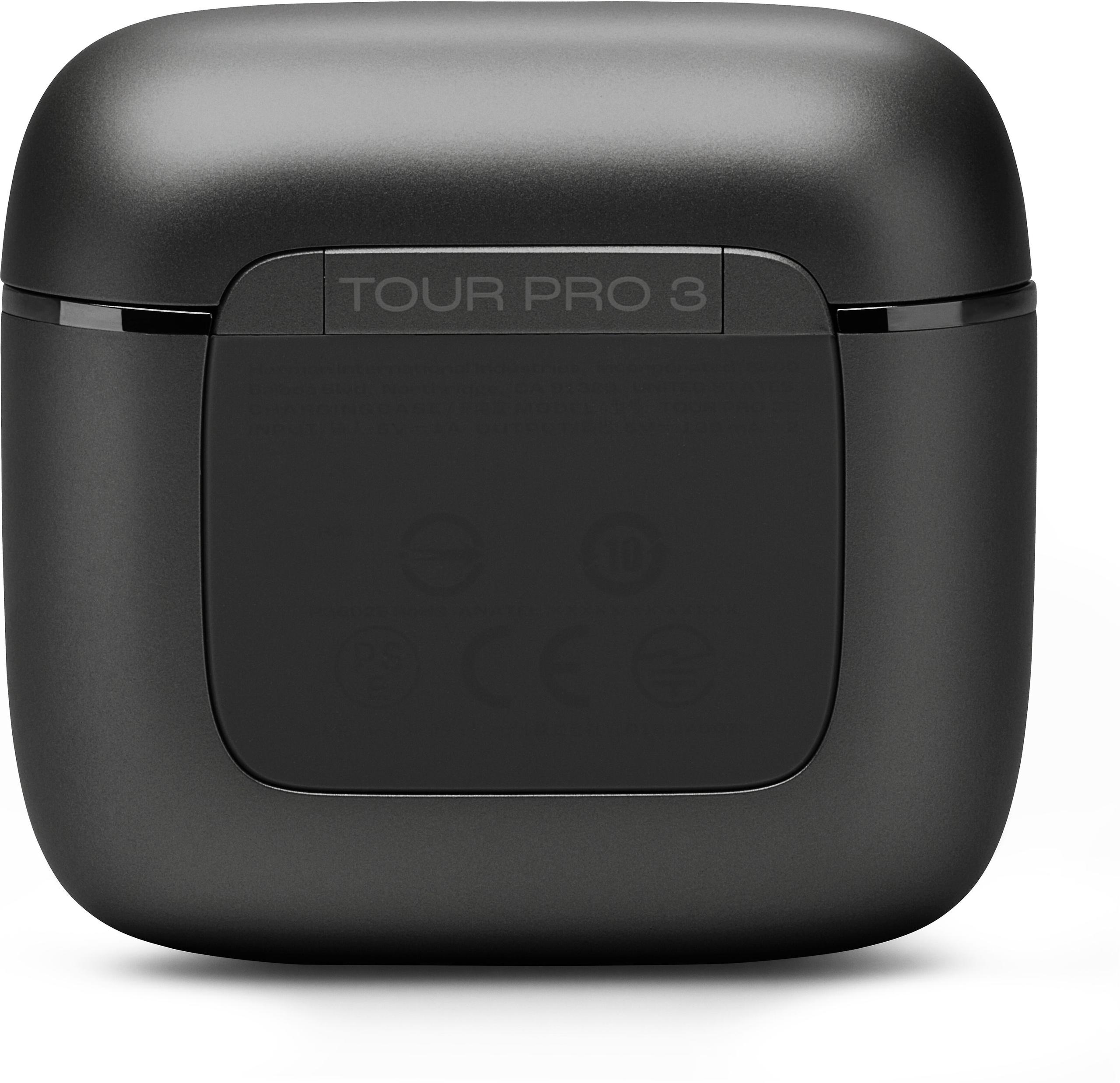
Here's where the JBL Tour Pro 3 truly differentiates itself. The Smart Charging Case isn't just a gimmick—it's a genuinely useful piece of technology that changes how you interact with your earbuds.
The touchscreen interface, which is 30% larger than the previous generation while maintaining a more compact overall package, handles music playback control, call management, and provides caller ID information without requiring you to pull out your phone. But the real innovation is the case's ability to function as a wireless audio transmitter.
This means you can plug the case into airplane entertainment systems, gym equipment, or any device with a headphone jack, and it will wirelessly transmit audio to your earbuds. For frequent travelers, this eliminates the need to carry separate adapters or deal with wired connections during flights. I've found this particularly useful for connecting to older audio equipment that lacks Bluetooth capability.
The case also supports Auracast technology, which allows you to share audio with other compatible devices or join existing audio broadcasts. While this technology is still emerging, it represents the future of wireless audio sharing in public spaces.
The Technics AZ100, by contrast, uses a conventional charging case that focuses on being compact and portable. While it lacks the smart features, it's significantly smaller and easier to carry, which some users will prefer for everyday portability.
Modern earbuds need to seamlessly switch between devices as we move through our connected lives. Both models handle this differently, with implications for how smoothly they integrate into your daily routine.
The Technics AZ100 supports connection to three devices simultaneously through multipoint Bluetooth. This means you can have your phone, laptop, and tablet all connected at once, with the earbuds intelligently switching to whichever device starts playing audio. For people who work across multiple devices throughout the day, this is genuinely convenient.
The JBL Tour Pro 3 limits multipoint connectivity to two devices but compensates with more reliable switching and the smart case interface that makes managing connections easier. The case screen shows which devices are connected and allows you to switch between them without diving into Bluetooth settings.
Both models support high-quality audio codecs including LDAC, which transmits roughly three times more data than standard Bluetooth codecs, resulting in better sound quality from compatible devices. The Technics AZ100 also includes support for LC3 and Auracast for future compatibility.
Spatial audio has become a significant differentiator in premium earbuds, creating a more immersive listening experience that makes sounds appear to come from around you rather than inside your head.
The Technics AZ100 supports Dolby Atmos with head tracking, which works particularly well with properly mastered content. When watching movies or listening to spatial audio music tracks, the head tracking recalibrates the soundstage as you move your head, maintaining the illusion that sounds are coming from fixed points in space around you.
The JBL Tour Pro 3 uses JBL Spatial 360 with head tracking, which can transform stereo content from any source into a more immersive experience. This is particularly effective for gaming or watching videos on devices that don't natively support spatial audio formats.
For home theater use, both models can enhance the experience when watching content on tablets or phones, though they can't fully replace a proper surround sound system. The spatial audio works best with headphone-optimized content rather than trying to simulate traditional speaker-based surround sound.
Comfort becomes critical when wearing earbuds for extended periods, and both models have taken different approaches to achieving long-term wearability.
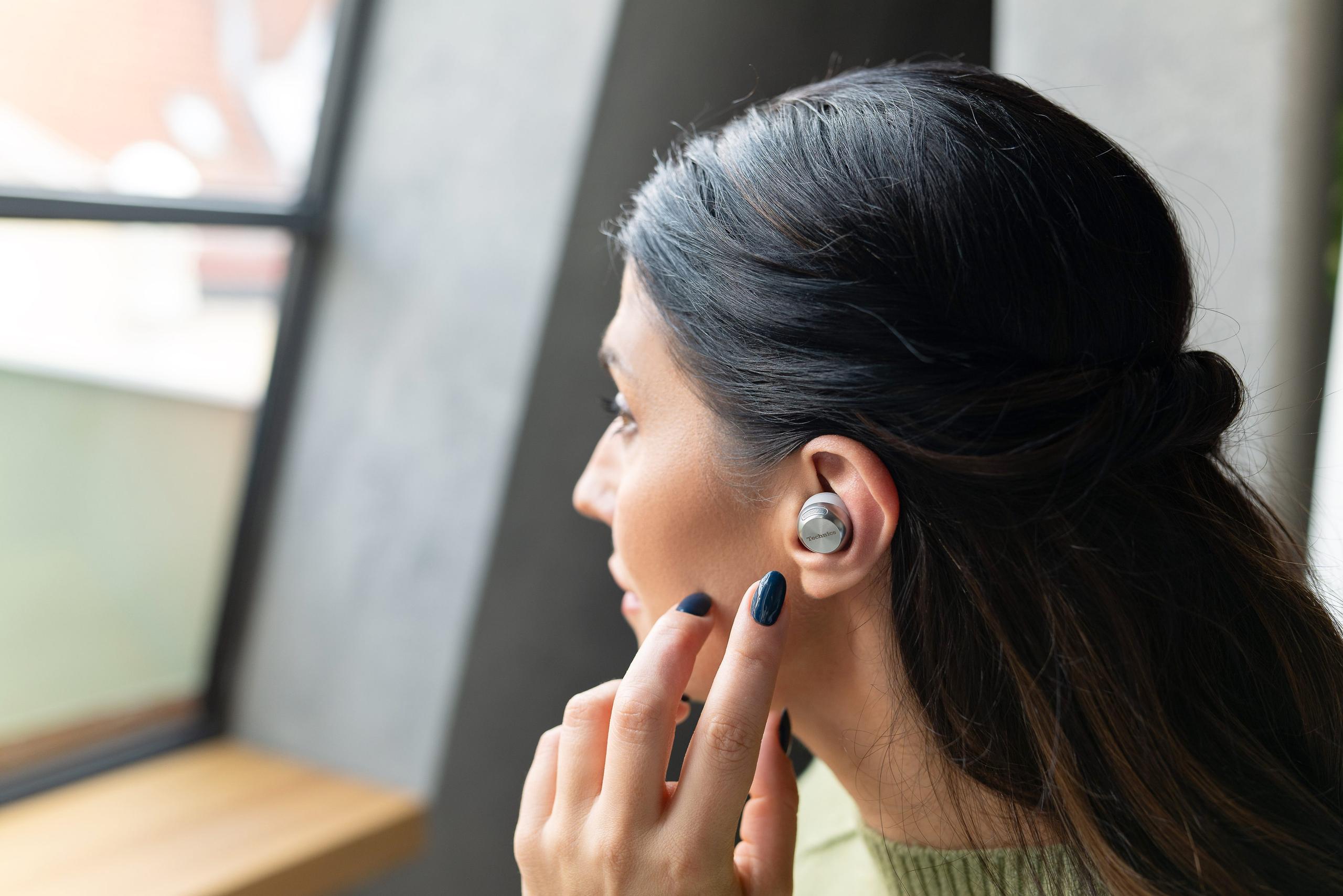
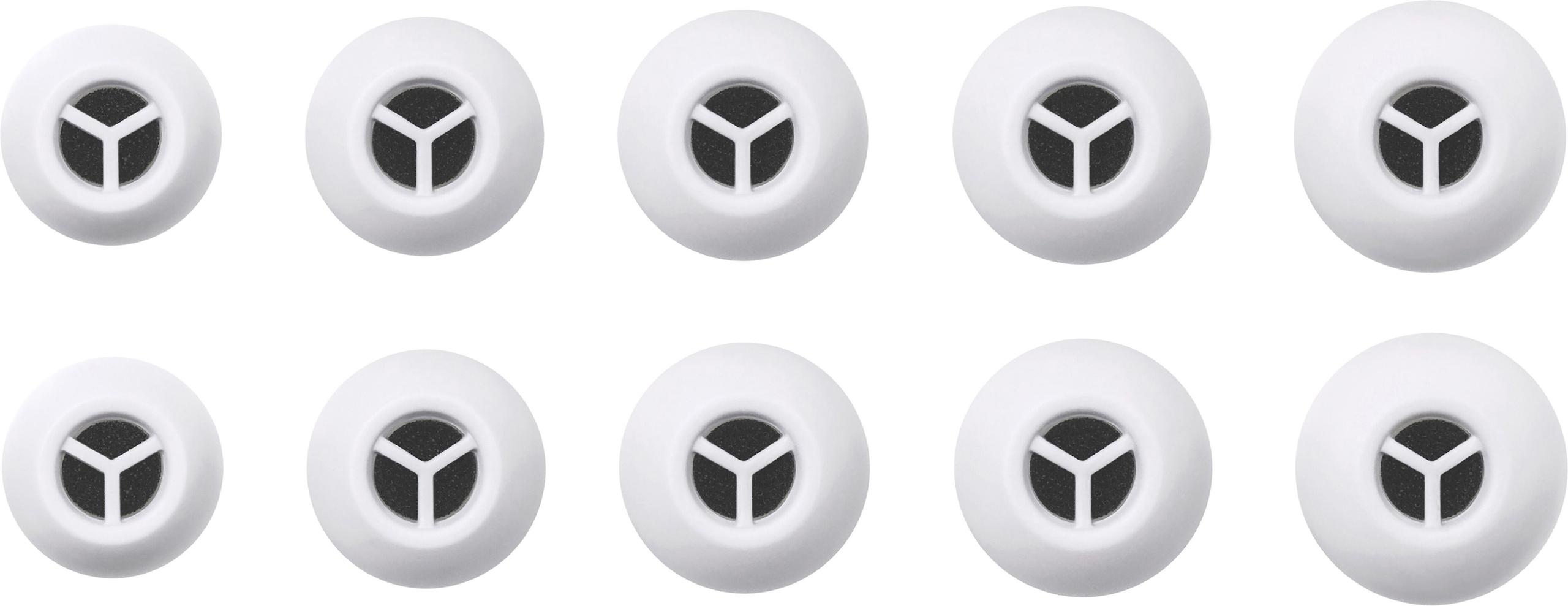
The Technics AZ100 earbuds are 10% smaller and 16% lighter than their predecessors, with a concha-fit design that distributes weight more evenly across the ear. They come with five different ear tip sizes including an additional "ML" size for better fit options. The IPX4 water resistance handles sweat and light rain but isn't designed for swimming or heavy water exposure.
The JBL Tour Pro 3 earbuds are notably lighter at 5.6g each compared to the Technics' 11.8g, though both feel comfortable during extended use. The higher IPX5 water resistance rating provides better protection against sweat and rain, making them more suitable for intense workouts or outdoor activities in varied weather.
With remote work and video calls becoming standard, earbud microphone quality has gained importance beyond just sound quality for music.
The JBL Tour Pro 3 excels here with six microphones total—three in each earbud including beamforming outer microphones powered by Crystal AI algorithms. The hydrodynamic windproof design prevents voice distortion even in windy conditions, while the smart call equalizer automatically adjusts volume levels for both loud and quiet speakers on calls.
The Technics AZ100 includes Voice Focus AI with three microphones per earbud, providing clear call quality that's perfectly adequate for most users but doesn't match the JBL's advanced microphone array and AI processing.
For professionals who spend significant time on video calls or work in noisy environments, the JBL Tour Pro 3 provides a meaningful advantage in communication clarity.
After extensive use with both models, here's how I'd recommend thinking about the choice:
Choose the Technics AZ100 if you're primarily focused on music listening quality and want the most honest, detailed sound reproduction available in true wireless form. It's ideal for people who listen to jazz, classical, acoustic music, or anyone who values hearing exactly what the artist and engineers intended. The longer per-charge battery life and three-device connectivity make it excellent for people who use earbuds for long, focused listening sessions.
Choose the JBL Tour Pro 3 if you want cutting-edge features and don't mind paying a premium for innovation. The smart case functionality genuinely changes how you interact with wireless audio, particularly for travel. The more energetic sound signature works better for modern pop, electronic, and hip-hop music, while the superior noise cancellation and call quality make it more versatile for daily use across different environments.
Neither choice is wrong—they're optimized for different priorities. The Technics AZ100 represents the traditional audiophile approach perfected for wireless use, while the JBL Tour Pro 3 points toward the future of smart audio devices. Your preference between analytical precision and energetic engagement, between traditional simplicity and cutting-edge features, will ultimately guide your decision.
At the time of writing, both represent strong value in the premium segment, though the JBL commands a modest price premium for its additional features. For most users, either would represent a significant upgrade from mid-range options, but the specific strengths of each make them suited to quite different use cases and preferences.
| Technics Reference Class AZ100 | JBL Tour Pro 3 |
|---|---|
| Driver Technology - Determines sound character and detail retrieval | |
| Single 10mm magnetic fluid driver (audiophile-focused, detailed mids) | Hybrid dual-driver: 10mm dynamic + 5.1mm balanced armature (V-shaped, energetic sound) |
| Sound Signature - Your music preference matters most here | |
| Balanced, analytical with superior mid-range detail | V-shaped with emphasized bass and treble, more exciting |
| Battery Life Per Charge - Critical for long listening sessions | |
| 10 hours (ANC on), 12 hours (ANC off) | 8 hours (ANC on), 11 hours (ANC off) |
| Total Battery with Case - Important for daily use without charging | |
| 28 hours (ANC on), 35 hours (ANC off) | 32 hours (ANC on), 44 hours (ANC off) |
| Active Noise Cancellation - Essential for commuting and focus | |
| Adaptive ANC (good with proper fit, varies by ear tips) | True Adaptive ANC 2.0 (stronger, more consistent across environments) |
| Smart Features - The biggest differentiator between models | |
| Standard charging case, focus on audio quality | Smart touchscreen case with wireless audio transmission and controls |
| Multipoint Connectivity - How many devices can connect simultaneously | |
| 3 devices (excellent for multi-device workflows) | 2 devices (adequate for most users) |
| Water Resistance - Protection for workouts and weather | |
| IPX4 (splash resistant, light sweat protection) | IPX5 (better protection for intense workouts and rain) |
| Weight Per Earbud - Affects long-term comfort | |
| 11.8g (comfortable but slightly heavier) | 5.6g (notably lighter, excellent for extended wear) |
| Call Quality - Important for work and video calls | |
| Voice Focus AI with 3 mics per earbud (good quality) | 6 total mics with Crystal AI and windproof design (superior call clarity) |
| Spatial Audio Support - Immersive experience for movies and gaming | |
| Dolby Atmos with head tracking | JBL Spatial 360 with head tracking |
| Quick Charging - Convenience when battery runs low | |
| 15 minutes = 90 minutes playback | 10 minutes = 3 hours playback (significantly faster) |
| Best For - Choose based on your primary use case | |
| Audiophiles wanting detailed, accurate sound reproduction | Tech enthusiasts wanting cutting-edge features with energetic sound |
The Technics AZ100 delivers superior sound quality for audiophiles, with exceptional mid-range detail and balanced audio reproduction thanks to its magnetic fluid driver technology. The JBL Tour Pro 3 offers a more energetic V-shaped sound signature with stronger bass and treble, making it better for pop, hip-hop, and electronic music. Choose the Technics AZ100 for analytical listening and the JBL Tour Pro 3 for exciting, fun sound.
The Technics AZ100 provides longer single-session use with 10 hours per charge (ANC on), making it ideal for long flights or work sessions. However, the JBL Tour Pro 3 offers superior total capacity with 44 hours when including the case, plus faster quick charging that delivers 3 hours of playback from just 10 minutes of charging.
The JBL Tour Pro 3 has significantly better noise cancellation with its True Adaptive ANC 2.0 system that adjusts over 50,000 times per second. The Technics AZ100 offers adaptive noise cancelling that works well but isn't as aggressive or consistent across different environments. For daily commuting and airplane travel, the JBL Tour Pro 3 provides superior noise isolation.
The JBL Tour Pro 3 features a revolutionary touchscreen charging case that controls music, manages calls, and displays caller ID without touching your phone. Most importantly, it functions as a wireless audio transmitter when plugged into airplane entertainment systems or other devices. The Technics AZ100 uses a traditional but more compact charging case focused on portability.
The Technics AZ100 supports three-device multipoint connectivity, allowing seamless switching between your phone, laptop, and tablet. The JBL Tour Pro 3 connects to two devices simultaneously with reliable switching managed through its smart case interface. For heavy multi-device users, the Technics AZ100 offers more flexibility.
The JBL Tour Pro 3 excels in call quality with six microphones total, Crystal AI algorithms, and windproof design that ensures clear voice transmission even in noisy environments. The Technics AZ100 provides good call quality with Voice Focus AI and three microphones per earbud, but can't match the advanced microphone array of the JBL Tour Pro 3.
The JBL Tour Pro 3 is better suited for workouts with its IPX5 water resistance rating and lighter 5.6g weight per earbud. The Technics AZ100 has IPX4 protection and weighs 11.8g per earbud, making it adequate for light exercise but less ideal for intense workouts or outdoor activities in varied weather conditions.
The Technics AZ100 typically costs less while delivering superior audio quality, making it excellent value for music-focused users. The JBL Tour Pro 3 commands a premium for its innovative smart case and advanced features, providing better value for users who want cutting-edge technology and versatile connectivity options beyond just music listening.
Both models support spatial audio with head tracking - the Technics AZ100 uses Dolby Atmos while the JBL Tour Pro 3 features JBL Spatial 360. For home theater use, the Technics AZ100 provides more accurate sound reproduction, while the JBL Tour Pro 3 offers more immersive, theater-like audio enhancement that works with any stereo content.
The JBL Tour Pro 3 is significantly more comfortable for extended wear due to its lighter 5.6g weight per earbud. The Technics AZ100 weighs 11.8g per earbud but features an improved concha-fit design that's 10% smaller than previous models. Both include multiple ear tip sizes, but the Technics AZ100 offers an additional "ML" size for better fit options.
The JBL Tour Pro 3 offers superior quick charging with 10 minutes providing 3 hours of playback, plus convenient smart case controls that eliminate the need to access your phone for basic functions. The Technics AZ100 provides 90 minutes of playback from 15 minutes of charging and focuses on audio quality over convenience features.
Choose the Technics AZ100 if you prioritize pure audio quality, longer single-session battery life, and prefer a more portable case design. Select the JBL Tour Pro 3 if you want innovative smart features, stronger noise cancellation, better call quality, and don't mind paying more for cutting-edge technology that goes beyond traditional earbud functionality.
We've done our best to create useful and informative comparisons to help you decide what product to buy. Our research uses advanced automated methods to create this comparison and perfection is not possible - please contact us for corrections or questions. These are the sites we've researched in the creation of this article: whathifi.com - digitaltrends.com - bestbuy.com - techradar.com - popsci.com - stuff.tv - us.technics.com - instylehifi.com.au - techradar.com - youtube.com - head-fi.org - whathifi.com - ecoustics.com - crutchfield.com - head-fi.org - treoo.com - youtube.com - bestbuy.com - us.technics.com - crutchfield.com - cnet.com - us.technics.com - us.technics.com - na.panasonic.com - us.technics.com - help.na.panasonic.com - bestbuy.com - bhphotovideo.com - technics.com - technics.com - us.technics.com - twitteringmachines.com - stupiddope.com - bhphotovideo.com - techdogs.com - technics.com - techradar.com - yumpu.com - youtube.com - techradar.com - sweetwater.com - news.jbl.com - youtube.com - harmanaudio.com - jbl.com - krazykileys.ca - jbl.com - shop.menshealth.com - sweetwater.com

Privacy Policy
Terms and Conditions - Affiliate Policy
Home Security
© Copyright 2008-2026.
11816 Inwood Rd #1211, Dallas, TX 75244