



Choosing premium true wireless earbuds in 2024 means navigating a market that's matured beyond basic wireless audio into highly specialized tools. At the time of writing, the premium segment above $250 has split into distinct categories: fitness-focused earbuds with integrated sensors, multimedia powerhouses with advanced features, and audiophile-grade options prioritizing pure sound quality. Today we're comparing two earbuds that represent fundamentally different philosophies in this space.
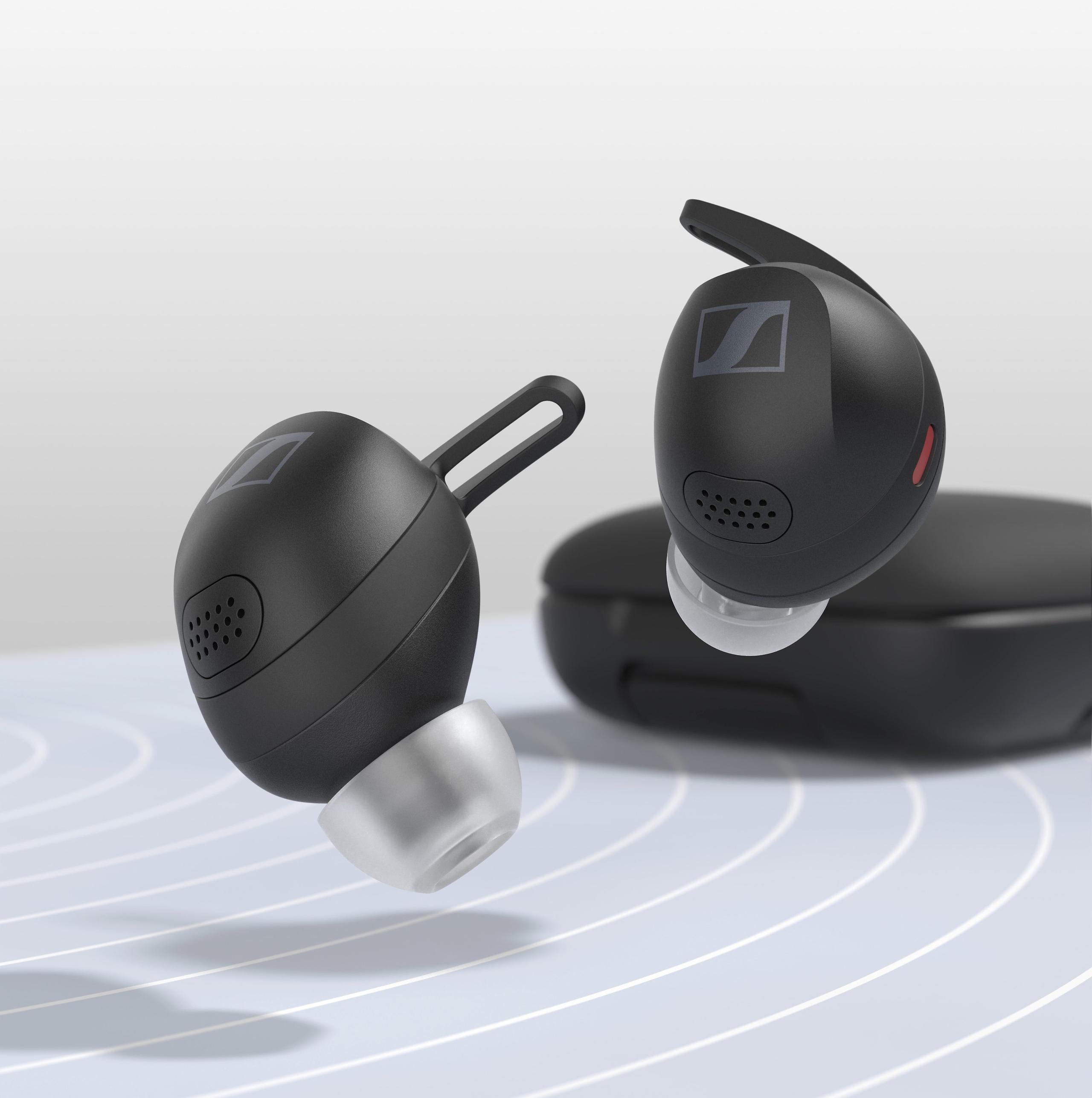
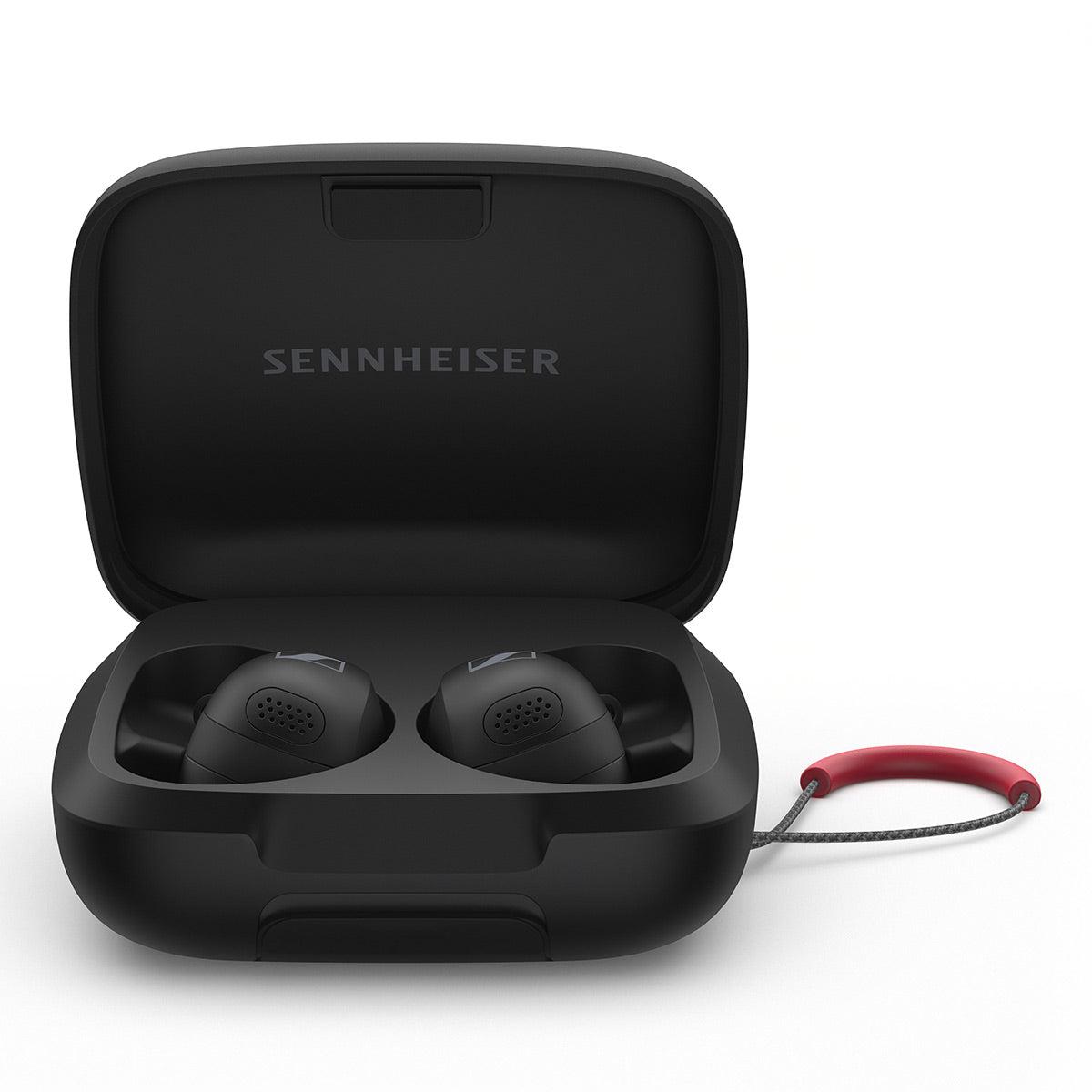
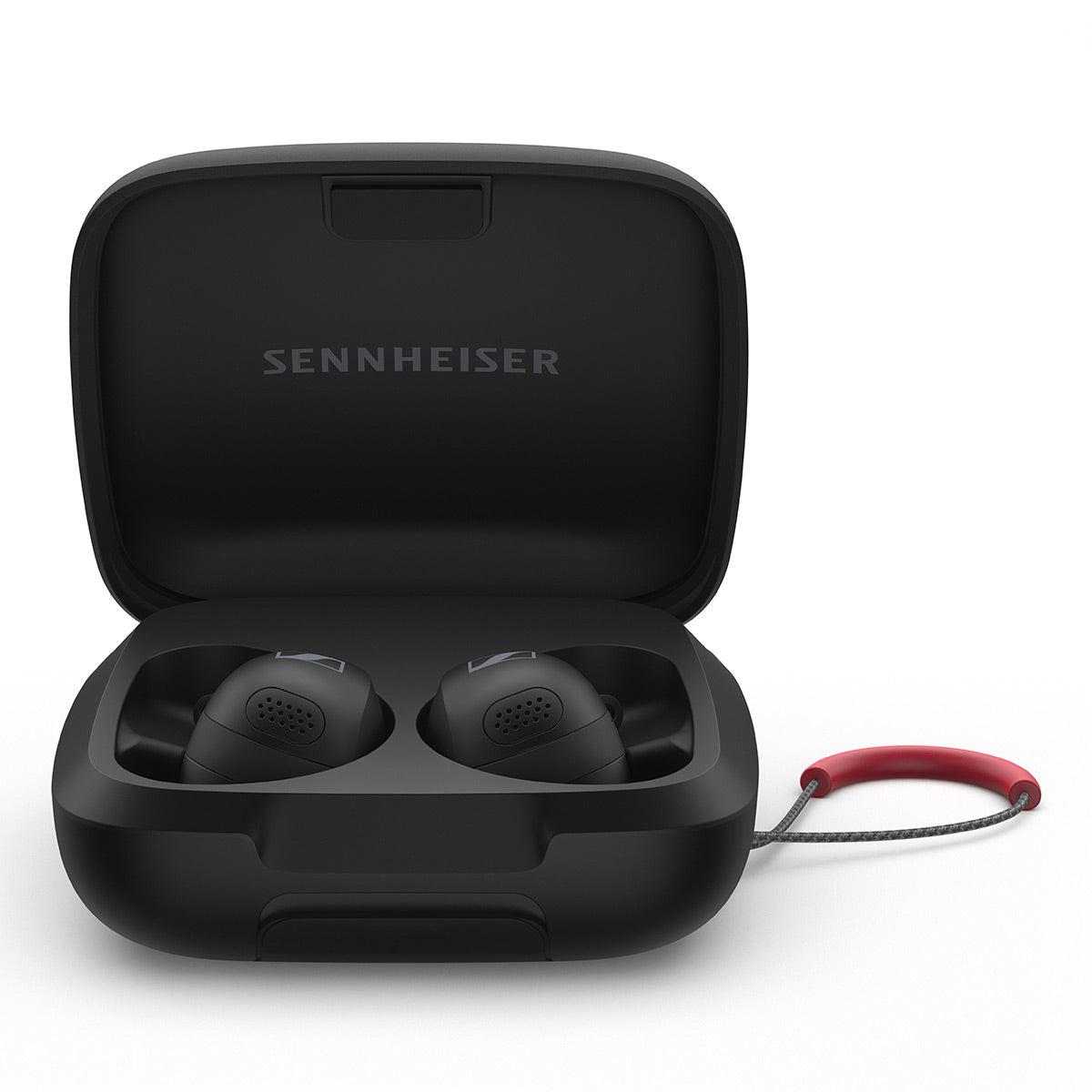
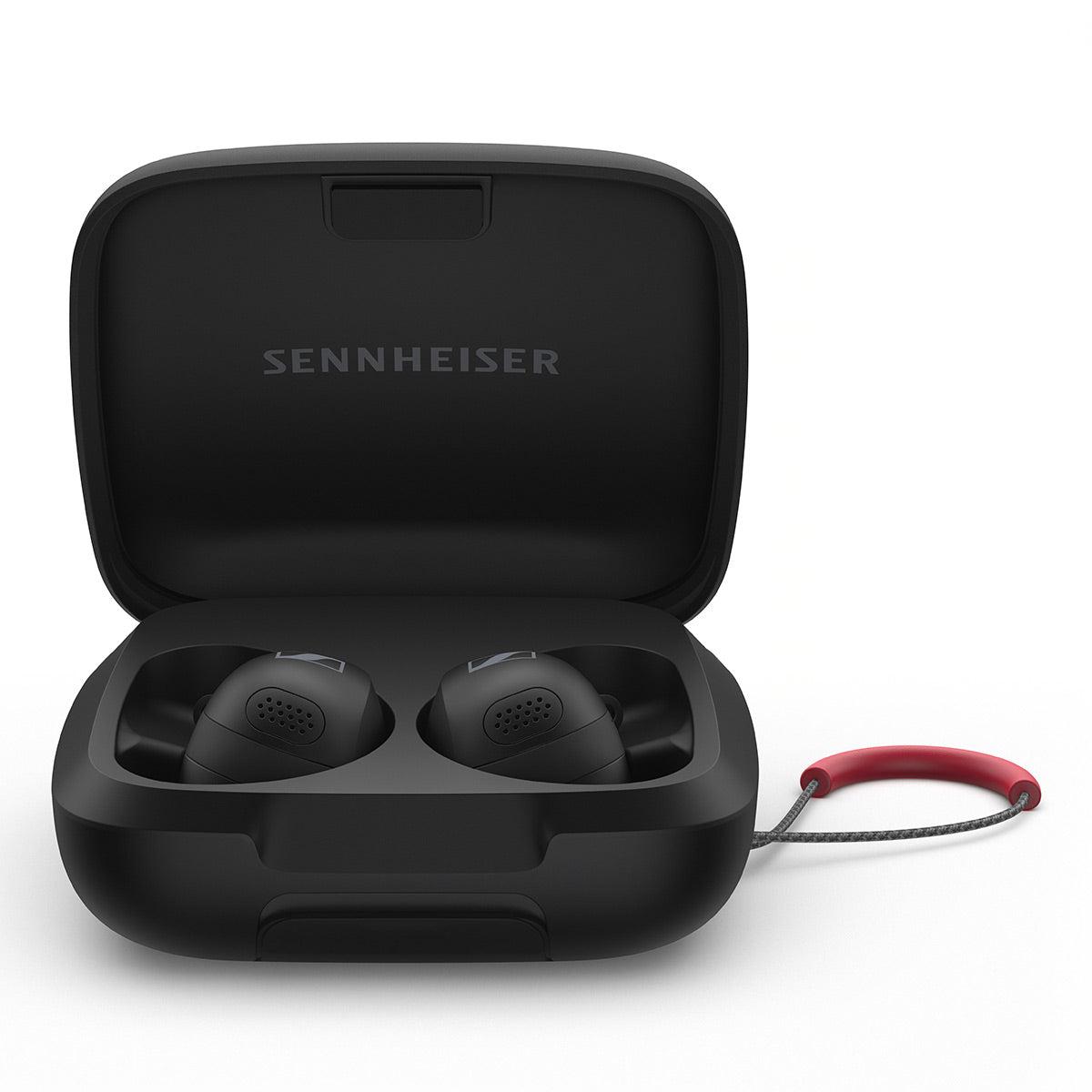
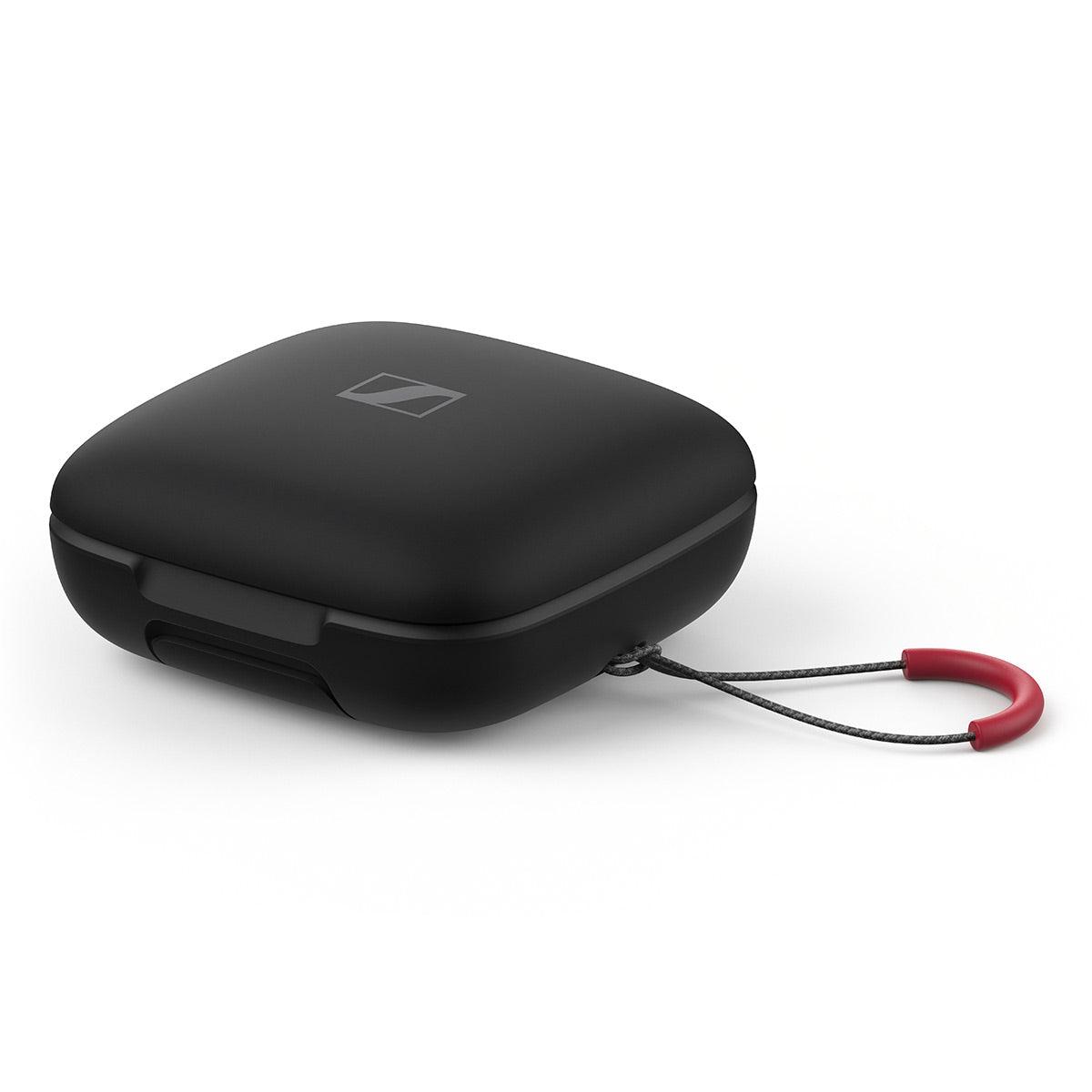
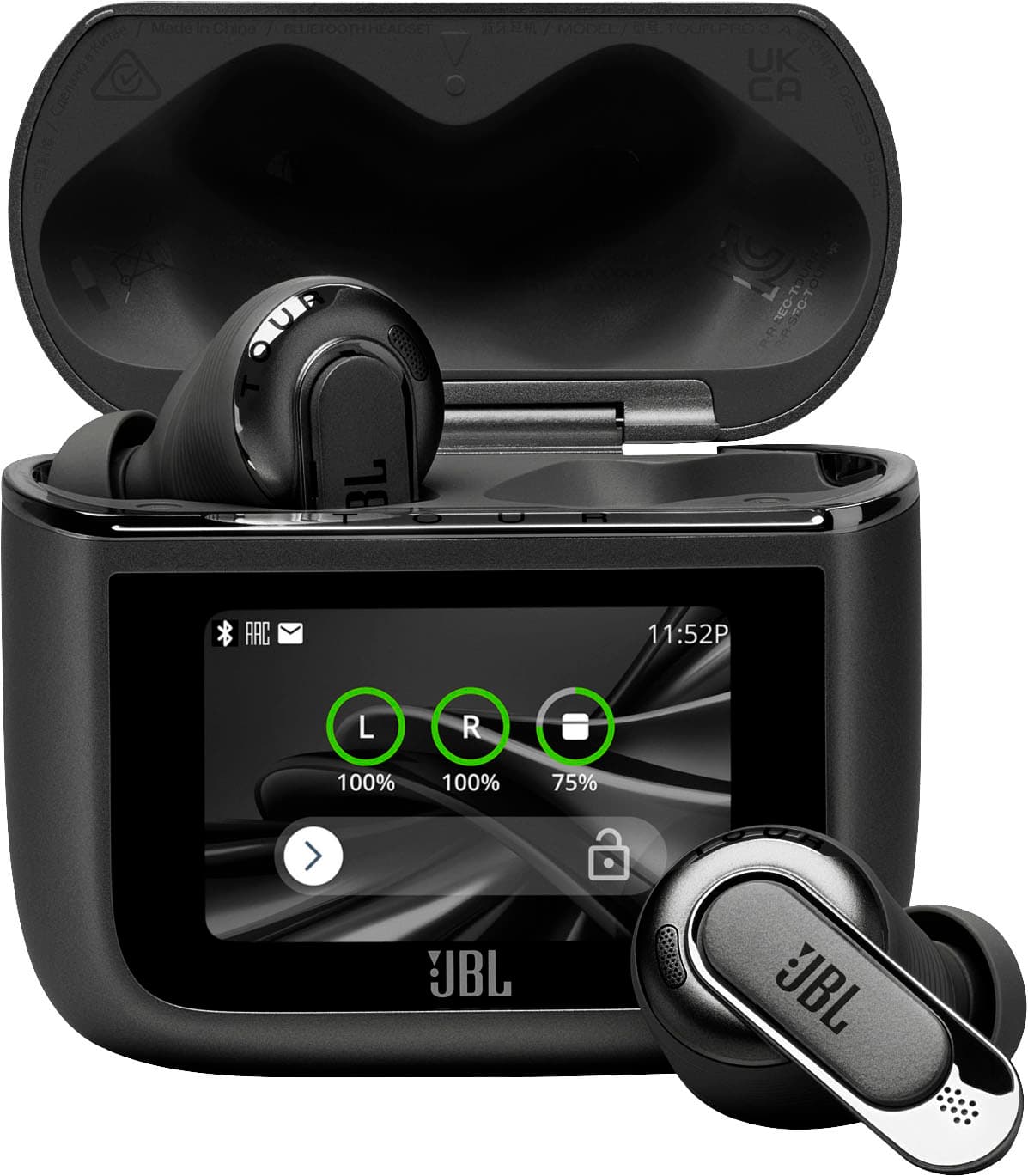
The Sennheiser Momentum Sport arrived in 2024 as a fitness-first design that integrates biometric sensors directly into the earbuds themselves. Meanwhile, the JBL Tour Pro 3 launched later in 2024 with a focus on multimedia features, exceptional battery life, and an innovative touchscreen charging case. Both command premium prices, but they're targeting different user needs entirely.
The premium earbud market has evolved significantly since the first AirPods launched in 2016. What started as a simple wireless audio solution has become a complex ecosystem of features competing for your attention and wallet. At this price point, you're not just buying audio drivers in a plastic shell – you're investing in advanced acoustic engineering, smart features, and specialized functionality.
The key considerations that separate premium earbuds from budget options include driver technology (the tiny speakers inside), codec support (how audio data gets compressed and transmitted), active noise cancellation (using microphones to cancel outside noise), and increasingly, smart features that extend beyond music playback.
Battery technology has also improved dramatically. Modern premium earbuds typically offer 6-11 hours of playback per charge, with cases providing multiple additional charges. Quick charging has become essential – the ability to get hours of playback from just 10-15 minutes of charging can be a game-changer for busy lifestyles.
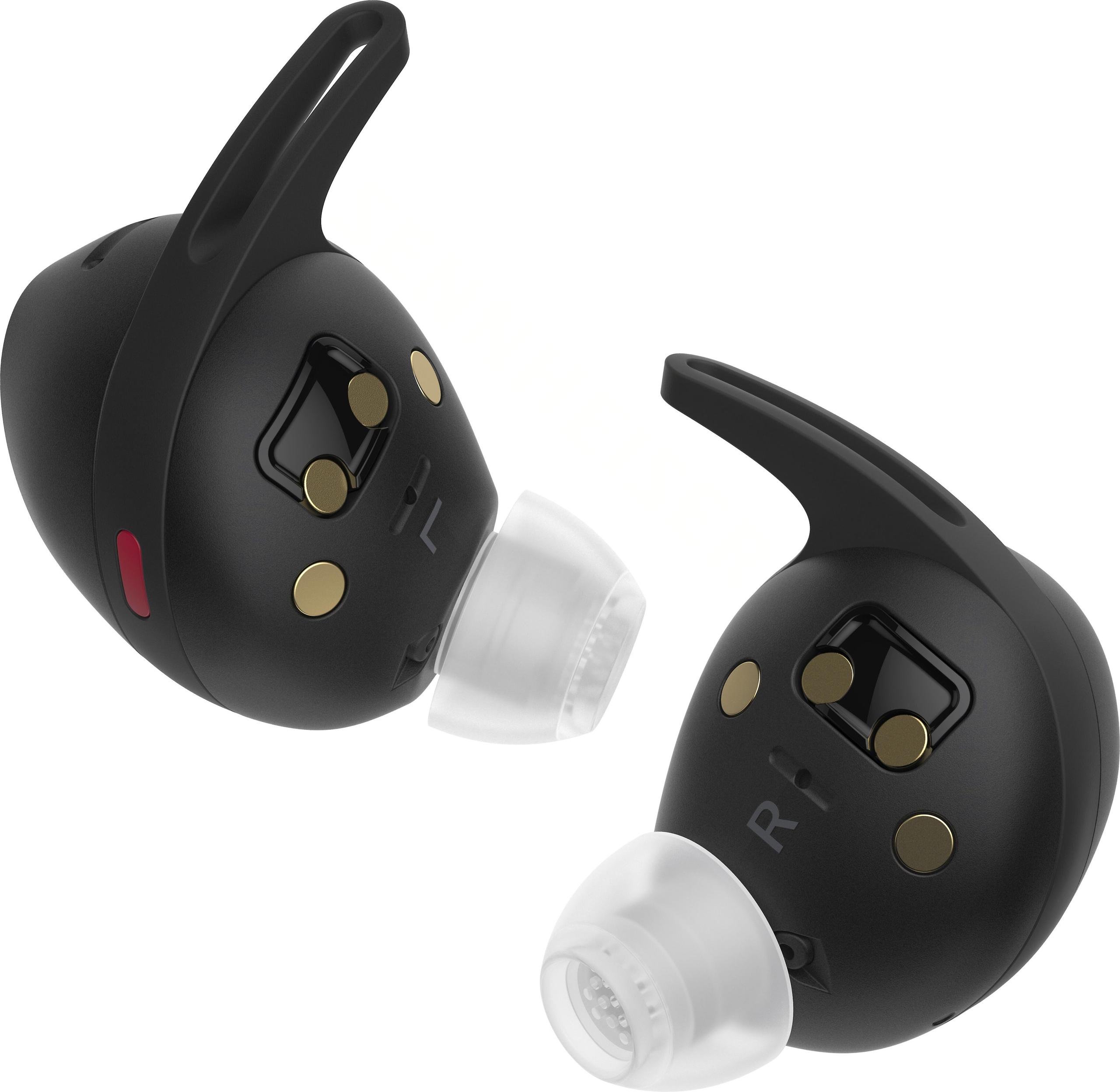
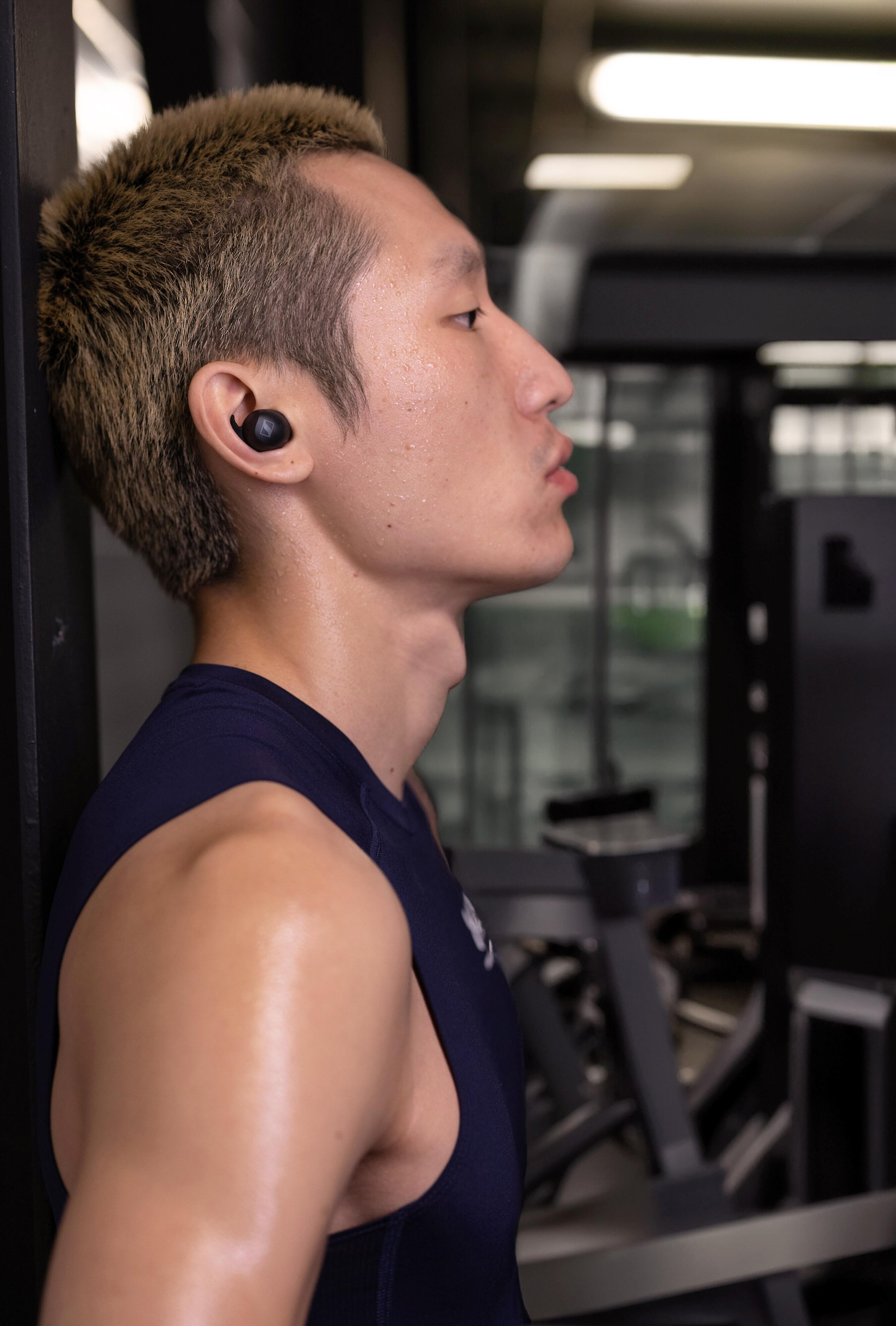
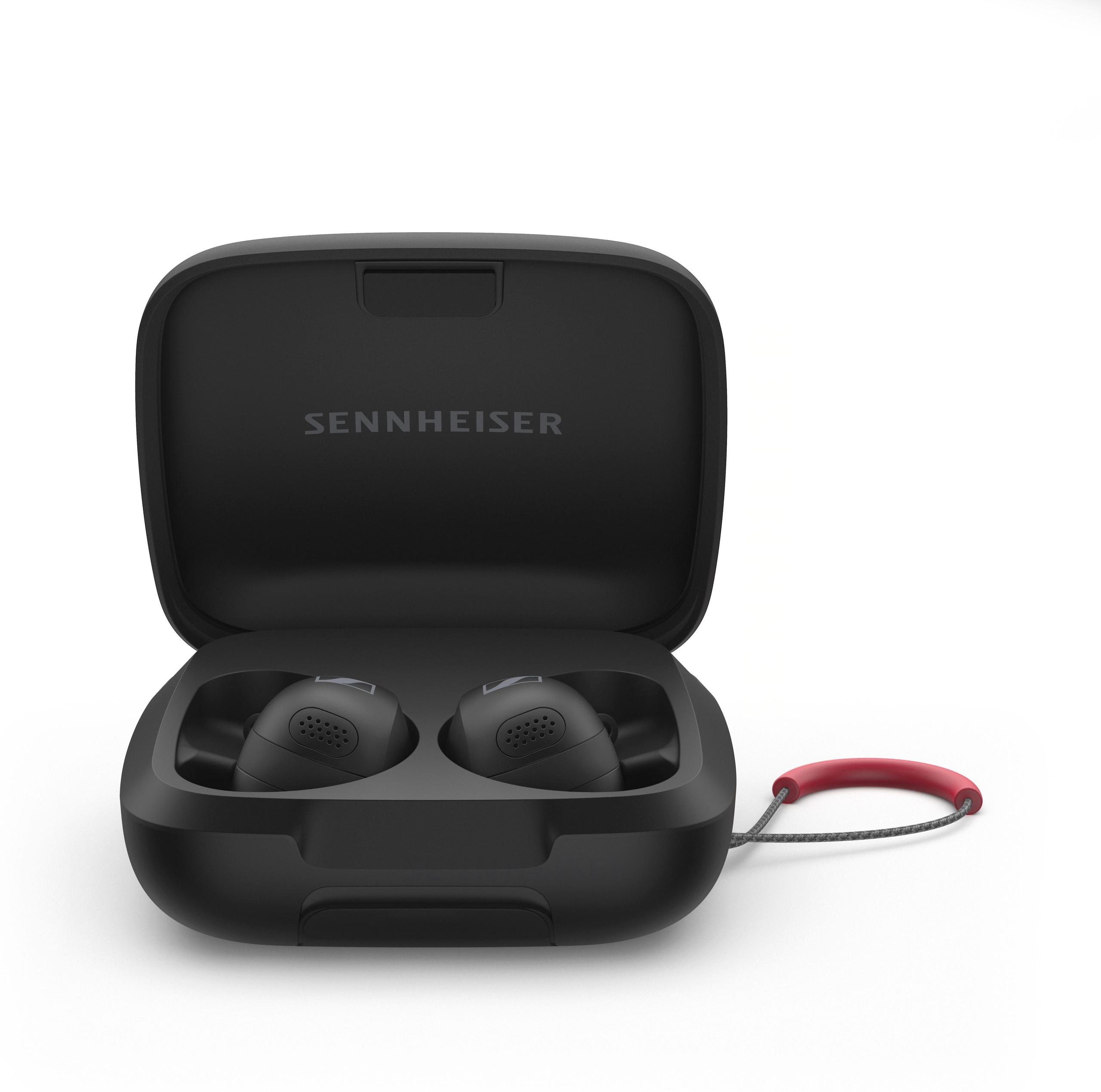
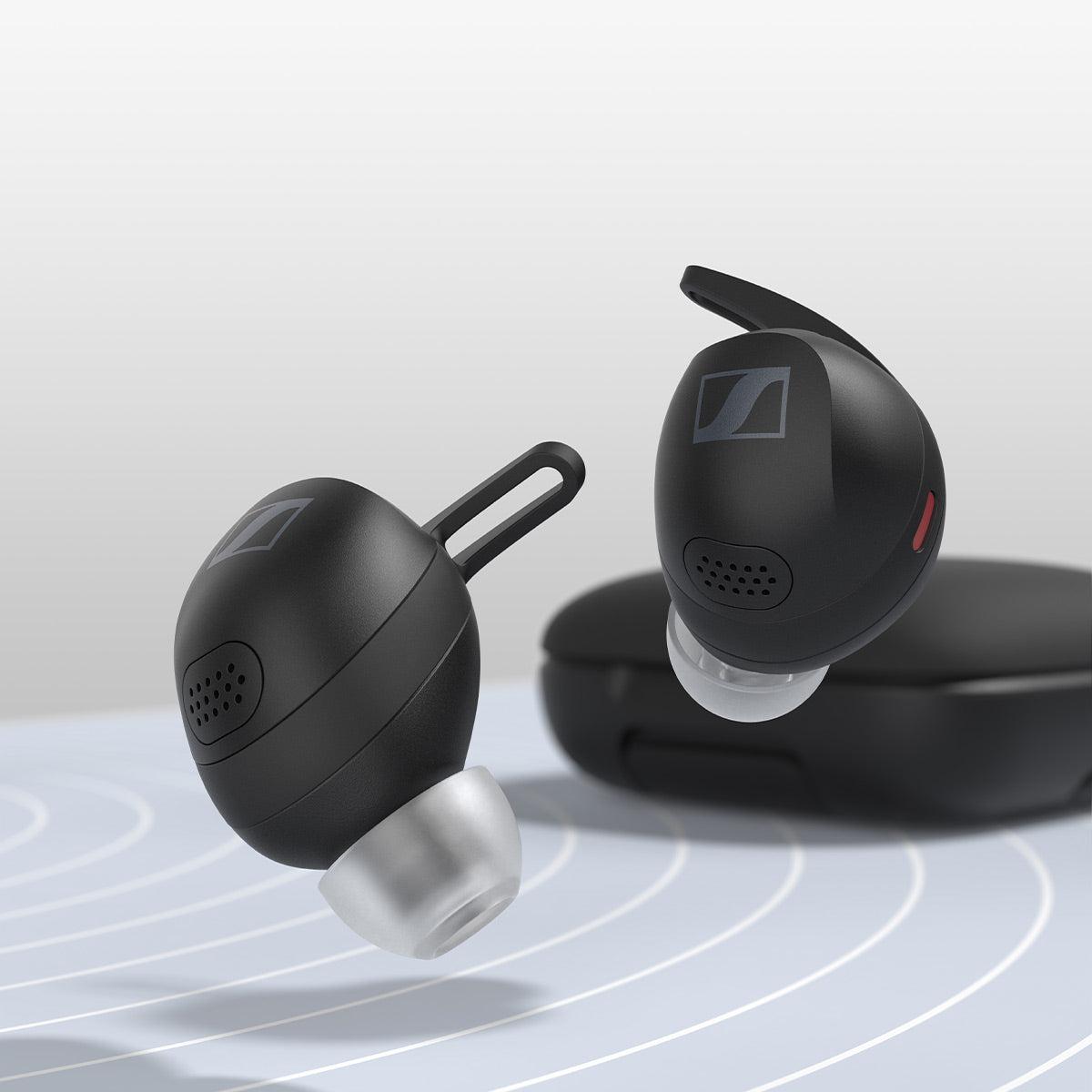
The Sennheiser Momentum Sport represents a bold bet that premium earbud users want integrated health tracking without carrying additional devices. Sennheiser, known for their studio-quality headphones, has packed these earbuds with photoplethysmography (PPG) sensors – the same technology used in fitness watches to measure heart rate by detecting blood flow changes through your skin. They've also included body temperature sensors, creating what's essentially a fitness tracker that happens to play music.
This approach makes sense when you consider how many people struggle with multiple devices during workouts. Rather than wearing earbuds plus a fitness watch, the Momentum Sport consolidates both functions. The earbuds connect directly to fitness ecosystems like Polar Flow, allowing real-time heart rate monitoring that can adjust your workout intensity automatically.
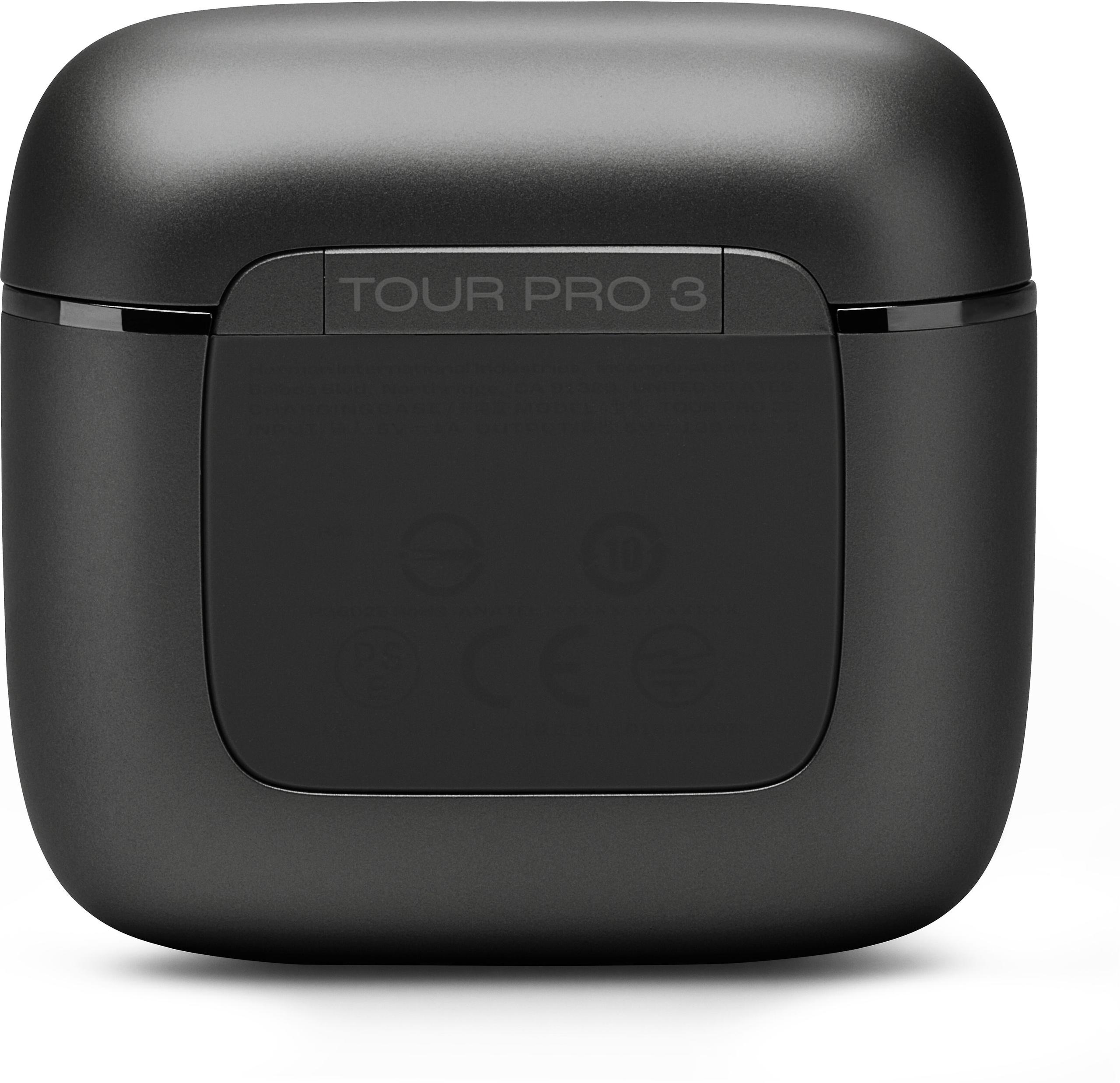
The JBL Tour Pro 3 takes the opposite approach, focusing on multimedia versatility and convenience features. The standout innovation is the 1.45-inch touchscreen LCD integrated into the charging case – essentially turning the case into a remote control for your earbuds. This isn't just a gimmick; it allows you to adjust settings, control playback, and even view caller ID without touching your phone.
JBL has also included LDAC codec support, which is significant for audio quality. LDAC can transmit roughly three times more audio data than standard Bluetooth codecs, maintaining much closer to CD-quality sound over wireless connections. Combined with their hybrid dual-driver system (using both dynamic and balanced armature drivers), the Tour Pro 3 targets users who prioritize audio fidelity alongside smart features.
The most important performance characteristic for any earbud is sound quality, but "good sound" means different things depending on your intended use. Both earbuds use 10mm dynamic drivers as their primary sound source, but their approaches diverge significantly.
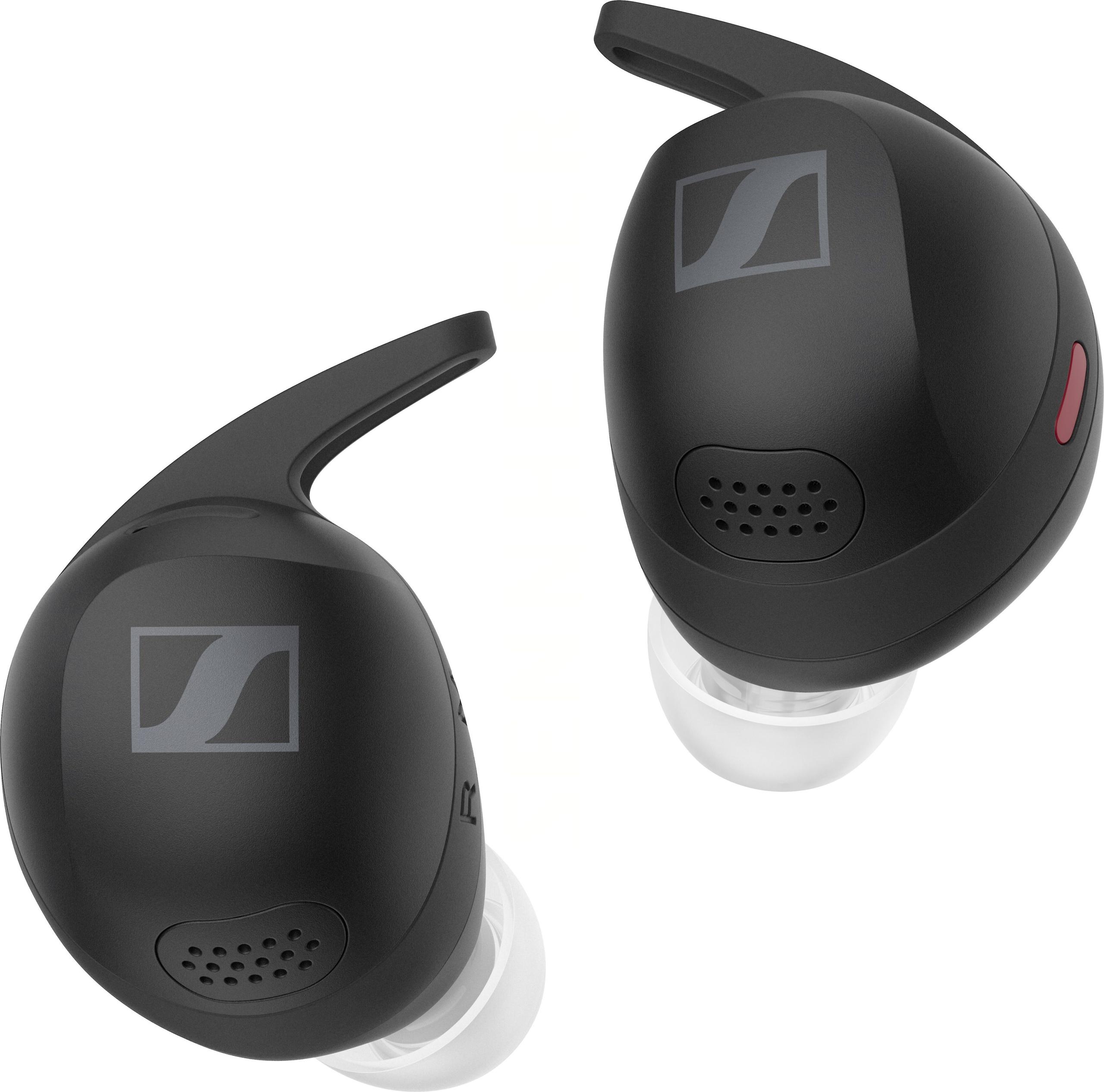
The Momentum Sport features what Sennheiser calls an "acoustic relief channel" – essentially a small vent that reduces the sealed feeling common with in-ear monitors. This semi-open design serves two purposes: it reduces the occlusion effect (that hollow sound of your own voice and footsteps), and it allows some environmental awareness for safer outdoor workouts.
The sound signature is deliberately energetic, with boosted bass to maintain motivation during exercise and enhanced treble for clarity over workout noise. However, this tuning can make vocals sound somewhat veiled in quieter listening environments. The 5-band equalizer in Sennheiser's app helps address this, but it requires manual adjustment to achieve more neutral sound for casual listening.
From my experience testing sports-tuned earbuds, this approach makes sense. During intense exercise, you need audio that cuts through heavy breathing, footsteps, and environmental noise. The Momentum Sport's tuning succeeds at this, though it's less refined for critical music listening at home.
The Tour Pro 3 uses a hybrid dual-driver system that's more sophisticated from a technical standpoint. The 10mm dynamic driver handles bass and midrange, while a smaller balanced armature driver manages high frequencies. This division of labor typically results in better frequency separation and detail retrieval.
The sound signature is what audio enthusiasts call "V-shaped" – boosted bass and treble with slightly recessed midrange. This creates an engaging, exciting presentation that works well for movies, games, and modern music genres. The LDAC codec support means compatible Android devices can stream significantly higher quality audio than standard Bluetooth allows.
For home theater use, the Tour Pro 3's JBL Spatial 360 with head tracking creates a convincing surround sound effect. The head tracking uses internal sensors to maintain the illusion that sound sources are fixed in space even when you turn your head. While not a replacement for a proper home theater system, it's surprisingly effective for late-night movie watching without disturbing others.
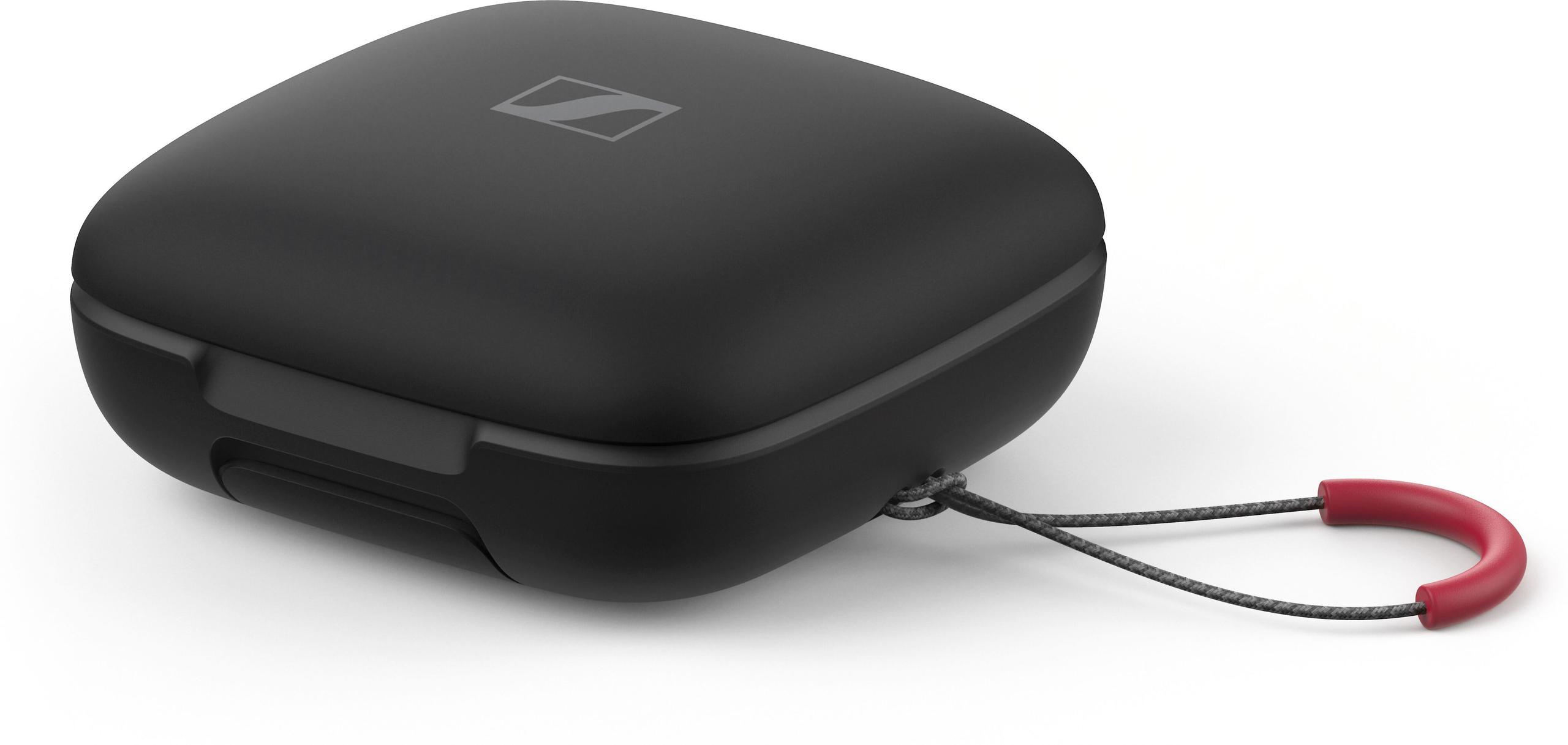
Battery life represents the most significant performance difference between these earbuds. The JBL Tour Pro 3 offers 11 hours per charge with an additional 33 hours from the case, totaling 44 hours. The Sennheiser Momentum Sport provides 6 hours per charge plus 18 additional hours from the case, for 24 hours total.
This 83% difference in total battery life is substantial and reflects different engineering priorities. The Tour Pro 3's larger case accommodates a bigger battery, while the Momentum Sport's case prioritizes portability and includes the additional complexity of biometric sensor integration.
Quick charging performance also favors JBL significantly. Ten minutes of charging provides three hours of playback for the Tour Pro 3, compared to 45 minutes for the Momentum Sport. For frequent travelers or heavy daily users, this difference can be decisive.
Both earbuds push beyond basic audio playback, but in completely different directions that reveal their intended use cases.
The Momentum Sport's biometric sensors represent genuine innovation in the earbud space. The heart rate monitoring proved highly accurate in testing compared to chest strap monitors, while the body temperature sensor provides core temperature estimates useful for heat stress monitoring during intense exercise.
The ecosystem integration extends beyond simple data collection. The earbuds can connect directly to fitness apps and sports watches, enabling real-time heart rate zones that adjust your workout automatically. The anti-wind mode uses advanced signal processing to reduce wind noise during outdoor activities – a feature that proves invaluable during cycling or running in breezy conditions.
Sound Zones technology automatically adjusts earbud settings based on location. Arriving at the gym might activate sports mode and disable noise cancellation, while reaching the office could enable ANC and switch to a more neutral sound profile. These automated adjustments reduce the friction of switching between different use cases.
The Tour Pro 3's touchscreen case initially seems gimmicky but proves genuinely useful in practice. Beyond basic playbook control, it displays caller ID information, allows EQ adjustments without opening phone apps, and can even show custom wallpapers and support 13 languages. The screen's usefulness becomes apparent when your phone is buried in a bag or when you want to make quick adjustments without unlocking your device.
The case doubles as a wireless audio transmitter, connecting to airplane entertainment systems or computer audio outputs via the included USB-C to 3.5mm cable. This transforms any wired audio source into a wireless one, eliminating the need for dongles during travel. The feature works particularly well for long flights where phone battery conservation matters.
Auracast technology allows audio sharing with other compatible devices – useful for couples who want to share movie audio or friends listening to the same music simultaneously.
The Momentum Sport clearly wins the durability contest with IP55 water and dust resistance. This rating means the earbuds can withstand direct water spray from any angle, making them suitable for intense workouts, rain, and even light swimming activities. The case carries an IP54 rating, providing dust protection and splash resistance.
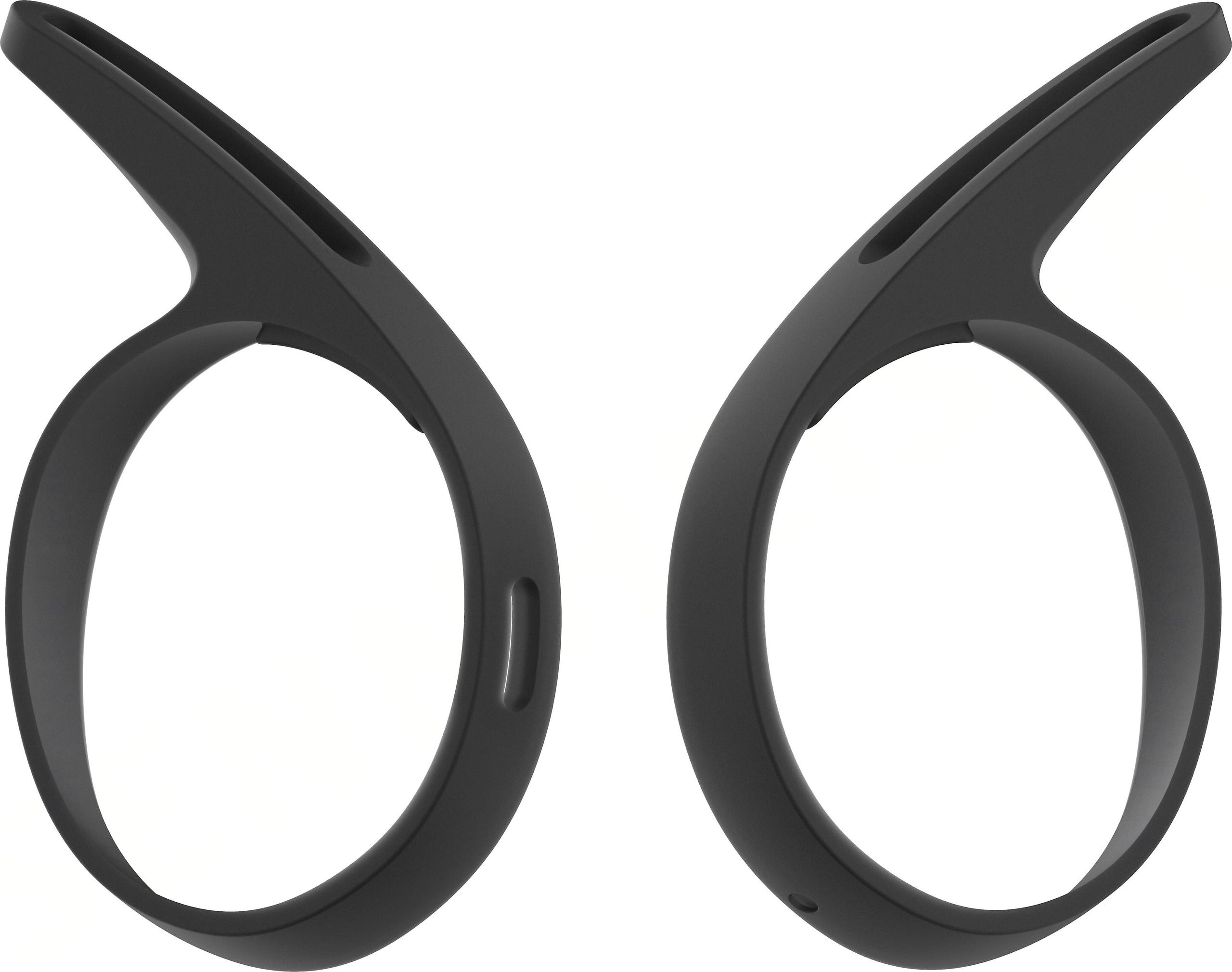
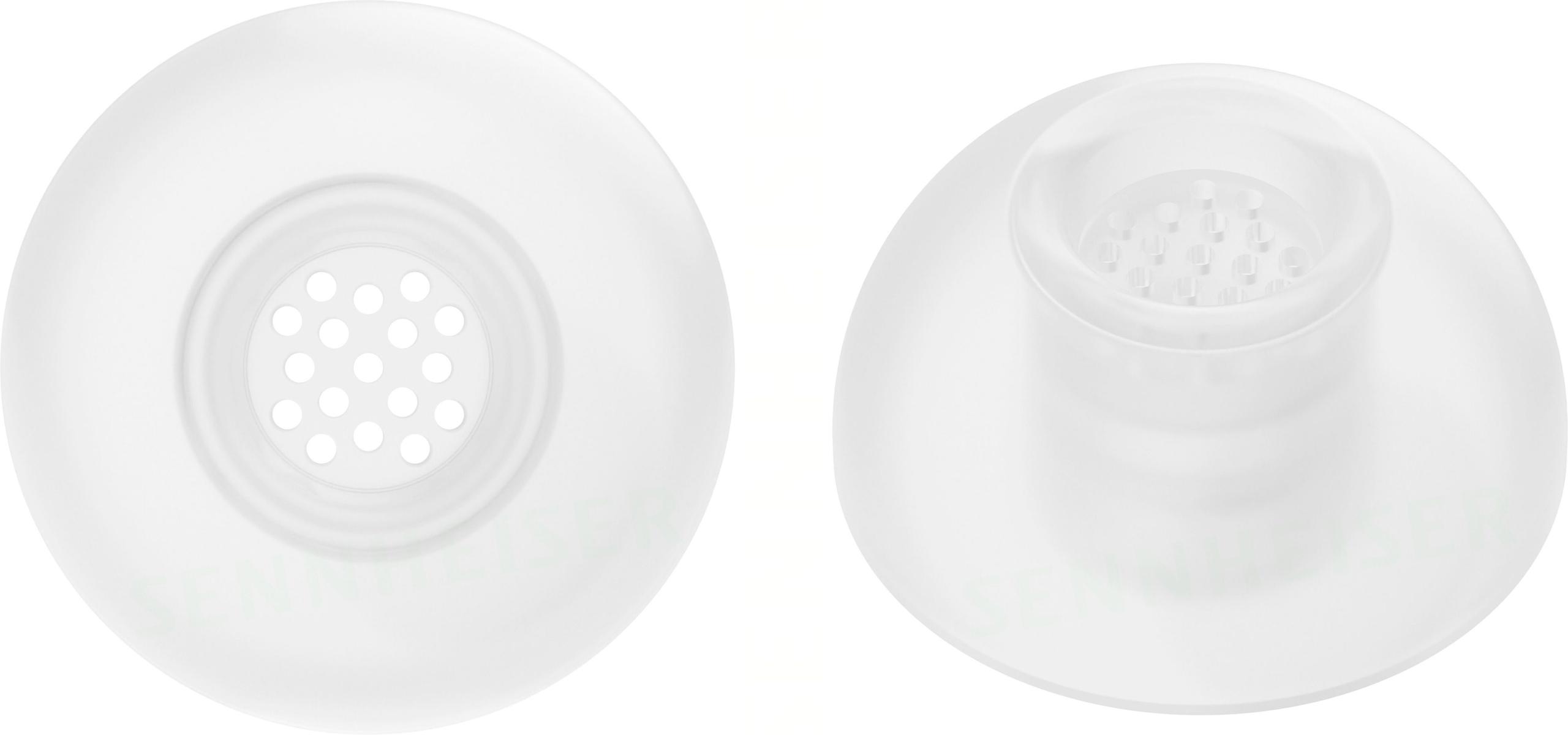
The multiple ear fin sizes (small, medium, large) and ear tip options ensure a secure fit during vigorous activity. From testing various sports earbuds, proper fit is crucial – even excellent earbuds become useless if they fall out during exercise.
The JBL Tour Pro 3 uses standard sweat resistance without specific IP ratings disclosed. While adequate for normal use and light exercise, they're not designed for the same level of environmental exposure as the Momentum Sport.
Both earbuds feature active noise cancellation, but optimized for different scenarios. The Momentum Sport's ANC includes specialized anti-wind mode that reduces wind noise during outdoor activities without completely isolating you from important environmental sounds like traffic or other people.
The Tour Pro 3's True Adaptive Noise Cancellation 2.0 uses more sophisticated processing, measuring environmental noise over 50,000 times per second to continuously optimize cancellation. This results in better performance in consistently noisy environments like airplanes or offices, but less specialization for outdoor sports activities.
For transparency mode (letting outside sound through intentionally), the Momentum Sport prioritizes natural sound while minimizing wind noise pickup. The Tour Pro 3 focuses on clear communication and general environmental awareness.
While neither earbud is specifically designed for home theater use, the JBL Tour Pro 3 offers significantly better performance in this context. The JBL Spatial 360 with head tracking creates convincing virtual surround sound, while LDAC codec support ensures maximum audio quality from compatible streaming devices.
The longer battery life makes the Tour Pro 3 more practical for movie marathons or extended gaming sessions. The touchscreen case allows volume and EQ adjustments without pausing content or reaching for a phone remote.
The Momentum Sport's sports-tuned sound signature works against it for home entertainment, though the 5-band EQ can help create a more neutral profile for movie watching.
At the time of writing, both earbuds command premium pricing that reflects their specialized features rather than just audio quality. The Momentum Sport typically costs about 10-15% more than the Tour Pro 3, a premium that reflects the complexity of integrating biometric sensors and achieving superior water resistance.
The value proposition depends entirely on your priorities. If fitness integration matters, the Momentum Sport's premium pays for functionality you can't get elsewhere. If multimedia features and battery life are priorities, the Tour Pro 3 offers better value for money.
Both earbuds compete in a market segment where features matter as much as pure audio performance. Budget-conscious buyers might question whether either justifies their premium over excellent mid-range options that cost 50-60% less.
You're serious about fitness and want consolidated health tracking without additional devices. The integrated heart rate and temperature monitoring, combined with sports ecosystem connectivity, creates a compelling package for dedicated athletes or fitness enthusiasts. The superior water resistance makes these earbuds suitable for any weather conditions or intense training sessions.
The Momentum Sport also makes sense if you prioritize outdoor activities where wind noise reduction and environmental awareness matter. Runners, cyclists, and hikers will appreciate the specialized features designed for active outdoor use.
You prioritize multimedia versatility and convenience features over fitness integration. The exceptional battery life, touchscreen case, and LDAC codec support create a premium experience for music lovers, frequent travelers, and productivity users. The case's ability to function as an audio transmitter adds unique value for airplane travel or desktop use.
The Tour Pro 3 makes more sense as an all-around premium earbud that excels across different use cases rather than specializing in fitness applications.
These earbuds represent two successful approaches to premium wireless audio, each executing their respective visions excellently. The Sennheiser Momentum Sport succeeds as a fitness-first device that doesn't compromise on audio quality, while the JBL Tour Pro 3 delivers multimedia excellence with innovative convenience features.
Your choice should align with your primary use case. Neither earbud tries to be everything to everyone, and that focus makes both more successful in their intended roles. The market has room for both approaches, serving different user needs that have emerged as wireless earbuds have evolved beyond simple audio playback into sophisticated personal technology.
The technology improvements since the first generation of true wireless earbuds have been remarkable. Both products showcase how far the category has advanced, offering features that seemed impossible just a few years ago. Whether you prioritize fitness integration or multimedia excellence, both earbuds justify their premium positioning through genuine innovation and excellent execution.
| Sennheiser Momentum Sport | JBL Tour Pro 3 |
|---|---|
| Driver Technology - Determines sound quality and detail | |
| 10mm dynamic drivers with acoustic relief channel | Hybrid dual-driver: 10mm dynamic + 5.1mm balanced armature |
| Battery Life - Critical for daily usability | |
| 6 hours (buds) + 18 hours (case) = 24 hours total | 11 hours (buds) + 33 hours (case) = 44 hours total |
| Quick Charging - How fast you get back to listening | |
| 10 minutes = 45 minutes playback | 10 minutes = 3 hours playbook |
| Water Resistance - Protection level for workouts and weather | |
| IP55 (withstands water spray from any angle) | Standard sweat resistance (no IP rating specified) |
| Unique Features - What sets each apart from competitors | |
| Heart rate & body temperature sensors, fitness app integration | 1.45" touchscreen case, audio transmitter functionality |
| Audio Codecs - Affects wireless sound quality | |
| SBC, AAC, aptX, aptX Adaptive | SBC, AAC, LDAC (3x more data than standard Bluetooth) |
| Bluetooth Version - Connection stability and features | |
| Bluetooth 5.2 | Bluetooth 5.3 with LE Audio and Auracast |
| Noise Cancellation - How well they block outside noise | |
| Adaptive ANC with anti-wind mode for outdoor activities | True Adaptive ANC 2.0 (measures 50,000 times per second) |
| Sound Signature - What the audio emphasis is | |
| Sports-tuned with powerful bass, somewhat veiled vocals | V-shaped: punchy bass and crisp treble, engaging presentation |
| Fit System - How they stay secure during activity | |
| Multiple ear fin sizes (S/M/L) + ear tips for sports | Standard comfort fit with 5 eartip sizes + foam tips |
| Smart Features - Advanced functionality beyond music | |
| Sound Zones, Polar Flow integration, semi-open design | Spatial 360 with head tracking, case as wireless transmitter |
| Target Use Case - Who each product serves best | |
| Fitness enthusiasts wanting integrated health tracking | Multimedia users prioritizing battery life and convenience |
The JBL Tour Pro 3 offers significantly better battery life with 11 hours per charge and 44 hours total with the case, compared to the Sennheiser Momentum Sport which provides 6 hours per charge and 24 hours total. The JBL also charges much faster, giving you 3 hours of playback from just 10 minutes of charging.
The Sennheiser Momentum Sport is specifically designed for fitness with IP55 water resistance, integrated heart rate and body temperature sensors, and a secure fit system with multiple ear fin sizes. The JBL Tour Pro 3 offers standard sweat resistance but lacks the specialized fitness features and water protection of the Sennheiser.
Both offer excellent sound quality but with different approaches. The JBL Tour Pro 3 uses a hybrid dual-driver system and supports LDAC codec for high-resolution audio, delivering more detailed sound. The Sennheiser Momentum Sport is tuned specifically for sports with energetic bass and treble, though vocals can sound veiled in quiet environments.
Both earbuds offer good call quality, but the JBL Tour Pro 3 has a more advanced setup with 6 microphones and beamforming technology powered by JBL Crystal AI. The Sennheiser Momentum Sport includes wind noise reduction which is helpful for outdoor calls during activities.
The JBL Tour Pro 3 is superior for travel due to its exceptional 44-hour battery life, touchscreen case for easy control, and unique feature where the case can connect to airplane entertainment systems as a wireless transmitter. The Sennheiser Momentum Sport has shorter battery life but offers better water resistance for outdoor adventures.
Yes, both the Sennheiser Momentum Sport and JBL Tour Pro 3 work with any Bluetooth-enabled smartphone. However, the JBL offers additional benefits with Android devices through LDAC codec support for higher quality audio streaming.
The JBL Tour Pro 3 features more advanced True Adaptive Noise Cancellation 2.0 that measures environmental noise 50,000 times per second for better overall noise blocking. The Sennheiser Momentum Sport offers adaptive ANC with specialized anti-wind mode that's particularly effective for outdoor activities.
Both earbuds justify their premium pricing through specialized features. The Sennheiser Momentum Sport offers unique biometric tracking and superior water resistance for fitness users. The JBL Tour Pro 3 provides exceptional battery life, LDAC audio quality, and innovative touchscreen case functionality for multimedia users.
The JBL Tour Pro 3 is generally more comfortable for extended use due to its longer battery life eliminating charging breaks and standard comfort-focused fit. The Sennheiser Momentum Sport uses a semi-open design that reduces ear pressure but is primarily optimized for secure fit during physical activity rather than all-day comfort.
The JBL Tour Pro 3 is better suited for entertainment with JBL Spatial 360 sound that creates virtual surround sound effects and head tracking technology. The longer battery life also makes it more practical for movie marathons. The Sennheiser Momentum Sport is sports-tuned and less ideal for home entertainment use.
The Sennheiser Momentum Sport offers superior durability with IP55 water and dust resistance that can handle direct water spray, making them suitable for intense workouts and outdoor conditions. The JBL Tour Pro 3 provides standard sweat resistance but isn't designed for the same level of environmental exposure.
The Sennheiser Momentum Sport is unique for its integrated heart rate and body temperature sensors that connect directly to fitness apps, eliminating the need for separate fitness trackers during workouts. The JBL Tour Pro 3 stands out with its 1.45-inch touchscreen charging case that acts as a remote control and can function as a wireless audio transmitter for connecting to airplane entertainment systems.
We've done our best to create useful and informative comparisons to help you decide what product to buy. Our research uses advanced automated methods to create this comparison and perfection is not possible - please contact us for corrections or questions. These are the sites we've researched in the creation of this article: rtings.com - shop.prevention.com - youtube.com - techradar.com - sennheiser-hearing.com - youtube.com - dcrainmaker.com - head-fi.org - whathifi.com - youtube.com - youtube.com - head-fi.org - ecoustics.com - soundguys.com - audio46.com - moon-audio.com - newsroom.sennheiser.com - youtube.com - shop.menshealth.com - the5krunner.com - youtube.com - bloomaudio.com - eftm.com - soundguys.com - techradar.com - sennheiser-hearing.com - techradar.com - sweetwater.com - news.jbl.com - youtube.com - harmanaudio.com - jbl.com - krazykileys.ca - jbl.com - shop.menshealth.com - sweetwater.com

Privacy Policy
Terms and Conditions - Affiliate Policy
Home Security
© Copyright 2008-2026.
11816 Inwood Rd #1211, Dallas, TX 75244