







True wireless earbuds have evolved from simple Bluetooth accessories into sophisticated audio computers that handle everything from noise cancellation to real-time translation. The market has matured significantly since Apple's AirPods launched in 2016, and by 2024, we're seeing remarkable technology trickle down to more affordable options while premium models push boundaries with features that seemed impossible just a few years ago.
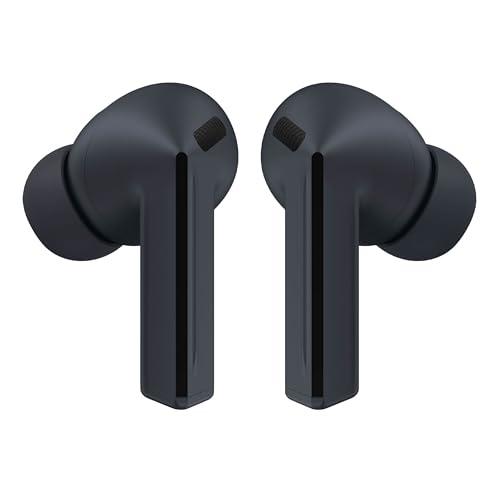
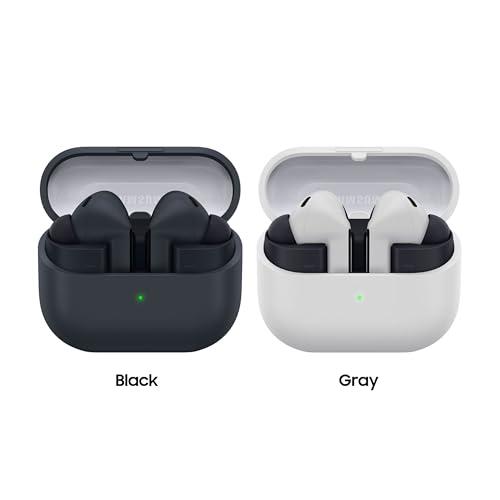
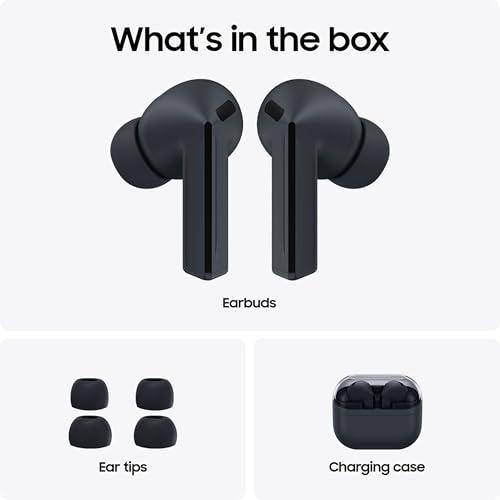
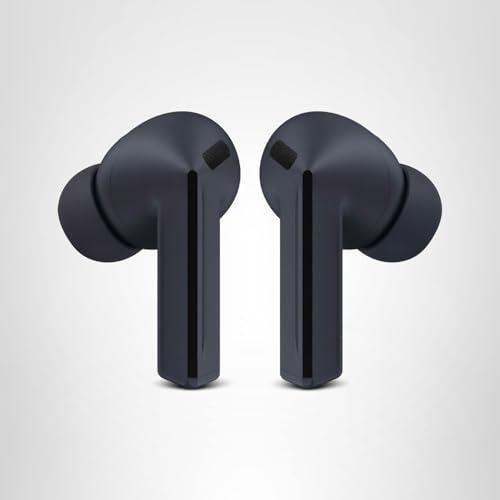
Two earbuds perfectly illustrate this evolution: the Samsung Galaxy Buds 3 FE, released in 2024 as Samsung's budget-friendly answer to premium noise cancellation, and the JBL Tour Pro 3, also from 2024, which represents JBL's most ambitious attempt at redefining what earbuds can do with its innovative smart case technology.
At the time of writing, these earbuds sit in different price tiers—the Samsung Galaxy Buds 3 FE targets budget-conscious buyers while the JBL Tour Pro 3 commands premium pricing. But the question isn't just about cost; it's about understanding what you actually get for your money and which approach better serves your specific needs.
Before diving into specifics, let's establish what separates good earbuds from great ones. Sound quality obviously matters, but it's more nuanced than just "louder is better." Modern earbuds need to excel across multiple dimensions: they should deliver clear, balanced audio that doesn't fatigue your ears during long listening sessions, effectively block out environmental noise when you need focus, provide crystal-clear call quality for work conversations, and last through your entire day without needing constant recharging.
The ecosystem integration factor has become increasingly important. Earbuds that work seamlessly with your existing devices—whether that's an iPhone, Samsung Galaxy phone, or Windows laptop—create a smoother daily experience than those that require constant manual reconnection and adjustment.
The most fundamental difference between these earbuds lies in their audio philosophy. The JBL Tour Pro 3 takes a technical approach with its hybrid dual-driver system, combining a 10mm dynamic driver with a smaller balanced armature driver. This might sound like marketing jargon, but it's actually quite meaningful for audio quality.
Here's how it works: the larger dynamic driver handles the bass and mid-range frequencies—think of the thump in hip-hop tracks or the warmth in a vocalist's chest voice. The balanced armature driver, borrowed from high-end hearing aids and professional in-ear monitors, focuses exclusively on high frequencies like cymbals, violin strings, and the sparkle in vocals. This separation allows each driver to specialize, theoretically delivering cleaner sound with less distortion.
The JBL Tour Pro 3 also supports Hi-Res Audio through the LDAC codec, which transmits significantly more audio data than standard Bluetooth connections. When connected to compatible devices (primarily Android phones and some music players), this can preserve more detail from high-quality recordings. The difference is most noticeable with well-recorded acoustic music, jazz, or classical pieces where you can hear the room ambiance and subtle instrument textures.
The Samsung Galaxy Buds 3 FE, by contrast, uses a single 6.5mm dynamic driver but focuses heavily on tuning and digital signal processing. Samsung has developed what they call a "warm" sound signature—this means slightly boosted bass response and smooth, non-fatiguing treble. Based on our research of user feedback, this tuning works particularly well for popular music genres, podcasts, and casual listening scenarios.
Where Samsung gains ground is in customization. The Galaxy Wearable app offers six preset equalizer settings plus a custom 9-band equalizer, allowing users to fine-tune the sound to their preferences. This level of control partially compensates for having simpler driver technology.
From a practical standpoint, the JBL Tour Pro 3 delivers more technical accuracy and detail retrieval, making it better suited for critical listening or audiophile applications. The Samsung Galaxy Buds 3 FE prioritizes musical enjoyment and accessibility, with tuning that makes most content sound pleasant right out of the box.
Active Noise Cancellation (ANC) works by using external microphones to detect ambient noise, then generating "anti-noise" sound waves that cancel out unwanted sounds. The effectiveness depends on both the hardware (microphone placement and quality) and software algorithms that process the noise cancellation in real-time.
Here's where things get interesting: despite its lower price point, the Samsung Galaxy Buds 3 FE actually outperforms many more expensive competitors in raw noise reduction. Independent testing shows it reduces outside noise by approximately 86% when ANC is enabled—a figure that rivals flagship models from Sony and Bose.
This exceptional performance comes from Samsung's sealed eartip design, which provides excellent passive isolation (blocking about 66% of noise just through the physical seal), combined with enhanced ANC algorithms that Samsung developed specifically for the FE series. The sealed design represents a significant improvement over Samsung's higher-end Buds3, which use an open-ear design that sacrifices noise isolation for comfort.
However, our research reveals some consistency issues with the Samsung Galaxy Buds 3 FE. While it excels at blocking sudden noises like conversations or traffic, it sometimes struggles with constant background sounds like air conditioning units or airplane cabin noise. This inconsistency can be frustrating in office environments or during flights.
The JBL Tour Pro 3 takes a different approach with its True Adaptive Noise Cancellation 2.0 system. Rather than just maximizing noise reduction, JBL focuses on adaptive performance—the earbuds constantly measure the acoustic environment and adjust the ANC response accordingly. This system samples the environment 50,000 times per second, which sounds impressive but more importantly translates to more reliable performance across different scenarios.
The JBL's ANC may not achieve the peak noise reduction of the Samsung, but it's more predictable and consistent. For frequent travelers or anyone who uses earbuds in varied environments, this reliability often matters more than maximum noise reduction in ideal conditions.
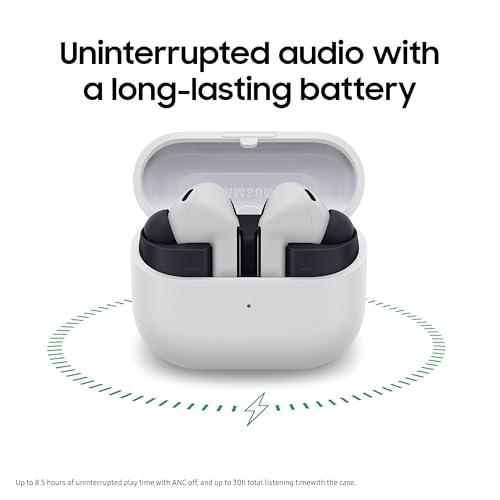
Battery performance represents perhaps the most significant practical difference between these earbuds. The JBL Tour Pro 3 delivers genuinely impressive endurance: 11 hours of continuous playback with ANC disabled, or 8 hours with ANC enabled. Combined with the charging case, total listening time reaches 44 hours without ANC or 32 hours with ANC.
These numbers matter more than they might initially appear. Eight hours of continuous listening with ANC covers most transcontinental flights, full workdays, or extended study sessions without interruption. The difference becomes stark when compared to the Samsung Galaxy Buds 3 FE, which manages approximately 6 hours with ANC enabled and 8.5 hours with it disabled.
For many users, this battery difference determines usability. If you frequently forget to charge devices overnight, travel regularly, or use earbuds throughout long workdays, the JBL's endurance becomes a crucial advantage that justifies its higher price.
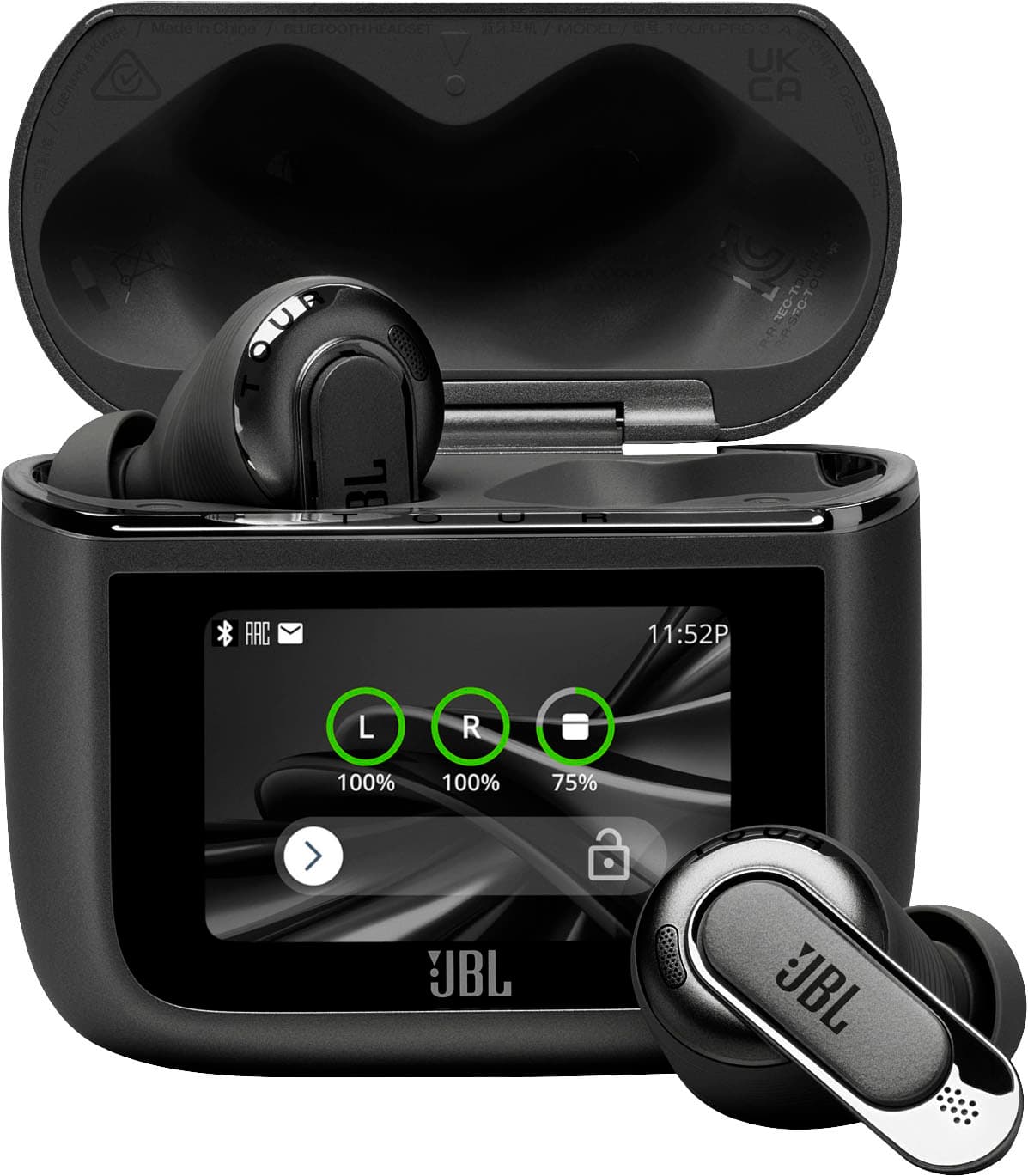
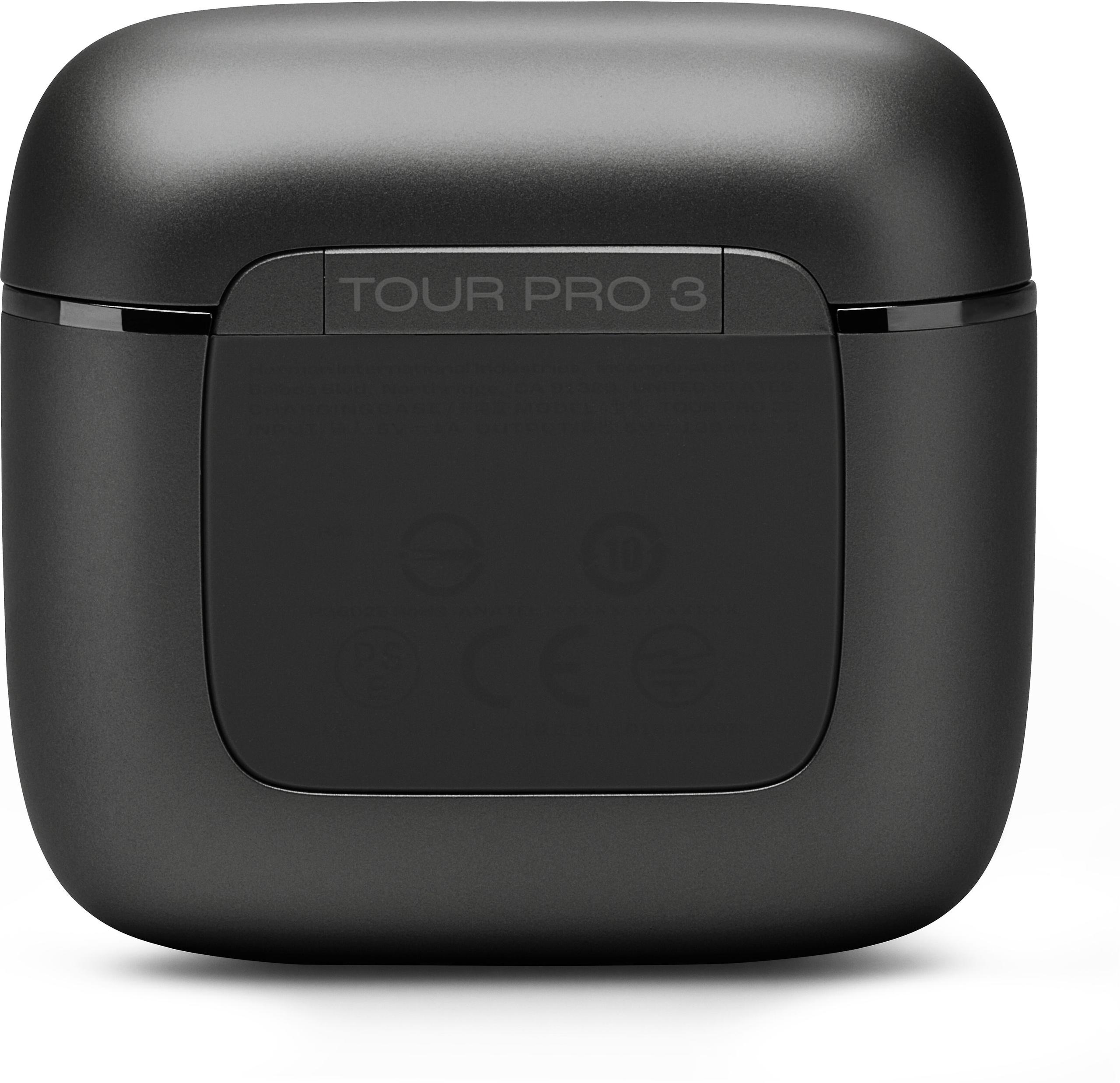
The charging cases also differ significantly in capacity and functionality. The JBL Tour Pro 3 case houses an 850mAh battery and includes a touchscreen display that provides media control, device settings, and even displays caller ID information. More importantly, this case can function as a wireless audio transmitter, connecting to airplane entertainment systems or any device with a USB or analog audio output.
The Samsung Galaxy Buds 3 FE uses a more traditional approach with a compact 515mAh charging case that prioritizes portability over features. While it lacks wireless charging capability, the smaller size makes it more pocket-friendly for daily carry.
Modern earbuds serve double duty as communication devices, making call quality increasingly important for remote work and business use. The JBL Tour Pro 3 clearly targets professional users with its six-microphone array and advanced wind noise reduction technology.
JBL's Crystal AI algorithm focuses on isolating the user's voice while suppressing background noise, and the hydrodynamic design specifically addresses wind noise—a common problem with earbuds used outdoors. The smart call equalizer automatically adjusts for different speaking volumes, helping both quiet and loud talkers achieve clearer communication.
The Samsung Galaxy Buds 3 FE includes Crystal Clear Call technology with machine learning voice isolation, but our research indicates inconsistent performance in challenging environments. While adequate for casual phone calls, it struggles with wind noise and very noisy environments, making it less suitable for professional use or outdoor activities.
For anyone who regularly takes work calls, participates in video conferences, or needs reliable communication in varied environments, the JBL Tour Pro 3 offers significantly more professional-grade performance.
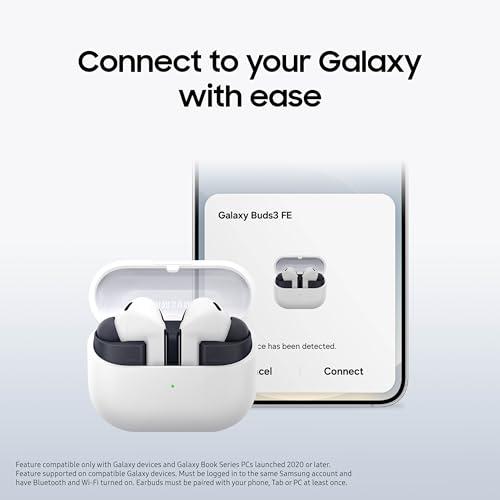
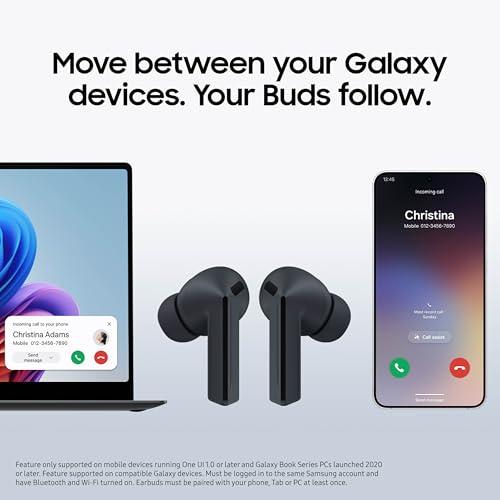
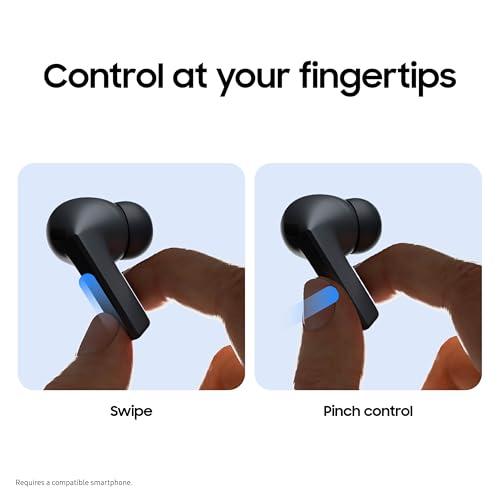
This category highlights the fundamental philosophical difference between these products. The Samsung Galaxy Buds 3 FE excels within Samsung's ecosystem, offering features like Auto Switch technology that seamlessly moves audio between Galaxy devices, Galaxy AI integration for real-time translation, and intuitive Blade controls that feel natural after a brief learning period.
These features create genuine value for Samsung device owners. The real-time translation capability, powered by Galaxy AI, can translate conversations in real-time—genuinely useful for international travel or language learning. The Auto Switch feature eliminates the common frustration of manually reconnecting earbuds when switching between phone, tablet, and laptop.
However, these advantages largely disappear when used with non-Samsung devices. iPhone users, for example, lose access to most smart features and the advanced equalizer controls, reducing the earbuds to basic audio playback and calls.
The JBL Tour Pro 3 prioritizes universal compatibility and innovative hardware features. The smart case represents genuinely new functionality—its touchscreen display allows full media control, settings adjustment, and even displays song information without accessing your phone. More uniquely, the case functions as a Bluetooth transmitter, enabling wireless connection to devices that lack Bluetooth capability.
This transmitter functionality opens interesting use cases: connecting wirelessly to airplane entertainment systems, older audio equipment, or gaming consoles. The Auracast technology also enables audio sharing with other compatible devices, though this feature requires widespread adoption to become truly useful.
Both earbuds meet modern durability expectations but with different focuses. The Samsung Galaxy Buds 3 FE carries an IP54 rating, providing protection against dust and water splashes. This rating covers most daily scenarios—workouts, light rain, or accidental spills—but isn't suitable for swimming or heavy water exposure.
The JBL Tour Pro 3 emphasizes premium materials and construction quality, though specific water resistance ratings weren't clearly specified in our research. The smart case represents a more complex device with potential durability concerns around its touchscreen display and electronic components.
Weight distribution affects long-term comfort significantly. Both earbuds are relatively lightweight (the Samsung at 5g per earbud, JBL at 5.6g), but the Samsung's sealed design provides more secure fit for active use, while the JBL focuses on extended wearing comfort for professional scenarios.
For home theater use, both earbuds offer spatial audio technologies, but with different implementations. The Samsung Galaxy Buds 3 FE provides 360 Audio that works particularly well with Samsung TVs and Galaxy devices, creating an immersive experience for movies and gaming.
The JBL Tour Pro 3 includes JBL Spatial 360 with head tracking, which creates a more convincing surround sound experience by maintaining audio positioning as you move your head. This technology works across all source devices and can enhance movie watching on tablets, laptops, or when connected to TV audio systems through the case's transmitter function.
For serious home theater applications, the JBL's case transmitter capability provides unique value—it can connect wirelessly to any TV with analog or USB audio output, eliminating cable clutter while providing high-quality wireless audio transmission.
The Samsung Galaxy Buds 3 FE makes the most sense for Samsung ecosystem users who prioritize excellent noise cancellation at an accessible price point. These earbuds excel for commuting, casual listening, and moderate daily use. The exceptional ANC performance, Galaxy AI features, and seamless device switching create significant value for Galaxy device owners.
However, they're less compelling for mixed-platform users, heavy-usage scenarios, or professional applications where call quality matters significantly. The shorter battery life also limits their usefulness for travel or all-day professional use.
The JBL Tour Pro 3 justifies its premium pricing through superior battery life, professional-grade call quality, universal device compatibility, and innovative smart case functionality. These earbuds better serve frequent travelers, professionals who rely on clear communication, audiophiles who appreciate technical audio quality, and users who switch between different device platforms.
The smart case alone provides functionality that no competitor currently matches, making these earbuds particularly valuable for users who frequently connect to varied audio sources or need device-independent control.
At the time of writing, the price difference between these earbuds reflects their different target markets and feature sets. The Samsung Galaxy Buds 3 FE offers flagship-level noise cancellation and ecosystem integration at a more accessible price point, making it exceptional value for Samsung users with moderate usage needs.
The JBL Tour Pro 3 commands premium pricing but delivers correspondingly advanced features—superior battery life, professional call quality, innovative case functionality, and universal compatibility that works optimally across all platforms.
Your decision should primarily depend on your device ecosystem, usage intensity, and specific feature priorities. For Samsung users seeking excellent noise cancellation without premium pricing, the Galaxy Buds 3 FE represents outstanding value. For users requiring maximum battery life, professional call quality, or innovative features regardless of platform, the JBL Tour Pro 3 justifies its higher cost through genuinely superior capabilities.
Both earbuds represent significant achievements in their respective categories, offering different but compelling approaches to premium wireless audio in 2024.
| Samsung Galaxy Buds 3 FE | JBL Tour Pro 3 |
|---|---|
| Battery Life - Critical for all-day use and travel | |
| 6 hours (ANC on) / 8.5 hours (ANC off), 24-30 hours total with case | 8 hours (ANC on) / 11 hours (ANC off), 32-44 hours total with case |
| Driver Technology - Determines audio quality and detail | |
| Single 6.5mm dynamic driver with warm tuning | Hybrid dual-driver: 10mm dynamic + balanced armature |
| Active Noise Cancellation - Essential for focus and commuting | |
| 86% noise reduction, excellent but inconsistent with constant sounds | True Adaptive ANC 2.0, more reliable across environments |
| Call Quality - Important for work and video calls | |
| Crystal Clear Call with ML voice isolation, struggles in wind | 6-microphone array with Crystal AI, professional-grade performance |
| Smart Features - Convenience and ecosystem integration | |
| Galaxy AI translation, Auto Switch between Samsung devices, Blade controls | Smart case touchscreen, wireless audio transmitter, universal compatibility |
| Audio Codec Support - Affects wireless sound quality | |
| Samsung Seamless Codec, AAC, SBC | LDAC Hi-Res Audio, AAC, SBC, LC3+ |
| Water Resistance - Protection for workouts and weather | |
| IP54 rating (earbuds only) | Not specified in available documentation |
| Charging Case Features - Added functionality beyond just charging | |
| Compact 515mAh case, no wireless charging | 850mAh smart case with touchscreen, Bluetooth transmitter function |
| Device Compatibility - Works best with which platforms | |
| Optimized for Samsung Galaxy devices, limited features on other platforms | Universal compatibility across iOS, Android, Windows with full features |
| Weight Per Earbud - Affects comfort during extended wear | |
| 5g each | 5.6g each |
| Customization Options - Personalizing sound and controls | |
| 6 EQ presets + custom 9-band EQ via Samsung app | Personi-Fi 3.0 personalized sound profiling |
| Quick Charge Capability - Emergency power when needed | |
| Standard USB-C charging speeds | 10 minutes provides 3 hours of playback |
The JBL Tour Pro 3 significantly outperforms the Samsung Galaxy Buds 3 FE in battery life. The JBL provides 8-11 hours of continuous playback and up to 44 hours total with the case, while the Samsung offers 6-8.5 hours per charge with 24-30 hours total. For heavy users or travelers, the JBL Tour Pro 3 is the clear winner.
The JBL Tour Pro 3 works excellently with iPhone, maintaining full functionality across all features. The Samsung Galaxy Buds 3 FE works with iPhone but loses many smart features like Galaxy AI, Auto Switch, and advanced equalizer controls that are exclusive to Samsung devices.
The Samsung Galaxy Buds 3 FE actually provides stronger noise reduction, blocking about 86% of ambient noise. However, the JBL Tour Pro 3 offers more consistent and reliable noise cancellation across different environments. The Samsung excels in peak performance while the JBL provides better overall reliability.
The JBL Tour Pro 3 is significantly better for calls with its 6-microphone array and professional-grade voice isolation technology. The Samsung Galaxy Buds 3 FE provides adequate call quality for casual use but struggles in windy or very noisy environments, making the JBL the better choice for business use.
The JBL Tour Pro 3 offers superior technical audio quality with its hybrid dual-driver system and Hi-Res Audio support. The Samsung Galaxy Buds 3 FE provides a warm, enjoyable sound signature that many users prefer for casual listening. Audiophiles will prefer the JBL, while casual listeners may enjoy the Samsung's tuning.
Both work with TVs, but the JBL Tour Pro 3 has a unique advantage with its smart case that can act as a wireless transmitter, connecting to any TV with USB or analog audio output. The Samsung Galaxy Buds 3 FE works well with Samsung TVs for 360 Audio but requires direct Bluetooth connection with other TV brands.
The Samsung Galaxy Buds 3 FE is better suited for workouts with its IP54 water resistance rating, secure sealed fit, and lighter weight. The JBL Tour Pro 3 lacks clear water resistance specifications and its smart case makes it less ideal for gym environments.
Neither model supports wireless charging for the earbuds themselves. The Samsung Galaxy Buds 3 FE case doesn't support wireless charging, while the JBL Tour Pro 3 case focuses on smart features rather than wireless charging capability.
The Samsung Galaxy Buds 3 FE offers extensive customization through the Galaxy Wearable app with 6 EQ presets and custom 9-band equalizer, but only on Samsung devices. The JBL Tour Pro 3 provides Personi-Fi 3.0 personalized sound profiling that works across all platforms with consistent functionality.
Both earbuds are lightweight and designed for extended wear. The Samsung Galaxy Buds 3 FE uses a sealed design with multiple eartip sizes for secure fit, while the JBL Tour Pro 3 focuses on balanced weight distribution. Comfort preference varies by individual ear shape, but both receive positive reviews for long-term wearing comfort.
The JBL Tour Pro 3 is superior for travel due to its exceptional battery life, reliable noise cancellation, and smart case that can connect to airplane entertainment systems. The Samsung Galaxy Buds 3 FE offers strong noise cancellation but shorter battery life limits its travel utility.
The Samsung Galaxy Buds 3 FE provides exceptional value with flagship-level noise cancellation at a lower price point, especially for Samsung device users. The JBL Tour Pro 3 justifies its premium pricing through superior battery life, professional call quality, and innovative smart case features, making it better value for power users and professionals.
We've done our best to create useful and informative comparisons to help you decide what product to buy. Our research uses advanced automated methods to create this comparison and perfection is not possible - please contact us for corrections or questions. These are the sites we've researched in the creation of this article: soundguys.com - samsungmobilepress.com - hitechcentury.com - samsung.com - loudnwireless.com - samsung.com - scarbir.com - samsung.com - complyfoam.com - youtube.com - samsung.com - bestbuy.com - architeg-prints.com - samsung.com - techradar.com - sweetwater.com - news.jbl.com - youtube.com - harmanaudio.com - jbl.com - krazykileys.ca - jbl.com - shop.menshealth.com - sweetwater.com

Privacy Policy
Terms and Conditions - Affiliate Policy
Home Security
© Copyright 2008-2026.
11816 Inwood Rd #1211, Dallas, TX 75244