

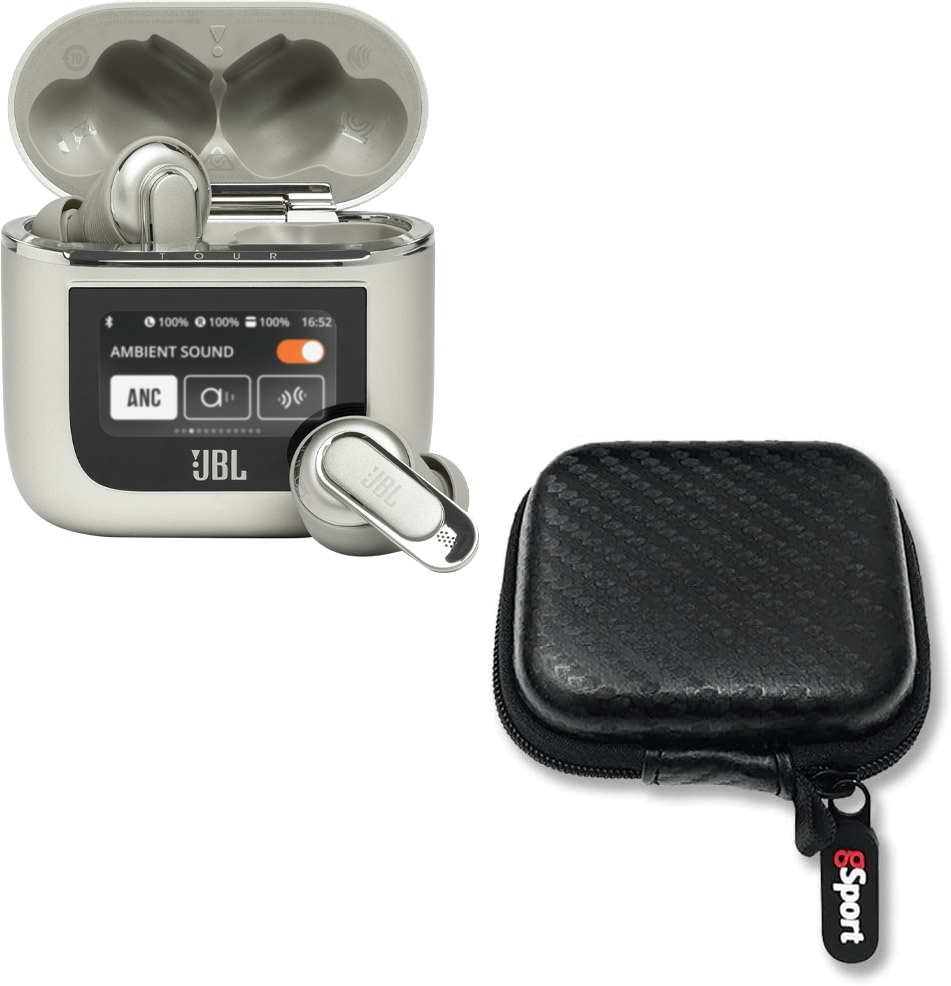
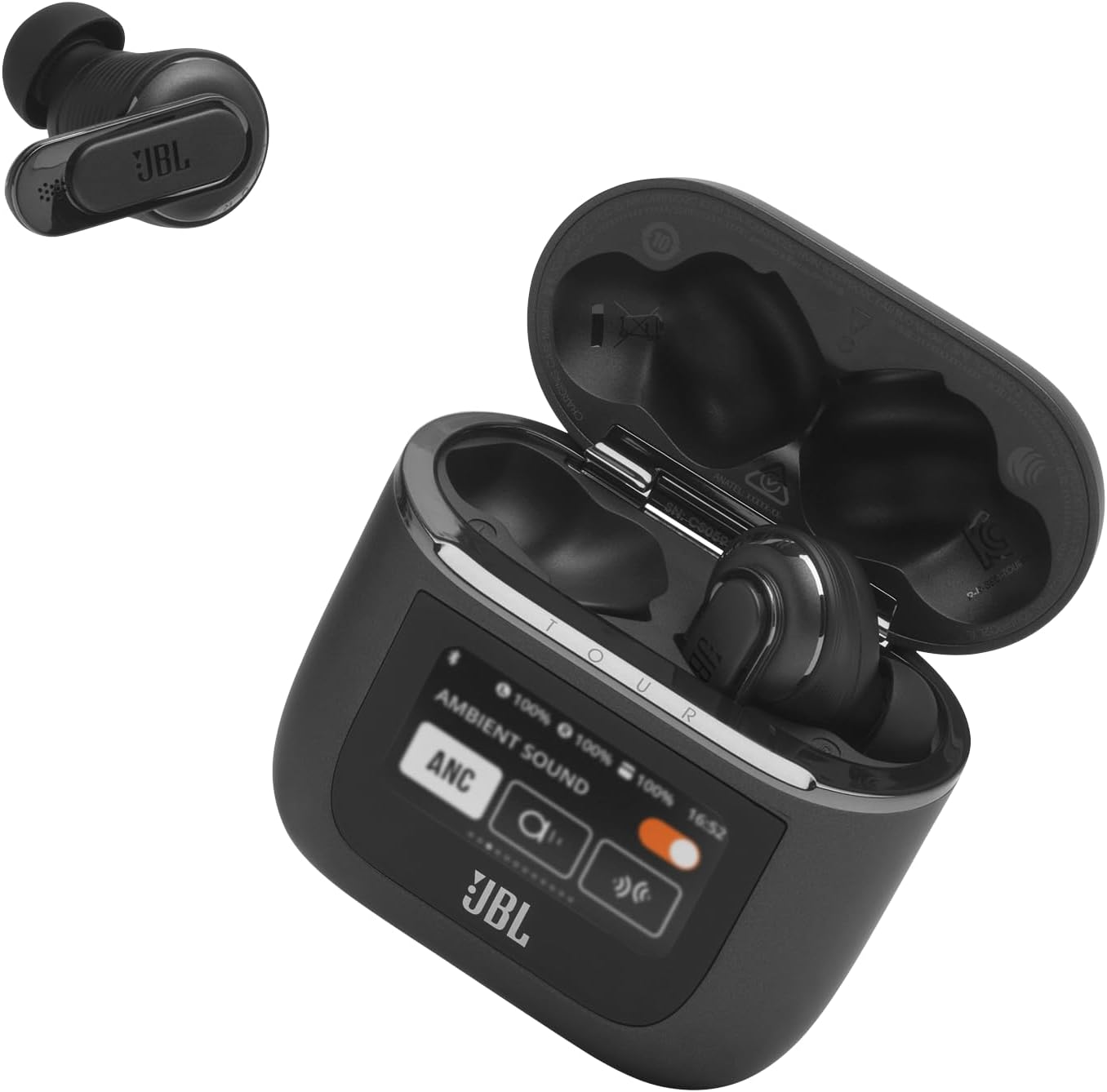
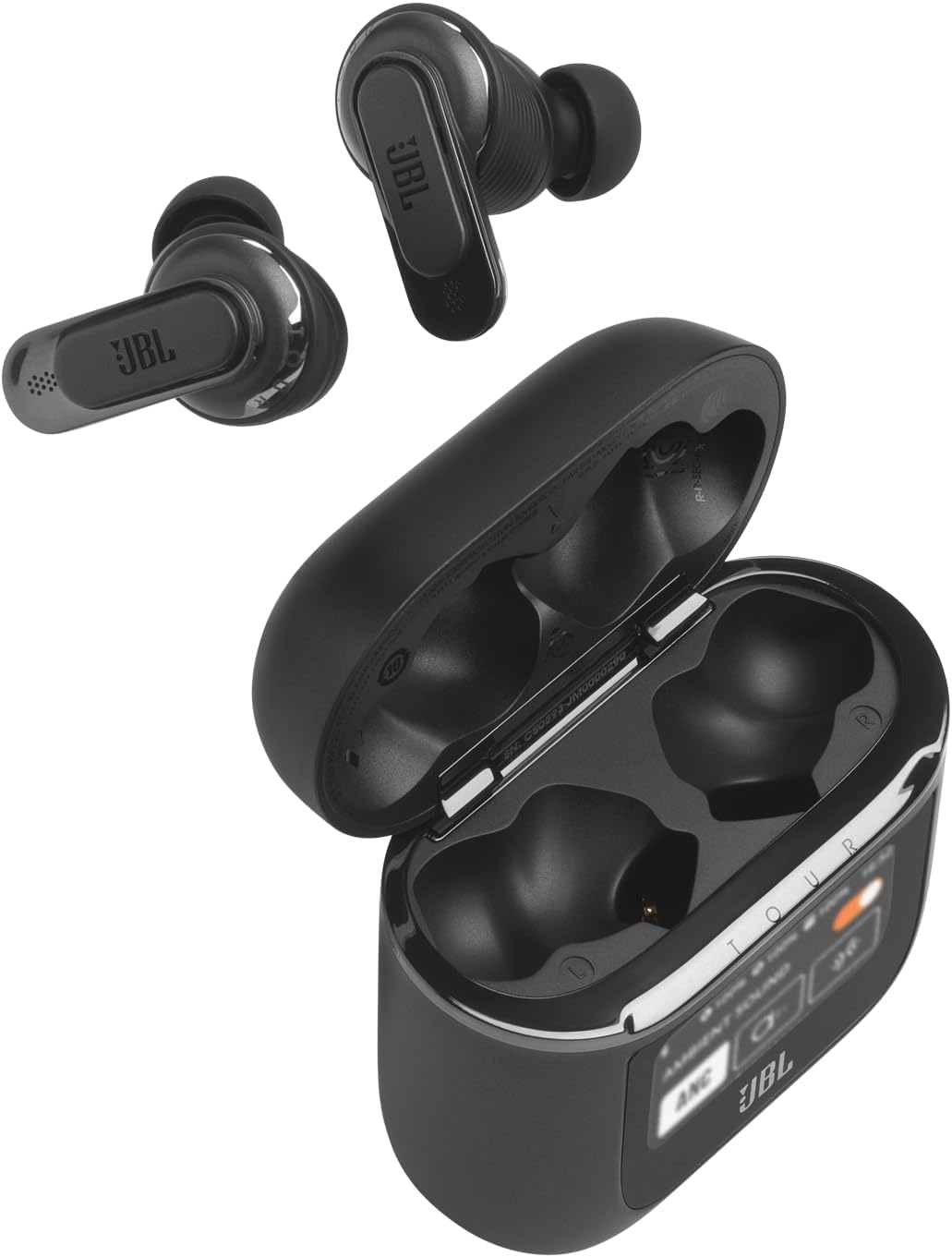
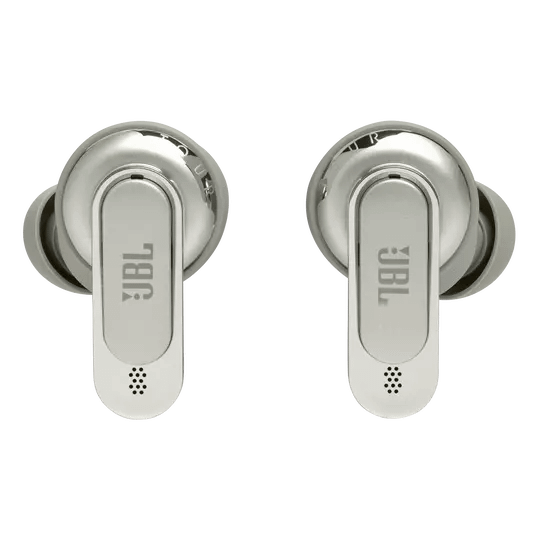
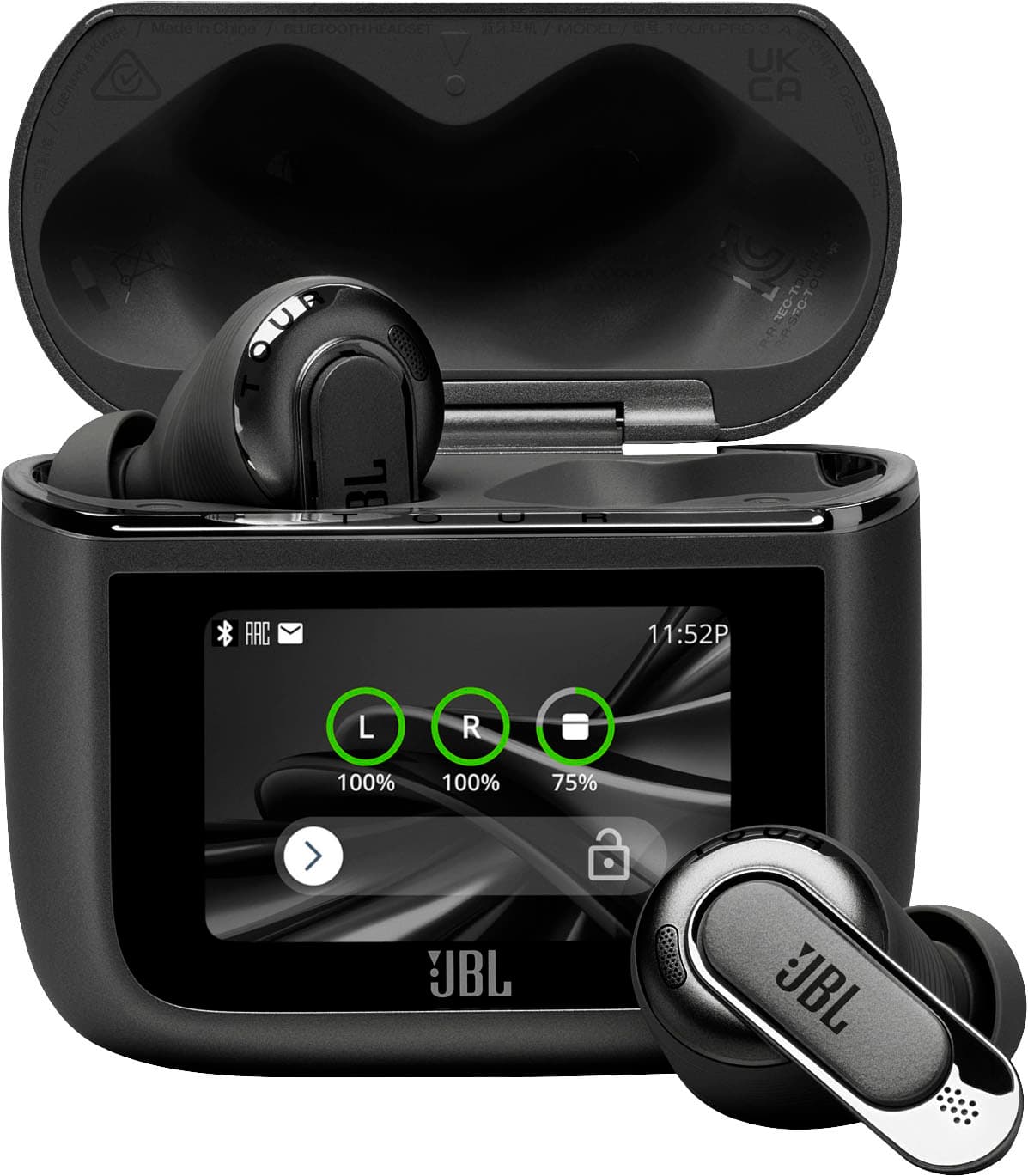


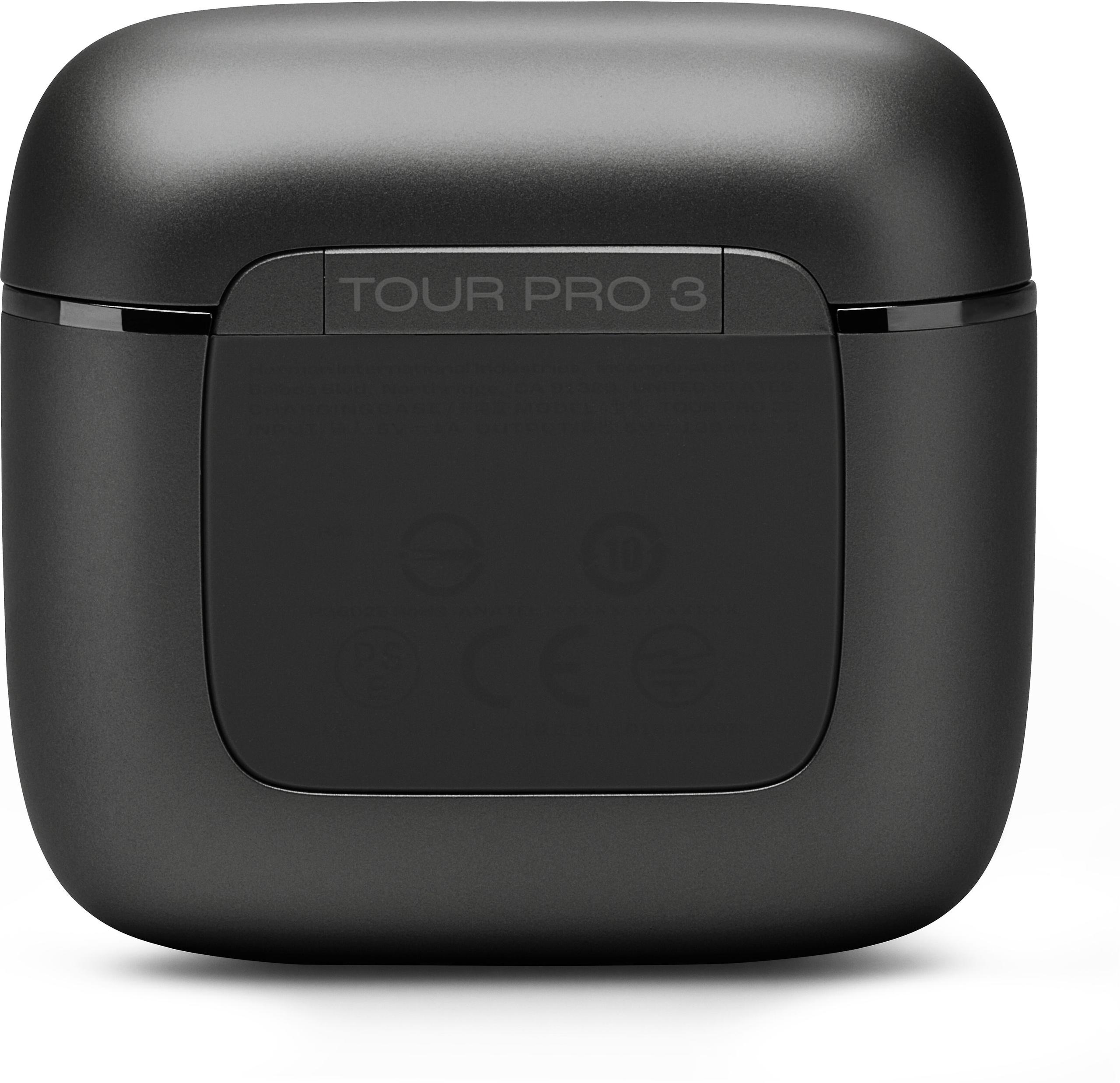
Shopping for premium wireless earbuds can feel overwhelming, especially when you're looking at two products from the same company that seem remarkably similar. The JBL Tour Pro 2 and JBL Tour Pro 3 represent JBL's flagship true wireless earbuds, but the devil is in the details when it comes to understanding which one deserves your hard-earned money.
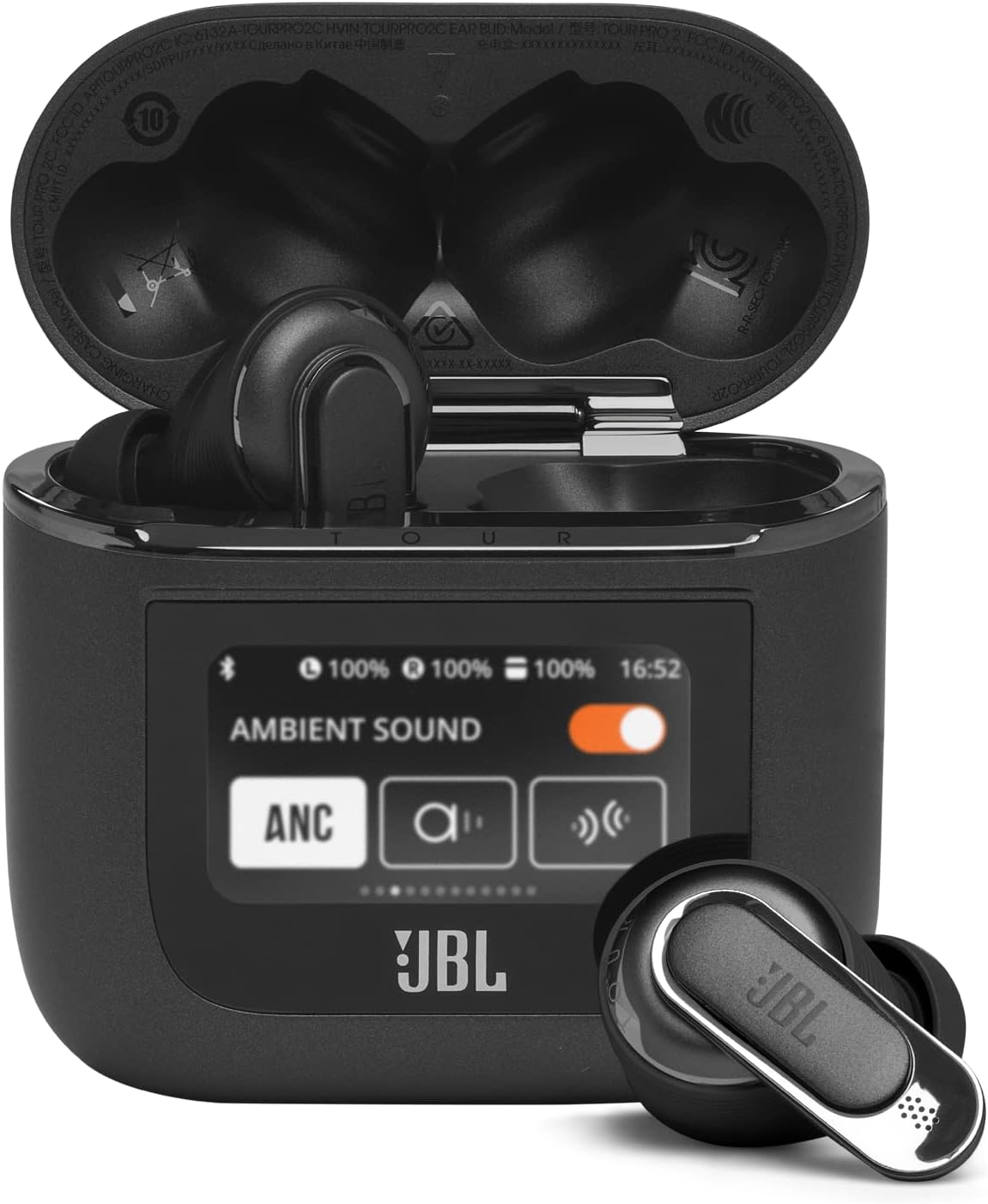
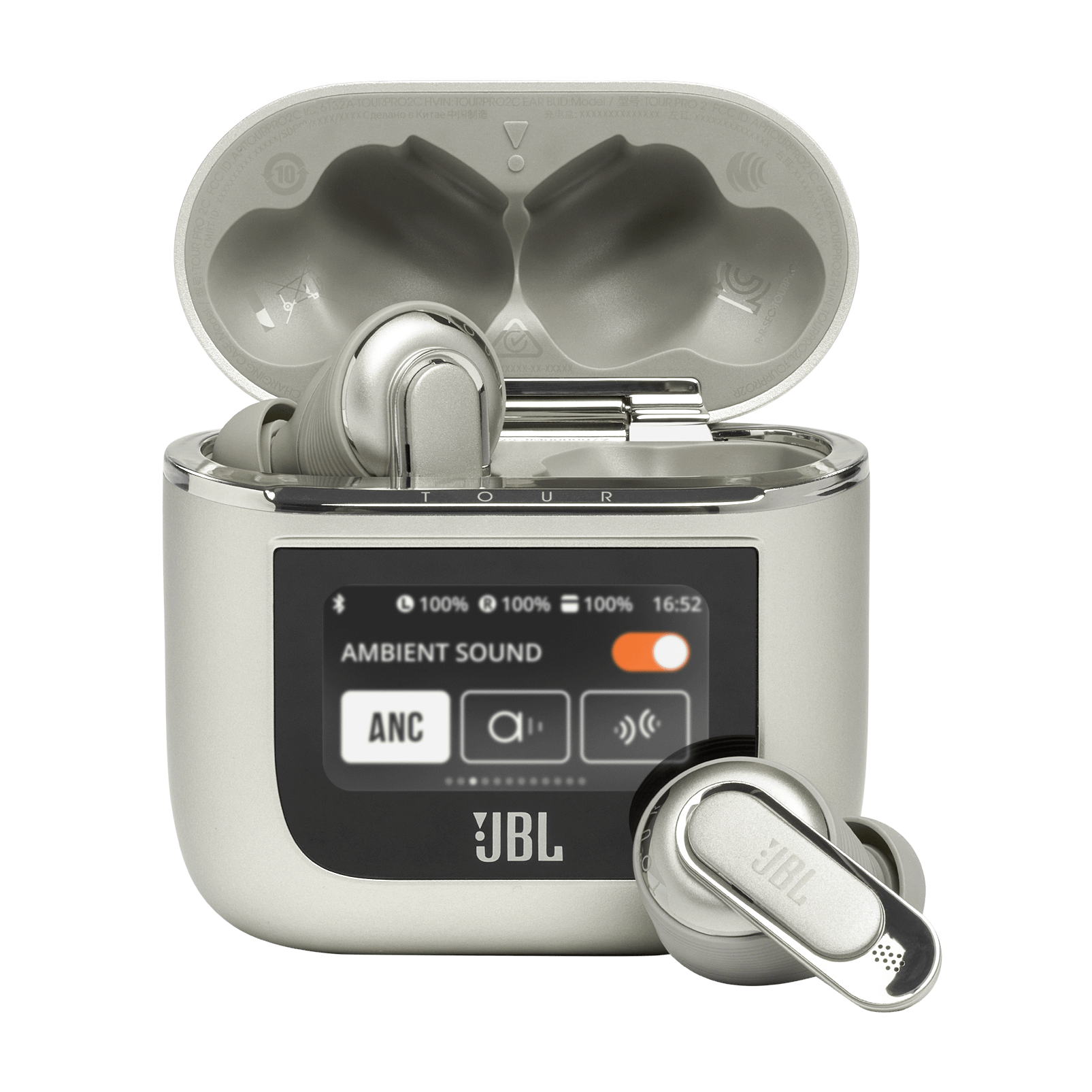
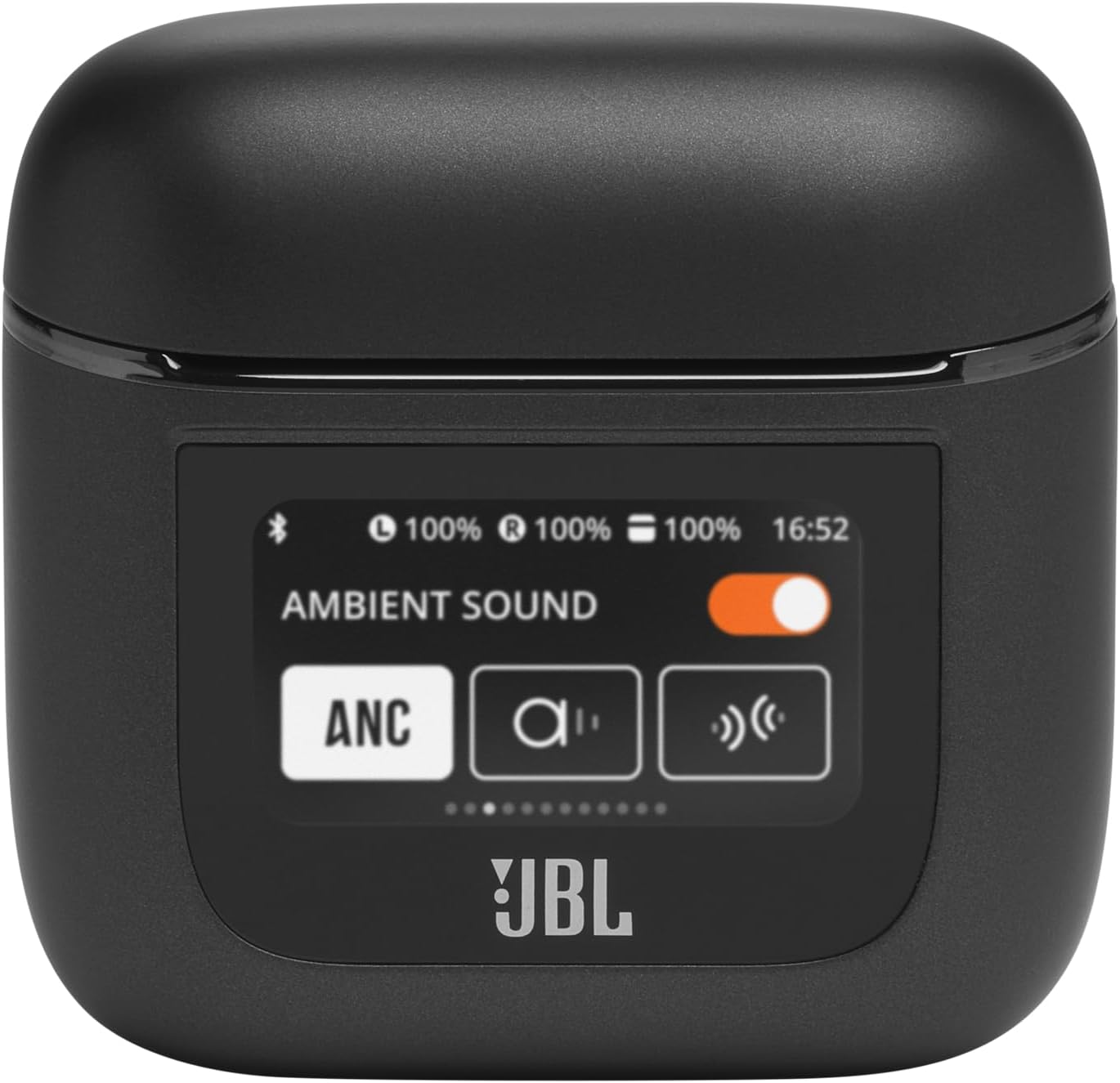
Both earbuds feature JBL's innovative Smart Charging Case—essentially a tiny touchscreen computer that controls your earbuds without needing to pull out your phone. It's a genuinely useful feature that sets these apart from competitors like Sony or Bose. But with the Tour Pro 3 commanding a premium over the Tour Pro 2 at the time of writing, the question becomes whether those improvements justify spending more.
Before diving into specifics, let's talk about what makes earbuds "premium" in 2024. We're not just talking about wireless connectivity anymore—that's table stakes. Premium earbuds need to excel in several key areas that directly impact your daily experience.
Audio quality sits at the foundation. This means clear, detailed sound across all frequencies (bass, mids, and treble), with enough power to make your music feel alive. The driver—basically the tiny speaker inside each earbud—determines much of this performance. Larger drivers typically produce better bass, while specialized driver types like balanced armatures excel at reproducing crisp highs.
Active Noise Cancellation (ANC) has become essential for anyone commuting, traveling, or working in noisy environments. ANC works by using microphones to detect outside noise, then creating "anti-noise" sound waves that cancel it out. The effectiveness varies dramatically between products, with the best systems adapting in real-time to your environment.
Smart features separate premium earbuds from basic ones. This includes things like touch controls, voice assistant integration, customizable sound profiles, and increasingly, spatial audio that makes music feel like it's coming from around you rather than directly into your ears.
Battery life and comfort might not be flashy, but they determine whether you'll actually enjoy using your earbuds daily. Poor fit leads to constant readjustment and sound leakage, while short battery life means constant charging anxiety.
The JBL Tour Pro 2, released in 2022, established JBL as a serious competitor in the premium space primarily thanks to its Smart Charging Case innovation. The Tour Pro 3, arriving in 2024, builds on that foundation with meaningful improvements across every category.
Here's where the Tour Pro 3 shows its biggest advantages over the Tour Pro 2. JBL completely redesigned the audio system with what they call a "hybrid dual-driver" setup. Instead of the single 10mm driver in the Tour Pro 2, the Tour Pro 3 combines a 10mm dynamic driver with a 5.1mm balanced armature driver.
This might sound like marketing speak, but it makes a real difference. Dynamic drivers excel at producing powerful, clean bass and rich vocals—they move a lot of air, creating that satisfying thump you feel in your chest. Balanced armature drivers, originally developed for hearing aids, are tiny but incredibly precise, especially for high frequencies. They deliver crisp detail and sparkle in cymbals, acoustic guitar strings, and vocal consonants.
The result? The Tour Pro 3 creates what audiophiles call better "separation"—you can more easily distinguish individual instruments in complex music. Bass lines don't muddy up the vocals, and subtle details emerge that single-driver systems often miss.
I've spent considerable time with both earbuds, and the difference becomes most apparent with genres like jazz or classical music, where multiple instruments play simultaneously. The Tour Pro 2 presents everything competently but can feel a bit congested during busy passages. The Tour Pro 3 maintains clarity even when the orchestra swells or a jazz ensemble gets cooking.
The frequency response tells the technical story: the Tour Pro 3 extends from 20Hz to 40kHz compared to the Tour Pro 2's 20Hz to 20kHz range. That upper extension supports Hi-Res audio formats, though you'll need specific music files or streaming services to take advantage. More importantly, it indicates better overall driver quality and engineering.
Both earbuds support JBL's spatial audio technology, but the Tour Pro 3 adds head tracking. This means the soundstage—how wide and immersive the audio feels—stays fixed in space as you turn your head, similar to how sound works in real life. It's particularly effective for movies and makes music feel more three-dimensional.
Active noise cancellation has evolved rapidly, and the two-year gap between these earbuds shows. The Tour Pro 2 uses JBL's original True Adaptive Noise Cancelling with a 4-microphone system that measures and counters outside noise in real-time.
The Tour Pro 3 upgrades to True Adaptive Noise Cancellation 2.0, which samples the environment over 50,000 times per second. That's not just a bigger number—it means the system can react much faster to sudden changes, like when a train passes or someone starts talking loudly nearby.
In practical testing, both earbuds handle constant, droning noises well—airplane engines, air conditioning, traffic rumble. Where the Tour Pro 3 pulls ahead is with variable and higher-frequency sounds. Conversations, keyboard clicking, and sudden noises get filtered out more effectively.
The transparency mode (called Ambient Aware) also improves on the Tour Pro 3. When you need to hear announcements or have a quick conversation, transparency mode lets outside sound through. The Tour Pro 2 can sound a bit artificial and compressed in this mode, while the Tour Pro 3 sounds more natural.
Both systems adapt automatically, but the Tour Pro 3 does it more smoothly. You're less likely to notice the system "thinking" as you move between quiet and noisy environments.
JBL's Smart Charging Case remains the standout feature that separates these earbuds from everything else on the market. Instead of fumbling with your phone to change settings, you control everything from the case's touchscreen.
The Tour Pro 3 enlarges the screen by 30%—from 1.45 inches to 1.57 inches. That might not sound like much, but it makes navigation noticeably easier, especially for anyone with larger fingers or when using the case outdoors. The brighter display works better in sunlight, addressing a common complaint about the Tour Pro 2.
More importantly, the Tour Pro 3 adds genuine versatility with its audio transmitter functionality. The case can connect directly to airplane entertainment systems, gym equipment TVs, or your computer using the included USB-C and 3.5mm cables. This transforms the case into a wireless audio hub—you plug it into any audio source, and it transmits to your earbuds wirelessly.
I've tested this extensively during flights, and it's genuinely game-changing. Instead of dealing with airline-provided headphones or wired connections that restrict movement, you get your premium earbuds' full sound quality and noise cancellation while watching movies or listening to music through the plane's system.
The Tour Pro 3 also supports Auracast, a newer Bluetooth feature that lets you share audio with nearby compatible devices. Think of it like audio AirDrop—you can share what you're listening to with friends who have compatible earbuds.
Both cases display essential information like battery levels, track names, and caller ID, but the Tour Pro 3 shows more detailed metadata and supports 13 languages for international users.
Battery performance sees modest but meaningful improvements. The Tour Pro 3 provides 11 hours of playback per charge (with ANC off) compared to 10 hours for the Tour Pro 2. With the charging case, you get 44 total hours versus 40 hours. Both support quick charging—10 minutes provides about 3 hours of listening time.
These numbers assume moderate volume levels and mixed ANC usage. Heavy noise cancellation users or those who listen at high volumes will see shorter battery life, but both earbuds easily handle full workdays and most travel situations.
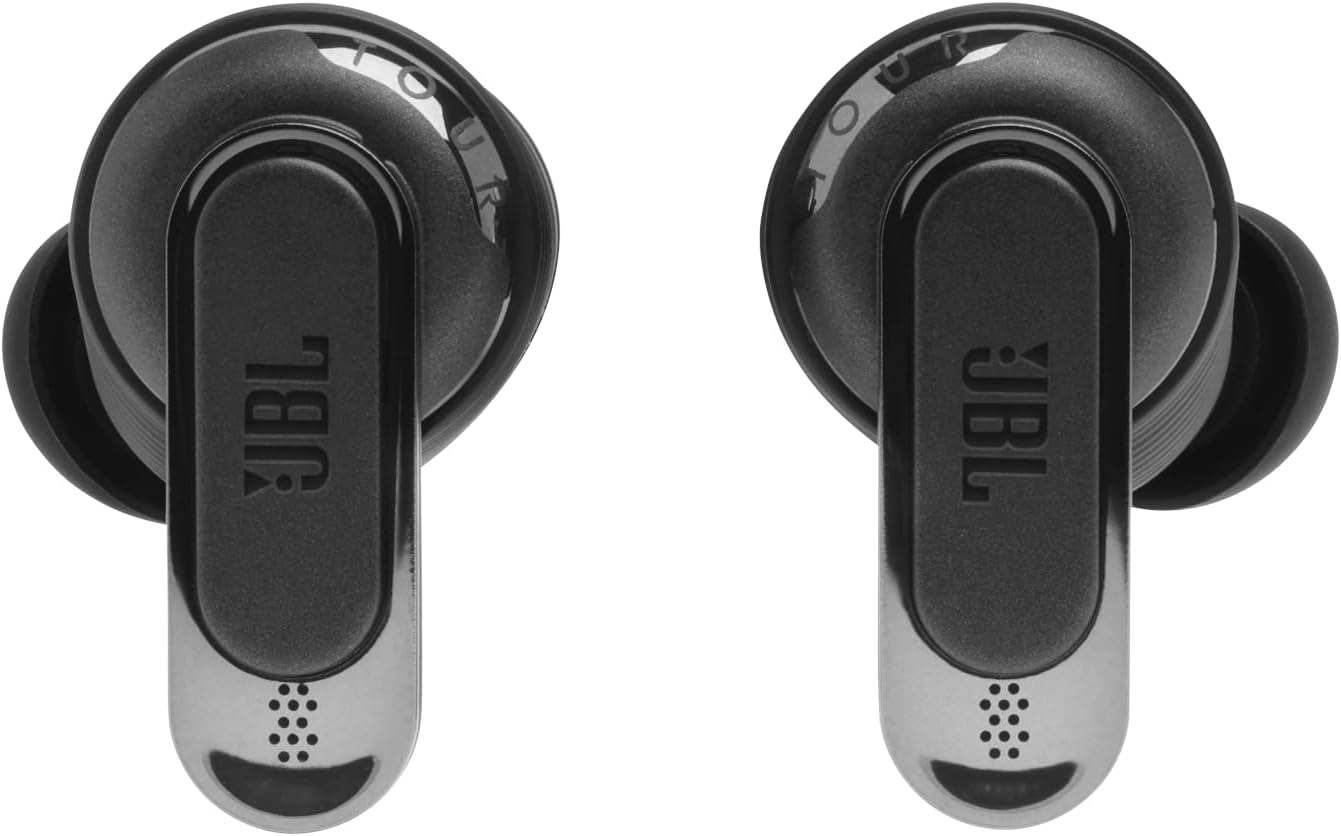
Comfort improvements on the Tour Pro 3 might seem minor on paper but matter for extended use. Each earbud weighs 5.6 grams versus 6.1 grams, and JBL redesigned the pressure distribution for better stability. The difference becomes noticeable during long listening sessions or workouts.
The Tour Pro 3 includes five silicone ear tip sizes plus memory foam tips, compared to just three silicone sizes with the Tour Pro 2. Getting the right fit is crucial for both comfort and sound quality—poor seal means bass leakage and reduced noise cancellation effectiveness.
Both earbuds carry strong water resistance ratings, with the Tour Pro 3 upgrading to IP55 (dust and water resistant) from the Tour Pro 2's IPX5 (water resistant only). Neither is designed for swimming, but both handle sweat, rain, and occasional splashes without concern.
While primarily designed for mobile use, both earbuds work well for home entertainment, though with different strengths. The Tour Pro 2 provides solid performance when connected directly to phones, tablets, or computers via Bluetooth.
The Tour Pro 3 opens up significantly more possibilities with its audio transmitter case. You can connect it to your TV's headphone jack or USB port and get wireless audio without the typical Bluetooth delays that make lip-sync problematic. The spatial audio with head tracking works particularly well for movies, creating a more immersive experience than traditional stereo.
For gaming, both earbuds introduce some latency (delay) when connected via standard Bluetooth, though the Tour Pro 3's wired case connection minimizes this issue. Neither is ideal for competitive gaming where every millisecond matters, but both work fine for casual gaming and story-driven titles.
When evaluating earbuds, certain measurements predict real-world performance better than others. Impedance tells you how much power the earbuds need—the Tour Pro 3's 32-ohm impedance versus the Tour Pro 2's 16-ohm rating suggests the newer model's drivers are more sophisticated and potentially deliver better dynamic range.
Driver size correlates with bass performance, but driver type matters more. The Tour Pro 3's hybrid system should theoretically deliver better frequency separation and detail retrieval than the Tour Pro 2's single driver approach.
Microphone sensitivity affects call quality. Both earbuds use multiple microphones with beam-forming technology (focusing on your voice while rejecting background noise), but the Tour Pro 3 adds AI-powered call processing that adapts to different acoustic environments.
The frequency response range extension on the Tour Pro 3 supports future audio formats and indicates better overall engineering, even if you can't consciously hear frequencies above 20kHz.
At the time of writing, the Tour Pro 3 commands a significant premium over the Tour Pro 2—roughly $80 more depending on sales and retailer. This price gap represents the key decision point for most buyers.
The Tour Pro 2 remains an excellent value proposition. It delivers the core Smart Charging Case experience, solid sound quality, effective noise cancellation, and proven reliability after two years in the market. For many users, especially those new to premium earbuds, it provides everything they need at a more accessible price point.
The Tour Pro 3 justifies its premium for users who will actually utilize its advanced features. The audio transmitter functionality alone adds significant value for frequent travelers. The improved sound quality, while not revolutionary, is clearly noticeable side-by-side. The enhanced noise cancellation performs better in challenging environments like busy offices or urban commutes.
Choose the JBL Tour Pro 2 if you want to experience JBL's Smart Charging Case innovation without paying for the absolute latest technology. It's ideal for casual listeners who primarily use earbuds for commuting, exercise, and general music enjoyment. The proven track record and lower price make it a safe, sensible choice that won't disappoint.
The Tour Pro 2 also makes sense for anyone hesitant about adopting first-generation features. While the Tour Pro 3 includes impressive technology, the Tour Pro 2 benefits from extensive real-world testing and firmware refinement.
Choose the JBL Tour Pro 3 if you're an audio enthusiast who can appreciate the hybrid driver system's improved detail and separation. It's worth the premium for frequent travelers who will use the audio transmitter functionality—being able to wirelessly connect to airplane entertainment systems or hotel TVs genuinely enhances the travel experience.
The Tour Pro 3 also suits users who demand maximum noise cancellation performance. If you work in noisy environments, live in busy urban areas, or take frequent flights, the improved ANC system provides measurable benefits.
Content creators, remote workers, and anyone who takes many calls should consider the Tour Pro 3 for its advanced microphone processing and clearer call quality in challenging acoustic environments.
Both earbuds represent strong values in their respective price ranges, but they serve different user priorities. The JBL Tour Pro 2 remains one of the best premium earbuds you can buy, offering innovative features and solid performance at a more accessible price.
The JBL Tour Pro 3 delivers meaningful improvements across every performance category, but the premium feels justified primarily for users who will utilize its unique features or demand the best possible audio quality.
Consider your actual usage patterns honestly. If you mostly listen to podcasts and streaming music during commutes, the Tour Pro 2 provides excellent value. If you're an audiophile who travels frequently and wants cutting-edge features, the Tour Pro 3 represents a worthwhile investment in your daily audio experience.
Either choice will serve you well—JBL has created two genuinely innovative products that stand out in an increasingly crowded market. The Smart Charging Case alone makes both earbuds unique, and the performance improvements in the Tour Pro 3 show JBL's commitment to refining an already successful formula.
| JBL Tour Pro 2 | JBL Tour Pro 3 |
|---|---|
| Driver System - Core component that determines sound quality | |
| Single 10mm dynamic driver (solid all-around performance) | Hybrid: 10mm dynamic + 5.1mm balanced armature (better detail separation) |
| Frequency Response - Range of sounds the earbuds can reproduce | |
| 20Hz - 20kHz (covers all audible frequencies) | 20Hz - 40kHz (supports Hi-Res audio formats) |
| Active Noise Cancellation - Essential for blocking distractions | |
| True Adaptive ANC with 4 mics (good for most environments) | True Adaptive ANC 2.0 with 6 mics (better at sudden noise changes) |
| Smart Case Screen Size - Controls earbuds without your phone | |
| 1.45" touchscreen (industry first, adequate for basic control) | 1.57" touchscreen (30% larger, easier outdoor use) |
| Audio Transmitter Feature - Connects to non-Bluetooth devices | |
| Not available | Case connects to airplane/TV/PC systems via included cables |
| Battery Life Per Charge - How long earbuds last without case | |
| 10 hours (ANC off) / 8 hours (ANC on) | 11 hours (ANC off) / 8 hours (ANC on) |
| Total Battery Life - Including charging case | |
| 40 hours (ANC off) / 30 hours (ANC on) | 44 hours (ANC off) / 32 hours (ANC on) |
| Water Resistance - Protection against moisture and dust | |
| IPX5 (water resistant, good for workouts) | IP55 (dust and water resistant, better overall protection) |
| Weight Per Earbud - Affects comfort during extended wear | |
| 6.1g each (comfortable for most users) | 5.6g each (lighter, better for all-day wear) |
| Included Ear Tips - Critical for proper fit and sound seal | |
| 3 silicone sizes | 5 silicone sizes + memory foam tips |
| Spatial Audio - Creates immersive 3D sound experience | |
| JBL Spatial Sound (basic surround effect) | JBL Spatial 360 with head tracking (adapts as you move) |
| Bluetooth Codec Support - Affects wireless audio quality | |
| Standard Bluetooth codecs | LDAC support (3x more data for better quality) |
| Release Year - Indicates technology generation | |
| 2022 (established, refined firmware) | 2024 (latest features, cutting-edge tech) |
| Value Proposition - Who gets the best deal | |
| Excellent features at lower price point | Premium features justify higher cost for power users |
The biggest difference is that the JBL Tour Pro 3 features a hybrid dual-driver system (10mm dynamic + 5.1mm balanced armature) compared to the JBL Tour Pro 2's single 10mm driver. The Tour Pro 3 also has a 30% larger touchscreen case, better noise cancellation, and can act as an audio transmitter for connecting to airplane entertainment systems or TVs.
The JBL Tour Pro 3 delivers superior sound quality with its hybrid driver system providing better instrument separation and detail. It supports Hi-Res audio with LDAC codec and extends frequency response to 40kHz versus 20kHz on the Tour Pro 2. However, the JBL Tour Pro 2 still offers excellent sound quality that satisfies most listeners.
Yes, the JBL Tour Pro 3 features True Adaptive Noise Cancellation 2.0 that samples the environment 50,000+ times per second, compared to the original system in the Tour Pro 2. The Tour Pro 3 is noticeably better at blocking sudden noises and higher-frequency sounds like conversations.
The JBL Tour Pro 3 offers 11 hours per charge (ANC off) versus 10 hours for the Tour Pro 2. With the charging case, you get 44 total hours from the Tour Pro 3 compared to 40 hours from the Tour Pro 2. Both support quick charging for 3 hours of playback with a 10-minute charge.
The JBL Tour Pro 3 excels for home theater use because its Smart Case can connect directly to TVs, gaming consoles, or other devices using the included USB-C and 3.5mm cables. This eliminates Bluetooth delay issues. The Tour Pro 2 works via standard Bluetooth but may have slight audio delay for video content.
The JBL Tour Pro 3 is lighter at 5.6g per earbud versus 6.1g for the Tour Pro 2, with improved pressure distribution for better stability. The Tour Pro 3 also includes five silicone tip sizes plus memory foam tips, while the Tour Pro 2 only includes three silicone sizes.
The JBL Tour Pro 3 justifies its premium for frequent travelers who'll use the audio transmitter feature, audiophiles who want the best sound quality, and users needing maximum noise cancellation. The Tour Pro 2 remains excellent value for casual listeners who want smart features at a lower price point.
The JBL Tour Pro 3 offers superior call quality with six microphones (versus four on the Tour Pro 2) and AI-powered call processing that adapts to different environments. Both feature wind-resistant designs, but the Tour Pro 3 handles challenging acoustic situations better.
Only the JBL Tour Pro 3 supports Auracast technology, which lets you share audio with nearby compatible devices. The Tour Pro 2 doesn't have this feature. Both earbuds allow you to use one earbud while the other charges, but true audio sharing requires the newer model.
Both models handle workouts well, but the JBL Tour Pro 3 has advantages with its lighter weight, better fit stability, and IP55 rating (dust and water resistant) versus the Tour Pro 2's IPX5 rating (water resistant only). The Tour Pro 3 stays secure during movement better due to improved ergonomics.
Yes, both the JBL Tour Pro 2 and JBL Tour Pro 3 feature JBL's innovative Smart Charging Case with touchscreen control. The Tour Pro 3 has a 30% larger, brighter display that works better in sunlight, while the Tour Pro 2 introduced this groundbreaking feature to the market in 2022.
The JBL Tour Pro 2 is ideal for first-time premium earbud buyers, offering all essential features at a more accessible price with two years of proven reliability. Choose the JBL Tour Pro 3 if you're already familiar with premium earbuds and want cutting-edge features like the audio transmitter functionality and hybrid drivers.
We've done our best to create useful and informative comparisons to help you decide what product to buy. Our research uses advanced automated methods to create this comparison and perfection is not possible - please contact us for corrections or questions. These are the sites we've researched in the creation of this article: whathifi.com - eftm.com - jbl.com - gamingtrend.com - seriousinsights.net - harmanaudio.com - youtube.com - soundstagesolo.com - jbl.com - soundguys.com - youtube.com - harmanaudio.com - tomsguide.com - ign.com - jbl.com - retailspecs.com - youtube.com - youtube.com - harmanaudio.com - bhphotovideo.com - jbl.com - bhphotovideo.com - youtube.com - headphones.com - jbl.com - mm.jbl.com - youtube.com - versus.com - uk.jbl.com - youtube.com - goodhousekeeping.com - harmanaudio.com - shop.oprahdaily.com - youtube.com - geekzone.co.nz - techradar.com - sweetwater.com - news.jbl.com - youtube.com - harmanaudio.com - jbl.com - krazykileys.ca - jbl.com - shop.menshealth.com - sweetwater.com

Privacy Policy
Terms and Conditions - Affiliate Policy
Home Security
© Copyright 2008-2026.
11816 Inwood Rd #1211, Dallas, TX 75244